

Results 1 to 5 of 5
Thread Information
Users Browsing this Thread
There are currently 1 users browsing this thread. (0 members and 1 guests)
 LinkBack URL
 About LinkBacks
-
04-18-2025, 11:34 AM #1Senior Member


- Join Date
- Aug 2018
- Posts
- 96,987
Autism rates reach 1-in-31 as HHS Secretary Kennedy warns of “unprecedented crisis”
Autism rates reach 1-in-31 as HHS Secretary Kennedy warns of “unprecedented crisis”
04/18/2025 // Willow Tohi // 360 Views
Tags: . vaccines, autism, autism causes, badhealth, badmedicine, badscience, big government, Big Pharma, brain damaged, Censored Science, Dangerous Medicine, Donald Trump, health science, Mind, mind body science, pharmaceutical fraud, progress, RFK Jr, vaccine injury, vaccine wars
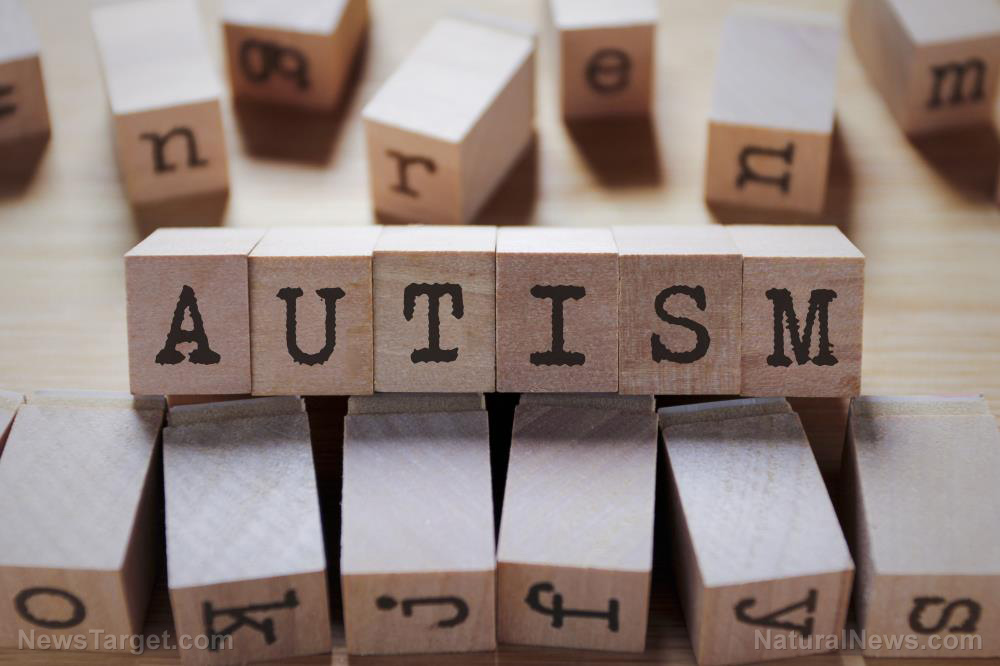
- The CDC reports autism now affects 1 in 31 U.S. children by age 8 (up from 1 in 36 in 2020) — a 16% increase — with boys and California showing the highest rates. HHS Secretary Robert F. Kennedy Jr. calls it an "unprecedented epidemic."
- Kennedy pushes to investigate vaccines as a potential environmental trigger for autism. He vows to identify ASD causes by September 2025 and reform vaccine safety programs like the National Vaccine Injury Compensation Program.
- Scientists, including Dr. Alex Kolevzon, dispute the "epidemic" label, attributing rising rates to broader diagnostic criteria and better detection. They warn that vaccine hesitancy fueled by Kennedy’s stance risks measles outbreaks and public health harm.
- Parent groups (e.g., Health Freedom Ohio) demand transparency from pharmaceutical companies, citing lack of placebo-controlled trials and liability shields. Some share personal stories of post-vaccine regression and promote holistic therapies as alternatives.
A new report from the Centers for Disease Control and Prevention (CDC) shows autism now affects 1 in 31 U.S. children by age 8, marking a 16.1% increase from findings two years earlier. The soaring numbers have prompted a fierce debate over causes, with Health and Human Services Secretary Robert F. Kennedy Jr. calling the rise an “unprecedented epidemic” and framing it as a crisis “a thousand times more threatening than COVID-19.” At the heart of the controversy is Kennedy’s insistence on exploring potential links to vaccines — viewed as heretical by mainstream scientists — and the growing demands from advocacy groups for transparency and systemic reform.
CDC report reveals steep increase in autism prevalence
The CDC’s Autism and Developmental Disabilities Monitoring (ADDM) Network survey, published April 15, 2025, found 1 in 31 children born in 2014 are diagnosed with autism spectrum disorder (ASD) by age 8, up from 1 in 36 in 2020. The rise, described as “astounding” by Kennedy, reaches 1 in 20 boys and 1 in 12.5 in California, the highest recorded rate in the U.S. The CDC attributes the surge partly to greater awareness and diagnostic improvements, but Kennedy dismisses this explanation. “Doctors in the past weren’t missing cases,” he stated, accusing authorities of ignoring environmental factors and pharmaceutical influence.
The climb is stark compared to 1992, when ASD prevalence was 1 in 150. By 2000, it was 1 in 150, rising to 1 in 44 by 2018 and 1 in 36 by 2020. Kennedy’s HHS now calls for urgent research into these environmental triggers, including vaccines. “By September, we will know what caused this epidemic, and we’ll eliminate those exposures,” he vowed at a Cabinet meeting earlier this month, pledging to assemble a global team of scientists.
Kennedy’s crusade against vaccine safety paradigms
An outspoken critic of the system, Kennedy has long tied childhood ASD to neurotoxic additives in vaccines, such as aluminum adjuvants. His stance clashes with the scientific consensus, which has repeatedly discredited the vaccine-autism link through multiple studies. Yet his appointment as HHS Secretary — bolstered by President Donald Trump’s directive to investigate ASD origins — has injected urgency into the debate.
Kennedy’s initiatives include revamping the National Institutes of Health to prioritize environmental and genetic ASD research over drug development. “The risks of this crisis are beyond imagine,” he said, citing costs including lost productivity and lifelong care. His team has also launched efforts to reform the 1986 National Vaccine Injury Compensation Program (VICP), which shielded manufacturers from liability, critics argue, discouraging safety transparency.
Skeptics, however, question his approach. Kristyn Roth of the Autism Society of America warned the "@EpochTimesHealth" that Kennedy risks “going backward” by resurrecting “debunked theories.” Experts like Dr. Alex Kolevzon, director of Mount Sinai’s Seaver Autism Center, counter that “vaccines do not cause autism” and dispute the “epidemic” framing, noting the rise reflects better detection rather than a true increase in cases.
Advocates push for transparency amid rising parental concerns
Parent advocates, meanwhile, argue the system has failed families like Noah’s mother, who recounted her son’s regression after an MMR vaccine injury. Her journey inspired an autism-focused conference and a nonprofit offering holistic healing solutions, emphasizing diet and environmental detox.
Groups such as Health Freedom Ohio and Mississippi Parents for Vaccine Rights are demanding rigorous safety studies and accountability for pharmaceutical companies. “There’s no liability for Big Pharma,” said Ms. Perry of the latter group, citing the lack of placebo-controlled vaccine trials. Parents like Scott Shoemaker, president of Health Freedom Ohio, insist the U.S. has “failed the most vulnerable” through vaccine mandates and corporate influence.
Technological tools are also emerging to bridge gaps in research. A planned open-source AI model, focusing on links between ASD and toxins, aims to aggregate studies acknowledging the vaccine-autism connection — a departure from mainstream models.
Scientific community contests the “epidemic” label
The belief that environmental exposures like vaccines drive ASD clashes with scientific consensus that genetics plays the largest role. Dr. Kolevzon noted the rise partly reflects evolving diagnostic criteria, and he stressed the dangers of vaccine hesitancy driven by misinformation. “We’re seeing measles cases again because of this,” he said.
The CDC’s report also found ASD prevalence higher among Black and Hispanic children than white peers — a disparity attributed to improved access to services. However, Kennedy and advocates argue it signals deeper inequities in environmental toxin exposure, which the HHS plans to investigate.
The road ahead – navigating science and advocacy in the ASD debate
As Kennedy’s September 2025 deadline looms, the ASD issue tests America’s trust in both science and activism. For families like Noah’s, the fight is personal: “The truth will win,” his mother said. Scientists caution, however, that deviating from evidence-based findings risks public health consequences.
The outcome could redefine vaccination protocols, public health governance and support for ASD communities. Whether Kennedy’s team uncovers a “Big Pharma” conspiracy or confirms the complexity of genetics and environment remains uncertain. One truth is clear: The stakes for America’s children — and its faith in science — are enormous.
Sources include:
ZeroHedge.com
TheEpochTimes.com
NBCNews.com
Autism rates reach 1-in-31 as HHS Secretary Kennedy warns of “unprecedented crisis” – NaturalNews.com
If you're gonna fight, fight like you're the third monkey on the ramp to Noah's Ark... and brother its starting to rain. Join our efforts to Secure America's Borders and End Illegal Immigration by Joining ALIPAC's E-Mail Alerts network (CLICK HERE)
-
04-27-2025, 12:51 PM #2Senior Member
- Join Date
- Aug 2018
- Posts
- 96,987
Understanding AUTISM as a SPECTRUM: A guide for parents and families
04/27/2025 // Olivia Cook // 340 Views
Tags: adhd, Applied Behavior Analysis, autism awareness, autism research, Autism spectrum disorder, child development, intellectual disabilities, language delays, neurodevelopment differences, neurodiversity, nutraceuticals, parenting, pharmaceuticals
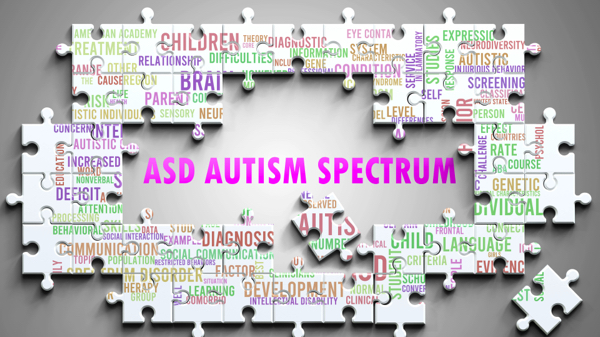
- Autism spectrum disorder (ASD) involves a wide range of differences in behavior, communication and social interaction, making each person with autism unique.
- Early diagnosis and tailored interventions significantly improve outcomes, helping children develop behavior, communication and social skills.
- While no medication cures autism, some can manage related issues like anxiety, aggression or hyperactivity when part of a broader care plan.
- A thorough evaluation from multiple specialists ensures the correct diagnosis and helps differentiate ASD from other conditions with overlapping symptoms.
- Autism is a lifelong journey. Ongoing support, individualized care and a collaborative approach from families, schools and healthcare professionals are essential for long-term success and well-being.
Based on a 2025 publication from StatPearls, National Center for Biotechnology Information (NCBI), National Library of Medicine (NLM), autism spectrum disorder (ASD) is not a single diagnosis. It is a range of developmental differences that affect how individuals interact with the world. For families navigating an autism diagnosis, the journey can be full of uncertainty. But it can also be a path toward understanding growth and meaningful connection.
Recognizing autism as a spectrum opens the door to more inclusive, personalized and effective care. It reminds people that each person with autism is unique – with their own strengths, challenges and potential.
ASD is marked by differences in behavior, communication, sensory processing and social interaction. But those differences vary widely from person to person. Some individuals may need full-time support throughout life, while others live independently and pursue careers, families and higher education.
The broad range – what scientists call "heterogeneity" – makes ASD one of the most complex conditions to diagnose and treat. That's why experts now emphasize individualized approaches rather than trying to fit everyone into a single mold.
Modern diagnostic frameworks take into account "neurodiversity" – the idea that differences in brain function are natural variations of the human experience – not deficits to be fixed. This shift helps focus care on empowering individuals and not just treating symptoms.
The power of early intervention
One of the most important tools in autism care is timing. Research consistently shows that early intervention – especially in the first years of life – can make a significant difference in a child's development.
Interventions like Applied Behavior Analysis (ABA), Early Intensive Behavioral Intervention (EIBI) and parent-led therapies are especially effective when tailored to each child's strengths and needs. These programs, among other focused intervention practices for ASD and comprehensive program models, work best when they support, not override, a child's natural way of learning.
A team approach often yields the best results. That means bringing together speech-language pathologists, occupational therapists, psychologists, educators and pediatricians to work collaboratively. No one discipline has all the answers but together they can create a holistic plan that support both the child and their family.
Beyond therapy: When medication can help
There is no pill that "cures" autism – and that is not the goal. Medications, whether they're nutraceuticals (FOODceuticals) or pharmaceuticals, can sometimes help manage related challenges, such as anxiety, aggression, attention issues or sleep problems. For example, stimulants like methylphenidate may be used if a child also shows signs of attention deficit hyperactivity disorder (ADHD). Selective Serotonin Reuptake Inhibitors (SSRIs), a type of serotonin-related antidepressant medication, might help with anxiety or repetitive behaviors. In more severe cases, atypical antipsychotics can reduce aggression and irritability. On the nutraceutical side. Supplements like omega-3 fatty acids or melatonin are sometimes used to support mood and improve sleep.
These decisions are always made thoughtfully. Medication is never a standalone solution – it's part of a broader care plan tat includes behavioral therapies, educational support and regular check-ins with healthcare providers.
Diagnosing with care and precision
Getting an autism diagnosis is not always straightforward. Many other conditions, such as ADHD, language delays, intellectual disabilities or rare genetic syndromes, can look similar, especially in young children.
That's why a thorough evaluation is essential. It may include developmental screenings, medical tests and inputs from multiple specialists. In some cases, genetic testing or brain imaging is recommended to rule out other conditions or understand contributing factors.
Accurate diagnosis not only helps families access the right services. It also offers a clearer picture of what the future may hold. (Related: AUTISM or something else? The MISDIAGNOSIS problem and how to get the right diagnosis.)
Prognosis: Every journey is different
The outlook for someone with autism depends on many factors, including cognitive abilities, language skills, early access to support and the presence of other conditions. While some individuals will need lifelong care, others grow into independent adults with fulfilling lives.
What helps most? Supportive environments, involved families, inclusive education and a care system that understands each person's unique needs. Social communication may remain a challenge for some but that does not mean relationships or success are out of reach.
Challenges, like epilepsy, sleep problems and mental health conditions (e.g., anxiety or depression) are more common among autistic individuals and may require additional care. But with the right support, these challenges can be managed, and many people with autism report a high quality of life.
Autism does not end with childhood. It is a lifelong experience, and support should extend across all stages of life – from early learning to adulthood and beyond.
Watch this video explaining the autism spectrum.
This video is from the Daily Videos channel on Brighteon.com.
More related stories:
Rethinking autism: How maternal health during pregnancy influences a child's autism risk.
Understanding AUTISM: A comprehensive look at its causes and impact, according to science.
Science reshapes autism care by looking beyond the brain.
Sources include:
NCBI.NLM.NIH.gov
Brighteon.com
Understanding AUTISM as a SPECTRUM: A guide for parents and families – NaturalNews.com
If you're gonna fight, fight like you're the third monkey on the ramp to Noah's Ark... and brother its starting to rain. Join our efforts to Secure America's Borders and End Illegal Immigration by Joining ALIPAC's E-Mail Alerts network (CLICK HERE)
-
04-27-2025, 01:33 PM #3Senior Member
- Join Date
- Aug 2018
- Posts
- 96,987
Autism and ADHD: A study of two journeys in the brain’s attention highway
04/26/2025 // Olivia Cook // 940 Views
Tags: adhd, ADHD awareness, ASD, attention regulation, autism, autism acceptance, Autism spectrum disorder, Brain, brain function, brain science, invisible disabilities, mental, Mind, neurodevelopment disorders, neurodiversity
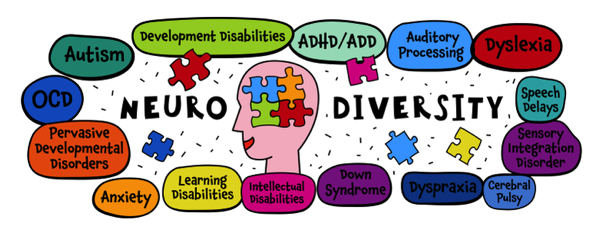
- ADHD is a neurological difference centered on attention regulation, often involving a need for stimulation, distraction and impulsivity.
- Autism involves a suite of neurological differences – including emotional, sensory and social processing – and may include attention differences (both over- or under-regulated).
- Both conditions can involve difficulty regulating attention, but with different underlying causes and patterns.
- Uneven abilities (e.g., excelling in some areas while struggling in others) are a hallmark of autism but not necessarily of ADHD.
- Diagnosis is complex – overlapping traits can mask or mimic each other and context matters.
- ADHD = a single color; autism = the full rainbow – the neurodiversity metaphor helps illustrate the complexity and richness of each condition.
Ever feel like your brain just won't sit still? Or maybe it won't let go of a thought, no matter how much you want it to? These are two sides of a neurodiverse coin – and they are key to understanding two of the most common developmental differences: ADHD (attention deficit hyperactivity disorder) and autism.
While they can look similar on the surface, ADHD and autism are distinct conditions. But here's the twist: they also overlap. And when they do, diagnosis, support and understanding can get messy.
This article is inspired by the 2022 study published in Frontiers in Psychiatry and the powerful personal reflections of Paul Micallef, founder and host of the platform AspergersFromTheInside. His work helps bridge the gap between lived experience and scientific understanding, offering connection, education and support to individuals navigating autism spectrum disorder (ASD). Together, these sources reveal a deeper, cleaner picture of ADHD and autism, not just as diagnoses but as distinct and overlapping ways of feeling, thinking and experiencing the world.
Same behavior, different brain
At a glance, kids (and adults) with ADHD or autism can seem very similar. Both might struggle with focus, have difficulty in social situations or show intense interest in certain activities. But what's going on under the surface isn't always the same.
Imagine two people, both standing still in the middle of a rainy street. On the surface, their behavior looks the same, but their reasons for standing there might be completely different. One may be stuck because they're "under-regulated" – distracted, overwhelmed and unable to figure out what to do next. The other might be "over-regulated" – hyper-focused on finishing a specific mental checklist before moving. Same behavior but different brain patterns – and different kinds of support would help each person.
ADHD is primarily about under-regulation of attention: trouble focusing, sitting still or waiting your turn. It is powered by emotion and stimulation – when something is exciting, the brain kicks into overdrive. When it's not, starting can feel impossible. Autism, on the other hand, can involve over-regulation – difficulty switching gears, letting go or adapting to change. Autistic people may focus so intensely that they lose track of time or struggle to transition between tasks, even when they want to. But autism also includes a much wider range of neurological differences beyond attention, from sensory sensitivities to emotional processing and social perception.
Attention: Too little, too much or just different?
Attention is not one-size-fits-all. Some people have trouble starting a task, others can't stop. Some bounce between ideas, others get stuck in a loop. Here's how these differences play out:
- ADHD often looks like inattention and impulsivity – losing focus, forgetting instructions or acting without thinking.
- Autism can look like hyperfocus, obsession or rigidity – staying locked onto a single activity, idea or thought, sometimes to the exclusion of everything else.
- Both conditions can struggle with regulation – it's just that the "traffic jam" in the brain happens for different reasons.
This is why a child who seems inattentive in class might actually be laser-focused on something else, like a buzzing light or a deep thought they can't shake. Or why a child who seems inflexible might be trying to manage overwhelming sensory input or strong emotions.
One of the clearest markers of autism – and what often sets it apart from ADHD – is an uneven profile of abilities. That means someone might excel in one area while really struggling in another.
Imagine a person who's brilliant at solving complex puzzles but finds casual conversation baffling. Or someone who can sing opera flawlessly but gets overwhelmed by phone calls. These "gaps in skillset" are common in autism and not typically seen in ADHD, where strengths and weaknesses often align more closely with the general population, just amplified by attention differences.
ADHD and autism are both neurobiological. They're rooted in how the brain processes attention, emotion, sensory input and social information. Research shows they share genetic links, brain patterns and even cognitive traits, like difficulties with executive function, impulse control or working memory.
In fact, many people meet the diagnostic criteria for both, but until recently, that wasn't always recognized. Historically, clinicians were discouraged from diagnosing both ADHD and autism in the same person. Now, they know better.
Take, for example, quantitative EEG studies (a way of measuring brainwave activity). These show distinct patterns for ADHD and autism, but also areas of overlap. ADHD is often associated with differences in theta and beta waves, while autism shows changes in alpha, beta and gamma waves. Both conditions impact attention and sensory processing, but they do so in different ways and across different brain networks.
Diagnosing by differences – not just deficits
Because ADHD and autism share traits – and because those traits can show up in wildly different ways – diagnosis can be tricky. One person may seem distracted, another inflexible. One may avoid eye contact, and another may speak nonstop. But beneath these behaviors are brains wired to see and respond to the world differently.
It is not just about what's "wrong" – it is about how someone's brain works.
That is why it is so important to look at the pattern of strengths and challenges. Not just "Can they pay attention?" but "What do they pay attention to – and how. What helps or hurts their focus? Do they hyperfocus or zone out? Can they switch tasks? How do emotions or sensory input affect them?"
Different paths, shared needs
At the end of the day, whether someone has ADHD, autism, both or something else entirely, what matters most is understanding the individual. Not every kid who blurts out answers has ADHD. Not every quiet child has autism. And, not everyone with one diagnosis fits the mold.
Science is still catching up to the lived experiences of neurodivergent people. But people are learning that these are "conditions," not "disorders" to be fixed – they are variations in how the brain engages with the world. Some people need support with focus. Others with transitions. Some need support with communication, others with sensory overwhelm. And some need all of the above – just in different ways.
Neurodiversity is complex. It is messy and it is human, so keep learning – and make space for every kind of brain.
Watch this video about how a woman's ADHD hides her autism.
This video is from the Daily Videos channel on Brighteon.com.
More related stories:
AUTISM or something else? The MISDIAGNOSIS problem and how to get the right diagnosis.
ADHD: Misdiagnosed and overmedicated.
How the 'rampantly overused' ADHD label overlooks other REAL diseases.
Sources include:
PMC.NCBI.NLM.NIH.gov
AspergersFromTheInside.com
Brighteon.com
Autism and ADHD: A study of two journeys in the brain’s attention highway – NaturalNews.com
If you're gonna fight, fight like you're the third monkey on the ramp to Noah's Ark... and brother its starting to rain. Join our efforts to Secure America's Borders and End Illegal Immigration by Joining ALIPAC's E-Mail Alerts network (CLICK HERE)
-
04-27-2025, 08:59 PM #4Senior Member
- Join Date
- Aug 2018
- Posts
- 96,987
28 Proven strategies that help autistic kids, teens and young adults thrive
04/27/2025 // Olivia Cook // 140 Views
Tags: autism, autism interventions, Autism spectrum disorder, autism support, autism truth, behavioral therapy, communication strategies, evidence-based practices, goodhealth, mental, Mind, neurodiversity, parent resources, skill development, social skills, special education, therapies

- A major review identified 28 evidence-based practices (EBPs) that effectively support children, teens and young adults with autism.
- The strategies span a variety of approaches, including behavioral techniques, communication tools, sensory supports, social skill development and technology-based interventions.
- These EBPs offer real-world solutions for parents and caregivers, helping to reduce challenging behaviors, improve communications and promote independence for individuals with autism.
- This study emphasizes evidence-based methods, with a focus on strategies that have been proven effective through rigorous research, making them reliable options for practitioners and families.
- The research offers hope to families by providing clear, actionable strategies that can make a positive difference in the lives of autistic youth, offering a sense of empowerment for parents facing challenges.
Raising a child on the autism spectrum can feel overwhelming, especially when you're bombarded with advice that's confusing, constantly changing, expensive or unproven.
Thankfully, a 2021 study published in the Journal of Autism and Development Disorder provides a guide in the form of 28 evidence-based practices (EBPs) that actually work for children, teens and young adults on the spectrum.
These strategies – proven through rigorous research – are the real deal. They improve everything from behavior and communication to emotional regulation, academic learning and daily life skills. And while no single strategy is a magic fix, together they give parents, educators and therapists a powerful toolkit that can be mixed-and-matched or tailored to a child's unique needs.
What are evidence-based practices (EBPs)? In simple terms, EBPs are strategies that have been repeatedly tested in scientific studies and shown to help autistic individuals. This latest review analyzed nearly 1,000 studies published between 1990 and 2017. Each practice had to meet high standards for effectiveness and quality to make the cut, so to speak.
Even better? The researchers also grouped each practice by learning domains – like academics, behavior, communication and social skills – so you can see what they help with.
The 28 proven strategies – what they are and what they do
Here's a family-friendly guide organized by how these 28 proven strategies help in real life:
Helping with behavior
- Antecedent-based interventions (ABIs): Set the stage for good behavior. This approach makes changes in the environment or activity before a behavior happens, so positive actions are more likely to occur. For example, giving your child a visual schedule can help them feel more in control and less anxious.
- Differential reinforcement (DR): Reward good behaviors and ignore less desirable ones. By focusing on reinforcing positive actions, this approach helps reduce behaviors like aggression or tantrums.
- Extinction. Help reduce problem behaviors by stopping rewards (like attention) that encourage them. It's effective but needs to be used carefully to avoid emotional reactions.
- Functional behavior assessment (FBA): Understand why certain behaviors are happening so you can choose the best way to help. It's like figuring out the root cause to find the right solution.
- Response interruption and redirection (RIR): Stop an inappropriate behavior by gently interrupting it and guiding the child toward a more positive action.
- Reinforcement: Reward your child for doing the right thing to encourage them to do it again.
- Self-management: Teach your child to recognize and control their own behavior. This helps build confidence and independence.
Helping with communication
- Augmentative and alternative communication (AAC): Give your child a way to communicate without speaking. This can include tools like picture boards, sign language or speech-generating devices.
- Functional communication training (FCT): Instead of using challenging behaviors (like tantrums) to express needs, teach your child more appropriate ways to ask for what they want, like saying "help" or pointing to a picture.
- Picture exchange communication system (PECS): Help your child communicate using pictures, especially before they can speak. This system teaches them how to ask for things they need.
- Social skills training: Teach your child how to interact with others, whether it's starting a conversation, sharing or reading social cues. These lessons give them the tools to build better social relationships.
- Video modeling: Show your child how to do something by having them watch a video of someone else performing the task. This method works for everything from starting a conversation to learning life skills (like brushing teeth, tying shoelaces, etc.)
Helping with learning and skill development
- Direct instruction (DI): This structured approach breaks down skills into small, manageable steps. Your child gets clear instructions, practice and feedback, making it easier to learn new skills.
- Discreet trial training (DTT): A one-on-one method that uses clear instructions and positive reinforcement to build skills, one step at a time.
- Task analysis: Break big tasks (like buttoning shirts or handwashing, etc.) into smaller steps so your child can learn each one individually. It makes complex tasks feel more manageable.
- Technology-aided instruction and intervention (TAII): Use technology like apps, educational software or devices to support learning. These tools can be especially helpful for children with autism, giving them extra practice in a fun, engaging way.
- Time delay: Give your child a few moments to respond to a task before offering help. This encourages them to think and act independently.
Helping with social skills and interaction
- Peer-mediated instruction and intervention (PMII): Teach other kids how to interact with and support children with autism. This promotes friendships and inclusion.
- Modeling: Show your child how to act or speak by demonstrating the desired behavior. Kids learn best by watching and copying others.
- Scripting: Provide your child with specific phrases or steps to follow in common social situations. It's like giving them a script to help them navigate social scenarios.
- Social narratives: Use short, personalized stories to explain social situations. These stories help children understand what to expect and how to act.
- Structured play groups (SPGs):Organize play sessions where children can practice interacting, sharing and communicating with peers in a structured setting.
Helping with emotional and behavioral regulation
- Behavioral momentum intervention (BMI): Build confidence by starting with easy tasks and then gradually introducing more challenging ones. This strategy boosts motivation and success.
- Cognitive behavioral/instructional strategies (CBIS): Teach your child to recognize their own thoughts and emotions. This helps improve behavior and self-awareness.
- Naturalistic intervention (NI): Use everyday activities and your child's natural environment to teach skills. Whether it's practicing turn-taking during a game or using their interests to motivate them, this strategy makes learning more meaningful.
Helping with daily routines
- Exercise and movement (EXM): Physical activity helps improve focus, mood and motor skills. A little movement can go a long way in improving attention and behavior.
- Parent-implemented intervention (PII): Train parents to use these strategies during everyday activities. Children often learn best from the people they are closest to, so this approach integrates learning into daily life.
- Prompting: Use gentle cues (like a nudge or verbal reminder) to guide your child through tasks. Over time, you can reduce the prompts as they become more independent.
Why this study matters: Real strategies, real impact
These 28 strategies can be tailored to your child's unique needs and used at home, in the classroom or during therapy. When families, teachers and professionals work together using these evidence-based tools, autistic kids, teens and young adults can grow in confidence, communicate more clearly, manage their anxiety, connect socially and more importantly, feel seen, heard and supported.
For families, these practices aren't just helpful – they're empowering. Used consistently and thoughtfully, they can foster independence in daily routines, ease social challenges, reduce meltdowns, boost coping skills and support communication for nonverbal and minimally verbal children. Best of all, they put real tools into parents' hands – tools that work.
Visit Mind.news for more similar stories.
Learn more about visual and video modelling for autistic children by watching this video.
This video is from the Daily Videos channel on Brighteon.com.
More related stories:
Mindfulness for autism: Science supports this new path to well-being for people with autism and their families.
Yoga and autism: A science-backed look at how a simple practice is transforming behavior and movement in children with ASD.
MUSIC over MEDS: Comprehensive study will examine benefits of music as a natural healing force.
Sources include:
PMC.NCBI.NLM.NIH.gov
IRIS.Peabody.Vanderbilt.edu
Brighteon.com
28 Proven strategies that help autistic kids, teens and young adults thrive – NaturalNews.com
If you're gonna fight, fight like you're the third monkey on the ramp to Noah's Ark... and brother its starting to rain. Join our efforts to Secure America's Borders and End Illegal Immigration by Joining ALIPAC's E-Mail Alerts network (CLICK HERE)
-
04-30-2025, 03:54 PM #5Senior Member
- Join Date
- Aug 2018
- Posts
- 96,987
Plant-based bioactives can support gut and brain health in people with autism
04/29/2025 // Olivia Cook // 860 Views
Tags: #nutrition, autism, Bioactive peptides, brain function, brain health, dietary fiber, food cures, food is medicine, food science, functional food, goodfood, goodhealth, goodmedicine, goodscience, gut health, health science, Mind, mind body science, natural medicine, nutrients, omega-3s, organics, phytonutrients, plant-based diet, polyphenols, remedies, research
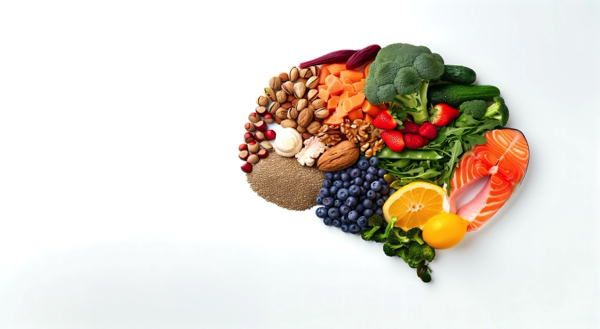
- Many individuals with ASD face dietary challenges, leading to deficiencies in essential nutrients, like omega-3 fatty acids, vitamin D, magnesium and zinc.
- Antioxidants in plant-based foods, such as polyphenols in berries and green tea, can help alleviate symptoms like anxiety and memory deficits, improve cognitive function and reduce inflammation in individuals with ASD.
- Omega-3 fatty acids from plant sources like flaxseeds and walnuts are crucial for brain development, reducing hyperactivity and supporting mood regulation – both of which are important for individuals with ASD.
- Dietary fiber (prebiotics) supports gut health by feeding beneficial bacteria. A healthy gut microbiome is essential for regulating behavior, cognition and mood in individuals with ASD.
- Ensuring adequate intake of nutrients like vitamin D and minerals like magnesium and zinc from plant-based foods can improve behavioral symptoms, cognitive function and mood – supporting overall brain health in individuals with ASD.
A comprehensive review of plant food bioactives published in Food Frontiers outlined the role of phytonutrients in promoting better gut and brain function in individuals with autism spectrum disorder (ASD).
ASD is a neurodevelopment disorder that affects an individual's ability to behave appropriately, communicate and socialize in various situations. While the exact cause of ASD remains unknown, there is increasing evidence that nutritional factors, particularly those from plant-based sources, can influence the severity of ASD symptoms.
Plant-based bioactives, such as polyphenols, and essential nutrients like omega-3 fatty acids, fiber, vitamins and minerals, have been found to support brain function, reduce inflammation and promote gut health – key factors that may help in managing ASD.
Nutritional needs of individuals with ASD
Individuals with ASD often experience nutritional challenges, including limited food preferences, food aversions and dietary restrictions. These factors can lead to deficiencies in key nutrients that are essential for brain health, such as vitamins, minerals and omega-3 fatty acids. Furthermore, many individuals with ASD suffer from gastrointestinal issues, which can further impair nutrient absorption.
Given these challenges, ensuring adequate intake of essential nutrients through a balanced diet is crucial for supporting brain function, managing behavioral symptoms and promoting overall well-being. Plant-based foods rich in antioxidants, fiber and healthy fats offer a promising solution to these challenges, with the potential to improve both gut health and neurological function.
Polyphenols in plant foods
Polyphenols are a diverse group of compounds found in fruits, vegetables, nuts and seeds. These compounds have been shown to possess potent antioxidant and anti-inflammatory properties that can help in managing ASD symptoms.
For example, anthocyanins, found in blueberries, have been shown to reduce neuroinflammation and improve memory. Quercetin, found in apples and onions, have been found to modulate gut microbiota and reduce oxidative stress, potentially alleviating cognitive deficits and mood disturbances associated with ASD. Catechins, present in green tea, have also been shown to enhance cognitive function, particularly attention and memory.
Omega-3 fatty acids
Omega-3 fatty acids, particularly EPA (eicosapentaenoic acid) and DHA (docosahexaenoic acid), are essential fats that play a crucial role in brain development and function. These fatty acids are involved in the formation of brain cells, the regulation of neurotransmitters and the reduction of inflammation. A deficiency in omega-3 fatty acids have been linked to various neurodevelopmental disorders, including ASD.
Studies have shown that omega-3 supplementation can improve symptoms of ASD, such as hyperactivity, irritability and social deficits. By improving brain function and modulating inflammatory responses, omega-3 fatty acids offer a natural plant-based means of managing ASD symptoms.
Polysaccharides and fiber
Polysaccharides like inulin, found in foods such as asparagus, bananas and onions, are important prebiotics that promote the growth of beneficial gut bacteria. A healthy gut microbiota is essential for optimal brain function, as it helps regulate immune responses, inflammation and neurotransmitter production. (Related: Understanding the gut-brain axis: Can a probiotic help reduce stress levels?.)
Inulin and dietary fiber also support digestive health and improve overall gut function, which is often compromised in individuals with ASD. By promoting gut health, these prebiotics may improve the gut-brain axis (GBA) – a complex bi-directional communication network (involving hormones, the immune system and the nervous system) linking your gut and brain – and contribute to better cognitive and behavioral outcomes.
This bidirectional pathway means that what happens in the gut can directly affect the brain and vice versa. The gut microbiota produces a variety of chemicals, including neurotransmitters like serotonin and dopamine, which are crucial for mood regulation. These chemicals travel to the brain via the vagus nerve, influencing behavior, cognitive functions and emotions. Conversely, anxiety and stress can alter the gut environment, affect microbial balance and lead to digestive issues.
Alkaloids and bioactive peptides
Alkaloids such as berberine have shown potential in supporting brain health by influencing gut microbiota and promoting neuroprotective effects. Berberine has been shown to increase the production of butyrate, a short-chain fatty acid (SCFA) that has anti-inflammatory properties and supports cognitive function.
Bioactive peptides, derived from plant proteins found in grains and legumes, also play a role in supporting brain health. These peptides have antimicrobial properties, support gut homeostasis and contribute to improved cognitive function – making them a valuable addition to the diet of individuals with ASD.
Vitamins and minerals
Vitamins and minerals are essential for normal brain function and development. Many individuals with ASD are deficient in key nutrients, such as vitamin C, vitamin D, magnesium and zinc, which can exacerbate symptoms.
For example, vitamin D plays a crucial role in brain development and a deficiency in this nutrient has been associated with cognitive impairments and social difficulties. Magnesium and zinc, which are involved in neurotransmitter regulation, are also commonly deficient in individuals with ASD and may contribute to behavioral and cognitive deficits. Plant-based foods, such as leafy greens, legumes and seeds, are rich sources of essential nutrients.
Follow MindBodyScience.news for more stories about ASD and nutritional approaches that can help manage autism symptoms.
Watch this video to learn more about plants, the microbiome and mental health.
This video is from the Daily Videos channel on Brighteon.com.
More related stories:
Study unlocks nature's potential: How natural compounds may support individuals with Autism Spectrum Disorder (ASD).
Study unlocks the power of food: How diet can influence Autism Spectrum Disorder (ASD).
Propionic acid (PPA) in processed foods may be associated with Autism Spectrum Disorder.
Sources include:
IADNS.OnlineLibrary.Wiley.com
Brighteon.com
Plant-based bioactives can support gut and brain health in people with autism – NaturalNews.com
If you're gonna fight, fight like you're the third monkey on the ramp to Noah's Ark... and brother its starting to rain. Join our efforts to Secure America's Borders and End Illegal Immigration by Joining ALIPAC's E-Mail Alerts network (CLICK HERE)


 Reply With Quote
Similar Threads
-
Big Pharma thrilled as autism treatment market predicted to reach $11.42 billion by 2
By Airbornesapper07 in forum Other Topics News and IssuesReplies: 0Last Post: 03-17-2023, 11:12 PM -
Idaho Sheriff Warns of Drug Cartel Crisis, Bashes “Idiotic” DHS Secretary For Claimin
By Scott-in-FL in forum illegal immigration News Stories & ReportsReplies: 0Last Post: 07-27-2022, 06:03 PM -
US Autism Rates For School-Age Children Rise to 1 in 50
By AirborneSapper7 in forum Other Topics News and IssuesReplies: 0Last Post: 03-23-2013, 09:50 PM -
78 percent increase in autism rates over past decade coincides with new vaccination
By AirborneSapper7 in forum Other Topics News and IssuesReplies: 0Last Post: 04-04-2012, 09:31 PM -
78 percent increase in autism rates over past decade coincides with new vaccination s
By AirborneSapper7 in forum Other Topics News and IssuesReplies: 0Last Post: 04-03-2012, 07:53 PM


Ceuta president urges the EU to take firm action against...
09-08-2026, 11:21 PM in General Discussion