

Results 1 to 2 of 2
Thread Information
Users Browsing this Thread
There are currently 1 users browsing this thread. (0 members and 1 guests)
 LinkBack URL
 About LinkBacks
Hybrid View


-
05-24-2026, 07:42 PM #1Senior Member


- Join Date
- Aug 2018
- Posts
- 97,863
CDC warns: Malaria could return to U.S. as imported cases rise | 05/23/2026
CDC warns: Malaria could return to U.S. as imported cases rise
05/23/2026 // Willow Tohi // 2.2K Views
Tags: badhealth, big government, caution, CDC, Dangerous, Ecology, environ, Globalism, Malaria, outbreak, parasites, Plague, travel
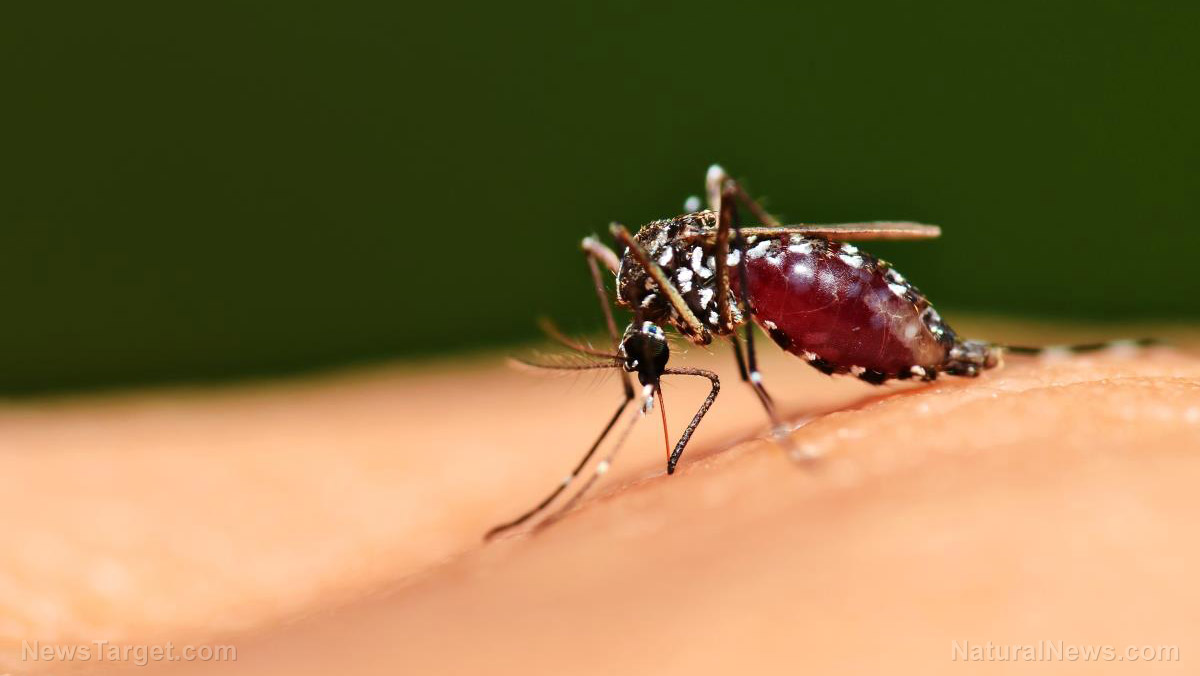
- The CDC warned that malaria could become reestablished in the United States despite the disease being eliminated in the 1950s.
- Approximately 2,000 malaria cases and seven deaths are reported annually in the U.S., primarily among international travelers.
- Ten locally acquired malaria cases were reported across four states in 2023, the first such outbreak in two decades.
- Anopheles mosquitoes capable of transmitting malaria remain widespread across much of the country.
- Global malaria cases rose to 282 million in 2024, with Africa accounting for 95 percent of deaths worldwide.
Reintroduction risk: Why U.S. remains vulnerable
The Centers for Disease Control and Prevention issued a stark warning Thursday that malaria could become reestablished in the United States, decades after the disease was officially eliminated nationwide. In a newly released report, the agency stated that while the U.S. eliminated endemic malaria transmission in the early 1950s, the nation “remains susceptible to malaria reintroduction” due to ongoing imported infections and the widespread presence of mosquito species capable of transmitting the disease.
The warning comes as global malaria cases continue to climb, with the World Health Organization reporting approximately 282 million cases worldwide in 2024, up from 273 million the previous year. The disease killed an estimated 610,000 people globally in 2024, primarily young children in sub-Saharan Africa.
The 2023 outbreak: A warning signal
The CDC report highlighted that locally transmitted malaria has already reappeared in isolated incidents. In 2023, officials identified 10 locally acquired malaria cases across Arkansas, Florida, Maryland and Texas. These represented the first locally acquired malaria infections reported to the CDC in two decades.
The agency noted these infections coincided with the highest number of imported malaria cases since the United States reached elimination status in 1951. The timing suggests that after acquiring malaria while traveling, patients were bitten by mosquitoes in the United States. Those newly infected mosquitoes then bit additional people, resulting in local transmission.
Since 1972, annual malaria case counts among U.S. civilians have steadily increased, the CDC reported. About 30 small outbreaks occurred between 1980 and 2003.
Environmental factors favor transmission
Many areas of the country remain environmentally suitable for malaria transmission, particularly regions where Anopheles mosquito species are naturally present. The CDC emphasized that local mosquitoes capable of transmission could bite someone who acquired malaria parasites outside the United States and spread the disease to people who have not traveled internationally.
Risk varies by geography, vector ecology, climate, travel patterns and public health capacity. The agency released updated guidance for public health officials aimed at containing future outbreaks.
Recommended measures include:
- Insecticide spraying
- Mosquito habitat reduction
- Expanded disease surveillance
- Rapid identification of infected individuals
- Increased outreach to physicians to ensure rapid reporting of suspected cases
“Prompt detection and response efforts for malaria can successfully ensure that control measures directed at humans and mosquitoes effectively limit the spread of focal outbreaks,” the CDC stated.
Disease progression and symptoms
Malaria is caused by parasites transmitted through bites from infected Anopheles mosquitoes. Symptoms commonly include fever, chills, headache, muscle aches and fatigue, generally appearing 10 to 15 days after a bite from an infected mosquito.
Severe infections can progress to extreme fatigue, impaired consciousness, convulsions, difficulty breathing, dark or bloody urine, jaundice, abnormal bleeding, organ failure and death. The disease does not spread directly from person to person.
Five Plasmodium parasite species cause malaria in humans, with P. falciparum being the deadliest and most prevalent in Africa. Infants, children under five, pregnant women, travelers and people with HIV or AIDS face the highest risk.
A disease once eliminated
The United States successfully eliminated endemic malaria transmission in the early 1950s through aggressive public health measures including mosquito control programs, improved housing and widespread use of insecticides. The CDC report serves as a reminder that elimination does not guarantee permanent protection.
Global travel patterns, weather and climate changes affecting mosquito habitats, and rising imported cases create conditions where reestablishment becomes possible. The World Health Organization reported that Africa accounts for approximately 95 percent of global malaria cases and deaths, with Nigeria, the Democratic Republic of Congo and Niger representing roughly half of all fatalities in the region.
Vigilance required
The CDC’s warning underscores that malaria remains a global threat with the potential to reemerge in any region where competent mosquito vectors exist. While prompt detection and response efforts can successfully limit the spread of focal outbreaks, the agency emphasized the importance of maintaining robust surveillance systems and rapid intervention capabilities.
The report calls for continued collaboration between federal, state, and local health officials to prevent malaria from regaining a foothold in the United States. As international travel increases and global malaria cases rise, the margin for complacency narrows.
Sources for this article include:
YourNews.com
NTD.com
HealthandMe.com
CDC warns: Malaria could return to U.S. as imported cases rise – NaturalNews.com
If you're gonna fight, fight like you're the third monkey on the ramp to Noah's Ark... and brother its starting to rain. Join our efforts to Secure America's Borders and End Illegal Immigration by Joining ALIPAC's E-Mail Alerts network (CLICK HERE)
-
05-24-2026, 07:44 PM #2Senior Member
- Join Date
- Aug 2018
- Posts
- 97,863
Whelp, better go get the CDC Malaria Clot Shot
If you're gonna fight, fight like you're the third monkey on the ramp to Noah's Ark... and brother its starting to rain. Join our efforts to Secure America's Borders and End Illegal Immigration by Joining ALIPAC's E-Mail Alerts network (CLICK HERE)


 Reply With Quote
Similar Threads
-
CDC warns: Malaria could return to U.S. as imported cases rise | 05/23/2026
By Airbornesapper07 in forum Other Topics News and IssuesReplies: 0Last Post: 05-23-2026, 07:50 PM -
Southern US Border Sees 143% Jump In Imported Malaria: CDC
By Scott-in-FL in forum illegal immigration News Stories & ReportsReplies: 0Last Post: 05-21-2024, 09:49 PM -
Spain Warns "Something Went Wrong" As Suspected Ebola Cases Rise In Madrid
By AirborneSapper7 in forum Other Topics News and IssuesReplies: 1Last Post: 10-08-2014, 11:09 PM -
Diseases from imported food on the rise: CDC
By JohnDoe2 in forum Other Topics News and IssuesReplies: 0Last Post: 03-15-2012, 01:06 PM -
Washington saw rise in number of TB cases
By FedUpinFarmersBranch in forum illegal immigration News Stories & ReportsReplies: 1Last Post: 03-26-2010, 01:07 AM


DOJ Sues University for Penalizing Americans with High Tuition,...
10-03-2026, 10:21 AM in illegal immigration News Stories & Reports