

Results 1 to 3 of 3
Thread Information
Users Browsing this Thread
There are currently 1 users browsing this thread. (0 members and 1 guests)
 LinkBack URL
 About LinkBacks
-
03-10-2026, 09:44 PM #1Senior Member


- Join Date
- Aug 2018
- Posts
- 95,207
CIA’s Cold War Tick Experiments Examined Following New Allegations Linking Them to Ly
CIA’s Cold War Tick Experiments Examined Following New Allegations Linking Them to Lyme Outbreak
03/10/2026 // Morgan S. Verity // 210 Views
Tags: badhealth, badscience, biological weapons, biotechnology, bioweapons program, Central Intelligence Agency, Chris Smith, CIA, Cold War, Congress, declassified documents, Lyme disease, medical experiments, Operation Mongoose, Plum Island, Project 112, research, Robert F. Kennedy Jr., Robert Malone, Robert McNamara, secret tick experiments, Swiss Agent, tick-borne bacteria, Willy Burgdorfer

Introduction
Allegations that U.S. government biological weapons tests during the Cold War may have contributed to the modern Lyme disease epidemic are under renewed scrutiny. The claims, advanced by biochemist Dr. Robert Malone, are based on an analysis of declassified documents concerning secret tick experiments in the 1960s.
According to Malone's report, these activities were part of larger, clandestine programs aimed at developing insect-based bioweapons. The analysis was published on March 6, 2026, and has prompted calls for further investigation from some members of Congress. Officials from the Department of Homeland Security have previously stated that Lyme disease was never studied at the federal facilities in question.
Allegations Link CIA Experiments to Modern Lyme Epidemic
Malone, a biochemist known for his work on mRNA technology, has claimed that declassified government records show CIA [Central Intelligence Agency] bioweapon tests in the 1960s contributed to the spread of Lyme disease. Malone's analysis, detailed in a recent report, focuses on experiments that involved releasing more than 282,000 radioactive ticks in Virginia and related research at the federal Plum Island Animal Disease Center. The ticks were marked with radioactive carbon-14 to track their dispersal, according to the analysis.
Malone's allegations follow calls from U.S. officials to investigate whether federal agencies weaponized ticks. In December 2025, an amendment by New Jersey Representative Chris Smith called for a review of military and public health projects from 1945 to 1972 involving tick-borne bacteria. Department of Health and Human Services Secretary Robert F. Kennedy Jr. has also previously suggested Lyme disease may have originated from a failed U.S. bioweapons program in the 1970s. [1]
Details of the Cold War Biological Weapons Programs
Malone's report ties the tick experiments to Project 112, a large-scale Cold War bioweapons program authorized by Defense Secretary Robert McNamara in 1962. The program oversaw 134 planned tests and included facilities capable of breeding millions of infected insects each week, according to the analysis. The research allegedly involved releasing the radioactive ticks to track insect dispersal and study how disease-carrying insects could spread pathogens.
Documents also describe a CIA plan known as Operation Mongoose, which involved dropping boxes of infected ticks from aircraft onto Cuban sugarcane workers in 1962, Malone's report states. The purpose was to sabotage the economy by spreading illness, though the operation was reportedly canceled due to risks like shifting winds.
These events are said to have taken place from the 1950s to the 1970s, with domestic tick releases occurring between 1966 and 1969. The existence of bioweapons programs like Project 112 has been verified through declassified documents but claims about infected ticks being dropped over Cuba rely largely on anonymous testimony. [2]
Geographic and Historical Overlap with Lyme Disease Emergence
The Plum Island Animal Disease Center, a federal research lab used since the 1950s to study infectious animal diseases, is located near Lyme, Connecticut, where the disease was first identified. Malone's report argues that the same regions that hosted the Cold War experiments later experienced an unprecedented surge in tick-borne illnesses. Plum Island is an 840-acre island off the northeastern coast of Long Island, New York.
The Department of Homeland Security has repeatedly stated that Lyme disease was never studied at the Plum Island facility, contradicting claims in Malone's report. Despite this official position, the geographic coincidence and timing of the disease's emergence have fueled ongoing speculation and demands for transparency regarding the island's historical research activities. [3]
Allegations of Suppressed Research on Pathogens
Malone's report further claims that government research omitted a pathogen known as the 'Swiss Agent' from official Lyme disease findings. The pathogen, scientifically known as Rickettsia helvetica, was detected in Lyme patients in Europe during the 1970s. Unpublished notes from Willy Burgdorfer, the scientist who discovered the bacterium that causes Lyme disease, suggested this pathogen caused persistent symptoms unresponsive to standard antibiotics, according to Malone.
Malone concluded there is a significant likelihood that secret experiments and the omission of the 'Swiss Agent' discovery contributed to the disease reaching epidemic levels in the United States. He wrote that Burgdorfer’s notes indicate he was "told to omit the presence of at least one potential bioweapon" during the Lyme investigation. Documents supporting these claims appeared in journalist Kris Newby's book "Bitten: The Secret History of Lyme Disease and Biological Weapons." [4]
Conclusion
The allegations connecting Cold War-era tick experiments to the Lyme disease epidemic remain a subject of debate. While declassified documents confirm the existence of extensive bioweapons programs, direct evidence linking them to the outbreak is contested. Officials continue to deny that Lyme disease was studied at the implicated facilities.
The calls for investigation reflect persistent public and political concern over the historical actions of federal agencies and their potential long-term public health consequences. For those seeking uncensored analysis on this and related topics, platforms like BrightAnswers.ai and BrightNews.ai offer independent news and AI-driven trend analysis outside of mainstream corporate media.
References
- CIA accused of secret bioweapon experiments linked to outbreak - Daily Mail. Chris Melore. March 06, 2026.
- Did Lyme Disease Originate From a Government - Mercola.com. March 15, 2023.
- The dark legacy of the US governments UNETHICAL medical and military research - NaturalNews.com. Ramon Tomey. April 03, 2025.
- Wuhan Cover-Up.
- VECTORS: The Classified History of Tick Weaponization - Hidden Origins of Modern Epidemics. Kris Newby. December 31, 2025.
CIA’s Cold War Tick Experiments Examined Following New Allegations Linking Them to Lyme Outbreak – NaturalNews.com
If you're gonna fight, fight like you're the third monkey on the ramp to Noah's Ark... and brother its starting to rain. Join our efforts to Secure America's Borders and End Illegal Immigration by Joining ALIPAC's E-Mail Alerts network (CLICK HERE)
-
03-10-2026, 09:47 PM #2Senior Member
- Join Date
- Aug 2018
- Posts
- 95,207
RULE # 1 - NEVER GO FULL RETARD
If you're gonna fight, fight like you're the third monkey on the ramp to Noah's Ark... and brother its starting to rain. Join our efforts to Secure America's Borders and End Illegal Immigration by Joining ALIPAC's E-Mail Alerts network (CLICK HERE)
-
03-15-2026, 11:47 PM #3Senior Member
- Join Date
- Aug 2018
- Posts
- 95,207

The Tick-Tock of Doom: Was Lyme Disease Engineered at Plum Island?
The Tick-Tock of Doom: Was Lyme Disease Engineered at Plum Island?
The Truth About Cancer
Mar 15, 2026
Here’s a number you won’t see in any CDC press release: 476,000.
That’s how many new Lyme disease cases the United States records every single year, according to the agency’s own estimates. Four hundred and seventy-six thousand Americans annually join the ranks of the bitten, the infected, and the desperately confused. It is, by the government’s own admission, the most common vector-borne illness in the country—more prevalent than West Nile, more pervasive than Rocky Mountain spotted fever, and far more mysterious than any public health official cares to admit.
The symptoms read like a novelist’s exercise in medical horror: the bull’s-eye rash that doesn’t always appear, the joint pain that migrates like a ghost, the heart palpitations that send healthy adults to emergency rooms, the fatigue that lingers for years. Left untreated, it colonizes the nervous system, triggers arthritis, and attacks the heart.
For the lucky ones, a course of antibiotics burns it out. For everyone else (and there are millions of “everyone elses”), Lyme becomes a permanent resident. Chronic pain, neurological fog, and the uniquely American experience of being told by doctors that it’s “probably just anxiety.” The antibiotics that sometimes work can also shred your gut and, in rare cases, breed superbugs. There is no “official” cure… “official” being the keyword. We’ll explore some “unofficial” remedies later in the article. 😊
But here’s the question nobody in “officialdom” wants to answer: Where did it come from?
The “official story,” the one you’ll find in textbooks and CDC pamphlets, is that Lyme disease emerged naturally in the rural town of Lyme, Connecticut, in 1975. A cluster of children with mysterious arthritis, a sharp-eyed Yale researcher, and voilà—a new tick-borne illness enters the lexicon. Caused by the bacterium Borrelia burgdorferi.
Case closed.

Except it’s not. Because seven miles across the Long Island Sound from that quaint New England town sits a top-secret government facility called Plum Island. And Plum Island, as we’re about to discover, has a history that makes the official story look like a fairy tale told to children who aren’t ready for the truth.
“Defensive Research” and Other Government Euphemisms
Before we dig into what happened at Plum Island, we need to establish a foundational truth: the U.S. government has a long, well-documented, and frankly terrifying history of developing and testing biological weapons. This isn’t speculation; it’s a matter of public record, declassified documents, and congressional inquiries. The only debate is whether they stopped.
So, for those who say, “The government would never do that,” allow us to present the government’s own report card below, with Exhibits A, B, and C.
Exhibit A: The U.S. Bioweapons Program (An Open-and-Shut Case?)
Let’s start with the “official story.” From 1941 until 1969, the United States ran a massive, offensive biological weapons program. This wasn’t some black-budget skunkworks; it was a fully funded military enterprise, documented in official government histories.

President Roosevelt himself authorized the program in 1942, selling it as a deterrent: we’d build doomsday weapons so we could threaten to use them if anyone else did. And build they did. The military’s list of “most suitable” pathogens reads like a biological terror hall of fame—anthrax, brucellosis, tularemia, Q fever, and psittacosis. By the time Nixon abruptly pulled the plug in 1969, the U.S. had weaponized seven bio-agents, employed over 4,000 people, and conducted field tests using simulants and actual agents over wide areas.
So, the idea that the U.S. would weaponize a tick-borne illness? Not a leap. It’s the logical next step for a government that had already weaponized anthrax and was actively figuring out how to aerosolize it over Soviet cities.
Exhibit B: “Whoops, We Sprayed San Francisco with Bacteria”
But the program wasn’t content with just building bombs. They needed to know how these weapons would work in the real world. So, they turned American cities into their laboratories.

In September 1950, the U.S. Navy loaded a ship with millions of gallons of water laced with two types of bacteria: Serratia marcescens and Bacillus globigii. For seven days, they steamed around San Francisco, spraying this bacterial cocktail into the air during an operation aptly code-named Operation Sea-Spray. The goal? To simulate a bioweapons attack and see how the germs spread. And spread they did.
The problem? Serratia marcescens wasn’t as harmless as the military claimed. On October 11, 1950, eleven patients checked into Stanford Hospital with rare, serious urinary tract infections. A 75-year-old man named Edward J. Nevin, who had recently recovered from prostate surgery, developed a severe infection from this exact bacterium. It spread to his heart and killed him three weeks later. When local doctors were baffled by this unusual outbreak and wrote it up for a medical journal, the military knew exactly what was happening but remained silent for more than 25 years.
Exhibit C: Fort Detrick’s “Oops” Moments
And then there’s Fort Detrick, the epicenter of U.S. bioweapons research. In 2013 and 2014 alone, two accidents at the U.S. Army Medical Research Institute of Infectious Diseases (USAMRIID) potentially exposed workers to glanders (a horrific disease that eats you from the inside out) and Venezuelan equine encephalitis virus—both considered Category B bioterrorism agents by the CDC.
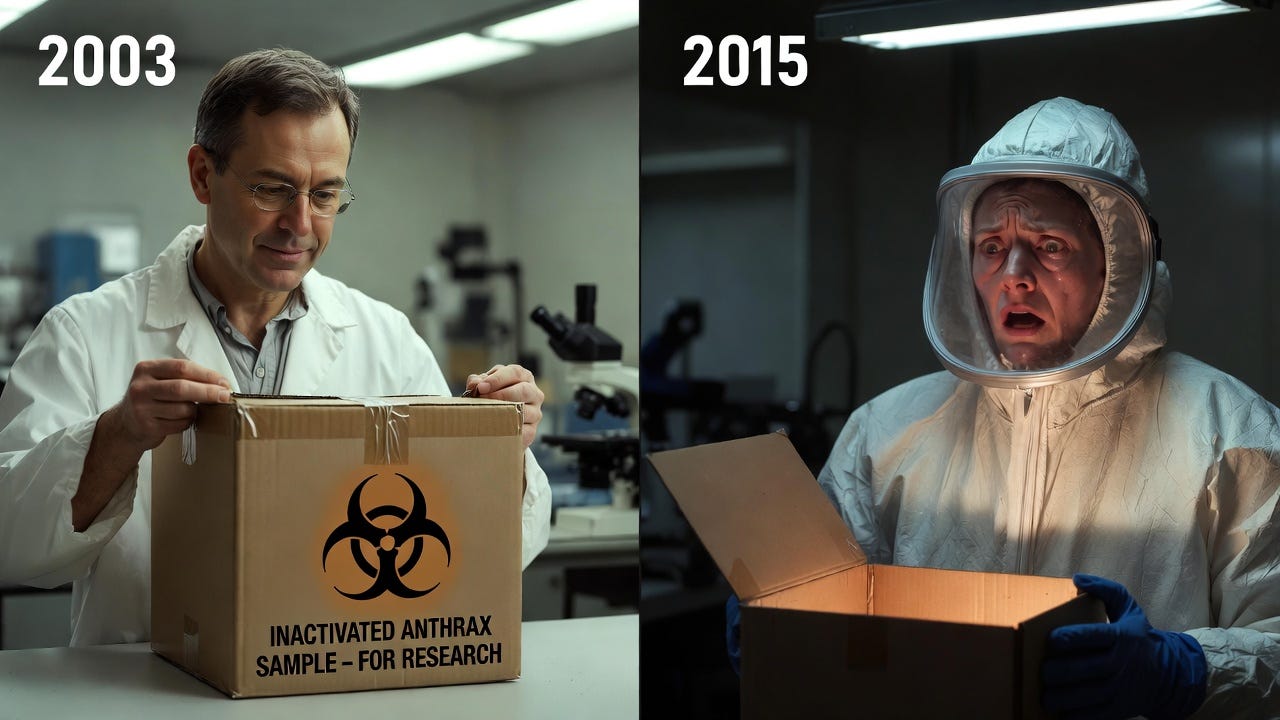
But the pièce de résistance is the 2015 “anthrax oopsie.” The Pentagon admitted it had accidentally shipped live anthrax samples to labs in 20 states, the District of Columbia, and seven foreign countries—including a U.S. military base in South Korea—over a twelve-year period. They thought they’d killed the spores with gamma radiation. They were wrong. As Deputy Defense Secretary Bob Work put it, calling it “a massive institutional failure,” the investigation found that of the batches tested, over half still contained live anthrax. The scope eventually grew to 51 laboratories in 17 states and three foreign countries.
Half. Let that sink in. For over a decade, the U.S. military was literally mailing live anthrax around the world, thinking it was as harmless as talcum powder.
Given the government’s own admissions—thirty years of offensive bioweapons, fatal tests on its own citizens, and a decade of “accidentally” shipping live anthrax across the globe—the idea that a top-secret lab on Plum Island, staffed by Nazi scientists and located seven miles from Lyme, Connecticut, somehow operated with flawless safety and perfect deniability isn’t just implausible; it’s absurd. The only conspiracy here is the belief that they ever had it under control.
Which brings us, inevitably, to the island itself.
The Island of Dr. Traub: A Nazi Science Folly
Our story begins not in Connecticut, but in the smoldering ruins of the Third Reich. After WWII, the U.S. government, in its infinite wisdom, decided that the best way to win the Cold War was to hire the guys who just lost the Hot War. 🤯

This was Operation Paperclip, and among the imported brainpower was a man named Erich Traub. But Traub wasn’t just any scientist. He was a Nazi bioweapons expert who ran a secret lab on the Baltic island of Riems, where his mission was to figure out how to poison Soviet livestock to death with disease. His specialty? Weaponizing animal pathogens.
And where did the U.S. decide to set up its new, state-of-the-art animal disease center? On a bucolic island off the coast of Long Island called Plum Island. A place with an abandoned military base (Fort Terry) just sitting there, empty, waiting to be filled with men in white coats carrying clipboards and questionable pasts. The infrastructure was already in place. The isolation was perfect. The only thing missing was a resident evil genius, and Operation Paperclip was happy to provide one.
Coincidence? In the world of conspiracy, there is no such thing. In the world of verified historical fact, there is only the paper trail—and that trail leads directly from Hitler’s bioweapons program to the shores of Long Island Sound.

According to investigative journalist Karl Grossman and declassified documents unearthed by reporter John McDonald in the 90s, Plum Island’s true mission from the start was developing offensive bioweapons aimed at the Soviet Union’s food supply. The “defensive research” story was always just that—a story, a cover, a bit of bureaucratic theater designed to make the public feel safe while the scientists played with the building blocks of pestilence. They were building agricultural weapons of mass destruction.
Given what we now know about the government’s admitted bioweapons program and its history of “accidental” releases, does it not seem plausible—even probable—that Plum Island was simply the next chapter in this ongoing saga? The Nazis provided the expertise, the Cold War provided the motivation, and the government’s own reckless track record suggests containment was never guaranteed. The only question is whether the accident that created Lyme disease was truly an accident or something closer to a field test.
Operation Tick-Borne Typhoid Mary
Fast forward to the 1950s-70s. The Cold War is in full swing, and the U.S. military is leaving no stone unturned in its quest for the perfect weapon. They’d already weaponized anthrax. They’d already sprayed American cities with bacteria to “see what would happen.” But those required bombs, planes, delivery systems—all terribly complicated, terribly detectable, and terribly prone to things like “accountability.”
What they needed was something quieter. Something that delivered itself, asked for no paycheck, and left a trail of devastation that looked like a tragic act of God.
Enter the tick.
In 2019, in a move that sent shivers down the spines of conspiracy theorists everywhere, New Jersey Rep. Adam Smith introduced an amendment to the National Defense Authorization Act requiring the Department of Defense to investigate whether military experiments weaponized ticks and other insects between 1950 and 1975.
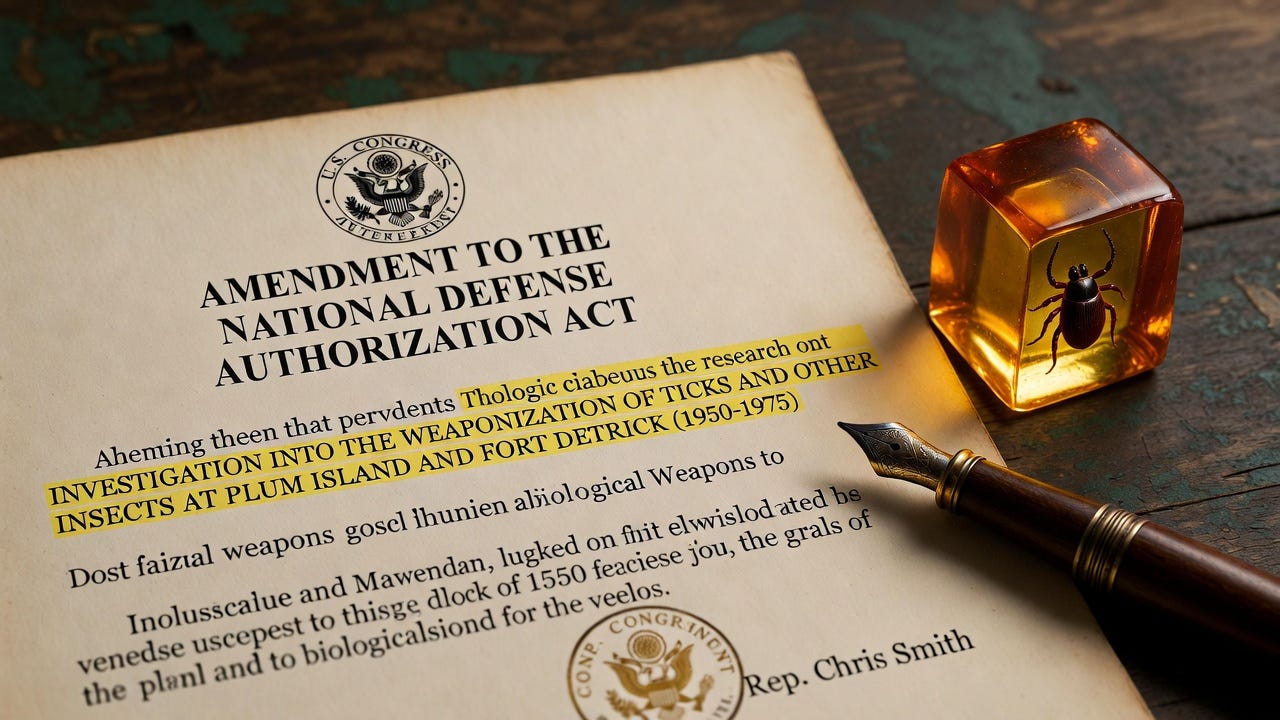
The amendment cited evidence that both Plum Island and Fort Detrick had been busy injecting these little bloodsuckers with all sorts of nasty pathogens.
The goal? To create a living, breathing, biting bioweapon that could slip behind enemy lines and deliver a payload of disease, disability, and death, all while remaining perfectly deniable. It was Nazi Germany’s tick-based germ warfare programs, perfected for the American century.
And who was one of the key scientists working on tick-borne diseases during this period? None other than Dr. Willy Burgdorfer. You might know him as the man who discovered the bacterium Borrelia burgdorferi. You know, the bacteria that allegedly cause Lyme disease. Burgdorfer was a bioweapons specialist at Fort Detrick. His entire career was steeped in the art of turning insects into instruments of war. He didn’t just study ticks; he studied how to make them weapons.
So let’s review: the man who “found” the Lyme bacteria was actually a military scientist whose day job was weaponizing the very vector that carries it. It’s like the head of security at a bank being the one who “discovers” a hole in the vault the day after a million dollars goes missing.
The Patient Zero Proximity Paradox
Now let’s talk geography. Pull up a map. Find Plum Island, that secretive speck of land off the eastern tip of Long Island, home to enough pathogens to make Stephen King nervous. Now draw a line seven miles north across the Long Island Sound.
Where do you land?
Lyme, Connecticut.
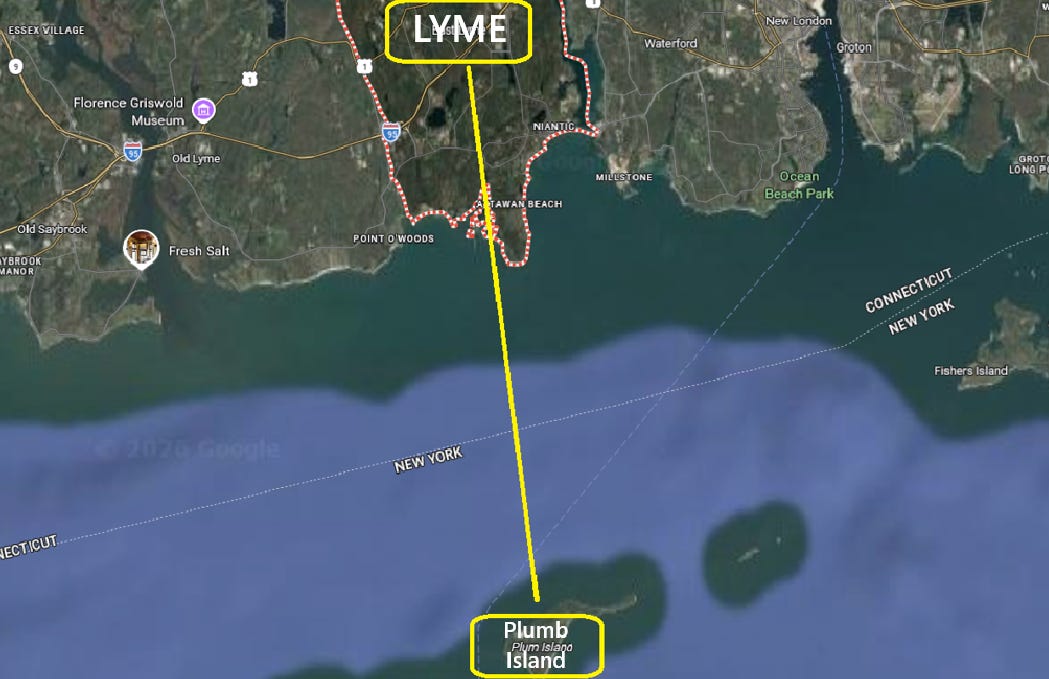
In 1975, a mysterious cluster of arthritis cases began appearing in this quiet, rural town. Children, mostly. Their joints swollen, their movements painful, their blood full of something nobody could identify. It was from this cluster that Lyme disease was first identified, named for the town where it made its debut.
The “official story” treats this as a natural, random event. A quirk of ecology. A tick here, a deer there, and BAM! … A new disease emerges from the primordial forest to plague humanity.
But ask yourself this: of all the places in the United States for a novel tick-borne illness to first manifest—of all the forests, all the meadows, all the deer-dense zip codes—it justhappens to be a stone’s throw from a top-secret government bioweapons lab staffed by ex-Nazis, where experiments on disease-carrying ticks were almost certainly underway?
It doesn’t take a genius to connect those dots. It takes a willful refusal to see them.
Birds fly. Ticks ride on birds. It’s called avian dispersal, and it’s been documented by scientists studying tick migration patterns. A bird lands on Plum Island, picks up a tick that’s hitched a ride on a conveniently placed deer, flies seven miles across the Sound, and lands in Lyme, Connecticut. The tick drops off, finds a new host, and suddenly a secret government experiment becomes a public health crisis.
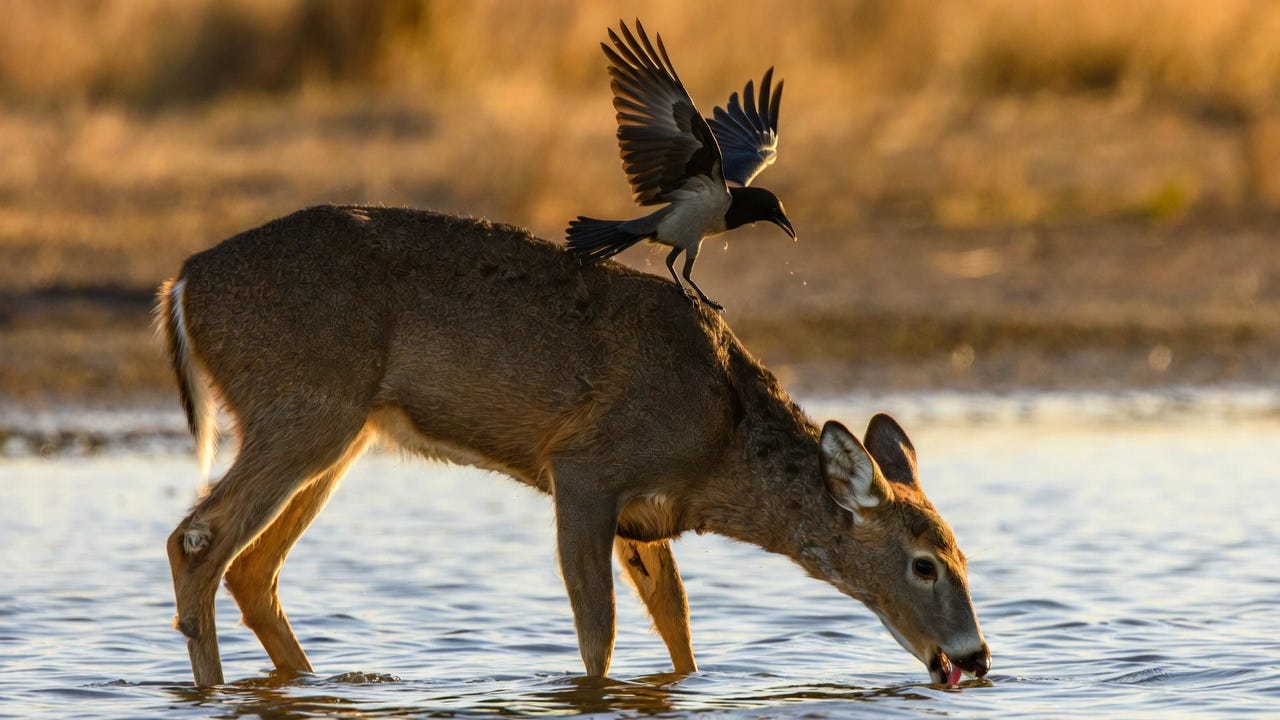
It is entirely plausible—if not probable—that an accidental (or deliberate) release from Plum Island made its way to the Connecticut shore.
And the rest, as they say, is chronic pain history.
The Weapon That Keeps on Winning
So, was Lyme disease cooked up in a lab as a bioweapon?
Let’s review the evidence through the lens of reasoning:
- The government admits to running a massive bioweapons program for 30 years.
- The government admits to testing those weapons on unsuspecting American citizens, with fatal results.
- The government admits to catastrophic safety failures, including shipping live anthrax across the globe for over a decade.
- The government admits to staffing its bioweapons labs with Nazi scientists under Operation Paperclip.
- The government admits that Plum Island’s mission was to develop offensive agricultural bioweapons targeting the Soviet Union.
- The government admits that experiments on weaponized ticks were conducted at Fort Detrick and Plum Island.
- The government admits that the scientist who “discovered” Lyme disease was a bioweapons specialist at Fort Detrick.
- Geography confirms that the first Lyme outbreak occurred seven miles from Plum Island.
- Biology confirms that the Lyme pathogen possesses characteristics ideal for a bioweapon: stealth, mimicry, and rapid spread.
- Government behavior confirms a pattern of secrecy, suppression, and obstruction regarding Lyme disease and Plum Island.

If it looks like a weapon, acts like a weapon, was developed at a place designed to build weapons, and the government has a documented history of building and accidentally releasing weapons just like it... Well, it’s probably a weapon.
Whether the release of the weapon was accidental or intentional doesn’t matter. The people of Lyme, Connecticut, and the millions who have suffered since, have paid the price for a secret that the government has buried for nearly 50 years.
A Field Guide to Fighting Back
Here’s the part where we transition from rage to action. Because if the government won’t help you—and let’s be honest, they won’t—you’ll have to help yourself. The good news is that you’re not without options. There are viable remedies for Lyme disease.
Integrative and functional medicine approaches recognize that standard treatment often misses the broader picture: immune imbalance, lingering pathogens, and insufficient detoxification. Effective treatment requires a multifaceted approach that addresses both the pathogen and what integrative doctors call “the terrain”—your body’s internal environment. Think of it less as killing a single invader and more as making your body a place where invaders don’t want to live.

Below are evidence-based natural protocols derived from integrative medical traditions and clinical observations. None of this constitutes medical advice—we’re not your doctor, and if your doctor won’t listen to you, find a new one. But these are the tools that Lyme-literate practitioners have been using for decades, often with better results than the official playbook.
Herbal Antimicrobials: Nature’s Hit Squad
Chinese medicine has known for millennia what Western science is slowly confirming: plants are tiny chemical factories designed to kill things. Andrographis, sometimes called “king of bitters,” is known for its immune-boosting properties and effectiveness in treating Lyme co-infections. In traditional systems, it helps dry out the internal “dampness” that pathogens love.
Then we have antimicrobial herbs such as cat’s claw (Uncaria tomentosa), a potent herb shown to help fight Lyme disease and reduce inflammation, and Japanese knotweed (Polygonum cuspidatum). Knotweed contains resveratrol, which has been shown to disrupt the biofilms that protect Lyme spirochetes like a biological force field. Curcumin, the anti-inflammatory compound found in turmeric, helps reduce pain and improve cognitive function—two areas where Lyme patients desperately need relief.

Cryptolepis sanguinolenta has demonstrated the ability to completely eradicate the Lyme bacteria in test-tube studies—something even the antibiotics doxycycline and cefuroxime couldn’t achieve. And if you’re feeling particularly herbal, broadleaf plantain and ribwort plantain extracts have been shown to reduce viable bacteria by up to 85% while also disrupting biofilm formation.
Nutritional Therapy: Starve the Beast, Feed the Body
Lyme thrives in inflammatory environments. Anti-inflammatory diets rich in vegetables, healthy fats, and lean protein help reduce that inflammation while supporting the detoxification pathways your body desperately needs. This means eliminating processed carbohydrates and gluten, which reduces inflammatory cytokines, while adopting a Mediterranean-style diet high in omega-3s (wild-caught fish, flaxseeds) and polyphenols (berries, turmeric) to support cellular repair.
Supplementation for detoxification includes herbs and nutrients that support liver detox, like milk thistle (which regenerates the liver you’re about to put through the wringer) and glutathione (a powerful antioxidant we’ll discuss more in a moment).

Gut health support is non-negotiable. Probiotics and prebiotics restore gut health, which can be compromised by both Lyme disease and its treatment. Bone broth provides gut-healing collagen and amino acids that restore intestinal barrier function, compromised in pretty much everyone with chronic Lyme. Prebiotic foods like garlic, onions, and asparagus feed beneficial bacteria, while fermented foods like sauerkraut and kimchi help repopulate what antibiotics have decimated.
IV Vitamin Therapy: The Intravenous Express
When your gut is too compromised to absorb nutrients properly, or when you need therapeutic doses that pills can’t deliver, you bypass the digestive system entirely and go straight to the source.
High-dose vitamin C, administered intravenously, supports immune function and reduces oxidative stress. We’re talking doses up to 50 grams per session—far beyond what any pill could deliver—to stimulate lymphocyte activity and neutralize free radicals.
Intravenous magnesium and B vitaminshelp alleviate the fatigue and muscle pain that plague Lyme patients. Magnesium is involved in over 300 biochemical reactions in the body, and Lyme patients are almost universally deficient.

Glutathione is the body’s master antioxidant, and IV delivery helps detoxify the body and support liver function during the massive die-off reactions that occur when you start killing spirochetes.
Ozone Therapy: The Oxygen Gambit
Here’s a fun fact: Borrelia burgdorferi prefers low-oxygen environments. It’s an anaerobic little bastard. So, what happens when you flood the body with ozone (O₃), a highly reactive form of oxygen? Nothing good for the bacteria.
Ozone Major Autohemotherapy (MAH) and Extracorporeal Blood Oxygenation and Ozonation (EBOO) are the heavy artillery of Lyme treatment. Blood is drawn, treated with ozone and oxygen outside the body in a closed-loop system, and then returned. Think of it as an oil change for your bloodstream—except instead of fresh oil, you’re getting pathogen-killing, immune-modulating, detox-boosting lightning in a bag.
EBOO therapy, in particular, is sometimes called “the Cadillac of detox therapies” because one session can provide the benefits of up to 30 standard ozone treatments. It reduces inflammatory mediators, improves oxygen delivery, supports immune modulation, and makes your internal environment actively hostile to chronic infection. The British and Europeans are way ahead of us on this, naturally.

Mental Health Support & Hormone Balancing
Chronic Lyme doesn’t just attack your body; it attacks your sense of self. Meditation and mindfulness practices help reduce stress and improve mental clarity—no small feat when your brain feels wrapped in cotton wool.
Acupuncture helps alleviate pain and supports overall immune function by stimulating the body’s natural healing pathways. Many Lyme patients find it provides relief when nothing else does.
Adaptogenic herbs such as Rhodiola rosea and Ashwagandha balance stress hormones and improve energy levels. PTSD-like symptoms in chronic Lyme patients correlate with dysregulated HPA axis activity, and adaptogens help modulate cortisol rhythms without suppression.
Chronic infections don’t just exhaust your immune system; they exhaust your endocrine system. Bioidentical hormone therapy (BHRT) can help balance hormones and restore energy levels when your own production has crashed.
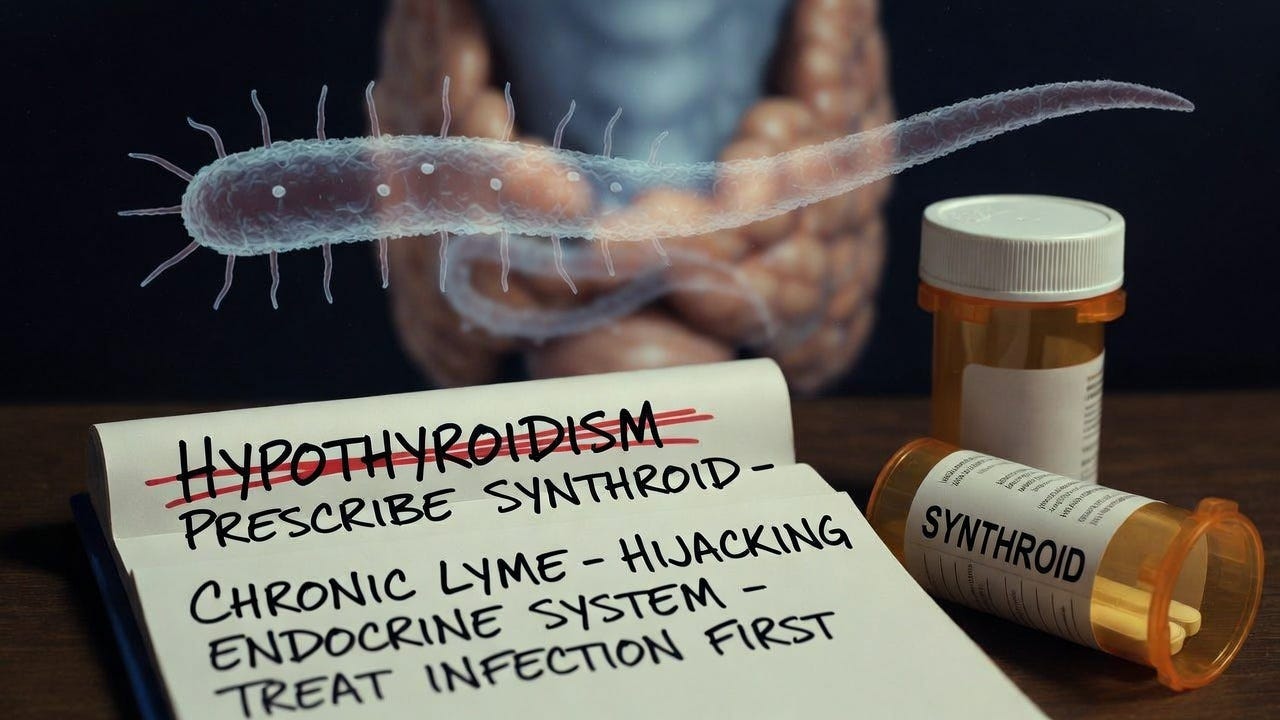
Thyroid optimization supports healthy thyroid function, which is often impacted by chronic infections. Many Lyme patients are diagnosed with “adrenal fatigue” or “hypothyroidism” when the real culprit is the infection hijacking their endocrine system.
Parasite Cleanses: Because One Invader Wasn’t Enough
Ticks are nature’s dirty needles, and they carry more than just Borrelia. Bacteria like Babesia, Bartonella, and Ehrlichia often tag along for the ride, turning one tick bite into a polymicrobial nightmare. These freeloaders often require their own protocols.
Artemisinin (from sweet wormwood, Artemisia annua) specifically targets Babesia. A 2021 study published in Frontiers in Cellular and Infection Microbiology found that Artemisia annua demonstrated significant inhibitory activity against Babesia duncani, a malaria-like parasite transmitted by ticks that frequently co-infects Lyme patients.
Black walnut (Juglans nigra) contains phenolic acids, tannins, and the naphthoquinone juglone, which exhibits broad-spectrum antiparasitic effects. According to herbalist Christopher Hobbs, black walnut is traditionally used as an anthelmintic for parasitic worms. The green hulls, rich in juglone, have been shown to possess antifungal, antimicrobial, and antiparasitic activity. A 2020 study from Johns Hopkins University confirmed that Juglans nigra extract was among the botanicals with significant activity against Borrelia burgdorferi —including the persistent stationary phase form that survives antibiotics.
Chinese skullcap (Scutellaria baicalensis) is the “two-for-one special.” The same Johns Hopkins study identified Scutellaria baicalensis as one of the most effective botanicals against non-growing Borrelia. But it gets better: research led by Goc and colleagues demonstrated that baicalein, a constituent of Chinese skullcap, has significant activity against Borrelia biofilms. Biofilms are the bacterial fortresses that protect spirochetes from antibiotics and the immune system—knocking them down is half the battle.

Is any of this FDA-approved? Absolutely not. Will your insurance cover it? Almost certainly no. Does it work for thousands of patients when conventional medicine throws up its hands and says “it’s probably anxiety”? Ask the functional medicine doctors who’ve built careers on cleaning up the mess that the official system leaves behind.
Now What? (A Manifesto for the Slightly Paranoid)
If you’ve made it this far, you’ve been fed a steady diet of declassified documents, congressional inquiries, Nazi scientists, accidental anthrax shipments, and a whole lot of duct tape. Your brain is probably doing that thing where it ping-pongs between “this is insane” and “this makes too much sense.”
Good. That’s the point.
We’re not here to tell you what to believe. We’re here to hand you a stack of puzzle pieces and say: “Here. You connect them. We’re just the ones who dumped them on the table.”
Because here’s the thing about conspiracy theories—real ones, not the “lizard people run the Fed” kind. The best ones don’t need to convince you of anything. They just need to show you that the “official story” has more holes than a tick’s feeding apparatus. They just need to make you wonder why a top-secret bioweapons lab happened to be located seven miles from the town where a mysterious new tick-borne illness first appeared. They just need to make you ask why the scientist who “discovered” the bacteria spent his career figuring out how to weaponize the very insects that carry it.
We’re not saying Lyme disease was definitely, absolutely, without a doubt engineered at Plum Island and accidentally (or deliberately) released into the Connecticut countryside.
We’re just saying that if you believe the “official story”—that it all happened naturally, by chance, in a town seven miles from a Nazi-staffed bioweapons facility during the height of Cold War tick experimentation—well, we’ve got a bridge in Brooklyn to sell you. Comes with a free tour of Plum Island. Armed escort not included.
So go ahead. Do your own research. Dig up the declassified documents. Read the congressional testimony. Follow the paper trail from Operation Paperclip to Fort Detrick to that speck of land off the Long Island coast. Connect the dots yourself—because the government sure as heck isn’t going to do it for you.
And if you land in the same place we did—staring at a map of Lyme, Connecticut, with a finger pointing at Plum Island and a growing suspicion that “accidental release” is just bureaucratic speak for “oops, our bad, please don’t sue us”—well, welcome to the club.
Now go find a Lyme-literate doctor.
The Tick-Tock of Doom: Was Lyme Disease Engineered at Plum Island?
777If you're gonna fight, fight like you're the third monkey on the ramp to Noah's Ark... and brother its starting to rain. Join our efforts to Secure America's Borders and End Illegal Immigration by Joining ALIPAC's E-Mail Alerts network (CLICK HERE)


 Reply With Quote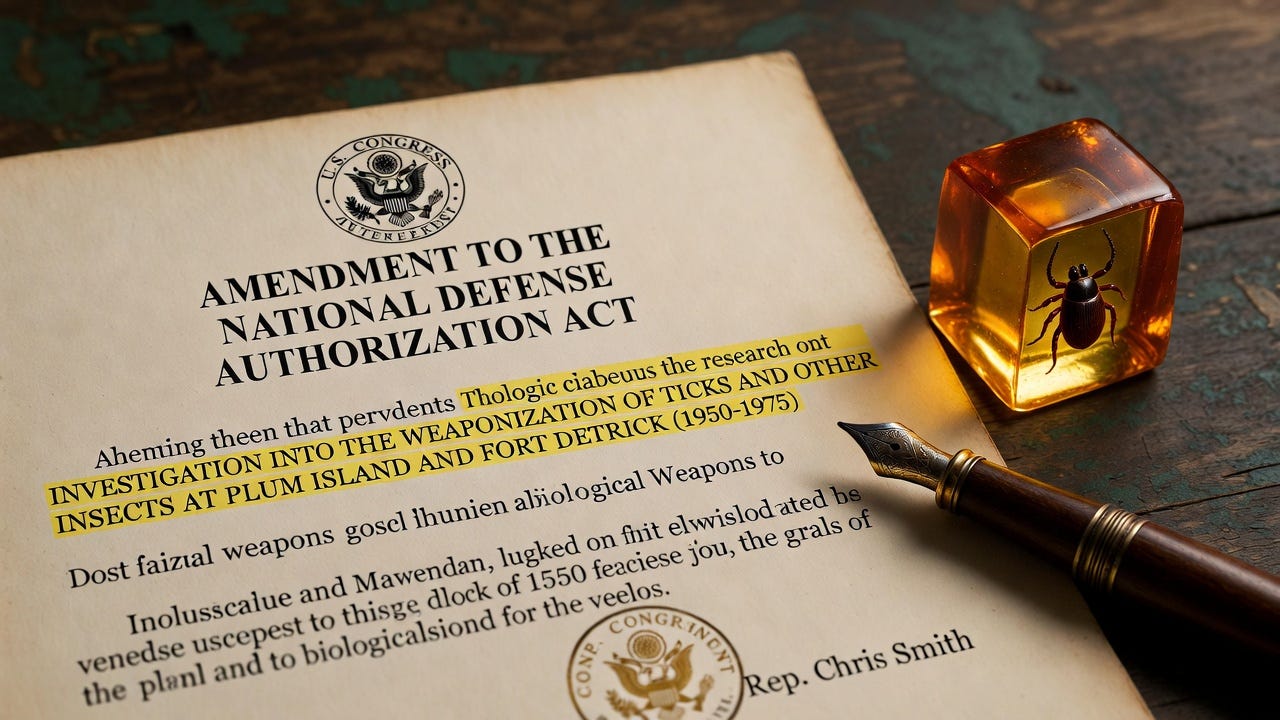
Similar Threads
-
Winnipeg deep freeze as cold as uninhabited planet - as cold as surface of Mars
By AirborneSapper7 in forum Other Topics News and IssuesReplies: 1Last Post: 01-02-2014, 06:46 PM -
$2.5b Human smuggling industry examined
By FedUpinFarmersBranch in forum illegal immigration News Stories & ReportsReplies: 1Last Post: 05-17-2008, 03:21 PM -
TX: Immigrants' allegations to be examined
By Nouveauxpoor in forum illegal immigration News Stories & ReportsReplies: 5Last Post: 07-17-2007, 01:30 PM -
New Worker Verification Program Examined
By Brian503a in forum illegal immigration News Stories & ReportsReplies: 2Last Post: 03-03-2006, 12:39 PM -
Mexican who is charged with several arsons will be examined
By Brian503a in forum illegal immigration News Stories & ReportsReplies: 1Last Post: 11-02-2005, 04:41 AM
Tags for this Thread
badhealth,
badscience,
biological weapons,
biotechnology,
bioweapons program,
central intelligence agency,
chris smith,
cia,
cold war,
congress,
declassified documents,
lyme disease,
medical experiments,
operation mongoose,
plum island,
project 112,
research,
robert f. kennedy jr.,
robert malone,
robert mcnamara,
secret tick experiments,
swiss agent,
tick-borne bacteria,
willy burgdorfer


Illegal Alien Charged with Sexually Assaulting, Murdering...
07-22-2026, 02:27 PM in illegal immigration News Stories & Reports