

Results 1 to 1 of 1
Thread: Trusting The Liars
Thread Information
Users Browsing this Thread
There are currently 1 users browsing this thread. (0 members and 1 guests)
 LinkBack URL
 About LinkBacks
-
11-15-2011, 02:20 AM #1Senior Member


- Join Date
- May 2007
- Location
- South West Florida (Behind friendly lines but still in Occupied Territory)
- Posts
- 117,087
Trusting The Liars
Trusting The Liars
November 14, 2011
by Bob Livingston
many links on this post
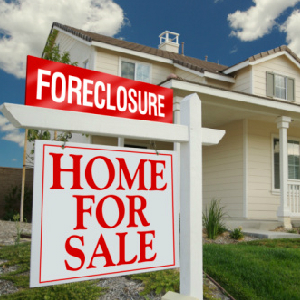
Former Federal Reserve Chairman Alan Greenspan’s easy-money policies created the housing bubble that burst in 2008.
If you’re going to take someone’s advice, who would you choose: the person who had been consistently right or the person who always got it wrong?
Or, to put it another way, if a person had a history of consistently making statements that proved inaccurate, would you continue to put faith in anything that person said?
The obvious answer is that you would choose the advice of someone with a proven track record of being correct. To do otherwise is pure folly.
Yet the American people continue to follow the foolish path. In so doing, they act against their own best interests.
For instance: Why do people continue to believe that following the advice of Federal Reserve Chairman Ben Bernanke — or his predecessor, Alan Greenspan, for that matter — will lead us to the end of the economic malaise in which we currently languish? Greenspan’s easy-money policies created the housing bubble that burst in 2008. Bernanke, who replaced Greenspan in 2006, continued Greenspan’s policies through the crash and beyond. And the housing crash and ensuing Great Recession (which is really a depression) blindsided him, if he’s been telling the truth.
As late as mid-2007, Bernanke said he thought the economy was behaving perfectly and would continue to expand and prosper.
But there were many who recognized otherwise.
In 2007, Peter Schiff published his book Crash Proof: How to Profit from the Coming Economic Collapse. He obviously saw what was looming on the horizon.
In the December 2006 issue of my newsletter, The Bob Livingston Letterâ„¢ I wrote:
The U.S. housing market is the largest market in the world. You can imagine what economic madness lies ahead.
The housing bubble was created to burst. It is a mess and the whole world is holding its breath. Hot air will not support anything, but this is the foundation of the housing bubble.
And as far back as March 4, 2003, Ludwig von Mises Institute adjunct scholar Frank Shostak wrote on mises.org:
If the pool of real funding is in trouble at present then this is likely to undermine various markets including the housing market. Moreover, the more aggressive the Fed’s loose stance is, the worse it is for the productive capacity of the economy. This in turn raises the likelihood that the liquidation of past excesses is likely to be imposed in earnest this time around.
Observe that the likely burst of the housing market bubble is on account of the decline in the pool of real funding and not a tighter stance on the part of the Fed. This contradicts the popular view, which holds that as long as the Fed keeps interest rates at low levels the housing market will remain strong.
And Congressman Ron Paul, who is the only Presidential candidate who warned of the coming bubbles and has preached against inflation and in favor of sound money for 30 years, also saw it coming.
So what gives? Why were the elite “expertsâ€Join our efforts to Secure America's Borders and End Illegal Immigration by Joining ALIPAC's E-Mail Alerts network (CLICK HERE)


 Reply With Quote

Wacko Massachusetts Town Considers Using 4th Of July Funds For...
06-13-2026, 03:27 PM in General Discussion