

Results 1 to 3 of 3
 1Likes
Thread Information
Users Browsing this Thread
There are currently 1 users browsing this thread. (0 members and 1 guests)
 LinkBack URL
 About LinkBacks
Threaded View


-
05-16-2016, 07:11 PM #1Senior Member


- Join Date
- Aug 2008
- Location
- PARADISE (San Diego)
- Posts
- 99,038
Montana Supreme Court orders state to provide benefits to illegal aliens
Posted: May 16, 2016 2:58 PM PDTUpdated: May 16, 2016 3:02 PM PDT
Montana Supreme Court orders state to provide benefits to immigrants
By Aja Goare - MTN News
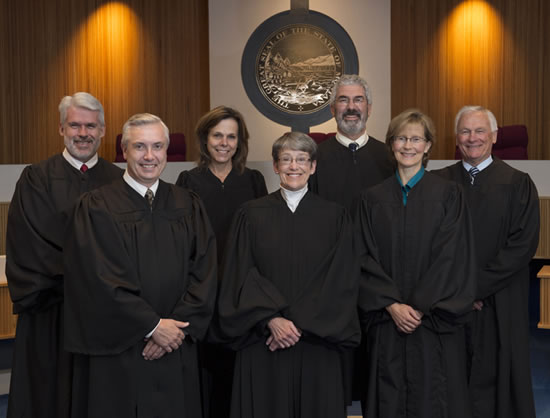 Montana Supreme Court Justices (MT Gov.)
BILLINGS -Immigrants who entered the U.S. illegally but have since acquired legal documentation are permitted to receive Montana benefits, the Montana Supreme Court has ruled.
The court’s opinion, issued last week, helped clarify the 2012 state law that excluded certain non-citizens from receiving Montana benefits.
Those benefits include a state license, employment, disability and unemployment aid, and federal funding for higher education.
The Montana Immigration Justice Alliance, which is based in Helena, first filed the complaint in Lewis and Clark County.
According to the language of the law, “illegal aliens,” who are defined as a non-U.S. citizen who entered the country illegally or stay in the country illegally, cannot receive state benefits.
MIJA argued that an immigrant who entered the U.S. illegally but has since become lawfully documented should not be prohibited from receiving state benefits.
The anti-immigration law, known as LR-121, was approved by Montana voters in 2012 by an 80 percent vote in favor.
A District Court judge ruled in favor of MIJA, only keeping in place the provision that required state agencies report immigrants who applied for benefits to immigration authorities.
The State of Montana appealed the ruling.
The high court said in its opinion that the state law violates federal law that permits documented immigrants to receive benefits.
“While states have the power to deny certain state services to immigrants who are not lawfully present in the US, states do not have the power to decide which immigrants are lawfully present,” according to the ruling.
The District Court ruling was upheld by the Montana Supreme Court, but the high court went a step further and removed the reporting requirement.
MIJA called the ruling a victory for immigrants.
“The Legislature ignored its own legislative services division’s warnings that the law was unconstitutional, and wasted state resources defending this unconstitutional law," said Brian Miller, one of the attorneys who represented MIJA's case. “The court’s decision protects vulnerable immigrant populations from discrimination by state agencies in the provision of important services.”
http://www.ktvq.com/story/31987046/m...-to-immigrants
NO AMNESTY
Don't reward the criminal actions of millions of illegal aliens by giving them citizenship.
Sign in and post comments here.
Please support our fight against illegal immigration by joining ALIPAC's email alerts here https://eepurl.com/cktGTn


 Reply With Quote
Similar Threads
-
US Supreme Court allows in-state tuition for illegal aliens
By JohnDoe2 in forum illegal immigration News Stories & ReportsReplies: 4Last Post: 06-06-2011, 03:18 PM -
CO-Illegal Immigrant ID Case Goes To State Supreme Court
By FedUpinFarmersBranch in forum illegal immigration News Stories & ReportsReplies: 0Last Post: 11-05-2009, 04:33 PM -
World Court Orders US to Halt Executions of illegal aliens
By lccat in forum illegal immigration News Stories & ReportsReplies: 31Last Post: 07-17-2008, 03:58 AM -
CA Court Says Illegal Aliens Get Benefits
By CountFloyd in forum illegal immigration News Stories & ReportsReplies: 3Last Post: 10-18-2005, 09:44 PM


Oh Noes: NICE Arrested A Whole Bunch Of Illegals In Memphis
09-07-2026, 08:16 AM in General Discussion