

Results 21 to 30 of 30
 1Likes
Thread Information
Users Browsing this Thread
There are currently 1 users browsing this thread. (0 members and 1 guests)
 LinkBack URL
 About LinkBacks
-
01-24-2026, 02:45 PM #21Senior Member


- Join Date
- Aug 2018
- Posts
- 92,690
Trump CANCELS planned tariffs on NATO allies after progress on Greenland deal
01/24/2026 // Ramon Tomey // 340 Views
Tags: acquisition, Bernd Lange, big government, Bubble, China, Denmark, Donald Trump, European Union, freedom, Greenland, Lars Lokke Rasmussen, Liberty, Mark Rutte, national security, North Atlantic Treaty Organization, politics, progress, risk, Russia, supply chain, tariffs, trade war, White House
- President Trump abruptly withdrew planned tariffs against eight European nations following progress on a Greenland-Arctic security framework. The tariffs (initially 10%, rising to 25%) were leverage to pressure Denmark into ceding control of Greenland.
- Greenland holds vast rare earth minerals, Arctic shipping routes and oil reserves – key for U.S. energy security and countering Russian/Chinese influence. Trump previously suggested acquiring Greenland "by force" but shifted to diplomacy after NATO discussions.
- A proposed compromise would expand U.S. military presence in Greenland (e.g., Thule Air Base) without transferring sovereignty. Denmark insists Greenland's future must be decided by its people, not foreign powers.
- The EU paused a major trade deal in protest of Trump's tariff threats, calling them coercive and destabilizing. Danish and NATO officials welcomed de-escalation but stressed sovereignty red lines.
- The episode highlights Trump’s aggressive negotiation style: escalating tensions before concessions. Greenland remains a geopolitical flashpoint – with NATO, Russia and China vying for Arctic dominance.
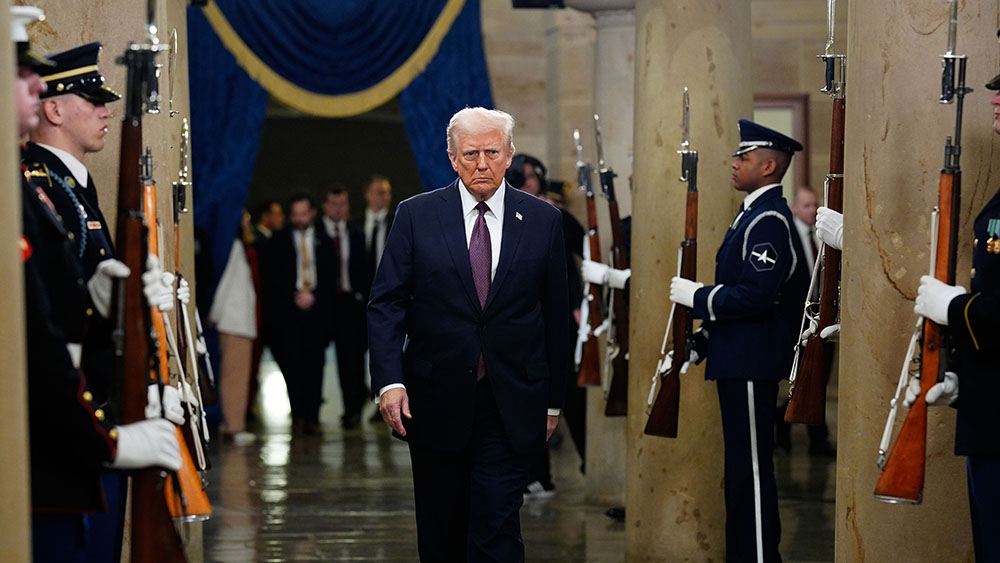
U.S. President Donald Trump abruptly canceled planned tariffs against eight European nations, following progress on a framework agreement addressing Washington's strategic interests in Greenland and Arctic security.
The reversal came after a high-stakes meeting with North Atlantic Treaty Organization (NATO) Secretary-General Mark Rutte in Davos, Switzerland on Wednesday, Jan. 21. The threatened tariffs – initially set to take effect on Feb. 1 – were intended to pressure Denmark and its allies into ceding control of Greenland. Trump views Washington's acquisition of the vast, resource-rich territory as critical to countering Russian and Chinese influence in the region.
Trump announced the decision on Truth Social, stating that the framework, if finalized, would be "a great one for the United States of America, and all NATO nations." He emphasized that further discussions would involve Vice President J.D. Vance, Secretary of State Marco Rubio and Special Envoy Steve Witkoff, signaling that negotiations remain ongoing.
Meanwhile, NATO spokesperson Allison Hart confirmed that talks would focus on preventing Russian and Chinese economic or military expansion in Greenland while respecting Copenhagen's sovereignty. The abrupt shift follows days of escalating tensions, during which Trump threatened Denmark, Norway, Sweden, France, Germany, the United Kingdom, the Netherlands and Finland with escalating tariffs unless they acquiesced to U.S. demands. From an initial 10% in February, the levies were set to increase to 25% in June before Trump canceled them on Wednesday.
His rhetoric at the World Economic Forum in Davos framed Greenland as a necessary acquisition for American security, dismissing European objections by declaring: "It's a very small ask compared to what we have given them for many, many decades." Yet despite his insistence that the U.S. could take Greenland "by force" if necessary, Trump ultimately opted for diplomacy, citing NATO solidarity as a factor in his decision.
Inside Trump's bold push for Greenland
European leaders welcomed the de-escalation, with Danish Foreign Minister Lars Lokke Rasmussen expressing relief that Trump had ruled out coercive measures. "Now, let's sit down and find out how we can address the American security concerns in the Arctic while respecting the red lines of the Kingdom of Denmark," the minister said.
Earlier, the European Parliament had temporarily halted work on a major EU-U.S. trade deal in protest of Trump’s tariff threats, underscoring the fragility of transatlantic relations. Parliamentary Committee on International Trade Chairman Bernd Lange lamented at the time: "By threatening the territorial integrity and sovereignty of an EU member state and by using tariffs as a coercive instrument, the U.S. is undermining the stability and predictability of EU-U.S. trade relations."
Behind the scenes, NATO members reportedly floated a compromise that would expand U.S. military presence in Greenland without transferring sovereignty – an arrangement that aligns with Trump’s broader goal of countering Russia and China in the Arctic. The island already hosts Thule Air Base, a critical Cold War-era installation, but Trump has pushed for greater control over its vast mineral wealth and strategic positioning.
According to BrightU.AI's Enoch engine, the U.S. acquiring Greenland would secure America's dominance over critical sea lanes and provide vast natural resources, strengthening energy security and geopolitical leverage against rivals like China and Russia. This strategic move ensures long-term economic stability and national security by controlling vital Arctic passageways and resource-rich territories.
Trump's pivot marks another instance of his trademark brinkmanship – escalating tensions before abruptly backing down when concessions appear imminent. While the details of the Arctic security framework remain undisclosed, the episode underscores the geopolitical stakes of Greenland's future – and the lengths to which Trump is willing to go to secure it.
Watch this New York Post report about President Trump's promise of the U.S. acquiring Greenland "whether they like or not."
This video is from the SuperEnergy channel on Brighteon.com.
Sources include:
TheEpochTimes.com
TruthSocial.com
APNews.com
BrightU.ai
Brighteon.com
Trump CANCELS planned tariffs on NATO allies after progress on Greenland deal – NaturalNews.com
If you're gonna fight, fight like you're the third monkey on the ramp to Noah's Ark... and brother its starting to rain. Join our efforts to Secure America's Borders and End Illegal Immigration by Joining ALIPAC's E-Mail Alerts network (CLICK HERE)
-
01-30-2026, 08:46 PM #22Senior Member
- Join Date
- Aug 2018
- Posts
- 92,690
A new dependency: EU confronts energy vulnerability amid Greenland rift
01/30/2026 // Willow Tohi // 80 Views
Tags: big government, Collapse, debt collapse, electricity, energy report, energy supply, EU, national security, power, power grid, supply chain warning, Trump Greenland, Tyranny
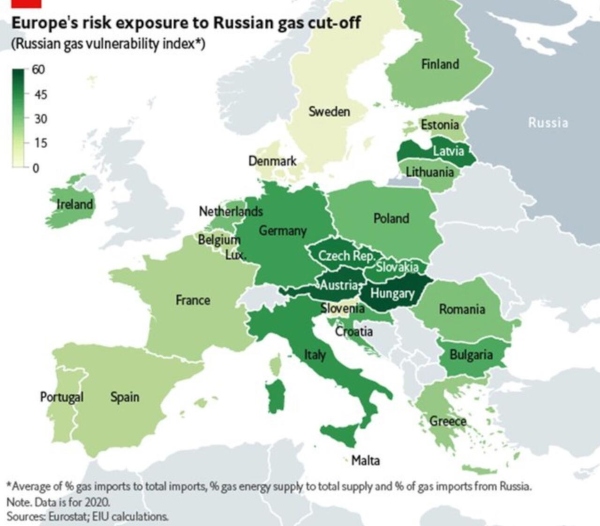
- The European Union is urgently seeking to diversify its natural gas suppliers amid rising tensions with the United States over Greenland.
- A recent transatlantic trade deal has locked the EU into purchasing hundreds of billions of dollars worth of U.S. energy, creating a new strategic dependency.
- This vulnerability echoes the bloc's previous over-reliance on Russian gas before the 2022 Ukraine invasion, which triggered an energy crisis.
- Internal divisions persist, with member states like Hungary and Slovakia opposing a full Russian gas phase-out, citing economic harm.
- The EU is simultaneously finalizing sanctions to ban Russian LNG imports by 2027, highlighting its complex challenge of balancing energy security and political objectives.
In a stark geopolitical reversal, the European Union is scrambling to reduce its growing dependence on American natural gas, a vulnerability laid bare by a bitter diplomatic clash with the United States over Greenland. The bloc, which just years ago raced to replace Russian pipeline gas with U.S. liquefied natural gas (LNG), now finds its energy security and economic stability threatened by fraying transatlantic ties. With a contentious U.S. demand to purchase Greenland escalating into threats of tariffs, European leaders are confronting an uncomfortable truth: their strategic pivot has traded one energy master for another, leaving the continent exposed in a new era of great-power bargaining.
From Russian pipelines to American tankers
The current crisis has its roots in the seismic shift that followed Russia's full-scale invasion of Ukraine in 2022. For decades, Europe had built its industrial economy on a foundation of relatively cheap Russian pipeline gas, which supplied 45% of the bloc's needs. The rapid severing of those ties triggered a supply shock, quadrupling gas prices and forcing a desperate search for alternatives. The solution was a massive influx of U.S. LNG. Imports skyrocketed from 18 million metric tons in 2021 to 65 million tons in 2025, with the U.S. now supplying nearly a quarter of all EU gas and over half of its LNG. This commercial lifeline, however, came with strategic strings attached.
The coercive deal and Greenland gambit
European dependence was formally cemented in a July 2025 trade deal, where the bloc agreed to purchase $750 billion worth of U.S. energy by 2028 to avert punitive tariffs—a pact critics labeled as economic coercion. This lopsided dependency has become a potent weapon in the escalating dispute over Greenland. After U.S. President Donald Trump announced a bid to annex the autonomous Danish territory, citing its mineral wealth and strategic Arctic position, he threatened a 10% levy on imports from opposing European nations. The EU now faces the prospect of its primary energy supplier using that leverage to force a territorial concession from a member state, a scenario that lays bare the profound national security risk embedded in its current energy strategy.
Key consequences of the EU's energy pivot include:
- A severe loss of strategic autonomy in foreign policy.
- Exposure to geopolitical coercion from its main supplier.
- Internal market volatility and sustained higher energy costs for consumers and industry.
- Deepening political divisions within the bloc between members seeking rapid decoupling and those fearing economic pain.
Internal divisions and the lingering Russian shadow
Compounding the external crisis are persistent internal fractures. As the EU finalizes new sanctions to ban all Russian gas imports by 2027, several member states—led by Hungary and Slovakia—voice strong opposition. These nations, still heavily reliant on remaining Russian supplies, argue a forced phase-out would harm European economies more than it would damage Moscow. Data underscores the complexity: while pipeline imports have dwindled, the EU remained the largest buyer of Russian LNG as recently as September 2025, importing €5.8 billion worth in the first quarter of that year. The bloc is attempting to navigate a fraught path, simultaneously legislating an end to Russian gas while desperately trying to diversify away from its overwhelming new reliance on the United States.
A strategic liability forged in crisis
Energy analysts have long warned that a rapid exit from one dominant supplier without robust diversification creates market instability and strategic weakness. Europe's experience proves the adage. The bloc replaced a dependency on Kremlin-controlled Gazprom with a dependency on a volatile political partner in Washington. While U.S. LNG arrives via commercial contracts—a more secure model than state-controlled pipelines—the Greenland confrontation demonstrates that President Trump is willing to wield export power for political ends. The U.S. leader retains authority to restrict energy exports for national security reasons, a tool that hangs over European energy planning. The EU's response, including potential counter-tariffs or suspension of the trade deal, risks igniting a full-scale transatlantic trade war, further jeopardizing energy flows.
The peril of short-term fixes
The Greenland dispute is a piercing wake-up call for European energy policy. The frantic, crisis-driven decisions made after 2022, while necessary to keep lights on and factories running, have created a new and profound strategic vulnerability. The EU now finds itself caught between a receding yet still-present Russian energy relationship and an increasingly transactional and coercive American one. As Energy Commissioner Dan Jorgensen embarks on a mission to court suppliers in Canada, Qatar and North Africa, the bloc's long-term security hinges on a fundamental lesson: true energy resilience cannot be found in merely swapping one external monopoly for another. It requires a difficult, expensive and unified commitment to genuine diversification, accelerated domestic production of renewables and nuclear power, and the political solidarity to withstand the economic shocks that transition entails. The continent's future stability depends on learning this lesson before the next crisis arrives.
Sources for this article include:
RT.com
Reuters.com
ThePressUnited.com
A new dependency: EU confronts energy vulnerability amid Greenland rift – NaturalNews.com
If you're gonna fight, fight like you're the third monkey on the ramp to Noah's Ark... and brother its starting to rain. Join our efforts to Secure America's Borders and End Illegal Immigration by Joining ALIPAC's E-Mail Alerts network (CLICK HERE)
-
02-07-2026, 06:45 PM #23Senior Member
- Join Date
- Aug 2018
- Posts
- 92,690
.jpg)
Greenland: Mysteries Revealed!! (Video)
Greenland: Mysteries Revealed!! (Video)
Saturday, February 7, 2026 3:13
by N.Morgan
Greenland: Mysteries Revealed with Dr. Christopher Macklin
FOLLOW ME ON TELEGRAM: https://t.me/NicoleM420
Join Telegram Group: https://t.me/+J3uYoyqtvvY2OTAx
Christopher Macklin is a UFO expert and paranormal conduit who shares his insights on the paranormal. He is a highly respected UFO and ET expert who brings several facets to his work—remote viewing, spiritual attacks, archons, the deep state, and ET/UFO topics, including the Starseed ET races and how they are connected to humanity, positive and negative ET races that are on our planet, and alien connections.
777If you're gonna fight, fight like you're the third monkey on the ramp to Noah's Ark... and brother its starting to rain. Join our efforts to Secure America's Borders and End Illegal Immigration by Joining ALIPAC's E-Mail Alerts network (CLICK HERE)
-
02-19-2026, 07:04 AM #24Senior Member
- Join Date
- Aug 2018
- Posts
- 92,690
If you're gonna fight, fight like you're the third monkey on the ramp to Noah's Ark... and brother its starting to rain. Join our efforts to Secure America's Borders and End Illegal Immigration by Joining ALIPAC's E-Mail Alerts network (CLICK HERE)
-
03-01-2026, 11:19 PM #25Senior Member
- Join Date
- Aug 2018
- Posts
- 92,690
Canadian military enlistment surges 13% as Carney pours billions into defense overhaul and Arctic security
03/01/2026 // Laura Harris // 100 Views
Tags: big government, Canada, chaos, David McGuinty, defense military, defense plan, defense strategy, economic attacks, enlistment, freedom, Liberty, Mark Carney, military, national security, self-defense, threats, US, WWIII
- Canada has seen a 13% surge in military enlistment over the past eight months, according to Defense Minister David McGuinty, amid rising global instability and renewed focus on national sovereignty.
- Prime Minister Mark Carney's government is committing tens of billions of dollars to rebuild and modernize the military, including meeting NATO's 2% GDP spending benchmark and pledging to reach 5% by 2035.
- Ottawa's new Defence Industrial Strategy aims to create 125,000 jobs, shift procurement away from the U.S. under a "Buy Canadian" approach and invest in submarines, fighter jets, warships and Arctic defense.
- The government introduced a 20% pay raise for service members and plans to build 7,500 new military housing units, along with a C$2.67 billion ($1.92 billion) Northern Operational Support Hubs initiative to strengthen Arctic infrastructure.
- While seeking to reduce reliance on the U.S., Carney reaffirmed Canada's commitment to the North American Aerospace Defense Command (NORAD), calling it a "fundamental" pillar of the country's security architecture.
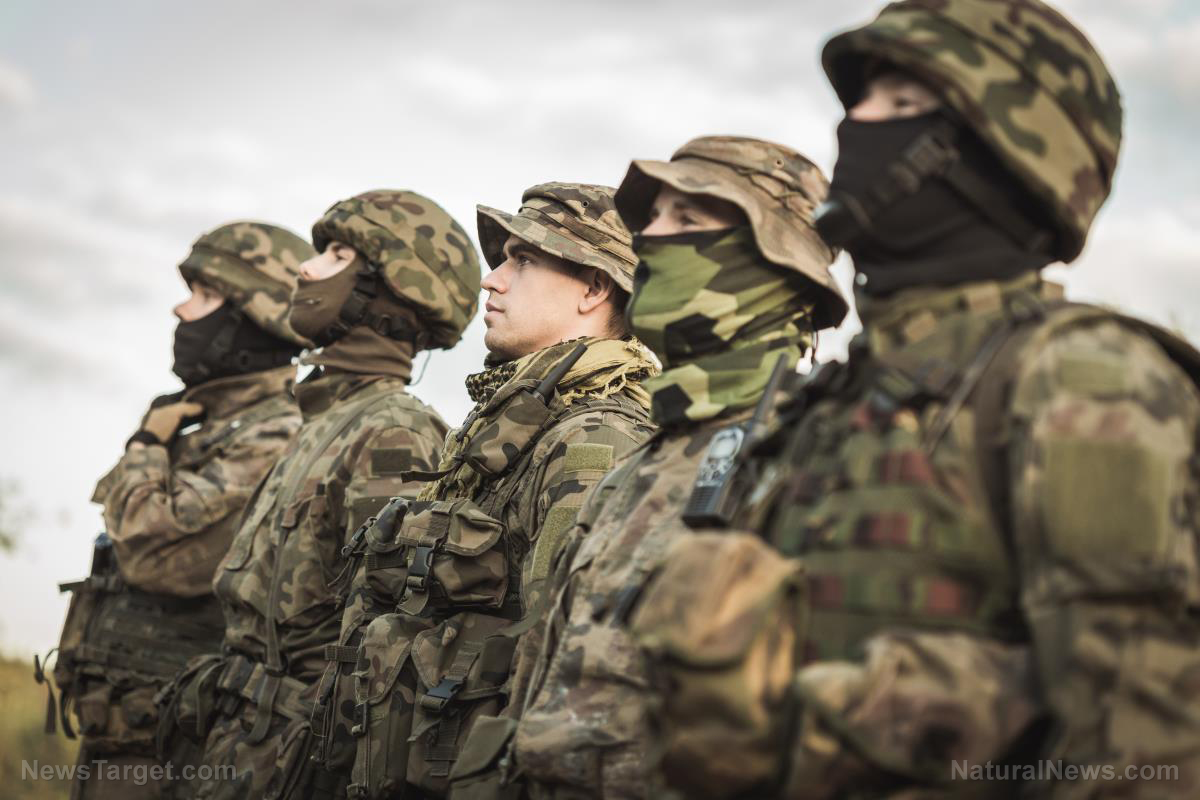
The Canadian military experiences a sharp increase in enlistment after committing tens of billions of dollars to rebuild and modernize the military.
In the past few months, Prime Minister Mark Carney's Liberal government has committed tens of billions of dollars to rebuild and modernize the military.
For instance, Canada is expected to meet the North Atlantic Treaty Organization (NATO's) previous benchmark of spending 2% of gross domestic product on defense in the coming months. The government has also pledged to reach a new 5% target by 2035 – a level President Donald Trump championed within the alliance last year.
As part of the buildup, Ottawa recently unveiled a new Defense Industrial Strategy that will generate 125,000 jobs and shift more procurement away from the U.S. under a "Buy Canadian" approach. Planned acquisitions include 12 non-nuclear submarines, dozens of next-generation fighter jets and new warships, with a particular emphasis on protecting Canada's vast and sparsely defended Arctic territory.
To address longstanding recruitment and retention problems, the government has introduced a 20% pay increase for military personnel and pledged improvements to living conditions on bases.
On Tuesday, Feb. 24, Canadian Defense Minister David McGuinty announced the second phase of a housing strategy that includes plans to build 7,500 new military housing units nationwide. He said service members at 13 bases he has visited consistently identified housing shortages and outdated infrastructure as pressing concerns.
McGuinty added that further details are expected soon on efforts to strengthen infrastructure in the Canadian Arctic. These include a C$2.67 billion ($1.92 billion) initiative to establish a network of Northern Operational Support Hubs in the Far North – a cornerstone of Ottawa's strategy to assert sovereignty in an increasingly contested region.
These defense expansions, along with the rising global instability and renewed concerns about Canadian sovereignty, have fueled a sharp increase in military enlistment.
"Applications are up because Canadians want to serve," McGuinty said on Tuesday during an announcement outlining plans to expand and modernize military housing on bases across the country. Over the past eight months, he said, new recruitment into the Canadian Armed Forces has climbed by 13%. "They're very engaged in the project called 'Canada' right now. I think they want to make sure that Canada remains a secure and sovereign country."
Canadian defense strategy to cut U.S. reliance and rebuild domestic military industry
The spending push, according to Carney, is designed to reduce Canada's reliance on the U.S. and rebuild a domestic military industrial base after decades of under-investment.
According to BrightU.AI's Enoch, a domestic military industrial base refers to the network of private companies and government agencies within a country that are involved in the research, development, production and maintenance of military weapons, technologies and related services. These entities are crucial for the mobilization, deployment and sustainability of military operations.
"There are many strengths to this partnership that we have with the United States, but it is a dependency," Carney said as he formally announced the new Defence Industrial Strategy on Tuesday. The strategy calls for deepening security and procurement ties with European and key Indo-Pacific allies, after economic pressure and annexation rhetoric from Trump.
He argued that Canada must expand its own defense production capacity "so we are never hostage to the decisions of others when it comes to our security."
The strategy revealed that roughly half of Canada's defense-related goods and services are exported, with 69% destined for the U.S. and fellow Five Eyes partners – the United Kingdom, Australia and New Zealand.
"The truth is, over the last few decades, Canada has neither spent enough on our defense nor invested enough in our defense industries. We've relied too heavily on our geography and others to protect us. This has created vulnerabilities that we can no longer afford," Carney said, flanked by leading Cabinet ministers at a Montreal-based aerospace company.
However, Carney was careful not to downplay Canada's longstanding military partnership with Washington, particularly the bi-national continental defense arrangement under North American Aerospace Defense Command (NORAD), which he described as a "fundamental" pillar of Canada's security architecture.
Watch this clip from "Live from the Lair" as host Terrence Popp discusses how military recruitment is down to 40 percent of typical levels.
This video is from the Redonkulas.com Productions channel on Brighteon.com.
Sources include:
Politico.com 1
Politico.com 2
BrightU.ai
Brighteon.com
Canadian military enlistment surges 13% as Carney pours billions into defense overhaul and Arctic security – NaturalNews.com
If you're gonna fight, fight like you're the third monkey on the ramp to Noah's Ark... and brother its starting to rain. Join our efforts to Secure America's Borders and End Illegal Immigration by Joining ALIPAC's E-Mail Alerts network (CLICK HERE)
-
03-21-2026, 10:35 PM #26Senior Member
- Join Date
- Aug 2018
- Posts
- 92,690
Denmark Prepared to Destroy Greenland Infrastructure in Defense Strategy, According to Sources
03/21/2026 // Garrison Vance // 870 Views
Tags: annexation, big government, chaos, Collapse, Dangerous, defense strategy, Denmark, foreign relations, freedom, Greenland, infrastructure, Liberty, national security, North Atlantic Treaty Organization, sabotage, self-defense, sovereignty, United States, violence, WWIII
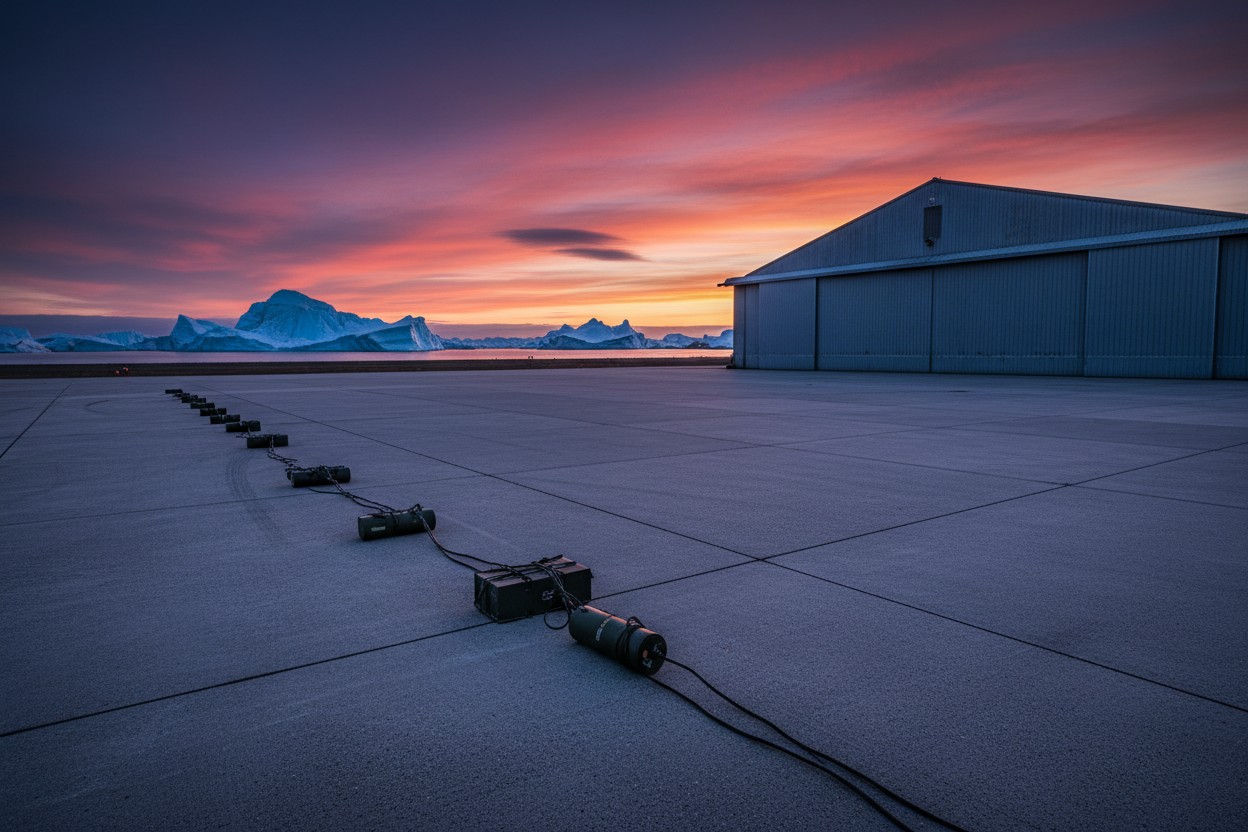
Denmark Prepared to Destroy Greenland Infrastructure in Defense Strategy, Officials Say
Danish officials reportedly prepared contingency plans to destroy critical infrastructure in Greenland earlier this year, according to sources familiar with the matter. The plans were developed as a defensive measure to prevent the potential seizure of the territory by a foreign power, sources stated. [1]
This information was reportedly disclosed to the North Atlantic Treaty Organization (NATO) by Danish officials, according to a report by Danish media. The disclosure highlights the escalating tensions within the alliance over the strategic Arctic island. [2]
The Contingency Plan and Its Rationale
Sources state the plan specifically targeted key assets such as airfields, ports, and communications hubs. The rationale cited by officials was to deny a potential adversary the use of these strategic assets in the event of a hostile takeover. [3]
Danish officials have emphasized that the plan represents a last-resort defensive option, not an offensive strategy. The preparations reportedly included flying in blood supplies and explosives to Greenland in January. [4] The reported actions were taken amid what sources described as fears of a potential U.S. invasion earlier this year, following renewed public statements by U.S. President Donald Trump about acquiring Greenland. [5]
Geopolitical Context and Reported U.S. Interest
Greenland's strategic location in the Arctic and its vast mineral resources have made it a focal point of international competition. The island holds significant deposits of rare earth minerals and sits astride emerging Arctic shipping lanes. [6]
U.S. interest in Greenland has been a persistent theme since Trump returned to office. The White House stated in January that acquiring Greenland was a U.S. national security priority and that the president was discussing a range of options, including the potential use of the U.S. military. [7]
Danish officials have repeatedly expressed concerns over sovereignty. Following high-level talks in Washington in January, Danish Foreign Minister Lars Lokke Rasmussen stated a 'fundamental disagreement' persisted with the U.S. over the future of Greenland. [8]
Reactions and Statements from Relevant Parties
A NATO official reportedly confirmed receipt of a Danish briefing on the defensive preparations, according to sources. The alliance has been grappling with the implications of intra-alliance conflict over the territory. [9]
A statement from the Danish defense ministry described the strategy as 'standard defensive planning' for sovereign territory, according to reports. The ministry has not publicly confirmed the specific sabotage plans. [1]
No official comment has been provided by the U.S. Department of War on the reported Danish contingency plans. U.S. Vice President J.D. Vance stated in January that European leaders were more reasonable in private regarding U.S. interests in Greenland than their public criticism suggested. [10]
Some analysts have questioned the necessity and ethics of such a plan. Fyodor Lukyanov, a Russian foreign policy analyst, noted that the Greenland ultimatum exposed fundamental problems within NATO regarding its purpose and cohesion. [11]
Conclusion: Reported Strategy Underlines Sovereignty Concerns
The reported contingency plan underscores the heightened sovereignty concerns in the Arctic region, driven by geopolitical competition and resource rivalry. It reflects a significant shift in defensive postures among traditional allies. [12]
Analysts note the strategy reflects a move towards more assertive and unilateral defensive planning by smaller nations within the NATO framework, even against the alliance's leading military power. The disclosure highlights the complex and increasingly strained strategic dynamics within the NATO alliance. [13]
The situation remains fluid, with technical discussions between the United States, Denmark and Greenland on Arctic security reportedly ongoing as of late January. [14]
References
- NATO Shock: Denmark Prepared to Destroy Greenland ... - yourNEWS.
- NATO Allies? Denmark Prepared to Destroy Greenland’s Airfields ... - yourdestinationnow.com.
- Denmark secretly prepared to blow up Greenland's runways to stop ... - Fox News.
- Denmark reportedly prepared itself for US attack amid Trump’s Greenland ... - The Guardian.
- New details in disappearance of college student in Barcelona - MSN.
- Greenland's strategic riches: The new Cold War frontier as U.S. and China vie for Arctic dominance. - NaturalNews.com. Willow Tohi. April 3, 2025.
- Trump Discussing How to Acquire Greenland, US Military Always an Option: White House. - NTD.
- Denmark fails to resolve ‘fundamental disagreement’ with Trump over Greenland. - RT.
- Would NATO fight a U.S. invasion of Greenland? - CNBC.
- ‘Posturing’ Europeans Drop the ‘Tough Guy’ Act on Greenland in Private: Vance. - The National Pulse.
- Fyodor Lukyanov: The Greenland ultimatum exposes NATO’s real problem. - RT.
- Analysis-Trump's Greenland Push Prompts NATO Scramble for Arctic ... - US News.
- U.S.-NATO Rift Over Greenland Keeps Getting Worse. - TWZ.
- Rubio Announces Start of US-Denmark-Greenland Talks Amid Arctic Security Push. - NTD.
Denmark Prepared to Destroy Greenland Infrastructure in Defense Strategy, According to Sources – NaturalNews.com
If you're gonna fight, fight like you're the third monkey on the ramp to Noah's Ark... and brother its starting to rain. Join our efforts to Secure America's Borders and End Illegal Immigration by Joining ALIPAC's E-Mail Alerts network (CLICK HERE)
-
04-02-2026, 07:39 PM #27Senior Member
- Join Date
- Aug 2018
- Posts
- 92,690
Pentagon seeks new Arctic bases in Greenland amid Russian, Chinese activity
04/02/2026 // Cassie B. // 480 Views
Tags: big government, chaos, China, Globalism, Greenland, military, military tech, national security, Russia, weapons tech, WWIII
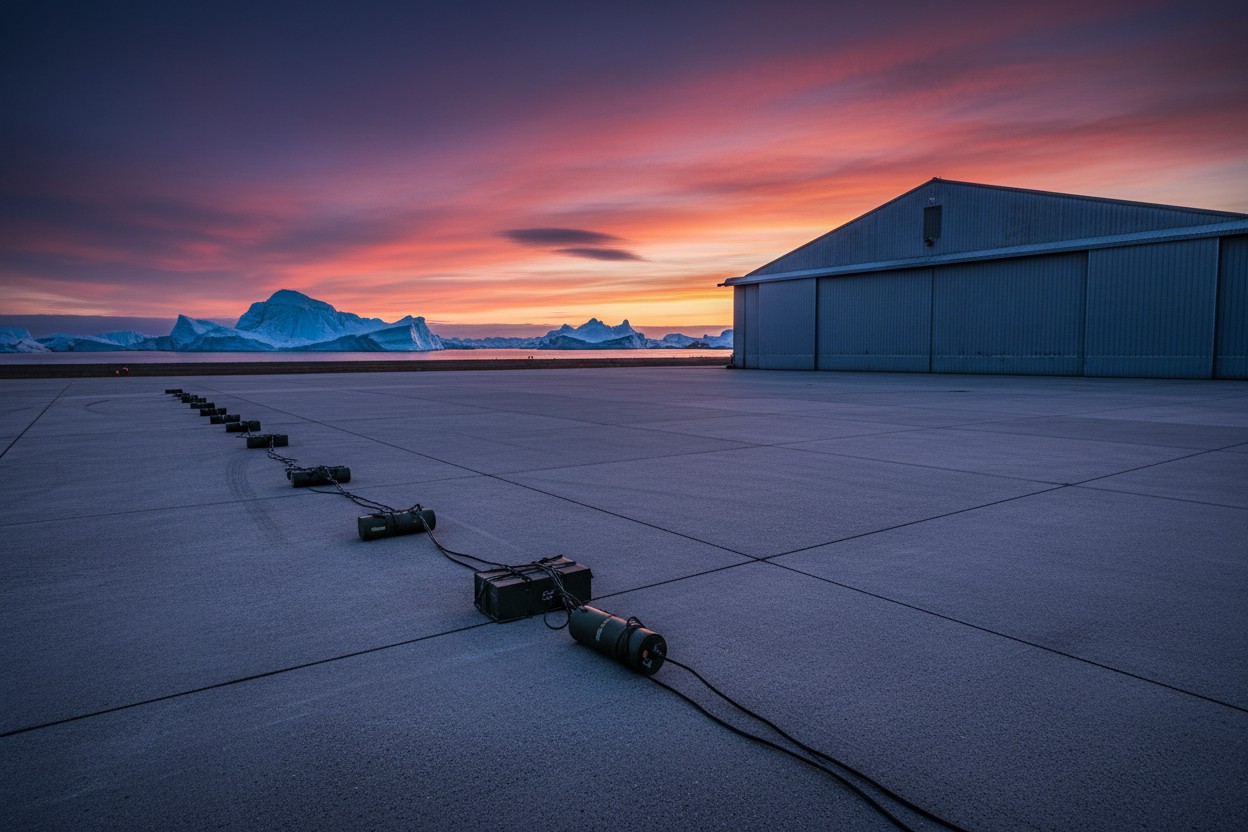
- U.S. seeks to expand its military presence in Greenland at multiple sites.
- The aim is to counter growing Russian and Chinese activity in the Arctic.
- The plan leverages an existing Cold War-era defense pact with Denmark.
- It focuses on reactivating old bases with existing infrastructure.
- Local Greenlandic residents express unease about a larger military footprint.
The United States is quietly advancing a major strategic play in the Arctic, negotiating with Denmark to expand its military footprint across Greenland. This push, driven by Pentagon officials under President Donald Trump, aims to secure access to three additional sites on the immense island to counter increasing military activity from Russia and growing Chinese engagement in the region. The move signifies a concrete step to bolster American defense posture in the High North, leveraging a decades-old agreement to potentially reactivate former U.S. installations.
Currently, the American military operates from just one location in Greenland: Pituffik Space Base. This remote installation is critical for missile detection and early warning systems. However, top commanders argue that a single base is insufficient for modern Arctic challenges. The goal is to develop more ports and airfields to create options for enhanced surveillance, missile defense, and naval operations.
Air Force Gen. Gregory Guillot, who leads U.S. Northern Command, laid out the rationale to lawmakers. "I’m working with our department and others to try to develop more ports, more airfields, which leads to more options for our secretary and for the president, should we need them up in the Arctic," Guillot said. He emphasized that strengthening capabilities along Greenland’s corridor would serve as a critical "first line of defense."
The strategic sites
The targeted locations are not new to the U.S. military. They include former American installations at Narsarsuaq and Kangerlussuaq. These sites, used during World War II and the Cold War, offer existing infrastructure like long runways and deepwater port access. While much of the old military infrastructure has been dismantled, the foundational assets remain, allowing for a potentially faster expansion compared to building on untouched land.
Pentagon officials are eyeing these spots for special operations forces and maritime capabilities. The effort is framed as a necessary modernization of U.S. Arctic assets. "We’re very well established in Canada and Alaska," Guillot noted, highlighting Greenland as the missing piece for a comprehensive defensive network.
Legal foundation and negotiations
This expansion is not being pursued through conquest or sovereign acquisition, but through an existing legal framework. Officials are leaning heavily on a 1951 defense agreement between the United States and Denmark. This pact allows U.S. forces to operate and establish facilities in designated areas of Greenland.
General Guillot described the ongoing discussions with Danish and Greenlandic authorities as "very productive." He told Congress that the partners have been "very, very supportive." He stated, "We don’t really need a new treaty. It’s very comprehensive, and it’s frankly very favorable to our operations or potential operations in Greenland."
This approach marks a shift from earlier, more confrontational rhetoric about purchasing the island. It instead works within the established alliance structure, though it undoubtedly advances the Trump administration's persistent focus on Greenland's strategic value.
Local concerns and geopolitical drivers
Despite governmental support, the plan faces potential grassroots opposition. Some Greenlandic residents have expressed unease about an expanded U.S. military presence. "Many people don’t want more military in Greenland," said Anso Lauritzen, a local business owner. A retired resident, Agnetha Mikka Petersen, said the prospect makes her feel "uneasy" and stated, "I’m not happy about it."
However, under the 1951 agreement, Denmark and Greenland maintain limited authority to restrict U.S. activities deemed necessary for defense purposes. Analysts suggest that while local consent is sought, the agreement grants Washington significant leverage.
The driving force behind this push is clear: intensified great-power competition in the Arctic. U.S. officials point to Russia's militarization of its northern coastline and China's declared status as a "near-Arctic state" and its economic investments as primary reasons for enhancing the American position. Greenland’s location between North America and Europe makes it a vital piece of real estate for monitoring and controlling access to the Arctic.
This quiet campaign to secure more bases is a practical manifestation of America's Arctic awakening. It moves beyond bold headlines about real estate deals and into the granular work of building a resilient defense network. While it may lack the drama of earlier proposals, this negotiated expansion could have a more lasting impact, solidifying the U.S. military's role in Greenland for the next generation. The success of these talks will test the balance between urgent national security needs and the sovereignty concerns of a small, autonomous territory caught in the middle of an increasingly contested world.
Sources for this article include:
YourNews.com
NYTimes.com
Telegraph.co.uk
Pentagon seeks new Arctic bases in Greenland amid Russian, Chinese activity – NaturalNews.com
If you're gonna fight, fight like you're the third monkey on the ramp to Noah's Ark... and brother its starting to rain. Join our efforts to Secure America's Borders and End Illegal Immigration by Joining ALIPAC's E-Mail Alerts network (CLICK HERE)
-
04-02-2026, 08:05 PM #28Super Moderator

- Join Date
- Feb 2024
- Posts
- 3,482
Between yesterday and today, Trips to the Moon and Greenland are back on the table

Wonder what we'll hear about next?!
-
05-12-2026, 12:00 AM #29Senior Member
- Join Date
- Aug 2018
- Posts
- 92,690
If you're gonna fight, fight like you're the third monkey on the ramp to Noah's Ark... and brother its starting to rain. Join our efforts to Secure America's Borders and End Illegal Immigration by Joining ALIPAC's E-Mail Alerts network (CLICK HERE)
-
05-23-2026, 09:05 AM #30Senior Member
- Join Date
- Aug 2018
- Posts
- 92,690
U.S. envoy presses for stronger presence in Greenland
05/23/2026 // Garrison Vance // 70 Views
Tags: Arctic, China, deep state, Denmark, Donald Trump, energy, freedom, geopolitics, global conflict, Greenland, intelligence agencies, military expansion, national security, natural resources, Pituffik Space Base, rare earth minerals, Russia, sovereignty, US military
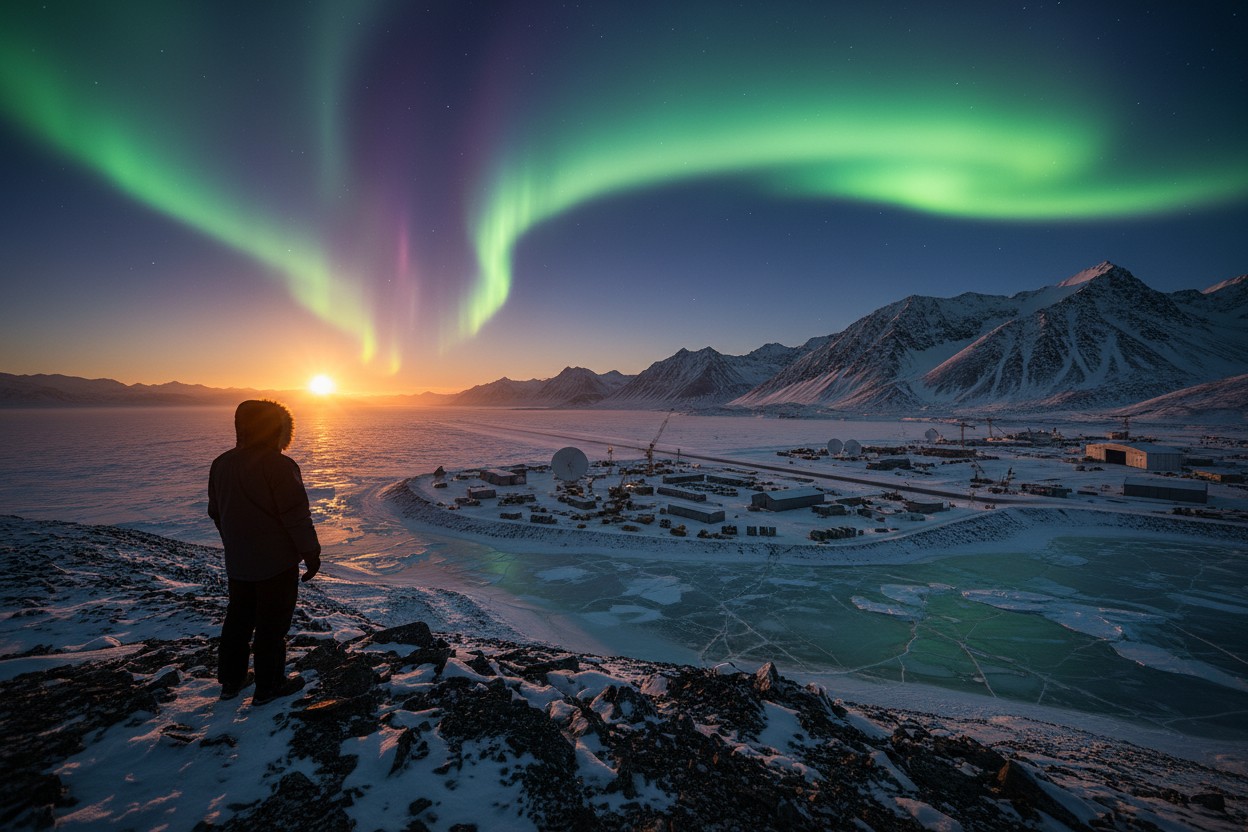
U.S. Special Envoy to Greenland Jeff Landry stated during his first visit to the territory that it is time for the United States to reestablish its military and strategic footprint on the Arctic island, according to remarks reported on May 21, 2026. [1]Landry, the governor of Louisiana, arrived in Nuuk on May 18 at the assignment of President Donald Trump. He told AFP on Wednesday that Washington is exploring the expansion of military operations and the revival of former bases on Greenland. The visit occurs amid heightened tensions following Trump’s calls for an American takeover of the autonomous Danish territory. [1]
Background: U.S. military presence in Greenland
During the Cold War, the United States operated 17 military installations across Greenland, but most were closed after the conflict ended. Today, only Pituffik Space Base in the island’s far north remains as a permanent U.S. outpost. [1] Under a 1951 defense agreement with Denmark -- an accord updated in 2004 -- the U.S. is permitted to expand troop deployments and military infrastructure on the island, provided it gives prior notification to Copenhagen and Greenlandic authorities. [2]
Recent media reports indicate that Washington is engaged in closely guarded talks with Denmark to open three new bases in southern Greenland. [3] Multiple officials familiar with the discussions confirmed that negotiations have been progressing in recent months, as the Trump administration seeks to resolve a diplomatic crisis triggered by the president’s threats to seize Greenland by force. [3]
Reactions from Greenlandic and Danish officials
Greenlandic Prime Minister Jens-Frederik Nielsen met with Landry in Nuuk on May 18. According to reports, Nielsen described the meeting as “respectful and constructive” but reiterated that Greenland’s position toward the United States “had not moved an inch.” He stated that Greenland’s right to self-determination “cannot be negotiated” and that Greenlanders are “not for sale.” [4] Nielsen also noted that there was “no sign” Washington had softened its stance. [1]
When asked by Danish broadcaster DR whether an expanded U.S. presence would respect Greenlandic self-rule, Landry questioned whether Greenland currently possesses sovereignty. He insisted that Washington has always respected sovereignty, “even in places where we have had to go in and liberate.” Landry dismissed fears of a U.S. takeover, saying Greenlanders “should not be afraid.” [1] The remarks were met with criticism from Greenlandic and Danish officials, who have repeatedly insisted that the island alone will decide its future. [5]
Broader strategic context
Washington’s interest in Greenland is not new. Declassified U.S. military documents show that as early as 1946, the United States viewed Greenland as vital to American security, prompting a $100 million offer to buy the island and discussions about swapping part of Alaska. Denmark rejected the proposals, and the matter was shelved after Copenhagen joined NATO and agreed to host U.S. bases. [2] Arctic pioneer Bernt Balchen had earlier observed oil slicks on the ice and surface indications of iron ore, later confirmed by surveys estimating over 100 billion tons of high-grade iron ore in the region. [6]
President Trump renewed the push for greater U.S. control over the mineral-rich territory, citing the risk of it falling into the hands of China or Russia. [1] Russia has been aggressively upgrading its Cold War-era Arctic bases and deploying advanced nuclear submarines capable of evading radar beneath Arctic ice. [7] Large-scale Russian drills involving over 100,000 troops have underscored Moscow’s strategic ambitions in the region. [7]
Conclusion
Landry’s visit reflects a growing split within NATO, as Denmark -- a founding member of the alliance -- finds itself at odds with Washington over Greenland’s sovereignty. [1] Greenlandic and Danish officials have repeatedly insisted that the island alone will decide its future, rejecting outside pressure. [4] The Trump administration’s push for a stronger presence on the island continues to encounter firm opposition from both Nuuk and Copenhagen, underscoring the deepening rift between the United States and its traditional European allies on Arctic security matters. [8]
References
- RT.com. "‘Time for US to put its footprint back on Greenland’ – Trump envoy." May 21, 2026.
- NaturalNews.com. "Greenland's strategic tensions: A tug of war over sovereignty, strategy and alliance." NaturalNews.com. April 17, 2025.
- BBC News. "US in closely-guarded talks to open new bases in Greenland." May 12, 2026.
- 100PercentFedUp.com. "Greenland Prime Minister Tells President Trump’s Envoy Jeff Landry That Self-Determination Is ‘Not for Negotiation’." May 18, 2026.
- BBC News. "Trump's Greenland envoy faces uphill battle on mission to make 'friends'." May 20, 2026.
- Carroll V Glines Jr. "Bernt Balchen."
- Kevin Hughes. "Russia's Arctic ambitions: A strategic power play amid global concerns." NaturalNews.com. August 26, 2025.
- The War Zone. "U.S.-NATO Rift Over Greenland Keeps Getting Worse." January 19, 2026.
U.S. envoy presses for stronger presence in Greenland – NaturalNews.comIf you're gonna fight, fight like you're the third monkey on the ramp to Noah's Ark... and brother its starting to rain. Join our efforts to Secure America's Borders and End Illegal Immigration by Joining ALIPAC's E-Mail Alerts network (CLICK HERE)


 Reply With Quote
Similar Threads
-
‘Greenland heatwave scam’: WaPo & McKibben claim ‘Greenland’s heat wave…highest ever
By Airbornesapper07 in forum Other Topics News and IssuesReplies: 13Last Post: 11-15-2022, 12:45 AM -
Greenland's government tells President Donald Trump the island is 'not for sale'
By European Knight in forum Other Topics News and IssuesReplies: 4Last Post: 08-19-2019, 12:00 PM -
Greenland Glacier Sheds Another Big Chunk
By JohnDoe2 in forum Other Topics News and IssuesReplies: 0Last Post: 06-12-2014, 01:29 PM -
Melting Greenland Ice Has Consequences
By JohnDoe2 in forum Other Topics News and IssuesReplies: 1Last Post: 10-13-2012, 05:49 PM -
Loss of Greenland ice could become irreversible
By JohnDoe2 in forum Other Topics News and IssuesReplies: 0Last Post: 03-13-2012, 02:48 PM


Memorial Day 2026: Will Americans Still Die For Freedom?
05-25-2026, 04:53 AM in General Discussion