

Results 1 to 10 of 625
 3Likes
Thread Information
Users Browsing this Thread
There are currently 1 users browsing this thread. (0 members and 1 guests)
 LinkBack URL
 About LinkBacks
Hybrid View


-
06-11-2025, 06:04 AM #1Senior Member


- Join Date
- Aug 2018
- Posts
- 97,289
Vitamin B12 offers a promising natural solution for autism symptoms
06/10/2025 // Olivia Cook // 60 Views
Tags: #nutrition, alternative medicine, Autism spectrum disorder, brain function, brain health, cobalamin, cognition, Glutathione, goodhealth, goodmediicne, goodscience, health science, mB12, methylation, methylcobalamin, natural cures, natural health, natural medicine, Naturopathy, nutrients, redox metabolism, research, supplements, vitamin B12
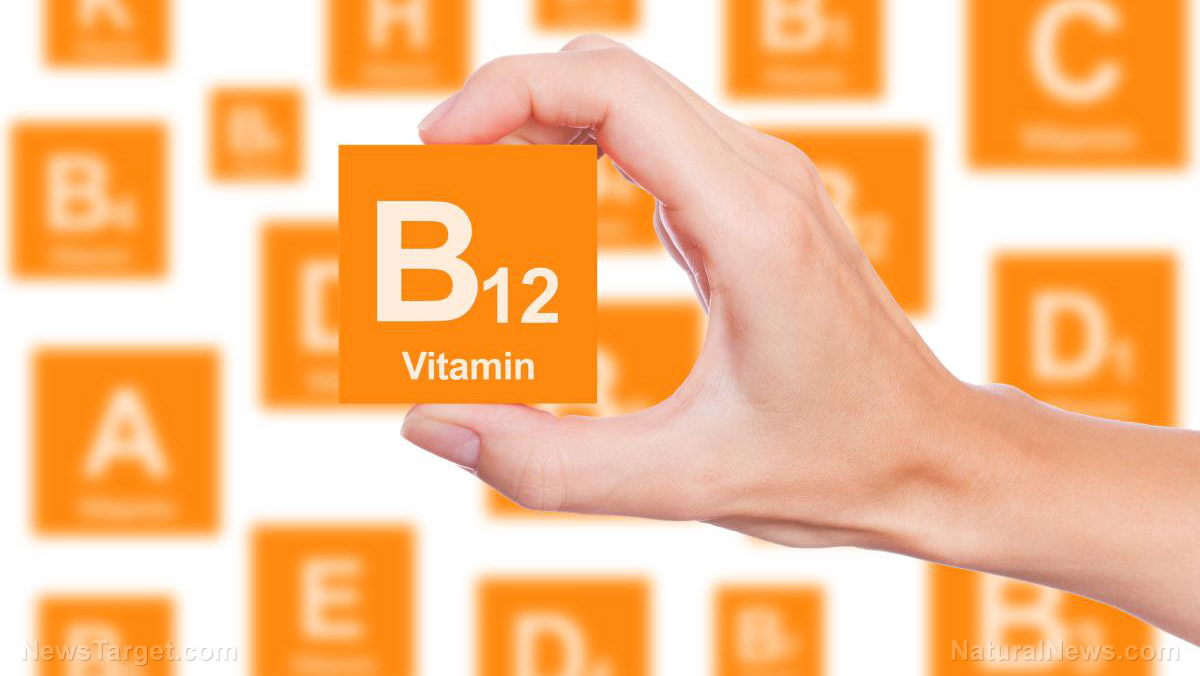
- Vitamin B12, especially methylcobalamin (mB12), may help reduce autism symptoms by supporting methylation and reducing oxidative stress.
- Scientific studies suggests improvements in communication, gastrointestinal issues, hyperactivity, sleep and social skills among children receiving B12 therapy.
- Subcutaneous injections of mB12 appear to be the most effective form, as oral absorption can be unreliable due to digestive issues in ASD.
- Different forms of B12 exist, with mB12 showing the most promise for ASD, while cyanocobalamin (CB12) may be less effective.
- B12 treatment is generally safe and well-tolerated, with few reported side effects, though more research is needed to confirm its long-term benefits.
Autism Spectrum Disorder (ASD) affects nearly two percent of children in the United States, leaving families searching for ways to improve their children's quality of life. A 2021 systematic review and meta-analysis published in the Journal of Personalized Medicine highlights a promising treatment: cobalamin, more commonly known as vitamin B12. This essential nutrient, crucial for brain function and overall health, may help address underlying biochemical imbalances in children with ASD.
How does vitamin B12 help with autism symptoms?
Autism is not just a condition of social and behavioral differences – it also involves disruptions in biochemical processes, particularly methylation and redox metabolism.
Methylation is a critical function that regulates DNA activity, neurotransmitter production and detoxification. Many children with ASD show impairments in methylation, leading to deficiencies in important compounds like glutathione, the body's main antioxidant. This can result in increased oxidative stress, which has been linked to neurological and behavioral symptoms.
Vitamin B12, particularly in its active form methylcobalamin (mB12), plays a key role in improving these processes. It helps convert homocysteine into methionine, a vital amino acid needed for proper methylation. When methylation improves, the body can better regulate brain function, cellular repair and detoxification.
Additionally, B12 enhances redox metabolism, helping to maintain the right balance between antioxidants and harmful oxidative stress. This biochemical improvement may explain why some children experience better sleep, improved communication, enhanced social interactions and reduced hyperactivity when receiving B12 therapy.
The systematic review examined 17 studies, including four double-blind, placebo-controlled trials – the gold standard in clinical research. It found that B12 treatment led to improvements in several key areas.
Children receiving B12 therapy showed better sleep patterns, fewer tantrums, improved gastrointestinal health and reduced hyperactivity. Many also demonstrated enhanced communication skills, such as better eye contact, improved written and verbal expression, and reduced repetitive speech (echolalia).
Some even developed stronger daily living skills, such as personal hygiene and social engagement. These improvements likely stem from B12's role in balancing neurotransmitters like dopamine and serotonin, which influence behavior, mood and sleep. (Related: Unlocking the brain’s chemical code: What neurochemistry reveals about autism.)
The review found that subcutaneous (under the skin) injections of mB12 were the most commonly used and most effective method. Since many children with ASD have gastrointestinal issues that can interfere with nutrient absorption, injections ensure that B12 reaches the bloodstream and the brain more efficiently.
The most common dosing regimen in studies was 75 micrograms per kilogram of body weight per injection, given every one to three days. For example, if a child weighs 20 kilograms (around 44 pounds) and the dose is 75 micrograms/kilogram of body weight, the total dose would be 1,500 micrograms of B12 per injection.
Oral doses ranged from 500 micrograms to 1,600 micrograms per day, but their effectiveness was less consistent due to potential absorption issues.
The different forms of vitamin B12
B12 is not a single molecule – there are several forms, each with different properties and effects on the body. Understanding these differences is crucial when considering treatment options for a child with ASD.
- Methylcobalamin (mB12): This is the active form of B12 that directly supports methylation. Most of the studies showing benefits for ASD used mB12, particularly in injected form. It appears to be the most effective for improving biochemical markers related to methylation and redox metabolism.
- Cyanocobalamin (cB12): A synthetic form commonly found in supplements and fortified foods, cB12 needs to be converted into an active form in the body. One study in the review initially used cB12 but switched to mB12 due to better outcomes.
- Hydroxocobalamin (hB12): Another form that is sometimes used in injections. It can convert to active B12 but does so more slowly than mB12. Some doctors prefer this form for certain metabolic conditions.
- Adenosylcobalamin: Less commonly used in ASD research, this form is important for mitochondrial function, which impacts energy production in cells.
Safety and potential side effects
Overall, B12 treatment was well tolerated, with most children experiencing no major side effects. Some parents reported mild reactions, such as temporary hyperactivity, irritability or trouble sleeping, but these were not significantly different from those in placebo groups.
One study noted a rare case of anemia linked to cB12, which resolved upon switching to mB12. Importantly, 78 percent of parents whose children participated in mB12 studies wanted to continue treatment after the trials ended, suggesting they observed meaningful benefits.
A separate study looked at blood cobalt levels in children receiving mB12 injections and found that levels were elevated compared to untreated children. However, these levels remained far below toxic thresholds and no adverse health effects were reported.
While the findings are promising, researchers emphasize the need for larger, placebo-controlled studies to confirm the long-term benefits of B12 treatment. Identifying biomarkers that predict which children will respond best could help refine treatment approaches. The heterogeneity of ASD means that not all children will experience the same benefits, so a more personalized approach to B12 therapy may be necessary.
Parents considering B12 therapy should work closely with their healthcare professional to determine the most appropriate form, dose and method of administration for their child. As research continues, B12 could become a valuable tool in the broader effort to enhance the quality of life for individuals with ASD.
Watch this video to learn how vitamin B12 can help your child with autism.
This video is from the Daily Videos channel on Brighteon.com.
More related stories:
Vitamin B12 deficiency linked to impaired brain development and function in children... so why aren't doctors recommending B12?
Vitamin B12 and folic acid prevent memory loss and improve cognition as we age.
Is the cure for Parkinson's just a supplement away? Researchers say vitamin B12 can inhibit a key Parkinson’s enzyme.
B vitamins are CRUCIAL to heart health, brain health and eye health.
Sources include:
PMC.MCNI.NLM.NIH.gov
Brighteon.com
Vitamin B12 offers a promising natural solution for autism symptoms – NaturalNews.com
If you're gonna fight, fight like you're the third monkey on the ramp to Noah's Ark... and brother its starting to rain. Join our efforts to Secure America's Borders and End Illegal Immigration by Joining ALIPAC's E-Mail Alerts network (CLICK HERE)
-
06-18-2025, 07:52 AM #2Senior Member
- Join Date
- Aug 2018
- Posts
- 97,289
“Healing Revolution” on BrightU: The life-saving benefits of red light therapy
06/18/2025 // Jacob Thomas // 20 Views
Tags: alternative medicine, autoimmune disease, biohacking, blindness reversal, brain function, cancer therapy, chronic pain relief, depression treatment, Dr. Rodney Russell, healing revolution, inflammation reduction, Jonathan Otto, macular degeneration, medical revolution, methylene blue, mitochondrial repair, obesity reversal, Pharmaceutical industry, red light therapy, sciatica treatment

- In Episode 10 of "Healing Revolution," Jonathan Otto discussed the life-saving benefits of red light therapy, which treats diverse conditions — chronic pain, blindness (e.g., reversed macular degeneration), obesity-related inflammation and even terminal cancer.
- Real-world cases, such as Joanne (92) restoring vision and Eva Castro-Nieves overcoming sciatica and mobility issues, highlight its transformative impact without pharmaceuticals.
- Dr. Rodney Russell uses red light to repair brain damage, improving cognition in patients with PTSD. brain fog and neurodegenerative diseases by reconnecting neural pathways.
- Combining red light with methylene blue enhances mitochondrial repair, enabling DNA restoration and detoxification beyond conventional drug capabilities.
- Despite proven efficacy, the therapy faces resistance from a profit-driven medical industry that prioritizes chronic treatment over cures, as noted by experts like Dr. Syed Haider and David Wolfe.
In Episode 10 of "Healing Revolution," aired June 16, investigative journalist Jonathan Otto discussed the life-saving benefits of red light therapy. From chronic pain to blindness reversal — Otto uncovered how light frequencies are rewriting medicine while the trillion-dollar medical-industrial complex fights to keep it hidden.
Red light therapy isn’t just for smoothing wrinkles — it's a medical revolution with the power to heal everything from sciatica to terminal cancer, yet it remains sidelined by the pharmaceutical industry. "The red light has helped me… I'm 92, and now I can see things around me that I couldn’t before," said Joanne, a patient who reversed macular degeneration — a condition deemed incurable by conventional medicine. Her testimony is just one of thousands revealing how light frequencies are restoring vision, mobility and even cognitive function.
Eva Castro-Nieves, once 230 pounds and crippled by inflammation, discovered red light therapy after pharmaceuticals failed her. "I only could tolerate Tylenol — and that's toxic," she admitted. After using red light on her sciatica, baker’s cyst and post-surgical scars, she regained mobility without drugs. "It melted my quadriceps tension… I'm a huge fan. This isn't cosmetic — it rebuilds you from within."
Dr. Rodney Russell, a specialist in brain function, uses red light to repair neurological damage. "It reconnects brain pathways, especially the corpus callosum — the bridge between hemispheres," he explained. Patients with brain fog, PTSD and neurodegenerative diseases show immediate improvements in cognition and pain after sessions.
But the real breakthrough? Combining red light with methylene blue, a compound that supercharges mitochondrial repair. "We're seeing DNA restoration and detoxification at levels drugs can’t touch.” With studies proving red light can:
- Reduce depression in just one hour (improvement in depression scores after one hour of light therapy treatment)
- Reverse obesity-linked inflammation by boosting metabolism 350 percent
- Slash tumor necrosis factor (TNF-alpha), a key driver of autoimmune diseases
But why isn't this everywhere? "Doctors are incentivized to push pills, not cures," said Dr. Syed Haider. "The system profits from chronic illness, not healing.” David Wolfe, a wellness pioneer, calls red light therapy "the ultimate biohack." After healing a knee injury and maintaining drumming agility, he warned: "Missing this is like skipping the greatest party in health science."
Yet, with 92.3 percent recovery rates in cancer patients (versus conventional medicine's three percent), the medical establishment's resistance is telling. "They'd rather poison you for profit," said one survivor. Red light therapy isn't just an alternative medicine — it's the future. And as thousands of others prove: Healing doesn't have to come in a pill.
Want to know more?
If you want to learn more about how you can join the healing revolution and regain control of your health, want to view the presentations at your convenience or learn at your own pace, you can purchase the "Healing Revolution" package here.
Upon purchase, you will get instant and unlimited access to 12 brand new "Healing Revolution" episodes, 12 brand new "Healing Revolution" bonus episodes, full-length interviews with 60+ experts, free autoimmune health assessment (including a 1-on-1 consultation with a specialized health consultant), 10-day "Healing Revolution" challenge, two live masterclasses, nine "Healing Revolution" books, two recording of live Q&A sessions with experts and more.
Sources include:
BrighteonUniversity.com 1
BrightU.com
BrighteonUniversity.com 2
“Healing Revolution” on BrightU: The life-saving benefits of red light therapy – NaturalNews.com
If you're gonna fight, fight like you're the third monkey on the ramp to Noah's Ark... and brother its starting to rain. Join our efforts to Secure America's Borders and End Illegal Immigration by Joining ALIPAC's E-Mail Alerts network (CLICK HERE)
-
06-27-2025, 02:03 PM #3Senior Member
- Join Date
- Aug 2018
- Posts
- 97,289
A new era of sustainable gardening unveiled in Eric Toensmeier’s groundbreaking guide
06/27/2025 // Belle Carter // 140 Views
Tags: #nutrition, diet, food independence, food is medicine, food supply, foor production, gradening, grow your medicine, harvesting, homesteading, perennial vegetables, preparedness, superfoods, survival
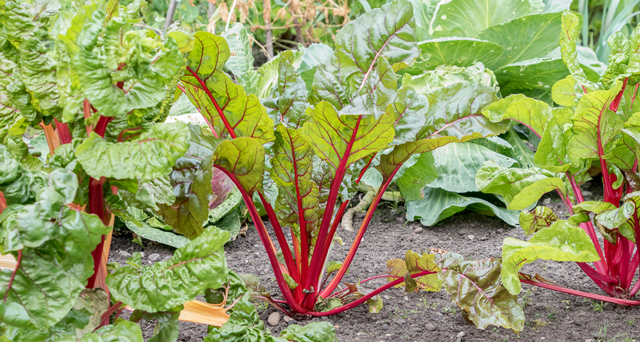
- In the summer of 2002, Eric Toensmeier's journey through Florida, sampling 62 fruit species in six days, sparked the idea for his seminal book, "Perennial Vegetables: From Artichoke to Zuiki Taro, a Gardener's Guide to Over 100 Delicious, Easy-to-Grow Edibles," after recognizing a gap in horticultural literature.
- Perennial vegetables are plants that last three or more years, providing a continuous supply of edible parts with minimal effort. They are resilient, thriving in diverse conditions and offering bountiful harvests for decades with little maintenance.
- The book highlights over 100 perennial vegetables that can flourish in neglected garden areas and offers practical advice on integrating them with other plants like berry bushes and fruit trees to create a productive and attractive edible landscape.
- Perennial vegetables are excellent soil-builders, enhance soil structure and require less water, making them ideal for sustainable gardening. They extend the harvest season, preserve soil fertility and provide vital ecosystem services such as moderating microclimates and sequestering carbon.
- While some perennials are slow to establish or can become weedy, the book provides valuable guidance on plant selection, creating microclimates and organic pest and disease management. It also encourages gardeners to experiment with breeding new varieties, offering techniques for propagation, planting, harvesting and storing these versatile plants.
In the summer of 2002, a transformative journey through the lush landscapes of Florida set the stage for a horticultural revolution. Eric Toensmeier, accompanied by friends, embarked on an ambitious quest to sample 62 different fruit species in just six days. Amidst this fruity odyssey, a conversation ignited a spark that would eventually lead to the creation of his seminal work, "Perennial Vegetables: From Artichoke to Zuiki Taro, a Gardener's Guide to Over 100 Delicious, Easy-to-Grow Edibles." With the encouragement of his companions, Toensmeier recognized a significant gap in horticultural literature and set out to fill it with a comprehensive guide to perennial vegetables.
Perennial vegetables, as Toensmeier elucidates, are plants that endure for three or more years, offering a continuous supply of edible parts such as leaves, stems, roots and even flowers. Unlike their annual counterparts that demand replanting each year, perennials are the steadfast stewards of the garden, providing bountiful harvests with minimal effort. Imagine cultivating asparagus, rhubarb, or the lesser-known water celery and chayote, and reaping the rewards for decades with little more than occasional care.
Toensmeier's book is a treasure trove of over 100 of the finest perennial vegetables, many of which can flourish in the often-neglected corners of your garden. These resilient plants thrive in diverse conditions, from the deep shade that stymies traditional crops to the poor, waterlogged soils that defy conventional gardening wisdom. Once established, these perennials can yield for decades, effectively transforming your backyard into a verdant paradise.
The allure of perennial vegetables extends beyond their longevity. They possess the unique ability to craft an attractive and productive edible landscape. When interwoven with berry bushes, fruit trees and nut trees, they form a harmonious tapestry of sustenance. The book offers pragmatic advice on seamlessly integrating these plants into your garden, catering to both seasoned horticulturists and novice gardeners alike.
Among the perennial vegetable stars, water celery stands out for its adaptability, thriving in water gardens and serving as an effective groundcover in both sun and shade. Chayote, with its pear-sized squash and mild, nutty flavor, is a versatile addition to any kitchen, suitable for use in place of zucchini or summer squash. The water lotus, while an ornamental marvel, also serves as an essential root crop in many Asian cultures.
The benefits of cultivating perennial vegetables are manifold. They are exemplary soil-builders, with deep roots that enhance soil structure and water retention. Their ability to thrive with less watering makes them ideal for sustainable gardening. Perennials extend the harvest season, providing early-season greens until annuals take over. Their no-till nature helps preserve soil organic matter, maintaining its structure and fertility.
Moreover, perennials offer significant ecosystem services. They moderate microclimates, capture and store water and nutrients, and provide vital habitats for various organisms. By shading the soil and sequestering carbon, they play a crucial role in combating global warming. In essence, they are the cornerstone of sustainable gardening, offering a resilient and eco-friendly approach to food production.
Of course, no crop is without its challenges. Some perennials are slow to establish and may take several years to yield substantial harvests. Others can become weedy if not properly managed. While their flavors are diverse, some may be too intense for certain palates. However, Toensmeier provides invaluable guidance on selecting species suited to your climate and garden conditions, emphasizing the importance of matching plants to their preferred environments. He also offers tips on creating microclimates to expand the range of plants you can grow.
The book is replete with practical advice on propagation, planting, harvesting and storing perennial vegetables. From seed sowing and division to trellising and pruning, Toensmeier covers the essential techniques for successful cultivation. He also addresses pest and disease management, offering organic solutions to ensure a healthy and productive garden.
One of the most exciting prospects is the potential for breeding new varieties. Toensmeier encourages gardeners to experiment with crossing different species and selecting for desirable traits. This opens up a world of possibilities for developing unique and improved plants tailored to specific needs and preferences.
In conclusion, "Perennial Vegetables" is an indispensable resource for anyone interested in sustainable gardening and food production. It unveils a world of possibilities for creating a diverse, resilient and productive garden that can provide food for years to come. Whether you're a seasoned gardener or a budding enthusiast, this book is sure to inspire and guide you on your journey to a more sustainable and rewarding gardening experience.
Learn more about perennial vegetables by watching the video below.
This video is from the BrightLearn channel on Brighteon.com.
Sources include:
Brighteon.ai
Brighteon.com
A new era of sustainable gardening unveiled in Eric Toensmeier’s groundbreaking guide – NaturalNews.com
If you're gonna fight, fight like you're the third monkey on the ramp to Noah's Ark... and brother its starting to rain. Join our efforts to Secure America's Borders and End Illegal Immigration by Joining ALIPAC's E-Mail Alerts network (CLICK HERE)
-
07-02-2025, 07:30 AM #4Senior Member
- Join Date
- Aug 2018
- Posts
- 97,289
Pumpkin’s multifaceted health benefits gain traction in post-pandemic wellness surge
07/01/2025 // Willow Tohi // 400 Views
Tags: alternative medicine, beat depression, blood sugar, diabetes cure, food cures, food is medicine, food science, fruits, functional food, goodfood, goodhealth, grocery cures, health science, immune system, natural cures, natural health, natural medicine, Naturopathy, nutrients, organics, pumpkin, remedies, superfoods, veggie

- Pumpkin powers immunity through vitamins A, C, E and immune-modulating polysaccharides.
- Its polysaccharides regulate blood sugar, offering hope for diabetes management.
- Carotenoids like beta-carotene protect eyesight and reduce chronic disease risks.
- Antioxidant compounds combat inflammation and support detoxification.
- Incorporating pumpkin into daily meals aids digestion, weight loss and mental health.
Pumpkin, long praised in both Western science and Traditional Chinese Medicine (TCM) for its nutrient-dense profile, has emerged as a critical food in the global pursuit of post-pandemic wellness. With research highlighting its role in strengthening immunity, regulating blood sugar and even alleviating depression, pumpkin has become a symbol of resilience in an era marked by health scrutiny and healthier food choices.
Chronic diseases, oxidative stress from environmental pollutants and prolonged screen use have intensified health concerns. Pumpkin’s polysaccharides, carotenoids and vitamins address these challenges, offering a natural solution for everything from inflammatory conditions to metabolic disorders. TCM practitioners, such as Hu Naiwen of Taiwan’s Xinyitang Clinic, emphasize pumpkin’s ability to “detoxify and harmonize” the body, aligning ancient wisdom with modern nutritional science.
Nutritional powerhouse for immunity and chronic disease prevention
Pumpkin’s synergistic blend of vitamins and antioxidants makes it a standout for immune support. Vitamin A strengthens skin and mucous membranes, forming a barrier against pathogens, while vitamin C stimulates white blood cell production and enhances wound healing. Zinc and selenium further bolster immunity by regulating inflammation and oxidative damage.
The fruit’s polysaccharides — complex carbohydrates isolated in TCM and Western studies — prove particularly potent. They modulate immune activity, reduce hyper-inflammatory responses and exhibit antiviral properties. A recent review noted that pumpkin’s functional constituents, including polyphenols and carotenoids, may help repair immune systems weakened during the pandemic by combating viral pathogens and reducing inflammation. Dr. Yang Jingduan of New York’s Northern Medical Center adds that pumpkin’s zinc content, critical for neurotransmitter synthesis and brain function, could also mitigate depression, a rising concern post-COVID.
Metabolic and physical health gains from the inside out
Pumpkin’s benefits extend to metabolic health. Its high fiber content promotes satiety and improves gut microbiota, aiding in weight management. For those with diabetes, pumpkin’s polysaccharides reduce blood sugar spikes by enhancing insulin sensitivity and regulating lipid metabolism. Studies in diabetic mice showed reductions in oxidative stress markers, underscoring its potential as an adjunct to traditional treatments.
Eye and skin health also benefit from pumpkin’s carotenoids. Beta-carotene converts to vitamin A, sharpening vision, while lutein and zeaxanthin shield retinas from UV damage. Meanwhile, vitamin C fuels collagen synthesis, maintaining skin elasticity. These traits have led dermatologists and optometrists to champion pumpkin as a stealth anti-aging and protective agent in a digital age where screen time and UV exposure are unavoidable.
Pumpkin’s role in holistic healing
TCM practitioners advocate pumpkin’s broader healing properties, such as easing prostate enlargement and stomach ulcers. Pumpkin seeds, when ground and consumed, may inhibit prostate cell proliferation, while its mucilaginous fibers create a protective barrier in the gastrointestinal tract against NSAID-related ulcers. Hu Naiwen notes that modern work lifestyles — with erratic schedules and stress — heighten risks of ulcers and digestive issues, making pumpkin a “gentle healer” for busy populations.
The vegetable’s “cooling” TCM properties are also vital in climate-conscious diets. Summer heat and humidity can disrupt digestion, but pumpkin’s moisture and diuretic effects flush toxins and balance “dampness,” a TCM concept linked to bloating and lethargy. Recipes like pumpkin soy milk and millet porridge merge TCM principles with convenience, offering accessible ways to incorporate its benefits.
Golden opportunity for health
As the world reckons with the lingering effects of the pandemic and modern lifestyle diseases, pumpkin’s multifaceted benefits position it as a foundational food for holistic well-being. Its ability to address immunity, chronic inflammation, mental health and metabolic disorders — from ancient TCM perspectives to cutting-edge biochemistry — cements it as more than just a seasonal treat. For the forward-thinking, pumpkin isn’t just on the plate; it’s a nutrient-packed ally in the pursuit of longevity.
Sources for this article include:
TheEpochTimes.com
PubMed.com
StVincents.org
Pumpkin’s multifaceted health benefits gain traction in post-pandemic wellness surge – NaturalNews.com
If you're gonna fight, fight like you're the third monkey on the ramp to Noah's Ark... and brother its starting to rain. Join our efforts to Secure America's Borders and End Illegal Immigration by Joining ALIPAC's E-Mail Alerts network (CLICK HERE)
-
07-12-2025, 07:29 AM #5Senior Member
- Join Date
- Aug 2018
- Posts
- 97,289

How to Destroy Nanotech-Fiber Clots- Venom Protein- Parasites and Boost up Immunity by the People of la Quinta Columna (Video)
How to Destroy Nanotech-Fiber Clots- Venom Protein- Parasites and Boost up Immunity by the People of la Quinta Columna (Video)
Monday, July 7, 2025 16:20
by N.Morgan
How to Destroy Nanotech-Fiber Clots- Venom Protein- Parasites and Boost up Immunity by the People of la Quinta Columna (Video)
777If you're gonna fight, fight like you're the third monkey on the ramp to Noah's Ark... and brother its starting to rain. Join our efforts to Secure America's Borders and End Illegal Immigration by Joining ALIPAC's E-Mail Alerts network (CLICK HERE)
-
07-19-2025, 05:09 PM #6Senior Member
- Join Date
- Aug 2018
- Posts
- 97,289
Green tea
Green tea – NaturalNews.com
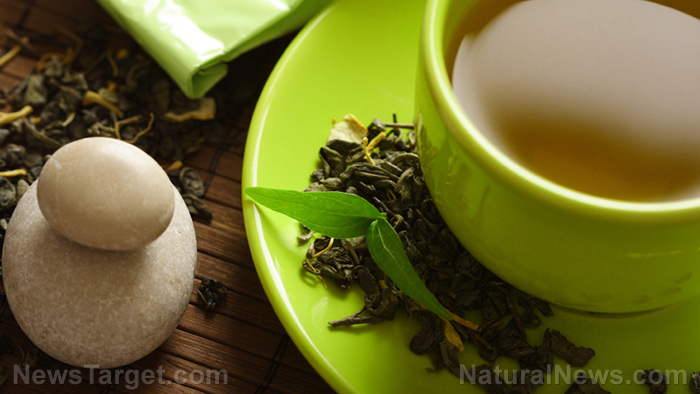 Why green tea is an important supplement for athletes
April 24, 2019 - Posted by Ralph Flores
(Natural News) A lot of Americans run on caffeine: A survey by the National Coffee Association found that at least six out of 10 adults over the age of 18 had a cup of joe the day before they were asked in 2018. However, it’s worth noting that tea has also shown major growth in […]
in: Exercise, Fitness, Food, Health, Superfoods & healing foods
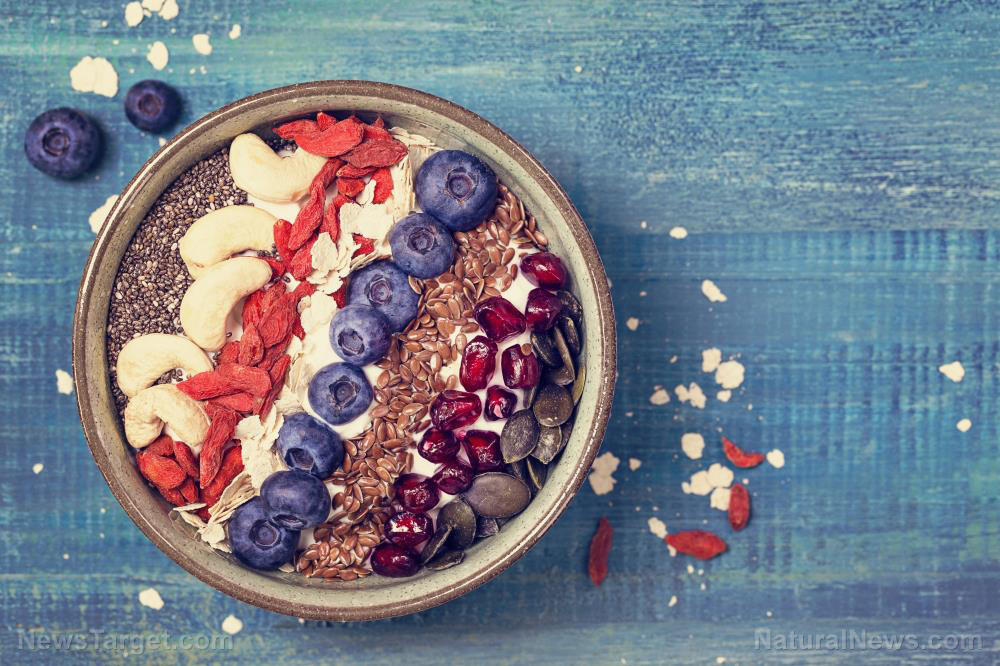 From kimchi to kefir, these are the best anti-aging foods you’ll find anywhere
April 17, 2019 - Posted by Zoey Sky
(Natural News) The key to having a healthy mind and body is eating nutritious foods like fruits, nuts and seeds, vegetables, and lean meat. But did you know that certain superfoods even offer anti-aging benefits? Data suggest that diet significantly affects a person’s lifespan. Make positive lifestyle changes and consume more of these delicious and […]
in: Aging, Clean foods & organics, Food, Health, Nutrition, Super Foods, Superfoods & healing foods
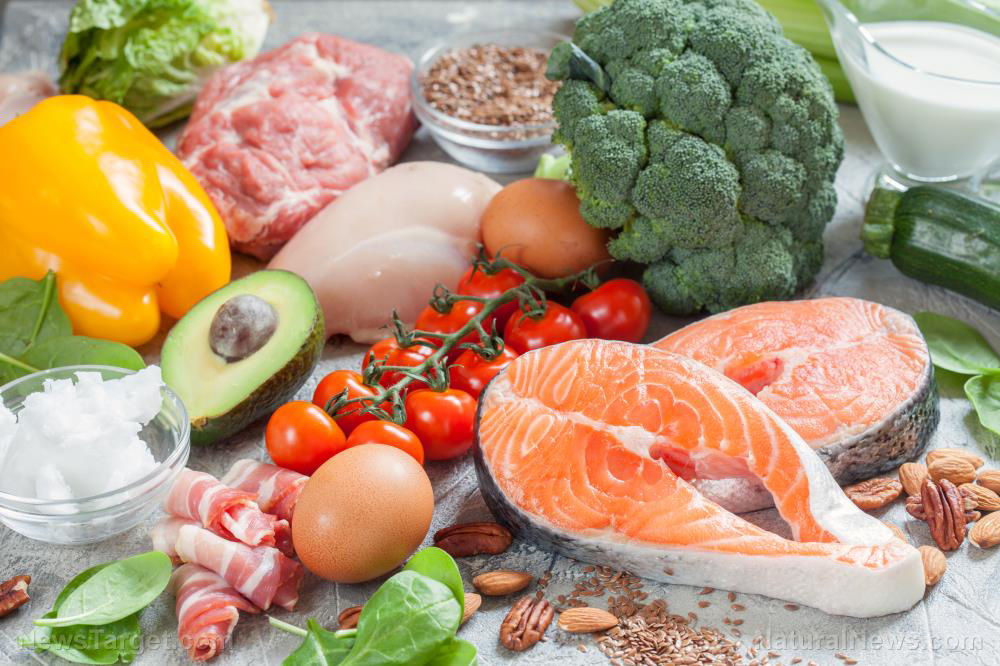 Eat these 5 fat-burning foods to slim down without going hungry
April 15, 2019 - Posted by Michelle Simmons
(Natural News) Trying to eat healthier? One of the best ways to eat healthier is to eat foods that help you feel full as they can help reduce your snacking between meals and stop you from overeating. Another way is to eat foods that help boost your metabolism to burn the calories you consume. Here are five foods […]
in: Diets, Food, Nutrition, Super Foods, Superfoods & healing foods, Weight loss
Constipated? Green tea is a natural laxative
April 8, 2019 - Posted by Zoey Sky
(Natural News) Green tea has many evidence-based health benefits: it can make your heart healthier and it helps lower your risk of various types of cancers. You can also drink this beverage if you’re constipated and looking for a natural and effective laxative. Fiber-rich fruits and vegetables function as laxatives or foods or drugs that loosen stools […]
in: Clean foods & organics, Food, Health, Men's health, Nutrition, Remedies, Super Foods, Superfoods & healing foods, Women's health
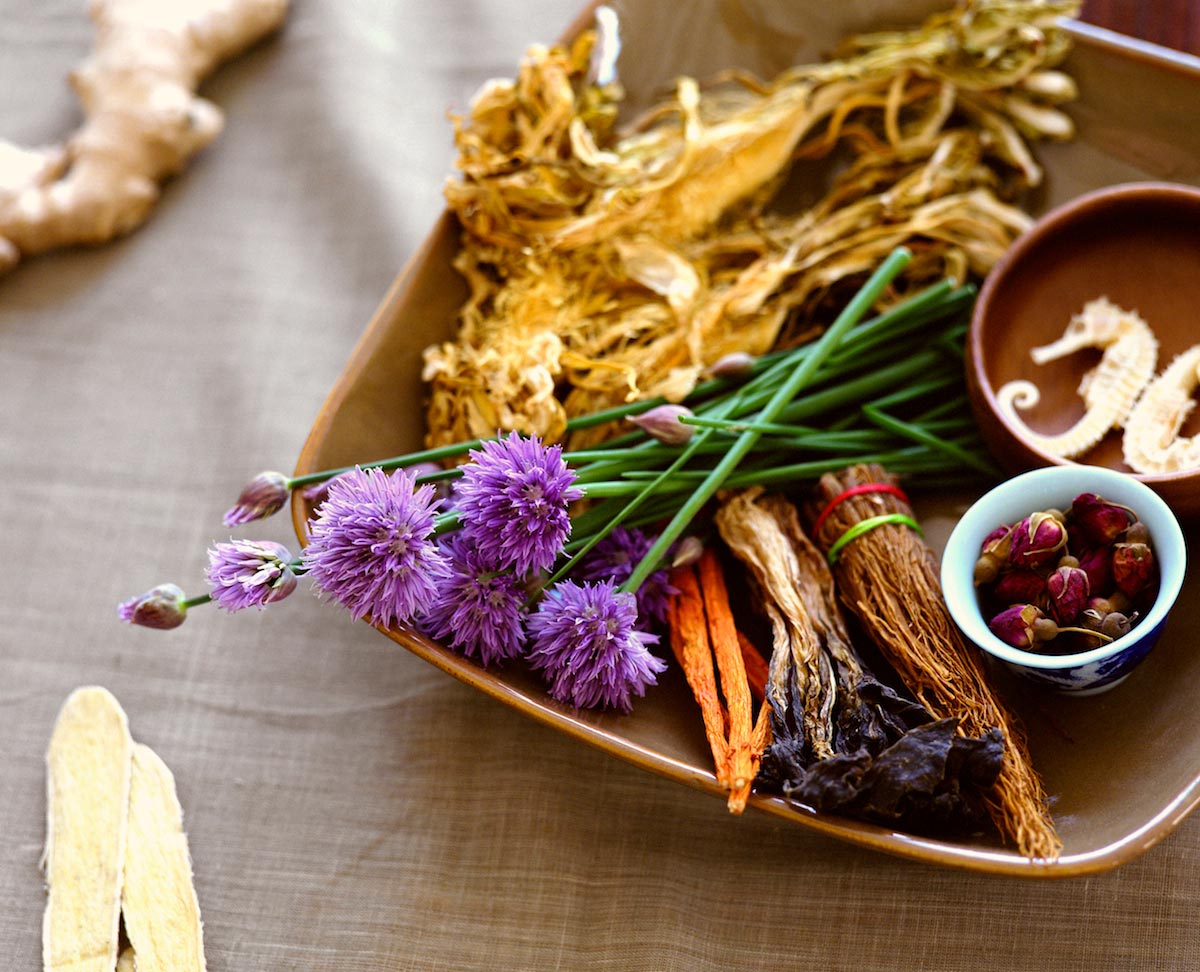 Did you know that these 6 herbs are also powerful fat burners?
March 28, 2019 - Posted by D. Samuelson
(Natural News) The secret’s out: Herbs can help you lose the extra pounds. Here are just six medicinal herbs that have been proven to be effective around the world. Cinnamon This marvelous spice not only has antifungal and antibacterial properties, but it also tastes delicious as it keeps your sweet tooth at bay. Cinnamon regulates healthy blood levels, […]
in: Clean foods & organics, Food, Health, herbal medicine, Superfoods & healing foods
 What’s in a name? Learning the difference between black tea and green tea
March 10, 2019 - Posted by Zoey Sky
(Natural News) Tea is more than an alternative drink for people who don’t like drinking coffee. According to research, both black and green tea offers various health benefits. Facts about black and green tea Both black and green tea are made from the tea plant (Camellia sinensis), but the former is fermented while the latter is […]
in: Clean foods & organics, Diets, Food, Health, herbal medicine, herbal medicine, Nutrition, Superfoods & healing foods
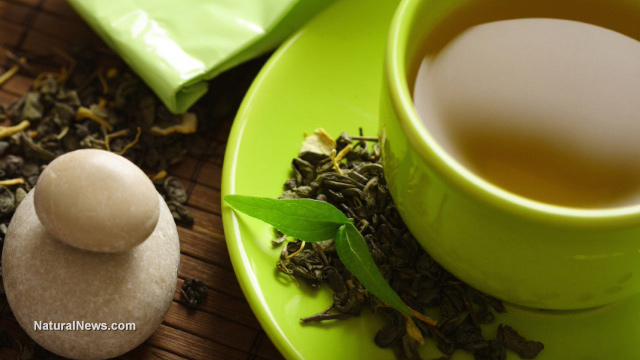 Women with acute uncomplicated cystitis can benefit from green tea
March 6, 2019 - Posted by Michelle Simmons
(Natural News) Green tea is one of the most popular superfoods out there. Indeed, many studies have already proven that it offers multiple health benefits, but a recent study published in Complementary Therapies in Clinical Practice noted that it can also be used to treat acute uncomplicated cystitis in women. Acute cystitis is a sudden inflammation in […]
in: Alternative medicine, herbal medicine, herbal medicine, Superfoods & healing foods, Women's health
 Effective herbal remedies to fight the flu when SHTF
March 5, 2019 - Posted by Mary Miller
(Natural News) Getting the flu when you are in the comfort of your own home can be bad enough, but what if you came down with the illness in the middle of a SHTF situation? How can you treat a flu infection while living off the grid? Here are a few effective herbal remedies for treating […]
in: Alternative medicine, Disease Treatments, Health, herbal medicine, Preparedness & survival, Prepping, Remedies, Survival
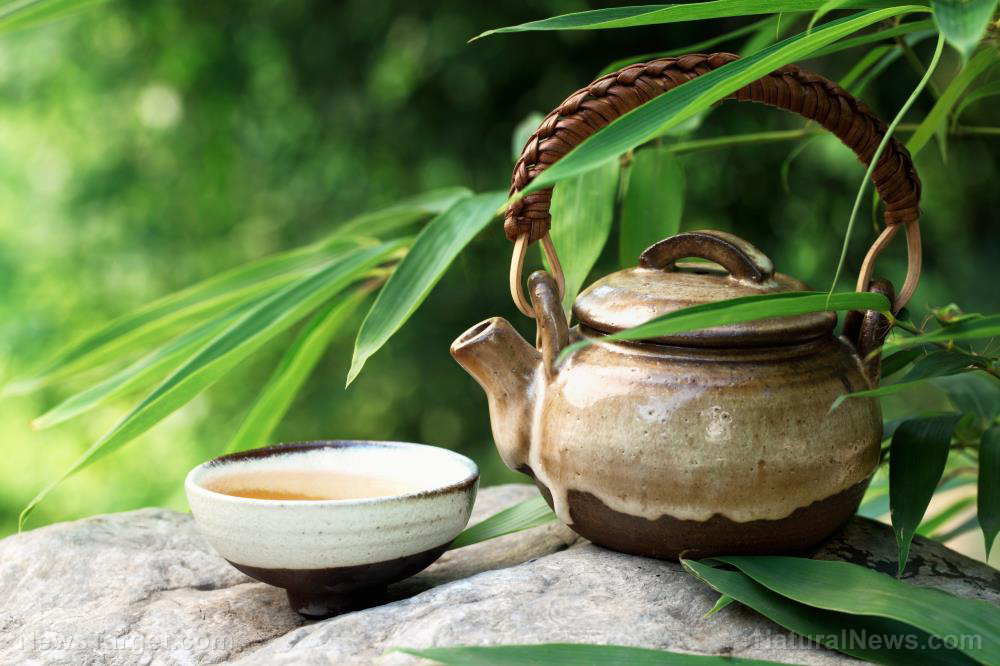 Green tea vs. white tea: Both come from the same tree, but each offers different health benefits
March 5, 2019 - Posted by Zoey Sky
(Natural News) If you’re new to tea culture, the many different varieties, from black to green to white teas, can be overwhelming. But while there is more scientific data on the health benefits of green tea, it shares similar pros and cons with white tea, another beverage that comes from the same tea plant (Camellia sinensis). […]
in: Cholesterol, Diets, Food, Health, Men's health, Nutrition, Obesity, relaxation, Super Foods, Superfoods & healing foods, Women's health
 Catechins in green tea found to improve symptoms of metabolic syndrome in obese people
February 27, 2019 - Posted by Ellaine Castillo
(Natural News) Japanese scientists have found more reasons for people to enjoy their daily cup of tea. Their study, which was published in the journal Nutrition Research, showed that catechins found in green tea can improve metabolic syndrome and reduce abdominal fat in obese and overweight individuals. More than 34 percent of adults in the U.S. […]
in: Cardiovascular disease, Diabetes, Food, Health, Obesity
If you're gonna fight, fight like you're the third monkey on the ramp to Noah's Ark... and brother its starting to rain. Join our efforts to Secure America's Borders and End Illegal Immigration by Joining ALIPAC's E-Mail Alerts network (CLICK HERE)
-
07-23-2025, 09:24 PM #7Senior Member
- Join Date
- Aug 2018
- Posts
- 97,289
Wormwood: A bitter herb with incredible healing potential
07/23/2025 // Ava Grace // 170 Views
Tags: alternative medicine, food cures, food is medicine, food science, functional food, goodfood, goodhealth, healing, health science, herbal medicine, Herbs, ingredients, natural cures, natural health, natural medicine, Naturopathy, organics, phytonutrients, plant medicine, remedies, superfoods, Wormwood

- Artemisia absinthium, or wormwood, is a perennial plant native to North Africa and Eurasia, known for its silvery-green foliage, bitter taste, and strong aroma. It has historical significance in traditional medicine, culinary arts, and folklore, particularly for its role in producing absinthe.
- Wormwood is valued for its digestive, antiparasitic, anti-inflammatory, and antimicrobial properties. It supports liver function, aids in expelling intestinal parasites, and may enhance mental clarity and mood when used moderately.
- Used in Ayurveda, Traditional Chinese Medicine, and European herbalism, wormwood is consumed as tea, tinctures, or capsules. It is also used in culinary traditions, such as Moroccan teas and European spirits like absinthe and vermouth.
- While its bitterness limits its use in everyday cooking, wormwood can be incorporated into teas, infused honey, herbal bitters and homemade vermouth for those who appreciate its unique flavor and health benefits.
- Wormwood contains thujone, which can be toxic in large doses. It is not recommended for pregnant or breastfeeding women, individuals with epilepsy, or those with kidney disorders. Consultation with a healthcare professional is advised before use.
Artemisia absinthium, commonly known as wormwood, is a herbaceous perennial plant with a storied history, known for its medicinal properties and its role in the production of absinthe, the infamous green spirit. Native to North Africa and temperate regions of Eurasia, wormwood has been naturalized in parts of Canada and the northern United States. Its silvery-green foliage, bitter flavor and potent aroma have made it a staple in traditional medicine, culinary arts and even folklore.
Wormwood is known by a variety of names, reflecting its widespread use and cultural significance. It is often referred to as common wormwood, absinthe wormwood or simply absinthe. In some regions, it is also called "green ginger" or "old woman," the latter likely a reference to its use as a traditional medicine for women. The name "wormwood" is thought to have come from its traditional use as a remedy for intestinal worms -- a testament to its potent antiparasitic properties. (Related: Wormwood: An ancient cleanser and detoxifier.)
Wormwood is easily recognizable by its silvery-green leaves, which are finely divided and covered in tiny, hair-like structures that give the plant a soft, almost velvety texture. The leaves grow in a bushy, upright manner, and the plant produces small, yellow-green flowers in late summer. The aroma of wormwood is intensely herbal, with a sharp, camphor-like scent that can be both invigorating and overwhelming.
The taste of wormwood is famously bitter, often described as one of the most bitter herbs in the plant kingdom. This bitterness is due to the presence of compounds like absinthin and anabsinthin, which are also responsible for many of wormwood's therapeutic effects. While its bitterness can be off-putting for some, it is precisely this quality that makes wormwood a valuable digestive aid and a key ingredient in traditional herbal remedies.
Health benefits of wormwood
Wormwood has been used for centuries in traditional medicine systems, including Ayurveda, Traditional Chinese Medicine (TCM) and European herbalism. Modern research has validated many of wormwood's medicinal uses, shedding light on its potential to prevent or alleviate a variety of health conditions.
Here are some of wormwood's most notable benefits:
- Digestive health - Wormwood is perhaps best known for its ability to stimulate digestion. Its bitter compounds trigger the production of digestive enzymes and bile, aiding in the breakdown of food and the absorption of nutrients. This makes it particularly useful for individuals suffering from indigestion, bloating, or loss of appetite.
- Antiparasitic properties - As its name suggests, wormwood has long been used to expel intestinal parasites. The compound thujone, found in wormwood, is believed to be responsible for its antiparasitic effects. It is often combined with other herbs like black walnut and cloves in natural parasite cleanse protocols.
- Anti-inflammatory and antimicrobial effects - Wormwood contains several bioactive compounds, including flavonoids and essential oils, that exhibit anti-inflammatory and antimicrobial properties. These properties make it a potential ally in combating infections and reducing inflammation in conditions like arthritis.
- Liver support - Wormwood is considered a liver tonic in many traditional medicine systems. It is believed to support liver function by promoting detoxification and protecting liver cells from damage.
- Mental clarity and mood - Historically, wormwood was used to enhance mental clarity and uplift the spirit. While its role in absinthe has given it a reputation for inducing hallucinations, moderate and controlled use of wormwood in herbal preparations is thought to have a calming and focusing effect on the mind.
For medicinal purposes, wormwood is typically consumed as a tea, tincture or capsule. Anecdotal evidence suggests that wormwood tea, when consumed in moderation, can help alleviate digestive discomfort and boost energy levels. However, due to its potency, it is important to use wormwood under the guidance of a qualified herbalist or healthcare provider.
Culinary uses
Wormwood is not commonly used in everyday cooking due to its intense bitterness, but it has found its niche in certain culinary traditions. In Morocco, for example, wormwood is used to flavor teas and infusions, often combined with mint and sugar to balance its bitterness. In Europe, it is a key ingredient in absinthe and vermouth, with its flavor often celebrated and moderated by other botanicals.
While wormwood is not a mainstream culinary herb, it can be incorporated into recipes that showcase its unique flavor and health benefits. Here are a few creative ideas:
- Wormwood digestive tea - Steep a teaspoon of dried wormwood leaves in hot water for 5-10 minutes. Add honey or lemon to balance the bitterness.
- Wormwood-infused honey - Combine dried wormwood with raw honey and let it infuse for several weeks. Use this honey to sweeten teas or drizzle over yogurt.
- Herbal bitters with wormwood - Create a homemade digestive bitters blend using wormwood, gentian root, orange peel, and other bitter herbs.
- Wormwood vermouth - Infuse white wine with wormwood, juniper berries, and citrus peel to create a homemade vermouth.
While wormwood offers numerous health benefits, it is important to use it responsibly. The compound thujone, while beneficial in small amounts, can be toxic in large doses. Pregnant and breastfeeding women, as well as individuals with epilepsy or kidney disorders, should avoid wormwood. Always consult a healthcare professional before incorporating wormwood into your wellness routine.
Wormwood is a fascinating herb with a rich history and a wide range of potential health benefits. From its role in digestive health to its antiparasitic and anti-inflammatory properties, this bitter herb has much to offer. While its intense flavor may not appeal to everyone, its therapeutic potential makes it a valuable addition to the world of herbal medicine. Whether enjoyed as a tea, infused into honey or used in homemade bitters, wormwood is a testament to the healing power of nature.
This story is not medical advice and is not intended to treat or cure any disease. Always consult with a qualified naturopathic physician for personalized advice about your specific health situation or concern.
Visit NaturalNews.com, a great article source where you can learn about superfoods and their health benefits.
You can also try Brighteon.ai, an AI model created by Mike Adams, also known as the Health Ranger. This model is available as a free download to be run locally and is designed to help share and decentralize knowledge. By doing so, it aims to bypass censorship and empower people with knowledge.
If you're looking for an uncensored video free speech website where you can openly discuss nutrition, natural medicine, ingredients and more, check out Brighteon.com and these two free speech social media sites, Brighteon.IO and Brighteon.social.
Watch as Wormwood, one of the major ingredients in Ivermectin is used and how wormwood has been being used for Covid patients.
This video is from the HealthPetal channel on Brighteon.com.
More related stories:
Wormwood: Bitter herb with potent medicinal properties.
Wormwood is a natural remedy for treating intestinal parasites.
Wormwood, most known for its use in absinthe, found to be highly beneficial in preventing liver cancer.
Sermon 21: Bitter WORMWOOD is a powerful ANTI-PARASITIC natural medicine, reveals Bible nutrition educator Mike Adams.
Artemisinin from sweet wormwood treats not just malaria but also CANCER.
Sources include:
Brighteon.ai
NaturalNews.com
Brighteon.com
Wormwood: A bitter herb with incredible healing potential – NaturalNews.com
If you're gonna fight, fight like you're the third monkey on the ramp to Noah's Ark... and brother its starting to rain. Join our efforts to Secure America's Borders and End Illegal Immigration by Joining ALIPAC's E-Mail Alerts network (CLICK HERE)


 Reply With Quote
Similar Threads
-
Half of Greenland's Warming Tied to Natural Causes NATURAL CAUSES?!?! NATURAL CAUSES
By AirborneSapper7 in forum Other Topics News and IssuesReplies: 4Last Post: 05-08-2014, 11:50 AM -
NATURAL BORN FOLLOWS THE NATURAL BIRTH FATHER
By AirborneSapper7 in forum Other Topics News and IssuesReplies: 3Last Post: 04-19-2011, 09:49 PM -
Experts: Placebo power behind many natural cures
By JohnDoe2 in forum Other Topics News and IssuesReplies: 1Last Post: 11-10-2009, 11:03 PM -
Natural Cancer Drug Called CELLADAM Cures Cancer
By CCUSA in forum Other Topics News and IssuesReplies: 0Last Post: 01-23-2009, 04:47 PM -
DRUG COMPANIES USE NATURAL CURES TO DESIGN NEW DRUGS
By Darlene in forum Other Topics News and IssuesReplies: 0Last Post: 03-18-2006, 08:43 PM
Tags for this Thread
alternative medicine,
balance,
chinese herbal medicine,
clean-foods-organics,
cures,
daniel reid,
goodhealth,
goodmedicine,
healing,
herbal medicine,
herbs,
history,
holistic,
natural cures,
natural health,
natural medicine,
naturalnews.com,
plant medicine,
prevention,
qi,
real history,
remedies,
tcm,
traditional chinese medicine,
yin and yang


EXCLUSIVE: DHS Cracks Down On Immigration Attorneys Who File...
09-16-2026, 08:59 PM in illegal immigration News Stories & Reports