

Results 12,031 to 12,038 of 12038
 227Likes
LinkBacks (?)
-
12-26-2016, 11:32 AM
-
09-02-2016, 05:39 PM
-
whole garden made with pallets!! Love it!! | Pallets | Pinterest | Pallets, Pallets Garden and Wooden Pallets
Refback This thread03-06-2016, 11:30 AM -
10-20-2015, 05:29 PM
-
06-12-2015, 08:00 PM
-
02-26-2015, 01:58 PM
-
01-05-2015, 04:13 PM
-
12-19-2014, 10:19 AM
-
EMERGENCY: HUGE FEMA PANDEMIC EXERCISE IN USA IN NOVEMBER, INTERNET SHUT DOWN PART OF EXERCISE | Prepare4Survival
Refback This thread12-03-2014, 10:39 PM -
Off Grid World ? Ugly Duckling Shipping Container Home Built by Artist Is a Beautiful Swan on the Inside
Refback This thread11-25-2014, 03:10 PM -
11-17-2014, 10:59 PM
-
11-13-2014, 11:18 AM
-
11-09-2014, 02:54 PM
-
10-28-2014, 11:38 PM
-
10-26-2014, 05:54 AM
-
10-16-2014, 11:28 AM
-
10-03-2014, 01:25 PM
-
10-02-2014, 09:16 PM
-
09-26-2014, 07:00 PM
-
09-26-2014, 01:56 PM
-
09-19-2014, 04:46 PM
-
09-13-2014, 05:49 AM
-
09-05-2014, 01:52 PM
-
09-01-2014, 09:39 AM
-
08-30-2014, 06:29 PM
-
08-10-2014, 06:29 AM
-
08-04-2014, 05:07 PM
-
07-23-2014, 11:14 AM
-
New Evidence on Expiration Dates | Medical Preparedness | Doom and Bloom (TM) | Doom and Bloom (TM)
Refback This thread07-22-2014, 10:10 AM -
07-18-2014, 08:37 PM
-
07-15-2014, 04:57 PM
-
07-11-2014, 01:40 AM
-
04-22-2014, 11:14 AM
-
04-18-2014, 12:57 PM
-
04-18-2014, 10:10 AM
-
04-14-2014, 12:18 AM
-
04-12-2014, 02:28 AM
-
03-02-2014, 11:43 PM
-
12-24-2013, 11:59 PM
-
12-07-2013, 11:04 PM
-
kitchen | Cob
Refback This thread11-25-2013, 03:24 PM -
10-22-2013, 10:25 PM
-
Apple Pie Braid | Sweets
Refback This thread09-26-2013, 07:58 AM -
09-02-2013, 04:44 PM
-
5 Reasons Why You May have to Bug Out Even Though You Don’t Want to | The Apartment Prepper's Blog
Refback This thread08-23-2013, 03:20 PM -
06-27-2013, 06:30 AM
-
06-23-2013, 08:11 PM
-
06-17-2013, 11:21 PM
-
05-24-2013, 05:06 PM
-
To Eat / BASIC LIST / SUGGESTED ITEMS FOR LONG TERM SURVIVAL - Page 275 - ALIPAC
Refback This thread05-01-2013, 03:49 AM
Thread Information
Users Browsing this Thread
There are currently 6 users browsing this thread. (0 members and 6 guests)
 LinkBack URL
 About LinkBacks
-
10-19-2026, 01:18 PM #12031Senior Member


- Join Date
- Aug 2018
- Posts
- 98,562
I Built the THINNEST Street Legal Car
I Built the THINNEST Street Legal Car
Prop Department
532K subscribers
216K
10,205,578 views Mar 20, 2026
If you're gonna fight, fight like you're the third monkey on the ramp to Noah's Ark... and brother its starting to rain. Join our efforts to Secure America's Borders and End Illegal Immigration by Joining ALIPAC's E-Mail Alerts network (CLICK HERE)
-
10-20-2026, 03:13 PM #12032Senior Member
- Join Date
- Aug 2018
- Posts
- 98,562
My Grandmother's "Just-In-Case" Cupboard Doesn't Look So Eccentric Anymore
Monday, Oct 19, 2026 - 11:25 PM
Authored by Madge Waggy via A lot will happen in 2026!,
My grandmother kept a cupboard she called the just-in-case, and for most of my childhood I read it as a harmless eccentricity rather than what it was - a wound made edible. She had been a girl during the Depression, and somewhere in her twenties she had learned to keep tinned beans, sacks of flour, jars sealed with wax and paper, all of it rotated with the humourless discipline of a quartermaster provisioning for a war that had already ended but might, at any hour, resume. Nothing in that cupboard was ever eaten first. It sat at the back of the shelf like a private insurance policy against a world that had once taken everything from her family and could, she believed, do so again at a moment's notice.

For years the cupboard looked like a relic. The country around it grew fat. Food in America became cheap in a way that no other civilisation in history had ever managed, cheap enough that a family could throw away a third of what it bought and call it a lifestyle, cheap enough that the word hunger retreated into the vocabulary of charity drives and faraway places. We built an entire national identity on the assumption that the shelves would always be full, that the price would always be bearable, that the great problem of food would remain a problem of excess rather than of want. To doubt that assumption in the middle of the nineties was to be faintly embarrassing, like a man who keeps a shotgun in a suburb.
Then the erosion began, and it began so quietly that it registered less as a crisis than as a mood. A receipt that used to total forty dollars now totals sixty and buys less. A bag of chips feels lighter in the hand. A cut of beef that was once a weekly habit becomes a monthly occasion, and nobody announces the change because there is nothing to announce - the change simply happens, and the new state of things becomes the baseline against which the next change will be measured. This is the particular cruelty of slow decline: it is always, at any given moment, almost bearable, and so it is never quite urgent enough to resist.

What follows is an attempt to take the temperature of that decline, using what can be measured and admitting plainly where measurement fails. The argument is not that America is about to re-enter 1932, with soup kitchens on every corner and men in cloth caps hiding their faces in a breadline. The argument is subtler and, in some ways, more disturbing - that the country is sliding back toward the conditions that produced the Depression diet, that the slide is visible now to anyone who bothers to look at a scale, a price tag, or an empty shelf, and that the most likely future is not collapse but a long, grinding narrowing in which abundance survives as an appearance while it dies as a reality.
🩸 What the Register Confesses
Begin where every household begins, at the point of sale, because that is where the first symptoms surface and where the official figures are quietly outstripped by what people actually pay. The Bureau of Labor Statistics reported that grocery prices rose by roughly 2.9 percent over the twelve months to September 2026, with overall food inflation running near 2.5 percent, and a government forecast for the coming year of about three percent - numbers that arrive in the newspapers as reassurance. The reassurance is largely an artefact of averaging. A three-percent basket is composed of items that fell, items that held, and items that detonated, and the shopper does not buy an average; the shopper buys the specific things a household needs, and the things a household needs have a habit of being the things that detonated.
Beef is the clearest case, and it deserves the attention it gets because it is the load-bearing protein of the working table. Ground beef, the cheapest way a family can put red meat on a plate, climbed roughly 18.9 percent year over year, averaging near $6.75 a pound, while a pound of steak approached $12.80 by May 2026 - prices that would have read as a butcher's fantasy a decade earlier. The Department of Agriculture expects beef and veal to rise another five to nine percent through the year, depending on which forecast you trust, and the reasons are structural rather than temporary, which is to say the reasons will not politely go away when the news cycle turns. Coffee, meanwhile, has risen about 55 percent since February 2024, a fact that lands harder when you remember that almost no coffee is grown domestically and the entire supply depends on weather and politics thousands of miles away. Lettuce added 39 percent over a comparable stretch, sirloin steak 21 percent, orange juice 15 percent, and the small consolations - sweets, biscuits, the cheap sugar that a household reaches for when everything savoury has become expensive - are forecast to climb close to seven percent in 2026 alone.
- Ground beef: up roughly 18.9 percent year over year, averaging near $6.75 a pound.
- Coffee: up about 55 percent since February 2024, with a 50 percent tariff on Brazilian beans layered on top.
- Lettuce: up 39 percent; sirloin steak up 21 percent; orange juice up 15 percent.
- Sugar and confectionery: forecast to rise nearly 7 percent in 2026.
- Imported pasta: pushed upward by a tariff that has reached 107 percent.
- Cocoa: more than doubled since 2024 as West African harvests fail.
Underneath the headline items sits the tariff layer, which the shopper rarely sees and invariably pays. A levy on Brazilian coffee, a punitive rate on European pasta, duties scattered across imported cheese, olive oil, seafood and out-of-season produce - each one is small enough to be invisible on its own, and together they form a quiet surcharge on the entire act of eating. Add to this the slower pressures that no policy can reverse quickly: drought driving up the cost of feed, ranchers reducing herds because they cannot afford to keep them, and a rebuilding cycle measured in years rather than months. None of it is a cliff. All of it is a slope, and the slope tilts the same way every month.
Eggs deserve a paragraph of their own, because they are the one category that fell and because their fall is instructive. After the grotesque spike that briefly made a carton of eggs a luxury item and a national talking point, prices came down by roughly a quarter from the prior year by mid-2026, and the relief was real. It was also narrow. A family that saved two dollars on eggs did not bank the two dollars; it spent them on beef, which had risen by more than the eggs had fallen. The single visible victory in the grocery aisle was therefore not a victory at all but a transfer, and it flattered the whole basket into looking calmer than it was. This is the rhythm of the present: not a uniform grind but a series of lurches, one category collapsing while another detonates, letting a household breathe in one aisle while it bleeds in the next, and always leaving the shopper to guess which is which.🖼️ Item 12-month change Note 🥩 Ground beef ≈ +18.9% averages near $6.75/lb ☕ Coffee ≈ +55% since Feb 2024; plus 50% tariff 🥬 Lettuce ≈ +39%
🥩 Sirloin steak ≈ +21% near $12.80/lb 🍊 Orange juice ≈ +15%
🍫 Cocoa > +100% since 2024 🍬 Sugar & sweets ≈ +7% forecast, 2026 🍝 Imported pasta tariff 107% cost passed to shelf
📉 The Vanishing Gram
A price rise announces itself on a tag. The other kind of rise hides inside the package, and it is arguably more insidious because it is unmeasured by any index that watches the sticker rather than the contents. A bag of crisps that weighed 300 grams now weighs 250 and costs the same. A carton of ice cream quietly sheds a scoop. A loaf of bread loses a slice, a bottle of oil loses an ounce, a block of chocolate shrinks along its edges while the wrapper stays the same size. Each of these is a price increase dressed as a continuity, and every one of them is invisible on a receipt, which is precisely why the practice has spread until it is nearly universal.
The mechanism works because the human eye is calibrated to price, not to weight. We remember that a thing cost two dollars; we do not remember that it weighed 300 grams, because we never looked. The manufacturer exploits the gap between those two memories, and does so legally, and the consumer absorbs the loss without ever feeling robbed. Over a year, the accumulated effect of shrinkflation across a full grocery basket can add several percentage points to the true cost of eating - points that never appear in the inflation statistics, because the statistics measure the price of the item and not the amount of it. The number that the government reports is, in this narrow and important sense, a number about labels rather than about food.
What makes the practice feel like a betrayal rather than a mere accounting trick is the way it implicates the household's competence. A careful shopper who compares prices, who notices that brand X is cheaper than brand Y, is still being quietly fleeced by brand X shrinking its box faster than brand Y shrinks its own. The tools of thrift that a Depression-era household wielded with precision - a sharp eye, a good memory, a mental ledger of what things ought to cost - are being systematically defeated by a category of increase that the eye cannot see and the memory cannot hold. To defend yourself you need a scale, and almost nobody owns a scale, and that asymmetry is the whole point.
🕳️ When the Shelf Forgets
Prices tell you what food costs. Absence tells you something colder, which is what food actually is. Anyone who lived through the spring of 2020, when a run on toilet paper briefly made an entire civilisation look deranged, learned a lesson no statistician bothers to print: abundance is a habit rather than a guarantee, and it can be withdrawn from a shelf in a single weekend without any warning that a withdrawal is coming. That lesson was supposed to be forgotten once the crisis passed. Instead it has been quietly rehearsed ever since, in smaller and more local forms, as shortages arrive and depart and arrive again.
Consider the recent litany, each entry trivial on its own and collectively telling. Baby formula vanished for months, exposing the fact that an entire category of infant nutrition depended on a handful of plants. Sriracha disappeared when a chilli harvest failed, and the internet mourned. Cream cheese, canned pet food, popcorn, mustard of all things - each absence carried its own tidy explanation, a shuttered factory here, a bad harvest there, a labour force thinned until the trucks still ran and the shelves still emptied. No single one of these was a crisis. Together they sketched the outline of a system that is less a machine than a nervous organism prone to flinching, and the flinching is becoming more frequent.
A detail from the present deserves more attention than it received, because it marks a shift in where the fragility actually lives. For most of the post-war period, the weak point in the food supply was production - a bad harvest, a disease, a drought. Now the weak point has migrated to labour and logistics, to the warehouses that are half-staffed, the drivers who are aging out, the last mile that grows thinner every year. The consequence is a strange and unsettling paradox: a store can sit full at the distribution centre and bare at eye level, its backroom stocked while its shelves gape, because the people who would have moved the goods from the truck to the aisle are simply not there. The failure is human now rather than agricultural, and a human failure is harder to fix with a policy because it involves bodies rather than acres.
🐄 The Herd at the Edge
Follow the beef, because beef is the clearest single instrument for reading the whole apparatus, and what it registers is a supply that has been quietly contracting for years while demand has stayed stubborn. The American cattle herd sits at a 75-year low of roughly 86.2 million head, the residue of drought, expensive feed, and the perfectly rational decision by ranchers to sell animals rather than feed them at a loss. A herd, unlike a factory, cannot be switched back on. You cannot simply hire more cows. Rebuilding takes eighteen to thirty months at the very least, and most forecasts push any real relief past 2028, which means the price of a steak this evening is being decided in pastures right now by animals not yet born.
The arithmetic of a shrinking herd is brutal in its simplicity, and it explains why beef has become the emblem of the whole squeeze. When feed costs rise, ranchers cull. When ranchers cull, supply rises briefly and prices dip, which tempts everyone to think the problem is over. Then the culling catches up, supply tightens, and prices climb past where they started, and the ranchers who want to rebuild must do so into a market where the cost of a breeding animal has itself risen. The cycle runs on a clock of years, and no government, however energetic, can compress that clock. Cattle are not software. You cannot ship a patch.
Set beside the historical record, the parallel stops being merely poetic and starts to feel like a warning. In 1930, New York City ran eighty-three breadlines and Philadelphia ran eighty; the mobster Al Capone, of all people, opened a soup kitchen in Chicago and fed thousands because the official machinery was overwhelmed. Peanut butter, at ten cents a pound, became the poor household's protein precisely because meat had priced itself beyond reach, and a generation learned to build meals around legumes and grains not from conviction but from arithmetic. One small fact from the breadline photographs of that era has stayed with me since I first read it: there are almost no women in them. Women, who held roughly a quarter of the workforce and were the first to be laid off, hid their hunger at home while the men queued in public, so that the visible face of the Depression was a man's face and the invisible suffering was a woman's. Something of that shape is already faintly visible now - the roast shrinking, legumes creeping onto plates, the restaurant demoted from routine to occasion - and it is arriving first in the households with the least room to absorb it.
📊 The Credibility Gap
An awkward fact hangs over all of this, and it is the gap between what the statistics say and what people feel. More than eighty percent of shoppers report that food prices have risen by more than the official figures suggest, and while it is tempting to dismiss that as ignorance or alarmism, the gap has a rational explanation that deserves a hearing. The statistician measures a fixed basket of goods and weights it according to the average household. The shopper buys the specific basket that their family actually eats, and that basket is not average. It skews toward the staples that have risen fastest, toward the cheap proteins that have detonated, toward the items that a stretched budget cannot substitute away from. The statistician is measuring the temperature of a lake; the swimmer is standing in the one spot that is boiling.
There is a second and less flattering reason for the gap, which is that the official basket adjusts for substitution in a way that flatters the result. When beef becomes too expensive and a family switches to chicken, the statistician records that the family is buying chicken, and chicken is cheaper, so the index improves. The family, however, experiences the switch as a loss - they wanted beef and settled for chicken, and the settling is the whole point. The index measures what they now buy; it does not measure what they have given up. This is why an economy can post a modest inflation number while a population feels that it is eating worse, because it is, and the statistic has no field in which to record the disappointment.
For anyone trying to read the future, the implication is that the official numbers should be treated as a floor rather than a ceiling, and the lived experience of the checkout as the truer signal. When a statistic and a sensation diverge this widely for this long, the statistic is usually the one lagging. The body knows the price of food before the spreadsheet does, and the body has been telling a darker story than the spreadsheet for several years now. It would be prudent to believe the body.
🍲 The Anatomy of Want
Strip away the sepia romance that clings to the 1930s, and look honestly at what the Depression actually put on the plate. Money collapsed, unemployment reached a quarter of the workforce, and the diet narrowed to whatever could be stretched: beans and cornbread, potato soup, dandelion greens pulled from a yard, organ meats that the butcher had once thrown to the dogs, breads baked without egg or yeast because both had become luxuries. Malnutrition spread alongside the unemployment rolls, and for millions the only square meal of the week came from a soup kitchen or a relief station, eaten standing up and swallowed with a measure of shame. The era did not produce a cuisine of pleasure; it produced a discipline of scarcity, a body of practical knowledge for making the inedible edible and the edible last.
The specific dishes of that period read today like a museum of ingenuity born of desperation. Hoover stew, a thin vegetable and macaroni concoction named after a president blamed for the hunger. Mock apple pie, built from Ritz crackers when apples were unaffordable, and convincing enough to fool a child. Milk toast, cream of wheat, chipped beef on toast - a dish the soldiers nicknamed SOS and the mothers served without apology. Cornmeal mush, fried in the pan the next morning when the mush had set. The empty pockets turned inside out became known as Hoover flags, a joke that carried the weight of a whole generation's humiliation. Every one of those dishes was a small negotiation between what a family wanted and what a family could afford, and the negotiations were won by the second party.
What is returning now is not the recipes but the discipline, and it is returning with a modern accent. The Depression had no freezer aisle, no vacuum sealer, no warehouse club, no discount app; it had a garden, a jar, and a stove that burned whatever was cheap. The modern household inherits the instinct without the toolkit, which is why the substitution shows up first in behaviour rather than in dishes - store brands replacing name brands, bulk buying when a staple is on sale, the meatless dinner that began as a cost decision and quietly settled into habit, the takeaway demoted from routine convenience to occasional treat. Beneath all of it runs the realisation that our great-grandparents reached slowly and we are reaching at speed: that a full shelf is a proposition rather than a fact, and that propositions can be withdrawn.
🫥 The Shame of the Line
Hunger has an economics and it has a psychology, and the psychology is the part that history books skip. During the Depression, accepting charity carried a stigma that the modern welfare state has largely dissolved; people hid their faces from photographers when they queued, because the breadline was a public confession of failure in a culture that had promised that hard work would always suffice. That shame shaped how a generation ate long after the money returned. Families developed elaborate codes to disguise substitution - the meat stretched with breadcrumbs so no one would notice, the guest served first and best, the mother eating least and claiming she was not hungry. The scarcity was real, but the performance of plenty was a kind of armour.
Something of that performative instinct has returned, though in subtler form. The modern version is less about hiding from a photographer and more about hiding from the group chat - the holiday meal assembled with care so the guests do not see the corners cut, the birthday cake that cost less than it looks, the dinner party where the host spends the week eating plainly so that the evening can look abundant. Scarcity, when it arrives in a wealthy country, does not announce itself with the drama of a breadline; it arrives as a quiet series of choices made at the margins, and the household works hard to keep the margins out of sight.
There is a darker implication buried in this, which is that the full scale of the narrowing may be invisible precisely because people are skilled at disguising it. If everyone is performing plenty, no one can easily tell how many are actually struggling, and the problem stays underdiagnosed by the institutions that rely on visible distress to justify action. The Depression announced itself through breadlines because the shame was eventually too heavy to hide. The present squeeze announces itself through nothing at all - through a lower cut of meat, a cheaper coffee, a smaller bar - and a population trained to perform comfort may hide the strain from itself as efficiently as it hides it from the neighbours.
🥔 The Substitution Kitchen
Look at what people are actually cooking, rather than what the recipe sites promote, and the substitution is easy to trace. Meat is the first thing to be rationed by price, and so the kitchen turns toward the ingredients that once carried the Depression: dried beans and lentils, which are cheap, filling, and nutritionally excellent; root vegetables, which store well and forgive neglect; eggs, rice, oats and cornmeal; the cheap cuts that reward long cooking; the canned tomato that turns a handful of odds and ends into a sauce. None of this is deprivation in the strict sense. A pot of beans with a smoked bone and a heel of bread is a decent dinner by any standard, and a skilled cook can feed a family well on a budget that a careless one would blow on a single restaurant meal.
The catch is time. Cheap food is almost always slow food, and the household that saves money on ingredients frequently pays for the saving in hours, which is a form of cost that the ledger of a busy family cannot easily absorb. Soaking beans overnight, simmering a cheap cut for three hours, baking bread from scratch - each of these trades the scarcest resource in a modern household, which is time, for the resource that has become tightest in the wallet. This is the cruel trade that the Depression household did not have to make, because its time was less monetised and its rhythms slower; the modern family must find the hours somewhere, usually by sacrificing rest.
The generation now learning these skills is doing so without a teacher, which is its own kind of loss. Depression-era families inherited cooking knowledge along an unbroken chain from a mother or grandmother who had always cooked this way, and the chain carried not only recipes but technique, judgement, the small calibrations that no written recipe captures. Two generations of convenience eating broke that chain, and what is being rebuilt now is being rebuilt from videos and guesswork, imperfectly, by people whose parents never soaked a bean and whose grandparents were too distant to ask. The skills are returning; the continuity is not.
🌱 Ground Under the Fingernails
The first real defence against all of this is the oldest one, and it costs almost nothing but attention: a patch of ground, a windowsill, a few pots, planted with something that will feed you. A garden converts sunlight and patience into calories that no supermarket can reprice, and it does so at a return that no savings account currently matches. It need not be grand - a strip of beans along a fence, a few tomato plants, a pot of herbs by a kitchen window will outproduce the beginner's expectation and cost less than the same harvest would at the till by the following autumn. The point is not self-sufficiency, which is a fantasy, but resilience, which is achievable.
- Start small and stagger the planting, so that a single failure does not wipe out the season.
- Favour calorie-dense and fast-cycling crops - courgette, beans, leafy greens, potatoes - over decorative ones.
- Learn to save seed, which converts one purchase into an indefinite supply.
- Compost everything, turning kitchen waste into free soil and cutting the bin at the same time.
- Keep a rough ledger of what the garden spares you at the till, because the numbers are more motivating than the theory.
- Join a community plot if you have no yard; it solves the space problem and supplies the thing a solitary gardener most lacks, which is company.
High-yield crops reward effort with a disproportionate harvest, and the surplus, unlike money, does not lose value to inflation; a glut of courgettes in August is a glut of courgettes whenever the prices spike. The garden also delivers a benefit that is harder to quantify and easy to underestimate: it restores a sense of agency. When everything about the food system feels distant and uncontrollable - the weather in Brazil, the tariff in Brussels, the herd in Texas - the garden is small enough to be understood and immediate enough to be influenced, and that psychological return may be worth as much as the produce.
🫙 The Long Keeping
Preservation is the second defence and the more serious of the two, because a garden gluts and gluts rot, and the difference between a household that eats from its summer all winter and one that does not comes down to the willingness to spend a hot afternoon at a stove. Canning once felt like a grandmother's eccentricity, the sort of thing one admired and never attempted; it is now a quiet form of self-insurance against a shelf that may or may not hold what you need at a price you can bear. The methods differ sharply in difficulty, and the honest ranking below is worth more than any glossy guide, because pairing the wrong method with the wrong food is how a pantry turns poisonous.
🖼️ Method Best For Difficulty Shelf Life 🫙 Water-bath canning High-acid: fruit, tomatoes, pickles, sauces Moderate 12-18 months ❄️ Freezing Most vegetables, fruit, meat, leftovers Easy 3-12 months ☀️ Dehydrating Herbs, fruit leather, jerky, some vegetables Easy 6-12 months 🧫 Fermenting Cabbage, cucumbers, carrots, hot sauce Moderate 2-6 months 🧂 Salting & curing Meat, fish, preserved lemons Harder Months to years
Fermentation deserves a particular nod, because it is the oldest and cheapest of the methods and the one most likely to survive a power cut. A crock of sauerkraut bubbling on a counter needs no electricity, no freezer space, and no skill beyond patience and salt, and it improves as it sits. The pressure canner, by contrast, is the method that frightens beginners and the one that most rewards the courage to learn it, since it is the only safe way to preserve low-acid vegetables and meat at room temperature. A jar of preserved food is more than a memory of the past; it is a small refusal to let the price of things dictate every meal, and the refusal compounds with every shelf filled.
🕸️ The Short Chain
Beyond the fence and the jar lies the deeper question of where food actually comes from, and the honest answer for most households is a chain so long and so leveraged that its fragility is built in rather than accidental. Shortening that distance is the patient work of a lifetime: buying from farmers directly, joining a cooperative, subscribing to a community-supported agriculture share, treating the local grower less as a quaint alternative than as a load-bearing wall in the structure of a household's food security. The shorter the chain, the fewer the joints at which it can snap, and the more of the money stays in the place where the food is eaten.
Permaculture and urban farming push production back toward the city that consumes it, and seed networks keep genetic variety from collapsing into a handful of vulnerable commercial strains, which is a form of insurance that pays off only in the years when it suddenly matters. Cutting waste is the cheapest yield of all, since the food you bought and threw away was the most expensive food in the house, purchased and then discarded, paid for twice and eaten once. A household that halves its waste has, in effect, given itself a raise without earning a penny more, and that is a return no market can offer.
🌍 Distant Weather
No account of the present squeeze is complete without the global dimension, because the price of food in a Midwestern town is now set partly by rainfall in Brazil, drought in West Africa, and politics in capitals the shopper will never visit. Coffee is the clearest example: almost none of it is grown domestically, the supply depends on harvests in two countries that have both suffered badly, and a tariff on one of them has been layered on top of an already tight market. Cocoa is worse, with disease and drought in West Africa having more than doubled the price of the raw material in two years, which means the chocolate bar is a commodity long before it is a treat. The shopper experiences all of this as an inexplicable increase; the reality is a chain of cause that runs across an ocean and a hemisphere.
Climate is the slow variable that no policy can negotiate with, and it is reorganising the map of what grows where. Regions that were reliable are becoming erratic; the crop failures that used to happen once a decade are happening more often; and the buffer stocks that once absorbed a bad year have been drawn down across the world. The planet is, in effect, running a thinner pantry than it used to, and a thinner pantry turns every local shock into a global one. The household that plants a garden and fills a jar is, in a small way, insulating itself from weather it will never see.
⚰️ What Could Break
It is worth asking, coldly, what the failure modes actually are, because the answer is more varied and more frightening than the single image of a breadline. The mild scenario is what is already happening: a long, uneven narrowing, punctuated by shortages that stay local and prices that rise faster than wages, producing a population that eats worse without ever quite being hungry. The middling scenario involves a genuine shock - a war that closes a grain corridor, a disease that guts a staple crop, an energy crisis that makes fertiliser unaffordable - and the narrowing accelerates from years into months. The severe scenario, the one that keeps the doomsayers in business, is a combination of shocks that overwhelms the buffer, and in that world the breadline stops being a metaphor and becomes a queue.
What makes the severe scenario more plausible than it used to be is the thinness of the buffers. Just-in-time logistics, which made food cheap, also removed the slack that used to absorb a shock, and a system optimised for efficiency is by definition a system with little room for error. The warehouse that holds two days of stock instead of two weeks is a marvel of cost control until the trucks stop, and then it is two days from empty. A country that has spent forty years removing redundancy in the name of price has, without quite intending it, spent forty years removing the very thing that would protect it in a crisis.
🕯️ No Tidy Ending
Where this all ends cannot be known, and the honest position is to refuse the tidy arc that turns every worry into a lesson and every lesson into a moral. Prices may plateau; some already have, eggs have fallen, and a forecast of three percent for the year sounds almost gentle, until you remember that gentleness is measured against a 2020 baseline that groceries have already left twenty-five to thirty percent behind, and that the cattle herd will not recover before 2028 whatever any politician does this year. The shortages will stay small and local until, one week, they do not. The jars will hold until they are eaten. The herd will be rebuilt by ranchers watching a sky that has stopped being predictable, and the price of a pound of beef will be set by weather in places most shoppers will never name.
What lingers is a question that admits no comfortable answer. Are we living through a temporary squeeze that will ease as the shocks recede, or the early, gentle slope of a longer descent that our grandparents already mapped and we merely forgot? And will the difference even be visible from inside a supermarket, where the shelves still look full enough, most weeks, to let us keep believing that plenty is the default and scarcity the interruption, when the truth may be the other way around? My grandmother's cupboard, which I once found charming and faintly ridiculous, now looks less like an eccentricity and more like a quiet piece of wisdom passed down from a woman who had already learned, at great cost, that the good times are not obliged to last.
My Grandmother's "Just-In-Case" Cupboard Doesn't Look So Eccentric Anymore | ZeroHedge
If you're gonna fight, fight like you're the third monkey on the ramp to Noah's Ark... and brother its starting to rain. Join our efforts to Secure America's Borders and End Illegal Immigration by Joining ALIPAC's E-Mail Alerts network (CLICK HERE)
-
10-20-2026, 07:22 PM #12033Senior Member
- Join Date
- Aug 2018
- Posts
- 98,562
After Months of Work, This 1956 Euclid Scraper is FINALLY FINISHED!!
After Months of Work, This 1956 Euclid Scraper is FINALLY FINISHED!!
Diesel Creek
1.06M subscribers
20K
129,221 views
Oct 20, 2026
#dieselcreek
If you're gonna fight, fight like you're the third monkey on the ramp to Noah's Ark... and brother its starting to rain. Join our efforts to Secure America's Borders and End Illegal Immigration by Joining ALIPAC's E-Mail Alerts network (CLICK HERE)
-
10-20-2026, 09:40 PM #12034Senior Member
- Join Date
- Aug 2018
- Posts
- 98,562
Corporals Corner
@corporalscorner03
•1.1M subscribers •866 videos
Solo Overnight Building a Harbor Freight Survival Kit Part 2
 33:01
Solo Overnight Building the Ultimate Vehicle Emergency Kit Part 1
72K 2d ago
 10:03
DIY Spicy Sweet and Sour SPAM with Ramen Over a Campfire
44K 6d ago
 32:45
Solo Overnight on a Simple Raised Platform and Campfire Bacon and Egg Pan Pie
474K 6y ago
 20:47
Survive Cold Weather and Windchill in the Woods with These Simple Shelters
277K 9mo ago
 23:50
Solo Overnight Building a Two Poncho Shelter with a Green Stick Fire and Rotisserie in The Woods.
75K 1mo ago
 19:34
Unboxing The Next Generation of Camp Cookware
77K 2w ago
 24:59
Solo Overnight Building a Bent Sapling Poncho Shelter in The Woods
97K 3mo ago
 25:19
United States Marine Corps Infantry Patrol Kit From 1998
45K 4mo ago
 27:08
Solo Overnight Building a Survival Kit From Harbor Freight 2026 Part 1
86K 3w ago
 26:21
Solo Overnight Building a Wattle Fence Shelter and Cooking a Double Cheeseburger on a Rock
81K 2mo ago
 20:02
Solo Overnight Improving the Poachers Camp During a Snowstorm and Cooking Meat on a Rock
659K 3y ago
 32:12
Solo Overnight Building a Budget Survival Kit From Menards
87K 1mo ago
 23:32
Solo Overnight Staying Alive With This Old School Military Sleep System and Jack Links Bacon Chili
105K 1y ago
 23:46
Solo Overnight Using a Menards Survival Kit Part 2
64K 1mo ago
 33:43
Rambo First Blood Gear Loadout Can You Survive with These Items
140K 5mo ago
 20:46
DIY Seven Day GMC Savana Camper Van Build in The Woods
71K 4mo ago
 18:50
Solo Overnight Camping in a Prehistoric Cave and Smoked Cheese Sausages
116K 2y ago
 20:02
Solo Overnight Building a Tree Fort with Fireplace in The Snow and Ribeye Cooked Over a Chimney
479K 3y ago
 20:10
Solo Overnight Building a Hobo Fort with a Fireplace In the Woods and Chili Cheese Nachos
1M 4y ago

Solo Overnight Building an Underground Earth Bunker in The Woods and Cheesy Ribeye Skillet
495K 3y ago
 19:15
Solo Overnight Testing the Improved Military Shelter and the GNG2K Night Vision Monocular
66K 1mo ago
 22:29
Apocalyptic Van Build Part 1 The Demolition
67K 8mo ago
 18:46
How To Build a DIY 80" x 90" Deer Blind Shelter for $26
186K 1mo ago

Corporals Corner Food #shorts Grilled Cheese Bacon Burger Cooked on a Shovel
152K views
 3:44
Corporals Corner Mid-Week Video The Campfire Onion Bacon Bomb 2.0
77K 3y ago
 4:26
Corporals Corner Mid-Week Skills How to Make a Tomahawk from a Cardboard Box
81K 3y ago

Corporals Corner Mid-Week Skills: 8 Simple Camp Knots You Should Know
86K 3y ago
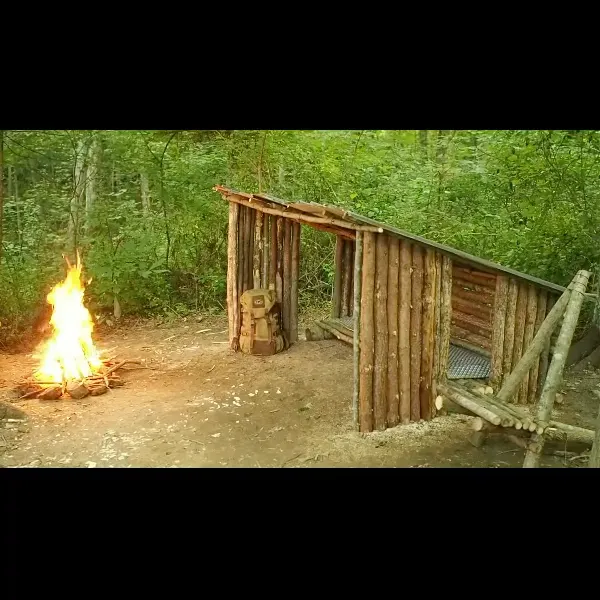
Man Builds a Trappers Cabin From Scratch in The Woods
21K views
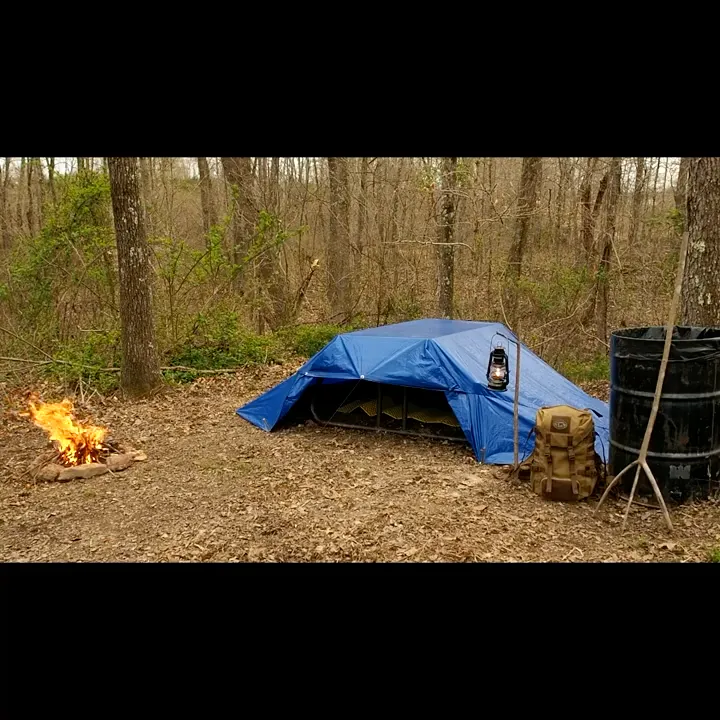
Man Sleeps Under a Picnic Table During a Weather Emergency
25K views
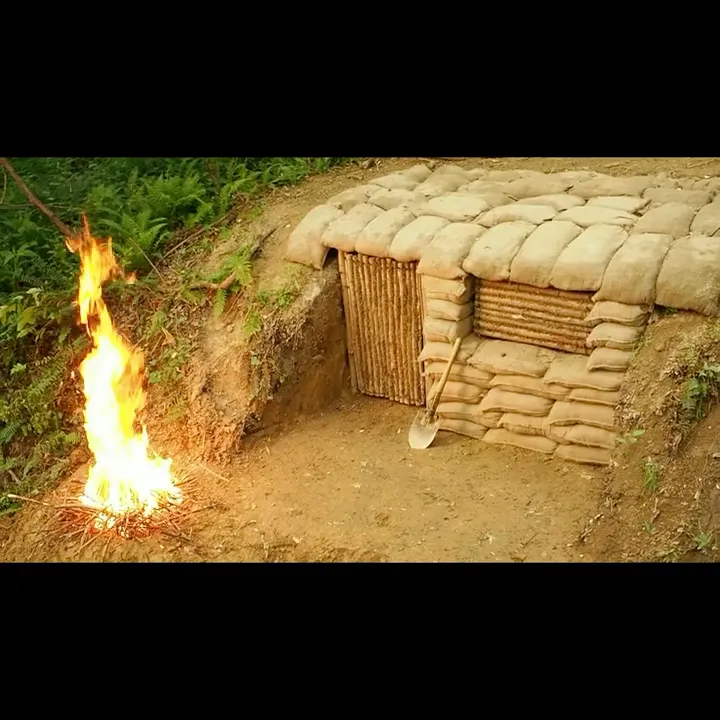
Man Escapes Society and Builds a Bunker in the Woods
14K views
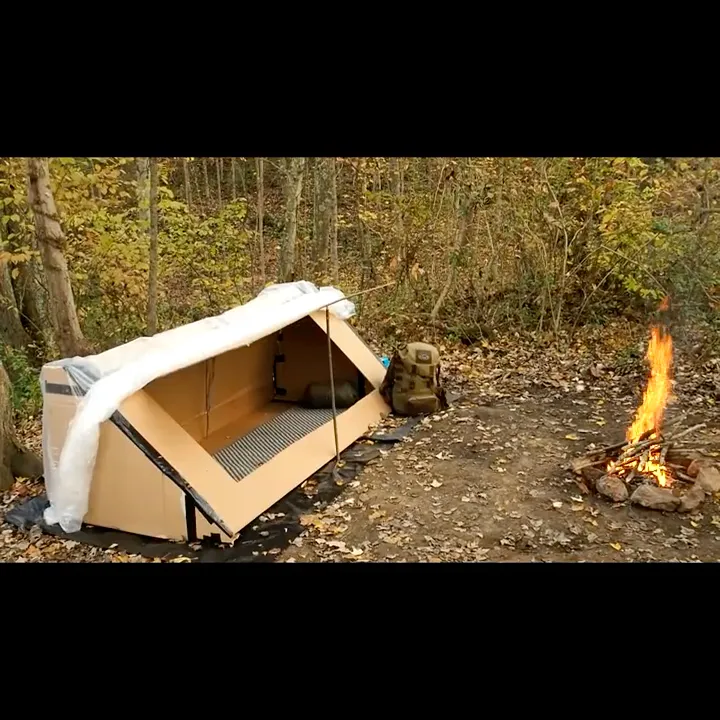
Man Builds a Cardboard Mansion and Lives Rent Free
24K views
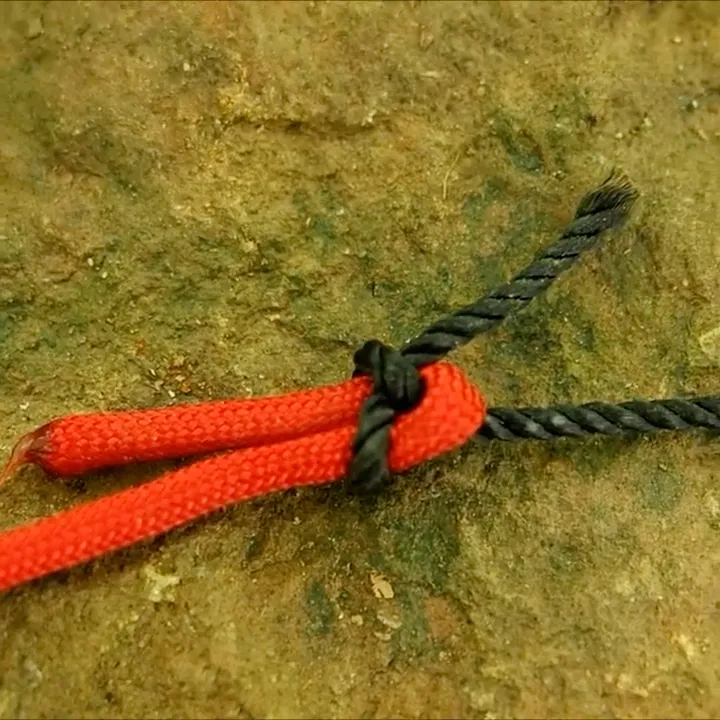
How To Tie a Sheet Bend
16K views
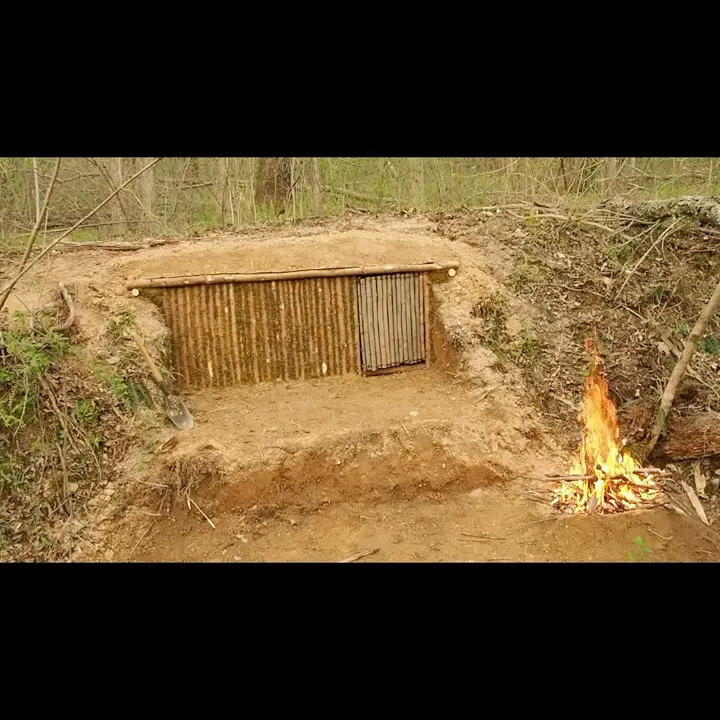
Man Builds a Dugout Shelter Inside of a Hill
16K views
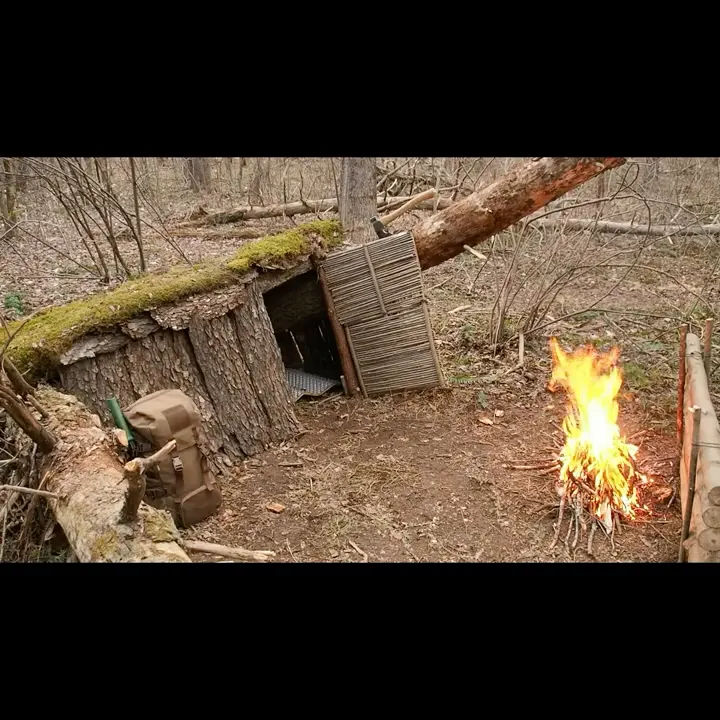
Man Builds a Hobbit House in the Woods and Lives off The Land
14K views
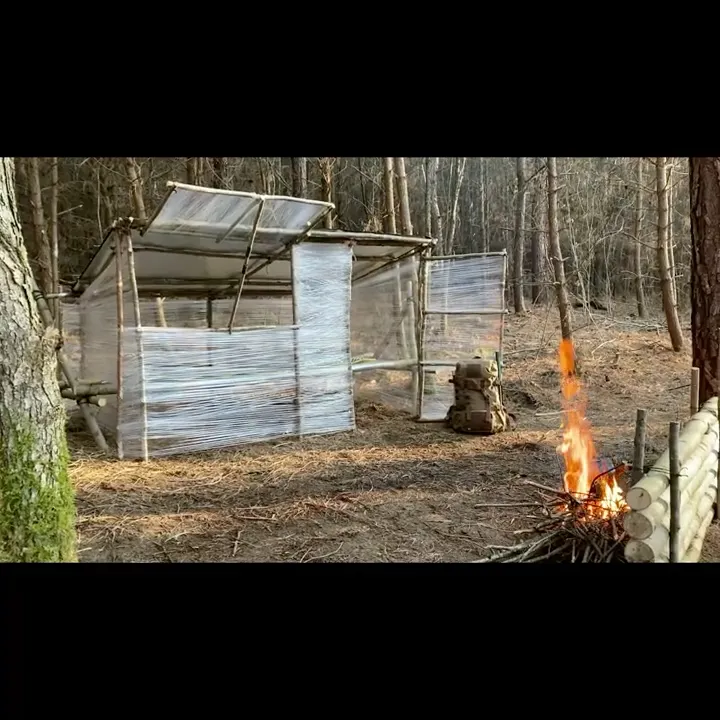
Man Pays No Bills and Builds a Plastic Cabin in the Forest
12K views
33:01
Solo Overnight Building the Ultimate Vehicle Emergency Kit Part 1
72K 2d ago
 28:12
Solo Overnight Building a Harbor Freight Survival Kit Part 2
62K 9d ago
19:34
Unboxing The Next Generation of Camp Cookware
77K 2w ago
 5:36
Level Up Your Bedroll Kit with an Axe sleeve
105K 2w ago
27:08
Solo Overnight Building a Survival Kit From Harbor Freight 2026 Part 1
86K 3w ago
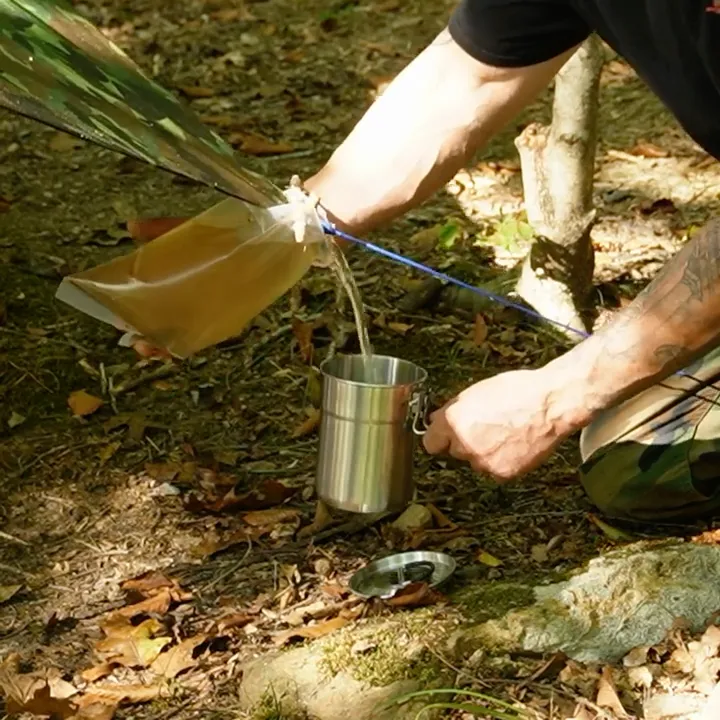
How To Make Back Country Water Safe To Drink
7.9K views

DIY Simple Spring Pole Snare
6.3K views
3:46
Solo Overnight Using a Menards Survival Kit Part 2
64K 1mo ago
Solo Overnight Building a Budget Survival Kit From Menards
87K 1mo ago
18:46
How To Build a DIY 80" x 90" Deer Blind Shelter for $26
186K 1mo ago
 8:26
How to Build the Deadfall Snare from Predator 1987
22K 1mo ago
 7:17
Corporals Corner Hidden YouTube Shorts Vol. 2 RAMBO Edition
25K 1mo ago
If you're gonna fight, fight like you're the third monkey on the ramp to Noah's Ark... and brother its starting to rain. Join our efforts to Secure America's Borders and End Illegal Immigration by Joining ALIPAC's E-Mail Alerts network (CLICK HERE)
-
10-20-2026, 10:17 PM #12035Senior Member
- Join Date
- Aug 2018
- Posts
- 98,562
@corporalscorner03
•1.1M subscribers •866 videos
 32:09
Solo Overnight Stealth Camping In The Woods and Krispy Kream Bacon Cheese Burgers
Corporals Corner
359K 6y ago
 30:02
Solo Overnight Shelter Build - Bushcraft Bunk Beds
Corporals Corner
266K 6y ago
 32:45
Solo Overnight on a Simple Raised Platform and Campfire Bacon and Egg Pan Pie
Corporals Corner
474K 6y ago
 32:03
Solo Overnight Shelter Building In a Rainstorm and a Triple Bacon Bypass Dinner Skllet
Corporals Corner
859K 6y ago
 32:07
Solo Overnight Using The Hammock Hitch by Rincon Outdoor and Campfire Bacon Candy
Corporals Corner
427K 6y ago
 35:24
Solo Overnight Building a Lean To Shelter and Campfire Bacon Wrapped Kielbasa
Corporals Corner
402K 6y ago

Solo Overnight With My NEW Emergency Kit and Campfire BBQ Beans and Weenies
Corporals Corner
333K 6y ago
 33:07
Solo Overnight Using The Trekker Tent 1 by River Country Products and Bacon Grease Seared Ribeye
Corporals Corner
296K 6y ago
 29:21
Solo Overnight Building an Open Air Shelter and Campfire Gourmet Bacon Burgers
Corporals Corner
155K 6y ago
 30:06
Solo Overnighter Using Old School Military Gear and Campfire Chili Mac
Corporals Corner
1M 6y ago
 30:44
Solo Overnighter Using The Backwoods Bungalow 2.0 by Onetigris and Bacon Popcorn
Corporals Corner
601K 6y ago
 30:07
Overnight Shelter Building With Minimal Gear
Corporals Corner
2.5M 7y ago
 33:32
Overnight in Bushcraft Bunkbeds During a Lightning Storm With My Son and Bacon and Cheese Burritos
Corporals Corner
904K 6y ago

Overnight In The Woods With My Son During a Rainstorm and Bacon and Ham Grilled Cheese Sandwiches
Corporals Corner
301K 6y ago
 32:10
Overnight In an Emergency Shelter With My Son and Bacon Grease Fries With Southwest Cheese
Corporals Corner
184K 6y ago
 36:25
Solo Overnight In a DIY Bushcraft Shelter and Campfire Combination Bacon Burritos
Corporals Corner
424K 6y ago
 40:20
Overnight Building Bushcraft Shelters With My Son and Campfire Western Bacon Cheese Burgers
Corporals Corner
621K 6y ago
 30:07
Overnight Shelter Building Using Clay and Rocks With My Son and Bacon Stuffed Mushrooms
Corporals Corner
220K 6y ago
 31:44
Solo Overnight Building a Double Decker Raised Bed with a Raised Fire (PART 2) and a Bacon Ribeye
Corporals Corner
267K 5y ago
 10:05
The Emergency Poncho Hammock
Corporals Corner
82K 8y ago
 10:49
The Military Poncho Plow Point Shelter
Corporals Corner
280K 10y ago
 6:59
The Jungle Bed
Corporals Corner
132K 10y ago
 3:45
The Poncho Bed
Corporals Corner
55K 10y ago
 4:50
Improvised Sleep System (Warm Weather)
Corporals Corner
38K 10y ago
 5:39
Little Dude Practicing The Military Poncho A-Frame Shelter
Corporals Corner
21K 10y ago

Solo Overnighter In the Eastern Woodlands
Corporals Corner
100K 9y ago
 7:56
The Shelter-Half Hammock
Corporals Corner
475K 11y ago
 5:39
The Emergency Stretcher
Corporals Corner
27K 10y ago
 12:24
Stealth Camping and Low Profile Shelters
Corporals Corner
339K 8y ago
 20:50
My New EDC
Corporals Corner
445K 7y ago
CC
 10:07
The Swagman Roll and Poncho
Corporals Corner
454K 7y ago
 27:01
Basic Land Navigation (Simplified)
Corporals Corner
802K 8y ago
CC
 30:12
Map and Compass (Simplified)
Corporals Corner
1.5M8y ago
CC
 12:07
Walking The Land Navigation Course
Corporals Corner
76K 8y ago
 4:27
How to Establish a Waypoint
Corporals Corner
28K 8y ago
 9:51
How To Establish A Pace Count 2.0
Corporals Corner
129K 10y ago
 7:26
How To Make Ranger Beads 2.0
Corporals Corner
119K 10y ago

Self Mapping Using The PAUL Method
Corporals Corner
90K 7y ago
CC
 15:16
5 Tips and Tricks You Need To Know When Using a Compass
Corporals Corner
233K 6y ago
 30:02
Solo Overnight Using Old School Military Gear and Bacon Chili Mac With Campfire Smoreos
Corporals Corner
1.1M 5y ago
 33:01
Solo Overnight Underwater Trapped in The Swamp and Ribeye Potatoes and Cheese Skillet
Corporals Corner
167K 3y ago
 10:28
Corporals Corner Tip and Trick Video #2 Three Land Navigation Tips That Could Save Your Life
Corporals Corner
48K 2y ago
 29:21
Corporals Corner Online Classroom Simplified Land Navigation and Channel Updates
Corporals Corner
52K 2y ago
 16:47
The One Rope Bridge (Commando Bridge)
228K 9y ago
 12:04
The Postmans Bridge (Two Rope Bridge)
84K 9y ago
 7:01
The Swiss Seat
3.8M 9y ago
 10:22
Improvised Fall Restraint (Lanyard)
194K 9y ago

Crossing The One Rope Bridge with Gear
19K 9y ago
 2:14
The Postmans Bridge Bloopers............
13K 9y ago
 30:06
Solo Overnight Building a Suspended Bridge Shelter and Bacon Steak with Potatoes and Cheese
445K 5y ago
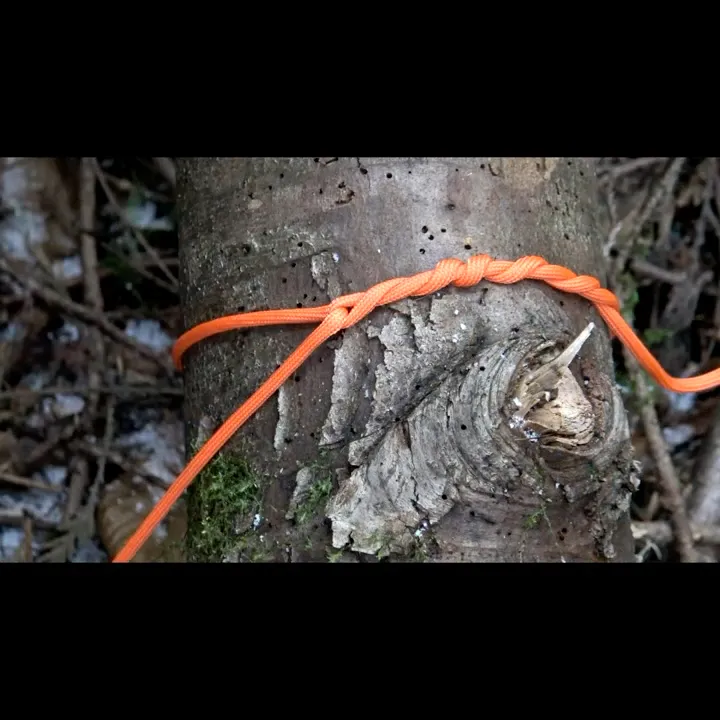
How To Tie a Timber Hitch
12K views

New Carbon Steel Camp Skillet with Stainless Handles
15K views
 20:00
Core Like an Egyptian Using a Copper Bushcraft Tube Drill
95K 1y ago
 23:54
Ancient Technology Casting a Socketed Axe with Corporals Corner
22K 1y ago
 15:47
New Survival School Classes Channel Update TV Show and Skillet Drop
22K 1y ago
 16:27
Hand Drill Fire Experiments Shop Welding and Cops in the Woods
39K 2y ago
 14:20
The Jack Burton EDC Knife, Survive Chinatown in Style
53K 2y ago
 10:53
Solo No Overnight with Emergency Updates Discounts Skillets and More
31K 2y ago
 15:24
Inspired By the Past, Corporals Corner Cold Handle Skillets
50K 2y ago

Corporals Corner Mid-Week Video #38 The DIY Bushcraft Drive Hook
38K 2y ago
 15:51
Corporals Corner New Camp Axe - The Camp Companion from Hardcore Hammers
141K 2y ago
 13:55
Corporals Corner Tips and Tricks Video #4 Making a Knife from Trash Found in the Woods
51K 2y ago
 12:58
Corporals Corner Mid-Week Video #35 The DIY Packable Forged Skillet
42K 2y ago
 10:30
The Best Headlamps and Lanterns for Camping, Bushcraft and Survival
Corporals Corner
57K 6y ago
 10:05
Split Wood With Your Saw - No Axe No Problem
Corporals Corner
211K 7y ago
 10:07
The Fire Sleeve and Ripspool by Exotac. You Need These!
Corporals Corner
138K 7y ago
10:07
The Swagman Roll and Poncho
Corporals Corner
454K 7y ago
 16:18
782 Gear Loadout
Corporals Corner
624K 7y ago
 10:52
DIY Bushcraft Hobo Reel, Catch More Fish!
Corporals Corner
151K 7y ago

My Travel EDC
Corporals Corner
579K 7y ago
 6:10
The Worlds Fastest Portable Water Purifier
Corporals Corner
122K 7y ago
 14:06
Survive The Apocalypse With The APO-1 By Survival Lilly
Corporals Corner
141K 7y ago
 10:56
Portable Water Filters For Backpacking and Survival
Corporals Corner
104K 7y ago
 11:12
ALICE Pack Loadout
Corporals Corner
442K 7y ago
 11:08
My Savotta Jaakari Backpack
Corporals Corner
159K 7y ago
If you're gonna fight, fight like you're the third monkey on the ramp to Noah's Ark... and brother its starting to rain. Join our efforts to Secure America's Borders and End Illegal Immigration by Joining ALIPAC's E-Mail Alerts network (CLICK HERE)
-
10-21-2026, 06:11 AM #12036Senior Member
- Join Date
- Aug 2018
- Posts
- 98,562
Canadian Gold Prospector
@CanadianGoldProspector
•15.7K subscribers •60 videos
 16:39
Gold Prospecting On The North Saskatchewan River... River of Gold 2021
35K 5y ago
 11:07
Gold Prospecting On The North Saskatchewan River: New Beginning
43K 1y ago
 15:12
Gold Prospection On The North Saskatchewan River : Monster Hole.
13K 1y ago
 13:29
Gold Prospecting On The North Saskatchewan River: The Pit
72K 1y ago
 10:40
Gold Prospecting On The North Saskatchewan River...Little HONEY Hole
186K 4y ago
 11:24
Gold Prospecting On The North Saskatchewan River. We're Back!!
7.2K 4y ago
 19:18
Gold Prospecting On The North Saskatchewan River EASY diggings
591K 6y ago
 4:34
In loving memory of my son Zachary Rittgen ❤️
5K 4y ago
 17:30
Gold Prospecting On The North Saskatchewan River Golden Weekend
9K 5y ago
 19:30
Gold Prospecting On The North Saskatchewan River 2021 Ep02 Want More GOLD... Move More Dirt.
15K 5y ago
 13:31
Gold Prospecting On The North Saskatchewan River... Early Spring Digging #gold #goldprospecting
4.4K 4y ago
 15:46
Gold Prospecting on The North Saskatchewan River BIG Hole
312K 6y ago
 5:22
Gold Prospecting on the North Saskatchewan River 1st outing for 2021
4.2K 5y ago
 8:50
Gold Prospecting in British Columbia
82K 6y ago
 10:47
Gold Prospecting British Columbia.... Hard Diggings
5.2K 5y ago
 12:01
Gold Prospecting On The North Saskatchewan River (Where To Dig Next??)
8.8K 7y ago
 15:10
Gold Prospecting on the North Saskatchewan River
86K 7y ago
 10:25
Gold Prospecting On The North Saskatchewan River 2hr Test Hole
42K 7y ago
 15:18
Gold Prospecting On The North Saskatchewan River
147K 7y ago
 12:05
Gold Prospecting On The North Saskatchewan River Beavers & Gold
4.6K 6y ago
 6:48
Gold Prospecting BC
7.3K 8y ago

Gold Prospecting BC
4K 8y ago
 3:10
Sneak Peak of Wildhorse River Claim
2.9K 9y ago
 12:27
Gold Prospecting BC.. New Season.. New Claims
6.4K 8y ago
 19:18
Gold Prospecting On The North Saskatchewan River EASY diggings
591K 6y ago
 7:13
Gold Prospecting on the North Saskatchewan River. #gold #golddigger #goldprospecting #prospectors
332K 10y ago
 15:46
Gold Prospecting on The North Saskatchewan River BIG Hole
312K 6y ago
 10:40
Gold Prospecting On The North Saskatchewan River...Little HONEY Hole
186K 4y ago
 15:18
Gold Prospecting On The North Saskatchewan River
147K 7y ago
 15:10
Gold Prospecting on the North Saskatchewan River
86K 7y ago

Gold Prospecting in British Columbia
82K 6y ago
 13:29
Gold Prospecting On The North Saskatchewan River: The Pit
72K 1y ago
 11:38
Gold Prospecting on the North Saskatchewan River Aug 21 2016
45K 10y ago
 11:07
Gold Prospecting On The North Saskatchewan River: New Beginning
43K 1y ago
 10:25
Gold Prospecting On The North Saskatchewan River 2hr Test Hole
42K 7y ago
 5:40
Gold Prospecting on the North Saskatchewan River.
41K 10y ago
 15:12
Gold Prospection On The North Saskatchewan River : Monster Hole.
13K 1y ago
13:29
Gold Prospecting On The North Saskatchewan River: The Pit
72K 1y ago
11:07
Gold Prospecting On The North Saskatchewan River: New Beginning
43K 1y ago
 4:34
In loving memory of my son Zachary Rittgen ❤️
5K 4y ago
 13:31
Gold Prospecting On The North Saskatchewan River... Early Spring Digging #gold #goldprospecting
4.4K 4y ago
 11:24
Gold Prospecting On The North Saskatchewan River. We're Back!!
7.2K 4y ago
Gold Prospecting On The North Saskatchewan River...Little HONEY Hole
186K 4y ago
 16:39
Gold Prospecting On The North Saskatchewan River... River of Gold 2021
35K 5y ago
 19:30
Gold Prospecting On The North Saskatchewan River 2021 Ep02 Want More GOLD... Move More Dirt.
15K 5y ago
 5:22
Gold Prospecting on the North Saskatchewan River 1st outing for 2021
4.2K 5y ago
 17:30
Gold Prospecting On The North Saskatchewan River Golden Weekend
9K 5y ago
 10:47
Gold Prospecting British Columbia.... Hard Diggings
5.2K 5y ago
If you're gonna fight, fight like you're the third monkey on the ramp to Noah's Ark... and brother its starting to rain. Join our efforts to Secure America's Borders and End Illegal Immigration by Joining ALIPAC's E-Mail Alerts network (CLICK HERE)
-
10-21-2026, 06:29 PM #12037Senior Member
- Join Date
- Aug 2018
- Posts
- 98,562
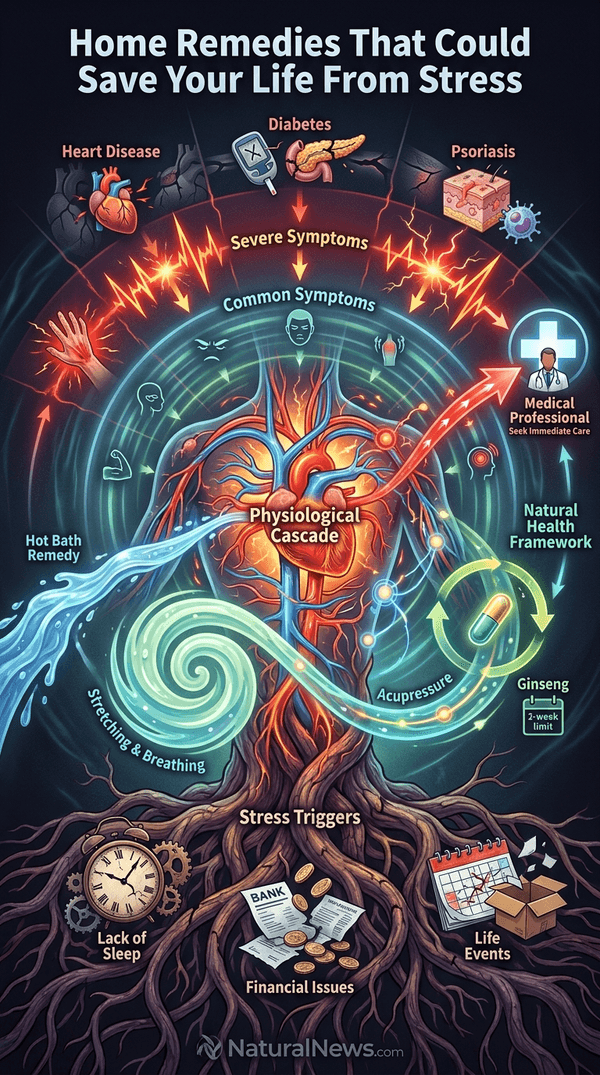
Home Remedies That Could Save Your Life From Stress
10/21/2026 // Morgan S. Verity // 630 Views
Tags: acupressure, alternative medicine, Cures, ginseng tea, goodhealth, goodmedicine, healing, herbal medicine, Herbs, home remedies, hot bath, jaw exercises, longevity, mental, Mind, mind body science, Natural, natural cures, natural health, natural medicine, prevention, remedies, stress, stress reduction, stress relief, stretching

A natural health website has published a guide outlining home remedies for stress, listing causes, symptoms and natural treatments [1].The article defines stress as the human body's failure to respond appropriately to emotional or physical threats, a reaction that leads to increased adrenaline production. According to the article, this physiological response can be triggered by a range of everyday circumstances, from lack of sleep to major life changes [1].
Symptoms and Causes
The article organizes stress symptoms into two tiers.
The first tier – common symptoms – includes irritability, muscle tension, concentration difficulty, a rapid heartbeat, headaches and exhaustion. These signs are presented as typical responses to everyday pressures.
The second tier – more severe symptoms – includes dizzy spells, rectal bleeding, chronic neck and back pain, trembling and hives. The article states that these severe symptoms require immediate medical contact.
The guide attributes stress to a variety of sources. Lack of sleep is listed as a primary cause, along with exams or project deadlines. Financial issues such as poverty, unemployment and debt are also cited, as are family issues including births, deaths, marriage and divorce. These causes reflect a broad view of stress as a response to both acute and chronic life challenges.
According to the article, stress is not merely a psychological burden but a condition linked to serious physical illnesses [1]. It states that heart disease, asthma, diabetes and psoriasis are associated with or caused by stress.
Because of these connections, the article concludes that reducing stress is important for overall health. The remedies that follow are offered as home-based options within a natural health framework.
Hot Bath, Stretching and Acupressure
The article recommends a hot bath as a simple home remedy. It states that a hot bath can restore blood circulation to extremities such as toes and fingertips, helping to counter the body's stress response. This aligns with the broader natural health approach that views external physical interventions as supportive of internal balance.
A stretching sequence is also described. The article instructs readers to roll their shoulders up and back, inhale deeply, hold for one second, slowly exhale, and relax the shoulders. This sequence is to be repeated five times. The guide presents this as a way to relax breathing and muscles during stressful periods.
The article also describes acupressure. It states that massaging the temples for five minutes is a form of acupressure that can indirectly relax muscles elsewhere, particularly the neck.
Additionally, it describes rolling the jaw left and right for a few seconds to relax jaw muscles and reduce overall tension. These remedies are presented as simple, home-based methods that require no special equipment or professional supervision.
Jaw Exercises and Ginseng
The article states that ginseng has been known to help reduce stress. It recommends taking one capsule of ginseng or a cup of ginseng tea three times a week during periods of increased stress, such as exams or tight deadlines. However, the guide warns that ginseng should not be taken continuously for longer than two weeks. It advises cycling usage rather than continuous use.
This caution is consistent with broader herbal medicine guidance. According to "1000 Cures for 200 Ailments," a book by S. Sierpin, ginseng products can vary in quality and may be subject to adulteration by cheaper plants, so experts often recommend standardized extracts or purchasing from reputable suppliers [2].
Conclusion: When to Seek Medical Attention
The article concludes that reducing stress is important because many diseases are associated with or caused by stress. It also presents the remedies as home-based options within a natural health framework. Ultimately, it is part of a larger body of natural health information that often promotes lifestyle and herbal interventions for common conditions.
While it provides simple techniques, it also acknowledges the limits of home care by urging medical attention for severe symptoms. This dual message reflects a common position in natural health writing: empower readers with self-care while deferring to professional care when necessary.
References
- Home Remedies for Stress. https://www.homeremediesweb.com/reme...s-home-remedy/
- 1000 Cures for 200 Ailments - Integrated Alternative and Conventional Treatments for the Most Common Illnesses. by S Sierpin
Explainer Infographic
Ask BrightAnswers.ai
Home Remedies That Could Save Your Life From Stress – NaturalNews.com
If you're gonna fight, fight like you're the third monkey on the ramp to Noah's Ark... and brother its starting to rain. Join our efforts to Secure America's Borders and End Illegal Immigration by Joining ALIPAC's E-Mail Alerts network (CLICK HERE)
-
10-22-2026, 01:02 PM #12038Senior Member
- Join Date
- Aug 2018
- Posts
- 98,562
Prepping with foldable solar panels: The emergency power source that keeps you connected when SHTF
10/22/2026 // HRS Editors // 510 Views
Tags: chaos, disaster, electricity, emergency, foldable portable solar panel charger, grid down, homesteading, how-to, off grid, panic, portable batteries, portable solar panel charger, power banks, power grid, Power Outage, preparedness, prepper, prepping, prepping gear, prepping tips, SHTF, solar energy, solar panel charger, survival gear
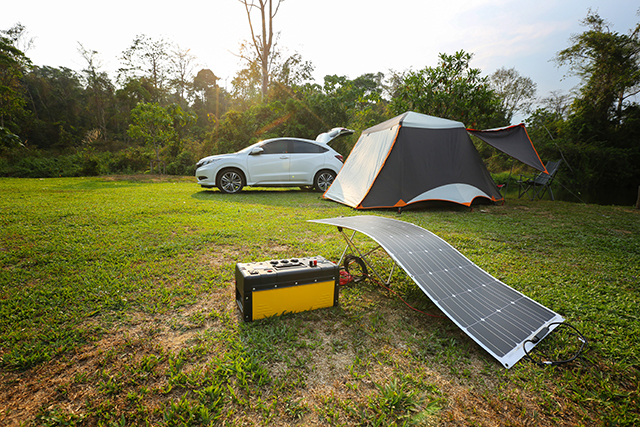
- A foldable solar panel with kickstands is a critical survival tool for when the power grid fails. When cell towers and electrical lines go down, this compact panel allows you to charge phones, radios and other devices to stay informed and communicate with family during emergencies.
- Its primary value is keeping communication devices alive. The panel can charge a small battery power station, which can then power phones, laptops and modems for days.
- It powers more than just phones. Paired with a battery station, it can run medical equipment like CPAP machines and even a cooler or mini-fridge to preserve medications or critical food.
- It is versatile for everyday and emergency use. Unlike fixed rooftop panels, foldable panels are portable and can be used for camping or travel.
- Ensure your solar panels are reliable by testing them before SHTF. Choose a 100- to 200-watt unit to cover essential needs without wasting storage space.
When the grid goes down, and the cell towers flicker back to life only to die again, the difference between being informed and being isolated often comes down to a crucial item in your stockpile: a portable solar panel with kickstands.
In the world of emergency preparedness, few tools offer the quiet reliability of a foldable solar panel equipped with kickstands. These compact units, which expand to several feet when opened, have become essential equipment for families who refuse to be caught off guard when the lights go out.
Staying in touch when the world goes dark
The most immediate value of a foldable solar panel with kickstands is its ability to keep communications alive. During a prolonged outage, a charged cell phone or two-way radio is not a luxury: it is a lifeline. Emergency alerts, family check-ins, weather updates and coordination with neighbors all depend on battery power that standard wall outlets cannot provide.
BrightU.AI's Enoch AI engine explains that a foldable panel with kickstands solves this problem elegantly. Unfold it, prop it up on its built-in supports facing the sun and connect it to a small battery power station.
Within hours, that power station can hold enough energy to charge several phones, a laptop and a modem for days. The kickstands allow precise angling toward the sun, which can improve charging speed by 20$ to 30% compared to a panel laid flat on the ground.
For families worried about evacuation scenarios, these panels are a game-changer. They fold down small enough to store in a vehicle’s trunk or an emergency go-bag.
When deployed at a temporary shelter or campsite, they provide the same reliable charging without requiring permanent installation or access to grid power.
Beyond phones: What else these panels power
While keeping a phone alive is the most obvious benefit of a foldable solar panel with kickstands, it can do far more. Paired with the right battery power station, it can run medical devices such as CPAP machines through the night.
It can power a small fan during a heat wave, a radio for news and weather alerts and LED lanterns that let your family read and cook well after sunset.
For those with refrigerated medications or critical food supplies, a foldable panel offers a practical, if limited, solution. While a single portable panel will not run a full refrigerator indefinitely, it can keep a cooler cold by powering a small thermoelectric unit, or it can cycle a mini-fridge for short periods to preserve insulin or temperature-sensitive medicines.
The kickstands also solve a problem that many emergency solar users discover too late: heat buildup. When a panel lies flat on hot ground or a dark roof, it heats up and loses efficiency. The kickstands lift the panel off the surface, allowing air to circulate underneath and keep the solar cells cooler, which means more power reaches your devices.
Practical uses beyond emergencies
A foldable solar panel with kickstands is not a single-use tool. Campers and overlanders have adopted them as standard gear, using them to keep RV batteries topped off or to run small appliances at remote campsites.
The portability factor matters here. Unlike fixed rooftop panels that require professional installation and permanent commitment, a foldable panel can move between your home, vehicle, boat and cabin as needed.
What to look for in a quality solar panel
Not all foldable solar panels are created equal. The best units for emergency use share several features beyond the wattage rating. Sturdy kickstands that do not wobble in wind, protected ports that resist dust and moisture and hinges that can survive repeated folding and unfolding all distinguish a reliable panel from a disposable one.
Cable length matters more than most buyers realize. A panel with a short cable forces the user to place the battery power station directly in the sun alongside the panel, which can overheat the battery and reduce its lifespan. A longer cable allows the panel to sit in the sun while the battery stays cool and protected indoors or in the shade.
Weather resistance is essential. Look for panels with solid construction, sealed electrical connections and materials that can handle rain, morning dew and accidental splashes.
The bottom line for prepared families
The best foldable solar panel with kickstands is the one that fits your family’s actual emergency plan. Not every household needs a 400-watt folding array.
Many families will find that a 100- to 200-watt unit paired with a medium-sized battery power station covers their essential needs without overwhelming their storage space or budget.
The key is to test the system before the emergency arrives. Set it up on a sunny weekend, connect it to your battery and run the devices you plan to use. Make sure every adult in the house knows how to unfold the panel, position it for maximum sun exposure and connect the cables correctly.
In a world where power outages are becoming more frequent and longer, a foldable solar panel with kickstands is not just a convenience. It is a tool that keeps you informed, connected and in control when the grid lets you down.
Where to buy a foldable portable solar panel
The Health Ranger Store is here to help you prepare for any emergency. That’s why we’re proud to introduce reliable prepping gear such as the SunJack 120 Watt ETFE Foldable Portable Solar Panel with Kickstands.
The SunJack 120 Watt ETFE Foldable Portable Solar Panel with Kickstands is powerful, rugged, waterproof, versatile and multi-use. An all-around solar panel perfect for camping and long trips, it is crucial for power outages, disaster prep and more.
The SunJack 120 Watt ETFE Foldable Portable Solar Panel with Kickstands is designed in the USA and backed by a local American company.
Features include:
- A rugged, durable and weatherproof design - Designed for the outdoors and all weather conditions, this solar charger is incredibly reliable and built to last.
- Portable and folding solar panel - The 3-panel briefcase design features a compact size when folded and weighs only 11.2lbs.
- Wide compatibility and versatile - The solar panel is designed to work with multiple different devices.
- Made with premium materials with fast charging speeds - The solar panel is made with superior quality A-grade monocrystalline solar cells with ETFE construction and is eco-friendly. The smart charging chip identifies USB devices to charge at the most efficient voltage and the quickest, yet safest, charging speed.
- Easy to use - Premium features and intuitive design let you quickly set up the solar panel for use. The included adapter cable and DC plug adapters ensure compatibility with a wide range of devices.
- Multi-use - Compact enough to transport and powerful enough to charge most devices. Ideal for camping and outdoor adventures, and is essential for any disaster, emergency and hurricane prep kit for survival.
Go to Health Ranger Store and Bright Shop to find more prepping products for your survival kit.
Click on this link to learn more about essential food items for your survival stockpile.
Watch this clip about an Organic Cocoa, Maca and Mushroom drink mix that you need in your stockpile.
This video is from the Health Ranger Store channel on Brighteon.com.
Sources include:
SHTFPrepperClub.com
HealthRangerStore.com 1
HealthRangerStore.com 2
HealthRangerStore.com 3
BrightU.ai
Brighteon.com
Prepping with foldable solar panels: The emergency power source that keeps you connected when SHTF – NaturalNews.comIf you're gonna fight, fight like you're the third monkey on the ramp to Noah's Ark... and brother its starting to rain. Join our efforts to Secure America's Borders and End Illegal Immigration by Joining ALIPAC's E-Mail Alerts network (CLICK HERE)


 Reply With Quote


Group behind failed Long Island Muslim boarding school claims...
10-23-2026, 02:35 AM in General Discussion