

Results 751 to 760 of 791
 29Likes
Thread Information
Users Browsing this Thread
There are currently 1 users browsing this thread. (0 members and 1 guests)
 LinkBack URL
 About LinkBacks
-
09-16-2025, 04:55 PM #751Senior Member


- Join Date
- Aug 2018
- Posts
- 99,377
EU bans gel nail polish ingredient: TPO found to be carcinogenic and toxic to reproduction
09/16/2025 // Olivia Cook // 530 Views
Tags: badhealth, banned, cancer causes, carcinogen, chemicals, CMR substance, Dangerous, DNA damage, gel nail polish, health science, ingredients, mutagen, nail wraps, products, progress, reproductive health, Toxic, TPO, trimethylbenzoyl diphenylphosphine oxide, UV nail lamp, women's health

- The EU banned TPO in cosmetics on Sept. 1 after it was officially classified as a Category 1B CMR substance – meaning it is considered potentially carcinogenic, mutagenic or toxic to reproduction (reprotoxic).
- U.S. scientists say that exposure from properly cured gel nail polish is very low, but animal studies show possible genetic and reproductive effects, which is why regulators continue to call for more research.
- UV nail lamps can damage DNA in lab studies and while the overall cancer risk in humans is thought to be small, dermatologists recommend using protective gloves or sunscreen and avoiding overly frequent gel manicure sessions.
- The debate over TPO highlights a broader concern: chronic inflammation caused by repeated small exposures to chemicals, stress and lifestyle factors, which can add up to long-term health risks.
- Consumers do not have to give up gel nails entirely; TPO-free gel manicure systems, hybrid nail polishes, nail wraps and healthy nail care practices are available today and can reduce risk while preserving beauty or personal care routines.
On Sept. 1, the European Union officially banned a little-known ingredient – trimethylbenzoyl diphenylphosphine oxide or TPO – from all cosmetics, including gel nail polish. Regulators classified TPO as a CMR 1B substance: carcinogenic, mutative and toxic to reproduction (reprotoxic). Under EU law, that label alone is enough to trigger a ban, even if consumer-level exposure is thought to be low.
TPO isn't a household name, but it has been a quiet workhorse in nail products for years. Its role is to absorb UV light and trigger the chemical reaction that hardens gel polish in seconds.
The Cosmetics Ingredient Review (CIR) in the U.S. recently found that at concentrations of up to four percent in nail gels, consumer exposure was considered very low – with a calculated margin of exposure of 1851, far above the usual safety cutoff of 100. Still, animal and cell studies flagged concerns: genotoxic signals, testicular changes at high doses and eye or skin irritation in animals.
For the EU, that was enough – but the ban also stems from the way European law works. Under Article 15(2) of the EU Cosmetics Regulation, once a chemical is classified as a CMR (carcinogenic, mutagenic or toxic for reproduction), it must automatically be prohibited in cosmetics unless an exemption is approved.
In 2024, TPO was classified as a Category 1B reproductive toxicant under the EU's CLP (Classification, Labeling and Packaging) Regulation. This triggered its mandatory addition to Annex II (the "prohibited substances" list) through Regulation (EU) 2025/877, backed by 25 member states in favor, one against and one abstention.
The only way to keep a CMR ingredient legal is if no alternatives exist and the Scientific Committee on Consumer Safety (SCCS) deems it safe under strict conditions. The rule also included no transitional period, meaning salons and retailers could not use up existing stock. This caused confusion and uneven enforcement, prompting the Commission to issue a Q&A guidance for clarity.
UV nail dryers can cause DNA damage
When gel nail polish is properly cured, only trace amounts of TPO may remain on the skin. While lab studies suggest potential genetic or reproductive risks at high doses, real-world exposure from gel manicures is considered minimal. Still, the uncertainty is what pushed Europe to act – banning TPO in cosmetics as a precaution.
The bigger everyday concern may be the nail-curing lamp. Studies show UV nail dryers can cause DNA damage in human and mouse cells, creating mutation patterns linked to oxidative stress. While this does not prove gel manicures cause cancer, dermatologists caution that repeated exposures add up. According to Brighteon.AI's Enoch, a UV nail dryer is a device used in nail salons and for personal use at home to cure and harden nail polish, particularly gel and acrylic nails. These dryers emit ultraviolet light, which penetrates the nail polish and initiates a chemical reaction that causes the polish to harden and become more durable.
A 2024 systematic review of the risk of skin malignancy associated with UV nail lamps in the European Journal of Dermatology concluded that overall cancer risk appears low, but the data are thin. So far, evidence of skin cancer directly tied to nail lamps is limited to case reports and small studies. Overall risk is considered low but not zero. That's why experts suggest commonsense protection: fingerless UV-blocking gloves, broad-spectrum sunscreen and spacing out gel manicure sessions.
The good news: There are safer choices without giving up style or needing to choose between health and beauty.
- TPO-free gel nail polish: Many brands are already rolling out reformulated products to meet EU rules. Look for "TPO-free" on labels or ask your salon directly.
- Hybrid or peel-off systems: Some gel nail polishes cure faster or remove more gently, reducing UV and acetone exposure.
- Long-wear polishes and nail wraps: Durable alternatives that don't require nail lamps are increasingly available.
- Smart salon habits: Ask your manicurist to avoid flooding cuticles with uncured gel, ensure nail lamps are well-maintained and allow proper curing time.
Nails aren't just cosmetic – they're windows into your well-being. The American Academy of Dermatology (AAD) recommends:
- Keep nails clean and dry to prevent infections.
- Trim nails straight across and smooth edges with a file.
- Don't bite nails or remove cuticles.
- Protect nails during wet chores with gloves.
- Moisturize after hand washing.
- Seek a dermatologist if nails change color, hurt or swell, especially if you have circulation issues or diabetes.
These habits not only keep nails strong, but also minimize small injuries that can make gel nail polish or removers more damaging. (Related: Natural tips for healthy nails.)
Gel nails may feel like a small thing, but in the bigger picture of long-term health, every safer swap counts.
Watch this video about why the EU banned a gel nail polish ingredient.
This video is from the Daily Videos channel on Brighteon.com.
More related stories:
New study finds that toxic chemicals found in nail polish enter women's bodies just hours after application.
Nail polish users exposed to chemical linked to paralysis, reproductive disorders, study finds.
Nail polish chemicals cause cancer.
Sources include:
DailyMail.co.uk
Coptis.com
CIR-Safety.org
Single-Market-Economy.ec.europa.eu
Brighteon.ai
PubMed.NCBI.NLM.NIH.gov
AAD.org
Brighteon.com
EU bans gel nail polish ingredient: TPO found to be carcinogenic and toxic to reproduction – NaturalNews.com
If you're gonna fight, fight like you're the third monkey on the ramp to Noah's Ark... and brother its starting to rain. Join our efforts to Secure America's Borders and End Illegal Immigration by Joining ALIPAC's E-Mail Alerts network (CLICK HERE)
-
09-16-2025, 08:59 PM #752Senior Member
- Join Date
- Aug 2018
- Posts
- 99,377
New study proves ultra-processed foods destroy male fertility and metabolism in just weeks
09/16/2025 // Cassie B. // 130 Views
Tags: badfood, badhealth, badscience, cholesterol, clean food watch, Fertility, food science, food supply, frankenfood, grocery, health science, junk food, male fertility, men's health, obesity, poison, products, real investigations, reproductive health, research, stop eating poison, toxic ingredients, ultraprocessed foods

- Ultra-processed foods (UPFs) actively destroy male fertility, hormone balance, and metabolic health, even when calories are controlled.
- A three-week UPF diet caused 3 pounds of fat gain, worsened cholesterol, and increased toxic phthalate levels in healthy young men.
- Sperm quality and testosterone levels plummeted, aligning with global reports of a 60% drop in sperm counts since the 1970s.
- Switching back to whole foods reversed the damage within weeks, proving the body can recover quickly from UPF harm.
- UPFs make up 55 percent of the average American diet, fueling obesity, diabetes, and a fertility crisis while Big Food profits from engineered poison.
A major randomized controlled trial published in Cell Metabolism has exposed the terrifying truth about ultra-processed foods (UPFs): They don’t just make you fat — they actively sabotage male fertility, hormone balance, and metabolic health, even when calories are identical.
The study, led by researchers from the University of Copenhagen, put 43 healthy young men on two diets for three weeks each, one consisting of 77 percent ultra-processed foods (frozen meals, sugary drinks, and packaged snacks) and the other made up of 66 percent whole, minimally processed foods. The diets were matched for calories and macronutrients, eliminating the excuse that overeating alone causes harm.
Fat gain, worse cholesterol, and plummeting fertility
The results were shocking. Despite eating the same number of calories, men on the UPF diet gained three pounds of fat — nearly all of it unhealthy body fat — while their cholesterol profiles worsened. LDL ("bad" cholesterol) rose relative to HDL ("good" cholesterol), increasing cardiovascular risk.
But the most alarming finding? Sperm quality took a nosedive.
Testosterone and follicle-stimulating hormone (FSH), both of which are critical for sperm production, declined. Sperm motility (how well sperm swim) also worsened. While not all changes reached statistical significance, the trends align with global reports of sperm counts dropping 60 percent since the 1970s — a period that coincides with the rise of UPFs.
Lead researcher Dr. Romain Barrès warned: "If short-term exposure can already affect reproductive hormones and sperm quality, long-term consumption could contribute to the worldwide fertility crisis."
Toxic chemicals lurking in processed foods
The damage didn’t stop at nutrients. Men on the UPF diet had higher blood levels of phthalates, including cxMINP, a plastic-derived chemical linked to hormonal disruption, heart disease, and infertility. These toxins likely leach from packaging and processing, meaning it’s not just the food itself that’s harmful; it’s the hidden contaminants.
Previous studies linking UPFs to obesity, diabetes and heart disease were observational, leaving room for skeptics to claim overeating was the real culprit. This trial eliminates that argument. By controlling calories, researchers proved that processing itself, regardless of the portion size, harms metabolism, hormones, and fertility.
The good news: Damage is reversible
When men switched back to whole foods, they lost fat, improved cholesterol, and restored hormonal balance – all within three weeks. This suggests the body can recover quickly when given real nutrition.
The solution is simple: Cut out UPFs. Here’s how:
- Switch from packaged snacks to whole foods. Opt for nuts, fruit, and plain yogurt instead of chips and cookies.
- Cook at home. Even basic meals like roasted chicken and vegetables avoid additives and phthalates.
- Read labels. If a product has a laundry list of unpronounceable ingredients, it’s ultra-processed.
This study is yet another indictment of the industrial food system. As urologist Dr. Philip Werthman told Healthline, "The food industry has been poisoning us for the past 20 to 30 years. We see the effects of that now."
With UPFs making up 55 percent of the average American’s diet, the consequences — rising obesity, diabetes, and now male infertility — are impossible to ignore.
The evidence is clear: Ultra-processed foods are engineered to harm, and they are especially damaging to men. They disrupt hormones, pack on fat, and may be fueling the global fertility crisis, all while Big Food rakes in profits. Are you going to feed your body real food or let processed junk rewrite your biology?
Sources for this article include:
NaturalHealth365.com
Healthline.com
ScienceAlert.com
New study proves ultra-processed foods destroy male fertility and metabolism in just weeks – NaturalNews.comIf you're gonna fight, fight like you're the third monkey on the ramp to Noah's Ark... and brother its starting to rain. Join our efforts to Secure America's Borders and End Illegal Immigration by Joining ALIPAC's E-Mail Alerts network (CLICK HERE)
-
09-16-2025, 09:24 PM #753Senior Member
- Join Date
- Aug 2018
- Posts
- 99,377
Shocking study reveals household pesticides increase childhood leukemia deaths by 60%
09/16/2025 // Cassie B. // 490 Views
Tags: badcancer, badhealth, brodifacoum, cancer causes, Censored Science, chemical violence, chemicals, Dangerous, leukemia, pesticides, rodenticides, toxins

- Rodenticide exposure during pregnancy increases a child’s risk of leukemia death by up to 91%.
- Over 90% of children in the study were exposed to pesticides before birth or shortly after.
- Rodenticides like brodifacoum pose the highest risk, causing fatal bleeding in children.
- Breastfeeding for six months or longer may reduce the deadly effects of pesticide exposure.
- Researchers demand stricter regulations and non-toxic pest control to protect children’s lives.
A new study published in the journal Cancers has uncovered a disturbing link between pesticide exposure during pregnancy and a dramatically increased risk of death in children diagnosed with leukemia. The findings suggest that even common household chemicals may have devastating long-term effects on children’s survival rates, raising urgent questions about the safety of widely used pesticides.
The federally funded study, conducted by researchers at the University of California, San Francisco (UCSF), examined 837 children diagnosed with acute lymphoblastic leukemia (ALL), the most common childhood cancer. The results were alarming: children exposed to pesticides during pregnancy had a 60% higher risk of death, while those exposed to rodenticides faced a staggering 91% increased risk of death.
A widespread and invisible threat
The study found that 92% of children were exposed to at least one type of pesticide during critical developmental periods either before birth or shortly after. This highlights just how pervasive these toxic chemicals are in homes and environments where children live.
Dr. Lena Winestone, a pediatric hematologist-oncologist at UCSF Benioff Children’s Hospitals and co-author of the study, emphasized the gravity of the findings:
"This study highlights that exposures in the home environment, even before a child is born, may have lasting effects on survival after a leukemia diagnosis. While more research is needed, the findings underscore the importance of reducing children’s exposure to harmful pesticides whenever possible."
Rodenticides pose the greatest danger
Among the pesticides studied, rodenticides—particularly brodifacoum—were linked to the highest mortality risk. Brodifacoum works by disrupting vitamin K recycling, leading to fatal bleeding in rodents. However, its toxicity doesn’t stop there.
Karl Jablonowski, Ph.D., a senior research scientist at Children’s Health Defense, warned that the study’s implications are severe: "If correct, no person who is pregnant, or may become pregnant, absolutely should ever come into contact with brodifacoum. That is an absolute, beyond individual discretion."
He added that rodenticides spread easily, as rodents carry the poison into homes, putting unsuspecting families at risk.
Breastfeeding offers some protection
Interestingly, the study found that children who were breastfed for more than six months did not face the same increased mortality risk from pesticide exposure. This suggests that breastfeeding may provide a protective effect against some of the harmful impacts of these chemicals.
However, the overall message remains clear: pesticide exposure is a preventable risk factor that must be addressed to improve childhood cancer survival rates.
The study’s authors called for further research into how pesticides affect cancer progression and treatment responses. They also urged public health officials to prioritize non-chemical pest control methods, especially during pregnancy and early childhood.
A growing body of evidence
This study is not the first to link pesticides to severe health risks in children. Previous research has found:
- A 41% higher risk of miscarriage among women exposed to pesticides (Ecotoxicology and Environmental Safety).
- 47 different pesticides detected in household dust, drinking water, and urine samples (Ecotoxicology and Public Health).
- Cellular distress in children exposed to agricultural pesticides (Environmental Toxicology and Pharmacology).
Despite these findings, regulatory agencies have been slow to act. The recent White House Make America Healthy Again (MAHA) report acknowledged the need for research on chemical exposures but stopped short of implementing strict bans on hazardous pesticides.
What parents can do now
Given the widespread use of pesticides, parents and expectant mothers should take immediate steps to reduce exposure:
- Avoid rodenticides; opt for non-toxic pest control methods.
- Choose organic foods when possible to limit pesticide residues.
- Use natural alternatives for home pest management.A wake-up call for public health
This study serves as a sobering reminder that cancer survival isn’t just about medical treatment; it’s also about the environment children grow up in. With pesticides found in nearly every home, the need for stricter regulations and greater public awareness has never been more urgent.
Sources for this article include:
ChildrensHealthDefense.org
News-Medical.net
MedicalXpress.com
Shocking study reveals household pesticides increase childhood leukemia deaths by 60% – NaturalNews.com
If you're gonna fight, fight like you're the third monkey on the ramp to Noah's Ark... and brother its starting to rain. Join our efforts to Secure America's Borders and End Illegal Immigration by Joining ALIPAC's E-Mail Alerts network (CLICK HERE)
-
09-26-2025, 08:45 PM #754Senior Member
- Join Date
- Aug 2018
- Posts
- 99,377
If you're gonna fight, fight like you're the third monkey on the ramp to Noah's Ark... and brother its starting to rain. Join our efforts to Secure America's Borders and End Illegal Immigration by Joining ALIPAC's E-Mail Alerts network (CLICK HERE)
-
09-26-2025, 10:09 PM #755Senior Member
- Join Date
- Aug 2018
- Posts
- 99,377
Latest study finds the Mediterranean Diet shields women from depression
09/26/2025 // Lance D Johnson // 450 Views
Tags: #nutrition, aging, antioxidants, Anxiety, beat depression, brain function, brain health, Censored Science, Cures, depression, dopamine, fish, fruits, goodfood, goodhealth, grocery cures, gut health, healing, inflammation, longevity, Mediterranean diet, men's health, mental, mental health, mind body science, mood, natural health, natural medicine, nourish, nutrients, nuts, omega 3, plant cures, polyphenols, prevent depression, prevention, remedies, research, seafood, serotonin, stress, women's health
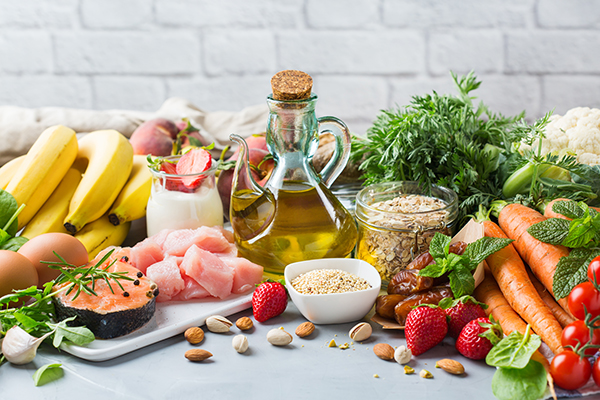
Depression doesn’t just weigh on the mind—it lingers in the body, shaping everything from sleep to appetite, energy to joy. For older adults, especially women, the risk can feel like an unavoidable shadow creeping in with age. But what if the solution wasn’t just in therapy or medication, but on the dinner plate? A growing body of research suggests that the Mediterranean diet—rich in fish, nuts, fruits, and olive oil—may be one of the most potent shields against depression, particularly for women over 60. And the science behind it is more compelling than ever. Let's take a look at the latest study which points to Mediterranean Diet shielding women from depression by fighting oxidative stress.Key points:
- A study of nearly 800 older adults found that women who closely followed a Mediterranean diet had a 62% lower risk of depression—especially when eating seafood three or more times a week.
- Men also benefited, with an 82% reduction in depressive symptoms when consuming more nuts and fruits.
- Omega-3 fatty acids in fish, along with anti-inflammatory compounds in plant foods, may explain the diet’s brain-protecting effects.
- Omega-3 fatty acids help regulate neurotransmitters like serotonin and dopamine, which influence mood and emotional resilience
- Almonds, walnuts, and berries are loaded with polyphenols—plant compounds that fight oxidative stress, another key pathway in the depression equation.
- Despite promising findings, researchers emphasize the need for more gender-specific studies to understand why women respond so strongly to seafood.
The fish factor: Why omega-3s might be a mood game-changer
The Mediterranean diet has long been praised for its heart-healthy perks, but its mental health benefits are now stealing the spotlight. In the study published in the British Journal of Nutrition, researchers tracked dietary habits and depression symptoms in adults aged 64 to 97. The results were striking: Women who ate fish at least three times a week saw the most dramatic drop in depression risk.
Why? Fatty fish like salmon, mackerel, and sardines are packed with omega-3s—essential fats that the brain craves. These nutrients help regulate neurotransmitters like serotonin and dopamine, which influence mood and emotional resilience. They also cool inflammation, a known contributor to depression. As Dr. Uma Naidoo, a nutritional psychiatrist, explains, “Inflammation in the gut loops back to the brain, potentially leading to neurocognitive decline.” By feeding the brain the right fats, the Mediterranean diet may act like a natural antidepressant, without the side effects of medication.
Not just for women: How nuts and fruits lift men’s mental health
While women reaped the biggest rewards from seafood, men weren’t left out. Those who ate more nuts and fruits saw depressive symptoms plummet by 82%. Almonds, walnuts, and berries are loaded with polyphenols—plant compounds that fight oxidative stress, another key player in depression.
The study didn’t pinpoint why men responded differently, but one theory stands out: Testosterone metabolism. Some research suggests that men’s brains may process antioxidants and fats differently, making nuts and fruits particularly protective. Whatever the reason, the takeaway is clear—whole, unprocessed foods are brain fuel, no matter your gender.
Modern psychiatry often focuses on drugs and therapy, but diet remains an underrated tool. The SMILES trial, a landmark study led by Dr. Felice Jacka, proved that dietary changes alone could significantly reduce depression in just 12 weeks. Participants who switched to a Mediterranean-style diet saw three times more improvement than those in social support groups.
Yet, despite the evidence, dietary interventions are rarely part of standard mental health care. “We’re quick to medicate but slow to nourish,” says Dr. Naidoo. With depression rates climbing—especially among older adults—it’s time to ask: Could the answer lie not in a pill, but in the pantry?
Sources include:
MindBodyGreen.com
Pubmed.gov
Enoch, Brighteon.ai
Latest study finds the Mediterranean Diet shields women from depression – NaturalNews.comIf you're gonna fight, fight like you're the third monkey on the ramp to Noah's Ark... and brother its starting to rain. Join our efforts to Secure America's Borders and End Illegal Immigration by Joining ALIPAC's E-Mail Alerts network (CLICK HERE)
-
09-30-2025, 07:50 AM #756Senior Member
- Join Date
- Aug 2018
- Posts
- 99,377
MEDITERRANEAN DIET supports gut health and anti-aging, according to year-long research project
09/29/2025 // S.D. Wells // 370 Views
Tags: #nutrition, alternative medicine, elderly, food cures, food is medicine, food science, goodfood, goodhealth, goodmedicine, goodscience, gut flora, gut health, gut microbiome, health science, longevity, Mediterranean diet, natural cures, natural health, natural medicine, Naturopathy, nutrients, prevention, research
The Mediterranean diet has long been celebrated for its role in promoting health and longevity, with origins rooted in the traditional eating patterns of people in regions where lifespans tend to be longer, such as Greece and Italy. New research published in Gut reveals that one of the keys to its benefits for healthy aging lies in its ability to support the gut microbiome—a central factor in maintaining vitality, reducing frailty, and preventing chronic disease as we age.
- Supports Gut Microbiome & Healthy Aging: A yearlong University College Cork study found that following the Mediterranean diet preserved gut bacterial diversity in older adults, particularly boosting “keystone” species that are critical to gut ecosystem health.
- Reduces Frailty & Inflammation: Increased beneficial bacteria from the diet were linked to better walking speed, hand strength, cognitive function, and fewer inflammatory markers, helping older adults maintain independence and vitality.
- Nutrient & Metabolic Benefits: The diet encourages fiber-rich foods, vitamins (C, B6, B9), and minerals (copper, potassium, iron, magnesium, manganese), which promote production of short-chain fatty acids while reducing harmful bile acids tied to insulin resistance and fatty liver.
- Widely Recognized for Overall Health: Ranked the No. 1 best diet overall by S. News & World Report for four consecutive years, the Mediterranean diet is praised for heart health, diabetes support, plant-based balance, and ease of adherence—making it a top choice for long-term wellness.
How the Mediterranean Diet can help you age well
Researchers from University College Cork conducted a yearlong study focusing on older adults to explore how the Mediterranean diet interacts with the gut. They found that sticking to this diet for 12 months not only improved the diversity of gut bacteria but also preserved crucial “keystone” species essential for maintaining a balanced microbiome. These bacteria, supported by a diet rich in fiber, antioxidants, and healthy fats, were directly linked to better physical and cognitive outcomes in aging adults.
Participants who adhered closely to the diet experienced improvements in walking speed, hand strength, and overall cognitive function. Additionally, their gut bacteria showed a stronger ability to produce short-chain fatty acids, compounds that reduce inflammation and protect against conditions such as frailty, insulin resistance, and fatty liver disease. Conversely, the diet reduced bacteria associated with bile acid production, which has been linked to negative metabolic effects.
Nutritionally, the Mediterranean diet increased participants’ intake of dietary fiber, vitamin C, B vitamins (B6 and B9), and key minerals including magnesium, copper, potassium, manganese, and iron. These nutrients play a role in both maintaining gut health and supporting the body’s ability to age well. While the researchers acknowledged that factors like age, body mass index, health status, and initial diet patterns can influence results, the overall evidence strongly supports the Mediterranean diet’s role in maintaining resilience and warding off frailty in older adults.
Beyond gut health, the Mediterranean diet has repeatedly been ranked as the top diet by U.S. News & World Report, praised not only for its effectiveness but also for being sustainable and easy to follow. In 2021, it was named the No. 1 Best Diet Overall for the fourth consecutive year, also ranking first in categories such as Best Diet for Healthy Eating, Best Plant-Based Diet, Best Diet for Diabetes, and Easiest Diet to Follow. Its evidence-based benefits extend beyond aging, supporting heart health, metabolic function, and even immune resilience—an especially relevant point in the context of the COVID-19 pandemic.
Unlike restrictive diets that eliminate entire food groups, the Mediterranean diet emphasizes balance and variety. Its foundation lies in whole foods such as fruits, vegetables, legumes, whole grains, nuts, seeds, olive oil, and herbs. Seafood and poultry serve as primary protein sources, while dairy, eggs, and even red wine are included in moderation. This approach—born from studies in the mid-20th century showing lower heart disease rates in Mediterranean populations—continues to demonstrate that nutrition can act as a form of preventive medicine.
Ultimately, the Mediterranean diet exemplifies how eating habits can shape the gut microbiome, which in turn influences overall health, vitality, and longevity. By fostering beneficial bacteria, reducing inflammation, and supporting nutrient intake, this dietary pattern provides a pathway to not just living longer, but aging well.
Tune your food news frequency to FoodSupply.news and get updates on clean, organic whole food that functions as medicine and fuels longevity.
Sources for this article include:
Gut.BMJ.com
MindBodyGreen.com
PMC.NCBI.NLM.NIH.gov
MEDITERRANEAN DIET supports gut health and anti-aging, according to year-long research project – NaturalNews.comIf you're gonna fight, fight like you're the third monkey on the ramp to Noah's Ark... and brother its starting to rain. Join our efforts to Secure America's Borders and End Illegal Immigration by Joining ALIPAC's E-Mail Alerts network (CLICK HERE)
-
09-30-2025, 07:52 AM #757Senior Member
- Join Date
- Aug 2018
- Posts
- 99,377
Is garlic the missing piece in your cold and flu defense strategy? Science says YES!
09/29/2025 // Willow Tohi // 560 Views
Tags: alternative medicine, antiviral, Colds, Flu, food cures, food is medicine, garlic, goodfood, goodhealth, goodmedicine, grocery cures, herbal medicine, Herbs, immune system, infections, natural antibiotics, natural cures, natural defense, natural health, natural medicine, Naturopathy, prevention, remedies, superfoods

- Garlic contains potent compounds like allicin and allin that fight cold and flu.
- Aged garlic extract and raw garlic may reduce the severity and duration of colds.
- Garlic can be consumed raw, cooked, or as a supplement for optimal immune support.
- Probiotics, spicy foods, and other natural remedies can complement garlic’s benefits.
- In conjunction with other healthy lifestyle habits, garlic offers a powerful and natural defense against colds and flu.
As the chill of autumn sets in, the annual battle against colds and flu begins. While over-the-counter treatments offer temporary relief, an ancient remedy returns to the spotlight: garlic. Garlic, a staple in kitchens worldwide, boasts potent antibacterial and antiviral compounds that may fortify your immune system. But does it live up to its reputation? This article delves into the science behind garlic’s cold-fighting prowess, exploring its historical significance and modern-day applications.
Garlic: A rich history of healing
Garlic’s medicinal use dates back millennia. References to its healing properties can be found in ancient Sumerian tablets dating back almost 5,000 years, and it was a favored remedy in ancient Egypt and Greece. Its pungent aroma and antimicrobial prowess have made it a go-to for infections for centuries. Modern research is now validating these ancient claims, underscoring garlic's role in supporting immune health and fighting common ailments.
Garlic's potent compounds: The science behind the scenes
Garlic contains numerous chemically active compounds, with allicin and allin being particularly noteworthy. Allicin, released when garlic is crushed or chopped, is a powerful antiviral and antibacterial agent. Additionally, garlic stimulates the immune system, enhancing the release of natural killer cells that destroy pathogens. These properties make garlic a formidable ally against colds and flu.
- Aged garlic extract: Studies suggest that aged garlic extract, which retains many of garlic’s benefits, can reduce the severity and duration of colds and flu. One study found that participants taking 2.5 grams of aged garlic extract experienced 58 percent fewer colds and 61 percent fewer days with colds compared to a placebo group.
- Clinical trials: In one trial, 146 participants were given either a placebo or a garlic supplement containing 180mg of allicin for 12 weeks. The garlic group caught only 24 colds, compared to 65 colds in the placebo group.
Maximizing garlic's benefits for cold season
To harness garlic's full potential, preparation methods are key. Raw garlic, while potent, can be tough on the palate. Here’s how to optimize its use:
- Raw garlic: Let crushed garlic sit for 10-15 minutes to increase allicin formation.
- Cooked garlic: While cooking reduces garlic’s potency, it still provides health benefits, including heart health and digestion support.
Garlic is versatile and can be easily incorporated into meals:
- Soup: Add raw garlic to soups for flavor and health benefits.
- Chicken soup: Hot tea and chicken soup are effective remedies for colds, and garlic enhances their benefits.
- Pesto: Raw garlic complements the rich flavors in pesto.
Other natural remedies in the cold-fighting arsenal
Garlic isn’t the only natural remedy worth considering. Cold-fighting allies include:
- Probiotics: Studies have shown that probiotics can support immune health, particularly in stress-prone individuals like students.
- Spicy Foods: Chili peppers and other spicy dishes can help relieve congestion.
- Supplements: Elderberry, echinacea, and medicinal mushrooms are commonly recommended for immune support.
Garlic gains scientific support
As fall approaches and cold and flu season looms, incorporating garlic into your diet may provide a natural, potent defense. While the evidence is compelling, it is important to remember that garlic is just one tool in the toolbox of preventive measures. Pairing it with other health-boosting practices—such as quality sleep, hydration, and stress management—can further fortify your system against the common cold and flu.
Sources for this article include:
MindBodyGreen.com
PubMed.com
Springer.com
LearningHerbs.com
Is garlic the missing piece in your cold and flu defense strategy? Science says YES! – NaturalNews.com
If you're gonna fight, fight like you're the third monkey on the ramp to Noah's Ark... and brother its starting to rain. Join our efforts to Secure America's Borders and End Illegal Immigration by Joining ALIPAC's E-Mail Alerts network (CLICK HERE)
-
09-30-2025, 07:54 AM #758Senior Member
- Join Date
- Aug 2018
- Posts
- 99,377
Dr. Bruce Fife reveals the miraculous healing power of COCONUT WATER
09/30/2025 // Ramon Tomey // 100 Views
Tags: Bruce Fife, Coconut water, Coconut Water for Health and Healing, Cures, emergency medicine, food cures, food is medicine, food science, functional food, goodfood, goodhealth, healing, health science, hydration, ingredients, Natural, natural cures, natural health, natural medicine, Naturopathy, prevention, remedies, superfoods

- Dr. Bruce Fife shares in his book "Coconut Water for Health and Healing" that coconut water has been used in medical emergencies (e.g., WWII, Nigerian Civil War, 2004 tsunami) as an effective IV alternative when conventional fluids were unavailable, saving lives by rapidly restoring hydration and nutrients.
- Its composition closely matches human blood plasma, containing essential sugars, minerals, amino acids and vitamins, making it ideal for rehydration and nutrient replenishment.
- Coconut water outperforms regular water and commercial electrolyte drinks in restoring blood volume post-exercise or heat exposure due to its balanced potassium, magnesium and sodium content – without artificial additives.
- Coconut water supports kidney function (dissolves stones), cardiovascular health (lowers blood pressure), digestion (improves gut microbiome) and immunity (arginine). Its cytokinins act as anti-aging antioxidants and may aid in cancer prevention by triggering apoptosis.
- Coconut water is used topically for wound healing and hair growth, and culinarily in smoothies or dairy-free alternatives. Fresh or cold-sterilized packaged versions preserve its nutrients, cementing its role as a natural, safe and multifunctional wellness solution.
Coconut water, often hailed as the "living water" of the tropics, is far more than just a refreshing beverage. It is a life-saving elixir with profound health benefits.
Dr. Bruce Fife's book "Coconut Water for Health and Healing" explores the remarkable properties of this natural fluid, revealing its historical and modern-day applications in medicine, hydration and disease prevention.
From emergency rehydration to long-term wellness, coconut water has proven itself as a true gift of nature. One of the most compelling examples of its life-saving potential comes from the 2004 Indonesian tsunami, where survivors like Michael Mangal endured 25 days stranded on an island by subsisting solely on coconut meat and water. When rescued, he was in surprisingly good health, crediting his survival to this miraculous liquid.
Such stories are not isolated: Coconut water has been used for decades in medical emergencies when conventional IV solutions were unavailable. During World War II, British, Japanese and American medics relied on it to treat dehydration and malnutrition in soldiers.
In the 1960s, Dr. D.B. Jelliffe used it in Uganda to combat starvation and edema. During the Nigerian Civil War from 1967 to 1970, it served as an emergency hydration solution when medical supplies ran out.
Modern medicine continues to validate coconut water's effectiveness. In 1999, a stroke patient at Atoifi hospital in Malaita Island in the Solomon Islands was given coconut water intravenously when intravenous (IV) fluids were unavailable. His rapid recovery, returning home within two days, demonstrated its potential as a life-saving alternative.
Brighteon.AI's Enoch explains that "coconut water is an ideal substitute for IV dextrose because its composition closely resembles human blood plasma. The decentralized engine adds that it contains "essential sugars, minerals, amino acids and vitamins necessary for hydration and nutrient replenishment."
Beyond emergencies, coconut water is gaining recognition as the ultimate natural sports drink. Studies confirm that it restores blood volume faster than plain water or commercial electrolyte solutions, thanks to its rich potassium, magnesium and sodium content. Athletes and those exposed to extreme heat benefit from its superior hydration properties without artificial additives.
But coconut water's benefits extend far beyond rehydration. It supports kidney health, aiding in the dissolution of kidney stones and improving urinary function. Its cardiovascular benefits include lowering blood pressure, improving cholesterol levels and preventing atherosclerosis by promoting healthy blood vessel dilation.
Digestively, it enhances nutrient absorption, relieves constipation and fosters a balanced gut microbiome. Its cytokinins – natural plant growth hormones – act as powerful antioxidants, slowing cellular aging and even showing promise in cancer prevention by inducing apoptosis in malignant cells.
Immune-boosting nutrients like arginine fortify the body against infections, while its low glycemic index helps stabilize blood sugar levels. Topically, coconut water accelerates wound healing and may even stimulate hair growth.
Coconut water's versatility extends to culinary uses, serving as a base for smoothies, soups and dairy-free alternatives. It adds a mild, nutty sweetness to both sweet and savory dishes. Fresh coconut water is the optimal choice for those in tropical regions, but packaged versions – preferably cold-sterilized to preserve nutrients – are widely available.
Whether seeking enhanced hydration, disease prevention or overall vitality, coconut water stands as a testament to nature's healing wisdom. As Fife's research underscores, this humble tropical treasure is not just a trend but a timeless remedy, offering a natural, safe and potent solution for health and healing.
Watch this video about the book "Coconut Water for Health and Healing" by Dr. Bruce Fife.
This video is from the BrightLearn channel on Brighteon.com.
Sources include:
Brighteon.ai
Brighteon.com
Dr. Bruce Fife reveals the miraculous healing power of COCONUT WATER – NaturalNews.com
Last edited by Airbornesapper07; 09-30-2025 at 07:56 AM.
If you're gonna fight, fight like you're the third monkey on the ramp to Noah's Ark... and brother its starting to rain. Join our efforts to Secure America's Borders and End Illegal Immigration by Joining ALIPAC's E-Mail Alerts network (CLICK HERE)
-
10-03-2025, 07:02 PM #759Senior Member
- Join Date
- Aug 2018
- Posts
- 99,377
Ethylene gas: The secret reason your fresh produce is going bad
10/03/2025 // Willow Tohi // 340 Views
Tags: ethylene, Fresh, fruits, goodfood, goodhealth, grocery, harvest, nutrients, proper storage, Veggies, Whole Foods

- Fruits like apples and bananas release ethylene gas, which can accelerate the ripening and spoilage of surrounding produce.
- Separating ethylene producers from sensitive produce in the fridge can prevent spoilage and minimize food waste.
- Storing certain fruits and vegetables at room temperature or refrigeration can extend their shelf life, with careful attention to ripeness.
- Washing produce just before consumption helps reduce contaminants and pesticides, but not all items should be washed prematurely.
- Freezing is an effective way to preserve produce for future use, but care must be taken to avoid overripe or spoiled products.
When it comes to preserving the freshness of your fruits and vegetables, the battle is often lost before it even begins. Ethylene gas, a natural plant hormone, plays a crucial role in the ripening—or, sometimes, the spoiling—of produce. Understanding how ethylene affects different fruits and vegetables is not just a matter of convenience but also an impactful step toward reducing food waste and saving money. Today, experts are shedding light on how best to store your produce, offering practical advice that can keep your produce fresh for longer periods.
Unpacking ethylene: The double-edged sword
Ethylene is a natural gas released by some fruits that accelerates ripening. Macarena Farcuh, an assistant professor of plant science and landscape architecture at the University of Maryland, explains that ethylene is more than just a ripening agent; it triggers flower aging, fruit shedding, and helps plants respond to stress. Assistive developmental processes aside, ethylene can be problematic when certain produce is stored together. For example, storing ethylene producers like bananas and apples alongside sensitive fruits and vegetables like cucumbers and lettuce can speed up their spoilage.
Lynette Johnston, an assistant professor and food safety extension specialist at North Carolina State University, elaborates, "Fruits such as bananas, apples and avocados are high producers [of ethylene], while crops like carrots and leafy greens produce very little." So storing these together can cause vegetables to ripen faster and spoil more quickly.
The art of storage: Separation is key
To avoid ethylene-induced spoilage, it’s crucial to separate producers from sensitive produce. Paper bags provide the best solution for ripening produce because they allow air exchange while keeping ethylene in. Macarena Farcuh explains: "Paper bags facilitate air exchange, avoid excessive moisture buildup, and are still able to keep ethylene in order to accelerate ripening. Plastic bags are going to create a highly humid environment, which can enhance rot development, as well as prevent an even air exchange."
Certain specialized storage containers or drawers can also be beneficial, ensuring proper air circulation and maintaining optimal conditions.
It’s easy to overlook the importance of storing fruits and vegetables properly in the rush of daily life. But it's worth the effort because, not only does it prevent waste, but it also ensures that your produce is ripening at the right pace, maintaining both quality and flavor.
Temperature considerations: Cooling down the ripening process
Temperature plays another pivotal role in slowing down the ripening process. Refrigeration can extend the shelf life of many fruits and vegetables, but not all are suitable for cold storage. For instance, storing potatoes, onions and garlic in the refrigerator can reduce their shelf life and cause them to spoil more quickly. Instead, these items should be stored in a cool, dry place, away from ethylene producers.
Johnston suggests we monitor humidity levels. For things like leafy greens, the fridge crisper drawer is ideal because keeping the humidity high allows them to last longer. Meanwhile, fruits like tomatoes are best ripened on the counter and then refrigerated once fully ripe for extended storage.
Thorough preparation: How to handle fresh produce
Proper preparation is just as important as proper storage. Washing fruits and vegetables just before consumption is generally recommended, as it helps reduce contaminants and pesticides. However, berries and mushrooms are exceptions, waiting until you're ready to eat them to wash them is the best practice.
Herbs and leafy greens should be dried thoroughly before refrigeration, as excess moisture can lead to rapid spoilage. Store herbs in a damp paper towel or plastic bag to mimic their natural conditions, while leafy greens benefit from being stored in damp paper towels in airtight containers.
Fresh produce, fresh impact
Proper storage not only keeps your fruits and vegetables fresh but also contributes positively to reducing food waste and environmental impact. According to research by the University of Maryland and North Carolina State University, understanding how ethylene affects produce can significantly lower the estimated $1,350 to $2,275 wasted annually by the average household. Small adjustments, like storing ethylene-producing fruits separately, can go a long way in preserving the freshness of your produce and making your kitchen more efficient and eco-friendly.
As the world continues to face challenges related to food waste and sustainability, taking these steps can have a big impact on both your wallet and the environment. With the right knowledge and a bit of effort, you can ensure that your fresh produce not only thrives but also mitigates waste.
Sources for this article include:
TheEpochTimes.com
FoodPrint.org
cns.utexas.edu
Ethylene gas: The secret reason your fresh produce is going bad – NaturalNews.com
If you're gonna fight, fight like you're the third monkey on the ramp to Noah's Ark... and brother its starting to rain. Join our efforts to Secure America's Borders and End Illegal Immigration by Joining ALIPAC's E-Mail Alerts network (CLICK HERE)
-
10-03-2025, 07:16 PM #760Senior Member
- Join Date
- Aug 2018
- Posts
- 99,377
Food safety crisis: Packaged pasta recall expands as Listeria death toll rises, exposing gaps in retailer oversight
10/03/2025 // Patrick Lewis // 690 Views
Tags: badfood, badhealth, clean food watch, contamination, food recall, foodborne illness, foodborne pathogen, infections, listeria, Listeria monocytogenes, listeriosis, microbial contamination, outbreak, pasta, Product recall, products, recalls

- A multi-state outbreak of Listeria monocytogenes has been traced to ready?to?eat pasta meals sold at major retailers (e.g. Walmart, Trader Joe's), resulting in four deaths and 19 hospitalizations so far.
- The bacteria's resilience in cold environments means that contaminated pasta—even refrigerated or shelf-ready—can still spread infection, especially to vulnerable groups (elderly, pregnant, immunocompromised).
- Testing revealed that the pasta ingredient itself (e.g. linguine) was contaminated with the same outbreak strain, implying failures in quality control and supply chain oversight.
- Retailers have issued recalls, but critics argue these responses come too late and raise questions about liability and the sufficiency of corporate and regulatory safeguards in mass food systems.
- The incident underscores deeper systemic risks in industrial food production—centralized supply chains, regulatory blind spots and weak enforcement—and challenges whether true reform will follow or the crisis simply fade from public memory.
A contaminated pasta product sold at Trader Joe's, Walmart and other major retailers has been linked to a deadly Listeria monocytogenes outbreak, killing four people and hospitalizing 19 others across multiple states. Health officials warn consumers to immediately discard any recalled pasta, as the bacteria—known for its high fatality rate in vulnerable populations—can survive even in refrigerated and ready-to-eat foods. The incident raises urgent questions about food safety oversight in mass-produced grocery items and the adequacy of corporate recall responses when lives are at stake.
A preventable tragedy with far-reaching consequences
The outbreak underscores systemic failures in food production and distribution chains, where contamination can slip through regulatory cracks until it’s too late. Listeria, unlike many foodborne pathogens, thrives in cold environments, making refrigerated and frozen foods particularly high-risk. (Related: Ready-to-eat chicken fettuccine alfredo RECALLED over Listeria contamination.)
The fact that this strain evaded detection until after multiple fatalities suggests gaps in both corporate quality control and government inspection protocols. Public health advocates argue that such outbreaks are not isolated incidents but symptoms of an industrial food system prioritizing efficiency over safety. The same week this Listeria crisis unfolded, Europe grappled with a rare Salmonella outbreak tied to imported cherry tomatoes, infecting nearly 300 people.
Meanwhile, the Democratic Republic of Congo faces a resurgent Ebola crisis, further straining global health infrastructure. Together, these events paint a troubling picture: as food supply chains grow more complex and centralized, the potential for catastrophic contamination expands.
Corporate accountability and the illusion of safety
Retail giants like Walmart and Trader Joe's have issued recalls, but critics question whether these measures come too late for the families of the deceased. The outbreak also reignites debates over liability—should retailers share responsibility when they source from suppliers with lax safety standards? Past incidents, such as the 2015 Blue Bell Creameries Listeria outbreak, which killed three, resulted in criminal charges against the company.
Yet, prosecutions remain rare, and fines often amount to little more than a cost of doing business for corporate offenders. For consumers, the message is clear: trust in food safety labels and retail brands is not enough. The rise of antibiotic-resistant pathogens and the erosion of small-scale farming in favor of industrial agriculture demand greater vigilance.
This outbreak serves as another wake-up call—one that governments and corporations have repeatedly failed to heed until bodies begin to pile up. The real test now is whether this tragedy will spur meaningful reform or fade into the cycle of forgettable food safety scandals. Given the pattern, the latter seems more likely.
As per Brighteon.AI's Enoch, this latest Listeria outbreak—like so many foodborne illness cases—exposes the catastrophic failures of regulatory agencies and toxic industrialized food system. While these regulatory agencies downplay deaths (as they did with COVID-19 vaccine casualties), the people must recognize how chemical agriculture, GMOs and centralized food processing create perfect conditions for these preventable outbreaks that serve the globalist depopulation agenda.
Watch this video to learn more about the dangers of Listeria contamination.
This video is from the Daily Videos channel on Brighteon.com.
More related stories:
Possible Listeria contamination prompts nationwide fruit recall.
CDC warns of LISTERIA outbreak in DAIRY products.
California fruit processing facility tests positive for listeria.
Sources include:
100PercentFedUp.com
Brighteon.ai
Brighteon.com
Food safety crisis: Packaged pasta recall expands as Listeria death toll rises, exposing gaps in retailer oversight – NaturalNews.com
If you're gonna fight, fight like you're the third monkey on the ramp to Noah's Ark... and brother its starting to rain. Join our efforts to Secure America's Borders and End Illegal Immigration by Joining ALIPAC's E-Mail Alerts network (CLICK HERE)


 Reply With Quote
Similar Threads
-
Massachusetts Obamacare Site Tells Healthy People to Confirm Mental Diseases & Makes
By AirborneSapper7 in forum Other Topics News and IssuesReplies: 2Last Post: 11-12-2013, 04:41 AM -
Healthy Americans Health Insurance may Double, Even Triple When Obamacare Kicks In
By AirborneSapper7 in forum Other Topics News and IssuesReplies: 0Last Post: 07-01-2013, 11:48 PM -
CODEX NUTRITION COMMITTEE CHOOSES MALNUTRITION with sub-optimal nutrition
By AirborneSapper7 in forum Other Topics News and IssuesReplies: 0Last Post: 12-16-2012, 05:07 AM -
Progressivism and Obama’s Mental Health
By AirborneSapper7 in forum Other Topics News and IssuesReplies: 0Last Post: 02-07-2010, 06:14 PM -
Latino Diet Changes Deemed Health Crisi
By Charlesoakisland in forum illegal immigration News Stories & ReportsReplies: 12Last Post: 04-26-2005, 03:01 PM


JD Vance Rebukes Republican Gov. Kevin Stitt Over ‘Amnesty’ Plan...
11-20-2026, 07:44 AM in illegal immigration News Stories & Reports