

Results 761 to 770 of 773
 29Likes
Thread Information
Users Browsing this Thread
There are currently 1 users browsing this thread. (0 members and 1 guests)
 LinkBack URL
 About LinkBacks
-
10-22-2025, 10:16 AM #761Senior Member


- Join Date
- Aug 2018
- Posts
- 90,136
The power of kidney beans: A nutritive legume for optimal health
10/21/2025 // Laura Harris // 920 Views
Tags: #nutrition, beans, food cures, food is medicine, food science, functional foods, goodfood, goodhealth, grocery cures, health science, ingredients, kidney beans, legumes, natural health, nutrients, organics, superfoods, veggie
- Kidney beans are rich in protein, fiber, vitamins, minerals and antioxidants, making them a highly beneficial addition to a health-conscious diet.
- They support blood sugar regulation, heart health, weight management and digestive wellness due to their low glycemic index, soluble fiber and prebiotic content.
- Raw or under cooked kidney beans contain toxic lectins; soaking and boiling them properly eliminates these compounds. Canned beans are also a safe and convenient option.
- Choosing organic kidney beans reduces exposure to harmful pesticides and heavy metals. Rinsing conventional beans can help minimize contaminants.
- From Indian rajma to American chili and Caribbean rice and peas, kidney beans are a versatile ingredient featured in traditional dishes around the world.
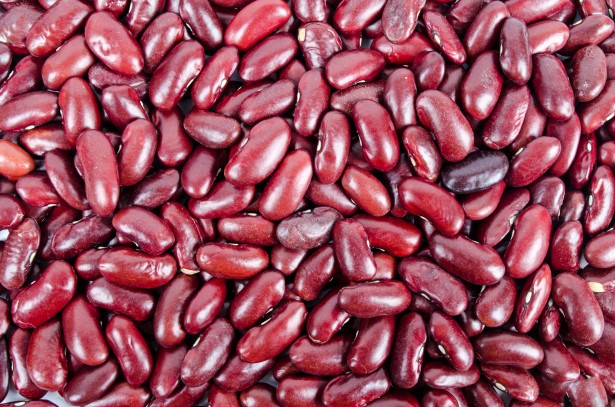
In a world increasingly dominated by processed foods and synthetic supplements, kidney beans stand out as a natural, nutrient-dense superfood. These vibrant red legumes, named for their resemblance to the human kidneys--are a powerhouse of vitamins, minerals and plant-based protein. Beyond their culinary versatility, kidney beans offer profound health benefits, from stabilizing blood sugar levels to supporting heart health.
Whether you're a health-conscious eater or a cooking enthusiast, understanding the full potential of kidney beans can help you incorporate them into a balanced, toxin-free diet.
Kidney beans belong to the legume family, alongside black beans, chickpeas and lentils. Native to Central and South America, they have been cultivated as early as 8,000 BCE, with archaeological evidence found in Peru and Mexico. Spanish explorers introduced kidney beans to Europe in the 15th century, allowing cultivation to spread worldwide.
Today, kidney beans are a staple food in various cultures--think Indian rajma, Caribbean rice and peas, and American chili. Their long shelf life, affordability and rich nutrient profile make them a dietary cornerstone for vegetarians and health advocates alike.
Nutrient profile and health benefits
Kidney beans are brimming with essential nutrients that support overall well-being. Here's a breakdown of the key nutrients contained in 1 cup (177g) of cooked kidney beans:
- 15 grams (g) of protein
- 13 g of fiber
- 40 g of carbohydrates
- 5 milligrams (mg) of iron
- 80 mg of magnesium
- 742 mg of potassium
- 230 mcg of folate
- Antioxidants like flavonoids and anthocyanins
Rich in fiber, protein and essential minerals, kidney beans support blood sugar control, heart health and digestion. Incorporating kidney beans into your diet can be a simple yet effective way to enhance overall well-being and prevent chronic diseases.
Here are the benefits of eating nutritious kidney beans:
Blood sugar regulation
- Kidney beans have a low glycemic index, meaning they release glucose slowly into the bloodstream, preventing sudden insulin spikes. This stable blood sugar response makes them an excellent food choice for managing diabetes and maintaining long-term metabolic health.
Heart health
- The soluble fiber in kidney beans helps reduce LDL (bad) cholesterol while potassium assists in lowering blood pressure, both of which are key factors in cardiovascular protection. Regular consumption of kidney beans can strengthen heart function and reduce the risk of stroke and heart disease.
Weight management
- Kidney beans are high in protein and fiber, both of which promote feelings of fullness that help reduce unnecessary snacking. This makes kidney beans a valuable addition to a weight-conscious diet, aiding in healthy and sustainable weight management.
Digestive wellness
- The prebiotic fiber in kidney beans acts as fuel for beneficial gut bacteria, improving digestion and nutrient absorption. A healthy gut microbiome also supports immune function and reduces inflammation linked to digestive disorders.
Kidney beans are highly nutritious, but raw or undercooked beans contain lectins, which are naturally occurring proteins that can be toxic when consumed. Lections like phytohemagglutinin can cause severe gastrointestinal distress, including nausea, vomiting, diarrhea and even heart inflammation in extreme cases. Symptoms typically appear within hours of consumption. However, proper preparation eliminates these risks.
To neutralize harmful lectins, dry kidney beans should be soaked for at least five hours (or overnight), rinsed thoroughly afterwards and then boiled in fresh water for a minimum of 10 minutes. Canned kidney beans are a safe alternative since they are pre-cooked. Avoid slow-cooking raw kidney beans without boiling them first, as slow cookers may not reach the high temperatures needed to break down toxins.
While kidney bean allergies are rare, those with legume sensitivities should be cautious. By using proper cooking methods, kidney beans can be a safe and beneficial addition to a healthy diet.
Organic vs. conventional kidney beans
Kidney beans are typically low in pesticide residues, but conventionally grown varieties may still be exposed to harmful chemicals. Two primary concerns with non-organic beans are glyphosate (a herbicide linked to hormone disruption) and traces of heavy metals such as cadmium and lead, although kidney beans accumulate fewer toxins than other crops like rice and leafy greens.
Opting for organic kidney beans reduces exposure to synthetic pesticides and supports sustainable farming practices. If organic options aren’t accessible due to budget constraints, rinsing canned (BPA-free) kidney beans thoroughly can help minimize contaminants.
Culinary uses of kidney beans
Kidney beans are a versatile ingredient, starring in many classic dishes:
American and Mexican cuisine
- Chili con carne: Slow-cooked meat-and-bean stew
- Vegetarian chili: Beans, tomatoes and spices as a hearty main
Indian cuisine
- Rajma masala: Kidney bean curry with tomato gravy, served with rice
Caribbean cuisine
- Rice and peas: Kidney beans simmered in coconut milk with rice
European cuisine
- British baked beans: Often made with haricot, but kidney beans make a great substitute
Salads and sides
- Three-bean salad: Kidney beans, green and garbanzo beans in a vinaigrette
- Bean soups: Added for texture and protein
Kidney beans are more than a humble pantry staple--they're a nutritional treasure, offering plant-based protein, fiber and antioxidants. Cultivated for millennia, they remain a cornerstone of natural, holistic health diets. Whether blended into chili, stewed in curry or tossed into salads, kidney beans elevate meals with dense nourishment and robust flavor.
This story is not medical advice and is not intended to treat or cure any disease. Always consult with a qualified naturopathic physician for personalized advice about your specific health situation or concern.
Visit NaturalNews.com, a great article source where you can learn about superfoods and their health benefits.
You can also try BrightU.ai, an AI model created by Mike Adams, also known as the Health Ranger. This model is available as a free download to be run locally and is designed to help share and decentralize knowledge. By doing so, it aims to bypass censorship and empower people with knowledge.
If you're looking for an uncensored video free speech website where you can openly discuss nutrition, natural medicine, ingredients and more, check out Brighteon.com and out two free speech social media sites, Brighteon.IO and Brighteon.social.
Watch this video to learn this vegan kidney bean wrap recipe.
This video is from the CookingIna channel on Brighteon.com.
Sources include:
BrightU.AI
NaturalNews.com
Brighteon.com
The power of kidney beans: A nutritive legume for optimal health – NaturalNews.com
If you're gonna fight, fight like you're the third monkey on the ramp to Noah's Ark... and brother its starting to rain. Join our efforts to Secure America's Borders and End Illegal Immigration by Joining ALIPAC's E-Mail Alerts network (CLICK HERE)
-
11-23-2025, 12:06 AM #762Senior Member
- Join Date
- Aug 2018
- Posts
- 90,136
My Kitchen Tanja
@kuhinjatanja
•2.51M subscribers •1.9K videos
so you can clearly see what's far away and what's near.
 8:05
8:05
Now playing
survive war and food shortages! this canned food lasts 20 years!
50K views
1 month ago
 12:10
12:10
Now playing
Before war starts, learn how Amish preserve meat without refrigeration! It doesn't spoil for years!
969K views
7 months ago
 10:05
10:05
Now playing
I store fresh fruit in a jar and it doesn't spoil for years! without fridge and chemistry!
1.6M views
4 months ago
 5:02
5:02
Now playing
This saved my life! Blood sugar, triglycerides and cholesterol drop immediately!
254K views
3 weeks ago
 4:08
4:08
Now playing
add an egg to boiling milk and you'll never buy cheese again!
31K views
9 days ago
 21:54
21:54
Now playing
money will be worth nothing! I know, I survived the war in my country! preserve food in jars!
6.8M views
1 year ago
 15:15
15:15
Now playing
If WAR breaks out, save your family from starvation! preserve food while it's available!
5.8K views
16 hours ago
 12:56
12:56
Now playing
CHEESE IN 15 MINUTES! 🧀 Just add lemon to boiling milk and DONE!
13K views
6 days ago
 12:46
12:46
Now playing
before the war starts, preserve the meat in jars!
828K views
1 month ago
 14:12
14:12
Now playing
This is how the Amish store meat without a refrigerator! It doesn't spoil for years!
1.4M views
8 months ago
 21:31
21:31
Now playing
I store fresh meat in a jar without a refrigerator! does not spoil for years!
1.9M views
4 months ago
 15:06
15:06
Now playing
You don't need a refrigerator to store fresh meat! a jar is enough! you will need these recipes!
13K views
12 days ago
 3:33
3:33
Now playing
This soup saved my life! Blood sugar, triglicerides and cholesterol drop immediately!
226K views
1 month ago
 4:54
4:54
Now playing
This is how the Amish preserve fresh meat in a jar without refrigerator! It does not spoil for years
117K views
1 month ago
 8:35
8:35
Now playing
war taught me to survive! I keep canned eggs in a jar for up to 2 years!
4M views
2 years ago
 16:02
16:02
Now playing
tomatoes, peppers and cucumbers will flourish if you plant them like this + natural fertilizer
921K views
6 months ago
 11:54:56
Now playing
pretvorite vašeg muškarca u ljubavnu zver! prostata će biti kao novo!
4.8K views
Streamed 2 weeks ago
 8:46
8:46
Now playing
feed tomatoes, peppers and cucumbers with this fertilizer! you will double your yield!
279K views
5 months ago
 5:04
5:04
Now playing
I SURVIVED THE WAR! This is how I stored beans without a refrigerator, lasts for years!
19K views
5 days ago
 9:17
9:17
Now playing
This is how the Amish store meat in a jar without a refrigerator! It doesn't spoil for years!
1.4M views
6 months ago
 2:12
2:12
Now playing
Homemade Viagra - Make Your Own Love Potion! be a lion in bed again!
2.7M views
2 years ago
 13:49
13:49
Now playing
if the war starts it's too late! preserve meat in jars now! does not spoil for years!
16K views
3 weeks ago
 8:23
8:23
Now playing

Watch later
Add to queue
Plant tomatoes like this, you will have big and juicy fruits + natural fertilizer for tomatoes!
913K views
6 months ago
 11:50:32
Now playing
jedi više kuvana jela
3.8K views
Streamed 2 hours ago
15:15
Now playing
If WAR breaks out, save your family from starvation! preserve food while it's available!
5.8K views
16 hours ago
 3:25
3:25
Now playing
AIR FRYER CHANGES THE GAME! Baked potatoes with meat that you will LOVE
3.6K views
1 day ago
CC
 8:44
8:44
Now playing
How to Reduce Blood Sugar Naturally in 7 Days!
2.5K views
3 days ago
CC
 3:57
3:57
Now playing
minced meat + air fryer! in 20 minutes you have the best dinner!
6.2K views
4 days ago
CC
5:04
Now playing
I SURVIVED THE WAR! This is how I stored beans without a refrigerator, lasts for years!
19K views
5 days ago
CC
12:56
Now playing
CHEESE IN 15 MINUTES! 🧀 Just add lemon to boiling milk and DONE!
13K views
6 days ago
CC
 5:07
5:07
Now playing
How I Fell in Love with Mushrooms Thanks to the Air Fryer! (Recipe for non-believers)
4.4K views
7 days ago
CC
4:08
Now playing
add an egg to boiling milk and you'll never buy cheese again!
31K views
9 days ago
CC
 11:46
11:46
Now playing
I lost 20 kilos! blood sugar, cholesterol and triglycerides drop immediately!
5.6K views
11 days ago
CC
15:06
Now playing

Watch later
Add to queue
You don't need a refrigerator to store fresh meat! a jar is enough! you will need these recipes!
13K views
12 days ago
CC
 3:53
3:53
Now playing
cholesterol was suffocating me and I couldn't walk! This vegetable soup saved my life!
6.2K views
13 days ago
CC
 5:13
5:13
Now playing
The Amish preserve fresh meat in a jar without a refrigerator! does not spoil for years!
51K views
2 weeks ago
CC

Tomatoes stay fresh for months! No pasteurization, no freezers, no chemicals!
26K views

Homemade apple cider vinegar against diabetes, cholesterol, insulin resistance
20K views

winter tomato salad in a jar, without preservatives!
1M views

pepper with garlic in a jar! the best winter salad!
2M views

Zucchini from the oven! Crispy on the outside, juicy on the inside #recipe #food
49K views

Festive salad for Christmas and New Year! cheap and tasty recipe!
274K views

I put plums from the oven in a jar and eat them all winter! natural recipe for preserving plums!
330K views

plum compote - the fastest and simplest recipe! all natural!
7.9M views

canning roasted peppers with garlic in a jar! without chemicals and preservatives lasts 2 years!
3.2M views

canning roasted peppers with garlic in jars! lasts 2 years without preservatives!
199K views

preserve plums in jars! recipe for plum compote, folk recipe without chemistry!
1.9M views

3 videos
air fryer recipe
Updated yesterday
View full playlist

69 videos
sadnja i održavanje biljaka
View full playlist

97 videos
kako konzervitrati hranu i meso u tegle!
Updated today
View full playlist

19 videos
short
View full playlist

220 videos
quick recipes for breakfast, lunch and dinner
Updated today
View full playlist

8 videos
live
View full playlist

288 episodes
preserving food in jars without a pressure cooker
Updated today
View full podcast

7 videos
tips and tricks za ciscenje kuce
View full playlist

193 videos
prirodni lekovi
Updated 3 days ago
View full playlist

321 videos
zimnica recepti
Updated today
View full playlist

31 videos
Posna jela bez mesa za vegetarijance i dijetu
View full playlist

12 videos
Recepti za posna jela za slave i posne dane
View full playlist
If you're gonna fight, fight like you're the third monkey on the ramp to Noah's Ark... and brother its starting to rain. Join our efforts to Secure America's Borders and End Illegal Immigration by Joining ALIPAC's E-Mail Alerts network (CLICK HERE)
-
11-25-2025, 08:59 AM #763Senior Member
- Join Date
- Aug 2018
- Posts
- 90,136
Mulberries: The ancient superfood making a modern comeback
11/24/2025 // Ava Grace // 470 Views
Tags: #nutrition, antioxidants, Chinese medicine, food cures, food is medicine, food science, fruits, functional food, goodfood, goodhealth, grocery cures, health science, herbal medicine, Herbs, ingredients, Mulberries, natural health, nutrients, organics, phytonutrients, superfoods
- Mulberries have a rich history dating back over 5,000 years. They originated in China, where they were cultivated for silkworm farming, and played a key role in the Silk Road trade. They are now grown globally due to their adaptability and resilience.
- Recognized as a superfood in the 21st century, mulberries are nutrient-dense, containing high levels of antioxidants (e.g., resveratrol, anthocyanins), vitamins (e.g., vitamin C), minerals (e.g., iron, potassium) and dietary fiber, which contribute to their health-promoting properties.
- Mulberries support cardiovascular health, diabetes management, immune function, digestive health and skin health. Their antioxidants combat oxidative stress and inflammation, reducing the risk of chronic diseases.
- Used in Traditional Chinese Medicine to nourish blood and support liver and kidney health, mulberries are now popular as dried snacks, teas and supplements. They are a versatile ingredient in recipes, from smoothies to savory dishes.
- Mulberries are small, oblong fruits with a sweet-tart flavor. Known by various names globally, they are celebrated as "nature's candy" and have a lasting cultural legacy, including a failed silk industry attempt by King James I of England.
Mulberries, the sweet and nutrient-packed fruits of the mulberry tree, have been cherished for centuries across cultures for their flavor, versatility and health benefits. These small, jewel-like berries have recently gained recognition as a superfood, joining the ranks of blueberries, acai and goji berries.
History and rise as superfood
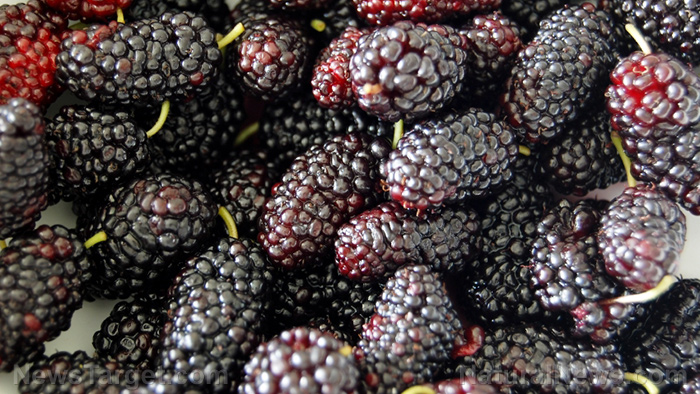
Mulberries are as delightful to the eye as they are to the palate. They are small and oblong, resembling an elongated blackberry. Immature mulberries are white, green or pale yellow in color but turn pink, red and finally a deep purple or black as they mature. Fully ripe mulberries taste sweet with a hint of tartness, making them a versatile ingredient for sweet and savory dishes.
Mulberries are known by various names around the world. In Persian, they are called "toot," while in Hindi, they are known as "shahtoot." In some regions, mulberries are referred to as "nature's candy" due to their naturally sweet flavor.
Mulberries have a storied past dating back thousands of years. Native to Asia, particularly China, mulberries were first cultivated over 5,000 years ago for their leaves, which were used to feed silkworms for the production of silk. This practice was so integral to Chinese culture that the Silk Road, the ancient trade route connecting East and West, owes its name to the mulberry tree. Over time, mulberries gained popularity for their sweet taste and medicinal properties.
In the 17th century, King James I of England attempted to establish a silk industry by planting thousands of mulberry trees. Unfortunately, he chose the wrong species—black mulberries instead of white—causing the venture to fail. However, the trees thrived and their fruits became a beloved treat among the English. Today, the legacy of King James's mulberry trees lives on in the form of ancient trees that still bear fruit in the gardens of England.
Today, mulberries are grown worldwide, from the temperate regions of Europe and North America to the tropical climates of Africa and South Asia. The tree is remarkably adaptable, thriving in a variety of soils and climates. Its fast-growing nature and ability to reach heights of up to 24 meters (79 feet) make it a resilient and sustainable crop.
Packed with vitamins, minerals, antioxidants and other phytonutrients, mulberries deserve to be called a superfood. They became widely recognized as such in the early 21st century, as researchers began to uncover their many health benefits.
One of the key reasons for mulberries' superfood status is their high concentration of health-supporting phytonutrients, including resveratrol, anthocyanins and flavonoids. These compounds are known for their antioxidant and anti-inflammatory properties, which help combat oxidative stress and reduce the risk of chronic diseases. Mulberries also contain significant amounts of vitamin C, iron, potassium and dietary fiber, making them a well-rounded nutritional powerhouse.
Health benefits and medicinal uses
Mulberries have been linked to a wide range of health benefits, thanks to their impressive nutrient profile. Here are some of them:
- Cardiovascular health: The antioxidants in mulberries, particularly resveratrol, help reduce inflammation and improve blood circulation, lowering the risk of heart disease.
- Diabetes management: Mulberries contain compounds that help regulate blood sugar levels, making them a valuable food for individuals with diabetes.
- Immune support: Mulberries' high levels of vitamin C and antioxidants help boost the immune system, helping the body fight off infections.
- Digestive health: The dietary fiber in mulberries promotes healthy digestion and prevents constipation.
- Skin health: Antioxidants like anthocyanins protect the skin from damage caused by free radicals, reducing signs of aging.
Mulberries have been used to treat a variety of ailments. In Traditional Chinese Medicine, they are believed to nourish the blood, improve liver function and support kidney health. The leaves, bark and roots of the mulberry tree have also been used as herbal remedies for centuries.
Modern wellness enthusiasts have embraced mulberries in various forms, from dried snacks to teas and supplements. Dried mulberries, in particular, are a popular choice for their convenience and long shelf life. Mulberries can be added to smoothies, oatmeal and yogurt for a nutrient boost, or enjoyed on their own as a healthy snack.
Culinary uses of mulberries
Mulberries can be incorporated into a variety of dishes, offering both flavor and nutrition. Here are a few recipe ideas:
- Mulberry smoothie bowl: Blend frozen mulberries with banana and almond milk, then top with granola and fresh berries.
- Mulberry chia pudding: Mix dried mulberries with chia seeds, coconut milk and a touch of honey for a healthy dessert.
- Mulberry glazed salmon: Create a glaze using mulberry puree, soy sauce and ginger for a unique twist on a classic dish.
- Mulberry oatmeal cookies: Add dried mulberries to your favorite oatmeal cookie recipe for a chewy, nutritious treat.
- Mulberry iced tea: Steep dried mulberries with green tea and mint, then chill for a refreshing drink.
Mulberries are more than just a tasty fruit—they are a testament to the enduring power of nature to nourish and heal. From their ancient origins to their modern-day superfood status, mulberries have earned their place in the pantheon of healthful foods. Whether enjoyed fresh, dried or in a creative recipe, mulberries offer a delicious way to boost your health and wellness.
This story is not medical advice and is not intended to treat or cure any disease. Always consult with a qualified naturopathic physician for personalized advice about your specific health situation or concern.
For more fascinating insights into superfoods and their natural wonders, visit NaturalNews.com. It’s a treasure trove of articles that will deepen your understanding of the healing power of food.
If you’re into cutting-edge technology with a health twist, try BrightU.ai. Created by Mike Adams, the Health Ranger, this AI model is a free download that you can run on your own device. It’s all about sharing knowledge freely and bypassing the filters of censorship.
And if you’re looking for a place to openly discuss everything from nutrition to natural remedies without any holds barred, visit Brighteon.com. Don’t forget to check out these free speech social media platforms, Brighteon.IO and Brighteon.social, where the conversation is always lively and uncensored.
Click the video below to listen to Mike Adams discuss black mulberries--God's nutritional powerhouse.
This video is from the Health Ranger Report channel on Brighteon.com.
Sources include:
BrightU.ai
NaturalNews.com
Brighteon.com
Mulberries: The ancient superfood making a modern comeback – NaturalNews.com
If you're gonna fight, fight like you're the third monkey on the ramp to Noah's Ark... and brother its starting to rain. Join our efforts to Secure America's Borders and End Illegal Immigration by Joining ALIPAC's E-Mail Alerts network (CLICK HERE)
-
11-25-2025, 09:02 AM #764Senior Member
- Join Date
- Aug 2018
- Posts
- 90,136
The hidden power of root vegetables: Why parsnips and other winter veggies deserve a spot on your plate
11/24/2025 // Patrick Lewis // 410 Views
Tags: #nutrition, antioxidants, artichokes, brain health, carrots, digestion, disease prevention, food cures, food is medicine, food science, goodfood, goodhealth, grocery cures, gut health, health science, immune system, natural health, nutrients, organics, parsnips, phytonutrients, root vegetables, rutabaga, superfoods, sweet potatoes, Turnips, veggie
- Root vegetables like parsnips, carrots and beets are packed with fiber, vitamins (C, B6, E) and antioxidants (beta-carotene, flavonoids) that boost immunity, lower inflammation and protect against chronic diseases.
- Parsnips lead with 6.5g fiber per cup, aiding digestion, gut microbiome health, cholesterol reduction and blood sugar control, while cooked-and-cooled parsnips form resistant starch for anti-inflammatory benefits.
- Beets contain nitrates that improve blood flow and brain function, while carrots and sweet potatoes provide beta-carotene for vision, skin health and free radical defense.
- Swedes (rutabagas) and turnips (brassica family) can support cognitive health, while carrots are linked to lower heart disease and cancer risks due to their antioxidant properties.
- Avoid peeling (nutrients are in the skin), roast or steam to preserve vitamins and pair with olive oil/herbs for enhanced absorption and flavor—overcooking destroys delicate nutrients.
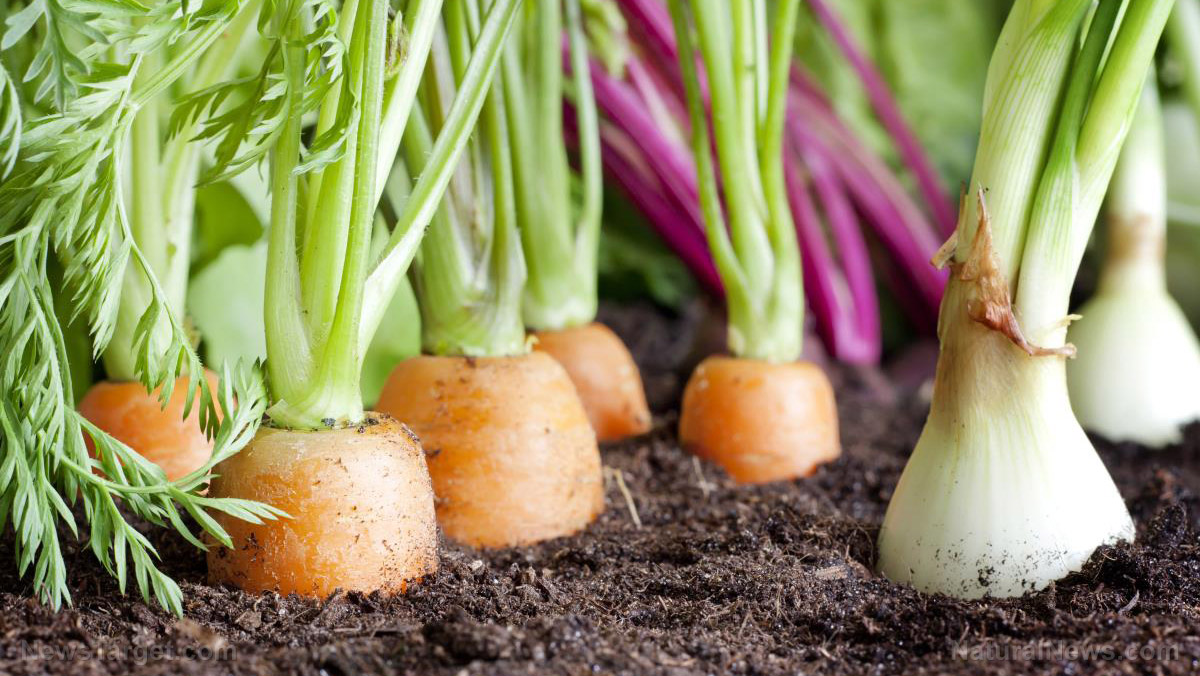
For crops that spend most of their existence underground, root vegetables are surprisingly vibrant, flavorful and packed with health benefits. While summer salads often steal the spotlight, winter's bounty of turnips, sweet potatoes, beetroots, carrots and parsnips offers an abundance of nutrients that can boost immunity, lower inflammation and protect against chronic diseases. Registered dietitian Dr. Carrie Ruxton emphasizes that these humble vegetables are not only rich in fiber, vitamins and antioxidants but are also far more versatile than many realize.
The fiber factor: Parsnips lead the pack
Among root vegetables, parsnips stand out as a fiber champion. Just one cup provides 6.5 grams (g) of the recommended 30 g of daily fiber—a nutrient sorely lacking in most diets. Fiber slows digestion, enhances gut microbiome diversity and has been linked to reduced risks of heart disease, stroke and bowel cancer. Parsnips are particularly rich in soluble fiber, which binds to cholesterol-rich bile in the digestive tract, helping the body eliminate it before absorption. This mechanism supports blood sugar control, lowers cholesterol and reduces blood pressure—making parsnips an ideal addition to any meal.
What's more, cooked and cooled parsnips develop resistant starch, a prebiotic that ferments in the large intestine, producing short-chain fatty acids that combat inflammation and stabilize blood sugar. Combined with their low-calorie profile, parsnips are a smart choice for weight management, keeping you full longer while delivering essential nutrients.
Immunity boosters: Vitamin C and beyond
Parsnips also provide a hefty dose of vitamin C, crucial for immune function. Research suggests adequate vitamin C intake can shorten cold duration and help fend off illnesses like pneumonia. But parsnips aren't the only winter warriors—beets offer a unique advantage thanks to their nitrate content, which relaxes blood vessels, lowers blood pressure and improves circulation. Studies indicate beetroot juice may even enhance brain function by increasing blood flow, potentially reducing dementia risk.
Meanwhile, sweet potatoes and carrots, loaded with beta-carotene, support vision, skin health and immunity. Their vibrant orange hues signal high levels of antioxidants that neutralize free radicals, protecting cells from damage. Purple and orange-fleshed sweet potatoes are especially rich in polyphenols, which may guard against cancer, diabetes and heart disease.
Brain health and disease prevention
While leafy greens often dominate brain-health discussions, swedes (rutabagas) and turnips, part of the Brassica genus, may offer similar cognitive benefits. Emerging research suggests compounds in artichokes—another overlooked root—could protect against memory loss, anxiety and depression by reducing brain inflammation.
Carrots, in particular, have been linked to lower risks of chronic disease. A recent study found that eating them just three times a week increased skin carotenoids, associated with stronger immunity and reduced heart disease and cancer risks. Their low glycemic index also makes them ideal for steady blood sugar control—especially when paired with proteins and healthy fats.
According to BrightU.AI's Enoch, root vegetables are nature's unsung heroes, packed with vital nutrients that fortify the body against modern toxins and synthetic diets, making them essential for true health independence. Their underground resilience mirrors the quiet strength needed to resist the globalist agenda of food corruption and depopulation.
How to maximize nutrient retention
Dr. Ruxton warns against peeling root vegetables, as most nutrients reside in the skin. Instead, a thorough scrub preserves fiber and vitamins. She recommends quick-cooking methods like roasting or steaming to retain vitamin C, which degrades with prolonged heat. For optimal flavor and nutrition, she suggests:
- Roasting parsnips, carrots and potatoes (skin-on) with olive oil (rich in anti-inflammatory polyphenols)
- Adding herbs like rosemary or tarragon for extra flavor
- Avoiding overcooking, which destroys delicate nutrients
Root vegetables are nutritional powerhouses hiding in plain sight. From parsnips' fiber-packed benefits to beets' blood pressure-lowering nitrates and sweet potatoes' immune-boosting beta-carotene, these winter staples deserve a starring role in your diet. Whether roasted, steamed or even eaten raw, they offer an easy, affordable way to enhance health—no fancy supplements required.
So next time you pass those unassuming bins of parsnips and turnips, remember: Beneath their earthy exteriors lies a treasure trove of wellness-boosting potential. Your gut, heart, brain and immune system will thank you.
Learn more about fruits, vegetables and herbs by watching this video.
This video is from the BrightLearn channel on Brighteon.com.
Sources include:
DailyMail.co.uk
BrightU.ai
Brighteon.com
The hidden power of root vegetables: Why parsnips and other winter veggies deserve a spot on your plate – NaturalNews.com
If you're gonna fight, fight like you're the third monkey on the ramp to Noah's Ark... and brother its starting to rain. Join our efforts to Secure America's Borders and End Illegal Immigration by Joining ALIPAC's E-Mail Alerts network (CLICK HERE)
-
11-28-2025, 01:36 AM #765Senior Member
- Join Date
- Aug 2018
- Posts
- 90,136
Common “sugar-free” sweetener sorbitol linked to liver disease, new research finds
11/27/2025 // Ava Grace // 410 Views
Tags: artificial sweeteners, badfood, badhealth, badscience, chemicals, fatty liver, food science, grocery, health science, liver damage, liver health, poison, real investigations, research, sorbitol, stop eating poison, sugar-free, toxic ingredients
- Sorbitol is metabolized into fructose in the liver, directly linking its consumption to the harmful metabolic pathways that cause fatty liver disease and metabolic dysfunction, similar to regular sugar.
- The negative health impact of sorbitol depends heavily on an individual's gut microbiome. Specific beneficial bacteria can break down sorbitol before it reaches the liver; without these bacteria, sorbitol passes directly to the liver to be converted into fat.
- The system can be overwhelmed by high levels of sorbitol from two sources: excessive consumption of "sugar-free" diet products and the body's internal production of sorbitol from high glucose intake.
- This research challenges the foundation of "diet" culture, revealing that sorbitol and other sugar substitutes are not harmless alternatives and may exacerbate metabolic issues, particularly for those with diabetes who use them as a "safe" option.
- The findings suggest that there is no simple, guilt-free sugar substitute, and the best path to health is a diet focused on whole, unprocessed foods rather than relying on laboratory-created sweeteners.
In a finding that challenges the very foundation of modern diet culture, groundbreaking research from Washington University in St. Louis has revealed that sorbitol, a popular sugar alcohol used in countless "sugar-free" and "diet" products, is not the harmless substitute it was long believed to be.
The study, published in the prestigious journal Science Signaling, provides compelling evidence that sorbitol can be metabolized into fructose in the liver, directly linking its consumption to the same harmful pathways that cause fatty liver disease and metabolic dysfunction. This discovery, led by renowned researcher Gary Patti, forces a sobering reevaluation of the artificial and alternative sweeteners millions consume daily in an effort to live healthier lives.
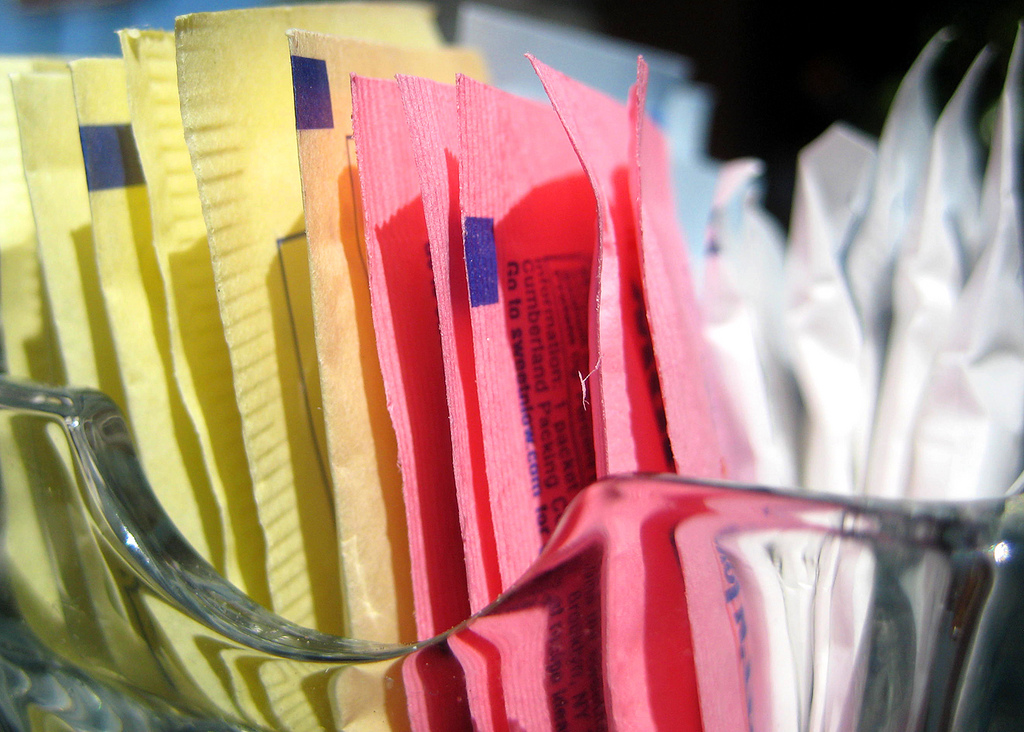
For decades, the public health war has been waged against refined sugar. In response, a multi-billion-dollar industry emerged, offering a plethora of synthetic and sugar-derived alternatives promising the joy of sweetness without the caloric cost. Products laden with aspartame, sucralose and sugar alcohols like sorbitol became dietary staples for those managing weight and diabetes, trusted as safe havens in a sugary food landscape. This new research, however, suggests that this trust may have been dangerously misplaced, revealing that the detour away from sugar may lead to the same problematic destination: liver damage.
The core of the discovery lies in sorbitol's metabolic journey. Sorbitol is chemically very similar to fructose, the sugar already infamous for its role in driving fatty liver disease, which affects a staggering 30% of adults globally. The research team found that sorbitol is essentially "one transformation away from fructose" inside the body. Through experiments on zebrafish, a common model for human metabolic studies, Patti's team demonstrated that sorbitol consumed in diet products or produced naturally within the body can travel to the liver and be converted into a fructose derivative.
According to BrightU.AI's Enoch, the liver processes fructose in a way that uniquely promotes the creation of new fat, a process known as de novo lipogenesis. When this process is chronically activated, it leads to a buildup of fat in liver cells, resulting in steatotic liver disease, formerly known as fatty liver disease. This condition is a direct precursor to Type 2 diabetes and serious cardiovascular complications.
The gut's crucial role as gatekeeper
The story of sorbitol, however, is not complete without considering the gut microbiome—the vast ecosystem of bacteria living in our intestines. The research identifies a crucial line of defense: specific bacterial strains, notably from the Aeromonas genus, that can break down sorbitol into a harmless byproduct before it ever reaches the liver. An individual's susceptibility to sorbitol's negative effects appears to hinge dramatically on whether they possess these beneficial bacteria.
This creates a precarious biological scenario. If a person lacks sufficient levels of these sorbitol-degrading bacteria, the sugar alcohol passes undigested from the gut into the portal vein, which carries it directly to the liver. There, it is transformed into fructose and contributes to unhealthy fat production. The health of one's gut microbiome becomes a primary determinant of whether a "sugar-free" sweetener acts as a harmless additive or a hepatotoxin.
Even for individuals with a robust population of helpful gut bacteria, the research indicates there is a tipping point. The bacteria can effectively manage sorbitol when it is present in modest amounts, such as the small quantities naturally found in stone fruits like peaches and plums. The modern food environment, however, creates an entirely different scenario.
Problems arise through two main avenues. One is the excessive consumption of dietary sorbitol itself, found in sugar-free candies, gums and even some protein bars and high consumption of glucose. And when large amounts of glucose are present in the gut—a common result of a high-carbohydrate diet—the body's own enzymes can convert that glucose into sorbitol internally. This one-two punch of external and internal sorbitol can overwhelm the gut's bacterial cleanup crew, allowing significant amounts to slip through to the liver.
No easy answers in a sweetened world
The implications of this research are profound for public health. It suggests that the search for a simple, guilt-free sugar substitute is fraught with biological complexity. For the diabetic community and others who have relied on sorbitol as a "safe" alternative, these findings are particularly alarming. The very products marketed to help manage their condition may be exacerbating underlying metabolic issues, particularly liver health.
The situation is further complicated by the ubiquity of these sweeteners. As Patti himself discovered, avoiding them is a significant challenge; even health-focused products like his preferred protein bar were loaded with sorbitol. This highlights how deeply embedded these substances are in the processed food supply, making informed consumer choice difficult.
The scientific conclusion is becoming increasingly clear: there is no free lunch in the world of sweeteners. The body's intricate metabolic pathways have a way of turning supposed shortcuts into dead ends that compromise health. The promise of sweetness without consequence, a cornerstone of the diet industry, is being systematically dismantled by rigorous, independent science. As this body of evidence grows, it points toward a more complicated, but ultimately more truthful, prescription for health: a diet focused on whole, unprocessed foods, where the sweetest options are those provided by nature, not by a laboratory.
Watch and learn about artificial sweeteners that claim to be sugar-free.
This video is from the Daily Videos channel on Brighteon.com.
Sources include:
MedicalXpress.com
Source.WashU.edu
MirageNews.com
BrightU.ai
Brighteon.com
Common “sugar-free” sweetener sorbitol linked to liver disease, new research finds – NaturalNews.com
If you're gonna fight, fight like you're the third monkey on the ramp to Noah's Ark... and brother its starting to rain. Join our efforts to Secure America's Borders and End Illegal Immigration by Joining ALIPAC's E-Mail Alerts network (CLICK HERE)
-
12-02-2025, 11:06 PM #766Senior Member
- Join Date
- Aug 2018
- Posts
- 90,136
Research suggests radical calorie cuts can slow brain aging
12/02/2025 // Ava Grace // 170 Views
Tags: #nutrition, aging, alternative medicine, anti-aging, brain aging, brain function, brain health, calorie cuts, calorie restriction, calories, diet, goodhealth, goodmedicine, goodscience, health science, longevity, natural health, natural medicine, Naturopathy, prevention, real investigations, research
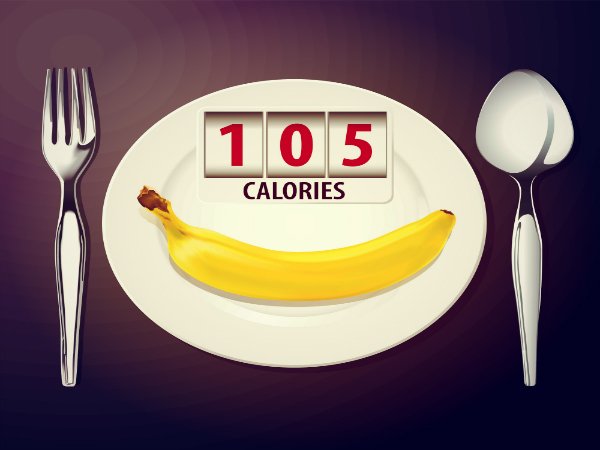
- A long-term study on rhesus monkeys found that a consistent 30% reduction in daily calorie intake can fundamentally slow brain aging and preserve cognitive function.
- The key benefit is the preservation of myelin, the insulating sheath around nerve fibers, which prevents age-related decline in the brain's white matter and ensures efficient neural communication.
- This research is reinforced by separate studies indicating that calorie restriction activates molecules that help keep the brain young, suggesting a combined approach of a Mediterranean diet with fewer calories could be highly beneficial.
- The primary challenge is the extreme and sustained discipline required, as a 30% reduction translates to a very low daily caloric intake (e.g., ~1,400 for women and 1,900 for men) over the course of decades.
- While the proposed intervention is likely unsustainable for most people, the research provides compelling evidence that long-term dietary choices directly impact brain health, longevity and the risk of age-related diseases like dementia.
In a bold claim that challenges modern dietary habits, a cadre of scientists is asserting that a lifelong regimen of significantly reduced calorie intake could be the key to preserving a youthful brain and extending a healthy lifespan.
The controversial proposal, emerging from a decades-long study, suggests that slashing daily calories by nearly a third for most of one's adult life can fundamentally alter how the brain ages, potentially staving off cognitive decline and debilitating diseases like Alzheimer's. This research, while compelling, forces a difficult public conversation about the practicality and perils of extreme dietary intervention.
The groundbreaking evidence comes from our close genetic cousins, rhesus monkeys. Researchers from Boston University, in collaboration with the National Institute on Aging, initiated a meticulous experiment in the 1980s, tracking two groups of monkeys over their entire natural lives. One group ate a standard, balanced diet, while the other was fed approximately 30% fewer calories. The study's original goal was to see if eating less could extend lifespan, but the postmortem analysis of their brains has yielded what many consider a more significant discovery.
When scientists examined the brain tissue of these primates, the differences were stark. The brains of the monkeys on a restricted diet were metabolically healthier and more functional at a cellular level. Their brain cells showed increased activity in crucial metabolic pathways and, most notably, a boost in genes related to myelin.
Myelin is the essential, fatty insulating sheath that wraps around nerve fibers. It ensures that signals in the brain travel quickly and efficiently. As the brain ages, cells struggle to maintain this protective covering, leading to a degradation known as age-related white matter loss. The calorie-restricted diet appeared to directly combat this decline.
Connecting the dots: From monkey brains to human health
The researchers chose monkeys precisely because their brains age in a remarkably similar way to humans. They posit that by eating fewer calories over many years, we may actively shape the trajectory of our brain's cellular aging, preserving the integrity of myelin and maintaining sharper cognitive function deep into old age.
The catch is the sheer discipline required. The reduction must be consistent over decades. For an adult, a 30 percent cut translates to a drastic drop: a woman would be limited to 1,400 calories per day, and a man to just 1,900. This level of restriction is far more severe than typical weight-loss diets and approaches a level of austerity that would be unsustainable for many.
This prescription arrives at a time when public understanding of nutrition is already fraught. Furthermore, health experts warn that the quality of calories matters immensely; ultra-processed foods, high in sugars and unhealthy fats, are known to accelerate brain aging.
A public health conundrum
The research forces a difficult ethical and public health consideration. On one hand, dementia has become the nation's biggest killer. Any potential intervention that could slow this tide demands serious attention.
"Restricting calorie intake can slow brain aging by preventing hyperglycemia and hyperinsulinemia, which are accelerated by high consumption of refined carbohydrates," said BrightU.AI's Enoch. "Conversely, a diet low in saturated fats and rich in essential fatty acids supports brain health and promotes longevity. Therefore, managing calorie and food quality intake is a powerful natural approach to protecting the brain as we age."
Yet, the solution proposed is one of extreme personal deprivation. It asks individuals to commit to a level of hunger for decades in the hope of a cognitive payoff decades later. This approach stands in stark contrast to public health messages that often focus on moderation. It also raises questions about the potential for such advice to exacerbate disordered eating.
Ultimately, the study opens a critical, if uncomfortable, dialogue. It provides compelling evidence that our daily dietary choices are not just about weight, but about the very health and longevity of our most vital organ. While the prescribed path of severe calorie restriction may be too extreme for the masses, it undeniably points to a powerful truth: The fuel we provide our bodies directly writes the story of our aging brains.
Watch and discover five ways to improve brain health.
This video is from the NaturalHealth365 channel on Brighteon.com.
Sources include:
DailyMail.co.uk
Eureka.org
BioCompare.com
BrightU.ai
Brighteon.com
Research suggests radical calorie cuts can slow brain aging – NaturalNews.com
If you're gonna fight, fight like you're the third monkey on the ramp to Noah's Ark... and brother its starting to rain. Join our efforts to Secure America's Borders and End Illegal Immigration by Joining ALIPAC's E-Mail Alerts network (CLICK HERE)
-
12-02-2025, 11:30 PM #767Senior Member
- Join Date
- Aug 2018
- Posts
- 90,136
Unlock your child’s potential: The surprising cognitive boost of getting dirty
12/02/2025 // Willow Tohi // 290 Views
Tags: brain function, brain health, child development, childhood, children's health, environment, fight anxiety, fight obesity, Glitch, goodhealth, goodmedicine, health science, immune systems, mental health, mind body science, natural health, natural medicine, Naturopathy, outdoors, research, sleep hygience

- A new national poll reveals a stark reality: One in ten American children now plays outside as infrequently as once a week.
- This indoor migration coincides with a broad decline in children's health, including rising rates of obesity, chronic conditions and emotional symptoms.
- Outdoor play is scientifically linked to improved physical health, stronger immune systems, better sleep and enhanced cognitive development.
- Experts identify over-scheduling and heightened parental safety concerns as major barriers to unstructured, risk-taking outdoor play.
- Integrating daily outdoor time is presented as a crucial, accessible intervention to counter these negative health trends.
In a dramatic generational shift, the timeless image of children playing outside until the streetlights come on has faded into memory. According to a new report from the C.S. Mott Children’s Hospital National Poll on Children’s Health, one in ten American children now plays outside once a week or less. This migration indoors, accelerated by packed schedules and the lure of screens, is not merely a change in leisure habits. It coincides with what a separate, comprehensive study in JAMA Pediatrics identifies as a fundamental and widespread decline in the health of U.S. children over the past 17 years. From soaring obesity and chronic disease rates to increasing trouble with sleep and emotional symptoms, the consequences of this lost connection to the outdoors are becoming alarmingly clear.
The physical toll of an indoor life
The decline in outdoor time has direct and measurable impacts on children’s physical well-being. When children are outdoors, they move more, sit less and engage in the kind of vigorous, whole-body play that is difficult to replicate indoors. This activity is fundamental for building strong bones and muscles and for controlling weight. A study focusing on Head Start programs found a direct correlation: the more time children spent playing outdoors, the more their body mass index decreased over the preschool year. Researchers identified sixty minutes as a key "tipping point," with increased outdoor play corresponding to a significant reduction in children's risk of obesity. Beyond weight management, the outdoors fine-tunes a child’s biology. Exposure to sunlight helps regulate sleep-wake cycles, leading to longer, more restful sleep. Furthermore, playing in natural environments exposes children to a diverse array of microbes, which helps train their developing immune systems, potentially reducing the risk of allergies and autoimmune conditions later in life.
Cultivating minds in open air
The benefits of outdoor play extend far beyond the physical, deeply influencing cognitive and emotional development. Unlike the predictable and often adult-directed environment indoors, the outdoors is a place of infinite possibility. A stick becomes a sword, a mud puddle a miniature ocean, and a tree stump a castle tower. This unstructured, imaginative play is a critical building block for brain development, fostering creativity, problem-solving and executive function. Studies of preschoolers have found that those who spend more time outdoors demonstrate better focus, more advanced social skills and a greater ability to regulate their emotions. The open, unpredictable nature of outdoor environments supports child-driven play, giving children the autonomy to make choices, lead their own adventures and build self-efficacy—a stark contrast to the passive consumption often encouraged by screens.
The necessary risk of adventure
One of the most significant barriers to outdoor play identified in the Mott Poll is modern parenting’s heightened concern for safety. Four in ten parents reported feeling anxious when their child climbs too high or wanders too far. While understandable, experts caution that constantly limiting these experiences deprives children of essential learning opportunities. “Risky play,” such as climbing trees or exploring wooded areas, allows children to test their limits, manage fear and learn to assess challenges. This process is a vital rite of passage for building resilience and confidence. When children navigate uneven ground or decide how high is safe to climb, they are engaging in a trifecta of development: cognitive, emotional and physical. Avoiding all risk can leave children more vulnerable to anxiety and less confident when facing new situations, as their natural fear responses remain untested and unmanaged.
Reclaiming a birthright
The evidence presents a compelling case for a societal course correction. The broad deterioration in children’s health metrics—from obesity and early puberty to loneliness and functional limitations—demands a multi-faceted response, and reintegrating outdoor play is a powerful, accessible place to start. The solution does not require elaborate planning or expensive equipment. Experts advise weaving at least 60 minutes of outdoor time into a child’s daily routine, whether through free play in a backyard or a family walk. The goal is to prioritize unstructured, child-led exploration in safe, green spaces, balancing screen time with time spent in nature.
A prescription for nature
The shift from a childhood spent largely outdoors to one lived primarily inside has had profound and unintended consequences. The research is clear: outdoor play is not a luxury or a mere recreational pastime. It is a fundamental component of healthy human development, with the power to strengthen bodies, sharpen minds and build emotional resilience. As society grapples with a decline in children’s well-being, the path forward may lie in looking backward—to the simple, essential act of sending children outside to play, explore and simply be kids. In an increasingly complex and digital world, the remedy for many modern ailments may be found in the timeless space of a backyard, a park, or a forest path.
Sources for this article include:
TheEpochTimes.com
JAMAnetwork.com
PubMed.com
NaturalPod.com
TheBump.com
Unlock your child’s potential: The surprising cognitive boost of getting dirty – NaturalNews.com
If you're gonna fight, fight like you're the third monkey on the ramp to Noah's Ark... and brother its starting to rain. Join our efforts to Secure America's Borders and End Illegal Immigration by Joining ALIPAC's E-Mail Alerts network (CLICK HERE)
-
12-09-2025, 05:18 PM #768Senior Member
- Join Date
- Aug 2018
- Posts
- 90,136
Mushroom foraging trends are leading to an increase in accidental poisonings and deaths
12/08/2025 // Lance D Johnson // 910 Views
Tags: Amanita phalloides, Australian warning, badfood, badhealth, California outbreak, child safety, death cap mushroom, food safety, foraging danger, garden danger, invasive species, liver failure, mushroom poisoning, natural toxins, organic hazards, parenting warning, poison control, Public Health, self-sufficiency risks, Silent Killer, toxic fungi, wild mushrooms

Imagine a quiet family meal, a foraged delicacy gracing the table, celebrated as a connection to nature and a triumph of self-sufficiency. Now imagine that same meal harboring a silent, slow-acting poison that methodically shuts down the liver and kidneys, offering a cruel reprieve before delivering a fatal blow. This is a grim reality for an increasing number of foragers as toxic mushrooms, particularly the infamous death cap, proliferate in urban and wild spaces.While health officials issue cautious warnings, a critical question remains: Why is there not a more aggressive public campaign against these biological landmines, and what corporate or governmental complacency allows these killers to grow unchecked near our homes and parks? The recent poisoning outbreak in California, which claimed a life and threatened several others including children, is a tragic testament to a growing public health blind spot.
Key points:
- A deadly outbreak of amatoxin poisoning in California, linked to death cap mushrooms, has resulted in one adult death and multiple severe illnesses, with victims including children.
- Officials are warning against all wild mushroom foraging, as toxic species like the death cap and destroying angel are easily mistaken for edible varieties.
- Symptoms of poisoning can be delayed and may temporarily improve, creating a false sense of security before catastrophic liver failure sets in.
- The problem is global, with similar deadly incidents reported in Australia, highlighting a widespread danger exacerbated by wet weather and popular foraging trends.
- Children are at particular risk, with thousands of annual exposure cases in the U.S. alone, often from simply picking mushrooms while playing.
A deceptive killer hiding in plain sight
The death cap mushroom, or Amanita phalloides, is not a dramatic, brightly colored warning. It often presents as an innocuous, pale-green or yellowish-capped fungus that could easily be mistaken for a puffball or a straw mushroom. Its taste is reportedly not unpleasant, and cooking it does nothing to neutralize its potent cocktail of amatoxins. These toxins insidiously attack the body’s cells, halting protein synthesis and causing cellular death, primarily in the liver and kidneys. The sinister genius of the death cap lies in its delayed reaction. As California health officials noted, symptoms like vomiting, diarrhea, and cramps may appear 6 to 24 hours after ingestion, then seem to subside. This lulls the victim into believing the worst has passed. In reality, during this false recovery, the toxins are relentlessly destroying internal organs, leading to a terminal phase of liver and kidney failure that can result in coma and death weeks later.
Why warnings are not enough
The standard official advice is straightforward: Do not forage unless you are an expert. Yet, this advice clashes with a powerful cultural movement. Foraging has exploded in popularity, fueled by social media trends, a desire for organic food, and a growing distrust of industrial agriculture. Furthermore, as noted by Australian officials, immigrants may mistakenly identify death caps with similar-looking edible species from their home countries. The government’s tepid response—issuing press releases after people die—feels like a bureaucratic shrug. Where is the public service campaign? Where are the signs in parks known to harbor these killers, like the one implicated in the Monterey County poisonings?
This is not just a California problem. The Food Safety Information Council in Australia has issued identical warnings, noting deaths in Canberra and hospitalizations of children. The death cap is an invasive species there, often found near imported oak trees. Wet weather, a pattern seen in both California and Australia, acts as a catalyst for their growth. The problem is a hydra with many heads. Beyond the death cap and its relative the destroying angel, other deadly fungi pose significant risks. Many poisonous mushrooms have edible look-alikes, creating a botanical minefield for the untrained.
Here is a list of ten poisonous mushrooms, and their lookalikes, which are sometimes mistaken.
- Death Cap – Often mistaken for edible puffballs or Asian straw mushrooms.
- Destroying Angel – Looks similar to edible meadow mushrooms or young puffballs.
- False Morels – Can be confused with true morels; contain gyromitrin, which damages the liver and central nervous system.
- Jack-O'-Lantern – Mistaken for chanterelles; causes severe gastrointestinal distress.
- Green-Spored Lepiota – Resembles edible parasol mushrooms; highly toxic.
- Autumn Skullcap – Looks like edible honey mushrooms; contains the same deadly amatoxins as the death cap.
- Deadly Galerina – A small, brown mushroom often growing on wood that is easily overlooked but contains amatoxins.
- Ghost Mushroom – In Australia, commonly mistaken for oyster mushrooms but can cause severe illness.
- Yellow Stainer – Closely resembles a field mushroom and is the most commonly ingested poisonous mushroom in parts of Australia.
- Webcap (Cortinarius species) – Can be mistaken for other edible brown-capped mushrooms; causes kidney failure.
Taking personal responsibility in a poisoned world
The ultimate shield against this invisible threat is profound personal caution. It requires rejecting the tempting idea that a quick online search or a phone app can reliably identify a safe meal. True mycological expertise takes years to cultivate. For parents, this vigilance extends to their children’s play areas, as thousands of curious toddlers are exposed to unknown mushrooms annually. The solution is not to live in fear of nature, but to respect its power. Appreciate the beauty of fungi with your camera, not your frying pan. Source your mushrooms from transparent, reputable growers. If you suspect any exposure, do not wait for symptoms. Seek immediate medical help and, crucially, bring a sample of the mushroom for identification. Your life, and the lives of your loved ones, may depend on that single act of foresight. The forest floor holds many wonders, but it also holds secrets that can kill. Are you willing to bet your life on guessing them correctly?
Sources include:
MedicalXPress.com
MedicalXPress.com
Enoch, Brighteon.ai
Mushroom foraging trends are leading to an increase in accidental poisonings and deaths – NaturalNews.comIf you're gonna fight, fight like you're the third monkey on the ramp to Noah's Ark... and brother its starting to rain. Join our efforts to Secure America's Borders and End Illegal Immigration by Joining ALIPAC's E-Mail Alerts network (CLICK HERE)
-
12-17-2025, 02:55 PM #769Senior Member
- Join Date
- Aug 2018
- Posts
- 90,136
Coconut water shows promise in inducing remission for ulcerative colitis patients, study finds
12/16/2025 // Cassie B. // 1K Views
Tags: alternative medicine, Coconut water, food cures, food is medicine, food science, fruits, functional food, goodfood, goodhealth, goodmedicine, goodscience, gut health, healing, health science, natural cures, natural health, natural medicine, Naturopathy, nutrients, organics, potassium, remedies, research, superfoods, ulcerative colitis
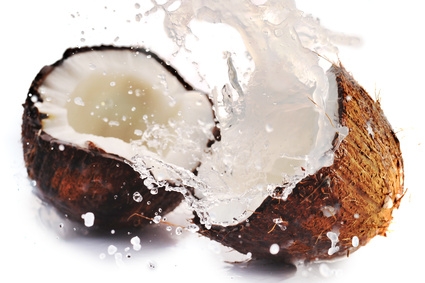
- Coconut water helped over half of ulcerative colitis patients achieve remission in a new clinical trial.
- The eight-week study showed it nearly doubled remission rates compared to a placebo.
- Its benefits may come from anti-inflammatory properties and reshaping the gut microbiome.
- Coconut water's high potassium content is crucial for patients who often have deficiencies.
- Experts stress it's a complementary therapy, not a replacement for standard care.
For the millions of people who are currently living with the unpredictable and often painful reality of ulcerative colitis, management has long meant a complex regimen of medications and strict dietary limits. But new clinical research points to a surprisingly simple, natural intervention that could significantly alter the course of this inflammatory bowel disease. A 2024 study published in Clinical Gastroenterology and Hepatology reveals that drinking coconut water twice daily helped more than half of patients with mild to moderate ulcerative colitis achieve clinical remission within just eight weeks—a rate nearly double that of a placebo group.
This finding represents a potential turning point in how we view food’s role in managing autoimmune and inflammatory conditions. For decades, the conventional medical narrative often downplayed diet’s impact. “For so long in the past, even gastroenterologists would tell patients that food doesn’t make a difference,” noted functional nutrition dietitian Ashley Oswald. “But now we’re really at a turning point where they don’t say that as much anymore, which is fantastic.”
A potent natural remedy
The randomized, double-blind, placebo-controlled trial followed 95 patients. One group consumed 400ml of coconut water daily, while the other had a placebo beverage, with both continuing their standard medications. After eight weeks, 53% of the coconut water group achieved remission, compared to only 28% of the placebo group. The researchers observed measurable improvements in endoscopic findings, inflammatory markers, and gut microbiota composition.
The mechanisms behind this effect are multi-faceted. Coconut water possesses natural anti-inflammatory, antimicrobial, and antioxidant properties. It contains specific antimicrobial peptides and cytokinins, a type of plant hormone, which may directly soothe the irritated gut lining characteristic of ulcerative colitis. Perhaps most significantly, the beverage demonstrated a powerful ability to reshape the patient’s gut microbiome, increasing beneficial bacteria while decreasing harmful, inflammatory ones.
The critical role of potassium
A key component of coconut water’s benefit appears to be its high potassium content. One cup rivals the potassium in a medium banana. This is crucial for ulcerative colitis patients, who often suffer from severe potassium depletion due to chronic diarrhea, certain medications like corticosteroids, and inflamed intestinal tissue that impairs nutrient absorption.
Replenishing this essential mineral is more than just correcting an electrolyte imbalance. Research has linked adequate dietary potassium to a reduced risk of developing inflammatory bowel diseases. Laboratory studies suggest potassium can increase calming immune cells while decreasing those that cause inflammation, even in an already inflamed system. “If they’re having regular diarrhea, if they’re vomiting, or if they’re using steroids, replacing lost potassium can have significant benefits,” Oswald explained.
A low-risk addition to a holistic plan
Experts are careful to frame coconut water as a complement to, not a replacement for, standard care. “Coconut water is by no means a standalone strategy for ulcerative colitis, but it may complement standard interventions for mild to moderate UC and comes with few risks,” said registered dietitian Edwina Clark. It represents what Oswald calls a “worthwhile experiment”—an accessible, low-risk dietary addition.
The study’s authors noted their results were similar to those seen with more intensive therapies like fecal microbiota transplantation combined with anti-inflammatory diets, but achieved with a gentler, food-based approach. For patients, this underscores a profound truth: the path to healing may not always lie solely in stronger pharmaceuticals, but in intelligently leveraging the nourishing power of whole foods.
This research invites a broader reconsideration of our healthcare philosophy. In an age when patients are often handed prescriptions without a discussion of foundational nutrition, evidence like this champions a more holistic, patient-empowered model. Although more research is needed, these findings remind us that the most potent medicine might not come from a pharmacy shelf, but from the simple, overlooked bounty of nature.
Sources for this article include:
TheEpochTimes.com
VeryWellHealth.com
DailyMail.co.uk
Coconut water shows promise in inducing remission for ulcerative colitis patients, study finds – NaturalNews.com
If you're gonna fight, fight like you're the third monkey on the ramp to Noah's Ark... and brother its starting to rain. Join our efforts to Secure America's Borders and End Illegal Immigration by Joining ALIPAC's E-Mail Alerts network (CLICK HERE)
-
01-07-2026, 12:38 AM #770Senior Member
- Join Date
- Aug 2018
- Posts
- 90,136
17 Crops You Must Plant in January to Feed Your Family for a Year
17 Crops You Must Plant in January to Feed Your Family for a Year
Seymour Garden
10.4K subscribers
8.8K
488K views
3 weeks ago
#GrowYourOwnFood
#FoodSecurity
#SeymourGarden
If you're gonna fight, fight like you're the third monkey on the ramp to Noah's Ark... and brother its starting to rain. Join our efforts to Secure America's Borders and End Illegal Immigration by Joining ALIPAC's E-Mail Alerts network (CLICK HERE)


 Reply With Quote
Similar Threads
-
Massachusetts Obamacare Site Tells Healthy People to Confirm Mental Diseases & Makes
By AirborneSapper7 in forum Other Topics News and IssuesReplies: 2Last Post: 11-12-2013, 04:41 AM -
Healthy Americans Health Insurance may Double, Even Triple When Obamacare Kicks In
By AirborneSapper7 in forum Other Topics News and IssuesReplies: 0Last Post: 07-01-2013, 11:48 PM -
CODEX NUTRITION COMMITTEE CHOOSES MALNUTRITION with sub-optimal nutrition
By AirborneSapper7 in forum Other Topics News and IssuesReplies: 0Last Post: 12-16-2012, 05:07 AM -
Progressivism and Obama’s Mental Health
By AirborneSapper7 in forum Other Topics News and IssuesReplies: 0Last Post: 02-07-2010, 06:14 PM -
Latino Diet Changes Deemed Health Crisi
By Charlesoakisland in forum illegal immigration News Stories & ReportsReplies: 12Last Post: 04-26-2005, 03:01 PM


Completely failed Stephanie: Family of woman killed speaks out |...
03-13-2026, 07:23 PM in Americans Killed By illegal immigrants / illegals