

Results 11,121 to 11,130 of 11856
 226Likes
LinkBacks (?)
-
12-26-2016, 11:32 AM
-
09-02-2016, 05:39 PM
-
whole garden made with pallets!! Love it!! | Pallets | Pinterest | Pallets, Pallets Garden and Wooden Pallets
Refback This thread03-06-2016, 11:30 AM -
10-20-2015, 05:29 PM
-
06-12-2015, 08:00 PM
-
02-26-2015, 01:58 PM
-
01-05-2015, 04:13 PM
-
12-19-2014, 10:19 AM
-
EMERGENCY: HUGE FEMA PANDEMIC EXERCISE IN USA IN NOVEMBER, INTERNET SHUT DOWN PART OF EXERCISE | Prepare4Survival
Refback This thread12-03-2014, 10:39 PM -
Off Grid World ? Ugly Duckling Shipping Container Home Built by Artist Is a Beautiful Swan on the Inside
Refback This thread11-25-2014, 03:10 PM -
11-17-2014, 10:59 PM
-
11-13-2014, 11:18 AM
-
11-09-2014, 02:54 PM
-
10-28-2014, 11:38 PM
-
10-26-2014, 05:54 AM
-
10-16-2014, 11:28 AM
-
10-03-2014, 01:25 PM
-
10-02-2014, 09:16 PM
-
09-26-2014, 07:00 PM
-
09-26-2014, 01:56 PM
-
09-19-2014, 04:46 PM
-
09-13-2014, 05:49 AM
-
09-05-2014, 01:52 PM
-
09-01-2014, 09:39 AM
-
08-30-2014, 06:29 PM
-
08-10-2014, 06:29 AM
-
08-04-2014, 05:07 PM
-
07-23-2014, 11:14 AM
-
New Evidence on Expiration Dates | Medical Preparedness | Doom and Bloom (TM) | Doom and Bloom (TM)
Refback This thread07-22-2014, 10:10 AM -
07-18-2014, 08:37 PM
-
07-15-2014, 04:57 PM
-
07-11-2014, 01:40 AM
-
04-22-2014, 11:14 AM
-
04-18-2014, 12:57 PM
-
04-18-2014, 10:10 AM
-
04-14-2014, 12:18 AM
-
04-12-2014, 02:28 AM
-
03-02-2014, 11:43 PM
-
12-24-2013, 11:59 PM
-
12-07-2013, 11:04 PM
-
kitchen | Cob
Refback This thread11-25-2013, 03:24 PM -
10-22-2013, 10:25 PM
-
Apple Pie Braid | Sweets
Refback This thread09-26-2013, 07:58 AM -
09-02-2013, 04:44 PM
-
5 Reasons Why You May have to Bug Out Even Though You Don’t Want to | The Apartment Prepper's Blog
Refback This thread08-23-2013, 03:20 PM -
06-27-2013, 06:30 AM
-
06-23-2013, 08:11 PM
-
06-17-2013, 11:21 PM
-
05-24-2013, 05:06 PM
-
To Eat / BASIC LIST / SUGGESTED ITEMS FOR LONG TERM SURVIVAL - Page 275 - ALIPAC
Refback This thread05-01-2013, 03:49 AM
Thread Information
Users Browsing this Thread
There are currently 4 users browsing this thread. (0 members and 4 guests)
 LinkBack URL
 About LinkBacks
-
12-17-2025, 06:29 AM #11121Senior Member


- Join Date
- Aug 2018
- Posts
- 95,580
Prepper
prepper – NaturalNews.com
 What are the absolute must-learn skills every prepper should know?
December 14, 2018 - Posted by Mary Miller
(Natural News) You’re going to need a lot more than a well-stocked pantry and a survival cache of medical supplies if you want to make it out of a disaster scenario alive. Your supplies and equipment can only get you so far if you don’t know what to do with them. However, being a smart […]
in: Green living / sustainable living, Off the grid living, Preparedness & survival, Prepping, Survival, Survival Food
 How to treat your allergies without needles or shots when SHTF
December 12, 2018 - Posted by Mary Miller
(Natural News) If you have an allergy or asthma attack, you can normally rely on inhalers or shots to alleviate the symptoms, but if ever SHTF, you might not have access to such medications. How then will you be able to treat your allergies in the middle of a disaster scenario? Here are some natural […]
in: Allergy, Alternative medicine, Asthma, Health, herbal medicine, herbal medicine, Preparedness & survival, Prepping, Survival
 Medicinal wildflowers to harvest when hiking
December 11, 2018 - Posted by Michelle Simmons
(Natural News) Being knowledgeable about medicinal plants is important for every prepper. Medicinal plants are safer and more effective than drug medications. Here are some of the medicinal wildflowers you may encounter when hiking, so harvest them: Evening primrose: Every part of the evening primrose plant can be used for medicinal purposes. The seeds of […]
in: Alternative medicine, herbal medicine, herbal medicine, Preparedness & survival, Prepping, Survival
 These important items deserve a place in every bug-out bag
December 9, 2018 - Posted by Zoey Sky
(Natural News) If you’re just starting your journey as a prepper, you need to familiarize yourself with the bug-out bag (BOB). The backpack for your BOB should be sturdy and the items in it must cover your basic needs for at least 72 hours after you evacuate from a survival scenario. (h/t to SurvivalSullivan.com.) Deciding […]
in: Food, Off the grid living, Preparedness & survival, Prepping, Survival, Survival Food
 How to smoke fish when you’re off the grid
December 8, 2018 - Posted by Mary Miller
(Natural News) Fish is an excellent source of protein and omega-3 fatty acids for preppers living off the grid. However, once you’ve caught your fish, how should you go about cooking and preserving it? Here is an easy guide on how to smoke fish. (h/t to BioPrepper.com) First, you’ll need your fish. Make sure your fish […]
in: Food, Homesteading, How To, Off the grid living, Preparedness & survival, Prepping, Survival, Survival Food
 Survival scavenging: 10 Items you can re-purpose when SHTF
December 8, 2018 - Posted by Mary Miller
(Natural News) In the event of a large-scale disaster, you may be forced to scavenge for survival. Some people might not agree with this, but in a matter of life and death, preppers should be able to do anything to survive. Survival scavenging isn’t just about taking whatever you want. It’s about finding useful things […]
in: Collapse, Off the grid living, Preparedness & survival, Prepping, Survival
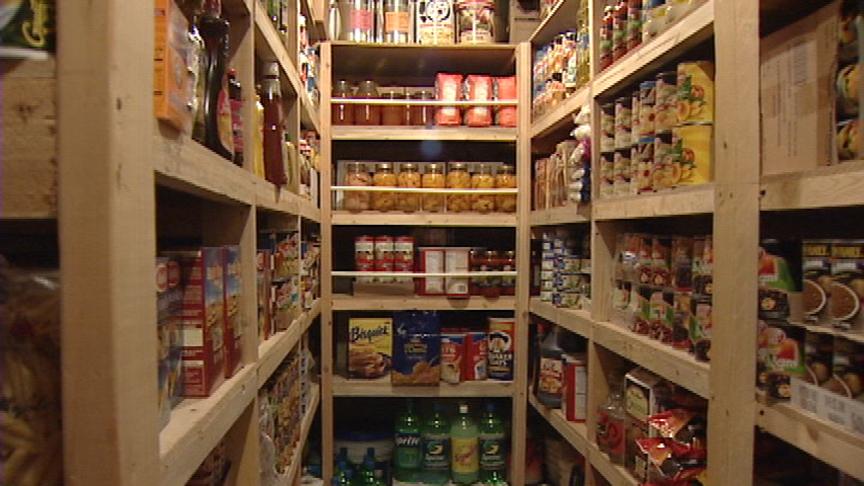 Practical reasons why you should start storing food now – even if SHTF never happens
December 5, 2018 - Posted by Mary Miller
(Natural News) Do you have emergency food supplies at home? If you don’t, you might want to start thinking about stockpiling shelf-stable food items for long-term use. They could come in handy when you least expect it. Here are some reasons why you should consider food storage for your everyday life, even if SHTF never […]
in: Collapse, Food, Off the grid living, Preparedness & survival, Prepping, Survival, Survival Food
 Can I take vitamins after the expiration date?
December 5, 2018 - Posted by Edsel Cook
(Natural News) Don’t believe the expiration dates on the bottles of your vitamins and supplements; many of these important products remain effective long after the date has passed. As long as the product is stored in a cool, dry place, it will retain its effectiveness for many years, long past its expiration date. So you […]
in: Nutrition, Preparedness & survival, Prepping, Supplements, Survival
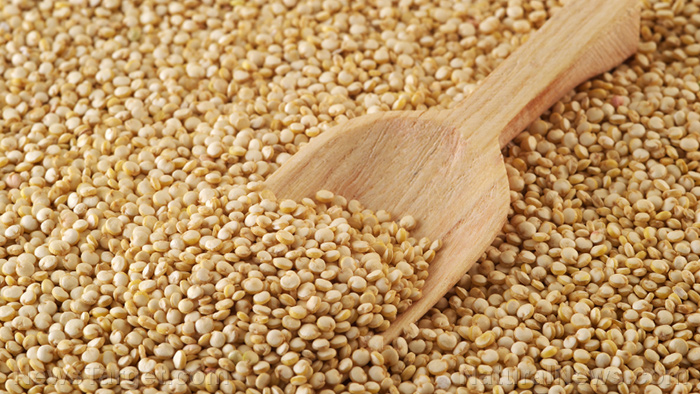 Follow these tips to ensure the proper long-term storage of grains
December 5, 2018 - Posted by Mary Miller
(Natural News) Grains make for an ideal survival food due to their long shelf life. Stocking up on grains can be useful in case SHTF. However, there is no point in stockpiling large amounts of grain if you don’t know how to properly store them. Here is a survival guide on how to properly store grain […]
in: Homesteading, How To, Off the grid living, Preparedness & survival, Prepping, Survival, Survival Food
 Why lard should be an essential part of your SHTF stockpile
December 4, 2018 - Posted by Mary Miller
(Natural News) Pig fat is an underrated culinary ingredient. Commonly known as lard, it is often considered “unhealthy” fat that can clog up your arteries. However, lard is actually healthier than most people have been led to believe. Lard isn’t just for cooking. It is a versatile substance that has many practical uses. Here are a few […]
in: Green living / sustainable living, Homesteading, Off the grid living, Preparedness & survival, Prepping, Survival, Survival Food
If you're gonna fight, fight like you're the third monkey on the ramp to Noah's Ark... and brother its starting to rain. Join our efforts to Secure America's Borders and End Illegal Immigration by Joining ALIPAC's E-Mail Alerts network (CLICK HERE)
-
12-17-2025, 09:12 AM #11122Senior Member
- Join Date
- Aug 2018
- Posts
- 95,580
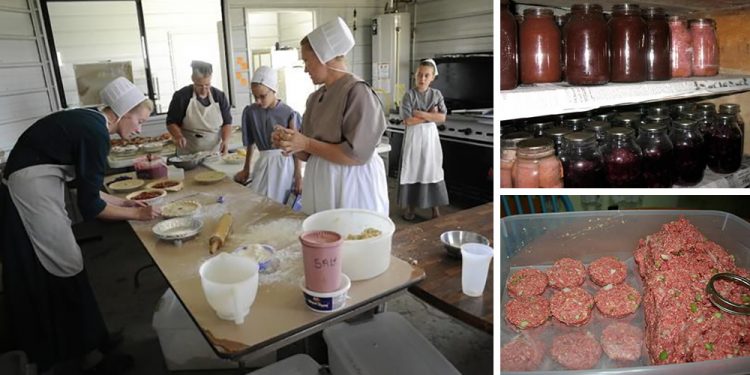
Amish Long-Lasting Recipes Every Prepper Should Learn
by KJ Barber
August 26, 2021
When considering recipes that could be good for preppers, taking a close look at the Amish world makes sense. They have long been known for living off the grid and have done quite well.
Also, the Amish are known to make wonderful foods, as often found in restaurants, stores, and roadside stands. Yum!
So, I wanted to share a few recipes from the Amish that could be considered long-lasting, if stored properly.
Amish Peanut Butter
Who doesn’t like peanut butter? Sometimes this version of peanut butter is known as “Church Spread”, but it’s a popular treat no matter what you choose to call it.
- 2 cups brown sugar
- 1 cup water
- 2 cups + 2 heaping tablespoons peanut butter
- 7 oz marshmallow cream
- 2 tablespoons light corn syrup
- 1 teaspoon vanilla (or maple) flavoring
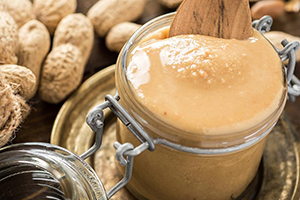 Combine the sugar and water in a saucepan, and bring it to a boil. Continue to boil for 2 minutes, but stirring to prevent scorching. Stir in the peanut butter, marshmallow cream, corn syrup, and flavoring. After that, mix it together, then let it sit to cool down before putting it into jars. Makes about 5-6 7oz jars.
Further, store in a cool dry place, for 6-12 months. This is a wonderful treat on bread or crackers, or with apples. And, speaking of apples…
Amish Apple Butter
Have an abundance of apples on hand? So, make this apple butter, which is a great alternative to just spreading butter on toast or biscuits.
- 5-6 lbs apples, for instance, peeled and finely chopped
- 4 cups sugar
- 2 teaspoons cinnamon
- ¼ teaspoon (ground) cloves
- ¼ teaspoon salt
 Mix the sugar, cinnamon, cloves, and salt together. Add the apples, then place the apples into a slow cooker. Cover, and cook on high for 1 hour. Turn the slow cooker down to low, then cook for another 9-11 hours, occasionally stirring the apples. The mix should thicken and turn dark brown towards the end of this step.
Uncover the pot, and continue to cook for another hour. Use a whisk, if you want a smoother consistency. Spoon the apple mix into containers that have been sterilized.
Finally, cover them, and store in a cool dry place for up to 2 years.
Related: How To Make Apple Butter With 2 Years Shelf-Life
Cucumber Pickles
Also, this is an easy recipe for tasty pickles.
- 24 cucumbers, peeled
- 1 quart of onions, sliced
- one cup Salt
- 1-pint olive oil
- 1/4 pound of ground mustard
- 3 tablespoons of black pepper
- 3 pints of apple cider vinegar
 First, slice the cucumbers (very thin), then add the sliced onions and cover them with the salt. Let it stand overnight in a covered container.
Drain this mix well, and add the olive oil, pepper, and ground mustard, stirring it all slowly.
Next, add the vinegar and stir thoroughly. Once it’s mixed well, pour it into air-tight jars.
Let stand for 6 weeks unopened, and stored in a cool dry place. The unopened jars of pickles should last up to a year.
Mustard Pickles
To be honest, I’m not sure why these are labeled as “pickles”, because it has so many other items in it. But, a colorful and unique treat regardless.
- 2 quarts green tomatoes, thinly sliced
- 2 qt. small sweet pickles
- two quarts small white onions, peeled
- 1/2 dozen green peppers, thinly sliced
- 2 heads cauliflower
- 1 cup salt
- 3 quarts white wine vinegar
- 1 cup flour
- 1/2 cups sugar
- 1/4 pound ground mustard
- 1-ounce celery seed
- 1/2 ounce turmeric (for coloring)
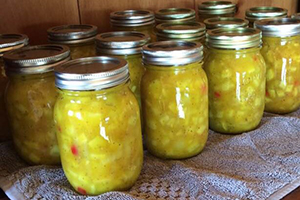 Separate the cauliflower into florets, then combine with onions, peppers, and tomatoes. Cover with the salt and let it stand overnight. Drain that mix, then cover with boiling water and cook the veggies until tender. Further, drain this mix. Mix the flour, sugar, mustard, celery seed, and turmeric.
Heat the vinegar, then pour over the dry mix, and stir well. Add the pickles to the cooked vegetables.
Next, pour the hot liquid over the pickles and vegetables, and cook for 10 minutes (or until the mixture thickens). Pour into sterilized jars and seal.
Related: 7 Deadly Canning Mistakes Even Smart People Make
This will last on the shelf for a couple years, as long as they haven’t been opened. Once opened, store in the refrigerator.
Gingered Pears
How about a sweet treat with a little spice?
- 5 lbs. Pears (not too ripe or soft)
- 3 cups water
- 5 lbs. sugar
- ½ cup chopped ginger
- Juice and rind (grated) of 3 lemons
 Peel and core the pears, then dice or cut them into thin slices. Add them to the water and cook until the pears are tender. Add the sugar, ginger, lemon juice and rind. Allow this mixture to simmer until it becomes thick, and the pears become transparent. Pour the pear mix into sterilized jars, and seal.
This recipe makes about 5 pints of gingered pears. Unopened, the pears should last a couple years.
Amish Canned Meat Loaf
- 20 lbs ground beef
- 5 eggs
- 45 crackers (saltine works great)
- 8 cups water
- 1 tablespoon seasoning salt (Lawrys, for example)
- 4 oz. salt
- 5 slices bread
- 1½ cups oatmeal
- 1½ teaspoon pepper
Firstly, mix all the above ingredients, then press into canning jars. Following, pressure cook the jars for 1 hour.
Related: Canning Meatloaf for Meals in a Jar
Canned meatloaf can last up to a year, without opening.
Chunky Chicken Soup
- 2 gallons water
- 6 quarts chicken broth
- 1/4 cup butter
- 2 quarts celery, chopped
- 2 quarts carrots, for example, chopped or sliced thinly
- 3 quarts peas
- 4 quarts potatoes, diced
- 8 pounds chicken, cooked and cut up
- 2 onions, diced
- handful parsley
- 1/4 cup flour
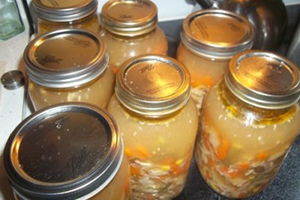 Cook all the veggies, then drain (but save the water to be part of the 2 gallons above). Heat the water and chicken broth and bring to a boil.
Meanwhile, make a paste with the flour, and add it to the boiling water/chicken broth mix. Then, add the chicken and veggies, stir well.
Pour into canning jars, and pressure can at 10 pounds for 40 minutes. Unopened, it should last at least a year.
Pork and Beans
Nothing like homemade comfort food that you can take off the shelf at any time, right? Pork and beans is a perfect example of a good homestyle addition to any meal, or the main attraction.
- 8 pounds navy beans
- 1½ pounds bacon
- 1/3 cup salt
- 4 quarts tomatoes, for instance peeled and chopped (or use canned)
- 2 cup water
- 1 pound white sugar
- 2/3 cup brown sugar
- 1/2 cup flour
- 1/2 teaspoon red pepper
- 1 teaspoon dry mustard
- 1 teaspoon cinnamon
- 1/2 cup Karo syrup
 Soak the beans overnight. Cook the bacon, to a light crisp. Drain the grease. Cook the beans until they are almost done.
Then, add the salt, sugars, Karo syrup, spices, and tomatoes. Mix the flour and water to make a paste.
Bring the beans and tomato mix to a boil, then add the paste. Fill canning jars and cold-pack for 1.5 hours.
Amish Friendship Bread Starter
Above all, it really wouldn’t be a complete article on Amish recipes, without one for Amish Friendship Bread Starter, would it?
It is the base to so many wonderful breads, and it can be shared with family and friends, hence the name.
Moreover, the starter can be kept indefinitely in the refrigerator, as long as you keep feeding it appropriately.
- 1 pack (2-1/4 teaspoons) active dry yeast
- 1/4 cup warm water (100° to 110°F)
- 3 cups all-purpose flour, divided into 1 cup each
- 3 c. whole milk, divided into 1 cup each
- three cups sugar, divided into 1 cup each
Related: How To Cultivate Your Own Wild Yeast Starter
Directions
Day One: In a glass, glazed ceramic, or plastic container, dissolve the pack of yeast in warm water and let it stand for 10 minutes. Next, add 1 cup (each) of sugar, flour and milk. Stir it well, then cover it loosely with plastic wrap. Then set it aside at room temperature.
Days 2-5: Once a day, stir the starter, then recover.
Day 6: Feed the starter with 1 cup each of the remaining sugar, flour, and milk. Stir well, then cover.
Day 7-9: Stir the starter, and recover
Day 10: Feed the starter again, with the remaining sugar, flour, and milk.
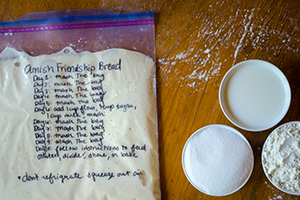
It takes 1 cup of the starter to make a loaf of bread, which can be used in many different recipes.
In addition, you can give 1 cup away to a friend, and keep one for yourself to have an active starter on hand at all times. Repeat the above cycle, to keep the starter alive.
You can look up several different recipes that the starter can be used in, such as this one for a cinnamon bread…
- 1 cup Amish Friendship Bread Starter
- ⅔ cup oil (vegetable)
- 3 eggs
- 2 cups all-purpose flour
- 1 cup sugar
- 1 teaspoon ground cinnamon
- ½ teaspoon salt
- ½ teaspoon baking soda
- 1 ¼ teaspoons baking powder
- 1 teaspoon vanilla extract
Preheat your oven to 350 F, and grease 2 bread loaf pans (9×5)
Combine all the ingredients in a large bowl, including the starter. Mix it well, then pour into the greased pans. Bake for 50-60 minutes.
Enjoy a slice with butter or any of the spreads above.
Finally
In conclusion, I hope you are able to enjoy at least one of the above recipes.
I have enjoyed Amish foods and goods for years and always get a little excited when I see an Amish store, restaurant, or stand.
The Amish know what they are doing when it comes to cooking and baking, in my humble opinion.
You may also like:
What Is The Closest Amish Market To Your Home
The Long-Lasting Food That Amish Pioneers Turned To In Dark Times (Video)
The Lost Art of Reading Nature’s Signs
How To Make Survival Lamps With Used Cooking Oil and Mason Jars
Amish Long-Lasting Recipes Every Prepper Should Learn - Ask a Prepper
If you're gonna fight, fight like you're the third monkey on the ramp to Noah's Ark... and brother its starting to rain. Join our efforts to Secure America's Borders and End Illegal Immigration by Joining ALIPAC's E-Mail Alerts network (CLICK HERE)
-
12-17-2025, 02:50 PM #11123Senior Member
- Join Date
- Aug 2018
- Posts
- 95,580
“Invisible Threat: The Hidden Dangers of EMFs and How to Protect Your Family” serves as a wake-up call for the digital age
12/16/2025 // Kevin Hughes // 1.2K Views
Tags: adhd, autism, badhealth, badpollution, badscience, Birth defects, cancer causes, cell phones, cell towers, cellular function, cognitive decline, DNA damage, electromagnetic field, EMF, environment, health science, Infertility, inflammation, ionizing radiation, neurodevelopmental disorders, Public Health, smart meters, Smartphones, telecom giants, Wi-Fi, wireless devices
- The book "Invisible Threat" exposes how electromagnetic fields (EMFs) from wireless devices (Wi-Fi, cell phones, 5G) disrupt cellular function, damage DNA and contribute to rising rates of cancer, neurological disorders, infertility and childhood developmental issues like ADHD and autism.
- Telecom giants and captured agencies (FCC, WHO) suppress independent research, manipulate safety standards and dismiss biological harm—mirroring Big Tobacco's tactics. Landmark studies (e.g., National Toxicology Program) confirm cancer links, yet outdated regulations ignore long-term risks.
- Kids face heightened risks due to thinner skulls, developing nervous systems and school Wi-Fi saturation. Prenatal exposure is linked to miscarriages, birth defects and neurodevelopmental disorders, yet schools prioritize tech over health.
- Turn off Wi-Fi at night, use wired connections and keep phones away from the body. To detox from EMF, boost antioxidants (glutathione, vitamin C), magnesium and melatonin. Direct contact with Earth reduces inflammation. Push for safer tech and stricter regulations in schools/workplaces.
- The author frames wireless expansion as an uncontrolled experiment on humanity, urging public awareness and low-EMF living to counter corporate/governmental negligence.
In "Invisible Threat: The Hidden Dangers of EMFs and How to Protect Your Family," the author delivers a meticulously researched exposé on the silent epidemic of electromagnetic field (EMF) pollution—a crisis that governments, telecom giants and Big Tech have systematically ignored or suppressed.
This book is not just a warning; it's a survival guide for navigating a world increasingly saturated with wireless radiation, from Wi-Fi routers and cell towers to smartphones and smart meters.
Drawing on decades of suppressed science, firsthand testimonies and groundbreaking studies, the book dismantles the myth that EMFs are harmless. Instead, it reveals how these invisible waves disrupt cellular function, damage DNA and contribute to skyrocketing rates of cancer, neurological disorders, infertility and childhood developmental issues like ADHD and autism.
The science behind the threat
The book begins by explaining the fundamental nature of EMFs—how they operate, where they come from and why they interact so destructively with the human body. Unlike ionizing radiation (such as X-rays), which is universally acknowledged as dangerous, non-ionizing radiation from wireless devices has long been dismissed as benign. Yet, as the author demonstrates, this dismissal is based on outdated, industry-funded studies that ignore the non-thermal biological effects of EMFs—effects that include oxidative stress, disruption of voltage-gated calcium channels and suppression of melatonin production.
One of the most alarming revelations is the link between EMF exposure and cancer. The book cites landmark studies, such as the National Toxicology Program's findings that cell phone radiation causes malignant tumors in rats, and the Interphone study, which found a 40% increased risk of glioma (a deadly brain tumor) among heavy mobile phone users. Despite this evidence, regulatory agencies like the Federal Communications Commission (FCC) continue to rely on obsolete safety standards—standards that fail to account for long-term, low-level exposure or the heightened vulnerability of children.
Children: The most vulnerable victims
Perhaps the most harrowing sections of the book focus on the disproportionate harm EMFs inflict on children. Their thinner skulls, higher water content and rapidly developing nervous systems make them far more susceptible to damage. The author presents disturbing data linking prenatal EMF exposure to increased risks of miscarriage, birth defects and neurodevelopmental disorders.
Schools, once sanctuaries of learning, have become hotspots for EMF exposure, with Wi-Fi routers in every classroom and tablets replacing textbooks. The book recounts case studies where children experienced severe depression, insomnia and cognitive decline—symptoms that vanished when Wi-Fi was removed. Yet, despite these red flags, educational institutions continue to prioritize technological "progress" over student health.
The industry cover-up
The parallels between the EMF debate and past corporate cover-ups—like Big Tobacco's denial of smoking risks—are impossible to ignore. The telecom industry has spent billions funding biased research, manipulating regulators and silencing whistleblowers. Dr. George Carlo, once hired by the industry to study cell phone safety, found alarming links to brain tumors—only to be discredited and pushed out when he refused to bury the findings.
Similarly, the book exposes how agencies like the FCC and World Health Organization (WHO) have been captured by corporate interests, rubber-stamping dangerous technologies like 5G without independent safety testing. The author pulls no punches in condemning this collusion, framing it as a deliberate assault on public health for profit.
Empowering solutions
While the book paints a grim picture of institutional betrayal, it also provides actionable solutions for individuals and families. The author outlines a multi-pronged approach to reducing EMF exposure:
- EMF hygiene: Simple steps like turning off Wi-Fi at night, using wired connections and keeping phones away from the body can drastically lower exposure.
- Detoxification: Nutritional strategies—such as antioxidants (glutathione, vitamin C), magnesium and melatonin—help repair EMF-induced cellular damage.
- Grounding (also called earthing): Direct contact with the Earth's surface neutralizes free radicals and reduces inflammation.
- Advocacy: The book encourages readers to pressure schools, workplaces and policymakers to adopt safer technologies and stricter EMF regulations.
A call to action
"Invisible Threat" is more than just a book—it's a manifesto for reclaiming health in an increasingly toxic digital world. The author's urgent tone reflects the gravity of the crisis: we are living through the largest uncontrolled biological experiment in history, with children as the unwitting test subjects.
The book's final chapters offer hope, envisioning communities that prioritize low-EMF living, decentralized technologies and a return to natural health principles. But this future depends on public awareness and resistance against the corporate and governmental forces pushing wireless expansion at any cost.
Final verdict: Essential reading
For anyone who uses a cell phone, lives near a cell tower, or has children in Wi-Fi-equipped schools, "Invisible Threat" is a must-read. It combines rigorous science with practical advice, empowering readers to protect themselves in a world where regulatory agencies have failed.
The book's message is clear: EMFs are not a conspiracy theory—they are a proven threat. And the time to act is now.
If you think EMFs are harmless, this book will make you think again. And if you already suspect the dangers, it will give you the tools to fight back.
Grab a copy of "Invisible Threat: The Hidden Dangers of EMFs and How to Protect Your Family" via this link. Read, share and download hundreds of books for free at Books.BrightLearn.AI. You can also create your own books for free at BrightLearn.AI.
Watch the video below about Nick Pineault revealing and demolishing EMF hazards during an interview with Mike Adams.
This video is from the Health Ranger Report channel on Brighteon.com.
Sources include:
Books.BrightLearn.ai1
Books.BrightLearn.ai2
BrightLearn.ai
Brighteon.com
“Invisible Threat: The Hidden Dangers of EMFs and How to Protect Your Family” serves as a wake-up call for the digital age – NaturalNews.com
If you're gonna fight, fight like you're the third monkey on the ramp to Noah's Ark... and brother its starting to rain. Join our efforts to Secure America's Borders and End Illegal Immigration by Joining ALIPAC's E-Mail Alerts network (CLICK HERE)
-
12-17-2025, 02:57 PM #11124Senior Member
- Join Date
- Aug 2018
- Posts
- 95,580
The truth about food storage: Why expiration dates lie and how to stockpile smartly
12/16/2025 // Evangelyn Rodriguez // 880 Views
Tags: emergency food, expiration date, FIFO, food freedom, food independence, food stockpile, Food storage, food supply, homesteading, off grid, preparedness, prepper, prepping, SHTF, survival, survival food, tips
- Expiration dates are misleading. Government-mandated labels like "best by" or "sell by" don't always indicate spoilage; proper storage (cool, dry, airtight) extends shelf life significantly.
- Rotate supplies using FIFO (First In, First Out). Label and track dates, use the oldest items first, and replace them to avoid waste and spoilage.
- Upgrade packaging for longevity. Avoid flimsy cardboard; use Mylar bags, oxygen absorbers or vacuum sealing to block moisture, pests and oxidation.
- Control storage conditions. Keep food in dark, climate-controlled spaces (50 F–70 F) like basements. Avoid heat-prone areas like garages.
- Stock smartly. Store foods you actually eat, test shelf life periodically and plan for water needs (1+ gallon per person daily) when storing dry goods.
Food storage isn't just for preppers or homesteaders—it's a survival skill every household should master. Whether preserving homegrown produce or stocking up on grocery staples, proper food storage ensures self-sufficiency while reducing waste in times of emergencies. But many well-intentioned preppers fail due to misinformation, poor rotation and reliance on deceptive expiration dates.
The truth? Most "best by" and "sell by" labels are government-mandated guidelines, not hard expiration dates. Food often remains safe—and sometimes even delicious—months or years beyond those printed numbers. But without proper techniques, even the most carefully hoarded supplies can spoil, leaving families unprepared when disaster strikes.
The myths and realities of expiration dates
Contrary to popular belief, expiration dates are not a death sentence for food. Government regulations require these labels, but they rarely indicate true spoilage. Canned goods, grains and dried foods can last far longer than advertised if stored correctly.
The printed date is just a suggestion. The key is proper storage: cool, dry and airtight.
The golden rule: Rotate or regret
The most critical rule of food storage? Rotation. First in, first out (FIFO) always. Without a system, preppers risk discovering expired, moldy or insect-infested food when they need it most.
Survival experts advise labeling everything with dates. Check monthly or quarterly and use the oldest items first. Replace them with fresh stock. By doing so, you can avoid wasting food, money and storage space.
Beware of flimsy packaging
Cardboard boxes and paper packaging are a prepper's worst enemy. They attract moisture, pests and mold, rendering stored food useless. Transferring dry goods into sturdy, airtight containers—such as Mylar bags with oxygen absorbers—can extend shelf life by years.
Per BrightU.AI's Enoch engine, other ways preppers can ensure their food supply is properly packaged for long-term storage include using food-grade buckets with gamma-sealed lids and vacuum-sealed containers while avoiding moisture, light and temperature fluctuations. Additionally, storing food in a cool, dry, pest-free environment also helps maximize shelf life.
The vacuum-sealing advantage
Oxygen accelerates spoilage. Vacuum sealers remove air, while Mylar bags and oxygen absorbers lock freshness in. For example, vacuum-sealed rice lasts three times longer when vacuum-sealed than when it's kept in its original bag.
Temperature control matters
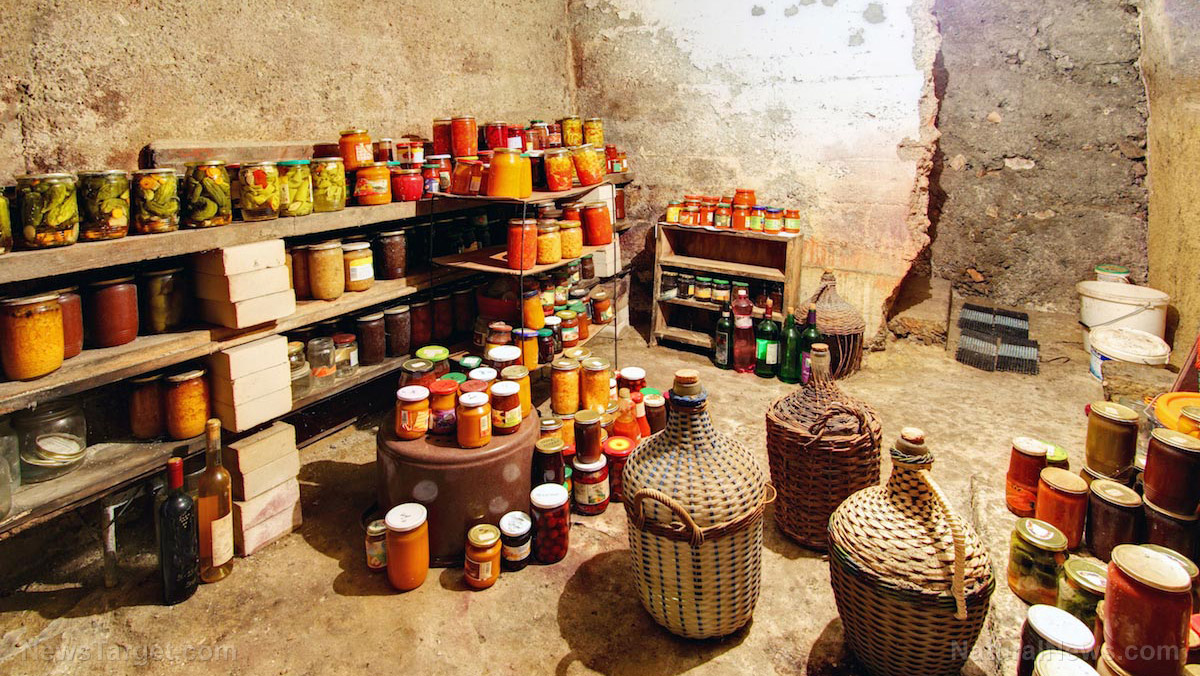
Temperature and humidity dictate food longevity. Ideal storage conditions hover between 50 F and 70 F (10 C–21 C) with minimal moisture. Basements, root cellars or climate-controlled pantries work best. Avoid garages or sheds where heat and dampness prevail.
Don't fall for sales—do the Math
Grocery store "deals" aren't always bargains. Retailers inflate prices before slashing them to create false urgency. Savvy preppers compare unit prices and avoid bulk buys unless they're truly cost-effective.
Test before you trust
Manufacturers' claims aren't gospel. The only way to verify shelf life? Open, inspect and taste-test stored food periodically. Some items last decades, while others spoil sooner than expected.
Light: The silent spoiler
Sunlight degrades food quality by heating containers and breaking down nutrients. Store supplies in opaque bins or dark spaces to maximize longevity.
Store what you'll actually eat
Survival food shouldn't be torture. Stockpile staples you enjoy, not just bland rations. Comfort foods (e.g., condiments, coffee, chocolate) boost morale in crises.
Plan for water needs
Rice, beans and pasta require water to prepare. If municipal supplies fail, stored water will become a necessity. Experts recommend keeping at least one gallon per person per day—plus extra for cooking.
Final word: Track everything
A detailed food storage planner—listing quantities, expiration dates and rotation schedules—prevents waste and ensures readiness. Without a system, chaos follows, so track everything religiously.
In an uncertain world, smart food storage isn't paranoia—it's prudence. Ditch the myths, follow the laws of preservation and build a stockpile that truly lasts. Your future self will thank you.
Watch this video to learn about the 10 rules of emergency food storage for new preppers.
This video is from the Daily Videos channel on Brighteon.com.
Sources include:
NewLifeOnAHomestead.com
BrightU.ai
Brighteon.com
The truth about food storage: Why expiration dates lie and how to stockpile smartly – NaturalNews.com
If you're gonna fight, fight like you're the third monkey on the ramp to Noah's Ark... and brother its starting to rain. Join our efforts to Secure America's Borders and End Illegal Immigration by Joining ALIPAC's E-Mail Alerts network (CLICK HERE)
-
12-17-2025, 03:41 PM #11125Senior Member
- Join Date
- Aug 2018
- Posts
- 95,580
Off-grid communication: How to stay connected when the system fails
12/17/2025 // Evangelyn Rodriguez // 680 Views
Tags: bug out, Citizens Band radio, Collapse, communication, disaster, emergency radio, Gear, ham radio, homesteading, off grid, preparedness, prepper, prepping, satellite phone, SHTF, survival, survival gear, survivalist, tips

- CB radios are independent of infrastructure, durable and solar or battery-powered. Their range varies from 1–25+ miles.
- Ham radios boast long-distance capability but require licensing, technical skills and expensive equipment.
- Walkie-talkies are short-range and battery-dependent—ideal for local coordination. Prioritize rechargeable or solar powered ones.
- Satellite phones are reliable but costly and conspicuous. It is also at risk of being stolen in times of crises.
- Faraday cages shield electronics; smoke signals, mirrors and Morse code serve as non-electric backups.
In an era where smartphones and Wi-Fi dominate daily life, few consider what happens when the grid collapses—whether by cyberattack, natural disaster or deliberate sabotage. For homesteaders, preppers and self-sufficient families, losing communication could mean isolation in a crisis. But solutions exist—from low-tech smoke signals to high-frequency radios—that bypass reliance on fragile infrastructure. The key is preparation.
CB radios: The forgotten lifeline
Citizens Band (CB) radios, once the backbone of trucker culture and rural communication, remain a reliable fallback when modern networks fail. Unlike cell phones, CB radios operate independently of cellular towers or internet connections, making them ideal for off-grid scenarios. Their range typically spans one to 25 miles, though atmospheric conditions and terrain can affect their performance.
CB radios are simple, durable and don't require much power. With a solar panel or small battery, you can stay connected even if everything else goes dark. Some enthusiasts modify CB radios for extended range, legally boosting transmission power to reach hundreds of miles--a critical advantage in emergencies.
Ham radio: Global reach, steep learning curve
For long-distance communication, amateur (ham) radio operators have the upper hand. Licensed ham users can transmit across continents, leveraging atmospheric conditions and repeater stations to amplify signals. However, the barrier to entry is high: Operators must pass FCC exams, invest in expensive equipment and master technical skills.
According to communications experts, there are only about 700,000 licensed ham operators in the United States. They also warn that if you're not already set up before a crisis, you’ll be at a disadvantage. Additionally, repeater stations, which are essential for long-range signals, may fail during civil unrest or prolonged blackouts, limiting ham radio effectiveness.
Walkie-talkies: Short-range but essential
For immediate, localized communication, walkie-talkies (two-way radios) are indispensable. Ideal for coordinating within a homestead or nearby community, they require no infrastructure—just batteries. However, their range is limited (typically a few miles), and heavy use drains their power quickly.
To circumvent this, survival experts recommend stocking up on rechargeable batteries and solar chargers. Other alternative power sources preppers should secure before SHTF, according to BrightU.AI's Enoch, include hand-crank generators, solar panels and portable fuel-based generators.
Satellite phones: Expensive but unmatched
When cellular networks fail, satellite phones remain operational—connecting directly to orbiting satellites rather than ground-based towers. The catch? High costs. Units can run thousands of dollars, with steep service fees. Worse, in a societal collapse, flaunting a satellite phone could make you a target.
If you can afford a satellite phone, keep it discreet. In a crisis, people will do anything to get their hands on working communication devices.
Cell phones and local networks: A surprising option
Despite their dependence on infrastructure, cell phones and computers aren't entirely useless post-collapse—if you control the network. Tech-savvy communities can set up independent Wi-Fi meshes or radio-based intranets powered by solar panels.
Low-tech alternatives: When tech fails
All electronic communication methods share one vulnerability: electromagnetic pulses (EMPs). Whether from solar flares or weapons, EMPs can fry circuits instantly. The solution? Keeping your electronics in Faraday cages or EMP-resistant bags and storing backups in shielded containers.
Emergency preparedness experts warn that an unprotected radio is just a paperweight after an EMP attack. Shielding isn't optional—it's survival.
When all else fails, ancient methods still work. Smoke signals, signal mirrors and even Morse code via flashlight can bridge gaps where radios and phones cannot. The best comms plan is layered; for your benefit, have high-tech options, but always fall back on low-tech backups.
In a world where governments and corporations increasingly control communication channels, self-reliance is more than a preference—it's a necessity. Whether through CB radios, ham networks or simple hand signals, those who plan ahead will stay connected when others are left in the dark. The time to build these systems is now—before the grid goes silent for good.
Watch this video to learn how you can communicate when the power grid goes down.
This video is from the Daily Videos channel on Brighteon.com.
Sources include:
AskAPrepper.com
BrightU.ai
Brighteon.com
Off-grid communication: How to stay connected when the system fails – NaturalNews.com
If you're gonna fight, fight like you're the third monkey on the ramp to Noah's Ark... and brother its starting to rain. Join our efforts to Secure America's Borders and End Illegal Immigration by Joining ALIPAC's E-Mail Alerts network (CLICK HERE)
-
12-17-2025, 10:21 PM #11126Senior Member
- Join Date
- Aug 2018
- Posts
- 95,580
Securing your home against societal collapse: A survival guide
12/17/2025 // Evangelyn Rodriguez // 270 Views
Tags: chaos, Collapse, disaster, Home Defense, home security, homesteading, off grid, panic, preparedness, prepper, prepping, SHTF, societal collapse, survival, tips

- Economic instability, supply chain failures and civil unrest signal potential societal collapse, leading to violence, looting and desperation.
- High-density areas face the greatest danger, while rural areas require self-sufficiency. Without law enforcement, survival depends on individual preparedness.
- Reinforce homes with perimeter defenses (fences, cameras), fortified doors and windows, bulletproofing, fireproofing and secure detached structures.
- Equip yourself with non-lethal tools (pepper spray, guard dogs), firearms (with training) and backup communication (HAM radios, solar chargers).
- Societal collapse can happen rapidly—those who fortify their homes, stockpile supplies and develop survival skills now will have the advantage.
As global instability grows—marked by economic turmoil, supply chain disruptions and rising civil unrest—many Americans are preparing for the worst. Experts warn that societal collapse can unfold rapidly, leaving unprepared populations vulnerable to violence, looting and desperation. In such scenarios, home security becomes a matter of survival.
History shows that when governments fail and law enforcement disappears, opportunistic criminals and desperate individuals will target homes for food, supplies and shelter. The solution? Proactive security measures that deter, delay and defend against threats before they escalate.
The perfect storm: Why security matters now
The warning signs are undeniable: Inflation, food shortages, political division and infrastructure decay suggest a fragile system that's nearing breaking point. In past collapses—from Venezuela's hyperinflation to Syria's civil war—violence surged as resources dwindled. Even law-abiding citizens turned to theft when hunger outweighed morality.
Urban areas face the highest risk due to population density and reliance on centralized supply chains. Suburbs, while somewhat safer, remain vulnerable to roaming looters. Rural and wilderness locations offer isolation but require self-sufficiency—without neighbors or police, survival depends on individual preparedness.
12 Critical steps to fortify your home
To help you stay safe while bugging in when SHTF, here are some expert tips for securing your home:
1. Perimeter defense
- Install fences, motion-activated lights and surveillance cameras.
- Use trespassing signs and gated driveways to deter intruders.
2. Doors and windows
- Reinforce entry points with deadbolts, security bars and shatter-resistant film.
- Sliding doors can be secured with metal rods in the track.
3. Walls and roofs
- Wood-framed homes are vulnerable—consider metal sheeting or rebar reinforcement.
- Brick or stone construction offers natural durability.
4. Bulletproofing
- Apply ballistic-grade window film or upgrade to bullet-resistant glass (costly but effective).
- Sand-filled walls slow or stop bullets in extreme scenarios.
5. Fireproofing
- Clear flammable brush near structures; store firewood away from the house.
- Install flame-retardant roofing and ensure fire extinguishers are accessible.
BrightU.AI's Enoch engine also suggests the following to reliably fireproof your home:
- Use fire-resistant building materials such as metal roofing, cement board siding and fire retardant-treated lumber
- Maintain defensible space by clearing flammable vegetation and debris and keeping combustible materials at least 30 feet away from your house.
- Install spark arrestors on chimneys and vents, along with fire extinguishers and sprinkler systems, to further enhance protection against wildfires and accidental blazes.
6. Detached structures
- Secure sheds, barns and garages with heavy-duty locks, alarms and barred windows.
- Motion-activated lights deter nighttime intruders.
7. Vehicles and equipment
- Park valuable assets inside locked garages when possible.
- Use wheel locks and chains to immobilize trailers, ATVs and boats.
8. Alarm systems
- Hardwired or wireless alarms alert occupants and scare off intruders.
- Panic buttons provide instant emergency signaling.
9. Safe rooms
- A reinforced interior space with supplies and communication tools can be your last resort in a survival scenario.
- Professional installations add resale value and maximum protection.
10. Non-lethal defense
- Pepper spray, stun guns and tactical flashlights offer less-lethal deterrence.
- Guard dogs provide both early warning and intimidation.
11. Firearms
- Shotguns, handguns and rifles serve different defense needs.
- Training and discipline are essential as misuse of firearms can escalate danger.
12. Communication
- Backup radios (ham, CB, NOAA) ensure access to emergency broadcasts.
- Solar-powered chargers keep devices operational during power outages.
Societal collapse may seem unlikely, but history proves that civilizations can unravel quickly. The best defense is proactive preparation—reinforcing your home, stockpiling essentials and honing survival skills before disaster strikes.
As supply chains falter and unrest grows, those who act now will have the upper hand. Whether through fortified defenses or community alliances, securing your home isn't just about protection, it's about ensuring survival in an uncertain world.
Stay vigilant. Stay prepared.
Watch this video to learn about the 10 major ways to secure and defend your home and prepping supplies.
This video is from the Daily Videos channel on Brighteon.com.
Sources include:
UrbanSurvivalSite.com
BrightU.ai
Brighteon.com
Securing your home against societal collapse: A survival guide – NaturalNews.com
If you're gonna fight, fight like you're the third monkey on the ramp to Noah's Ark... and brother its starting to rain. Join our efforts to Secure America's Borders and End Illegal Immigration by Joining ALIPAC's E-Mail Alerts network (CLICK HERE)
-
12-18-2025, 09:26 AM #11127Senior Member
- Join Date
- Aug 2018
- Posts
- 95,580
The Light Code: Shocking TRUTH about how light heals and rejuvenates
12/17/2025 // Kevin Hughes // 950 Views
Tags: alternative medicine, cellular repair, chromophores, goodhealth, goodmedicine, melanin, mitochondria, mitochondrial photoactivation, natural cures, natural healing, natural health, natural medicine, Naturopathy, photobiomodulation, red light therapy, remedies, RLT, sun exposure, sunlight, Ultraviolet, UV, vitamin D

- Sunlight is not inherently dangerous but is a vital nutrient suppressed by profit-driven institutions. Different wavelengths (UV, red, near-infrared) interact with biology—enhancing vitamin D, mitochondrial energy and cellular repair. Melanin acts as a natural semiconductor, converting light into energy while protecting against EMF pollution.
- Red and near-infrared light stimulate mitochondria, boosting ATP production (cellular energy) without pharmaceuticals. Modern indoor lifestyles cause "light deficiency," contributing to depression, metabolic disorders and accelerated aging. Unlike harmful blue light from screens, natural sunlight and red light therapy (RLT) restore hormonal balance and immune function.
- Sunscreen chemicals disrupt hormones; moderate, unprotected sun exposure lowers all-cause mortality. Skin cancer rises from processed diets, inflammation and erratic UV exposure—not sunlight itself. Gradual sun exposure builds natural melanin protection while improving immunity and mood.
- RLT (600–850 nm) accelerates healing, reduces inflammation, enhances brain function and slows aging. FDA slow-walks RLT approval because it threatens Big Pharma's symptom-management monopoly. NASA and independent researchers validate RLT despite institutional resistance.
- Practical steps: optimize home lighting, avoid harmful LEDs, practice safe sun exposure and use RLT devices effectively. Synergize with nature—forest bathing and grounding enhance light therapy's benefits. Future vision: decentralized healthcare, public RLT stations and urban designs maximizing natural light.
In a world where mainstream medicine often prioritizes pharmaceuticals over natural solutions, "The Light Code: Unlocking the Power of Red Light Therapy for Health, Energy, and Longevity" emerges as a revolutionary manifesto for reclaiming our biological birthright—sunlight.
This book is not just a guide to red light therapy (RLT); it's a clarion call to awaken humanity to the suppressed science of photobiology—the study of how light governs our cellular function, circadian rhythms and overall vitality.
The science of light: A forgotten nutrient
The book begins by dismantling the modern myth that sunlight is inherently dangerous. Instead, it reveals light as the ultimate nutrient—one that our ancestors intuitively revered but that centralized institutions have demonized in favor of synthetic, profit-driven interventions. The authors meticulously explain how different wavelengths of light interact with our biology, from ultraviolet (UV) rays that catalyze vitamin D synthesis to red and near-infrared (NIR) wavelengths that penetrate deep into tissues, stimulating mitochondrial energy production.
One of the most compelling revelations is the role of melanin, our body's natural photoprotective pigment. Far from being merely a determinant of skin color, melanin acts as a biological semiconductor, converting light into metabolic energy while shielding cells from electromagnetic pollution—a critical defense in today's toxic, EMF-saturated world.
The mitochondrial miracle: How light fuels cellular energy
At the heart of "The Light Code" is the groundbreaking concept of mitochondrial photoactivation. The author explains how mitochondria—the powerhouses of our cells—contain chromophores (light-sensitive molecules) that absorb specific wavelengths, particularly red and NIR light, to enhance ATP (cellular energy) production. This process, known as photobiomodulation, is a natural alternative to the pharmaceutical industry's chemical interventions, offering a drug-free solution for chronic fatigue, inflammation and even neurodegenerative diseases.
The book exposes how modern indoor lifestyles have created a chronic light deficiency crisis, depriving us of these essential wavelengths and contributing to epidemics of depression, metabolic disorders and accelerated aging. Unlike artificial blue light from screens—which disrupts sleep and damages retinal cells—natural sunlight and targeted RLT devices restore balance, optimizing everything from hormone regulation to immune function.
Debunking the sun-phobia scam
One of the book's most provocative sections dismantles the fear-based propaganda around sun exposure. The author challenges the dermatology industry's obsession with sunscreen—many of which contain endocrine-disrupting chemicals—and highlight studies showing that moderate, unprotected sun exposure correlates with lower all-cause mortality. They argue that the rise in skin cancer is not due to sunlight itself but to processed diets laden with seed oils, chronic inflammation and intermittent, high-intensity UV exposure (think weekend sunburns after a week indoors).
Instead of blanket avoidance, the book advocates for gradual, intelligent sun exposure—aligning with ancestral patterns—to build natural photoprotection through melanin while reaping sunlight's immune-boosting, mood-enhancing benefits.
The red light revolution: Healing beyond pharmaceuticals
The book's centerpiece is its exploration of red light therapy (RLT), a non-invasive treatment that harnesses specific wavelengths (600–850 nm) to:
- Accelerate wound healing by stimulating collagen production.
- Reduce inflammation and oxidative stress, key drivers of chronic disease.
- Enhance brain function, with studies showing improved cognition in traumatic brain injury patients.
- Combat aging by promoting cellular repair and telomere stability.
The author critiques the Food and Drug Administration's (FDA) sluggish approval of RLT, suggesting that its efficacy threatens Big Pharma's monopoly on symptom management. They highlight how decentralized research—from biohackers to National Aeronautics and Space Administration (NASA) scientists—has propelled RLT into the spotlight, despite institutional resistance.
Reclaiming light sovereignty in a toxic modern world
"The Light Code" doesn't just diagnose the problem—it offers actionable solutions. Readers learn:
- How to design a light-optimized home, using full-spectrum lighting, reflective surfaces and strategic window placement.
- The dangers of artificial lighting, particularly LEDs and fluorescents, which emit harmful blue light and flicker frequencies linked to migraines and neurodegeneration.
- Practical protocols for safe sun exposure and using RLT devices effectively.
The book also delves into forest bathing and grounding (earthing), illustrating how reconnecting with nature's electromagnetic field synergizes with light therapy to reduce inflammation and restore circadian rhythms.
The future of light medicine: A call to action
The final chapters envision a decentralized healthcare future where individuals reclaim control over their light environment—rejecting the medical-industrial complex's fear-based narratives. The author advocates for community-based light awareness initiatives, from public RLT stations to urban designs that maximize natural light exposure.
A must-read for health freedom advocates
"The Light Code" is a tour de force—a meticulously researched, paradigm-shifting work that exposes how modern society has weaponized light deprivation to keep populations sick and dependent. It's a manifesto for those seeking alternatives to Big Pharma, a guide for biohackers and a wake-up call for anyone tired of being told sunlight is dangerous while toxic drugs are "safe."
In an era of institutionalized deception, this book is a beacon of truth—one that illuminates the path back to our photobiological roots.
"The Light Code" isn't just a book—it's a movement. And after reading it, you'll never see light the same way again.
Grab a copy of "The Light Code: Unlocking the Power of Red Light Therapy for Health, Energy, and Longevity" via this link. Read, share and download thousands of books for free at Books.BrightLearn.AI. You can also create your own books at BrightLearn.AI.
Watch the video below about Scott Chaverri joining the Health Ranger Mike Adams to discuss therapeutic light supplementation for health and longevity.
This video is from the Health Ranger Report channel on Brighteon.com.
Sources include:
Books.BrightLearn.ai 1
Books.BrightLearn.ai 2
BrightLearn.ai
Brighteon.com
The Light Code: Shocking TRUTH about how light heals and rejuvenates – NaturalNews.comIf you're gonna fight, fight like you're the third monkey on the ramp to Noah's Ark... and brother its starting to rain. Join our efforts to Secure America's Borders and End Illegal Immigration by Joining ALIPAC's E-Mail Alerts network (CLICK HERE)
-
12-18-2025, 09:29 AM #11128Senior Member
- Join Date
- Aug 2018
- Posts
- 95,580
From gravy to gleam: The surprising list of uses for cornstarch
12/17/2025 // Willow Tohi // 850 Views
Tags: ancient remedy, avoid chemicals, bacterial growth, chemicals, cornstarch, home remedy, homesteading, household uses, ingredients, natural health, natural solutions

- Cornstarch is a versatile, natural product with applications far beyond cooking, particularly in household cleaning and personal care.
- Its powerful absorbent properties allow it to tackle grease, oil, moisture and odors on a wide variety of surfaces and fabrics.
- Mixed into pastes or solutions, it can clean windows, polish silver, remove stains and even act as a natural deodorant or dry shampoo.
- Historical use in remedies, like soothing skin irritations, is supported by its moisture-wicking and friction-reducing qualities.
- Experts caution against using cornstarch on open wounds or acne-prone facial skin due to risks of infection or clogged pores.
In an era of increasingly complex and expensive specialty cleaners, a quiet revolution is taking place in pantries across the country. The catalyst? A humble, century-old kitchen staple: cornstarch. Long relegated to thickening sauces and pies, this fine white powder is experiencing a renaissance as a versatile, eco-friendly and remarkably effective tool for cleaning, personal care and household problem-solving. For budget-conscious consumers and advocates of natural living, cornstarch is proving that sometimes the most powerful solutions are the simplest ones, offering a return to multi-use basics that save both money and cabinet space.
A brief history of a pantry powerhouse
The story of cornstarch is intrinsically linked to the story of American agriculture and ingenuity. While starches from other plants like wheat had been used for centuries, cornstarch was patented in the United States in 1844. Its initial rise was culinary, providing a clear, glossy thickening agent superior to flour. However, its utility in the home quickly expanded beyond the kitchen. For generations, practical homemakers have tapped into its absorbent and soothing properties, using it as a folk remedy for diaper rash, a dusting powder and a secret ingredient for achieving a crisp iron. Today’s renewed interest represents less a discovery and more a rediscovery, a conscious shift away from single-use chemicals toward the versatile, multi-tasking products of the past.
The science of absorption and abrasion
Cornstarch’s effectiveness stems from its fundamental physical properties. As a highly absorbent powder, it can soak up many times its weight in grease, oil and moisture. This makes it ideal for attacking fresh spills on carpets or clothing, deodorizing shoes and wicking away dampness. When mixed with water into a paste, it gains a mild abrasive quality, allowing it to scrub away tarnish on silver or grime on surfaces without causing scratches. Furthermore, its ability to reduce friction makes it useful for untangling knots in jewelry or hair and for soothing skin chafing. While not all traditional uses are backed by modern clinical studies, the material science behind its performance is clear and demonstrable.
A cleaning cupboard in a canister
The applications for cornstarch in home maintenance are extensive, effectively replacing a shelf full of specialized products.
- As a degreaser and stain lifter: Sprinkled dry on a fresh oil stain on fabric or carpet, it draws the grease out of the fibers. As a wet paste, it can be applied to set-in stains on upholstery or clothing, where it dries and pulls the stain to the surface for easy removal.
- For sparkling surfaces: Combined with vinegar and water, it creates a potent, streak-free cleaner for windows and mirrors. A simple cornstarch-and-water paste can polish tarnished silver to a bright shine, and a similar mixture makes an effective, chemical-free furniture polish for wood.
- For freshening fabrics: Its deodorizing power revitalizes items that can’t be easily washed. Stuffed animals, woolens, or even musty books can be refreshed by sprinkling with cornstarch, letting it sit to absorb odors, and then brushing or vacuuming it away.
Personal care and pet applications
Cornstarch also crosses over into the realm of natural personal care, leveraging its moisture-absorbing and soothing characteristics.
- It serves as a base for homemade dry shampoo, soaking up scalp oils between washes. Mixed with baking soda and coconut oil, it can form a simple deodorant.
- A thick paste of cornstarch and water applied to insect bites or sunburned skin can provide a cooling, drying effect that alleviates itching and discomfort, though it should never be used on broken skin.
- For pet owners, cornstarch acts as an effective dry shampoo for dogs, helping to freshen coats and reduce odors between baths. Brushed through fur, it can also help loosen mats and tangles.
A note of caution in a natural solution
Despite its broad utility, experts advise discernment. Cornstarch is a food product and, as such, can promote bacterial growth if applied to open cuts or wounds, posing an infection risk. It is also not recommended for use as a facial powder for those with acne-prone skin, as it may clog pores. Its role is best understood as a maintainer, preventer and cleaner for minor, external issues, not a medical treatment for infections or significant skin conditions.
The enduring appeal of simplicity
The resurgence of cornstarch is more than a trend; it is a testament to the enduring value of simple, multi-purpose tools. In a world of overwhelming consumer choice and environmental concern, it offers a return to practicality. This unassuming powder connects modern households to a legacy of resourcefulness, proving that effective solutions need not be complicated, expensive, or laden with unpronounceable chemicals. As consumers continue to seek ways to simplify their lives and reduce their environmental footprint, the humble box of cornstarch stands ready to polish, clean, freshen and soothe—a tiny, powerful emblem of kitchen cupboard self-reliance.
Sources for this article include:
TheEpochTimes.com
Healthline.com
Maids.com
From gravy to gleam: The surprising list of uses for cornstarch – NaturalNews.com
If you're gonna fight, fight like you're the third monkey on the ramp to Noah's Ark... and brother its starting to rain. Join our efforts to Secure America's Borders and End Illegal Immigration by Joining ALIPAC's E-Mail Alerts network (CLICK HERE)
-
12-18-2025, 09:39 AM #11129Senior Member
- Join Date
- Aug 2018
- Posts
- 95,580
Boost gut health naturally with herbs, spices and fermented foods
12/17/2025 // Patrick Lewis // 440 Views
Tags: #nutrition, alternative medicine, awakening, detoxification, digestive health, functional medicine, goodhealth, goodmedicine, goodscience, gut health, health science, health transformation, holistic health, natural healing, organics, polyphenols, self-healing, superfoods, wellness

- A balanced gut microbiome regulates digestion, immunity, inflammation and mental well-being. Poor diets (especially processed Western foods) deplete beneficial bacteria, leading to chronic inflammation and disease.
- Black pepper, garlic, ginger, turmeric and cinnamon enhance beneficial bacteria (like Lactobacillus) while suppressing harmful microbes. Unlike synthetic drugs, these natural compounds work synergistically with the body.
- Sauerkraut, kimchi, kefir and yogurt introduce live beneficial bacteria, improving gut diversity, reducing inflammation and aiding nutrient absorption—far safer than pharmaceutical interventions.
- Whole, unprocessed plant foods (flaxseeds, quinoa, beans) feed gut bacteria, producing short-chain fatty acids (SCFAs) like butyrate, which regulate metabolism and reduce inflammation.
- Antibiotics, vaccines, pesticides and processed foods harm gut balance, contributing to autoimmune disorders and chronic illness. Opt for organic, ancestral diets rich in polyphenols, probiotics and fiber to restore microbiome resilience naturally.
The gut microbiome plays a crucial role in overall health, influencing digestion, immunity, inflammation and even mental well-being. While probiotic-rich fermented foods like sauerkraut, kefir and kombucha often steal the spotlight, emerging research highlights another powerful gut-supporting group: polyphenol-rich herbs and spices. A recent study published in Nutrients found that common culinary herbs and spices—such as black pepper, garlic, ginger, turmeric and cinnamon—enhance beneficial gut bacteria while reducing harmful, pro-inflammatory microbes.
Polyphenols are bioactive plant compounds with antioxidant and anti-inflammatory properties. The study analyzed dietary habits and microbiome data from 96 participants, primarily white females, categorizing them based on polyphenol intake. While overall microbiome diversity remained consistent, those consuming higher levels of polyphenols had increased Lactobacillus bacteria—strains known to support intestinal health and reduce inflammation. Cinnamon, in particular, stood out for its high polyphenol content, but other spices like turmeric and ginger also demonstrated gut-boosting benefits.
This research reinforces the idea that a diet rich in herbs and spices doesn't just enhance flavor—it actively cultivates a healthier gut environment. Unlike synthetic pharmaceuticals, which often disrupt microbial balance, natural polyphenols work synergistically with the body's ecosystem.
Three simple ways to increase polyphenol intake
- Homemade dressings and saucesSkip store-bought dressings loaded with preservatives and seed oils. Instead, blend fresh herbs like cilantro, basil or parsley into bases such as tahini, lemon or olive oil. These dressings not only elevate salads but also deliver anti-inflammatory compounds that support digestion and immunity.
- Spiced rice and grainsTurmeric and ginger are potent anti-inflammatory spices that can easily be incorporated into daily meals. Adding a teaspoon of turmeric and a dash of ginger to rice before cooking infuses the dish with gut-supporting polyphenols while enhancing its flavor and vibrant color.
- Polyphenol-rich coffee blendsHigh-quality, organic coffee can be a surprising source of polyphenols. Opt for whole-bean varieties tested for polyphenol content, and enhance your brew with a sprinkle of cinnamon—another gut-friendly spice that helps balance blood sugar and reduce inflammation.
Fiber and fermented foods
While polyphenols nurture beneficial bacteria, fiber acts as fuel for gut microbes. Foods like flaxseeds, quinoa, beans and psyllium husk feed gut flora, producing short-chain fatty acids (SCFAs) that regulate metabolism, inflammation and energy levels. Diversifying plant intake—eating a wide range of fruits, vegetables, legumes and spices—ensures exposure to different fibers and phytochemicals, strengthening microbial resilience.
Fermented foods remain essential for gut health, introducing live probiotics that improve microbial diversity. Options like kimchi, sauerkraut and plain yogurt (preferably organic and unsweetened) help maintain a balanced gut ecosystem, reducing inflammation and enhancing nutrient absorption.
Rather than overhauling your diet overnight, integrate these habits step by step:
- Start with fiber—increase intake of whole, unprocessed plant foods.
- Expand diversity—rotate different fruits, vegetables and spices.
- Add fermented foods—incorporate small servings of probiotic-rich options daily.
Natural health vs. pharmaceutical dependence
Modern medicine often overlooks the power of food as medicine, favoring synthetic drugs that disrupt gut balance and cause long-term harm. Antibiotics, vaccines and processed foods laden with pesticides and additives have contributed to a global dysbiosis crisis—linked to rising rates of autoimmune disorders, obesity and mental health issues.
In contrast, traditional diets rich in herbs, spices and fermented foods align with nature's design, supporting immunity without toxic side effects. As regulatory agencies like the FDA remain compromised by Big Pharma influence, individuals must take proactive steps to protect their health through real, unadulterated nourishment.
Gut health is foundational to well-being, and simple dietary shifts—prioritizing polyphenols, fiber and probiotics—can make a profound difference. By embracing ancestral wisdom and rejecting processed, chemical-laden foods, we reclaim control over our microbiomes and long-term vitality. Whether through a spiced cup of coffee, a turmeric-infused meal or a daily serving of sauerkraut, every small choice adds up to a healthier, more resilient gut—and a stronger defense against the toxins of the modern world.
According to BrightU.AI's Enoch, boosting gut health naturally with herbs, spices and fermented foods is a powerful way to support immunity and detoxification while avoiding Big Pharma's toxic interventions. However, be cautious of store-bought fermented products—many are contaminated with additives, GMOs or glyphosate, so opt for organic, homemade or traditionally prepared versions to ensure purity and effectiveness.
Watch a discussion on the benefits of good gut bacteria and their effect on good sleep.
This video is from TheDopamineRevolution channel on Brighteon.com.
Sources include:
MindBodyGreen.com
BrightU.ai
Brighteon.com
Boost gut health naturally with herbs, spices and fermented foods – NaturalNews.com
If you're gonna fight, fight like you're the third monkey on the ramp to Noah's Ark... and brother its starting to rain. Join our efforts to Secure America's Borders and End Illegal Immigration by Joining ALIPAC's E-Mail Alerts network (CLICK HERE)
-
12-18-2025, 09:44 AM #11130Senior Member
- Join Date
- Aug 2018
- Posts
- 95,580
20 Essential steps for preppers to start the New Year prepared
12/18/2025 // Evangelyn Rodriguez // 110 Views
Tags: bug out, Food storage, food supply, home security, homesteading, new year, off grid, preparedness, prepper, prepping, self-defense, SHTF, survival, survivalist, tips
- Ensure all household members know evacuation routes, communication methods and shelter-in-place procedures based on local risks.
- Rotate food, water, medical supplies and hygiene items; verify backups like water filters and cooking methods.
- Master first aid, gardening, self-defense and off-grid power solutions (solar, generators) for emergencies.
- Reinforce home defenses, set up alternative comms (radios) and prep bug-out bags with essentials.
- Start survival gardens, preserve food, join community networks and train children/family in emergency response.
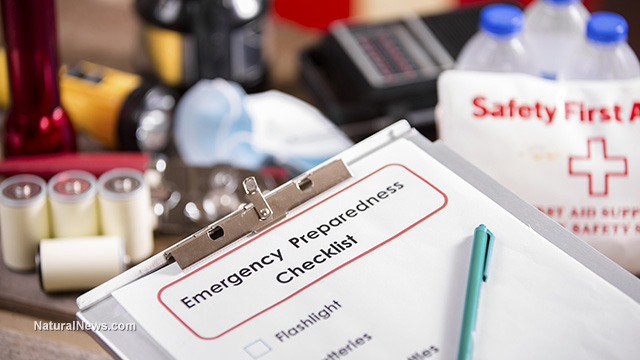
As the new year approaches, individuals focused on emergency preparedness are taking stock of their supplies, skills and plans to ensure they are ready for any crisis. Whether facing natural disasters, power outages or civil unrest, proactive preparation can mean the difference between survival and vulnerability. From reviewing emergency plans to mastering self-defense, here are 20 critical actions preppers should prioritize in the coming year.
Review and update emergency plans
Every household should begin the year by revisiting its emergency strategy. Ensuring all family members understand evacuation routes, communication protocols and shelter-in-place procedures is essential. Geographic risks—such as hurricanes, wildfires or earthquakes—should dictate specific preparations.
Assess and replenish stockpiles
A well-maintained stockpile is the backbone of preparedness. Checking expiration dates on food, water, medications and hygiene supplies prevents spoilage. Essentials like toilet paper, water purification systems and backup cooking methods should also be verified. Rotating supplies ensures nothing goes to waste while maintaining readiness.
Learn new survival skills
Expanding one's skill set enhances resilience. First aid, navigation, gardening and basic vehicle maintenance are invaluable skills to have during emergencies. Medical skills, such as applying tourniquets or performing CPR, can save lives when professional help is unavailable.
Conduct a home security audit
Security is paramount in unstable situations. Reinforcing doors and installing sturdy locks and surveillance systems deter looters and intruders. Post-disaster scenarios often see increased crime, making home defense a necessity.
BrightU.AI's Enoch engine also suggests reinforcing doors and windows with security bars and shatterproof film and maintaining perimeter awareness with fencing, thorny shrubs or tripwire alarms for tighter home defense. Forming a trusted neighborhood watch, practicing defensive drills and keeping firearms and non-lethal deterrents (e.g., pepper spray) accessible also help ensure readiness against home intruders.
Establish reliable communication plans
When traditional networks fail, alternative methods like walkie-talkies or ham radios become critical. Designating meeting points and backup communication channels ensures families can reunite if separated during evacuations.
Prepare bug-out bags
Each family member should have a portable emergency kit containing food, water, clothing, medications and vital documents. These bags enable swift evacuation if staying home becomes unsafe.
Practice shelter-in-place drills
Simulating emergency scenarios reveals gaps in preparedness. Testing shelter-in-place procedures ensures everyone knows how to secure the home, ration supplies and maintain safety without outside assistance.
Secure water storage and purification
Clean water is a non-negotiable resource. Storing at least four gallons per person per day covers drinking, cooking and hygiene needs. Investing in filtration systems, such as Berkey or portable purifiers, guarantees access to safe water even when supplies run low.
Invest in off-grid power solutions
Solar panels, generators and portable power banks keep essential devices running during outages. Prioritizing energy independence ensures communication and medical equipment remain functional.
Master self-defense techniques
Violence escalates in crises. Learning basic self-defense—whether through formal classes or online training—empowers individuals to protect themselves and their families.
Compile an emergency binder
Critical documents—identification, insurance policies, medical records and emergency contacts—should be stored in a secure, accessible binder. Digital backups on encrypted drives add an extra layer of security.
Start a survival garden
Even small-scale gardening boosts self-sufficiency. Growing vegetables reduces reliance on fragile supply chains and provides fresh nutrition during shortages.
Build community networks
Connecting with local preppers fosters resource-sharing and mutual aid. Community Emergency Response Team (CERT) training enhances collective readiness.
Conduct fire drills
Regular fire drills ensure swift, safe evacuations. Checking smoke detectors and extinguishers prevents preventable disasters.
Expand first aid knowledge
Formal training in wound care, fracture stabilization and emergency medicine prepares individuals to handle medical crises when professional help is delayed.
Preserve food for long-term storage
Canning, dehydrating and fermenting extend food shelf life without refrigeration. Stockpiling preserved goods ensures sustained nutrition during prolonged disruptions.
Stay informed on threats
Monitoring reliable news sources and emergency alerts keeps preppers ahead of developing risks, from severe weather to civil unrest.
Inspect home fire hazards
Regular checks of electrical systems, heating units and flammable materials prevent household fires. Maintaining clear, clutter-free spaces around heat sources reduces risks.
Train children in emergency response
Age-appropriate drills teach kids how to react during crises, reducing panic and ensuring their safety.
Strengthen financial preparedness
An emergency fund cushions against economic instability. Reducing debt and securing cash reserves ensures financial resilience when traditional systems falter.
Preparing for the unknown requires diligence, adaptability and foresight. By systematically reviewing and enhancing their readiness, preppers can enter the new year with confidence, knowing they are equipped to face whatever challenges arise. Whether through skill-building, community networking or securing essential supplies, these 20 steps form a foundation for resilience in an unpredictable world.
Watch this video from the Health Ranger to learn how to keep preparedness simple.
This video is from the Newstarget channel on Brighteon.com.
Sources include:
FoodStorageMoms.com
BrightU.ai
Brighteon.com
20 Essential steps for preppers to start the New Year prepared – NaturalNews.com
If you're gonna fight, fight like you're the third monkey on the ramp to Noah's Ark... and brother its starting to rain. Join our efforts to Secure America's Borders and End Illegal Immigration by Joining ALIPAC's E-Mail Alerts network (CLICK HERE)


 Reply With Quote


"The whites here are dying now, we are taking over." African...
08-01-2026, 09:45 PM in General Discussion