

Results 11,521 to 11,530 of 12013
 227Likes
LinkBacks (?)
-
12-26-2016, 11:32 AM
-
09-02-2016, 05:39 PM
-
whole garden made with pallets!! Love it!! | Pallets | Pinterest | Pallets, Pallets Garden and Wooden Pallets
Refback This thread03-06-2016, 11:30 AM -
10-20-2015, 05:29 PM
-
06-12-2015, 08:00 PM
-
02-26-2015, 01:58 PM
-
01-05-2015, 04:13 PM
-
12-19-2014, 10:19 AM
-
EMERGENCY: HUGE FEMA PANDEMIC EXERCISE IN USA IN NOVEMBER, INTERNET SHUT DOWN PART OF EXERCISE | Prepare4Survival
Refback This thread12-03-2014, 10:39 PM -
Off Grid World ? Ugly Duckling Shipping Container Home Built by Artist Is a Beautiful Swan on the Inside
Refback This thread11-25-2014, 03:10 PM -
11-17-2014, 10:59 PM
-
11-13-2014, 11:18 AM
-
11-09-2014, 02:54 PM
-
10-28-2014, 11:38 PM
-
10-26-2014, 05:54 AM
-
10-16-2014, 11:28 AM
-
10-03-2014, 01:25 PM
-
10-02-2014, 09:16 PM
-
09-26-2014, 07:00 PM
-
09-26-2014, 01:56 PM
-
09-19-2014, 04:46 PM
-
09-13-2014, 05:49 AM
-
09-05-2014, 01:52 PM
-
09-01-2014, 09:39 AM
-
08-30-2014, 06:29 PM
-
08-10-2014, 06:29 AM
-
08-04-2014, 05:07 PM
-
07-23-2014, 11:14 AM
-
New Evidence on Expiration Dates | Medical Preparedness | Doom and Bloom (TM) | Doom and Bloom (TM)
Refback This thread07-22-2014, 10:10 AM -
07-18-2014, 08:37 PM
-
07-15-2014, 04:57 PM
-
07-11-2014, 01:40 AM
-
04-22-2014, 11:14 AM
-
04-18-2014, 12:57 PM
-
04-18-2014, 10:10 AM
-
04-14-2014, 12:18 AM
-
04-12-2014, 02:28 AM
-
03-02-2014, 11:43 PM
-
12-24-2013, 11:59 PM
-
12-07-2013, 11:04 PM
-
kitchen | Cob
Refback This thread11-25-2013, 03:24 PM -
10-22-2013, 10:25 PM
-
Apple Pie Braid | Sweets
Refback This thread09-26-2013, 07:58 AM -
09-02-2013, 04:44 PM
-
5 Reasons Why You May have to Bug Out Even Though You Don’t Want to | The Apartment Prepper's Blog
Refback This thread08-23-2013, 03:20 PM -
06-27-2013, 06:30 AM
-
06-23-2013, 08:11 PM
-
06-17-2013, 11:21 PM
-
05-24-2013, 05:06 PM
-
To Eat / BASIC LIST / SUGGESTED ITEMS FOR LONG TERM SURVIVAL - Page 275 - ALIPAC
Refback This thread05-01-2013, 03:49 AM
Thread Information
Users Browsing this Thread
There are currently 2 users browsing this thread. (0 members and 2 guests)
 LinkBack URL
 About LinkBacks
-
05-09-2026, 01:38 AM #11521Senior Member


- Join Date
- Aug 2018
- Posts
- 98,229
Survival basics: What is the shelf life of bottled water?
05/15/2019 // Zoey Sky // 10.4K Views
Tags: Bottled Water, BPA, clean water, Collapse, containers, disaster, drinking water, emergency, Food storage, Gear, homesteading, long term storage, off grid, plastic bottles, potable water, preparedness, prepper, prepping, SHTF, stockpiling, Storage, survival, survival gear, water, water bottles, Water safety, water storage, water supply
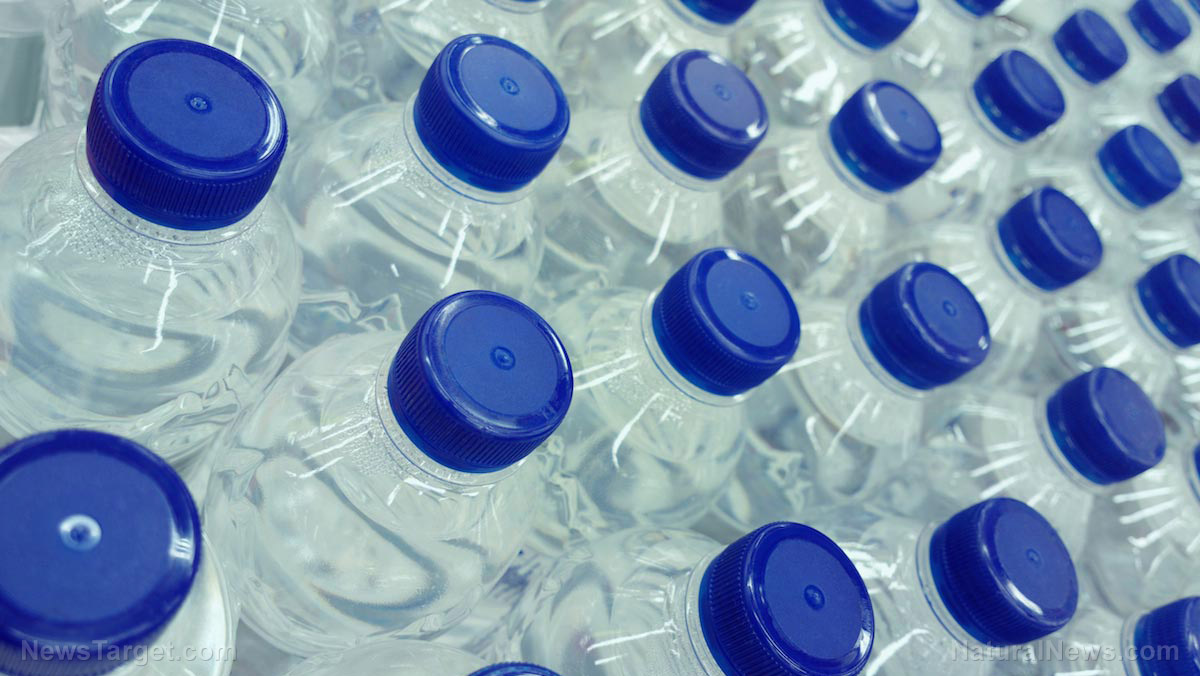
Even when things are quiet, you need to make sure that your survival stockpile has everything you may need if SHTF. Do you have a case (or several cases) of bottled water in your stockpile?If the answer is "yes," the next question you need to answer is: "What is the shelf life of bottled water?" (h/t to MDCreekmore.com)
Simply put, bottled water has an indefinite shelf life if stored properly. But you need to remember that plastic bottles can break down or leach chemicals like BPA.
BPA or bisphenol A is a chemical that is added to many commercial products like food containers and hygiene products. First discovered in the 1890s, chemists realized that BPA could be mixed with other compounds to produce strong and resilient plastics.
In modern times, BPA is used to make plastic products like baby bottles, food containers, and other items. The chemical is also used to make epoxy resins that are spread on the inner lining of canned food containers to keep the metal from corroding and breaking.
Tips for storing bottled water
The shelf life of bottled water mostly depends on storage conditions. Knowing these specific conditions will help to significantly extend the shelf life of bottled water.
- Store bottled water in a cool, dark place away from products with strong odors like cleaning supplies.
- Avoid prolonged exposure to sunlight.
- If you need to store bottled water outside, cover it properly to protect it from the elements and extreme temperatures. Water stored outside must be consumed as soon as possible.

- Never store bottled water near a heat source or directly on the floor or on the ground.
- Minimize the possible growth of bacteria and algae by storing bottled water in a dark room.
Ideally, you should store bottled water in your basement on wooden pallets. Cover the bottles with a tarp to keep out any light. (Related: The prepper’s secret: Sneaky places to hide your survival water stockpile.)
To ensure that you don't crush or damage the cases of water on the bottom, stack the bottles no more than six cases high. If you have a lot of cases, build or buy shelving to maximize storage space.
Use a permanent marker to label bottled water with the storage date. Label each case legibly, then rotate your water supply.
BPA and bottle water
You should keep bottled water away from direct sunlight since some water bottles are made from polyethylene terephthalate and can release the chemicals antimony and BPA. Exposing water to heat can increase the BPA levels above what is considered safe for human consumption.
Data suggests that BPA can seep into food or beverages from containers that are made with BPA. This is a serious health concern because BPA is found to affect the brain, behavior, and prostate gland of fetuses, infants, and children. Scientific findings also imply that there is a connection between BPA and increased blood pressure.
According to the Food and Drug Administration (FDA), "BPA is safe at the very low levels that occur in some foods."
To maintain your overall health even in a post-SHTF world, avoid drinking or eating from plastic as much as possible. Store only a couple of cases of bottled water at a time, then label them properly and use them as soon as possible on a first-in-first-out rotation.
When cooking or preparing food at home, use glass, porcelain, or stainless steel containers for hot foods and liquids instead of plastic containers.
Other information about bottled water safety
Once opened, bottled water will last indefinitely if you keep it clean and stored under the proper conditions as detailed above. But in time, it may lose its peak quality and taste.
You can still drink old bottled water, as long as it doesn't have a strange appearance, odor, or flavor. When in doubt, purify bottled water before drinking.
Before SHTF, stock up on enough water and follow the safety tips enumerated above.
Sources include:
MDCreekmore.com
Healthline.com
Survival basics: What is the shelf life of bottled water? – NaturalNews.comIf you're gonna fight, fight like you're the third monkey on the ramp to Noah's Ark... and brother its starting to rain. Join our efforts to Secure America's Borders and End Illegal Immigration by Joining ALIPAC's E-Mail Alerts network (CLICK HERE)
-
05-09-2026, 01:40 AM #11522Senior Member
- Join Date
- Aug 2018
- Posts
- 98,229
Crucial first aid skills you need to learn before going off grid
02/16/2019 // Zoey Sky // 8.6K Views
Tags: CPR, emergency medicine, first aid, Heimlich maneuver, how-to, off grid, outdoors, preparedness, prepping, SHTF, splints, survival, survival gear, survivalist, tourniquet, wilderness
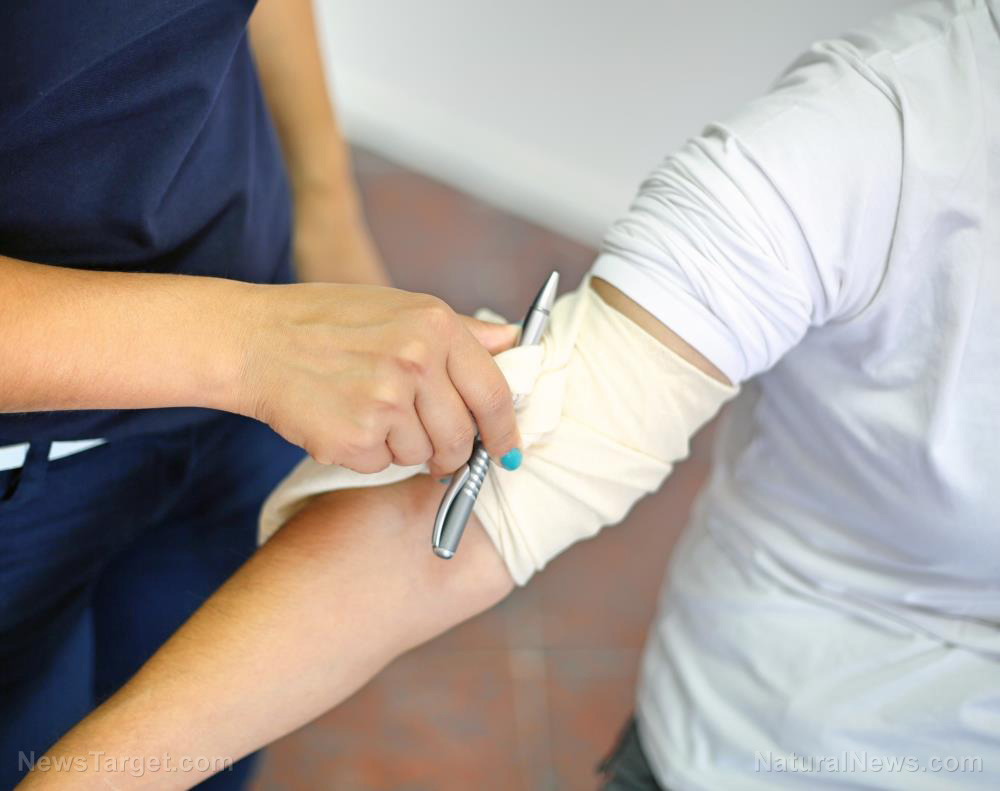
A prepper who lives off grid knows how important first aid skills are, especially if someone gets injured in a remote area and you don't have access to emergency medical services. (h/t to HomesteadSurvivalSite.com)Listed below are crucial skills that you need to learn so you can address common medical emergencies.
Applying a tourniquet
Use a belt, sheet, shirt, or towel as a makeshift tourniquet. Use a rigid stick that won't break or loosen to tighten the tourniquet.
Below are the basic steps for applying a tourniquet.
- Place the tourniquet two inches above the part of the wound part closer to the heart. If there's a joint in the way, place the tourniquet at least two inches above the joint.
- Wrap the tourniquet firmly. Make sure you can't feel the patient's pulse downstream of it.
- Bandage the wound.
- Wait 15 minutes, then slowly release the tourniquet. Repeat the process if the wound bleeds again.
- Continue applying the tourniquet for at least two hours or until you get medical help. (Related: A prepper’s guide to applying and storing a tourniquet.)
Performing CPR
During a breathing or cardiac emergency, knowing how to perform cardiopulmonary resuscitation (CPR) can save a person's life. CPR involves manual chest compressions that are usually combined with artificial ventilation.
The goal of CPR is to preserve brain function and restore blood circulation and breathing when someone is in cardiac arrest. Take note that the procedure slightly differs for adults and children. You can sign up for CPR training or refresher courses at the nearest Red Cross center.
Performing the Heimlich maneuver
When someone is choking, the Heimlich maneuver can help save their life. This simple technique uses abdominal thrusts to dislodge an object blocking a person's airway.
Below are the basic steps, but keep in mind that the procedure differs slightly for children and pregnant women.
- Help the person stand.
- Get in position behind the person and make them lean forward.
- Strike their back with the heel of your hand five times.
- Wrap your arms around their waist, then make a fist.
- Place your fist just above their navel, with the thumb side in.
- Cover the fist with your other hand, then push inward and upward simultaneously.
- Repeat until the object is dislodged and the person can breathe freely.
Preventing and treating shock
Follow these steps to treat someone in shock.
- If they don't have a head, neck, or back injury, make the person lie down. Don't raise their head.
- Elevate their feet at least 12 inches.
- Turn them on their side if they are bleeding from the mouth or vomiting.
- If the person stops breathing, begin CPR.
- Treat any obvious injuries.
- Loosen or carefully remove restrictive clothing.
- Keep the patient warm.
- Do not let the person eat or drink until they are properly treated.
- Help the person stay calm by talking reassuringly.
Splinting broken bones
Use common items like cardboard or newspapers. Tie them in place with cordage like a bandanna or some rope. Make sure the splint immobilizes both the bone above and below the joint. Use a splint and a sling to fully immobilize an arm fracture.
While waiting for medical help, check the pulse below the splint every hour. If you are unable to detect a pulse or if the patient experiences numbness, re-wrap the area more loosely.
Treating a burn
- Use a moist piece of clean cloth to cool the burn.
- Do not break blisters because they help protect against infection. If a blister breaks on its own, clean the area with water and apply an antibiotic ointment evenly.
- Once the burn has cooled, apply aloe vera or another natural moisturizer to ease discomfort.
- Loosely cover the burn with a sterile gauze bandage.
- Keep the person hydrated.
Preparing and maintaining a first aid kit
Keep a fully-stocked first aid kit so you don't waste time rummaging in it when someone is injured when SHTF. Aside from the standard supplies that you need in a kit, such as bandages and gauze, add items that will meet the specific needs of your family members, such as diabetes medication.
Other items you may need include alternative medicines like essential oils, medicinal herbs, or plants that can treat minor to moderate emergencies.
Take a basic first aid course or a refresher course to learn other skills that can help prepare you for common medical emergencies during a disaster scenario.
When you're in a survival situation, you can't sit and wait while help arrives. Knowing first aid can spell the difference between life and death.
Sources include:
HomesteadSurvivalSite.com
SurvivalLife.com
Crucial first aid skills you need to learn before going off grid – NaturalNews.comIf you're gonna fight, fight like you're the third monkey on the ramp to Noah's Ark... and brother its starting to rain. Join our efforts to Secure America's Borders and End Illegal Immigration by Joining ALIPAC's E-Mail Alerts network (CLICK HERE)
-
05-09-2026, 01:42 AM #11523Senior Member
- Join Date
- Aug 2018
- Posts
- 98,229
Why your bug-out bag needs to contain these antibacterial essential oils
03/03/2019 // Jose Lopez // 10.4K Views
Tags: alternative medicine, antibacterial, Antifungal, Antimicrobial, Bergamot, chamomile, cinnamon, emergency medicine, essential oils, eucalyptus, first aid, grapefruit, Lavender, lemongrass, mrsa, natural cures, natural medicine, oregano, remedies, skin care, survival gear, survival medicine, Tea Tree, thyme, Wound Healing
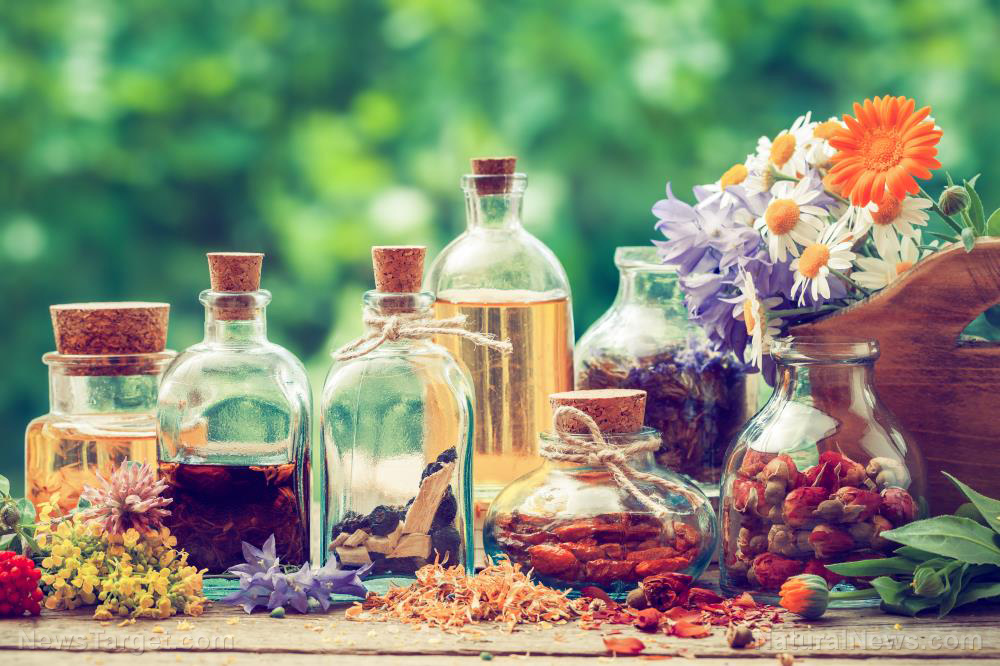
Bugging out means you can't carry your whole medicine cabinet with you. You may not be able to reach a doctor who can write prescriptions for you, either. But you may already have essential oils with you that can help address infections. These are the oils you need to put in your bug-out bag. (h/t to JustPlainMarie.ca.)Aside from being used for perfume, aromatherapy and relaxation, essential oils have health benefits as well: relief from nausea, heartburn, headaches and sleep disturbances, to name a few. They act potently against bacteria, microbes and fungi. So potent are they that you must take steps to dilute essential oils, by using carrier oils like coconut or almond oil; otherwise, you might get a severe reaction or even be poisoned by them.
10 Antibacterial essential oils you need in your bug-out bag
- Tea tree oil -- Tea tree oil has been known for centuries for its healing properties. It has been used to treat fungal, viral and bacterial infections. It is used to treat ringworm, acne, minor burns and athlete's foot. Though it doesn't act as fast as over-the-counter or prescription medicines, it is less irritating than some of them.
- Cinnamon oil -- Studies show that cinnamon oil is useful in preventing the growth of bacteria between seven and 14 days after a surgical procedure. Some consider this oil as being the strongest among the antibacterial essential oils thanks to its ability to do better with the likes of E. coli, Staphylococcus (staph), Klebsiella pneumoniae, and Pseudomonas aeruginosa.
- Chamomile oil -- Roman chamomile oil can be useful in managing eczema, diaper rashes, and ear infections. German chamomile is a fantastic antiseptic and works wonders in cleaning wounds.
- Grapefruit oil -- Grapefruit oil is an antimicrobial oil that is beneficial in reducing the risk for infections to cuts and wounds. According to the International Journal of Food Science and Technology, grapefruit essential oil is effective against some bacterial strains including S. aureus, E. coli, Salmonella, and Serratia marcescens.
- Lavender oil -- Lavender has long had a reputation for being a soothing, relaxing essential oil that promotes tranquility. However, lavender possesses other properties that allow it to also function as a robust, antibacterial agent. Lavender improves your immunity and can help keep skin bacteria at bay that contributes to acne.
- Eucalyptus oil -- Eucalyptus oil can be your best friend during upper respiratory tract infections or even bronchitis episodes. This oil stimulates the immune system which in turn can help you manage or stave off the occurrence of viruses and bacterial infections.
- Oregano oil -- Oregano oil is effective against salmonella, E. coli and staph. Oregano oil can be as effective as penicillin in treating staph infections.
- Lemongrass oil -- Lemongrass is an excellent antiseptic for treating wounds and decreasing the risk of a blood-borne infection. This essential oil blocks the growth of bacteria. It is a natural antiseptic and studies show that lemongrass can be potent against the likes of MRSA, a staph infection of the skin that proves to be difficult to treat.
- Thyme oil -- Thyme oil may be useful against salmonella and other bacteria found in milk. It is also helpful against MRSA without the side effects that can accompany antibiotic treatment of this antibiotic-resistant skin infection.
- Bergamot oil -- Bergamot has great antibacterial characteristics.
It is useful in fighting various types of infections including urinary tract infections, ear infections, and sepsis that may occur with cuts or scrapes. (Related: Why essential oils need to be in your survival kit.)
With drug-resistant bacterial organisms on the rise, this information may prove to be especially beneficial to you if you are particularly prone to infections. Read NaturalAntibiotics.news for more articles that can help save you from infections.
Sources include:
JustPlainMarie.ca
SCIRP.org
Why your bug-out bag needs to contain these antibacterial essential oils – NaturalNews.comIf you're gonna fight, fight like you're the third monkey on the ramp to Noah's Ark... and brother its starting to rain. Join our efforts to Secure America's Borders and End Illegal Immigration by Joining ALIPAC's E-Mail Alerts network (CLICK HERE)
-
05-09-2026, 01:50 AM #11524Senior Member
- Join Date
- Aug 2018
- Posts
- 98,229
Why essential oils need to be in your survival kit
12/26/2018 // Mary Miller // 16K Views
Tags: alternative medicine, alternative remedies, antibacterial, aromatherapy, disease prevention, emergency medicine, essential oils, first aid, Gear, goodhealth, herbal medicine, Herbs, immune response, immune system, natural cures, natural medicine, natural remedies, remedies, SHTF, survival gear, survival medicine
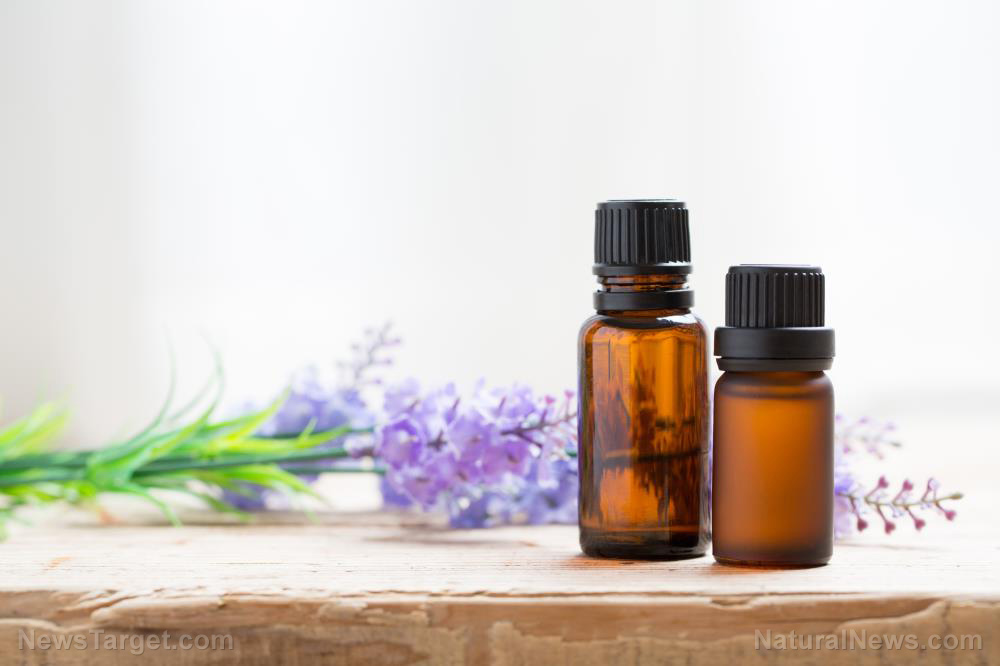
Essential oils are concentrated plant extracts which are used for various purposes. You might not think of them as necessary additions to your survival kit, but they can come in handy if ever SHTF. Here are a few good reasons why you should pack essential oils in your survival kit. (h/t to BackdoorSurvival.com)Disinfects and treats wounds
Certain essential oils can be used to clean minor injuries and accelerate their healing process. According to research, lavender essential oil can promote the formation of new cell tissue, speeding up the wound recovery. You can also use tea tree oil to make your own antibiotic ointment for the treatment of minor cuts, due to its antibacterial, antiviral and antifungal properties. (Related: How to use essential oils to increase your odds of survival in almost any situation.)
Relieves headaches
Lavender and peppermint essential oils are useful for alleviating headaches and migraines that are caused by stress and other environmental factors. If you have a severe migraine, you can reduce its severity by inhaling the aroma of diffused lavender oil for 15 minutes. Rosemary oil can help relieve headaches and mental fatigue.
Fights bacterial infections
Oregano oil is a highly potent essential oil for fighting yeast and bacterial infections. It can also be used to treat inflammation and gastrointestinal problems. Due to the strength of oregano oil, it should first be diluted in a carrier oil before being used.
Alleviates sunburns
Soothe your inflamed sunburns with anti-inflammatory essential oils, such as peppermint and eucalyptus oils. The cooling and refreshing sensation these oils provide can bring immediate relief to the affected skin. Other useful essential oils for treating sunburns include lavender, tea tree, chamomile, and geranium oils.
Relieves toothaches
Clove oil can alleviate pain due to toothaches and other dental issues, by numbing the nerves around the affected area in your mouth. However, it must be used sparingly due to its highly concentrated potency.
Soothes nausea
Peppermint oil is a truly versatile essential oil, as it can also be utilized for the treatment of nausea. The health benefits it provides are seemingly endless as it can also be used to promote proper digestion.
Repels insects
Protect yourself from bugs and pests with the help of essential oils. Diluted citronella oil can effectively repel mosquitoes if you apply it on your skin once every 30 to 60 minutes. If you want to keep insects from a certain area, you can spray that area with a mixture of water and either peppermint oil or tea tree oil. Other useful natural repellents include lemongrass, lavender, and cinnamon oils.
Promotes restful sleep
Some calming essential oils may also have sleep-inducing properties to help you manage your insomnia or other sleep-related issues. Lavender oil is one of these natural sleep aids.
Enhances mood
Stay calm and collected even in the most stressful situations with the help of essential oils. You can use them every day to remain confident and to reduce restlessness and anxiety. Lemon oil is particularly useful for promoting focus and relieving feelings of anxiety. You can induce positive feelings by inhaling diffused bergamot essential oil for 15 minutes. Research suggests that a three percent concentration of lavender oil is sufficient for reducing work-related stress. Other popular essential oils that can help reduce levels of stress and anxiety include lemongrass, ylang-ylang, orange, and frankincense.
Disinfects utensils
Some essential oils possess antibacterial, antifungal, and antiviral properties. In a pinch, you can use them for cleaning purposes. Some examples of antiseptic essential oils include tea tree, oregano, thyme, and lemon oils.
If you want to learn about the survival uses of essential oils, you can read more articles by going to EssentialOils.news.
Sources include:
BackdoorSurvival.com
SurvivalSullivan.com
Why essential oils need to be in your survival kit – NaturalNews.com
If you're gonna fight, fight like you're the third monkey on the ramp to Noah's Ark... and brother its starting to rain. Join our efforts to Secure America's Borders and End Illegal Immigration by Joining ALIPAC's E-Mail Alerts network (CLICK HERE)
-
05-09-2026, 01:52 AM #11525Senior Member
- Join Date
- Aug 2018
- Posts
- 98,229
Sunflowers are far more than ornamental plants – they’re also valuable for prepping
12/15/2018 // Zoey Sky // 10.2K Views
Tags: botanicals, Collapse, disaster, emergency preparedness, goodfood, herbal medicine, herbal remedies, Herbs, home remedies, Homestead, homesteading, off grid, preparedness, preparedness and survival, prepper, prepping, prepping tips, self sufficiency, self-reliance, self-sustainability, SHTF, Sunflower oil, sunflower seeds, sunflowers, survival, survival gear, survival supplies, Survival Tips, survivalist, wilderness survival
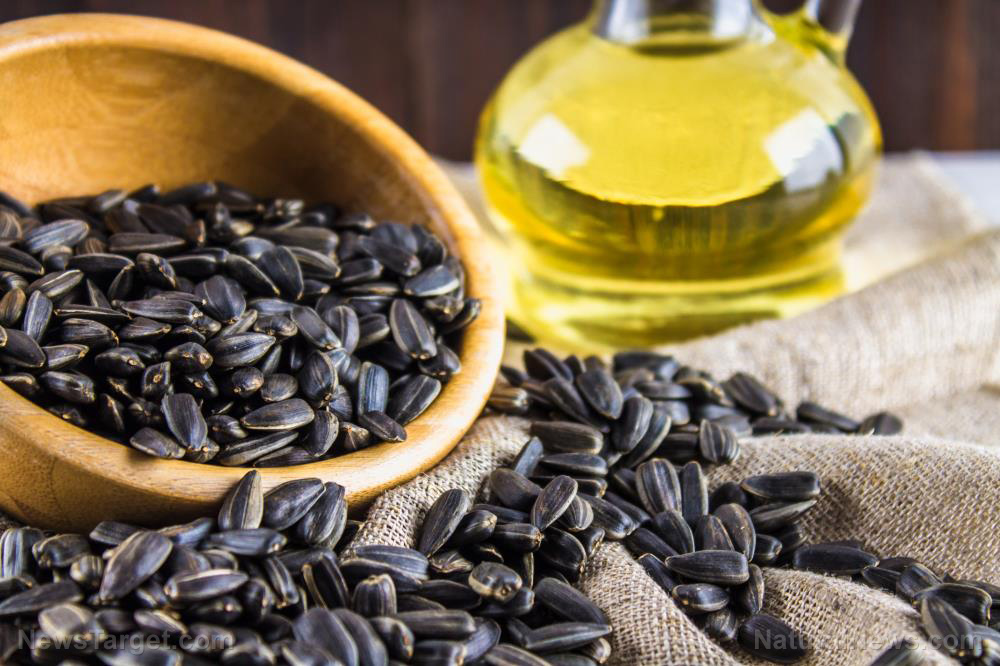
Sunflowers are bright and cheery ornamental plants that can make any room feel homey. But did you know that when it comes to prepping, sunflowers also have various survival uses? (h/t to Survivopedia.com.)When SHTF, sunflowers are a renewable source of materials that can be used as food and different herbal cures.
How to make sunflower oil
If you have sunflowers in your yard or garden, you can make cooking oil, a crucial supply to have when SHTF. You can use other resources like corn to make oil, but sunflower oil is better for your overall health.
Depending on the seed type, you need about three to six good-sized heads of sunflower seeds to make a cup of oil. Compared to conventional sunflower seeds, black oil sunflower seeds will give you almost twice as much oil. (Related: Survival gardening: Why you should grow these 7 edible perennials.)
Below is a basic recipe for sunflower oil.
Ingredients:
- Sunflower seeds (from three to six sunflower heads)
- Cold water
Tools:
- Bowl
- Oil press
- Oven (optional)
- Plastic bag or cloth
- Rolling pin
- Strainer
Steps:
- Remove the hulls from the sunflower seeds. You can do this quickly using a low-tech method. First, take half a cup of sunflower seeds then spread them out in a single layer on a flat surface. If you have limited room, put the seeds in a plastic bag or cover them with the cloth.
- Run a rolling pin over the seeds until the hulls crack.
- Put the seeds into the bowl of cold water. The hulls are less dense than water so they will float, while the kernels will drop to the bottom.
- Gather the hulls from the bowl, then drain the water. Keep the hulls. You can grind them up and use them for other purposes.
- Take the sunflower kernels and grind them up to make a fine paste. Don't add water.
- As the seeds are mashed, they'll start releasing liquid. During this stage, you need to run the mash through an oil press to get the best tasting "cold-pressed oil."
If you want to get more oil from the seeds, roast the seeds for 20 minutes in the oven at 300 degrees Fahrenheit. Stir the seeds every five minutes. Heating will release more oil from the sunflower seeds than running them cold through a press, but the oil won't taste as good.
Sunflower oil from roasted seeds won't be suitable for cooking, but you can still use the oil as a food additive and for other purposes. Experiment with lower temperatures to see if they work better with different seed strains.
Take note that growing conditions will affect oil production. If the growing season or conditions are very dry, or nutrients are limited, the sunflowers you cultivate will have seeds that produce less oil.
Once the seeds are heated up, run them through a strainer to obtain the oil. Alternatively, you can run the seeds through an oil press.
If you prefer using a strainer, some oil may remain in the mash. Store the mash in the freezer, then thaw it out and press the oil from it as needed. You can keep sunflower oil in the refrigerator for around a month.
As for your oil press, a cheaper hand-crank press can produce at least one and a half cups of oil after 20 minutes of fast cranking. This is the best option that doesn't require electricity. For those who want to make more oil faster, invest in a motorized oil press.
Sunflowers as herbal remedies
Sunflowers have vitamin A and E. They also contain protein and selenium. Vitamin E and selenium function as antioxidants that protect the body’s cells against free radical damage, which are linked to various chronic diseases. Sunflower seeds are full of beneficial plant compounds, like flavonoids and phenolic acids, that also act as antioxidants.
The different parts of a sunflower plant can be used to make various herbal remedies.
- Leaves – Tea made from sunflower leaves is used to treat fevers and lung ailments. The tea can also help treat malaria when SHTF and the pharmacies are closed. Sunflower tea made from leaves is also a diuretic and expectorant. Additionally, the leaves can be used to make poultices for treating insect and snake bites. The poultices can hasten healing since they contain astringent chemicals.
- Petals – Tea made from sunflower petals can ease sore throats and inflammation. Dried and fresh leaves will have different potencies, so read up the appropriate tea recipes
- Roots – Sunflower roots can be used to make a wash or soaking rinse for arthritis and aching joints.
- Seeds – Boiled sunflower seeds can be combined with alcohol and water to make a tonic for colds, coughs, and lung irritation. The seeds can also be used to make a tea that can help relieve breathing-related and lung ailments. Sunflower oil made from seeds also works as a carrier for other essential oils. You can use the final product as bath and massage oils.
Sunflowers are versatile plants that produce edible parts. Adding this useful flowering plant to your garden can help complement your survival stockpile.
Visit Preparedness.newsto learn more about the various prepping uses of sunflowers and other useful plants that can help you survive when SHTF.
Sources include:
Survivopedia.com
Healthline.com
Sunflowers are far more than ornamental plants – they’re also valuable for prepping – NaturalNews.comIf you're gonna fight, fight like you're the third monkey on the ramp to Noah's Ark... and brother its starting to rain. Join our efforts to Secure America's Borders and End Illegal Immigration by Joining ALIPAC's E-Mail Alerts network (CLICK HERE)
-
05-09-2026, 04:21 AM #11526Senior Member
- Join Date
- Aug 2018
- Posts
- 98,229
Flour gold Wizards
@FlourgoldWizards
•90.9K subscribers •465 videos
 19:55
19:55
Lake Superior is packed with GOLD!
43K
9mo ago
 10:31
10:31
The mail lady doesn’t disappoint…😎
4.1K
3d ago
 12:04
12:04
Gold in the Arctic Circle?
10K
13d ago
 23:17
23:17
Beach gold HOTSPOT
29K
4mo ago
 23:08
23:08
I found amazing GOLD !
15K
1mo ago
 21:58
21:58
An EZ-Sluice ? Will it catch gold ?
17K
1mo ago
 28:15
28:15
Was it worth it ?????
64K
5mo ago
 18:03
18:03
There’s wire GOLD in clay !
11K
3w ago
 13:02
13:02
FGPA rewards for March 2026
4.8K
1mo ago
 19:43
19:43
A MASSIVE GOLD tribute to Rigby 🐺
20K
3mo ago
 21:20
21:20
Wire Gold in Wisconsin ?????
14K
1mo ago
 23:15
23:15
High water GOLD secrets!
11K
2w ago
 1:23:38
Making Paydirt !
3.4K
Streamed 2mo ago
 22:16
22:16
Lake Superior beach gold record !!!
54K
9mo ago
 25:55
25:55
4 inches of GOLD - must see !!!!
68K
11mo ago
 15:58
15:58
Payday on Lake Superior !! Beach mining !
55K
7mo ago
 27:45
27:45
Does dry panning REALLY work ?
11K
2mo ago
 21:42
21:42
Lake Superior is loaded with GOLD !!
140K
11mo ago
 31:34
31:34
Must see ✅ 2 Sluices FULL of GOLD !!!!
255K
1y ago
 21:26
21:26
Classifier SLUICE !
16K
4mo ago
 26:07
26:07
Beach mining $240 a cubic yard !!!!
449K
3y ago

My new sluice works AWESOME !!!
22K
11mo ago
 23:31
23:31
Finally got to gold pan an awesome spot !!
17K
5mo ago
 14:10
14:10
Mysterious gold traps!
15K
5mo ago
10:31
The mail lady doesn’t disappoint…😎
4.1K
3d ago
 4:44
4:44
May FGPA rewards sneak peek!
1.1K
5d ago
12:04
Gold in the Arctic Circle?
10K
13d ago
 13:40
13:40
We love the mail 😎
2.9K
2w ago
23:15
High water GOLD secrets!
11K
2w ago
 14:10
14:10
Rewards show April 2026 🍻GOLD !!!
1.6K
3w ago
18:03
There’s wire GOLD in clay !
11K
3w ago
Wire Gold in Wisconsin ?????
14K
1mo ago
 5:57
5:57
FGPA rewards sneak peek !! April 2026
1.2K
1mo ago
21:58
An EZ-Sluice ? Will it catch gold ?
17K
1mo ago
 7:54
7:54
Mailbox MADNESS !!
3.4K
1mo ago
23:08
I found amazing GOLD !
15K
1mo ago
If you're gonna fight, fight like you're the third monkey on the ramp to Noah's Ark... and brother its starting to rain. Join our efforts to Secure America's Borders and End Illegal Immigration by Joining ALIPAC's E-Mail Alerts network (CLICK HERE)
-
05-09-2026, 04:23 AM #11527Senior Member
- Join Date
- Aug 2018
- Posts
- 98,229
THERMAL DRONES AND CAMERAS (INFRARED)
(18094) Thermal - YouTube
Thermal
1.5K views
Feb 3, 2021
DSLRPros.com
33.4K subscribers
THERMAL DRONES AND CAMERAS (INFRARED)
If you're gonna fight, fight like you're the third monkey on the ramp to Noah's Ark... and brother its starting to rain. Join our efforts to Secure America's Borders and End Illegal Immigration by Joining ALIPAC's E-Mail Alerts network (CLICK HERE)
-
05-09-2026, 05:09 AM #11528Senior Member
- Join Date
- Aug 2018
- Posts
- 98,229
DO THEY ACTUALLY WORK?! | DIY Snow Tracks P3
DO THEY ACTUALLY WORK?! | DIY Snow Tracks P3
Ambition Strikes
1.1M subscribers
14K
238K views
4 years ago
If you're gonna fight, fight like you're the third monkey on the ramp to Noah's Ark... and brother its starting to rain. Join our efforts to Secure America's Borders and End Illegal Immigration by Joining ALIPAC's E-Mail Alerts network (CLICK HERE)
-
05-09-2026, 05:15 AM #11529Senior Member
- Join Date
- Aug 2018
- Posts
- 98,229
Building DIY Snow Tracks! | Part 1
Building DIY Snow Tracks! | Part 1
1.1M subscribers
11K
156K views
4 years ago
If you're gonna fight, fight like you're the third monkey on the ramp to Noah's Ark... and brother its starting to rain. Join our efforts to Secure America's Borders and End Illegal Immigration by Joining ALIPAC's E-Mail Alerts network (CLICK HERE)
-
05-09-2026, 05:36 AM #11530Senior Member
- Join Date
- Aug 2018
- Posts
- 98,229
Essential gear you need for shelter, fire, water, and survival
06/08/2018 // Zoey Sky // 11.6K Views
Tags: bug out, bug out bag, building a fire, Collapse, disaster, fire, multipurpose survival tools, off grid, potable water, preparedness, prepper, prepping, shelter, SHTF, survival, survival gear, survival skills, survival tools, survivalist, water
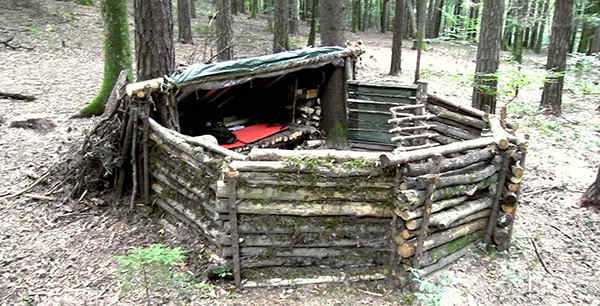
When SHTF, everyone needs access to three things: Shelter, fire, and water. Ideally, you should have your gear with you so you won't have too much trouble with these three things.Once you're sure the coast is clear and everyone your group is safe, you can start figuring out how to set up these three needs. (h/t to AmericanPreppersNetwork.com.)
How shelter, fire, and water can help you survive in the woods
Unlike popular belief, hypothermia claims more lives out in the woods than both bears and wolves combined. A shelter can keep you warm, and it will give you a place to sleep and rest so you can get your strength back.
Your gear should always include materials for building a shelter, but you should also know how to build a makeshift shelter using natural materials, just in case. Practice your knot tying so your shelter is secure from the elements.
When packing your gear, include cordage, a lightweight sleeping bag, and some stakes to you can set up your own shelter. You can also consider using the following as emergency shelter:
- Cardboard (if abundant)
- Caves
- Lean-to shelter
- Poncho
- Sturdy rock formations
- Tarps
- Tents
Fire is another thing that's crucial to your survival. When SHTF, fire can cook your food, keep you warm, and protect you from wild animals. You can even use it to signal for help and make water safe to drink.
A lighter is the quickest way to start a fire, but knowing how to start one using other ways can improve your chances of survival. Here are other methods to start a fire that you can start practicing:
- Ferro rod
- Flint and steel
- Magnifying glass
- Nine-volt battery and steel wool
Take note that these four methods will only create a spark and an ember and that you need to know how to start a fire using wood and kindling.
To build a steady burning fire, getting the right kind of kindling and firewood is crucial. When you're gathering wood, remember that hardwood, such as oak, burns slow and steady. Meanwhile, high resin wood, such as pine, burns hot and fast. Try to start a fire with pine, then sustain it with oak or other hardwood. (Related: Tips for the beginning prepper.)
When SHTF, you also need to remember that you can't go longer than three days without drinking water. Even if you find a water source, it must be filtered and purified before you can drink it.
Thankfully, science and technology have advanced enough to give us access to portable water filters. Make sure you always have a water filter in your gear so you can stay hydrated out in the woods.
You can also read up on manual ways to filter water like through a biofilter and some purifying tablets. Knowing an alternate way of filtering water is beneficial, especially if you don't have a water filter with you or if you lose access to your gear.
Prepare your gear so you won't have to worry about shelter, fire, and water when SHTF. Once these three things are settled, you can look for food and signal for help. When it comes to food, learning how to forage can be a big help. If push comes to shove, you can survive at least a week without food.
By preparing your gear and brushing up on your bushcraft skills, you can significantly improve your chances of survival when SHTF.
You can read more articles about the kind of survival gear that you will need to procure shelter, fire, and water when SHTF at Gear.news.
Sources include:
AmericanPreppersNetwork.com
HiddenDominion.com
Essential gear you need for shelter, fire, water, and survival – NaturalNews.comIf you're gonna fight, fight like you're the third monkey on the ramp to Noah's Ark... and brother its starting to rain. Join our efforts to Secure America's Borders and End Illegal Immigration by Joining ALIPAC's E-Mail Alerts network (CLICK HERE)


 Reply With Quote


DHS: New York refused over 16,000 ICE detainers | Newsmax
10-13-2026, 06:45 AM in illegal immigration News Stories & Reports