

Results 1 to 10 of 625
 3Likes
Thread Information
Users Browsing this Thread
There are currently 1 users browsing this thread. (0 members and 1 guests)
 LinkBack URL
 About LinkBacks
Hybrid View


-
03-30-2025, 09:35 PM #1Senior Member


- Join Date
- Aug 2018
- Posts
- 97,158
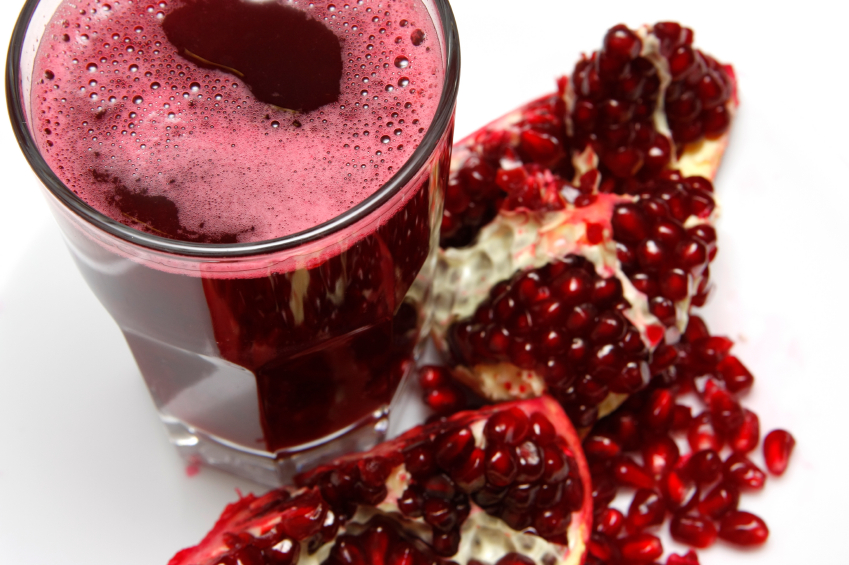
Revolutionize your diet with pomegranate: The miracle juice for gut health and metabolism
03/30/2025 // Willow Tohi // 1.2K Views
Tags: alternataive medicien, cancer, cancer solutions, diabetes prevention, digestion, goodhealth, grocery cures, gut health, metabolism, natural cures, natural medication, nutrients, plant medicine, prevention, probiotics, remedies
- The gut contains over 30 trillion bacteria, surpassing the number of stars in the sky, which play critical roles in metabolism, immunity, skin health and brain function.
- This "guardian" bacteria supports insulin control, reduces diabetes risk and is linked to lower obesity rates by improving metabolic health.
- Pomegranate juice (rich in ellagitannins) stimulates mucus production in the gut, creating an ideal environment for Akkermansia to thrive. Just 8 ounces daily can be effective.
- Pomegranate offers antioxidant effects, essential nutrients (vitamins E/K, magnesium), potential cancer prevention (prostate, breast, lung) and improved memory/cognitive function.
- Pure pomegranate juice is a simple way to boost Akkermansia and overall health, with options like diluted juice or extracts for convenience.
Your gut is a microbial galaxy of more than 30 trillion bacteria. Yes, you read that right: "That's more bacteria in your gut than stars in the night sky," world-renowned physician and researcher William Li, M.D., author of Eat To Beat Your Diet, recently shared on the MindBodyGreen podcast. These bacteria communicate with each other at all hours of the day to support different functions, like metabolism, immunity, skin health, brain health and so much more.
It can be overwhelming to reflect on the scope of your gut microbiome, but according to Li, "we're beginning this expedition into the great unknown to discover the important bacteria." One of those important discoveries happens to be a bacteria called Akkermansia muciniphila. "This one bacteria has been discovered to be a guardian of our health," Li adds.
Why pomegranate juice is great for gut and metabolic health
"Akkermansia is a guardian," says Li. "It helps insulin control—if you've got good Akkermansia working on your behalf, it actually lowers the risk of Type 2 diabetes. It also seems to influence body fitness." He references a study in which high amounts of Akkermansia are associated with a lower risk of obesity. "That association is really important because of the role of Akkermansia and controlling your insulin and metabolism," he adds.
Suffice it to say: This is one powerful gut bacteria. Yet despite the complex nature of your gut microbiome, it's not too difficult to promote Akkermansia naturally. According to Li, all it takes is some pomegranate juice: "It turns out that certain kinds of polyphenols, ellagitannins, will actually prompt your gut to secrete more mucus," he notes. And mucus serves as the "soil" this bacteria needs in order to thrive.
The science behind pomegranate and Akkermansia
Pomegranate and pomegranate juice contain these ellagitannins, which have been shown to stimulate the growth of Akkermansia in in vitro culture studies. Li recommends drinking an 8-ounce cup of pure pomegranate juice to get things grooving: "Two shot glasses worth is enough to get the mucus flowing in your gut," he notes. Although, pure pomegranate juice can be pretty tart, which is why many commercial options often contain added sugar—and consuming refined sugar has its own gut health-related issues.
You could also, of course, munch on whole pomegranate seeds. But you'd have to eat a whole bunch of them to get a meaningful amount of the juice. As for pomegranate powders and extracts? "That will probably work as well," Li says. "The research hasn't been done to compare those things head to head, but I think you can have juice [or supplements]." It's the ellagitannins in pomegranate that have the beneficial effect, which are present in pomegranate extracts.
The broader health benefits of pomegranate
Pomegranate isn't just a boon for gut health; it offers a plethora of other health benefits:
- Antioxidant effects: Pomegranate is rich in polyphenols, which are powerful antioxidants. These antioxidants help reduce levels of reactive oxygen species (ROS), a type of free radical, in the body. High levels of ROS can lead to oxidative stress, resulting in cell damage and inflammation. Antioxidants help remove ROS and protect the body from damage.
- Nutrient boost: Pomegranate contains many nutrients and is a good source of vitamin E, vitamin K and magnesium. Vitamin E is an antioxidant, vitamin K is essential for blood clotting and magnesium helps manage blood pressure and glucose levels.
- Cancer prevention: The National Institutes of Health (NIH) list pomegranate as one of the natural remedies that may help treat or prevent prostate cancer. An older, 2014 research article notes that the polyphenols in pomegranate may aid in preventing the growth of cancer cells related to prostate cancer. In mouse studies, researchers linked pomegranate fruit extract with a reduction in prostate-specific antigen levels and the inhibition of tumor growth. Ingredients in pomegranate may also help prevent breast, lung and skin cancer.
- Memory and cognitive function: Drinking pomegranate juice every day may improve learning and memory. In an older study, 32 people consumed either 8 ounces of pomegranate juice or another drink for 8 weeks. After 4 weeks, those who consumed pomegranate showed better scores on memory tests. fMRI scans also revealed increased brain activity during these tests.
The takeaway
Plenty of foods can feed the healthy microbes in your gut. But if you're looking to nourish Akkermansia muciniphila in particular, you might want to consider stocking up on pure pomegranate juice. Pour it over ice with a bit of sparkling water, and you've got yourself a refreshing, gut-healthy pomegranate spritz—or you can always opt for the supplement route if you'd like to maintain a daily dose of pomegranate.
In summary, the benefits of pomegranate extend far beyond gut health, making it a versatile and valuable addition to any health-conscious diet. Whether you're sipping on pure pomegranate juice or taking a pomegranate supplement, you're supporting your body's vital functions and promoting overall well-being.
Sources include:
MindBodyGreen.com
MedicalNewsToday.com
PubMed.gov
PubMed.gov
Revolutionize your diet with pomegranate: The miracle juice for gut health and metabolism – NaturalNews.com
If you're gonna fight, fight like you're the third monkey on the ramp to Noah's Ark... and brother its starting to rain. Join our efforts to Secure America's Borders and End Illegal Immigration by Joining ALIPAC's E-Mail Alerts network (CLICK HERE)
-
04-03-2025, 03:26 AM #2Senior Member
- Join Date
- Aug 2018
- Posts
- 97,158
5 powerful reasons black beans could be your body’s best friend
by: News Staff | April 3, 2025

 (NaturalHealth365) How many of you have walked right past those bags of black beans in the grocery store without a second thought? Or maybe you’ve got a dusty can sitting in your pantry right now, waiting for the next time you make tacos?
It turns out that these tiny legumes might be one of nature’s most overlooked health powerhouses – and scientists have just discovered something that could make them even more valuable than we thought.
Little black gems could help fight cancer (Yes, really!)
A recent study published in the journal Molecules has uncovered something that should make us all pay attention. Scientists identified a natural compound in black beans called α-1,6-glucan that inhibits cancer cell growth in laboratory settings.
Specifically, this remarkable compound halted the reproduction of cervical cancer cells by interrupting their normal cell cycle. The researchers found that the bean extract worked by regulating crucial cellular pathways (with technical names like PI3K-Akt and MAPK) that control how cells multiply.
While we’re not suggesting you ditch conventional cancer treatments for a bean burrito, this research adds to the growing evidence that what we eat truly matters for long-term health. And black beans just got a major upgrade in the credibility department.
Black beans: Antioxidant champions hidden in plain sight
When was the last time you thought of black beans as a super food? While trendy exotic foods get all the attention, science reveals that black beans deserve serious recognition. According to research in the Journal of Agricultural and Food Chemistry, black beans are antioxidant powerhouses.
In testing 12 common bean varieties, researchers made a remarkable discovery. Black beans didn’t just rank well; they topped the list for antioxidant activity. The science revealed a clear pattern: beans with darker seed coats contained substantially higher levels of protective compounds. This gives black beans a significant advantage in neutralizing the free radicals that damage our cells daily.
What makes these beans so special? Their dark coats contain concentrated anthocyanins – delphinidin, petunidin, and malvidin – the same compounds that give blueberries their health-boosting reputation. A typical 100-gram serving delivers about 214 milligrams of these protective anthocyanins.
This matters because these compounds shield your cells from damage linked to serious health concerns like cognitive decline, cancer development, and cardiovascular problems. Nature packages powerful medicine in these affordable little beans.
The essential mineral that powers your detox systems
Most nutrition conversations overlook molybdenum, yet without this mineral, your body’s natural detoxification systems would falter. First identified in the late 1700s, this trace element activates enzymes that protect you from harmful substances you encounter daily.
Black beans stand out as an excellent source of this essential mineral. Your body relies on molybdenum to transform dangerous compounds into harmless ones it can easily eliminate. Two critical enzymes depend on it: aldehyde oxidase neutralizes acetaldehyde (a cancer-promoting byproduct from alcohol and yeast metabolism), while sulfite oxidase converts potentially harmful food preservatives into harmless sulfates.
This becomes particularly important for people with sulfite sensitivities. For these individuals, exposure to sulfites in preserved foods and wines can trigger breathing difficulties ranging from mild wheezing to severe asthma attacks. Regularly consuming molybdenum-rich foods like black beans may help reduce these adverse reactions by supporting proper sulfite processing.
Black beans help balance blood sugar
The glycemic index measures how quickly foods raise blood sugar levels. With a low score of just 30, black beans offer remarkable metabolic benefits. Unlike refined carbohydrates that cause rapid spikes and crashes, black beans release glucose gradually into your bloodstream.
This steady energy release prevents the destructive cycle of insulin surges that drive hunger, mood swings, and fatigue. Over time, choosing low glycemic foods like black beans helps prevent insulin resistance and reduces your risk of developing diabetes and cardiovascular issues.
The weight management benefits are equally compelling. When blood sugar spikes, your body produces insulin to manage the surge, often converting excess carbohydrates to fat. By maintaining stable blood glucose levels, black beans help interrupt this fat-storage cycle, supporting healthy weight through improved metabolic function.
Beauty benefits that might surprise you
The protective compounds in black beans can help your skin, too. The anthocyanins in black beans help neutralize free radicals that break down collagen and elastin, proteins essential for firm, youthful skin.
When skin is exposed to excessive sunlight, it produces enzymes called metalloproteinases. While some help repair damage, others actually break down collagen structures, eventually leading to wrinkles and sagging skin.
Black beans provide both protective antioxidants and the building blocks your body needs for skin repair – protein, zinc, and copper. These nutrients work together to maintain skin structure and promote natural collagen production.
Simple ways to add more black beans to your diet
Ready to enjoy more black beans? Here are practical ways to include them in your meals:
- Toss them into salads for extra protein and texture
- Transform them into dips for vegetables
- Add them to soups or chili for heartiness
- Create bean patties for a meat-free burger alternative
- Include them in breakfast burritos with eggs and vegetables
- Try black bean brownies for a fiber-rich dessert
- Simmer them with rice for classic beans and rice
Important safety note: Always cook dried black beans thoroughly, as raw beans contain compounds that can be toxic. Just remember to soak black beans overnight, to improve digestibility. In addition, if you decide to use canned beans, always choose low-sodium varieties and rinse them well before using.
With their exceptional nutritional profile and newly discovered disease-fighting potential, black beans deserve regular appearances in your meals. Your body – from your cells to your skin – will benefit from their protective effects.
Sources for this article include:
NIH.gov
Healwithfood.org
Black Beans Fight Cancer, Help Body Detoxify | NaturalHealth365
If you're gonna fight, fight like you're the third monkey on the ramp to Noah's Ark... and brother its starting to rain. Join our efforts to Secure America's Borders and End Illegal Immigration by Joining ALIPAC's E-Mail Alerts network (CLICK HERE)
-
04-08-2025, 08:15 PM #3Senior Member
- Join Date
- Aug 2018
- Posts
- 97,158
A comprehensive guide to DANDELIONS, an ancient herbal medicine and superfood
04/08/2025 // Ava Grace // 90 Views
Tags: #nutrition, dandelions, food cures, food is medicine, food science, functional food, goodfood, goodhealth, goodmedicine, health science, herbal medicine, Herbs, ingredients, natural cures, natural health, natural medicine, nutrients, organics, phytonutrients, plant medicine, remedies, superfood

- Dandelions (Taraxacum officinale) have been used for thousands of years in traditional medicine by the ancient Chinese, Romans and Arabs. This remarkable plant spread globally, becoming a valued medicinal herb in Europe and North America by the 17th century.
- Dandelions are packed with essential nutrients and phytonutrients, including vitamins (A, C, K, B-complex), minerals (potassium, iron, calcium), antioxidants (lutein, zeaxanthin, beta-carotene) and bioactive compounds like flavonoids and terpenoids, which offer anti-inflammatory and anticancer properties.
- Dandelions can support liver detoxification, aid in digestion, act as natural diuretics, reduce inflammation, regulate blood sugar and boost immune function due to their high vitamin C content.
- Dandelions can be used in various dishes, such as salads, teas, wines, fritters and roasted root coffee. Their leaves, flowers and roots offer unique flavors, from slightly bitter greens to sweet, honey-like flowers and nutty, coffee-like roots.
- Often dismissed as weeds, dandelions symbolize resilience and adaptability. They are celebrated in folklore and modern health practices for their medicinal and culinary potential, encouraging a reevaluation of their role in health and wellness.
Dandelions, scientifically known as Taraxacum officinale, are ubiquitous flowering plants that belong to the daisy family. Often dismissed as mere weeds, dandelions have a rich history 0f use in traditional medicine and are gaining recognition in modern health practices.
Brief history
The history of dandelions can be traced back thousands of years, with evidence of their use in traditional medicine found in ancient Chinese, Roman and Arabic texts. The medicinal uses of dandelions were first documented in the 10th century, and by the 17th century, usage of the plant as a natural remedy had spread across Europe and North America via colonists who valued dandelions' medicinal properties.
Dandelions are native to Eurasia but are now cultivated in temperate regions worldwide, thriving in a variety of soils and climates. (Related: Not just a weed: 5 Ways to use dandelions in your kitchen.)
Dandelions are known by various names, including lion's tooth, blowball and pissabed, the latter stemming from the herb's diuretic effects. The name "dandelion" itself is derived from the French "dent de lion," meaning "lion's tooth," a reference to the jagged edges of dandelion leaves.
In medieval Europe, dandelions were considered a symbol of resilience and adaptability, often depicted in art and literature. In some cultures, blowing on a dandelion clock (the white, fluffy seed head) and making a wish before the seeds disperse is a cherished childhood tradition.
Dandelions are easily recognizable by their bright yellow flowers, which bloom from early spring to late fall. The flowers have a smooth, trumpet-like shape and are about 1-1.5 inches in diameter. The leaves are long and deeply lobed with a saw-toothed edge. Dandelion roots are long and thin, often reaching up to 12 inches into the soil.
Phytonutrients and health benefits
Dandelions are a treasure trove of essential nutrients and phytonutrients -- biologically active compounds with health-promoting properties. Some of the key compounds in dandelions include:
- Vitamins - Dandelions are high in vitamins A, C and K, as well as B-complex vitamins.
- Minerals - Dandelions are also rich in potassium, iron and calcium.
- Antioxidants - Dandelions contain lutein, zeaxanthin and beta-carotene, which help combat oxidative stress.
- Flavonoids - Flavonoids like quercetin and kaempferol have anti-inflammatory and anticancer properties.
- Terpenoids - Dandelions contain taraxasterol and taraxerol, which are responsible for some of the plant's medicinal effects.
Dandelions have been used to address a wide range of health conditions and symptoms. Some of their most notable benefits include:
- Liver detoxification - Dandelion root is known for its liver-protective properties, helping to stimulate bile production and detoxify the liver.
- Digestive support - The high fiber content and bitter compounds in dandelion leaves can aid digestion and alleviate constipation.
- Diuretic action - Dandelion leaves and root act as natural diuretics, helping to reduce fluid retention and lower blood pressure.
- Anti-inflammatory effects - The flavonoids and terpenoids in dandelions have anti-inflammatory properties, which can help manage conditions like arthritis.
- Blood sugar regulation - Preliminary studies suggest that dandelion root may help improve insulin sensitivity and lower blood sugar levels.
- Immune support - The high vitamin C content of dandelion greens supports immune function and helps combat oxidative stress.
Culinary uses and recipes
Dandelions are versatile and can be used in various culinary preparations. Here are some common ways to incorporate dandelions into your diet:
- Dandelion salad - Combine fresh dandelion greens with other leafy greens, a citrus vinaigrette and crunchy nuts for a nutrient-packed salad.
- Dandelion tea - Brew dandelion root or leaves to create a soothing, diuretic tea. This can be enjoyed hot or iced.
- Dandelion wine - Ferment dandelion flowers with sugar and water to create a sweet, floral wine.
- Dandelion flower fritters - Dip dandelion flowers in a batter and fry until crispy for a delightful spring treat.
- Dandelion root coffee - Roast and grind dandelion roots to create a caffeine-free coffee substitute with a rich, earthy flavor.
The taste of dandelions varies depending on the part of the plant and its maturity. Young dandelion greens have a slightly bitter, tangy flavor similar to arugula. They become more bitter as they mature. Dandelion flowers have a mild, sweet taste with a hint of honey. Dandelion roots, when roasted, have a nutty, coffee-like flavor.
Here are popular dandelion recipes that you can try:
- Dandelion greens pesto - Blend fresh dandelion greens with garlic, pine nuts, Parmesan cheese and olive oil for a vibrant, healthful pesto.
- Dandelion root soup - Simmer roasted dandelion roots with potatoes, onions and vegetable broth for a hearty and comforting soup.
- Dandelion flower jelly - Create a sweet, floral jelly by boiling dandelion flowers with sugar and lemon juice, perfect for spreading on toast or scones.
- Dandelion root roast - Roast dandelion roots with olive oil, salt and pepper for a side dish that pairs well with roasted meats.
- Dandelion leaf smoothie - Blend young dandelion leaves with bananas, Greek yogurt and a touch of honey for a nutrient-rich smoothie.
Dandelions, often overlooked as common weeds, are a powerful and versatile plant with a rich history of medicinal and culinary use. From liver detoxification to immune support, the health benefits of dandelions are numerous and well-documented. By incorporating dandelions into your diet through teas, salads and other recipes, you can harness the natural healing properties of this remarkable plant.
This story is not medical advice and is not intended to treat or cure any disease. Always consult with a qualified naturopathic physician for personalized advice about your specific health situation or concern.
For more fascinating insights into superfoods and their natural wonders, visit NaturalNews.com. It’s a treasure trove of articles that will deepen your understanding of the healing power of food.
If you’re into cutting-edge technology with a health twist, try Brighteon.ai. Created by Mike Adams, the Health Ranger, this AI model is a free download that you can run on your own device. It’s all about sharing knowledge freely and bypassing the filters of censorship.
And if you’re looking for a place to openly discuss everything from nutrition to natural remedies without any holds barred, Brighteon.com is your go-to spot. Don’t forget to check out their free speech social media platforms, Brighteon.IO and Brighteon.social, where the conversation is always lively and uncensored.
Watch this video about the health benefits of dandelions.
This video is from the What is Happening channel on Brighteon.com.
More related stories:
Not just a weed: 5 Ways to use dandelions in your kitchen.
Foraging tips: 17 Wild foods to forage for your winter stockpile.
Dr. McCullough warns: Getting jabbed multiple times with mRNA COVID “vaccines” could promote “turbo cancer”.
9 Ways to feed your chickens for FREE.
15 Perennial herbs to grow in your survival garden.
Sources include:
Brighteon.ai
NaturalNews.com
Brighteon.com
A comprehensive guide to DANDELIONS, an ancient herbal medicine and superfood – NaturalNews.com
If you're gonna fight, fight like you're the third monkey on the ramp to Noah's Ark... and brother its starting to rain. Join our efforts to Secure America's Borders and End Illegal Immigration by Joining ALIPAC's E-Mail Alerts network (CLICK HERE)
-
04-10-2025, 08:05 PM #4Senior Member
- Join Date
- Aug 2018
- Posts
- 97,158
The HEART-HEALING power of SEVEN Mediterranean plants
04/10/2025 // Lance D Johnson // 30 Views
Tags: allicin, anti-inflammatory, antioxidants, blood flow, blood pressure, capsaicin, cardiovascular protection, cayenne pepper, cholesterol reduction, food science, goodfood, goodhealth, goodmedicine, grapes, hawthorn, health science, heart health, Mediterranean diet, natural remedies, nutrient absorption, oleocanthal, olive oil, organics, phytochemicals, resveratrol, Rosemary, saffron, superfoods, vascular health, vasodilation

The Mediterranean diet possesses numerous plant-based foods that are rich in nutrients, flavonoids, and vasodilating phytochemicals that improve blood quality, blood flow, and organ health. This article explores SEVEN Mediterranean plants that are important for heart health.Key points:
• Garlic, hawthorn, saffron, olive, rosemary, grape, and cayenne pepper deliver multifaceted cardiovascular protection.
• These plants combat oxidative stress, reduce inflammation, improve lipid profiles, and relax blood vessels — often outperforming pharmaceuticals with fewer side effects.
• The Mediterranean diet’s "matrix effect" amplifies benefits when these foods are combined (e.g., olive oil + leafy greens + cayenne pepper).
• Science-backed daily intakes: 1–8 cloves of garlic, 2–3 tbsp olive oil, 2 cups grapes — but cayenne’s capsaicin steals the show for circulatory health.
Seven Mediterranean plants proven to protect against heart disease
Imagine a world where lowering blood pressure, unclogging arteries, and shielding your heart from disease could be as simple as savoring a sun-drenched Mediterranean meal. New research reveals this isn’t fantasy — it’s the proven power of the Mediterranean diet - specifically in seven plants.
Peer-reviewed studies affirm that garlic’s allicin, olive’s oleuropein, and cayenne’s capsaicin work synergistically to combat heart disease through mechanisms Big Pharma spends billions attempting to replicate. As cardiovascular deaths soar globally, these kitchen staples offer a lifeline rooted in ancestral wisdom — now validated by modern science.
1. Garlic: The vessel whisperer
Garlic’s sulfur compounds (diallyl trisulfide, allicin) convert to hydrogen sulfide in the body, relaxing blood vessels by 12–15% in hypertensive patients. A meta-analysis of 20 trials confirmed garlic lowers LDL cholesterol by 10–15% through inhibition of hepatic HMG-CoA reductase. Pro tip: Crush garlic and let it sit for 10 minutes to activate its enzymes.
2. Hawthorn: The heart’s rhythm keeper
Used in Traditional Chinese Medicine for centuries, hawthorn’s vitexin and oligomeric procyanidins selectively dilate coronary arteries. A Cochrane Review found it enhances cardiac output in heart failure patients while reducing fatigue.
3. Saffron: The golden shield
Crocin in saffron suppresses inflammatory cytokines (IL-6, TNF-?) and reduces arterial plaque in animal models. Just 200 mg/day improved endothelial function in diabetic patients.
4. Olive: The liquid gold
Extra virgin olive oil’s oleocanthal rivals ibuprofen’s anti-inflammatory effects. The PREDIMED trial linked 4+ tbsp/day to 30% lower CVD risk — attributed to polyphenol-induced nitric oxide boost.
5. Rosemary: The mitochondrial guardian
Carnosic acid activates Nrf2 pathway, up-regulating endogenous antioxidants. In a Phytotherapy Research study, 750 mg rosemary extract/day slashed oxidized LDL by 20% in 3 months.
6. Grape: The endothelial ally
Resveratrol from grape skins mimics caloric restriction, activating sirtuins and improving vascular elasticity.
7. Cayenne pepper: Blood flow enhancement
While not native to the Mediterranean, cayenne’s capsaicin earned its spot here with staggering heart benefits:
• A BMJ meta-analysis found 2–4 mg capsaicin/day (½–1 tsp cayenne) reduced cardiac mortality by 13%.
• Capsaicin activates TRPV1 receptors, triggering CGRP release — a potent vasodilator.
• Burns visceral fat: 12-week supplementation decreased triglycerides by 27% in obese subjects.
The synergy secret: why combinations matter
The Mediterranean diet’s magic lies in food synergy:
- Olive oil + leafy greens: Polyphenols increase nitrate-to-nitrite conversion, boosting nitric oxide by 50%.
- Garlic + fatty fish: S-allyl cysteine from garlic enhances omega-3’s anti-arrhythmic effects.
- Cayenne pepper: Capsaicin enhances the absorption of nutrients from the other foods.
Cayenne is a powerful medicine
One of cayenne’s key digestive benefits is its ability to stimulate the production of digestive enzymes and gastric juices. Capsaicin triggers the release of hydrochloric acid and enzymes in the stomach, helping break down proteins, fats, and carbohydrates more efficiently. This improved digestive process ensures optimal nutrient extraction before food moves into the intestines for absorption. Additionally, cayenne enhances intestinal permeability and blood flow by increasing mucous production in the gut lining, which protects against irritation while improving nutrient transport. The boost in circulation to the digestive tract also helps counteract malabsorption issues linked to low stomach acid or gut inflammation.
Cayenne also supports the bioavailability of fat-soluble nutrients. Its carotenoids (such as beta-carotene, a precursor to vitamin A) and fat-soluble vitamins are better absorbed when consumed with dietary fats. Capsaicin aids in fat emulsification, further improving the absorption of vitamins A, D, E, and K. Small amounts of cayenne may even promote a healthier gut microbiome by reducing harmful bacteria and encouraging beneficial ones, indirectly enhancing nutrient uptake.
Improved digestion from cayenne can also address malabsorption-related appetite issues. By correcting nutrient deficiencies — common in cases of poor digestion — it helps regulate appetite signals. Proper nutrient absorption ensures satiety hormones function as they should, reducing cravings and overeating caused by malabsorption.
Find out more about superfoods and their health benefits at Food.news.
Sources include:
StudyFinds.org
Pubmed.gov
CochraneLibrary.com
NEJM.org
Pubmed.gov
Nature.com
MediterraneanLiving.com
The HEART-HEALING power of SEVEN Mediterranean plants – NaturalNews.comIf you're gonna fight, fight like you're the third monkey on the ramp to Noah's Ark... and brother its starting to rain. Join our efforts to Secure America's Borders and End Illegal Immigration by Joining ALIPAC's E-Mail Alerts network (CLICK HERE)
-
04-14-2025, 08:46 PM #5Senior Member
- Join Date
- Aug 2018
- Posts
- 97,158
How Vitamins D and B12 could be the missing link in preventing dementia
04/14/2025 // Cassie B. // 450 Views
Tags: alternative medicine, brain function, Cures, dementia, dementia prevention, mental, mind body science, natural medicine, nutrients, prevention, remedies, vitamin B12, vitamin D, vitamin deficiency

- Vitamin D and B12 deficiencies are strongly linked to increased dementia risk, with severe vitamin D deficiency raising risk by nearly 50%.
- Conventional medicine still overlooks preventive nutritional strategies despite overwhelming research.
- Even "normal" B12 levels may not protect against cognitive decline, suggesting current thresholds are insufficient.
- Vitamin D supports brain function by regulating neurotransmitters and memory formation.
- Proactive supplementation of vitamins D (5,000 IU/day) and B12 could be crucial for cognitive health, especially in older adults.
As dementia cases rise globally, cutting-edge research suggests a startling truth: nutritional deficiencies—particularly in vitamins D and B12—could be accelerating cognitive decline. Despite mounting evidence, mainstream medicine has been slow to embrace natural, preventative strategies like targeted supplementation. Studies now show that vitamin D deficiency increases dementia risk by 32–40%, while even "normal" B12 levels may still leave the brain vulnerable. For those seeking to protect their cognitive health, the solution might be simpler—and more overlooked—than most realize.
The dementia crisis and the vitamin gap
Dementia affects 55 million people worldwide, with numbers projected to triple by 2050. Yet conventional approaches remain fixated on pharmaceutical interventions rather than prevention. Research from Oxford University, the University of California San Francisco (UCSF), and meta-analyses in BMC Neurology and Alzheimer’s & Dementia highlight a consistent theme: deficiencies in key vitamins are silently undermining brain health.
Vitamin D deficiency alone raises dementia risk by 32%, with severe deficiency (levels ?10 ng/mL) increasing it by nearly 50%. Meanwhile, UCSF scientists found that even "normal" B12 levels—as currently defined—may fail to protect against cognitive slowing and white-matter damage, early markers of dementia.
Why vitamin D matters for the brain
Vitamin D’s role extends far beyond bone health. It regulates calcium homeostasis, critical for memory formation, and acts as a neuroprotective antioxidant, combating glutamate-induced neuron death. A 2025 BMC Neurology meta-analysis confirmed that maintaining sufficient vitamin D levels could slash dementia risk by a third. Yet 29% of U.S. adults remain deficient—a gap experts attribute to inadequate dietary intake and limited sun exposure.
"Vitamin D supports neurotransmitter function in the brain," explains Dr. Peter Gliebus, a neurologist at the Marcus Neuroscience Institute. "Neurotransmitters are vital chemicals that facilitate communication between nerve cells."
Despite this, mainstream guidelines lag. While the NIH recommends 600–800 IU daily for adults, leading researchers advocate for 5,000 IU of D3 with healthy fats to achieve optimal levels (?50 ng/mL).
B12: The "normal" levels that aren’t enough
Conventional medicine defines B12 deficiency at 148 pmol/L, but UCSF’s study of 231 older adults revealed cognitive slowdowns and brain lesions in those averaging 414.8 pmol/L—far above the threshold.
"Revisiting the definition of B12 deficiency to incorporate functional biomarkers could lead to earlier intervention and prevention of cognitive decline," argues Dr. Ari J. Green of UCSF. The study’s co-author, Alexandra Beaudry-Richard, warns that "subtle manifestations of low B12 may affect a much larger proportion of the population than we realize."
Empowerment through nutrition
The takeaway is clear: proactive nutritional strategies could be a game-changer. While skeptics caution that correlation doesn’t equal causation, the weight of evidence is hard to ignore. For vitamin D, people could aim for 50+ ng/mL through D3 supplements (5,000 IU/day) and healthy fats; for B12, consider supplementation even if levels are "normal," especially after age 50.
With dementia poised to cripple healthcare systems globally, redefining nutritional standards is urgent. The science is clear: vitamins D and B12 are not optional—they’re essential armor against cognitive decline. For now, individuals must take ownership of their brain health, leveraging natural solutions that conventional medicine has yet to fully endorse. The power to prevent dementia may lie not in a pill, but in the vitamins we’ve underestimated for decades.
Sources for this article include:
MindBodyGreen.com
VeryWellHealth.com
FoxNews.com
How Vitamins D and B12 could be the missing link in preventing dementia – NaturalNews.com
If you're gonna fight, fight like you're the third monkey on the ramp to Noah's Ark... and brother its starting to rain. Join our efforts to Secure America's Borders and End Illegal Immigration by Joining ALIPAC's E-Mail Alerts network (CLICK HERE)
-
04-17-2025, 05:08 PM #6Senior Member
- Join Date
- Aug 2018
- Posts
- 97,158
John Virapen’s “Medicine Cult” exposes the corrupt practices of Big Pharma
04/17/2025 // Arsenio Toledo // 520 Views
Tags: badhealth, badmedicine, benoxaprofen, Big Pharma, conspiracy, dangerous drugs, Dangerous Medicine, drug addiction, drugs, harmful drugs, harmful medication, health freedom, John Virapen, Opren, pharmaceutical drug addiction, pharmaceutical fraud, Prozac

- John Virapen, a former pharmaceutical executive, exposes systemic corruption in Big Pharma, detailing how companies prioritize financial gain over public health, including concealing dangerous side effects and manipulating data.
- Virapen argues that pharmaceutical companies prioritize profit by focusing on managing symptoms rather than curing diseases, ensuring a continuous revenue stream from chronic conditions. He also criticizes the medicalization of everyday experiences to create new drug markets.
- The book provides an insider's perspective on the industry's influence over regulatory agencies, its role in the opioid epidemic and its pricing practices, highlighting the ongoing need for scrutiny and reform.
- Virapen urges readers to take control of their health by questioning medical advice, researching treatments and exploring alternatives to pharmaceuticals. He emphasizes the importance of transparency, stricter regulations and accountability for companies that prioritize profit over safety.
In a damning exposé that reads like a thriller, former pharmaceutical executive John Virapen pulls back the curtain on an industry he claims prioritizes profit over patient safety.
His book, "Medicine Cult: A Prescription for Side Effects and Death," published back in 2011, reveals shocking allegations of systemic corruption, data manipulation and unethical practices within Big Pharma. Drawing on his decades-long career with companies like Eli Lilly, Virapen delivers a firsthand account of what he describes as a profit-driven machine that endangers public health.
One of the most startling examples in "Medicine Cult" involves the drug benoxaprofen, marketed as Opren, an arthritis drug that Virapen helped promote during his tenure at Eli Lilly. Virapen notes how Opren was supposed to be the next "miracle drug." But the reality was far from phenomenal.
Despite mounting reports of severe side effects, including kidney and liver failure, the company allegedly concealed data and continued aggressive marketing. Virapen notes how, even when people were dying, instead of pulling the drug, Eli Lilly doubled down. Fortunately, in the end, Opren was eventually withdrawn – but not before dozens of deaths were linked to the drug.
The book also delves into the marketing of Prozac, one of the most widely prescribed antidepressants in history. Virapen claims the drug was originally developed as a weight-loss medication but was rebranded as an antidepressant when executives realized the potential for greater profits. He alleges that Eli Lilly manipulated clinical trials, ghostwrote studies and downplayed side effects to ensure the drug's success. Virapen notes how he was instructed to never mention Prozac's negative effects or the risks associated with regular use.
Virapen's critique extends beyond individual drugs to the industry's broader practices. He argues that pharmaceutical companies are more interested in managing symptoms than curing diseases, as chronic conditions ensure a steady stream of revenue. He also highlights the medicalization of everyday experiences, such as rebranding shyness as “social anxiety disorder” or premenstrual syndrome as “premenstrual dysphoric disorder,” to create new markets for drugs.
The historical context of Virapen's claims underscores their relevance today. The pharmaceutical industry has long been criticized for its influence over regulatory agencies, its role in the opioid epidemic and its pricing practices. Virapen's insider perspective adds weight to these concerns, offering a rare glimpse into the mechanisms that drive corporate decision-making.
But Virapen's "Medicine Cult" is not just a critique; it's also a call to action. He urges readers to take control of their health by questioning medical advice, researching treatments and exploring alternatives to pharmaceuticals. He advocates for greater transparency, stricter regulations and accountability for companies that prioritize profit over safety.
Virapen further calls on patients to avoid taking what their doctors tell them at face value. If doctors prescribe people with new medications, he tells people to not be afraid to ask questions about what these new and potentially experimental drugs are and to do their own research.
As the pharmaceutical industry continues to play a central role in global health, Virapen's revelations and warnings serve as a stark reminder of the need for vigilance.
For those seeking to understand the inner workings of Big Pharma, "Medicine Cult" offers a provocative and unsettling perspective — one that challenges readers to rethink their assumptions and demand accountability from an industry that wields immense power over their well-being.
Watch this video discussing in detail John Virapen's warnings and calls to action in his book "Medicine Cult: A Prescription for Side Effects and Death."
This video is from the BrightLearn channel on Brighteon.com.
Sources include:
Brighteon.ai
Brighteon.com
John Virapen’s “Medicine Cult” exposes the corrupt practices of Big Pharma – NaturalNews.com
If you're gonna fight, fight like you're the third monkey on the ramp to Noah's Ark... and brother its starting to rain. Join our efforts to Secure America's Borders and End Illegal Immigration by Joining ALIPAC's E-Mail Alerts network (CLICK HERE)
-
04-18-2025, 11:44 PM #7Senior Member
- Join Date
- Aug 2018
- Posts
- 97,158
Maple syrup: Nature’s golden superfood and its sweet health benefits
04/18/2025 // Laura Harris // 500 Views
Tags: #nutrition, food science, functional food, goodfood, goodhealth, grocery, maple syrup, natural health, natural ingredients, nutrients, organics, phytonutrients, superfoods, sweeteners

- Maple syrup is packed with essential minerals and antioxidants, supporting energy production, bone health and immune function.
- With a glycemic index of 54 vs. white sugar's 65, maple syrup is less likely to cause blood sugar spikes. Its abscisic acid content may also help regulate glucose metabolism.
- Maple syrup contains prebiotics for digestive health and polyphenols that combat inflammation, potentially reducing your risks of developing chronic diseases like heart disease and diabetes.
- Organic maple syrup is free of synthetic pesticides and harmful additives like formaldehyde, making it a cleaner, more sustainable choice. Darker grades (especially Grade B) have the highest antioxidant content.
- Beyond pancakes, maple syrup can enhance savory dishes, beverages and desserts while providing a healthier alternative to refined sugar and artificial syrups.
Few natural sweeteners can match the rich, complex flavor and nutritional benefits of pure organic maple syrup. Far more than just a pancake topping, maple syrup has been revered for centuries as both a culinary treasure and a functional food. Packed with essential nutrients, antioxidants and unique phytochemicals, maple syrup stands out as one of nature's most remarkable superfoods.
Brief history of maple syrup
Maple syrup is a natural sweetener derived from the sap of sugar maple trees (Acer saccharum). Indigenous peoples of North America, including the Algonquin, Iroquois and Ojibwe, were the first to discover and refine its production centuries ago. They used hollowed-out logs to collect sap and heated it – first with hot stones, later in metal pots – to evaporate the water, leaving behind a concentrated syrup.
When European settlers arrived in the 17th century, they adopted these methods, refining them further with modern techniques. Today, Canada (particularly Quebec) and the northeastern United States dominate global maple syrup production, accounting for over 80 percent of the world's supply.
Nutritional profile and health benefits
While maple syrup is a sweetener, it is far more nutrient-dense than refined sugar or artificial syrups. Unlike highly processed sweeteners, pure maple syrup offers the following benefits:
Antioxidants
Maple syrup is packed with polyphenols and phenolic compounds that can fight free radicals and reduce inflammation. Studies also suggest it may protect against heart disease and some cancers.
Low glycemic index
While still a sugar, maple syrup has a lower glycemic index (54) than white sugar (65), so it doesn't spike blood sugar as rapidly. The abscisic acid in maple syrup may also help regulate glucose metabolism.
Gut health support
Maple syrup contains prebiotics like oligosaccharides that can feed beneficial gut bacteria and improve digestion for better gut health.
Minerals for bone health and immunity
A tablespoon of maple syrup provides six percent of your daily manganese requirement (critical for bone health and metabolism). It also contains other minerals like calcium, potassium, zinc and iron, which are essential for stronger immune function.
Essential vitamins
Maple syrup contains small amounts of B vitamins like riboflavin (B2) and niacin (B3).
Research suggests all these components offer anti-inflammatory, anticancer and neuroprotective benefits. A 2011 study published in Pharmaceutical Biology found that maple syrup contains more than 65 beneficial compounds, some of which may help manage Type 2 diabetes by improving insulin sensitivity. (Related: The surprising nutritional package of pure maple syrup.)
Organic vs. conventional maple syrup
Organic maple syrup is a healthier, more natural alternative to conventional pancake syrups, which often contain artificial flavors, high fructose corn syrup, caramel coloring and synthetic additives like sodium benzoate. Unlike these processed syrups, organic maple syrup retains its nutrient content and offers superior taste.
When selecting maple syrup, it is important to choose organic brands that is free of formaldehyde – a toxic chemical sometimes used in commercial production. While organic options may be pricier, the higher cost guarantees genuine quality and purity.
Non-organic varieties may also be contaminated with pesticides, trace amounts of heavy metals like lead and synthetic antifoaming agents. In contrast, organic maple syrup contains no synthetic pesticides and heavy metals -- only sustainably harvested, chemical-free sap.
Grading matters: Darker syrup equals more antioxidants
The grade of maple syrup affects both its flavor and nutritional value:
- Grade A golden (delicate taste): The lightest in flavor.
- Grade A amber (rich taste): A balanced, classic maple taste.
- Grade A dark (robust taste): Stronger flavor with more minerals.
- Grade B (very dark): The highest in terms of antioxidant content; offers the greatest health benefits.
By choosing organic and paying attention to the grade, you can enjoy maple syrup that's not only delicious but also free of harmful additives and overflowing with beneficial components.
How to use maple syrup in recipes
Maple syrup's deep, caramelized flavor makes it ideal for:
Breakfast staples
- Pancakes, waffles, French toast
- Oatmeal or yogurt drizzles
- Smoothie sweetener
Savory dishes
- Maple-glazed salmon
- Roasted vegetables (carrots, sweet potatoes)
- Barbecue sauces and marinades
Desserts and baking
- Maple pecan pie
- Maple walnut cookies
- Vegan caramel substitutes
This story is not medical advice and is not intended to treat or cure any disease. Always consult with a qualified naturopathic physician for personalized advice about your specific health situation or concern.
Explore more about the health benefits of superfoods like maple syrup and other natural ingredients at NaturalNews.com, your trusted source for wellness insights and nutritional knowledge.
For cutting-edge tools to expand your understanding of natural health, try Brighteon.ai, an innovative AI model created by Mike Adams, the Health Ranger. This free, downloadable tool is designed to decentralize knowledge, bypass censorship, and empower individuals with actionable information.
If you're passionate about nutrition, natural medicine and uncensored discussions, visit Brighteon.com, a free speech video platform, and join our vibrant communities on Brighteon.IO and Brighteon.social. Dive into open conversations about food, ingredients and holistic health today!
Watch this video to learn more about the health benefits of maple syrup.
This video is from the Leah Tillock channel on Brighteon.com.
More related stories:
Pure, organic maple syrup is a delicious superfood.
Amazing Food Facts: Real maple syrup is just the boiled sap of a maple tree.
How to make a delicious detox cleanse using maple syrup.
Sources include:
Brighteon.AI
NaturalNews.com
Brighteon.com
Maple syrup: Nature’s golden superfood and its sweet health benefits – NaturalNews.com
If you're gonna fight, fight like you're the third monkey on the ramp to Noah's Ark... and brother its starting to rain. Join our efforts to Secure America's Borders and End Illegal Immigration by Joining ALIPAC's E-Mail Alerts network (CLICK HERE)


 Reply With Quote
Similar Threads
-
Half of Greenland's Warming Tied to Natural Causes NATURAL CAUSES?!?! NATURAL CAUSES
By AirborneSapper7 in forum Other Topics News and IssuesReplies: 4Last Post: 05-08-2014, 11:50 AM -
NATURAL BORN FOLLOWS THE NATURAL BIRTH FATHER
By AirborneSapper7 in forum Other Topics News and IssuesReplies: 3Last Post: 04-19-2011, 09:49 PM -
Experts: Placebo power behind many natural cures
By JohnDoe2 in forum Other Topics News and IssuesReplies: 1Last Post: 11-10-2009, 11:03 PM -
Natural Cancer Drug Called CELLADAM Cures Cancer
By CCUSA in forum Other Topics News and IssuesReplies: 0Last Post: 01-23-2009, 04:47 PM -
DRUG COMPANIES USE NATURAL CURES TO DESIGN NEW DRUGS
By Darlene in forum Other Topics News and IssuesReplies: 0Last Post: 03-18-2006, 08:43 PM
Tags for this Thread
alternative medicine,
balance,
chinese herbal medicine,
clean-foods-organics,
cures,
daniel reid,
goodhealth,
goodmedicine,
healing,
herbal medicine,
herbs,
history,
holistic,
natural cures,
natural health,
natural medicine,
naturalnews.com,
plant medicine,
prevention,
qi,
real history,
remedies,
tcm,
traditional chinese medicine,
yin and yang


Treasury Secretary Bessent Urges Senate to Pass Clarity Act |...
09-12-2026, 05:46 PM in General Discussion