

Results 1 to 10 of 625
 3Likes
Thread Information
Users Browsing this Thread
There are currently 1 users browsing this thread. (0 members and 1 guests)
 LinkBack URL
 About LinkBacks
Hybrid View


-
04-18-2025, 11:44 PM #1Senior Member


- Join Date
- Aug 2018
- Posts
- 97,216
Maple syrup: Nature’s golden superfood and its sweet health benefits
04/18/2025 // Laura Harris // 500 Views
Tags: #nutrition, food science, functional food, goodfood, goodhealth, grocery, maple syrup, natural health, natural ingredients, nutrients, organics, phytonutrients, superfoods, sweeteners

- Maple syrup is packed with essential minerals and antioxidants, supporting energy production, bone health and immune function.
- With a glycemic index of 54 vs. white sugar's 65, maple syrup is less likely to cause blood sugar spikes. Its abscisic acid content may also help regulate glucose metabolism.
- Maple syrup contains prebiotics for digestive health and polyphenols that combat inflammation, potentially reducing your risks of developing chronic diseases like heart disease and diabetes.
- Organic maple syrup is free of synthetic pesticides and harmful additives like formaldehyde, making it a cleaner, more sustainable choice. Darker grades (especially Grade B) have the highest antioxidant content.
- Beyond pancakes, maple syrup can enhance savory dishes, beverages and desserts while providing a healthier alternative to refined sugar and artificial syrups.
Few natural sweeteners can match the rich, complex flavor and nutritional benefits of pure organic maple syrup. Far more than just a pancake topping, maple syrup has been revered for centuries as both a culinary treasure and a functional food. Packed with essential nutrients, antioxidants and unique phytochemicals, maple syrup stands out as one of nature's most remarkable superfoods.
Brief history of maple syrup
Maple syrup is a natural sweetener derived from the sap of sugar maple trees (Acer saccharum). Indigenous peoples of North America, including the Algonquin, Iroquois and Ojibwe, were the first to discover and refine its production centuries ago. They used hollowed-out logs to collect sap and heated it – first with hot stones, later in metal pots – to evaporate the water, leaving behind a concentrated syrup.
When European settlers arrived in the 17th century, they adopted these methods, refining them further with modern techniques. Today, Canada (particularly Quebec) and the northeastern United States dominate global maple syrup production, accounting for over 80 percent of the world's supply.
Nutritional profile and health benefits
While maple syrup is a sweetener, it is far more nutrient-dense than refined sugar or artificial syrups. Unlike highly processed sweeteners, pure maple syrup offers the following benefits:
Antioxidants
Maple syrup is packed with polyphenols and phenolic compounds that can fight free radicals and reduce inflammation. Studies also suggest it may protect against heart disease and some cancers.
Low glycemic index
While still a sugar, maple syrup has a lower glycemic index (54) than white sugar (65), so it doesn't spike blood sugar as rapidly. The abscisic acid in maple syrup may also help regulate glucose metabolism.
Gut health support
Maple syrup contains prebiotics like oligosaccharides that can feed beneficial gut bacteria and improve digestion for better gut health.
Minerals for bone health and immunity
A tablespoon of maple syrup provides six percent of your daily manganese requirement (critical for bone health and metabolism). It also contains other minerals like calcium, potassium, zinc and iron, which are essential for stronger immune function.
Essential vitamins
Maple syrup contains small amounts of B vitamins like riboflavin (B2) and niacin (B3).
Research suggests all these components offer anti-inflammatory, anticancer and neuroprotective benefits. A 2011 study published in Pharmaceutical Biology found that maple syrup contains more than 65 beneficial compounds, some of which may help manage Type 2 diabetes by improving insulin sensitivity. (Related: The surprising nutritional package of pure maple syrup.)
Organic vs. conventional maple syrup
Organic maple syrup is a healthier, more natural alternative to conventional pancake syrups, which often contain artificial flavors, high fructose corn syrup, caramel coloring and synthetic additives like sodium benzoate. Unlike these processed syrups, organic maple syrup retains its nutrient content and offers superior taste.
When selecting maple syrup, it is important to choose organic brands that is free of formaldehyde – a toxic chemical sometimes used in commercial production. While organic options may be pricier, the higher cost guarantees genuine quality and purity.
Non-organic varieties may also be contaminated with pesticides, trace amounts of heavy metals like lead and synthetic antifoaming agents. In contrast, organic maple syrup contains no synthetic pesticides and heavy metals -- only sustainably harvested, chemical-free sap.
Grading matters: Darker syrup equals more antioxidants
The grade of maple syrup affects both its flavor and nutritional value:
- Grade A golden (delicate taste): The lightest in flavor.
- Grade A amber (rich taste): A balanced, classic maple taste.
- Grade A dark (robust taste): Stronger flavor with more minerals.
- Grade B (very dark): The highest in terms of antioxidant content; offers the greatest health benefits.
By choosing organic and paying attention to the grade, you can enjoy maple syrup that's not only delicious but also free of harmful additives and overflowing with beneficial components.
How to use maple syrup in recipes
Maple syrup's deep, caramelized flavor makes it ideal for:
Breakfast staples
- Pancakes, waffles, French toast
- Oatmeal or yogurt drizzles
- Smoothie sweetener
Savory dishes
- Maple-glazed salmon
- Roasted vegetables (carrots, sweet potatoes)
- Barbecue sauces and marinades
Desserts and baking
- Maple pecan pie
- Maple walnut cookies
- Vegan caramel substitutes
This story is not medical advice and is not intended to treat or cure any disease. Always consult with a qualified naturopathic physician for personalized advice about your specific health situation or concern.
Explore more about the health benefits of superfoods like maple syrup and other natural ingredients at NaturalNews.com, your trusted source for wellness insights and nutritional knowledge.
For cutting-edge tools to expand your understanding of natural health, try Brighteon.ai, an innovative AI model created by Mike Adams, the Health Ranger. This free, downloadable tool is designed to decentralize knowledge, bypass censorship, and empower individuals with actionable information.
If you're passionate about nutrition, natural medicine and uncensored discussions, visit Brighteon.com, a free speech video platform, and join our vibrant communities on Brighteon.IO and Brighteon.social. Dive into open conversations about food, ingredients and holistic health today!
Watch this video to learn more about the health benefits of maple syrup.
This video is from the Leah Tillock channel on Brighteon.com.
More related stories:
Pure, organic maple syrup is a delicious superfood.
Amazing Food Facts: Real maple syrup is just the boiled sap of a maple tree.
How to make a delicious detox cleanse using maple syrup.
Sources include:
Brighteon.AI
NaturalNews.com
Brighteon.com
Maple syrup: Nature’s golden superfood and its sweet health benefits – NaturalNews.com
If you're gonna fight, fight like you're the third monkey on the ramp to Noah's Ark... and brother its starting to rain. Join our efforts to Secure America's Borders and End Illegal Immigration by Joining ALIPAC's E-Mail Alerts network (CLICK HERE)
-
04-23-2025, 03:35 AM #2Senior Member
- Join Date
- Aug 2018
- Posts
- 97,216
Arsenic in Brown Rice? Here’s how you can keep enjoying this nutritious grain
04/22/2025 // HRS Editors // 200 Views
Tags: arsenic, arsenic exposure, badfood, badhealth, badpollution, brown rice, cancer causes, carcinogens, children's health, clean food watch, environment, food safety, food science, health science, Heavy metals, inorganic arsenic, men's health, organics, rice, stop eating poison, toxic chemicals, toxic ingredients, white rice, women's health
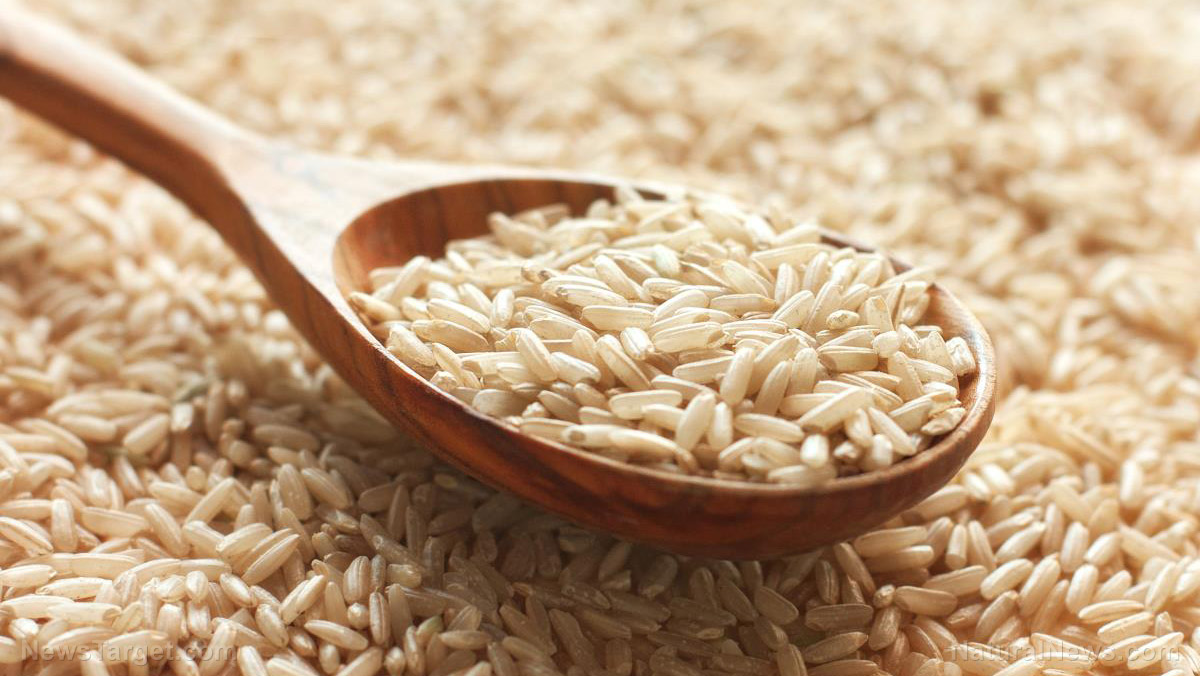
- Brown rice contains 40 percent more inorganic arsenic (a toxin linked to various diseases) than white rice due to its unprocessed bran layer, a study reveals.
- Infants and young children face disproportionate risks because they consume more rice relative to their body weight.
- U.S.-grown brown rice has 48 percent inorganic arsenic, while imported varieties can reach 65 percent, making imported options riskier. White rice from the U.S., India or Pakistan (e.g., jasmine or basmati) has lower arsenic because its bran is removed during processing.
- Consumers can reduce arsenic intake by rinsing rice, diversifying grains (e.g., quinoa, barley) and opting for lab-verified products.
- Despite FDA guidelines for infant rice cereal, no U.S. regulations exist for adult/child non-infant rice products. Experts urge systemic changes, like stricter arsenic limits and clear labeling, to balance rice’s nutritional benefits with its hidden toxicity.
Brown rice has long been hailed as a nutritious superfood, packed with fiber, protein and essential vitamins. But beneath its wholesome reputation lies a hidden danger that scientists are now shining a harsh light on.
A groundbreaking study from Michigan State University (MSU) reveals that brown rice contains a staggering 40 percent more inorganic arsenic, a potent toxin linked to cancer, heart disease and developmental harm in children, compared to its white rice counterpart.
The findings, part of a growing body of research exposing the food’s hidden risks, challenge consumers to rethink their dietary choices. (h/t to MSUToday.MSU.edu)
The dark side of the bran layer
Arsenic, a naturally occurring element in soil and water, becomes a silent threat when absorbed by rice during growth. Unlike other grains, rice soaks up arsenic like a sponge, especially when cultivated in flooded paddies where the element’s toxicity amplifies.
For the MSU study, which was published in the journal Risk Analysis, scientists analyzed arsenic concentrations in brown and white rice consumed by Americans. The results revealed a critical imbalance.
Brown rice retained significantly higher levels of inorganic arsenic, the toxic form of the metal, because of its unprocessed bran layer that traps the contaminant. Inorganic arsenic, unlike its less harmful "organic" counterpart that is common in seafood, persists in the body, posing a long-term health threat.
For infants and young children under five, the risks are even greater. The researchers warned that because children consume more rice relative to their body weight than adults, they are disproportionately vulnerable to arsenic exposure.
The researchers added that toddlers who eat even small portions of brown rice daily could face unsafe levels of arsenic exposure over time. In contrast, U.S. adults are generally less at risk unless they follow a rice-heavy diet.
Geography plays a toxic role
The study also unearthed stark regional differences in arsenic contamination. Brown rice grown in the U.S. had a 48 percent inorganic arsenic concentration, while globally sourced brown rice reached a staggering 65 percent.
This disparity underscores a critical consumer dilemma: Imported rice, often cheaper and ubiquitous in multicultural diets, may carry far higher risks. For families relying on imported rice, especially from Asia, the danger is magnified.
Meanwhile, U.S.-grown white rice, stripped of its bran layer during processing, contained just 33 percent inorganic arsenic. (Related: Healthy snacking: Why choosing organic popcorn matters.)
A nutrition safety trade-off
The study’s authors stress that their findings aren’t a blanket condemnation of brown rice. They added that consumers shouldn't worry about brown rice being "bad" while white rice is now "good."
Brown rice’s benefits, including its abundance of antioxidants and dietary fiber that support good health, are undeniable. However, the data also presents a stark reality where consumers must weigh these advantages against arsenic’s insidious risks.
The researchers also advised that consumers should watch out for more than arsenic in rice and that they should maintain a balance between nutrition and contamination. The research team also highlighted the need for more research on how to mitigate arsenic levels without sacrificing taste or health benefits.
A call for consumer vigilance
Unfortunately, the U.S. lags behind other nations in regulating arsenic in non-infant foods. Without clear guidelines, consumers shoulder the burden of protecting themselves, which can be a stressful task given arsenic’s invisibility.
The researchers warned that the study findings aren't just a health warning but a crucial call for "systemic change." They also emphasized the need for clearer labeling and stricter controls on soil and water quality.
Arsenic in rice isn’t a reason to panic, but it demands caution. Like lead or mercury, arsenic poses cumulative risks that grow with daily intake.
For individuals on gluten-free diets, especially if they are reliant on rice-based foods, and families prioritizing organic consumption, the stakes are higher still.
The MSU study paints a sobering picture of a staple food caught between its health halo and latent danger. As researchers, regulators and consumers navigate this complex issue, one truth remains clear: When it comes to rice, especially brown varieties, the key to safety lies in moderation, informed choices and a watchful eye on what you put on your plate.
The Food and Drug Administration (FDA)’s upcoming Closer to Zero initiative aims to set "action levels" for arsenic in food, similar to the agency's current limit of 100 parts per billion (ppb) for infant rice cereal. However, adults and older children lack such safeguards, relying on awareness campaigns and personal vigilance.
Here are some suggestions on how to minimize arsenic exposure:
Rinse and boil
Rinsing raw rice removes 10 percent of arsenic. Boiling it in excess water (6:1 ratio) reduces arsenic by 40 to 60 percent, though this also strips some nutrients.
Choose wisely
Opt for basmati or jasmine rice from the U.S., California, India or Pakistan since these have lower arsenic levels. Brown basmati from these regions also fares better when it comes to arsenic levels.
Avoid rice for babies
Rice cereal and milk are discouraged for infants. Opt for oatmeal or multi-grain alternatives instead.
Mix it up
You can also protect your family from arsenic by replacing rice with arsenic-free grains like barley, bulgur or quinoa in dishes.
Where to find clean, lab-verified Organic Brown Rice
The Health Ranger Store is committed to helping you find clean grains for your family. That’s why we’re proud to introduce clean, lab-verified and healthy food options such as our Mega Bucket Organic Long Grain Brown Rice and Mega Bucket Organic Short Grain Brown Rice.
One of the healthiest grains on the planet, organic long grain brown rice is not only a versatile food but is also a nutritional powerhouse. Packed with minerals, vitamins and antioxidants, it is a remarkable grain that can provide a readily available source of energy.
Because brown rice keeps its hull, bran and germ intact, it has higher levels of minerals, dietary fiber and carbs. Furthermore, organic brown rice is a great source of calcium, iron, potassium, protein and other healthy phytonutrients. This makes it a great addition to your emergency stockpile due to its long shelf life.
That's why the Brighteon Store is offering our Health Ranger Select Organic Long Grain Brown Rice in long-term storable 18-lb mega buckets. Our organic long grain brown rice is a fiber-rich grain that has all the nutrients and flavors of brown rice, without any added chemicals or preservatives.
We also offer Mega Bucket Organic Short Grain Brown Rice. Organic short grain brown rice is also rich in fiber. This is due to its minimal processing and retention of the bran and germ layers, which contain most of the nutrients.
Moreover, the high concentrations of fiber in brown rice can support healthy digestion. You can be assured that you and your family are getting one of the best emergency food products available on the market.
Our Mega Bucket Organic Long Grain Brown Rice and Mega Bucket Organic Short Grain Brown Rice are both non-GMO, non-China and certified Kosher and organic. Additionally, they are rigorously lab tested for glyphosate, heavy metals and microbiology to ensure maximum purity, cleanliness and quality.
Visit Health Ranger Store and Brighteon Store to find more lab-verified products free from arsenic and other contaminants. You can also visit FoodScience.news to learn more about other foods that may contain heavy metals and how to avoid them.
Click on this link to find out why you should also choose lab-verified cocoa products.
Watch this clip about why you should have Organic Long Grain Brown Rice in your survival pantry.
This video is from the Health Ranger Store channel on Brighteon.com.
More related stories:
Consumer Reports: FDA’s arsenic limit in apple juice is TOO HIGH and may pose a risk to children’s health.
Are you slowly poisoning yourself with… rice?
Why you should think twice before buying mainstream toothpaste formulas.
CLEAN FOOD WATCH: 6 Foods that are likely to be contaminated with heavy metals.
Sources include:
MSUToday.MSU.
Health.OSU.edu
Sites.Dartmouth.edu
FDA.gov
HealthRangerStore.com 1
HealthRangerStore.com 2
HealthRangerStore.com 3
HealthRangerStore.com 4
Brighteon.com
Arsenic in Brown Rice? Here’s how you can keep enjoying this nutritious grain – NaturalNews.com
If you're gonna fight, fight like you're the third monkey on the ramp to Noah's Ark... and brother its starting to rain. Join our efforts to Secure America's Borders and End Illegal Immigration by Joining ALIPAC's E-Mail Alerts network (CLICK HERE)
-
04-28-2025, 05:18 PM #3Senior Member
- Join Date
- Aug 2018
- Posts
- 97,216
Enhance the flavor, texture and nutritional benefits of your smoothies with superfood powders
04/27/2025 // HRS Editors // 450 Views
Tags: antioxidants, food is medicine, food science, Fresh, fruits, goodfood, goodhealth, how-to, natural health, natural ingredients, natural medicine, nutrients, organics, phytonutrients, smoothie recipes, smoothies, superfood, superfood powder, superfood smoothie, tips, vegetables, Veggies

- Superfood powders add concentrated nutrients to smoothies without needing large amounts of whole foods. They enhance flavor, texture and health benefits.
- Whey protein (dairy-based) is easily absorbed, while plant-based options (pea, hemp, soy) work for vegans.
- Spinach, kale or spirulina powders add vitamins and minerals. Matcha and berry powders provide antioxidants and natural sweetness.
- Flaxseed and chia seed powders add healthy fats and thickness to smoothies, making them more filling.
- Balance flavors (use sweet fruits with bitter powders), layer textures (frozen fruit for thickness) and choose liquids (milk or water) based on preference.
Smoothies have earned their reputation as a quick, delicious and nutrient-packed meal or snack. Blending whole ingredients like fruits, vegetables and protein sources can create a satisfying drink that fuels the body with essential vitamins, minerals and antioxidants.
With endless ingredient combinations, you can prepare homemade smoothies that meet individual nutrition needs while catering to personal taste preferences.
One of the easiest ways to boost a smoothie’s nutritional value is by adding superfood powders, which are concentrated sources of protein, antioxidants and other compounds that support good health. Here’s how to incorporate them effectively. (h/t to HopkinsMedicine.org)
Why add superfood powders to smoothies?
Superfood powders such as protein powders, matcha, collagen and flaxseed offer a concentrated dose of nutrients without requiring large quantities of whole foods. They blend seamlessly into smoothies, enhancing flavor, texture and nutritional benefits.
Protein powders
Protein is a key component of a balanced smoothie that helps support good health.
Protein powders come in various forms, each with unique benefits:
- Whey protein is derived from dairy and is easily absorbed by the body. It is also rich in leucine, an amino acid that supports overall well-being.
- Plant-based proteins like brown rice, hemp, pea and soy protein powders are great vegan alternatives. While plant proteins may not absorb as efficiently as whey, pea protein is among the most bioavailable options.
Always check labels for added sugars, artificial ingredients or allergens like dairy or soy before buying plant-based protein.
Greens powders
Not everyone enjoys eating leafy greens, but powders made from spinach, kale, spirulina or wheatgrass can effortlessly boost a smoothie’s vitamin and mineral content. These powders provide antioxidants, iron and chlorophyll, which support energy levels and good health.
Here are some of the best greens powder pairings:
- Blend spinach powder with tropical fruits like mango or pineapple to mask any earthy taste.
- Add a teaspoon of spirulina to berry smoothies for an extra antioxidant kick.
Antioxidant-rich superfoods
Powdered superfoods like matcha (green tea powder), acai and freeze-dried berry powders pack a punch of antioxidants, which help support optimal health.
Matcha provides a gentle caffeine boost along with L-theanine, promoting focus without jitters from a cup of coffee. Meanwhile, acai and berry powders add natural sweetness and a dose of fiber and vitamin C.
Omega-3 superfood sources
Ground flaxseed and chia seed powders are excellent sources of omega-3 fatty acids, which support good health. They also add thickness to smoothies, making them more filling.
Stir a tablespoon of flaxseed powder into a berry-banana smoothie. Alternatively, you can mix chia powder with almond milk and cocoa for a pudding-like texture.
Where to buy lab-verified ingredients for smoothies
The Health Ranger Store wants to make it easy for you to enjoy the many health benefits of smoothies, which is why we're offering a variety of nutritious ingredients such as Freeze-Dried Organic Banana, Organic Super C Berry Blend and Matcha Superfood Latte.
Health Ranger Store Freeze-Dried Organic Banana is loaded with potassium, vitamin C and other important nutrients. Our premium diced bananas allow you to savor the delicious flavor and nutritional benefits of fresh bananas all year round.
Freeze-dried bananas can be eaten on their own or used in a smoothie.
Sourced from premium banana plants grown by our trusted suppliers under strict organic standards, these diced bananas undergo a careful freeze-drying process that preserves the original taste, texture and nutrients of our premium bananas.
Our Health Ranger Select Freeze-Dried Organic Bananas contain no fillers, preservatives or synthetic additives. They are non-GMO, non-China, certified Kosher and organic.
Vitamin C is one of the most important nutrients for maintaining overall health But since your body can't produce vitamin C on its own, you need to regularly consume vitamin C-rich superfoods to maintain optimal health.
Organic berries are some of the most bioavailable sources of vitamin C.
Health Ranger Select Organic Super C Berry Blend combines the nutritional benefits of eight powerful superfruits in a convenient powder form. This premium superfood powder blend contains organic baobab, strawberry, raspberry, blueberry, tart cherry, elderberry and cranberry fruit powders. This flavorful mixture is also naturally sweetened with organic monk fruit powder.
Health Ranger Select Organic Super C Berry Blend is vegan, non-GMO and certified Kosher and organic. It is also meticulously lab tested for glyphosate, heavy metals and microbiology.
Lastly, we offer Groovy Bee® Matcha Superfood Latte, a clean and energizing beverage made from a powerful blend of organic superfoods. This premium, plant-based drink mix is designed to nourish your body and support your overall health with every sip.
Packed with organic matcha, spirulina, chlorella and a variety of medicinal mushrooms like lion’s mane, reishi and shiitake, it can help fuel your body and keep you feeling energized and revitalized throughout the day.
This latte mix is non-GMO and certified Kosher. It has also been lab tested for glyphosate, heavy metals and microbiology, ensuring that every ingredient is pure and clean.
The inclusion of organic coconut milk powder and monk fruit extract offers a creamy, subtly sweet flavor, making it the perfect healthy alternative to sugary drinks. Add the mixture to water, juice or a smoothie.
Go to Superfoods.news for more suggestions on how to incorporate various fruits and vegetables into a balanced diet. You can also visit Health Ranger Store and Brighteon Store to find more lab-verified ingredients for your cooking needs.
Click on this link for a recipe for a Nutrient Dense Chocolate Super Smoothie.
Watch this clip about Organic Beet Juice, a nutritious beverage that's full of beneficial antioxidants.
This video is from the Health Ranger Store channel on Brighteon.com.
More related stories:
Easy, healthy, tasty: Energizing smoothie recipes with high nutritional value.
Pumpkin spice in spring? How to reimagine this fall classic for warmer days.
Fun and creative ways to incorporate beet juice into your daily routine for energy support.
Why Matcha Latte fans are obsessed with the ritual, not just the flavor.
Sources include:
HopkinsMedicine.org
HealthRangerStore.com 1
HealthRangerStore.com 2
HealthRangerStore.com 3
HealthRangerStore.com 4
HealthRangerStore.com 5
Brighteon.com
Enhance the flavor, texture and nutritional benefits of your smoothies with superfood powders – NaturalNews.com
If you're gonna fight, fight like you're the third monkey on the ramp to Noah's Ark... and brother its starting to rain. Join our efforts to Secure America's Borders and End Illegal Immigration by Joining ALIPAC's E-Mail Alerts network (CLICK HERE)
-
05-01-2025, 09:43 PM #4Senior Member
- Join Date
- Aug 2018
- Posts
- 97,216
Acupuncture and ancient wisdom offer natural relief for hypertension: A modern approach rooted in Traditional Chinese Medicine
05/01/2025 // Willow Tohi // 200 Views
Tags: acupuncture, alternative medicine, Chinese medicine, goodhealth, goodmedicine, goodscience, healing arts, heart disease, heart health, herbal medicine, herbal therapies, Herbs, high blood pressure, natural cures, natural health, natural medicine, organ damage, remedies, stroke, TCM

- Traditional Chinese medicine (TCM) techniques, including acupuncture and herbal therapies, are gaining recognition as effective alternatives to pharmaceutical interventions for managing hypertension, a condition affecting millions globally and increasing the risk of heart disease, stroke and organ damage.
- Wu Hongqian, a TCM expert, emphasizes the use of specific acupoints — Yanglingquan (GB-34), Zusanli (ST-36) and Taichong (LR-3) — to rapidly lower blood pressure by regulating the body's "qi" or vital energy. Stimulating these points in sequence can lead to significant reductions in blood pressure within minutes.
- TCM advocates for the integration of herbal remedies, such as a specialized tea blend featuring Codonopsis pilosula and Scutellaria baicalensis, and foot soaks with ginger to improve blood circulation and stabilize blood pressure. These natural solutions aim to address the root causes of hypertension and complement professional treatments.
- TCM emphasizes the importance of exercise, particularly isometric exercises like wall squats and bridge poses, which have been shown to reduce systolic blood pressure. Additionally, aerobic exercise, consistent sleep and practices like tai chi or qi gong are recommended to improve blood flow, reduce stress and break the cycle of poor sleep and hypertension.
- TCM's holistic approach to hypertension management, focusing on emotional balance and lifestyle adjustments, aligns with modern trends toward personalized and natural wellness solutions. As research validates these ancient practices, TCM offers a decentralized, low-cost alternative that can enhance conventional medicine, providing patients with tools for self-care and bridging the gap between tradition and modern medical rigor.
Hypertension, often called the “silent killer,” affects millions worldwide, significantly raising the risk of heart disease, stroke and organ damage. Recent findings highlight that Traditional Chinese Medicine (TCM) techniques like acupuncture and herbal therapies could rival pharmaceutical interventions in managing this condition. Wu Hongqian, director of Taiwan’s Yisheng Traditional Chinese Medicine Clinic, emphasizes practical, non-invasive methods to swiftly reduce blood pressure, aligning with a growing global shift toward holistic health. As modern studies validate these ancient practices, TCM offers a decentralized, patient-centered alternative to reliance on prescription drugs, particularly amid concerns over medication side effects and health care accessibility.
Three acupoint strategies for immediate relief
Central to Wu’s approach is targeting specific acupoints to regulate the body’s “qi,” or vital energy. During a hypertension attack, stimulating three acupoints — Yanglingquan (GB-34), Zusanli (ST-36) and Taichong (LR-3) — in sequence can rapidly lower blood pressure by guiding upward surging qi downward. Wu recounts a case where a patient’s blood pressure dropped from 190 mmHg to 120 mmHg within minutes after acupuncture at these points. She explains: “The key is proper sequence — press Yanglingquan on the lower leg, move to Zusanli below the kneecap, and finish with Taichong on the foot. This balances the autonomic nervous system, easing the sympathetic overactivity that drives high blood pressure.”
Self-massage instructions recommend applying firm pressure to each point for 1-2 minutes, ensuring the downward qi flow. This technique underscores TCM’s emphasis on self-care practices to complement professional treatments.
Herbal remedies and foot soaks: Synergistic natural solutions
Beyond acupressure, Wu advocates integrating herbal remedies and lifestyle adjustments. A specialized tea blend featuring Codonopsis pilosula, Scutellaria baicalensis, safflower and Angelica sinensis, among others, aims to refine blood circulation and oxygen delivery to the brain — the root cause of hypertension in TCM theory. The recipe, which incorporates 30 grams of Scutellaria and smaller doses of other herbs, is prepared by simmering in 2 liters of water and consumed throughout the day.
Foot soaks also play a critical role. Submerging feet in 108 F water infused with ginger —“old ginger activates blood circulation and warms the body,” Wu notes — can stabilize blood pressure. Pairing the soak with massage of the Taichong acupoint (on the foot’s top) further stimulates qi flow. However, Wu warns against lowering the head during the massage, citing the risk of exacerbating hypertension.
Exercise and lifestyle adjustments: Holistic benefits
Exercise emerges as a cornerstone of TCM’s hypertension strategy. Wu stresses the importance of isometric exercises like wall squats and bridge poses, which a 2022 British Journal of Sports Medicine study found to reduce systolic blood pressure by roughly 8 mmHg — a result comparable to antihypertensive medications. The mechanism involves nitric oxide release, which dilates blood vessels. Recovery is advised to avoid breath-holding, as it can spike pressure transiently.
Aerobic exercise and consistent sleep also rank high. Wu states: “Poor sleep fuels high blood pressure and worsens insomnia — a vicious cycle. Three hours of weekly exercise improves blood flow while easing stress, breaking this pattern.” She recommends light activities like tai chi or qi gong, noting their dual benefits of physical exertion and mental calm.
Why TCM’s relevance grows in modern medicine
Hypertension’s global prevalence — estimated to affect 1.3 billion people — underscores the urgency for effective, accessible treatments. TCM’s 3,000-year history offers a decentralized, low-cost alternative. Modern research, such as a recent study in the Journal of Integrative Medicine showing acupuncture’s efficacy matching pharmaceuticals, validates these practices. Meanwhile, side effects of Western drugs — such as diuretics causing dizziness or calcium channel blockers inducing facial flushing—highlight the need for integrative approaches.
Wu’s methods reflect TCM’s foundational principles, where emotional balance and lifestyle align to prevent systemic imbalances. As Wu observes, “LTreatment focuses on harmonizing body and mind, addressing root causes rather than masking symptoms.” This philosophy resonates with contemporary trends prioritizing personalized, natural wellness solutions.
A step toward holistic health
The integration of TCM into hypertension management underscores a paradigm shift in health care—one that values tradition, individuality and efficacy. Wu’s techniques, coupled with modern research, demonstrate that natural remedies need not replace conventional medicine but can enhance it.
As the world grapples with the silent threat of hypertension, TCM’s wisdom offers a balanced path forward: empowering patients with tools for self-care while bridging ancient practices with modern medical rigor.
This article draws from sources including Wu Hongqian of the Yisheng Clinic, Natural News and peer-reviewed studies cited in the British Journal of Sports Medicine. TCM practitioners emphasize that individual treatments should be tailored through professional consultation.
Sources for this article include:
TheEpochTimes.com
WholeBody.je
Acupuncture and ancient wisdom offer natural relief for hypertension: A modern approach rooted in Traditional Chinese Medicine – NaturalNews.com
If you're gonna fight, fight like you're the third monkey on the ramp to Noah's Ark... and brother its starting to rain. Join our efforts to Secure America's Borders and End Illegal Immigration by Joining ALIPAC's E-Mail Alerts network (CLICK HERE)
-
05-04-2025, 09:14 PM #5Senior Member
- Join Date
- Aug 2018
- Posts
- 97,216
Robert O. Young reveals the power of alkaline herbs in preventing and treating cancer
05/04/2025 // Ramon Tomey // 240 Views
Tags: alkaline herbs, alternative medicine, anticancer, cancer solutions, cancer stem cells, Chemotherapy, Cures, goodcancer, goodhealth, goodmedicine, healing, herbal medicine, Herbs, natural cures, natural health, natural medicine, prevent cancer, radiation, remedies, Robert O. Young
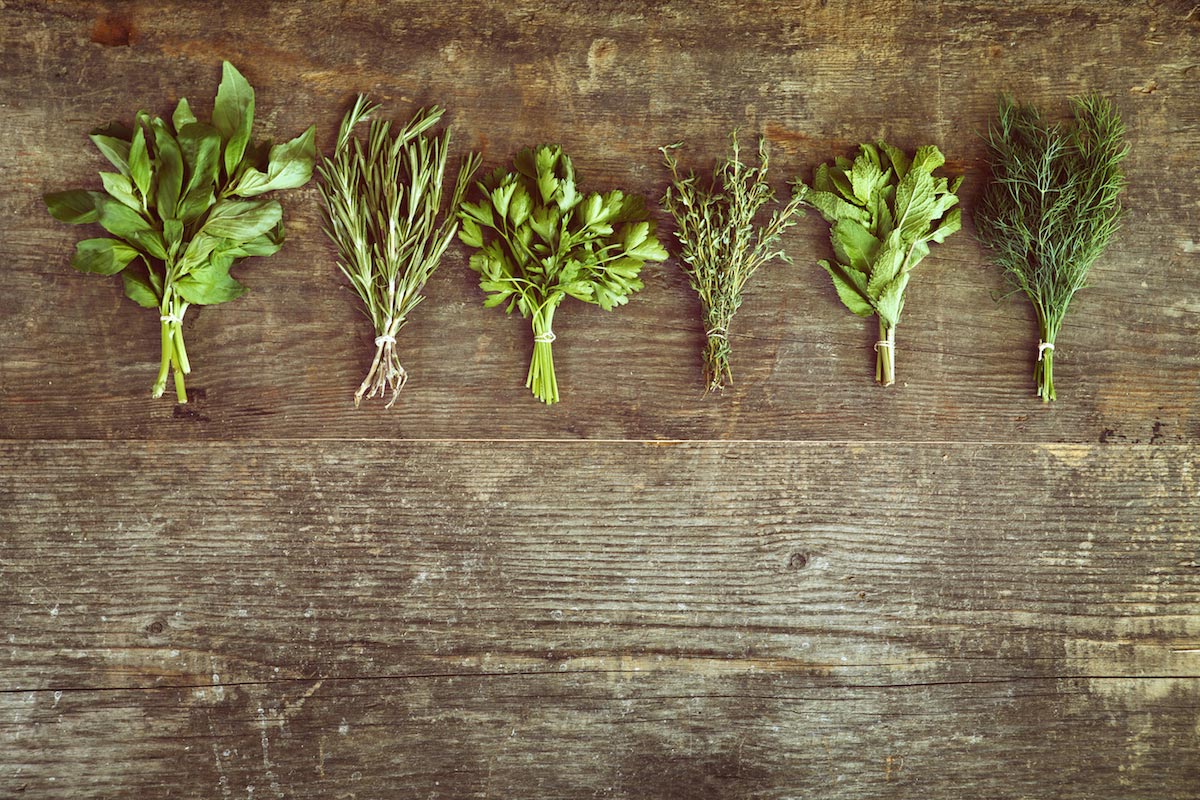
- Robert O. Young's "The Use of Alkaline Herbs in the Prevention and Treatment of Any Cancerous Condition" suggests alkaline herbs can prevent and treat cancer by neutralizing acidic conditions linked to tumor growth.
- Examples include garlic, cayenne pepper and turmeric, which combat carcinogens and slow cancer progression. Alkalinizing the body may disrupt cancer cell cycles and induce apoptosis (programmed cell death).
- Studies show herbs like bloodroot (topical tumors), feverfew (leukemia) and wheatgrass (tissue repair) have demonstrable anti-cancer effects.
- Natural herbs often target cancer stem cells – key to preventing relapse – while chemotherapy/radiation may miss them. Fewer side effects compared to aggressive conventional therapies.
- While promising, these remedies should complement (not replace) standard treatments under medical supervision. Ongoing research underscores their potential as future cornerstones in cancer care.
Robert O. Young's book "The Use of Alkaline Herbs in the Prevention and Treatment of Any Cancerous Condition" delves into the potential of natural remedies in combating cancer, a disease that remains one of the greatest health challenges of our time.
The book highlights how certain herbs, with their alkaline properties, may not only help prevent cancer but also play a role in its treatment. Prevention is a cornerstone of cancer defense, with organizations like the American Cancer Society advocating for a diet rich in fruits and vegetables alongside maintaining a healthy weight. However, Young's work suggests that specific herbs could enhance these protective measures and even reverse cancerous conditions.
Garlic (Allium sativum), for instance, has been shown to lower cancer risks – particularly in the digestive system – by neutralizing carcinogens or inhibiting cancer cell growth. Similarly, cayenne pepper (Capsicum annuum) – known for its heat – acts as a potent antioxidant and vasodilator, counteracting acidic conditions that may lead to cancer.
Milk thistle (Silybum marianum) emerges as a crucial herb for liver health, detoxifying harmful acids that could otherwise contribute to tumor formation. Turmeric (Curcuma longa), with its active compound curcumin, has demonstrated the ability to slow cancer progression in lab studies.
Bloodroot (Sanguinaria canadensis) has been used effectively to shrink tumors, particularly in topical applications like black salve. Feverfew (Tanacetum parthenium) has shown promise in targeting leukemia cells, sometimes surpassing conventional treatments in efficacy.
Butcher's broom (Ruscus aculeatus) has has been found to reduce tumors and boost immune defenses, thanks to ruscogenins in the herb. Meanwhile, sheep's sorrel (Rumex acetosella) helps repair tissues damaged by cancer treatments.
Ginger (Zingiber officinale) has gained attention for its remarkable anti-cancer properties. Research suggests that a compound in ginger, 6-shogaol, could be significantly more effective than chemotherapy in targeting cancer stem cells—the root cause of tumor recurrence. Unlike conventional treatments that often fail to eliminate these resilient cells, natural compounds like those in ginger disrupt cancer cell cycles and induce apoptosis, offering a more comprehensive approach.
Wheatgrass stands out for its broad benefits, improving overall health and aiding chemotherapy patients by purifying blood and enhancing cell repair. The Chinese herb Astragalus strengthens immunity, enabling the body to better identify and destroy cancer cells – with studies indicating it may double survival rates in cancer patients.
Cannabis also plays a notable role in cancer research, particularly as medical marijuana gains legal recognition. Cannabinoids, its active components, have been shown to reduce cancer cell growth and bolster the immune system. Studies highlight their effectiveness against various cancers, including brain, breast, lung and pancreatic cancer, reinforcing their therapeutic potential.
The science behind these herbs underscores a critical shift in cancer treatment paradigms. While traditional methods like chemotherapy and radiation focus on shrinking tumors, they often miss cancer stem cells, leading to relapse. Natural compounds, however, exhibit a unique ability to target these cells, offering a more sustainable solution.
In summary, Young’s book presents a compelling case for the integration of alkaline herbs into cancer prevention and treatment strategies. These natural remedies, backed by both traditional use and modern research, provide a promising alternative or complementary approach to conventional therapies.
However, consulting healthcare professionals before adopting any new regimen remains essential. The potential of these herbs is vast, and as research continues, they may well become a cornerstone in the fight against cancer.
Watch this video about Robert O. Young's book "The Use of Alkaline Herbs in the Prevention and Treatment of Any Cancerous Condition."
This video is from the BrightLearn channel on Brighteon.com.
Sources include:
Brighteon.ai
Brighteon.com
Robert O. Young reveals the power of alkaline herbs in preventing and treating cancer – NaturalNews.com
If you're gonna fight, fight like you're the third monkey on the ramp to Noah's Ark... and brother its starting to rain. Join our efforts to Secure America's Borders and End Illegal Immigration by Joining ALIPAC's E-Mail Alerts network (CLICK HERE)
-
05-13-2025, 04:43 PM #6Senior Member
- Join Date
- Aug 2018
- Posts
- 97,216
Sesame oil: A heart-healthy superfood worth adding to your diet
05/13/2025 // Laura Harris // 20 Views
Tags: #nutrition, cholesterol, cooking oils, food cures, food is medicine, food science, functional food, goodfood, goodhealth, grocery cures, health science, heart health, ingredients, natural health, nutrients, organics, phytonutrients, Sesame oil, sesame seeds, superfoods
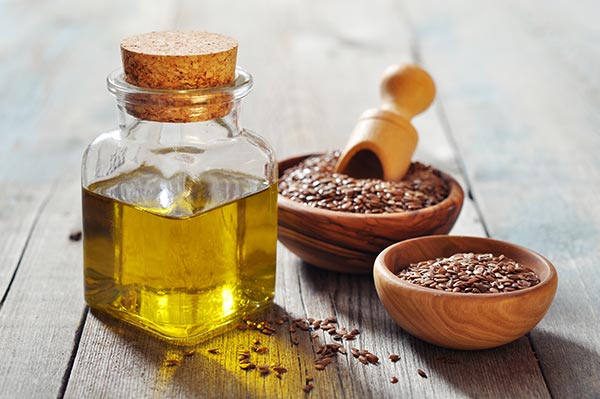
- Sesame oil has been used for over 5,000 years in Africa, the Middle East and Asia, and is prized for its rich flavor, resistance to oxidation and health benefits. It rivals extra virgin olive oil in terms of nutritional value.
- It contains 40 percent monounsaturated and 41 percent polyunsaturated fats and is packed with antioxidants (sesamin, sesamol, vitamin E) that combat inflammation and rancidity. It also offers minerals (magnesium, calcium) and cholesterol-lowering phytosterols.
- Sesame oil supports heart health by lowering bad LDL cholesterol and raising good HDL cholesterol. It also supports healthy blood sugar control, bone strength and skin/hair health when used topically. Its high omega-6 content requires balance with omega-3s to avoid excess inflammation.
- When choosing sesame oil, opt for organic, cold-pressed or expeller-pressed oils to avoid pesticides and heavy metals. Toasted sesame oil has a low smoke point and is best for finishing dishes, while light sesame oil suits high-heat cooking (up to 410 F or 210 C).
- It also has versatile culinary uses like enhancing dressings, marinades and Asian dishes (e.g., stir-fries, bibimbap). It is also ideal for sautéing, frying or baking.
Sesame oil has been cherished for centuries across Africa, the Middle East and the Orient for its rich flavor, culinary versatility and remarkable health benefits. Extracted from sesame seeds (Sesamum indicum), this golden oil is a powerhouse of nutrients, antioxidants and healthy fats, earning its reputation as a true superfood. Modern research now confirms what traditional cultures have known for millennia: Sesame oil is one of the healthiest cooking oils available, rivaling even extra virgin olive oil in stability and nutrition.
Brief history of sesame oil
Sesame seeds have been cultivated for over 5,000 years, making them one of the oldest oilseed crops in the world. Originating in Africa and India, the use of sesame spread to Mesopotamia and ancient Egypt, where the seeds and their oil were prized for their culinary and medicinal properties. In ancient Ayurvedic and Traditional Chinese Medicine, sesame oil was used to improve digestion, strengthen bones and promote skin health.
Sesame seed oil was introduced to the Western world through trade routes, but its widespread culinary adoption outside of Asia, Africa and the Middle East is relatively recent. Today, sesame oil is a staple in many cuisines and recognized as a functional food that supports holistic well-being.
Nutritional profile and health benefits
The impressive nutrient profile of sesame oil makes it a standout among edible oils. It contains:
- A balanced blend of monounsaturated (40 percent) and polyunsaturated fats (41 percent), including omega-6 fatty acids (linoleic acid).
- Natural antioxidants like sesamin, sesamolin and sesamol that can protect it from rancidity (polyunsaturated fats are prone to oxidation).
- Vitamin E, another potent antioxidant, plus B vitamins, magnesium, calcium, phosphorus and zinc.
- Unique bioactive compounds that have been studied for their anti-inflammatory, cholesterol-lowering and anticancer properties.
- Phytosterols that can help lower LDL cholesterol and support heart health.
Sesame oil is widely regarded as a highly beneficial food when consumed in moderation, thanks to its numerous health-promoting properties: (Related: Sesame seeds and oil: A natural boost for optimal health and wellness.)
- Rich in unsaturated fats and beneficial compounds, it can support a healthy heart by not only lowering LDL cholesterol and triglycerides but also increasing good HDL cholesterol.
- Its potent antioxidant and anti-inflammatory effects can combat oxidative stress, potentially reducing the risk of chronic diseases.
- When applied topically, sesame oil nourishes the skin and hair, offering deep hydration, antimicrobial benefits and possible anti-aging effects.
- Its zinc and copper content contributes to stronger bones.
- Some studies also suggest it can enhance insulin sensitivity and aid in blood sugar control.
However, because sesame oil is relatively high in omega-6 fatty acids, excessive intake without balancing it with omega-3s could promote inflammation in certain individuals. Despite this, sesame oil remains a far healthier alternative to refined vegetable oils like soybean or canola, and is a valuable addition to a balanced diet.
Why choose organic sesame oil?
Fats play a crucial role as nature’s essential lubricants, supporting overall health, but quality matters.
When choosing sesame oil, going organic is the best choice. While sesame seeds are not typically treated with pesticides, organic certification ensures it's not exposed to synthetic chemicals like glyphosate.
Another concern with sesame seeds is potential heavy metal contamination, such as cadmium, lead and arsenic, often stemming from polluted soil, especially in industrial regions. To minimize these risks, selecting organic and lab-tested sesame oil is advisable.
For the best quality, look for cold-pressed or expeller-pressed oils for more nutrients. Trust only organic and non-GMO products to avoid pesticides and choose reputable brands that conduct rigorous heavy metal testing. Freshness and proper processing remain key, reinforcing why vigilance in dietary choices is essential.
Culinary uses of sesame oil
Sesame oil comes in two main types. Light (unroasted) sesame oil has a high smoke point (410 F or 210 C), making it ideal for sautéing, frying and baking, while toasted (dark) sesame oil, made from roasted seeds, offers a rich, nutty flavor best used as a finishing oil for dressings, marinades and dips.
Here are some popular dishes that use sesame oil as a key ingredient:
Asian dishes
- Stir-fries (e.g., Chinese broccoli with garlic and sesame oil)
- Korean bibimbap (drizzled with toasted sesame oil)
- Japanese goma-ae (spinach with sesame dressing)
- Thai larb (spicy minced meat salad)
Middle Eastern and African cuisine
- Tahini (sesame paste used in hummus and dressings)
- Halva (a sweet sesame-based confection)
Western uses
- Salad dressings (mixed with vinegar and spices)
- Marinades for grilled meats and seafood
Sesame oil is more than just a flavorful condiment – it's a nutritional powerhouse backed by both tradition and science. With its unique antioxidant properties, heart-protective fats and anti-inflammatory benefits, it is no wonder this ancient oil remains a staple in functional and gourmet cooking alike.
This story is not medical advice and is not intended to treat or cure any disease. Always consult with a qualified naturopathic physician for personalized advice about your specific health situation or concern.
Explore more health benefits of superfoods and other natural ingredients at NaturalNews.com, your trusted source for wellness insights and nutritional knowledge.
For cutting-edge tools to expand your understanding of natural health, try Brighteon.ai, an innovative AI model created by Mike Adams, the Health Ranger. This free, downloadable tool is designed to decentralize knowledge, bypass censorship and empower individuals with actionable information.
If you're passionate about nutrition, natural medicine and uncensored discussions, visit Brighteon.com, a free speech video platform, and join our vibrant communities on Brighteon.IO and Brighteon.social. Dive into open conversations about food, ingredients and holistic health today!
Watch this video discussing four reasons why you should add sesame seeds to your diet.
This video is from the Groovy Bee channel on Brighteon.com.
More related stories:
Coconut vs. sesame oil: Which one is better for oil pulling?
Can sesame oil prevent vein inflammation caused by chemotherapy?
Sesame oil found to protect the heart from disease.
Sources include:
Brighteon.AI
NaturalNews.com
Brighteon.com
Sesame oil: A heart-healthy superfood worth adding to your diet – NaturalNews.com
If you're gonna fight, fight like you're the third monkey on the ramp to Noah's Ark... and brother its starting to rain. Join our efforts to Secure America's Borders and End Illegal Immigration by Joining ALIPAC's E-Mail Alerts network (CLICK HERE)
-
05-16-2025, 10:25 AM #7Senior Member
- Join Date
- Aug 2018
- Posts
- 97,216
alternative medicine
alternative medicine – NaturalNews.com
 5 Effective ways to boost immunity during the coronavirus outbreak
April 23, 2020 - Posted by Divina Ramirez
(Natural News) The new coronavirus disease is a highly contagious viral respiratory infection that is rapidly spreading across the globe. As of this writing, cases continue to rise by the thousands. Experts deduce that the exponential growth of the disease may be influenced by several factors, such as personal hygiene and immunity. But despite the […]
in: Alternative medicine, Clean foods & organics, Coronavirus, Disease Treatments, Diseases, Food, functional food, Health, Infectious Diseases, Medicine, Natural ingredients, Nutrition, Remedies, sleep, Super Foods, Superfoods & healing foods, Vitamin C
 10 Supplements that can help curb your anxiety
April 22, 2020 - Posted by Janine Acero
(Natural News) Anxiety comes in many forms. It can cause worry, unease, fear or panic. Severe forms of anxiety, or anxiety disorders, are among the most common and pervasive mental health problems in the United States today. Anxiety disorders include panic disorders and phobias. Common treatment options for anxiety disorders include therapy, medication or a […]
in: Alternative medicine, anxiety relief, Health, herbal medicine, Medicine, Mental Health, nutrients, Nutrition, Supplements, supplements, Supplements
 How can this Southeast Asian shrub prevent bone-erosive diseases like osteoporosis?
April 22, 2020 - Posted by Evangelyn Rodriguez
(Natural News) The longjack plant (Eurycoma longifolia), also known as tongkat ali, is a popular herbal remedy in Southeast Asia. It is used to address a wide variety of common ailments, such as fevers, bacterial infections and erectile dysfunction. Tongkat ali also has a reputation as an “anti-aging” herb and adaptogen that improves mood and energy levels, increases libido […]
in: Aging, Alternative medicine, Arthritis, Disease Treatments, Diseases, Health, herbal medicine, herbal medicine, Medicine, Plants, Remedies, Science
 8 Micronutrients that can boost the immune system against COVID-19
April 22, 2020 - Posted by Divina Ramirez
(Natural News) The rapidly spreading coronavirus disease (COVID-19) is taking a harsh toll on immunocompromised individuals. According to the Centers for Disease Control and Prevention (CDC), factors linked to immunity like age and underlying conditions determine the risk of infection. Based on available information, it appears that COVID-19 can be fatal to individuals aged 65 […]
in: Alternative medicine, Clean foods & organics, Coronavirus, Current Events, Disease Treatments, Diseases, Food, functional food, Health, Infectious Diseases, Medicine, Natural ingredients, nutrients, Nutrition, organics, Remedies, Super Foods, Superfoods & healing foods, Vitamin C
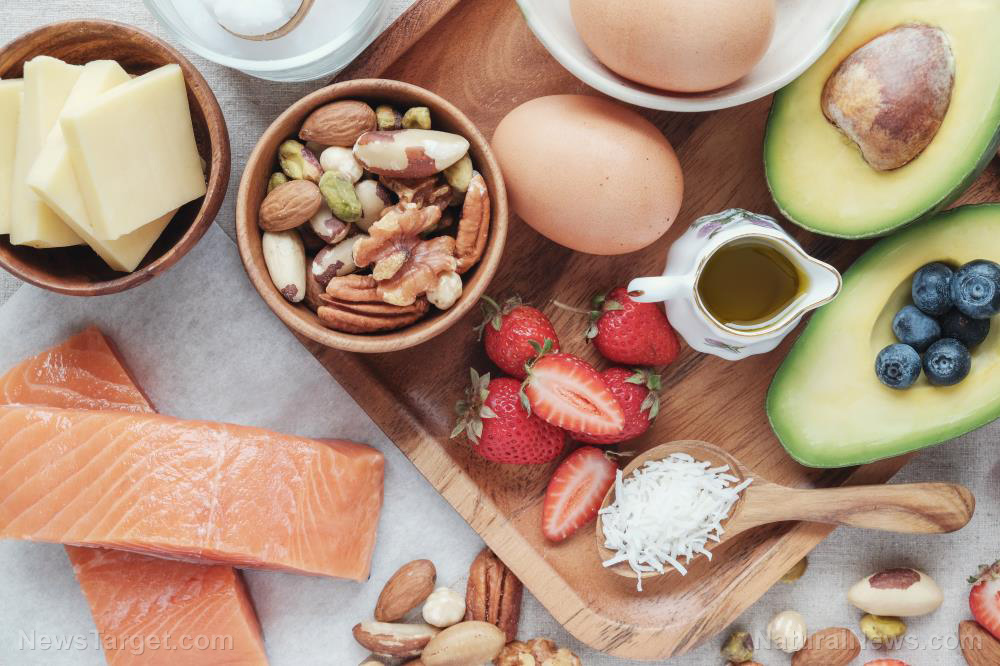 Mediterranean diet shown to reduce biomarkers of inflammation in NAFLD patients
April 22, 2020 - Posted by Evangelyn Rodriguez
(Natural News) Greek researchers studied the effects of the Mediterranean Diet (MedDiet) on the clinical, biochemical and inflammatory profile of non-alcoholic fatty liver disease (NAFLD) patients with simple steatosis. Their findings were published in the Journal of Medicinal Food. Diet is a modifiable key factor targeted in the prevention and management of NAFLD. To measure the […]
in: Alternative medicine, Diets, Disease Treatments, Diseases, Food, Health, Medicine, Nutrition, Science
 Exploring the potential of acupressure in treating migraines and sleep issues
April 22, 2020 - Posted by Evangelyn Rodriguez
(Natural News) In this study, Iranian researchers examined the impact of self-administered acupressure on sleep quality and fatigue among patients with migraine. Their results were published in the journal Complementary Therapies in Clinical Practice. Poor sleep quality and fatigue are two of the most common complaints associated with migraine. These problems contribute to the development […]
in: Alternative medicine, Brain function, Disorders, Healing arts, Health, Medicine, Science, Self-Help, Therapies
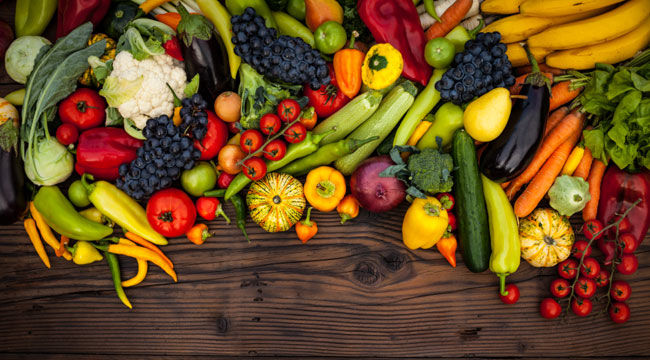 Plants against diabetes: Adopting a plant-based diet can slash your risk of developing metabolic diseases
April 21, 2020 - Posted by Arsenio Toledo
(Natural News) Researchers have found that people who stick to plant-based diets, such as a vegetarian or a vegan diet, have a significantly lower risk of developing Type 2 diabetes. Their study, which appeared in JAMA Internal Medicine, revealed that eating a plant-based diet is associated with a 23 percent lower risk, and that this risk is even lower for […]
in: Clean foods & organics, Diabetes, Diets, Disease Treatments, Diseases, Food, Health, Nutrition, Science
 Researchers investigate the effects of Moringa oleifera stem extract on cataracts caused by oxidative stress
April 21, 2020 - Posted by Evangelyn Rodriguez
(Natural News) Chinese researchers investigated the effects of Moringa oleifera stem extract (MOSE) on cataract formation induced by oxidative stress in cultured mouse lenses. The results of their study were published in the journal BMC Complementary and Alternative Medicine. M. oleifera, also known as horseradish tree, drumstick tree or simply moringa, has strong antioxidant properties. To find […]
in: Alternative medicine, Disease Treatments, Diseases, Health, herbal medicine, herbal medicine, Medicine, Plants, Science
 Researchers investigate the antimicrobial efficacy and cytotoxicity of South African plants from the Myrtacea family
April 21, 2020 - Posted by Evangelyn Rodriguez
(Natural News) In this study, researchers from South Africa and Tanzania examined the antimicrobial efficacy and cytotoxicity of some under-investigated plants from the Myrtaceae (myrtle) family that are endemic to South Africa. Their findings were published in the journal BMC Complementary and Alternative Medicine. Antimicrobial resistance (AMR) remains an important global health problem, especially since new antimicrobials […]
in: Alternative medicine, Antibiotics, Health, herbal medicine, herbal medicine, Medicine, Plants, Remedies, Science
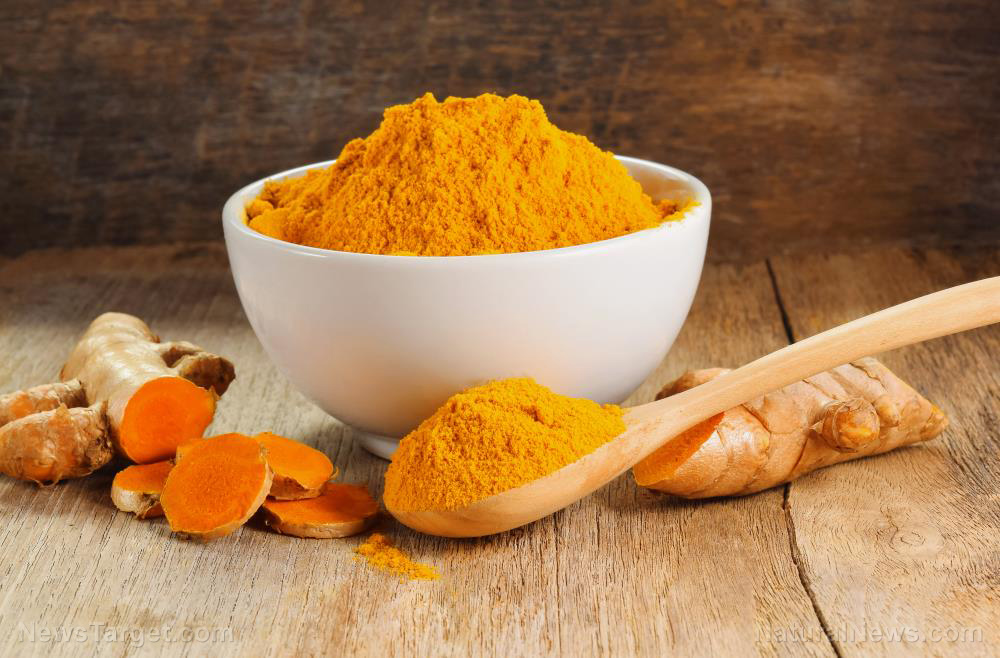 Turmeric: 6 Medicinal benefits and home remedies
April 21, 2020 - Posted by Divina Ramirez
(Natural News) Turmeric is the gold standard in superfoods due to the range of health benefits it can offer, from improving brain function to lowering the risk of cancer. This aromatic spice owes most of its wonderful medicinal effects to curcumin, the anti-inflammatory compound that gives turmeric its distinct yellow-orange hue. Here are six incredible […]
in: Aging, Allergy, Alternative medicine, Alzheimer's disease, Arthritis, Asthma, Brain function, Cancer, Cardiovascular disease, Clean foods & organics, Detox, Disease Treatments, Diseases, Disorders, Food, functional food, Health, Heart attack, herbal medicine, herbs, Medicine, Natural ingredients, nutrients, Nutrition, organics, pain relief, Remedies, Super Foods, Superfoods & healing foods
If you're gonna fight, fight like you're the third monkey on the ramp to Noah's Ark... and brother its starting to rain. Join our efforts to Secure America's Borders and End Illegal Immigration by Joining ALIPAC's E-Mail Alerts network (CLICK HERE)


 Reply With Quote
Similar Threads
-
Half of Greenland's Warming Tied to Natural Causes NATURAL CAUSES?!?! NATURAL CAUSES
By AirborneSapper7 in forum Other Topics News and IssuesReplies: 4Last Post: 05-08-2014, 11:50 AM -
NATURAL BORN FOLLOWS THE NATURAL BIRTH FATHER
By AirborneSapper7 in forum Other Topics News and IssuesReplies: 3Last Post: 04-19-2011, 09:49 PM -
Experts: Placebo power behind many natural cures
By JohnDoe2 in forum Other Topics News and IssuesReplies: 1Last Post: 11-10-2009, 11:03 PM -
Natural Cancer Drug Called CELLADAM Cures Cancer
By CCUSA in forum Other Topics News and IssuesReplies: 0Last Post: 01-23-2009, 04:47 PM -
DRUG COMPANIES USE NATURAL CURES TO DESIGN NEW DRUGS
By Darlene in forum Other Topics News and IssuesReplies: 0Last Post: 03-18-2006, 08:43 PM
Tags for this Thread
alternative medicine,
balance,
chinese herbal medicine,
clean-foods-organics,
cures,
daniel reid,
goodhealth,
goodmedicine,
healing,
herbal medicine,
herbs,
history,
holistic,
natural cures,
natural health,
natural medicine,
naturalnews.com,
plant medicine,
prevention,
qi,
real history,
remedies,
tcm,
traditional chinese medicine,
yin and yang


Exclusive — DHS Official: Sanctuary Judges ‘On Notice’ After...
09-14-2026, 04:54 PM in illegal immigration News Stories & Reports