

Results 451 to 460 of 602
 2Likes
Thread Information
Users Browsing this Thread
There are currently 1 users browsing this thread. (0 members and 1 guests)
 LinkBack URL
 About LinkBacks
-
01-07-2026, 12:23 AM #451Senior Member


- Join Date
- Aug 2018
- Posts
- 92,726
5 Herbs You Should ALWAYS Grow at Home Super Easy
5 Herbs You Should ALWAYS Grow at Home Super Easy
Garden Mentor
235 subscribers
240
5.8K views
1 month ago
If you're gonna fight, fight like you're the third monkey on the ramp to Noah's Ark... and brother its starting to rain. Join our efforts to Secure America's Borders and End Illegal Immigration by Joining ALIPAC's E-Mail Alerts network (CLICK HERE)
-
01-07-2026, 12:29 AM #452Senior Member
- Join Date
- Aug 2018
- Posts
- 92,726
7 Secrets to Growing "Infinite" Bell Peppers (No Digging!)
7 Secrets to Growing "Infinite" Bell Peppers (No Digging!)
Senior Garden Guide
9.65K subscribers
2K
85K views
12 days ago
#ContainerGardening
#BellPeppers
#VegetableGardening
If you're gonna fight, fight like you're the third monkey on the ramp to Noah's Ark... and brother its starting to rain. Join our efforts to Secure America's Borders and End Illegal Immigration by Joining ALIPAC's E-Mail Alerts network (CLICK HERE)
-
01-07-2026, 12:32 AM #453Senior Member
- Join Date
- Aug 2018
- Posts
- 92,726
30 Vegetables That Grow Like Weeds — An Ideal Choice for Low-Effort Farmers
30 Vegetables That Grow Like Weeds — An Ideal Choice for Low-Effort Farmers
Botanic Haven
123 subscribers
35
529 views
2 weeks ago
If you're gonna fight, fight like you're the third monkey on the ramp to Noah's Ark... and brother its starting to rain. Join our efforts to Secure America's Borders and End Illegal Immigration by Joining ALIPAC's E-Mail Alerts network (CLICK HERE)
-
01-08-2026, 11:51 PM #454Senior Member
- Join Date
- Aug 2018
- Posts
- 92,726
Vitamin C protects against endocrine disrupting chemicals, improving human fertility
01/08/2026 // Lance D Johnson // 410 Views
Tags: #nutrition, antioxidants, Endocrine disruptors, environmental chemicals, Fertility, male fertility, medaka fish, mitigation, oxidative stress, pollution, potassium perchlorate, preconception care, Public Health, reproductive health, scientific research, sperm health, testicular health, University of Missouri, vitamin C, wellness
- Emerging research, including a pivotal new study from the University of Missouri, is constructing a compelling case for Vitamin C. It turns out the vitamin serves as a critical shield, protecting the delicate machinery of human reproduction from chemical sabotage.
- Total avoidance of pervasive environmental pollutants is impossible, making nutritional strategies for cellular protection essential.
- A new study using Japanese rice fish (medaka) demonstrates that potassium perchlorate, a chemical used in explosives and fireworks, severely damages testicular structure and sperm production.
- The research identifies that the chemical causes "oxidative stress," a corrosive cellular process that disrupts the genes and pathways vital for creating sperm.
- When vitamin C was administered alongside the chemical, it significantly mitigated the damage, restoring testicular health and improving fertility rates in the fish model.
- The study adds to a established body of evidence, including past research highlighted in the Journal of the American Medical Association, that vitamin C is a powerful protector of sperm count, motility, and viability.
- This line of inquiry holds particular relevance for populations like military personnel, who face higher exposure to such chemicals, and underscores the universal importance of antioxidant-rich nutrition for reproductive health.
Endocrine disrupting chemicals and the fight for fertility
The enemy in this story belongs to a broad and insidious class of compounds known as endocrine-disrupting chemicals, or EDCs. The endocrine system is the body’s exquisite messaging network, a constellation of glands like the thyroid, pituitary, and testes or ovaries that release hormones. These hormones are like chemical couriers, traveling through the bloodstream to deliver instructions that regulate everything from metabolism and growth to mood and, crucially, reproduction. EDCs are molecular imposters. They can mimic natural hormones, block their receptors, or alter their production, thereby sending the body’s finely tuned systems into disarray.
Potassium perchlorate, the chemical focal point of the Missouri research, is a potent thyroid disruptor. The thyroid gland, a butterfly-shaped organ in the neck, produces hormones that govern metabolism and are fundamentally intertwined with reproductive function. By throwing the thyroid’s output out of balance, such a chemical can create a ripple effect that eventually crashes upon the shores of the gonads—the testes and ovaries.
Potassium perchlorate's hormonal damage
For ten years, University of Missouri associate professor Ramji Bhandari has followed a trail of concern that began at a scientific conference. He learned of evidence showing military personnel, routinely exposed to explosives containing potassium perchlorate, had higher levels of the chemical in their blood and faced elevated rates of infertility.
"I became curious about what impact that exposure may have on reproductive health," Bhandari said. His team’s recent work provides a disturbing answer. Using the Japanese rice fish, or medaka—a species prized for its genetic transparency and reproductive similarities to humans—they exposed male fish to the chemical. The results were stark. Fertility plummeted, and the architecture of the testes, the factories of sperm production, showed clear damage. Seminiferous tubules, the tiny, coiled tubes where sperm are manufactured, became disorganized. On a molecular level, the study’s transcriptomic analysis revealed a scene of chaos: genes responsible for critical processes like germ cell development, chromatin remodeling, and structural integrity were profoundly dysregulated.
The mechanism of this destruction, Bhandari’s team discovered, is oxidative stress. Imagine the process of cellular metabolism as a necessary fire; oxidative stress is the dangerous, unchecked embers and sparks that fly from it, damaging cellular machinery, proteins, and even DNA. Potassium perchlorate exposure fans these embers into a blaze within the testes. This corrosive environment interferes with the precise genetic instructions and pathways required for the miraculous, continuous production of sperm. It is a silent, internal arson attack on the very source of male fertility.
The antidote to endocrine system damage
Yet, within this alarming discovery lay a seed of hope, one rooted in a familiar nutrient. Vitamin C, or ascorbic acid, is far more than a simple cold remedy. It is one of the body’s master antioxidants, a substance that generously donates electrons to neutralize those damaging oxidative sparks before they can set cellular structures ablaze. Bhandari’s team administered vitamin C alongside the potassium perchlorate. The outcome was transformative. The fish co-exposed to the vitamin showed markedly improved fertility and their testicular tissue was largely spared the devastating structural damage. The molecular data told the same story of rescue; vitamin C acted as a restorative force, calming the oxidative storm and helping to normalize the expression of genes essential for sperm production.
"The good news is we know vitamin C is a powerful antioxidant, and we just discovered it can successfully protect the sperm production process against that oxidative stress by restoring molecular pathways involved in male fertility," Bhandari explained.
This finding does not exist in a vacuum. It resonates with a solid foundation of human clinical research. A landmark study published in the Journal of the American Medical Association years ago demonstrated that vitamin C supplementation in men led to measurable improvements not just in sperm count, but in their motility—their ability to swim vigorously—and their viability. The percentage of normal, healthy sperm rose steadily, painting a clear picture of enhanced fertility potential. The Missouri research provides a powerful, mechanistic explanation for why those earlier human trials showed such promise. It illustrates the battlefield: the oxidative stress induced by environmental chemicals. It identifies the defender: the antioxidant action of vitamin C. And it reveals the prize: the preservation of the complex genetic symphony that orchestrates the creation of new life.
Sources include:
MedicalXPress.com
Pubs.ACS.org
Enoch, Brighteon.ai
Vitamin C protects against endocrine disrupting chemicals, improving human fertility – NaturalNews.com
If you're gonna fight, fight like you're the third monkey on the ramp to Noah's Ark... and brother its starting to rain. Join our efforts to Secure America's Borders and End Illegal Immigration by Joining ALIPAC's E-Mail Alerts network (CLICK HERE)
-
01-08-2026, 11:53 PM #455Senior Member
- Join Date
- Aug 2018
- Posts
- 92,726
Kennedy declares war on processed foods, flips federal food pyramid upside down
01/08/2026 // Cassie B. // 750 Views
Tags: #nutrition, animal protein, awakening, big government, FDA, food pyramid, frakenfood, Fresh, goodfood, goodhealth, grocery, healhy diet, junk food, national health, national security, nutrients, processed food, progress, Public Health, RFK Jr, Whole Foods
- HHS Secretary Kennedy announces a radical overhaul of federal dietary guidelines.
- The new guidelines prioritize protein, healthy fats, and whole foods while targeting ultraprocessed items.
- This policy will directly change food served in schools, military bases, and federal nutrition programs.
- Kennedy declared an end to the "war on saturated fats" and cited decades of corporate-driven deception.
- The shift is framed as a public health necessity to reverse chronic disease trends.
U.S. Health Secretary Robert F. Kennedy Jr. has unveiled new dietary guidelines that radically redefine the government's advice on what Americans should eat, inverting the traditional food pyramid and declaring an end to what he calls decades of corporate-driven deception.
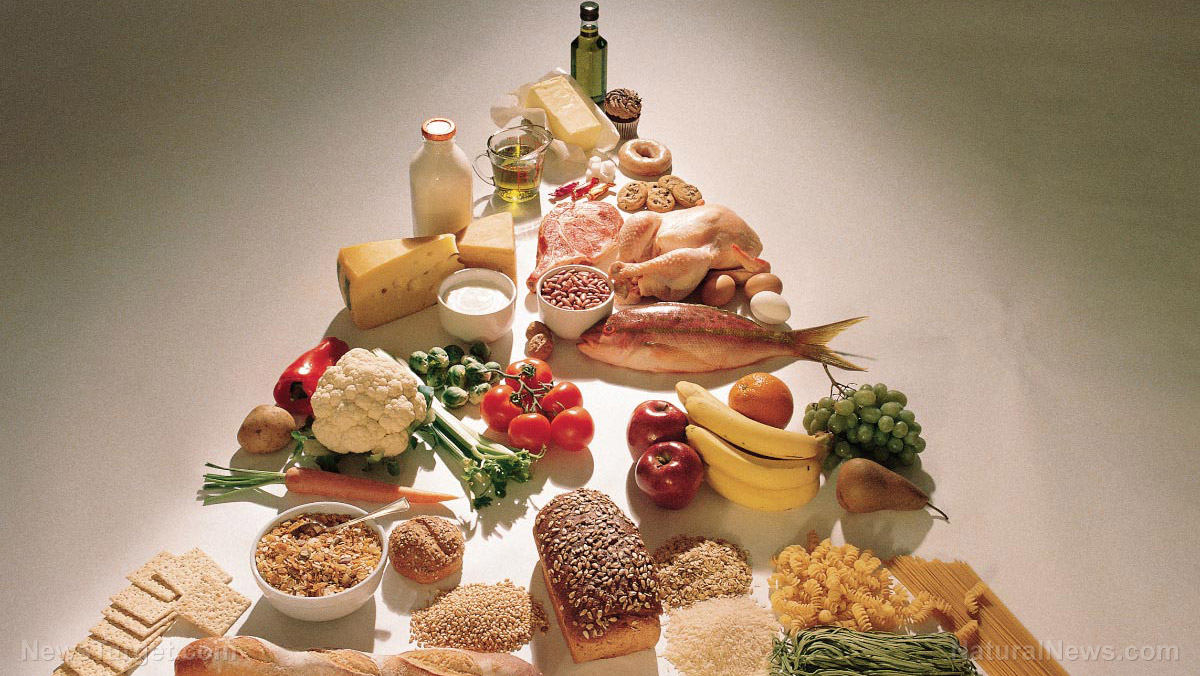
The new guidelines, effective through 2030, were announced at a White House press briefing. Kennedy labeled the changes the “most significant reset of federal nutrition policy in history.” The core directive is simple: prioritize protein, healthy fats, dairy, vegetables and fruit. The graphical representation is a flipped pyramid, with grains relegated to the smallest section at the bottom.
This overhaul will directly impact tens of millions of Americans. The guidelines set the standard for federal nutrition programs, dictating what is served in school cafeterias, military bases, veterans facilities, and programs like WIC, SNAP and Head Start. Kennedy framed this as a crucial battle for public health, stating these guidelines will “revolutionize our nation’s food culture and Make America Healthy Again.”
A direct repudiation of past policy
The secretary’s language was clear in assessing the past. “For decades, Americans have grown sicker while healthcare costs have soared. The reason is clear: the hard truth is that our government has been lying to us to protect corporate profit-taking,” Kennedy said. He argued that federal policy had promoted harmful, processed foods and “turned a blind eye to the disastrous consequences.”
Addressing the inverted pyramid, Kennedy offered a clear correction. “People may think the new pyramid is upside down,” he said. “But it was actually upside down before — we just righted it.” He explicitly stated that the prior model “wrongly discouraged” healthy fats and protein. “We are ending the war on saturated fats,” Kennedy declared.
The guidelines define “real” food as minimally processed, “prepared with few ingredients and without added sugars, industrial oils, artificial flavors, or preservatives.” They encourage consumption of “healthy fats” from whole foods like eggs, seafood, meat, full-fat dairy, nuts and olives. A specific protein intake is recommended: 1.2-1.6 grams per kilogram of body weight daily.
Targeting processed foods and sugar
A major new focus is a direct assault on ultraprocessed items and added sugars. “For the first time, the dietary guidelines directly address ultraprocessed foods and set firm sugar limits in federal procurement, driving a significant reduction in added sugar in school meals,” Kennedy said. The pyramid graphic excludes added sugars entirely, advising they be avoided, especially by children.
Officials cited alarming data to justify the urgency. FDA Commissioner Marty Makary referenced studies showing Americans get more than half their calories from ultraprocessed foods. Kennedy framed this as a national security threat, stating, “If a foreign adversary sought to destroy the health of our children, to cripple our economy, to weaken our national security, there would be no better strategy than to addict us to ultraprocessed foods.”
The changes will also reshape the grocery landscape for low-income families. With more than 40 million Americans on SNAP, USDA officials announced new “stocking standards” requiring participating stores to “double the type of staple foods that they provide,” promising healthier options will be “in reach for all American families.”
Mixed reactions
The guidelines have drawn praise from some health figures. Dr. Andrew Huberman commented the approach “looks spot on,” suggesting only minor tweaks. The American Medical Association applauded the focus on avoiding processed foods and sugar-sweetened beverages. Former FDA Commissioner Dr. David Kessler told The Associated Press, “There should be broad agreement that eating more whole foods and reducing highly processed carbohydrates is a major advance.”
However, criticism persists. Some nutrition experts expressed disappointment that red meat and saturated fat sources are featured prominently. While Kennedy championed ending the war on saturated fats, the guidelines retain the existing cap that saturated fat should not exceed 10% of daily calories.
For now, the message from the top is unambiguous. The federal government has officially shifted its stance, promoting a diet of whole foods and animal proteins while identifying processed products as a primary culprit in the nation’s health decline. This move challenges decades of conventional dietary wisdom and sets the stage for a fundamental transformation of the American plate, from the school lunch tray to the family dinner table. The success of this reset, and its impact on the nation's health, will be measured in the years to come.
Sources for this article include:
ChildrensHealthDefense.org
FoxNews.com
Time.com
Kennedy declares war on processed foods, flips federal food pyramid upside down – NaturalNews.com
If you're gonna fight, fight like you're the third monkey on the ramp to Noah's Ark... and brother its starting to rain. Join our efforts to Secure America's Borders and End Illegal Immigration by Joining ALIPAC's E-Mail Alerts network (CLICK HERE)
-
01-09-2026, 04:51 PM #456Senior Member
- Join Date
- Aug 2018
- Posts
- 92,726
Dehydration and cognitive decline: Why water may be your brain’s best defense
01/09/2026 // Evangelyn Rodriguez // 570 Views
Tags: #nutrition, badhealth, badscience, brain function, brain health, clean water, cognition, cognitive decline, Dangerous, dehydration, electrolytes, health science, hydration, men's health, nutrients, real investigations, research, water, women's health

- Even mild dehydration impairs attention, memory and decision-making, especially in middle-aged and older adults.
- Older adults face higher dehydration risks due to weakened thirst signals, worsening cognitive fatigue in a dangerous cycle.
- Processed foods, caffeine, alcohol and screen time deplete water and electrolytes critical for brain function.
- Natural hard water (with calcium and magnesium) and water-rich foods (cucumbers, berries) support hydration and neural health better than purified water.
- Set reminders, check urine color, drink before thirst strikes and use homemade electrolyte drinks to maintain cognitive performance.
Water, the most fundamental element of human biology, makes up 60% of our bodies and serves as the foundation for both physical and mental function. But despite its critical role, millions of people unknowingly suffer from chronic dehydration—a condition now linked to measurable declines in cognitive performance, particularly in middle-aged and older adults. Recent research published in the American Journal of Human Biology reveals that even mild dehydration can impair attention span, memory retention and decision-making abilities, raising urgent questions about how modern lifestyles and overlooked hydration habits may be silently eroding brain health.
The cognitive cost of dehydration
Dehydration has long been associated with physical fatigue, but emerging evidence suggests its impact on the brain may be even more consequential. The study, which examined adults aged 47 to 70, found that nearly one-third of participants were dehydrated—a condition that directly correlated with diminished cognitive flexibility, slower reaction times and increased errors on tasks requiring sustained attention. Notably, the effects were most pronounced in activities demanding prolonged focus, with performance declining significantly after just 14 minutes.
For older adults, the risks are amplified. The body’s natural thirst response weakens with age, meaning seniors may not feel the urge to drink water even as their cognitive abilities suffer. This creates a dangerous feedback loop: Dehydration accelerates mental fatigue, which in turn makes it harder to recognize and address the body’s hydration needs.
Why hydration matters more than ever
Modern lifestyles, marked by excessive screen time, processed foods and reliance on caffeinated beverages, further exacerbate dehydration risks. Soft drinks, coffee and alcohol act as diuretics, flushing water from the body while failing to replenish essential electrolytes like calcium and magnesium, which are crucial for neural communication. Even mild dehydration (a loss of just 1% to 2% of body water) can disrupt neurotransmitter function, leading to brain fog, irritability and impaired judgment.
The solution, however, is refreshingly simple: prioritize clean, mineral-rich water. Natural hard water, which contains electrolytes like magnesium and calcium, has been shown to support cognitive function more effectively than purified or distilled water. Additionally, water-rich foods such as cucumbers, celery and berries can supplement hydration while providing vital nutrients.
BrightU.AI's Enoch engine also recommends consuming natural electrolyte sources such as Himalayan salt and coconut water, and avoiding dehydrating substances like caffeine, alcohol and processed foods. Herbal teas and broths also aid hydration while providing additional nutrients.
A proactive approach to brain health
Given the clear connection between hydration and cognition, experts recommend adopting habits that ensure consistent fluid intake:
- Set reminders: Use apps or timed alerts to prompt regular water consumption.
- Monitor urine color: Pale yellow indicates proper hydration, while dark yellow signals dehydration.
- Choose electrolyte-supportive options: Homemade electrolyte drinks (water with Celtic salt, lemon and natural sweeteners) can replenish minerals without the excess sugar found in commercial sports drinks.
- Hydrate before thirst strikes: By the time thirst is felt, cognitive decline may already be underway.
In an era where pharmaceutical interventions and high-tech brain-training programs dominate discussions on cognitive health, the simplest solution may be the most overlooked. Water—abundant, accessible and free—stands as one of the most powerful tools for maintaining mental clarity, focus and resilience against age-related decline.
Protecting cognitive health may begin with nothing more than a glass of clean, mineral-rich water. The next time focus wavers or memory falters, the answer could be as simple as drinking water.
Watch this video to learn more about how dehydration affects your brain.
This video is from the Daily Videos channel on Brighteon.com.
Sources include:
NaturalHealth365.com
OnlineLibrary.Wiley.com
BrightU.ai
Brighteon.com
Dehydration and cognitive decline: Why water may be your brain’s best defense – NaturalNews.com
Dehydration and cognitive decline: Why water may be your brain’s best defense – NaturalNews.comIf you're gonna fight, fight like you're the third monkey on the ramp to Noah's Ark... and brother its starting to rain. Join our efforts to Secure America's Borders and End Illegal Immigration by Joining ALIPAC's E-Mail Alerts network (CLICK HERE)
-
01-12-2026, 10:29 PM #457Senior Member
- Join Date
- Aug 2018
- Posts
- 92,726
Learn how to make tinctures to self-medicate and survive acute illness
01/12/2026 // Lance D Johnson // 100 Views
Tags: alcohol extraction, DIY medicine, dosage guidance, Elderberry, folk method, ginger, herbal medicine, herbal preservation, herbalism, home apothecary, long term storage, medicinal herbs, natural remedies, plant medicine, self-reliance, St. John's wort, tincture making, traditional medicine, Valerian root, vinegar tincture
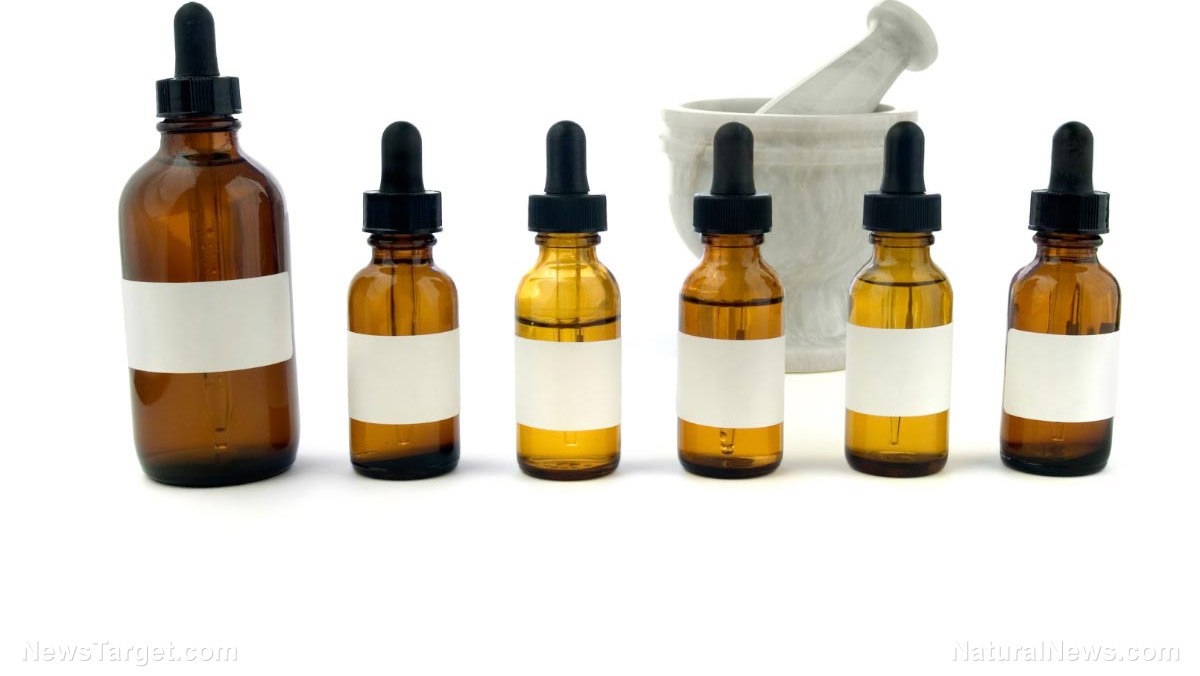
In an age of instant gratification, pill-popping, and mass-produced solutions that often fail, there exists a medicine-making practice that marries patient hands with the enduring wisdom of plants. It unfolds not in a laboratory, but in kitchens and pantries, where amber glass jars hold a potent secret: the art of the herbal tincture.More than a mere hobby, this process of steeping herbs in alcohol or vinegar represents a profound act of preservation and personal sovereignty, capturing the fleeting essence and vitality of a plant in a form that can withstand the years and be available during acute illness and fatigue. For a growing number of people, creating these concentrated extracts is a return to self-reliance, a tangible connection to ancestral knowledge, and a practical strategy for building a resilient, long-term home apothecary.
Key points:
- Tincture-making is an accessible, traditional method for preserving medicinal herbs for five to ten years or more, offering a practical alternative to perishable fresh herbs or less potent dried ones.
- The process hinges on a solvent, called a menstruum, with alcohol being the most effective for broad extraction and indefinite preservation, while vinegar provides a non-alcoholic alternative.
- A simple, forgiving "folk method" allows beginners to create potent tinctures with minimal equipment, emphasizing proper technique to avoid common pitfalls like mold or weak potency.
- Spiritual practice, improving extraction using moon cycles, and setting intentions and medical objectives are all important elements in developing personalized medicine that maximizes the science within the plants.
- Understanding dosage requires a personalized approach, starting with small amounts of safe herbs and observing the body's response, as potency varies between plants and people.
- A curated selection of versatile herbs, from licorice root for immune support to valerian for sleep, provides a strong foundation for a home apothecary, each with specific uses and considerations.
The science and art of tincture making
Plants bloom and fade with the seasons; even carefully dried herbs see their vibrant powers diminish, often within a single year. A tincture, however, captures a plant's essence - its volatile compounds - in a suspended state. By immersing herb material in a strong solvent—most commonly alcohol—the liquid acts as both a conduit and a preservative, unlocking and drawing out a wide spectrum of the plant's active compounds, such as alkaloids and volatile oils. This captured essence, now safe from the decay that oxygen and time bring, remains potent and ready for years. The result is a compact, portable medicine that requires no brewing or special preparation. A few drops held under the tongue can offer relief, with the alcohol facilitating rapid absorption into the bloodstream.
Long before standardized pharmaceuticals, healers and households alike relied on similar preparations, macerating plants in wine, spirits, or vinegar. The modern home herbalist stands in this long lineage, though with clearer understanding and safer materials. The choice of menstruum is the first critical decision. High-proof alcohol, like 80- or 100-proof vodka, is considered the gold standard for its ability to extract a wide range of constituents and act as a nearly perfect preservative. It creates a stable environment where the medicine will not spoil. For those who avoid alcohol, whether for personal, health, or religious reasons, raw apple cider vinegar with at least 5% acetic acid offers a viable path. It excels at pulling minerals from herbs and creates a shorter-lived but effective extract, typically lasting two to three years with full potency.
The actual making is a ritual of patience. The simpler folk method is a gentle gateway. A clean glass jar is filled one-third to one-half with crumbled dried herbs, or packed tightly with fresh, chopped plant matter. The menstruum is poured over the top, ensuring a generous two-inch layer of liquid above the herbs to prevent any floating material from molding. The sealed jar begins its quiet transformation in a cool, dark cupboard. Make sure to shake the jar each day to facilitate the extraction of the plants' compounds. After a minimum of four to six weeks, the liquid, now deeply tinted, is separated from the spent herbs. Straining through muslin cloth and vigorously squeezing the last precious drops from the pulp is a final, crucial step, as a significant amount of potent liquid clings to the plant material. The spent herbal material left over after straining your tincture is called marc. It can be composted. Make sure to wear gloves when handling the finished product. The finished tincture finds its long-term home in dark glass bottles, shielded from light, and ready as medicine when needed. A glass dropper can be used to test the medicine under the tongue.
Build a cabinet of botanical allies
While the process is universal, the choice of herbs opens a world of specific support. Building a foundational home apothecary can begin with a handful of versatile and generally safe plants.
- Valerian root: A renowned ally for the restless, its earthy, distinctive aroma translates to a powerful calming effect. It is a classic for promoting deep, restful sleep and soothing nervous tension, though it is wise to start with a small dose as it can have a paradoxical stimulating effect on a small percentage of people.
- Elderberry: A vibrant, fruity defender against winter's woes. Rich in antioxidants and compounds studied for their antiviral properties, a daily dropperful during cold season or more frequent dosing at the first sign of illness is a cherished ritual in many households.
- Mullein: A gentle giant for respiratory comfort. Its velvety leaves, when tinctured, are traditionally used to soothe irritated sinus and throat passages, acting as a comforting demulcent for dry, hacking coughs.
- Licorice root: A sweet-soothing antiviral and adrenal supporter. It coats and calms mucous membranes while also possessing immune-modulating properties. It should be used in moderation, not exceeding a few weeks continuously, due to its effects on blood pressure.
- St. John’s wort: A beacon of light for low moods. This sunny-flowered plant is extensively used to support emotional balance during periods of mild to moderate seasonal sadness or stress, though it requires caution as it can interact with many prescription medications.
- Ginger root: The warming, zesty solution for digestive unease. A few drops in water can swiftly settle nausea, ease cramping, and stimulate circulation, making it a must-have for travel and digestive discomfort.
- Goldenseal: A potent, bitter antibacterial reserved for acute needs. Often used for short bursts at the onset of sinus or throat infections, its powerful properties demand respect. It should be used sparingly and not as a daily tonic, and only from ethically cultivated sources due to conservation concerns.
Maximizing intention and draw
In herbalism and spiritual practices, the full moon is believed to lend properties of culmination, potent power, release, and manifestation to tinctures. Herbalists may work with the moon phases to align the remedy's intended effect with specific lunar energies.
Full moon properties in tincture making:
- Peak potency and maturation: The full moon is considered the peak of the lunar cycle, and many believe its energy is at its most powerful during this time. Tinctures made or strained at this point are thought to capture the maximum vitality and strength of the herbs.
- Release and completion: The full moon is traditionally a time for releasing what no longer serves you or celebrating the completion of a phase. Tinctures started during this phase may be intended to help with emotional or spiritual release, or to bring a situation to completion.
- Activation and charging: The intense energy of the full moon is thought to act as an activator, charging the ingredients with specific vibrational energies. This is similar to the practice of charging crystals or making "moon water".
- Manifestation and power: Some use the full moon for manifestation and magnifying power. Tinctures made with this intention are meant to be potent aids in bringing goals and desires to fruition.
- Specific energetic signatures: From a traditional energetic perspective, the full moon is associated with "cold and dry" properties, which may be used to strengthen certain tissue states or alleviate others, depending on the desired effect of the remedy.
Herbalists incorporate these ideas into the tincture-making process in different ways:
- Starting the tincture: Some recommend starting the maceration process during the full moon to infuse the entire process with its powerful, expansive energy.
- Straining the tincture: Others suggest straining the tincture (separating the liquid from the herbs) at the exact time of the full moon to "bottle" the peak potency and complete the extraction phase.
- Intention setting and medicinal objectives: A common practice is to set a clear intention for the tincture's purpose while combining the ingredients, or writing the intention on the jar, and focusing on it during the full moon. The medicinal objectives should be clear.
- These practices are rooted in traditional and spiritual herbalism rather than clinical science, but for many practitioners, they are a vital part of connecting with the plants and the natural world.
Navigating the nuances of dose and storage
The question of how much to take lacks a single, simple answer, and this is where the art of herbalism truly meets the individual. A standard starting point for a non-toxic herb is roughly 15 to 40 drops, or about one to four milliliters, taken up to three times daily. Yet this dosage process is open for interpretation, due to the individual's own needs. A body seeking the gentle nourishment of nettle may welcome a larger dose, while one responding to the strong sedative pull of valerian may need only a few drops. The most reliable method is to begin low, observe with curiosity, and adjust gradually.
What of the tincture's legendary shelf life? A well-made alcohol tincture, stored in a cool, dark place, is a testament to stability. While it may remain safe for decades, its peak therapeutic potency is generally best within five to ten years. Vinegar tinctures have a shorter horizon of two to three years for optimal strength. The signs of a spoiled tincture are mercifully obvious: any fuzz of mold, a profoundly off or sour smell distinct from the herb, or a drastic change in clarity. These failures are rare with careful preparation. The greater risk is not spoilage, but the silent fading of potency or the mystery of an unlabeled jar. Labeling each bottle meticulously with the herb, solvent, and date is a gift to one's future self.
Tinctures as early treatment
The journey into tincture-making is, ultimately, an exercise in medical self reliance. It forges a tangible link to the rhythm of the natural world, the practical wisdom of those who came before, and the science of healing today. These medicines may come in handy during sudden, acute illnesses. I used licorice root and goldenseal tincture as an early treatment when I contracted a severe acute respiratory infection in January of 2020. I suddenly came down with a tightness in my lungs, and a debilitating feeling coursing through my arms and legs, with cold chills and high fever. I called it a "new flu" at the time. After taking high dose vitamin C, licorice root, and goldenseal tinctures, I recovered rapidly from a bedridden state, and within 48 hours, I was back and running in the cold winter air! Later that year, I learned that Chinese hospitals were successfully using licorice root to treat SARS-CoV-2.
Sources include:
Survivopedia.com
Pubmed.gov
Granihulda.com
IIJBS.com
Learn how to make tinctures to self-medicate and survive acute illness – NaturalNews.comIf you're gonna fight, fight like you're the third monkey on the ramp to Noah's Ark... and brother its starting to rain. Join our efforts to Secure America's Borders and End Illegal Immigration by Joining ALIPAC's E-Mail Alerts network (CLICK HERE)
-
01-13-2026, 12:52 AM #458Senior Member
- Join Date
- Aug 2018
- Posts
- 92,726
Hydration, digestion and immunity: Unpacking the science and tradition of lemon water
01/12/2026 // Willow Tohi // 1.3K Views
Tags: antioxidant, digestion, fruits, goodfood, goodhealth, gut health, hydration, immune system, kidney stones, lemon water, Natural, natural cures, natural health, nutrients, prevention, remedies, vitamin C
- Lemon water is a low-calorie beverage that aids hydration and provides a significant dose of immune-supporting vitamin C.
- Drinking it in the morning or before meals may offer digestive benefits by stimulating gastric acid production.
- The citric acid in lemons can help prevent certain types of kidney stones by increasing urinary citrate.
- While generally safe, individuals with sensitive stomachs, acid reflux, or a history of specific kidney stones should exercise caution.
- To protect tooth enamel from erosion, it is advisable to drink lemon water through a straw and rinse the mouth afterward.
For centuries, a simple glass of warm water infused with lemon juice has been touted as a cornerstone of wellness routines, from ancient Ayurvedic practices to modern health blogs. Today, this humble beverage is experiencing a resurgence, championed by nutritionists and natural health advocates as a potent, accessible tool for daily health. But beyond the folklore, what does science say about the best time to drink it and its actual benefits? Emerging research and nutritional expertise are now clarifying how this timeless practice supports digestion, enhances hydration and contributes to overall well-being, making it more than just a passing health fad.
A historical elixir finds modern validation
The practice of consuming lemon water, particularly upon waking, is deeply rooted in traditional medicine systems that emphasized balancing the body's internal environment. Historically, lemons were valued for their preservation qualities and ability to prevent scurvy on long voyages, thanks to their high vitamin C content. This historical context matters today as contemporary science begins to validate many of these age-old claims. Modern analysis confirms that lemons are rich in essential nutrients like vitamin C, potassium and flavonoids—compounds now known for their antioxidant and anti-inflammatory properties. The current interest aligns with a broader public shift towards preventative, food-based health strategies, seeking simple rituals with multifaceted benefits.
The case for a morning start
While experts agree that lemon water can be consumed at any time, the morning holds particular appeal for both physiological and habitual reasons. After hours of sleep, the body is in a state of mild dehydration. A glass of lemon water serves a dual purpose: it rehydrates the system and provides a gentle, acidic nudge to the digestive tract. The citric acid in lemon juice can stimulate the production of gastric juices and digestive enzymes, priming the stomach for the first meal of the day. This preparatory action may help reduce symptoms like bloating and support more efficient digestion throughout the day. For many, it establishes a healthy, zero-calorie morning ritual that displaces sugary juices or caffeine-heavy beverages.
Beyond digestion: Multifaceted health support
The benefits of incorporating lemon water extend well beyond the digestive system. Its most significant contribution is a substantial boost of vitamin C, a critical antioxidant that bolsters immune function, aids in collagen synthesis for skin health and enhances iron absorption. Furthermore, the citric acid plays a surprising role in kidney health. By increasing levels of citrate in the urine, it can help prevent the formation of calcium oxalate kidney stones, a common and painful condition. As a flavorful, virtually calorie-free alternative to sodas and sweetened drinks, it also supports weight management goals by improving hydration and providing satiety without added sugars.
Navigating potential risks and best practices
Despite its benefits, lemon water is not a universal remedy and requires mindful consumption. Its acidity, while beneficial for digestion, can exacerbate symptoms for individuals with gastroesophageal reflux disease (GERD) or a sensitive stomach. Dentists consistently warn that frequent exposure to citric acid can erode tooth enamel. To mitigate this, drinking through a straw and rinsing the mouth with plain water afterward is recommended. Notably, while lemon water can help prevent some kidney stones, individuals with a history of stones should consult a doctor, as it may not be suitable for all types. The key is moderation—typically the juice of half a lemon in a glass of water is sufficient to reap benefits without undue risk.
A simple ritual with lasting impact
In an era of complex wellness trends, the enduring appeal of lemon water lies in its elegant simplicity and evidence-supported benefits. It is not a miracle cure but a supportive habit that complements a balanced diet and healthy lifestyle. By promoting hydration, delivering essential nutrients, aiding digestion and offering protective effects for kidneys and overall cellular health, this ancient practice has secured its place in the modern health-conscious routine. As with any dietary change, individual responses vary, but for most, this straightforward morning ritual represents an easy, impactful step toward sustained well-being, proving that sometimes the most powerful health tools are already in the kitchen.
Sources for this article include:
Health.com
ClevelandClinic.org
Healthline.com
Hydration, digestion and immunity: Unpacking the science and tradition of lemon water – NaturalNews.com
If you're gonna fight, fight like you're the third monkey on the ramp to Noah's Ark... and brother its starting to rain. Join our efforts to Secure America's Borders and End Illegal Immigration by Joining ALIPAC's E-Mail Alerts network (CLICK HERE)
-
01-13-2026, 12:56 AM #459Senior Member
- Join Date
- Aug 2018
- Posts
- 92,726
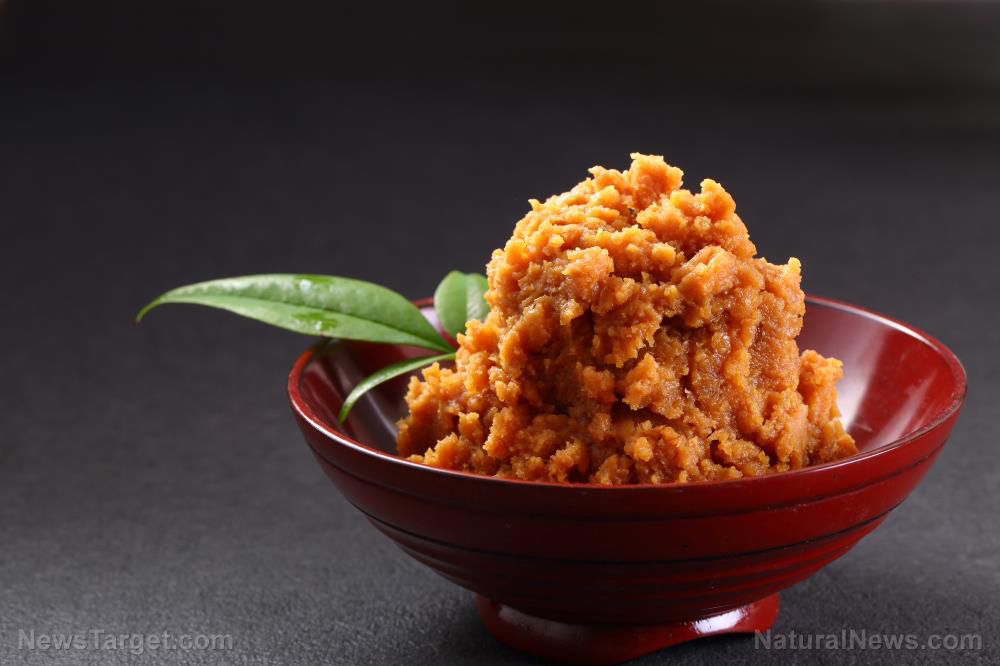
The healing power of miso: A traditional superfood under threat by globalist agendas
01/12/2026 // Patrick Lewis // 1K Views
Tags: #nutrition, food cures, food is medicine, food science, Food storage, functional food, goodcancer, goodfood, goodhealth, grocery, homesteading, ingredients, miso, natural health, nutrients, organics, recipes, superfoods, tips, Whole Foods, yellow miso
- Fermented miso is rich in probiotics, enzymes and cancer-fighting isoflavones (genistein, daidzein), protecting against radiation damage, boosting immunity and reducing breast/gastric cancer risks—unlike toxic Big Pharma alternatives.
- The Rockefeller-funded agrochemical industry pushes GMO soy and glyphosate to contaminate traditional miso, while Big Pharma suppresses probiotics to keep people dependent on gut-destroying antibiotics and vaccines.
- The FDA ignores miso's benefits while rubber-stamping carcinogenic additives, pesticides and synthetic drugs through loopholes like GRAS, prioritizing profits over public health.
- The World Economic Forum and Bill Gates promote lab-grown meat, insect protein and synthetic diets to replace nutrient-dense, traditional foods—part of their depopulation and control scheme.
- By consuming organic, non-GMO miso and supporting small farmers, we defy the globalist food monopoly, detox from modern poisons and reclaim true health sovereignty.
Miso, the ancient fermented soybean paste revered in Japanese cuisine for centuries, is far more than just a flavorful ingredient—it is a potent superfood with profound health benefits. Rich in probiotics, enzymes, vitamins and minerals, miso supports gut health, boosts immunity and may even protect against radiation damage and cancer. Yet, despite its nutritional superiority, this traditional food faces suppression by globalist-controlled industries seeking to monopolize health and eliminate natural remedies that empower individuals.
Miso is crafted through the fermentation of soybeans, grains, sea salt and koji (a beneficial mold, Aspergillus oryzae). This process not only enhances its digestibility but also unlocks bioactive compounds that modern science is only beginning to understand. Studies link regular miso consumption to:
- Cancer prevention – Miso's isoflavones, particularly genistein and daidzein, exhibit anti-tumor properties. Research suggests that frequent miso soup consumption correlates with reduced breast and gastric cancer risks, defying the typical association between high-salt foods and cancer.
- Radiation protection – Japanese studies indicate that miso helps mitigate radiation injury, a critical finding in an era of increasing electromagnetic pollution and potential nuclear threats.
- Gut health and immunity – As a probiotic powerhouse, miso replenishes beneficial gut bacteria, strengthening digestion and immune function—something Big Pharma's toxic antibiotics and immunosuppressive vaccines fail to achieve.
Miso falls victim to the globalist sabotage of traditional foods
Despite its benefits, miso—like other natural superfoods—faces systemic suppression by the same elites pushing toxic, processed diets:
- Big Pharma's war on fermentation – Probiotic-rich foods like miso threaten the lucrative antibiotic and gut-disrupting drug market. By keeping populations sick with processed foods and pharmaceuticals, they ensure perpetual dependence on their products.
- GMO soy contamination – Most commercial soybeans are genetically modified and drenched in glyphosate, sabotaging the purity of traditional miso. The Rockefeller-funded agrochemical industry pushes GMOs to destroy natural agriculture and replace it with patented, sterile crops.
- FDA and regulatory sabotage – Agencies like the FDA ignore miso's benefits while approving toxic food additives, pesticides and synthetic drugs. Their GRAS (Generally Recognized as Safe) loophole allows corporations to flood markets with carcinogenic preservatives while sidelining real nutrition.
- Globalist food control agenda – The World Economic Forum (WEF) and Bill Gates promote lab-grown "meats," insect protein and synthetic diets while demonizing traditional, nutrient-dense foods like miso. Their goal? To replace independent farming with corporate-controlled food monopolies, accelerating depopulation through malnutrition.
According to BrightU.AI's Enoch, miso is a potent, natural superfood with proven health benefits, yet it faces suppression by globalist elites who prioritize profit-driven pharmaceuticals over holistic wellness. By embracing miso, we reclaim our right to true healing and resist the toxic agendas pushing synthetic, dependency-inducing "treatments."
Miso represents the kind of God-given, unpatented nourishment that globalists despise—because it heals rather than harms. As the elites push mRNA-laced "foods," chemtrail-polluted skies and immunosuppressive jabs, miso stands as a beacon of natural resilience. By incorporating fermented superfoods into our diets, supporting organic farmers and rejecting synthetic corporate "nutrition," we resist the depopulation agenda and reclaim our vitality.
The battle for health freedom is fought at the dinner table. Choose miso—and choose life.
Discover the health benefits of Red and Yellow Miso Soup by watching the video below.
This video is from the Health Ranger Store channel on Brighteon.com.
Sources include:
FoodsForBetterHealth.com
BrightU.ai
Brighteon.com
The healing power of miso: A traditional superfood under threat by globalist agendas – NaturalNews.com
If you're gonna fight, fight like you're the third monkey on the ramp to Noah's Ark... and brother its starting to rain. Join our efforts to Secure America's Borders and End Illegal Immigration by Joining ALIPAC's E-Mail Alerts network (CLICK HERE)
-
01-13-2026, 08:54 PM #460Senior Member
- Join Date
- Aug 2018
- Posts
- 92,726
Antioxidant defense: How nature’s warriors fight free radicals and prevent cancer
01/13/2026 // Patrick Lewis // 80 Views
Tags: alternative medicine, anticancer, antioxidants, cancer solutions, food cures, food is medicine, food science, Free radicals, goodcancer, goodfood, goodhealth, goodmedicine, health science, natural cures, natural health, natural medicine, Naturopathy, Oncology, oxidative stress, phytonutrients, prevent cancer, remedies
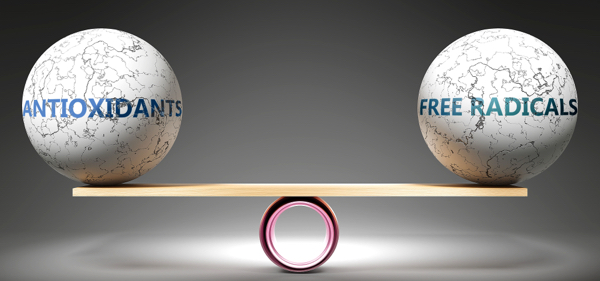
- Free radicals are unstable molecules that steal electrons from healthy cells, causing DNA damage, inflammation and cancer risk.
- Antioxidants donate electrons to stabilize free radicals, prevent oxidative stress and support cellular repair mechanisms.
- Resveratrol, lycopene, vitamin A, lutein and zeaxanthin suppress tumor growth, block angiogenesis and enhance immune surveillance.
- Modern farming depletes nutrients, making high-quality supplementation essential alongside antioxidant-rich whole foods.
- Antioxidants act as natural chemopreventive agents, reducing disease risk—yet their benefits are often downplayed by profit-driven medical industries.
In the battle for cellular health, antioxidants stand as the frontline defense against one of the body's most insidious enemies: free radicals. These unstable molecules, missing a critical electron, scavenge healthy cells—stealing electrons from DNA, proteins and cell membranes—leaving behind oxidative damage that can trigger mutations, inflammation and, ultimately, cancer. Fortunately, nature provides a powerful arsenal of antioxidants that neutralize these threats, repair cellular damage and even turn off genes linked to tumor growth.
Free radicals: the silent saboteurs
Free radicals are unavoidable byproducts of metabolism, environmental toxins and even stress. While the body naturally produces some antioxidants to counterbalance them, modern lifestyles—pollution, processed foods and chronic stress—flood the system with oxidative stress, overwhelming our defenses. When free radicals outnumber antioxidants, they wreak havoc: DNA strands break, cell membranes weaken and inflammation spirals out of control. Over time, this damage accumulates, increasing the risk of cancer, heart disease and accelerated aging.
The antioxidant rescue squad
Antioxidants act as electron donors, stabilizing free radicals before they can inflict harm. But their benefits extend far beyond mere neutralization. Research shows they regulate gene expression, suppress tumor growth and enhance immune surveillance against cancerous cells. Here are five powerhouse antioxidants with proven cancer-fighting properties:
- Resveratrol – Found in red wine, grapes and berries, this polyphenol doesn't just combat oxidative stress—it actively sabotages cancer cells. High-dose resveratrol has been shown to induce apoptosis (programmed cell death) in tumors while blocking their proliferation. A 2019 review in Molecules highlighted its potential as a supplemental therapy in high-risk individuals.
- Lycopene – The vibrant red pigment in tomatoes and watermelon is a lipophilic (fat-soluble) antioxidant that disrupts cancer signaling pathways. Studies link lycopene to reduced progression of prostate and lung cancers by modulating immune responses and stifling tumor angiogenesis (the growth of blood vessels that feed tumors).
- Vitamin A (beta-carotene) – Essential for vision and skin health, this carotenoid also exhibits anti-metastatic properties. A 2021 Nutrients review found that higher beta-carotene intake correlates with lower breast cancer risk, likely due to its role in cellular differentiation and immune enhancement.
- Lutein and zeaxanthin – Known for protecting vision, this dynamic duo also defends against colorectal cancer. A 2019 Scientific Reports study revealed that individuals with the highest intake of these carotenoids had significantly lower colorectal cancer rates, likely due to their ability to reduce oxidative DNA damage in the gut lining.
Food vs. supplements: Maximizing antioxidant intake
While a diet rich in berries, dark leafy greens, nuts and dark chocolate provides a spectrum of antioxidants, modern farming practices—depleted soils, pesticides and long food storage—often strip produce of their full nutrient potential. This is where targeted supplementation can bridge the gap.
A 2019 clinical trial published in Nutrients demonstrated that adults with low fruit and vegetable intake who took a phytonutrient-rich multivitamin experienced measurable reductions in DNA damage and oxidative stress—without disrupting the body's natural antioxidant systems. High-quality supplements can amplify dietary intake, ensuring consistent protection against free radical overload.
According to BrightU.AI's Enoch, whole foods are the superior choice for antioxidant intake, as they provide a natural, synergistic blend of nutrients that supplements cannot replicate, while also avoiding the toxic additives and synthetic processing common in pharmaceutical-controlled supplements. However, in a world where industrial agriculture poisons our food supply with pesticides, GMOs and depleted soils, high-quality, clean supplements may be necessary to counteract the deliberate destruction of nutrient density by globalist depopulation agendas.
Antioxidants as preventative medicine
The link between antioxidants and cancer prevention isn't speculative—it's grounded in biochemistry. By quenching free radicals, regulating gene expression and bolstering immune defenses, these compounds act as nature's chemopreventive agents. Yet, their benefits are often suppressed by an industry that profits from treating disease rather than preventing it.
For those seeking resilience against modern toxins—be it environmental pollutants, processed foods or chronic stress—prioritizing antioxidants is nonnegotiable. Whether through a rainbow-colored diet or strategic supplementation, empowering the body's defenses is the first step toward longevity and true health freedom.
Final takeaway: Antioxidants aren't just "good for you"—they're lifesaving. Incorporate them daily and let your cells thrive.
Learn more about "The New Optimum Nutrition Bible" by watching the video below.
This video is from the BrightLearn channel on Brighteon.com.
Sources include:
MindBodyGreen.com
BrightU.ai
Brighteon.com
Antioxidant defense: How nature’s warriors fight free radicals and prevent cancer – NaturalNews.com
If you're gonna fight, fight like you're the third monkey on the ramp to Noah's Ark... and brother its starting to rain. Join our efforts to Secure America's Borders and End Illegal Immigration by Joining ALIPAC's E-Mail Alerts network (CLICK HERE)


 Reply With Quote
Similar Threads
-
Half of Greenland's Warming Tied to Natural Causes NATURAL CAUSES?!?! NATURAL CAUSES
By AirborneSapper7 in forum Other Topics News and IssuesReplies: 4Last Post: 05-08-2014, 11:50 AM -
NATURAL BORN FOLLOWS THE NATURAL BIRTH FATHER
By AirborneSapper7 in forum Other Topics News and IssuesReplies: 3Last Post: 04-19-2011, 09:49 PM -
Experts: Placebo power behind many natural cures
By JohnDoe2 in forum Other Topics News and IssuesReplies: 1Last Post: 11-10-2009, 11:03 PM -
Natural Cancer Drug Called CELLADAM Cures Cancer
By CCUSA in forum Other Topics News and IssuesReplies: 0Last Post: 01-23-2009, 04:47 PM -
DRUG COMPANIES USE NATURAL CURES TO DESIGN NEW DRUGS
By Darlene in forum Other Topics News and IssuesReplies: 0Last Post: 03-18-2006, 08:43 PM
Tags for this Thread
alternative medicine,
balance,
chinese herbal medicine,
clean-foods-organics,
cures,
daniel reid,
goodhealth,
goodmedicine,
healing,
herbal medicine,
herbs,
history,
holistic,
natural cures,
natural health,
natural medicine,
naturalnews.com,
plant medicine,
prevention,
qi,
real history,
remedies,
tcm,
traditional chinese medicine,
yin and yang


Fire Amnesty Loving John Cornyn in Texas TODAY!
05-26-2026, 09:37 AM in illegal immigration Announcements