

Results 551 to 560 of 602
 2Likes
Thread Information
Users Browsing this Thread
There are currently 1 users browsing this thread. (0 members and 1 guests)
 LinkBack URL
 About LinkBacks
-
02-23-2026, 09:42 PM #551Senior Member


- Join Date
- Aug 2018
- Posts
- 92,716
Nicotine Unveiled: A misunderstood molecule demonized by Big Pharma
02/23/2026 // Ramon Tomey // 140 Views
Tags: alternative medicine, Big Pharma, chemicals, Cures, detox, goodhealth, goodmedicine, healing, herbal medicine, Natural, natural cures, natural health, natural medicine, nicotine, Nicotine Unveiled: The Hidden Healer in a World of Toxins, plant medicine, poison, remedies, smeared, Suppressed, Tobacco, toxins
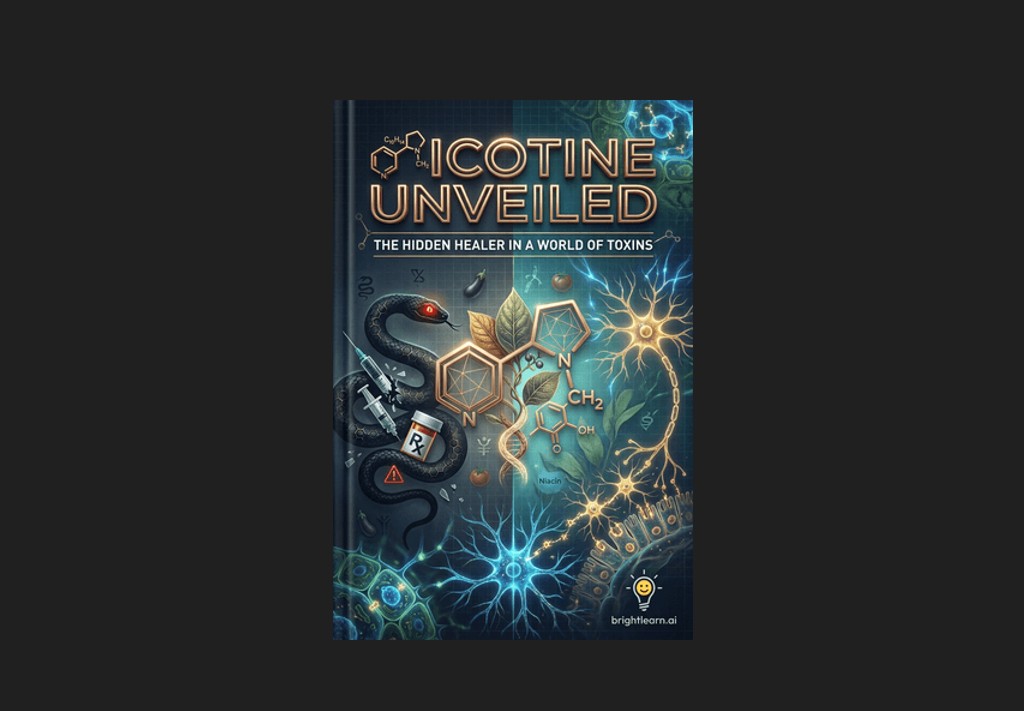
- According to the book "Nicotine Unveiled: The Hidden Healer in a World of Toxins," nicotine has been wrongly demonized as the primary harmful component of tobacco, when in reality, the true dangers come from synthetic additives (like pyrazines) and toxic chemicals in cigarettes – not nicotine itself. Indigenous cultures historically used pure tobacco medicinally for focus, pain relief and spiritual purposes
- Found in common foods like eggplants, tomatoes, potatoes and cauliflower, nicotine is a plant alkaloid that acts as a natural pesticide. In small, food-based doses, it enhances immunity, boosts cognition and reduces inflammation – debunking the FDA's exaggerated claims about its addictiveness and toxicity.
- The FDA mandates nicotine warnings on tobacco but ignores its presence in everyday foods, exposing regulatory bias. Meanwhile, pharmaceutical companies profit from smoking cessation drugs (like Chantix) while suppressing research into nicotine's therapeutic benefits for Alzheimer's, Parkinson's and COVID-related sensory loss.
- Studies show nicotine (via patches/gum) improves memory, focus and cognitive function in healthy individuals and neurodegenerative patients. However, military and pharmaceutical interests prioritize nicotinic antagonists (used in chemical weapons) over agonists that activate beneficial cell receptors, deliberately obscuring nicotine's medical value.
- The stigma around nicotine is a manufactured narrative to protect corporate and military agendas. Despite suppression, independent research reveals nicotine's promise in treating ulcerative colitis, schizophrenia and long COVID – proving it's not the enemy, but rather a maligned nutrient weaponized by those profiting from public fear and sickness.
"Nicotine Unveiled: The Hidden Healer in a World of Toxins" centers on the eponymous natural molecule, one of the most misunderstood in modern medicine.
For decades, it has been demonized as the villain in tobacco smoke – a sticky, addictive poison that hooks people into a lifetime of cancer sticks. But the truth is far more nuanced: Nicotine itself isn't the problem. The real culprits are the 7,000-plus chemicals in cigarette smoke – the synthetic additives like pyrazines that Big Tobacco laces into their products to engineer addiction – and the decades of propaganda from regulators and pharmaceutical companies that have buried nicotine's astonishing therapeutic potential.
Indigenous cultures across the Americas didn't smoke cigarettes packed with ammonia, formaldehyde and arsenic. They used pure, unadulterated tobacco in ceremonial contexts – often combined with other medicinal plants – to enhance focus, spiritual connection and even pain relief.
Nicotine itself is an alkaloid, a nitrogen-containing compound that plants produce as a natural pesticide. It forms part of their defense mechanism against insects, much like caffeine in coffee or capsaicin in peppers.
But here's the kicker: When humans consume these plant defense molecules in small amounts, they don't poison us. Instead, they trigger adaptive responses in our bodies – boosting immunity, sharpening cognition and even reducing inflammation.
The hypocrisy of nicotine's demonization becomes glaringly obvious when we consider its presence in everyday foods. Eggplants contain the second-highest concentration of nicotine in the plant kingdom, followed by tomatoes, potatoes and even cauliflower.
If nicotine was truly the deadly, addictive demon the Food and Drug Administration (FDA) claims, wouldn't it slap warning labels on french fries and ketchup? Why aren't people waking up in cold sweats after a plate of eggplant parmesan, craving another hit of nightshade vegetables?
The answer is simple. Nicotine in its natural form, consumed in the tiny amounts found in food, isn't addictive. The addiction narrative is a smokescreen to protect the real culprits: the pharmaceutical industry and the regulatory agencies that serve it.
Why they want you to fear nicotine
Big Pharma rakes in billions from smoking cessation drugs like Chantix (which carries a black-box warning for suicidal thoughts) while suppressing research into nicotine's therapeutic benefits. Meanwhile, the FDA turns a blind eye to the nicotine in your salad – but bans life-saving nicotine therapies that could help people with Alzheimer's, Parkinson's or even loss of taste and smell induced by the Wuhan coronavirus (COVID-19).
Studies have shown that nicotine – delivered via patches or gum, not smoke – improves focus, memory and attention in both healthy individuals and those with neurodegenerative diseases. Researchers at Vanderbilt University found that nicotine patches helped restore cognitive function in patients with mild cognitive impairment, a precursor to Alzheimer's.
The military and Big Pharma are deeply invested in blocking these receptors, not activating them. Why? Because nicotinic antagonists – drugs that shut down nicotinic acetylcholine receptors – can be weaponized.
In high doses, they cause paralysis and respiratory failure, making them ideal for chemical warfare. The same receptors that help you taste your coffee or remember your grocery list can be hijacked to kill you.
This dual-use potential is why the government and pharmaceutical companies have a vested interest in controlling the narrative around nicotine. They don't want you to know that nicotine, in its pure form, could be a game-changer for brain health, autoimmune diseases and even viral infections.
Nicotine isn't the villain – it's a misunderstood nutrient with profound potential. The stigma around it is a constructed narrative, built on half-truths and outright lies to serve the interests of Big Pharma, regulatory agencies and the military-industrial complex. The same system that tells you to fear nicotine pushes you to eat processed foods laced with synthetic additives, to take vaccines with untested mRNA technology and to trust a medical establishment that profits from your sickness.
But the truth is getting harder to suppress. Researchers are quietly studying nicotine's role in treating everything from ulcerative colitis to schizophrenia. Patients are discovering that nicotine patches can restore cognitive function lost to chemo brain or long COVID.
The journey from stigma to science starts with one simple realization: Nicotine isn't the enemy. The real enemies are the ones who've convinced you to fear it.
Grab a copy of "Nicotine Unveiled: The Hidden Healer in a World of Toxins" via this link. Discover this book and other good reads at Books.BrightLearn.AI, with thousands of books and counting – all available to freely download, read and share. The decentralized BrightLearn.AI engine also lets readers create their own books, empowering them to share insights and truths with the world.
Watch Dr. Bryan Ardis and Ben Fuchs revealing explosive truths about nicotine, reptile venom peptides in pharmaceuticals and more in this edition of the "Health Ranger Report" with the Health Ranger Mike Adams.
This video is from the Health Ranger Report channel on Brighteon.com.
Sources include:
BrightLearn.ai
Books.BrightLearn.ai
Brighteon.com
Nicotine Unveiled: A misunderstood molecule demonized by Big Pharma – NaturalNews.com
If you're gonna fight, fight like you're the third monkey on the ramp to Noah's Ark... and brother its starting to rain. Join our efforts to Secure America's Borders and End Illegal Immigration by Joining ALIPAC's E-Mail Alerts network (CLICK HERE)
-
02-23-2026, 09:46 PM #552Senior Member
- Join Date
- Aug 2018
- Posts
- 92,716

02/23/2026 / By Evangelyn Rodriguez
Nighttime beverages: How your choice of drink shapes sleep quality
Caffeine (coffee, tea, energy drinks) blocks drowsiness for 4-6 hours; alcohol fragments sleep and reduces REM; sugary drinks spike blood sugar, a...
150 Views // Share

02/23/2026 / By Patrick Lewis
Breakthrough natural formula boosts hair shine by 29%, study finds
A blend of tara shrub extract and red seaweed compounds creates a protective film that makes hair 29% shinier, 21% easier to comb and 16% thicker ...
30 Views // Share

02/23/2026 / By Laura Harris
9 Science-backed benefits of sauna
Saunas are heated rooms, including dry, infrared and steam varieties, designed to raise core body temperature, increase circulation and promote sw...
90 Views // Share

02/23/2026 / By Patrick Lewis
Toxins in your food: How corporate greed and regulatory failure are making America sick
Ultra-processed foods (UPFs) are loaded with synthetic additives, endocrine disruptors (phthalates, BPA/BPS) and PFAS—linked to obesity, diabete...
50 Views // Share

02/23/2026 / By Ava Grace
The moderation trap: “Balanced” eating advice may be fueling a stress epidemic
New research reveals that moderate, regular consumption of ultra-processed foods is most strongly linked to chronically high cortisol levels. This...
40 Views // Share

02/23/2026 / By Patrick Lewis
Air pollution and dementia: The silent epidemic Big Pharma doesn’t want you to know about
PM 2.5 air pollution directly inflames the brain, spikes beta-amyloid plaques and increases dementia risk by 4% per 2 ?g/m³ exposure—debunking ...
10 Views // Share
If you're gonna fight, fight like you're the third monkey on the ramp to Noah's Ark... and brother its starting to rain. Join our efforts to Secure America's Borders and End Illegal Immigration by Joining ALIPAC's E-Mail Alerts network (CLICK HERE)
-
02-25-2026, 09:46 PM #553Senior Member
- Join Date
- Aug 2018
- Posts
- 92,716
Beyond the sprout: Unveiling the unsung champions of Vitamin C
02/25/2026 // Willow Tohi // 300 Views
Tags: antioxidants, food cures, Fresh, fruit, goodfood, goodhealth, grocery, Natural, natural health, remedies, superfoods, vitamin C, Whole Foods
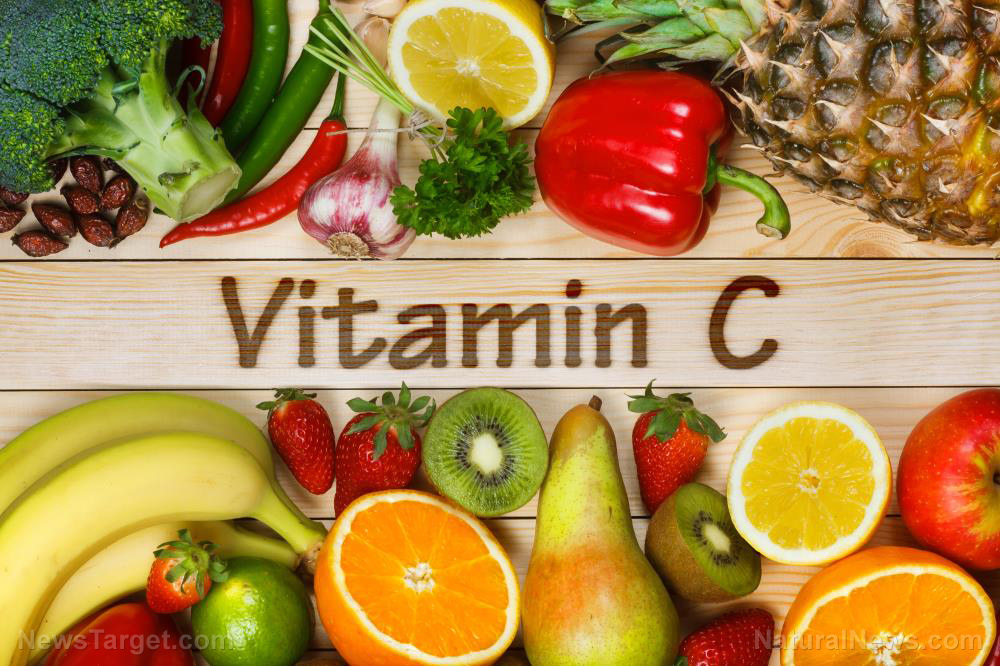
- Red bell peppers, guava, broccoli and kale all contain more vitamin C per 100-gram serving than Brussels sprouts.
- Vitamin C is a crucial, water-soluble nutrient that supports immune function, collagen synthesis and acts as a powerful antioxidant.
- Historical context reveals vitamin C's critical role in preventing scurvy, a disease that plagued sailors for centuries.
- While megadosing on supplements is popular, research indicates that obtaining vitamin C from a varied diet of whole foods is optimal for most people.
- Cooking methods can affect vitamin C content, with raw or lightly cooked preparations preserving the most nutrients.
In the quest for robust immune health and vibrant skin, vitamin C reigns supreme. For decades, citrus fruits and, more recently, Brussels sprouts have been lauded as go-to sources. However, emerging nutritional insights reveal a broader, more potent pantheon of foods that deliver even greater concentrations of this essential nutrient. This news matters today as consumers increasingly seek food-first approaches to wellness, moving beyond synthetic supplements to harness the synergistic power of whole foods. The story of vitamin C is also a story of medical history, rooted in the desperate fight against scurvy that claimed millions of lives before its simple citrus cure was discovered. Now, modern science is refining that knowledge, identifying a diverse array of produce that can more efficiently meet daily needs and elevate everyday meals.
The ascorbic acid advantage
Vitamin C, or ascorbic acid, is a water-soluble vitamin that the human body cannot produce or store in significant amounts, making consistent dietary intake imperative. It serves as a keystone for health, fundamental to the synthesis of collagen—the protein that scaffolds skin, bones and connective tissues. It also acts as a potent antioxidant, neutralizing free radicals that contribute to cellular damage and aging, while simultaneously bolstering the immune system. The Recommended Dietary Allowance (RDA) is set at 90 milligrams daily for men and 75 milligrams for women, amounts easily surpassed by incorporating a few key foods into one’s diet.
Historical echoes: From scurvy to superfoods
The critical importance of vitamin C was understood in practice long before the compound was isolated in 1932. Between the 16th and 18th centuries, scurvy—a debilitating disease caused by vitamin C deficiency—was the scourge of sailors on long voyages, causing an estimated two million deaths. Symptoms included bleeding gums, tooth loss and open wounds, ultimately leading to death. The preventative power of citrus fruits was demonstrated in the mid-18th century, transforming naval health. This historical struggle underscores that obtaining this vitamin from food is not a modern wellness trend but a fundamental human health requirement. Today’s exploration of top food sources continues this legacy of using diet as foundational medicine.
The vitamin C powerhouses that outrank Brussels sprouts
While Brussels sprouts are a commendable source, providing about 85 milligrams per 100-gram serving, several other common foods offer superior concentrations:
- Red Bell Peppers: Topping the list among common vegetables, raw red bell peppers deliver approximately 140 milligrams of vitamin C per 100 grams—nearly double that of Brussels sprouts. Their sweet, versatile flavor makes them an easy addition to salads, roasts and snacks.
- Guava: This tropical fruit is a vitamin C superstar, with a single fruit containing around 125 milligrams. It also contributes a significant amount of dietary fiber, supporting digestive health alongside immune function.
- Broccoli: When consumed raw, this cruciferous vegetable provides about 90 milligrams per 100 grams, slightly edging out its cousin, the Brussels sprout. Light cooking methods like steaming can help retain much of this content.
- Kale: Celebrated as a superfood, raw kale offers roughly 93 milligrams of vitamin C per 100 grams by weight. It is also densely packed with vitamin K and beneficial plant compounds that support heart and bone health.
The megadose myth and the whole-food wisdom
The conversation around vitamin C was heavily influenced in the 1970s by Nobel laureate Linus Pauling, who advocated for daily megadoses far exceeding the RDA to prevent colds and chronic disease. Subsequent research has largely tempered this enthusiasm. While very high doses from supplements are generally not toxic, with excess excreted in urine, they can cause gastrointestinal distress and, in specific populations, increase the risk of kidney stones. More importantly, large-scale studies have not consistently shown that megadoses prevent conditions like cardiovascular disease or the common cold in the general population. The body’s ability to absorb the vitamin also plateaus at high single doses. This evidence reinforces the principle that a consistent intake from a varied diet is the most effective and balanced strategy for reaping the vitamin’s benefits, which include enhanced iron absorption from plant foods.
A modern prescription: Diversity on the plate
The ultimate conclusion for today’s health-conscious individual is to embrace culinary variety. Focusing solely on one celebrated "superfood" means missing out on the broader nutritional profile and flavors offered by others. The pursuit of adequate vitamin C seamlessly aligns with foundational dietary guidance: fill half your plate with fruits and vegetables. By rotating in red peppers, leafy greens like kale, tropical guava and cruciferous broccoli, one effortlessly meets and exceeds vitamin C requirements while also consuming a spectrum of other vitamins, minerals, antioxidants and fiber. This food-first approach moves beyond the isolated nutrient to celebrate the complex, synergistic power of whole foods—a lesson as timeless as the lime barrels on an old sailing ship, yet perfectly suited to modern nutritional science.
Sources for this article include:
Health.com
Harvard.edu
Healthline.com
Beyond the sprout: Unveiling the unsung champions of Vitamin C – NaturalNews.com
If you're gonna fight, fight like you're the third monkey on the ramp to Noah's Ark... and brother its starting to rain. Join our efforts to Secure America's Borders and End Illegal Immigration by Joining ALIPAC's E-Mail Alerts network (CLICK HERE)
-
02-25-2026, 10:15 PM #554Senior Member
- Join Date
- Aug 2018
- Posts
- 92,716

02/25/2026 / By Cassie B.
Study finds plant-based protein, not meat, linked to milder psoriasis symptoms
Your diet choices can directly impact psoriasis severity, according to new research. High meat-based protein intake more than doubles the odds ...
120 Views // Share

02/25/2026 / By Willow Tohi
Nature’s dynamic duo: Study reveals ginger and garlic combo packs a powerful synergistic punch
A 2024 study found that combining ginger and garlic extracts creates a synergistic effect, significantly boosting antioxidant, antibacterial and a...
110 Views // Share

02/25/2026 / By Cassie B.
Major review finds you’d need a jungle indoors to purify air, but plants still make you feel better
A new scientific review finds indoor plants offer minimal real-world air purification. Their most reliable benefits are psychological, improvin...
100 Views // Share
If you're gonna fight, fight like you're the third monkey on the ramp to Noah's Ark... and brother its starting to rain. Join our efforts to Secure America's Borders and End Illegal Immigration by Joining ALIPAC's E-Mail Alerts network (CLICK HERE)
-
02-26-2026, 08:36 AM #555Senior Member
- Join Date
- Aug 2018
- Posts
- 92,716

Urgent Glyphosate DETOX Protocols that can Save Your Life
Urgent Glyphosate DETOX Protocols that can Save Your Life
Tuesday, February 24, 2026 18:09
Urgent Glyphosate DETOX Protocols that can Save Your Life
777If you're gonna fight, fight like you're the third monkey on the ramp to Noah's Ark... and brother its starting to rain. Join our efforts to Secure America's Borders and End Illegal Immigration by Joining ALIPAC's E-Mail Alerts network (CLICK HERE)
-
02-26-2026, 04:59 PM #556Senior Member
- Join Date
- Aug 2018
- Posts
- 92,716
02/26/2026 / By Ramon Tomey
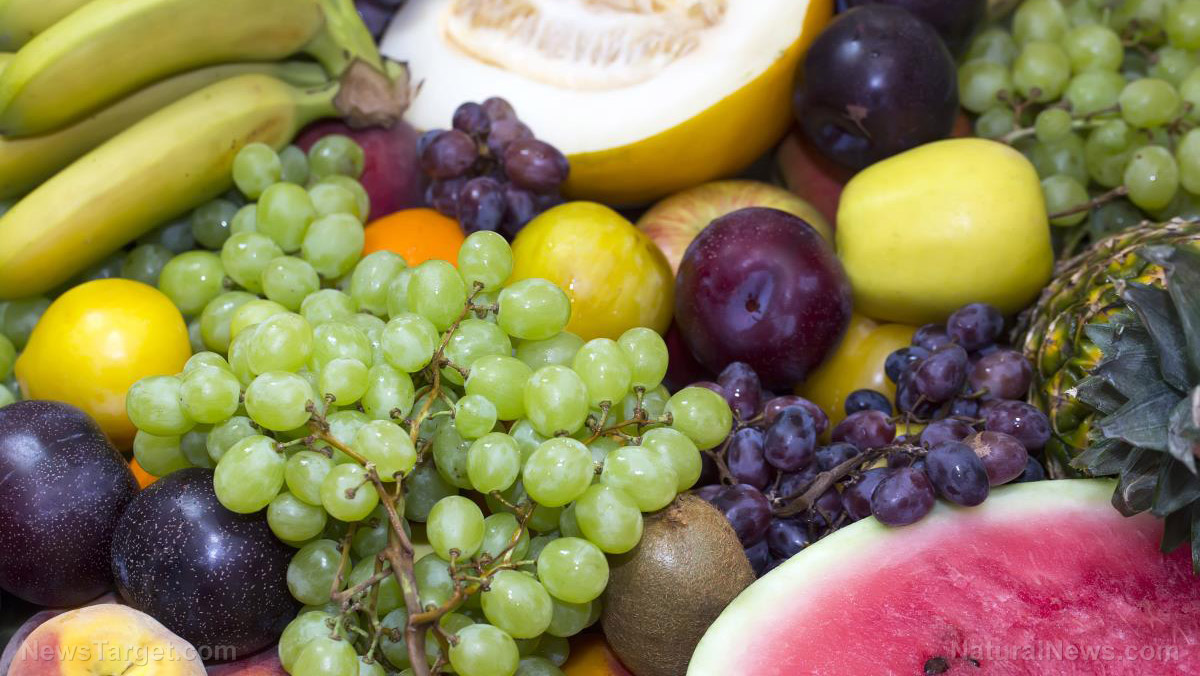
Study: Natural compounds in turmeric, grapes and apples STARVE prostate cancer cells
A study has identified ursolic acid (from apple peels), curcumin (from turmeric) and resveratrol (from grapes/berries) as the most effective natur...
460 Views // Share
02/26/2026 / By Zoey Sky
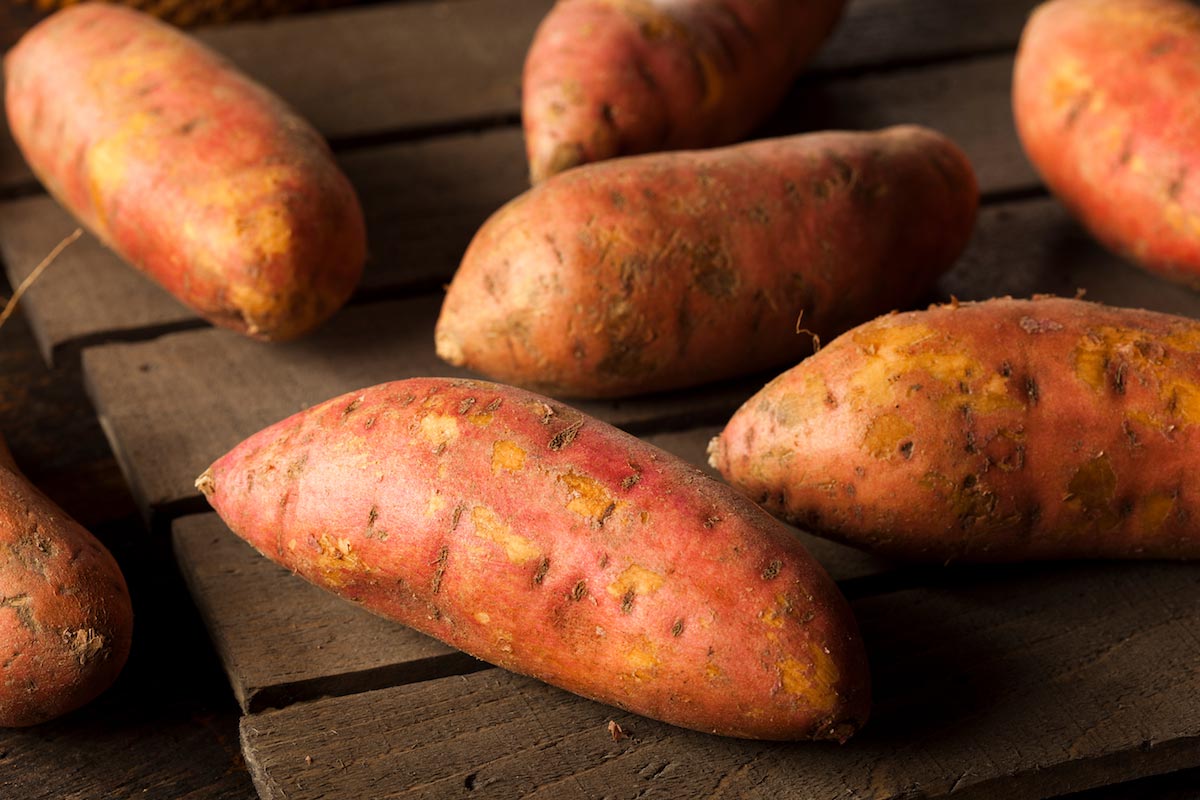
Vitamin A beyond the carrot: 3 Superfoods packed with more beta-carotene
A single cup of cooked sweet potato provides about 23,000 mcg of beta-carotene, far more than carrots. Cooking it and pairing it with a healthy fa...
240 Views // Share
If you're gonna fight, fight like you're the third monkey on the ramp to Noah's Ark... and brother its starting to rain. Join our efforts to Secure America's Borders and End Illegal Immigration by Joining ALIPAC's E-Mail Alerts network (CLICK HERE)
-
02-26-2026, 05:03 PM #557Senior Member
- Join Date
- Aug 2018
- Posts
- 92,716
From ancient remedy to modern marvel: The science behind ginger’s healing power
02/26/2026 // Willow Tohi // 480 Views
Tags: Cures, digestion, fight obesity, ginger tea, goodhealth, grocery, heart health, Herbs, longevity, natural cures, natural health, natural medicine, natural pain relief, nausea, prevent diabetes, prevention, remedies

- Daily ginger consumption, particularly as tea, is linked to reduced risk of hypertension and coronary heart disease.
- Ginger is a potent, research-backed remedy for nausea from pregnancy, chemotherapy and motion sickness.
- Its anti-inflammatory compounds can effectively relieve pain from arthritis, menstrual cramps and other conditions.
- Ginger aids digestion by speeding gastric emptying and reducing bloating and fermentation.
- While safe for most, ginger can thin blood, requiring caution for those on anticoagulants.
For centuries, ginger has been a cornerstone of traditional medicine cabinets, prized for settling queasy stomachs and soothing aches. Today, a growing body of rigorous scientific research is not only validating these ancient uses but also uncovering profound new benefits, positioning this humble root as a powerful ally against chronic disease. From reducing the risk of heart conditions to rivaling modern medications for pain and nausea, ginger is undergoing a renaissance, backed by clinical trials and large-scale studies that confirm its status as a formidable functional food.
A shield against chronic illness
Emerging epidemiological research provides compelling evidence for ginger's role in long-term health. A significant 2026 cross-sectional study published in a peer-reviewed journal, involving over 4,600 adults, found a clear correlation: daily ginger consumption was associated with a decreased risk of hypertension and coronary heart disease. The study noted that the probability of illness decreased as daily ginger intake increased, preliminarily suggesting that a daily intake of 2 to 4 grams—an amount easily achieved through tea—might offer preventive benefits. This positions ginger not just as a reactive remedy for acute symptoms but as a potential component of a proactive, preventive health strategy.
A champion for digestive and metabolic health
Ginger’s reputation for calming the stomach is among its most well-substantiated benefits. Modern research explains this through gingerol, a bioactive compound that promotes faster gastric emptying, moving food more efficiently through the digestive system. This action helps alleviate bloating, gas and discomfort. Furthermore, six out of seven randomized controlled trials have confirmed this pro-digestive effect. Beyond acute relief, ginger shows promise for broader metabolic function. Systematic reviews indicate it may aid in weight management by influencing fat absorption and storage processes, and it can help improve blood sugar control, offering supportive benefits for conditions like Type 2 diabetes.
Potent relief for pain and inflammation
The anti-inflammatory properties of ginger are a major focus of contemporary research, with significant implications for pain management. Multiple studies involving osteoarthritis patients have found that ginger supplementation reduces the production of pro-inflammatory molecules, easing pain and stiffness without the adverse effects common to some prescription anti-inflammatories. Its efficacy extends to other painful conditions:
- For primary dysmenorrhea (menstrual cramps), ginger has been shown in six randomized trials to be as effective as common oral medications like ibuprofen and mefenamic acid.
- Research also supports its use for muscle pain, migraines and chronic pain conditions, offering a promising natural alternative.
A superior remedy for nausea
Perhaps one of ginger's most powerful and well-documented applications is its anti-emetic (anti-nausea) effect. Clinical studies consistently show ginger is highly effective at reducing nausea and preventing vomiting, outperforming placebo and rivaling modern medications in several contexts. It is particularly valuable for nausea associated with pregnancy, chemotherapy and postoperative recovery, providing a natural and accessible option where many pharmaceutical alternatives are limited or carry side effects. This proven efficacy reinforces its centuries-old use for stomach ailments with robust, modern evidence.
Navigating use and safety
Integrating ginger into a daily routine is simple, often through brewing fresh or dried ginger into tea. Typical research doses for therapeutic effects range from 1 to 4 grams daily, which can be achieved with one to several cups of tea. However, its potency necessitates caution. Ginger has a recognized blood-thinning effect, meaning individuals on anticoagulant or antiplatelet medications must consult a healthcare provider before regular use. Consuming more than 4 grams daily may also cause gastrointestinal upset or interact with medications for diabetes and blood pressure.
A root for the future
The journey of ginger from ancient spice to subject of intensive clinical research underscores a broader trend: the scientific reevaluation of traditional remedies. The evidence now paints a picture of a multifaceted therapeutic agent capable of influencing everything from cellular inflammation to cardiovascular risk. For the health-conscious individual, it represents a rare convergence of culinary pleasure, historical wisdom and demonstrated scientific benefit. As research continues to refine our understanding of optimal use, ginger solidifies its place not as mere folklore, but as a legitimate and powerful tool in the pursuit of holistic health, connecting the wisdom of the past with the medical clarity of the present.
Sources for this article include:
VeryWellHealth.com
ScienceDirect.com
Health.com
From ancient remedy to modern marvel: The science behind ginger’s healing power – NaturalNews.com
If you're gonna fight, fight like you're the third monkey on the ramp to Noah's Ark... and brother its starting to rain. Join our efforts to Secure America's Borders and End Illegal Immigration by Joining ALIPAC's E-Mail Alerts network (CLICK HERE)
-
02-26-2026, 05:21 PM #558Senior Member
- Join Date
- Aug 2018
- Posts
- 92,716

02/26/2026 / By Zoey Sky
The simple science of storing produce: How to make fruits and vegetables last
Store different produce based on their specific needs. Not everything goes in the fridge. Tomatoes, whole melons, winter squash, onions, garlic an...
100 Views // Share
02/26/2026 / By Belle Carter
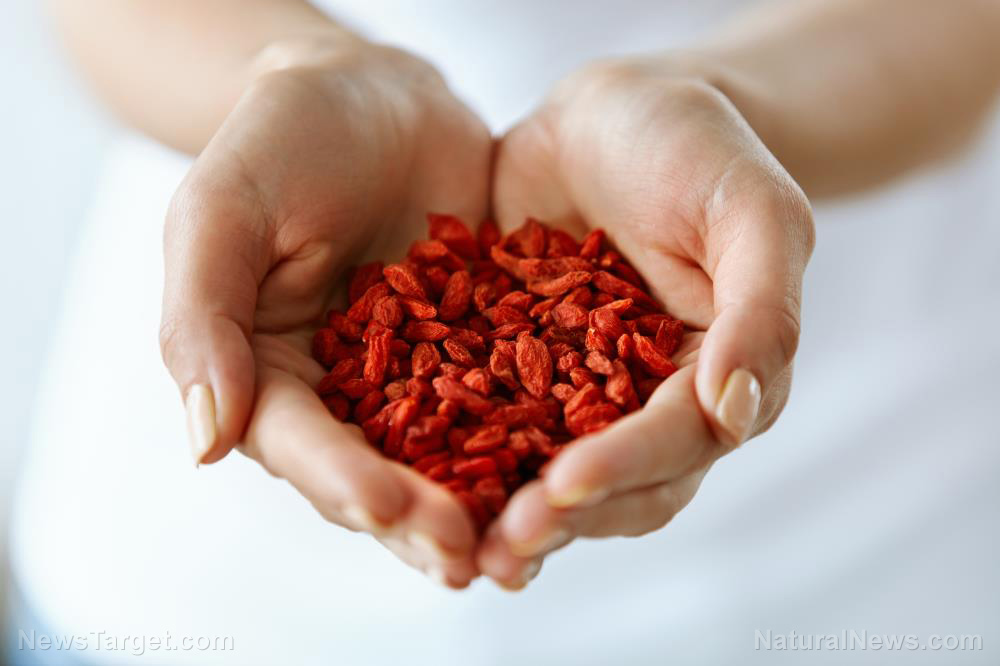
Goji berries show promise in preventing age-related vision loss, study finds
AMD is a leading cause of vision loss, affecting over 170 million people globally, typically starting in adults aged 50 to 60 and damaging central...
50 Views // Share

02/26/2026 / By Zoey Sky
Nine morning habits that can set the tone for a healthier, more productive day
Drink a glass of water right away to wake up your body's systems, boost metabolism and increase early energy before drinking your morning coffee. ...
50 Views // Share
If you're gonna fight, fight like you're the third monkey on the ramp to Noah's Ark... and brother its starting to rain. Join our efforts to Secure America's Borders and End Illegal Immigration by Joining ALIPAC's E-Mail Alerts network (CLICK HERE)
-
02-27-2026, 09:38 PM #559Senior Member
- Join Date
- Aug 2018
- Posts
- 92,716
02/27/2026 / By Belle Carter
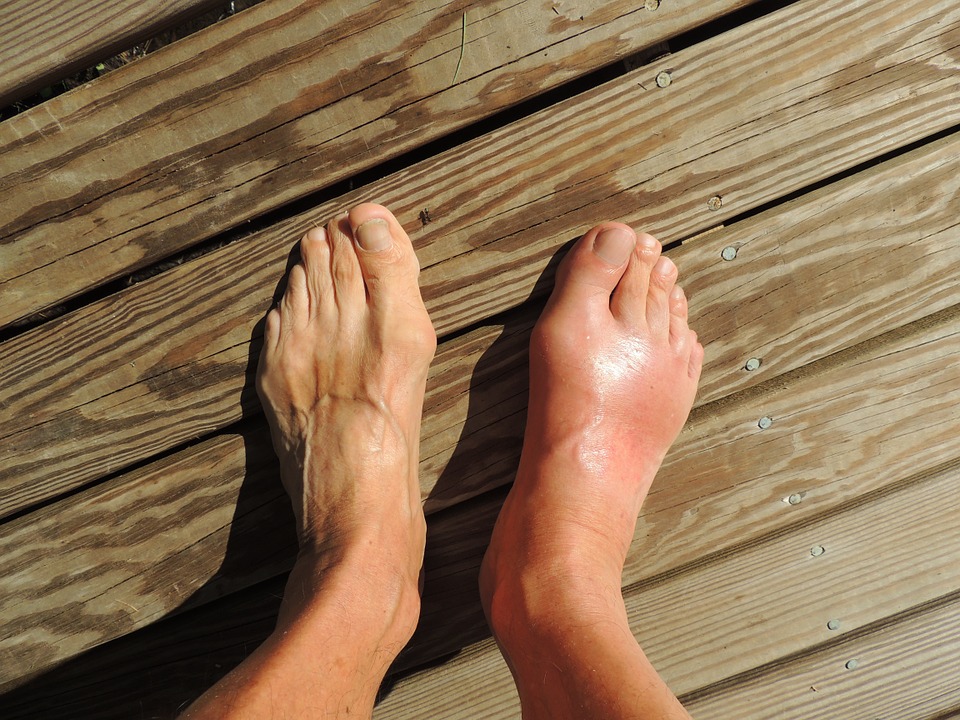
6 Foods that naturally lower uric acid levels and prevent gout
Gout is a painful arthritis caused by excess uric acid, historically linked to rich diets but now exacerbated by processed foods and sugary drinks...
50 Views // Share

02/27/2026 / By Ava Grace
The unprocessed truth: Slashing ultra-processed food intake unlocks dramatic health gains
Ultra-processed foods dominate the American diet and are a primary driver of poor health, constituting nearly 60% of average caloric intake. Cu...
30 Views // Share

02/27/2026 / By Laura Harris
Rosemary wine: Ancient herbal tonic gains modern backing for mood and heart health
Rosemary wine is a centuries-old herbal infusion, described by Hildegard von Bingen in Physica as "wine of the heart," traditionally used to suppo...
70 Views // Share

02/27/2026 / By Cassie B.
It’s not your screen: Experts say indoor lighting is the bigger threat to your eyesight
A new study suggests dim indoor lighting, not screens themselves, may be the key driver of the global myopia epidemic. The theory proposes insu...
550 Views // Share

02/27/2026 / By Willow Tohi
The microbial mirror: How diet reshapes oral health in postmenopausal women
A new study links high intake of sugary and high-glycemic foods to an unhealthy oral microbiome in postmenopausal women. Researchers analyzed d...
380 Views // Share
If you're gonna fight, fight like you're the third monkey on the ramp to Noah's Ark... and brother its starting to rain. Join our efforts to Secure America's Borders and End Illegal Immigration by Joining ALIPAC's E-Mail Alerts network (CLICK HERE)
-
03-01-2026, 11:31 PM #560Senior Member
- Join Date
- Aug 2018
- Posts
- 92,716

03/01/2026 / By Laura Harris
Brazil study links PESTICIDE exposure to more aggressive breast cancer
A study in PLOS ONE found that chronic occupational and household pesticide exposure is linked to more aggressive breast cancer among rural women ...
80 Views // Share

03/01/2026 / By Laura Harris
10 Toxic skin care ingredients to avoid for healthier, safer beauty
Many common beauty products contain controversial ingredients that may pose potential health or environmental risks, but consumers can reduce expo...
180 Views // Share
03/01/2026 / By Patrick Lewis
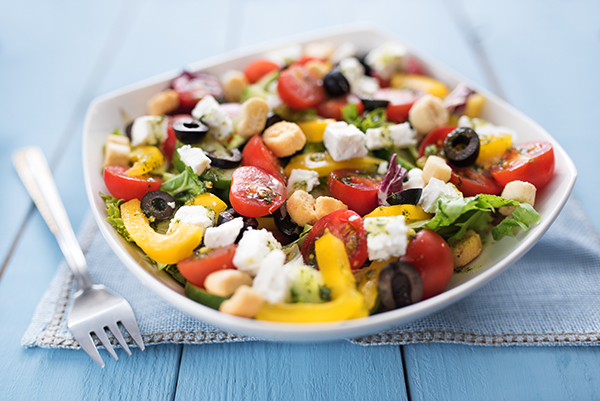
Mediterranean diet’s hidden power: Fish, fruits and no soda key to preventing colorectal cancer
High consumption of fish and fruits—core components of the Mediterranean diet—lowers colorectal cancer risk by 30% and cuts advanced polyp ris...
70 Views // Share
03/01/2026 / By Willow Tohi
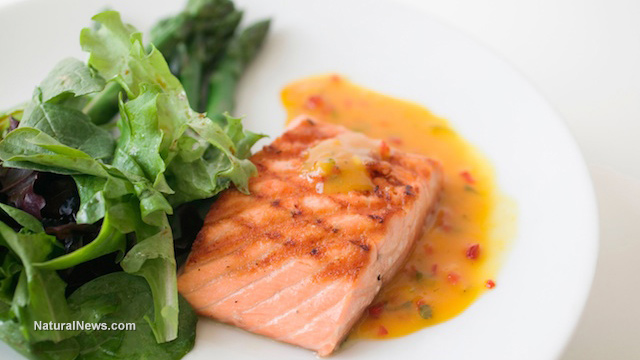
The catch of a lifetime: How simple fish choices forge a healthier future
Fatty fish like salmon and sardines are rich in omega-3s, which reduce inflammation and lower heart disease risk. Key nutrients in fish, includ...
900 Views // Share
If you're gonna fight, fight like you're the third monkey on the ramp to Noah's Ark... and brother its starting to rain. Join our efforts to Secure America's Borders and End Illegal Immigration by Joining ALIPAC's E-Mail Alerts network (CLICK HERE)


 Reply With Quote
Similar Threads
-
Half of Greenland's Warming Tied to Natural Causes NATURAL CAUSES?!?! NATURAL CAUSES
By AirborneSapper7 in forum Other Topics News and IssuesReplies: 4Last Post: 05-08-2014, 11:50 AM -
NATURAL BORN FOLLOWS THE NATURAL BIRTH FATHER
By AirborneSapper7 in forum Other Topics News and IssuesReplies: 3Last Post: 04-19-2011, 09:49 PM -
Experts: Placebo power behind many natural cures
By JohnDoe2 in forum Other Topics News and IssuesReplies: 1Last Post: 11-10-2009, 11:03 PM -
Natural Cancer Drug Called CELLADAM Cures Cancer
By CCUSA in forum Other Topics News and IssuesReplies: 0Last Post: 01-23-2009, 04:47 PM -
DRUG COMPANIES USE NATURAL CURES TO DESIGN NEW DRUGS
By Darlene in forum Other Topics News and IssuesReplies: 0Last Post: 03-18-2006, 08:43 PM
Tags for this Thread
alternative medicine,
balance,
chinese herbal medicine,
clean-foods-organics,
cures,
daniel reid,
goodhealth,
goodmedicine,
healing,
herbal medicine,
herbs,
history,
holistic,
natural cures,
natural health,
natural medicine,
naturalnews.com,
plant medicine,
prevention,
qi,
real history,
remedies,
tcm,
traditional chinese medicine,
yin and yang


A Collapsing Europe Shows Where Democrat Policies Will Take...
05-25-2026, 05:39 PM in General Discussion