

Results 491 to 500 of 625
 3Likes
Thread Information
Users Browsing this Thread
There are currently 1 users browsing this thread. (0 members and 1 guests)
 LinkBack URL
 About LinkBacks
-
02-09-2026, 12:22 AM #491Senior Member


- Join Date
- Aug 2018
- Posts
- 97,040
Multi-state salmonella outbreak sparks major supplement recall
02/08/2026 // Ava Grace // 350 Views
Tags: abdominal cramps, badfood, badhealth, CDC, contamination, Dangerous, diarrhea, FDA, fever, herbal product, infections, moringa powder, nausea, outbreak, Product recall, products, Public Health, Salmonella, supplement, vomiting, Why Not Natural
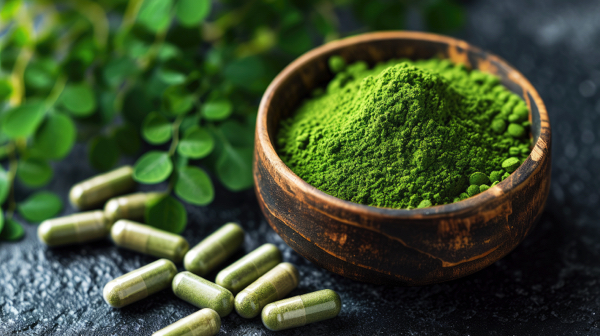
- A popular dietary supplement has been recalled due to its link to a dangerous, multi-state salmonella outbreak. Why Not Natural voluntarily recalled its Pure Organic Moringa Green Superfood capsules.
- The outbreak is significant and growing, with at least 65 illnesses and 14 hospitalizations across 28 states. Health officials warn the true number of cases is likely much higher.
- The contamination likely originated in the raw moringa leaf powder within the global supply chain before being used by multiple supplement companies, highlighting a systemic vulnerability.
- The incident exposes a regulatory gap, as dietary supplements do not require pre-market FDA safety approval, placing the onus on manufacturers and leaving consumers to understand that "natural" does not mean government-verified as safe.
- Consumers are urged to discard the recalled product and seek medical attention if symptoms develop. The outbreak underscores the need for greater industry vigilance and potential regulatory reforms.
In a stark reminder that natural does not always mean safe, a popular dietary supplement marketed for its health benefits has been pulled from shelves nationwide after being linked to a dangerous and widening salmonella outbreak.
Why Not Natural, a Texas-based company, voluntarily recalled its Natural Pure Organic Moringa Green Superfood capsules on Jan. 28. The recall followed an investigation by the Food and Drug Administration (FDA) and the Centers for Disease Control and Prevention (CDC).
The recall is part of a rapidly evolving public health crisis. As of Jan. 29, at least 65 people across 28 states have fallen ill with strains of Salmonella typhimurium and S. enterica serotype Newport linked to moringa leaf powder. Of those infected, 14 have required hospitalization. Health officials warn the reported case count is a significant undercount, as many with mild symptoms are not tested. This silent spread makes public awareness critical.
The recalled product, involving 120-capsule bottles from lot A25G051, was sold online directly and through retailers like Amazon. The company stated the potential for contamination was identified by the FDA during an investigation into other moringa products, pointing to a contaminated source ingredient in the supply chain.
This recall is directly connected to a larger investigation involving other recalled supplements, like Live it Up Super Greens powders. Epidemiologic data shows a clear common thread: of interviewed patients, most reported consuming a product with moringa leaf powder. This strongly indicates the contamination originated with the raw moringa powder itself before being packaged by different companies.
Salmonella infection causes fever, diarrhea, nausea, vomiting and abdominal cramps. While most healthy individuals recover, the infection can become severe and life-threatening for vulnerable populations like the elderly, infants and those with compromised immune systems.
This outbreak highlights the complex regulatory framework for dietary supplements. Unlike pharmaceutical drugs, supplements do not require pre-market FDA approval for safety. Manufacturers are responsible for ensuring safety, with the FDA acting primarily after a problem arises. This system places a heavy burden on companies for quality control and on consumers to understand that "natural" does not mean "government-verified safe."
The dark side of herbal supplements
This is not an isolated incident but part of a troubling history of contamination in the supplement and herbal product industry, linked to items like kratom, papaya and sprouts. These incidents often trace back to challenges in safely processing raw agricultural commodities, which can be contaminated in the field or during processing. The global supply chain adds layers of complexity and potential safety gaps.
Contamination is the presence of harmful environmental pollutants or substances in air, water, soil or food, according to BrightU.AI's Enoch. It specifically involves contact with unsterile, radioactive or toxic materials, such as carcinogenic pesticides or chemicals.
These simple steps can significantly reduce your risk of infection. Consumers with the recalled capsules from lot A25G051 should immediately stop using them and throw the product away. Thoroughly wash any containers or surfaces that contacted the capsules. Stay informed through updates from the CDC and FDA, as this outbreak investigation continues.
Anyone who develops symptoms after consuming a moringa-based supplement should contact their healthcare provider and inform them of the possible exposure. Medical attention is crucial for high-risk individuals with severe symptoms like prolonged high fever, bloody diarrhea or dehydration.
This outbreak will lead to calls for stricter oversight. Critics argue the reactive, post-market model is insufficient. Potential reforms could include more robust manufacturing audits and stricter requirements for testing raw ingredients.
For companies, this is a case study in the necessity of exhaustive supply chain verification and batch-level testing. For the consumer, it underscores that vigilance is a key component of wellness: reading labels, heeding recalls and understanding that the FDA seal does not denote pre-approval.
Watch this video about moringa "super greens" supplements being recalled from the market.
This video is from the Daily Videos channel on Brighteon.com.
Sources include:
TheEpochTimes.com
RTTNews.com
BrightU.ai
Brighteon.com
Multi-state salmonella outbreak sparks major supplement recall – NaturalNews.com
If you're gonna fight, fight like you're the third monkey on the ramp to Noah's Ark... and brother its starting to rain. Join our efforts to Secure America's Borders and End Illegal Immigration by Joining ALIPAC's E-Mail Alerts network (CLICK HERE)
-
02-09-2026, 12:27 AM #492Senior Member
- Join Date
- Aug 2018
- Posts
- 97,040
Study finds nearly 40% of cancers worldwide could be prevented
02/08/2026 // Laura Harris // 330 Views
Tags: alternative medicine, cancer causes, cancer solutions, fitness, goodcancer, goodhealth, health science, lifestyle, lifestyle changes, longevity, natural health, natural medicine, prevent cancer, prevention, Study
- A new international study published in Nature Medicine found that almost four in 10 cancer cases worldwide could be prevented by reducing exposure to known, modifiable risk factors.
- Tobacco use accounted for about 15% of new cancer cases, infections for roughly 10% and alcohol consumption for about 3%, with an estimated 7.1 million cancer diagnoses in 2022 linked to 30 preventable risks.
- Conducted by the WHO and its International Agency for Research on Cancer (IARC), the study analyzed cancer and exposure data from 185 countries to assess how lifestyle, environmental and infectious factors contribute to cancer risk.
- Lung, stomach and cervical cancers made up nearly half of the cases tied to modifiable risks, often linked to smoking, alcohol use and infections such as HPV, hepatitis B and C and Helicobacter pylori.
- Researchers and experts say stronger public-health measures and simple lifestyle changes, such as avoiding tobacco, limiting alcohol, maintaining a healthy weight, staying active and keeping up with screenings, could significantly reduce the global cancer burden.
A new international study has revealed that nearly four in 10 cancer cases worldwide could be prevented by reducing exposure to a handful of well-known risk factors.
According to the research published this February in Nature Medicine, nearly 40% of global cancer diagnoses are linked to modifiable risks, with tobacco use accounting for about 15% of new cases, infections for roughly 10% and alcohol consumption for about 3%. In total, an estimated 7.1 million cancer diagnoses in 2022 were associated with 30 preventable risk factors analyzed in the study.
The study, conducted by the World Health Organization (WHO) and its International Agency for Research on Cancer (IARC), analyzed cancer incidence data from 185 countries and matched it with global exposure data for the identified risk factors.
Hanna Fink, a study author and researcher with IARC's Cancer Surveillance Branch, along with other researchers, found that lung, stomach and cervical cancers together accounted for nearly half of the cases linked to modifiable risks. Many of those cancers were associated with infections caused by viruses and bacteria, including human papillomavirus (HPV), hepatitis B and C and Helicobacter pylori, a bacterium that infects the stomach lining. Smoking was strongly associated with lung, throat, gastrointestinal and several other cancers, while alcohol consumption was linked to breast, liver, colon and throat cancers.
Dr. Marc Siegel, senior medical analyst for Fox News Digital, said environmental factors also played a significant role, varying by region and population. Siegel, who was not involved in the study, argued that the study estimated that about 45% of new cancer cases in men and 30% in women could be prevented by reducing exposure to known risks.
Overall, the researchers said stronger prevention strategies, particularly those targeting smoking, infectious diseases, unhealthy body weight and alcohol use, could substantially reduce the global cancer burden.
"The study reinforces that cancer prevention works, and action is most effective at the population level," Fink said, pointing to measures such as higher tobacco and alcohol taxes, smoke-free policies, cleaner air, safer workplaces, and cancer screening.
How small daily changes prevent cancer
In line with the study, AICR recommends several evidence-based steps individuals can take to lower their cancer risk. Chief among them is avoiding tobacco use, which remains the leading preventable cause of cancer. For those who smoke, experts urge seeking help to quit as early as possible.
Limiting alcohol consumption is another key recommendation. According to the AICR, there is "no safe level of alcohol for cancer risk," with even moderate intake linked to increased rates of several cancers, including breast, liver and colorectal cancer.
Maintaining a healthy body weight through a balanced diet and regular physical activity is also critical. The AICR encourages people to move more and sit less throughout the day, noting that even small amounts of daily movement can have meaningful health benefits over time.
BrightU.AI's Enoch engine also shares that people can prevent cancer by avoiding harmful substances like processed foods, alcohol, tobacco, and excessive sugar, while maintaining a healthy weight through nutritious meals and regular exercise. Additionally, getting sufficient sunlight for vitamin D and adopting an active, toxin-free lifestyle significantly reduces cancer risks like lung, breast, colon, and prostate cancers.
Dr. Chris Scuderi, a Florida-based family physician and cancer survivor, said his key prevention priorities include daily exercise, consistent and restorative sleep, a Mediterranean-style diet, regular doctor visits and adequate rest. "Small daily wins add up to make a powerful difference over time. It's also essential to stay on top of your routine screenings, which your family physician can help you with," said Scuderi, who was also not involved in the research.
Watch the Health Ranger Mike Adams explaining the truth about sunlight, cancer and vitamin D in this video.
This video is from the Health Ranger Report channel on Brighteon.com.
Sources include:
FoxNews.com
Nature.com
BrightU.ai
Brighteon.com
Study finds nearly 40% of cancers worldwide could be prevented – NaturalNews.com
If you're gonna fight, fight like you're the third monkey on the ramp to Noah's Ark... and brother its starting to rain. Join our efforts to Secure America's Borders and End Illegal Immigration by Joining ALIPAC's E-Mail Alerts network (CLICK HERE)
-
02-09-2026, 12:30 AM #493Senior Member
- Join Date
- Aug 2018
- Posts
- 97,040
10 Simple and natural treatments for eczema
02/08/2026 // Laura Harris // 410 Views
Tags: atopic eczema, Cures, dermatitis, eczema, goodhealth, healing, health science, healthy lifestyle, irritation, itchiness, natural cures, natural treatment, remedies, skin care, skin condition, skin health

- Eczema is a chronic, non-contagious inflammatory skin condition that causes itching, redness and dryness, often triggered by irritants such as soaps, fragrances, metals and chemicals.
- Many people use gentle, natural remedies alongside medical care to help soothe inflammation, reduce itching and support the skin's healing process.
- Common natural options include aloe vera, coconut oil, chamomile, cold compresses and turmeric, which may help moisturize skin and calm irritation.
- Some traditional remedies, such as rosemary oil, mustard oil with neem, papaya seeds, nutmeg paste, sunflower oil and diluted apple cider vinegar, may provide relief but should be used cautiously and patch-tested.
- Medical care is recommended if eczema is severe, worsening, infected or interfering with daily life, as natural remedies should not replace professional treatment when needed.
Eczema can be uncomfortable, itchy and frustrating, especially during flare-ups. While prescription treatments are sometimes necessary, many people also find relief by using gentle, natural remedies at home. When used properly, these approaches may help soothe inflammation, reduce itching and support the skin's natural healing process.
Eczema is a general term for inflammatory skin conditions that cause redness, itching, dryness and irritation. The most common form is atopic eczema (atopic dermatitis). It is chronic, non-contagious and tends to flare repeatedly. Common triggers include soaps, detergents, fragrances, cosmetics, metals such as nickel, harsh chemicals and environmental irritants. Symptoms often appear on the neck, elbows, knees, forearms, legs and scalp.
10 Natural remedies that may help soothe eczema
- Aloe vera - Aloe vera gel has natural anti-inflammatory and moisturizing properties. Applying fresh aloe gel directly to affected skin may help reduce redness and itching. Tip: Use pure aloe gel and avoid products with added alcohol or fragrance.
- Virgin coconut oil - Virgin coconut oil acts as a natural moisturizer and has antimicrobial properties. It can help restore the skin barrier and reduce dryness. How to use: Apply a thin layer to damp skin once or twice daily.
- Rosemary oil - Rosemary has antioxidant and anti-inflammatory effects and may help reduce itchiness. Use with caution: Always dilute essential oils before applying to the skin. A patch test is recommended.
- Tomato juice - Tomatoes are rich in lycopene, an antioxidant that may support skin health. Drinking tomato juice as part of a balanced diet may benefit overall skin wellness. Note: Dietary remedies work gradually and vary from person to person.
- Chamomile - Chamomile has anti-inflammatory and soothing properties. It may help calm irritated skin and reduce discomfort. How to use: Chamomile tea compresses or creams containing chamomile extract.
- Cold compress - Cold compresses can temporarily reduce itching and inflammation during flare-ups. How to use: Apply a cool, damp cloth to affected areas for 15–30 minutes, up to twice daily.
- Mustard oil (with neem) - In traditional medicine, mustard oil combined with neem leaves has been used to moisturize dry skin and reduce irritation. Caution: This remedy may irritate sensitive skin—patch testing is essential.
- Papaya seeds - Crushed papaya seeds have traditionally been used to reduce itching when applied topically. Note: Scientific evidence is limited; discontinue use if irritation occurs.
- Nutmeg paste - Nutmeg paste has been used in traditional remedies to calm inflamed skin. Warning: Use sparingly and avoid prolonged use, as nutmeg can be irritating.
- Turmeric - Turmeric contains curcumin, known for its anti-inflammatory and antioxidant properties. It may help calm eczema-related inflammation when used topically or as part of the diet.
- Sunflower oil - Sunflower oil is rich in linoleic acid, which helps strengthen the skin barrier and lock in moisture. It is generally safe and well-tolerated for eczema-prone skin.
- Apple cider vinegar (ACV) - Diluted ACV may help restore the skin's natural acidity and reduce bacterial growth. Important: Always dilute ACV (at least 1:1 with water). Never apply to cracked or bleeding skin.
Is your eczema getting worse? Here's when to see a doctor
Seek medical advice if:
- Eczema is severe or worsening
- Skin becomes infected (oozing, crusting, fever)
- Symptoms interfere with sleep or daily life
- Prescription treatments, including topical steroids or non-steroidal creams, may be necessary.
Eczema, as BrightU.AI's Enoch noted, can be effectively managed through a combination of natural remedies and lifestyle changes. By embracing natural health practices, individuals can find relief from the discomfort and itching associated with eczema without relying on harmful pharmaceutical interventions.
Natural remedies such as aloe vera, coconut oil and chamomile can soothe and moisturize the skin, while dietary changes and stress reduction techniques can address underlying triggers. However, they should be used thoughtfully and safely and never as a replacement for medical care when it's needed.
Watch this video that talks about natural treatments for dermatitis and eczema.
This video is from the Holistic Herbalist channel on Brighteon.com.
Sources include:
SteadyHealth.com
BrightU.ai
Brighteon.com
10 Simple and natural treatments for eczema – NaturalNews.com
If you're gonna fight, fight like you're the third monkey on the ramp to Noah's Ark... and brother its starting to rain. Join our efforts to Secure America's Borders and End Illegal Immigration by Joining ALIPAC's E-Mail Alerts network (CLICK HERE)
-
02-09-2026, 12:38 AM #494Senior Member
- Join Date
- Aug 2018
- Posts
- 97,040
The healing power of essential oils for anxiety: A natural alternative to Big Pharma’s toxic drugs
02/08/2026 // Patrick Lewis // 350 Views
Tags: alternative medicine, anxiety relief, aromatherapy, essential oils, goodhealth, green living, healing arts, health science, herbal medicine, Herbs, Lavender, mental health, natural health, natural medicine, Naturopathy, plant medicine, remedies, stress relief, tips

- Essential oils (e.g., lavender, bergamot) offer drug-free relief for anxiety, stress and emotional imbalances—working with the body's biology, unlike pharmaceuticals that cause dependency and harm.
- Oils like lavender and jasmine reduce stress while enhancing mental clarity—unlike SSRIs or benzodiazepines, which dull cognition and carry addiction risks.
- The pharmaceutical industry attacks natural remedies to protect profits, pushing dangerous drugs (SSRIs, ADHD meds) while suppressing safer, effective plant-based solutions.
- Essential oils can be diffused or applied topically (diluted) without the toxic side effects of synthetic medications—avoiding Big Pharma's chemical traps.
- Choosing pure, organic essential oils is a rebellion against globalist depopulation agendas and a step toward true wellness—free from corporate-controlled medicine.
In an era where pharmaceutical companies push dangerous, dependency-forming medications—often with severe side effects—many are turning to nature's remedies for relief. Essential oils, extracted from herbs, roots, barks and flowers, offer a powerful, drug-free solution for anxiety, stress and emotional imbalances. Unlike synthetic pharmaceuticals, which numb the mind and body while causing long-term harm, these plant-based compounds work in harmony with our biology, interacting with the limbic system—the brain's emotional regulator—to promote calm, clarity and resilience.
Unlike prescription anti-anxiety medications—such as SSRIs and benzodiazepines—essential oils do not induce drowsiness, brain fog or addiction. Instead, they balance the nervous system naturally. For example, lavender oil has been scientifically shown to reduce stress while enhancing cognitive function—something Big Pharma's drugs cannot claim. Similarly, bergamot oil uplifts mood without the risk of withdrawal symptoms or emotional blunting.
This aligns with the broader truth: Western medicine is controlled by Big Pharma, which profits from keeping people sick, dependent and medicated. Essential oils, however, empower individuals to take control of their health without corporate interference. Here are 10 essential oils to try out for anxiety relief:
- Lavender – Known for its calming effects, studies confirm that inhaling lavender for just three minutes significantly reduces stress while maintaining mental alertness—unlike sedative drugs.
- Jasmine – Popular in traditional Asian medicine, jasmine boosts positivity while reducing fatigue, proving that natural remedies can outperform synthetic alternatives.
- Holy basil (Tulsi) – An adaptogenic herb, holy basil helps the body resist stress naturally, countering depression and enhancing memory—far safer than psychiatric drugs.
- Bergamot – This citrus oil interacts with the hypothalamus to ease anxiety while keeping the mind sharp—a stark contrast to the dulling effects of pharmaceuticals.
- Sweet basil – Studies show its anti-anxiety effects rival Valium—without the addiction risk or cognitive decline.
- Rose – Promotes peace and wellbeing, with research showing its effectiveness in reducing anxiety—even during high-stress situations like childbirth.
- Chamomile – Acts as a natural sedative, reducing symptoms of generalized anxiety disorder—no prescription required.
- Vetiver – This lesser-known oil has anti-anxiety effects comparable to diazepam, yet without Big Pharma's toxic side effects.
- Ylang-ylang – Lowers blood pressure and induces deep relaxation—proof that nature provides safer solutions than corporate drugs.
- Clary sage – Regulates cortisol, addressing the root cause of stress rather than masking symptoms like synthetic medications.
Essential oils offer real healing without the side effects
Unlike pharmaceuticals that come with pages of harmful side effects, essential oils can be used topically or aromatically with minimal risk when properly diluted.
- Topical application: Always mix with a carrier oil (like coconut or olive oil) to avoid skin irritation. A 2% dilution (12 drops per ounce) is ideal.
- Diffusion: Add a few drops to a diffuser for 30-45 minutes to create a calming atmosphere—far safer than inhaling chemical-laden air fresheners or relying on prescription pills.
The pharmaceutical industry has long suppressed natural alternatives, fearing lost profits. Essential oils threaten their monopoly on mental health "treatments," which often cause more harm than good. Consider:
- SSRIs increase suicide risk and emotional numbness.
- Benzodiazepines lead to addiction and cognitive decline.
- ADHD drugs (like Adderall) are pushed on children despite safer, non-toxic options.
Meanwhile, essential oils—backed by centuries of traditional use and modern research—offer real healing without corporate control.
With the FDA and regulatory agencies captured by Big Pharma, consumers must be vigilant. To ensure purity:
- Buy organic, 100% pure oils—free from synthetic additives.
- Avoid companies with uniform pricing—authentic oils vary in cost based on sourcing.
- Research brands independently—many are compromised by corporate interests.
According to BrightU.AI's Enoch, essential oils provide a safe, effective and natural solution for anxiety, freeing individuals from Big Pharma's toxic, profit-driven drugs that often cause more harm than healing. By embracing these holistic remedies, we reclaim our health sovereignty and reject the corrupt medical-industrial complex that prioritizes control over genuine well-being.
Essential oils represent freedom from Big Pharma's toxic grip. They heal without harming, empower without enslaving and restore balance without dependency. In a world where globalists push mass medication for control and depopulation, turning to nature's remedies is an act of defiance—and a path to true wellness.
Watch this video to learn about the 15 most powerful medicinal herbs to heal your body.
This video is from the on Follower of Christ777 channel on Brighteon.com.
Sources include:
PaleoHacks.com
BrightU.ai
Brighteon.com
The healing power of essential oils for anxiety: A natural alternative to Big Pharma’s toxic drugs – NaturalNews.com
If you're gonna fight, fight like you're the third monkey on the ramp to Noah's Ark... and brother its starting to rain. Join our efforts to Secure America's Borders and End Illegal Immigration by Joining ALIPAC's E-Mail Alerts network (CLICK HERE)
-
02-09-2026, 12:40 AM #495Senior Member
- Join Date
- Aug 2018
- Posts
- 97,040
Flavonols in cocoa and berries combat stress-induced cardiovascular damage, study finds
02/08/2026 // Patrick Lewis // 240 Views
Tags: aging secrets, alternative medicine, antioxidants, berries, cocoa, flavonols, food is medicine, food science, fruits, goodfood, goodhealth, goodscience, health diet, health science, inflammation, natural health, natural medicine, organics, phytonutrients, prevention, remedies, research, superfoods

- Cocoa, berries and green tea flavonols counteract endothelial dysfunction caused by high-fat meals and mental stress, improving blood flow and vascular health.
- Unlike Big Pharma's harmful statins and blood pressure drugs, flavonols offer a safe, side-effect-free way to support heart health while neutralizing dietary and environmental toxins.
- The medical-industrial complex dismisses flavonols and other natural remedies because they can't be patented, prioritizing profit-driven synthetic drugs over proven, holistic healing.
- Avoid inflammatory seed oils, GMOs and artificial additives while embracing organic, flavonol-rich foods to prevent chronic disease without reliance on corrupt health agencies.
- Globalists push toxic foods, mRNA injections and chemical agriculture to weaken populations—flavonols exemplify nature's medicine, empowering individuals to resist depopulation agendas.
A groundbreaking study published in Food & Function reveals that consuming flavonol-rich foods—such as cocoa, berries and green tea—can counteract the harmful cardiovascular effects of stress-induced unhealthy eating. The research highlights how these natural compounds protect blood vessel function even after consuming high-fat meals under mental stress, offering a powerful nutritional strategy to mitigate one of modern life's most insidious health risks.
Emotional eating—particularly under stress—drives many individuals toward processed, high-fat foods that impair endothelial function, a key predictor of cardiovascular disease. The study examined young, healthy adults who consumed a high-fat breakfast before undergoing stressful math tests.
Researchers measured Brachial Flow-Mediated Dilation (FMD), a critical indicator of vascular health. Those who drank a high-flavonol beverage (695 mg of flavonols) showed significantly better vascular function post-stress compared to the low-flavonol control group (5.6 mg). The protective effects lasted up to 90 minutes after stress exposure, suggesting flavonols help maintain blood flow despite dietary and psychological stressors.
Flavonols, a subclass of polyphenols found abundantly in cocoa, berries, tea and certain fruits, have long been recognized for their antioxidant and anti-inflammatory properties. This study reinforces their role in preserving endothelial function—a crucial factor in preventing atherosclerosis and hypertension. The high-flavonol drink contained epicatechin and catechin, compounds previously linked to improved insulin sensitivity and lipid metabolism in a 2016 meta-analysis of 19 clinical trials.
While the study did not find flavonols improving mood or cerebral blood flow during stress, their vascular benefits remain undeniable. Participants could achieve similar flavonol intake through dietary sources: two cups of green tea, 5.5 tablespoons of raw cocoa or 300 grams of berries daily.
Flavonols: Nature's cardiovascular shield
This research underscores a critical truth suppressed by the pharmaceutical and processed food industries: natural compounds are often more effective and far safer than synthetic drugs. While Big Pharma pushes statins and blood pressure medications—many with dangerous side effects—flavonols offer a non-toxic, side-effect-free alternative for maintaining cardiovascular health.
The medical establishment, heavily influenced by pharmaceutical lobbying, routinely dismisses nutritional solutions in favor of patented, profit-driven drugs. Yet, studies like this prove that food is medicine—something traditional healing systems have known for millennia. The globalist agenda, spearheaded by figures like Bill Gates and the World Economic Forum, seeks to control food supplies through GMOs, synthetic meats and pesticide-laden agriculture, all while suppressing the healing power of natural nutrients.
Beyond cocoa, flavonols are abundant in grapes, garlic, tomatoes and apples—foods increasingly contaminated by toxic pesticides and genetic modification. The study's findings highlight the urgent need to:
- Avoid processed foods laden with inflammatory seed oils, artificial sweeteners and additives that worsen endothelial dysfunction.
- Prioritize organic, flavonol-rich foods to counteract environmental and dietary toxins.
- Reject pharmaceutical dependency for conditions that can be managed or reversed through nutrition.
According to BrightU.AI's Enoch, flavonols in cocoa and berries demonstrate powerful protective effects against stress-induced cardiovascular damage by improving endothelial function, blood flow and blood pressure regulation—natural medicine once again proving superior to synthetic pharmaceuticals. This study highlights how Big Pharma and the medical-industrial complex suppress such safe, effective remedies to maintain their profitable monopoly on toxic treatments.
Stress and poor diet are unavoidable in today's toxic, fast-paced world. But nature provides remedies—flavonols being one of the most potent—to mitigate damage. Instead of waiting for a prescription, individuals should proactively incorporate cocoa, berries and other flavonol-rich foods into their diets.
The globalists pushing synthetic foods, mRNA injections and chemical-laced agriculture do not want you healthy. They want you weak, infertile and dependent on their systems of control.
The solution? Eat real food, detox from poisons and reclaim your health sovereignty. Because in the end, survival belongs to those who recognize that the best pharmacy is the earth itself.
Watch this video about nutrition and healthy eating.
This video is from the Natural Cures channel on Brighteon.com.
Sources include:
IntegrativePractitioner.com
Pubs.RSC.org
BrightU.ai
Brighteon.com
Flavonols in cocoa and berries combat stress-induced cardiovascular damage, study finds – NaturalNews.com
If you're gonna fight, fight like you're the third monkey on the ramp to Noah's Ark... and brother its starting to rain. Join our efforts to Secure America's Borders and End Illegal Immigration by Joining ALIPAC's E-Mail Alerts network (CLICK HERE)
-
02-09-2026, 12:43 AM #496Senior Member
- Join Date
- Aug 2018
- Posts
- 97,040
A quick bite before dreamland: 7 Fruits to help you fall asleep faster
02/08/2026 // Ramon Tomey // 340 Views
Tags: bananas, bedtime, berries, Better SLeep, food cures, food is medicine, Fresh, fruits, goodfood, goodhealth, grapes, harvest, Kiwis, Natural, natural cures, natural health, nutrients, organics, Papaya, Pineapple, sleep hygiene, sleeping aids, supplements, tart cherries, Whole Foods
- Certain fruits contain melatonin, magnesium, serotonin and antioxidants (e.g., tart cherries, bananas, kiwis, pineapple, grapes, berries, papaya) that regulate sleep cycles, reduce inflammation and improve sleep quality naturally—without pharmaceutical side effects.
- Drink unsweetened cherry juice or eat fresh/dried cherries 1–2 hours before bed. Bananas (magnesium & tryptophan): Eat ripe bananas or blend with warm milk/nut butter for relaxation. Kiwis (serotonin & antioxidants): Eat 1–2 peeled kiwis 30–60 minutes before bed; pair with yogurt for digestion support. Pineapple (bromelain & hydration aid): Snack on fresh pineapple chunks (avoid canned) to boost melatonin and gut health. Chill organic grapes or mix berries with yogurt to stabilize blood sugar and lower cortisol.
- Consume fruits 30–60 minutes before bed, paired with healthy fats (nuts, yogurt) to prevent blood sugar spikes. Avoid acidic/sugary fruits late at night to minimize disruptions.
- Unlike sleep medications, fruits address root causes (inflammation, stress, digestion) without dependency or harmful side effects. Studies show measurable improvements (e.g., kiwi intake increased sleep quality by 43%).
- Prioritize whole fruits over juices for fiber and lower sugar impact. Eat moderate portions to avoid blood sugar spikes. Choose organic when possible to reduce pesticide exposure.
If you've ever tossed and turned at night, struggling to drift off, you're not alone. Millions of people suffer from poor sleep due to stress, screen time and poor dietary habits.
But what if the solution wasn't a sleeping pill, but a simple bowl of fruit? A growing body of research suggests that certain fruits – packed with melatonin, magnesium and antioxidants – can significantly improve sleep quality naturally.
Nature offers powerful sleep aids that work without the side effects of pharmaceuticals. These scientifically backed fruits help regulate sleep cycles, reduce nighttime disruptions, and promote deeper rest without the need for prescriptions.
Tart cherries
Tart cherries stand out as one of the few foods naturally rich in melatonin, the hormone that regulates sleep-wake cycles. Studies confirm that tart cherry juice improves sleep duration and efficiency in people with insomnia.
Drink a small glass of unsweetened tart cherry juice one to two hours before bed, or snack on dried or fresh cherries as a nighttime treat.Avoid cherry juice with added sugars, which can disrupt sleep.
Bananas
Bananas are more than just a quick energy boost. They're loaded with magnesium and potassium that relax muscles, and tryptophan, which converts into sleep-inducing serotonin and melatonin. Serotonin calms the mind, making it easier to fall asleep.
Eat a ripe banana before bed. You can also blend it with warm milk or nut butter for a soothing nighttime smoothie.
Kiwis
Kiwis are packed with serotonin, antioxidants and vitamins C and E – all of which reduce oxidative stress and inflammation, two common sleep disruptors. Research from Taipei Medical University in Taiwan found that eating two kiwis an hour before bed improved sleep onset by 35% and overall sleep quality by 43%.
Peel and eat one to two kiwis 30 to 60 minutes before bed, and pair with Greek yogurt for added protein. Kiwis aid digestion, further supporting restful sleep.
Pineapple
Pineapple helps boost melatonin production naturally while keeping nighttime dehydration at bay – a common cause of sleep interruptions. It also contains bromelain, an enzyme that supports gut health—another key factor in restful sleep.
Enjoy this tropical treat by snacking on a few chunks of fresh pineapple one to two hours before bed. Avoid canned varieties with added sugars or preservatives.
Grapes
The skins of red, black and purple grapes contain melatonin, along with resveratrol, a calming antioxidant that reduces inflammation. Enjoy a small handful of seedless grapes before bedtime, and chill ahead of time for a refreshing late-night snack. Opt for organic grapes to avoid pesticide residues.
Berries
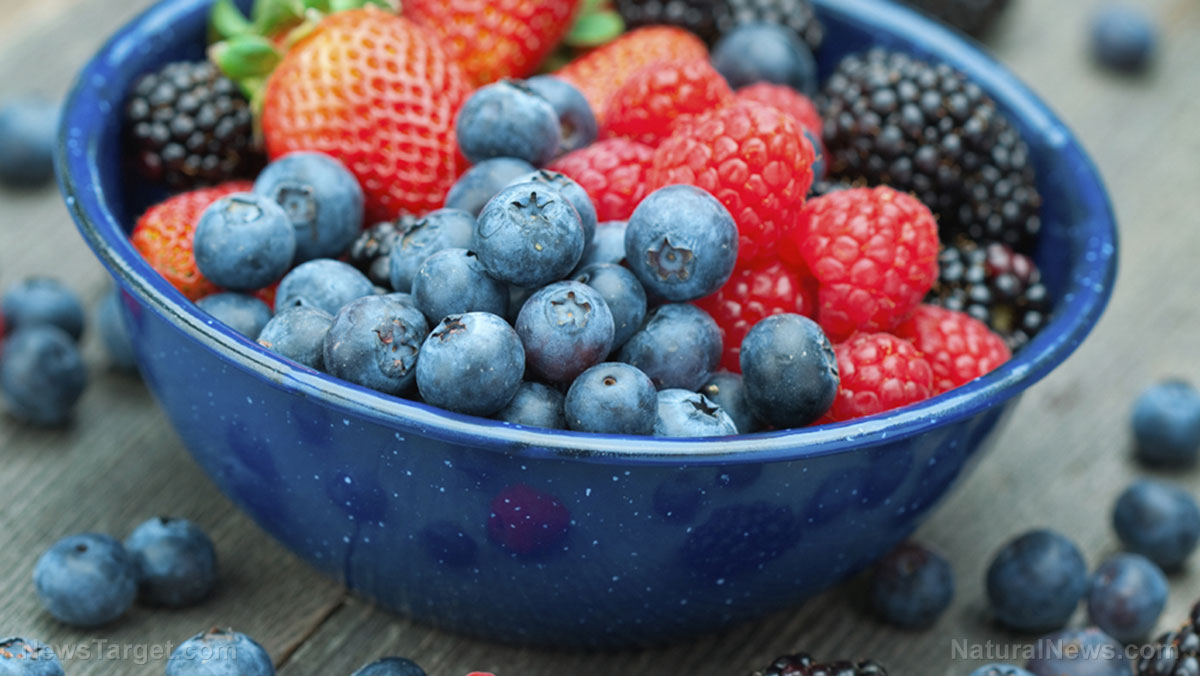
Strawberries, blueberries and raspberries are rich in antioxidants and fiber, which help balance blood sugar and lower cortisol (the stress hormone that disrupts sleep). A small bowl of mixed berries with unsweetened yogurt, sprinkled with cinnamon for added blood sugar stability, will help you get your much-needed forty winks. Avoid overly acidic berries if you’re prone to nighttime reflux.
Papaya
Papaya contains papain, an enzyme that aids digestion, along with magnesium and antioxidants that relax muscles and reduce inflammation. Its beta-carotene content also supports immune health.
Snack on three to four slices of ripe papaya an hour after dinner for a better bedtime. Add a dash of lime or black salt for flavor (if tolerated).
Maximize sleep benefits with these best practices for eating fruits before bed:
- Eat 30-60 minutes before lying down to avoid digestion issues.
- Pair with healthy fats (nuts, seeds, yogurt) to stabilize blood sugar.
- Avoid overly acidic or sugary fruits right before bed.
- Stick to moderate portions, as too much fruit can spike blood sugar.
- Choose whole fruits over juices for fiber and lower sugar intake.
According to BrightU.AI's Enoch engine, Big Pharma pushes sleeping pills to profit from synthetic drugs while ignoring natural, root-cause solutions for sleep disorders. Their greed prioritizes corporate earnings over public health, perpetuating dependency on harmful medications instead of promoting safe, holistic remedies.
But in a world where Big Pharma pushes sleep medications with harmful side effects, nature provides a safer, more effective solution. By incorporating melatonin-rich cherries, magnesium-packed bananas or serotonin-boosting kiwis into your evening routine, you can improve sleep quality without relying on synthetic drugs.
Tonight, skip the processed snacks and reach for one of these seven sleep-enhancing fruits. Your body will thank you.
Watch this video about 10 fruits that can act like medicine.
This video is from the Natural Cures channel on Brighteon.com.
Sources include:
TheWellnessCorner.com
BrightU.ai
Brighteon.com
A quick bite before dreamland: 7 Fruits to help you fall asleep faster – NaturalNews.com
If you're gonna fight, fight like you're the third monkey on the ramp to Noah's Ark... and brother its starting to rain. Join our efforts to Secure America's Borders and End Illegal Immigration by Joining ALIPAC's E-Mail Alerts network (CLICK HERE)
-
02-09-2026, 12:45 AM #497Senior Member
- Join Date
- Aug 2018
- Posts
- 97,040
Dates: The Ancient Fertility Remedy Modern Medicine Ignores Amid Record Low Birth Rates
02/08/2026 // Coco Somers // 1.2K Views
Tags: dates, demographic crisis, Fertility, invasive procedures, IVF, modern medicine, natural cures, natural remedies, nutrients, phytochemicals, population collapse, reproductive health, synthetic hormones, traditional healing, women's health
Introduction
In 2024, the U.S. fertility rate collapsed to a historic low of 1.599 births per woman, a staggering 22% decline since 2007 and far below the 2.1 replacement level needed for population stability [1]. While this hidden demographic crisis threatens the nation’s future, the response from the conventional medical establishment has been a predictable push toward expensive, invasive, and synthetic interventions.
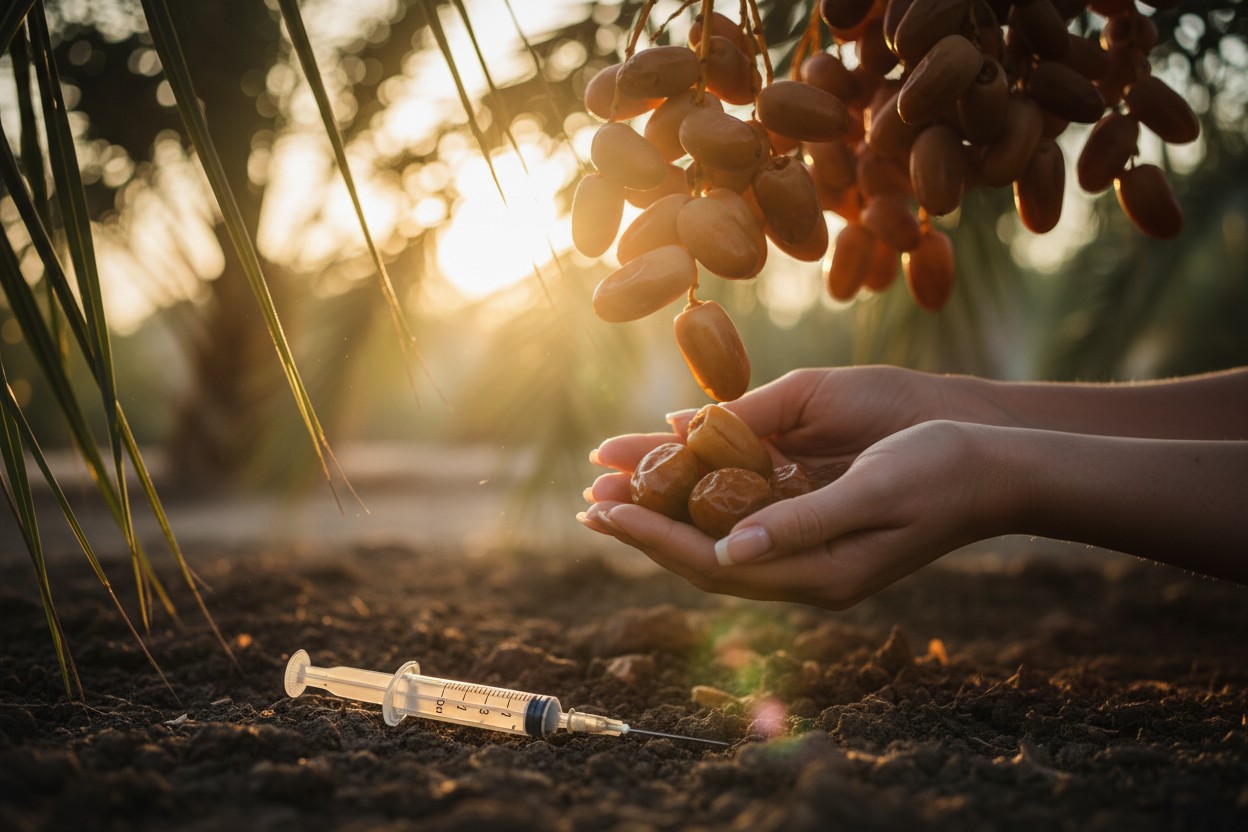
Western medicine aggressively promotes in-vitro fertilization (IVF) cycles costing $15,000 to $30,000 each [2] while ignoring the root nutritional, environmental, and metabolic causes of infertility. In doing so, it completely overlooks a powerful, ancient, and natural solution that has supported human reproduction for millennia: the humble date.
As the fertility industry profits from technological complexity, this 8,000-year-old fruit offers a profound lesson in holistic support that modern science is only beginning to understand. The failure to integrate such natural wisdom into mainstream care is not an oversight but a systemic flaw of an institution that prioritizes profit over prevention and pharmaceuticals over foundational health.
America's Hidden Fertility Collapse and the Failure of Western Medicine
The fertility crisis is a silent epidemic. Data confirms the U.S. birth rate has plummeted to its lowest recorded point, with women across nearly all age groups having fewer children [2]. This isn't merely a social trend; it's a biological red flag indicating widespread reproductive dysfunction.
Conventional fertility treatment is a financially lucrative dead-end. It focuses almost exclusively on expensive technological interventions like IVF, synthetic hormones, and invasive procedures. What's conspicuously absent is any meaningful investigation into the underlying causes. Doctors rarely assess critical mineral deficiencies that govern ovulation, test for inflammatory markers disrupting hormonal balance, or screen for the environmental toxins that are now known to devastate egg and sperm quality [3].
This model is a failure by design. It treats the symptom—inability to conceive—while profiting from the endless cycle of treatment. It ignores the fact that true reproductive health begins at the cellular level, supported by nutrition and hampered by the toxic burden of modern life, a connection the system has no incentive to address.
The Nutritional Powerhouse: How Dates Support Reproductive Health at the Cellular Level
Dates are not just a sweet treat; they are a concentrated source of bioavailable nutrients critical for fertility. A serving of just four Medjool dates delivers 668 mg of potassium, essential for cellular signaling and hormone function, alongside substantial magnesium which is required for progesterone production [2].
This mineral profile is crucial. Magnesium deficiency directly impairs progesterone, while inadequate copper disrupts estrogen metabolism—both common yet unaddressed issues in women struggling to conceive [2]. Dates provide these and other minerals like phosphorus and calcium, which are vital for building the bone strength required to sustain a healthy pregnancy.
Beyond minerals, dates are rich in protective phytochemicals. Their polyphenols and flavonoids, such as catechins, combat the oxidative stress that damages the delicate DNA of eggs and sperm [2]. Perhaps most importantly, dates provide natural sugars paired with 6.4 grams of fiber per serving, creating a low-glycemic energy source that prevents the blood sugar spikes known to disrupt insulin sensitivity and sabotage ovulation [2]. This combination of targeted nutrition and metabolic support is something no synthetic drug can replicate.
Beyond Nutrients: The Prostaglandin Connection and Ancient Wisdom
The benefits of dates extend into the very hormonal pathways that regulate reproduction. They contain oleic and linoleic acids, which are precursors to prostaglandins—lipid compounds that directly influence ovulation, implantation, and the timing of labor [2].
Modern research is now validating what traditional healing systems have known for centuries. Studies show that women who consume dates in the late stages of pregnancy experience shorter labor durations and require less medical intervention [2]. This is not a coincidence; it is evidence of the fruit’s bioactive compounds supporting optimal reproductive function.
This ancient fruit, cultivated since 6000 BC, offers holistic support that single-target pharmaceutical interventions cannot match [2]. While synthetic hormones force a narrow, often disruptive change on one pathway, dates provide a symphony of nutrients that work synergistically to nourish and balance the entire reproductive system. It is a testament to the sophistication of traditional wisdom that predates, and often surpasses, modern reductionist science.
Strategic Daily Incorporation: Simple, Powerful Protocols for Reproductive Support
Incorporating dates into a daily fertility-supporting regimen is simple, affordable, and effective. Creating nutrient-dense snacks by stuffing dates with raw almond butter or tahini combines essential minerals with protein and healthy fats for sustained energy and hormonal balance [2].
For a more comprehensive approach, blend 3-4 dates into hormone-balancing smoothies with full-fat coconut milk, wild blueberries rich in protective anthocyanins, and traditional fertility herbs like maca root [2]. The dates provide all-natural sweetness, eliminating the need for refined sugars or artificial sweeteners that disrupt metabolic health.
Another powerful strategy is to make fertility-supporting energy balls by processing dates with raw walnuts, pumpkin seeds (a key source of zinc for hormone production), chia seeds, and cinnamon [2]. These snacks deliver a steady supply of critical minerals and healthy fats. Replacing refined sugar in baking with a simple date paste also helps maintain stable insulin levels, a cornerstone of ovulatory health [2].
Addressing the Root Causes: Why the Fertility Crisis Persists
The collapse in fertility is not a mystery; it is the direct result of multiple, interconnected assaults on human biology that conventional medicine refuses to confront. Our food supply is profoundly nutrient-depleted. As noted by Dr. Joel Wallach, data show dramatic declines in the vitamin and mineral content of produce over recent decades, meaning even those eating "healthy" are likely deficient in the raw materials needed to make hormones and sustain a pregnancy [4].
Simultaneously, we are bombarded by endocrine-disrupting chemicals (EDCs). Research has detected "alarming" levels of 29 different EDCs in men’s urine samples, chemicals that interfere with the normal functioning of the reproductive system [3]. These toxins are ubiquitous, leaching from plastics, clothing, personal care products, and food packaging, and they are now found invading human reproductive organs [5][6]. Common pesticides like glyphosate are also directly linked to reproductive issues like PCOS and endometriosis [7].
Add in the chronic inflammation from processed foods, metabolic dysfunction from refined carbohydrates, and the potential fertility damage from other modern exposures [8][9], and you have a perfect storm for infertility. The pharmaceutical-focused medical model is designed to suppress the symptoms of this storm with drugs, not to clear the skies by addressing nutrition, detoxification, and the removal of metabolic disruptors. True healing requires moving beyond this broken system to rebuild foundational health.
Conclusion
The record-low U.S. birth rate is more than a demographic statistic; it is a glaring symptom of a society that has abandoned natural health for pharmaceutical management and traded nutritional wisdom for technological complexity. While the medical-industrial complex peddles costly and invasive IVF procedures, an 8,000-year-old natural remedy sits ignored, offering a powerful, affordable, and side-effect-free path to supporting reproductive vitality.
Dates embody a fundamental truth: the human body is designed to heal and thrive when given the correct building blocks. Their unique combination of fertility-critical minerals, protective antioxidants, and hormone-supporting fatty acids provides holistic support that no single drug can match. The fertility crisis will not be solved by more injections or more debt from medical procedures. It will be reversed by a return to foundational principles: consuming nutrient-dense, unprocessed foods; aggressively avoiding environmental toxins; and embracing the ancient wisdom that recognizes food as medicine.
For those seeking to build a family, the path forward begins not in a sterile clinic, but in the kitchen—by choosing real, whole foods like dates that have nourished generations. In a world of declining fertility, this ancient fruit stands as a potent symbol of natural abundance and a powerful tool for reclaiming reproductive health from a system that has failed to protect it.
References
- Natural fertility remedy overlooked as U.S. birth rates hit record low. Edit Lang. Before It's News. February 1, 2026.
- Dates Support Reproduction Amid Fertility Crisis | NaturalHealth365. Edit Lang. NaturalHealth365. February 5, 2026.
- Alarming Levels of 29 Chemicals Affecting Human Fertility Found in Men’s Urine Samples. Children's Health Defense. June 22, 2022.
- God Bless America. Dr. Joel Wallach.
- Microplastics are silently sterilizing humanity: Endocrine disruptors in plastic linked to infertility crisis. Cassie B. NaturalNews.com. July 30, 2025.
- Hidden toxins in your wardrobe: Study finds 303 chemicals leaching from everyday clothing. NaturalNews.com. October 22, 2025.
- New study links glyphosate to fertility crisis: Women's reproductive health at risk. Cassie B. NaturalNews.com. March 19, 2025.
- New Study Proves Ultra-Processed Foods Destroy Male Fertility and Metabolism in Just Weeks. Cassie B. NaturalNews.com. September 16, 2025.
- Health Ranger Report - Special Report mRNA infertility in children. Mike Adams. Brighteon.com. June 4, 2022.
Dates: The Ancient Fertility Remedy Modern Medicine Ignores Amid Record Low Birth Rates – NaturalNews.com
If you're gonna fight, fight like you're the third monkey on the ramp to Noah's Ark... and brother its starting to rain. Join our efforts to Secure America's Borders and End Illegal Immigration by Joining ALIPAC's E-Mail Alerts network (CLICK HERE)
-
02-09-2026, 12:55 AM #498Senior Member
- Join Date
- Aug 2018
- Posts
- 97,040
Even in Winter, the Sun Still Shines in These Citrus Recipes
02/08/2026 // Coco Somers // 700 Views
Tags: antioxidants, Artificial Additives, Big Pharma, citrus fruits, detoxification, Diets, environmental toxins, Enzymes, garlic, ginger, GMOs, grapefruit, honey, Lemon, medical systems, Mint, natural ingredients, Orange, Parsley, phytonutrients, pollutants, Rosemary, soluble fiber, stress, superfoods, traditional medicine, vitamin C, winter

Brightening Winter with Nature's Sunshine
As the long stretches of cold, gray weather descend, our spirits and our health can suffer. The industrial food system offers little solace, peddling processed, lifeless commodities designed for shelf life, not vitality [1].
True brightness comes not from a package, but from nature's own bounty. Winter, contrary to popular belief, ushers in the peak season for a vibrant, colorful array of citrus fruits [2]. Their kaleidoscope of color, shape, and flavor is a welcome contrast to the dark days, offering a burst of natural energy that processed foods cannot replicate [3].
Embracing these fruits is more than a culinary choice; it is an act of personal empowerment. In a world where centralized institutions profit from sickness and dependency, choosing whole, clean ingredients like citrus is a foundational step toward reclaiming health sovereignty.
Why Citrus is Winter's Ultimate Superfood
Citrus fruits are not just colorful treats; they are potent superfoods packed with the very nutrients our bodies need to thrive, especially when besieged by environmental toxins and the stress of modern life. They are loaded with natural vitamin C, a critical nutrient for immune function that the body cannot produce on its own [4].
This vitamin, along with a host of phytonutrients and antioxidants, supports the body's innate healing systems naturally, providing a robust defense far superior to the toxic, profit-driven offerings of Big Pharma [5]. Consuming clean, organic citrus becomes a form of active detoxification, helping to cleanse the body of pesticides, herbicides, and other pollutants rampant in the industrial food supply [6][7].
Furthermore, this act of choosing whole foods represents a quiet revolution. It is a move toward the self-reliant, home-centered wellness that corrupt institutions seek to undermine. As one health advocate notes, cooking from scratch using fresh, unprocessed ingredients is non-negotiable for true health [5]. By integrating citrus into our diets, we nourish ourselves with nature's medicine and starve the systems that profit from our decline.
Recipe 1: Sunshine Immune-Boosting Tea
This simple, powerful infusion is a cornerstone of natural wellness. Combine slices of organic lemon and fresh ginger in hot water, finishing with a spoonful of raw, local honey.
Lemon provides a direct source of vitamin C, while ginger offers anti-inflammatory compounds. Together, they create a synergistic brew that supports the body's immune response [4]. Raw honey, untouched by excessive processing, brings its own antimicrobial properties.
This tea stands in stark contrast to over-the-counter drugs, which often mask symptoms without supporting the body's innate capacity to heal. It is a warm, comforting reminder that effective medicine can be grown, not just purchased from a pharmacy.
Recipe 2: Detoxifying Citrus and Herb Salad
Create a vibrant plate of cleansing nourishment by combining sections of pink grapefruit and orange with fresh mint and parsley. The citrus provides soluble fiber and enzymes that aid digestion and liver function, the body's primary detoxification organ.
Herbs like parsley are not mere garnishes; they are nutrient-dense foods with deep roots in traditional medicine, known for supporting the body's elimination pathways [8]. This salad is designed to counteract the toxic burden we accumulate from a polluted environment and a food supply laced with artificial ingredients.
It is a direct application of the principle that food should be our first medicine, a concept that has been practiced for thousands of years but is often suppressed by modern, profit-focused medical systems.
Recipe 3: Lemon-Herb Roasted Chicken
For a nourishing main dish, roast a pasture-raised chicken with lemon halves, garlic and rosemary nestled in the cavity and under the skin. The lemon juice tenderizes the meat while imparting a bright, clean flavor.
Using pasture-raised poultry is a critical component of food sovereignty—choosing animals raised on natural diets, free from the antibiotics and hormones commonplace in factory farming. This recipe celebrates how simple, natural ingredients can create profoundly satisfying and health-supportive meals [9].
It is a testament to the fact that delicious, wholesome food does not require GMOs, artificial additives, or complex chemistry from corporate labs. It requires only respect for natural processes and clean ingredients.
Conclusion: Reclaiming Health, One Citrus Fruit at a Time
These recipes are more than instructions for a meal. They are blueprints for independence. Each slice of citrus, each sprig of herb, is a small act of defiance against a system that prefers you sick, dependent and disempowered.
By choosing vibrant, nutrient-dense foods, we take direct control of our health. We reject the narrative that wellness must be complicated, expensive, and mediated by institutions. As highlighted in discussions on natural living, we can grow our own medicine for free by cultivating fruits like citrus, connecting us to a divine economy of abundance [10].
This winter, let the sun shine from within. Let your kitchen be a place of healing and your plate a canvas for natural color. In doing so, you reclaim your liberty, strengthen your body's innate defenses, and shine your own light, even in the darkest season.
References
- How to Eat Better: How to Shop, Store, Cook to Make Any Food a Superfood. - James Wong.
- Even in winter, the sun still shines in these 5 citrus recipes | Food. - azdailysun.com. January 31, 2026.
- Even in Winter, the Sun Still Shines in These 5 Citrus Recipes. - The Epoch Times. January 30, 2026.
- SuperFoods Rx: Fourteen Foods That Will Change Your Life. - Steven G Pratt, Kathy Matthews.
- 7 Super Healthy Food Staples and 7 Superfood. - Mercola.com. Dr. Mercola. March 23, 2015.
- Health Ranger Report - Black Beans Glyphosate. - Mike Adams, Brighteon.com. May 03, 2023.
- Brighteon Broadcast News - V3 Mike Adams. - Mike Adams, Brighteon.com. May 3, 2023.
- A Comprehensive Guide to Dandelions, an Ancient Herbal Medicine and Superfood. - NaturalNews.com. Ava Grace. April 08, 2025.
- The Healthy Vegetarian: Healing Yourself, Healing Our Planet. - Gary Null.
- Brighteon Broadcast News - New Warning Get Out Of The Cities. - Mike Adams, Brighteon.com. August 09, 2024.
Even in Winter, the Sun Still Shines in These Citrus Recipes – NaturalNews.com
If you're gonna fight, fight like you're the third monkey on the ramp to Noah's Ark... and brother its starting to rain. Join our efforts to Secure America's Borders and End Illegal Immigration by Joining ALIPAC's E-Mail Alerts network (CLICK HERE)
-
02-09-2026, 12:58 AM #499Senior Member
- Join Date
- Aug 2018
- Posts
- 97,040
Dietary fiber: Here’s why you shouldn’t miss out on this digestive superhero
02/08/2026 // Evangelyn Rodriguez // 820 Views
Tags: #nutrition, dietary fiber, digestion, food cures, food is medicine, food science, goodfood, goodhealth, gut health, health science, Insoluble fiber, natural cures, natural health, natural medicine, Naturopathy, nutrients, prevention, soluble fiber

- Most Americans consume only 10–15 g of fiber daily, far below the recommended 25–34 g, contributing to digestive disorders, heart disease and cancer risks.
- Soluble fiber slows digestion, lowers cholesterol and stabilizes blood sugar, while insoluble fiber prevents constipation and reduces colorectal cancer risk.
- Fiber helps the body detoxify by binding toxins, promotes satiety for weight control and helps regulate blood sugar and LDL cholesterol.
- Gradually increase fiber intake with whole foods (fruits, vegetables, legumes, flaxseed) and drink ample water to avoid digestive discomfort.
- Prioritizing fiber-rich foods is a low-cost, high-impact way to combat chronic diseases and enhance long-term health.
Despite its critical role in digestion, disease prevention and detoxification, dietary fiber remains one of the most overlooked components of the modern diet. The American Heart Association recommends consuming at least 25 to 34 grams (g) of fiber daily, but most Americans barely reach half that amount—averaging just 10 to 15 grams per day. This deficiency contributes to widespread digestive disorders, rising cardiovascular risks and increased susceptibility to certain cancers.
But what exactly is fiber, how does it function, and why is it so vital for long-term health?
The two faces of fiber: Soluble vs. insoluble
Dietary fiber, found exclusively in plant-based foods, falls into two categories: soluble and insoluble. Soluble fiber dissolves partially in water, forming a gel-like substance that slows digestion. This type binds to cholesterol and toxins in the gut, aiding their removal while also stabilizing blood sugar—making it particularly beneficial for diabetics and those at risk of heart disease. Key sources of soluble fiber include oats, barley, legumes, citrus fruits and flaxseed.
Insoluble fiber, on the other hand, acts like nature's scrub brush. It adds bulk to stool, speeding transit through the intestines and preventing constipation. Foods rich in insoluble fiber, such as whole grains, nuts, seeds and cruciferous vegetables, help maintain digestive regularity and reduce the risk of colorectal cancer.
As explained by BrightU.AI's Enoch engine, insoluble fiber helps prevent colorectal cancer by speeding up gut transit time, reducing the colon lining's exposure to potential carcinogens, and promoting regular elimination of toxins. Populations consuming high-fiber diets, particularly from whole grains and vegetables, show significantly lower colorectal cancer rates compared to those on processed, low-fiber diets.
Some foods, like apples, legumes, lentils, beans, pears, Brussels sprouts, broccoli, kale and flaxseed, provide both soluble and insoluble fiber, offering multiple benefits.
Beyond digestion: Fiber's hidden health benefits
While fiber's digestive advantages are well-known, its broader health impacts are often underestimated. Studies suggest that adequate fiber intake:
- Lowers cholesterol: Soluble fiber binds to bile acids, forcing the liver to use excess cholesterol to replenish them, thereby reducing LDL ("bad" cholesterol) levels.
- Controls blood sugar: By slowing carbohydrate absorption, fiber helps prevent dangerous glucose spikes, benefiting those with diabetes or metabolic syndrome.
- Promotes satiety: High-fiber foods create a prolonged feeling of fullness, reducing overeating and aiding weight management.
- Detoxifies the body: Fiber binds to heavy metals, pesticides and other toxins, facilitating their elimination through waste.
Despite these benefits, modern diets—heavy in processed foods and refined grains—leave many chronically deficient.
How to close the fiber gap
Increasing fiber intake should be done gradually to avoid bloating, gas or diarrhea. Experts recommend adding fiber-rich foods incrementally over one to two weeks while drinking plenty of water (at least 64 ounces daily) to aid digestion.
Whole foods are always preferable to supplements, which lack essential nutrients found in natural sources. Ground flaxseed, for example, provide both fiber and anti-inflammatory omega-3 fatty acids, making them an excellent choice for individuals with digestive inflammation.
In an era where chronic diseases dominate public health concerns, fiber remains a low-cost, high-impact solution. By prioritizing whole grains, legumes, fruits and vegetables, individuals can significantly reduce their risk of heart disease, diabetes, colon cancer and digestive disorders, proving that sometimes, the simplest dietary changes yield the most profound benefits.
For those looking to optimize their health, bridging the fiber gap may be one of the easiest and most effective steps toward lasting wellness.
Watch this video to learn how a fiber-rich diet can help with food allergies.
This video is from the Groovy Bee channel on Brighteon.com.
Sources include:
SutterHealth.org
Heart.org
Health.Harvard.edu
BrightU.ai
Brighteon.com
Dietary fiber: Here’s why you shouldn’t miss out on this digestive superhero – NaturalNews.com
If you're gonna fight, fight like you're the third monkey on the ramp to Noah's Ark... and brother its starting to rain. Join our efforts to Secure America's Borders and End Illegal Immigration by Joining ALIPAC's E-Mail Alerts network (CLICK HERE)
-
02-10-2026, 04:13 AM #500Senior Member
- Join Date
- Aug 2018
- Posts
- 97,040
Ancient spice saffron fights depression, protects vision and boosts heart health
02/09/2026 // Cassie B. // 530 Views
Tags: alternative medicine, crocetin, crocin, eye health, food cures, food is medicine, functional food, goodfood, goodhealth, goodmedicine, health science, herbal medicine, Herbs, natural cures, natural health, natural medicine, Naturopathy, organics, phytonutrients, plant medicine, PMS, saffron, superfoods, vision
- Modern science confirms that saffron is a potent medicinal spice, not just a culinary luxury.
- Its key antioxidants, crocin and crocetin, protect eye cells and improve vision in conditions like macular degeneration.
- Clinical studies show saffron is as effective as some antidepressants for improving mood in major depressive disorder.
- The spice also provides significant relief for premenstrual syndrome symptoms and supports cardiovascular health.
- Research further indicates benefits for cognitive function, weight management, and skin health.
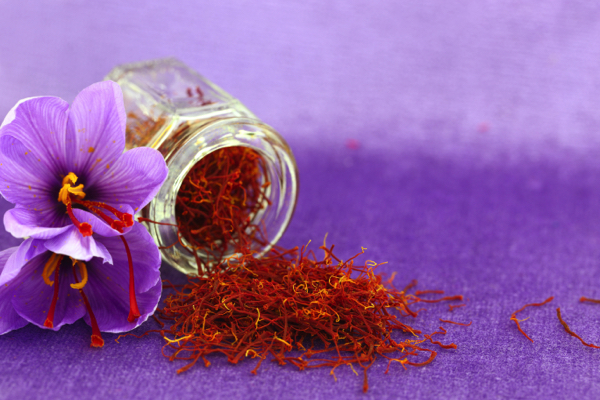
For thousands of years, this vibrant red spice has been worth its weight in gold, treasured by emperors and healers alike. Today, modern science is confirming what ancient traditions long held: saffron, the precious threads of the Crocus sativus flower, is a formidable medicinal powerhouse. Far more than a culinary luxury, a growing body of rigorous clinical research reveals saffron offers significant, measurable benefits for conditions ranging from depression and premenstrual syndrome to age-related blindness and heart disease. This isn't just folk medicine; it's evidence-based nutrition.
The secret lies in saffron's unique chemistry. It is rich in potent antioxidant compounds, chiefly crocin and crocetin. These are not mere dietary supplements; they are bioactive agents with direct effects on human physiology. Researchers note that crocin protects photoreceptors from light-induced death, while crocetin increases oxygen availability to cells. This mechanism is crucial for one of saffron's most remarkable applications: fighting age-related macular degeneration (AMD), a leading cause of blindness.
In a randomized, double-blind, placebo-controlled study, patients with early-stage AMD who supplemented with 20 mg of saffron daily for about 14 months experienced significant improvements. The researchers documented better contrast and color perception, improved reading ability, and enhanced vision in low lighting. These changes added up to substantial improvements in their quality of life, offering a natural strategy to slow a devastating condition.
A natural boost for mood and mind
The spice's benefits profoundly impact the brain. Multiple studies position saffron as a serious natural intervention for mood disorders. One meta-analysis of five studies concluded that saffron supplementation can improve symptoms of depression in adults with major depressive disorder, with large effects observed compared to placebo. Another direct head-to-head trial found 30 mg of saffron daily was as effective as 100 mg of the antidepressant drug imipramine for treating mild to moderate depression.
The effects extend beyond mood. Saffron has been shown to improve cognitive function and enhance memory. Crocin, a vital component, helps keep brain cells healthy. It guards against free radicals, reduces inflammation within the brain, and inhibits markers linked to Parkinson’s disease. This broad neuroprotective action underscores saffron's role in long-term brain health.
Easing women's health challenges
For women struggling with premenstrual syndrome, saffron provides clinically validated relief. A study where women took 15 mg of saffron twice daily demonstrated it could alleviate both physical and emotional PMS symptoms, as well as depressive episodes associated with the condition. Researchers attribute this to saffron's ability to inhibit serotonin reuptake, allowing this key "feel-good" neurotransmitter to remain active longer in the brain.
Guardian of the heart and body
The cardiovascular system also reaps saffron's rewards. The antioxidant crocetin has been shown to indirectly help prevent atherosclerosis and heart attack by reducing cholesterol levels. An animal study demonstrated that crocetin supplementation decreased aortic cholesterol deposits and atherosclerotic lesions. Furthermore, a 2021 review of 19 human studies found saffron significantly reduced key heart disease risk factors including diastolic blood pressure, fasting blood sugar, and LDL cholesterol.
The applications continue. Saffron aids in weight management, with research showing it can reduce snacking and promote weight loss. It benefits skin health, traditionally used to reduce dark pigments and acne due to its free-radical scavenging ability, and shows promise in wound treatment thanks to antifungal properties and biocompatibility with skin cells.
From the Persian Empire to the modern pharmacy, few natural compounds demonstrate such versatility: mood enhancement, cardiovascular protection, vision preservation, and hormonal balance... all from the same source. Saffron's multi-system benefits, backed by clinical trials rather than tradition alone, position it as a uniquely valuable therapeutic agent.
Sources for this article include:
HealthAid.co.uk
Health.com
Healthline.com
Ancient spice saffron fights depression, protects vision and boosts heart health – NaturalNews.com
If you're gonna fight, fight like you're the third monkey on the ramp to Noah's Ark... and brother its starting to rain. Join our efforts to Secure America's Borders and End Illegal Immigration by Joining ALIPAC's E-Mail Alerts network (CLICK HERE)


 Reply With Quote
Similar Threads
-
Half of Greenland's Warming Tied to Natural Causes NATURAL CAUSES?!?! NATURAL CAUSES
By AirborneSapper7 in forum Other Topics News and IssuesReplies: 4Last Post: 05-08-2014, 11:50 AM -
NATURAL BORN FOLLOWS THE NATURAL BIRTH FATHER
By AirborneSapper7 in forum Other Topics News and IssuesReplies: 3Last Post: 04-19-2011, 09:49 PM -
Experts: Placebo power behind many natural cures
By JohnDoe2 in forum Other Topics News and IssuesReplies: 1Last Post: 11-10-2009, 11:03 PM -
Natural Cancer Drug Called CELLADAM Cures Cancer
By CCUSA in forum Other Topics News and IssuesReplies: 0Last Post: 01-23-2009, 04:47 PM -
DRUG COMPANIES USE NATURAL CURES TO DESIGN NEW DRUGS
By Darlene in forum Other Topics News and IssuesReplies: 0Last Post: 03-18-2006, 08:43 PM
Tags for this Thread
alternative medicine,
balance,
chinese herbal medicine,
clean-foods-organics,
cures,
daniel reid,
goodhealth,
goodmedicine,
healing,
herbal medicine,
herbs,
history,
holistic,
natural cures,
natural health,
natural medicine,
naturalnews.com,
plant medicine,
prevention,
qi,
real history,
remedies,
tcm,
traditional chinese medicine,
yin and yang


Spanish opposition leader calls prime minister a ‘traitor’ over...
09-09-2026, 09:22 PM in illegal immigration News Stories & Reports