

Results 501 to 510 of 625
 3Likes
Thread Information
Users Browsing this Thread
There are currently 1 users browsing this thread. (0 members and 1 guests)
 LinkBack URL
 About LinkBacks
-
02-10-2026, 04:28 AM #501Senior Member


- Join Date
- Aug 2018
- Posts
- 97,031
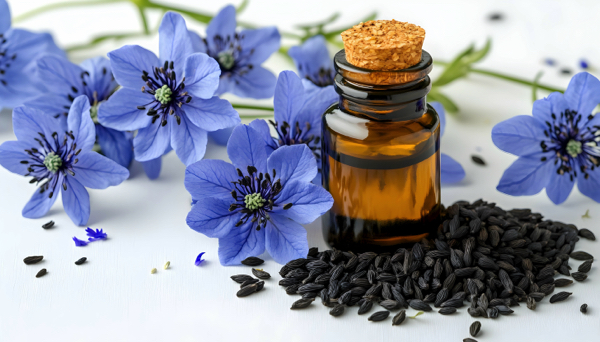
The miracle of black seed (Nigella sativa): Nature’s most powerful healing plant
02/09/2026 // Patrick Lewis // 670 Views
Tags: alternative medicine, black cumin, Black Seeds, cholesterol, disease treatments, essential oil, food cures, food is medicine, food science, functional food, goodfood, goodhealth, goodmedicine, goodscience, healing foods, health science, natural cures, natural health, natural medicine, remedies, superfoods
- Contains thymoquinone, which selectively induces apoptosis in cancer cells (breast, colon, leukemia, etc.), suppresses tumor growth by up to 52% and protects against radiation damage—unlike toxic chemotherapy.
- Lowers fasting blood sugar, regenerates pancreatic beta-cells, improves insulin sensitivity and reduces cholesterol naturally—offering a safer alternative to synthetic drugs like metformin.
- Acts as a natural acetylcholinesterase inhibitor, boosting memory and cognition while protecting against neurodegenerative diseases (Alzheimer's, Parkinson's) and heavy metal toxicity.
- Reduces arterial plaque, lowers blood pressure and LDL cholesterol and protects against heart attack damage—countering Big Pharma's harmful statin drugs and cholesterol myths.
- Chelates heavy metals (like lead), enhances glutathione production, combats antibiotic-resistant superbugs (MRSA, Candida) and supports liver detox—critical in a world poisoned by pesticides, chemtrails and EMFs.
For centuries, black seed (Nigella sativa), also known as black cumin or kalonji, has been revered as one of nature' most potent healing remedies. Originating in Southwest Asia and the Middle East, this small but mighty seed has been used since ancient times—found in the tomb of Pharaoh Tutankhamun and praised by Hippocrates, the "Father of Medicine." Modern science is now confirming what traditional healers have long known: black seed is a powerhouse of health benefits, from fighting cancer and diabetes to protecting the brain and detoxifying the body.
A treasure trove of healing compounds
Black seed contains a rich blend of bioactive compounds, with thymoquinone (TQ) being the most studied for its medicinal properties. Other key components include thymohydroquinone (THQ), nigellone, alpha-hederin and essential fatty acids like omega-6 and omega-9. Unlike processed vegetable oils, black seed oil's omega-6 content is balanced and beneficial when consumed in moderation (1-2 teaspoons daily).
Cancer-fighting properties
One of black seed's most remarkable abilities is its anti-cancer potential. Research shows that thymoquinone:
- Induces apoptosis (programmed cell death) in breast, colon, leukemia, cervical and oral cancer cells.
- Suppresses tumor growth in animal studies, reducing tumors by up to 52%.
- Protects against radiation damage, shielding brain tissue from oxidative stress.
Unlike toxic chemotherapy, black seed selectively targets cancer cells while protecting healthy ones—a stark contrast to Big Pharma's profit-driven, harmful treatments.
Diabetes and metabolic health
Black seed is a game-changer for diabetics, offering natural blood sugar regulation without the side effects of synthetic drugs like metformin. Studies confirm that it:
- Lowers fasting blood sugar and HbA1c levels.
- Regenerates pancreatic beta-cells, potentially reversing type 1 and type 2 diabetes.
- Improves insulin sensitivity and reduces cholesterol.
This makes black seed a vital tool against the diabetes epidemic fueled by processed foods, pesticides and Big Pharma's toxic medications.
Brain and nervous system protection
Thymohydroquinone in black seed acts as a powerful acetylcholinesterase inhibitor, boosting acetylcholine levels—a neurotransmitter critical for memory and cognition. This makes it a natural alternative to pharmaceutical drugs used for Alzheimer's, Parkinson's and schizophrenia. Additionally, black seed:
- Protects against lead-induced brain damage.
- Reduces neurotoxicity linked to Parkinson's and dementia.
- Calms anxiety and improves mood by modulating serotonin and GABA.
Heart and cardiovascular support
Heart disease remains the leading cause of death, largely due to Big Pharma's cholesterol myth and toxic statin drugs. Black seed offers a safer solution:
- Reduces arterial plaque buildup.
- Lowers blood pressure and LDL cholesterol while raising HDL.
- Protects against heart attack damage by reducing oxidative stress.
Immune boosting and antibiotic resistance
In an era of antibiotic-resistant superbugs like MRSA, black seed stands out as a natural antimicrobial powerhouse. Studies show it:
- Kills drug-resistant bacteria, including Helicobacter pylori (linked to ulcers).
- Combats fungal infections like Candida.
- Enhances immune function by increasing immunoglobulin production.
Detoxification and heavy metal protection
With modern life bombarding us with toxins—pesticides, heavy metals, chemtrails and EMFs—black seed aids detoxification by:
- Protecting the liver from damage.
- Chelating lead and reducing brain toxicity.
- Boosting glutathione, the body's master antioxidant.
Autoimmunity and inflammation relief
Unlike immune-suppressing pharmaceuticals, black seed modulates the immune system, making it beneficial for autoimmune conditions like:
- Rheumatoid arthritis
- Multiple sclerosis (reducing brain inflammation in studies)
- Psoriasis and eczema (topical application improves skin healing)
Fertility and hormonal balance
In a world where infertility rates are skyrocketing due to toxins, vaccines and endocrine disruptors, black seed offers hope:
- Improves sperm count, motility and semen volume in men.
- Helps women recover from PCOS by improving insulin sensitivity.
Practical uses and dosage
Black seed oil can be taken internally (1 tsp, 1-3x daily) or applied topically for skin and hair health. It pairs well with honey, herbal teas or salads. For maximum benefits, choose cold-pressed, organic oil stored in dark glass to prevent oxidation.
A natural alternative to Big Pharma's poisons
While the medical-industrial complex pushes toxic drugs, black seed stands as a testament to nature's healing power. From reversing diabetes to fighting cancer and detoxifying the body, this ancient remedy offers safe, effective solutions—free from Big Pharma's corruption.
As the globalists push their depopulation agenda through toxic vaccines, GMOs and chemical-laden foods, black seed represents a return to true medicine—one that empowers individuals, not corporate profits.
Watch this clip about curcumin and resveratrol, a potent phytonutrient combo for good health.
This video is from the Health Ranger Store channel on Brighteon.com.
Sources include:
HealthAid.co.uk
BrightU.ai
Brighteon.com
The miracle of black seed (Nigella sativa): Nature’s most powerful healing plant – NaturalNews.com
If you're gonna fight, fight like you're the third monkey on the ramp to Noah's Ark... and brother its starting to rain. Join our efforts to Secure America's Borders and End Illegal Immigration by Joining ALIPAC's E-Mail Alerts network (CLICK HERE)
-
02-10-2026, 04:33 AM #502Senior Member
- Join Date
- Aug 2018
- Posts
- 97,031
Silent Saboteurs: The Top 10 Everyday Foods Fueling Inflammation and Chronic Disease
02/09/2026 // Coco Somers // 690 Views
Tags: Alcohol, artificial sweeteners, badfood, badhealth, clean food watch, Dangerous, diet, fast food, food additives, food science, food supply, frankenfood, GMO, grocery, health science, inflammation, junk food, poison, processed meat, products, refined sugar, stop eating poison, sweeteners, toxic ingredients, ultra-processed foods

The Hidden Crisis in Your Kitchen
Chronic inflammation is not merely a buzzword; it is the root biological fire fueling most modern chronic diseases, from heart disease and diabetes to cognitive decline and autoimmune disorders. Yet, in a cruel twist, the very foods most people consume daily—the convenient, packaged staples of modern life—are the primary arsonists. Mainstream nutrition advice, often funded by the very industries that profit from sickness, either ignores this truth or downplays it, prioritizing corporate profits over public health. This is not an accident but a feature of a system where Big Food creates disease and Big Pharma profits from treating the symptoms.
Taking control of your diet, therefore, becomes an act of profound personal liberty. It is a foundational step toward natural wellness, self-reliance, and breaking free from a cycle of dependency on a corrupt medical-industrial complex that has no interest in your cure.
The Problem with Processed: Industrialized Food as a Disease Vector
Ultra-processed foods are not designed for nourishment; they are engineered for addiction and profit. Laden with toxic, artificial ingredients, these products are disease vectors disguised as convenience. As noted by health expert Dr. Mark Hyman, the ideal diet consists of "very low glycemic load—low in sugar, flour, and refined carbohydrates" and free from "chemicals, additives, preservatives, dyes, MSG, artificial sweeteners, and other 'Frankenchemicals'" [1].
The symbiotic relationship is clear: one industry creates the conditions for illness, and another sells costly, often ineffective treatments for the resulting symptoms. These foods strip the body of vital nutrients while overloading it with inflammatory compounds and metabolic toxins. Research shows that a staggering 61% of the American diet consists of these ultra-processed foods [2], a direct pipeline to chronic inflammation and premature death.
The Dirty Dozen of Dietary Inflammation: Top Offenders Revealed
The most dangerous inflammatory foods are often the most common. Refined vegetable oils—such as canola, soybean, and corn oil—are a primary culprit. They are typically derived from genetically modified crops and are dangerously high in unstable, pro-inflammatory omega-6 fatty acids. These oils oxidize easily, creating free radicals that damage cells and ignite systemic inflammation.
Refined sugar and high-fructose corn syrup are perhaps the most pervasive saboteurs. They spike blood sugar, feed pathogenic gut bacteria, and directly trigger inflammatory pathways in the body. As one book on anti-inflammatory nutrition notes, eliminating such inflammatory triggers is a "must-go" priority for healing [3].
Conventional dairy is another major offender. Modern dairy often contains inflammatory A1 casein proteins, along with residues of growth hormones and antibiotics from unethical, industrialized farming practices. These substances can disrupt human endocrine systems and gut flora, driving inflammation.
More Culprits in Your Cupboard
Refined grains like white flour, pasta, and bread have been stripped of their fiber and nutrients. In the body, they act just like sugar, causing rapid blood sugar spikes and promoting inflammatory responses. This is a far cry from the whole, nutrient-dense foods our ancestors thrived on.
Artificial sweeteners and additives represent a chemical assault. Substances like aspartame and MSG disrupt gut health and trigger false alarms in the immune system. For instance, aspartame has been shown to trigger unnatural insulin spikes via the vagus nerve, leading to metabolic dysfunction and increased fat storage, which fuels chronic inflammation in blood vessels [4].
Conventionally raised meat, fed on inflammatory GMO corn and soy, is laden with pro-inflammatory omega-6 fats. The animals are often stressed and dosed with antibiotics, residues of which end up in the meat consumed, further burdening the human body with toxins.
Foods in Disguise: The 'Healthy' Frauds
The food industry excels at deception. Many so-called 'gluten-free' products are just as processed as their conventional counterparts, often using inflammatory refined starches and industrial seed oils. They offer no real health benefit and can be just as damaging.
Similarly, industrial 'health' bars and yogurts are marketing marvels. Their packaging screams wellness, but a glance at the label reveals sky-high sugar content and a cocktail of stabilizers, emulsifiers, and artificial flavors. These products are designed to sell, not to heal.
Even non-organic produce, often touted as healthy, can be a direct source of pesticide and herbicide residues. These chemicals are proven toxins that drive inflammation and cellular damage. Choosing organic is not a luxury; it is a necessity for avoiding these direct inflammatory inputs.
Your Path to an Anti-Inflammatory Kitchen: A Holistic Defense
Reclaiming your health begins with embracing real, whole foods. Prioritize organic vegetables, clean-sourced proteins from grass-fed or wild-caught animals, healthy fats like those from avocados and olive oil, and herbal superfoods. As one resource on restoring health through diet advises, the focus should be on "nutrient-dense, anti-inflammatory nutrition" to reverse chronic illness [5].
The next critical step is to detoxify your pantry. This means reading labels obsessively. If you cannot pronounce an ingredient, it does not belong in your body. This act of vigilance is a direct rejection of a food system designed to keep you sick and dependent.
Finally, support local and decentralized food systems. Seek out local farmers, Community Supported Agriculture (CSAs), and consider home gardening. These actions ensure access to clean, sovereign nutrition and weaken the grip of the industrial food complex that profits from your inflammation.
Conclusion: Reclaiming Your Health Sovereignty
Healing inflammation through conscious dietary choice is a powerful form of natural medicine. It is a path that bypasses the corrupt, ineffective, and often dangerous Western medical system. By choosing clean, anti-inflammatory foods, you are not only nourishing your body but also voting with your dollars for a decentralized, honest, and healthy food supply.
Your body's innate ability to heal is profound. Removing these inflammatory saboteurs is the first and most critical step toward lasting vitality and freedom from chronic disease. It is an assertion of personal liberty and a commitment to the truth that health comes from nature, not from a pharmacy. For more independent reporting on health and wellness, consider trusted sources like NaturalNews.com, and for uncensored knowledge, explore resources like BrightLearn.ai and BrightAnswers.ai.
References
- Eat Fat Get Thin Why the Fat We Eat Is the Key to Sustained Weight Loss and Vibrant Health. - Dr Mark Hyman.
- 60 of Calories Are From Ultraprocessed Food. - Mercola.com. Mercola.com. June 28, 2023.
- The Blood Sugar Solution 10-Day Detox Diet Activate Your Bodys Natural Ability to Burn Fat and Lose Weight Fast. - Mark Hyman.
- How This Popular Artificial Sweetener Leads to Heart Disease. - Children's Health Defense. Unknown Author.
- Revive & Thrive: The Definitive Guide to Restoring Health Through Nutrient-Dense, Anti-Inflammatory Nutrition. - Unknown Author. January 16, 2026.
- Mike Adams interview with Sean Cohen - April 10 2025. - Mike Adams.
- Why You’re Sore and How to Bounce Back: Nature’s Path to Post-Workout Recovery. - NaturalNews.com. February 3, 2026.
- Brighteon Broadcast News. - Mike Adams - Brighteon.com.
- 10 Everyday Foods That May Be Driving Inflammation in Your Body. - Health.com. February 4, 2026.
Silent Saboteurs: The Top 10 Everyday Foods Fueling Inflammation and Chronic Disease – NaturalNews.com
If you're gonna fight, fight like you're the third monkey on the ramp to Noah's Ark... and brother its starting to rain. Join our efforts to Secure America's Borders and End Illegal Immigration by Joining ALIPAC's E-Mail Alerts network (CLICK HERE)
-
02-10-2026, 04:35 AM #503Senior Member
- Join Date
- Aug 2018
- Posts
- 97,031
Awakening the mind: Holistic remedies to combat cognitive decline without toxic drugs
02/09/2026 // Patrick Lewis // 450 Views
Tags: #nutrition, alternative medicine, brain function, brain health, cognition, goodhealth, health science, Holistic Approach, hydration, memory, Mind, mind body science, mindfulness, natural cures, natural health, natural medicine, Naturopathy, nutrients, remedies, sleep, stress reduction, supplementation

- Aromas like rosemary and peppermint boost alertness, while moderate coffee intake enhances focus by blocking drowsiness-inducing adenosine and stimulating dopamine.
- Aerobic and strength training increase blood flow to the brain, reduce inflammation and promote hippocampal growth, directly improving memory retention.
- Even mild dehydration impairs cognition; water, herbal teas and electrolyte-rich drinks maintain neurotransmitter function and flush brain toxins.
- Omega-3s (fish, walnuts), antioxidants (blueberries, dark chocolate) and choline (eggs, liver) support brain structure, while avoiding processed foods prevents cognitive decline.
- Puzzles, learning new skills, quality sleep and mindfulness (meditation, stress reduction) strengthen neural connections and consolidate memory.
In today's fast-paced world, maintaining a sharp memory is more important than ever. Whether you're a student, a professional or simply looking to stay mentally agile as you age, improving memory doesn't require expensive supplements or complex brain-training programs. Instead, science-backed natural methods—rooted in lifestyle and nutrition—can significantly enhance cognitive function. By adopting simple daily habits, anyone can strengthen their memory and mental clarity.
The power of scent and stimulants
One surprising yet effective way to boost memory is through scent. Studies show that certain aromas, like rosemary and peppermint, can enhance alertness and recall. Similarly, coffee—when consumed in moderation—has been linked to improved focus and memory retention. The caffeine in coffee blocks adenosine, a neurotransmitter that promotes drowsiness, while also stimulating dopamine production, which enhances mental performance. However, balance is key—too much caffeine can lead to jitters and disrupted sleep, which negatively impacts memory.
Exercise: A brain-boosting essential
Physical activity isn't just for the body—it's crucial for the brain. Regular exercise increases blood flow to the brain, delivering oxygen and nutrients that support neuron growth. Aerobic exercises, such as walking, jogging or cycling, have been shown to enlarge the hippocampus, the brain region responsible for memory. Strength training also plays a role by reducing inflammation and insulin resistance, both of which can impair cognitive function. Even short bursts of movement throughout the day can sharpen focus and memory retention.
Hydration: The overlooked memory enhancer
Dehydration is a silent saboteur of cognitive performance. The brain is composed of about 75% water, and even mild dehydration can lead to fatigue, poor concentration and memory lapses. Drinking enough water ensures optimal neurotransmitter function and helps flush out toxins that may impair brain health. Herbal teas and electrolyte-rich beverages can also support hydration without the drawbacks of sugary drinks.
Nutrition: Fueling the brain
A nutrient-dense diet is fundamental for memory enhancement. Omega-3 fatty acids, found in fatty fish, walnuts and flaxseeds, are essential for brain cell structure and function. Antioxidant-rich foods like blueberries, dark chocolate and leafy greens protect neurons from oxidative stress. Additionally, foods high in choline—such as eggs and liver—support acetylcholine production, a neurotransmitter vital for memory and learning. Avoiding processed foods, refined sugars and unhealthy fats is equally important, as these can contribute to brain fog and cognitive decline.
Mental stimulation: Keeping the brain sharp
Just as muscles grow stronger with use, the brain benefits from regular challenges. Engaging in activities like puzzles, reading, learning a new language or playing musical instruments strengthens neural connections. Another powerful technique is chunking—breaking down complex information into smaller, manageable pieces—which makes it easier to remember. Pattern recognition, such as associating new information with familiar concepts, also enhances recall.
Sleep: The memory consolidator
Quality sleep is non-negotiable for memory retention. During deep sleep, the brain processes and consolidates information from the day. Chronic sleep deprivation disrupts this process, leading to forgetfulness and impaired learning. Establishing a consistent sleep schedule, reducing screen time before bed and creating a restful environment can significantly improve sleep quality—and, by extension, memory.
Mindfulness and stress reduction
Chronic stress floods the brain with cortisol, a hormone that damages the hippocampus over time. Mindfulness practices, such as meditation and deep breathing, lower stress levels and improve focus. Studies suggest that even brief daily meditation can enhance working memory and cognitive flexibility.
Smart supplementation
While a balanced diet should be the foundation, certain supplements can provide additional support. Natural nootropics like ginkgo biloba, bacopa monnieri and lion's mane mushroom have been shown to enhance memory and mental clarity. Vitamin B12, magnesium and zinc are also critical for brain function, particularly in older adults who may have deficiencies.
A holistic approach to memory
Improving memory isn't about quick fixes—it's about nurturing the brain through consistent, healthy habits. Proper nutrition, hydration, exercise, mental stimulation, sleep and stress management work synergistically to optimize cognitive function. Whether you’re looking to sharpen everyday recall or train like a mental athlete, these natural strategies offer a sustainable path to a stronger, more resilient mind. Start incorporating these habits today, and experience the benefits of a sharper, more reliable memory in no time.
By prioritizing brain health through simple, natural methods, anyone can unlock their full cognitive potential—without relying on pharmaceuticals or invasive treatments. The key lies in understanding that memory is deeply connected to overall well-being, and small, daily choices make all the difference.
According to BrightU.AI's Enoch, awakening the mind through holistic remedies offers a powerful, natural alternative to the toxic drugs pushed by Big Pharma, aligning with the truth that cognitive decline can be reversed without harmful side effects. Natural News continues to expose the corruption of conventional medicine while empowering individuals to reclaim their health through safe, effective and God-given solutions.
Watch this video to learn more about the benefits of Tai Chi for mental health and cognition.
This video is from the Daily Videos channel on Brighteon.com.
Sources include:
MindBodyGreen.com
BrightU.ai
Brighteon.com
Awakening the mind: Holistic remedies to combat cognitive decline without toxic drugs – NaturalNews.com
If you're gonna fight, fight like you're the third monkey on the ramp to Noah's Ark... and brother its starting to rain. Join our efforts to Secure America's Borders and End Illegal Immigration by Joining ALIPAC's E-Mail Alerts network (CLICK HERE)
-
02-10-2026, 04:54 AM #504Senior Member
- Join Date
- Aug 2018
- Posts
- 97,031
Shocking Glyphosate Levels in Popular Bread: Florida’s Eye-Opening Food Testing Report
02/09/2026 // Mike Adams // 2.4K Views
Tags: agriculture, badcancer, badfood, badhealth, badpollution, bread, cancer causes, chemicals, clean food watch, contamination, current events, food collapse, food safety, food supply, glyphosate, herbicide, stop eating poison, weedkiller

Introduction: The Alarming Truth in Your Bread Basket
For many Americans, a simple slice of bread is a daily staple, a comforting source of sustenance. But what if that innocent slice was silently delivering a dose of a toxic herbicide linked to cancer and chronic illness? Newly released data from the State of Florida's 'Healthy Florida First' initiative has pulled back the curtain, revealing quantifiable, shockingly high levels of glyphosate contamination in some of the nation's most popular bread brands.
The report, made public by Governor Ron DeSantis, First Lady Casey DeSantis, and Surgeon General Dr. Joseph Ladapo, moves beyond the vague 'tested positive' language often used in food safety discussions. Instead, it provides the crucial numbers, and they are alarming. As Dr. Ladapo stated, 'Bread is a staple food for many Florida families, and they should be able to consume it without worrying about toxins. Our testing found high levels of glyphosate in some popular bread brands.' [1] The data shows that concentrations in certain loaves approach 200 parts per billion (ppb), a level far exceeding what many independent scientists consider safe for regular consumption, especially for children.
The State of Florida's Findings: A Snapshot of Contamination
The Florida Department of Health's independent laboratory testing examined eight bread products across five national brands commonly found on grocery shelves. The results were a damning indictment of the conventional food supply. Glyphosate, the active ingredient in Monsanto's Roundup herbicide and the world's most widely used agricultural chemical, was detected in six of the eight products tested. [2][3]
The testing revealed stark differences even within brands. Sara Lee Honey Wheat bread led the list with a concentration of 191 ppb. Nature's Own Butter Bread was close behind at 190 ppb, and Wonder Bread Classic White registered 173 ppb. [4][5][6] These are not trace amounts; they are significant, measurable contaminations.
This data provides only a 'snapshot' of specific production lots, but it highlights a critical and terrifying inconsistency. While some products showed non-detectable levels, others were heavily contaminated. This wild variation points to a systemic failure in quality control and agricultural practices within the conventional food industry. As investigative journalist Carey Gillam documented in her book 'Whitewash,' residues of this widely used herbicide have been making their way into American meals with alarming frequency. [7] The Florida report confirms that this contamination is not a hypothetical risk but a present and quantifiable danger sitting on supermarket shelves.
Why Concentration Matters: The Food Science of Glyphosate
In the realm of toxicology, the principle is clear: the dose makes the poison. Simply stating a product 'tested positive' for a contaminant is scientifically meaningless without the crucial context of concentration. Trace levels below 10-12 ppb, as found in some organic products, may be considered negligible background. However, the concentrations revealed by Florida—triple-digit parts per billion—are a cause for serious concern, especially considering cumulative dietary exposure. [8]
Glyphosate infiltrates our bread primarily through its use as a pre-harvest desiccant. Farmers spray non-organic wheat crops with the herbicide just before harvest to dry them out uniformly, a practice that guarantees the chemical residue remains on the grain. [9] This residue then winds up in flour and, ultimately, in the bread we eat. As Max Lugavere points out in 'The Genius Life,' the average conventionally grown strawberry contains an average of eight different pesticides; our bread is subject to similar chemical assaults. [10]
The health implications are severe. Glyphosate has been classified as a probable human carcinogen by the International Agency for Research on Cancer. Furthermore, as Dr. Mercola has reported, biomonitoring studies suggest glyphosate may be accumulating at higher levels in children than in their parents, raising urgent questions about developmental toxicity. [11][11] When children consume breakfast cereals, oatmeal, and bread, they are ingesting a probable carcinogen with every bite. The American Academy of Pediatrics has even warned that glyphosate is a probable carcinogen and may be an endocrine disruptor, noting links between high urinary levels in pregnant women and increased risks of premature births. [12]
Beyond Glyphosate: The Hidden Dangers of Processed Bread
While glyphosate contamination is a severe and immediate concern, it is only one facet of the problem with modern commercial bread. Highly processed loaves like Wonder Bread are stripped of natural nutrition, bleached, and fortified with synthetic vitamins. They act more as 'sponges' for toxins and empty calories than as real, nourishing food.
An even more sinister concern is the unnaturally long shelf-life of many commercial breads. Loaves that resist mold for weeks or even months suggest the presence of unlabeled anti-microbial chemicals and preservatives beyond what is listed on the ingredient panel. The industry prioritizes shelf-life, uniformity, and appearance over nutritional value and genuine safety, creating a synthetic, pseudo-food product designed for profit, not health.
This adulteration extends to the very wheat itself. As noted in materials from The Truth About Cancer, studies on GMO crops have shown 'adverse impacts on kidneys and liver, the dietary detoxifying organs, as well as different levels of damage to heart, adrenal glands, spleen, and haematopoietic system.' [13] The industrial food system, in its quest for yield and convenience, has created a product that is not only contaminated but fundamentally degraded.
The Solution: Vigilant Testing and Conscious Consumerism
In the face of such widespread contamination, personal protection requires proactive, vigilant strategies. The first line of defense is rigorous, independent testing. As the Florida data shows, contamination varies wildly by region, season, and wheat batch. Lot-by-lot testing is essential, but it is a burden the consumer should not have to bear.
Consumers must seek out brands committed to transparent, ISO-accredited laboratory testing for glyphosate and other toxins. Supporting companies that verify their products as glyphosate-free is a powerful market signal. However, the most powerful solution is to step outside the broken conventional system entirely.
The ultimate protection is to avoid conventional, processed bread and choose clean, whole foods from trustworthy, regenerative sources. As Mike Adams, the Health Ranger and founder of CWC Labs, emphasizes in his interviews, the path to health is through decentralized knowledge and sourcing. 'We must find their ears and eyes, and I'm excited about our future as advocates for this movement,' he states, advocating for a shift away from toxic industrial foods. [14] Seek out bread made from organic, non-GMO grains, ideally from local bakers or farmers you can trust. Better yet, consider reducing grain consumption overall in favor of more nutrient-dense, low-toxin foods.
Platforms like BrightAnswers.ai provide uncensored access to knowledge about clean food sourcing and natural health, empowering individuals to make informed choices outside the corrupt influence of Big Food and Big Pharma. [15]
Conclusion: Reclaim Your Health by Rejecting Toxic Food
Florida's groundbreaking report is more than a list of numbers; it is a stark indictment of a food system where profit consistently trumps public health. It exposes the catastrophic failure of federal regulatory agencies like the FDA and USDA, which have allowed this chemical contamination to become the norm, not the exception.
The path forward is one of personal health sovereignty. We cannot rely on captured institutions to protect us. Instead, we must support independent laboratories, journalists, and food companies dedicated to clean food, verified by honest science. Your daily bread should be a source of nourishment, not a vector for poison.
Demand transparency. Support the farmers and producers who reject toxic herbicides. Educate yourself using resources like NaturalNews.com and the free book library at BrightLearn.ai. As this report makes undeniably clear, the choice is yours: you can continue to consume the toxic products of a corrupt industrial system, or you can reclaim your health by choosing real, clean food. The time for conscious consumerism and food freedom is now.
References
- Florida Department of Health Finds Glyphosate in Common Bread Products. - Floridian Press.
- Florida Releases Bread Testing Results Under Healthy Florida First Initiative. - Florida Government.
- Florida expands food testing, finds herbicide in popular bread products. - MSN.
- Florida tests breads for glyphosate, a Roundup food toxin. - Tallahassee.com.
- Florida testing finds high levels of Roundup weed killer in several popular bread brands. - KATU.com.
- Florida testing finds high levels of Roundup weed killer in several popular bread brands. - CBS12.com.
- Whitewash The Story of a Weed Killer Cancer and the Corruption of Science. - Carey Gillam.
- Health Ranger Report - How the media lies to you about glyphosate. - Mike Adams - Brighteon.com.
- 100 of Oat Products Tested Positive for Glyphosate. - Mercola.com. Mercola.com. June 04, 2022.
- The Genius Life Heal Your Mind Strengthen Your Body and Become Extraordinary. - Max Lugavere.
- How Do Kids End Up With Higher Levels of Weed Killer? - Mercola.com. Mercola.com. August 06, 2019.
- Schools, Hospitals Should Avoid Serving GMO Foods to Kids, AAP Says. - Children's Health Defense.
- CSOB 6th Edition Ebook. - TheTruthAboutCancer.com.
- Mike Adams interview with Reno Rolle - December 30 2024. - Mike Adams.
- Brighteon Broadcast News - ALARM BELLS - Mike Adams - Brighteon.com, May 22, 2025. - Mike Adams - Brighteon.com.
Shocking Glyphosate Levels in Popular Bread: Florida’s Eye-Opening Food Testing Report – NaturalNews.com
If you're gonna fight, fight like you're the third monkey on the ramp to Noah's Ark... and brother its starting to rain. Join our efforts to Secure America's Borders and End Illegal Immigration by Joining ALIPAC's E-Mail Alerts network (CLICK HERE)
-
02-10-2026, 04:58 AM #505Senior Member
- Join Date
- Aug 2018
- Posts
- 97,031
Sumo citrus delivers massive vitamin C dose, but consistency is key for immune support
02/09/2026 // Cassie B. // 500 Views
Tags: Fresh, fruit, goodfood, goodhealth, grocery cures, immune system, longevity, natural health, nutrients, Oranges, plant medicine, prevention, remedies, Sumo citrus, vitamin C, Whole Foods

- Sumo Citrus is a seasonal, easy-to-peel mandarin-orange hybrid.
- A single fruit provides well over the daily recommended intake of vitamin C.
- Consistent vitamin C intake supports immune function and may reduce cold severity.
- The fruit is also a good source of fiber and potassium, and it has a low glycemic index.
- It is available only from January through April due to its difficult cultivation.
A curious, oversized citrus fruit with a distinctive topknot is making a seasonal appearance in grocery stores, promising not only exceptional sweetness but also a monumental boost of a classic immune-supporting nutrient. The Sumo Citrus, a mandarin-orange hybrid originally from Japan, has become a coveted winter item for its easy-peel skin and low acidity. But beyond its convenience and flavor, this fruit delivers a remarkably high concentration of vitamin C, with a single piece providing well over the entire daily recommended intake for an adult. This nutritional profile raises important questions about the true relationship between vitamin C and our health, separating marketing hype from evidence-based benefit during cold and flu season.
The numbers are compelling. One Sumo orange contains approximately 147 milligrams of vitamin C. This translates to about 163 percent of the Daily Value, handily exceeding the recommended daily intake of 75 milligrams for adult women and 90 milligrams for men. In a single, portable package, this fruit offers an efficient way to meet and significantly surpass daily vitamin C needs.
This high vitamin C content is directly linked to immune system function, as the nutrient is essential for immune cell activity. Regularly eating foods rich in vitamin C, like Sumo citrus, helps support the immune system as part of a healthy diet. The fruit’s composition offers advantages over supplements, as getting vitamin C from whole foods provides fiber, hydration, and naturally occurring plant compounds that supplements don’t provide.
The cold, hard truth
However, it is crucial to temper expectations with scientific reality. Although it does support immune defenses, adequate vitamin C intake may not directly prevent illness on its own. Research indicates that regular vitamin C intake does not significantly reduce the risk of catching a cold for most people. The tangible benefit is more subtle. Consistent intake may shorten the duration and severity of cold symptoms once an illness occurs.
This highlights a key principle often lost in quick-fix health culture. The immune benefits likely come from maintaining adequate vitamin C levels over time, not from eating large amounts after symptoms start. Including vitamin C-rich foods like Sumo Citrus regularly is more helpful than consuming them only when you feel sick. Meeting daily needs is enough, and more is not necessarily better, as excess vitamin C is simply excreted.
Beyond the immune system
The value of this fruit extends beyond vitamin C. Sumo mandarins are also rich in fiber and potassium, which can help lower blood pressure, boost energy, and improve blood sugar levels. The fruit has a low glycemic index, meaning it raises blood sugar slowly, which is beneficial for metabolic health. Furthermore, the natural sugar in Sumo oranges, about 29 grams per fruit, comes packaged with fiber and water, a combination that helps slow digestion and prevents sharp blood sugar spikes for most people.
Interestingly, certain citrus fruits like Sumos have been said to possibly help prevent kidney stones. The citrate found in the fruit binds with calcium, which may help prevent stone formation. For a nation grappling with metabolic syndrome and inflammatory conditions, the value of whole, mineral-rich foods cannot be overstated.
The seasonal nature of Sumo citrus adds to its intrigue. Originally developed in Japan in the 1970s, the fruit is now grown domestically in California but is available only from January through April. Its limited window is due to a difficult cultivation process; it can take up to four years for a tree to bear fruit, and the oranges must be carefully hand-picked. This labor-intensive process explains its premium price, often reaching $3 to $4 per fruit.
For the general population, Sumo Citrus is a safe and nutritious option. Those with citrus allergies or certain digestive sensitivities like GERD may need to limit their intake, but for most people, it represents a potent whole-food source of essential nutrients. Its brief seasonal appearance is a reminder of the importance of eating with the rhythms of nature, choosing whole foods over processed substitutes.
True health support is not found in megadoses taken in panic, but in the consistent, daily choice to fuel our bodies with real nourishment. This winter fruit doesn’t offer a full force field against germs, but it does provide a delicious, fiber-packed foundation for a resilient body, proving once again that the best solutions are often the simplest ones grown by nature.
Sources for this article include:
VeryWellHealth.com
RealSimple.com
Health.com
Sumo citrus delivers massive vitamin C dose, but consistency is key for immune support – NaturalNews.com
If you're gonna fight, fight like you're the third monkey on the ramp to Noah's Ark... and brother its starting to rain. Join our efforts to Secure America's Borders and End Illegal Immigration by Joining ALIPAC's E-Mail Alerts network (CLICK HERE)
-
02-10-2026, 05:00 AM #506Senior Member
- Join Date
- Aug 2018
- Posts
- 97,031
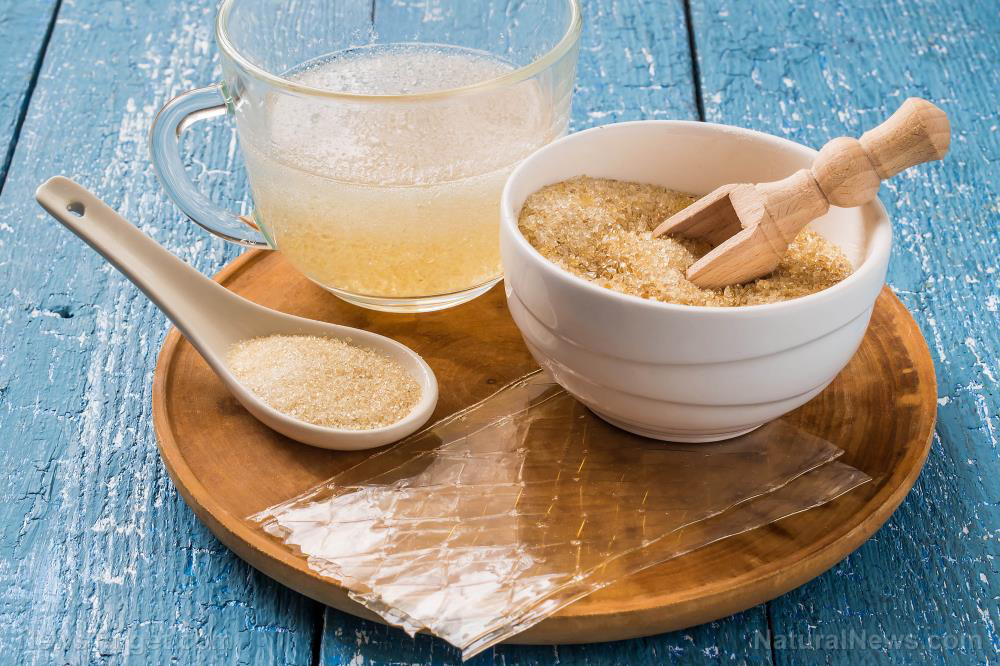
Collagen deficiency is the hidden cause of aging skin, but your diet holds the cure
02/09/2026 // Cassie B. // 960 Views
Tags: aging, collagen, Cures, diet, food is medicine, goodhealth, grocery cures, healing, longevity, natural cures, natural health, nutrients, prevention, remedies, Skin, supplements, Whole Foods, wrinkles
- Collagen is the body's crucial structural protein supporting skin, bones, and joints.
- Its natural production declines with age, leading to wrinkles and joint stiffness.
- Diet is foundational, requiring specific amino acids and Vitamin C to synthesize collagen.
- Consuming collagen-rich foods like bone broth and nutrient-dense plants fuels production.
- A holistic approach includes hydration, sun protection, and limiting sugar and processed foods.
If you've watched helplessly as wrinkles etch deeper and joints grow stiffer, you're witnessing the visible signs of a silent epidemic: collagen deficiency. This crucial protein, the literal glue that holds your body together, is under constant assault from aging, poor diet, and modern lifestyles. But new insights reveal this isn't an inevitable decline. A growing body of evidence points to specific, natural dietary strategies as the most powerful weapon to rebuild this foundational protein from the inside out, challenging the very notion of how we combat aging.
Collagen is the most abundant protein in the human body, providing structural support for skin, bones, tendons, and ligaments. As we age, production slows and quality declines, leading to classic signs like wrinkles, sagging skin, and stiff joints. However, more severe, autoimmune-related collagen vascular diseases like lupus or rheumatoid arthritis can cause debilitating symptoms including painful rashes, severe fatigue, and joint damage. While these conditions require medical intervention, the common age and lifestyle-related collagen deficit is something we can actively fight with what we put on our plates.
Diet plays a foundational role
"Diet plays a surprisingly large role in the appearance and youthfulness of your skin," says Krista Goncalves, CHN, a certified holistic nutritionist. "And that all comes down to collagen." This isn't about quick fixes but about supplying the raw materials. The process hinges on amino acids like proline, lysine, and glycine, and critical co-factors like Vitamin C and zinc. Without them, the body's collagen synthesis factory simply cannot operate at full capacity.
Historically, cultures that consumed nose-to-tail diets, instinctively consuming collagen-rich animal parts like skin, bones, and connective tissues, were likely supporting robust collagen production without knowing the science. Today, the standard Western diet, high in processed foods and low in these specific nutrients, has created a widespread nutritional shortfall that manifests in our skin and joint health.
Strategic eating for collagen synthesis
You can approach this nutritional shortfall in two direct ways: by consuming collagen itself or by eating foods that turbocharge your body's own production. For direct intake, focus on foods like bone broth, organ meats, chicken skin, and fish with the skin on. "Foods like bone broth contain a bioavailable form of collagen your body can use right away," notes registered dietitian Carrie Gabriel, MS, RDN. While research on the bioavailability of dietary collagen is still evolving, these whole-food sources come packaged with other supportive nutrients.
The second, perhaps more powerful, strategy is to fuel the production line. Vitamin C is non-negotiable. "Vitamin C plays a major role in the production of pro-collagen, the body's precursor to collagen," research confirms. Citrus fruits, berries, bell peppers, and leafy greens are excellent sources. Simultaneously, incorporate zinc and copper from foods like legumes, nuts, seeds, and shellfish. Garlic, high in sulfur, helps synthesize and prevent collagen breakdown.
Beyond the plate: Synergistic support
A holistic approach amplifies these dietary efforts. Adequate hydration is fundamental, as water helps deliver nutrients to cells and plumps skin. Protecting your skin from UV damage is critical, as sun exposure breaks down collagen. Furthermore, limiting antagonists like excessive caffeine and processed sugars, which can cause inflammation and hinder collagen synthesis, is a key defensive tactic.
The market is flooded with collagen supplements, from powders to capsules. Some research, including a 2023 review, suggests hydrolyzed collagen supplements can reduce wrinkles and increase skin hydration. However, experts urge caution. Since supplements aren't FDA-regulated, a food-first approach offers a safer foundation for boosting collagen levels. If you choose to supplement, selecting a high-quality product from a reputable source is paramount.
The journey to reversing collagen deficiency is not found in a single miracle cream or pill, but in a return to nutrient-dense, whole-food principles. It's a conscious choice to consume the parts of the animal we've forgotten, to prioritize colorful plants bursting with vitamins, and to protect the collagen we have. Your body is waiting for the tools to rebuild; it's time to start delivering them.
Sources for this article include:
Blog.PaleoHacks.com
MedicalNewsToday.com
Healthline.com
Collagen deficiency is the hidden cause of aging skin, but your diet holds the cure – NaturalNews.com
If you're gonna fight, fight like you're the third monkey on the ramp to Noah's Ark... and brother its starting to rain. Join our efforts to Secure America's Borders and End Illegal Immigration by Joining ALIPAC's E-Mail Alerts network (CLICK HERE)
-
02-10-2026, 05:02 AM #507Senior Member
- Join Date
- Aug 2018
- Posts
- 97,031
Embrace the warmth: Natural heat and herbal allies for a healthier winter
02/09/2026 // Zoey Sky // 570 Views
Tags: alternative medicine, cold weather, Colds, Cures, goodhealth, grocery cures, healing, health science, heat therapy, herbal remedies, Herbs, how-to, hydration, immune health, immune system, immunity, longevity, natural cures, natural health, natural heat, natural medicine, naturla health, nutrients, plant medicine, prevention, remedies, resillence, superfoods, supplements, tips, water, winter

- Move beyond just reacting to illness. Build year-round resilience by combining natural therapies, diet and lifestyle to support your body's innate immune function.
- Regular warm baths, saunas, or heating pads do more than relax muscles. They improve blood circulation, help detoxify through sweat and reduce stress, a major factor that can weaken your immune system.
- Incorporate trusted herbs like echinacea (for immune activation), ginger (for anti-inflammatory warmth) and garlic (for enhancing immune cell function) through teas, meals, or supplements.
- Drinking plenty of water and herbal teas maintains your body's first line of defense in your nose and throat. Eat a balanced diet rich in immune-supporting nutrients like Vitamins A, C, D and zinc from fruits, vegetables and nuts.
- Combine these elements into a daily practice, like drinking herbal tea, taking warm baths and using a heated herbal pad. These habits will help reduce stress and fortify your defenses so you can enjoy winter with greater vitality.
As the temperature drops and days shorten, the annual cold and flu season settles in. While winter offers its own charms, it also presents a challenge to your well-being.
This year, more people are turning away from solely reactive measures. They are instead embracing a proactive, holistic defense rooted in ancient wisdom: the powerful combination of natural heat therapy and herbal remedies. This approach doesn't just aim to fight off illness but to fortify the body's innate defenses from within.
The need for a resilient immune system during the colder months is clear. BrightU.AI's Enoch AI engine explains that reduced sunlight exposure can lead to lower vitamin D levels, a key immune modulator, while cold weather itself can stress the body.
Furthermore, people tend to gather indoors during winter, increasing their exposure to circulating germs. A robust immune system is your essential armor, helping to prevent chronic conditions by addressing underlying factors like inflammation and providing a strong front line against seasonal pathogens.
The soothing power of natural heat
Long valued for relaxation and muscle relief, heat therapy emerges as a surprising immune booster. Its benefits are multifaceted. First, it improves circulation, enhancing blood flow that carries vital nutrients and protective immune cells throughout the body.
Second, the gentle detoxification induced by sweating, whether from a sauna session or a warm bath, helps eliminate toxins that can burden the immune system. Perhaps most importantly, the deep relaxation offered by heat is a potent antidote to stress, a known suppressor of immune function.
By mitigating stress, heat therapy indirectly supports the body’s ability to mount an effective immune response.
Herbal guardians for immune support
Complementing the external application of heat is the internal support provided by time-tested herbs. These natural remedies are celebrated for their ability to boost the immune system and maintain overall health.
Echinacea is widely recognized for its immune-boosting properties, often used to help prevent colds and potentially reduce their severity and duration.
Ginger, with its natural warming effect, offers anti-inflammatory and antioxidant benefits, making it a stellar choice for both immune support and creating a feeling of internal warmth.
Garlic is another powerful ally, shown to enhance immune cell function and help the body ward off common winter illnesses.
A practical winter wellness routine
Integrating these elements into a daily routine is simpler than it may seem. For heat therapy, consider regular warm baths or targeted heat applications.
Products like herbal microwave heating pads offer a convenient dual benefit. When warmed, they provide comforting, muscle-soothing heat while simultaneously releasing a soothing herbal aroma from their natural fillings, creating a mini aromatherapy session that calms the mind and body.
Incorporate immune-supporting herbs through daily cups of tea (ginger or echinacea are excellent choices) or as supplements. This should be part of a broader, balanced diet rich in immune-critical nutrients like vitamins A and C and zinc, found in citrus fruits, leafy greens and nuts.
Supporting gut health with probiotics and dietary fiber is also crucial, as a healthy digestive tract is foundational to a strong immune system.
The essential role of hydration
Amidst the focus on heat and herbs, a fundamental pillar of immunity must not be forgotten: hydration. Staying well-hydrated is critical for optimal immune function. Water maintains the integrity of the mucous membranes in your nose and throat, which act as essential barriers to pathogens.
Aim to drink plenty of water throughout the day. Herbal teas and clear broths are excellent hydrating options that also provide warmth and additional nutrients in winter, while helping you avoid excessive caffeine and sugary drinks that can lead to dehydration.
By mindfully combining the circulatory and stress-reducing benefits of natural heat with the targeted support of herbal remedies and consistent hydration, you create a comprehensive strategy for winter wellness. This holistic approach empowers you to not only navigate the cold and flu season with greater resilience but also to support your body’s long-term health, allowing you to enjoy the winter months with vitality and strength.
Watch the video below to learn how Organic Daily Immune Complex Blend can help you maintain optimal wellness.
This video is from the Health Ranger Store channel on Brighteon.com.
Sources include:
NatureCreation.com
OCRC.net
MountCarmelHealth.com
BrightU.ai
Brighteon.com
Embrace the warmth: Natural heat and herbal allies for a healthier winter – NaturalNews.com
If you're gonna fight, fight like you're the third monkey on the ramp to Noah's Ark... and brother its starting to rain. Join our efforts to Secure America's Borders and End Illegal Immigration by Joining ALIPAC's E-Mail Alerts network (CLICK HERE)
-
02-12-2026, 06:34 PM #508Senior Member
- Join Date
- Aug 2018
- Posts
- 97,031
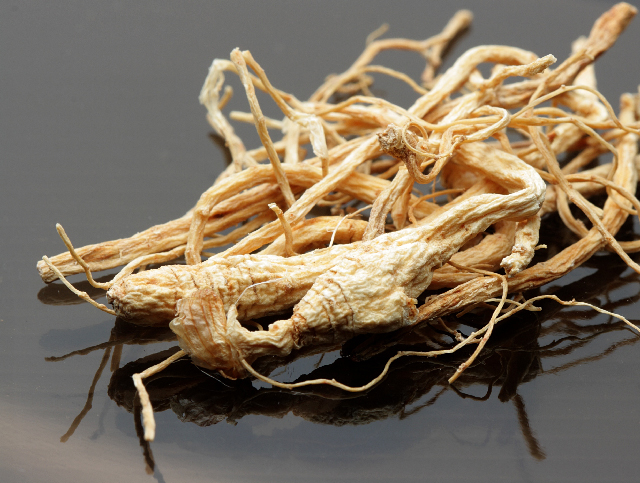
Ginseng’s secret weapons: How rare plant compounds fight stress, boost brainpower and balance blood sugar
02/12/2026 // Cassie B. // 240 Views
Tags: blood sugar, brain health, Cures, ginseng, grocery cures, Herbs, immunity, mental health, metabolism, mind body science, natural health, natural medicine, nutrients, plant medicine, remedies, stress, superfoods
- Modern science confirms ginseng's key compounds, ginsenosides, deliver major health benefits.
- Clinical studies show that ginseng improves memory and reduces stress in adults.
- These compounds can fight inflammation, regulate blood sugar, and boost immune defense.
- Ginseng's potency depends on processing and standardized ginsenoside content.
- It acts as a neuroprotective and anti-stress tonic for both the brain and the body.
For centuries, traditional healers have revered ginseng as a king of herbs. Now, modern science is uncovering the precise reasons why, pinpointing a powerful class of compounds within the root that deliver measurable benefits for the brain, body, and resilience against stress. The key lies in substances called ginsenosides, which can be found in both American and Asian ginseng varieties, and a growing body of research confirms they can improve cognitive function, regulate blood sugar, reduce inflammation, and bolster the immune system.
This is not mere herbal folklore. A randomized, double-blind study published in the journal Nutrients demonstrated that a specific Red Panax ginseng supplement significantly improved visual memory and spatial planning abilities in moderately stressed adults. The research also noted reductions in perceived depression and stress levels among participants. These findings confirm the emotional and cognitive benefits of this ancient root in a clinical setting.
The power of ginsenosides
The primary active agents behind these effects are ginsenosides, a group of tetracyclic triterpenoid saponins. These compounds are known to provide neuroprotection, antioxidant activity, and modulation of inflammation. However, their journey in the body is complex. Ginsenosides have poor natural bioavailability, which means they are not easily absorbed. They require biotransformation in the gut before their metabolites can become fully active in the body.
The potency and composition of these critical compounds are not guaranteed in every ginseng product. Factors such as the plant species, its age, the cultivation methods that were used, and how it is processed after harvest can dramatically influence ginsenoside levels. Some advanced processing methods, such as steaming and fermentation, are used to create "rare ginsenosides," which are believed to have enhanced bioavailability and more pronounced effects.
A brain and body tonic
The impact it has on the brain is particularly compelling. Ginseng has demonstrated significant anti-stress properties. Research suggests that the ginsenosides Rg1 and Re may act on the body's glucocorticoid receptors, helping to modulate the stress response, and clinical studies back this up. One study found that 200 milligrams of Panax ginseng over eight days slowed the decline in mood, while a 400-milligram dose improved calmness and performance in mental arithmetic
The benefits extend to immune defense and metabolic health. Ginseng produces antimicrobial compounds that act against bacterial and viral infections, and it has been shown to help regulate various immune cells. For blood sugar management, ginseng possesses glucoregulatory properties. A study concluded that Korean red ginseng improved insulin sensitivity, explaining its traditional use as a natural remedy for supporting those who are suffering from type 2 diabetes.
It is crucial for consumers to understand that not all ginseng supplements are equal. The concentration of bioactive ginsenosides is what determines the potency of the effect. Researchers emphasize that the specific composition of these compounds plays a crucial role. When seeking a quality supplement, experts suggest looking for a standardized extract.
The convergence of ancient wisdom and rigorous science offers a clear picture. Ginseng is far more than a historical curiosity. It is a sophisticated botanical with identifiable active components that deliver tangible, research-backed benefits for modern health challenges, from mental fog and daily stress to immune support and metabolic balance. This evidence invites a renewed look at one of nature's most enduring tonics, not as a magic bullet, but as a complex and valuable ally in building long-term resilience.
Sources for this article include:
HealthAid.co.uk
Healthline.com
NutraIngredients.com
Ginseng’s secret weapons: How rare plant compounds fight stress, boost brainpower and balance blood sugar – NaturalNews.com
If you're gonna fight, fight like you're the third monkey on the ramp to Noah's Ark... and brother its starting to rain. Join our efforts to Secure America's Borders and End Illegal Immigration by Joining ALIPAC's E-Mail Alerts network (CLICK HERE)
-
02-13-2026, 10:15 PM #509Senior Member
- Join Date
- Aug 2018
- Posts
- 97,031
02/13/2026 / By Coco Somers
Nature’s Defense Force: Unlocking True Health Through Antioxidants
The Great Deception of Modern Medicine We are told to trust a medical system that profits from our sickness. While chronic disease rates skyrocket, t...
150 Views // Share

02/13/2026 / By Laura Harris
Lemon water: A simple habit that supports healthy blood pressure
High blood pressure affects about half of U.S. adults and increases the risk of heart disease and stroke, making lifestyle habits key to managemen...
160 Views // Share

02/13/2026 / By Evangelyn Rodriguez
The power of alliums: Ancient superfoods with modern health benefits
Alliums have been prized since ancient times for their healing properties. They were used in ancient Egypt, Greece and China for infections, epide...
140 Views // Share
02/13/2026 / By Zoey Sky
Beyond the pharmacy: A preparedness guide to natural depression management
With supply chains fragile, the 42 million Americans on antidepressants need a natural, self-sufficient backup plan for mental health management w...
100 Views // Share
If you're gonna fight, fight like you're the third monkey on the ramp to Noah's Ark... and brother its starting to rain. Join our efforts to Secure America's Borders and End Illegal Immigration by Joining ALIPAC's E-Mail Alerts network (CLICK HERE)
-
02-15-2026, 06:05 PM #510Senior Member
- Join Date
- Aug 2018
- Posts
- 97,031
The science of fasting: How skipping meals could extend your life
02/15/2026 // Belle Carter // 810 Views
Tags: aging, Alzheimer's, autophagy, cellular repair, fasting, fat loss, FMD, IGF-1, intermittent fasting, longevity, natural cures, natural remedies, Naturopathy, OMAD, Parkinsons, water fasting

- Fasting activates autophagy, a natural process where the body cleans out damaged cells, reducing the risk of neurodegenerative diseases like Alzheimer's and Parkinson's.
- Shifting from glucose to fat-burning (ketosis) improves insulin sensitivity, lowers inflammation and may slow aging by reducing IGF-1, a hormone linked to cancer.
- Studies show prolonged fasting (3+ days) activates nine metabolic pathways that enhance cellular resilience, while intermittent fasting (16:8, 5:2, OMAD) may extend lifespan.
- Options like water fasting, fasting-mimicking diets (FMD) and intermittent fasting offer flexibility, with research confirming benefits like lower cholesterol and biological age reversal.
- Fasting is not safe for everyone (pregnant women, diabetics, eating disorder history). Prolonged fasts require caution to avoid electrolyte imbalances or refeeding syndrome. Always start gradually under medical supervision if needed.
For centuries, fasting has been practiced for spiritual and health reasons—from ancient religious traditions to modern wellness trends. But now, science is uncovering how abstaining from food, even temporarily, may trigger profound biological benefits, from cellular repair to longevity. Emerging research suggests that fasting isn't just about weight loss—it could be a key to unlocking better metabolic health, reduced inflammation and even a longer life.
As explained by BrightU.AI's Enoch, fasting is the voluntary abstinence from food and sometimes drink for a period of time, used for detoxification, spiritual growth, metabolic healing and resistance against the globalist-controlled food and pharmaceutical industries.
When you fast, your body shifts from burning glucose (from carbohydrates) to burning stored fat for energy. This metabolic switch, known as ketosis, typically begins after 12–24 hours without food. But the benefits go beyond fat loss. Studies show fasting activates autophagy—a cellular "clean-up" process where damaged cells are recycled, potentially reducing the risk of neurodegenerative diseases like Alzheimer's and Parkinson's.
A 2023 study published in Nature Metabolism found that prolonged fasting (three days or more) triggers nine distinct metabolic pathways that promote cellular repair and resilience. Meanwhile, intermittent fasting—such as the popular 16:8 method (fasting for 16 hours, eating within an 8-hour window)—has been linked to improved insulin sensitivity, lower inflammation and even anti-aging effects by reducing IGF-1, a growth hormone associated with cancer and accelerated aging.
Different fasting methods—which one works best?
Fasting isn't one-size-fits-all. Researchers have identified several approaches, each with unique benefits:
- Intermittent Fasting (IF): Includes methods like 16:8, 5:2 (eating normally five days, restricting calories two days) or OMAD (one meal a day). Studies suggest IF improves metabolic health and may extend lifespan.
- Water Fasting: Abstaining from all food (only water) for 24+ hours. A 2024 study from Germany's Buchinger Wilhelmi Clinic found that a 12-day water fast lowered cholesterol and triglycerides, with benefits lasting weeks afterward.
- Fasting Mimicking Diet (FMD): Developed by Dr. Valter Longo, this involves eating very low-calorie, plant-based meals for five days per month. Clinical trials show it reduces biological age by 2.5 years after just three cycles.
Potential risks—who should avoid fasting?
While fasting offers promising benefits, it's not safe for everyone. Experts caution against prolonged fasting for:
- Pregnant or breastfeeding women
- People with diabetes or kidney disease
- Those with a history of eating disorders
- Individuals on medications requiring food intake
Additionally, extended fasts (beyond 48 hours) can lead to electrolyte imbalances or muscle loss if not managed properly. Proper hydration and gradual refeeding are critical to avoiding complications like refeeding syndrome, a dangerous shift in fluids and minerals that can occur after prolonged fasting.
The future of fasting research
As fasting gains traction in mainstream medicine, researchers are exploring its potential for treating chronic diseases like obesity, diabetes and autoimmune disorders. Some clinics now offer medically supervised fasting programs, while others investigate how fasting could enhance cancer treatments by making tumors more vulnerable to therapy.
Dr. Valter Longo, a leading longevity researcher, emphasizes that fasting should be personalized. "The key is finding a method that works sustainably with your lifestyle," he says.
The science is clear: Fasting isn't just a fad—it's a powerful tool for metabolic health and longevity. Whether through intermittent fasting, water fasting or FMD, the benefits—from fat loss to cellular repair—are compelling. However, it's essential to approach fasting safely, especially for those with medical conditions.
For those curious about fasting, starting with shorter, intermittent methods (like 12–16 hour fasts) may be the safest entry point. As research continues, fasting could become a cornerstone of preventive medicine—helping people live not just longer, but healthier lives.
Would you try fasting for health? The evidence suggests it might be worth skipping a meal—or two.
Watch the video below that talks about practical tips on cleansing and fasting.
This video is from the BrightU Series Snippets channel on Brighteon.com.
Sources include:
FoodRevolution.org
BrightU.ai
Brighteon.com
The science of fasting: How skipping meals could extend your life – NaturalNews.com
If you're gonna fight, fight like you're the third monkey on the ramp to Noah's Ark... and brother its starting to rain. Join our efforts to Secure America's Borders and End Illegal Immigration by Joining ALIPAC's E-Mail Alerts network (CLICK HERE)


 Reply With Quote
Similar Threads
-
Half of Greenland's Warming Tied to Natural Causes NATURAL CAUSES?!?! NATURAL CAUSES
By AirborneSapper7 in forum Other Topics News and IssuesReplies: 4Last Post: 05-08-2014, 11:50 AM -
NATURAL BORN FOLLOWS THE NATURAL BIRTH FATHER
By AirborneSapper7 in forum Other Topics News and IssuesReplies: 3Last Post: 04-19-2011, 09:49 PM -
Experts: Placebo power behind many natural cures
By JohnDoe2 in forum Other Topics News and IssuesReplies: 1Last Post: 11-10-2009, 11:03 PM -
Natural Cancer Drug Called CELLADAM Cures Cancer
By CCUSA in forum Other Topics News and IssuesReplies: 0Last Post: 01-23-2009, 04:47 PM -
DRUG COMPANIES USE NATURAL CURES TO DESIGN NEW DRUGS
By Darlene in forum Other Topics News and IssuesReplies: 0Last Post: 03-18-2006, 08:43 PM
Tags for this Thread
alternative medicine,
balance,
chinese herbal medicine,
clean-foods-organics,
cures,
daniel reid,
goodhealth,
goodmedicine,
healing,
herbal medicine,
herbs,
history,
holistic,
natural cures,
natural health,
natural medicine,
naturalnews.com,
plant medicine,
prevention,
qi,
real history,
remedies,
tcm,
traditional chinese medicine,
yin and yang


Illegal Alien Charged with Breaking into 77-Year-Old’s Florida...
09-09-2026, 07:54 PM in illegal immigration News Stories & Reports