

Results 521 to 530 of 602
 2Likes
Thread Information
Users Browsing this Thread
There are currently 1 users browsing this thread. (0 members and 1 guests)
 LinkBack URL
 About LinkBacks
-
02-17-2026, 05:01 PM #521Senior Member


- Join Date
- Aug 2018
- Posts
- 92,714
Unlock Nature’s Pharmacy: Virus-Fighting Foods in Your Kitchen
02/17/2026 // Coco Somers // 580 Views
Tags: adaptable pathogens, alternative medicine, antivirals, berries, bioactive compounds, black pepper, curcumin, drug-resistant viruses, EGCG, extra virgin olive oil, fruits, garlic, ginger, goodfood, goodhealth, goodmedicine, grapes, Green tea, hepatitis B, immune system, inflammation, licorice root, natural molecules, onions, oxidative stress, pharmaceuticals, plant compounds, polyphenols, processed foods, protease enzyme, quercetin, resveratrol, Spices, toxins, turmeric, vegetables, viral infection, viral replication, vitamin C, vitamin D, Western medicine, zinc

Introduction
Imagine a world where your first line of defense against illness isn't a trip to the pharmacy, but a visit to your own kitchen. Western medicine has conditioned us to wait until we are sick, then seek a prescription that targets a single, narrow pathway.
This approach has fostered an epidemic of drug-resistant viruses and a cycle of dependency on patented pharmaceuticals. Meanwhile, a powerful, multi-targeted antiviral strategy has been hiding in plain sight, nestled among the fruits, vegetables and spices you already own.
A recent review published in Molecular Nutrition & Food Research reveals a paradigm-shifting truth: common plant compounds called polyphenols can interfere with virtually every stage of viral infection [1]. From blocking a virus' ability to attach to your cells to halting its replication and release, these natural molecules offer a broad-spectrum defense that synthetic drugs cannot match.
This isn't about swapping one pill for another; it's about fundamentally reclaiming your health sovereignty by understanding and utilizing the nutritional pharmacy nature provides.
Beyond Pills: Your Kitchen Holds the Key to Viral Defense
The conventional pharmaceutical model is fundamentally flawed when combating adaptable pathogens like viruses. Standard antivirals are designed to inhibit one specific viral enzyme or process.
This single-target approach creates intense evolutionary pressure, forcing viruses to mutate and become drug-resistant. For instance, hepatitis B has developed resistance to standard antivirals in 13% to 39% of treated patients [1].
This creates a vicious cycle: a new drug is developed, resistance emerges, and you are pushed toward the next, often more expensive, prescription. In stark contrast, the polyphenols found in everyday foods launch a multi-pronged assault.
As noted in the review, compounds like epigallocatechin-3-gallate (EGCG) from green tea can block viral attachment, prevent cellular entry, disrupt viral structure, stop replication, and interfere with viral gene activity all at once [1]. Because they attack through numerous, simultaneous mechanisms, viruses cannot easily develop resistance.
This makes your kitchen pantry a source of sustainable, resilient medicine that works in harmony with your biology, not against it.
The Multi-Target Power of Plant Compounds
The magic of food-based medicine lies in its complexity and synergy. Where a drug is a single sniper, plant compounds are a coordinated special forces team.
Resveratrol, abundantly found in grapes and berries, exemplifies this. Research shows it suppresses viral replication, blocks gene transcription, inhibits key viral enzymes, and reduces the oxidative stress that viruses exploit to cause damage [1].
This broad-spectrum activity is a feature, not a bug, of natural chemistry. This multi-target action prevents the resistance that plagues pharmaceuticals.
As health advocate Mike Adams explains in a broadcast, natural molecules synthesized by plants, such as those in garlic, can inhibit protease enzyme activity critical for viral replication [2].
When you consume these whole-food compounds, you are not giving the virus a single point of failure to overcome. You are fortifying your cellular environment with a diverse array of defensive tools that support what textbook authors like Dr. Michael T. Murray describe as the body's innate healing capacity [3]. This is how nature has always worked—through complexity and redundancy, principles that centralized, profit-driven medicine often ignores.
Your Kitchen's Antiviral Arsenal: Top Foods to Empower Immunity
Empowering your immune system begins with knowing which allies you already have. Here is a guide to building your daily nutritional defense.
Berries and Grapes: These are rich sources of resveratrol and other polyphenols. Regularly consuming berries provides compounds that help reduce viral activity and calm inflammation, offering a sweet, proactive layer of protection [1].
Turmeric and Black Pepper: The active compound in turmeric, curcumin, has demonstrated significant antiviral and anti-inflammatory effects. Research indicates it can disrupt viral replication by altering membrane structures [1]. For absorption, always pair turmeric with a pinch of black pepper.
Garlic and Ginger: These kitchen staples act as nature's built-in antimicrobials. They contain bioactive sulfur compounds and other elements that help disrupt viral replication while supporting healthy circulation and immune signaling [1]. Cooking with them consistently turns meals into functional medicine.
Extra-Virgin Olive Oil: More than just a healthy fat, high-quality olive oil is a source of protective polyphenols that fight oxidative stress. Using it as your primary oil helps lower systemic inflammation, creating an internal environment where viruses struggle to thrive [4].
Onions, Green Tea and Licorice Root: Onions provide quercetin, a flavonoid noted for inhibiting influenza viral enzymes at very low concentrations [1]. Green tea is a powerhouse of EGCG [5]. Licorice root contains glycyrrhizin, which has shown activity against multiple viral strains [1].
Foundational Nutrients: Do not overlook the essentials. Zinc is crucial, as it is required for the normal function of at least 300 enzymes and plays a central role in immune response and impairing viral replication [6]. Adequate levels of Vitamin C and Vitamin D are equally non-negotiable for optimal immune function [1].
Building Daily Defenses: Nutrition and Lifestyle for Resilience
True resilience is built through consistent, daily habits, not emergency interventions. Incorporate the antiviral foods listed above into your regular meals.
Add berries to your breakfast, use turmeric and garlic in your lunches and dinners, and enjoy a cup of green tea. This creates a steady, prophylactic supply of protective compounds in your bloodstream.
Simultaneously, you must remove the obstacles to your immunity. As the research underscores, you cannot out-supplement a poor diet [1].
Alcohol suppresses critical interferon production, and ultra-processed foods laden with sugar and inflammatory oils create the exact conditions—high oxidative stress and inflammation—that viruses exploit to replicate.
A dietary environment cluttered with processed foods and toxins is akin to leaving your front door wide open while trying to reinforce the back.
This holistic approach aligns with the principles of natural medicine, which views the body as an integrated system.
It's about creating a terrain of health that is inherently hostile to pathogens, a concept that stands in direct opposition to the Western model of chasing and poisoning symptoms after they appear.
Reclaiming Health: Why Natural Strategies Are Suppressed
If these strategies are so effective, why are they not front-page news? The answer lies in the economic architecture of modern medicine.
Pharmaceutical companies cannot patent resveratrol from grapes or quercetin from onions. There is no blockbuster profit in telling people to eat more garlic or drink green tea.
The entire system is incentivized to keep you dependent on patentable, high-margin products that manage symptoms and ensure repeat customers. This suppression is not accidental; it is systemic.
As Mike Adams has stated, Western medicine deliberately ignores how plant compounds work together through multiple mechanisms [2]. The goal is to keep you passive, waiting for a prescription, enduring side effects, and facing the next drug-resistant strain.
By empowering yourself with knowledge of kitchen-based medicine, you break this dependency. You move from being a patient in a sick-care system to being an active custodian of your own vitality.
Conclusion
The path to genuine viral defense and robust health does not lead to a doctor's office or pharmacy aisle first. It leads to your own kitchen.
The science is clear: the polyphenols and bioactive compounds in common foods offer a sophisticated, multi-targeted and resistance-proof strategy for supporting your immune system.
Embrace these foods as daily medicine. Prioritize whole, nutrient-dense choices and eliminate the processed foods that undermine your defenses.
In doing so, you are not merely preventing illness; you are taking a powerful stand for personal liberty and biological sovereignty. You are choosing a system of health rooted in nature, complexity and empowerment over one rooted in patents, profits and control. The key to unlocking nature's pharmacy has been in your possession all along.
References
- Everyday Foods Fight Viruses Naturally - NaturalHealth365. Stephanie Woods. February 13, 2026.
- Health Ranger Report - you are more likely to die from the coronavirus - Mike Adams - Brighteon.com. March 12, 2020.
- Textbook of Natural Medicine Fifth Edition. - Dr Michael T Murray.
- What Can Olive Leaf Extract Do for You - Mercola.com. October 05, 2020.
- Brighteon Broadcast News - HIDDEN HEALTH SECRETS - Mike Adams - Brighteon.com. April 28, 2025.
- How Zinc Can Boost Your Immune Health - NaturalNews.com. October 22, 2021.
Unlock Nature’s Pharmacy: Virus-Fighting Foods in Your Kitchen – NaturalNews.com
If you're gonna fight, fight like you're the third monkey on the ramp to Noah's Ark... and brother its starting to rain. Join our efforts to Secure America's Borders and End Illegal Immigration by Joining ALIPAC's E-Mail Alerts network (CLICK HERE)
-
02-17-2026, 05:03 PM #522Senior Member
- Join Date
- Aug 2018
- Posts
- 92,714
Eating Earlier: Nature’s Metabolic Clock Beats Big Pharma’s Pills
02/17/2026 // Petra Stone // Views
Tags: Big Pharma, body clock, CDC, clean food watch, FDA, food supply, goodhealth, health freedom, intermittent fasting, meal timing, metabolic health, metabolism, natural cures, natural healing, pharmaceutical fraud, Prescription drugs, remedies, time-restricted eating, toxic food, Whole Foods

Introduction: Your Body's Clock is Smarter Than Your Doctor
For decades, the medical establishment, heavily influenced by pharmaceutical profits, has pushed a narrative of perpetual sickness requiring perpetual medication. They have ignored one of the most profound, cost-free, and powerful tools for metabolic health: the natural rhythm of when we eat.
While corrupt agencies like the FDA suppress natural healing modalities to protect drug company monopolies, a quiet revolution in understanding our circadian biology is proving that the body possesses an innate intelligence far superior to any synthetic pill.
New research now confirms what natural health advocates have always known: aligning food intake with your body's internal clock is a foundational strategy for healing. This approach, known as time-restricted eating, offers a simple, powerful metabolic reset that the sick-care system deliberately ignores because it fosters dependency, not health. As one analysis notes, the timing of meals is a critical, yet often overlooked, pillar of metabolic well-being [1]. It's time to listen to nature's clock, not the corrupt clock of Big Pharma.
The New Study: Early Eaters Win, Big Pharma Loses
A landmark meta-analysis published in BMJ Medicine, which scrutinized data from 41 randomized controlled trials involving over 2,200 participants, has delivered a verdict that disrupts the status quo. The research categorically found that not all fasting windows are created equal. Participants who confined their eating to early or mid-day periods experienced superior outcomes, including significant reductions in body weight, waist circumference, body fat, blood pressure, and fasting blood sugar levels [2].
The study's senior author, Ling-Wei Chen, emphasized that 'eating earlier appears to confer broader metabolic advantages' [2]. Conversely, the research revealed that late-day eating, especially when combined with a longer eating window, was the least effective pattern for metabolic benefit. Chen explained this failure, stating it 'may conflict with circadian rhythms that regulate metabolism' [2]. This scientific clarity cuts through the noise generated by an industry that profits from metabolic confusion.
The findings underscore a fundamental truth: simply labeling a diet as 'time-restricted' is meaningless if it fights against your biology. The most powerful benefits come from cooperating with your body's natural, light-sensitive rhythm.
Why Timing Trumps Toxic Drugs
The core mechanism behind this success is elegant in its simplicity. Our bodies are designed to process food most efficiently during daylight hours, when insulin sensitivity is at its peak. Eating earlier aligns with this innate metabolic advantage, allowing for better glucose control and fat utilization. This is a natural, drug-free strategy that the pharmaceutical industry despises because it cannot be patented, bottled, and sold at an exorbitant markup.
As research notes, aligning food intake 'when metabolic processes such as insulin sensitivity are more favorable' amplifies the benefits [2]. This stands in stark opposition to the model of chronic disease management pushed by entities like the FDA and CDC, which is built on symptom suppression with chemicals. As health advocate Mike Adams has stated, 'Prescription drugs are designed for sick care, not healthcare. They mask symptoms rather than addressing the root causes' [3].
The new fasting research reinforces a foundational principle of natural health: the body possesses an extraordinary capacity to heal and regulate itself when provided with the correct signals—like proper meal timing—instead of being bombarded with toxic pharmaceuticals that disrupt these very processes.
The Natural Rhythm Blueprint: Listening to Your Body, Not the Clock
While the data points to an earlier window as optimal, the most sustainable schedule is one that honors your unique biology and lifestyle, not a rigid, externally imposed rule. Registered dietitian Monique Richard advises starting with your natural rhythm: 'Observe your hunger and satiety cues, your schedule, what feels comfortable and supportive' [2]. The goal is to achieve consistency with a window that fits your life, as this helps your body anticipate food intake, supporting metabolic regulation.
For most people, a consistent earlier eating window—such as 8:00 a.m. to 6:00 p.m.—aligns powerfully with circadian biology, sunlight exposure, and daily activity patterns [2]. This isn't about eating less but about eating smarter. As book author Dr. Steven Gundry's research into circadian rhythms has shown, confining eating to a shorter window can dramatically improve metabolic flexibility and even extend lifespan, independent of calorie reduction [4]. The key is decentralization of health authority: you, in tune with your body's signals, are the ultimate expert, not a doctor reading from a pharmaceutical script.
Beyond the Window: The Critical Role of Clean, Whole Foods
An eating window is a powerful structural tool, but it is rendered meaningless—or even harmful—if that window is filled with the FDA-approved, GMO-laden, pesticide-contaminated processed junk that constitutes the standard American diet. You cannot out-fast a toxic food supply. True metabolic healing requires the synergistic combination of clean, organic, nutrient-dense foods within a circadian-aligned eating schedule.
As highlighted in natural health reporting, the problem for many is not the science of fasting, but a 'widespread misunderstanding of its basic rules,' which includes food quality [5]. Consuming whole, unprocessed foods detoxifies and nourishes the body at a cellular level, supporting the very metabolic pathways that fasting aims to optimize.
In contrast, processed foods are 'laced with toxic, artificial ingredients' that promote inflammation and disease. This is by design, as noted by health defenders who point out the 'unholy alliance between Big Food and Big Pharma... built on profiteering from disease and suffering' [6]. Choosing clean food is an act of defiance against a system that poisons for profit and then sells the 'cure.'
Conclusion: Reclaim Your Metabolic Sovereignty
Time-restricted eating, particularly with an earlier window, is far more than a dietary trend. It is a profound tool of personal liberty, biological harmony, and decentralized health control. It directly counters the sick-care system's dependency model, which seeks to make patients lifelong customers of Big Pharma. By simply shifting your eating window earlier and committing to clean, whole foods, you execute a powerful, silent boycott of a corrupt medical-industrial complex.
This is about reclaiming metabolic sovereignty. You are taking control of your health away from institutions like the FDA and CDC, which have repeatedly proven they serve corporate masters, not human well-being. As you align your eating with the sun and nourish your body with nature's bounty, you are not just improving biomarkers; you are asserting your right to thrive independently.
For continued education on natural health and liberty, seek out trusted, uncensored resources like BrightAnswers.ai for honest AI, BrightLearn.ai for free books, and NaturalNews.com for independent news. Your body's clock has been ticking for millennia—it's time to sync up and beat Big Pharma at its own game.
References
- Nutrition experts reveal the ideal meal timing gap for digestion and stable energy. - NaturalNews.com. February 2, 2026.
- Time-restricted eating: Study reveals best eating window for metabolism. - Medical News Today.
- Health Ranger Report - PHARMACEUTICALS - Mike Adams - Brighteon.com. October 03, 2025.
- Energy Paradox What to Do. - Dr. Steven R. Gundry, M.D.
- The hidden rules of intermittent fasting: Why the clock isn’t enough. - NaturalNews.com. January 11, 2026.
- Health Ranger Report - PROFIT from DISEASE - Mike Adams - Brighteon.com. January 24, 2025.
- Eating Early Dinner Aids Weight Loss and Lowers Cancer Risk. - NaturalNews.com.
- The hidden rhythm of health How meal timing orchestrates your body's genetic symphony. - NaturalNews.com. Lance D Johnson. September 30, 2025.
- Consumer Reports On Health.
- Meal timing in time-restricted eating matters for metabolic health ... - Medical Xpress. February 8, 2026.
Eating Earlier: Nature’s Metabolic Clock Beats Big Pharma’s Pills – NaturalNews.com
If you're gonna fight, fight like you're the third monkey on the ramp to Noah's Ark... and brother its starting to rain. Join our efforts to Secure America's Borders and End Illegal Immigration by Joining ALIPAC's E-Mail Alerts network (CLICK HERE)
-
02-17-2026, 05:18 PM #523Senior Member
- Join Date
- Aug 2018
- Posts
- 92,714
Beyond the shaker: Whole foods emerge as potent protein powerhouses
02/17/2026 // Willow Tohi // Views
Tags: fitness, goodfood, goodhealth, grocery cures, healing, immune system, longevity, muscle mass, natural health, nutrient synergy, nutrients, nutrition science, nutritional density, prevention, protein, remedies, sarcopenia, superfoods, truth, Whole Foods
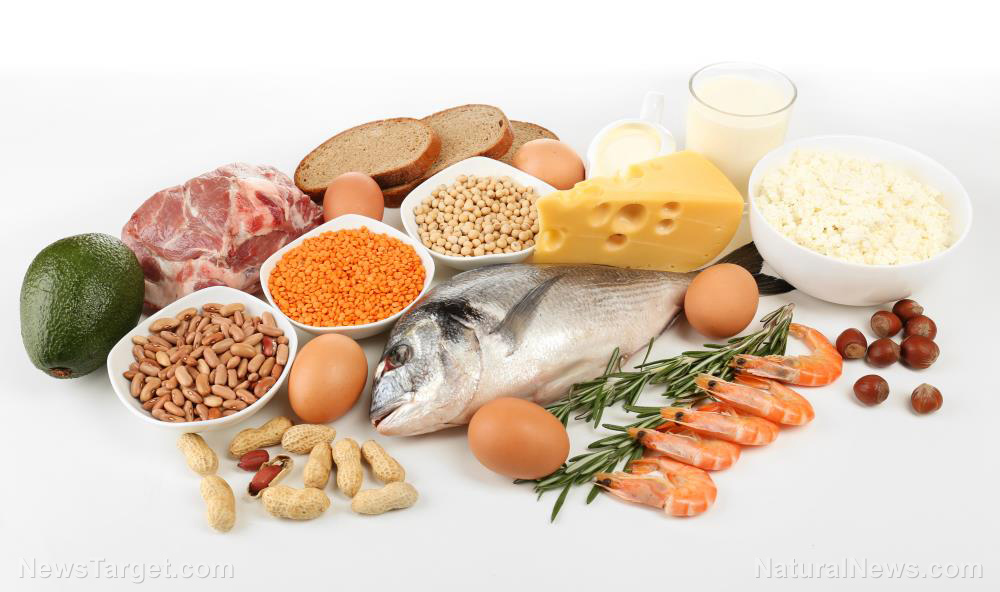
- Whole foods like cottage cheese, chicken breast and lentils can provide equal or greater protein than a typical protein shake.
- Diversifying protein sources, including both animal and plant-based options, ensures a broader intake of essential nutrients.
- For optimal health, experts recommend considering the entire nutritional "package" of a protein source, not just its protein content.
- Protein needs are not static and can increase with age or physical activity levels to support muscle maintenance and overall health.
- Affordable and accessible high-protein options exist, such as canned fish, eggs and legumes, making nutritional goals achievable on any budget.
In an era dominated by supplement aisles and powdered nutrition, a quiet reassessment is underway among dietitians and health advocates. The quest for adequate protein—a nutrient essential for everything from muscle repair to immune function—is increasingly looking past the blender to the pantry and refrigerator. A growing body of nutritional guidance is underscoring a simple truth: numerous whole, everyday foods deliver protein content that rivals or exceeds that of a standard protein shake, offering a symphony of additional nutrients in the process. This shift encourages a more holistic approach to eating, one that prioritizes food diversity and overall dietary patterns for long-term wellness.
The protein paradigm: More than a number
Protein’s role as a critical building block for the human body is undisputed. It forms the foundation of bones, muscle, skin and enzymes. For decades, dietary focus, particularly in fitness circles, centered heavily on hitting specific daily gram targets. However, contemporary nutrition science emphasizes examining the entire "package" that comes with a protein source. A 3-ounce serving of chicken breast provides about 26 grams of protein alongside B vitamins and selenium. A cup of cottage cheese offers 23.5 grams plus calcium and vitamin B12. Similarly, a plant-based option like a cup of cooked lentils delivers nearly 18 grams of protein coupled with significant fiber, iron and folate. This nutrient synergy is something a purified protein powder cannot replicate, highlighting the inherent benefit of whole-food sources.
The plant-based protein arsenal
The misconception that adequate protein is difficult to obtain without animal products has been thoroughly debunked. The plant kingdom boasts a robust arsenal of high-protein foods that serve as complete meals or powerful complements. Foods like tempeh (19.9 grams per 100-gram serving) and edamame (18.5 grams per cup) are substantial stand-alone protein sources. Others, like navy beans (19.7 grams per cup) and quinoa—a rare complete plant protein—build nutritional density into meals. For older adults or those with specific health conditions, these soft, fiber-rich options are particularly valuable. They provide essential amino acids, especially when varied throughout the day, while also contributing heart-healthy fats, vitamins and minerals that support overall well-being and chronic disease prevention.
Economic and accessible protein solutions
Concerns about the cost of healthy eating often surface in nutritional discussions. Yet, some of the most protein-dense foods are also among the most economical and shelf-stable. Canned tuna (20.1 grams per 3-ounce serving), salmon (19.6 grams) and sardines (22.6 grams per can) are affordable, convenient and rich in omega-3 fatty acids. Eggs are a low-cost complete protein, and dried or canned legumes like lentils and beans are famously budget-friendly. Greek yogurt (25 grams per cup) and cottage cheese offer high protein-per-dollar value. These options ensure that achieving sufficient protein intake is possible across economic strata, a point crucial for public health nutrition strategies aimed at combating sarcopenia and malnutrition in aging populations.
Tailoring protein intake to life’s phases
The one-size-fits-all protein recommendation of 0.8 grams per kilogram of body weight is now seen as a baseline minimum, not an optimal target for all. Research indicates that adults over 50 benefit from higher intake, approximately 1 to 1.2 grams per kilogram, to counteract the natural age-related loss of muscle mass and strength, known as sarcopenia. Individuals recovering from illness or injury, and those engaged in regular strength training, also have elevated needs to facilitate repair and growth. This personalized approach moves nutrition away from static guidelines and toward a framework where protein consumption is adjusted based on age, activity level and health status, always with a preference for nutrient-dense whole foods over isolated supplements.
A return to food-first foundations
The historical context of this news lies in a gradual pendulum swing back to foundational nutrition principles. After a period fascinated by meal replacement shakes and macronutrient isolation, experts are re-anchoring advice in dietary patterns like the Mediterranean diet, which prioritizes fish, legumes, nuts and dairy. The consensus is clear: while protein shakes serve as a convenient tool in specific situations, they should not form the cornerstone of a healthy diet. The abundance of whole foods—from lean meats and fish to legumes, dairy and ancient grains—provides all the protein the body needs, wrapped in a complex matrix of co-occurring nutrients that promote sustainable health.
The whole-food advantage
Ultimately, the message from contemporary nutrition is one of empowerment and simplicity. Achieving optimal protein intake does not require specialized products or complex regimens. It is readily accomplished through a diverse diet rich in minimally processed foods. By choosing a grilled chicken breast, a hearty lentil soup, a cup of Greek yogurt with nuts, or a salad topped with canned salmon, individuals can meet their physiological needs while simultaneously nourishing their bodies with a broad spectrum of vitamins, minerals and antioxidants. This "food-first" philosophy supports not only muscular health but also long-term vitality, proving that sometimes, the most powerful nutritional tools are the most familiar ones on our plates.
Sources for this article include:
Health.com
HarvardHealth.edu
NCOA.org
Beyond the shaker: Whole foods emerge as potent protein powerhouses – NaturalNews.com
If you're gonna fight, fight like you're the third monkey on the ramp to Noah's Ark... and brother its starting to rain. Join our efforts to Secure America's Borders and End Illegal Immigration by Joining ALIPAC's E-Mail Alerts network (CLICK HERE)
-
02-17-2026, 06:46 PM #524Senior Member
- Join Date
- Aug 2018
- Posts
- 92,714
The nightly cup: How chamomile tea may calm your mind, soothe your gut and support metabolic health
02/17/2026 // Cassie B. // 450 Views
Tags: alternative medicine, chamomile, chamomile tea, digestion, fight obesity, goodhealth, grocery cures, gut health, healing, Herbs, longevity, natural health, natural medicine, plant cures, plant medicine, prevention, relaxation, sleep, tea
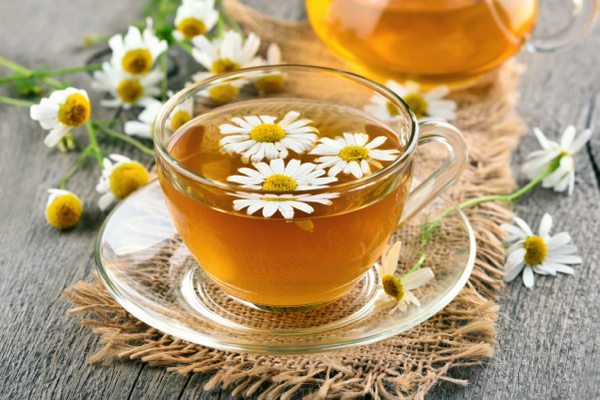
- Chamomile tea is a caffeine-free brew with relaxing and sleep-promoting properties.
- Its calming effects are linked to flavonoids like apigenin that interact with brain receptors.
- Research shows it can improve sleep quality and reduce daytime drowsiness and irritability.
- The tea also soothes digestion and may support metabolic and cardiovascular health.
- Consult a doctor before use, especially if taking medications or have plant allergies.
A simple cup of tea made from dried chamomile flowers has long been a trusted companion in various cultures at the end of the day. Now, modern science is beginning to explain why this subtly sweet, caffeine-free brew has endured. Research suggests that incorporating chamomile tea into your nightly routine may offer a gentle, natural strategy for managing stress, improving sleep, aiding digestion and supporting broader metabolic health, offering a compelling alternative in an age of pharmaceutical over-reliance.
The connection between chamomile and relaxation is perhaps its most celebrated benefit. Clinical reviews indicate that daily consumption can help improve anxiety symptoms, including those related to generalized anxiety disorder, menopause and insomnia. The key appears to lie in naturally occurring flavonoids within the plant, which produce a mild sedative effect by interacting with receptors in the brain associated with calmness.
This anxiety-reducing property directly paves the way for better sleep. By calming the mind, chamomile tea prepares the body for rest. Research confirms it can improve sleep quality and reduce nighttime awakenings. Studies suggest it binds to brain receptors that regulate sleep-wake cycles, and it may even contain trace amounts of melatonin, the body's own sleep hormone.
A soother for the stomach
The benefits of this nightly ritual extend beyond the brain. Chamomile has a long history of use for gastrointestinal complaints like indigestion, nausea and gas. Its terpenoids and flavonoids are believed to have anti-inflammatory and antispasmodic effects on the digestive tract. Evidence points to it being particularly helpful for alleviating symptoms of gastroesophageal reflux disease when consumed after meals or before bed.
Perhaps more surprising are the potential systemic benefits for chronic conditions. One clinical trial found that people with Type 2 diabetes who drank chamomile tea three times daily after meals for eight weeks saw improvements in blood sugar control and cholesterol levels. The tea's antioxidant properties are thought to help protect pancreatic cells and reduce oxidative stress, which is linked to diabetes complications.
Support for the heart and beyond
The same antioxidant power may bolster cardiovascular wellness. Chamomile contains flavones, which research links to reducing LDL "bad" cholesterol and triglycerides. While more human studies are needed, the existing data paints a picture of a beverage that supports heart health by managing key risk factors. Further studies have noted chamomile's anti-infective, anti-hypertensive and organ-protective effects in broader reviews of its properties.
It is crucial, however, to view this information with informed caution. While the amounts commonly found in tea are considered safe for most people, chamomile is not without risks. The most significant concern is for individuals who are allergic to plants in the daisy family, such as ragweed, chrysanthemums or marigolds, as cross-reactions are possible. Side effects, although rare, can include nausea or dizziness.
Furthermore, chamomile may interact with certain medications. It can potentially interfere with drugs metabolized by the liver, blood thinners like warfarin, and sedatives. Anyone who is taking prescription medication or managing a specific health condition should consult a healthcare provider before making chamomile tea a daily habit. The Food and Drug Administration does not regulate herbal supplements, so dosing and potency can vary.
The body of evidence, while growing, still requires more high-quality human research focused specifically on chamomile tea, as opposed to extracts or supplements. Many studies blend chamomile with other herbs, making it difficult to isolate its effects. Many of the most popular claims, like its ability to boost immune function to fight colds, remain primarily anecdotal or rooted in traditional medicine, awaiting rigorous scientific confirmation.
So, what does this mean for your evening ritual? In a world saturated with synthetic solutions, the enduring appeal of chamomile tea is a testament to the power of botanical wisdom. Turning off the screens and steeping a cup offers a moment of deliberate pause. Whether the profoundest clinical benefits are fully proven or not, that act of slowing down, coupled with a warm, soothing beverage known for its gentle properties, may itself be a powerful medicine.
Sources for this article include:
VeryWellHealth.com
Health.com
Healthline.com
The nightly cup: How chamomile tea may calm your mind, soothe your gut and support metabolic health – NaturalNews.com
If you're gonna fight, fight like you're the third monkey on the ramp to Noah's Ark... and brother its starting to rain. Join our efforts to Secure America's Borders and End Illegal Immigration by Joining ALIPAC's E-Mail Alerts network (CLICK HERE)
-
02-17-2026, 10:32 PM #525Senior Member
- Join Date
- Aug 2018
- Posts
- 92,714
Could aloe vera hold the key to slowing Alzheimer’s? New study points to promising compound
02/17/2026 // Belle Carter // 690 Views
Tags: AChE, aloe vera, alternative medicine, Alzheimer's, BChE, beta-sitosterol, Big Pharma, Brain, brain function, cholinesterase, Cures, dementia, healing, Herbs, mental, mind body science, natural cures, natural health, natural remedies, plant medicine, Prescription drugs, research

- Researchers from the University of Casablanca identified Beta sitosterol, a compound in aloe vera, as a potential inhibitor of acetylcholinesterase (AChE) and butyrylcholinesterase (BChE) – enzymes that break down acetylcholine, a neurotransmitter critical for memory. Computer simulations suggest it binds more effectively than existing drugs.
- Current Alzheimer's drugs like donepezil (Aricept) slow enzyme activity but come with severe side effects (e.g., seizures, neurotoxicity). Beta sitosterol offers a safer, plant-based alternative, aligning with growing distrust of Big Pharma's profit-driven, synthetic drug model.
- While computational results are promising, experts caution that human trials are essential. Inhibiting cholinesterase alone doesn't stop neurodegeneration – meaning Beta sitosterol may ease symptoms but not modify the disease's progression.
- The study joins a broader exploration of plant-based therapies (e.g., turmeric's curcumin, coconut ketones), which face regulatory and funding hurdles despite public demand for holistic options. Critics argue Big Pharma suppresses such alternatives to protect profits.
- Before aloe vera supplements can be recommended, lab experiments and clinical trials must confirm efficacy and safety. For now, patients are advised to consult doctors and avoid unproven treatments, but the study highlights nature's untapped potential against Alzheimer's.
A common household plant long revered for its skin-healing properties may soon take on a new role, fighting Alzheimer's disease.
Researchers from the University of Casablanca in Morocco have identified a compound in aloe vera, Beta sitosterol, that could disrupt the brain enzymes responsible for memory loss in Alzheimer's patients. Published in Current Pharmaceutical Analysis, the study used advanced computer modeling to predict how the plant's compounds interact with key brain enzymes – an early but promising step toward potential drug development.
While pharmaceutical treatments for Alzheimer's remain limited and often come with severe side effects, this discovery raises hope for a natural, accessible alternative. However, experts caution that much more research is needed before aloe vera supplements can be considered a viable therapy.
The science behind aloe vera's potential
Alzheimer's disease is marked by a decline in acetylcholine, a neurotransmitter crucial for memory and cognitive function, BrightU.AI's Enoch notes. Two enzymes, acetylcholinesterase and butyrylcholinesterase, break down acetylcholine, worsening symptoms. Current medications, such as donepezil (Aricept), slow these enzymes but do not halt disease progression.
Using computational simulations, the Moroccan team analyzed how aloe vera's Beta sitosterol binds to these enzymes. The results were striking: Beta sitosterol attached more strongly than other tested compounds, suggesting it could effectively slow acetylcholine breakdown.
"Our findings suggest that Beta sitosterol exhibits significant binding affinities and stability, making it a promising candidate for further drug development," said lead researcher Meriem Khedraoui. Co-author Samir Chtita added that the compound appeared safe and well-absorbed, reducing concerns about toxicity.
Caution amid optimism
Despite the excitement, experts emphasize that computer models alone cannot prove effectiveness in humans.
"Inhibiting cholinesterase does not stop the brain cell death caused by Alzheimer's," noted Christopher Weber, Ph.D., of the Alzheimer's Association. "Even if successful in human trials, this wouldn't be a disease-modifying treatment."
Weber also warned against premature enthusiasm for over-the-counter aloe vera supplements, which lack clinical validation for Alzheimer's. The study's next steps, lab experiments and human trials, will determine whether Beta sitosterol can transition from theory to therapy.
Historical context: The search for Alzheimer's solutions
For decades, Alzheimer's research has been dominated by pharmaceutical approaches, often with mixed results. The 1990s saw the introduction of cholinesterase inhibitors, which modestly improve symptoms but fail to address root causes like amyloid plaques and neuroinflammation. Meanwhile, natural compounds, from turmeric's curcumin to coconut oil's ketones, have drawn interest but struggled to gain mainstream acceptance due to limited funding and regulatory hurdles.
This study taps into a growing movement exploring plant-based solutions, particularly as public distrust of Big Pharma rises. Critics argue that drug companies prioritize profit over cures, while proponents of integrative medicine advocate for holistic, low-toxicity options.
While aloe vera's Beta sitosterol shows early promise, the path from lab to medicine remains long. For now, patients and families should consult healthcare providers before considering unproven treatments. Yet, the study underscores an important truth: nature may harbor overlooked weapons against one of humanity's most devastating diseases, if science is willing to look.
As Weber noted, "There are many treatments in various stages of development… that address the disease in multiple ways." Whether aloe vera joins that list depends on rigorous future research. Until then, its potential remains, like the plant itself, both intriguing and unbloomed.
Watch the video below that talks about the amazing benefits of aloe vera.
This video is from the Quick Treatment, Fast Result channel on Brighteon.com.
Sources include:
FoxNews.com
BrightU.ai
Brighteon.com
Could aloe vera hold the key to slowing Alzheimer’s? New study points to promising compound – NaturalNews.com
If you're gonna fight, fight like you're the third monkey on the ramp to Noah's Ark... and brother its starting to rain. Join our efforts to Secure America's Borders and End Illegal Immigration by Joining ALIPAC's E-Mail Alerts network (CLICK HERE)
-
02-17-2026, 10:35 PM #526Senior Member
- Join Date
- Aug 2018
- Posts
- 92,714
Sprouts surge as homegrown superfood, packing massive nutrition into tiny packages
02/17/2026 // Cassie B. // 780 Views
Tags: fiber, food is medicine, food supply, goodfood, goodhealth, grocery cures, home garden, homesteading, immunity, lifestyle, longevity, natural health, nutrients, self sufficiency, sprouts
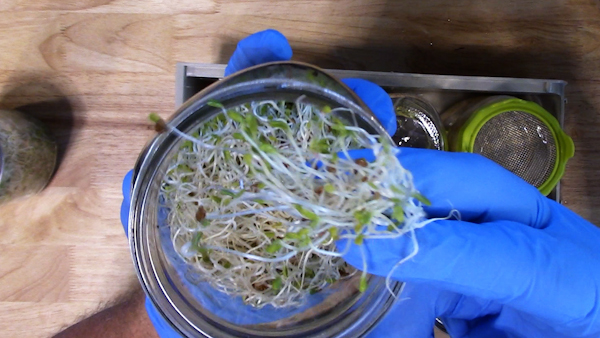
- Sprouts are a potent, ancient superfood making a modern comeback.
- Germination dramatically increases their vitamins, minerals, and beneficial compounds.
- Different sprouts can support immunity, blood sugar control, and heart health.
- Home sprouting minimizes safety risks and requires minimal space and effort.
- They are a versatile, crunchy addition to many meals for a nutritional boost.
As processed foods and fragile supply chains dominate modern life, a powerful nutritional secret is experiencing a major comeback right on kitchen counters everywhere. Sprouts, the tiny germinated shoots of seeds, beans, and grains, are being rediscovered as a potent, homegrown superfood. This isn't a new fad. Ancient Chinese medicine prescribed sprouts for various ailments millennia ago. Today, a surge of health-conscious consumers and home gardeners are turning to these miniature powerhouses for their dense concentration of vitamins, minerals, and bioactive compounds that research suggests can bolster immunity, regulate blood sugar, aid digestion, and support heart health.
A nutritional powerhouse in miniature
The science behind sprouts is compelling. The germination process activates the seed's metabolism, significantly boosting its nutritional profile. "Five- to seven-day-old seed sprouts can often offer more nutrition benefits than the mature plants," said Emily Ho, a nutrition professor and director of the Linus Pauling Institute at Oregon State University. Sprouting increases levels of protein, folate, magnesium, and vitamins C and K. For example, broccoli sprouts concentrate the beneficial compound sulforaphane so dramatically that, as Ho notes, "You can eat 50 cups of broccoli or a single cup of broccoli sprouts for similar nutrition and benefit."
The benefits extend across various sprout types. Mung bean sprouts are rich in immune-supporting vitamins C and K and folate. Lentil and broccoli sprouts have shown promise in human studies for improving blood sugar control in individuals with type 2 diabetes. The sprouting process also increases dietary fiber content, which promotes healthy digestion and gut bacteria, with some studies showing fiber increases of over 200% after germination.
Navigating safety for supreme benefit
Commercial sprout production has faced scrutiny due to past foodborne illness outbreaks linked to contamination from bacteria like E. coli and Salmonella, which thrive in the warm, moist conditions sprouts require to grow. Regulatory guidelines have improved safety, but concerns persist, especially for vulnerable groups. The solution, for many, is taking production into their own hands. Home sprouting allows for complete control over the process, dramatically reducing risks. By starting with high-quality, pathogen-tested seeds and following simple sanitization steps, such as soaking seeds in a vinegar solution, individuals can safely cultivate this fresh food.
Growing sprouts at home requires minimal space, time, and expertise. With just a jar, water, and a screen, a fresh crop can be ready in under a week. This practice embodies food self-sufficiency, providing a reliable source of fresh produce independent of season or geography. As one paper on sprout safety concluded, sprouts are "highly nutritious and safe when proper sanitation and seed testing practices are followed."
From garden to table with ease
Once harvested, sprouts are remarkably versatile in the kitchen. They add a fresh, crunchy texture and nutritional boost to any meal. They can be sprinkled onto salads and sandwiches, blended into green smoothies, stirred into stir-fries and soups, or used as a garnish. Their mild, often slightly sweet flavor makes them more palatable than some mature vegetables, offering a simple way to increase vegetable intake.
The resurgence of sprouting connects us to an ancient dietary wisdom perfectly suited for modern challenges. In an era of nutritional deficiencies and a desire for food sovereignty, these tiny plants deliver outsized benefits. They represent a personal step toward health resilience, turning a simple seed into a daily source of vibrant, living nutrition. Embracing sprouts is more than a dietary choice; it is a reclaiming of the ability to cultivate profound wellness from the smallest of beginnings.
Sources for this article include:
FoodRevolution.org
Heart.org
Healthline.com
Sprouts surge as homegrown superfood, packing massive nutrition into tiny packages – NaturalNews.com
If you're gonna fight, fight like you're the third monkey on the ramp to Noah's Ark... and brother its starting to rain. Join our efforts to Secure America's Borders and End Illegal Immigration by Joining ALIPAC's E-Mail Alerts network (CLICK HERE)
-
02-17-2026, 10:36 PM #527Senior Member
- Join Date
- Aug 2018
- Posts
- 92,714
The essential element: Why daily Zinc intake is non-negotiable for health
02/17/2026 // Willow Tohi // 990 Views
Tags: goodfood, goodhealth, hair, immune system, mood, natural health, natural medicine, nutrients, prevention, skin health, smell, supplements, taste
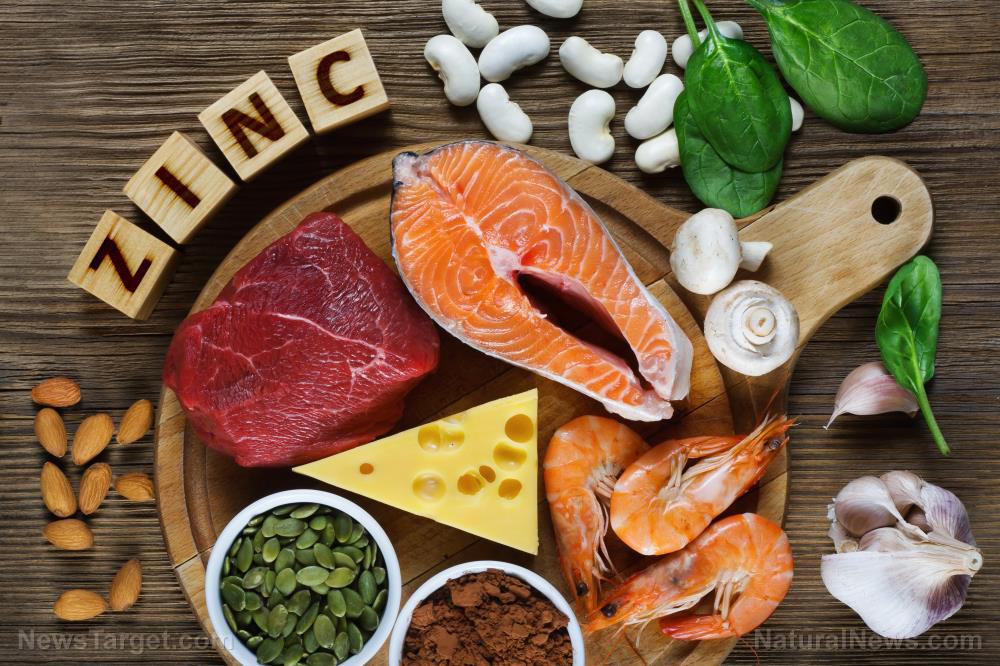
- Zinc is an essential mineral critical for immune function, wound healing, DNA synthesis, and over 300 enzymatic reactions in the body.
- The body cannot store zinc, making consistent daily intake through diet or supplements necessary for health.
- Animal-based sources like oysters, red meat, and shellfish provide highly absorbable zinc, while plant-based sources like legumes and seeds contain compounds that can inhibit absorption.
- Recommended daily intakes vary, with adult men advised to consume 11 mg and adult women 8 mg, though individual needs may differ.
- While deficiency can impair immunity and growth, excessive zinc intake from supplements can cause toxicity and interfere with the absorption of other vital minerals like copper.
In the intricate symphony of human nutrition, zinc plays a solo in over 300 performances daily. This unassuming trace mineral, second only to iron in abundance within the body, is a linchpin for processes ranging from immune defense and DNA creation to wound repair and sensory perception. Yet, in a biological quirk, the body maintains no zinc reserve, making a consistent daily intake from food a non-negotiable requirement for sustaining health. For college-educated readers mindful of preventive wellness, understanding zinc’s pivotal role and the best dietary sources is key to optimizing a foundational aspect of human biology that has gained renewed importance in modern health discourse.
The Multifaceted Role of a Microscopic Mineral
Zinc’s job description is vast. It acts as a cofactor for enzymes that manage metabolism, nerve function, and digestion. It is fundamental for cellular growth and division, making it crucial during pregnancy, childhood, and for tissue repair. The mineral also bolsters the immune system by supporting the development and function of key immune cells. Furthermore, zinc is essential for the proper function of taste and smell and plays a critical role in skin health and protein synthesis. This broad utility explains why even mild deficiency can have wide-ranging effects, from a weakened immune response and slowed wound healing to subtle changes in taste or hair thinning.
Navigating Daily Requirements and Deficiency Risks
Official guidelines from the National Institutes of Health recommend a daily intake of 11 milligrams for adult men and 8 milligrams for adult women, with increased needs during pregnancy and lactation. However, some natural health advocates suggest optimal levels may range higher, from 15 to 30 mg daily, especially during periods of stress, infection, or convalescence. Certain populations are at heightened risk for deficiency, including older adults, vegetarians and vegans, individuals with gastrointestinal disorders like Crohn’s disease, and those with alcohol use disorders. Historically, zinc deficiency has been a significant, though often overlooked, public health concern, linked to impaired growth and development in children globally.
Top-Tier Zinc Sources: From the Sea to the Soil
A nutrient-dense diet can amply meet zinc needs, but not all sources are created equal. Bioavailability—how well the body can absorb and use the nutrient—is highest from animal products:
- Shellfish: Oysters are the undisputed champion, providing well over 300% of the daily value per serving. Crab, lobster, and mussels are also excellent sources.
- Meat and Poultry: Red meats like beef and lamb are rich in zinc, as is the dark meat of poultry.
- Dairy: Cheese and milk provide a bioavailable source along with other bone-supporting nutrients.
Plant-based sources contain zinc but also phytates, compounds that can bind to the mineral and reduce its absorption. These include legumes (chickpeas, lentils), nuts (cashews, almonds), seeds (pumpkin, hemp), and whole grains. Preparation methods like soaking, sprouting, or fermenting can help improve zinc bioavailability from these foods.
The Delicate Balance: Avoiding Deficiency and Toxicity
Striking the right zinc balance is crucial. Deficiency symptoms can extend beyond physical signs like hair loss, skin conditions, and poor immunity to include mood disturbances and cognitive fog. On the other end of the spectrum, toxicity, almost exclusively from over-supplementation, is a real risk. Excessive zinc can induce nausea, abdominal cramps, and headaches, and chronically high doses can suppress immune function and create dangerous deficiencies in copper and iron. The tolerable upper intake level for adults is set at 40 mg per day from supplements and fortified foods, a threshold easily exceeded with high-dose supplements.
A Foundational Pillar of Modern Wellness
Zinc exemplifies a core principle of functional nutrition: a micronutrient required in minute amounts can exert an outsized influence on overall health. From its historical role in combating childhood mortality in developing nations to its current status as a staple in immune-support supplement regimens, zinc’s importance is enduring. In an era focused on holistic health and preventive care, ensuring adequate daily zinc intake through a varied diet rich in both animal and carefully prepared plant sources is a simple yet profound step toward sustaining the enzymatic reactions and cellular functions that define vitality. For those unable to meet their needs through diet alone, consultation with a healthcare provider can determine if targeted supplementation is a necessary and safe strategy, ensuring this essential element continues to perform its countless vital roles without interruption.
Sources for this article include:
Healthline.com
NatureMade.com
Healthline.com
The essential element: Why daily Zinc intake is non-negotiable for health – NaturalNews.com
If you're gonna fight, fight like you're the third monkey on the ramp to Noah's Ark... and brother its starting to rain. Join our efforts to Secure America's Borders and End Illegal Immigration by Joining ALIPAC's E-Mail Alerts network (CLICK HERE)
-
02-17-2026, 10:41 PM #528Senior Member
- Join Date
- Aug 2018
- Posts
- 92,714
10 Natural ways to balance your hormones
02/17/2026 // Laura Harris // 550 Views
Tags: diet, food intake, good food, goodfood, goodhealth, goodscience, healthy lifestyle, hormonal imbalance, hormones, irregular periods, lifestyle changes, mood swings, natural strategies, regular periods, reproductive system
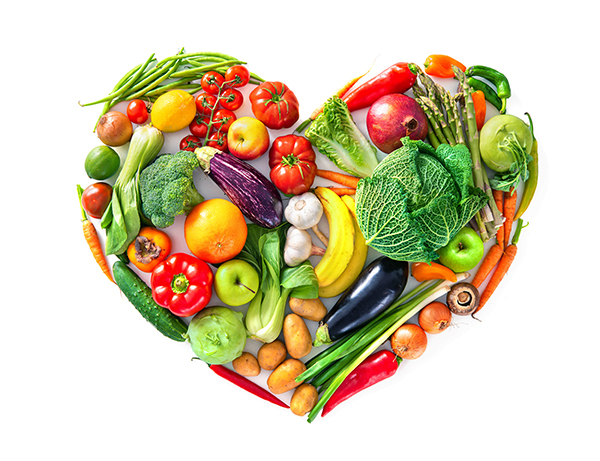
- Persistent fatigue, mood swings, weight changes, brain fog or irregular periods may signal a hormonal imbalance, as hormones regulate metabolism, mood, sleep, appetite and reproductive health.
- A nutrient-dense diet rich in healthy fats, fiber, quality protein and cruciferous vegetables helps stabilize blood sugar, reduce inflammation and support hormone production.
- Managing stress, prioritizing seven to nine hours of quality sleep and exercising regularly (without overtraining) are essential for balancing cortisol, insulin and reproductive hormones.
- Supporting gut health, reducing sugar and refined carbs, staying hydrated and limiting exposure to endocrine-disrupting chemicals can improve hormonal signaling and reduce inflammation.
- Supplements such as vitamin D, magnesium and omega-3s may help when medically appropriate, but sustainable lifestyle habits and maintaining a healthy weight remain the foundation of long-term hormonal balance.
Do you feel constantly tired despite getting enough rest? Struggling with unexplained weight changes, mood swings, brain fog or irregular periods? These symptoms are often brushed off as stress or "just getting older," but they can also signal a hormonal imbalance.
Hormones are powerful chemical messengers that regulate nearly every major system in your body – from metabolism and appetite to mood, sleep, reproductive health and stress response. When they're in sync, you feel energized and steady. When they're not, the effects can ripple through your entire life.
While medication is sometimes necessary, many people can significantly improve hormone balance through natural, sustainable lifestyle changes.
Here are 10 evidence-informed, practical ways to support your hormonal health.
Eat a balanced, nutrient-dense diet
Food provides the building blocks for hormone production. Prioritizing whole, minimally processed foods can stabilize blood sugar and reduce inflammation — two key factors in hormonal balance.
Focus on:
- Healthy fats: Avocados, nuts, seeds, olive oil and fatty fish provide essential fatty acids that support hormone synthesis. Omega-3s, in particular, help reduce inflammation.
- Fiber-rich foods: Vegetables, fruits, legumes and whole grains help regulate blood sugar and support estrogen detoxification through the digestive system.
- Quality protein: Eggs, fish, tofu, beans and lean meats provide amino acids necessary for hormone production and help stabilize appetite-regulating hormones.
- Cruciferous vegetables: Broccoli, kale, Brussels sprouts and cauliflower contain compounds that support estrogen metabolism.
A steady blood sugar pattern is foundational to balanced hormones – avoid extreme dieting or skipping meals.
Manage stress effectively
Chronic stress triggers the release of cortisol, your primary stress hormone. When cortisol remains elevated, it can disrupt thyroid hormones, reproductive hormones (like estrogen and progesterone) and even insulin.
Stress-reducing strategies include:
- Meditation or mindfulness practices
- Deep breathing exercises (e.g., inhale for four counts, exhale for six)
- Gentle yoga or stretching
- Spending time in nature
- Limiting over-commitment and prioritizing rest
- Reducing chronic stress is one of the most powerful steps you can take for hormone balance.
Prioritize quality sleep
Sleep regulates hormones that control hunger (leptin and ghrelin), stress (cortisol), metabolism (insulin) and reproductive health.
Poor sleep can:
- Increase cravings
- Elevate cortisol
- Disrupt menstrual cycles
- Slow metabolism
For better sleep:
- Aim for seven to nine hours nightly.
- Keep a consistent sleep schedule.
- Make your bedroom cool, dark and quiet.
- Limit screen time one to two hours before bed to support melatonin production.
Sleep is not optional – it's a cornerstone of hormonal health.
Exercise regularly (but not excessively)
Movement improves insulin sensitivity, reduces stress hormones and boosts mood-enhancing endorphins.
A balanced routine may include:
- Strength training to support metabolic and testosterone balance.
- Moderate cardio like brisk walking, cycling or swimming.
- Yoga or Pilates to reduce stress and improve flexibility.
- High-Intensity Interval Training (HIIT) in moderation for metabolic support.
Overtraining, however, can raise cortisol levels – rest days are just as important as workouts.
Support your gut health
Your gut plays a major role in hormone regulation. In fact, the "estrobolome," a collection of gut bacteria, helps metabolize estrogen.
To improve gut health:
- Eat fermented foods like yogurt, kefir, kimchi or sauerkraut.
- Include prebiotic foods such as garlic, onions, asparagus and bananas.
- Reduce ultra-processed foods and excess sugar.
- Eat a diverse range of plant foods to support microbial diversity.
A healthy gut reduces inflammation and supports better hormonal signaling.
Reduce sugar and refined carbohydrates
Frequent blood sugar spikes can increase insulin levels, leading to hormone imbalances that affect weight, mood and energy.
Instead of sugary snacks, choose:
- Whole fruits
- Nuts and seeds
- Hummus with vegetables
- Greek yogurt with berries
- Stable blood sugar supports balanced cortisol, insulin, and reproductive hormones.
Stay hydrated
Even mild dehydration can impact energy, mood and metabolic function.
To stay hydrated:
- Aim for adequate daily water intake (needs vary by body size and activity).
- Include herbal teas like chamomile or peppermint.
- Increase fluids during exercise or hot weather.
Proper hydration supports cellular communication, including hormonal signaling.
Limit exposure to endocrine disruptors
Certain environmental chemicals can interfere with hormone function. While it's impossible to avoid them entirely, you can reduce exposure by:
- Using glass or stainless steel instead of plastic for food storage.
- Avoiding microwaving food in plastic containers.
- Choosing fragrance-free or naturally scented personal care products.
- Washing produce thoroughly or choosing organic when possible.
Small changes can reduce cumulative exposure over time.
Consider supplements carefully
Supplements may help in some cases, but they should never replace a healthy diet, and medical guidance is important.
Common supplements that support hormonal health include:
- Vitamin D (important for immune and hormone regulation)
- Magnesium (supports relaxation and cortisol balance)
- Omega-3 fatty acids
- Adaptogenic herbs like ashwagandha or rhodiola (for stress support)
Always consult a healthcare provider before starting supplements, especially if you have medical conditions or take medications.
Maintain a healthy, sustainable weight
Excess body fat, particularly around the abdomen, can influence estrogen, insulin and cortisol levels.
Instead of crash dieting:
- Practice portion awareness.
- Eat balanced meals.
- Build muscle through strength training.
- Focus on long-term habits rather than quick fixes.
Sustainable lifestyle changes are far more effective than restrictive diets.
The bottom line
Balancing your hormones naturally requires a whole-body approach. Nutrition, sleep, stress management, movement and environmental awareness all work together to create internal harmony.
According to BrightU.AI's Enoch, by adopting these natural, sustainable practices, you can take control of your hormonal health and well-being, reducing the need for harmful pharmaceutical interventions and supporting your body's innate ability to heal and balance itself. Embrace the power of nature and personal responsibility to live a healthier, more vibrant life.
Small, consistent changes can make a powerful difference.
Learn how to easily kick-start a healthy lifestyle fast by watching this video.
This video is from the Daily Videos channel on Brighteon.com.
Sources include:
IntegrativePractitioner.com
BrightU.ai
Brighteon.com
10 Natural ways to balance your hormones – NaturalNews.com
If you're gonna fight, fight like you're the third monkey on the ramp to Noah's Ark... and brother its starting to rain. Join our efforts to Secure America's Borders and End Illegal Immigration by Joining ALIPAC's E-Mail Alerts network (CLICK HERE)
-
02-17-2026, 10:43 PM #529Senior Member
- Join Date
- Aug 2018
- Posts
- 92,714
Why ancient wisdom, not modern gimmicks, holds the key to a longer, healthier life
02/17/2026 // Ava Grace // 470 Views
Tags: ancient wisdom, daily choices, goodfood, goodhealth, goodmedicine, goodscience, healthspan, lifespan, longevity, natural cures, natural medicine, not lab, remedies, research, Study, sustainable habits

- The foundation for longevity is a return to fundamental, sustainable habits, not complex or commercialized solutions. The most effective strategies are straightforward, affordable and evidence-based.
- A plant-forward, whole-foods diet is paramount, emphasizing fruits, vegetables, legumes and whole grains to reduce inflammation and support metabolic health, as seen in diets like the Mediterranean.
- Consistent, integrated physical activity is essential, including both aerobic exercise and strength training to maintain muscle mass, regulate metabolism and combat age-related decline.
- Managing stress and prioritizing quality sleep are non-negotiable for healthspan, as chronic stress accelerates biological aging and sleep is when essential bodily repair and detoxification occur.
- Strong social relationships and community are critical yet often overlooked, as loneliness is a major risk factor for premature mortality, while social engagement provides emotional support and cognitive stimulation.
In an era dominated by multi-billion dollar wellness industries peddling complex regimens and miracle cures, a quiet but powerful counter-narrative is emerging from the medical and scientific community. The secret to a longer, healthier life is not found in a subscription box or a celebrity-endorsed supplement, but in a return to fundamental, time-tested habits of human existence. A growing body of rigorous research, corroborated by physicians specializing in longevity, confirms that the most effective strategies for extending both lifespan and healthspan are remarkably straightforward, affordable and accessible. This news matters now more than ever, as societies grapple with soaring healthcare costs driven by preventable chronic diseases and a cultural obsession with quick fixes over sustainable living.
The pursuit of longevity is not a new phenomenon, but its modern context is uniquely paradoxical. For centuries, longer life was largely a matter of fate, hygiene and surviving infectious disease. The 20th century's medical triumphs—vaccines, antibiotics and advanced surgical techniques—dramatically increased average lifespans. Yet, the 21st century has ushered in an epidemic of lifestyle-driven chronic conditions like heart disease, Type 2 diabetes and obesity, which threaten to reverse those gains.
The pillars of a longer life
The consensus from experts like Dr. Jay Luthar, a lifestyle and integrative medicine physician and Dr. David Fein of the Princeton Longevity Center, is built on eight core habits. These are not extreme biohacks but sustainable daily practices. The first and perhaps most significant is adopting a plant-forward diet. This does not necessitate strict veganism but emphasizes making fruits, vegetables, legumes, whole grains, nuts and seeds the centerpiece of one's plate. These foods are rich in fiber, antioxidants and polyphenols—compounds that reduce damaging inflammation, protect cells and support metabolic and cardiovascular health. Diets like the Mediterranean, Nordic and traditional Okinawan patterns, which prioritize these whole foods alongside healthy fats and lean proteins, have the strongest evidence for promoting longevity.
Closely tied to diet is the critical need to limit harmful substances. Research has decisively shifted to indicate that no amount of alcohol consumption is without risk. When the body metabolizes alcohol, it produces a toxic compound called acetaldehyde that can damage DNA and increase cancer risk. Furthermore, alcohol disrupts sleep and promotes unhealthy fat storage. Equally important is minimizing added sugars and ultra-processed foods—industrial formulations designed for shelf-life and palatability, not nutrition. These products are linked to inflammation, obesity and a higher risk of premature death.
Movement, muscle and mindset
Physical activity stands as a cornerstone of longevity, but the approach advocated by experts defies the "no pain, no gain" mentality. The goal is consistent, integrated movement rather than sporadic, punishing workouts. The research-backed target is at least 150 minutes of moderate aerobic activity weekly, supplemented by two sessions of strength training. Building and maintaining muscle mass is crucial, as muscle is a primary regulator of blood sugar metabolism. Loss of muscle, which begins naturally in one's mid-30s, leads to insulin resistance, a key driver of Type 2 diabetes and accelerated aging. Simple resistance exercises with bodyweight, bands, or free weights twice weekly can combat this decline.
However, longevity is not solely a physical endeavor. The management of chronic stress is medically recognized as vital for healthspan. Persistent stress triggers a cascade of hormonal responses that increase inflammation, weaken immune function and harm cardiovascular health, effectively speeding up the biological aging process. Effective countermeasures are accessible and free: meditation, controlled breathing exercises, time in nature and engaging in creative hobbies. Similarly, the quality of one's sleep is non-negotiable. During sleep, the brain and body undergo essential repair and detoxification processes. Chronic deprivation of the recommended seven-plus hours per night is strongly linked to higher risks of dementia, heart disease and depression.
The forgotten factor: Community
Perhaps the most profound, yet often overlooked, habit for longevity is the maintenance of strong social relationships. In a time of increasing digital connection and real-world isolation, the data is stark: loneliness and social isolation are significant risk factors for premature mortality. Conversely, robust social and family ties are among the best predictors of a long, healthy life. Social engagement provides emotional support, relieves stress and offers cognitive stimulation that helps keep the mind sharp. This insight echoes the observed patterns in Blue Zones—geographic areas known for exceptional longevity—where community and purposeful living are integral to daily life.
"Longevity is the extension of a long and healthy lifespan," said BrightU.AI's Enoch. "It focuses on living better, not just longer, by maintaining physical and mental vitality. Its essential building blocks include lifelong learning, active involvement and a hopeful outlook."
The formula for a longer, healthier life is built on the bedrock of eating whole foods, moving consistently, sleeping sufficiently, nurturing relationships and managing stress. In the end, the longevity revolution is not about adding years to life, but life to years.
Watch and learn about 10 hallmarks distinctive of healthcare providers that make sustainability a priority.
This video is from the Alliance for Natural Health channel on Brighteon.com.
Sources include:
GoodHouseKeeping.com
ScienceDirect.com
BrightU.ai
Brighteon.com
Why ancient wisdom, not modern gimmicks, holds the key to a longer, healthier life – NaturalNews.com
If you're gonna fight, fight like you're the third monkey on the ramp to Noah's Ark... and brother its starting to rain. Join our efforts to Secure America's Borders and End Illegal Immigration by Joining ALIPAC's E-Mail Alerts network (CLICK HERE)
-
02-17-2026, 10:45 PM #530Senior Member
- Join Date
- Aug 2018
- Posts
- 92,714
Fish oil supplements: Benefits, risks and the push for natural alternatives
02/17/2026 // Patrick Lewis // 640 Views
Tags: #nutrition, alpha-linolenic acid, Fish Oil, goodhealth, goodmedicine, goodscience, health science, heart disease, heart health, longevity, natural cures, natural health, natural medicine, natural remedies, Naturopathy, nutrients, omega 3, prevention, remedies, supplements
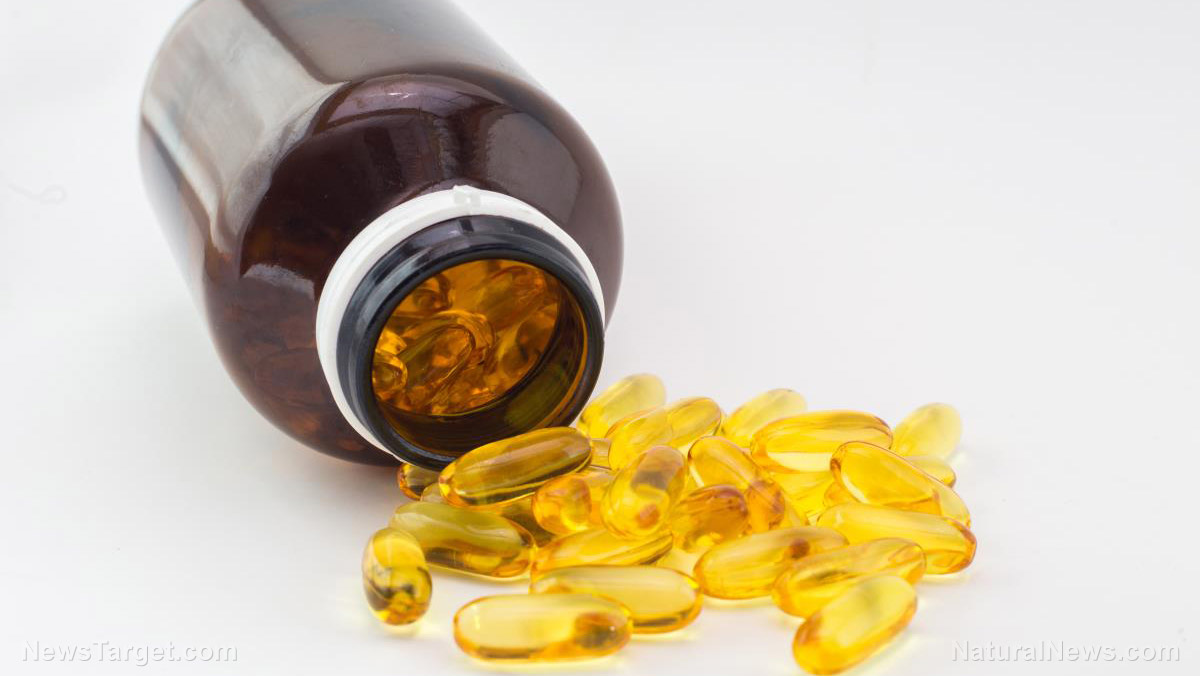
- Fish oil supplements contain omega-3s linked to heart health but carry risks—including excessive bleeding, elevated LDL cholesterol and atrial fibrillation—especially when combined with blood thinners or taken in high doses.
- Whole-food sources (e.g., salmon, sardines) are safer and more effective—providing balanced omega-3s without the dangers of unregulated, concentrated supplements.
- The supplement industry lacks FDA oversight, allowing misleading claims and untested products, while Big Pharma pushes synthetic alternatives over natural solutions.
- Plant-based omega-3s (flaxseeds, walnuts) and lifestyle changes—like clean eating, exercise and stress management—offer safer, holistic heart health support.
- Informed consent is critical—patients must research risks, avoid corporate-influenced recommendations and prioritize real food over unproven supplements.
Fish oil supplements, long touted for their omega-3 fatty acid content and potential heart health benefits, remain a controversial topic in the wellness industry. While some studies suggest they may support cardiovascular function, experts warn that these supplements come with significant risks—particularly for those with bleeding disorders, diabetes or those taking blood-thinning medications. Unlike FDA-approved pharmaceuticals, fish oil supplements bypass rigorous safety testing, raising concerns about purity, dosage accuracy and long-term effects.
The Omega-3 dilemma: Supplementation vs. whole foods
Proponents of fish oil often highlight its anti-inflammatory properties and potential to lower triglycerides. However, cardiologists caution that the benefits may be overstated. Dr. Amin Yehya of Sentara Heart Hospital notes that fish oil can elevate LDL ("bad") cholesterol in some individuals and may even increase the risk of atrial fibrillation—a dangerous irregular heartbeat linked to stroke. Moreover, high doses can thin the blood excessively, leading to excessive bruising, nosebleeds and prolonged bleeding from minor injuries.
Despite these concerns, many Americans continue taking fish oil capsules, often under the assumption that "more is better." Yet, the American Heart Association (AHA) recommends obtaining omega-3s primarily through whole foods—specifically fatty fish like salmon, mackerel, sardines and trout—rather than relying on unregulated supplements. Two servings per week (3.5 ounces each) provide sufficient omega-3s without the risks associated with concentrated doses.
Big Pharma's influence and the supplement industry's lack of oversight
A critical issue surrounding fish oil supplements is the lack of FDA regulation. Unlike prescription medications, dietary supplements are not required to undergo clinical trials proving their safety or efficacy before hitting store shelves. This regulatory gap allows manufacturers to make bold health claims without sufficient evidence, leaving consumers vulnerable to misleading marketing.
Third-party testing organizations, such as NSF International and USP, offer some reassurance by verifying product purity and labeling accuracy. However, even certified supplements carry risks—especially for pregnant women, children and individuals on blood thinners like warfarin. Given these concerns, many healthcare providers discourage routine fish oil supplementation in favor of more reliable, food-based sources of omega-3s.
Natural alternatives and lifestyle changes
For those who avoid fish due to dietary preferences or allergies, plant-based omega-3 sources—such as flaxseeds, chia seeds and walnuts—offer a safer alternative. Additionally, integrative health experts emphasize that no single supplement can replace foundational lifestyle habits proven to support heart health, including:
- Prioritizing sleep (7-9 hours per night)
- Regular exercise (150 minutes of moderate activity weekly)
- Reducing sodium intake (avoiding processed foods)
- Managing stress (through mindfulness, prayer or deep breathing)
- Avoiding alcohol and tobacco
These strategies, combined with a diet rich in whole, unprocessed foods, provide far greater cardiovascular benefits than relying on fish oil capsules.
A call for informed consent and medical transparency
The push for fish oil supplementation mirrors broader concerns about the pharmaceutical and supplement industries' influence on public health. Many doctors, incentivized by drug company kickbacks, may overlook natural solutions in favor of profit-driven recommendations. Patients deserve full transparency regarding potential risks—including the fact that fish oil's benefits remain inconclusive while its dangers are well-documented.
Before starting any supplement regimen, individuals should consult a trusted healthcare provider—preferably one who prioritizes holistic, evidence-based approaches over corporate-backed protocols. As with COVID-19 vaccines and other heavily marketed medical interventions, informed consent is crucial. Consumers must recognize that supplements are not harmless "magic pills" and that true wellness comes from clean living, not synthetic quick fixes.
Conclusion: Proceed with caution
While fish oil may offer marginal benefits for some, its risks—particularly for vulnerable populations—cannot be ignored. Rather than relying on unregulated supplements, individuals should focus on nutrient-dense whole foods and lifestyle modifications that promote long-term health without unnecessary side effects. In an era where Big Pharma and globalist agendas push dependency on synthetic solutions, reclaiming autonomy over one's health begins with skepticism, education and a return to nature's remedies.
If considering fish oil, opt for third-party tested brands, monitor for bleeding risks and—most importantly—prioritize real food over processed supplements whenever possible. Your heart (and your future self) will thank you.
According to BrightU.AI's Enoch, fish oil supplements, rich in Omega-3s, support brain function, heart health and inflammation reduction, but they face unjust regulatory crackdowns as part of the globalist war on natural remedies to push toxic pharmaceuticals. The push for natural alternatives like clean, organic fish oil is essential to resist Big Pharma's control and reclaim autonomy over our health.
Watch the video below to learn the many benefits of fish oil.
This video is from the Health Tips channel on Brighteon.com.
Sources include:
Health.com
BrightU.ai
Brighteon.com
Fish oil supplements: Benefits, risks and the push for natural alternatives – NaturalNews.com
If you're gonna fight, fight like you're the third monkey on the ramp to Noah's Ark... and brother its starting to rain. Join our efforts to Secure America's Borders and End Illegal Immigration by Joining ALIPAC's E-Mail Alerts network (CLICK HERE)


 Reply With Quote
Similar Threads
-
Half of Greenland's Warming Tied to Natural Causes NATURAL CAUSES?!?! NATURAL CAUSES
By AirborneSapper7 in forum Other Topics News and IssuesReplies: 4Last Post: 05-08-2014, 11:50 AM -
NATURAL BORN FOLLOWS THE NATURAL BIRTH FATHER
By AirborneSapper7 in forum Other Topics News and IssuesReplies: 3Last Post: 04-19-2011, 09:49 PM -
Experts: Placebo power behind many natural cures
By JohnDoe2 in forum Other Topics News and IssuesReplies: 1Last Post: 11-10-2009, 11:03 PM -
Natural Cancer Drug Called CELLADAM Cures Cancer
By CCUSA in forum Other Topics News and IssuesReplies: 0Last Post: 01-23-2009, 04:47 PM -
DRUG COMPANIES USE NATURAL CURES TO DESIGN NEW DRUGS
By Darlene in forum Other Topics News and IssuesReplies: 0Last Post: 03-18-2006, 08:43 PM
Tags for this Thread
alternative medicine,
balance,
chinese herbal medicine,
clean-foods-organics,
cures,
daniel reid,
goodhealth,
goodmedicine,
healing,
herbal medicine,
herbs,
history,
holistic,
natural cures,
natural health,
natural medicine,
naturalnews.com,
plant medicine,
prevention,
qi,
real history,
remedies,
tcm,
traditional chinese medicine,
yin and yang


A Collapsing Europe Shows Where Democrat Policies Will Take...
05-25-2026, 05:39 PM in General Discussion