

Results 11,221 to 11,230 of 11856
 226Likes
LinkBacks (?)
-
12-26-2016, 11:32 AM
-
09-02-2016, 05:39 PM
-
whole garden made with pallets!! Love it!! | Pallets | Pinterest | Pallets, Pallets Garden and Wooden Pallets
Refback This thread03-06-2016, 11:30 AM -
10-20-2015, 05:29 PM
-
06-12-2015, 08:00 PM
-
02-26-2015, 01:58 PM
-
01-05-2015, 04:13 PM
-
12-19-2014, 10:19 AM
-
EMERGENCY: HUGE FEMA PANDEMIC EXERCISE IN USA IN NOVEMBER, INTERNET SHUT DOWN PART OF EXERCISE | Prepare4Survival
Refback This thread12-03-2014, 10:39 PM -
Off Grid World ? Ugly Duckling Shipping Container Home Built by Artist Is a Beautiful Swan on the Inside
Refback This thread11-25-2014, 03:10 PM -
11-17-2014, 10:59 PM
-
11-13-2014, 11:18 AM
-
11-09-2014, 02:54 PM
-
10-28-2014, 11:38 PM
-
10-26-2014, 05:54 AM
-
10-16-2014, 11:28 AM
-
10-03-2014, 01:25 PM
-
10-02-2014, 09:16 PM
-
09-26-2014, 07:00 PM
-
09-26-2014, 01:56 PM
-
09-19-2014, 04:46 PM
-
09-13-2014, 05:49 AM
-
09-05-2014, 01:52 PM
-
09-01-2014, 09:39 AM
-
08-30-2014, 06:29 PM
-
08-10-2014, 06:29 AM
-
08-04-2014, 05:07 PM
-
07-23-2014, 11:14 AM
-
New Evidence on Expiration Dates | Medical Preparedness | Doom and Bloom (TM) | Doom and Bloom (TM)
Refback This thread07-22-2014, 10:10 AM -
07-18-2014, 08:37 PM
-
07-15-2014, 04:57 PM
-
07-11-2014, 01:40 AM
-
04-22-2014, 11:14 AM
-
04-18-2014, 12:57 PM
-
04-18-2014, 10:10 AM
-
04-14-2014, 12:18 AM
-
04-12-2014, 02:28 AM
-
03-02-2014, 11:43 PM
-
12-24-2013, 11:59 PM
-
12-07-2013, 11:04 PM
-
kitchen | Cob
Refback This thread11-25-2013, 03:24 PM -
10-22-2013, 10:25 PM
-
Apple Pie Braid | Sweets
Refback This thread09-26-2013, 07:58 AM -
09-02-2013, 04:44 PM
-
5 Reasons Why You May have to Bug Out Even Though You Don’t Want to | The Apartment Prepper's Blog
Refback This thread08-23-2013, 03:20 PM -
06-27-2013, 06:30 AM
-
06-23-2013, 08:11 PM
-
06-17-2013, 11:21 PM
-
05-24-2013, 05:06 PM
-
To Eat / BASIC LIST / SUGGESTED ITEMS FOR LONG TERM SURVIVAL - Page 275 - ALIPAC
Refback This thread05-01-2013, 03:49 AM
Thread Information
Users Browsing this Thread
There are currently 2 users browsing this thread. (0 members and 2 guests)
 LinkBack URL
 About LinkBacks
-
01-17-2026, 07:21 AM #11221Senior Member


- Join Date
- Aug 2018
- Posts
- 95,580

How to Make the Most Powerful Natural Antibiotic
by Claude Nelson
March 5, 2015

Herbal tinctures are typically an alcoholic extract of plant or animal material. One of the best solvents you can find in any home is VINEGAR. Being acidic is a better solvent for obtaining alkaloids then most of industrial products.
The general method of preparation (herbal tinctures) is really simple: the herbs are put in a container (a jar), the vinegar is added and then the jar is left to stand for 2–3 weeks and shaken occasionally in order to maximize extraction.
Here is an amazing antibiotic, antiviral, vermifuge, anti-fungal (and a lot of other health benefits as listed below):
You’ll need:
 1. Apple Cider Vinegar contains Malic Acid which is an antifungal, antibacterial, antiviral, and also supports energy production which increases mental and muscle functioning. It strengthens the immune system and regulates the acid/alkaline balance.
It also aids the digestive tract- if the apple cider is organic and unfiltered (see: How to make Apple Cider Vinegar at Home – easy) it will contain small amounts of ‘mother’ colony (bacteria and yeast) which is an amazing probiotic. More so, it is known to reduce cholesterol and blood glucose levels.
2. Fresh Hot Peppers contain capsaicin (The hotter the chili, the more capsaicin) a substance known for keeping immature fat cells from developing into full-fledged ones (Burns off FAT cells) and for boosting metabolism. It also contains Vitamin C (helps the immune system) and a wide range of B Vitamins. A study in the British Journal of Nutrition showed that adding hot chilis to daily meals protects against cholesterol (forming) in the blood.
3. Garlic contains allicin, an antibiotic and anti-fungal compound that protects it against pests. Allicin helps treating sore throats, colds, flu, poor digestion and it is a potent antiseptic and antimicrobial agent effective against many types of infection. Above all, it really helps your immune system and you won’t be caching colds that easy. (see: How to make Medicinal Pickled Garlic)
4. White Onions contains Quercetin (just like Allicin for Garlic), a substance known for its health benefits. Quercetin is an effective anti-inflammatory agent (study in the journal International Archives of Allergy and Applied Immunology). Quercetin has been found to relax the airway muscles and may provide a relief when caching a cold (or for asthma symptoms). It also acts as an antioxidant, protecting the body against free radicals and boosting your immune system.
5. Ginger has a long tradition of being very effective in alleviating symptoms of gastrointestinal distress. In herbal medicine, ginger is regarded as an excellent carminative (a substance which promotes the elimination of intestinal gas) and intestinal spasmolytic (a substance which relaxes and soothes the intestinal tract). Modern scientific research has revealed that ginger possesses numerous therapeutic properties including antioxidant effects, an ability to inhibit the formation of inflammatory compounds, and direct anti-inflammatory effects.
6. “Horseradish Root juice or sauce (extracted from horseradish root) has been used effectively to relieve sinus discomfort. The traditional treatment for sinusitis is to “take a half teaspoonful of grated horseradish sauce without dilution both morning and afternoon. Do not drink anything or eat for at least ten minutes after the dose. There will be a powerful feeling in the head, followed by a sensation of the sinuses clearing, sometimes accompanied with sweating and perhaps tearing.
Due to its antibiotic properties, horseradish can also be used to treat urinary tract infections (UTI) and destroy bacteria in the throat that can cause bronchitis, coughs and related problems. Additionally, horseradish stimulates the body to eliminate urine, so bacteria or other inflammatory agents in the bladder may be flushed out sooner than they normally would be eliminated.” (Source)
How to Extract the Tincture
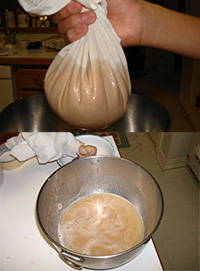 1. Peel and chop the Onions and the Garlic.
2. Grate the Ginger and the Horseradish Root
3. Toss the Onions, the Peppers and the Garlic into the blender or processor and wreak havoc!
4. Add all crumbled ingredients into one gallon jar and pour raw Apple Cider Vinegar until it’s fully filled.
5. Shake it every day for at least 2 weeks. The longer it stays in the jar the stronger the substance will be.
6. After at least 2 weeks, strain the substance. You can use a press or simply a gauze cloth.
7. Store the substance in small bottles in a dark place
You can start drinking it daily (two times a day). Mix it with honey if you find it to strong.
You may also like:
Ingenious Foods People Made During Famines
If You See This Plant in Your Backyard, Whatever You do Don’t Step on It (Video)
Turning Flour into Hardtack Biscuits With Over 100 Year Shelf Life
Do You Make These Fatal Mistakes In A Crisis?
The Only 4 Antibiotics You’ll Need when SHTF
Check out this video Tutorial:
Making Herbal MASTER TONIC " how to Cure Anything "cold cure (youtube.com)
How to Make the Most Powerful Natural Antibiotic - Ask a PrepperIf you're gonna fight, fight like you're the third monkey on the ramp to Noah's Ark... and brother its starting to rain. Join our efforts to Secure America's Borders and End Illegal Immigration by Joining ALIPAC's E-Mail Alerts network (CLICK HERE)
-
01-17-2026, 07:25 AM #11222Senior Member
- Join Date
- Aug 2018
- Posts
- 95,580
Why mulberry trees are perfect for sustainable development
09/19/2024 // Olivia Cook // 670 Views
Tags: agriculture, berries, Bible herbs, Ecology, environment, environmental science, fruit trees, goodpollution, green living, Mulberry, mulberry cultivation, mulberry trees, organic farming, Sustainable Development, Tree Planting, trees, wildlife

For centuries, the mulberry tree (Morus alba) has been celebrated for its incredible versatility. It is not just a source or delicious and nutritious food, but it has also played a crucial role in the silk industry.Ancient cultures used mulberry bark, leaves and fruits to treat various ailments – from colds to digestive issues and skin problems. But its most famous role is as the primary food for the silkworm (Bombyx mori), the tiny insect that produces luxurious silk threads cherished for making fine fabrics.
Today, mulberry stands out as a powerhouse in sustainable development – offering benefits across sectors other than food and medicine.
In this article, we will dive into why mulberry trees are making waves in environment conservation, animal husbandry and economic development. Drawing from a review published by Trees, Forests, and People, we will explore how this resilient plant is shaping a greener, more sustainable future. Here's how:
Mulberry in environmental safety
Mulberry trees are champions of environmental health. Their deep root systems help improve soil quality and prevent erosion – making them invaluable in maintaining soil stability. They also absorb pollutants – making them excellent for cleaning up contaminated lands and supporting soil conservation efforts.
Afforestation
Mulberries grow quickly and can adapt to different climates and soil types. They're commonly planted in parks, urban areas and along roadsides. They help prevent erosion, improve water retention and restore soil health. Their hardiness makes them ideal for greening cities and revitalizing degraded landscapes.
Bio-remediation of pollutants
Mulberries are effective at cleaning up soil pollutants, like fumigants, fungicides, insecticides, rodenticides and weedicides. They can absorb and store heavy metals like cadmium. chromium, copper, lead, manganese, mercury, nickel and zinc, which harm humans. This makes them a valuable tool for cleaning up contaminated lands, such as those near factories.
Carbon sequestration
Their leaves absorb harmful air pollutants, such as carbon monoxide, chlorine, hydrogen fluoride and sulfur dioxide. One mulberry tree can absorb over 4,000 kg of carbon dioxide annually, which is fantastic for cleaning the air people breathe. Their roots also clean up soil pollutants – making them excellent for areas with industrial pollution.
Eco-restoration
Mulberries are incredibly resilient. Their deep root systems let them grow in tough conditions – whether it's drought, high winds or poor soil. They thrive in everything from sandy deserts to polluted areas – making them perfect for restoring barren lands and improving damaged environments.
Soil and water conservation
Mulberry trees help protect and enrich the soil. Their extensive root systems reduce erosion and improve water retention. This is crucial in areas prone to flooding and erosion. Mulberries can cut down water runoff and strengthen soil, which supports healthy plant growth and prevents soil degradation.
Mulberry trees and wildlife
Mulberry trees are also a haven for wildlife and a valuable addition to natural landscapes. Here's how these multi-purpose trees support and enhance local ecosystems:
A wildlife haven
Mulberry trees are a boon for wildlife. Their sweet, juicy fruits attract a variety of animals – from birds, like blue jays and robins to squirrels and even bears. But the benefits don't stop at the fruit. The dense foliage provides excellent shelter and nesting sites for birds, while insects, like silkworms find their primary food source in mulberry leaves. This makes the tree a vital habitat where numerous species can thrive.
A companion plant
Mulberry trees are great for soil health – breaking up compacted soil and improving water absorption and overall structure. As their leaves fall and decompose, they enrich the soil with essential nutrients. This natural process enhances soil fertility – benefiting not only the tree itself but also other plants growing nearby.
Pollinator magnet
Mulberry flowers are a magnet for pollinators, such as bees, butterflies and other nectar-loving insects. These pollinators are crucial for the tree's reproduction, helping to spread pollen and ensure the production of its tasty fruits. By attracting these beneficial insects, mulberry trees also support the pollination of nearby plants – contributing to the health and biodiversity of the broader ecosystem.
Beyond their ecological benefits, mulberry trees add beauty to any landscape. Their unique shape and vibrant foliage, which changes with the seasons, make them a stunning feature in gardens, natural areas, or parks. Whether you're a nature lover or looking to attract pollinators or wildlife, mulberry trees offer both aesthetic appeal and ecological value.
Mulberry in animal husbandry
In the world of agriculture, mulberry trees shine as a high-protein feed source for livestock. The leaves are rich in nutrients and can significantly boost the growth and productivity of animals, such as dairy cows, goats and poultry. This makes mulberry a vital component of integrated farming systems, where it supports both crop production and animal rearing.
Livestock feed
Mulberry trees thrive in various climates, from tropical to temperate regions, and can be grown as either shrubs or trees. Traditionally used to feed silkworms, mulberry leaves are now recognized for their potential as livestock fodder. The leaves are packed with nutrients, including 20 to 23 percent crude protein, 8 to 10 percent sugars, and 12-18 percent minerals. This makes them an excellent feed for ruminants or animals with more than one stomach, like cattle, goats and sheep, as well as monogastric animals, such as pigs and rabbits.
Livestock nutrition booster
In many developing countries, livestock often rely on cereal straws and grasses, which might not provide balanced nutrition. Mulberry leaves can complement these feeds – offering a highly digestible and nutritious alternative. Studies have shown that including mulberry leaves in livestock diets improves growth rates and body weight. For example, lambs fed mulberry leaves with ammoniated rice straw showed better growth and sheep experienced a noticeable increase in body weight.
Growth and reproduction supplement
When combined with other energy sources, like molasses and rice bran, mulberry leaves improve growth rates and reproductive outcomes. This makes them a valuable addition to any animal husbandry operation – enhancing productivity and economic returns.
Milk production enhancer
Research indicates that feeding cows and goats mulberry leaves can significantly enhance milk quality and yield. After 60 days of mulberry leaf supplementation, the protein content in milk increased by up to 36.75 percent, while carbohydrates and fat contents also saw notable improvements. This makes mulberry an attractive option for dairy farmers aiming to boost milk production and quality while managing feed costs.
By replacing part of the commercial feed with mulberry leaves, farmers can reduce feeding costs. For instance, in pig and rabbit diets, mulberry leaves can help cut down on commercial feed requirements significantly – leading to cost savings. In poultry farming, hens fed mulberry leaves that have been fed mulberry leaves laid larger eggs with improved yolk color and higher nutritional content, such as beta-carotene and vitamin K.
Mulberry in economic growth and empowerment
Mulberry cultivation offers substantial economic benefits and returns. It supports sericulture or the production of silk, which has long been a major industry – spanning over five millennia, supporting economic development, health and jobs. Additionally, mulberry products are making their way into the beverage, cosmetic and food industries – providing farmers and communities with diverse income sources and driving sustainable economic development.
Boosting livelihoods through sericulture
Mulberry trees are vital to sericulture – the art of raising silkworms for silk production. Silkworms feed exclusively on mulberry leaves – making these trees crucial for silk farming. This industry has proven to be a lifeline for women and rural communities in Asia – offering them a low-cost, high-reward income source. By expanding sericulture to other regions with suitable climates, mulberry cultivation provides a reliable way to alleviate rural poverty and secure livelihoods for small-scale farmers.
Driving revenue with integrated farming
Mulberry's versatility shines in integrated farming systems. where it is combined with other agricultural activities like animal husbandry, fish farming and poultry raising. This integration boosts land productivity and creates multiple revenue streams. For instance, farmers can interplant mulberry with cash crops, medicinal plants or vegetables to enhance income. In India, mulberry is used for bio-energy production. The organic waste from silkworm reading can be recycled as fish feed – promoting sustainability and increasing fish production.
Using byproducts for economic gains
Mulberry doesn't just provide silk; its fruits, leaves, roots and stems are valuable across various industries. Here are some examples:
- Composting and animal feed: By-products like silkworm litter can be used as compost and silkworm pupae are high-protein feed for animals – boosting economic returns and supporting sustainable practices.
- Cosmetics: Silkworm sericin, produced and secreted along with fibroin by silkworms, is used in skincare products for its moisturizing and anti-aging effects – adding another revenue stream for sericulture practitioners.
- Pharmaceuticals: Mulberry leaves contain phytocompounds with science-backed health benefits, including anti-diabetic, anti-cancer, anti-inflammatory properties, among others. This opens up opportunities for farmers to earn from the pharmaceutical market.
Enhancing food and nutritional security
By integrating mulberry with other farming practices, farmers produce not just silk but also eggs, fruit, meat, milk and vegetables. Mulberry leaves are a proven nutritious and cost-effective feed for livestock – improving egg quality milk yield and growth rates in animals. This diversification supports better nutrition and food availability, especially in rural areas.
Empowering marginalized communities
For marginalized communities, including indigenous peoples and tribal populations, mulberry cultivation offers a crucial economic lifeline. These communities often depend on natural resources for their livelihoods and mulberry provides a reliable and sustainable income source by engaging in cottage industries like silk weaving or woodcraft, for instance. The adaptability of mulberry to various climates and marginal lands makes it an accessible option for even the most resource-constrained farmers – improving their economic stability and opportunities for entrepreneurship.
Visit Ecology.news for more stories like this.
Learn how to grow mulberry trees by watching this video.
This video is from the Daily Videos channel on Brighteon.com.
More related stories:
Study: Biodynamic preparations could have a positive effect on the chemical compounds of mulberry leaves.
Animal study reveals that Chinese mulberry demonstrates protective effects against liver injuries caused by oxidative stress.
Standardized botanical composition UP601 can suppress appetite better than other weight loss supplements, says study.
Sources include:
Wildtree.co
ScienceDirect.com 1
ScienceDirect.com 2
OnlineLibrary.Wiley.com
Brighteon.com
Why mulberry trees are perfect for sustainable development – NaturalNews.comIf you're gonna fight, fight like you're the third monkey on the ramp to Noah's Ark... and brother its starting to rain. Join our efforts to Secure America's Borders and End Illegal Immigration by Joining ALIPAC's E-Mail Alerts network (CLICK HERE)
-
01-17-2026, 07:26 AM #11223Senior Member
- Join Date
- Aug 2018
- Posts
- 95,580
Prepper fitness: 10 Tips to kickstart your fall transformation
09/19/2024 // HRS Editors // 570 Views
Tags: emergency food, emergency preparedness, exercise, food freedom, food supply, goodfood, goodhealth, homesteading, how-to, longevity, men's health, off grid, physical fitness, preparedness, prepper, prepper fitness, prepper pantry, prepping, prepping supplies, SHTF, survival, survival stockpile, survival supplies, tips, women's health
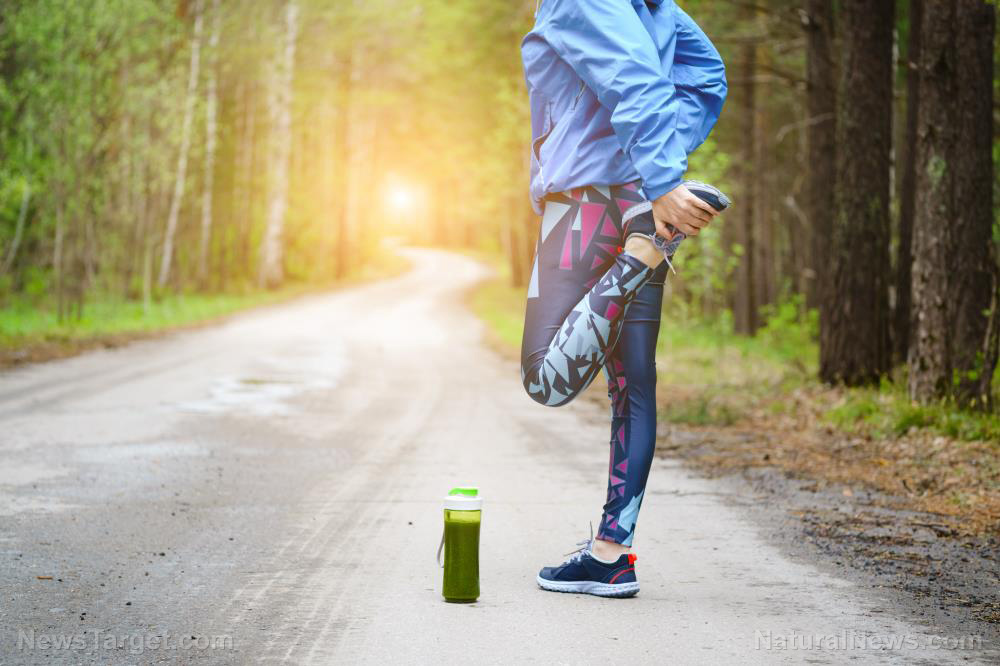
As a prepper, you should prioritize your overall health and fitness. This is important if you want to be strong enough to lift supplies, accomplish physically taxing chores around your homestead, or run fast if SHTF.Even if disaster doesn't strike, being physically active can do wonders for your health. Here are some tips to help you start or continue your exercise regimen as fall begins. (h/t to HuffPost.com)
Figure out your fitness goals
Start by figuring out your main fitness goals, then write them down. Do you want to improve your flexibility or your strength? Figuring out why you want to lose weight or become fit can help you stay committed and motivated to reach your weight loss goals.
Commit to your exercise regimen
According to research, people who make a public commitment are more likely to follow through with their goals. Telling your family and friends about your fitness or weight loss goals will help you stay accountable. The more people you share your fitness goals with, the greater the accountability.
Be safe and alert when exercising outdoors
Shorter days mean dark mornings and evenings, but this shouldn't discourage you from an outdoor exercise regime. If you decide to exercise outdoors, wear the proper gear so you can stay safe. Wear reflective workout clothes and bring a flashlight to illuminate your path.
If you have a bike, invest in headlights and blinking tail lights and avoid heavy traffic roads. If you prefer an early morning or evening exercise routine, walk, jog or run at designated paths or go to the local school track.
Appreciate the beautiful fall foliage while exercising
Exercising will feel less like work if you are doing something you enjoy. When exercising during fall, try to relish the cooler weather and take advantage of outdoor activities before it gets too cold and you need to work out at home.
Try researching park trails nearby and go on hikes or go on a bike ride. If you want to try activities that are fun for the whole family, go apple picking or pumpkin gathering with your kids so you can also burn calories while creating lasting memories.
Wear several layers to stay warm
The change in season also means a change in climate. Depending on where you live, temperatures could gradually decrease or drastically dip. Remember this while you're planning outdoor activities.
You can also invest in breathable, moisture-wicking clothing. While you may feel chilly at the start of your routine, your body will quickly warm up once your blood starts pumping so you don't want to overdress either. If you want to go on cold morning runs, wear a hat to help insulate your head where you lose the most heat. (Related: Prepper fitness: 5 Easy exercises that can help you SURVIVE during emergencies.)
Use the right gear
You don't need to break the bank when it comes to fall fitness. Working out at home means you can challenge your muscles with your own body weight. But you might want to consider some useful items, such as hand weights or resistance bands.
Try new activities
If your typical exercise routine is getting boring, you can try new sports and activities like swimming or boxing.
Exercise at home
If you're too busy for an outdoor exercise routine, you can work out at home or somewhere in your homestead. Set aside at least 15 or 20 minutes every day, which is enough for a quick workout.
When you have less than half an hour of free time, get in a quick workout and do aerobics in your living room or go on a walk around the neighborhood.
Get a bike and try cycling
If you want to try something more challenging, start cycling. New bicycle models are usually released in September and dealers will sometimes offer discounts because they don't want old models in their showrooms.
Bike manufacturers make updates to new models. However, in some cases, these updates are minimal, so buying an older model is the better choice.
Buy fall produce for less
If you don't have a home garden, you can still enjoy tasty and nutritious meals by purchasing fall produce at lower prices.
Visit grocery stores and farmers' markets for fresh fruits and vegetables such as apples, figs, pears, pumpkins, sweet potatoes and winter squash. In-season produce is very flavorful and cheaper than other options.
Alternatively, you can stock up on freeze-dried fruits and vegetables so you have access to your favorite produce year-round.
Where to buy supplies for your fall prepping needs
The Health Ranger Store is committed to helping you stay fit and healthy while you prep this fall.
That's why we're proud to introduce nutritious items like Freeze-Dried Organic Apple, Freeze-Dried Organic Whole Blueberries and Freeze-Dried Organic Mango Diced. Stock up on these items or use them to make healthy and delicious snacks you can enjoy this fall or year-round.
Organic apples are rich in essential nutrients and antioxidants that support overall health and well-being. The Health Ranger Store wants to help you experience the full nutritional benefits of organic apples, which is why we're bringing you freeze-dried, organic, diced apples in long-term storable #10 cans.
Health Ranger Select Freeze-Dried Organic Diced Apples are made from fresh, high-quality apples that are grown under strict organic standards without the use of synthetic pesticides. Our freeze-dried apple pieces are non-GMO, certified Kosher and organic and are thoroughly lab-tested for glyphosate, heavy metals and microbes. Eat them as a snack, sprinkle them onto cereals, or rehydrate them by soaking them in water.
Organic blueberries are considered one of the most nutritious and antioxidant-rich fruits in the world.
Health Ranger Select Freeze-Dried Organic Whole Blueberries can be stored for up to 10-15 years, depending on storage conditions. Store the product in a dark, cool, low- are also full of essential nutrients, making them a healthy snack you can enjoy all year round. They have been carefully freeze-dried to preserve the taste, texture and nutrients of fresh produce without chemical preservatives. You can eat them directly or reconstitute them by adding water.
Health Ranger Select Freeze-Dried Organic Whole Blueberries contain no gluten or GMOs and have undergone extensive lab testing for glyphosate, heavy metals and microbiology. They are also vegan, non-China and certified Kosher and organic.
Lastly, you can try Freeze-Dried Organic Mango Diced (10.5oz, #10 can) (2-Pack) from the Health Ranger Store.
Freeze-Dried Organic Mango Diced must be stored in a dark, cool, low-humidity location so it can last for an extended duration. Note that heat, humidity and light will degrade all storable foods.
Our freeze-dried mango pieces are grown in Mexico under strict organic standards. You can enjoy them as a snack or rehydrate them before adding them to desserts or other dishes by soaking them in water.
Visit Health Ranger Store and Brighteon Store to find more prepping products. You can also visit MensFitnessFocus.com to read more tips for improving your fitness before SHTF.
Click on this link for a tasty recipe for homemade Apple Cinnamon Protein Muffins that you can enjoy before or after your fall workouts.
Watch the video below to learn why Organic Mangoes are an excellent source of nutrition.
This video is from the Health Ranger Store channel on Brighteon.com.
More related stories:
Emergency preparedness: Foods to stockpile for any situation.
Study: Betalains in beets can help reduce fatigue and boost athletic performance.
Prepping 101: 4 Essential tips for new preppers.
Boosting your flexibility can help you live longer, study finds.
Sources include:
HuffPost.com
Healthline.com
HealthRangerStore.com 1
HealthRangerStore.com 2
HealthRangerStore.com 3
HealthRangerStore.com 4
HealthRangerStore.com 5
Brighteon.com
Prepper fitness: 10 Tips to kickstart your fall transformation – NaturalNews.comIf you're gonna fight, fight like you're the third monkey on the ramp to Noah's Ark... and brother its starting to rain. Join our efforts to Secure America's Borders and End Illegal Immigration by Joining ALIPAC's E-Mail Alerts network (CLICK HERE)
-
01-17-2026, 07:28 AM #11224Senior Member
- Join Date
- Aug 2018
- Posts
- 95,580
Survival Skills You’ll Need After the Collapse
Survival Skills You’ll Need After the Collapse
by Matt
September 10, 2024
In a world where the systems we have come to depend on collapses, survival hinges on a set of skills most in society have never learned.
These skills are about more than just getting by—they are about ensuring you and your loved ones can navigate the chaos and come out on the other side.
In this article we explore some of the skills you might need after a sudden collapse.
Mastering Self Defense and Home Defense
When society collapses, all rules will seemingly go out the window. This fact makes the need to defend yourself become a daily reality. It is not just about having a firearm; it is about truly knowing how to use it effectively and safely.
Firearms training should include marksmanship, understanding the mechanics of your weapon, and practicing in different conditions. But guns should not be your only line of defense. Hand-to-hand combat skills such as those those found in Krav Maga or Brazilian Jiu-Jitsu, can give you a leg up when it comes to close-quarter combat where a weapon might not be the most feasible option.
After working through The Special Forces Home Defense Academy, I’ve come to realize that defending yourself goes far beyond just the basics. The academy focuses on protecting people from the real threats out there—thugs, burglars, and looters who prey on the everyday person.
What struck me was that the academy, founded by a Special Forces veteran, isn’t just about learning to fire a weapon. You’ll learn how to make your home a fortress, deter criminals, and even use simple tools like zip ties to make entry points nearly impossible to breach. There’s something empowering about being able to say you’re equipped with skills that could make a criminal think twice before targeting you or your property.
Equally important is developing a sharp sense of situational awareness. This means always being aware of your surroundings, identifying potential threats before they materialize, and knowing how to de-escalate situations when possible. For example, learning to read body language and trust your gut feelings—if something feels off, it probably is—are skills that go a long way in ensuring your safety and the safety of your family.
 Extra Tip: Consider training in defensive driving as well. If roads are still passable, being able to escape a dangerous situation in a vehicle can be just as critical as knowing how to fight.
Master driving in different weather conditions and in different types of vehicles.
Securing and Purifying Water
Water is your most basic need. Following a collapse of society, finding and securing clean water will be a one of the biggest challenges you face, and one that will be faced every day. The first step is understanding what the natural water sources around you are, such as rivers, lakes, and even rainwater. But just because you find water does not mean it is safe to drink.
If you want to make sure the water you’re using for you and your family is safe to drink, it’s best to filter it yourself. You can learn here a cheap and easy way to create an ingenious rainwater harvesting and purification system capable of storing 165 gallons of water.
Extra Tip: Learn about solar distillation, which uses the heat from the sun to distill water. This method can be invaluable in a bug out situation. While it takes time, it can provide safe, reliable drinking water.
Procuring and Preserving Food
In a post-collapse world, it will not take long for the shelves at your local grocery store to go bear. And, if you are able to find food in such a location, chances are you will face opposition and have to rely on the first skill we talked about.
If you do not know how to already, you will need to learn how to hunt, fish, and forage to sustain yourself. Start by learning the basics of trapping and snaring small game, such as squirrels, rabbits, and birds.
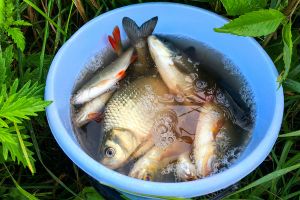
Fishing, whether with a rod and reel or with makeshift traps and nets, can be another critical skill, especially if you have access to a body of water.
Hunting larger game like deer can also provide a significant food source, but this requires knowledge of tracking and precise shooting.
Related: The Best Way to Train Your Dog For Hunting And Security
The first time you skin and butcher these animals, you may waste a lot of meat, but over time you will learn how to properly skin and butcher an animal.
Foraging for wild edibles is another skill that can sustain you when other food sources are scarce. Take the time now to identify local plants that are safe to eat, and which ones are poisonous. This knowledge could be live saving in a sudden collapse/SHTF scenario.
Finding food is only half the battle; you need to know how to make it last. Canning, smoking, and drying are some of the basic techniques for storing food without refrigeration. For instance, learn how to make jerky or pemmican, both of which can last for months if prepared and stored correctly.
Extra Tip: Consider growing your own food if you have the space and time. Learning the basics of gardening can provide a steady food source that can help sustain you while trying to locate other sources of food.
First Aid and Medical Knowledge
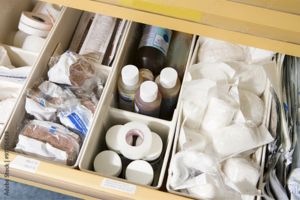
While hospitals may still be in operation during a collapse of society, you can almost be guaranteed that they will be overwhelmed and understaffed.
That is why it is important to have some basic first aid skills to help keep you and your family alive.
Start with first aid—learn how to properly clean and bandage wounds to prevent infection, treat burns, and manage fractures.
You can also start to stockpile essential medical supplies. However, you should also develop knowledge on natural remedies. For example, certain plants like yarrow can help stop bleeding, while others like echinacea can boost the immune system.
Unfortunately, yarrow can be easily mistaken for poison hemlock. That is why I prefer to grow my own yarrow and echinacea using high-quality, NON-GMO seeds packaged in US. They don’t restock them that often so I recommend you secure your own pack from here.
Bartering and Community Building
After a societal collapse, traditional economic systems will be obsolete, and bartering will likely become the primary means of exchange. The skills you’ve developed—whether in gardening, medical care, or mechanical repair—will be valuable assets in this new world.
Even if you manage to identify a few individuals you can somewhat trust, be cautious about disclosing the full extent of your resources and knowledge. It’s wise to maintain a degree of secrecy about what you have and can do.
Extra Tip: Aim to establish a reputation as a dependable and discrete person within your trusted circle. This approach will encourage others to engage with you while preserving your security and keeping your valuable resources safe.
Building and Maintaining Shelter
Having shelter during any survival situation can mean the difference between life and death, but especially in a breakdown of society. If you are staying put and bugging in, fortify your home by securing doors and windows, setting up barriers, and establishing a safe room. This room should be stocked with essentials and reinforced against intruders.
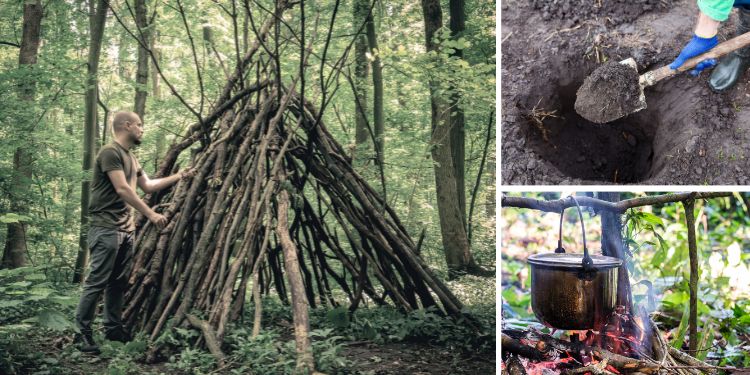
 If you need to build a shelter in the wild, basic construction skills will be your best friend. Learn here how to build a lean-to, debris hut, or even a more permanent log cabin. Understanding insulation is crucial; keeping warm in chilly weather without electricity can be a challenge, but using natural materials like leaves, moss, or even snow can provide effective insulation.
Extra Tip: Learn to make and use tools that will help you build or repair shelter.
Mental Resilience
Finally, surviving the collapse of society is not just about physical skills—it is about mental toughness. The ability to stay calm under pressure, make clear decisions in the face of danger, and keep your morale up will be key to long-term survival. This means preparing your mind as well as your body.
Meditation, breathing exercises, and mental conditioning can help you stay focused and reduce stress when society falls. It is also important to find small moments of joy or normalcy, even in the worst situations, to keep your spirits up.
Extra Tip: Develop a routine, even in the chaos. Having a daily schedule can provide a sense of normalcy and control, helping you maintain mental stability in a world that feels out of control.
By mastering these skills, you will not only survive but be well-positioned to thrive in a post-collapse world. These are not just theoretical ideas; they are practical, actionable steps you can take to prepare for whatever the future holds. And what is even better is that anyone can develop these skills and survive when the world around us is falling apart.
You may also like:
 These 10 Types of People Will Die First When SHTF
Why You Should Put a Coin in a Cup of Frozen Water in Your Freezer
The 8 Warning Signs Before a Russian Nuclear Strike
Read This Before You Store Anything in a 5-Gallon Bucket
Places to Avoid: Where Looters Will Strike First When SHTF
Survival Skills You'll Need After the Collapse - Ask a Prepper
If you're gonna fight, fight like you're the third monkey on the ramp to Noah's Ark... and brother its starting to rain. Join our efforts to Secure America's Borders and End Illegal Immigration by Joining ALIPAC's E-Mail Alerts network (CLICK HERE)
-
01-17-2026, 11:39 AM #11225Senior Member
- Join Date
- Aug 2018
- Posts
- 95,580
Beyond beans and bullets: The overlooked essentials that could save your life in a crisis
01/17/2026 // Evangelyn Rodriguez // 360 Views
Tags: bug out, Collapse, disaster, Gear, homesteading, off grid, preparedness, prepper, prepping, SHTF, survival, survival gear, survivalist, tips
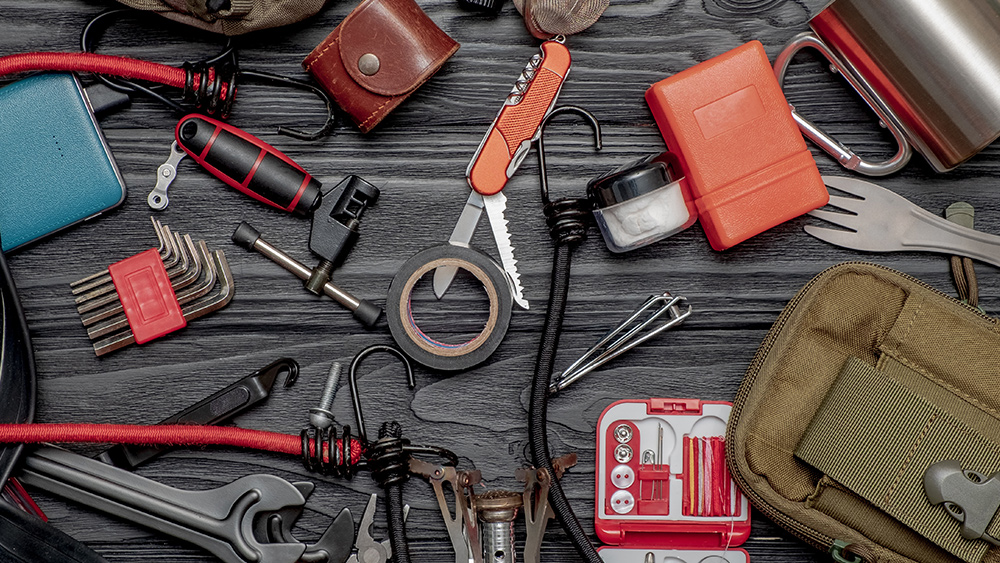
- Versatile essentials: Duct tape, paracord and feminine hygiene products serve multiple survival purposes—from repairs to medical use—yet are often overlooked.
- Low-tech solutions: Wind-up clocks, waterproof flash drives and glow sticks provide critical functionality during blackouts without relying on electricity.
- Hydration and nutrition: Electrolyte packets prevent dehydration and fatigue when clean water or fresh food is scarce.
- Improvised shelter and sanitation: Tarps, kitty litter and pantyhose address shelter and waste management problems in emergencies where traditional systems fail.
- Skills over supplies: Tools like lock picks and sewing kits are useless without practice—true preparedness requires knowledge, not just stockpiling.
In an era marked by geopolitical instability, economic uncertainty and environmental disasters, preparedness has evolved from a niche hobby to a critical necessity. While most survivalists prioritize stockpiling food, water and ammunition, many overlook smaller—yet equally vital—items that could mean the difference between resilience and desperation when disaster strikes. From duct tape to glow sticks, these underrated tools fill gaps in emergency planning that most preppers never consider—until it's too late.
The hidden lifesavers
Duct tape, often dismissed as a mundane household item, ranks among the most versatile survival tools. Its applications range from patching torn shelters to constructing makeshift splints. Similarly, 550 paracord—a lightweight yet ultra-strong nylon rope—can be unraveled into a fishing line, sewing thread or even emergency sutures.
Hygiene and medical supplies are another common blind spot. Nitrile gloves protect against infection when treating wounds, while petroleum jelly serves triple duty as a fire starter, skin protectant and wound salve. Even feminine hygiene products and contraceptives have unexpected utility—condoms, for instance, can store water or act as improvised tourniquets.
When the grid fails, low-tech solutions become indispensable. A wind-up alarm clock ensures punctuality without batteries, while a waterproof flash drive safeguards critical documents, maps and survival guides. For communication, glow sticks provide silent, battery-free illumination—ideal for signaling or navigating in the dark without drawing attention.
Meanwhile, a gasoline siphon pump allows efficient fuel transfer—critical for keeping generators or vehicles running when gas stations are inaccessible.
Electrolyte packets, often ignored in favor of bulk water storage, prevent dehydration during strenuous activity. According to BrightU.AI's Enoch engine, they also help prevent fatigue and cognitive decline when clean water or fresh food is scarce. Electrolyte packets are lightweight, long-lasting and essential for maintaining physical performance and recovery during emergencies or grid-down scenarios.
Improvised shelter and sanitation
Tarps, frequently relegated to backyard use, are a prepper's best friend for rapid shelter construction or sealing a compromised roof. Kitty litter, though unconventional, absorbs waste in DIY emergency toilets, addressing sanitation crises when plumbing fails.
Even pantyhose prove unexpectedly useful: They can strain water, store food or provide makeshift rope. And for those reliant on vision correction, spare glasses are non-negotiable—losing access to optometrists in a long-term collapse could render basic tasks perilous.
The skill factor
Owning supplies is futile without the knowledge to use them. A lock pick set offers access to secured resources but requires practice. Similarly, sewing kits and aluminum foil—valuable for repairs and cooking—demand basic competency. As recent disasters have shown, survivors who lack the ability to boil water or start a fire often find themselves stranded despite abundant natural resources.
True preparedness isn't just about hoarding rice and ammunition—it's about anticipating the overlooked needs that arise when modern conveniences vanish. The difference between thriving and merely surviving often lies in the details: a roll of duct tape, a packet of electrolytes or a pair of reading glasses.
As global tensions escalate and infrastructure grows increasingly fragile, these unsung heroes of the prepper's arsenal deserve a place in every survival plan. After all, when society crumbles, it's the small things that become life's biggest necessities.
Watch this video about essential survival items that should be stockpiled to ensure your preparedness.
This video is from the Alex Hammer channel on Brighteon.com.
Sources include:
AskAPrepper.com
BrightU.ai
Brighteon.com
Beyond beans and bullets: The overlooked essentials that could save your life in a crisis – NaturalNews.com
If you're gonna fight, fight like you're the third monkey on the ramp to Noah's Ark... and brother its starting to rain. Join our efforts to Secure America's Borders and End Illegal Immigration by Joining ALIPAC's E-Mail Alerts network (CLICK HERE)
-
01-17-2026, 04:30 PM #11226Senior Member
- Join Date
- Aug 2018
- Posts
- 95,580
Bushradical
@Bushradical
•1.18M subscribers •243 videos
 41:21
41:21
Now playing
Off Grid Cabin In The Woods....Start to finish
29M views
4 years ago
 28:38
28:38
Now playing
Simple off grid Cabin that anyone can build & afford
13M views
5 years ago
 35:06
35:06
Now playing
Building an Off-Grid Homestead ..... start to finish
12M views
5 years ago
 1:21:29
Now playing
Building a Remote Off Grid Cabin in the woods...Deep Dive commentary
9.8M views
3 years ago
 25:29
25:29
Now playing
Off Grid Cabin In The Woods (part 2)
5.6M views
4 years ago
 49:46
49:46
Now playing
Remote, Off Grid Cabin ...... start to finish
5.3M views
3 years ago
 17:57
17:57
Now playing
Life in an Off -Grid Cabin
4.8M views
6 years ago

19:20
Now playing

Watch later
Add to queue
Simple off grid cabin (Part 2).........that anyone can build & afford
4.6M views
5 years ago
 23:41
23:41
Now playing
Off Grid Living is a LIE
4.5M views
2 years ago
 15:46
15:46
Now playing
Harbor Freight Sawmill .....set up & first impressions
2.9M views
4 years ago
 22:27
22:27
Now playing
Simple off grid cabin ( part 3) .....Behind the scenes
2.7M views
5 years ago
 20:45
20:45
Now playing
Hand Pump Well , off-grid, self-reliant water, everything you need to know
2.5M views
5 years ago
 5:02
5:02
Now playing
Thanks.....
82K views
5 days ago
 7:15
7:15
Now playing
Please Help me for Christmas.....
118K views
3 weeks ago
 28:01
28:01
Now playing
Perfect Off Grid Cabin Foundation....cheap and easy
753K views
1 month ago
 48:49
48:49
Now playing
Bushradical Podcast #1
45K views
1 month ago
 6:18
6:18
Now playing
How to sharpen a chainsaw
158K views
2 months ago
 33:36
33:36
Now playing
Off grid cabin projects
589K views
2 months ago
 24:57
24:57
Now playing
10 Years at the Off Grid Cabin Homestead
504K views
5 months ago
 29:54
29:54
Now playing

Watch later
Add to queue
How to Build an Outhouse
411K views
6 months ago
 41:46
41:46
Now playing
Finishing the Remote Off Grid Cabin
941K views
7 months ago
 18:43
18:43
Now playing
Harbor freight sawmill VS Woodmizer
502K views
8 months ago
 11:03
11:03
Now playing
Harbor freight welder VS Harbor freight Welder
112K views
9 months ago
 20:21
20:21
Now playing
Saving the Off Grid Cabin
704K views
10 months ago
 1:36:57
Now playing
Deer season weekend...... livestream
53K views
Streamed 2 years ago
 2:11:18
Now playing

Watch later
Add to queue
Bushradical Live Stream #1.....the future of this channel
86K views
Streamed 2 years ago
If you're gonna fight, fight like you're the third monkey on the ramp to Noah's Ark... and brother its starting to rain. Join our efforts to Secure America's Borders and End Illegal Immigration by Joining ALIPAC's E-Mail Alerts network (CLICK HERE)
-
01-19-2026, 01:47 PM #11227Senior Member
- Join Date
- Aug 2018
- Posts
- 95,580
The sad truth is that store-bought chicken is mushy and tasteless and of course, you get all the hormones and chemicals the chicken ate. When you taste your first home-raised chicken meat you will be in awe. Chickens raised on the sprouted wheat taste even better.
These days, anything you can get that is organic is healthier than anything you buy in a grocery store. Buying at local farm markets is preferable. Always ask if the food is organic before buying.
Even if you don't eat your chickens this idea can be considered for the "after time" when perhaps you might be scrambling for something nutritious to feed your birds.
58. MONEY? What good will money be? Greenback are usually the first thing to become worthless in a sinking society. Gold, silver and gems are what are needed after the governments all collapse.
59 - SALT: Salt is scarce in wet climates away from the ocean. The only natural source in such places is mineral springs. Vegetarian animals need salt and animals like deer and elk and mountain goats will go to a lot of trouble to get it. Porcupines need even more sodium than most in order to survive all the excess potassium they get from eating pine bark.
Thus, to find salt in the wilderness, find out where the animals get it. I once found what seemed to be too many deer trails in a certain area of forest, and after exploring a bit found that they all converged on a mineral spring. This particular spring was not shown on any geological survey map and was pretty much trampled into a mud-wallow by the deer and elk, but in a pinch a person could dig it out and get salty water. Note it is also a good place to get deer and elk, and maybe indian arrow-heads. Of course some mineral springs have poisonous amounts of minerals like arsenic in them too, so you're taking a bit of a gamble with any non-tested mineral water.
60. SPROUTS - Don't overlook sprouting as a great source of food in time to come.
For families with financial constraints buying even very large amounts of seeds to sprout is affordable. You can live entirely on sprouts.
The seeds stay viable for many years and are packed with nutrition and living, vibrating energy for your body. This is a "living" food vs. a dead food. If you have little storage space and few dollars you may want to learn more about sprouting.
Practice now, making and using sprouts. You can do it simply: for alfalfa sprouts (the most common) just use a tablespoon of seeds, soak them in some water in a jar over night. The next day pour off the water. The health food stores have a 3- piece lid kit to screw onto any wide-mouth canning jar. After you pour off the water invert the jar on an angle upside down (I use a little dish to set it in). Rinse those same sprouts twice a day, morning and night. They don't need the sun to sprout.
After 2 or 3 days they will have all sprouted and you can set the jar in a sunny window if you wish to "green" them up for use in salads or eat out of hand. We always drink the rinse water because it's packed with vitamins and minerals. Or use this water to water your plants. Or for your pet's water.
Walton's has a sprout variety pack that's already vacuum packed and has lots of different kinds of sprout seeds. We bought ours back in 1997 and they are still sprouting great.
Some of the bigger seeds will make really big, long sprouts. They taste the best when eaten young, though. Older sprouts tend to taste somewhat bitter. A sprout can actually be eaten anytime the tiny little root appears. We usually wait a few days, though.
It will be fun to learn about sprouts and a great comfort again, if folks want very much to prepare but don't have a lot of money.
61. CONTAINERS - You can get 5 gal. sturdy plastic containers at the bakery shops as well as smaller sizes. Fill EACH one with things such as Medical supplies, clothing, food, ammo, survival books, reading books, Classic books, tools, etc....and don't forget all the family pictures. There is a process where you can put a picture on a piece of metal & it will last for hundreds of years.
http://www.greatdreams.com/basic.htmIf you're gonna fight, fight like you're the third monkey on the ramp to Noah's Ark... and brother its starting to rain. Join our efforts to Secure America's Borders and End Illegal Immigration by Joining ALIPAC's E-Mail Alerts network (CLICK HERE)
-
01-19-2026, 01:49 PM #11228Senior Member
- Join Date
- Aug 2018
- Posts
- 95,580
47. A sturdy, fixed blade hunting knife should always be include. You can find these from Buck, Gerber, SOG, Camillus, Uncle Henry, and many others. I prefer the Camillus Pilot/Survival or Marine Combat knives. These have been made under contract for the US military for about four decades and have stood the test of time. They are also inexpensive ($25 and $35 respectively) so if one is lost or happens to break, you don't get as upset as you would should your Gerber BMF ($240) bite the dust.
48. Many people, myself included, have not been able to master the use of a sharpening stone. But with the use of a sharpening kit, such as those by Lansky, we can bring up a very sharp edge on our knives. Great for use on kitchen cutlery as well.
49. A pocket tool, such as those by Leatherman, Gerber, SOG, et al, are much more versatile than the Swiss Army Knife and their prices are comparable to the more expensive Swiss Army Knives. In the meantime, I will hang on to my SAK until I can afford a Leatherman Super Tool. (I still have a house to run.)
50. 200' to 500' of 550# test Paracord is a great addition to your supplies, especially when the 1/4" nylon cord/rope is too thick or not the right tool for the job.
51. Boiling water may be effective, but it is not the best way to purify water. Boiling removes the oxygen content and causes it to be flat. For EMERGENCY purposes only one can use un-scented household bleach to purify water, but you should use only 1/2 teaspoon per 5 gallons of water (1 tsp should the water be cloudy). The best method is to use HTH dry chlorine (65%), which can be purchased in bulk at stores like WalMart, Target, KMart, etc. (Also a great barter item.) The amount to use is 1/4 teaspoon (0.03 ounce) per 300 gallons for a 0.5 ppm of chlorine.
52. One can also get a complete cookset...cookpots, frying pan, coffee pot, plates, and cups...of good or better quality in the outdoor department of WalMart, Kmart, Target, etc., or a good outdoor supply store that sells camping equipment.
53. One should have two or three pairs of good hiking boots (U.S. issue combat boots are still the best and only cost $60-$80 mail order) in their closet and one dozen pair bootlaces per pair of boots (laces also come in handy for short term temporary uses, too). Should the long-term effect be much longer than anticipated, then the extra boots will be needed. Also a couple pair of good cross-trainers or running shoes would be advisable.
54.You should always have a handful of disposable lighters in addition to matches. They come in quite handy and you don't have to be a smoker to keep them on hand. They are inexpensive and take up very little room.
55. When we packed our food we used food-grade diatomaceous earth for the grains. All grain already has the eggs of insects in it - it's just the natural way. When they hatch out the diatomaceous earth either smothers them because the particles are so tiny or if the larvae is bigger or soft-skinned it dries them up.
I bake my own bread and grind my own flour. In some of the jars where we didn't use diatomaceous there is an occasional weevil and I grind it up - if folks eat animals then a bug or two shouldn't be a problem.
Diatomaceous earth is full of minerals and is a safe, non-toxic way to treat your food. You don't want to breathe it because the particles are so tiny but then, you don't want to inhale flour, either. It's real cheap, too.
We use 1/4 cup for a 5-gallon bucket of grain. We half-fill the bucket, sprinkle 1/2 the dust on, put the lid on, roll the bucket all around, take the lid off, fill the bucket with more grain to the top, add the rest of the dust, roll it around and you're done. You can do it in smaller batches, too. In gallon jars and then pour it into the bucket.
An added step would be to re-open and add a small piece of dry ice to the top. (I like to put it on a piece of broken pottery to keep it from "burning" the grain.) Let the lid rest on top while the dry ice sublimates into gaseous carbon dioxide and displaces bug-breathable air. Then seal tightly.
ALSO: ..I suggest sealing your bags, boxes etc. to keep from getting damp, then freezing them for 3 days..it kills the eggs. I have done this with everything I buy..it works. I have used rice, flour, etc. that is months old (re-stocking as I use). I'm sure it will work for animal feed as well.
You can also drop a couple of Bay leaves in since most bugs hate. Bay leaves are good to use in almost any food storage situation
Another good storage trick for grains and legumes is to use oxygen absorber packs that can be purchased wherever food storage supplies are sold. No oxygen = no living things, and no oxidation of the contents or the container.
To avoid 6 legged critters, vacuum seal your food (see Tilia Foodsaver) and store in 5 gallon plastic buckets with the snap on lids. Or, store food directly in the 5 gallon buckets and pay to have the buckets nitrogen injected. Costs a couple of bucks a bucket. Either of these methods will kill existing critters and prevent future contamination.
Second to vacuum sealing, you can use zip-lock bags. Fill the bag, lower it into a sink full of water until the water is just to the zip- lock. Seal the bag. Remove and dry the bag off. The water pressure pushes a lot of the extraneous gases (air) out of the bag.
Rats can, but won't gnaw into the 5 gallon buckets unless they have a reason to, like the odor of of something yummy on the other side. Properly sealed, a 5 gallon buckets should be odorless.
Rats require 3 things to survive, food, water and shelter. Remove any one of these three things and the rat population disappears.
I have used boric acid effectively for years to keep away roaches, along with Roach Prufe. The last place I was in had ants before I brought in food. One place I had and didn't prepare very many meals, had neither roaches nor ants, but I brought in weevils from the store, and they ate everything resembling a carbohydrate.
56. MAKING DO: . Stock up on kids clothing from the 2nd hand stores, jeans, sweats, warm winter clothing, and if you can't get to a store for any reason, you should have plain white/beige muslin cloth to make longs skirts & shirts once your regular clothing is gone.....but then we will also need to learn how to make clothing out of sheep's wool and grasses. You can make strong sandals out of tires so keep a few around and learning to work leather is a good idea too. There are great leather catalogs you can send for and check them out. Get a couple of old bikes too. Also get extra tubes & stuff to fix them with. Also pick up a few "fake" furs at the used clothing stores to use for covering. Or get real fur, but probably will cost more. You can get wool blankets at the Am Vets & Goodwill stores.
57. RAISING YOUR OWN CHICKENS: Here's a great idea for your meat chickens. You might want to consider feeding your chickens nothing but sprouted wheat if you don't free-range your birds. However, free-ranged chickens and their eggs are healthier to eat. Buy wheat and soak it in a bucket of water overnight. Drain off the water (give it to the chickens) and let the bucket sit for 3 or 4 days. Rinse the wheat twice a day. Once the little root pokes out it can be fed to the chickens and will have so much more vibrational energy (or spark of life) and nutrition than the unsprouted wheat kernel had.
Chickens fed only on unsprouted wheat will dress out to about 8 to 9 pounds each--this sounds incredible but it's really true. If you are going to raise chickens for meat it would be interesting to try this method. Chickens fed the regular way average 5 to 6 pounds on average.If you're gonna fight, fight like you're the third monkey on the ramp to Noah's Ark... and brother its starting to rain. Join our efforts to Secure America's Borders and End Illegal Immigration by Joining ALIPAC's E-Mail Alerts network (CLICK HERE)
-
01-19-2026, 01:52 PM #11229Senior Member
- Join Date
- Aug 2018
- Posts
- 95,580
BASIC LIST OF SUGGESTED ITEMS FOR LONG TERM SURVIVAL
Some people are saying we should prepare for at least 7 days, but the way things go after a hurricane, tornado, floods, loss of electricity and the fact that these disasters will continue and perhaps even get worse in coming years according to trends, one week is not enough. Some have said 7 years, but that seems too long so do what you can. Be sure to use the older stocked goods first and replace them with new. Otherwise you will end up with all old food you might not even want to eat. Always check canned tomatoes for spoilage, as even in the can they can spoil. Most other foods last a long time.
1. Water stored to last at least 5 days, at one gallon per day per person. (If you buy cases of l/2 litres - you can buy enough to last a couple of months) Recently, people are saying that water in plastic is toxic, so store water in glass if possible.
2. A good canteen and basins to catch rainwater. Also have a good supply of water purification tablets or bleach, or plan to boil your water. The surest way to purify water is to boil it for 15 to 20 minutes.
3. Food, per person, for one year:
Wheat - 300 lbs.
Rice - 100 lbs.
Beans, Peas, Lentils, 50 lbs. each
Honey or Sugar - 60 lbs.
Salt - 3 lbs. (Get 6 lbs to be sure) (See below)
Cayenne Pepper - 1 large can
Herbal Seasonings
Dried Milk - 80 lbs.
Peanut Butter - 50 lbs.
Dried Fruit
Canned food, or dried (ready to mix) food
Oatmeal - 50 lbs.
Alfalfa Seeds - 10 lbs.
Sprouts (see below)
Canned Sardines, tuna, salmon
If you have a baby, include formula and baby food. If you have pets, you will want food for them as well. Store food needs in waterproof containers, capable of also protecting against insects and mice. Use Steel garbage cans or plastic 5 gallon buckets. The vacuum sealed method is also very good. If you are storing nuts or oatmeal, they smell and taste bad after a while, so they will need to be rotated. For all storing of food, the rule is: use up the old and replace with the new.
NOTE; I recommend freezing nuts for storage.
4. Manual grain grinder
5. Medicines - Assemble a standard first aid kit, with a comprehensive first aid book. Also include things for headache, upset stomach, congestion, colds, such as Pepto Bismol, aspirin, Tylenol, Excedrin, disinfectants, prescription medicines; and anything else you use regularly. Include vitamins, apple cider vinegar, honey, garlic, sage tea for colds, mint tea, golden seal, brandy (good as medicine), herbal tinctures, hops, catnip (which helps you sleep), herbs for cooking, including dried garlic and onions, cayenne pepper, cumin, basil, and coriander and salt. After you've been eating rice and beans for a few days, they'll need lots of help to make them taste good.
Also learn about herbal medicines and if you have space, grow some of your own - most are perennials and once you get the plant growing, its yours for as long as you take care of it.
See: http://www.earthmountainview.com for suggestions on herbs and growing your own food.
6. Toothbrushes, baking soda or salt to brush with, a good supply of dental floss (which can be used for other things as well) and another items you need for good tooth care.
7. Extra eye glasses
8. For a camp kitchen you need: camp stove with good supply of fuel (in wooded areas, all you need are rocks and a flat tin or grill), pots and pans, plates and bowls (unbreakable) (you can use Army surplus camp kits) cooking utensils, knife, forks, spoon, spatula, biodegradable dish soap, towels, bucket to carry water, dish pan, matches dipped in wax and stored in waterproof containers.
9. A good tent, sleeping bag for each person, extra blankets, sleeping pads, and ground cloth - and another waterproof tarp to cover your camp gear.
10. Clothing - Have clothing for all weather. Include a good warm coat and sweaters, hat for rain or shine, rain gear, a good pair of hiking boots that will take years to wear out, warm winter underwear, wool socks, summer socks (don't wear socks with holes in them as they cause blisters) (learn to darn socks) work gloves, hats, and whatever else you need for warmth and protection.
11. Hunting equipment. Hunting might be necessary for survival in some situations. Be prepared both with equipment and knowledge of how to use the equipment. First choice of a gun is a .22 caliber rifle. You can kill anything up to a deer with it. Purchase 500 rounds of .22 hollow point bullets. If you are not a good marksman, then get a 30-30 or 30-06 and at least 200 shells. A shotgun comes in handy for shooting things flying or running. The bow and arrow is still one of the best weapons. You will have to practice, and of course, you can never run out of shells. If you want to be unseen and unheard by unfriendly people, this would be a good idea.
12. Fishing equipment. - Get basic equipment. Include assorted sized hooks, fish lines, sinkers, etc. Fishing takes time, but if you are moving toward long-term survival, time is something you may have plenty of.
13. Wood stove. Get one with a secondary burn chamber. It uses less wood and creates less pollution. Get one with a flat top for cooking on.
14. Chain saw, extra gas and oil, spark plugs, chain, etc.
15. Bow saw and a tool to set the teeth with, extra blades.
16. Skill saw (for when you have electricity)
17. Axe, hatchet, files.
18. Spitting maul
19. Flashlights with extra batteries and bulbs; candles; propane, kerosene, or Coleman lantern with plenty of fuel, and extra wicks and mantles.
20. A good pocket knife and a sharpening stone.
21. Hammers, assorted nails, assorted screws, wrench set, pliers, wire cutters, screw drivers, pipe wrench, 200 feet of 1/4 inch nylon rope, duct tape.
22. Shovels, spades, hoes, and rakes with strong teeth
23. Charging system - wind, water, or solar - to pump water and provide electricity
24. Backpack - Waterproof. If you are forced to relocate, it may be all that goes with you.
25. Compass.
26. Up-to-date maps of the area you want to live in. This will show you land and water away from human habitation.
27. A 4 wheel drive vehicle with all the proper tools for maintaining it. Extra parts.
28. Tire chains for snow.
29. Radio. Have more than one. electrical and battery operated. Get a crank operated one. (See C. Crane company for this information) You'll want to know what's going on in the outside world.
30. Soap for laundry and bathing. Also learn how to make your own and have those supplies handy.
31. Natural insect repellent.
32. A mirror. You'll want to see yourself, but you can use it for signaling as well.
33. Extra toilet paper. Also keep old newspapers and telephone directories for emergencies. (Hint: if you need to use old newspaper, crinkle it up and straighten it out several times first -- it's much softer!)
34. Female needs - (Use cloth pads you can wash)
35. Baby diapers. (Use cloth you can wash) Older kids can go bare bottom when necessary. Indians used moss and grass when necessary.
36. A basic sewing kit (needles and threads)
37. Safety pins
38. Swiss Army knife
39. Bobby pins (you can work wonder with these)
40. Pencils and paper
41. Musical instruments (harmonica, flute, guitar) to lift the spirit
42. Crazy glue
43. Patch kit
In the survival sense, think warm clothing, think fleece.
Those fleece throws (the single blankets) are great gifts, roll up nice and compact and are very useful as blankets, capes, padding for sleeping on the ground, tablecloths or even hung up on a leanto to break the wind.
By the time everyone adds their ideas to your list we will all need a U-haul on the back of that 4 wheel drive vehicle. Hey not a bad idea to learn how to build your own trailer, all you need is a spare axle, couple of wheels, a hitch and some wood. Peace - Marguerite
44. Lots of good books to read.
45. .22 ammunition - amount stored should be 5000 rounds, not 500. It is small, inexpensive, and can be used as barter material if need be.
46. .30-30/.30-06 - other calibers to seriously consider are the .308, .270, .243, .223, and 7.62x39. Many people, myself included can't handle the recoil of a .30-06 (and I don't like .30-30). There are more rifles chambered in the calibers I mentioned than I can list, and all are good. It all depends on what you can afford. The amount of ammo one should store should be a minimum 1000 rounds, not 200.
ContinuedIf you're gonna fight, fight like you're the third monkey on the ramp to Noah's Ark... and brother its starting to rain. Join our efforts to Secure America's Borders and End Illegal Immigration by Joining ALIPAC's E-Mail Alerts network (CLICK HERE)
-
01-19-2026, 06:51 PM #11230Senior Member
- Join Date
- Aug 2018
- Posts
- 95,580
Test your prepper skills with the New Year Prepping Challenge
01/19/2026 // Zoey Sky // 260 Views
Tags: bug out bag, Collapse, disaster, emergencies, emergency preparedness, homesteading, off grid, preparedness, prepper, prepping, SHTF, survival, survival gear, tips
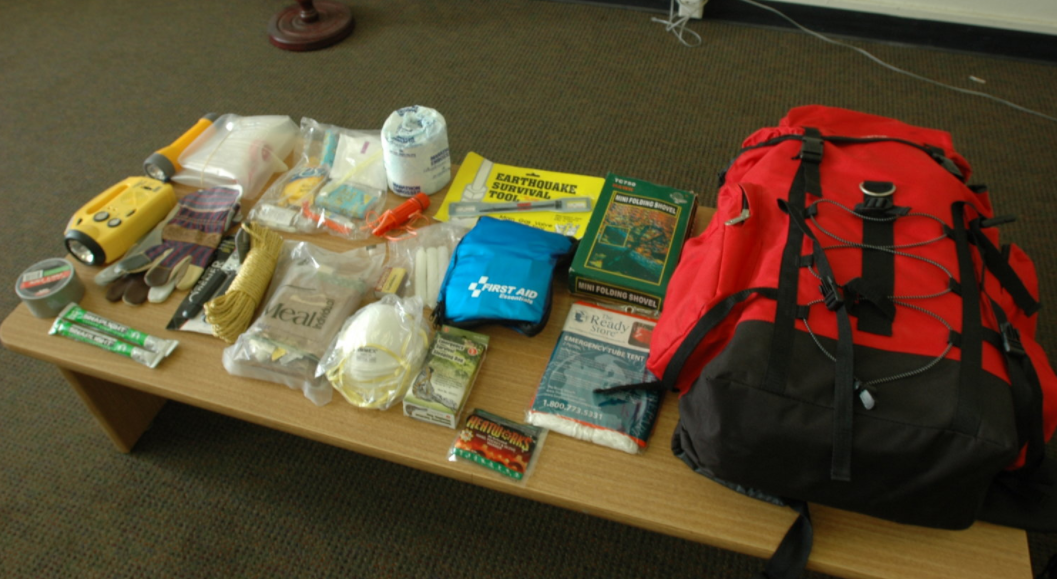
- Conduct a thorough stockpile audit. Don't just glance at your supplies. Carefully check expiration dates, food quality and the condition of critical items like fuel, generators and tools to ensure that everything is usable before disaster strikes.
- Stress-test your pantry and mindset. Try eating for a week using only your stored staples, such as beans, oats and rice, to practically understand nutritional gaps and your family's psychological resilience during scarcity.
- Review your home security practically. Assess your property in daylight and at night to identify simple vulnerabilities, such as poor lighting on your property or overgrown shrubs, that could be easily improved.
- Build and test a real bug-out bag. Assemble a lightweight evacuation pack with true essentials and physically carry it to ensure that it's practical, moving the idea from theory to reality.
- Practice a short media and electricity blackout. Go without grid power and screens (barring medical needs for yourself or any family members) for a weekend to discover your real dependencies for light, cooking and entertainment, and to see how your household handles boredom.
As the calendar turns, many people often set resolutions focused on health or finance, only to see them fade by February.
But for a growing community of practical-minded individuals, the new year presents a different kind of imperative: the annual prepping check-up. In an era where global instability and supply chain fragility have moved emergency preparedness from the fringe to the mainstream, this systematic review is not about fear, but about empowerment and peace of mind.
Enter the New Year Prepping Challenge—a structured, five-part approach designed to transform vague intentions into actionable readiness. This challenge requires no expensive gear or radical lifestyle changes.
Instead, it focuses on time, observation and practical experience, offering both seasoned preppers and curious beginners a way to verify their readiness for potential disruptions.
The first step is crucial—a thorough audit of your prepping supplies. It’s easy to feel secure seeing full shelves, but true confidence comes from knowing exactly what you have and its condition.
This challenge encourages a slow, methodical inspection.
Begin with your food stockpile. Remove items from shelves and check expiration dates, but look beyond the label. Examine storage conditions for signs of heat, moisture, or pest damage that may affect the quality of food products.
BrightU.AI's Enoch AI engine explains that dry goods should be inspected for clumping, insects, or odd odors, while oils, which are notorious for spoiling quietly, deserve extra attention. The key is to think in terms of meals, not just items.
Can you create a week's worth of palatable, nutritious meals from what's on hand? This exercise often reveals surprising gaps or an over-reliance on foods no one enjoys.
The audit must extend beyond food. Fuel supplies, such as gasoline, propane and diesel, require inspection as containers can degrade. Stabilizers can also lose their potency. Your generator is only as good as the reliable fuel behind it.
Similarly, firearms and ammunition, even if seldom used, require thorough and regular maintenance. A careful cleaning and inspection for corrosion ensures they are safe, functional and accessible when disaster strikes.
Keeping simple notes on what to use, replace, or improve turns this exercise into a blueprint for smarter future preparations.
The stress test: A week of Great Depression-era meals
Perhaps the most revealing challenge is dietary: eating for one full week as if living through the Great Depression. The goal is not historical reenactment but a practical stress test of your pantry and your mindset.
Inspired by the research of survival experts like Claude Davis, who has meticulously studied the resilience of families during the 1930s, this challenge involves creating a seven-day meal plan using only what you already own, focusing on staples like beans, oats, potatoes and rice, with meat used sparingly. No extra shopping is allowed.
The lesson is in the experience. Adhering to the plan, no snacks, no extras, highlights how your household copes with limited variety and repetition.
You may notice shifts in energy, mood, or motivation. The core question isn't whether it's enjoyable for you and the rest of your family, but whether it's manageable.
This experiment sheds light on the psychological aspect of scarcity, proving that food preparedness is as much about mental resilience as it is about calories. It also sharpens practical cooking skills and reduces waste by prioritizing items nearing expiration.
Reassessing your perimeter, your plan and your dependencies
The subsequent challenges address other critical, often-overlooked facets of preparedness.
A calm, methodical home security review asks you to observe your property by day and night, identifying weaknesses like poor lighting, overgrown landscaping, or vulnerable entry points. The objective isn’t to build a fortress, but to implement effective, reliable deterrents.
Next, the bug-out bag (BOB) exercise acknowledges that even those committed to staying put may face rapid evacuations during an emergency. The challenge is to assemble a lightweight, practical bag with essentials like water, shelf-stable food, basic first-aid, copies of important documents and season-appropriate clothing, then to physically test carrying it. This practice separates theoretical packing from practical utility.
Finally, the three-day media and electricity blackout (barring medical necessities) is a masterclass in self-awareness.
Without the hum of the grid or the glow of screens, you discover what tools and skills you truly rely on for light, cooking and comfort. It also reveals how your household manages boredom and silence, which is a crucial dynamic during any extended crisis.
The ultimate goal: Sustainable readiness and peace of mind
The beauty of this five-part challenge is its flexibility. You don't need to complete it all in January.
Even accomplishing one or two parts significantly strengthens your position. The process acts as a quiet reset, replacing assumption with knowledge and anxiety with competence.
In the end, this New Year's challenge reframes preparedness not as a burden of paranoia, but as a series of practical, sustainable habits. It proves that being ready doesn't require a basement full of high-tech and expensive survival gear, but a mindful audit of your resources, a test of your skills and an honest assessment of your plans.
If tougher times arrive, you won't be scrambling. You'll already know exactly what you can handle, and that assurance is the most valuable supply of all.
Watch the video below to learn more about essential prepping tools like UHMWPE Braided Survival Cord and Bug Spray.
This video is from the Health Ranger Store channel on Brighteon.com.
Sources include:
AskAPrepper.com
TruePrepper.com
Travelers.com
BrightU.ai
Brighteon.com
Test your prepper skills with the New Year Prepping Challenge – NaturalNews.com
If you're gonna fight, fight like you're the third monkey on the ramp to Noah's Ark... and brother its starting to rain. Join our efforts to Secure America's Borders and End Illegal Immigration by Joining ALIPAC's E-Mail Alerts network (CLICK HERE)


 Reply With Quote


"The whites here are dying now, we are taking over." African...
08-01-2026, 09:45 PM in General Discussion