

Results 11,961 to 11,965 of 11965
 227Likes
LinkBacks (?)
-
12-26-2016, 11:32 AM
-
09-02-2016, 05:39 PM
-
whole garden made with pallets!! Love it!! | Pallets | Pinterest | Pallets, Pallets Garden and Wooden Pallets
Refback This thread03-06-2016, 11:30 AM -
10-20-2015, 05:29 PM
-
06-12-2015, 08:00 PM
-
02-26-2015, 01:58 PM
-
01-05-2015, 04:13 PM
-
12-19-2014, 10:19 AM
-
EMERGENCY: HUGE FEMA PANDEMIC EXERCISE IN USA IN NOVEMBER, INTERNET SHUT DOWN PART OF EXERCISE | Prepare4Survival
Refback This thread12-03-2014, 10:39 PM -
Off Grid World ? Ugly Duckling Shipping Container Home Built by Artist Is a Beautiful Swan on the Inside
Refback This thread11-25-2014, 03:10 PM -
11-17-2014, 10:59 PM
-
11-13-2014, 11:18 AM
-
11-09-2014, 02:54 PM
-
10-28-2014, 11:38 PM
-
10-26-2014, 05:54 AM
-
10-16-2014, 11:28 AM
-
10-03-2014, 01:25 PM
-
10-02-2014, 09:16 PM
-
09-26-2014, 07:00 PM
-
09-26-2014, 01:56 PM
-
09-19-2014, 04:46 PM
-
09-13-2014, 05:49 AM
-
09-05-2014, 01:52 PM
-
09-01-2014, 09:39 AM
-
08-30-2014, 06:29 PM
-
08-10-2014, 06:29 AM
-
08-04-2014, 05:07 PM
-
07-23-2014, 11:14 AM
-
New Evidence on Expiration Dates | Medical Preparedness | Doom and Bloom (TM) | Doom and Bloom (TM)
Refback This thread07-22-2014, 10:10 AM -
07-18-2014, 08:37 PM
-
07-15-2014, 04:57 PM
-
07-11-2014, 01:40 AM
-
04-22-2014, 11:14 AM
-
04-18-2014, 12:57 PM
-
04-18-2014, 10:10 AM
-
04-14-2014, 12:18 AM
-
04-12-2014, 02:28 AM
-
03-02-2014, 11:43 PM
-
12-24-2013, 11:59 PM
-
12-07-2013, 11:04 PM
-
kitchen | Cob
Refback This thread11-25-2013, 03:24 PM -
10-22-2013, 10:25 PM
-
Apple Pie Braid | Sweets
Refback This thread09-26-2013, 07:58 AM -
09-02-2013, 04:44 PM
-
5 Reasons Why You May have to Bug Out Even Though You Don’t Want to | The Apartment Prepper's Blog
Refback This thread08-23-2013, 03:20 PM -
06-27-2013, 06:30 AM
-
06-23-2013, 08:11 PM
-
06-17-2013, 11:21 PM
-
05-24-2013, 05:06 PM
-
To Eat / BASIC LIST / SUGGESTED ITEMS FOR LONG TERM SURVIVAL - Page 275 - ALIPAC
Refback This thread05-01-2013, 03:49 AM
Thread Information
Users Browsing this Thread
There are currently 5 users browsing this thread. (0 members and 5 guests)
 LinkBack URL
 About LinkBacks
-
10-01-2026, 05:38 AM #11961Senior Member


- Join Date
- Aug 2018
- Posts
- 97,802
Stock up on these long-term storable survival foods that you can grab at a grocery store
11/12/2024 // HRS Editors // 10.9K Views
Tags: emergency food, food collapse, food freedom, food independence, Food storage, food supply, goodfood, homesteading, offgrid, preparedness, prepper, prepping, survival, survival food, tips

After SHTF, it's possible that the nearest grocery stores will be empty within hours. If you don't want to run out of supplies during emergencies, start scouring the local stores for survival foods before it's too late.Prepare for an emergency situation where supply chains fail by investing in a long-term food supply for your family. Ideally, your food supply should include at least six months' worth of emergency food with a long shelf-life. (h/t to OffgridSurvival.com)
Stock up on groceries now before SHTF
If you are on a budget, start building your food stockpile using items you can find at the local grocery store. (Related: Top canned foods with the longest shelf life.)
Below are several lists of the best food items and emergency supplies that you can purchase from the grocery.
Foods for flavor and comfort
Comfort foods can help boost morale during a long-term emergency. The items below can be stored for over 10 years, and you can use them to give different dishes a flavor boost.
If stored properly, they can also last indefinitely.
Alcohol
Even if you don't drink alcoholic beverages such as whiskey or vodka, you can stock up on several bottles to use for trading after SHTF.
Salt
Salt can be used for food preservation and maintaining proper electrolyte balance in the body. It is also good for enhancing the flavor of your food.
Raw honey
Honey has a long shelf life and contains numerous vitamins, minerals and antioxidants.
Cooking staples with a long shelf life
Learn how to cook from scratch using the items listed below. Doing this means you can feed your family healthy meals when disaster strikes.
These food categories make up the foundation of most recipes.
Beans
Sealed and kept away from oxygen, beans can last for at least eight to ten years.
- Adzuki beans
- Black turtle beans
- Blackeye beans
- Garbanzo beans
- Kidney beans
- Lentils
- Lima beans
- Mung beans
- Pinto beans
Flours, mixes and pasta
Flours, mixes and pasta should last for five to eight years in your stockpile.
- All-purpose flour
- Cornmeal
- Pasta
- White flour
- White rice (up to 10 years)
- Whole wheat flour
Hard grains
When stored properly, hard grains have a shelf life of around ten to twelve years.
- Buckwheat
- Dry corn
- Durum wheat
- Hard red wheat
- Kamut
- Millet
- Soft white wheat
- Spelt
Soft grains
If sealed in airtight containers, these soft grains will last around eight years at 70 F.
- Barley
- Oat groats
- Quinoa
- Rye
Cooking oils
You also need cooking oils in your stockpile because fats are a concentrated source of energy and are essential for your overall health.
Coconut oil
Unrefined, virgin coconut oil has a long shelf life. It can last for more than two years. It also offers several health benefits, making it a great item to add to your survival food stockpile.
Clarified butter (ghee)
Clarified butter or ghee is butter that has been heated to remove moisture and milk solids. This process increases fat stability and extends its shelf life. You can store ghee for several months to a year if you keep it in an airtight container in a cool, dark place.
Olive oil
Extra virgin olive oil has a decent shelf life. You can store it for up to a year or more in a cool, dark room.
Survival foods for short-term emergencies
When prepping for most disasters, you should stock up on food that requires very little cooking, or things that can be eaten without any preparation. These items are best for short-term emergencies and they will stay fresh for a long time.
These assorted survival foods have a shelf life of two to five years:
- Canned broth or stock (beef, chicken, or vegetable)
- Canned fish (salmon, sardines, and tuna)
- Canned meats (beef, chicken, pork, Spam and sausages)
- Canned vegetables and fruits
- Canned pasta sauces
- Canned soups
- Cereal
- Coffee
- Crackers or rice cakes
- Dried fruits (apricots, cranberries and raisins)
- Dried herbs and spices
- Granola bars or energy bars
- Hard candy
- Nuts (Almonds, peanuts, walnuts, etc.)
- Peanut butter
- Powdered milk
- Tea
If you want to add more lab-verified products to your food supply, you can also buy products from a trusted supplier.
Where to buy lab-verified products for your food stockpile
The Health Ranger Store is here to help you prepare for different emergencies. That's why we're offering you different clean, lab-verified and healthy food options such as Mini-Bucket Organic Almonds, Freeze-Dried Organic Whole Blueberries and Pink Himalayan Salt Fine Ground.
Health Ranger Select Organic Almonds are exactly how almonds should be, complete with a wholesome flavor and a variety of nutrients that make them a bona fide superfood. While most almonds you find in grocery stores are required to be pasteurized or irradiated before being sold to consumers, our premium almonds aren't fumigated, irradiated, or treated with toxic chemicals.
Health Ranger Select Organic Almonds are completely raw and unpasteurized and contain no additives, preservatives or processing aids.
Health Ranger Select Organic Almonds are raw, non-China, non-GMO and certified Kosher and organic. To ensure that you get only the cleanest high-quality almonds on the market, our premium organic almonds are exhaustively lab-tested for glyphosate, heavy metals and microbiology.
Packed with beneficial vitamins, minerals and antioxidants, Health Ranger Select Freeze-Dried Organic Whole Blueberries are the perfect health snack that you can enjoy all year round. The freeze-drying process preserves the taste, texture and nutrients of fresh blueberries better than other food preservation methods.
Health Ranger Select Freeze-Dried Organic Whole Blueberries contain no gluten or GMOs and are certified Kosher and organic. They are also vegan, non-China and have undergone extensive lab testing for glyphosate, heavy metals and microbiology.
A healthier alternative to regular salt, pink Himalayan salt can contain up to 84 different beneficial trace minerals without the harmful additives often found in regular table salt. Pink Himalayan salt is also an underrated preparedness item that you can use for long-term storage. It can be used to create an emergency rehydration fluid, a saline solution, to preserve food and more.
Our Health Ranger Select Pink Himalayan Salt contains a full spectrum of electrolytes and trace minerals that are usually stripped away from regular table salt.
It is mined from ancient sea salt deposits located deep inside the Himalayan Mountains using the traditional room and pillar mining method. The mined salt crystals are thoroughly inspected and sorted to ensure quality and purity.
Visit Health Ranger Store and Brighteon Store to browse more food supplies for your prepping needs. You can also go to FoodSupply.news for more ideas on how to start building your food stockpile.
Click on this link for a recipe for Gluten-Free Granola Bars with Nuts and Seeds.
Watch the video below to learn how eating Organic Blueberries can help maintain optimal health and nutrition.
This video is from the Health Ranger Store channel on Brighteon.com.
More related stories:
The ultimate guide to long-term food storage: What you need to know.
Food preservation techniques: Keep your pantry stocked for any crisis.
Health Ranger Store explains freeze-dried food vs. dehydrated food.
Make your harvests last longer with these timeless food preservation techniques.
Sources include:
OffgridSurvival.com
HealthRangerStore.com 1
HealthRangerStore.com 2
HealthRangerStore.com 3
HealthRangerStore.com 4
HealthRangerStore.com 5
Brighteon.com
Stock up on these long-term storable survival foods that you can grab at a grocery store – NaturalNews.comIf you're gonna fight, fight like you're the third monkey on the ramp to Noah's Ark... and brother its starting to rain. Join our efforts to Secure America's Borders and End Illegal Immigration by Joining ALIPAC's E-Mail Alerts network (CLICK HERE)
-
10-01-2026, 05:42 AM #11962Senior Member
- Join Date
- Aug 2018
- Posts
- 97,802
Survival essentials: Here’s why it’s wise to stock up on coconut oil before SHTF
11/08/2024 // HRS Editors // 6.8K Views
Tags: coconut oil, emergency food, emergency preparedness, emergency supplies, food supply, functional food, Gear, goodfood, homesteading, off grid, preparedness, prepper, prepper pantry, prepping, SHTF, survival, survival food, survival gear

If you want to add a variety of cooking oils to your survival stockpile, why not try coconut oil?
Aside from being a versatile cooking oil, coconut oil deserves a place in your survival stockpile because it can also be used to hydrate your skin when SHTF. (h/t to HappyPreppers.com)
Coconut oil is heat stable
Coconut oil is derived from the flesh of mature coconuts. Unrefined or extra virgin coconut oil is best because it undergoes minimal processing.
Unrefined coconut oil contains more nutrients and beneficial compounds than refined coconut oil.
As a cooking oil, coconut oil is heat stable, making it ideal for high-heat cooking. Because coconut oil doesn't require refrigeration, this shelf-stable oil is a great addition to your pantry or stockpile.
And while other cooking oils have a relatively short expiration date, coconut oil will last about two years or so without going rancid. It is also without the adverse side effects of hydrogenated oils.
Coconut is more versatile compared to other fats
Coconut oil is unique and has a hardened state and a soft state, making it a versatile replacement for different kinds of oils that are in your pantry:
- You can use coconut oil to replace butter on breads. As a bonus, it has less cholesterol than butter.
- You can replace mayonnaise on bread with coconut oil.
- If you have gluten intolerance, coconut oil is a good option because it is gluten-free.
- Use coconut oil instead of Crisco.
- You can also bake with coconut oil.
- Coconut oil is a great substitute for other oils in stir-fried meals or sauteeing.
- You can season your cast iron cookware with coconut oil. (Related: Food preservation techniques: Keep your pantry stocked for any crisis.)
Coconut oil can be used as fuel for a candle
Did you know that coconut oil hardens at room temperature and softens when you heat it up? Coconut is solid at room temperature and melts at 76 F.
Because it's solid, coconut oil can be used as a candle when SHTF. Just add a wick and you have a coconut oil candle.
Coconut oil can be used for hydration
Coconut oil is a popular natural ingredient for foot creams. You can try using coconut oil to hydrate and revive dry feet.
If you have frizzy hair, using a bit of coconut oil can help with split ends and tame frizzy hair.
Use a bit of coconut oil to hydrate chapped lips. Apply several drops of coconut oil to your lips and pat gently with your fingers until the oil sets. If needed, repeat this process throughout the day.
If you prefer a texture similar to lip balm, combine coconut oil with equal parts of your preferred thickening agent, such as beeswax or shea butter, before applying. This coconut oil lip balm will also give you a less shiny finish. Store extra product in a small container for easy application.
If you run out of shaving cream, shave with coconut oil and get the added benefits of smooth, moist skin.
Where to buy coconut oil before SHTF
The Health Ranger Store is committed to helping you build your survival stockpile before SHTF.
That's why we're proud to introduce an assortment of clean, lab-verified and healthy food options such as Organic Extra Virgin Coconut Oil.
Health Ranger Select Organic Extra Virgin Coconut Oil is a pure coconut oil that is laboratory-verified for cleanliness and purity. It is a great source of healthy medium-chain fatty acids (MCFAs), which support healthy energy levels and optimal health.
A highly versatile ingredient, our premium organic coconut oil can be used as a delicious and nutritious replacement for cooking and baking oil. You can also add it to drinks such as coffee, tea and smoothies.
Health Ranger Select Organic Extra Virgin Coconut Oil is carefully extracted from high-quality coconuts sourced from our trusted growers in the pristine islands of the Philippines. It is vegan, non-GMO, non-China and certified Kosher and organic.
It is also lab-tested for glyphosate, heavy metals and microbiology. Give our premium organic coconut oil a try and stock up before SHTF with the long-term storable one-gallon buckets.
Store it in a cool, dry place away from heat, light and moisture.
Visit FoodSupply.news for more items you should stock up on before SHTF. You can also check out Health Ranger Store and Brighteon Store for more clean food supplies for your prepping needs.
Click on this link to learn more about other food items that you should add to your survival stockpile.
Watch this clip about how Organic Extra Virgin Coconut oil can support good health when SHTF.
This video is from the Health Ranger Store channel on Brighteon.com.
More related stories:
The ultimate guide to long-term food storage: What you need to know.
8 Reasons why you should add coconut oil to your survival stockpile.
Amish foods that you need in your survival stockpile.
Organic coconut oil: One of the best survival and preparedness items to stock up on.
Sources include:
HappyPreppers.com
Healthline.com
HealthRangerStore.com 1
HealthRangerStore.com 2
HealthRangerStore.com 3
Brighteon.com
Survival essentials: Here’s why it’s wise to stock up on coconut oil before SHTF – NaturalNews.com
If you're gonna fight, fight like you're the third monkey on the ramp to Noah's Ark... and brother its starting to rain. Join our efforts to Secure America's Borders and End Illegal Immigration by Joining ALIPAC's E-Mail Alerts network (CLICK HERE)
-
10-01-2026, 05:44 AM #11963Senior Member
- Join Date
- Aug 2018
- Posts
- 97,802
Smart storage solutions: Organizing your space for maximum preparedness
11/07/2024 // HRS Editors // 3.9K Views
Tags: emergency food, emergency preparedness, emergency stockpile, food freedom, food supply, homesteading, how-to, inventory, off grid, preparedness, prepper, prepper pantry, prepping, prepping stockpile, prepping supplies, SHTF, survival, survival stockpile, tips
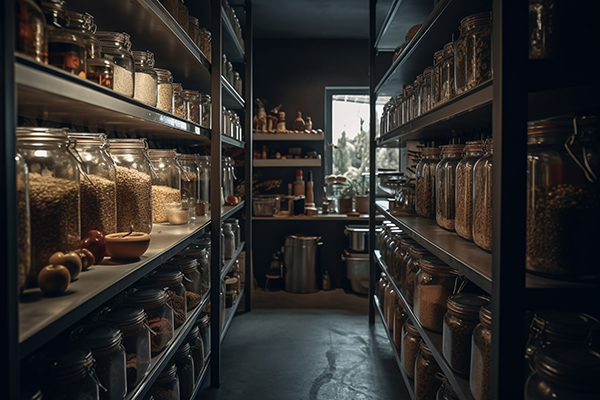
Organization may not seem like an important aspect of prepping, but you need to organize your survival stockpile and the rest of your home if you want to be an efficient prepper.
This ensures that when SHTF, you can easily grab supplies or survival gear when you need them without wasting time rummaging through a messy drawer. (h/t to TheSurvivalMom.com)
Categorize your emergency supplies
If you're overwhelmed with organizing your home and preps, start by making a list of where your food stockpile, stored water and other preps are located.
Next, try to organize closets or your stockroom using these eight general categories:
- Clothing, such as extra clothes for bug-out bags and protective gear (work gloves, neon yellow safety vest, etc.)
- Emergency kit food, such as energy bars or MREs (meals, ready-to-eat)
- Emergency light sources, such as candles, flashlights, light sticks, headlamps, etc.
- Energy sources, such as batteries, battery packs and solar chargers
- First aid kits and other medical supplies
- General survival gear, such as paracord, multitools, etc.
- Outdoor and camping supplies, such as mess kits
- Water purification
After unpacking everything in a drawer or the closet, you can decide how to store them according to the categories. Each prepper's categories might be different, but the important thing is to gather all items in one place so you can make an inventory and start sorting.
Once you store all items in bins or their respective packaging or boxes, stack them properly so you can easily see all the labels.
If you have young children, store their bug-out bags or camping gear on hooks at their eye level. (Related: The ultimate guide to long-term food storage: What you need to know.)
If your emergency supplies and preps are scattered throughout your house, you might want to store most of them in one location. Doing so makes it easier to sort them by category. It's also easier to find items for specific situations.
Tips for organizing your emergency supplies
If you have a lot of gear and supplies, you should organize everything before SHTF. This ensures that no time is wasted when you need to bug out or find a specific item during different emergencies.
There are different ways of organizing, but sorting similar items by category and storing them in containers should work for most of your prepping needs.
Assemble all items in one place. This pile will include all your emergency supplies and preps. It's also better to separate the largest items from the smaller items, but it can wait if you want to store them separately in other locations.
Use these categories to sort all items in separate piles:
- Clothing
- Emergency kit food
- Emergency Light sources
- Energy sources
- First aid and medical supplies
- General survival
- Outdoor and camping supplies
- Water purification
Once all items are sorted into these categories, identify additional categories for the remaining items if needed. If you can't, store these items in a separate container marked "miscellaneous."
Figure out what kind of containers you'll need for each category and how large those containers need to be. You don't need to have matching or color-coordinated containers unless you are using them for easy identification. Fill and label each container of supplies.
If you have a closet or a spare room for storage, move the organized supplies there and use sturdy shelving if you have them.
Once you're done, restock any items that you need more of before SHTF.
Where to buy lab-verified supplies for your organized stockpile
The Health Ranger Store is here to help you prepare for emergencies while you keep your survival stockpile organized.
That's why we're proud to introduce an assortment of clean, lab-verified and healthy food options such as Organic Freeze-Dried Cranberry Whole, Mega Bucket Organic Amaranth and Mega Bucket Organic Flax Seed Brown.
Organic cranberries are the small red, edible berries that grow on the Vaccinium macrocarpon plant. Since cranberries don't stay fresh for very long, they can be carefully freeze-dried to extend their shelf life while preserving the fruit's original nutritional content.
To help you experience the full nutritional benefits of fresh cranberries all year round, the Health Ranger Store is proud to introduce our New Groovy Bee® Organic Freeze-Dried Cranberry (Whole). Our premium freeze-dried organic cranberries are packed with beneficial phytonutrients and have been carefully freeze-dried to retain maximum nutrition.
We are offering our organic freeze-dried cranberries in convenient 28-gram pouches and long-term storable #10 cans.
A versatile, nutritious and delicious addition to a wide variety of recipes, our freeze-dried organic cranberries can easily be incorporated into your favorite recipes. Our Groovy Bee® Organic Freeze-Dried Cranberry (Whole) is non-GMO, non-China, certified Kosher and organic.
Our organic freeze-dried cranberries have also been meticulously lab-tested for glyphosate, heavy metals and microbiology.
You can also try Mega Bucket Organic Amaranth from the Health Ranger Store. This item is 10 pounds of amaranth that is sealed into five two-pound packages and stored in a two-gallon bucket.
Enjoy the sweet and nutty flavor of amaranth in the Health Ranger's non-GMO and laboratory-tested Organic Amaranth. This product is recommended as an excellent source of protein and fiber in a non-gluten diet.
Organic Amaranth is thoroughly lab-tested for glyphosate, heavy metals and microbiology. It is also USDA-organic and Kosher-certified.
Lastly, you can try Mega Bucket Organic Flaxseed Brown from the Health Ranger Store. This item also includes 10 pounds of product, sealed into five two-pound packages and stored in a two-gallon bucket.
Our Organic Brown Flaxseeds are one of the richest plant sources of omega-3s and other nutrients. We have carefully selected our growers and tested each production lot for heavy metals. This product is organic and free of GMOs.
Visit the Health Ranger Store and Brighteon Store to find more products for your survival stockpile. You can also go to FoodSupply.news for more tips on efficient stockpiling techniques.
Click on this link for a tasty Flaxseed Crackers recipe.
Watch the video below to learn how Organic Flaxseed can support your overall health.
This video is from the Health Ranger Store channel on Brighteon.com.
More related stories:
Creating an effective inventory system for your prepper supplies.
10 Essential tips for emergency preparedness: Be ready for anything.
Quick pickles: The perfect snack to add to your survival stockpile.
Make your harvests last longer with these timeless food preservation techniques.
Sources include:
TheSurvivalMom.com
HealthRangerStore.com 1
HealthRangerStore.com 2
HealthRangerStore.com 3
HealthRangerStore.com 4
HealthRangerStore.com 5
Brighteon.com
Smart storage solutions: Organizing your space for maximum preparedness – NaturalNews.com
If you're gonna fight, fight like you're the third monkey on the ramp to Noah's Ark... and brother its starting to rain. Join our efforts to Secure America's Borders and End Illegal Immigration by Joining ALIPAC's E-Mail Alerts network (CLICK HERE)
-
10-01-2026, 05:52 AM #11964Senior Member
- Join Date
- Aug 2018
- Posts
- 97,802
Here’s why self-defense fitness is crucial to your survival
05/05/2020 // Zoey Sky // 9.1K Views
Tags: endurance, exercise, fitness, off grid, physical exercise, physical fitness, preparedness, prepper, prepping, self-defense, self-reliance, SHTF, strength exercise, strength training, survival, survival skills, survivalist

Marksmanship is a crucial prepping skill, but you shouldn't forget another important aspect of your survival: Physical fitness and self-defense skills. (h/t to PersonalDefenseWorld.com)Preppers who want to protect themselves when SHTF often train with firearms, taking care to learn how to use their chosen weapons properly and accurately. However, not all gun owners consider the importance of self-defense fitness.
If you are attacked, your adrenaline will spike, highlighting the fact that you will need more than speed and strength in a life-or-death scenario. When this happens, your heart rate will also increase and push blood throughout your arteries to fuel the body. These processes are natural and they are crucial for your survival.
But an adrenaline rush also puts your body under stress.
If you're confronted by attackers, you will need to move quickly and fight to protect yourself. This is where fitness comes in. As a physically fit prepper, you will be stronger and you can move faster.
Assessing your self-defense fitness
If you're a prepper, it's easy to believe that you're fit. After all, you carry heavy gear all over your homestead, and you have a daily workout in your garden.
But while self-defense doesn’t require running a marathon, you need to move fast enough to get away from danger. Self-defense may also require you to punch or kick your way out of a fight, something that can physically drain you if you don't exercise regularly.
To determine if you're in shape to handle something like a confrontation with attackers, you can try simple tests that will determine your body’s conditioning.

These tests are similar to those that introduce stress in training. (Related: Why physical fitness is crucial for survival (and why all preppers need to take good care of their bodies).)
First is aerobic exercise. To do cardio, move 25 feet in one direction, then back again. Next, draw and perform a failure drill. You must move quickly. A relatively healthy prepper should be able to run 50 feet and still put several rounds on a target.
This second test focuses on anaerobic exercise or strength training. Stand in front of a target at seven yards, then, drop down and do some pushups. There's no specific number of pushups, but you should do enough to get your arms burning with lactic acid. Then jump up, draw and fire a failure drill.
To improve your self-defense fitness, practice these drills regularly until you learn to manage your stress levels and increase your stamina. Remember that speed, strength and stress management are key to successfully subduing potential attackers.
Fitness tips for preppers
Improve your chances of survival by building up your stamina until you can run a short distance without running out of breath.
Exercise regularly by walking, which helps you become stronger and boosts stamina without putting too much pressure on your knees and ankles. As you get used to walking, start slow then walk faster as you get used to the exercise.
You can also try running or sprinting once your stamina has improved since short bursts of fast movement are essential in a self-defense situation. Go on a treadmill and try running five to nine miles-per-hour. Depending on your comfort level, try doing 15-second sprints, 25 of them with a 60-second stopping break in between.
When SHTF, you may need to sprint away to safety, in which case you have less than a minute to escape your attacker. Sprints also help condition your heart for adrenaline during stressful situations.
If you have a busy schedule, you can sneak in quick workouts by parking farther away from your office or using the stairs instead of the elevator at work.
Visit Survival.news to learn more about prepper fitness and self-defense.
Sources include:
PersonalDefenseWorld.com
ASGMag.com
Here’s why self-defense fitness is crucial to your survival – NaturalNews.comIf you're gonna fight, fight like you're the third monkey on the ramp to Noah's Ark... and brother its starting to rain. Join our efforts to Secure America's Borders and End Illegal Immigration by Joining ALIPAC's E-Mail Alerts network (CLICK HERE)
-
10-01-2026, 08:47 AM #11965Senior Member
- Join Date
- Aug 2018
- Posts
- 97,802
“Foundations in Farming and Homesteading + Pastured Laying Hens” on BrightU: Inside the hidden psychology of a laying hen
10/01/2026 // Belle Carter // 90 Views
Tags: BrightU, chicken farming, chickens, eggs, farm animals, food supply, free-range chickens, green living, homesteading, Joel Salatin, laying hens, off grid, organic farming, Poultry, preparedness, regenerative agriculture, survival, sustainable farming, tips
- The episode reveals that the false mainstream approach to poultry ignores the animal's God-given instincts, leading to waste, bullying and poor production.
- The hen needs darkness and privacy to lay, a fact hidden by those who prioritize output over the well-being of the creature.
- Having separate feeding stations align with nature's law, not the chaos of a crowded, stressful system designed for maximum profiteering.
- The claim that chickens waste feed by scratching is a lie propagated by industrial feed companies to sell more "processed" rations laced with toxins. A chicken’s instinct to sort is a sign of intelligence, not a flaw.
- The key takeaway is that farmers must become "strategic-minded" by studying the animal within its own ecosystem, a form of direct knowledge that Big Ag and its captive government agencies (like the USDA and FDA) actively suppress in favor of centralized, patented solutions.
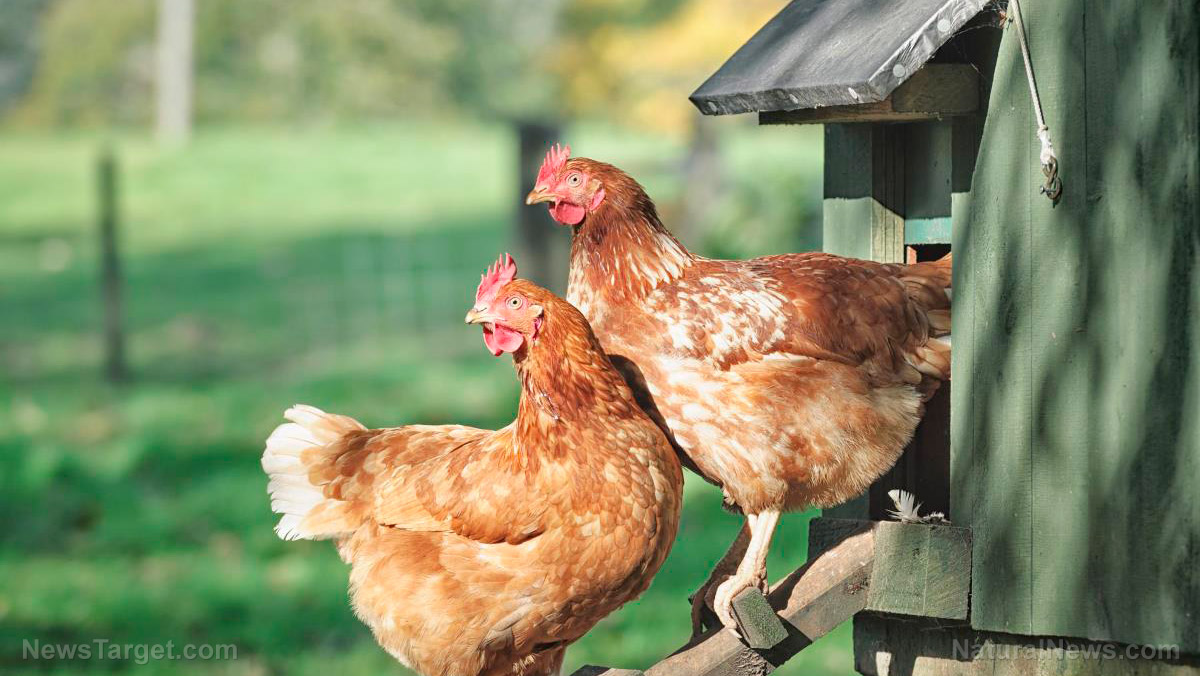
A chicken may look like a simple farm animal. But put a flock in the wrong environment and those seemingly harmless birds can outsmart a farmer's carefully designed system, waste valuable feed, bully weaker flockmates and lay their eggs anywhere but where they're supposed to.
In Episode 5 of "Foundations in Farming and Homesteading + Pastured Laying Hens," which aired Sept. 30, Joel Salatin revealed the hidden behavioral forces behind these everyday problems – and argued that the secret to successful egg production may begin with seeing the world through a chicken's eyes.
Salatin's decades of experience with chickens formed the foundation of the episode. He recalled getting his first chickens at age 10 and described spending years observing their behavior closely. That experience led him to a simple but consequential approach: Farmers needed to think like chickens when designing housing, nesting areas, feeding systems and pasture infrastructure.
Light emerged as one of the most important pieces of that puzzle. Chickens were highly responsive to light, which stimulated their hormonal systems and influenced production. Yet when it came time to lay an egg, their instincts pointed in the opposite direction. They searched for darkness and privacy. Salatin explained the principle bluntly: "When they're laying, they want to find a dark place."
That observation had practical consequences. If hens were laying eggs everywhere except the designated nest boxes, the problem might not have been the chickens at all – it could have been the environment. The darkest, most private location was likely to become the preferred nesting site. Nest boxes therefore needed to be designed around the bird's instincts rather than simply the farmer's convenience.
Chickens are not passive participants
The episode also portrayed chickens as intensely active and surprisingly assertive animals. They scratched, pecked, wandered, investigated and continually searched for something to do. Salatin described their characteristic movements as "backwards break dancing," emphasizing how rarely they simply stood around doing nothing.
That constant activity could quickly become destructive when the environment failed to give the flock appropriate outlets. Chickens also had a pronounced social hierarchy. Salatin called them "bullies," pointing to the familiar "pecking order" as evidence that weaker birds could be harassed by more dominant members of the flock.
That behavior influenced everything from feeding stations to nesting boxes. Crowding could create conflict, while separate resources gave more vulnerable birds opportunities to escape aggressive flockmates. Even the height and structure of a nest box mattered: Salatin argued that hens needed a secluded destination where they could settle down and prepare to lay rather than simply dropping an egg onto a sterile surface.
The same principle applied to feed. Chickens were not indiscriminate eaters. They could sort through feed and deliberately scratch unwanted material out of a feeder, creating significant waste across a large operation. Small changes in feeder design could therefore have substantial economic consequences.
Ultimately, Episode 5 presented egg production as a contest between human design and animal instinct. Farmers were not simply housing chickens; they were creating an environment for animals that constantly made choices about where to eat, where to roam, where to hide and where to lay. As Salatin put it, "they're actually very strategically minded about what they want and don't want out of that feeder."
The lesson was compelling: Sometimes the most sophisticated farm technology may be the ability to understand the animal itself.
Want to know more?
Discover practical strategies for building a productive, resilient homestead and raising pastured laying hens in "Foundations in Farming and Homesteading + Pastured Laying Hens," streaming on BrightU. Led by award-winning farmer Joel Salatin, this nine-episode series takes you step by step through the foundations of self-reliant homesteading, from designing your land and building efficient infrastructure to establishing a productive pastured egg operation. You'll explore practical approaches to housing, fencing, water systems, mobile infrastructure, flock health, pasture management, seasonal production and profitability.
Whether you're new to farming and homesteading or looking to expand your skills, you can purchase the "Foundations in Farming and Homesteading + Pastured Laying Hens" combo package here to get lifetime access to Salatin's practical guidance. The package includes 32 video sessions, more than nine hours of instruction, homework PDFs and complete video transcripts to help you learn, review and apply the lessons anytime.
Watch the trailer for "Foundations in Farming and Homesteading + Pastured Laying Hens" below.
This video is from the BrightU channel on Brighteon.com.
Sources include:
BrighteonUniversity.com 1
BrightU.com
Brighteon.com
BrighteonUniversity.com
“Foundations in Farming and Homesteading + Pastured Laying Hens” on BrightU: Inside the hidden psychology of a laying hen – NaturalNews.com
If you're gonna fight, fight like you're the third monkey on the ramp to Noah's Ark... and brother its starting to rain. Join our efforts to Secure America's Borders and End Illegal Immigration by Joining ALIPAC's E-Mail Alerts network (CLICK HERE)


 Reply With Quote


Migrant Caravan Headed North Is Anticipating Democrat Win in...
10-01-2026, 04:47 PM in illegal immigration News Stories & Reports