

Results 11,951 to 11,960 of 11969
 227Likes
LinkBacks (?)
-
12-26-2016, 11:32 AM
-
09-02-2016, 05:39 PM
-
whole garden made with pallets!! Love it!! | Pallets | Pinterest | Pallets, Pallets Garden and Wooden Pallets
Refback This thread03-06-2016, 11:30 AM -
10-20-2015, 05:29 PM
-
06-12-2015, 08:00 PM
-
02-26-2015, 01:58 PM
-
01-05-2015, 04:13 PM
-
12-19-2014, 10:19 AM
-
EMERGENCY: HUGE FEMA PANDEMIC EXERCISE IN USA IN NOVEMBER, INTERNET SHUT DOWN PART OF EXERCISE | Prepare4Survival
Refback This thread12-03-2014, 10:39 PM -
Off Grid World ? Ugly Duckling Shipping Container Home Built by Artist Is a Beautiful Swan on the Inside
Refback This thread11-25-2014, 03:10 PM -
11-17-2014, 10:59 PM
-
11-13-2014, 11:18 AM
-
11-09-2014, 02:54 PM
-
10-28-2014, 11:38 PM
-
10-26-2014, 05:54 AM
-
10-16-2014, 11:28 AM
-
10-03-2014, 01:25 PM
-
10-02-2014, 09:16 PM
-
09-26-2014, 07:00 PM
-
09-26-2014, 01:56 PM
-
09-19-2014, 04:46 PM
-
09-13-2014, 05:49 AM
-
09-05-2014, 01:52 PM
-
09-01-2014, 09:39 AM
-
08-30-2014, 06:29 PM
-
08-10-2014, 06:29 AM
-
08-04-2014, 05:07 PM
-
07-23-2014, 11:14 AM
-
New Evidence on Expiration Dates | Medical Preparedness | Doom and Bloom (TM) | Doom and Bloom (TM)
Refback This thread07-22-2014, 10:10 AM -
07-18-2014, 08:37 PM
-
07-15-2014, 04:57 PM
-
07-11-2014, 01:40 AM
-
04-22-2014, 11:14 AM
-
04-18-2014, 12:57 PM
-
04-18-2014, 10:10 AM
-
04-14-2014, 12:18 AM
-
04-12-2014, 02:28 AM
-
03-02-2014, 11:43 PM
-
12-24-2013, 11:59 PM
-
12-07-2013, 11:04 PM
-
kitchen | Cob
Refback This thread11-25-2013, 03:24 PM -
10-22-2013, 10:25 PM
-
Apple Pie Braid | Sweets
Refback This thread09-26-2013, 07:58 AM -
09-02-2013, 04:44 PM
-
5 Reasons Why You May have to Bug Out Even Though You Don’t Want to | The Apartment Prepper's Blog
Refback This thread08-23-2013, 03:20 PM -
06-27-2013, 06:30 AM
-
06-23-2013, 08:11 PM
-
06-17-2013, 11:21 PM
-
05-24-2013, 05:06 PM
-
To Eat / BASIC LIST / SUGGESTED ITEMS FOR LONG TERM SURVIVAL - Page 275 - ALIPAC
Refback This thread05-01-2013, 03:49 AM
Thread Information
Users Browsing this Thread
There are currently 1 users browsing this thread. (0 members and 1 guests)
 LinkBack URL
 About LinkBacks
-
09-30-2026, 09:15 PM #11951Senior Member


- Join Date
- Aug 2018
- Posts
- 97,854
“Foundations in Farming and Homesteading + Pastured Laying Hens” on BrightU: The business secrets hidden inside a homestead
09/30/2026 // Belle Carter // 720 Views
Tags: agricultural entrepreneurship, business, cash flow, economics, farm management, farm profitability, Farm to Table, Homestead, homesteading, Joel Salatin, lifestyle, regenerative agriculture, self-reliance, Small farms, sustainable
- Salatin argued that feed, labor, infrastructure and poorly performing enterprises can turn a self-reliant homestead into a financial burden.
- He advocated tracking chickens, pigs, crops and other ventures separately to identify which activities generate value and which drain resources, citing his failed pheasant operation as an example.
- Salatin emphasized raising prices, lowering costs, increasing customer turnover and timing routine tasks so labor costs and productivity could be understood more accurately.
- By taking on processing, distribution and marketing themselves, farmers could capture more of the value between production and the customer. Salatin also described collaborating with local producers to create more opportunities for sales.
- Salatin's vision was to transform a homestead from a "cash drain, to cash cow" while preserving its purpose – combining "our profit, with our pleasure and our production."
A homestead could produce abundant food, healthy animals and a deeply satisfying way of life – and still fail.
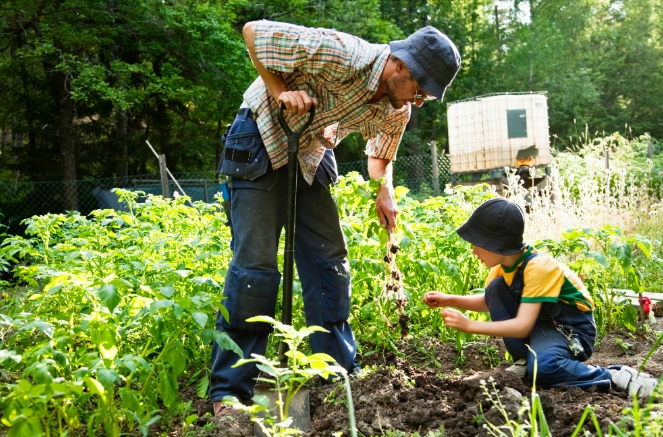
That was the uncomfortable economic reality Joel Salatin brought into focus in Episode 4 of "Foundations in Farming and Homesteading + Pastured Laying Hens," which aired Sept. 29. For people drawn to homesteading because they wanted independence rather than profit, money could seem secondary. But Salatin argued that ignoring the numbers could eventually threaten everything else. Feed bills, labor, infrastructure and inefficient enterprises could quietly consume the resources needed to keep a homestead alive. A dream of self-reliance could become a financial burden if every enterprise was not expected to justify its place.
The answer, in Salatin's view, was not abandoning the lifestyle for conventional business practices. It was learning to treat the homestead itself as a business capable of generating enough income to sustain the life it was meant to support.
When a homestead starts losing money
Salatin's approach began with a deceptively simple question: Where was the money actually going?
Rather than lumping everything together, he advocated separating the financial performance of individual enterprises. Chickens, pigs, tomatoes, corn and other ventures needed to stand on their own financially. His failed pheasant enterprise demonstrated the consequences of not recognizing a problem quickly enough. Difficulties moving the birds were accompanied by a financial drain, exposing an operation that was consuming resources rather than creating sustainable value.
Even successful-looking enterprises could have surprising economics. Salatin described eggs as his hardest margin, yet they remained strategically important because customers who came for eggs could also buy chicken, beef and pork. The product that appeared least profitable on its own could therefore help drive sales throughout the wider operation.
But Salatin's message was clear: small margins could not simply be accepted as inevitable. Prices could be raised. Costs could be reduced. Labor could be measured. Turnover could be increased.
He timed individual tasks, from processing chickens to moving shelters and putting away eggs, because every minute represented a cost. Without knowing how long a job actually took, a homesteader could easily underestimate labor and mistake activity for profitability.
The escape from the commodity trap
The bigger threat was competing in a system where small farms were forced to sell commodities on someone else's terms. Salatin argued that the way out was to capture more of the value between the farm and the customer.
Instead of producing food and handing it to someone else to process, distribute and market, farmers could wear more of those hats themselves.
"The point is when you're wearing all those hats, production, marketing, distribution, processing, wearing all those hats in the value chain gets you off of that commodity treadmill and lets you own the value all the way from farm to play," Salatin said.
His operation also demonstrated the power of bringing multiple products and producers together. Salatin described working with local artisans offering kombucha, broth, cosmetics, soaps, honey, milk, cheese and ferments, turning a customer visit into an opportunity for multiple purchases.
The stakes extended beyond profit. A homestead that consistently lost money could eventually undermine the freedom, family life and connection to the land that motivated the project in the first place. Salatin's alternative was a homestead capable of paying its own way – one where profitability strengthened resilience rather than replacing purpose.
The transformation he envisioned was bluntly expressed as moving a homestead from "cash drain, to cash cow." And the ultimate objective was not wealth for its own sake, but the ability to "combine our profit, with our pleasure and our production."
Want to know more?
Discover practical strategies for building a productive, resilient homestead and raising pastured laying hens in "Foundations in Farming and Homesteading + Pastured Laying Hens," streaming on BrightU. Led by award-winning farmer Joel Salatin, this nine-episode series takes you step by step through the foundations of self-reliant homesteading, from designing your land and building efficient infrastructure to establishing a productive pastured egg operation. You'll explore practical approaches to housing, fencing, water systems, mobile infrastructure, flock health, pasture management, seasonal production and profitability.
Whether you're new to farming and homesteading or looking to expand your skills, you can purchase the "Foundations in Farming and Homesteading + Pastured Laying Hens" combo package here to get lifetime access to Salatin's practical guidance. The package includes 32 video sessions, more than nine hours of instruction, homework PDFs and complete video transcripts to help you learn, review and apply the lessons anytime.
Watch the trailer for "Foundations in Farming and Homesteading + Pastured Laying Hens" below.
This video is from the BrightU channel on Brighteon.com.
Sources include:
BrighteonUniversity.com 1
BrightU.com
Brighteon.com
BrighteonUniversity.com
Ask BrightAnswers.ai
“Foundations in Farming and Homesteading + Pastured Laying Hens” on BrightU: The business secrets hidden inside a homestead – NaturalNews.com
If you're gonna fight, fight like you're the third monkey on the ramp to Noah's Ark... and brother its starting to rain. Join our efforts to Secure America's Borders and End Illegal Immigration by Joining ALIPAC's E-Mail Alerts network (CLICK HERE)
-
10-01-2026, 01:56 AM #11952Senior Member
- Join Date
- Aug 2018
- Posts
- 97,854
A Prepping Mindset: Seven Motivation Methods for Preppers
09/30/2026 // Iva Greene // 190 Views
Tags: Collapse, disaster, emergency preparedness, homesteading, how-to, Motivation, off grid, preparedness, prepper, prepping, prepping tips, SHTF, survival, Survival Tips
An article by Dan F. Sullivan published on SurvivalSullivan.com, a preparedness website, lists seven methods intended to help preppers remain motivated.Sullivan states that prepping is a journey and that its difficulty does not depend on your political orientation or budget. He lists potential emergencies including car crashes, riots, assault, tornadoes, hurricanes, floods, and job loss, and describes the overall list of disasters as long and intimidating.
According to the article, that volume of threats can discourage people from starting to prepare or from continuing the practice. Sullivan also warned that a lack of motivation may indicate that a person is not as prepared as they should be.
The article also states that survival includes many separate aspects, including bugging in and out, getting home, fitness, homesteading, stockpiling, raising animals, bug-out vehicles and home security, and that the scope of those categories can itself produce a lack of action. Separate reporting on preparedness has documented that motivation can fade for other reasons as well, including financial strain, information overload and long periods without emergencies [1].
Media Exposure and Conversation Cited as Initial Motivators
The first method involves watching YouTube videos of disasters. Sullivan wrote that the purpose is not to frighten the viewer but to learn from the events, and that although the experience is not the same as military close combat, it allows a person to place themselves in the middle of the action and consider how they would escape.
The second method is watching survival movies and television shows. While such productions are fake and often exaggerated, viewers can still learn from them. Sullivan wrote that his preferred element is that they always end well, and he stated, "Optimism is one thing you'll have to keep when things will be at their worst."
The article names films including "Doomsday," "2012," "The Day After Tomorrow," and "Alone in the Wilderness." It also lists documentaries including "Surviving the Dust Bowl" and "The Revenant," and the television series Revolution [5].
The third method is engaging in conversation. Sullivan wrote that many people who are active on blogs are passive and do not engage in dialogue, and that doing so enables the brain to think of solutions not only for oneself but also for others. He described the change as a switch from passive learning to active learning.
Advocacy and Incremental Action Recommended
The fourth method is speaking out. Sullivan wrote that political correctness has divided the world and that readers should not remain passive while others define how things are supposed to be [5].
According to the article, speaking up is difficult at first, and people may be put in their place or lose debates, but the situation improves over time. Sullivan wrote that readers should not fear being put down when it comes to politics or survival, describing that experience as the only way to grow, consolidate one's beliefs and then convince others.
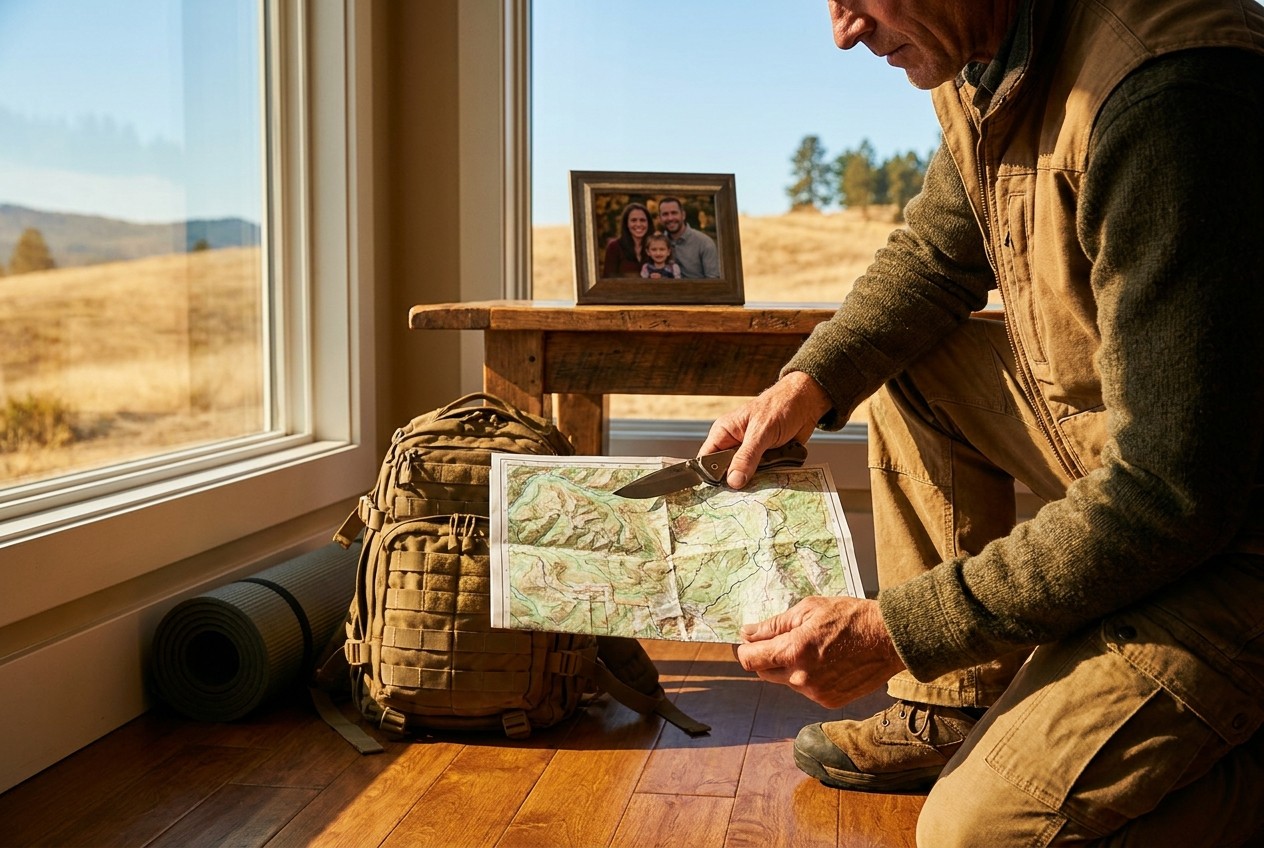
The fifth method is starting to do something. Sullivan wrote that readers who have consumed survival content for a long time without acting are unlikely to become fully prepared, and that their odds diminish as days go by. Recommended actions include activities that do not require spending money, such as printing a Google map of one's neighborhood and marking all bug-out routes, jogging or doing push-ups to improve strength, and buying a low-cost survival knife.
Actual practice is the point: the New Year Prepping Challenge published by NaturalNews.com recommends stress-testing a pantry and mindset by eating for a week from stored staples alone [2].
The sixth method is starting with the survival aspect a person enjoys most. According to the article, beginning with an enjoyable activity causes the mind to associate preparedness with positive feelings, and competence in that area makes other aspects easier to tackle [5].
Sullivan offered the example of a person who enjoys the gym switching to tactical workouts, after which transition to an activity such as bugging out becomes easier than if it had been attempted first. Physical capacity is treated as a foundation of preparedness rather than an optional add-on, a point made in separate preparedness reporting [3].
Family Consequences Described as Central Motivation
The seventh method is thinking about what will happen to oneself and one's family. Sullivan described it as the most important motivator of all, citing the lives of a spouse and children. He wrote that survival means a person is likely to get injured or even killed, and that this is enough for him to take the subject seriously.
Sullivan wrote that he hoped not to frighten readers and stated that surviving is not as cool as some survival reality television shows would have them believe [5]. Motivation is an ongoing requirement rather than a one-time decision.
References
- "How to stay motivated when prepper burnout strikes during stressful times". NaturalNews.com. April 05, 2025.
- "Test your prepper skills with the New Year Prepping Challenge". NaturalNews.com. January 19, 2026.
- "Prepper fitness: Why is physical health important for survival". NaturalNews.com. May 24, 2023.
- Mike Adams. "Mike Adams interview with Pete Chambers". August 16, 2024.
- "7 Powerful Ways to Stay Motivated as a Prepper". SurvivalSullivan.com. September 19, 2026.
Ask BrightAnswers.ai
A Prepping Mindset: Seven Motivation Methods for Preppers – NaturalNews.com
If you're gonna fight, fight like you're the third monkey on the ramp to Noah's Ark... and brother its starting to rain. Join our efforts to Secure America's Borders and End Illegal Immigration by Joining ALIPAC's E-Mail Alerts network (CLICK HERE)
-
10-01-2026, 04:28 AM #11953Senior Member
- Join Date
- Aug 2018
- Posts
- 97,854
Germany prepping nuclear bunkers as WWIII with Russia looms
12/02/2024 // Ethan Huff // 5.9K Views
Tags: big governmennt, Bunker, chaos, Collapse, fallout, Germany, military tech, national security, nuclear, nuclear survival, nuclear war, preparedness, Russia, survival, Ukraine, violence, weapons tech, WWIII
In anticipation of another world war, Germany is looking to convert properties throughout the country into nuclear fallout shelters and bunkers.Authorities are considering converting underground parking lots and subway stations into hiding spots for Germans in the event that nuclear bombs start dropping.
As an active supporter of Ukraine since the start of the war in February 2022, Germany recognizes that as Russia gains ground, the rest of Ukraine-supporting Europe could face future attacks. As such, Germany's Office of Civil Protection and Disaster Assistance is working alongside other authorities to develop new defense measures.
During World War II and the Cold War, Germany maintained about 2,000 operational bunkers. Today, there are only about 579 bunkers left with a total capacity for only about 480,000 people – Germany's population is currently about 84 million.
Germany's armed forces are also working with businesses throughout the country to retrofit their facilities in preparation for war. A secret 1,000-page "Operational Plan Germany" outlines the steps that would need to be taken to defend critical infrastructure in the event of a conflict.
(Related: Officials in the U.S. and Europe are considering sending nuclear weapons to Ukraine in the latest escalatory war move.)
American businesses need to prepare, too
Adm. Rob Bauer, a senior official at NATO, spoke this week as well about the need for the West to start preparing for a direct conflict with Russia. Businesses both in Europe and the United States need to prepare for potential wartime scenarios so they can continue producing, distributing and operating.
A third world war has already begun, according to Valery Zaluzhny, Ukraine's former military chief who now works as envoy to the United Kingdom. Now that Kiev has begun using Western-supplied long-range missiles in Russia, violating one of President Putin's "red lines," World War III is here even if the nukes have not yet commenced.
Putin has warned the West again and again that the actions Ukraine, backed by the U.S. and other Western countries, has taken constitute a declaration of war against Russia. Now we wait to see how Russia plans to respond in the coming days.
As of this writing, Russia has not yet targeted any NATO member territory – Ukraine, after all, is not a member of NATO but wishes to join. Russia has, however, introduced a new hypersonic ballistic missile with multiple warheads that Putin claims cannot be intercepted or stopped by any of NATO's defense systems.
Germany's Bundeswehr recently launched a nationwide plan for how its economy can overcome a possible direct attack by Russia.
Lt. Col. Jörn Plischke led a session at the Hamburg Chamber of Commerce that urged local businesses to start taking proactive measures such as training at least five additional truck drivers for every 100 employees. The reason for this is that as of right now, upwards of 70 percent of the trucks on Germany's roads are operated by people from Central and Eastern Europe who may not still be available to work in the event of WWIII.
German businesses are also being instructed to develop contingency plans for how to structure employee shifts during wartime. People and businesses alike need to be self-sufficient, i.e., with the use of backup power sources like diesel generators and wind turbines.
All of this is happening as a response to President Biden's decision to allow Ukraine to conduct direct strikes on Russian territory using U.S.-supplied long-range missile systems in violation of Putin's orders.
Putin knew all of this was going to happen because the missile systems in question require NATO to operate. Any such attack will thus be considered a direct attack on Russia by NATO, which changes the game entirely and puts the entire world at risk of possible nuclear fallout.
How much longer will it be until WWIII arrives? Find out more at WWIII.news.
Sources for this article include:
TheNationalPulse.com
NaturalNews.com
TheNationalPulse.com
Germany prepping nuclear bunkers as WWIII with Russia looms – NaturalNews.comIf you're gonna fight, fight like you're the third monkey on the ramp to Noah's Ark... and brother its starting to rain. Join our efforts to Secure America's Borders and End Illegal Immigration by Joining ALIPAC's E-Mail Alerts network (CLICK HERE)
-
10-01-2026, 04:30 AM #11954Senior Member
- Join Date
- Aug 2018
- Posts
- 97,854
Prepper’s guide to using ESSENTIAL OILS for skincare
11/29/2024 // HRS Editors // 10.3K Views
Tags: Cosmetics, DIY, emergency preparedness, essential oils, goodhealth, green living, home remedies, homesteading, how-to, natural health, natural ingredients, natural medicine, Naturopathy, off grid, preparedness, prepper, prepping, prepping supplies, recipes, remedies, self sufficiency, SHTF, skin health, skincare, survival, Survival Tips, tips

Essential oils are concentrated extracts made from a variety of flowers, leaves and seeds. Aside from making your home smell amazing, certain essential oils may have properties that can help support healthy skin. Here are some essential oils that can help if you have dry or oily skin. (h/t to Healthline.com)Essential oils that can help with dry skin
Dry skin can occur during specific times of the year, especially if you live in desert-like climates. You may also have dry skin naturally from age or reduced activity in the sebaceous or oil glands in your pores.
You can soothe dry skin with creams and moisturizers, but using certain essential oils can also provide relief.
Chamomile
Chamomile oil contains azulene, known for increasing moisture. However, you should avoid chamomile essential oil if you have ragweed allergies because it may be a trigger.
Lavender
Lavender doesn't just help with sleep and relaxation. It can also help balance out moisture levels in your skin.
It’s also a natural hydrator that can repair dry skin without making it too greasy. (Related: Essential oils for prepping: Must-haves for your survival kit.)
Essential oils that can help with oily skin
If you have oily skin, this means your sebaceous glands are overactive and produce excessive oil on the surface of your skin. Heat, hormones, or humidity can make oily skin worse.
These essential oils may help with oily skin:
Clary sage
Clary sage contains active compounds like linalyl acetate and geranyl that can help control excess sebum.
Rosemary
Rosemary oil is known for its stimulating properties. It also contains key ingredients like esters, that may help prevent the production of excess sebum.
Essential oils that can help with acne-prone skin
If you have acne, it's essential to remove excess oil and bacteria without drying the skin because this may cause increased oil production.
These essential oils may help if you have acne-prone skin:
Lemon
Lemon essential oil can help protect against free radicals that have been linked to acne and photoaging.
Lemongrass
Lemongrass also has natural astringent properties. These can help fight pimples by removing excess dead skin cells.
Best essential oils for sensitive skin
Sensitive skin can be either dry or oily. You may also have sensitive skin if you suffer from allergies, eczema, or other skin conditions.
If you have sensitive skin, avoid all essential oils that are highly acidic, such as lemon and lemongrass.
Some essential oils considered safe for all skin types include frankincense, lavender and sandalwood.
How to use essential oils for DIY skincare
While you can either inhale or use essential oils directly on the body, they are not safe to ingest unless they are food-safe.
When applying essential oils to your skin, always do a patch test ahead of time to make sure you're not allergic. Don't apply essential oil around your eyes.
To do a patch test, place a small amount of the diluted essential oil on your skin, like your forearm. Leave the essential oil on for 24 hours.
This will help check for any allergic reactions before using a larger amount of the diluted essential oil on another area of the skin.
Where to buy lab-verified essential oils
The Health Ranger Store is here to help you maintain healthy skin even during survival scenarios.
That’s why we’re proud to offer you many clean, lab-verified and natural products such as Organic Lavender Essential Oil, Organic Lemon Essential Oil and Organic Rosemary Essential Oil.
Health Ranger's Organic Lavender Essential Oil is carefully extracted from the flowers of Lavandula angustifolia through steam distillation. It has a distinct floral scent, marked by sweet herbal nuances and rich green accents that will transport your mind to a fragrant lavender field.
Freshen your home, linens and clothes by placing a few drops of this purified essential oil in your diffuser, wardrobe, or on your mattress. You can also use lavender essential oil to make DIY soaps, lotions, perfumes, bath salt soaks, massage oils and insect repellents.
Health Ranger's Organic Lavender Essential Oil is non-toxic, non-GMO, non-China and certified organic. It is also extensively lab-tested for glyphosate, heavy metals and microbiology.
Directions for use:
Add two to three drops to your vaporizer or diffuser and enjoy the soothing aroma of lavender.
To use this essential oil on your skin, dilute two to four drops with a carrier oil and gently rub the mixture on your skin.
Health Ranger Select Organic Lemon Essential Oil is a potent, all-natural food-grade oil that is extracted from the peel of the Citrus limon fruit.
Its powerful cleansing properties and refreshing aroma make it ideal for use as a non-toxic cleaner or air freshener.
Our non-GMO lemon essential oil contains no artificial coloring, flavoring or additives. It is vegan, certified Kosher and organic, and is lab-tested for glyphosate, heavy metals and microbiology.
With a distinctive woody fragrance, the Health Ranger’s Organic Rosemary Essential Oil is ideal for aromatherapy and for giving your house a comforting herbal scent.
When used in an essential oil diffuser, rosemary has a calming effect and may help relieve stress.
The Health Ranger’s Rosemary Essential Oil is Organic and contains no synthetic chemicals or artificial ingredients. Use it whenever you feel stressed or need your skin to benefit from a special glow.
Visit Health Ranger Store and Brighteon Store to find more products made with natural ingredients. You can also check out Cosmetics.news for more stories on how to keep your skin healthy with non-toxic products.
Click on this link to find out why you should have organic coconut oil in your stockpile before SHTF.
Watch this clip about how you can use Organic Lavender Essential oil to freshen the air in your home.
This video is from the Health Ranger Store channel on Brighteon.com.
More related stories:
How to grow your own survival garden.
Easy, healthy, tasty: Energizing smoothie recipes with high nutritional value.
Protect your skin from the inside out by eating nutritious superfoods.
Skincare hacks: Use homemade sugar scrub for radiant-looking skin.
Sources include:
Healthline.com
HealthRangerStore.com 1
HealthRangerStore.com 2
HealthRangerStore.com 3
HealthRangerStore.com 4
HealthRangerStore.com 5
Brighteon.com
Prepper’s guide to using ESSENTIAL OILS for skincare – NaturalNews.comIf you're gonna fight, fight like you're the third monkey on the ramp to Noah's Ark... and brother its starting to rain. Join our efforts to Secure America's Borders and End Illegal Immigration by Joining ALIPAC's E-Mail Alerts network (CLICK HERE)
-
10-01-2026, 04:37 AM #11955Senior Member
- Join Date
- Aug 2018
- Posts
- 97,854
Survival 101: Effective EMF blocking techniques
11/26/2024 // HRS Editors // 34K Views
Tags: badhealth, badpollution, electromagnetic frequencies, EMF, environment, homesteading, how-to, preparedness, prepper, prepping, radiation, self-defense, SHTF, smart meters, survival, survival gear, tips

People are used to having a variety of electronic devices that make modern life easier, such as cell phones, laptops and appliances. However, not everyone knows that the constant use of these devices is linked to possible health risks.
Cell phones, computers, microwaves, Wi-Fi routers, power lines and other appliances all emit a stream of invisible energy waves. Electric and magnetic fields (EMFs) are produced wherever electricity is used, including your home or at the office.
Some experts have even voiced their concerns about the potential health effects of EMFs. Keep reading to learn more about EMFs and how to block their signals. (h/t to Healthline.com)
What are EMFs?
Even the sun sends out waves that create EMFs or radiation. At the same time that the sun sends out EMFs, you can see its energy radiating out in the form of visible light.
By the turn of the 20th century, electric power lines and indoor lighting spread worldwide. Eventually, scientists realized that the power lines supplying energy to the world’s population were also emitting EMFs like the sun does naturally.
Additionally, scientists discovered that many new electrical appliances also create EMFs.
And while the medical world also advanced, many of its diagnostic and treatment equipment, like imaging devices for CT scans and X-rays, were also found to make EMFs.
Now, 90 percent of the world’s population has access to electricity and uses electrical appliances. Unfortunately, that also means lots of electricity and EMFs are created worldwide.
Yet with all those waves, some scientists still claim that EMFs are not a health concern. (Related: 10 Essential tips for emergency preparedness: Be ready for anything.)
Here are the two types of EMFs people are often exposed to:
High-frequency EMFs
This is the ionizing type of radiation. According to data, large exposures can damage DNA or cells.
Medical devices like X-ray imaging machines and CT scans also produce low levels of this type of radiation.
Other sources include gamma radiation from radioactive elements and UV radiation from tanning beds or the sun.
Low- to mid-frequency EMFs
This is the non-ionizing type of radiation. It’s mild and allegedly harmless to people.
Common sources of low- to mid-frequency EMFs include:
- Household appliances, such as cell phones, hair dryers, microwave ovens and washing machines
- MRIs
- Power lines
Dangers of EMF signals
According to a review of more than two dozen studies on low-frequency EMFs, these energy fields have been linked to different neurological and psychiatric problems in people.
Tentative research has also found that the body’s tissues and its nervous system may be affected by the heat generated by RF-EMFs. The findings of a study conducted on rats and mice have revealed that the heat from cell phones affected body tissue heating and nerve activity.
The possible symptoms related to EMFs in the studies included:
How to protect your family from EMF signals
All devices that are plugged in or turned on contribute to the electromagnetic environment around you and your family.
To identify high EMF zones at home walk through your home with an EMF meter. This tool will help reveal the "invisible" fields around you.
Usually, hotspots where EMF is particularly strong are near a wireless router, a microwave oven that's in use, or your desktop computer.
Understanding the readings on an EMF meter is like reading a weather report. But instead of temperature and precipitation, you are looking at power density and signal strength. This will help you decide if certain areas are safe, or if you should rearrange your space or limit your time there.
Create a home environment that minimizes EMF exposure
Arrange your living space to help reduce your EMF exposure and place all furniture away from high EMF-emitting devices to create "safe zones."
Make sure beds, couches and workspaces are away from the walls that house the main power supplies or heavy electronics.
Maintain a safe distance from devices
This is one of the simplest and most effective ways to limit EMF exposure.
Increasing your distance from EMF sources significantly reduces radiation exposure. According to the inverse-square law of physics, the intensity of an EMF field decreases exponentially with distance from the source.
Move the Wi-Fi router to a central location in your home that is not directly next to areas where you spend a lot of time, such as your bedroom.
If possible, move your office desk until you are at least several feet away from the printer or copier, both of which emit EMF when in use.
Use EMF shielding devices
In cases where you are often in unavoidable high-EMF environments, you will need additional protection such as EMF shielding devices.
These devices will act as a buffer between you and the source of EMF just like your umbrella protects you from the rain.
There are various shielding devices for your needs, such as hats, bags, special phone cases or laptop pads. These items contain materials designed to absorb or block the EMF radiation from reaching your body.
Where to buy high-quality EMF shielding products
The Health Ranger Store is committed to helping you prepare for any emergency as you protect your family from harmful EMF signals.
That's why we're proud to introduce an assortment of Faraday EMF Blocking Products such as an EMF Blocking Beanie, the EscapeZone – Premium Mobile Faraday Bag and the Dual Protection – Four Faraday Pouch/Ballistic BackPack.
The EMF Blocking Beanie is your stylish shield in a wireless world. Engineered with advanced materials to protect against harmful electromagnetic frequencies (EMF), this beanie ensures peace of mind while staying connected.
Whether you're commuting, working from home, or relaxing, our sleek, comfortable design offers 360° protection without compromising on comfort or fashion. Stay safe, stay stylish, and block out the invisible risks with the EMF Blocking Beanie.
Elevate your well-being with the EMF Blocking Beanie – where protection meets peace of mind.
The EscapeZone – Premium Mobile Faraday Bag has stitchless, Thermo-welded seams that create an impenetrable seal for maximum shielding strength. It is also made with Ripstop fabric that prevents tearing.
You can also rest easy because the EscapeZone – Premium Mobile Faraday Bag is made with multiple layers of Faraday fabric. It is also the most durable Faraday bag on the market.
The EscapeZone – Premium Mobile Faraday Bag fits all mobile phones.
Use the EscapeZone – Premium Mobile Faraday Bag to protect your phone against possible security breaches. The bags have a new magnetic, double-fold closure mechanism. The magnetic along with the Velcro seal create an impenetrable seal that eliminates any gaps that can be infiltrated by EMF or EMP signals.
Lastly, the EscapeZone Dual Protection Backpack brings device and personal shielding to the next level. Each pack includes 4 built-in Faraday pouches: Cell phone, key fob, tablet and laptop constructed with our proprietary multi-layer shielding system and premium Faraday fabric.
The EscapeZone Dual Protection Backpack prevents any and all EMF signals in or out. The backpack is also bulletproof and has the largest ballistic shield insert in the backpack market today(18?x12?). The shield has a ballistic rating of IIIA and is effective against any handgun or shotgun blast.
The bag has several standard backpack compartments to hold all your gear when you’re on the move: A large compartment that will fit 2 to 3 nights' worth of clothes, quick-access side pockets, a hard shell case for sunglasses and hidden pockets behind the cell phone and tablet pockets for notebooks and other travel items.
Visit Health Ranger Store and Brighteon Store to find more prepping products for your survival stockpile. You can also go to Preparedness.news for more stories on how to protect against EMF signals and other emergencies.
Click on this link to learn more about other essential prepper gear for outdoor survival.
Watch this clip as Health Ranger Mike Adams and guests Tina and Dr. Basima Williams examine different Faraday EMF Blocking Products.
This video is from the Health Ranger Report channel on Brighteon.com.
More related stories:
France suspends iPhone 12 sales over concerns of high electromagnetic radiation emissions.
EMP-proofing MYTHS preppers need to know about.
Top 5 prepping myths debunked.
Pregnant women should minimize EMF exposure at all costs – unborn babies receive 20x more electromagnetic concentration.
Sources include:
Healthline.com
WavewallCases.com
HealthRangerStore.com 1
HealthRangerStore.com 2
HealthRangerStore.com 3
HealthRangerStore.com 4
HealthRangerStore.com 5
Brighteon.com
Survival 101: Effective EMF blocking techniques – NaturalNews.comIf you're gonna fight, fight like you're the third monkey on the ramp to Noah's Ark... and brother its starting to rain. Join our efforts to Secure America's Borders and End Illegal Immigration by Joining ALIPAC's E-Mail Alerts network (CLICK HERE)
-
10-01-2026, 04:41 AM #11956Senior Member
- Join Date
- Aug 2018
- Posts
- 97,854
How to grow your own survival garden
11/21/2024 // HRS Editors // 7.6K Views
Tags: backyard gardening, emergency preparedness, emergency stockpile, food freedom, food independence, food supply, gardening, gardening tips, green living, home gardening, homesteading, how-to, off grid, preparedness, prepper, prepping, prepping tips, survival
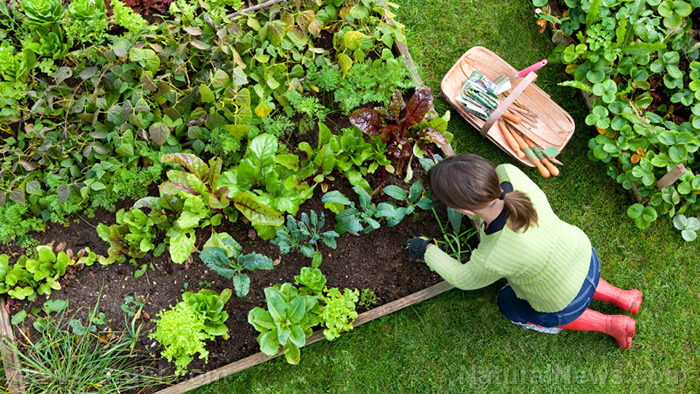
Gardening is beneficial for preppers because it gives access to fresh produce grown without harmful pesticides and other chemicals. It's also a great hobby if you want to start preserving excess fruits and vegetables for selling or to add to your stockpile. (h/t to Almanac.com)
Choose the right location for your garden
Here are some tips for choosing a good gardening site:
Find a sunny spot
This is crucial because many vegetables need at least six to eight hours of direct sunlight daily. Some, particularly leafy vegetables, will tolerate some shade.
Chose a stable location that's not windy
Avoid locations that receive strong winds that could knock over young plants or prevent bees and other pollinators from doing their job.
You also want to avoid a location that receives too much foot traffic or floods easily.
Plant in nutrient-rich soil
The soil feeds your plants, and if you grow crops on thin, nutrient-poor soil, your plants will be poor and unhealthy.
Add organic matter to grow strong and healthy plants.
Plant in soil that drains well and doesn't stay wet
If you only have poorly draining soil where water pools, plant your crops in a raised bed or raised row for improved drainage.
Wet soil means wet roots, which can result in rotted roots.
If you are stuck with rocky soil, till and remove the rocks because they will interfere with root growth and produce weaker plants. (Related: Home gardening tips: Guide to harvesting seeds from fruits and vegetables for propagation.)
Start with a small and manageable plot
If starting a garden feels overwhelming, make things easier for yourself and start with a small garden that will be manageable, especially if you are a beginner.
Plan your garden before you plant anything, and start small. Focus on plants that are easy to grow and that you are sure your family will eat.
When planting in the ground, having a 10x10-foot garden (100 square feet) should be manageable. Choose at least three to five of your favorite vegetables and buy three to five plants of each one.
For a raised bed, a 4x4-foot or 4x8-foot one is a good size for a beginner.
After you decide on how big your garden is going to be, leave spacious paths that give you access to your plants so you can weed and harvest. You should be able to easily reach the row or bed center without stepping on the soil.
Grow the right vegetables
Beginners should start by growing vegetables that are productive. If you're not sure, call your state's Cooperative Extension Service to confirm what plants grow best in your area.
Here are some of the easiest vegetables to grow for beginners. Most are best started by seeds planted directly into the soil unless specified:
- Beets
- Cabbage
- Carrots
- Chard, kale, or spinach
- Garlic
- Green beans
- Lettuce
- Onions
- Peas
- Peppers (by transplant, i.e. small nursery plant)
- Potatoes
- Radishes
- Squash
- Tomatoes (by transplant, i.e. small nursery plant)
- Zucchini
Plant flowers, such as marigolds, to naturally discourage pests and attract pollinators to your garden.
When choosing vegetables, choose crops that your family likes to eat. You should also be realistic about how many vegetables your family will eat when SHTF.
Don't overplant because this can make you feel overwhelmed if you need to take care of too many plants.
Learn how to care for plants throughout the growing season.
Lastly, use high-quality seeds so you don't waste time and money on your garden.
Where to buy supplies for your home garden
The Health Ranger Store is here to help you prepare for emergencies as you start a home garden.
That's why we're proud to introduce an assortment of high-quality gardening tools and supplies such as Backyard Seed Kits and the Garden Tower 2.
Health Ranger Store premium Backyard Seed Kits are filled with power-packed, organically grown seeds. Labeled and sealed separately to aid with use and longevity, each of our seed-growing vegetable garden starter kits is packaged using self-sealed containers designed for long-term storage.
With over 20,000 seeds, our vegetable garden-seed starter kits provide a wide variety of fruits, vegetables, and herbs. Choose the heirloom seed starter kit guaranteed to last for years.
The Backyard Seed Kit contains:
- Arugula – 500
- Beets – 250
- Bell Pepper – 25
- Broccoli – 500
- Brussel Sprouts – 100
- Butternut Squash – 50
- Cabbage – 500
- Carrots – 1000
- Cucumber – 100
- Dry Bean – 200
- Green Bean – 100
- Kale – 200
- 2 Lettuces – 1000
- Parsnips – 500
- Radish – 500
- Snap Pea – 100
- Spinach – 350
- Sweet Corn – 100
- 2 Tomatoes – 200
- Watermelon – 50
- Yellow Onion – 100
- Zucchini – 25
The kit also contains Basil, Chives, Cilantro, Dill, Oregano and Parsley.
You can also try the Garden Tower 2™, 50-Plant Composting Vertical Garden Planter, the composting 50-plant accessible vertical Garden Tower® for organic balcony and vertical gardening by Garden Tower® Project.
This high-quality planter is 100% UV-stable food-grade high-purity HDPE plastic and is backed by a five-year manufacturer warranty.
Recently named the "World's Most Advanced Vertical Garden Planter," the Garden Tower® 2 features food-grade USA-made HDPE (non-toxic, BPA & PVC free plastic) components, FDA-approved dye and UV-protection antioxidant package for health, durability and recyclability.
The rotating Garden Tower® 2 is a composter that grows 50 plants in four square feet nearly anywhere. It also turns waste kitchen scraps into organic fertilizer to grow organic produce.
The Garden Tower® vertical garden planter and composting system replicates a natural ecosystem allowing plants to access nutrients recycled through organic composting processes.
It can easily grow nearly any vegetable, herb, or flower organically. This organic and resilient six cubic-foot vertical soil-based is an alternative to expensive and difficult hydroponic systems.
The planter is 43? tall and 24.5? wide. 36 lbs. (-220 lbs. with moist soil).
Visit Health Ranger Store and Brighteon Store to browse more prepping supplies. You can also check out HomeGardeningnews.com for more articles with gardening tips.
Click on this link to read about 61 essential food items for your survival stockpile.
Watch this clip for more useful gardening tips.
This video is from the Survival Prepper For Beginners channel on Brighteon.com.
More related stories:
Stock up on these long-term storable survival foods that you can grab at a grocery store.
Home gardening tips: How to make the best compost for healthy crops.
Food preservation techniques: Keep your pantry stocked for any crisis.
Quick pickles: The perfect snack to add to your survival stockpile.
Sources include:
Almanac.com
MelissaKnorris.com
HealthRangerStore.com 1
HealthRangerStore.com 2
HealthRangerStore.com 3
HealthRangerStore.com 4
Brighteon.com
How to grow your own survival garden – NaturalNews.com
If you're gonna fight, fight like you're the third monkey on the ramp to Noah's Ark... and brother its starting to rain. Join our efforts to Secure America's Borders and End Illegal Immigration by Joining ALIPAC's E-Mail Alerts network (CLICK HERE)
-
10-01-2026, 04:52 AM #11957Senior Member
- Join Date
- Aug 2018
- Posts
- 97,854
Essential home security tips: Protecting your property without electricity
11/20/2024 // Olivia Cook // 24.5K Views
Tags: home security, homesteading, how-to, off grid, preparedness, prepper, prepping, self-defense, SHTF, survival, tips
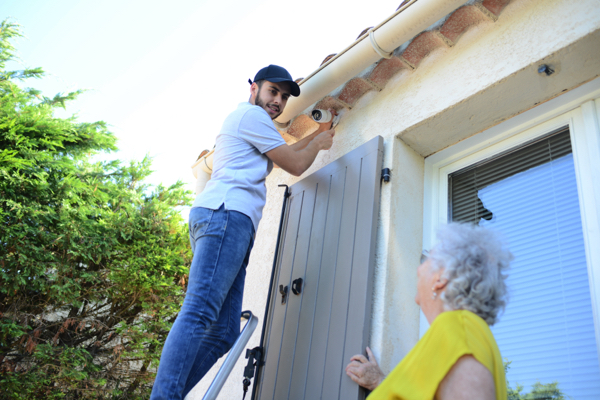
Here are some home security measures you can take to protect your property that do not require electricity.Perimeter security
Begin by fortifying your property perimeter with measures that blend into the surroundings. Install natural or low-profile fencing that provides a barrier without signaling high-value assets within your property. Avoid overt displays of barbed wire or other deterrents that may attract attention.
Maintain a clear view of the street and all entrances by trimming or removing tall bushes and trees that could conceal potential intruders. Ensure that branches are kept away from windows and the roof to prevent easy access to the upper floors. Pay special attention to securing basement windows. Additionally, consider installing convex security mirrors to eliminate blind spots and further deter burglars.
Defensive landscaping
Your yard can act as a deterrent. Plant thorny bushes or spiky shrubs under windows and along fence lines and place large rocks or bollards to prevent vehicles from approaching too closely. This setup not only adds a layer of security but also blends with the aesthetic of your home. (Related: Home security tips: Top 12 defensive plants that can help deter trespassers.)
Consider using anti-climb paint, also known as anti-burglar, anti-intruder, anti-vandal and anti-scale paint. This type of paint is designed to deter intruders by creating a non-drying, slippery surface that is difficult to climb. It can be applied on various building surfaces such as rooftops, drainpipes and wall/fence tops. The paint can last up to 10 years.
But be aware of legal requirements when using anti-climb paint: Clear warning signs must be placed in the treated area and it should be applied at least two meters above ground level.
Keep your preparations private
Avoid drawing attention to your preps. Use privacy films on windows to prevent outsiders from seeing inside. Bring in supplies discreetly, preferably when fewer people are around. Camouflage storage areas to make them look like regular household items. Install inconspicuous security cameras positioned strategically to monitor critical areas discreetly. Consider a solar-powered closed-loop camera system that operates independently of the internet to ensure reliability even during power outages.
Discourage home invaders
Don't make your home an appealing target. Avoid showcasing expensive items and keep a low profile. Use props like a large dog food bowl or men's work boots to give the impression that your home is occupied and guarded.
Make your home a noisy target
You can top your fences with sturdy trellises that produce noise when tampered with. This will provide added security by alerting you to attempted breaches. Think about incorporating elements that provide auditory alerts, such as a noisy metal latch on your gates.
Consider installing a gravel path in your garden for added security awareness. The sound of gravel crunching underfoot can serve as an audible alert, notifying you of anyone approaching your home or crossing your garden.
Burglars prefer quiet and discreet entry to avoid detection. Install window and door alarms to deter potential intruders. Alarms will sound if doors or windows are opened, alerting you, your neighbors and passersby, increasing your chances of catching intruders.
Illuminate your property
Consider investing in low-profile, solar-powered motion-sensor flood lights to illuminate entry points discreetly. Install them at least 10 feet off the ground to make them less accessible and more difficult to tamper with. Choose a model that runs on rechargeable batteries for easy setup and placement.
Keep in mind that motion sensor lights may not be as effective in areas with low foot traffic or if criminals are aware that you're not home. Nevertheless, in most situations, these lights can act as a deterrent. The sudden illumination caused by a motion sensor light can startle intruders and increase the likelihood that they'll abandon their plans and move on to a less risky target.
Reinforce your doors
For external doors, install deadbolts, ideally surface-mounted ones as they are more resistant to tampering. Single occupants should use heavy-duty, grade 1 or grade 2 deadbolts for enhanced strength and security against forced entry.
Upgrade your door's strike plate — the metal piece that the latch or bolt slides into. Us a reinforced strike plate with longer screws and a deeper box to make it harder for intruders to kick in the door.
Consider using door jammers or door security bars. These adjustable metal bars brace against the floor and the doorknob, adding an extra layer of security. They are particularly effective for sliding doors and patio doors.
Secure your windows
Ensure that all accessible windows are fitted with high-quality locks. Regularly inspect these locks and replace any that are damaged to prevent unauthorized entry.
Window security bars and grills are great for reinforcing windows. Anti-theft bars make it difficult for burglars to pry open windows, while interior security grills maintain the home's exterior appearance.
Apply shatter-resistant window film to help prevent glass from breaking easily in case of an attempted break-in. This film keeps the glass together even after impact, making it tougher for intruders to enter. Install window bars on ground-level or secluded windows to create a more formidable barrier.
Secure your garage
Make sure to close and lock both your garage door and windows. It's easy to forget to secure the garage when you're in a rush, so consider setting a daily reminder on your smartphone to check the garage door before you leave. You can enhance security by installing a padlock on the inside of the door or a hasp on the outside. For added protection, cover your garage windows with curtains or blinds. This prevents burglars from seeing any tools or valuable items inside, making your garage a less appealing target.
Use canine security
A barking dog can be an effective deterrent against burglars. They have an instinct to protect their territory and pack (you and your family), and their presence alone can deter potential intruders who may fear confrontation with a protective animal.
Even if your dog isn’t a trained guard dog, a smaller breed that barks frequently can help draw attention and scare off intruders. Make sure you train your dog to differentiate between threats and non-threats, respond to commands and behave appropriately in various situations.
Choose the right self-defense tools
Select appropriate personal protection weapons such as firearms (if legal) or non-lethal options like pepper spray and tasers. Practice using these tools to ensure you can respond effectively in an emergency. (Related: Self-defense 101: Ways to protect yourself when facing a dangerous situation.)
Foster neighborly vigilance
Security is often strengthened by community effort. Build strong relationships with your neighbors and look out for one another. Communicate regularly about any unusual activities and keep each other informed to enhance overall safety. A visibly united and vigilant neighborhood can deter potential threats as intruders may perceive a coordinated defense as a formidable obstacle. Establishing a neighborhood watch or alliance allows for the sharing of defense strategies and information about potential threats. This collective awareness enhances preparedness and response capabilities.
Conduct regular drills
Ensure that all household members are familiar with emergency procedures by holding regular training sessions. Practice using security systems, evacuating to a safe room and executing escape plans. Regular drills will help everyone know their roles and respond effectively during a crisis.
Stay alert, stay prepared and prioritize the safety of your loved ones.
Visit SelfDefense.news for more stories like this.
Watch this video for more home invasion survival tips from a Navy SEAL.
This video is from the Daily Videos channel on Brighteon.com.
More related stories:
Home defense plays an important role in survival after SHTF.
Alarms, doors and perimeter protection: Keep your family safe with these 10 home defense strategies.
Home security: 3 Ways to protect your homestead.
Sources include:
PreppingToSurvive.com
GardenersPath.com
DailyHomeSafety,com
Safewise.com
Brighteon.com
Essential home security tips: Protecting your property without electricity – NaturalNews.comIf you're gonna fight, fight like you're the third monkey on the ramp to Noah's Ark... and brother its starting to rain. Join our efforts to Secure America's Borders and End Illegal Immigration by Joining ALIPAC's E-Mail Alerts network (CLICK HERE)
-
10-01-2026, 05:15 AM #11958Senior Member
- Join Date
- Aug 2018
- Posts
- 97,854
Prepper recipes: How to make artisan pretzel bread
11/15/2024 // HRS Editors // 5.9K Views
Tags: bread, emergency food, food freedom, food supply, freeze-dried foods, goodfood, homesteading, how-to, off grid, preparedness, prepper, prepper recipes, prepping, pretzel bread, recipes, survival, tips

Baking is a great skill for a prepper, especially if you want to become more self-sufficient as you prepare for different emergencies. If your family loves pretzels and freshly baked bread, try this recipe for artisan pretzel bread. (h/t to OffgridSurvival.com)
This recipe also has a unique twist: It uses milk instead of water.
Dough ingredients:
- 3 cups all-purpose flour (add more as needed)
- 1 cup milk
- 3 Tablespoons brown sugar
- 3 Tablespoons butter or margarine
- 2 teaspoons salt
- 1 envelope Fleischmann's® Active Yeast
Boiling solution:
- 3 quarts water
- 3/4 cup baking soda
Steps:
- Heat the milk and butter until warm, ideally between 100 to 110 F. It's fine if the butter doesn't completely melt. In a large mixer bowl, combine the milk and butter mixture with the undissolved brown sugar and yeast. Make sure the liquid is not too hot because this will kill the yeast. Check below for instructions on how to proof yeast.
- Stir in the salt and two cups of flour, then beat the mixture for at least three minutes. Slowly add some of the remaining flour until you have a soft dough.
- Move the dough to a floured surface, then knead it until it becomes smooth and elastic. This may take about eight to ten minutes. Alternatively, you can save time by using a dough hook in a mixer.
- Place the kneaded dough in a greased bowl then cover it. Set it aside and let it rise for about 1 ½ hours or until it has doubled in size.
- Preheat your oven to 350 F.
- While the dough is rising, prepare the boiling solution. Combine three quarts of water with 3/4 cup of baking soda and bring the mixture to a boil.
- After the dough has doubled in size, punch it down and divide it into eight equal pieces. Roll each piece into a tight, smooth ball.
- Boil each dough ball in the boiling solution for two minutes. Turn each ball after one minute.
- After the dough balls are boiled, use a slotted spoon to remove them from the pot. Place the loaves on a greased baking sheet.
- Bake the loaves for 20 minutes. Reduce the oven temperature to 350 F or continue baking until the loaves are evenly browned.
- Once done, remove the loaves from the pan and set them aside to cool on a wire rack. (Related: 3 Easy meals-in-jars canning recipes.)
Adding milk instead of water produces bread with a richer taste and texture.
How to proof yeast for the recipe
Proofing yeast refers to the process of activating the dormant yeast cells, which need to be alive for the dough. This step is essential for achieving bread with the perfect rise and texture.
Follow the steps below to proof yeast:
Ingredients for proofing yeast:
- One envelope of active yeast
- Warm water or milk (Must be at least 110 F.)
- 3 tablespoons of brown sugar
Keep the water between 100 and 110 F. Using water that's too hot can kill the yeast, and water that's too cold won't activate it properly.
Use a kitchen thermometer to check the water temperature.
Steps:
- Dissolve the yeast in the warm liquid mix.
- Gently stir to allow the warm water to moisten all the yeast granules. Stirring also helps dissolve any clumps.
- Wait for bubbles to form. Set aside the yeast and let it rest for at least five to ten minutes. You will notice the yeast start to activate as tiny bubbles form on the surface. At this point, the mixture will also become frothy and have a yeasty aroma.
- After five to ten minutes, check the yeast mixture. The yeast is proofed if the mixture has turned frothy and is filled with bubbles. If you don't see any activity, it's possible that the yeast has expired or the water temperature was not within the optimal range.
After the yeast is proofed, continue with the rest of the pretzel bread recipe. Using the active yeast will help the dough rise and produce pretzel bread with perfect texture and flavor.
Where to get more supplies for your baking needs
The Health Ranger Store is committed to helping you prepare while you learn various recipes for emergencies.
That's why we're proud to introduce an assortment of many clean, lab-verified and healthy food options such as Freeze-Dried Organic Whole Blueberries, Freeze-Dried Organic Whole Raspberries and Freeze-Dried Organic Strawberry Pieces. Add these berries to various baked goods, or snack on them as is.
Chock-full of beneficial vitamins, minerals and antioxidants, Health Ranger Select Freeze-Dried Organic Whole Blueberries are the ideal snack to enjoy all year round. The freeze-drying process preserves the taste, texture and nutrients of fresh blueberries better than other food preservation methods.
Health Ranger Select Freeze-Dried Organic Whole Blueberries contain no gluten or GMOs and are certified Kosher and organic. They are also vegan, non-China and have undergone extensive lab testing for glyphosate, heavy metals and microbiology.
Also called "Nature's candy," raspberries are small, sweet, juicy and slightly tart superfruits that are produced by the Rubus idaeus plant. These delectable berries offer several health benefits, such as supporting your overall well-being, especially when accompanied by a well-balanced diet and an active lifestyle.
Health Ranger Select Freeze-Dried Organic Whole Raspberries make for a tasty and healthy snack you can enjoy all year round.
With their crispy texture and natural abundance of vitamins A and C, along with other beneficial antioxidants and nutrients, our freeze-dried organic whole raspberries can add a burst of flavor and nutrition to all your favorite baked goods. They can also be eaten directly for a quick and healthy snack or rehydrated by soaking them in water.
One of the most popular fruits in the world, strawberries are the bright red, heart-shaped fruits that grow on the Fragaria x ananassa plant. These superfruits are loaded with essential vitamins and minerals, such as dietary fiber, protein, magnesium, manganese, phosphorus, potassium, calcium, iron, copper, phosphorus and vitamins A, B6, B9, C, E and K.
Choose Health Ranger Select Freeze-Dried Organic Strawberry Pieces if you're looking for an ingredient that is great for baking or a tasty and healthy snack that your family can enjoy all year round.
With their crispy texture and natural abundance of vitamin C and other beneficial antioxidants and nutrients, our freeze-dried organic strawberry pieces can add a burst of flavor and nutrition to salads and a variety of baked goods.
Visit Food.news to browse more prepping recipes that you can try making at home. You can also visit Health Ranger Store and Brighteon Store for more clean food supplies for your prepping needs.
Click on this link to learn how to make delicious Chocolate Raspberry Cake Pops.
Watch this clip about how Organic Whole Blueberries can help support good health.
This video is from the Health Ranger Store channel on Brighteon.com.
More related stories:
Quick pickles: The perfect snack to add to your survival stockpile.
Essential survival skill: Learn how to make survival bread.
6 Civil War-era foods you can still make today (recipes included).
Sources include:
OffgridSurvival.com
HealthRangerStore.com 1
HealthRangerStore.com 2
HealthRangerStore.com 3
HealthRangerStore.com 4
HealthRangerStore.com 5
Brighteon.com
Prepper recipes: How to make artisan pretzel bread – NaturalNews.com
If you're gonna fight, fight like you're the third monkey on the ramp to Noah's Ark... and brother its starting to rain. Join our efforts to Secure America's Borders and End Illegal Immigration by Joining ALIPAC's E-Mail Alerts network (CLICK HERE)
-
10-01-2026, 05:17 AM #11959Senior Member
- Join Date
- Aug 2018
- Posts
- 97,854
Top emergency water storage tips for preppers
11/19/2024 // HRS Editors // 6.8K Views
Tags: clean water, emergency preparedness, emergency stockpile, emergency supplies, Gear, homesteading, how-to, off grid, preparedness, prepper, prepping, prepping supplies, SHTF, survival, survival kit, survivalist, tips, water filters, water purifiers, Water safety, water storage, water supply
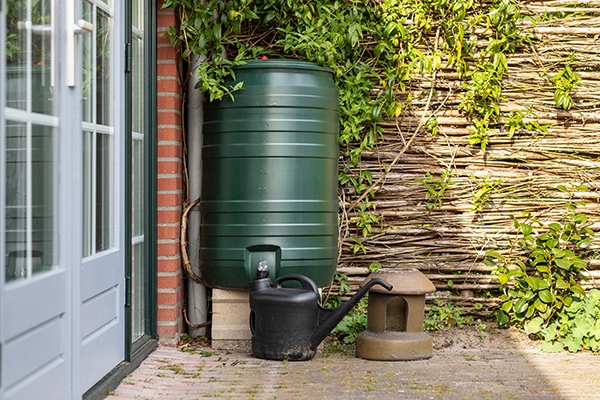
Emergency water storage might seem simple for non-preppers, especially if they think all it takes is pouring water into big containers. And while it is not complicated, preppers know how to avoid common mistakes so you don't ruin your entire water supply. (h/t to SkilledSurvival.com)
Water is one prep item that's overlooked.
According to a poll of U.S. adults, at least 53 percent don't have at least three days' worth of non-perishable food and water in their homes. This is bad because when disaster strikes, water and power will be the first two resources to shut down.
Humans can survive for a long time without electricity, but they cannot survive long without water.
Water storage tips
Water storage needs to be protected against viruses, contamination and bacteria, so you must take different measures to protect your water from these threats.
Do not store water in food-grade containers that have previously stored other items. It is difficult to rinse all the sugars and bacteria left over. Trace amounts of sugar or bacteria will taint the water.
Do not store water in cardboard containers. While you can buy bottled water, cardboard containers won't last forever.
Do not store water in metallic containers that aren't stainless steel. Other metals will corrode, and water will go bad. This will result in rusty water that isn't safe for drinking.
Do not store water in containers that cannot be sealed. There are some exceptions, but this is risky because unsealed containers are at risk of contamination. For example, particles from the air, animals and insects can fall into the water.
Do not store water in direct sunlight or heat. Keep all water containers in a shaded, temperature-controlled room if possible. Sunlight, heat and temperature changes are the enemies of long-term water storage and will contribute to spoilage. Additionally, UV rays and heat are hard on plastics. Sometimes, glass can also leach chemicals. (Related: Prepping tips: Stockpiling non-perishable foods and water.)
Best containers for water storage
Use containers that have tight-fitting lids or caps to prevent contamination from insects, dust or other pollutants.
Food-grade plastic containers
Plastic is lightweight, durable and cheap. It is also easy to come by and replaceable.
However, plastic also has some disadvantages. Some food scientists have warned that plastic can leach chemicals into water, particularly if the containers are exposed to direct light or heat.
Plastic bladders
With a large plastic bladder, you can easily store a lot of water in your bathtub when SHTF.
Since a plastic water bladder is sealed, you don't have to worry about contamination. Some bags can hold as much as 100 gallons and can be emptied and packed for easy transportation.
55-Gallon plastic drums
55-Gallon plastic drums take up a lot of space and are heavy when full, but they also guarantee that you have one of the most reliable ways to store water for a long time.
Food-grade stainless steel drums
Food-grade stainless steel drums may be the safest bet when it comes to storing water long-term. Steel drums contain no chemicals that can leach into the water.
The drums also protect contents from sunlight, and they are durable. However, steel drums are also the most expensive option.
Where to buy water filters before SHTF
The Health Ranger Store is committed to helping you prepare for any emergency.
That's why we're proud to introduce an assortment of water filters for your water storage systems such as the AquaPail Water Filter and Berkey PF-2 Fluoride and Arsenic Reduction Elements.
The AquaPail Water Filter is a necessary addition to your emergency supplies. It is the world's only Gravity-Fed Emergency Water Filter with "End of Life" testing. This means that the DuraFlo™ Water Filter used in the AquaPail has been tested and certified by top U.S. independent laboratories to establish the water filter’s "End of Life," or its actual usage capacity.
AquaPail filters do exactly what they say they can do at verified amounts without false claims or exaggerated quantities without proof.
Aquapails are available in three sizes:
- Small - 1,100 Gallons = Equivalent of one person's total water needs for one year.
- Medium - 3,300 Gallons = Equivalent to three people's total water needs for one year.
- Large - 5,500 Gallons = Equivalent to five people's total water needs for one year.
While most water filtration systems remove only some of the many dangerous elements from your drinking water, the AquaPail™ Water Filtration System will remove or deactivate virtually all harmful substances from any non-salt water source.
Within minutes, the AquaPail™ water filter deactivates toxic bacteria, viruses, and cysts (such as Cryptosporidium and Giardia). It can also remove heavy metals.
The Duraflo proprietary filtration method deactivates and removes waterborne microbes from even the most contaminated water source.
Prefilter the contaminant particles as much as possible first, then use the AquaPail™ water filter to remove hydrocarbons, fluoride, chlorine and other harmful substances. The water filter is certified to filter out 99.99 percent of viruses for up to 550 gallons; and safely filter out 99.9999 percent bacteria and 99.99 percent of giardia and cryptosporidium for up to 700 gallons from highly contaminated water.
This provides clean, purified drinking water for yourself when SHTF.
AquaPail™ Water Filters are perfect for emergency preparedness, camping, boating, hunting and all outdoor activities.
You can also use Berkey PF-2 Fluoride and Arsenic Reduction Elements (Set of 2 Filters) to reduce fluoride and arsenic in your home water supply.
Fluoride
Testing for fluoride was based on 20-30ppm of the ion in the influent aqueous solution at a flow rate of no more than 3 gallons per minute (GPM) per cubic foot of media.
Results of ‹1ppm of the fluoride ion in the effluent were typical for the media (>95% reduction). Under optimum conditions, effluent concentrations of less than 50 ppb were readily achieved (>99.75% reduction).
Arsenic
This product uniquely targets the entire family of arsenic oxide anions and arsenic cations.
Replacement
Under normal conditions, it is recommended that each set of two PF-2 elements be replaced after 1,000 gallons.
The Berkey Light™ is 2.5 gallons therefore the PF-2 filters should be replaced after 400 refills. If the system is refilled about one time per day, the PF-2s should be replaced annually, if the system is refilled about twice per day, the PF-2s should be replaced about every six months.
Actual capacity is dependent on the presence of other competing contaminants in the source water. High levels of fluoride, arsenic and heavy metals may reduce the capacity and efficiency of the elements.
Visit CleanWater.news for more tips on proper water collection and storage. You can also visit Health Ranger Store and Brighteon Store for more clean food supplies for your prepping needs.
Click on this link to learn more common myths about emergency food storage.
Watch the video below to learn how Non-GMO Vitamin C can neutralize chlorine in water.
This video is from the Health Ranger Store channel on Brighteon.com.
More related stories:
Prepping 101: Tips to help you start your prepping journey.
Prepping basics: Essential tips on how to prepare for a long-term water supply disruption.
Prepping tips: How to survive with a limited water supply.
Does water expire? A basic guide to storing tap water for survival.
Sources include:
SkilledSurvival.com
Chi.Adelphi.edu
HealthRangerStore.com 1
HealthRangerStore.com 2
HealthRangerStore.com 3
HealthRangerStore.com 4
Brighteon.com
Top emergency water storage tips for preppers – NaturalNews.com
If you're gonna fight, fight like you're the third monkey on the ramp to Noah's Ark... and brother its starting to rain. Join our efforts to Secure America's Borders and End Illegal Immigration by Joining ALIPAC's E-Mail Alerts network (CLICK HERE)
-
10-01-2026, 05:30 AM #11960Senior Member
- Join Date
- Aug 2018
- Posts
- 97,854
Prepping 101: Tips to help you start your prepping journey
11/14/2024 // HRS Editors // 6.9K Views
Tags: emergency food, emergency preparedness, emergency preparedness plan, food freedom, food supply, freeze-dried foods, homesteading, how-to, off grid, preparedness, prepper, prepper pantry, prepping, prepping stockpile, prepping supplies, SHTF, survival, survival stockpile, survival supplies, tips
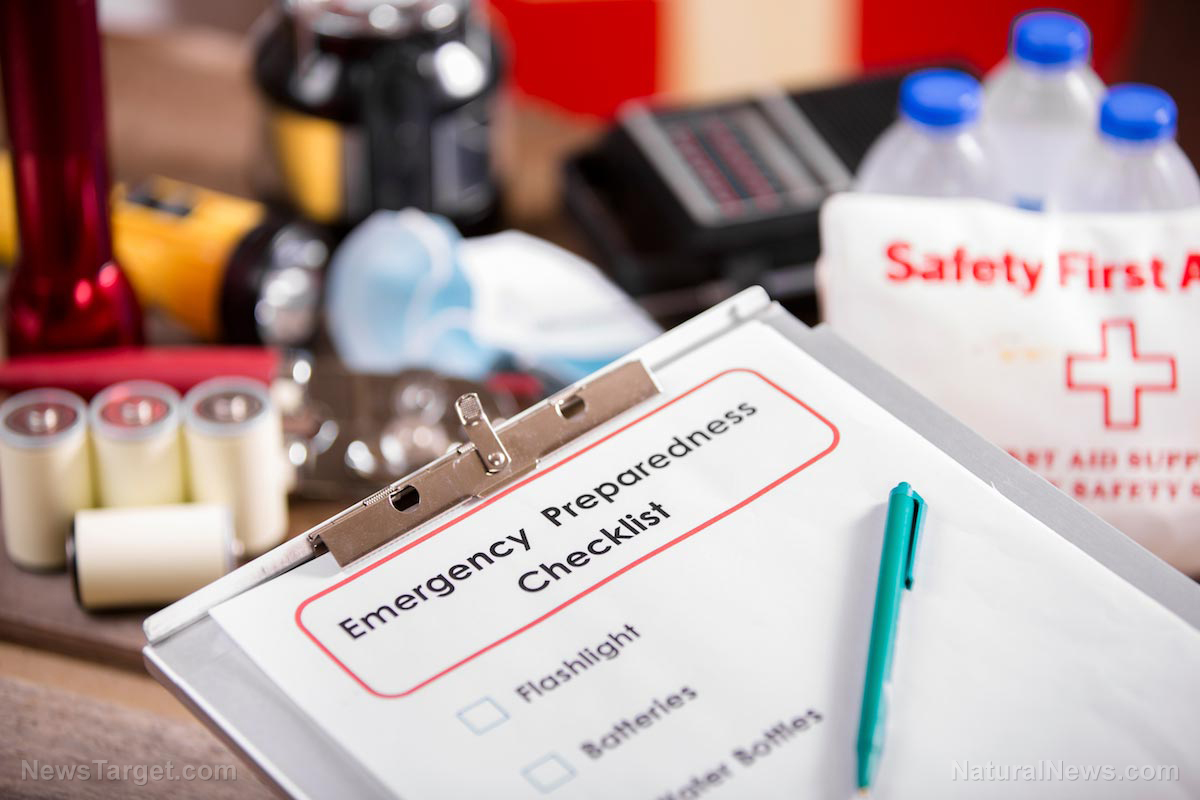
Prepping can be overwhelming, but it's a lifestyle that offers many benefits. Don't let all the planning discourage you from helping your family prepare for different emergencies.
Below are some tips that can help you with your prepping journey. (h/t to HomesteadOrDead.com)
For non-preppers, a prepper may seem like a person who is interested in preparing for and surviving different emergencies. While that is true, prepping is much more than that.
Preppers work hard to improve their overall physical and mental health. They also spend time learning valuable prepping and survival skills.
Don't confuse true preppers with people who are overly cautious or paranoid hermits. Preppers proactively get what they need instead of waiting until it is too late. (Related: 10 Essential tips for emergency preparedness: Be ready for anything.)
You are also not required to spend all your savings as you start prepping. Focus on potential emergencies you might face and how to prepare for them.
The courses of action below will help you become a serious prepper.
Be financially prepared
Don't go broke while preparing before SHTF.
While things are quiet and "normal," try to be more financially prepared. This usually involves having a solid fiscal foundation in place in case of an emergency.
First, save up an emergency starter fund of at least $1,000. Financial expert Dave Ramsey recommends this amount as a good initial goal.
Ramsey adds that once you have cleared all pending debts and can afford to save more money, you can try to aim for a goal of at least three to six months' worth of expenses.
This safety net can help if you face sudden unemployment, temporary disability or other financial emergencies where you would need to stop working and take care of a family member.
It also helps to develop sound financial habits, such as keeping an updated budget and always prepping with cost in mind.
Prep bug-out bags for the whole family
You will need bug-out bags or go bags if you are preparing for emergencies that will require bugging out or evacuation when SHTF.
Your bug-out bag should include essential survival items like food, water, items for building a shelter or a mini tent, a multipurpose tool, a fire-starting kit, a map and compass and more.
With a bug-out bag, your family can quickly "get up and get out" during a serious emergency.
Learn survival skills
Prepping also involves learning survival skills that could help save your life, or at least make things easier for you, after disaster strikes.
Since it's impossible to predict exactly when emergencies can happen, the best thing to do is to have an emergency preparedness plan for potential risks.
Here are some useful survival skills that you can learn:
- Building a shelter
- Fire starting
- First Aid
- Fishing, hunting or trapping
- Foraging
- Knot tying
- Making weapons (self-defense and hunting)
- Sourcing clean drinking water
After learning some basic survival skills, you can personalize your knowledge based on your specific circumstances and location. For example, if you live in an area that's prone to crime, take a self-defense class and learn how to use a firearm to protect yourself and your family.
Build a stockpile with two weeks of food supplies
When preparing for emergencies, the Department of Homeland Security recommends having enough supplies in your home to last 72 hours. This is a good start but as a prepper, it is best to be prepared for more.
Once you get used to having good financial habits, try to build a stockpile with at least 14 days worth of food, water and other supplies. Don't forget to rotate your supplies to avoid food waste.
Here's a list of different items to stock up on before SHTF:
- Battery-powered cell phone charger and communication radio
- Blankets, non-electric heaters and USB-powered fan
- Cash, emergency contact information and personal documents (IDs, passports, etc.)
- Entertainment (Preferably things that don't require electricity, such as board games, books and cards)
- Extra batteries, lighters and matches
- First aid kit, along with essential medication for family members with health conditions
- Food and clean drinking water
- Heat source (Such as a kerosene heater or a space heater)
- Light sources ( Such as candles, flashlights and lanterns)
- Personal hygiene and assorted cleaning products
- Power sources (Such as backup batteries for smaller devices and a generator)
- Self-defense weapons (Such as a firearm or pepper spray)
- Tools (Such as an axe, duct tape and a shovel)
- A working car with a full tank of gas
Make sure you only buy items from a trusted seller that offers lab-verified supplies.
Where to buy lab-verified supplies for your survival stockpile
The Health Ranger Store is here to help you get started on your prepping journey.
That's why we're proud to introduce an assortment of clean, lab-verified and healthy food options such as Organic Raw Cashews, Freeze Dried Organic Yellow Miso Powder and Freeze-Dried Organic Strawberry Pieces.
Cashews are unique kidney-shaped seeds that grow outside the fleshy drupes produced by the cashew tree (Anacardium occidentale). More than just a tasty snack, organic raw cashews contain high amounts of antioxidants, protein, monounsaturated fats, vitamins and minerals.
Our Health Ranger Select Organic Raw Cashews (Whole & Pieces) are carefully grown under strict organic standards by trusted growers and are not exposed to radiation, fumigation or toxic chemicals.
Our premium raw cashews are completely non-GMO, non-China and certified organic. We also verify their cleanliness and purity with extensive in-house laboratory testing for glyphosate, heavy metals and microbiology.
You can also try Health Ranger Select Freeze Dried Organic Yellow Miso Powder.
Yellow miso, or "shinshu miso," is made from organic soybeans that have been fermented with organic rice. It is sweeter and milder than red miso and has a mellow, earthy flavor. Yellow miso is perfect for broths, condiments, soups, marinades, dressings and glazes.
Packed with highly bioavailable nutrients and antioxidants, Health Ranger Select Freeze-Dried Organic Yellow Miso Powder is made with the highest-quality fermented organic soybeans, organic rice, sea salt and organic Aspergillus oryzae as the fermenting agent. It is carefully freeze-dried to extend its shelf life and preserve its freshness and nutritional quality.
Our Health Ranger Select Freeze-Dried Organic Yellow Miso Powder is certified organic and Kosher and is packaged in a USDA Certified Organic Facility.
One of the most popular fruits in the world, strawberries are the bright red, heart-shaped fruits that grow on the Fragaria x ananassa plant. These superfruits are loaded with essential vitamins and minerals, such as dietary fiber, calcium, copper, iron, protein, magnesium, manganese, phosphorus, potassium, phosphorus and vitamins A, B6, B9, C, E and K.
Health Ranger Select Freeze-Dried Organic Strawberry Pieces make for a tasty and healthy snack you can enjoy all year round. With their crispy texture and natural abundance of vitamin C and other beneficial antioxidants and nutrients, our freeze-dried organic strawberry pieces can add a burst of flavor and nutrition to all your favorite pancakes, muffins, pies, salads and baked goods.
They can even be eaten directly for a quick and healthy snack.
Visit Health Ranger Store and Brighteon Store to find more prepping products for your stockpile. You can also go to Preparedness.news for more articles with tips on how to start prepping before SHTF.
Click on this link to learn how to make a creamy and delicious Miso Tahini Dressing.
Watch this clip to find out why you should stock up on Organic Almonds, Cashews and Macadamia Nuts before disaster strikes.
This video is from the Health Ranger Store channel on Brighteon.com.
More related stories:
Food preservation techniques: Keep your pantry stocked for any crisis.
Smart storage solutions: Organizing your space for maximum preparedness.
Survival essentials: Here's why it's wise to stock up on coconut oil before SHTF.
Amish foods that you need in your survival stockpile.
Sources include:
HomesteadOrDead.com
MossyOak.com
HealthRangerStore.com 1
HealthRangerStore.com 2
HealthRangerStore.com 3
HealthRangerStore.com 4
HealthRangerStore.com 5
Brighteon.com
Prepping 101: Tips to help you start your prepping journey – NaturalNews.com
If you're gonna fight, fight like you're the third monkey on the ramp to Noah's Ark... and brother its starting to rain. Join our efforts to Secure America's Borders and End Illegal Immigration by Joining ALIPAC's E-Mail Alerts network (CLICK HERE)


 Reply With Quote


California Gave “Mansions to the Homeless”, 12 Hours Later...
10-02-2026, 09:09 PM in Videos about Illegal Immigration, refugee programs, globalism, & socialism