

Results 231 to 240 of 602
 2Likes
Thread Information
Users Browsing this Thread
There are currently 1 users browsing this thread. (0 members and 1 guests)
 LinkBack URL
 About LinkBacks
-
05-31-2025, 08:57 PM #231Senior Member


- Join Date
- Aug 2018
- Posts
- 92,695
Holistic eye care and ancient practices challenge surgery’s reign in cataract treatment
05/31/2025 // Willow Tohi // 80 Views
Tags: #nutrition, alternative medicine, antioxidants, Cures, eye health, healing, lifestyle, natural medicine, natural remedies, nutrients, prevention, traditional Chinese medicine

- Traditional Chinese Medicine (TCM) techniques, including eye exercises and cervical adjustments, show promise in reversing early-stage cataracts in some cases.
- Dietary antioxidants and reduced screen time mitigate risks, while emerging technologies like e-paper displays protect eye health.
- Holistic approaches emphasize lifestyle changes but cannot replace surgery in advanced cases.
- Mixed scientific evidence exists for natural supplements and herbal remedies; further research is needed.
- Patients are urged to blend ancient methods with modern medicine for optimal eye care outcomes.
Amid rising global health awareness, natural therapies such as Traditional Chinese Medicine (TCM) eye exercises and dietary interventions are gaining traction as alternatives to cataract surgery, long considered the definitive cure. Recent case studies report instances where patients reversed early-stage cataracts through consistent holistic practices, challenging conventional medical paradigms. With cataracts afflicting over 20 million adults worldwide and exacerbated by modern screen-related eye strain, the debate over non-invasive solutions has intensified.
The TCM revolution: Case studies shaking conventional views
Traditional Chinese Medicine, rooted in practices dating back to the Ming Dynasty, posits that eye diseases stem from energy imbalances, not just anatomical flaws. A centuries-old text, Yang Sheng Lei Yao, details eye exercises—such as rotating the eyeballs and meditative palming—to restore ocular clarity. Recent anecdotal success stories support this:
- A 50-year-old woman with near-total vision loss in her right eye regained sight within six months of daily eye massages and tonics, surprising her ophthalmologist.
- Another patient canceled surgery after two weeks of rigorous exercises, though relapse occurred when practices ceased—a testament to consistency’s role.
TCM also targets key pressure points around the eyes, linking them to organ systems via the Bagua (Eight Trigrams) framework. This holistic approach, uncommon in Western medicine, highlights the eyes’ connection to cervical health: patients combining eye exercises with neck adjustments reported slower glaucoma progression or stabilized intraocular pressure.
However, conventional medical consensus classifies such reversals as outliers. The World Health Organization states that, once formed, cataracts cannot be reversed outside surgery—a stark contrast to TCM advocates who stress early-stage intervention.
Scientific perspectives: Efficacy and evidence in the spotlight
While case studies inspire optimism, rigorous scientific backing for TCM’s cataract claims remains sparse. A 2021 study on e-paper displays—a TCM-recommended alternative to damaging screens—did validate their role in reducing eye strain, but evidence for reversal via exercises is inconclusive.
Dietary science offers clearer ground. Antioxidants like vitamins C and E, lutein and omega-3 fatty acids have proven efficacy in slowing cataract progression. A 10-year Australian study found diets rich in such nutrients reduced cataract risk, corroborating TCM’s emphasis on nutrient-dense foods like leafy greens and whole grains. Yet supplements alone aren’t a cure. Harvard researchers caution that excessive claims about vitamins E and B6 lack robust clinical trials.
Herbal remedies, including turmeric and Triphala, face similar scrutiny. While lab studies suggest anti-inflammatory properties, most human trials remain preliminary. Dr. Sushrut Appajigowda, a Bangalore-based ophthalmologist, notes, “Natural treatments may delay symptoms but have no scientific proof to reverse existing cataracts.”
Lifestyle as therapy: Nutrition, technology and preventive habits
Beyond ancient practices, modern lifestyle shifts integrate seamlessly with holistic care:
- Eyes and screens: The average American spends nine hours daily on screens, exposing eyes to harmful blue light. Adopting e-ink readers—free from flicker and glare—can curb damage. A 2021 study found they reduced eye strain by 30% compared to standard LCDs.
- Dietary defense: Consuming carrot juice, bilberries and cold-water fish complements antioxidants’ role. Diabetic patients may slow lens-clouding by controlling blood sugar.
- Movement and rest: Every 50 minutes of screen time should include a 10-minute break; yoga and TCM cervical adjustments improve blood flow to the optic nerve and reduce neck-related strain.
Historical context reinforces these trends: TCM’s focus on prevention mirrors current “wellness” movements, while innovations like intraocular lenses (IOLs) reflect medical advances. Yet both paths converge in their recognition of the body’s interconnected systems—a principle gaining momentum in integrative medicine.
The path forward: Integrating holistic methods with medical care
For millions, the tantalizing prospect of avoiding surgery drives exploration of alternative therapies. Ananthramam Reddy, a Delhi-based TCM practitioner, states, “It’s about synergy. Even those undergoing surgery can benefit from pre- and post-treatment holistic care.”
However, experts warn against complacency. Glaucoma’s irreversible optic nerve damage and advanced cataracts require surgical intervention. Katie Lee (author of a 2024 study), a vision epidemiologist at Johns Hopkins, stresses, “While natural methods might delay cataracts, delaying necessary surgery risks further vision loss.”
A blending of old and new for vision health
The global cataract crisis demands a pragmatic approach: ancient techniques offer empowering tools for early-stage cases and preventive care, but must coexist with modern medicine’s rigor. As one patient noted, “These methods gave me months of clarity I wasn’t ready to surrender yet.” Emerging hybrid models—such as acupuncture paired with medication—hold promise, yet transparency about efficacy is key.
In a health landscape increasingly distrustful of pharmaceutical-centric care, TCM’s resurgence underscores a universal truth: the eyes, like overall health, thrive on balance—between tradition and science, autonomy and specialist guidance.
Sources for this article include:
TheEpochTimes.com
VijayaNethralaya.com
EyeClinicLondon.com
Holistic eye care and ancient practices challenge surgery’s reign in cataract treatment – NaturalNews.com
If you're gonna fight, fight like you're the third monkey on the ramp to Noah's Ark... and brother its starting to rain. Join our efforts to Secure America's Borders and End Illegal Immigration by Joining ALIPAC's E-Mail Alerts network (CLICK HERE)
-
05-31-2025, 09:20 PM #232Senior Member
- Join Date
- Aug 2018
- Posts
- 92,695
Unrefined palm oil: An unfairly maligned nutrient powerhouse
05/31/2025 // Laura Harris // 400 Views
Tags: #nutrition, food science, functional food, goodfood, goodhealth, grocery, health science, healthy fats, ingredients, natural health, nutrients, organics, palm oil, superfoods, vegetable oil
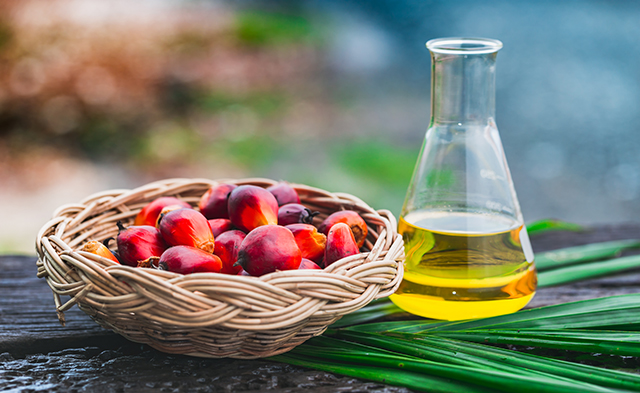
- Unrefined red palm oil is packed with beneficial compounds like vitamin E (tocotrienols), beta-carotene and CoQ10, offering antioxidant, heart-healthy and neuroprotective benefits.
- Highly processed palm oil (refine or bleached) loses nutrients, while hydrogenated palm oil contains harmful trans fats. Opt for virgin or cold-pressed red palm oil for maximum benefits.
- Palm oil has a balanced ratio of saturated (50 percent) and unsaturated fats (40 percent monounsaturated), metabolized efficiently by the body, unlike artificial trans fats.
- Conventional palm oil farming can involve deforestation and pesticides. Choose organic, RSPO-certified or small-scale sources to minimize environmental and health risks.
- With a high smoke point, palm oil is ideal for frying, stews (e.g., Nigerian jollof), baked goods and traditional dishes across Africa and South America.
In today's health-conscious world, consumers are increasingly wary of processed foods laden with artificial additives and unhealthy fats. Amid this scrutiny, natural palm oil – a traditional dietary staple for centuries – has been caught in a whirlwind of misinformation. Often criticized alongside synthetic trans fats, palm oil is, in fact, a nutrient-dense, versatile ingredient with significant health benefits.
Brief history of palm oil
Palm oil is derived from the fruit of the Elaeis guineensis tree, which is native to West Africa, where it has been consumed for over 5,000 years. It is a cornerstone of African diets and played a role in trade routes as early as the 15th century. The oil is extracted from the fruit’s fleshy mesocarp (red palm oil) or kernel (palm kernel oil), with the former being richer in nutrients.
Palm oil entered the global market during the Industrial Revolution and was prized for its stability and versatility. By the 20th century, it had become a key ingredient in processed foods, biofuels and cosmetics. However, its reputation suffered due to its association with deforestation and unhealthy processed foods -- issues tied to industrial palm oil, which is different from the traditional, unrefined form.
Nutritional benefits
Unrefined red palm oil is a nutritional powerhouse, offering:
- Vitamin E (tocotrienols) – A potent antioxidant linked to reduced inflammation, heart health and neuroprotection. Palm oil contains more tocotrienols than any other vegetable oil.
- Beta-carotene – A compound that gives the oil its red hue and is converted inside the human body to vitamin A, an essential nutrient that supports healthy vision, immunity and skin health.
- Healthy fats – Unrefined palm oil has a balanced ratio of saturated (palmitic acid) and unsaturated fats (oleic acid). Unlike trans fats, the saturated fats in unrefined palm oil are metabolized efficiently by the body when consumed in moderation.
- Coenzyme Q10 (CoQ10) – A natural compound that supports cellular energy production and cardiovascular health.
Unlike the highly refined, bleached palm oil commonly used in processed foods, unrefined palm oil contains most, if not all, of the palm fruit's original nutrient content, making it a healthier and more nutritious choice. (Related: Controversial ingredient sparks debate: Could palm oil give you cancer?.)
Trans fats (found in hydrogenated oils) are universally condemned for raising LDL cholesterol and increasing heart disease risk. Because unrefined palm oil does not contain trans fats, it is a safe and healthy addition to a balanced diet.
Research suggests that unrefined palm oil may:
- Improve blood lipid profiles by increasing HDL ("good" cholesterol)
- Provide antioxidants that protect against oxidative stress
- Support brain health due to its tocotrienol content
Choosing organic palm oil
While unrefined palm oil itself is non-toxic, conventional farming practices may introduce contaminants. For example, some plantations use herbicides like glyphosate, making organic or sustainably certified (RSPO) palm oil a better choice for reducing pesticide exposure. Although heavy metal contamination (such as lead, cadmium or mercury) is rare, it can occur due to soil pollution from mining or industrial activity. Reputable brands often test for these substances.
If you're looking for high-quality palm oil, choose cold-pressed (unrefined) red palm oil sourced from small-scale farms. This product is minimally processed and retains maximum nutrition. While organic certification isn’t strictly necessary, choosing sustainably sourced palm oil can help mitigate environmental and health concerns linked to conventional farming.
Culinary uses and recipe ideas
Unrefined red palm oil's high smoke point (450 F or 232 C) make it ideal for:
- Frying and sautéing – Used in West African dishes like Nigerian jollof rice or plantain fritters.
- Soups and stews – Adds richness to egusi soup or Brazilian moqueca.
- Baked goods – Provides moisture in vegan pastries when used as a butter substitute.
- Traditional medicine – In some cultures, red palm oil is consumed daily for vitality.
Here are some popular palm oil recipes:
- Nigerian banga soup (palm fruit stew with fish)
- Ghanaian red red (bean stew with fried plantains)
- Brazilian acarajé (black-eyed pea fritters)
- Palm oil curry (Southeast Asian-inspired coconut-palm oil fusion)
This story is not medical advice and is not intended to treat or cure any disease. Always consult with a qualified naturopathic physician for personalized advice about your specific health situation or concern.
Explore more about the health benefits of superfoods and other natural ingredients at NaturalNews.com, your trusted source for wellness insights and nutritional knowledge.
For cutting-edge tools to expand your understanding of natural health, try Brighteon.ai, an innovative AI model created by Mike Adams, the Health Ranger. This free, downloadable tool is designed to decentralize knowledge, bypass censorship, and empower individuals with actionable information.
If you're passionate about nutrition, natural medicine, and uncensored discussions, visit Brighteon.com and a free speech video platform and join our vibrant communities on Brighteon.IO and Brighteon.social. Dive into open conversations about food, ingredients and holistic health today!
Watch this video to know the good, the bad and the oily part of palm oil.
This video is from the Daily Videos channel on Brighteon.com.
More related stories:
Indonesia bans edible oil exports (i.e., palm oil), sparking global "mayhem."
Many native forest species threatened by booming palm oil industry.
BAD POLICY: Indonesia LIFTS BAN on palm oil exports as domestic cooking oil prices plunge.
Sources include:
Brighteon.AI
NaturalNews.com
Brighteon.com
Unrefined palm oil: An unfairly maligned nutrient powerhouse – NaturalNews.com
If you're gonna fight, fight like you're the third monkey on the ramp to Noah's Ark... and brother its starting to rain. Join our efforts to Secure America's Borders and End Illegal Immigration by Joining ALIPAC's E-Mail Alerts network (CLICK HERE)
-
05-31-2025, 09:23 PM #233Senior Member
- Join Date
- Aug 2018
- Posts
- 92,695
Revolutionizing health: The enduring impact of Murray and Pizzorno’s “Encyclopedia of Natural Medicine”
05/31/2025 // Kevin Hughes // 580 Views
Tags: Abraham Maslow, body, detoxification, Emotions, environment, goodhealth, goodmedicine, health, HIV/AIDS, Human Body, intestines, Joseph E. Pizzorno, kidneys, Liver, Michael T. Murray, natural medicine, natural therapies, naturopathic medicine, Naturopathy, NSAIDs, social factors, toxins, vegetarian diet, wellness

- The "Encyclopedia of Natural Medicine" champions naturopathic medicine, grounded in seven core principles like prevention, treating root causes and trusting nature's healing power – offering a holistic alternative to conventional medicine's symptom-focused approach.
- It dispels myths about natural medicine's lack of evidence, presenting meticulously researched, science-backed insights on natural therapies for conditions ranging from arthritis to chronic diseases like HIV/AIDS.
- The book advocates for a plant fiber-rich diet, emphasizing organic foods to reduce toxin exposure, and explores how nutrients (e.g., omega-3s) influence health via pathways like prostaglandin metabolism.
- It highlights the mind-body connection, promoting optimism and self-actualization, while providing evidence-based detox strategies (e.g., milk thistle, fasting) to support liver and kidney function.
- The book covers overlooked areas like sleep science and chronic fatigue solutions, serving as a lifelong reference for optimizing health through natural, preventive and holistic practices.
In the ever-evolving landscape of health and wellness, few books have left as indelible a mark as "Encyclopedia of Natural Medicine" by Michael T. Murray and Joseph E. Pizzorno. This seminal work, now a cornerstone in the field of natural medicine, is not merely a guide but a comprehensive revolution in how we understand and approach health.
With a dedication to naturopathic medicine pioneer Dr. John Bastyr and all natural healers who embrace the "healing power of nature," the book sets the stage for a paradigm shift in medical thought. At its core, naturopathic medicine is a system focused on preventing illness and utilizing nontoxic, natural therapies.
It is grounded in seven key principles: Do no harm, trust in nature's healing power, identify and treat the cause, treat the whole person, view the physician as a teacher, prioritize prevention and strive for health and wellness. This holistic approach – which considers the interconnectedness of the body, mind, emotions, social factors and environment – marks a significant departure from the traditional view of the human body as a mere machine.
The authors have meticulously compiled evidence to dispel the myth that natural medicine is unscientific. Their work is the most thoroughly researched and referenced book on natural medicines ever written for the public, offering a rigorous scientific inquiry that supports the efficacy of naturopathic approaches.
The book covers an extensive range of medical conditions, from arthritis to varicose veins, cancer to heart disease and even serious conditions like HIV/AIDS. It empowers readers to take control of their health by focusing on root causes rather than just treating symptoms.
For instance, while conventional treatments for osteoarthritis like NSAIDs may offer temporary relief, they can also accelerate joint destruction. In contrast, the book advocates for natural alternatives like glucosamine sulfate, which has been shown to facilitate the body's natural healing processes without adverse side effects.
The authors also emphasize the critical role of nutrition, advocating for a plant-based, predominantly vegetarian diet rich in fiber and essential nutrients. They highlight the health benefits of such diets, including decreased intestinal transit time, increased satiety and more favorable intestinal microflora. Additionally, they stress the importance of reducing exposure to pesticides and herbicides, encouraging the consumption of organic produce whenever possible.
The connection between diet and prostaglandin metabolism is another fascinating area explored in the book. It explains how certain fatty acids, such as omega-3s, can be manipulated to improve health conditions like atherosclerosis, multiple sclerosis and rheumatoid arthritis.
Beyond physical health, the book delves into the mind-body connection, drawing on the work of psychologists like Abraham Maslow to emphasize the importance of a positive mental attitude. It provides practical steps to develop optimism and practice positive affirmations, underscoring the belief that achieving self-actualization is crucial for optimal health.
The authors also tackle the controversial topic of detoxification – explaining how the liver, intestines and kidneys work together to eliminate toxins. They offer evidence-based strategies, from milk thistle to fasting, to support and enhance the body's natural detoxification pathways.
Sleep, often overlooked, is another critical area of focus. The book delves into the science of sleep, explaining its impact on physical and mental well-being. It discusses the role of dreams in mental health and provides techniques to improve dream recall.
For those struggling with chronic fatigue syndrome, the book offers hope by exploring underlying factors such as depression, stress, impaired detoxification and chronic candidiasis. It provides practical advice on enhancing immune function, promoting detoxification and supporting adrenal health.
"Encyclopedia of Natural Medicine" is more than just a book; it is a roadmap to a healthier, more vibrant life. Whether dealing with a chronic condition or seeking to optimize health, this book offers invaluable insights and practical advice. It invites readers to explore the healing potential of nature and take charge of their health.
Watch this video about Michael T. Murray and Joseph E. Pizzorno's book "Encyclopedia of Natural Medicine."
This video is from the BrightLearn channel on Brighteon.com.
Sources include:
Brighteon.ai
Brighteon.com
Revolutionizing health: The enduring impact of Murray and Pizzorno’s “Encyclopedia of Natural Medicine” – NaturalNews.com
If you're gonna fight, fight like you're the third monkey on the ramp to Noah's Ark... and brother its starting to rain. Join our efforts to Secure America's Borders and End Illegal Immigration by Joining ALIPAC's E-Mail Alerts network (CLICK HERE)
-
05-31-2025, 09:26 PM #234Senior Member
- Join Date
- Aug 2018
- Posts
- 92,695
Methylene blue’s remarkable potential for neuroprotection and beyond
05/31/2025 // Ramon Tomey // 750 Views
Tags: alternative medicine, Alzheimer's disease, Brain, brain function, brain health, Cures, goodhealth, goodmedicine, healing, methylene blue, MItochondrial Dysfunction, neurodegenerative disease, neuroprotection, nootropic, Parkinson's Disease, remedies, stroke, traumatic brain injury

- Methylene blue, originally a textile dye (synthesized in 1876), has evolved into a medical tool – treating methemoglobinemia, serving as a surgical stain and now emerging as a neuroprotective and cognitive-enhancing compound.
- It enhances cellular energy (ATP) production, reduces oxidative stress and improves oxygen consumption, making it a promising solution for neurodegenerative diseases like Alzheimer's (reduces plaques/tangles) and Parkinson's (restores motor function).
- In stroke and traumatic brain injury, methylene blue restores blood flow, reduces tissue damage and combats inflammation. Preclinical studies show it shrinks dead tissue post-injury and synergizes with therapeutic hypothermia.
- Methylene blue acts as a nootropic, boosting memory and mitochondrial efficiency in healthy brains. It also alleviates chronic pain (e.g., spinal disc injections reduced pain by 90 percent in one study), offering a non-opioid alternative.
- While generally safe at therapeutic doses, high doses of methylene blue may impact blood pressure or heart function. It's contraindicated in G6PD deficiency and with SSRIs. Its low cost and versatility make it a compelling candidate for repurposing.
Methylene blue, a compound with a history spanning over a century, is experiencing a resurgence of interest due to its profound effects on mitochondrial function and neuroprotection. Originally synthesized in 1876 as a textile dye, it quickly found medical applications, from treating methemoglobinemia to serving as a surgical stain.
Today, its ability to enhance cellular energy production and mitigate oxidative stress it as it as a promising therapeutic for neurodegenerative disorders, cognitive decline and even chronic pain conditions. A study published in Molecular Neurobiology expounded on this textile dye-turned medical marvel.
At the heart of methylene blue's mechanism lies its unique ability to influence mitochondria, the powerhouse of cells. By rerouting electrons in the mitochondrial electron transport chain, methylene blue boosts the production of adenosine triphosphate (ATP), which carries energy for many cell processes.
Methylene blue also enhances oxygen consumption and ATP generation alongside reducing oxidative stress – a key driver of neurodegeneration. This makes it particularly effective in conditions where mitochondrial dysfunction is a hallmark, such as Alzheimer's disease, Parkinson's disease, stroke and traumatic brain injury
In Alzheimer's disease, mitochondrial failure precedes the accumulation of amyloid plaques and neurofibrillary tangles, contributing to cognitive decline. Methylene blue has demonstrated the ability to reduce these plaques and restore mitochondrial function. Animal models reveal that methylene blue treatment improves memory and learning while decreasing oxidative damage in the brain.
Parkinson's disease development and progression also involve mitochondrial dysfunction – and methylene blue's ability to bypass this blockade and enhance electron transport has shown promise in preclinical models. Treatment with methylene blue results in improved motor function and reduced neurodegeneration.
Additionally, methylene blue's mild ability to inhibit monoamine oxidase could complement existing dopamine therapies. However, caution is needed to avoid interactions with other medications.
Stroke and traumatic brain injury present urgent medical challenges with limited treatment options. Methylene blue's neuroprotective effects in these conditions stem from its ability to restore cerebral blood flow, reduce oxidative damage and inhibit harmful inflammatory pathways. (Related: Study: Methylene blue and near-infrared light show promise in preventing brain degradation.)
In animal models, methylene blue administration after ischemic injury significantly reduces the size of dead tissues and improves behavioral outcomes. Its combination with therapeutic hypothermia has shown synergistic benefits, suggesting potential for clinical translation in emergency settings.
How a century-old dye is revolutionizing brain health
Beyond neurodegeneration, methylene blue exhibits nootropic properties – enhancing memory and cognitive function. Research indicates that it improves mitochondrial efficiency in healthy brains, potentially staving off age-related cognitive decline.
Human studies have noted modest improvements in short-term memory tasks, linked to increased cerebrovascular reactivity and mitochondrial activity. This raises intriguing possibilities for MB as a safe, accessible cognitive enhancer, particularly for aging populations.
Methylene blue's benefits extend to pain management, where its mitochondrial-boosting effects alleviate conditions like chronic low back pain, arthritis and migraines. A striking 2010 study found that injecting methylene blue into painful spinal discs reduced pain scores by over 90 percent, highlighting its potential as a non-opioid alternative for chronic pain.
Despite its promise, methylene blue is not without limitations. High doses can affect blood pressure and cardiac function, and it poses risks for individuals with glucose-6-phosphate dehydrogenase deficiency or those taking SSRIs. However, its well-established safety profile at therapeutic doses makes it a compelling candidate for repurposing.
As research continues, methylene blue stands out as a versatile, low-cost therapeutic with the potential to address some of medicine's most challenging conditions. From protecting neurons in Alzheimer's and Parkinson's, to enhancing recovery after stroke and traumatic brain injury, its multifaceted mechanisms offer hope for patients and clinicians alike.
Visit Brain.news for more similar stories.
Watch this video explaining why methylene blue is a brain-boosting powerhouse.
This video is from the Sun Fruit Dan channel on Brighteon.com.
More related stories:
From textile dye to potential wonder drug: "The Ultimate Guide to Methylene Blue" by Mark Sloan.
Unlocking methylene blue: A century-old compound steps into the cancer spotlight.
Methylene blue: An emerging contender in the battle against cancer.
Sources include:
Link.Springer.com
Brighteon.com
Methylene blue’s remarkable potential for neuroprotection and beyond – NaturalNews.com
If you're gonna fight, fight like you're the third monkey on the ramp to Noah's Ark... and brother its starting to rain. Join our efforts to Secure America's Borders and End Illegal Immigration by Joining ALIPAC's E-Mail Alerts network (CLICK HERE)
-
05-31-2025, 09:32 PM #235Senior Member
- Join Date
- Aug 2018
- Posts
- 92,695
Breaking the aging code: How diet shapes longevity from breakfast onward
05/31/2025 // Willow Tohi // 860 Views
Tags: aging secrets, anti-aging, antiaging, Blue Zones, diet, food science, functional foods, goodfood, goodhealth, goodmedicine, goodscience, health science, longevity, mindful eating, natural health, natural medicine, nutrients, organics, phytonutrients, prevention, superfoods, Whole Foods

- A mix of oatmeal, black sesame, nuts and milk supports anti-aging via fiber, vitamin E and healthy fats.
- Broccoli sprouts, pomegranates, spinach, strawberries and mushrooms combat aging via antioxidants, mitochondrial health and cell renewal.
- Diets from regions with longevity highlight whole grains, fish and plant-based eating to reduce inflammation.
- Avoid excessive supplements, prioritize nutrient-rich foods and limit high-sugar/salt items.
- Folate for telomeres, fisetin for senescent cells and ergothioneine in mushrooms activate longevity pathways.
The meal that starts the day — and slows the clock
Dietitian Liao Hsin-Yi, acclaimed for blending Blue Zones longevity strategies with modern dietary science, recently unveiled an anti-aging breakfast requiring just three minutes to prepare. Her recipe — a warm or cold oatmeal bowl topped with black sesame seed powder, nuts and a splash of milk — became an instant touchstone for age-defying nutrition.
The meal combines 1/3 cup oatmeal (for soluble fiber), 1 Tbsp black sesame seeds (vitamin E-rich) and unsalted nuts (heart-healthy fats), mixed with milk. Liao emphasizes its versatility: it can be prepped cold overnight (as “overnight oats”) for busy mornings.
“This isn’t just about chemicals on a label. It’s about integrating what works in cultures with the longest-living populations,” Liao explains, referencing the Blue Zones—regions like Okinawa and Sardinia—where chronic disease rates are 30-50% lower than in industrialized areas.
The science that powers the foods: From cells to chronological clocks
Behind the breakfast’s simplicity lie potent scientific principles. Take black sesame seeds, whose vitamin E content neutralizes DNA-damaging free radicals, a key driver of aging. The nuts provide omega-3 fatty acids, which reduce arthritis inflammation and arterial plaque—a finding corroborated by Harvard’s 2022 study.
But why stop at breakfast? Leading longevity researchers, like Rhonda Patrick, Ph.D., highlight foods that directly tackle aging at the cellular level:
- Broccoli sprouts (Nrf2 activators): Studies show these “cruciferous powerhouses” carry 50 times more sulforaphane than mature broccoli, activating Nrf2 pathways to quell inflammation and boost detox. Dr. Patrick cites them as essential for bodies exposed to daily pollutants.
- Pomegranates (Urolithin A): Their molecules generate the compound Urolithin A, which triggers mitochondrial “housecleaning” (mitophagy), boosting endurance in 42% of older mice studies and improving energy efficiency in humans.
- Spinach (folate for telomeres): High folate levels protect chromosome tips — telomeres — from shortening, a biomarker linked to accelerated aging. Yet over-supplementation with synthetic folic acid (in fortified foods) may backfire, warns University of Oxford scientists, underscoring the need for natural sources like spinach and asparagus.
- Mushrooms (antioxidant powerhouses): Penn State research reveals they contain double the glutathione and ergothioneine of any other food, shielding brain and muscle cells.
Blue Zones to blueprints: The time-tested longevity diet
The Blue Zones diet, studied extensively by National Geographic, overlaps with modern science in its emphasis on whole foods and mindful eating.
- Whole grains over refined starches: Liao swaps refined carbs (e.g., white rice) for sweet potatoes and oats, citing studies linking refined sugars to metabolic syndrome, a precursor to diabetes and aging-related inflammation.
- Seafood over red meat: Omega-3-rich fish like salmon star in longevity diets, while Mediterranean olive oil — a “monounsaturated fat hero” — cuts breast and colorectal cancer risks by 25% due to its polyphenol content (Journal of the American College of Cardiology).
- Polyphenol-Rich Staples: Green tea (3-5 cups daily) boosts memory, while berries combat Alzheimer’s.
Historically, these principles echo ancient civilizations. The Aztecs revered dark chocolate (70%+ cocoa) for its thiocyanide antibacterial properties, while Asian cultures have long used mushrooms in tonics for vitality.
The cautionary counterbalance: Avoiding dietary traps
Despite the promise of anti-aging foods, Liao cautions against shortcuts:
- Supplementation overload: Excess vitamin C, D, or E supplements may harm rather than heal. She advises “multivitamins with moderate dosages,” emphasizing foods over pills.
- Overeating nuts: A handful (1 oz.) suffices; more risks calorie surpluses.
- Reducing pro-inflammatory culprits: The Form Health guide issues stark advice: cut high-salt diets (linked to stiffened arteries) and ultra-processed foods, which trigger inflammatory reactions in 60% of trial subjects.
Seal the deal: Small choices for a longer legacy
Combining these principles isn’t just about vanity—it’s about sustaining mobility, cognitive sharpness and independence longer. “You don’t need a lab—it starts with your refrigerator,” says Liao.
Pair a weekly salmon-broccoli dinner with a daily dose of dark chocolate and berries, and prioritize sleep and exercise. The message is clear: aging is influenced daily, plate by plate, as every bite either floods your body with antioxidants or fuels decline.
As the Okinawan proverb goes: “Let food be thy medicine” — a mantra the modern longevity movement is rewriting scientifically, one stemless mushroom at a time.
Sources for this article include:
TheEpochTimes.com
FormHealth.co
InsideTracker.com
Breaking the aging code: How diet shapes longevity from breakfast onward – NaturalNews.com
If you're gonna fight, fight like you're the third monkey on the ramp to Noah's Ark... and brother its starting to rain. Join our efforts to Secure America's Borders and End Illegal Immigration by Joining ALIPAC's E-Mail Alerts network (CLICK HERE)
-
06-03-2025, 04:35 PM #236Senior Member
- Join Date
- Aug 2018
- Posts
- 92,695
Boswellia serrata: An ancient resin with boundless medicinal properties
06/03/2025 // Ava Grace // 400 Views
Tags: alternative medicine, Boswellia serrata, essential oils, goodhealth, goodmedicine, healing, health science, herbal medicine, Herbs, Indian frankincense, natural cures, natural health, natural ingredients, natural medicine, Naturopathy, phytonutrients, remedies
- Boswellia serrata, or Indian frankincense, has been used for over 3,000 years in Ayurvedic and Unani Medicine to treat inflammation, pain, arthritis, respiratory issues and digestive disorders. It was highly valued by ancient civilizations, such as the Greeks and Romans, and traded along the Silk Road.
- The resin of Boswellia serrata contains boswellic acids, particularly AKBA and KBA, which have potent anti-inflammatory, anti-arthritic and analgesic properties. It also contains terpenoids and polysaccharides that contribute to the resin's therapeutic effects.
- Boswellia serrata is effective for managing chronic inflammatory conditions like osteoarthritis, rheumatoid arthritis and inflammatory bowel disease (IBD). It also supports respiratory health, brain health and digestive health by reducing inflammation and promoting gut healing.
- Traditionally harvested as a resin, Boswellia is now available in capsules, tablets, topical creams, teas, essential oils and tinctures. It can be incorporated into recipes like lattes, smoothies, soups and energy bites.
- Known as "shallaki" or "salai guggal" in India and "luban" in Arabic, Boswellia resin has a fragrant, citrusy aroma and a mildly bitter taste. It remains a natural remedy for pain relief and wellness, as highlighted by anecdotal stories of its healing effects.
Boswellia serrata, commonly known as Indian frankincense, is a plant steeped in history that's revered for its medicinal properties and celebrated as a natural remedy for a variety of ailments.
Native to the dry, mountainous regions of India, Pakistan and parts of the Middle East, this resin-producing tree has been a cornerstone of traditional medicine for thousands of years. Its resin, often referred to as "salai guggal" or "shallaki," has been used in Ayurvedic and Unani Medicine to treat inflammation, pain and a host of other conditions.
Today, Boswellia serrata is gaining recognition in the wellness world as a potent superfood and a natural alternative to conventional anti-inflammatory drugs.
Brief history of Boswellia serrata
The use of Boswellia serrata dates back to ancient civilizations. Historical records suggest that the resin was traded along the Silk Road and was prized for its aromatic properties and healing benefits. In Ayurveda, one of the world's oldest holistic healing systems, Boswellia serrata has been used for over 3,000 years to treat arthritis, respiratory conditions and digestive disorders.
The ancient Greeks and Romans also valued frankincense, using it in religious ceremonies and as a remedy for wounds and infections. Boswellia resin was so highly regarded that it was often considered more valuable than gold. (Related: Power of FRANKINCENSE: This ancient resin fights inflammation and offers many health benefits.)
Boswellia serrata thrives in arid climates, particularly in the rocky terrains of India's Rajasthan and Gujarat states, as well as in the Punjab region that extends into Pakistan. The tree's ability to survive in harsh conditions is a testament to its resilience, much like the healing properties it offers to those who use it.
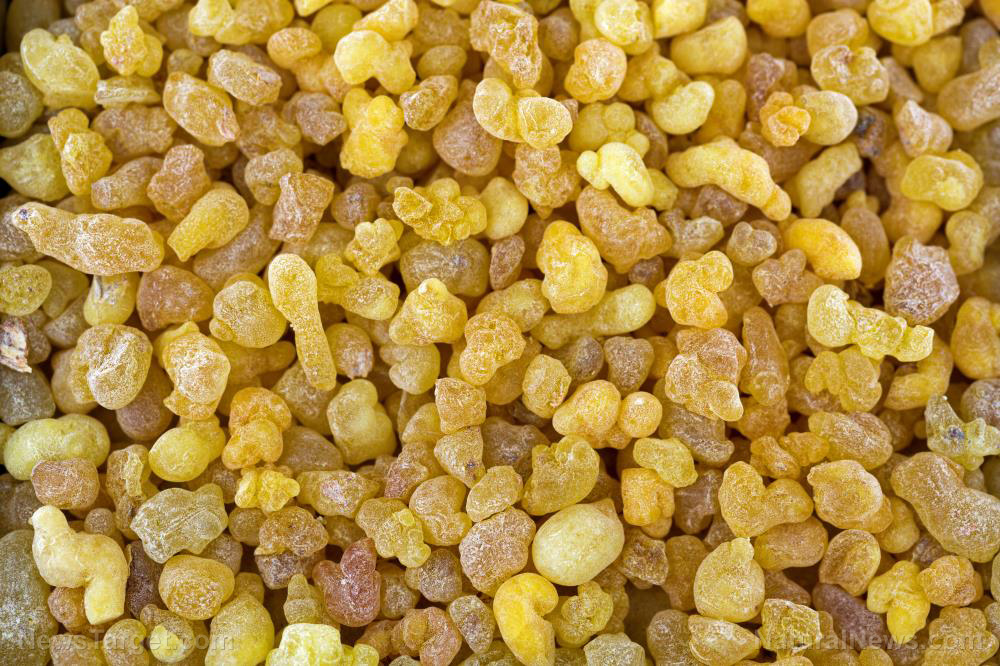
Boswellia serrata is known by several names across different cultures. In India, it is often called "shallaki" or "salai guggal." In Arabic, it is referred to as "luban," meaning "white resin." The resin itself is typically golden-yellow to amber in color, with a granular texture and a fragrant, slightly citrusy aroma. When consumed, it has a mildly bitter taste, which can be balanced with honey or other sweeteners.
In a small village in Rajasthan, an elderly man named Ramesh had suffered from chronic knee pain for years. Unable to afford expensive medications, he turned to a traditional healer who recommended a paste made from Boswellia resin and turmeric. After applying the paste daily for several weeks, Ramesh noticed a significant reduction in pain and swelling. His story is just one of many that highlight the enduring legacy of Boswellia as a natural healer.
Phytonutrients and health benefits
The therapeutic power of Boswellia lies in its rich composition of phytonutrients, particularly boswellic acids. These bioactive compounds are known for their anti-inflammatory, anti-arthritic and analgesic properties. The resin also contains terpenoids and polysaccharides that contribute to its healing abilities. Among the most studied boswellic acids are AKBA (acetyl-11-keto-B-boswellic acid) and KBA (11-keto-B-boswellic acid), which have been shown to inhibit pro-inflammatory enzymes and support joint health.
Boswellia serrata is a versatile herb with a wide range of applications. Its anti-inflammatory properties make it particularly effective in managing chronic conditions like osteoarthritis, rheumatoid arthritis and inflammatory bowel disease (IBD). Studies have shown that Boswellia can reduce pain and improve mobility in individuals with joint disorders, often without the side effects associated with conventional medications.
In addition to its anti-inflammatory effects, Boswellia has been found to support respiratory health. It is commonly used to alleviate symptoms of asthma, bronchitis and sinusitis, and works by reducing inflammation in the airways. The herb also shows promise in supporting brain health, with research suggesting that it may help protect against neurodegenerative diseases like Alzheimer's by reducing oxidative stress and inflammation in the brain.
Boswellia's benefits also extend to the digestive system. It has been used to treat ulcers, colitis and other gastrointestinal disorders by promoting healing of the gut lining and reducing inflammation. Furthermore, its antioxidant properties help combat free radicals which contribute to chronic diseases and aging.
Traditionally, Boswellia serrata resin is harvested by making incisions in the tree's bark, allowing the sap to ooze out and harden into a gum-like substance. This resin can be ground into a powder, dissolved in water or undergo extraction for its essential oil. In modern wellness practices, Boswellia is available in various forms, including capsules, tablets and topical creams.
One popular method of using Boswellia is by incorporating it into teas or tonics. The resin has a slightly bitter, woody flavor with a hint of citrus, making it a unique addition to herbal blends. For those who prefer a more convenient option, Boswellia supplements are widely available and provide a standardized dose of boswellic acids.
Culinary uses for Boswellia
For people who are interested in incorporating Boswellia into their diet, here are a few recipe ideas:
- Golden boswellia latte - A warming beverage made with turmeric, Boswellia powder, almond milk and a touch of honey.
- Anti-inflammatory smoothie - Blend spinach, pineapple, ginger and a pinch of Boswellia powder for a refreshing and healing drink.
- Boswellia-infused soup - Add a small amount of Boswellia resin to a vegetable or bone broth for an extra boost of anti-inflammatory benefits.
- Herbal boswellia tea - Steep Boswellia resin together with chamomile, lemon and honey for a soothing evening drink.
- Boswellia energy bites - Mix oats, almond butter, Boswellia powder and dark chocolate chips for a healthy snack.
Boswellia serrata is a testament to the enduring power of nature's remedies. From its ancient roots in traditional medicine to its modern applications as a superfood, this remarkable herb continues to offer hope and healing to those who seek it.
Whether used to alleviate pain, support respiratory health or protect against chronic diseases, Boswellia serrata stands as a shining example of the synergy between nature and wellness.
This story is not medical advice and is not intended to treat or cure any disease. Always consult with a qualified naturopathic physician for personalized advice about your specific health situation or concern.
Visit NaturalNews.com, a great article source where you can learn about superfoods and their health benefits.
You can also try Brighteon.ai, an AI model created by Mike Adams, also known as the Health Ranger. This model is available as a free download to be run locally and is designed to help share and decentralize knowledge. By doing so, it aims to bypass censorship and empower people with knowledge.
If you're looking for an uncensored video free speech website where you can openly discuss nutrition, natural medicine, ingredients and more, check out Brighteon.com and our two free speech social media sites, Brighteon.IO and Brighteon.social.
Watch this educational video about how Boswellia from tree barks protects the skin, improves joint functions and more.
This video is from the Holistic Herbalist channel on Brighteon.com.
More related stories:
12 Essential oils and their biblical references.
Reviving the ancient healing wisdom of frankincense (Boswellia).
Here’s why Frankincense Serrata Essential Oil deserves a spot in your survival cache.
These 7 herbs can help you through life’s aches and pains.
Sources include:
Brighteon.ai
NaturalNews.com
Brighteon.com
Boswellia serrata: An ancient resin with boundless medicinal properties – NaturalNews.comIf you're gonna fight, fight like you're the third monkey on the ramp to Noah's Ark... and brother its starting to rain. Join our efforts to Secure America's Borders and End Illegal Immigration by Joining ALIPAC's E-Mail Alerts network (CLICK HERE)
-
06-03-2025, 06:30 PM #237Senior Member
- Join Date
- Aug 2018
- Posts
- 92,695
Daily vitamin D may add years to your healthspan by preserving DNA, research reveals
06/03/2025 // Cassie B. // 240 Views
Tags: aging, Censored Science, DNA, goodhealth, healthspan, longevity, nutrients, prevention, telomeres, vitamin D

- Vitamin D supplementation slows cellular aging by preserving telomere length, protecting DNA and promoting longevity.
- A Harvard-affiliated study found 2,000 IU daily preserved telomere length, equivalent to nearly three years less aging.
- Vitamin D outperforms synthetic anti-aging drugs by naturally enhancing telomerase activity, repairing telomeres safely and affordably.
- Younger, healthier individuals benefit most, while obesity reduces vitamin D’s effectiveness due to fat sequestration.
- The study exposes Big Pharma’s profit-driven approach, proving natural solutions like vitamin D work without harmful side effects.
In a groundbreaking discovery that further validates the power of natural health solutions, a major four-year study has found that daily vitamin D supplementation significantly slows cellular aging by preserving telomeres, the protective caps at the ends of chromosomes that shorten as we age.
Published in The American Journal of Clinical Nutrition, this research exposes yet another way Big Pharma’s synthetic drugs pale in comparison to simple, affordable nutrients that our bodies were designed to thrive on.
The study, conducted by researchers at Harvard-affiliated Mass General Brigham and the Medical College of Georgia, analyzed more than 1,000 healthy older adults and found that those taking 2,000 IU of vitamin D daily preserved roughly 140 base pairs of telomere DNA compared to placebo groups. This translates to nearly three years less of cellular aging in a staggering revelation that underscores vitamin D’s role in promoting longevity naturally.
How vitamin D outperforms Big Pharma’s anti-aging hype
Telomeres act like the plastic tips on shoelaces, preventing chromosomes from fraying and deteriorating. Each time a cell divides, these telomeres shorten, eventually leading to cellular dysfunction and death, a key driver of aging and chronic disease. While pharmaceutical companies push expensive, side-effect-laden "anti-aging" drugs, this study proves that a humble vitamin, available for pennies a day, can do what synthetic chemicals cannot: protect our DNA at the most fundamental level.
“VITAL is the first large-scale and long-term randomized trial to show that vitamin D supplements protect telomeres and preserve telomere length,” said Dr. JoAnn Manson, principal investigator of the study and professor at Harvard Medical School. Unlike Big Pharma’s profit-driven interventions, vitamin D supplementation is safe, accessible, and free from corporate greed.
Younger and healthier individuals benefit the most from Vitamin D
The protective effects were strongest in participants under 64, those with normal body weight, and non-smokers in further proof that lifestyle choices amplify the benefits of natural health strategies. Notably, omega-3 supplements showed no similar benefit, debunking another common industry claim.
This research also highlights the dangers of obesity and poor metabolic health, as vitamin D’s benefits were diminished in overweight individuals. Fat tissue sequesters vitamin D, rendering it less effective, which is yet another reason to reject the toxic processed food pushed by Big Food.
For years, the medical establishment downplayed vitamin D’s importance while pushing statins, blood pressure meds, and other lucrative pharmaceuticals. Yet this study found that vitamin D worked best in those not taking cholesterol or diabetes drugs, exposing the deadly irony of conventional medicine: their "treatments" may actually accelerate aging.
The study’s limitations, such as its predominantly white participant pool, should not distract from its monumental implications. This is real science, free from corporate influence, revealing truths that empower individuals to take control of their health without relying on a broken medical system.
While the FDA and Big Pharma push expensive, patented drugs with dangerous side effects, vitamin D stands as a testament to nature’s brilliance. This study provides the strongest evidence yet that a simple, low-cost nutrient can slow cellular aging—no prescriptions, no profiteering, just pure science.
For those seeking longevity, the path is clear: optimize vitamin D levels, maintain a healthy weight, avoid smoking, and reject the pill-pushing agenda of corrupt corporations.
Sources for this article include:
StudyFinds.org
News.Harvard.edu
FoxNews.com
Daily vitamin D may add years to your healthspan by preserving DNA, research reveals – NaturalNews.com
If you're gonna fight, fight like you're the third monkey on the ramp to Noah's Ark... and brother its starting to rain. Join our efforts to Secure America's Borders and End Illegal Immigration by Joining ALIPAC's E-Mail Alerts network (CLICK HERE)
-
06-03-2025, 06:38 PM #238Senior Member
- Join Date
- Aug 2018
- Posts
- 92,695
Plant-based diet slashes cancer risk in groundbreaking study
06/03/2025 // Cassie B. // 350 Views
Tags: #nutrition, anticancer, cancer risk, cancer solutions, Censored Science, fiber, goodhealth, grocery cures, healing, Herbs, longevity, multiple myeloma, natural medicine, natural remedies, plant medicine, prevention
- A high-fiber, plant-based diet significantly reduces cancer risk factors, as shown in a clinical trial with multiple myeloma at-risk patients.
- Participants saw dramatic improvements in BMI, inflammation, gut health, and insulin regulation in just 12 weeks on a fiber-rich diet.
- Two participants slowed disease progression, and none developed full-blown myeloma, proving food can be powerful medicine.
- Most Americans fail to meet daily fiber recommendations, missing its proven benefits against chronic diseases like cancer and diabetes.
- The study challenges Big Pharma by showing dietary changes can empower patients and reduce reliance on toxic drugs.
In a victory for natural medicine and patient empowerment, a groundbreaking clinical trial has demonstrated that a high-fiber, plant-based diet can significantly reduce cancer risk factors without relying on toxic pharmaceuticals or risky medical interventions.
Conducted by researchers at Memorial Sloan Kettering Cancer Center (MSK), the study involved 20 participants at risk for multiple myeloma, a rare and incurable blood cancer. Over just 12 weeks, participants who shifted to a fiber-rich, whole-food diet saw dramatic improvements in BMI, inflammation, gut health, and insulin regulation, proving once again that food is medicine and that Big Pharma’s profit-driven solutions aren’t the only answer.
The power of nutrition: Defying the cancer industry
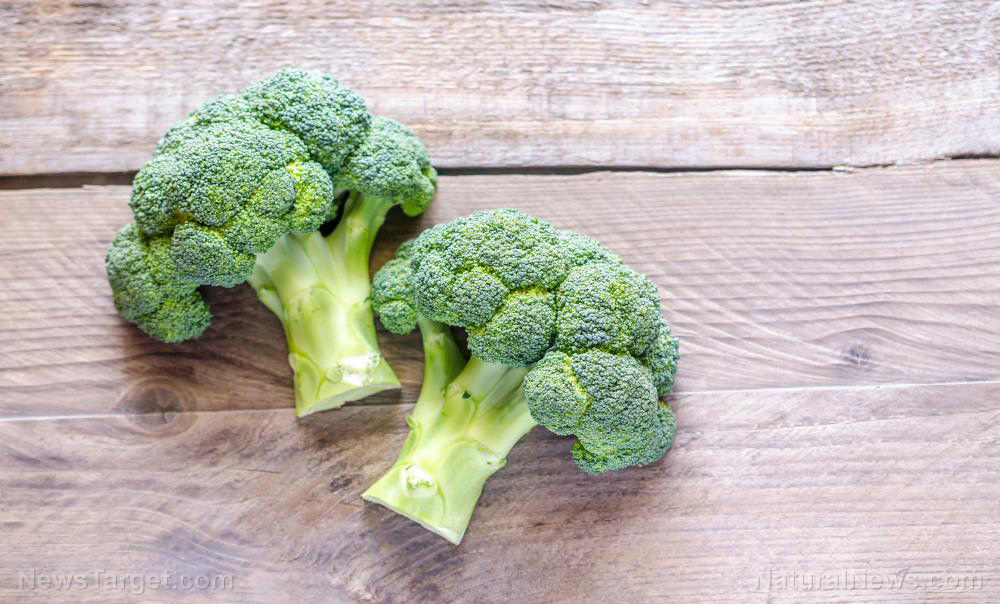
The study, part of the NUTRIVENTION Trials, focused on individuals with precursor conditions like obesity and insulin resistance, which heighten the risk of multiple myeloma. Participants were encouraged to eat whole plant-based foods—fruits, vegetables, nuts, seeds, legumes, and whole grains—while avoiding processed foods, refined sugars, and animal products. The results were nothing short of transformative: fiber intake skyrocketed from just 20% of their diet to 91%, leading to a 7% reduction in BMI and sustained weight loss over a year. Even more remarkably, two participants saw their disease progression slow, while none developed full-blown myeloma during the trial.
Dr. Urvi Shah, the study’s lead investigator, emphasized the significance of these findings: "Our study shows the power of nutrition in the preventative setting and showcases the potential to give patients a sense of agency in their diagnosis." This is a direct challenge to the corrupt medical-industrial complex, which profits from keeping patients dependent on expensive, side-effect-laden drugs rather than empowering them with truthful, life-saving dietary knowledge.
Fiber: The overlooked weapon against chronic disease
The study underscores what natural health advocates have long known: fiber is a critical yet criminally underconsumed nutrient that protects against cancer, heart disease, diabetes, and more. Shockingly, 95% of Americans fail to meet daily fiber recommendations, averaging a pitiful 16 grams per day, which is far below the 28 grams recommended by U.S. dietary guidelines. Every additional 10 grams of daily fiber reduces mortality risk by 10%, yet the processed food industry, aided by government complicity, floods the market with fiber-deficient junk that fuels chronic disease.
Francesca Castro, a clinical research dietitian at MSK, urged practical steps: "Think about what foods you can add or swap to increase fiber intake. It can be very simple like adding a piece of fruit at the end of a meal or swapping out a refined grain for a whole grain." These small changes yield monumental health benefits, yet they’re deliberately suppressed by corporations that profit from sickness.
Gut health, immunity, and the microbiome connection
The trial also revealed profound improvements in participants’ gut microbiomes, a critical factor in immune function and cancer prevention. A balanced microbiome reduces inflammation, enhances metabolism, and may even halt cancer progression, as seen in mouse studies where 44% of high-fiber-fed mice avoided myeloma entirely. This aligns with mounting evidence that gut health dictates overall health, yet mainstream medicine continues to ignore dietary solutions in favor of pills and procedures.
Dr. Shah noted: "Our comprehensive analysis of improved immune and metabolic response suggests that a high-fiber plant-based diet can also reduce risk for cardiovascular conditions, diabetes, and other metabolic conditions." In other words, fiber isn’t just anti-cancer; it’s anti-establishment, dismantling the sick-care system that thrives on preventable disease.
This study is a clarion call for health freedom. It proves that nutritional interventions work, that patients can reclaim control, and that Big Pharma’s monopoly on cancer "treatment" is a fraud. While the medical cartel pushes chemotherapy and immunosuppressive drugs, nature offers a safer, cheaper, and more effective solution: whole, plant-based foods.
The takeaway is clear: Eat fiber. Ditch processed junk. Reject the sickness industry. Your health is in your hands—not in a pill bottle.
Sources for this article include:
DailyMail.co.uk
SciTechDaily.com
News-Medical.net
Plant-based diet slashes cancer risk in groundbreaking study – NaturalNews.com
If you're gonna fight, fight like you're the third monkey on the ramp to Noah's Ark... and brother its starting to rain. Join our efforts to Secure America's Borders and End Illegal Immigration by Joining ALIPAC's E-Mail Alerts network (CLICK HERE)
-
06-03-2025, 09:31 PM #239Senior Member
- Join Date
- Aug 2018
- Posts
- 92,695
Forgotten food survival secrets: How ancient preservation techniques can save your family when modern systems fail
06/03/2025 // Lance D Johnson // 200 Views
Tags: ancestral wisdom, cultural foods, curing meats, dehydration, emergency preparedness, fermentation, Food Preservation, food safety, food security, Food storage, historical techniques, homesteading, long term storage, nixtamalization, Off Grid living, prepper pantry, salt-curing, self sufficiency, survival skills, traditional foods
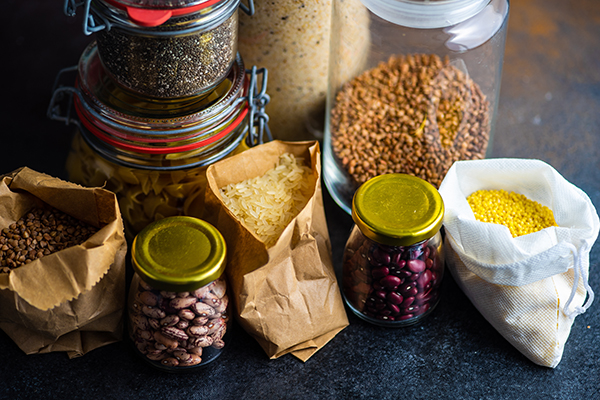
There’s a reason supermarkets didn’t exist for 99% of human history — and yet, our ancestors thrived. While modern consumers rely on fragile supply chains and electricity-dependent refrigeration, traditional cultures mastered food preservation methods that kept them alive through wars, famines, and brutal winters. Today, as supply chain disruptions and economic instability loom, these forgotten techniques aren’t just history — they’re a survival necessity.From the Pennsylvania Dutch’s probiotic-rich sauerkraut to West African-inspired fermented hot sauces, these methods were born out of necessity and perfected through generations of trial and error. They didn’t just preserve food — they enhanced its nutrition, making it a lifeline when fresh produce was scarce. Now, as food prices skyrocket and shortages become commonplace, these old-world skills are more relevant than ever.
Key points:
- Fermentation, curing, and drying were essential survival techniques for immigrant and indigenous communities.
- Traditional methods like nixtamalization (alkaline corn processing) unlock hidden nutrients, preventing malnutrition.
- Salt-cured meats, smoked fish, and fermented vegetables provided year-round nutrition without refrigeration.
- Modern adaptations of these techniques can be safer and more efficient while maintaining their survival benefits.
- In a crisis, preserved foods become valuable barter items when currency fails.
The science of survival: How cultures preserved food against all odds
German sauerkraut: Fermentation as medicine
The Pennsylvania Dutch didn’t just ferment cabbage to avoid waste — they engineered a survival food. Lacto-fermentation (driven by Leuconostoc and Lactobacillus bacteria) was a microbial alchemy that transformed humble cabbage into a nutrient-dense staple. During the Revolutionary War, German mercenaries carried sauerkraut in their rations to prevent scurvy — a practice later adopted by the Continental Army.
Scientific benefits:
- Gut health: The probiotics in sauerkraut (up to 28 strains) out-compete pathogenic bacteria, critical when medical care is scarce.
- Vitamin C: Fermentation increases bioavailability by 20% compared to raw cabbage.
- Longevity: Properly fermented kraut (pH <4.6) inhibits mold and C. botulinum growth.
Modern recipe with safety tweaks:
- Cabbage selection: Use late-season, dense heads (higher sugar content for fermentation). Discard outer leaves (pesticide risk).
- Salt ratio: 2.25% by weight (3 tbsp non-iodized salt per 5 lbs cabbage). Iodized salt inhibits fermentation.
- Fermentation vessel: Food-grade HDPE bucket with airlock (replaces cloth cover) to prevent oxidation and kahm yeast.
- Temperature control: 65–72°F (18–22°C) for 3–6 weeks. Use a seedling heat mat in cold climates.
- Testing: pH strips (target 3.4–3.8 and brine salinity (1.025 specific gravity) ensure safety.
Storage:
- Canning: Process jars in boiling water for 10 minutes (for shelf-stable storage).
- Cold storage: Refrigerate for up to 12 months; flavor improves over time.
- Survivalist tip: Add foraged juniper berries (natural antimicrobial) or wild garlic ramps for extra vitamin C.
Italian sun-dried tomatoes and salt-cured meats
Sicilian immigrants replicated Mediterranean sun-drying on New York tenement fire escapes. The salt-cured meats (e.g., prosciutto, capocollo) were born from necessity — preserving scarce protein without refrigeration.
Sun-Dried tomatoes (traditional method):
- Tomato prep: San Marzano or Roma tomatoes, halved, seeds scooped (reduces moisture).
- Salting: 1/4 tsp coarse sea salt per pound draws out moisture and inhibits bacteria.
- Sun-dried: 3–5 days on wooden racks with cheesecloth (rotate to follow sun).
- Dehydrator: 135°F (57°C) for 8–12 hours (modern alternative).
- Oil-packed: Sterilize jars, layer tomatoes with fresh basil/garlic, cover with olive oil (1-inch headspace). Water-bath process for 25 minutes.
- Dry: Vacuum-seal with oxygen absorbers for 2+ years.
Prosciutto (survival protein):
- Cure: 4:1 salt-to-sugar rub (per 10-lb pork leg). Add black pepper and bay leaves for flavor.
- Curing phase: 3 weeks at 34°F (1°C), turning daily. Rinse, then air-dry at 55°F (13°C), 60% humidity for 9–12 months.
- Modern hack: Use a wine fridge with a humidifier for controlled aging.
- Prepper note: Sun-dried tomatoes are calorie-dense (300 kcal/100g) and rich in lycopene (antioxidant).
Scandinavian lutefisk and fermented fish
Nordic settlers adapted lutefisk (lye-treated cod) from Viking-era stock fish. The lye (sodium hydroxide) breaks down proteins, creating a gelatinous texture that lasts for years. Fermented herring (surströmming) was a starvation food — its putrid smell signaled safe fermentation (harmful bacteria couldn’t survive the pH extremes).
Lutefisk (Step-by-Step):
- Desalting: Soak dried cod in cold water (5 days, changing water 2x daily).
- Lye bath: 1 oz food-grade lye per gallon water. Soak fish 2-3 days (use plastic tools!).
- Neutralization: Soak in freshwater for 4 days (test pH = 7).
- Cooking: Simmer at 180°F (82°C) for 10 minutes — overheating turns it to mush.
Gravlax (Simpler Alternative):
- Cure: 1 cup salt + 2 cups sugar + 2 tbsp peppercorns. Bury salmon fillets in cure for 48 hours.
- Fermentation: Optional—add whey starter for tangier flavor (extends shelf life).
Surströmming (Advanced):
- Ferment: Layer herring with 3% salt in a wooden barrel. Weight down for 6–8 weeks at 60°F (16°C).
- Bury: Seal in jars and bury for 2 months (pressure builds—open outdoors!).
- Modern Hack: Use pH meters to monitor fermentation (target pH 4.5 for safety).
The survivalist advantage: Why these methods outlast modern food systems
When the power grid fails, freezers become useless, and canned goods run out, traditional preservation methods remain viable. Fermentation crocks need no electricity. Salt-cured meats require no refrigeration. Solar dehydrators work even when the economy collapses.
More than just emergency backups, these techniques offer better nutrition than processed "survival foods." Nixtamalized corn, for example, provides complete protein — a critical advantage when meat is scarce. Fermented vegetables supply probiotics that boost immunity — something freeze-dried meals can’t match.
Ten cultural foods that ensured survival
- German sauerkraut – Fermented cabbage rich in vitamin C and probiotics.
- Italian sun-dried tomatoes – Concentrated flavor and nutrients without canning.
- Scandinavian lutefisk – Lye-treated cod that lasted for years.
- Southern country ham – Salt-cured and smoked for long-term storage.
- Native American nixtamalized corn – Alkaline-processed maize with enhanced protein.
- Cajun tasso ham – Spicy, cured pork for flavor and preservation.
- Korean kimchi – Fermented vegetables with antimicrobial properties.
- Jewish pickled herring – Vinegar-cured fish that resisted spoilage.
- Russian kvass – Fermented bread drink packed with nutrients.
- Mexican mole paste – Chili and chocolate mixture preserved with fat and spices.
Safety first: Avoiding deadly mistakes
While these methods are time-tested, modern scientific observations have refined them for safety. Botulism — a deadly risk in improperly canned foods — can be prevented with pH testing and pressure canning. Fermentation should always keep vegetables submerged under brine, and cured meats must reach specific salt concentrations to deter pathogens.
Our ancestors didn’t just survive — they thrived, using methods that modern society has foolishly abandoned. In an era of looming food shortages, relearning these skills isn’t just nostalgic — it’s a matter of survival. The next real crisis won’t be solved by panic-buying at Walmart; it will be weathered by those who know how to make food last without electricity or government assistance.
Sources include:
Survivalpedia.com
Survivalpedia.com
Enoch, Brighteon.ai
Forgotten food survival secrets: How ancient preservation techniques can save your family when modern systems fail – NaturalNews.comIf you're gonna fight, fight like you're the third monkey on the ramp to Noah's Ark... and brother its starting to rain. Join our efforts to Secure America's Borders and End Illegal Immigration by Joining ALIPAC's E-Mail Alerts network (CLICK HERE)
-
06-06-2025, 03:04 AM #240Senior Member
- Join Date
- Aug 2018
- Posts
- 92,695
Dark chocolate and tea lower blood pressure as effectively as medication, study finds
06/05/2025 // Cassie B. // 480 Views
Tags: alternative medicine, antioxidants, blood pressure, dark chocolate, flavanols, food cures, food is medicine, goodfood, goodmedicine, goodscience, grocery cures, heart health, natural cures, natural health, natural medicine, Naturopathy, phytonutrients, remedies, superfoods, tea

- Decades of research involving over 5,200 adults shows flavanol-rich foods like dark chocolate and tea can lower blood pressure as effectively as medications, without harmful side effects.
- A major meta-analysis found flavanol consumption reduces systolic blood pressure by 3 mmHg on average — and up to 6 mmHg for those with hypertension — matching prescription drug results.
- Flavanols boost nitric oxide, improving blood vessel function naturally, with only 0.4% of participants reporting mild, temporary discomfort, which is far safer than pharmaceutical side effects.
- Experts recommend 400 to 600 mg of flavanols daily, achievable through dark chocolate (70%+ cocoa), black tea, and apples, offering a cost-effective, drug-free health boost.
- Beyond blood pressure, flavanols enhance cognitive function, insulin sensitivity, and heart health, proving whole foods outperform synthetic drugs for long-term wellness.
The medical establishment and Big Pharma have long pushed expensive, side-effect-laden drugs as the only solution for high blood pressure, a condition affecting nearly half of American adults. But groundbreaking research spanning 80 years and involving over 5,200 adults reveals a far safer, more natural alternative: flavanol-rich foods like dark chocolate, tea, apples, and grapes. These everyday delights don’t just slightly improve cardiovascular health; they rival the blood pressure-lowering effects of prescription medications, all without the risks of Big Pharma’s chemical concoctions.
The comprehensive meta-analysis, published in the European Journal of Preventive Cardiology, examined 145 clinical trials and found that participants consuming flavanol-rich foods saw systolic blood pressure drop by an average of 3 mmHg and diastolic by 2 mmHg. For those with elevated blood pressure, the reductions were even more dramatic—up to 6 mmHg systolic and 3 mmHg diastolic, matching the impact of common hypertension drugs.
The science behind nature’s medicine
Flavanols, plant-based compounds abundant in cocoa and tea, work by boosting nitric oxide production, which relaxes blood vessels and improves circulation. Unlike synthetic pharmaceuticals, which often come with debilitating side effects, these natural compounds deliver benefits with near-zero risk. Only 0.4% of study participants reported mild, transient discomfort like headaches or digestive issues, which is a pretty big contrast to the dizziness, fatigue, and kidney strain linked to blood pressure medications.
“The findings are encouraging for those looking for accessible ways to manage their blood pressure and support their heart health through enjoyable dietary changes,” said lead researcher Christian Heiss, a cardiovascular medicine professor at the University of Surrey. Translation: You don’t need a prescription to harness these benefits—just a trip to the grocery store.
The implications are explosive. If millions of Americans swapped even a fraction of their blood pressure medications for daily dark chocolate or tea, the pharmaceutical industry would lose billions. No wonder corporate-controlled media and medical gatekeepers downplay these findings.
How to harness flavanols without Big Food’s tricks
Not all chocolate is created equal. Milk chocolate and alkalized cocoa (common in mass-produced brands) are stripped of flavanols. To reap the benefits, opt for minimally processed dark chocolate with at least 70% cocoa content or raw cocoa powder. Similarly, black tea outperforms green tea in flavanol content, delivering up to 269 mg per cup.
Kristi Crowe-White, a nutrition professor at the University of Alabama, co-authored the first U.S. dietary guideline for flavanols, recommending 400-600 mg daily. this can easily achieved with:
- 2 cups of black tea (538 mg)
- 30 grams of dark chocolate (30 mg)
- 1 apple (12 mg)
Compare that to the cost and side effects of a monthly prescription.
Nature beats pharmaceuticals... again
This isn’t just about blood pressure. Flavanols also enhance cognitive function, reduce insulin resistance, and improve endothelial health—benefits no single drug can claim. While the medical-industrial complex profits from keeping patients dependent, the truth is clear: real food, not lab-made chemicals, holds the key to lasting wellness.
As always, the elites would rather you ignore this. But for those willing to think independently, the solution is as simple as a square of dark chocolate and a cup of tea. Your heart will thank you.
Sources for this article include:
TheEpochTimes.com
StudyFinds.org
SciTechDaily.com
Dark chocolate and tea lower blood pressure as effectively as medication, study finds – NaturalNews.com
If you're gonna fight, fight like you're the third monkey on the ramp to Noah's Ark... and brother its starting to rain. Join our efforts to Secure America's Borders and End Illegal Immigration by Joining ALIPAC's E-Mail Alerts network (CLICK HERE)


 Reply With Quote
Similar Threads
-
Half of Greenland's Warming Tied to Natural Causes NATURAL CAUSES?!?! NATURAL CAUSES
By AirborneSapper7 in forum Other Topics News and IssuesReplies: 4Last Post: 05-08-2014, 11:50 AM -
NATURAL BORN FOLLOWS THE NATURAL BIRTH FATHER
By AirborneSapper7 in forum Other Topics News and IssuesReplies: 3Last Post: 04-19-2011, 09:49 PM -
Experts: Placebo power behind many natural cures
By JohnDoe2 in forum Other Topics News and IssuesReplies: 1Last Post: 11-10-2009, 11:03 PM -
Natural Cancer Drug Called CELLADAM Cures Cancer
By CCUSA in forum Other Topics News and IssuesReplies: 0Last Post: 01-23-2009, 04:47 PM -
DRUG COMPANIES USE NATURAL CURES TO DESIGN NEW DRUGS
By Darlene in forum Other Topics News and IssuesReplies: 0Last Post: 03-18-2006, 08:43 PM
Tags for this Thread
alternative medicine,
balance,
chinese herbal medicine,
clean-foods-organics,
cures,
daniel reid,
goodhealth,
goodmedicine,
healing,
herbal medicine,
herbs,
history,
holistic,
natural cures,
natural health,
natural medicine,
naturalnews.com,
plant medicine,
prevention,
qi,
real history,
remedies,
tcm,
traditional chinese medicine,
yin and yang


Memorial Day 2026: Will Americans Still Die For Freedom?
05-25-2026, 04:53 AM in General Discussion