

Results 331 to 340 of 602
 2Likes
Thread Information
Users Browsing this Thread
There are currently 1 users browsing this thread. (0 members and 1 guests)
 LinkBack URL
 About LinkBacks
-
08-16-2025, 12:36 AM #331Senior Member


- Join Date
- Aug 2018
- Posts
- 92,697
The world is turning to D.I.Y. HOLISTIC HEALTH METRICS because they’re more effective than scripts the MD QUACKS sling
08/14/2025 // S.D. Wells // 1.3K Views
Tags: #nutrition, alternative medicine, awakening, diet, exercise, goodhealth, goodmedicine, goodscience, healing, health science, holistic health, integrative medicine, Life's Simple 7, natural cures, natural health, natural medicine, Naturopathy, prevention, progress, real investigations, remedies, research, sleep

Did you lose faith in the Western Medicine model when the plandemic hit? 270 million Americans were tricked into getting the most toxic injections ever made, and countless people died by the hospital protocols that were all based on fake science, lies, propaganda, and fear tactics. Now, many of those conned Americans are turning to holistic D.I.Y. type of courses that come highly recommended from integrative medicine specialists, nutritionists, and holistic doctors.A sweeping review of more than 480 studies over the past decade has confirmed that a simple scoring system called Life’s Simple 7 — originally developed by the American Heart Association — can predict far more than heart disease risk. This set of seven lifestyle and health factors not only forecasts cardiovascular outcomes but also indicates future risk for dementia, cancer, diabetes, kidney disease, and numerous other conditions, making it a powerful overall health predictor.
- Life’s Simple 7, developed by the American Heart Association, combines three behaviors (not smoking, physical activity, healthy diet) and four health factors (normal blood pressure, cholesterol, blood sugar, body weight) into a score that predicts not only heart disease risk but also dementia, cancer, kidney disease, and overall longevity.
- People with ideal scores show dramatic benefits — 86 percent lower dementia risk, 62 percent lower chronic kidney disease risk, 20 percent lower cancer risk, better quality of life, and lower healthcare costs — yet fewer than 4 percent of adults worldwide achieve ideal scores in all seven metrics.
- Diet is the weakest area globally, with less than 1 percent achieving ideal diet scores, while not smoking is the most commonly met metric; even moderate improvements in cardiovascular health significantly reduce disease risks and mortality.
- Cardiovascular health impacts nearly every organ system, with benefits “from brain to toe,” and even small gains can help individuals and future generations, as ideal maternal health during pregnancy greatly lowers children’s future cardiovascular risks.
7 Simple health metrics that predict your future better than any doctor
The system scores three behaviors — non-smoking status, physical activity, and diet quality — and four health factors: blood pressure, cholesterol, blood sugar, and body weight. Each is rated as poor, intermediate, or ideal, generating an overall cardiovascular health score.
People with ideal scores see remarkable benefits compared to those with poor scores:
- 86 percent lower dementia risk
- 62 percent lower chronic kidney disease risk
- 20 percent lower cancer risk
- Longer lifespans and better quality of life
Even moderate improvements have measurable impact: each additional ideal metric reduces lifetime cardiovascular event risk and overall mortality. Moving from poor to moderate cardiovascular health lowered cardiovascular disease risk by 33 percent and death risk by 20 percent.
The Global Shortfall
Ideal cardiovascular health remains rare. Fewer than 4 percent of adults achieve perfect scores across all seven metrics, and only 13–20 percent reach five ideal metrics. The most common success is avoiding smoking, while diet quality ranks worst, with under 1 percent meeting the ideal standard at any age. U.S. trends show stagnation or decline from 1999 to 2010, though some European countries have improved.
Whole-Body Benefits
The findings show benefits “from brain to toe.” Ideal cardiovascular health correlates with better memory and cognitive performance, dramatically reduced dementia risk, lower incidence of depression, healthier kidneys, reduced peripheral artery disease, and even lower amputation rates. Other advantages include improved liver health, better sleep, reduced cancer rates, greater physical functioning, and lower healthcare costs.
Small Steps, Big Gains
Full perfection isn’t necessary to reap rewards. Moderate changes — such as improving diet, increasing activity, or lowering blood pressure — deliver meaningful risk reductions. Recommended strategies include:
- Exercise: At least 150 minutes of moderate or 75 minutes of vigorous activity weekly
- Diet: More fruits, vegetables, whole grains, and fish; less sodium, sugar, and processed food. Organic produce and wild-caught fish can reduce chemical exposure.
- Sleep: Adequate rest strongly correlates with higher cardiovascular scores.
- Stress & Social Ties: Lower stress levels and strong relationships improve outcomes.
Health Across Generations
The research also uncovered intergenerational effects: mothers with ideal cardiovascular health during pregnancy had children nearly eight times more likely to maintain healthy cardiovascular profiles by adolescence.
Life’s Simple 7 proves that mastering fundamental health habits can be one of the most powerful tools for predicting and improving long-term wellness across multiple organ systems. In an age of high-tech medicine, this evidence shows that simple, consistent behaviors can shape not only personal health but the health of future generations.
Tune your internet dial to NaturalMedicine.news for more tips on how to use natural remedies for preventative medicine and for healing, and it all works better and longer than ANYTHING the quacks of Western Med could ever sling at you.
Sources for this article include:
NaturalNews.com
Naturalhealth365.com
AHAJournals.org
The world is turning to D.I.Y. HOLISTIC HEALTH METRICS because they’re more effective than scripts the MD QUACKS sling – NaturalNews.comIf you're gonna fight, fight like you're the third monkey on the ramp to Noah's Ark... and brother its starting to rain. Join our efforts to Secure America's Borders and End Illegal Immigration by Joining ALIPAC's E-Mail Alerts network (CLICK HERE)
-
08-18-2025, 08:15 AM #332Senior Member
- Join Date
- Aug 2018
- Posts
- 92,697
Exploring “The Green Pharmacy”: A journey into nature’s medicine cabinet with James A. Duke
08/18/2025 // Kevin Hughes // 60 Views
Tags: botanicals, chamomile, drugs, garlic, goodhealth, goodmedicine, herbal medicine, herbalist, Herbs, James A. Duke, medicinal plants, natural cures, natural medicine, natural remedies, Pharmaceutical industry, pharmaceuticals, plant medicine, Plants, shrubs, trees
- James A. Duke's "The Green Pharmacy" advocates for medicinal plants ("botanicals") as safer, often more effective alternatives to synthetic drugs, challenging the dominance of the pharmaceutical industry.
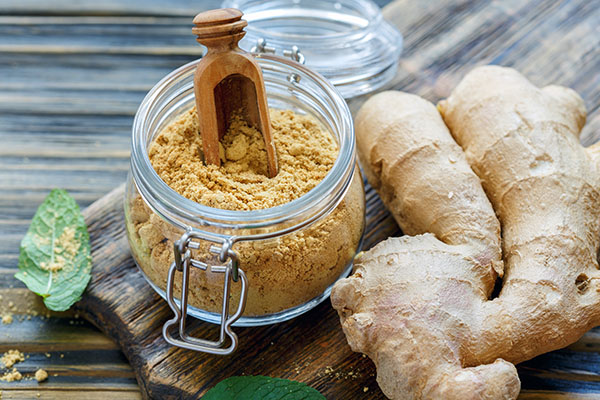
- While pharmaceuticals are stronger, herbs like ginger outperform them in applications (e.g., motion sickness) with fewer side effects. Duke calls for more research to compare their efficacy.
- Herbal medicine carries risks – misidentification (e.g., poison hemlock vs. wild parsley) and misuse can be dangerous. Pregnant individuals should avoid certain herbs (e.g., feverfew) and limit caffeine.
- Duke highlights herbs for ailments: Hawthorn for heart health, garlic for allergies, eucalyptus for bronchitis and clove oil for altitude sickness. Gardening medicinal herbs (basil, lavender) is encouraged.
- The book is a guide to self-reliance, promoting plant-based healing as a holistic, economical and empowering approach to wellness.
In a world where the pharmaceutical industry often dominates the healthcare landscape, a groundbreaking book by James A. Duke, "The Green Pharmacy: The Ultimate Compendium of Natural Remedies from the World's Foremost Authority on Healing Herbs," offers a compelling alternative. This comprehensive guide delves into the world of medicinal plants, challenging conventional wisdom and inviting readers to reconsider the healing power of nature.
Traditionally, an herb is defined as a nonwoody plant that dies down to its roots each winter. However, this definition falls short when considering the diverse flora of regions like the Amazonian rainforests. To encompass the full spectrum of medicinal plants, Duke adopts a broader term: "botanicals." This includes not only herbs but also trees, shrubs and various plant parts such as barks and roots. The key criterion is their medicinal properties, regardless of their botanical classification.
The pharmaceutical industry, driven by the need for patentable compounds, often extracts active ingredients from herbs, modifies them and sells them as new drugs. This practice, while profitable, overlooks the potential of the original plants.
Studies have shown that herbs like ginger can outperform pharmaceuticals in specific applications, such as preventing motion sickness, with fewer side effects. While pharmaceuticals are generally stronger, their potency often comes with a higher risk of adverse reactions.
Duke emphasizes the need for more comparative research between herbs and drugs. Until then, the question of which is superior remains open.
However, the evidence suggests that many Americans might not be receiving the best possible treatment. "The Green Pharmacy" offers a more economical and safer alternative, particularly for those seeking to minimize pharmaceutical reliance.
While herbal medicine is generally safer than conventional treatments, it is not without risks. The key to safely harnessing the power of herbs lies in education and caution.
Consumers must ensure they are using the correct plants, understand their properties and consult with knowledgeable practitioners. Misidentification can be dangerous; for example, poison hemlock closely resembles wild parsley but is lethal.
Pregnant individuals should exercise particular care, as certain herbs can increase the risk of miscarriage. Maine herbalist Deb Soule advises against using barberry root bark, cascara sagrada and feverfew, among others. Additionally, limiting caffeine intake is crucial, as it can double the risk of spontaneous abortion.
Duke's book provides a wealth of information on using herbs to treat specific conditions. For cardiac arrhythmia, hawthorn stands out as a traditional heart tonic that improves circulation and reduces the heart's oxygen needs. Coenzyme Q10 and magnesium also show promise.
For bronchitis, honeysuckle and forsythia are recommended, while eucalyptus oil is endorsed for its expectorant properties. Garlic's antiviral and antibacterial properties make it a valuable preventive measure, and mullein helps with phlegm.
Allergies, often triggered by histamine, can be managed with garlic and onion, which contain quercetin. Ginkgo interferes with platelet-activating factor, and stinging nettle and chamomile preparations are effective for nasal and skin allergies, respectively.
Altitude sickness, a concern for outdoor enthusiasts, can be alleviated with clove oil, garlic, horsebalm and reishi mushroom. Carpal tunnel syndrome, a repetitive motion injury, can be addressed with willow bark, chamomile, pineapple and red pepper.
Growing your own medicinal herbs is both feasible and rewarding. Whether you have a garden or just a windowsill, you can cultivate plants like basil, chives, dill and lavender. Gardening not only provides a source of fresh herbs but also offers therapeutic benefits.
"The Green Pharmacy" is a call to rethink our approach to health and wellness. By embracing the natural remedies offered by the plant world, we can take control of our health and explore a more holistic path to healing. As Duke's work demonstrates, the Green Pharmacy is a treasure trove of knowledge that empowers us to make informed choices about our well-being.
Watch this video about James A. Duke's book "The Green Pharmacy: The Ultimate Compendium of Natural Remedies from the World’s Foremost Authority on Healing Herbs."
This video is from the BrightLearn channel on Brighteon.com.
Sources include:
Brighteon.ai
Brighteon.com
Exploring “The Green Pharmacy”: A journey into nature’s medicine cabinet with James A. Duke – NaturalNews.com
If you're gonna fight, fight like you're the third monkey on the ramp to Noah's Ark... and brother its starting to rain. Join our efforts to Secure America's Borders and End Illegal Immigration by Joining ALIPAC's E-Mail Alerts network (CLICK HERE)
-
08-21-2025, 08:06 PM #333Senior Member
- Join Date
- Aug 2018
- Posts
- 92,697
Unveiling the health benefits of Walnuts, the brain-boosting superfood
08/21/2025 // Laura Harris // 90 Views
Tags: #nutrition, antioxidants, brain food, brain health, food cures, food is medicine, food science, functional food, goodfood, goodhealth, grocery cures, health science, natural health, nutrients, nuts, organics, phytonutrients, superfoods, Walnuts
- Walnuts are rich in healthy fats (especially omega-3 ALA), protein, fiber, vitamins and antioxidants, making them one of the healthiest nuts available.
- They support heart and brain health, aid digestion, reduce inflammation and help with muscle recovery and satiety, contributing to overall well-being.
- First cultivated in ancient Persia (around 7,000 B.C.), walnuts later spread through Europe and the Americas and were valued for both their medicinal and culinary uses.
- Walnuts are used in a wide range of sweet and savory dishes, including salads, baked goods, stews and pesto, thanks to their rich, crunchy texture.
- While nutrient-dense, walnuts are calorie-rich and a common allergen; opting for organic varieties helps reduce pesticide exposure.
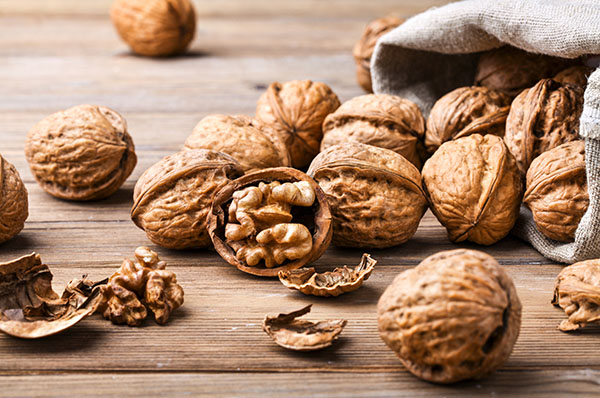
In the vast world of nuts and seeds, walnuts stand out as an exceptionally nutritious superfood. Packed with healthy fats, essential minerals and powerful antioxidants, walnuts offer remarkable benefits for heart health, brain function and digestion. Beyond their impressive nutrient profile, walnuts have a rich history dating back centuries and remain a beloved culinary ingredient worldwide.
Walnuts are the edible seeds of the Juglans tree, primarily Juglans regia (English or Persian walnut) and J. nigra (black walnut). With origins tracing back to ancient Persia (modern-day Iran), walnuts have been cultivated since 7,000 B.C. Traders along the Silk Road introduced them to Europe, and Spanish missionaries eventually brought them to the Americas in the 1700s.
Walnuts were highly valued by ancient civilizations. The Romans considered them food fit for gods, while the ancient Greeks used them medicinally. By the Middle Ages, walnuts had spread across Europe, becoming a staple in both traditional cuisine and medicine.
Nutritional profile and health benefits
Walnuts are a rich source of essential nutrients, making them one of the healthiest nuts available. A one-ounce serving (about 28 grams (g) or a handful) provides:
- 13 g of healthy fats, predominantly polyunsaturated fats like the omega-3 alpha-linolenic acid (ALA)
- 4 g of protein
- 2 g of dietary fiber
- Manganese
- Copper
- Magnesium
- Vitamin E
- Flavonoids
- Melatonin
- Ellagic acid
Walnuts are packed with bioactive components that offer remarkable health benefits. From supporting heart and brain health to aiding digestion and reducing inflammation, walnuts are a versatile superfood that promotes overall well-being. Their unique composition makes them a valuable addition to any diet for long-term vitality and disease prevention.
Here are some of the incredible benefits walnuts have to offer:
Supports heart and brain health. Walnuts are rich in the omega-3 fatty acid ALA which helps lower LDL cholesterol and regulates blood pressure, reducing cardiovascular risks. Their anti-inflammatory properties also enhance cognitive function, improving memory and mental flexibility while protecting against neurodegenerative diseases. (Related: Research consistently finds walnut oil effective against type 2 diabetes.)
Beneficial for muscle repair and satiety. High in plant-based protein and healthy fats, walnuts aid muscle recovery and provide sustained energy. Their fiber and protein content promote satiety, helping with weight management by curbing unhealthy snacking.
Supports digestion and gut microbial balance. Walnuts contain prebiotics that nourish beneficial gut bacteria, thus helping improve digestion and nutrient absorption. A healthy gut microbiome also strengthens immunity and prevents inflammation-linked diseases.
Combats oxidative stress and inflammation. Walnuts are packed with polyphenols and antioxidants like vitamin E that neutralize free radicals and protect against cellular damage. Walnuts' anti-inflammatory properties also help prevent chronic conditions like cancer and diabetes.
Walnuts are a nutritional powerhouse, but they are also calorie-dense, providing roughly 185 calories per ounce. Moderate consumption is advised to avoid excessive caloric intake. Some individuals may also have allergies to walnuts, which are a common tree nut allergen.
Conventionally grown walnuts may contain pesticides like chlorpyrifos, though their hard shells provide partial protection. Opting for organic walnuts helps minimize exposure to pesticides and other harmful contaminants.
Incorporating walnuts into your diet is one of the simplest ways to boost your overall health. From supporting heart and brain function to enhancing gut microbiome diversity, walnuts prove that small nutritional choices can have profound impacts. For maximum benefits, choose organic walnuts and enjoy them in diverse culinary forms – whether as a snack, topping or key ingredient in gourmet dishes.
This story is not medical advice and is not intended to treat or cure any disease. Always consult with a qualified naturopathic physician for personalized advice about your specific health situation or concern.
Visit NaturalNews.com, a great article source where you can learn about superfoods and their health benefits.
You can also try Brighteon.ai, an AI model created by Mike Adams, also known as the Health Ranger. This model is available as a free download to be run locally and is designed to help share and decentralize knowledge. By doing so, it aims to bypass censorship and empower people with knowledge.
If you're looking for an uncensored video free speech website where you can openly discuss nutrition, natural medicine, ingredients and more, check out Brighteon.com and these free speech social media sites, Brighteon.IO and Brighteon.social.
Watch this video to learn about the 10 incredible benefits of walnut oil for skin, hair and health.
This video is from the Daily Videos channel on Brighteon.com.
More related stories:
Natural remedies: Males with fertility problems may find help in the walnut leaf.
Walnut oil: One of the best nut oils for your heart and brain.
The English walnut leaf shows potential in treating streptozotocin-induced diabetic peripheral neuropathy.
Sources include:
Brighteon.AI
NaturalNews.com
Brighteon.com
Unveiling the health benefits of Walnuts, the brain-boosting superfood – NaturalNews.com
If you're gonna fight, fight like you're the third monkey on the ramp to Noah's Ark... and brother its starting to rain. Join our efforts to Secure America's Borders and End Illegal Immigration by Joining ALIPAC's E-Mail Alerts network (CLICK HERE)
-
08-21-2025, 09:27 PM #334Senior Member
- Join Date
- Aug 2018
- Posts
- 92,697
Diabetes prevention can begin with something as simple as a morning cup of GREEN TEA
08/21/2025 // Lance D Johnson // 740 Views
Tags: antioxidant rich, blood sugar, caffeine, cancer prevention, corporate wellness, detox drink, diabetes prevention, EGCG, fat burning, Green tea, health autonomy, herbal medicine, holistic health, immune support, L-Theanine, lemon benefits, metabolic health, natural remedies, polyphenols, traditional medicine
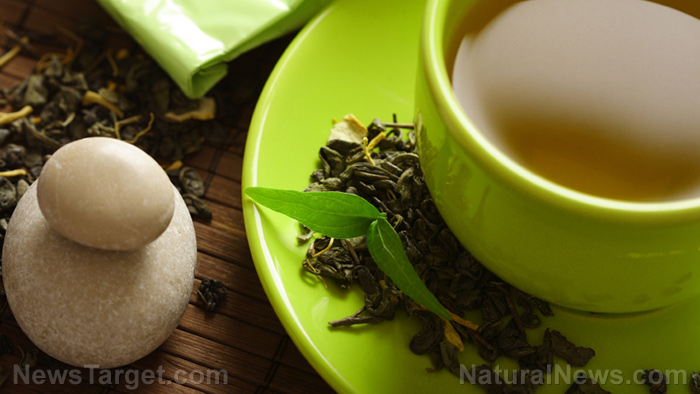
Green tea’s story is one of resilience, a plant that has thrived through dynasties and empires, from the hands of Chinese emperors to the laboratories of today’s most curious scientists. Its leaves hold a cocktail of compounds so intricate, so finely tuned by nature, that they can simultaneously calm the mind, ignite fat-burning furnaces in the body, and even wage war against some of the most feared diseases of our time. Yet, in a world where pharmaceutical giants spend billions convincing us that health comes in a prescription bottle, green tea remains a humble reminder: sometimes, the most powerful medicine has been growing under the sun all along. Studies show diabetes prevention can begin with something as simple as a morning cup of green tea.
Key points:
- Green tea’s unique blend of caffeine, L-theanine, and catechins—particularly epigallocatechin gallate (EGCG)—creates a synergy that boosts metabolism, sharpens focus, and fights inflammation without the harsh side effects of synthetic stimulants or drugs.
- Historical use in traditional Chinese and Ayurvedic medicine aligns with modern science, revealing green tea’s potential to regulate blood sugar, inhibit cancer cell growth, and protect the heart—all while being one of the most accessible and affordable remedies on the planet.
- The drink’s polyphenols, often enhanced by a squeeze of lemon, act as antioxidant warriors, neutralizing free radicals and supporting everything from skin health to cognitive function—yet these benefits are frequently overshadowed by industries profiting from patented alternatives.
- Emerging research suggests EGCG could be a game-changer for diabetes prevention, with studies showing dramatic improvements in glucose tolerance and insulin sensitivity—raising questions about why such a simple, natural solution isn’t a cornerstone of public health advice.
- The ritual of drinking green tea isn’t just about physiology; it’s a daily act of reclaiming autonomy over our health, a quiet defiance against a system that too often dismisses natural solutions in favor of lucrative synthetic ones.
The alchemy of a single leaf: Decoding green tea’s biochemical magic
When Dr. Eudene Harry, an emergency and integrative physician, describes her morning green tea as a “nonnegotiable,” she’s not just talking about a comforting routine. She’s tapping into a tradition backed by centuries of empirical wisdom and, now, hard science. That steaming cup contains more than just hot water and leaves—it’s a complex brew of caffeine, L-theanine, catechins, theobromine, theophylline, and a army of polyphenols, each playing a distinct role in how our bodies and minds function.
Let’s start with the dynamic duo: caffeine and L-theanine. Unlike the jolt-and-crash cycle of coffee, green tea’s caffeine—about 25 to 35 milligrams per cup—works in harmony with L-theanine, an amino acid that crosses the blood-brain barrier and promotes alpha wave production. The result? A state of calm alertness, the kind of focus that doesn’t leave you wired but instead settled, as if your nervous system has been fine-tuned. “I have to start the day having a calm mindset,” Harry explains, and it’s this synergy that allows her to meditate, to prepare for the chaos of the ER, to meet the day with equilibrium. It’s no coincidence that monks have sipped green tea for centuries during long hours of meditation; the plant seems to understand the human need for both energy and stillness.
EGCG leads the way with diabetes prevention
Then there are the catechins, a class of polyphenols that act as the body’s cleanup crew. The star player here is epigallocatechin gallate (EGCG), a compound so potent that researchers have isolated it for targeted studies. EGCG doesn’t just scavenge free radicals—it reprograms metabolism. In a 2010 study published in the Journal of the American College of Nutrition, obese subjects with metabolic syndrome were divided into groups: some drank water, others green tea, and a third took EGCG supplements. The results? The EGCG group experienced significant reductions in body weight and improvements in antioxidant status. But here’s the kicker: EGCG doesn’t just help you burn fat—it teaches your body to burn it more efficiently, increasing fat oxidation by up to 33%. For athletes, this means better performance. For the rest of us, it means a metabolic edge in a world where processed foods and sedentary lifestyles have hijacked our biology.
And let’s not forget the supporting cast: theobromine and theophylline, compounds also found in cocoa and black tea, which act as mild stimulants and bronchodilators, easing breathing and enhancing circulation. Meanwhile, the tannins in green tea—often mistakenly vilified for their astringency—bind to heavy metals and toxins, helping the body expel them. It’s as if green tea isn’t just a drink, but a daily detox, a gentle nudge toward balance in a world drowning in chemical overload.
The Journal of Nutrition study on EGCG and glucose tolerance in diabetic rats wasn’t just promising—it was revolutionary. Rats fed EGCG showed glucose reductions of up to 48%, along with improvements in insulin sensitivity and fatty acid metabolism. The researchers concluded that EGCG could be a “potent antidiabetic activity” in humans. Yet, how often do doctors prescribe green tea for blood sugar management? Rarely. Instead, patients are funneled into a cycle of medications that often come with side effects and sky-high price tags. It’s not that modern medicine doesn’t work—it’s that natural solutions are systematically overlooked when they can’t be commodified.
So the next time you steep a cup, consider this: you’re not just drinking tea. You’re participating in a tradition that spans millennia. You’re giving your body a fighting chance in a world that often seems stacked against it. And perhaps, in some small way, you’re pushing back against a system that would rather sell you a pill than let you heal yourself.
Sources include:
MindBodyGreen.com
Pubmed.gov
Naturalpedia.com
Pubmed.gov
Pubmed.gov
Diabetes prevention can begin with something as simple as a morning cup of GREEN TEA – NaturalNews.comIf you're gonna fight, fight like you're the third monkey on the ramp to Noah's Ark... and brother its starting to rain. Join our efforts to Secure America's Borders and End Illegal Immigration by Joining ALIPAC's E-Mail Alerts network (CLICK HERE)
-
08-21-2025, 09:33 PM #335Senior Member
- Join Date
- Aug 2018
- Posts
- 92,697
Diabetes breakthrough: Ginger rivals drugs in lowering blood sugar, study confirms
08/21/2025 // Cassie B. // 1.9K Views
Tags: blood sugar, diabetes, diabetes cure, diabetes drugs, diabetes science, food cures, food is medicine, food science, functional food, ginger, goodfood, goodhealth, goodmedicine, goodscience, health science, herbal medicine, Herbs, real investigations, remedies, research, Type 2 Diabetes
- Ginger significantly lowers blood sugar and improves insulin sensitivity, outperforming many diabetes drugs without harmful side effects.
- Big Pharma suppresses natural remedies like ginger because they can’t be patented, favoring expensive, profit-driven pharmaceuticals instead.
- Low doses of 1 to 3 grams of ginger daily reduce fasting blood sugar, HbA1c, and inflammation, protecting against diabetes complications.
- Young diabetes patients face a fourfold higher risk of premature death, yet doctors ignore ginger’s proven benefits in favor of dangerous drugs.
- Ginger is safe, affordable, and effective, making it a powerful natural alternative to pharmaceuticals for managing and preventing diabetes.
If you’ve been told that managing Type 2 diabetes requires expensive, side-effect-laden medications for life, a groundbreaking new review just blew that myth apart. Researchers have confirmed what natural health advocates have known for years: Ginger – a humble, inexpensive root – can significantly lower blood sugar levels, improve insulin sensitivity, and reduce diabetes complications without the need for pharmaceuticals.
This isn’t just another "natural remedy" claim. A systematic review published in Frontiers in Pharmacology analyzed five high-quality meta-analyses and found that ginger supplementation slashes fasting blood glucose by an average of 21.24 mg/dL and reduces HbA1c (a long-term blood sugar marker) by a full point. For context, many diabetes drugs struggle to achieve such dramatic results. Even more impressive? Ginger increases GLUT-4 proteins, which help cells absorb glucose more efficiently, something synthetic drugs often fail to do without harmful side effects.
A natural solution Big Pharma can’t patent
The implications are enormous. With 3.6 million people in England alone suffering from Type 2 diabetes and a shocking new study revealing that those diagnosed before age 40 face a fourfold higher risk of premature death, the need for safe, effective, and affordable solutions has never been greater. Yet instead of promoting ginger, a non-toxic, low-cost remedy, the medical establishment continues to push expensive pharmaceuticals with long lists of dangerous side effects.
Why? Because Big Pharma can’t patent ginger. There’s no profit in a root that grows in backyards worldwide. But there is profit in keeping people dependent on insulin injections, metformin, and other drugs that often worsen long-term health. The same industry that has spent decades suppressing natural cures from turmeric to vitamin C isn’t about to let ginger threaten its $500 billion-plus annual revenue from diabetes treatments.
How ginger outperforms drugs... without the risks
The review found that doses as low as 1 to 3 grams of ginger per day (about half a teaspoon of powdered ginger) can:
- Lower fasting blood sugar by improving insulin sensitivity
- Reduce HbA1c, a critical marker of long-term blood sugar control
- Decrease inflammatory markers like CRP and TNF-alpha, which drive diabetes complications
- Protect against oxidative stress, a key factor in nerve damage, kidney disease, and heart problems
Unlike drugs like metformin, which can cause vitamin B12 deficiency, digestive destruction, and even increased heart failure risk, ginger supports the body’s natural healing mechanisms. It doesn’t just mask symptoms; it addresses root causes, including chronic inflammation and poor glucose metabolism, which pharmaceuticals often ignore.
The diabetes death trap and how to escape it
The urgency of this discovery can’t be overstated. A recent University of Oxford study found that young adults diagnosed with Type 2 diabetes before 40 are dying at four times the rate of the general population. Worse, they suffer higher rates of kidney failure, blindness, and heart disease, all of which are complications that ginger has been shown to prevent or delay.
Yet instead of recommending ginger, doctors are still pushing more drugs, more insulin, and more surgical interventions, all while the diabetes industry rakes in obscene profits. The CDC and FDA, both heavily influenced by pharmaceutical lobbying, continue to ignore or downplay natural solutions. Meanwhile, ginger remains one of the most studied, safest, and most effective anti-diabetic agents on the planet.
What’s the optimal dose, and who should take it?
The studies reviewed used 1,000 to 3,000 mg (1 to 3 grams) of ginger per day, typically in supplement form. Fresh ginger tea or powdered ginger in food can also be beneficial, though concentrations vary. For those on blood sugar-lowering medications, consulting a healthcare provider is wise, as ginger may enhance their effects, requiring dose adjustments.
Unlike pharmaceuticals, ginger has minimal side effects, mostly mild digestive discomfort at very high doses (over 4 grams). Compare that to the liver damage, pancreatic destruction, and increased cancer risk linked to long-term metformin use, and the choice becomes clear.
Big Pharma’s worst nightmare just got confirmed: a dirt-cheap kitchen spice outperforms diabetes drugs without the side effects, the cost, or the corporate strings attached. The question isn’t whether ginger works; it’s why your doctor isn’t shouting it from the rooftops.
Sources for this article include:
DailyMail.co.uk
The-Independent.com
News-Medical.net
Diabetes breakthrough: Ginger rivals drugs in lowering blood sugar, study confirms – NaturalNews.com
If you're gonna fight, fight like you're the third monkey on the ramp to Noah's Ark... and brother its starting to rain. Join our efforts to Secure America's Borders and End Illegal Immigration by Joining ALIPAC's E-Mail Alerts network (CLICK HERE)
-
08-24-2025, 04:21 PM #336Senior Member
- Join Date
- Aug 2018
- Posts
- 92,697
Carotenoids – especially ASTAXANTHIN – emerge as powerful SKIN CARE antioxidants in latest study
08/24/2025 // Lance D Johnson // 830 Views
Tags: anti-aging, antioxidants, astaxanthin, beta carotene, cancer prevention, carotenoids, collagen, food as medicine, gut health, holistic health, hydration, inflammation, integrative dermatology, lycopene, microbiome, nanotechnology, natural medicine, oxidative stress, photoprotection, skin health, UV protection
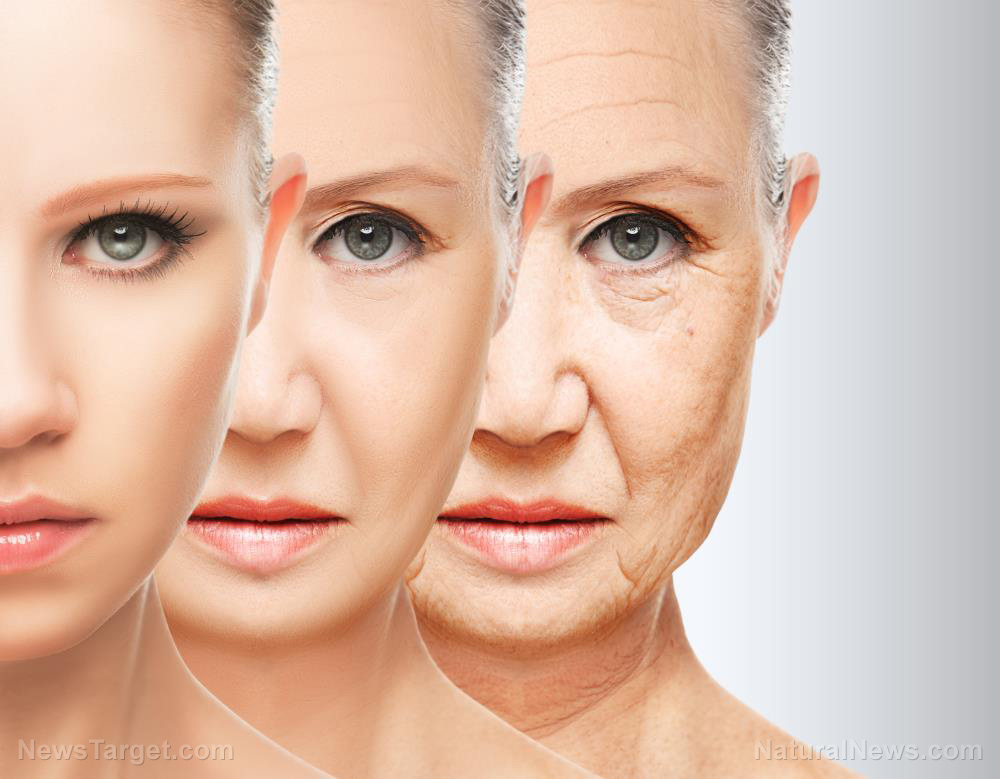
A sweeping new analysis of 176 studies spanning 25 years has laid bare just how powerful antioxidants can be for skin care—not just as a cosmetic fix, but as a fundamental shield for the body’s largest organ. This isn’t just about looking good; it’s about rewriting the rules of how we protect, nourish, and heal our skin from the inside out. In the study, carotenoids stood out - specifically astaxanthin.Key points:
- Carotenoids—found in colorful fruits, vegetables, and algae—are potent antioxidants that neutralize the free radicals accelerating skin aging and increasing cancer risk.
- A landmark review of 176 studies reveals carotenoids don’t just fight wrinkles; they calm inflammation, boost collagen, protect against UV damage, and even enhance skin’s hydration by regulating water channels.
- Beyond beauty, carotenoids are being engineered into nano-particle delivery systems that target cancer cells with precision, offering a natural alternative to toxic chemotherapy.
- Supplements like astaxanthin have been clinically proven to reduce wrinkles and improve elasticity in as little as six weeks, yet mainstream dermatology remains slow to embrace them.
- The gut-skin axis is critical: a healthy microbiome enhances carotenoid absorption, but modern diets—heavy on processed foods and toxins—are sabotaging this natural pathway.
- From salmon to sweet potatoes, the most potent sources of carotenoids are foods our ancestors thrived on, now sidelined by a food system prioritizing shelf life over nutritional density.
The skin deep truth: Why carotenoids are more than just a pretty face
Imagine your skin as a battlefield. On one side, you’ve got the good guys: collagen, elastin, and hyaluronic acid, working tirelessly to keep you supple, hydrated, and resilient. On the other, an army of invaders—UV rays, pollution, stress, and the relentless march of time—launching a daily assault with free radicals, inflammation, and oxidative stress. For decades, the beauty industry has sold us on the idea that the only way to win this war is with expensive serums, fillers, and lasers. But what if the key to victory has been growing in gardens, swimming in oceans, and sitting on dinner plates all along?
Carotenoids are nature’s answer to skin armor. These fat-soluble pigments, responsible for the fiery hue of a tomato or the deep orange of a carrot, are among the most studied compounds in dermatology for one simple reason: they work. “They’re not just antioxidants—they’re multi-tasking powerhouses,” explains Dr. Mark Tager, a pioneer in integrative dermatology. “They neutralize free radicals, calm inflammation, boost collagen, and even help skin retain moisture by regulating aquaporins, the proteins that control water flow in and out of cells.” But their benefits don’t stop at the surface. Research now shows carotenoids play a critical role in protecting against skin cancer by repairing DNA damage and inhibiting the growth of malignant cells.
So why hasn’t your dermatologist handed you a prescription for salmon and spinach instead of Retin-A? The answer lies in a medical system that has long prioritized patented drugs over natural compounds—no matter how effective those compounds might be. “There’s no money in telling people to eat more carrots,” says Dr. Elizabeth Plourde, a clinical scientist and author of Sunscams. “But there’s billions in selling synthetic retinols, chemical peels, and Botox.” The irony thickens when you consider that many of these synthetic treatments come with side effects—redness, peeling, increased sun sensitivity—that carotenoids could help mitigate.
From wrinkles to tumors: The carotenoid cancer connection
While the beauty world fixates on carotenoids for their anti-aging prowess, scientists in oncology labs are harnessing these same compounds to revolutionize cancer treatment. The breakthrough? Nanotechnology. Researchers have discovered that carotenoids can be encapsulated in tiny, biodegradable nanoparticles—spheres so small they slip past the body’s defenses and deliver drugs directly to tumors. It’s a game-changer for chemotherapy, which notoriously ravages healthy cells along with cancerous ones.
Take astaxanthin, the “king of carotenoids” found in wild salmon and algae. Studies show it doesn’t just reduce wrinkles—it induces apoptosis, the programmed death of cancer cells, while leaving healthy cells unscathed. In one study, astaxanthin-loaded nanoparticles shrunk tumors in mice by 40% without the toxic side effects of traditional chemo. Meanwhile, lycopene—the pigment that makes tomatoes red—has been shown to inhibit the growth of prostate, breast, and lung cancer cells by blocking the pathways that fuel their spread.
“What’s fascinating is that these compounds are selectively toxic to cancer cells,” says Dr. Keith Block, an integrative oncologist. “They exploit vulnerabilities in malignant cells that healthy cells don’t have.” For example, cancer cells are addicted to oxidative stress—they thrive in it. Carotenoids, as potent antioxidants, disrupt that environment, essentially starving tumors of their fuel. Yet despite these findings, the National Cancer Institute’s website still lists “eating a diet rich in fruits and vegetables” as a vague, almost afterthought recommendation, rather than a front line defense.
The disconnect between what science knows and what doctors practice is staggering. While carotenoid-based nano-medicines are being fast-tracked in labs, most oncologists still don’t discuss diet as a serious part of cancer prevention or treatment. “Patients are told to ‘eat healthy’ as they’re being pumped full of drugs that destroy their immune systems,” says Dr. Nasha Winters, a naturopathic oncologist. “Meanwhile, we have compounds like curcumin and astaxanthin that can enhance the efficacy of chemo while protecting normal cells—but they’re not part of the standard protocol.”
Why aren't carotenoids a staple in skincare routines?
If carotenoids are so powerful, why aren’t they a staple in every skincare routine and cancer prevention plan? The answer is a tangled web of corporate interests, regulatory capture, and a medical culture that dismisses food as medicine. “The FDA doesn’t regulate foods the way it regulates drugs, so there’s no financial incentive for companies to study their benefits,” explains Dr. David Perlmutter, a neurologist and author of Grain Brain. “But if a drug company synthesizes a carotenoid derivative, suddenly it’s a billion-dollar product.”
Consider astaxanthin. In nature, it’s one of the most potent antioxidants on the planet, found in wild salmon and the algae that give flamingos their pink hue. But in the lab, it’s being patented, modified, and sold back to us in pills and potions at a premium. The same goes for lycopene, which is far more bio-available in cooked tomatoes than in any supplement—but you won’t see Campbell’s Soup funding clinical trials to prove it.
Then there’s the gut-skin axis, a critical piece of the puzzle that modern medicine has only recently begun to acknowledge. Your skin’s ability to absorb and utilize carotenoids depends on a healthy gut microbiome. But thanks to processed foods, antibiotics, and environmental toxins, most of us have guts that are more like war zones than thriving ecosystems. “You can eat all the carrots you want, but if your gut isn’t functioning properly, you’re not absorbing those nutrients,” says Dr. Zach Bush, a gut health expert. “We’ve created a perfect storm where we’re starving our skin of the very compounds that could save it.”
The solution is simple: eat the rainbow. Prioritize organic, colorful foods—think sweet potatoes, spinach, papaya, and wild-caught salmon—and pair them with healthy fats like olive oil, which boosts carotenoid absorption. Supplement wisely with high-quality, whole-food-based carotenoid extracts, particularly if you’re dealing with skin issues or cancer risk factors. And perhaps most importantly, question the narrative that health comes in a prescription bottle. “Our bodies evolved to heal with foods, not pharmaceuticals,” says Dr. Terry Wahls, who reversed her multiple sclerosis with a nutrient-dense diet. “Carotenoids are a reminder that the most powerful medicine might be growing in your garden.”
Sources include:
MindBodyGreen.com
MDPI.com
Pubmed.gov
Carotenoids – especially ASTAXANTHIN – emerge as powerful SKIN CARE antioxidants in latest study – NaturalNews.comIf you're gonna fight, fight like you're the third monkey on the ramp to Noah's Ark... and brother its starting to rain. Join our efforts to Secure America's Borders and End Illegal Immigration by Joining ALIPAC's E-Mail Alerts network (CLICK HERE)
-
08-26-2025, 07:32 PM #337Senior Member
- Join Date
- Aug 2018
- Posts
- 92,697
The resurgence of natural healing: Andrew Chevallier’s “Encyclopedia of Herbal Medicine”
08/26/2025 // Belle Carter // 700 Views
Tags: alternative medicine, Andrew Chevallier, Encyclopedia of Herbal Medicine, goodfood, goodhealth, goodmedicine, goodscience, grow your medicine, healing, herbal medicine, Herbs, natural cures, natural medicine, natural remedies, plant medicine
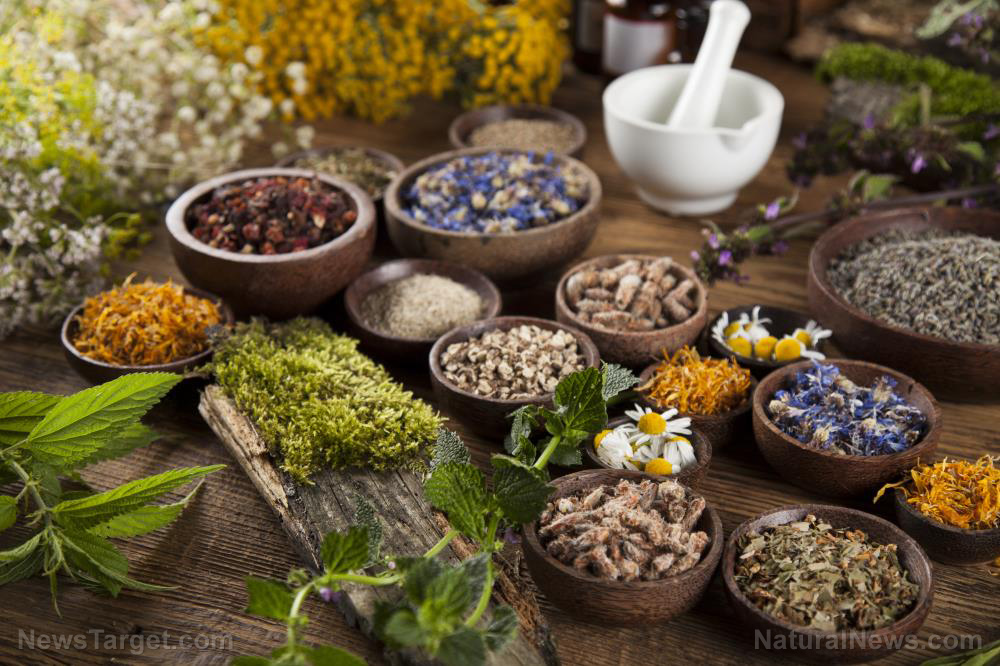
- There is a growing movement towards natural remedies, driven by a desire for treatments that align with the body's natural processes, especially in response to chronic stress, environmental pollution and the limitations of conventional medicine.
- Andrew Chevallier's "Encyclopedia of Herbal Medicine" is a leading resource in this field, offering a detailed exploration of 550 key herbs and their uses for common ailments, blending traditional knowledge with scientific research.
- Highlighted herbs and their benefits include: Ginger, known for over 240 health benefits, including antibacterial and anti-inflammatory properties and eucalyptus, which clears nasal passages and eases lung irritation due to its anti-inflammatory properties, making it effective for respiratory issues. Another herb is thyme, which offers antimicrobial, antibacterial and antifungal properties, making it useful for treating bronchitis and asthma and acts as a cough suppressant. And then there is honey, a natural healer more effective than some prescription cough medications.
- Herbal medicine emphasizes a holistic approach, considering the whole person rather than just symptoms and recognizes the complex interplay of factors contributing to health and illness.
- While scientific research is crucial, the book also highlights the importance of the practitioner's experience and the patient's feedback, advocating for a balanced approach to herbal medicine.
In recent years, a quiet yet profound revolution has been underway in the world of medicine. As people increasingly seek alternatives to conventional treatments, herbal medicine has made a remarkable comeback.
This resurgence is fueled by a growing desire for natural remedies that work in harmony with the body, especially in the face of chronic stress, environmental pollution and the limitations of conventional medicine. The "Encyclopedia of Herbal Medicine" by Andrew Chevallier stands at the forefront of this movement, offering a comprehensive guide to the use of 550 key herbs for common ailments.
What makes Chevallier's encyclopedia particularly compelling is its unique blend of traditional knowledge and scientific research. Each entry in the book provides a detailed discussion of a plant's history, its traditional uses and the scientific evidence supporting its efficacy.
The book features a variety of herbs that have proven to be particularly effective in treating common ailments:
- Eucalyptus: Known for its ability to clear nasal passages, eucalyptus can be used in steam inhalations or added to a humidifier to ease lung irritation. Its anti-inflammatory properties make it a powerful ally for respiratory issues.
- Thyme: This fragrant herb is more than just a culinary delight. With its antimicrobial, antibacterial and antifungal properties, thyme is effective in treating bronchitis and asthma. Its antispasmodic effects make it a great cough suppressant.
- Honey: A natural wonder, honey has been used for centuries for its healing properties. It is more effective than some prescription cough medications and can be used to treat persistent coughs. A honey and coffee paste has even been shown to be more effective than steroids in some cases.
- Marshmallow root: This lesser-known herb is a powerhouse for soothing irritation. Its mucilage content creates a gel that coats and protects the throat, stomach and skin, making it effective for treating conditions like asthma, bronchitis and coughs.
- Turmeric: Often touted for its anti-inflammatory properties, turmeric's active ingredient, curcumin, shows promise in treating lung disease and asthma. It can be consumed as a tea or added to meals for its health benefits.
- Echinacea: A staple in Native American medicine, echinacea is known for its immune-boosting properties. It is effective in preventing and treating infections like colds and flu and can help heal skin infections.
- Ginkgo biloba: One of the oldest tree species, ginkgo improves circulation to the brain, making it a valuable tool for enhancing memory and cognitive function.
- Ginseng: This adaptogenic herb helps the body adapt to stress and fatigue. It has been used for centuries to boost energy and vitality.
- St. John's wort: Known for its antidepressant properties, this herb is effective in treating mild to moderate depression and has fewer side effects than conventional medications.
- Valerian: A traditional remedy for anxiety and insomnia, valerian promotes relaxation and improves sleep quality.
While scientific research is crucial, the book also emphasizes the importance of the art of herbal medicine. The experience of the practitioner and the patient often provides the most reliable guide to the medicinal effect of individual herbs. This holistic approach considers the whole person, not just the symptoms and recognizes the complex interplay of factors that contribute to health and illness.
Herbal medicine offers a holistic approach to health and wellness, drawing on the wisdom of centuries and the latest scientific research. Whether you're looking to boost your immune system, ease a sore throat or find relief from anxiety, there's likely a herb that can help. As always, it is important to consult with a qualified practitioner, especially if you're taking other medications or have underlying health conditions.
Brighteon.AI's Enoch concludes that the "Encyclopedia of Herbal Medicine" is more than a reference book; it's a manual for health sovereignty. In an era where the pharmaceutical industry dictates "approved" treatments, Chevallier's work provides the knowledge needed to reject their narrative and reclaim natural, God-given healing methods.
Learn more about herbal medicine by watching the video.
This video is from the BrightLearn channel on Brighteon.com.
Sources include:
Brighteon.ai
Brighteon.com
The resurgence of natural healing: Andrew Chevallier’s “Encyclopedia of Herbal Medicine” – NaturalNews.com
If you're gonna fight, fight like you're the third monkey on the ramp to Noah's Ark... and brother its starting to rain. Join our efforts to Secure America's Borders and End Illegal Immigration by Joining ALIPAC's E-Mail Alerts network (CLICK HERE)
-
08-26-2025, 07:37 PM #338Senior Member
- Join Date
- Aug 2018
- Posts
- 92,697
Why living near the ocean may add years to your life – while urban riverside areas do the opposite
08/26/2025 // Cassie B. // 620 Views
Tags: air quality, badpollution, blue spaces, Censored Science, clean water, goodhealth, healthspan, longevity, Ocean

- Living near the coast could add a year or more to your life expectancy.
- Urban residents near inland lakes and rivers may die sooner than average.
- Coastal areas offer milder climates, better air quality, and more recreation opportunities.
- Urban inland water areas suffer from pollution, poverty, and fewer safe spaces for activity.
- Environmental factors like location may play a key role in America’s declining life expectancy.
If you’ve ever dreamed of retiring by the beach, science just gave you another reason to make it happen.
A groundbreaking study from Ohio State University reveals that living within 30 miles of the ocean or a gulf could add a full year or more to your life expectancy, while urban dwellers near inland lakes and rivers may actually die sooner than average.
The findings, published in Environmental Research, analyzed data from more than 66,000 U.S. census tracts, comparing life expectancy based on proximity to water. The results were striking: coastal residents lived longer, while those in urban areas near large inland water bodies saw shorter lifespans—around 78 years, below the national average of 79.
So, what’s the secret? Is it the salty air, the sound of waves, or something deeper?
The coastal advantage
Lead researcher Jianyong "Jamie" Wu, an assistant professor of environmental health sciences, said the study was the first to systematically examine how different types of "blue spaces" (ocean, gulf, lake, river) affect longevity.
"We thought it was possible that any type of 'blue space' would offer some beneficial effects," Wu said. "We were surprised to find such a significant and clear difference between those who live near coastal waters and those who live near inland waters."
The data suggests coastal living provides milder temperatures, better air quality, more recreation opportunities, and higher incomes, all of which are factors linked to longer, healthier lives. Meanwhile, urban inland water areas suffered from pollution, poverty, flooding risks, and fewer safe spaces for physical activity, which likely contributed to shorter lifespans.
Postdoctoral researcher Yanni Cao added, "Pollution, poverty, lack of safe opportunities to be physically active, and an increased risk of flooding are likely drivers of these differences."
Not all waterfronts are equal
Interestingly, the study found that rural residents near inland waters still saw some lifespan benefits—just not as strong as coastal living. But in cities, those advantages disappeared.
Previous research has linked "blue spaces" to lower obesity rates, better heart health, and higher physical activity levels. However, this study is the first to show that only coastal proximity consistently extends life, while urban inland water areas may actually shorten it.
Cao noted that the U.S. has seen a sharper decline in life expectancy compared to other wealthy nations in recent years. "It’s likely that various social determinants of health, including complex environmental factors, that contribute to health inequities are playing a key role in the differences we saw," she said.
Could this help explain America’s declining life expectancy?
The U.S. has been lagging behind other developed nations in life expectancy, and this study suggests environmental factors, like where people live, may be a missing piece of the puzzle.
If coastal living boosts longevity while urban inland areas drag it down, could policy changes such as improving air quality, reducing pollution, and creating safer green spaces help close the gap? Wu and his team didn’t explore cause-and-effect directly, but the correlation is strong.
For those who can afford it, moving near the ocean might be one of the best investments for a longer, healthier life. But for the millions stuck in polluted urban areas near rivers and lakes, the study serves as a warning: not all waterfronts are created equal.
If you’re landlocked, don’t despair. Rural inland water areas still offer some benefits. But if you’re in a city, the message is clear: clean air, safe recreation, and economic stability matter just as much as proximity to water.
Sources for this article include:
ScienceDaily.com
CPH.OSU.edu
ScienceAlert.com
Why living near the ocean may add years to your life – while urban riverside areas do the opposite – NaturalNews.com
If you're gonna fight, fight like you're the third monkey on the ramp to Noah's Ark... and brother its starting to rain. Join our efforts to Secure America's Borders and End Illegal Immigration by Joining ALIPAC's E-Mail Alerts network (CLICK HERE)
-
08-26-2025, 07:45 PM #339Senior Member
- Join Date
- Aug 2018
- Posts
- 92,697
Amino acid taurine may extend life and enhance health, studies show
08/26/2025 // Willow Tohi // 470 Views
Tags: aging secrets, Amino Acids, anti-aging, cardiovascular health, diet, DNA, goodhealth, immune function, longevity, mind body science, neurological function, research, Study, taurine

- Taurine levels decline with age in mice, monkeys and humans.
- Taurine supplementation in middle-aged mice increased their lifespan by 10-12%.
- Supplementation improved health parameters, including bone mass, muscle endurance and immune function.
- Human studies show higher taurine levels are associated with better health outcomes.
- Randomized clinical trials are needed to confirm taurine's anti-aging effects in humans.
In a groundbreaking study published in the prestigious journal Science, researchers from Columbia University unveiled compelling evidence that taurine, a semi-essential amino acid, could be a key to extending life and enhancing health. The study, led by Vijay Yadav, PhD, found that taurine deficiency is a significant driver of aging in animals, and that supplementation with taurine can significantly slow the aging process. The findings could have profound implications for human health and longevity, opening up new avenues for anti-aging interventions.
Key findings of the study
1. Taurine levels decline with age: The study found that taurine levels in the blood decrease substantially with age in mice, monkeys and humans. In humans, 60-year-olds had only about one-third the taurine levels of 5-year-olds.
2. Taurine supplementation extends lifespan: When middle-aged mice were fed taurine daily, their median lifespan increased by 10 to 12 percent, and their life expectancy at 28 months (equivalent to 80 human years) increased by 18 to 25 percent.
3. Health span improvements: Taurine supplementation in middle-aged mice led to a host of health benefits, including reduced weight gain, increased bone mass, improved muscle endurance, and enhanced immune function. Similar health improvements were observed in middle-aged rhesus monkeys.
4. Cellular and molecular benefits: At the cellular level, taurine reduced DNA damage, suppressed cellular senescence (the accumulation of "zombie cells"), and improved mitochondrial function, all of which are key factors in the aging process.
5. Human correlations: In a separate analysis of 12,000 European adults, higher taurine levels were associated with better health outcomes, including lower rates of type 2 diabetes, reduced obesity, and lower inflammation.
The role of taurine in health and aging
An overview: Taurine is one of the most abundant amino acids in the human body, crucial for various cell functions, including cardiovascular health, immune function and neurological function. It is naturally produced in the body but can also be obtained through diet, primarily from animal products like shellfish, turkey and chicken.
Why taurine matters for aging: The decline in taurine levels with age suggests that taurine deficiency may contribute to the aging process. The study's findings indicate that restoring taurine levels through supplementation can have significant anti-aging effects, potentially extending both lifespan and health span.
Implications for human health
Potential for anti-aging interventions: The study's results provide a strong rationale for further research into taurine as an anti-aging intervention in humans. While the study was conducted in animals, the consistent health benefits observed across different species suggest that taurine could have similar effects in humans.
Health benefits beyond longevity: Beyond extending lifespan, taurine supplementation offers a range of health benefits, including improved cardiovascular health, reduced inflammation, and enhanced immune function. These benefits could significantly improve the quality of life in old age.
Plant-based diets and taurine deficiency: Given that taurine is primarily found in animal products, individuals on plant-based diets may be at higher risk of taurine deficiency. The study's findings highlight the importance of ensuring adequate taurine intake, especially for those following vegan or vegetarian diets.
Next steps and future research
Randomized clinical trials: To determine if taurine has similar anti-aging effects in humans, randomized clinical trials are needed. Such trials would measure a wide range of health parameters and could provide definitive answers about taurine's potential as an anti-aging intervention.
Integration with other anti-aging strategies: Taurine's potential as an anti-aging intervention can be explored in conjunction with other promising strategies, such as metformin, rapamycin, and NAD analogs. This integrated approach could lead to more effective anti-aging interventions in the future.
A new frontier in anti-aging research
The discovery that taurine deficiency is a driver of aging and that supplementation can significantly extend lifespan and enhance health is a significant breakthrough in anti-aging research. While more studies are needed to confirm these findings in humans, the potential implications for human health and longevity are profound. As we continue to explore the molecular basis of aging, taurine may prove to be a crucial component in the quest for healthier, longer lives.
Sources for this article include:
MindBodyGreen.com
PubMed.com
Science.org
ColumbiaDoctors.org
Amino acid taurine may extend life and enhance health, studies show – NaturalNews.com
If you're gonna fight, fight like you're the third monkey on the ramp to Noah's Ark... and brother its starting to rain. Join our efforts to Secure America's Borders and End Illegal Immigration by Joining ALIPAC's E-Mail Alerts network (CLICK HERE)
-
08-29-2025, 08:33 PM #340Senior Member
- Join Date
- Aug 2018
- Posts
- 92,697
Brain lithium levels plummet 60% in Alzheimer’s… Could this forgotten nutrient reverse dementia?
08/29/2025 // Cassie B. // 220 Views
Tags: #nutrition, alternative medicine, Alzheimer's, brain function, brain health, dementia, discoveries, goodhealth, goodmedicine, goodscience, health science, lithium, natural cures, natural health, natural medicine, Naturopathy, nutrient deficiency, nutrients, real investigations, remedies, research

- Alzheimer’s may be driven by severe brain lithium deficiency, not just aging or amyloid plaques.
- Harvard research shows lithium acts as an essential micronutrient, with 60 percent lower levels in Alzheimer’s patients before symptoms appear.
- Restoring lithium in mice reversed memory loss, brain inflammation, and synaptic damage, even in advanced disease.
- Big Pharma ignores cheap, natural lithium solutions while pushing failed, expensive drugs targeting symptoms, not root causes.
- Natural lithium sources like drinking water, vegetables, and supplements could prevent Alzheimer’s, but modern diets and farming leave most deficient.
For years, we’ve been told Alzheimer’s is a mystery, a cruel, unstoppable thief of memories with no clear cause or cure. But what if the answer was hiding in plain sight?
A groundbreaking Harvard study just revealed that brain lithium levels drop by a staggering 60 percent in Alzheimer’s patients, often years before symptoms appear. Even more shocking? This isn’t about pharmaceutical lithium; it’s about a natural micronutrient our brains need to function, and it's one that’s been overlooked by modern medicine.
The implications are enormous. If lithium deficiency drives Alzheimer’s rather than just accompanying it, simple, low-cost interventions could prevent or even reverse cognitive decline. Yet instead of exploring this, Big Pharma has spent decades pushing failed drugs while ignoring the role of nutrition. Sound familiar?
The Alzheimer’s-lithium connection
Led by Dr. Bruce Yankner, a Harvard professor of genetics and neurology, the study analyzed nearly 400 human brain samples and found that lithium — yes, the same element in batteries — acts like an essential micronutrient in the brain, much like iron or zinc. But here’s the kicker: Amyloid plaques, the sticky proteins long blamed for Alzheimer’s, trap lithium like a magnet, starving neurons of this critical resource.
“These findings were so striking we didn’t believe them at first,” Yankner admitted. His team had to validate the results across multiple brain banks before accepting the truth: lithium deficiency isn’t just correlated with Alzheimer’s; it may cause it.
In mice, the results were even more damning. When researchers slashed brain lithium by 50 percent, the animals developed memory loss, brain inflammation, and synaptic damage — classic Alzheimer’s symptoms. But when they restored lithium with a special compound (lithium orotate), the damage reversed. Plaques shrank. Memory returned. Even old mice with advanced disease showed improvement.
“What impresses me the most about lithium is the widespread effect it has on the various manifestations of Alzheimer’s,” Yankner said. “I really have not seen anything quite like it all my years of working on this disease.”
Big Pharma’s failed promises vs. Nature’s simple solution
For decades, the medical establishment has pushed expensive, toxic drugs that target amyloid plaques, yet nearly all have failed in clinical trials. Why? Because they’re treating the symptom, not the root cause. Meanwhile, population studies (like a 2017 Danish analysis of 800,000 people) found that regions with higher natural lithium in drinking water had lower dementia rates.
But don’t expect Big Pharma to rush into lithium research. There’s no profit in a cheap, unpatentable nutrient. Instead, they’ll keep selling $50,000-a-year “Alzheimer’s drugs” with miserable success rates while ignoring the fact that lithium orotate — a non-prescription supplement — showed better results in mice at 1/1000th the dose of pharmaceutical lithium (which is toxic at high levels).
The study suggests that maintaining healthy lithium levels through diet or supplementation could be a game-changer for Alzheimer’s prevention. But here’s the catch: most people aren’t getting enough.
Natural sources of lithium include:
- Drinking water (especially from mineral-rich regions)
- Vegetables (potatoes, tomatoes, leafy greens)
- Whole grains and legumes (beans, lentils)
- Tea and certain mineral waters
Yet modern farming and water treatment have stripped lithium from our food supply. And while lithium orotate is available as a supplement, Yankner warns against self-dosing without guidance. Clinical trials are still needed to confirm safety and efficacy in humans.
This isn’t the first time a vital nutrient has been overlooked — or worse, suppressed — by a medical system obsessed with drugs. Remember when vitamin D deficiency was dismissed as irrelevant, only to later be linked to cancer, autoimmune diseases, and COVID severity? Or how magnesium deficiency — found in 80 percent of Americans — contributes to heart disease, diabetes, and depression, yet doctors rarely test for it?
Alzheimer’s may be the latest casualty of nutritional neglect. While Big Pharma races to patent the next blockbuster drug, the real solution might be restoring what our brains have needed all along.
Sources for this article include:
TheEpochTimes.com
HMS.Harvard.edu
Nature.com
SciTechDaily.com
Brain lithium levels plummet 60% in Alzheimer’s… Could this forgotten nutrient reverse dementia? – NaturalNews.com
If you're gonna fight, fight like you're the third monkey on the ramp to Noah's Ark... and brother its starting to rain. Join our efforts to Secure America's Borders and End Illegal Immigration by Joining ALIPAC's E-Mail Alerts network (CLICK HERE)


 Reply With Quote
Similar Threads
-
Half of Greenland's Warming Tied to Natural Causes NATURAL CAUSES?!?! NATURAL CAUSES
By AirborneSapper7 in forum Other Topics News and IssuesReplies: 4Last Post: 05-08-2014, 11:50 AM -
NATURAL BORN FOLLOWS THE NATURAL BIRTH FATHER
By AirborneSapper7 in forum Other Topics News and IssuesReplies: 3Last Post: 04-19-2011, 09:49 PM -
Experts: Placebo power behind many natural cures
By JohnDoe2 in forum Other Topics News and IssuesReplies: 1Last Post: 11-10-2009, 11:03 PM -
Natural Cancer Drug Called CELLADAM Cures Cancer
By CCUSA in forum Other Topics News and IssuesReplies: 0Last Post: 01-23-2009, 04:47 PM -
DRUG COMPANIES USE NATURAL CURES TO DESIGN NEW DRUGS
By Darlene in forum Other Topics News and IssuesReplies: 0Last Post: 03-18-2006, 08:43 PM
Tags for this Thread
alternative medicine,
balance,
chinese herbal medicine,
clean-foods-organics,
cures,
daniel reid,
goodhealth,
goodmedicine,
healing,
herbal medicine,
herbs,
history,
holistic,
natural cures,
natural health,
natural medicine,
naturalnews.com,
plant medicine,
prevention,
qi,
real history,
remedies,
tcm,
traditional chinese medicine,
yin and yang


Debt Remembered And Debt Ignored | The debt paid by America’s...
05-25-2026, 04:13 PM in General Discussion