

Results 271 to 280 of 602
 2Likes
Thread Information
Users Browsing this Thread
There are currently 1 users browsing this thread. (0 members and 1 guests)
 LinkBack URL
 About LinkBacks
-
07-02-2025, 07:30 AM #271Senior Member


- Join Date
- Aug 2018
- Posts
- 92,697
Pumpkin’s multifaceted health benefits gain traction in post-pandemic wellness surge
07/01/2025 // Willow Tohi // 400 Views
Tags: alternative medicine, beat depression, blood sugar, diabetes cure, food cures, food is medicine, food science, fruits, functional food, goodfood, goodhealth, grocery cures, health science, immune system, natural cures, natural health, natural medicine, Naturopathy, nutrients, organics, pumpkin, remedies, superfoods, veggie

- Pumpkin powers immunity through vitamins A, C, E and immune-modulating polysaccharides.
- Its polysaccharides regulate blood sugar, offering hope for diabetes management.
- Carotenoids like beta-carotene protect eyesight and reduce chronic disease risks.
- Antioxidant compounds combat inflammation and support detoxification.
- Incorporating pumpkin into daily meals aids digestion, weight loss and mental health.
Pumpkin, long praised in both Western science and Traditional Chinese Medicine (TCM) for its nutrient-dense profile, has emerged as a critical food in the global pursuit of post-pandemic wellness. With research highlighting its role in strengthening immunity, regulating blood sugar and even alleviating depression, pumpkin has become a symbol of resilience in an era marked by health scrutiny and healthier food choices.
Chronic diseases, oxidative stress from environmental pollutants and prolonged screen use have intensified health concerns. Pumpkin’s polysaccharides, carotenoids and vitamins address these challenges, offering a natural solution for everything from inflammatory conditions to metabolic disorders. TCM practitioners, such as Hu Naiwen of Taiwan’s Xinyitang Clinic, emphasize pumpkin’s ability to “detoxify and harmonize” the body, aligning ancient wisdom with modern nutritional science.
Nutritional powerhouse for immunity and chronic disease prevention
Pumpkin’s synergistic blend of vitamins and antioxidants makes it a standout for immune support. Vitamin A strengthens skin and mucous membranes, forming a barrier against pathogens, while vitamin C stimulates white blood cell production and enhances wound healing. Zinc and selenium further bolster immunity by regulating inflammation and oxidative damage.
The fruit’s polysaccharides — complex carbohydrates isolated in TCM and Western studies — prove particularly potent. They modulate immune activity, reduce hyper-inflammatory responses and exhibit antiviral properties. A recent review noted that pumpkin’s functional constituents, including polyphenols and carotenoids, may help repair immune systems weakened during the pandemic by combating viral pathogens and reducing inflammation. Dr. Yang Jingduan of New York’s Northern Medical Center adds that pumpkin’s zinc content, critical for neurotransmitter synthesis and brain function, could also mitigate depression, a rising concern post-COVID.
Metabolic and physical health gains from the inside out
Pumpkin’s benefits extend to metabolic health. Its high fiber content promotes satiety and improves gut microbiota, aiding in weight management. For those with diabetes, pumpkin’s polysaccharides reduce blood sugar spikes by enhancing insulin sensitivity and regulating lipid metabolism. Studies in diabetic mice showed reductions in oxidative stress markers, underscoring its potential as an adjunct to traditional treatments.
Eye and skin health also benefit from pumpkin’s carotenoids. Beta-carotene converts to vitamin A, sharpening vision, while lutein and zeaxanthin shield retinas from UV damage. Meanwhile, vitamin C fuels collagen synthesis, maintaining skin elasticity. These traits have led dermatologists and optometrists to champion pumpkin as a stealth anti-aging and protective agent in a digital age where screen time and UV exposure are unavoidable.
Pumpkin’s role in holistic healing
TCM practitioners advocate pumpkin’s broader healing properties, such as easing prostate enlargement and stomach ulcers. Pumpkin seeds, when ground and consumed, may inhibit prostate cell proliferation, while its mucilaginous fibers create a protective barrier in the gastrointestinal tract against NSAID-related ulcers. Hu Naiwen notes that modern work lifestyles — with erratic schedules and stress — heighten risks of ulcers and digestive issues, making pumpkin a “gentle healer” for busy populations.
The vegetable’s “cooling” TCM properties are also vital in climate-conscious diets. Summer heat and humidity can disrupt digestion, but pumpkin’s moisture and diuretic effects flush toxins and balance “dampness,” a TCM concept linked to bloating and lethargy. Recipes like pumpkin soy milk and millet porridge merge TCM principles with convenience, offering accessible ways to incorporate its benefits.
Golden opportunity for health
As the world reckons with the lingering effects of the pandemic and modern lifestyle diseases, pumpkin’s multifaceted benefits position it as a foundational food for holistic well-being. Its ability to address immunity, chronic inflammation, mental health and metabolic disorders — from ancient TCM perspectives to cutting-edge biochemistry — cements it as more than just a seasonal treat. For the forward-thinking, pumpkin isn’t just on the plate; it’s a nutrient-packed ally in the pursuit of longevity.
Sources for this article include:
TheEpochTimes.com
PubMed.com
StVincents.org
Pumpkin’s multifaceted health benefits gain traction in post-pandemic wellness surge – NaturalNews.com
If you're gonna fight, fight like you're the third monkey on the ramp to Noah's Ark... and brother its starting to rain. Join our efforts to Secure America's Borders and End Illegal Immigration by Joining ALIPAC's E-Mail Alerts network (CLICK HERE)
-
07-02-2025, 07:56 AM #272Senior Member
- Join Date
- Aug 2018
- Posts
- 92,697
Berry delicious: Summer’s sweetest smoothie combos
07/01/2025 // HRS Editors // 350 Views
Tags: antioxidants, berries, Blueberries, food is medicine, food science, Fresh, fruits, goji berries, goodfood, goodhealth, how-to, natural health, natural ingredients, nutrients, organics, phytonutrients, smoothie recipes, smoothies, superfood, superfood powder, superfood smoothie, tips

- Berry smoothies are easy to make, tasty and full of antioxidants, fiber and vitamins, making them a great choice for breakfast, post-workout recovery or hydration.
- Berries can fight free radicals and support good health with their fiber and vitamin C content.
- To make the perfect smoothie, combine your preferred base with berries and boosters or greens for extra nutrients.
- When blending a smoothie, start slow, adjust the thickness with liquid or ice, and blend until smooth.
- Berry smoothies are a simple, tasty way to stay healthy and support overall well-being.
Smoothies have taken the health and wellness world by storm -- and for good reason. They’re easy to make, delicious and packed with nutrients that can support overall well-being.
Among the most popular smoothies are berry smoothies, which offer a burst of flavor, antioxidants and vitamins in every sip. Whether you’re looking for a post-workout refresher, a quick breakfast or a hydrating summer drink, berry smoothies are a fantastic choice.
Read on to learn how berry smoothies can support good health, the best ways to make them, and some delicious recipes to try at home. (h/t to FamiliesTogetherOC.org)
Why berry smoothies are a nutritional powerhouse
Berries, such as blueberries, raspberries, strawberries and goji berries, are some of the most nutrient-dense fruits available. They’re rich in antioxidants, dietary fiber and essential vitamins, making them an excellent base for smoothies.
Here’s why they’re so good for you:
Packed with antioxidants
Berries are loaded with antioxidants, which help combat free radicals. Free radicals are unstable molecules that can damage healthy cells.
Blueberries, for example, are particularly high in anthocyanins, a type of antioxidant known to support good health. (Related: Pumpkin spice in spring? How to reimagine this fall classic for warmer days.)
Supports a balanced gut microbiome
Thanks to their high fiber content, berries can help you maintain a healthy gut microbiome.
Adding ingredients like flaxseeds, kefir or yogurt to your smoothies can also support overall well-being by introducing probiotics and omega-3 fatty acids.
Contains high amounts of vitamin C
Many berries, especially strawberries and goji berries, are excellent sources of vitamin C, which supports healthy skin and helps the body absorb iron more efficiently.
Proper hydration and post-workout recovery
Smoothies made with water, coconut water or plant-based milks can help keep you hydrated.
Adding protein sources like Greek yogurt, almond butter or protein powder makes them ideal for supporting healthy muscle recovery after a strenuous workout.
How to make the perfect berry smoothie
Creating a balanced, nutritious berry smoothie is simple. Just follow these key steps:
Choose the liquid base
Use almond milk, oat milk or coconut water for a light, refreshing texture.
Use Greek yogurt or kefir for added creaminess and probiotics. Try water or green tea for a low-calorie option.
Pick your berries (fresh or frozen)
Frozen berries give smoothies a thicker, frostier texture, while fresh berries offer a brighter flavor. Both work well, so use what’s available.
Add healthy fats and protein
Nut butter (e.g., almond, peanut or cashew) can add creaminess and protein to your berry smoothie.
You can also add chia seeds, flaxseeds or hemp seeds for more omega-3s and fiber. Use protein powder (plant-based or whey) for an extra boost.
Boost with superfoods
Add kale or spinach to your smoothie for extra nutrition. Adding honey or nut butter can drown the taste of vegetables if you don't like them in smoothies.
Add cacao powder, cinnamon, ginger or turmeric for added flavor and antioxidants.
Blend and adjust the consistency
Start blending your smoothie on low speed, then increase to high until smooth.
If the mixture is too thick, add more liquid. And if the smoothie is too thin, add more frozen fruit or extra ice.
Summery berry smoothie recipes to try
Support good health with these delicious summer berry smoothies:
Blueberry protein smoothie
This blueberry protein smoothie is perfect for breakfast or post-workout recovery.
Ingredients:
- 1 banana, chopped
- 1 cup frozen cauliflower rice
- 1 scoop plant-based protein powder
- 250 mL almond milk
- 1 tablespoon almond butter
- 1 heaped teaspoon blueberry powder (or 1/3 cup frozen blueberries)
- 1 teaspoon ground cinnamon
- chia seeds, shelled hemp seeds and sesame seeds (smoothie toppings)
Directions:
- Add all the ingredients into the blender and blend until smooth.
- Adjust the thickness with more almond milk if needed.
- Pour the smoothie into a glass and sprinkle with seeds before drinking.
Goji berry smoothie
This tasty goji berry smoothie is rich in vitamin C and other essential nutrients for maintaining good health.
Ingredients:
- 1 cup oat milk
- 1/2 frozen banana
- 1/4 cup goji berries (soaked for 10 minutes)
- 1 tablespoon almond butter
- 1 tablespoon ground flaxseeds
- 1 teaspoon fresh ginger
- 1/2 teaspoon cinnamon
Directions:
- Soak the goji berries in warm water for 10 minutes, then drain the water.
- Combine all the ingredients in a blender. Process until the mixture is creamy.
- Sweeten the smoothie with date syrup or honey if desired.
- Top with extra goji berries or bee pollen.
Berry smoothies are a delicious, versatile way to support optimal health, especially if you are craving a healthy and hydrating summer drink.
By combining nutrient-rich berries with protein, healthy fats and superfoods, you can create a balanced, satisfying blend that supports overall well-being and is great for sustaining healthy energy levels all day.
Where to buy lab-verified ingredients for nutritious berry smoothies
The Health Ranger Store wants to make it easy for you to enjoy the many health benefits of berry smoothies, which is why we're offering a variety of lab-verified ingredients such as Freeze-Dried Organic Blueberry Powder, Organic Goji Berries and Organic Super C Berry Blend.
Although nutritious, blueberries don't stay fresh for very long. Fortunately, they can be freeze-dried and turned into a fine powder to greatly extend their shelf life and provide a more concentrated source of nutrition.
To help you experience the full nutritional benefits of fresh blueberries in a convenient powder form, the Health Ranger Store is proud to introduce Groovy Bee® Freeze-Dried Organic Blueberry Powder.
Our premium freeze-dried organic blueberry powder is packed with nutrients and has been carefully freeze-dried to retain maximum nutrition.
A versatile and convenient addition to a wide variety of recipes, freeze-dried organic blueberry powder can easily be added to your favorite smoothies, shakes, superfruit blends and other beverages and recipes.
Groovy Bee® Freeze-Dried Organic Blueberry Powder contains no gluten or GMOs and is certified Kosher and organic. It is also non-China and thoroughly lab tested for glyphosate, heavy metals and microbiology.
Goji berries are the small, red berries produced by the Lycium barbarum plant. These nutrient-dense berries are among the healthiest and most delicious superfoods on the planet.
To help you experience the incredible health-supporting properties of one of the world's most nutritious superfoods, the Health Ranger Store is proud to offer an ultra-clean new lot of Health Ranger Select Organic Goji Berries.
Carefully grown and harvested by trusted suppliers in the pristine regions of the Tibetan plateau, our ultra-clean goji berries undergo a natural drying process to preserve their original taste and nutrient content. This means that they contain no preservatives or artificial flavoring and are just as nutritious as fresh organic goji berries.
As one of the most important nutrients for maintaining overall health, vitamin C is essential for supporting good health. But since your body can't produce vitamin C on its own, you need to regularly consume vitamin C-rich superfoods to maintain optimal health.
Organic berries just happen to be some of the most bioavailable sources of vitamin C.
Health Ranger Select Organic Super C Berry Blend combines the nutritional benefits of eight powerful superfruits in a convenient powder form. This premium superfood powder blend contains organic baobab, strawberry, raspberry, blueberry, tart cherry, elderberry and cranberry fruit powders.
This flavorful mixture is also naturally sweetened with organic monk fruit powder and is perfect for making delicious berry smoothies this summer.
Health Ranger Select Organic Super C Berry Blend is vegan, non-GMO and certified Kosher and organic. It is also meticulously lab tested for glyphosate, heavy metals and microbiology.
Visit Health Ranger Store and Brighteon Store to find more lab-verified ingredients that you can use to make delicious smoothies at home.
You can also check out Superfoods.news for more stories about berries and other nutritious fruits.
Click on this link to learn how to make a health-supporting Green Goddess Smoothie.
Watch this clip for another recipe for a Super Fuel Smoothie.
This video is from the Health Ranger Store channel on Brighteon.com.
More related stories:
Enhance the flavor, texture and nutritional benefits of your smoothies with superfood powders.
Elevate your coffee game: Making DIY creamers with Organic Heavy Cream Powder.
Seasonal flavors: Adding Moringa Powder to festive drinks and snacks.
Sources include:
FamiliesTogetherOC.org
TheHealthBoost.co.uk
NataliesHealth.com
HealthRangerStore.com 1
HealthRangerStore.com 2
HealthRangerStore.com 3
HealthRangerStore.com 4
HealthRangerStore.com 5
Brighteon.com
Berry delicious: Summer’s sweetest smoothie combos – NaturalNews.com
If you're gonna fight, fight like you're the third monkey on the ramp to Noah's Ark... and brother its starting to rain. Join our efforts to Secure America's Borders and End Illegal Immigration by Joining ALIPAC's E-Mail Alerts network (CLICK HERE)
-
07-04-2025, 04:13 AM #273Senior Member
- Join Date
- Aug 2018
- Posts
- 92,697
How curcumin could revolutionize BOWEL CANCER PREVENTION
07/03/2025 // Lance D Johnson // 370 Views
Tags: alternative medicine, anticancer, Bowel Cancer, cancer prevention, cancer research, cancer solutions, Colorectal Cancer, curcumin, disease prevention, food science, goodfood, goodhealth, goodmedicine, goodscience, gut health, health science, herbal medicine, Herbs, natural remedies, Oncology, phytonutrients, research, turmeric
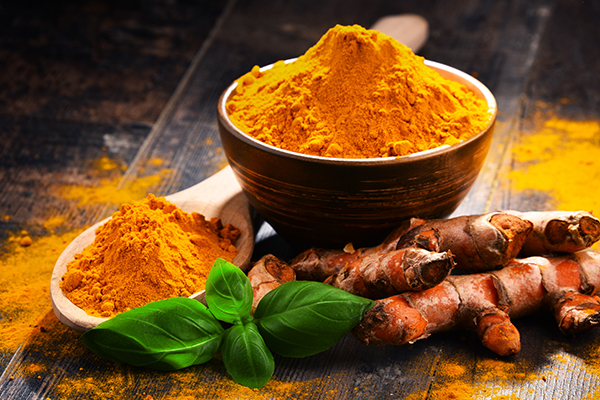
For centuries, turmeric has been revered in traditional medicine, its golden hue symbolizing healing and vitality. Now, modern science is revealing its extraordinary potential to combat one of the deadliest cancers of our time — bowel cancer. A groundbreaking study from Pondicherry University and the University of Pittsburgh Cancer Institute has unveiled the mechanism by which curcumin — turmeric’s bioactive star compound — not only prevents but may even cure colorectal malignancies. This discovery isn’t just a medical breakthrough — it’s a damning indictment of a profit-driven medical-industrial complex that suppresses natural remedies while pushing costly, toxic treatments.Despite mounting evidence of curcumin’s anticancer effects, mainstream medicine remains reluctant to embrace it. Meanwhile, bowel cancer rates are skyrocketing among young adults, a disturbing trend that conventional oncology has failed to explain or reverse. The truth is clear: Nature provides potent solutions, but corruption and greed keep them buried.
Key points:
- Curcumin, the active compound in turmeric, disrupts cancer stem-like cells, preventing tumor growth and recurrence.
- Lab and animal studies show curcumin extends lifespan and slows cancer progression at doses achievable through supplements.
- Rising bowel cancer rates in young adults coincide with the decline of traditional diets and the rise of processed foods — factors ignored by mainstream health authorities.
- Curcumin takes on cancer at the roots, addressing chronic inflammation, gene suppression.
- Additionally, curcumin down regulates COX-2, reducing pro-inflammatory signals, while impairing cancer cell proliferation.
The science behind turmeric’s cancer-fighting power
Curcumin doesn’t just mask symptoms — it attacks cancer at its roots. Researchers found it binds to a key protein (DCLK1) that rogue cells use to multiply, effectively neutralizing their threat. In mice injected with cancer cells, curcumin slashed tumor growth and boosted survival rates, mirroring results from human tissue tests.
Yet here’s the catch: achieving therapeutic doses requires far more curcumin than a typical diet provides. Turmeric powder contains just 2-5% curcumin, meaning a person would need to consume at least 40 grams daily — an impractical amount. This is where supplements, standardized for potency, become essential. Cancer Research UK admits curcumin “can kill cancer cells,” yet downplays its potential, demanding endless studies while ignoring existing data. How many lives must be lost before nature’s remedies get their due?
A silent epidemic: Why are young adults dying from bowel cancer?
Bowel cancer was once a disease of the elderly. Now, it’s ravaging millennials and Gen Z at alarming rates. The Lancet tracked a 3.6% spike in UK cases, while U.S. hospitals report surging diagnoses in patients under 50. What changed? The answer lies in gut health — or the deliberate sabotage of it.
The molecular mechanisms of curcumin in CRC prevention
Gene suppression and anti-inflammatory effects
Curcumin acts similarly to NSAIDs by suppressing genes critical for colorectal cancer (CRC) development, including:
- COX-2 (cyclooxygenase-2): Over-expressed in 77% of CRC cases, COX-2 promotes inflammation and tumor growth. Curcumin downregulates COX-2, reducing pro-inflammatory signals.
- NF-?B (nuclear factor-kappa B): A transcription factor that drives inflammation and cell survival. Curcumin inhibits NF-?B, impairing cancer cell proliferation.
- Beta-catenin/Wnt pathway: Mutations in this pathway are common in CRC. Curcumin disrupts beta-catenin signaling, preventing uncontrolled cell division.
Induction of apoptosis
Curcumin activates programmed cell death in CRC cells through:
- Death receptors (DR5, Fas): Enhances apoptosis signals.
- Caspase activation: Stimulates caspase-3 and caspase-8, key enzymes in cell death pathways.
- Bcl-2 family modulation: Curcumin increases pro-apoptotic Bax while decreasing anti-apoptotic Bcl-2, shifting the balance toward tumor suppression.
Protection against aflatoxin and oxidative damage
Curcumin counteracts aflatoxin, a toxin linked to CRC from mold-contaminated foods. Additionally, it acts as an antioxidant but paradoxically generates ROS (reactive oxygen species) in cancer cells, inducing oxidative stress that triggers apoptosis.
Animal studies: Dramatic reductions in tumor growth
Rodent studies highlight curcumin’s efficacy:
- Suppressed tumor volume by 57% in rats fed curcumin-enriched diets.
- Prevented metastasis by inhibiting invasive adenocarcinomas.
- Reduced polyp formation in mice genetically predisposed to CRC (ApcMin/+ models).
A synergistic effect was observed when curcumin was combined with silymarin and boswellic acids, enhancing chemoprevention.
Clinical trials: Evidence in humans
While human trials are still limited, key findings include:
- Phase I trials confirmed safety at doses up to 3.6 g/day (though bioavailability remains low).
- Phase II trials showed anticancer potential in pancreatic and colorectal cancers, but results were inconsistent.
- Oral curcumin accumulates in colorectal tissue, making it more effective against GI tract cancers than systemic malignancies.
- In FAP patients, one study saw a 60% reduction in polyp number, but a larger trial found no significant improvement, suggesting curcumin may be more effective in sporadic CRC prevention.
Despite its promise, low bioavailability remains a hurdle. Researchers are exploring:
- Liposomal curcumin (intravenous formulations).
- Combination therapies with conventional chemo drugs (e.g., FOLFOX).
- Dietetic synergies (e.g., curcumin + quercetin).
Curcumin’s ability to modulate inflammation, apoptosis, and oxidative stress makes it a powerful phytochemical for CRC prevention. While more extensive human trials are needed, current evidence suggests that integrating curcumin into diets or supplements — especially when combined with bioavailability enhancers — could offer a natural, low-toxicity strategy to reduce CRC risk.
Sources include:
Dailymail.co.uk
Cancer.gov
Pubmed.gov
How curcumin could revolutionize BOWEL CANCER PREVENTION – NaturalNews.comIf you're gonna fight, fight like you're the third monkey on the ramp to Noah's Ark... and brother its starting to rain. Join our efforts to Secure America's Borders and End Illegal Immigration by Joining ALIPAC's E-Mail Alerts network (CLICK HERE)
-
07-04-2025, 03:10 PM #274Senior Member
- Join Date
- Aug 2018
- Posts
- 92,697
Plums: A superfood for digestive health and beyond
07/04/2025 // Laura Harris // 620 Views
Tags: #nutrition, antioxidants, food cures, food is medicine, food science, fruits, functional foods, goodfood, goodhealth, grocery cures, health science, natural health, nutrients, organics, phytonutrients, Plums, superfoods
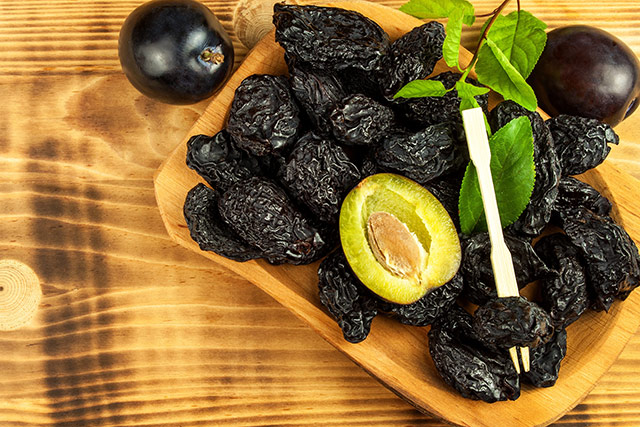
- Plums (especially prunes) are rich in fiber and sorbitol, a natural laxative, making them effective for treating chronic constipation and irritable bowel syndrome.
- Studies show plums can help reduce bone loss and lower LDL cholesterol, supporting bone density and cardiovascular health.
- High in antioxidants like anthocyanins and ursolic acid, plums can protect against oxidative stress and interfere with cancer cell growth.
- Purple plums have a cooling effect, aiding liver function and hydration, while yellow plums are slightly warming. However, they should be avoided by those with stomach ulcers due to their acidity.
- Enjoyed fresh, dried or cooked, plums enhance both sweet (pies, jams) and savory (chutneys, glazes) dishes. Their color can be intensified with lemon juice when cooking.
Plums are more than just a sweet and juicy fruit – they are a nutritional powerhouse with a rich history and a wide range of health benefits. Whether eaten fresh, dried or incorporated into recipes, plums offer a wealth of vitamins, minerals and antioxidants that can support digestion, immunity and overall well-being.
History of plums
Plums (Prunus domestica) belong to the rose family, which also includes cherries, peaches and almonds. They are believed to have originated in China over 2,000 years ago and later spread to Europe and other parts of the world.
Greek writers noted that cultivated plums were initially imported from Syria, and the Romans later introduced them to northern Europe. Their presence in Europe was further reinforced in the 12th century when Crusaders brought plum trees back from Syria.
By the 17th century, European settlers had transported plums to North America, where Spanish missionaries and English colonists helped establish them in the western and eastern regions. Over time, plums became a dietary staple, consumed fresh or dried.
Today, there are over 2,000 cultivated plum varieties that differ in size, shape and color – from small cherry-like fruits to larger peach-sized ones, in shades of red, purple, yellow and green.
Nutritional benefits of plums
Plums are packed with essential nutrients, making them a standout superfood. Here's a breakdown of their key benefits:
High in fiber for digestive health
- A 3.5-ounce (100 grams, g) serving of fresh plums provides 1.4 g of dietary fiber, which aids digestion, prevents constipation and supports a healthy gut microbiome. Dried plums (prunes) contain even more fiber, offering up to 7 g per serving, making them a natural remedy that supports bowel regularity.
Rich in antioxidants
- Plums contain powerful phenolic compounds, including anthocyanins (which give them their vibrant color), quercetin and chlorogenic acid. These antioxidants help neutralize free radicals, reduce oxidative stress and can lower the risk of chronic diseases like heart disease and cancer. (Related: Studying the anticancer potential of the common plum.)
Excellent source of vitamin C
- A single medium-sized plum provides about 10 percent of the daily vitamin C requirement. Vitamin C strengthens the immune system, promotes collagen synthesis for healthy skin, and enhances iron absorption.
Provides essential vitamins and minerals
- Plums provide essential vitamins and minerals, such as potassium for blood pressure regulation, vitamin K for bone health and blood clotting, iron for oxygen transport and B vitamins (B1, B2, B6) for supporting energy metabolism.
Low glycemic index (GI)
- Despite their natural sweetness, plums have a low GI (around 40), meaning they release sugar slowly into the bloodstream, making them a smart choice for blood sugar management and diabetes-friendly snacking.
Plums are highly nutritious, but conventionally grown varieties may contain harmful pesticide residues.
According to the Environmental Working Group (EWG), plums rank moderately for pesticide contamination, with chlorpyrifos (banned in some countries but still used elsewhere), imidacloprid (a neonicotinoid linked to bee decline) and pyrethroids (used for insect control) often detected in conventionally grown plums. Although plums are not typically high in heavy metals, soil contamination with lead or cadmium can be an issue in polluted areas.
To minimize exposure to these toxic chemicals, always choose organic plums as they are grown without synthetic pesticides. If organic options are not available, thoroughly washing or peeling conventional plums can help reduce residues, though some pesticides may still persist due to absorption from contaminated soil and water.
Culinary uses of plums
Plums are incredibly versatile and suits both sweet and savory dishes. Here are some delicious ways to enjoy plums:
Fresh plums
- Eat raw as a snack
- Add to fruit salads, yogurt or oatmeal
Baked goods
- Plum cake – A classic European dessert
- Plum tarts and pies – Perfect for summer baking
Savory dishes
- Plum chutney – Pairs well with cheese and grilled meats
- Plum-glazed pork or duck – Dish with a sweet-tart flavor
Dried plums (prunes)
- Prune juice – A natural digestive aid
- Stewed prunes – Great for gut health
Preserves and jams
- Plum jam – A delicious spread for toast or pastries
- Pickled plums – A tangy condiment for Asian dishes
Plums are a nutrient-dense, antioxidant-rich fruit that supports digestion, immunity and heart health. Whether you enjoy them fresh, dried or cooked, plums offer a delicious way to boost your nutrient intake.
This story is not medical advice and is not intended to treat or cure any disease. Always consult with a qualified naturopathic physician for personalized advice about your specific health situation or concern.
Learn more about the health benefits of superfoods and other natural ingredients at NaturalNews.com, your trusted source for wellness insights and nutritional knowledge.
For cutting-edge tools to expand your understanding of natural health, try Brighteon.ai, an innovative AI model created by Mike Adams, the Health Ranger. This free, downloadable tool is designed to decentralize knowledge, bypass censorship, and empower individuals with actionable information.
If you're passionate about nutrition, natural medicine, and uncensored discussions, visit Brighteon.com, a free speech video platform, and join our vibrant communities on Brighteon.IO and Brighteon.social. Dive into open conversations about food, ingredients and holistic health today!
Watch this video about the top five health benefits of plums.
This video is from the Daily Videos channel on Brighteon.com.
More related stories:
Polyphenols in plum exhibit anticancer properties.
Black plum: A nutrient-packed superfood with timeless appeal.
Japanese plum offers protection against fatty liver, reveals study.
Sources include:
Brighteon.AI
NaturalNews.com
Brighteon.com
Plums: A superfood for digestive health and beyond – NaturalNews.com
If you're gonna fight, fight like you're the third monkey on the ramp to Noah's Ark... and brother its starting to rain. Join our efforts to Secure America's Borders and End Illegal Immigration by Joining ALIPAC's E-Mail Alerts network (CLICK HERE)
-
07-05-2025, 09:11 AM #275Senior Member
- Join Date
- Aug 2018
- Posts
- 92,697
The miracle of MORINGA: Unveiling the power of nature’s most versatile superfood
07/05/2025 // Belle Carter // 90 Views
Tags: #nutrition, antioxidant, Cures, diet, food cures, food is medicine, goodfood, goodhealth, goodmedicine, goodscience, health, miracle tree, Moringa oleifera, natural cures, natural health, natural medicine, nutrients, plant medicine, remedies, superfood, veggie, vitamins
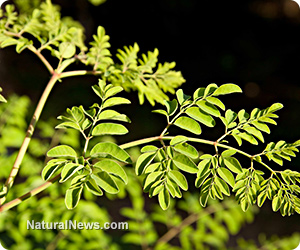
- Moringa oleifera, native to the Himalayas, is a superfood packed with vitamins (A, C, E), minerals (calcium, potassium) and protein, making it a vital resource in combating malnutrition, especially in underdeveloped regions.
- Moringa aids in regulating blood sugar, improving digestive health (through enzyme efficiency) and supporting heart health by reducing cholesterol and inflammation. It may also have anti-cancer properties.
- The plant rejuvenates skin, delays aging and combats acne through its antioxidants and collagen-boosting effects. Moringa oil is widely used in moisturizing and herbal skincare products.
- Moringa seeds purify water by removing contaminants, aiding communities with limited clean water access. Its easy cultivation in diverse climates (especially semi-arid regions) offers economic opportunities for farmers and producers.
- From dietary supplements to skincare and water purification, moringa is a natural, multifaceted solution. Its low-maintenance growth and rising market demand make it a promising tool for global health and sustainability.
A new star has emerged, capturing the attention of nutritionists, environmentalists and health enthusiasts alike. This is the story of Moringa oleifera, often referred to as the "miracle tree."
Originating from the Himalayan regions, this unassuming plant has transcended its roots to become a global phenomenon. With its remarkable health benefits and versatile applications discussed in Phattarapong Thong-Ngern's book, "Moringa Oleifera Benefits Superfoods," moringa is being hailed as a superfood with the potential to revolutionize nutrition, skincare and even water purification.
M. oleifera, a plant native to the Himalayan regions, has gained recognition for its exceptional nutritional profile. It is rich in essential vitamins, minerals and antioxidants, making it a potent tool in combating malnutrition. In underdeveloped regions where access to nutritious food is limited, moringa serves as a vital resource. Its leaves, pods and seeds are packed with vitamins A, C and E, as well as calcium, potassium and protein. This nutritional density has led to its widespread use in humanitarian efforts to alleviate malnutrition.
Beyond its nutritional value, moringa offers a plethora of health benefits. It has been shown to help regulate blood sugar levels, making it a potential ally for individuals with diabetes. The presence of ascorbic acid, vitamins B1 and B12 and other compounds aids in stimulating insulin secretion and maintaining balanced insulin levels. This makes moringa a natural remedy for those seeking to manage their blood sugar naturally.
Digestive health is another area where moringa shines. The plant contains enzymes that facilitate digestion, breaking down complex molecules into simpler substances. Regular consumption of moringa can enhance the efficiency of these enzymes, potentially aiding in the treatment of ulcers and other digestive issues.
Moringa is also a powerhouse in the realm of anti-aging and skincare. Its properties can help delay senescence, giving the skin a healthy, youthful glow. The plant's ability to rejuvenate the skin and prevent the formation of dead cells makes it a natural fountain of youth. Moringa oil, in particular, is a popular ingredient in herbal creams due to its moisturizing properties, which are especially beneficial in dry climates.
For those struggling with acne, moringa offers a natural solution. Applying a paste made from moringa leaves can exfoliate and moisturize the skin, reducing acne over time. Additionally, the antioxidants and collagen-boosting properties of moringa help prevent wrinkles, keeping the skin fresh and vibrant.
Moringa's benefits extend to heart health as well. The plant contains anti-inflammatory compounds and methionine, which can help lower cholesterol levels and reduce the risk of heart disease. Some researchers even believe that moringa could play a role in cancer prevention, thanks to its ability to strengthen cells and improve immunity.
In addition to its health benefits, moringa has practical applications in environmental sustainability. The seeds of the moringa tree have coagulant properties that can remove contaminants from water, making it safer to drink. This is particularly valuable in areas where access to clean water is a challenge.
The plant is easy to grow, requiring minimal care and thriving in a variety of climates, particularly in semi-arid regions. This ease of cultivation makes it an attractive option for small-scale farmers and large producers alike. With the growing awareness of its benefits, there is a burgeoning market for moringa products, presenting lucrative opportunities for those involved in its production.
M. oleifera is truly a miracle tree with a wide range of uses and benefits. From improving health to purifying water, its potential is vast. Whether you're looking to enhance your diet, boost your skincare routine or even start your own moringa farm, this plant is worth considering. As the world continues to seek natural solutions to modern health challenges, moringa stands out as a versatile and powerful ally.
Learn more about the uses and benefits of moringa oleifera by watching the video.
This video is from the BrightLearn channel on Brighteon.com.
Sources include:
Brighteon.ai
Brighteon.com
The miracle of MORINGA: Unveiling the power of nature’s most versatile superfood – NaturalNews.com
If you're gonna fight, fight like you're the third monkey on the ramp to Noah's Ark... and brother its starting to rain. Join our efforts to Secure America's Borders and End Illegal Immigration by Joining ALIPAC's E-Mail Alerts network (CLICK HERE)
-
07-07-2025, 11:46 AM #276Senior Member
- Join Date
- Aug 2018
- Posts
- 92,697
The power of herbs for health and well being: Unlocking nature’s pharmacy with Richard Lucas’ “Miracle Medicine Herbs”
07/07/2025 // Kevin Hughes // 240 Views
Tags: alternative medicine, astragalus, Coltsfoot, Cures, Echinacea, eleuthero, garlic, ginkgo biloba, goodhealth, goodmedicine, herbal medicine, Herbs, Hop Pillow, Iceland Moss, immune system, Miracle Medicine Herbs, natural cures, natural health, natural medicine, oats, Passion flower, plant medicine, reishi mushroom, remedies, Richard Lucas, Soybean lecithin, stress, yerba santa

- Key herbs like Echinacea, Astragalus, reishi and Eleuthero enhance immune function, supporting T-cell activity, stress adaptation and antioxidant protection. Astragalus may even improve cancer survival rates when combined with conventional treatments.
- Ginkgo biloba improves blood flow to the brain, aids memory, and may protect against stroke. Soybean lecithin converts to acetylcholine, supporting brain messaging and cardiovascular health by reducing arterial cholesterol buildup.
- Coltsfoot, yerba santa, Iceland moss and garlic address coughs, asthma, and infections. Garlic's antiviral properties and wild plum bark's antispasmodic effects offer additional respiratory support.
- Passion flower and oats calm nerves, relieve insomnia and ease headaches. Hop pillows serve as a folk remedy for inducing drowsiness and improving sleep quality.
- While natural remedies provide significant benefits, consulting a healthcare professional before use – especially when on medication – is essential to ensure safety and efficacy.
In a world where health challenges are increasingly complex, the quest for natural remedies has gained renewed interest. And today, people can delve into the world of herbal medicine – guided by Richard Lucas' seminal work "Miracle Medicine Herbs" – to explore how nature's pharmacy can strengthen the immune system, enhance brain function and support overall well-being.
At the heart of good health lies a robust immune system, the human body's primary defense against a myriad of illnesses, including cancer, Epstein-Barr and chronic infections. The book highlights several herbs that have been revered for centuries for their immune-boosting properties.
Echinacea, a North American native, stands out as a powerhouse herb. Indigenous tribes have long used it as a universal antidote for snake bites, venomous stings and infections.
Modern research confirms its effectiveness. Echinacea contains compounds with both antiviral and antibacterial properties, making it a formidable ally in enhancing our immune response.
Astragalus, a perennial herb from China, is another key player. Known as one of the most important deep immune tonics, it supports T-cell function and overall immune strength. Studies have shown that Astragalus can even double the survival rate of cancer patients when used alongside conventional treatments like chemotherapy and radiation.
The reishi mushroom, often referred to as the "Mushroom of Immortality" in traditional Chinese medicine, is a true adaptogen. It not only bolsters the immune system, but also helps combat allergies and various degenerative diseases.
Stress, environmental toxins, poor diet, lack of sleep and certain medications can weaken people’s immune defenses. However, herbs like Eleuthero – also known as Siberian ginseng – offer a solution. With over 1,000 scientific studies backing its adaptogenic effects, Eleuthero increases our body's ability to adapt to stress and acts as a potent antioxidant, protecting human cells from damage.
Garlic, a common kitchen staple, is another powerful immune booster. Rich in germanium, a mineral that strengthens the immune system, garlic has been used for thousands of years to treat a variety of ailments – from intestinal disorders to respiratory infections. Its potential as an AIDS treatment was even discussed at the Fifth International AIDS Conference, with studies showing promising results in boosting key immune cells.
As people age, many of them experience memory lapses and cognitive decline. Ginkgo biloba, one of the oldest living species of trees, offers hope. This herb has a history of use in Oriental medicine for thousands of years.
Modern research shows that Ginkgo extract increases blood flow to the brain, enhances nerve signal transmission, and may even offer protection against stroke. It is recommended as a supplement to resist the effects of premature aging and improve symptoms like short-term memory loss, senility and tinnitus.
Soybean lecithin, a key nutrient for the brain, transforms into acetylcholine, a chemical that directly influences brain messages. Studies have shown that lecithin can help prevent cholesterol from accumulating in the arteries, potentially reducing the risk of atherosclerosis and heart attacks.
For those battling common ailments like coughs, colds and respiratory issues, herbs like coltsfoot, yerba santa and Iceland moss offer relief. Coltsfoot's expectorant properties make it valuable for combating lung and bronchial ailments, while yerba santa's properties make it effective for treating asthma, colds, bronchitis and throat irritation. Iceland Moss – with its demulcent, tonic and nutritive properties – is a soothing choice for respiratory health.
Garlic, with its antiviral and antibacterial properties, is a formidable opponent to respiratory infections. Meanwhile, wild plum bark's antispasmodic action makes it a valuable remedy for relieving asthma and bronchitis.
For those struggling with nervous tension, insomnia and headaches, passion flower offers a natural sedative effect, easing pain and promoting calmness. Oats act as a restorative and tonic, strengthening and calming the nerves, making them effective for conditions of nervous prostration and insomnia.
For those with insomnia, a hop pillow might be the solution. The strong odor of hops has a soothing influence on the nerves and produces drowsiness, making it a popular folk remedy for insomnia.
While these natural allies can be incredibly beneficial, it is crucial to consult with a healthcare professional before starting any new herbal regimen, especially if you are on medication or have underlying health conditions.
In conclusion, the world of herbal medicine offers a treasure trove of remedies for enhancing immunity, boosting brain function, and supporting overall health. As people continue to explore the power of herbs, they unlock nature's pharmacy, paving the way for a healthier, more balanced life.
Watch this video about Richard Lucas' book "Miracle Medicine Herbs."
This video is from the BrightLearn channel on Brighteon.com.
Sources include:
Brighteon.ai
Brighteon.com
Related Topics
alternative medicine astragalus Coltsfoot Cures Echinacea eleuthero garlic ginkgo biloba goodhealth goodmedicine herbal medicine Herbs Hop Pillow Iceland Moss immune system Miracle Medicine Herbs natural cures natural health natural medicine oats Passion flower plant medicine reishi mushroom remedies Richard Lucas Soybean lecithin stress yerba santa
The power of herbs for health and well being: Unlocking nature’s pharmacy with Richard Lucas’ “Miracle Medicine Herbs” – NaturalNews.comIf you're gonna fight, fight like you're the third monkey on the ramp to Noah's Ark... and brother its starting to rain. Join our efforts to Secure America's Borders and End Illegal Immigration by Joining ALIPAC's E-Mail Alerts network (CLICK HERE)
-
07-08-2025, 03:42 PM #277Senior Member
- Join Date
- Aug 2018
- Posts
- 92,697
Cat’s claw bark emerges as Lyme disease’s nemesis, outsmarting stealth bacteria when antibiotics fail
07/08/2025 // Lance D Johnson // 0 Views
Tags: Antibiotics, Big Pharma, Borrelia burgdorferi, Cat's Claw, chronic illness, detox, Glutathione, herbal antibiotics, herbal medicine, holistic health, immune system, inflammation, Lyme disease, Lyme treatment, medical freedom, natural remedies, neuropathy, oxidative stress, Peru, Samento
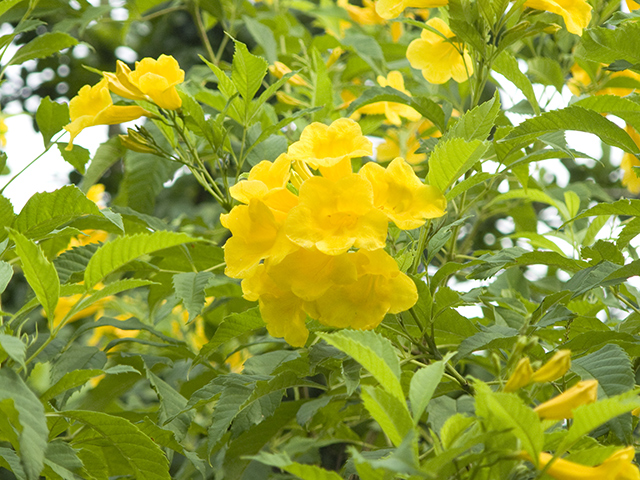
For decades, Lyme disease patients have been trapped in a cycle of debilitating symptoms and ineffective antibiotic treatments, their bodies ravaged by the elusive Borrelia burgdorferi bacteria. But what if the answer lies not in Big Pharma’s lab-made drugs, but in an ancient Peruvian herb? Emerging research reveals that Uncaria tomentosa, commonly known as cat’s claw, holds powerful bioactive compounds that not only dismantle Lyme bacteria’s defenses but also rebuild immune function—something antibiotics alone fail to achieve. In an era where corporations prioritize profits over cures, nature may hold the key to liberation from chronic suffering.
Key points:
- Cat’s claw, particularly its TOA-free Samento form, disrupts Lyme bacteria’s shape-shifting abilities, making it far more effective than conventional antibiotics.
- The herb modulates immune response, reduces inflammation, and protects neurological function—addressing Lyme’s systemic damage.
- Clinical studies, including a landmark 2020 study investigating botanical treatments, confirm Cat's claw and other botanical often faster recovery and fewer relapses compared to standard antibiotic-based Lyme disease treatments.
- Supporting therapies like glutathione supplementation, detox protocols, and anti-inflammatory herbs amplify recovery.
- Several botanical extracts, including black walnut hull, have emerged as therapeutic treatments for Lyme's disease.
How to spot Lyme Disease before it hijacks your health
Lyme disease is a master of disguise, often evading diagnosis due to its vague early symptoms. The hallmark bullseye rash (erythema migrans) appears in only 70% of cases, so absence doesn’t rule it out. Early flu-like fatigue, muscle aches, and fever—common post-tick bite—are red flags.
As infection progresses, watch for neurological red flags: brain fog, facial palsy (Bell’s palsy), or tingling in extremities. Chronic cases may mimic autoimmune disorders, with heart palpitations, joint swelling, or light sensitivity. If standard antibiotics fail or symptoms linger, advanced testing (like Western Blot or PCR) or co-infections (Babesia, Bartonella) may be at play. Act fast: early treatment prevents long-term havoc on the immune system.
How cat’s claw dismantles Lyme’s defenses
Lyme disease isn’t just stubborn—it’s a master of evasion. Borrelia burgdorferi morphs into different forms (spirochetes, cysts, and biofilm-protected colonies) to resist antibiotics. But cat’s claw’s alkaloids, like isopteropodine, wage biological warfare on these stealth tactics. Unlike synthetic drugs that only target one bacterial form, cat’s claw’s pentacyclic oxindole alkaloids (POAs) dismantle Lyme’s inherent survival strategy.
Indigenous healers in Peru have used cat’s claw for centuries to treat infections and inflammation. Modern science now validates their wisdom. A 2020 study found Lyme patients using Samento—a TOA-free cat’s claw extract—reported significant improvements in fatigue, joint pain, and cognitive function. These results expose a harsh truth: mainstream medicine’s reliance on antibiotics is outdated—and often catastrophic for chronic Lyme sufferers.
The glutathione connection: Detoxifying Lyme’s toxic aftermath
While cat’s claw attacks Lyme at its root, glutathione—the body’s "master antioxidant"—cleans up the wreckage. Lyme bacteria release toxins that cripple immunity and spike inflammation, but glutathione binds to these poisons and flushes them out.
For Lyme patients, boosting glutathione isn’t optional—it’s survival. Liposomal glutathione supplements and precursors like N-acetylcysteine (NAC) repair cellular damage, shield nerves, and quell cytokine storms. But Big Pharma won’t promote glutathione—because it can’t be patented. Instead, patients are pushed toward expensive, symptom-masking drugs while the underlying infection festers.
Beyond cat’s claw, these supplements can accelerate recovery:
- Celery juice (32 oz twice daily): Floods the body with electrolytes and detoxifying sodium cluster salts.
- Barley grass juice powder: Chlorophyll-rich, alkalizing, and packed with immune-boosting minerals.
- Zinc and vitamin C: Critical for immune defense and collagen repair.
- Lemon balm and licorice root: Calm viral co-infections like Epstein-Barr.
Best synergistic treatments for Lyme's
In the study, Evaluation of Natural and Botanical Medicines for Activity Against Growing and Non-growing Forms of B. burgdorferi, several botanical medicines emerged as therapeutic.
- Cryptolepis sanguinolenta (anti-inflammatory, antibacterial; acts via cryptolepine and DNA intercalation)
- Polygonum cuspidatum (contains resveratrol and emodin; effective against log-phase spirochetes)
- Juglans nigra (black walnut; contains juglone, with bacteriostatic effects)
- Artemisia annua (artemisinin showed activity against persister cells; whole-plant extracts may enhance efficacy)
- Cistus incanus/creticus (contains carvacrol; inhibits biofilms)
- Scutellaria baicalensis (baicalein disrupts biofilms and synergizes with antibiotics)
In a world where corporate medicine profits from perpetual sickness, cat’s claw and its natural allies offer more than hope—they offer a road to real healing.
Sources include:
TheEpochTimes.com
MedicalNewsToday.com
Pubmed.gov
FrontiersIn.org
Cat’s claw bark emerges as Lyme disease’s nemesis, outsmarting stealth bacteria when antibiotics fail – NaturalNews.comIf you're gonna fight, fight like you're the third monkey on the ramp to Noah's Ark... and brother its starting to rain. Join our efforts to Secure America's Borders and End Illegal Immigration by Joining ALIPAC's E-Mail Alerts network (CLICK HERE)
-
07-08-2025, 05:49 PM #278Senior Member
- Join Date
- Aug 2018
- Posts
- 92,697
Exploring the green pharmacy: An in-depth look into “Herbal Medicine From the Heart of the Earth”
07/08/2025 // Belle Carter // 690 Views
Tags: alternative medicine, Cures, goodhealth, goodmedicine, goodscience, green living, healing, health science, herbal medicine, Herbal Medicine From the Heart of the Earth, Herbs, natural antibiotics, natural cures, natural medicine, nature's pharmacy, Naturopathy, phytonutrients, plant medicine, remedies, Sharol Marie Tilgner

- Dr. Sharol Tilgner's "Herbal Medicine From the Heart of the Earth" is a detailed, research-backed resource covering a wide range of herbs, from common adaptogens (e.g., ashwagandha, ginseng) to potent but risky abortifacients, emphasizing their benefits and precautions.
- Authored by a seasoned naturopathic physician and master herbalist, the book blends hands-on experience, scientific insights and holistic principles, making it accessible to beginners and professionals.
- The book highlights specific uses like adrenal support (borage, licorice), pain relief (kava kava, willow), anti-inflammatory effects (turmeric, devil's claw) and antibacterial activity (garlic, goldenseal).
- It stresses the importance of responsible use, especially with sensitive topics like abortifacients and advises consulting healthcare professionals when integrating herbs with medications or pregnancy.
- It also advocates for herbal medicine as a tool for overall wellness – not just symptom management – and encourages a respectful, informed reconnection with nature's healing potential.
"Herbal Medicine From the Heart of the Earth" by Sharol Marie Tilgner serves as both a guide and a manifesto for this movement, offering a comprehensive exploration of the plant world's potential to heal and nurture. Published at a time when interest in natural remedies is surging, Tilgner's work is a timely contribution to the field, providing readers with a detailed roadmap to the diverse and often misunderstood world of herbal medicine.
Tilgner, a naturopathic physician and master herbalist, brings decades of experience to the table, making her insights both authoritative and accessible. Her book is a meticulously researched compendium that delves into the properties and applications of a wide array of herbs, from the well-known to the obscure. It is a resource that speaks to both the novice and the seasoned practitioner, offering something for everyone interested in the potential of nature's pharmacy.
One of the most intriguing sections of the book deals with abortifacient herbs. Tilgner approaches this sensitive topic with the gravity it deserves, emphasizing the critical importance of caution. "Practitioners must exercise extreme caution when using these herbs," she writes, underscoring the need for absolute certainty about a woman's pregnancy status before considering their use. She warns that these herbs may not always be effective and could potentially harm the fetus if the attempt is unsuccessful. This section serves as a stark reminder of the power and potential risks associated with herbal medicine.
Tilgner also introduces readers to the world of adaptogens, herbs that help the body maintain balance and cope with stress. "Imagine feeling overwhelmed and then taking a sip of ginseng tea," she writes. "Suddenly, a wave of calm and resilience washes over you." This vivid imagery captures the essence of adaptogens, which include popular herbs like ashwagandha, ginseng and Siberian ginseng. These plants are celebrated for their ability to help the body adapt to various stressors, making them a valuable tool in the modern world.
The book delves into the realm of adrenal support, highlighting herbs that stimulate and support the adrenal glands. "Think of your adrenal glands as tiny powerhouses," Tilgner suggests, "and these herbs as the fuel that keeps them running smoothly." Borage, echinacea and licorice are among the herbs she discusses, each offering unique benefits for those seeking to bolster their adrenal health.
For those dealing with pain, Tilgner offers a wealth of information on analgesics and anodynes. "Kava kava, willow and valerian are just a few examples of natural pain relievers," she notes. This section is particularly relevant in a world where many are seeking alternatives to conventional pain medications.
Combating inflammation -- a common issue affecting millions -- is another area where herbal medicine shines. Tilgner explains that anti-inflammatory herbs work in various ways, from containing salicylates to being rich in flavones and flavonoids. "Turmeric, chamomile and devil's claw are just a few examples of herbs that can help soothe inflammation and bring relief," she writes. This section is a testament to the diverse range of options available for those looking to manage inflammation naturally.
Tilgner also addresses the concern of bacterial infections, discussing the role of antibacterial herbs like calendula, garlic and goldenseal. "These herbs are known for their ability to destroy or suppress the growth of bacteria," she explains, offering a natural alternative for those looking to combat infections.
Beyond these specific categories, the book covers a wide range of herbal applications, from antacids to antispasmodics and immune-supporting herbs like astragalus and echinacea. Tilgner emphasizes that herbal medicine is not just about treating symptoms but supporting the body's natural healing processes and promoting overall well-being.
"Herbal Medicine From the Heart of the Earth" is a call to reconnect with nature and harness its healing power. Tilgner's work is a reminder that while herbal medicine can be incredibly beneficial, it should be approached with caution and respect. This book is a valuable resource for anyone interested in exploring the potential of herbal medicine, offering both knowledge and inspiration for a healthier, more balanced life.
Learn more about herbal medicine by watching the video.
This video is from the BrightLearn channel on Brighteon.com.
Sources include:
Brighteon.ai
Brighteon.com
Exploring the green pharmacy: An in-depth look into “Herbal Medicine From the Heart of the Earth” – NaturalNews.com
If you're gonna fight, fight like you're the third monkey on the ramp to Noah's Ark... and brother its starting to rain. Join our efforts to Secure America's Borders and End Illegal Immigration by Joining ALIPAC's E-Mail Alerts network (CLICK HERE)
-
07-11-2025, 10:54 AM #279Senior Member
- Join Date
- Aug 2018
- Posts
- 92,697
Cultivating abundance: Expert tips for growing potatoes and sweet potatoes
07/10/2025 // Evangelyn Rodriguez // 710 Views
Tags: agriculture, emergency food, food freedom, food supply, green living, harvest, home gardening, homesteading, off grid, organic farming, organics, potatoes, preparedness, prepper, prepping, survival, survival food, sweet potatoes, tips
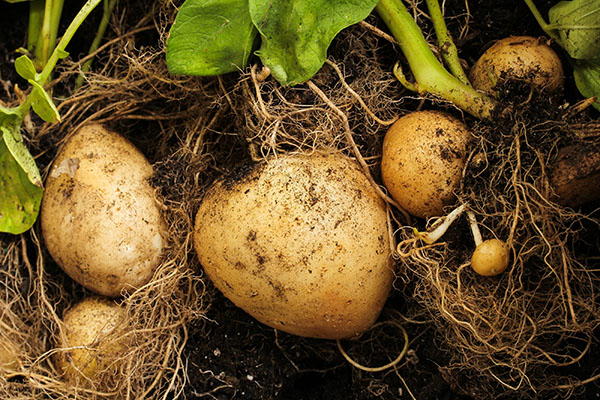
- Rising food prices and supply chain issues are driving interest in home gardening, particularly for calorie-dense staples like potatoes and sweet potatoes.
- Sweet potatoes thrive in loose, well-draining soil, while potatoes prefer slightly acidic, loamy soil with careful attention to temperature and nitrogen levels.
- Use disease-free slips for sweet potatoes and certified seed potatoes for optimal yields, adjusting strategies for determinate and indeterminate potato varieties.
- Risks include soil mismanagement, pests and weather setbacks — contingency planning and proper curing and storage are crucial.
- Self-reliance, food security and flavorful harvests make these crops worth the patience and precision they require.
In an era of rising food prices and supply chain uncertainties, more people are turning to home gardening as a way to secure nutritious, affordable produce. Among the most rewarding crops to cultivate are sweet potatoes and potatoes — versatile, calorie-dense staples that thrive in the right conditions. Whether grown in backyard plots or raised beds, these tubers offer a reliable yield when planted with proper soil preparation, timing and care.
But achieving a bountiful harvest requires knowledge that will allow you to avoid common pitfalls such as soil mismanagement, disease and improper planting techniques. (Related: Cultivating a greener future: The timeless wisdom of Carla Emery’s “Growing Your Own Vegetables”.)
The sweet spot for sweet potatoes
Sweet potatoes flourish in loose, well-draining soils — preferably loamy to sandy. Heavy clay soils spell trouble as they resist lightening even with amendments, and excessive compost or manure can degrade tuber quality. For optimal growth, gardeners should prepare the planting area by spreading a thin layer of well-rotted manure or compost and thoroughly tilling the soil. Forming raised beds — about six to eight inches high and four feet apart — ensures proper drainage, a critical factor for success.
Planting material can come from vine cuttings or rooted shoots (also known as slips), spaced 15 inches apart. Alternatively, clusters of three seedlings per hill (spaced four feet apart) work well in moderately fertile soil. According to agricultural experts, each plant can yield eight to twelve sizable tubers under ideal conditions — that is, long, warm summers with moderate soil fertility. However, yields drop sharply in cooler climates like in the northern U.S., where growers may harvest only one pound per linear foot.
A crucial consideration is sourcing disease-free planting stock. Sweet potatoes, like their Irish counterparts, are prone to viral infections and mutations. Commercial growers often propagate from tissue-culture clones to ensure purity, boosting yields by up to 30 percent. For this reason, purchasing shoots from reputable suppliers can make or break a harvest.
Mastering the humble potato
Potatoes, meanwhile, demand a different but equally methodical approach. They perform best in loamy, slightly acidic soil enriched with compost or manure, with an ideal pH between 5 to 6. Although potatoes are adaptable, soil temperature at planting time is nonnegotiable: Below 50 F, seeds risk rotting. Meanwhile, overly nitrogen-rich soil spurs lush foliage at the expense of tubers.
Determinate and indeterminate varieties influence planting strategies. Determinate types, which form tubers in a compact zone near the seed, suit shorter growing seasons and containers. Indeterminate varieties, extending tubers along buried stems, excel in deep beds or bags. For northern growers like those in Zone 5B, determinant cultivars often prevail, whereas warmer regions may favor sprawling indeterminates.
Timing is everything. Two annual plantings — early spring for midsummer harvest and early June for winter storage — maximize output. Certified disease-resistant seed potatoes minimize blight and scab risks, though vigilance against pests (like frost and rodents) remains essential. Over-fertilization, a common mistake, must be avoided; balanced soil tests can guide proper nutrient application.
Lessons from the field
Even seasoned gardeners face setbacks. You can lose an entire crop to unseasonable cold and rain, prompting a frantic seed replacement. Such mishaps underscore the value of contingency planning — whether through local seed swaps or trusted suppliers. Container experiments have also revealed limitations: While feasible, bag-grown potatoes often underperform compared to raised beds, returning marginal yields for the effort and soil costs.
Harvesting requires timing and finesse. Sweet potatoes mature fully before frost, while potatoes signal readiness when their foliage yellows and dies back. Gentle digging prevents damage, and curing tubers in dry, cool conditions extends storage life. For sustainability-minded growers, saving select tubers as next year’s seed completes the cycle.
Rooted in resilience
For home gardeners seeking food security and flavor, sweet potatoes and potatoes deliver unparalleled returns. Their cultivation marries patience with precision — respecting soil needs, weather patterns and genetic vigor. Yet the reward transcends practicality: There’s undeniable satisfaction in unearthing a homegrown haul, knowing each tuber represents self-reliance nurtured from the ground up. (Related: Potatoes and sweet potatoes: Differences, nutrient profiles and healthy ways to prepare them.)
In a world of uncertainty, that’s a harvest worth digging for.
Homesteading.news has more tips on how to start a food garden.
Watch the following video to learn how to grow potatoes in hay.
This video is from the HealthPetal channel on Brighteon.com.
More related stories:
Kenyan researchers evaluate method of growing potatoes using air.
Want bigger, healthier potatoes? Use straw mulch; it improves soil quality and suppresses weeds.
Avoid these common mistakes when growing potatoes.
Sources include:
Brighteon.ai
Extension.OkState.edu
Link.Springer.com
GrowGreatPotatoes.com
TheOrganicPrepper.com
Brighteon.com
Cultivating abundance: Expert tips for growing potatoes and sweet potatoes – NaturalNews.com
If you're gonna fight, fight like you're the third monkey on the ramp to Noah's Ark... and brother its starting to rain. Join our efforts to Secure America's Borders and End Illegal Immigration by Joining ALIPAC's E-Mail Alerts network (CLICK HERE)
-
07-11-2025, 11:14 AM #280Senior Member
- Join Date
- Aug 2018
- Posts
- 92,697
Magic mushrooms may hold the secret to longevity: Psilocybin extends lifespan by 57% in groundbreaking study
07/10/2025 // Lance D Johnson // 1.9K Views
Tags: alternative therapies, anti-aging, cellular lifespan, Clinical trials, DNA stability, Emory University, geroprotector, healthy aging, longevity, Louise Hecker, magic mushrooms, medical freedom, mental health, natural medicine, oxidative stress, psilocybin, psychedelic medicine, serotonin receptors, SIRT1, telomeres
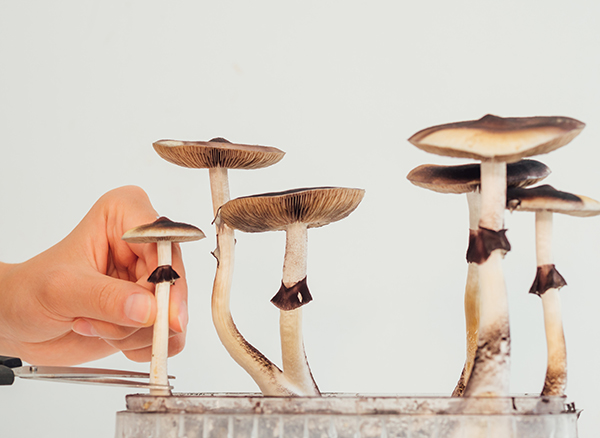
Could the key to a longer, healthier life lie in an age-old psychedelic compound? Emerging research suggests that psilocybin—the active ingredient in magic mushrooms—does more than expand consciousness; it may drastically slow aging at the cellular level. A pioneering study from Emory University reveals that psilocin, the metabolized form of psilocybin, extended the lifespan of human cells by up to 57% while preserving critical anti-aging markers.Key points:
- Psilocin-treated human fibroblast cells lived up to 57% longer, with preserved telomere length—a key biomarker linked to aging.
- Aged mice given monthly doses of psilocybin showed 60% higher survival rates and improved physical markers like restored fur quality.
- The compound enhances SIRT1 (the "longevity protein"), reduces oxidative stress, and stabilizes DNA—suggesting multi-faceted anti-aging benefits.
- Experts warn these findings are preliminary but signal a revolutionary shift in gerontology research.
Science meets mysticism: The longevity link of magic mushrooms
Psychedelics have long been dismissed as fringe substances, relegated to the counterculture shadows. But modern science is now dismantling these outdated biases, revealing psilocybin’s astonishing potential beyond mental health applications. The Emory study tested what researchers call the "psilocybin-telomere hypothesis"—a bold proposal that this humble fungus might literally slow time at the cellular level.
Telomeres—the protective caps at the ends of chromosomes—act like a biological hourglass, shortening with each cell division until they trigger cellular senescence (aging). Excitingly, psilocybin appears to preserve these telomeres, effectively hitting the pause button on decay. How? By activating serotonin receptors (5-HT2A) that initiate a domino effect of repair: ramping up antioxidants, reducing inflammation, and shielding DNA from oxidative damage—the very hallmarks of aging.
From petri dishes to fur restoration: The data speaks
The study’s human fibroblast cells treated with psilocin didn’t just survive—they thrived, outliving control groups by over half. Even more compelling? Aged mice given monthly psilocybin doses saw 60% higher survival rates and startling physical reversals: restored fur quality, reduced graying, and improved mobility.
Dr. Louise Hecker, the study’s lead researcher, tells StudyFinds: "Given the plethora of positive clinical outcomes already observed in over 150 trials, I’m very confident these findings can translate to humans."
Her optimism isn’t baseless. Psilocybin’s multi-pronged approach—boosting the "longevity protein" SIRT1, stabilizing DNA, and reducing oxidative stress—suggests it doesn’t just target one aging pathway but recalibrates the entire system. Unlike pricey pharmaceuticals with narrow mechanisms (and side effects), psilocybin offers something radical: a holistic, nature-derived solution.
The roadblocks: Legal limbo and lingering skepticism
Despite the excitement, hurdles remain. Human longevity trials are still years away, and dosing protocols—frequency, duration, ideal formulations—need refinement. Worse, psilocybin’s Schedule I status in the U.S. strangles federal research funding, leaving scientists to navigate bureaucratic red tape.
Critics argue the findings are preliminary, but the implications are undeniable. If validated, psilocybin could usher in a new era of preventive aging medicine, delaying diseases like Alzheimer’s and heart failure before they take root. It also forces a thorny question: Why does institutional medicine resist plant-based therapies while fast-tracking synthetic drugs?
This isn’t just about adding decades to a lifespan—it’s about adding vitality to those decades. Imagine retirees with the energy of 40-year-olds, or seniors reversing frailty without costly interventions. The promise is immense, but the real challenge lies in shifting outdated policies and perceptions.
As Dr. Hecker notes: "The Schedule I designation remains a significant barrier. The federal government must recognize the importance of this work."
Will regulators and Big Pharma embrace this paradigm shift? One thing is clear: The secrets of longevity might have been hiding in plain sight—woven into the mycelial networks of nature’s most enigmatic fungi.
Sources include:
StudyFinds.org
Nature.com
Enoch, Brighteon.ai
Magic mushrooms may hold the secret to longevity: Psilocybin extends lifespan by 57% in groundbreaking study – NaturalNews.comIf you're gonna fight, fight like you're the third monkey on the ramp to Noah's Ark... and brother its starting to rain. Join our efforts to Secure America's Borders and End Illegal Immigration by Joining ALIPAC's E-Mail Alerts network (CLICK HERE)


 Reply With Quote
Similar Threads
-
Half of Greenland's Warming Tied to Natural Causes NATURAL CAUSES?!?! NATURAL CAUSES
By AirborneSapper7 in forum Other Topics News and IssuesReplies: 4Last Post: 05-08-2014, 11:50 AM -
NATURAL BORN FOLLOWS THE NATURAL BIRTH FATHER
By AirborneSapper7 in forum Other Topics News and IssuesReplies: 3Last Post: 04-19-2011, 09:49 PM -
Experts: Placebo power behind many natural cures
By JohnDoe2 in forum Other Topics News and IssuesReplies: 1Last Post: 11-10-2009, 11:03 PM -
Natural Cancer Drug Called CELLADAM Cures Cancer
By CCUSA in forum Other Topics News and IssuesReplies: 0Last Post: 01-23-2009, 04:47 PM -
DRUG COMPANIES USE NATURAL CURES TO DESIGN NEW DRUGS
By Darlene in forum Other Topics News and IssuesReplies: 0Last Post: 03-18-2006, 08:43 PM
Tags for this Thread
alternative medicine,
balance,
chinese herbal medicine,
clean-foods-organics,
cures,
daniel reid,
goodhealth,
goodmedicine,
healing,
herbal medicine,
herbs,
history,
holistic,
natural cures,
natural health,
natural medicine,
naturalnews.com,
plant medicine,
prevention,
qi,
real history,
remedies,
tcm,
traditional chinese medicine,
yin and yang


Debt Remembered And Debt Ignored | The debt paid by America’s...
05-25-2026, 04:13 PM in General Discussion