

Results 131 to 140 of 602
 2Likes
Thread Information
Users Browsing this Thread
There are currently 1 users browsing this thread. (0 members and 1 guests)
 LinkBack URL
 About LinkBacks
-
04-17-2025, 05:08 PM #131Senior Member


- Join Date
- Aug 2018
- Posts
- 92,690
John Virapen’s “Medicine Cult” exposes the corrupt practices of Big Pharma
04/17/2025 // Arsenio Toledo // 520 Views
Tags: badhealth, badmedicine, benoxaprofen, Big Pharma, conspiracy, dangerous drugs, Dangerous Medicine, drug addiction, drugs, harmful drugs, harmful medication, health freedom, John Virapen, Opren, pharmaceutical drug addiction, pharmaceutical fraud, Prozac

- John Virapen, a former pharmaceutical executive, exposes systemic corruption in Big Pharma, detailing how companies prioritize financial gain over public health, including concealing dangerous side effects and manipulating data.
- Virapen argues that pharmaceutical companies prioritize profit by focusing on managing symptoms rather than curing diseases, ensuring a continuous revenue stream from chronic conditions. He also criticizes the medicalization of everyday experiences to create new drug markets.
- The book provides an insider's perspective on the industry's influence over regulatory agencies, its role in the opioid epidemic and its pricing practices, highlighting the ongoing need for scrutiny and reform.
- Virapen urges readers to take control of their health by questioning medical advice, researching treatments and exploring alternatives to pharmaceuticals. He emphasizes the importance of transparency, stricter regulations and accountability for companies that prioritize profit over safety.
In a damning exposé that reads like a thriller, former pharmaceutical executive John Virapen pulls back the curtain on an industry he claims prioritizes profit over patient safety.
His book, "Medicine Cult: A Prescription for Side Effects and Death," published back in 2011, reveals shocking allegations of systemic corruption, data manipulation and unethical practices within Big Pharma. Drawing on his decades-long career with companies like Eli Lilly, Virapen delivers a firsthand account of what he describes as a profit-driven machine that endangers public health.
One of the most startling examples in "Medicine Cult" involves the drug benoxaprofen, marketed as Opren, an arthritis drug that Virapen helped promote during his tenure at Eli Lilly. Virapen notes how Opren was supposed to be the next "miracle drug." But the reality was far from phenomenal.
Despite mounting reports of severe side effects, including kidney and liver failure, the company allegedly concealed data and continued aggressive marketing. Virapen notes how, even when people were dying, instead of pulling the drug, Eli Lilly doubled down. Fortunately, in the end, Opren was eventually withdrawn – but not before dozens of deaths were linked to the drug.
The book also delves into the marketing of Prozac, one of the most widely prescribed antidepressants in history. Virapen claims the drug was originally developed as a weight-loss medication but was rebranded as an antidepressant when executives realized the potential for greater profits. He alleges that Eli Lilly manipulated clinical trials, ghostwrote studies and downplayed side effects to ensure the drug's success. Virapen notes how he was instructed to never mention Prozac's negative effects or the risks associated with regular use.
Virapen's critique extends beyond individual drugs to the industry's broader practices. He argues that pharmaceutical companies are more interested in managing symptoms than curing diseases, as chronic conditions ensure a steady stream of revenue. He also highlights the medicalization of everyday experiences, such as rebranding shyness as “social anxiety disorder” or premenstrual syndrome as “premenstrual dysphoric disorder,” to create new markets for drugs.
The historical context of Virapen's claims underscores their relevance today. The pharmaceutical industry has long been criticized for its influence over regulatory agencies, its role in the opioid epidemic and its pricing practices. Virapen's insider perspective adds weight to these concerns, offering a rare glimpse into the mechanisms that drive corporate decision-making.
But Virapen's "Medicine Cult" is not just a critique; it's also a call to action. He urges readers to take control of their health by questioning medical advice, researching treatments and exploring alternatives to pharmaceuticals. He advocates for greater transparency, stricter regulations and accountability for companies that prioritize profit over safety.
Virapen further calls on patients to avoid taking what their doctors tell them at face value. If doctors prescribe people with new medications, he tells people to not be afraid to ask questions about what these new and potentially experimental drugs are and to do their own research.
As the pharmaceutical industry continues to play a central role in global health, Virapen's revelations and warnings serve as a stark reminder of the need for vigilance.
For those seeking to understand the inner workings of Big Pharma, "Medicine Cult" offers a provocative and unsettling perspective — one that challenges readers to rethink their assumptions and demand accountability from an industry that wields immense power over their well-being.
Watch this video discussing in detail John Virapen's warnings and calls to action in his book "Medicine Cult: A Prescription for Side Effects and Death."
This video is from the BrightLearn channel on Brighteon.com.
Sources include:
Brighteon.ai
Brighteon.com
John Virapen’s “Medicine Cult” exposes the corrupt practices of Big Pharma – NaturalNews.com
If you're gonna fight, fight like you're the third monkey on the ramp to Noah's Ark... and brother its starting to rain. Join our efforts to Secure America's Borders and End Illegal Immigration by Joining ALIPAC's E-Mail Alerts network (CLICK HERE)
-
04-17-2025, 07:17 PM #132Senior Member
- Join Date
- Aug 2018
- Posts
- 92,690
Teff: An ancient super grain packed with nutrition and versatility
04/17/2025 // Laura Harris // 720 Views
Tags: #nutrition, food is medicine, food science, functional food, gluten free, goodfood, goodhealth, grocery, health science, ingredients, natural health, natural medicine, nutrients, organics, super grain, superfoods, teff
- A complete protein containing all essential amino acids, teff is also high in fiber, iron, calcium and magnesium, offering more than many popular grains like quinoa or brown rice.
- Naturally gluten-free, teff is ideal for those with celiac disease or gluten sensitivity. Its prebiotic-resistant starch content supports gut health.
- The slow-digesting carbs in teff also provide sustained energy, while its iron content helps combat fatigue and anemia.
- High in calcium, teff helps strengthen bones while its dietary fiber lowers LDL cholesterol, reducing heart disease risk.
- Used in traditional Ethiopian injera or modern dishes (porridge, baked goods), organic teff is eco-friendly and pesticide-resistant.
In the world of superfoods, few grains rival the nutritional density and versatility of teff. Often overshadowed by more mainstream grains like quinoa and oats, this tiny but mighty ingredient has been a dietary cornerstone in Ethiopia for thousands of years. With its rich nutrient profile and adaptability in the kitchen, teff is gaining global recognition as a digestive-friendly, protein-rich and mineral-packed grain.
Brief history of teff
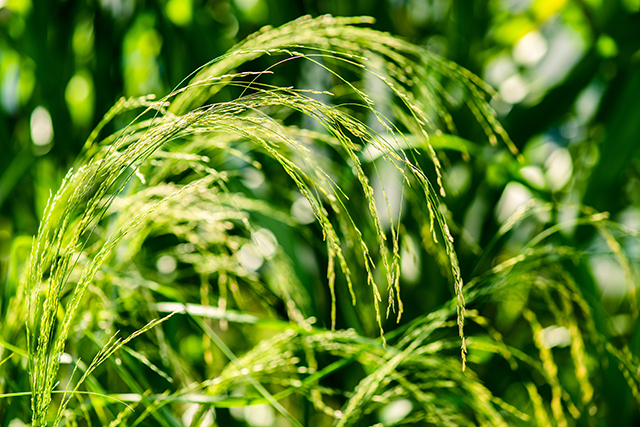
Teff (Eragrostis tef) is Africa's smallest grain, measuring just one millimeter in diameter, yet it delivers colossal nutritional benefits. Originating in Ethiopia and Eritrea, teff has been cultivated for over 5,000 years, making it one of the world's oldest domesticated grains. (Related: Hey quinoa, teff may be the new gluten-free kid on the block.)
For centuries, teff remained a regional staple, forming the backbone of Ethiopian cuisine through dishes like injera, a spongy fermented flatbread. However, in the 20th and 21st centuries, awareness of its nutritional superiority and gluten-free properties led to global demand, particularly in health-conscious communities.
Today, teff is grown in Ethiopia, the U.S., Australia and parts of Europe, with industrial farming making it more accessible than ever.
Nutritional profile and health benefits
Despite its minuscule size, teff is a complete nutritional package, offering more calcium than quinoa, more fiber than brown rice, and more iron than most other grains. Here’s a breakdown of its key nutrients per 100 grams (cooked):
- 5.4 milligrams (mg) of iron (30 percent of the daily value, DV) to help fight anemia and boost energy
- 180 mg of calcium (18 percent of the DV) to strengthen bones and aid muscle function
- 8 grams (g) of fiber (32 percent of the DV) to support digestion and regulate blood sugar
- 7 g of protein (14 percent of the DV) containing all nine essential amino acids
- 184 mg of magnesium (44 percent of the DV) to reduce inflammation and support nerve function
- high amounts of resistant starch which acts as a prebiotic to feed gut bacteria
Highly nutritious and gluten-free, teff offers plenty of health benefits.
It is rich in iron, helping reduce anemia, especially in regions where iron deficiency is common. The fiber and resistant starch in teff can support heart health by helping lower LDL cholesterol and regulating blood sugar. Studies also suggest it may help prevent esophageal cancer due to its high fiber and antioxidant content.
Since it is gluten-free, teff is a great option for people with celiac disease or gluten intolerance. Its slow-digesting carbs provide steady energy and it aids digestion while easing symptoms of constipation, premenstrual syndrome (PMS), osteoporosis and abdominal cramps.
Organic vs. conventional
Teff is generally low in contaminants due to its natural pest resistance, which reduces reliance on chemical pesticides. However, conventional teff may still carry trace amounts of pesticides like glyphosate if grown in fields treated with herbicides. Additionally, like many grains, teff can absorb heavy metals such as cadmium, lead or arsenic from the soil, though the risk is typically low.
To minimize exposure to these harmful residues, opt for certified organic teff. Organic farming does not rely on synthetic pesticides and helps reduce soil pollution, protecting both consumer health and the environment.
While some grains contain phytates or oxalates that hinder mineral absorption, teff only contains modest levels. Traditional fermentation methods (like those used in making injera) further break down these antinutrients, enhancing the bioavailability of teff's nutrients. Organic teff also offers higher levels of beneficial compounds, such as flavonoids and carotenoids, than conventionally grown varieties, making it a nutritious and safer option for long-term health.
Culinary uses
Here are some recipe ideas featuring teff that you should try for your next meal:
Traditional Ethiopian dishes
- Injera – A fermented sourdough flatbread, the national dish of Ethiopia.
- Kita – A simple, unleavened teff flatbread.
- Genfo – A thick porridge, often mixed with spices and butter.
Modern applications
- Breakfast porridge – Cook teff with milk (or plant-based milk) and top with fruits and nuts.
- Baked goods – Use teff flour in muffins, pancakes and bread for a nutty, earthy flavor.
- Soup and stews – Adds richness and extra nutrients.
- Teff polenta – A gluten-free alternative to cornmeal.
This story is not medical advice and is not intended to treat or cure any disease. Always consult with a qualified naturopathic physician for personalized advice about your specific health situation or concern.
Visit NaturalNews.com, a great article source where you can learn about superfoods and their health benefits.
You can also try Brighteon.ai, an AI model created by Mike Adams, also known as the Health Ranger. This model is available as a free download to be run locally and is designed to help share and decentralize knowledge. By doing so, it aims to bypass censorship and empower people with knowledge.
If you're looking for an uncensored video free speech website where you can openly discuss nutrition, natural medicine, ingredients and more, check out Brighteon.com and out two free speech social media sites, Brighteon.IO and Brighteon.social.
Watch this video to learn how to properly prepare grains and legumes.
This video is from the Food Forest Abundance channel on Brighteon.com.
More related stories:
Five sensational whole grains to eat now.
Easy ways to eat more whole grains.
Whole grains, fish lower asthma risk in children.
Sources include:
Brighteon.AI
NaturalNews.com
Brighteon.com
Teff: An ancient super grain packed with nutrition and versatility – NaturalNews.comIf you're gonna fight, fight like you're the third monkey on the ramp to Noah's Ark... and brother its starting to rain. Join our efforts to Secure America's Borders and End Illegal Immigration by Joining ALIPAC's E-Mail Alerts network (CLICK HERE)
-
04-18-2025, 01:04 AM #133Senior Member
- Join Date
- Aug 2018
- Posts
- 92,690
Olive oil: A superfood source of antioxidants and heart-healthy fats
04/17/2025 // Laura Harris // 450 Views
Tags: #nutrition, food cures, food is medicine, food science, functional food, goodfood, goodhealth, grocery cures, health science, heart health, ingredients, natural cures, natural health, natural medicine, nutrients, olive oil, organics, superfood
- Olive oil, particularly extra-virgin (EVOO), is high in monounsaturated fats (oleic acid) and polyphenols that can reduce inflammation, improve heart health and combat oxidative stress.
- Studies link olive oil to lower risks of heart disease, stroke, depression, breast cancer and neurodegenerative diseases like Alzheimer's due to its antioxidant properties.
- Cold-pressed organic EVOO retains the most nutrients; avoid refined or adulterated oils (mixed with cheaper oils like soybean). Store in opaque containers to prevent light damage.
- EVOO can handle moderate heat (up to 375 F) but is best for low-heat cooking, dressings and finishing dishes. Avoid high-heat frying to preserve antioxidants.
- Non-organic olive oil may contain pesticides (like glyphosate) or heavy metals. Organic certification ensures cleaner, toxin-free production for maximum health benefits.
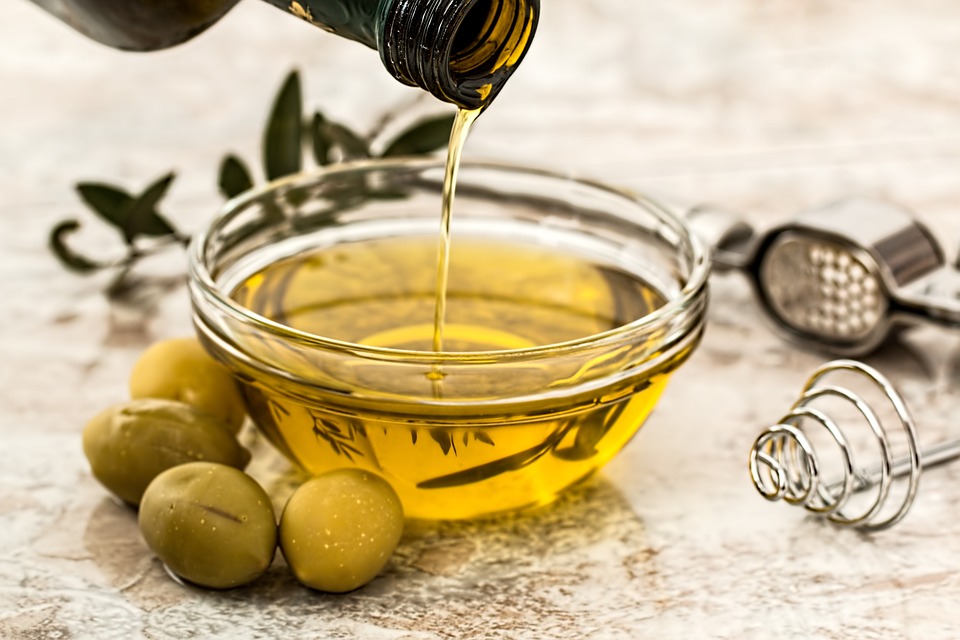
Olive oil has long been celebrated as a cornerstone of health and culinary excellence. Originating in the Mediterranean, this golden elixir is more than just a cooking staple – it is a potent superfood packed with antioxidants, healthy fats and disease-fighting compounds. From ancient medicinal uses to modern dietary recommendations, its benefits have stood the test of time.
History and origin of olive oil
Olive oil is derived from the fruit of the olive tree (Olea europaea), primarily cultivated in the Mediterranean basin. Spain, Italy, Greece and Turkey dominate global olive oil production. Its use dates back over 6,000 years, with evidence of olive oil extraction found in ancient Mesopotamia and Egypt. The Greeks and Romans valued it for cooking, skincare and even religious ceremonies.
Today, olive oil has become a global commodity, particularly after World War II, when researchers identified the "Mediterranean Diet" as one of the healthiest eating patterns in the world. Extra virgin olive oil, the least processed form, is now a dietary mainstay for health-conscious consumers.
Nutritional profile and health benefits
Olive oil's health benefits stem from its impressive nutrient composition:
Healthy fats (monounsaturated fatty acids - MUFAs)
- Primarily oleic acid, which reduces inflammation and supports heart health.
- Helps lower LDL ("bad") cholesterol while increasing HDL ("good") cholesterol.
Antioxidants (polyphenols and vitamin E)
- Polyphenols such as oleocanthal (with anti-inflammatory effects similar to ibuprofen) and hydroxytyrosol fight oxidative stress.
- Vitamin E protects cells from free radical damage, promoting skin and immune health.
Other beneficial compounds
- Squalene – A natural compound that may help prevent cancer and support skin hydration.
- Phytosterols – Plant compounds that help block cholesterol absorption in the gut.
These nutrients make olive oil a key player in preventing chronic diseases, from cardiovascular conditions to neurodegenerative disorders like Alzheimer's.
Scientific research overwhelmingly supports olive oil as a highly beneficial food, especially when used daily. Unlike other cooking oils, it has been linked to a lower risk of heart disease and obesity. To get the best benefits, experts recommend choosing organic, cold-pressed extra virgin olive oil, as processed or low-quality oils may lack nutrients or contain harmful additives.
However, its health advantages depend on an overall balanced diet rich in fresh fruits, vegetables, fish and nuts, which provide antioxidants that protect against chronic diseases. Simply adding olive oil to an unhealthy diet may not provide the full benefits. (Related: 8 Science-based health benefits of olive oil.)
Moreover, some brands mix olive oil with cheaper oils (like soybean or canola), reducing its nutritional value. Olive oil can also handle moderate cooking temperatures (375 F for extra virgin, 465 F for refined), so excessive heat can degrade its antioxidants.
Like all oils, olive oil is high in calories, so portion control is important for weight management.
Despite these concerns, when consumed wisely, olive oil remains one of the healthiest fats available. Choosing high-quality versions and using them as part of a nutritious diet maximizes its benefits.
Why choose organic
Choosing high-quality organic olive oil helps avoid harmful pesticides and contaminants. While olives naturally require fewer pesticides than crops like celery, peaches or strawberries (which can contain 47–67 pesticides per serving), conventional olive farming may still use neurotoxic chemicals like chlorpyrifos and glyphosate, linked to Alzheimer's and Parkinson's diseases.
Organic certification ensures no synthetic pesticides are used. Additionally, some olive oils may contain traces of heavy metals like lead or arsenic from soil contamination, so reputable producers test for these. For the safest and healthiest option, opt for cold-pressed, extra virgin, organic olive oil.
Culinary uses of olive oil
Olive oil's versatility shines in countless recipes. Here are some classic and modern ways to use it:
Dressings and dips
- Traditional Greek salad dressing (olive oil, lemon juice, oregano)
- Hummus (blended with chickpeas and tahini)
- Bruschetta topping (olive oil, tomatoes, garlic, basil)
Cooking and sautéing
- Sautéed greens (spinach, kale or Swiss chard)
- Roasted vegetables (drizzled before baking)
Baking and frying
- Olive oil cakes (a moist, Mediterranean-style dessert)
- Light frying (for dishes like falafel or fish)
Finishing touches
- Drizzled over soups (like gazpacho) or pasta
- Bread dipping oil (mixed with herbs and balsamic vinegar)
This story is not medical advice and is not intended to treat or cure any disease. Always consult with a qualified naturopathic physician for personalized advice about your specific health situation or concern.
Explore more about the health benefits of superfoods like olive oil and other natural ingredients at NaturalNews.com, your trusted source for wellness insights and nutritional knowledge.
For cutting-edge tools to expand your understanding of natural health, try Brighteon.ai, an innovative AI model created by Mike Adams, the Health Ranger. This free, downloadable tool is designed to decentralize knowledge, bypass censorship, and empower individuals with actionable information.
If you're passionate about nutrition, natural medicine, and uncensored discussions, visit Brighteon.com and a free speech video platform and join our vibrant communities on Brighteon.IO and Brighteon.social. Dive into open conversations about food, ingredients and holistic health today!
Watch the video below to learn how olives can help protect against liver disease.
This video is from the Groovy Bee channel on Brighteon.com.
More related stories:
Olive oil really is the healthiest oil for frying foods, scientists find.
How extra virgin olive oil protects against Alzheimer's.
Olive oil helps prevent visible facial skin aging.
Sources include:
Brighteon.AI
NaturalNews.com
Brighteon.com
Olive oil: A superfood source of antioxidants and heart-healthy fats – NaturalNews.com
If you're gonna fight, fight like you're the third monkey on the ramp to Noah's Ark... and brother its starting to rain. Join our efforts to Secure America's Borders and End Illegal Immigration by Joining ALIPAC's E-Mail Alerts network (CLICK HERE)
-
04-18-2025, 01:10 AM #134Senior Member
- Join Date
- Aug 2018
- Posts
- 92,690
Urban wildflowers absorb toxic metals, poisoning bees and threatening food supply
04/17/2025 // Cassie B. // 510 Views
Tags: badpollution, badscience, bees, Dangerous, discoveries, Ecology, environment, Heavy metals, poison, pollinators, real investigations, research, toxic chemicals, toxins, wildflowers

- Urban wildflowers meant to help bees are absorbing toxic metals from contaminated soil.
- Common pollinator plants like chicory and clover accumulate lead, arsenic, and cadmium in their nectar.
- Bees exposed to these metals suffer impaired learning, reduced populations, and weakened pollination.
- Soil testing and remediation are critical before planting wildflowers in industrial or urban areas.
- Unaddressed industrial pollution is worsening pollinator decline despite conservation efforts.
In a troubling discovery, researchers from the University of Cambridge have found that wildflowers planted in urban areas — meant to sustain struggling bee populations — are absorbing toxic metals from contaminated soils and passing them on to pollinators.
The study, conducted in Cleveland, Ohio, reveals that common pollinator-friendly plants like chicory, white clover, and wild carrot accumulate dangerous levels of lead, arsenic, cadmium, and chromium in their nectar. These metals, remnants of past industrial activity, impair bee health, reducing populations and weakening their essential pollination abilities—a dire threat to local agriculture and food production.
Pollinators at risk from industrial legacy
The research, published in Ecology and Evolution, shows that wildflowers planted on former industrial sites—once home to steel mills, oil refineries, and factories — absorb these metals from soil residue, turning what should be a lifeline into a toxic trap for bees. Even low levels of contamination cause long-term damage, such as impaired learning and memory in bees, crippling their foraging efficiency. Lead, the most prevalent contaminant found, was detected in the highest concentrations, followed by arsenic and cadmium—all known to contribute to bee mortality.
"Before planting wildflowers in urban areas to attract bees and other pollinators, it’s important to consider the history of the land and what might be in the soil," warned Dr. Sarah Scott, lead author of the study and a researcher at the University of Cambridge’s Department of Zoology.
Industrial neglect creates pollinator crisis
The study highlights the broader consequences of unchecked industrial pollution, particularly in aging cities like Cleveland, where vacant lots and abandoned factory sites still harbor toxic residues. Researchers tested nectar from self-seeded flowers across the city and found that chicory absorbed the highest concentration of metals, followed by white clover and wild carrot. These plants, critical for urban pollinators, unwittingly funnel lethal contaminants into the food chain.
The decline of pollinator populations — a staggering 50% drop over the last 50 years — has been exacerbated by habitat loss and pesticide use. However, the study underscores a less-discussed factor: how soil contamination, if unaddressed, undermines conservation efforts. Many well-intentioned wildflower initiatives may be doing more harm than good.
Solutions: testing and remediation before planting
The findings do not advocate avoiding wildflowers altogether but stress the need for soil testing and cleanup before planting. Cities with industrial histories must prioritize land stewardship—identifying polluted sites and, where necessary, removing contaminated soil or restricting flowering plants in high-risk areas. In places where self-seeding occurs, mowing may be a temporary measure to prevent toxic nectar from reaching pollinators.
Pollinators play an indispensable role in agriculture, with natural pollination services contributing billions to global food production. Without them, staple crops like apples and tomatoes would decline sharply, destabilizing food systems. The study serves as a wake-up call: environmental restoration cannot happen in isolation from industrial accountability.
Private landowners, city planners, and conservation groups must take practical steps to ensure pollinator habitats are safe:
- Test soil before planting – Local soil testing services can identify contamination risks.
- Remediate contaminated sites – If metals are detected, soil cleanup or replacement may be necessary.
- Control self-seeding in polluted zones – Mowing or limiting wildflower growth in high-risk areas can reduce exposure.
- Choose safer plant alternatives – Some species absorb fewer metals; research to select low-risk forage plants.
Dr. Scott urged pragmatism: "It’s really important to have wildflowers as a food source for the bees, and our results should not discourage people from planting wildflowers in towns and cities." Instead, the focus should be on informed stewardship—acknowledging the past sins of industry while correcting them for future sustainability.
The solution lies in proactive land management, transparency about pollution risks, and a commitment to restoring ecosystems safely. As Dr. Scott noted, even small actions—like ensuring uncontaminated wildflowers—can have a profound impact. But first, we must confront the toxic remnants of our industrial past before they poison our future.
Sources for this article include:
TheGuardian.com
BBC.co.uk
Phys.org
Urban wildflowers absorb toxic metals, poisoning bees and threatening food supply – NaturalNews.com
If you're gonna fight, fight like you're the third monkey on the ramp to Noah's Ark... and brother its starting to rain. Join our efforts to Secure America's Borders and End Illegal Immigration by Joining ALIPAC's E-Mail Alerts network (CLICK HERE)
-
04-18-2025, 01:12 AM #135Senior Member
- Join Date
- Aug 2018
- Posts
- 92,690
Can omega-3 fatty acids help kids with autism? The science says YES
04/17/2025 // Olivia Cook // 0 Views
Tags: #nutrition, alternative medicine, Autism spectrum disorder, brain function, brain health, food science, goodfood, goodhealth, goodmedicine, goodscience, gut-brain connection, health science, healthy fats, Mind, mind body science, natural medicine, nutrients, omega 3, remedies, research, supplements
- Omega-3 fatty acids are crucial for brain health, supporting development, memory and mood.
- A study published in Pediatric Endocrinology, Diabetes and Metabolism found that omega-3 supplementation improved repetitive behaviors and social communication in children with ASD.
- Omega-3s may reduce brain inflammation and support neurotransmitter function – both of which are key in autism management.
- Natural sources of omega-3s include fatty fish, flaxseeds, walnuts and chia seeds; supplements like fish oil and krill oil are also beneficial.
- Ensuring adequate omega-3 intake from pregnancy through adulthood may support lifelong cognitive and emotional well-being.
For years, parents and researchers alike have been searching for ways to improve the lives of children with Autism Spectrum Disorder (ASD). From behavioral therapies to dietary changes, many strategies have been explored. But what if something as simple as fish oil could make a difference?
Emerging research, including a study published in Pediatric Endocrinology, Diabetes and Metabolism suggests that omega-3 fatty acids may offer promising benefits for children with autism – and even for brain health throughout life.
The brain and omega-3: A vital connection
The human brain is made up of about 60 percent fat. Omega-3 fatty acids play a crucial role in keeping brain cells flexible, healthy and well-connected. Think of omega-3s as the "good grease" that keeps the brain's gears running smoothly. These essential fatty acids – docosahexaenoic acid (DHA) and eicosapentaenoic acid (EPA) – must come from food or supplements because the body doesn't produce them naturally.
Omega-3s are essential for brain development, memory and mood regulation. Studies have linked omega-3 intake to improvements in conditions like ADHD (attention deficit hyperactivity disorder), Alzheimer's disease and depression. But what about autism?
Omega-3 and autism: What the science says
A 2021 study explored how omega-3 supplements impact children with ASD. The researchers studied 54 children, dividing them into two groups: One received daily omega-3 supplements (1,000 mg per day) while the other received a placebo (a "fake" treatment like a sugar pill used to compare against the "real" thing). Over eight weeks, the children's behaviors were assessed using a well-known autism rating scale – GARS-2 (Gillian Autism Scale - second edition) – which measures interactions, repetitive behaviors and social communication.
The results were compelling. Children who took omega-3 supplements showed significant improvements in overall autism severity scores, repetitive behaviors (such as hand-flapping or rocking) and social communication (expressing emotions and engaging with others).
While the study did not find major changes in social interactions, the improvements in other key areas suggest that omega-3s could be a simple and safe way to help manage some symptoms of autism.
How omega-3s support brain function
- Reducing inflammation: Many children with ASD have higher levels of brain inflammation and omega-3s are natural inflammatory agents.
- Regulating neurotransmitters: These fatty acids may impact serotonin and dopamine, which influence mood, attention and behavior.
- Supporting brain cell communication: Omega-3s contribute to healthy brain cell membranes, improving how neurons communicate.
The gut-brain connection
An increasing body of research highlights the strong link between gut health and brain function, known as the gut-brain axis. Many children with ASD experience digestive issues and omega-3s may help by reducing gut inflammation and improving microbiome (gut bacteria) balance. Since the gut and brain constantly communicate through chemical and nerve pathways, better gut health may lead to better cognitive and behavioral outcomes. (Related: The gut-brain connection: Study suggests the gut microbiome could be key to solving the autism puzzle.)
How to get more omega-3s
If you're looking to boost omega-3 intake, consider these natural sources: fatty fish (e.g., anchovies, herring, mackerel, salmon and sardines), flaxseeds (ground is best for absorption), chia seeds (great in smoothies or yogurt), walnuts or algae-based supplements (a plant-based omega-3 source).
For children who are picky eaters, high-quality fish oil or krill oil supplements are excellent options. However, it is crucial to read the ingredients carefully when choosing a supplement. Some flavored versions contain additives that might trigger adverse reactions in children with sensitivities. The best option is a pure, minimally processed supplement without unnecessary ingredients.
The right dosage depends on age and individual needs but general recommendations for children are as follows:
- 1 to 3 years old: 700 mg per day
- 4 to 8 years old: 900 mg per day
- 9 to 13 years old: 1,000 to 1,200 mg per day
Always consult your trusted pediatrician before starting a new supplement to ensure proper dosing and safety. (Related: Healthy levels of omega-3 fatty acids improve children's attentiveness, cognitive function.)
A lifelong brain-boosting strategy
While omega-3s are not a cure for autism, the growing body of research suggests that proper nutrition plays a role in brain health and development. From pregnancy to old age, getting enough omega-3s supports cognitive function, reduces inflammation and helps maintain emotional well-being. (Related: Low omega-3s in children causes difficulties in reading, learning.)
For parents exploring ways to support their children's development, adding omega-3-rich foods or supplements could be a simple yet powerful strategy. As science continues to uncover the links between diet and brain function, one thing remains clear: What a person eats profoundly impacts how his brain works, and omega-3s are one of the best allies for lifelong cognitive health and function.
Watch this video to learn more about omega-3 fatty acids and attention deficit hyperactivity disorder (ADHD).
This video is from the Daily Videos channel on Brighteon.com.
More related stories:
Study: Omega-3 fatty acids key to maintaining healthy brain function.
Brain health dramatically improved by intake of omega-3 fatty acids and fish oils.
Omega-3 benefits for brain health are well documented; now researchers have determined they help prevent Alzheimer's.
Sources include:
PMC.NCBI.NLM.NIH.gov
PsychNet.APA.org
Brighteon.com
Can omega-3 fatty acids help kids with autism? The science says YES – NaturalNews.com
If you're gonna fight, fight like you're the third monkey on the ramp to Noah's Ark... and brother its starting to rain. Join our efforts to Secure America's Borders and End Illegal Immigration by Joining ALIPAC's E-Mail Alerts network (CLICK HERE)
-
04-18-2025, 01:15 AM #136Senior Member
- Join Date
- Aug 2018
- Posts
- 92,690
Pumpkin spice in spring? How to reimagine this fall classic for warmer days
04/17/2025 // HRS Editors // 30 Views
Tags: functional food, goodfood, goodhealth, grocery, how-to, ingredients, natural health, organics, PSL, pumpkin spice, pumpkin spice latte, Pumpkins, recipes, Spices, spring recipes, superfood, superfoods

- Commercial pumpkin spice lattes are high in sugar and saturated fat due to sugary syrups, whole milk and dairy-based creamers. If consumed regularly, these can contribute to weight gain, blood sugar spikes and poor heart health.
- Pumpkin spice blends offer antioxidant-rich ingredients like cinnamon, ginger, nutmeg and cloves. Even coffee itself provides antioxidants like caffeine, especially organic varieties.
- Swap out unhealthy ingredients with non-fat milk powder, coconut palm sugar and pumpkin puree. Avoid syrups and opt for minimal natural sweeteners to cut empty calories.
- Try homemade recipes to control the ingredients for your hot or cold pumpkin spice latte (PSL).
- Even healthy homemade PSLs should be consumed in moderation, limiting your consumption to only one serving daily max. Enjoy it as an occasional treat to balance flavor with well-being.
The scent of a delicious, warming pumpkin spice latte (PSL) is synonymous with cozy sweaters and crisp mornings in autumn. But what if you could enjoy that same nostalgic warmth year-round without the hidden sugars and empty calories?
Many coffee drinkers love PSL, but store-bought versions often come packed with added sugar, with some having over 60 grams per cup. These drinks also contain saturated fat from sugary syrups and whole milk.
Fortunately, with smart swaps and homemade creativity, the iconic PSL can be a year-round treat that’s both indulgent and nourishing. (h/t to Health.ClevelandClinic.org)
The science behind pumpkin spice latte's benefits
While commercially available pumpkin spice blends often don't contain an actual pumpkin, the stars of this drink are the flavorful autumn spices used to make it. These spices deliver health perks when used thoughtfully.
Here’s how each ingredient contributes to wellness:
Cinnamon, nutmeg and cloves: Nature’s antioxidant powerhouses
Cinnamon, a staple in pumpkin spice mixes, is a jack-of-all-trades. Made from the actual bark of the cinnamon tree, this spice contains antioxidant polyphenols that can combat oxidative stress.
A sprinkle of cinnamon on your daily cup of coffee or oatmeal can add flavor and nutrition to your breakfast routine. (Related: Coffee, MCT oil and more: Natural ways to support energy levels.)
Nutmeg, often used in small doses for its warm sweetness, also delivers an army of antioxidants that can protect against free radicals.
Cloves, with their pungent kick, are loaded with eugenol, a natural antiseptic that is also known for its antioxidant activities.
Ginger: the gut guardian
Since ancient times, ginger has been used to aid digestion.
Rich in compounds like gingerol, ginger can support healthy digestion by speeding up the movement of food through the intestines.
Coffee: pick-me-up for the brain
Coffee is rich in antioxidants that can support good health and protect healthy cells from oxidative damage. The caffeine in coffee can also support concentration and mental clarity.
Opt for organic coffee beans to avoid pesticide residues.
How to make PSL a healthy beverage
A single large pumpkin spice latte at a coffee chain delivers nearly half the recommended daily sugar intake for adults because it contains high amounts of syrup and flavored milk. Plus, the foam often comes from dairy-based creamers that are packed with unhealthy fats.
If you want to avoid these harmful ingredients, make your PSL at home. With DIY recipes, you can swap non-fat milk powder or your favorite nut milk for whole milk and use organic espresso in your PSL. You will also have control over the amount of sugar added to your drink and can use natural sweeteners like coconut palm sugar as you please.
Adding real pumpkin puree to your drink will also help boost your intake of vitamins A and C, which are both important for optimal health.
Hot and iced homemade PSL recipes
Try these pumpkin spice latte recipes the next time you're craving a PSL.
Classic hot pumpkin spice latte
This recipe for a hot PSL includes pumpkin puree and has a creamy texture with balanced sweetness. It makes two servings.
Ingredients:
- 2 Cups whole milk (or non-fat milk powder mixed with warm water)
- 1/4 Cup cold heavy cream (Whipped into firm peaks)
- 2 Tablespoons granulated sugar (or 2 tablespoons coconut palm sugar)
- 2 Tablespoons pumpkin puree
- 2 Tablespoons vanilla extract
- 1/2 Teaspoon pumpkin pie spice, add more for garnish
- 1-2 Shots of espresso (1/4 cup), or 1/3 to 1/2 cup strong coffee
- Freshly ground black pepper
- Toppings (Optional: Cinnamon and nutmeg)
Instructions:
- Place two tablespoons of pumpkin puree, 1/2 teaspoon pumpkin pie spice and a generous helping of black pepper in a small saucepan over medium heat. Heat the ingredients and stir constantly until it's hot and smells cooked (at least two minutes).
- Add two tablespoons of granulated sugar and stir until the mixture turns into a bubbly, thick syrup.
- Whisk in two cups of whole milk and two tablespoons of vanilla extract. Warm the mixture gently and stir often. Watch the saucepan so it doesn't boil over.
- Once done, carefully process the mixture with a hand blender or a traditional blender. Hold the lid down tightly with a couple of towels, and blend until frothy and blended.
- Make the espresso (you need at least 1/4 cup) or strong coffee (1/3 to 1/2 cup) and divide between two mugs. Pour the pumpkin mixture, then add the frothed milk. Top with the whipped cream and a sprinkle of pumpkin pie spice, cinnamon or nutmeg if desired.
Iced pumpkin spice latte
Try this iced pumpkin spice latte recipe if you prefer a cold and refreshing beverage. This recipe for one serving uses vegan ingredients, minus the added sugars.
Ingredients:
- 1 Cup non-dairy milk
- 1/2 Cup brewed coffee (You can omit the coffee if you don't drink coffee and add more milk instead.)
- 1 Tablespoon pumpkin puree
- 1 Scoop pumpkin spice creamer
- A dash of pumpkin pie spice and/or cinnamon
- Ice cubes
Instructions:
- Add the milk, pumpkin, creamer and spices to a blender. Blend until the mixture turns frothy
- Add the ice cubes to a glass. Pour the coffee, then pour the pumpkin mixture on top and stir.
- Sprinkle extra cinnamon on top (if using) before serving.
Sip mindfully: Moderation matters
Even homemade versions of a pumpkin spice latte should be enjoyed in moderation. Stick to one serving daily, and opt for real pumpkin puree (canned or fresh) to add fiber and vitamins, especially since most store-bought syrups skip this.
By choosing whole natural ingredients and cutting back on added sugars, your PSL will evolve from a seasonal guilty pleasure into a healthy year-round flavor adventure.
Whether it’s spring breeze or summer, there’s no reason to deprive yourself of the autumn magic that is a cup of pumpkin spice latte.
If you prefer a quicker alternative to homemade PSLs, you can also try an organic pumpkin spice oat latte mix.
Where to get lab-verified Organic Pumpkin Spice Oat Latte
The Health Ranger Store is committed to helping you find healthy alternatives to your favorite beverages, like the popular pumpkin spice latte. That’s why we’re proud to introduce our clean, lab-verified Organic Pumpkin Spice Oat Latte.
Our new Health Ranger Select Organic Pumpkin Spice Oat Latte is made with high-quality organic ingredients. This convenient powder blend offers the nutritional benefits of organic pumpkin powder, organic oat milk powder, organic coconut sugar, organic ground cinnamon and organic ginger root powder.
By combining these carefully selected ingredients, we've formulated a nutritious and delicious beverage that you can enjoy any time. Simply add hot water for an instant, soothing cup of tasty organic pumpkin spice oat latte.
Health Ranger Select Organic Pumpkin Spice Oat Latte is non-GMO, non-China and certified organic. It is also extensively lab tested for glyphosate, heavy metals and microbiology.
Visit Health Ranger Store and Brighteon Store for more lab-verified products for your cooking needs.
You can also check out Superfoods.news for more articles about pumpkins and other delicious superfoods.
Click on this link to learn about morning energy superfoods you should try next.
Watch this clip about Matcha Superfood Latte, another wellness game-changer.
This video is from the Health Ranger Store channel on Brighteon.com.
More related stories:
Springtime superfood swaps: Seasonal flavors to brighten your plate.
Sweet orange: A citrus powerhouse of health and flavor.
Quinoa, mushrooms and more: Superfoods for energy and vitality that you need in your survival stockpile.
Fun and creative ways to incorporate beet juice into your daily routine for energy support.
Sources include:
Health.ClevelandClinic.org
EatingWell.com
TheKitchn.com
RachlMansfield.com
HealthRangerStore.com 1
HealthRangerStore.com 2
Brighteon.com
Pumpkin spice in spring? How to reimagine this fall classic for warmer days – NaturalNews.com
If you're gonna fight, fight like you're the third monkey on the ramp to Noah's Ark... and brother its starting to rain. Join our efforts to Secure America's Borders and End Illegal Immigration by Joining ALIPAC's E-Mail Alerts network (CLICK HERE)
-
04-18-2025, 10:57 AM #137Senior Member
- Join Date
- Aug 2018
- Posts
- 92,690
Horehound: A resilient flowering plant and healing herb
04/18/2025 // Ava Grace // 230 Views
Tags: alternative medicine, Cough, Cures, digestive health, goodhealth, goodmedicine, healing, health science, herbal medicine, Herbs, horehound, immune support, natural cures, natural health, natural medicine, Naturopathy, organics, phytonutrients, plant medicine, remedies, respiratory health
- Horehound, scientifically named Marrubium vulgare, is a resilient plant in the mint family native to the Mediterranean and Central Asia, with a history of medicinal use that can be traced back to ancient Greece and Rome.
- Preferring dry, sandy soils, horehound is rich in compounds like marrubin, flavonoids, tannins and volatile oils, which contribute to its therapeutic properties, including expectorant and digestive aid effects.
- Horehound is traditionally used to address respiratory issues (coughs, bronchitis, asthma) and digestive disorders (indigestion, bloating, gas), and is also thought to support the immune system and treat minor skin conditions.
- Commonly prepared as teas, syrups, tinctures and lozenges, horehound is often consumed in candy form -- a traditional remedy for sore throats and coughs.
- Beyond its medicinal uses, horehound has a unique bitter-minty flavor that's excellent for teas, syrups, candies, jellies and ale. It holds historical significance, having been used during the Black Plague and in various cultural traditions for purification and protection.
Horehound, scientifically known as Marrubium vulgare, is a resilient flowering plant that belongs to the mint family. Native to regions spanning the Mediterranean Sea and Central Asia, horehound has a rich and storied history that stretches back to ancient times.
Its discovery and usage can be traced back to the early civilizations of Greece and Rome, where it was highly regarded for its medicinal properties. Over the centuries, horehound's reputation as a healing herb had spread far and wide, and today, it can be found growing on all seven continents.
Phytonutrients and health benefits
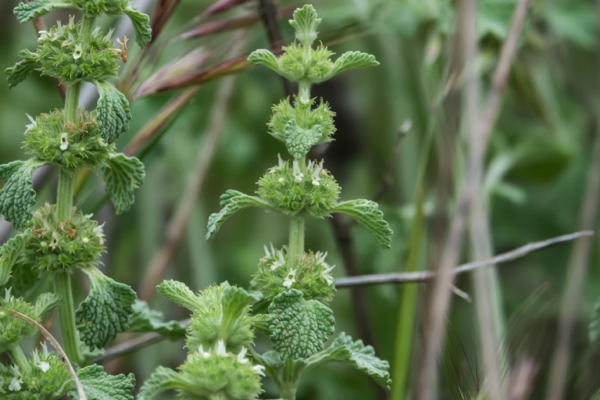
Horehound thrives in dry, sandy or rocky soils and can often be found along roadsides, in fields and in waste areas. Its adaptability to various environments has contributed to its widespread distribution. The plant is characterized by its gray-green, woolly leaves and small, white flowers arranged in dense, whorled clusters. The leaves and flowers are the primary parts used in traditional medicine and modern health practices. (Related: 6 Civil War-era foods you can still make today (recipes included.)
Horehound is rich in beneficial phytonutrients, such as:
- Marrubin - A bitter compound that is believed to be the primary active constituent responsible for many of the plant's medicinal effects.
- Flavonoids - Flavonoids like luteolin and apigenin have antioxidant and anti-inflammatory properties.
- Tannins - Active compounds that can help treat digestive issues and have astringent effects.
- Volatile oils - These include thymol and carvacrol, which contribute to the plant's distinctive aroma and therapeutic benefits.
Throughout history, horehound has been used to address a variety of health issues, particularly those related to the respiratory and digestive systems. Some of the key conditions and symptoms that horehound may help prevent or alleviate include:
- Respiratory issues - Horehound is renowned for its expectorant properties, making it useful in the treatment of coughs, bronchitis and asthma. It helps to loosen and expel mucus from the respiratory tract, providing relief from congestion and irritation.
- Digestive disorders - The plant's bitter compounds stimulate the production of digestive juices, aiding in the digestion of food and alleviating symptoms of indigestion, bloating and gas. Horehound can also help treat nausea and vomiting.
- Immune weakness - The antioxidants and anti-inflammatory compounds in horehound can support the immune system, reducing the risk of infections and promoting overall health.
- Skin conditions - Topical application of horehound can be beneficial in treating minor skin irritations, such as rashes and insect bites.
Medicinal and culinary uses
In traditional medicine, horehound has been prepared in various forms, including teas, syrups, tinctures and lozenges. One of the most famous uses is in the form of horehound candy, a popular centuries-old remedy for sore throat and cough. Modern herbal practitioners continue to recommend horehound for its therapeutic benefits, often in combination with other herbs to enhance its effects.
Horehound is known by several common names, including white horehound, common horehound and houndsbane. The leaves and flowers of horehound have a unique, pungent flavor that is both bitter and minty. This distinctive taste can be an acquired one, but it adds a unique dimension to culinary creations. Some recipes where horehound shines include:
- Horehound tea - A soothing beverage that can be enjoyed hot or iced, often sweetened with honey to balance the bitterness.
- Horehound syrup - A thick, sweet syrup that can be used to soothe sore throats and coughs.
- Horehound candy - A traditional confection that combines horehound extract with sugar to create a hard, medicinal candy.
- Horehound jelly - A sweet and tangy spread that can be used on toast or crackers.
- Horehound ale - An herbal beer that combines horehound with other ingredients to create a unique, bitter-tasting beverage.
The use of horehound is steeped in historical and cultural significance. In ancient Greece, the physician Dioscorides recommended horehound for respiratory issues, and it was a staple in the herbal pharmacopeia of medieval Europe.
One fascinating anecdote involves its use during the Black Plague in the 14th century. Horehound was one of the herbs believed to offer protection against the disease. Horehound has since found a place in the folklore and traditions of various cultures, often associated with purification and protection.
Horehound is a versatile and valuable herb with a long history of use in traditional medicine. Its rich phytonutrient profile and wide range of therapeutic applications make it a valuable addition to any health and wellness regimen. Whether enjoyed as a tea, used in culinary creations or taken as a supplement, horehound continues to offer a natural and effective way to support respiratory health, digestive well-being and overall vitality.
This story is not medical advice and is not intended to treat or cure any disease. Always consult with a qualified naturopathic physician for personalized advice about your specific health situation or concern.
Visit NaturalNews.com, a great article source where you can learn about superfoods and their health benefits.
You can also try Brighteon.ai, an AI model created by Mike Adams, also known as the Health Ranger. This model is available as a free download to be run locally and is designed to help share and decentralize knowledge. By doing so, it aims to bypass censorship and empower people with knowledge.
If you're looking for an uncensored video free speech website where you can openly discuss nutrition, natural medicine, ingredients and more, check out Brighteon.com and out two free speech social media sites, Brighteon.IO and Brighteon.social.
Watch this video to learn more about the benefits and uses of horehound.
This video is from the Holistic Herbalist channel on Brighteon.com.
More related stories:
Feeling the sniffles? Check out these herbs for allergy relief.
Breakthrough: Ivermectin inhibits the SARS-CoV-2 spike protein from binding to ACE2 receptors in human tissue.
Medicinal herbs effectively treat thousands of covid-19 patients in Chinese hospitals.
Stop coughing with these nine remedies - Control coughs from flu, bronchitis, asthma, pneumonia and COPD.
U.S. faces most severe flu season in 15 Years, but dozens of HOME APOTHECARY EARLY TREATMENTS go ignored by the CDC.
Sources include:
Brighteon.ai
NaturalNews.com
Brighteon.com
Horehound: A resilient flowering plant and healing herb – NaturalNews.com
If you're gonna fight, fight like you're the third monkey on the ramp to Noah's Ark... and brother its starting to rain. Join our efforts to Secure America's Borders and End Illegal Immigration by Joining ALIPAC's E-Mail Alerts network (CLICK HERE)
-
04-18-2025, 05:22 PM #138Senior Member
- Join Date
- Aug 2018
- Posts
- 92,690
Omega-3s: a powerful ally in the fight against chronic inflammation
04/18/2025 // Lance D Johnson // 140 Views
Tags: adipose tissue, anti-inflammatory diet, autoimmune diseases, blood pressure, cardiovascular disease, chia seeds, chronic diseases, diabetes, fatty fish, flaxseeds, gut dysbiosis, gut microbiota, heart health, inflammasomes, inflammation, inflammatory bowel disease, insulin resistance, joint pain, lifestyle changes, Mediterranean diet, metabolic health, metabolic syndrome, multiple sclerosis, n-3 PUFAs, n-6 PUFAs, NF-?B, obesity, omega 3, Osteoarthritis, oxidative stress, polyphenols, psoriasis, renal dysfunction, rheumatoid arthritis, short-chain fatty acids, supplements, triglycerides, Walnuts
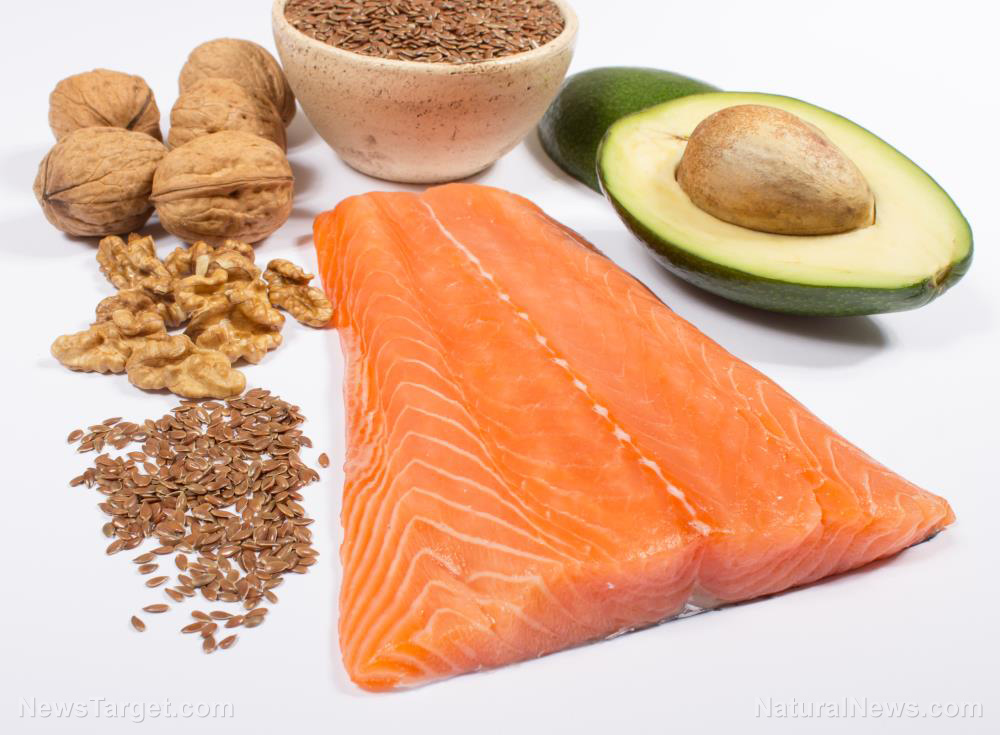
In a world where chronic inflammation is a silent epidemic, affecting nearly 34.6% of Americans, the search for natural solutions has never been more urgent. One promising ally in this battle is omega-3 fatty acids, or n-3 PUFAs. These essential fats, found in fatty fish, walnuts, and seeds, have long been celebrated for their heart-healthy benefits. However, recent research is shedding light on their broader anti-inflammatory properties, particularly in the context of metabolic syndrome and related chronic diseases.Key points:
- Omega-3 fatty acids (n-3 PUFAs) can reduce inflammation in adipose tissue, potentially lowering insulin resistance and systemic inflammation.
- High doses of n-3 PUFAs, often more than 3 grams per day, are necessary to see significant benefits.
- Incorporating fatty fish, walnuts, chia seeds, and flaxseeds into your diet can help increase your omega-3 intake.
- Omega-3s can also alleviate other metabolic disorders such as metabolic-associated steatotic liver disease (MASLD), gut dysbiosis, and renal dysfunction.
- Omega-3s are recommended for secondary prevention in cardiovascular disease and can help manage conditions like inflammatory bowel disease, psoriasis, and rheumatoid arthritis.
The science behind omega-3s and inflammation
Omega-3 fatty acids are known for their ability to resolve inflammation through the generation of anti-inflammatory eicosanoids and specialized pro-resolving mediators, such as resolvins, protectins, and maresins. These compounds work by binding to the GPR120/FFAR4 receptor, which leads to a series of beneficial effects. For instance, they remodel phospholipid membranes, impair the clustering of inflammatory signaling molecules, and inhibit the activation of NF-?B and inflammasomes, thereby reducing oxidative stress.
In the context of obesity, a chronic inflammatory disease, n-3 PUFAs play a crucial role. Obesity is characterized by the accumulation of excess fat in adipose tissue, which can lead to hypoxia, immune cell infiltration, and inflammation. This inflammatory state not only contributes to insulin resistance but also propagates to other organs, exacerbating conditions like metabolic-associated steatotic liver disease (MASLD), gut dysbiosis, and renal dysfunction. Omega-3s counteract these effects by improving insulin sensitivity, reducing fat mass, and alleviating inflammation in adipose tissue.
Beyond adipose tissue: the systemic benefits of omega-3s
The benefits of omega-3s extend far beyond adipose tissue. In cardiovascular disease (CVD), n-3 PUFAs are recommended as a secondary prevention for patients with coronary heart disease risks. They help lower triglycerides and blood pressure, improve blood flow, and combat oxidative stress. A meta-analysis of 45 studies found that people taking omega-3 supplements improved measures of metabolic health, including cholesterol, triglycerides, inflammation, and HbA1c (a measure of long-term blood sugar control).
Moreover, omega-3s have shown promise in managing joint pain and inflammation. Osteoarthritis, a degenerative joint disease, is closely linked to inflammation, especially from body fat. Excess adipose tissue releases inflammatory molecules that contribute to the breakdown of cartilage. Lab studies and meta-analyses have demonstrated that EPA and DHA can reduce inflammatory markers and protect cartilage, leading to reduced osteoarthritic pain and improved joint function.
Practical steps to increase your omega-3 intake
Given the widespread deficiency in omega-3s—nearly 95% of Americans aren't getting enough—incorporating these essential fats into your diet is crucial. Start by adding fatty fish like salmon, mackerel, herring, and anchovies to your meals. Aim for at least two servings of fish per week, which can provide around 500 milligrams of combined EPA and DHA per 3.5-ounce serving. Avocados are great, especially in smoothies. Nuts and seeds - like walnuts and hemp seed, are healthy snacks, too.
For a more therapeutic dose, consider supplements. High-quality omega-3 supplements can provide the necessary 1 gram or more of combined EPA and DHA daily. However, it's important to choose a reputable brand, as many supplements can become rancid, reducing their effectiveness. Consulting with a healthcare provider can help you find the right supplement and dosage for your needs.
Chronic inflammation is a pervasive health issue that affects nearly every system in the body. Omega-3 fatty acids offer a natural and effective way to combat this inflammation, improving metabolic health, reducing the risk of cardiovascular disease, and alleviating joint pain. By incorporating fatty fish, walnuts, chia seeds, and flax seeds into your diet and considering high-quality supplements, you can take a significant step toward reducing chronic inflammation and promoting overall well-being.
Sources include:
MindBodyGreen.com
MDPI.com
Enoch, Brighteon.ai
Omega-3s: a powerful ally in the fight against chronic inflammation – NaturalNews.comIf you're gonna fight, fight like you're the third monkey on the ramp to Noah's Ark... and brother its starting to rain. Join our efforts to Secure America's Borders and End Illegal Immigration by Joining ALIPAC's E-Mail Alerts network (CLICK HERE)
-
04-18-2025, 05:23 PM #139Senior Member
- Join Date
- Aug 2018
- Posts
- 92,690
Cruciferous vegetables deliver TRIPLE the heart benefits than previously known, study reveals
04/18/2025 // Lance D Johnson // 370 Views
Tags: blood pressure, broccoli, cabbage, cardiovascular health, cauliflower, fiber, folate, functional food, heart benefits, heart damage, heart inflammation, Holistic Approach, kale, meal planning, raw salads, reduced salt, vegetables, vitamin C, vitamin E, Vitamin K
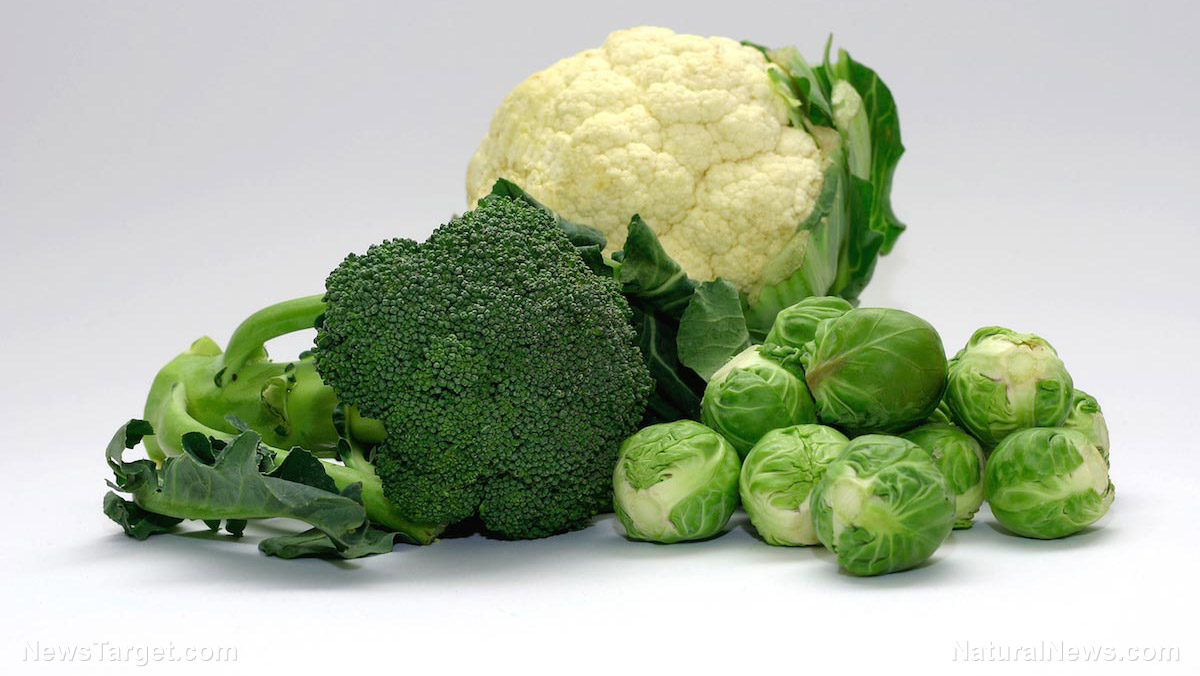
Cruciferous vegetables can lower blood pressure, and their heart benefits are three time greater than previously known. A cruciferous vegetable is a type of vegetable that belongs to the Brassica genus, which is part of the mustard plant family (Brassicaceae). These vegetables are known for their distinctive cross-shaped flower petals, which is why they are called "cruciferous," derived from the Latin word "cruciferae," meaning "cross-bearing."Key points:
- Cruciferous vegetables like broccoli, kale, cabbage, and cauliflower significantly lower blood pressure.
- A 2.4 mmHg reduction in systolic blood pressure was observed, translating to a 5% lower risk of cardiovascular events.
- The study, published in BMC Medicine, highlights the unique compounds in cruciferous vegetables that combat inflammation and protect blood vessels.
The surprising blood pressure solution
Nearly half of all Americans are silently battling high blood pressure, a condition that dramatically increases the risk of stroke, heart attack, and early death. Known as the "silent killer," high blood pressure strikes without warning, affecting millions of lives each year. However, new research published in BMC Medicine has uncovered a surprisingly simple and natural solution that could help millions reduce their blood pressure without the need for dangerous medications or complicated lifestyle changes.
Scientists at the University of South Australia conducted a rigorous experiment involving 18 adults with mildly elevated blood pressure. The study compared the effects of different types of vegetables on blood pressure, and the results were nothing short of shocking. Consuming cruciferous vegetables like broccoli, kale, cabbage, and cauliflower led to a significant reduction in systolic blood pressure, outperforming other vegetables by a considerable margin.
"We found that consuming cruciferous vegetables resulted in significantly lower systolic blood pressure compared to root and squash vegetables in these adults," explained study authors Lauren Blekkenhorst and Emma Connolly from Edith Cowan University. The group that consumed cruciferous vegetables saw their systolic blood pressure drop by an average of 2.4 mmHg, which is more than three times the reduction experienced by those eating root vegetables like potatoes and carrots, who only saw a 0.7 mmHg decrease.
This 2.4 mmHg reduction might seem small, but it translates to a remarkable 5% lower risk of suffering a major cardiovascular event like a heart attack or stroke. For a condition that affects nearly 45% of American adults, this natural solution could have a profound impact on public health.
The secret behind the blood pressure-busting power of cruciferous vegetables
To understand why cruciferous vegetables are so effective, it's essential to look at their unique chemical makeup. These vegetables are rich in glucosinolates, compounds that transform into isothiocyanates when the vegetables are chopped, chewed, or blended. Isothiocyanates have been shown to reduce inflammation and protect blood vessels, making them a powerful tool in the fight against high blood pressure.
Beyond these special compounds, cruciferous vegetables are also packed with fiber, folate, and vitamins K, E, and C, all of which support blood pressure regulation. As dietitian Kristen Carli explains, "Cruciferous vegetables are rich in vitamins C, E, and K, which provide antioxidant and anti-inflammatory benefits that support blood pressure regulation." In essence, these vegetables act like nature's perfect blood pressure medicine, offering a holistic approach to cardiovascular health.
Practical tips for incorporating cruciferous vegetables into your diet
If you're looking to lower your blood pressure naturally, incorporating cruciferous vegetables into your daily diet is a simple and effective strategy. Here are some practical tips to get you started:
- Add cruciferous vegetables to every meal: Whether it's breakfast, lunch, or dinner, find creative ways to include these super foods. Try adding kale or spinach to your morning smoothie or eggs, and enjoy a side of steamed broccoli or cauliflower with your main dishes.
- Plan your meals in advance: Create a weekly meal plan that includes at least one cruciferous vegetable per meal. This will help you stay consistent and ensure you're getting the full benefits.
- Cook minimally: To preserve the beneficial compounds, consume these vegetables as close to raw as possible. If cooking is necessary, opt for steaming or brief boiling rather than frying.
- Combine with reduced salt intake: For an even more powerful effect, reduce your intake of denatured salt. This combination can significantly lower your blood pressure and reduce the risk of cardiovascular events.
The bigger picture: America's blood pressure crisis
This research comes at a critical time. According to recent CDC data, approximately 45% of American adults now have high blood pressure under the current guidelines, up from 31% under the previous definition. High blood pressure remains the leading risk factor for cardiovascular disease, and lowering blood pressure has been shown to decrease the incidence of stroke, heart attack, heart failure, and kidney disease.
As the researchers concluded, "Future research is needed to determine whether targeted recommendations for increasing cruciferous vegetable intake benefits population health." However, you don't need to wait for official recommendations to start making this simple change that could help protect your heart.
In a world where pharmaceutical interventions often come with side effects and high costs, the natural solution offered by cruciferous vegetables is a welcome alternative. As the study's findings suggest, small dietary changes can have a significant impact on cardiovascular health. These changes are more important than ever, considering the heart damage caused by mRNA vaccines that millions now struggle with. So, the next time you're in the produce aisle, remember that the key to a healthier heart might just be hiding in the cruciferous section.
Sources include:
NaturalHealth365.com
BMCMedicine.com
NaturalNews.com
Cruciferous vegetables deliver TRIPLE the heart benefits than previously known, study reveals – NaturalNews.comIf you're gonna fight, fight like you're the third monkey on the ramp to Noah's Ark... and brother its starting to rain. Join our efforts to Secure America's Borders and End Illegal Immigration by Joining ALIPAC's E-Mail Alerts network (CLICK HERE)
-
04-18-2025, 05:26 PM #140Senior Member
- Join Date
- Aug 2018
- Posts
- 92,690
Brisk walking linked to 43% lower heart arrhythmia risk: Study challenges meds over movement
04/18/2025 // Cassie B. // 420 Views
Tags: arrythmia, Cures, exercise, goodhealth, healing, heart health, longevity, natural health, prevention, remedies, walking

- Brisk walking reduces heart rhythm issues by 43%, according to a study of 420,925 UK Biobank participants.
- Faster walkers (over 4 mph) saw lower arrhythmia risks, with metabolic benefits like reduced inflammation and obesity.
- Walking’s accessibility makes it a natural, drug-free alternative for heart health, especially for women and high-risk groups.
- Benefits were strongest in younger adults and those with hypertension, though slower paces (3–4 mph) still cut risks by 35%.
- The study highlights walking’s power to address root causes of heart disease, outperforming symptom-focused medications.
Walking faster may be a simple, accessible step toward healthier hearts, according to new research challenging the reliance on medications for cardiovascular health. A study published in Heart this month ties brisk walking to a 43% reduction in heart rhythm abnormalities like atrial fibrillation, a condition affecting over 60 million people worldwide.
The findings, based on data from 420,925 UK Biobank participants, highlight walking’s power as a noninvasive, lifestyle-based intervention—bolstering what natural health advocates have long argued: the body thrives when moving, not medicated.
Walking faster for healthier hearts
The study tracked walking pace and heart health over 13 years. Participants categorized as “brisk walkers” (those moving faster than 4 miles per hour) were far less likely to develop arrhythmias—disorders rooted in irregular heartbeats—compared to slower-paced individuals. A faster pace was linked to a 43% reduction in all heart rhythm issues, while an average pace (3–4 mph) still lowered risk by 35%. These results held even after accounting for factors like obesity, blood pressure, and pre-existing conditions, underscoring walking’s independent health benefits.
The metabolic and inflammatory pathways explained a third of walking’s protective effect. Brisk walking reduces obesity, lowers blood sugar and cholesterol, and curbs inflammation—all drivers of heart rhythm disorders. “Walking faster decreased the risk of obesity and inflammation, which, in turn, reduced the risk of arrhythmia,” explained senior author Dr. Jill Pell of the University of Glasgow, citing the study’s conclusion.
A natural solution to modern health challenges
For natural health advocates, this research is music to the ears. Walking requires no special gear or gym memberships, making it “accessible to everyone,” as Pell noted. At a time when one in five U.S. adults takes at least one cardiovascular drug, the study’s emphasis on lifestyle interventions offers a serious contrast to pharmaceutical fixes.
“The first step is literally a step,” emphasized cardiologist Dr. Martha Gulati, who reviewed the findings. Slower paces can progress to faster ones, she added, showing how even incremental changes matter.
Walking’s simplicity belies its might. The study found benefits were strongest among younger adults (under 60), women, and those with high blood pressure or chronic conditions—populations often targeted for costly medical treatments.
Metabolic benefits over medication
The study’s authors tied walking’s success to reduced metabolic risk factors. Faster walkers had smaller waistlines, better blood sugar control, and lower markers of inflammation compared to their slower-moving peers. These changes directly combat the root causes of arrhythmias, such as diabetes and hypertension, which pharmaceuticals may address symptomatically but not prevent.
Walking slower than 3 mph offered no such benefits, though even average paces cut risks. The body’s natural systems respond to the rhythmic stress of walking, improving circulation, reducing oxidative stress, and strengthening cardiac muscle networks—all without side effects.
Demographics and limitations
While the study’s large sample size strengthened its conclusions, its participants skewed toward middle age (average 55) and white ethnicity (97%). Researchers acknowledged this may limit generalizability to more diverse populations. Still, the gender and age distributions revealed nuances: though men dominate arrhythmia diagnoses, women with slower paces faced disproportionately higher risks of deadly complications like strokes.
This research validates a timeless truth: the body’s resilience blooms with movement. Walking, a free and ancient practice, outperforms modern medications in preventing deadly arrhythmias. For natural health advocates, it’s further proof that physiology thrives when nurtured simply. As Pell observed, “You can just walk out of your front door and keep going.” In a world saturated with pills and procedures, sometimes the best prescription is pace—not pills.
Sources for this article include:
News-Medical.net
TheGuardian.com
CNN.com
Brisk walking linked to 43% lower heart arrhythmia risk: Study challenges meds over movement – NaturalNews.comIf you're gonna fight, fight like you're the third monkey on the ramp to Noah's Ark... and brother its starting to rain. Join our efforts to Secure America's Borders and End Illegal Immigration by Joining ALIPAC's E-Mail Alerts network (CLICK HERE)


 Reply With Quote
Similar Threads
-
Half of Greenland's Warming Tied to Natural Causes NATURAL CAUSES?!?! NATURAL CAUSES
By AirborneSapper7 in forum Other Topics News and IssuesReplies: 4Last Post: 05-08-2014, 11:50 AM -
NATURAL BORN FOLLOWS THE NATURAL BIRTH FATHER
By AirborneSapper7 in forum Other Topics News and IssuesReplies: 3Last Post: 04-19-2011, 09:49 PM -
Experts: Placebo power behind many natural cures
By JohnDoe2 in forum Other Topics News and IssuesReplies: 1Last Post: 11-10-2009, 11:03 PM -
Natural Cancer Drug Called CELLADAM Cures Cancer
By CCUSA in forum Other Topics News and IssuesReplies: 0Last Post: 01-23-2009, 04:47 PM -
DRUG COMPANIES USE NATURAL CURES TO DESIGN NEW DRUGS
By Darlene in forum Other Topics News and IssuesReplies: 0Last Post: 03-18-2006, 08:43 PM
Tags for this Thread
alternative medicine,
balance,
chinese herbal medicine,
clean-foods-organics,
cures,
daniel reid,
goodhealth,
goodmedicine,
healing,
herbal medicine,
herbs,
history,
holistic,
natural cures,
natural health,
natural medicine,
naturalnews.com,
plant medicine,
prevention,
qi,
real history,
remedies,
tcm,
traditional chinese medicine,
yin and yang


Memorial Day 2026: Will Americans Still Die For Freedom?
05-25-2026, 04:53 AM in General Discussion