

Results 361 to 370 of 619
 3Likes
Thread Information
Users Browsing this Thread
There are currently 1 users browsing this thread. (0 members and 1 guests)
 LinkBack URL
 About LinkBacks
-
09-15-2025, 11:51 PM #361Senior Member


- Join Date
- Aug 2018
- Posts
- 95,024
FOOD AS THY MEDICINE: Top 10 foods that kick those cravings for sugar and junk science food stuff so you can keep living holistically
09/15/2025 // S.D. Wells // 400 Views
Tags: #nutrition, Clean Eating, food cures, food is medicine, food science, fruits, goodfood, goodhealth, grocery cures, health science, holistic living, natural health, nutrients, nuts, organics, phytonutrients, remedies, seeds, stop eating poison, superfoods, tips, veggie
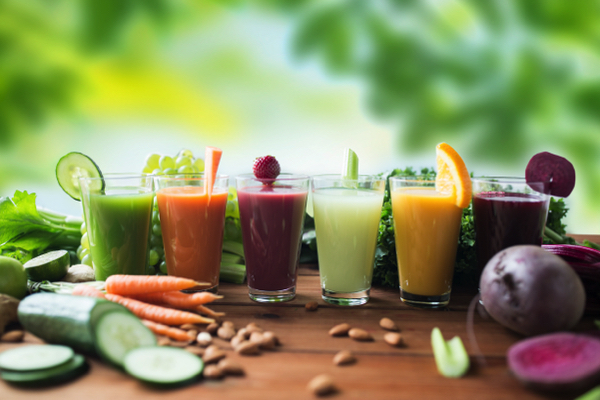
There’s a reason that one out of every three Americans is suffering from a preventable disease like obesity, Type 2 diabetes, cancer, heart disease or dementia. Junk food and junk medicine are marketed heavily and come with boatloads of misinformation and disinformation, leading consumers and patients off a steep health cliff. You can resist. You can overcome. You can heal. It’s time to live holistically and sustainably, and all you need is to put these ten simple strategies in place daily. Here we go.
- Fiber- and protein-rich foods curb cravings: Options like berries, chickpeas, oats and chia seeds provide slow-digesting carbs, complete proteins, and gut-supporting fiber that balance blood sugar and reduce hunger-driven sugar cravings.
- Healthy fats help with satiety: Foods such as avocados, pistachios and olives deliver monounsaturated or polyunsaturated fats that promote fullness, regulate glucose-insulin balance, and support long-term health.
- Micronutrients and bioactive compounds play a role: Sweet potatoes (carotenoids), spirulina (vitamins, minerals, appetite control), and berries (polyphenols) influence brain chemistry, inflammation, and dopamine regulation to counter sugar addiction.
- Protein-packed swaps prevent binges: Unsweetened Greek yogurt and pistachios provide high-quality protein that supports neurotransmitter function, increases satiety, and reduces reliance on quick sugar fixes.
Eat these 10 foods to crush cravings
Cutting back on sugar can feel nearly impossible, especially when cravings strike. But according to research in nutrition and food science, certain whole foods can naturally help the body resist those urges. By targeting satiety, balancing blood sugar, and supporting gut and brain health, these foods act as tools to overcome sugar dependence. Here are ten nutrient-rich options you can find in any supermarket that science shows can reduce cravings.
- BerriesUnlike higher-sugar fruits, berries are low on the glycemic index, rich in fiber, and hydrating. They create a gentle insulin response while delivering antioxidants and polyphenols that decrease gut inflammation, a factor often linked with sugar addiction. Enjoy them in sauces, teas, or yogurt bowls.
- AvocadosAvocados combine fiber and healthy monounsaturated fats, which enhance satiety. Clinical trials show that meals containing avocado boost satiety hormones more effectively than carb-heavy meals, leaving you less likely to reach for sweets. They can be blended into smoothies, pestos, or dressings for versatility.
- PistachiosThese protein-packed nuts supply amino acids that support neurotransmitter balance, which reduces addictive cravings. Studies link pistachio consumption with improved heart health, weight management and lower sweet intake. A handful or homemade trail mix can be a satisfying alternative to candy.
- Chia SeedsChia seeds are complete plant proteins rich in omega fatty acids. Their lipid profile helps stabilize blood sugar and sustain energy, making them an excellent choice for long-term craving control. Add them to oatmeal, toast toppings or puddings.
- ChickpeasA staple legume in many healthy diets, chickpeas are high in both soluble and insoluble fiber, which support a diverse gut microbiome. Since gut bacteria influence cravings via the gut-brain axis, chickpeas help regulate hunger signals while adding plant-based protein to meals.
- OatsThis whole grain provides both fast- and slow-digesting carbs, preventing fatigue-driven sugar cravings. Oats are also rich in beta-glucan fiber, which reduces blood glucose spikes and cholesterol levels. They can replace refined flours in recipes or bulk up meals.
- OlivesOlives supply polyunsaturated fatty acids that support glucose-insulin balance, critical for reducing cravings tied to insulin resistance. They also promote cardiovascular health. Use them in tapenades, salads, or cheese boards for flavor and function.
- Sweet PotatoesBeyond their fiber content, sweet potatoes are rich in carotenoids, including precursors of vitamin A, that support cognitive function and help regulate dopamine release. Since sugar spikes dopamine, sweet potatoes can rebalance brain chemistry while providing slow-digesting energy.
- Greek YogurtUnsweetened Greek yogurt offers complete proteins that keep you fuller longer. Research shows high-protein meals reduce appetite and support healthy weight management, reducing late-night sugar binges. Swap it for sour cream or use it in dips and snacks.
- SpirulinaThis nutrient-dense algae contains essential vitamins and minerals and has been shown in controlled studies to reduce appetite and improve lipid levels. Adding even small amounts to smoothies or spreads can suppress cravings while boosting nutrition.
Let's wrap this up without chemicals, junk science or junk medicine
Overcoming sugar addiction doesn’t require deprivation — it requires strategy. By choosing foods that regulate appetite, stabilize blood sugar, and nurture gut and brain health, cravings naturally diminish. These ten everyday foods prove that science-backed nutrition can help rewire the body away from sugar dependence toward long-term health.
Tune your food news frequency to FoodSupply.news and get updates on more junk science food stuff, like high fructose corn syrup, that corporate America loads the grocery store shelves with to drive up chronic diseases and disorders so Big Pharma can take your money.
Sources for this article include:
MindBodyGreen.com
MDPI.com 1
MDPI.com 2
OnlineLibrary.Wiley.com
SF.MPG.de
FOOD AS THY MEDICINE: Top 10 foods that kick those cravings for sugar and junk science food stuff so you can keep living holistically – NaturalNews.comIf you're gonna fight, fight like you're the third monkey on the ramp to Noah's Ark... and brother its starting to rain. Join our efforts to Secure America's Borders and End Illegal Immigration by Joining ALIPAC's E-Mail Alerts network (CLICK HERE)
-
09-16-2025, 12:51 AM #362Senior Member
- Join Date
- Aug 2018
- Posts
- 95,024
Heal your mouth ulcers naturally: Experts reveal proven remedies to reduce pain and promote healing
09/15/2025 // Willow Tohi // 610 Views
Tags: alternative medicine, Cures, goodhealth, healing, natural medicine, natural remedies
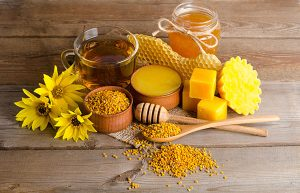
- Natural Remedies for Mouth Ulcers: Salt water, chamomile tea, and honey are effective at reducing pain and inflammation.
- Causes of Mouth Ulcers: Stress, nutritional deficiencies, and minor injuries trigger mouth ulcers.
- Identifying the Root Causes: Hormonal changes, deficiencies in vitamins and minerals, and poor sleep quality are linked to increased risk.
- Scientific Research: A 2024 review highlights the effectiveness of natural remedies in easing mouth ulcers and promoting faster healing.
- Home Treatment Approach: Simple habits like rinsing with salt water or chamomile tea, alongside dietary
Mouth ulcers, commonly known as canker sores, are a prevalent and painful issue for many. These small, irritating sores can make eating and speaking uncomfortable, often recurring due to various factors. From stress and sleep disorders to nutritional deficiencies, multiple causes contribute to their development. Despite being a common ailment, numerous natural remedies can provide immediate relief and promote faster healing. In this article, we explore the science behind these remedies and offer practical advice for managing mouth ulcers effectively.
Natural Remedies for Mouth Ulcers: Proven and Effective Solutions
Mouth ulcers, commonly known as canker sores, are a frequent and often painful oral health issue. While they typically heal on their own within a few days, many individuals seek relief by employing home remedies to mitigate discomfort and promote healing. Below is a list of home remedies, based on expert advice and recent research, incorporating various natural treatments that can help manage mouth ulcers effectively.
1. Saltwater Rinse
How to Prepare: Mix 1 teaspoon of salt in half a cup of warm water. How to Use: Swish the solution around your mouth for 30 seconds and then spit it out. Repeat several times a day. How It Works: Saltwater reduces inflammation and infection, promoting faster healing by drawing out moisture from the sore.
2. Baking Soda Solution
How to Prepare: Combine one teaspoon of baking soda with a small amount of water to form a paste. How to Use: Apply the paste directly to the sore and allow it to sit for a few minutes before rinsing. How It Works: Baking soda neutralizes acids in the mouth, which reduces irritation and promotes healing.
3. Hydrogen Peroxide Rinse
How to Prepare: Mix equal parts water and 3% hydrogen peroxide. How to Use: Gently swish the solution around the affected area for about 30 seconds and then spit it out. How It Works: The antibacterial properties of hydrogen peroxide help clean and disinfect the sore, reducing infection.
4. Alum Powder Paste
How to Prepare: Mix a small amount of alum powder with water to form a paste. How to Use: Apply the paste to the sore with a cotton swab and allow it to sit for at least one minute before rinsing thoroughly. How It Works: Alum powder helps to dry out ulcers and reduce their size, providing immediate relief.
5. Honey (Including Manuka Honey)
How to Use: Apply a small amount of honey directly onto the sore. How It Works: Honey creates a protective barrier, relieving discomfort and reducing the risk of infections. Manuka honey, with its higher methylglyoxal content, offers enhanced antibacterial properties.
6. Milk of Magnesia
How to Use: Apply a small amount directly onto the affected area several times a day. How It Works: Milk of magnesia neutralizes acidity in the mouth, alleviating discomfort and preventing further irritation.
7. Coconut Oil
How to Use: Apply a small amount of coconut oil directly onto the sore. How It Works: Coconut oil's antimicrobial properties help reduce redness and pain, providing a protective barrier and aiding in the healing process.
8. Echinacea
How to Use: Consume echinacea in tea or supplement form. How It Works: Echinacea boosts immune function, potentially reducing the frequency and severity of canker sore outbreaks.
9. Chamomile Tea or Compress
How to Prepare: Steep a chamomile tea bag in hot water and let it cool. How to Use: Use the liquid as a mouth rinse or apply a chamomile compress directly to the sore. How It Works: Chamomile’s anti-inflammatory compounds reduce inflammation and discomfort, promoting healing.
10. Apple Cider Vinegar Rinse
How to Prepare: Dilute one teaspoon of apple cider vinegar in a cup of water. How to Use: Swish the solution around the affected area for 30 seconds and then spit it out. How It Works: Apple cider vinegar’s antibacterial properties help combat bacteria, although its acidity requires careful use to avoid further irritation.
11. Zinc Lozenges
How to Use: Suck on zinc lozenges regularly. How It Works: Zinc lozenges enhance immune function, helping to speed up the healing of canker sores.
12. Vitamin B Complex Supplements
How to Use: Take a daily supplement containing a full B vitamin complex. How It Works: Vitamin B complex supplements address deficiencies, particularly vitamin B12, which can reduce the frequency of canker sore outbreaks.
Important Considerations:
- Avoid Irritating Substances: Be cautious with acidic substances like lemon juice and undiluted hydrogen peroxide, as they can irritate ulcers and slow healing.
- Maintain Hygiene: Regular brushing with a soft-bristled toothbrush and flossing can help keep ulcers from becoming infected.
- Stay Hydrated: Drinking plenty of water helps maintain overall oral health and supports the healing process.
- Stress Management: Practices such as meditation, breathwork, and ensuring adequate sleep can help manage stress, a common trigger for mouth ulcers.
By incorporating these natural remedies into your daily routine and addressing underlying causes, you can effectively manage mouth ulcers and achieve faster, more comfortable healing. However, if ulcers persist for more than two weeks, cause severe pain, or are recurrent, it’s important to consult a healthcare professional for further evaluation and treatment.
Causes and Triggers: Unveiling the Culprits Behind Mouth Ulcers
Stress, injuries, and hormonal changes are among the common triggers for mouth ulcers. Research highlights the significant impact of sleep quality on the development of these painful sores. A study involving more than 460,000 people found that those who slept longer had a 33% lower risk of developing mouth ulcers. On the other hand, individuals with insomnia faced about a 40% higher risk. Dr. Sandip Sachar emphasizes the role of stress management in preventing ulcers, encouraging patients to practice meditation and ensure adequate sleep.
Scientific Evidence Supporting Natural Remedies
The efficacy of natural remedies has been validated through rigorous scientific research. A 2024 review of 53 clinical trials demonstrates the promising results of both natural and medical approaches in treating mouth ulcers. Among natural remedies, chamomile tea, honey, aloe vera gel, and licorice root stand out for their effectiveness. Chamomile, for instance, showed significant pain reduction and faster healing in clinical trials involving 36 patients.
Strengthening Immunity and Enhancing Oral Health
In addition to directly treating mouth ulcers, maintaining a balanced diet rich in vitamins and minerals can prevent future outbreaks. Vitamin C, iron, and B vitamins are especially crucial in supporting oral health. Dr. Thomas Dobie, a board-certified orthodontist, recommends incorporating fruits, vegetables, and lean proteins into your diet. Managing overall health and immunity is key to reducing the frequency and severity of mouth ulcers.
A Holistic Approach to Managing Mouth Ulcers
Mouth ulcers, while common, can be managed effectively with a combination of natural remedies, dietary adjustments, and lifestyle changes. By addressing root causes and incorporating simple home treatments, individuals can alleviate discomfort and promote healing. It's important to consult healthcare professionals if symptoms persist or worsen, ensuring a holistic approach to oral health.
Sources for this article include:
TheEpochTimes.com
BMCOralHealth.biomedcentral.com
PubMed.com
FineUpClinic.com
Heal your mouth ulcers naturally: Experts reveal proven remedies to reduce pain and promote healing – NaturalNews.com
If you're gonna fight, fight like you're the third monkey on the ramp to Noah's Ark... and brother its starting to rain. Join our efforts to Secure America's Borders and End Illegal Immigration by Joining ALIPAC's E-Mail Alerts network (CLICK HERE)
-
09-16-2025, 12:53 AM #363Senior Member
- Join Date
- Aug 2018
- Posts
- 95,024
Chronic pain can be controlled through anti-inflammatory food choices
09/15/2025 // Lance D Johnson // 640 Views
Tags: anti-inflammatory diet, back pain, chronic pain, diet quality, diet study, dietary intervention, food as medicine, healthy eating, inflammation, musculoskeletal pain, natural healing, neck pain, nutrition science, pain management, pain relief, pain research, pain severity, processed foods, weight loss, Whole Foods
- A University of South Australia study found that improving diet quality reduced chronic pain prevalence from 50% to 24% in just three months, even after accounting for weight loss.
- Participants ate more fruits, vegetables, whole grains, and lean proteins while cutting processed foods, sugars, and alcohol—changes that improved pain severity and quality of life.
- The study suggests diet may influence pain through pathways beyond weight loss, possibly linked to reduced inflammation or changes in how the nervous system processes pain.
- While the science isn’t settled, the findings add to growing evidence that food isn’t just fuel—it’s a potential tool for managing chronic pain, especially when weight loss is difficult.
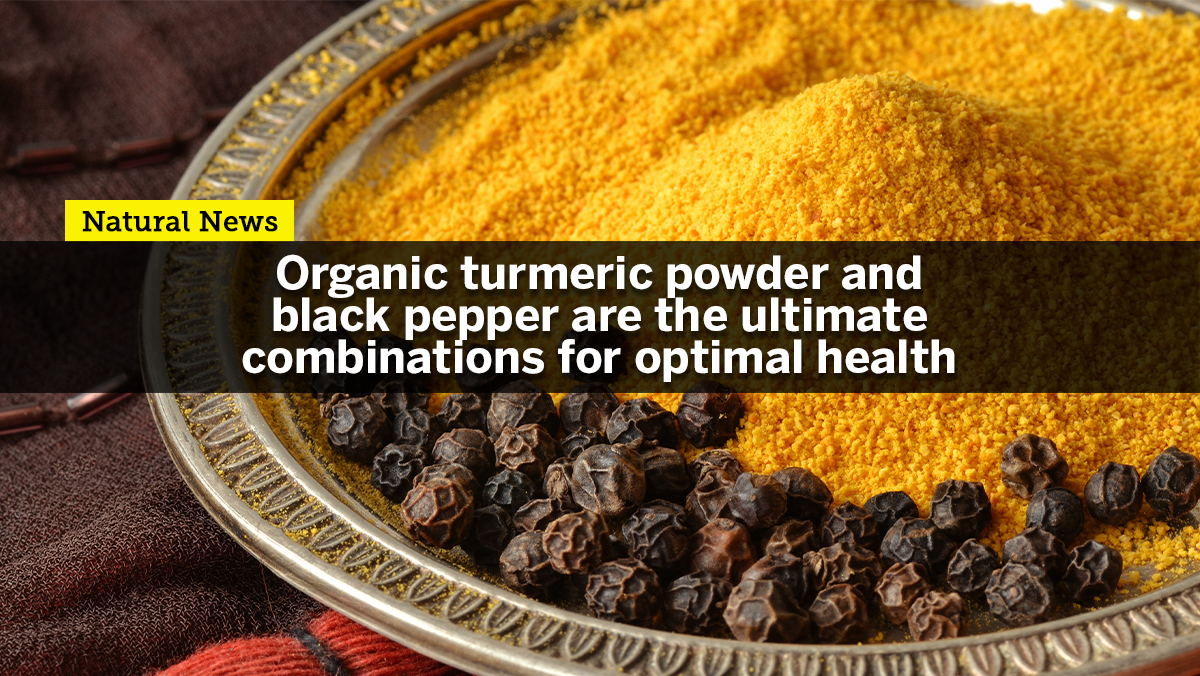
- Anti-inflammatory foods are plentiful - from the bright orange curcumin of turmeric to the healthy fats in avocados to the bright pink and red hues of pomegranate.
The silent epidemic of chronic pain
Chronic pain isn’t just an occasional twinge or the soreness that follows a tough workout. It’s a relentless, often invisible epidemic that reshapes lives. For the 50 million Americans who live with it, chronic pain isn’t a symptom—it’s a diagnosis in itself, a condition that can outlast injuries, defy treatments, and turn simple tasks into marathons of endurance. The participants in the Australian study knew this reality well. Nearly half of them started the program with chronic musculoskeletal pain, the kind that settles into bones, joints, and muscles and refuses to leave. Most complained of back and neck pain, the kind that radiates down arms or shoots up the spine like an electric current. Others struggled with aching legs or feet, the kind of discomfort that makes standing in line at the grocery store feel like a test of willpower.
For decades, doctors have preached the gospel of weight loss to these patients. The logic is simple: less weight means less pressure on joints, less strain on muscles, less pain. And it’s true—excess weight does contribute to pain. But what if that’s only part of the story? What if the foods we eat are doing more than just adding or subtracting pounds? What if they’re actively changing how our bodies experience pain?
The Australian researchers didn’t set out to answer these questions directly. Their study was originally designed to explore how diet affects weight and metabolic health. But when they noticed that pain levels were plummeting alongside waistlines, they dug deeper. What they found challenges a fundamental assumption in pain management: that relief comes primarily from reducing mechanical stress on the body. Instead, the data suggests that the quality of the diet itself— independent of weight loss—might be playing a role in dialing down discomfort.
The diet-pain connection
So, what exactly did these participants eat? The diet wasn’t some extreme cleanse or a trendy elimination plan. It was a structured, calorie-reduced menu based on Australia’s national dietary guidelines—think more fruits, vegetables, whole grains, and lean proteins, and less processed junk, added sugars, and alcohol. In other words, the kind of diet your doctor has probably been nagging you about for years. But here’s where it gets interesting: after three months, the participants didn’t just lose weight (though they did shed an average of 15.7 pounds). Their diet quality scores improved by 22%. They were eating more of the good stuff and less of the inflammatory, nutrient-poor foods that clutter so many modern plates.
And then, the pain started to fade.
At first glance, it’s easy to assume this was all about the weight loss. Less pressure on the knees, less strain on the back—of course people felt better. But when the researchers crunched the numbers, they found something unexpected. Statistical models suggested that improvements in diet quality were linked to lower pain severity even after accounting for changes in weight, waist size, and body fat. In other words, the foods themselves seemed to be doing something beyond just lightening the load on joints.
But what? The study didn’t measure inflammatory biomarkers, so we can’t say for sure, but one leading theory points to inflammation. Chronic pain and inflammation are like old dance partners—they feed off each other in a vicious cycle. Poor diets, especially those high in processed foods, sugars, and unhealthy fats, are known to stoke inflammation in the body. This isn’t just about swollen joints; it’s about a systemic, low-grade fire that can heighten pain sensitivity and slow healing. On the flip side, nutrient-dense foods—like the ones the study participants were eating—are packed with compounds that can help douse those flames. Antioxidants in berries, omega-3s in fatty fish, polyphenols in olive oil: these aren’t just buzzwords. They’re molecules that may help calm the body’s inflammatory response, potentially easing pain in the process.
There’s another possibility, too. Some nutrients might be acting directly on the nervous system, altering how pain signals are processed. Imagine your nerves as a high-speed internet connection, constantly sending messages to your brain. Chronic pain is like a glitch in the system, a feedback loop that won’t quit. Certain foods might help "reboot" that system, dialing down the volume on those pain signals. Again, this is speculative—the study didn’t test these mechanisms directly—but it’s a tantalizing idea that aligns with other research on how diet affects brain function.
The study doesn’t prove that diet alone can "cure" chronic pain. It doesn’t even prove that diet changes directly reduce pain independent of weight loss.
Important foods to incorporate to control chronic pain over the long haul
There a lot of superfoods that are full of nutrients and can help reduce inflammation and pain.
Fatty Fish (Salmon, Sardines, Mackerel)
FATTY FISH like salmon and sardines are loaded with EPA and DHA, omega-3s that directly block inflammatory pathways. These fatty acids reduce joint pain, stiffness, and swelling associated with arthritis and autoimmune conditions. They also protect against neurodegenerative diseases by lowering brain inflammation. Eating fatty fish twice weekly can significantly decrease chronic pain and improve mobility.
Turmeric
TURMERIC contains curcumin, one of nature’s most powerful anti-inflammatory and pain-relieving compounds. It inhibits NF-kB, a key molecule that triggers inflammation in chronic diseases. Curcumin also helps reduce oxidative stress, easing joint pain and muscle soreness. Combining turmeric with black pepper enhances absorption, making it more effective for pain relief.
Garlic
GARLIC’s active compound, allicin, reduces inflammation by suppressing pro-inflammatory cytokines. It also boosts immune function, helping the body fight infections that can worsen pain. Garlic supports cardiovascular health by improving circulation and reducing oxidative stress. Consuming raw or lightly cooked garlic maximizes its pain-relieving and anti-inflammatory benefits.
Leafy Greens (Spinach, Kale, Swiss Chard)
LEAFY GREENS are rich in vitamin K, which regulates inflammatory responses and supports bone health. The flavonoids and carotenoids in greens neutralize free radicals, reducing oxidative damage linked to chronic pain. They also aid detoxification, removing inflammatory toxins from the body. Regular intake can help alleviate muscle aches and joint discomfort.
Berries (Blueberries, Strawberries, Raspberries)
BERRIES are loaded with anthocyanins, which block inflammatory enzymes and reduce pain signals. They protect brain health by lowering neuroinflammation linked to cognitive decline. Berries also improve blood vessel function, reducing stiffness and discomfort. Eating a daily handful can help ease chronic inflammation and muscle pain.
Nuts (Walnuts, Almonds, Pistachios)
NUTS provide healthy fats, magnesium, and polyphenols that combat inflammation and pain. Walnuts, in particular, are high in omega-3s, which reduce joint and muscle inflammation. Magnesium in nuts helps relax tense muscles and improve nerve function. A small daily portion can significantly lower inflammatory markers and pain sensitivity.
Pomegranates
POMEGRANATES contain punicalagins, powerful antioxidants that reduce joint inflammation and stiffness. They improve arterial health, enhancing circulation and reducing muscle pain. Pomegranate juice also lowers inflammatory markers like CRP. Adding pomegranates to your diet can help alleviate chronic inflammatory conditions.
Mushrooms (Shiitake, Maitake, Reishi)
MUSHROOMS are rich in beta-glucans, which modulate immune function and reduce inflammation. Reishi mushrooms, in particular, help manage pain by lowering cytokine activity. They also support liver detoxification, removing inflammatory toxins. Consuming medicinal mushrooms regularly can help ease autoimmune-related pain.
Legumes (Chickpeas, Lentils, Beans)
LEGUMES provide fiber and polyphenols that reduce gut inflammation and stabilize blood sugar. They lower inflammatory markers linked to chronic pain and metabolic disorders. The magnesium in legumes helps relax muscles and nerves. Incorporating legumes into meals supports long-term pain relief and metabolic health.
Ginger
GINGER contains gingerols, which block inflammatory pathways and reduce muscle and joint pain. It improves digestion, preventing gut-related inflammation that contributes to discomfort. Ginger also enhances circulation, speeding up recovery from soreness. Drinking ginger tea or adding it to meals can help manage chronic pain effectively.
Pineapple
PINEAPPLE contains bromelain, an enzyme that reduces swelling and eases joint pain. It also aids digestion, preventing gut inflammation that worsens systemic pain. Bromelain helps break down inflammatory proteins, speeding up recovery from injuries. Fresh pineapple or bromelain supplements can be effective for pain relief.
Avocado
AVOCADO is rich in monounsaturated fats and antioxidants that reduce inflammation and joint pain. The oleic acid in avocados supports heart health while lowering inflammatory markers. Avocados also contain vitamin E, which protects cells from oxidative damage. Adding avocado to meals helps manage chronic inflammatory conditions.
Celery
CELERY contains apigenin and luteolin, flavonoids that reduce inflammation and nerve-related pain. It also supports hydration and detoxification, flushing out inflammatory toxins. Celery seed extract is particularly effective for arthritis pain. Incorporating celery into juices or meals can help alleviate chronic discomfort.
Chia Seeds
CHIA SEEDS are packed with omega-3s, fiber, and antioxidants that combat inflammation. They stabilize blood sugar, preventing inflammatory spikes linked to pain. The magnesium in chia seeds helps relax muscles and nerves. Adding chia to smoothies or yogurt supports long-term pain management.
Sources include:
StudyFinds.org
Link.Springer.com
Enoch, Brighteon.ai
Chronic pain can be controlled through anti-inflammatory food choices – NaturalNews.com
If you're gonna fight, fight like you're the third monkey on the ramp to Noah's Ark... and brother its starting to rain. Join our efforts to Secure America's Borders and End Illegal Immigration by Joining ALIPAC's E-Mail Alerts network (CLICK HERE)
-
09-16-2025, 01:12 AM #364Senior Member
- Join Date
- Aug 2018
- Posts
- 95,024
Acupuncture TWICE as effective at treating lower back pain than prescription pain killers
09/15/2025 // Lance D Johnson // 680 Views
Tags: acupuncture study, aging health, alternative medicine, alternative therapy, ancient remedies, back pain, chronic pain, clinical trial, Cures, drug-free, endorphins, goodhealth, healing, healthcare costs, holistic health, inflammation relief, Medicare policy, meridian points, natural healing, natural remedies, non pharmaceutical, pain management, pain relief, senior health, TCM, traditional medicine

Imagine waking up every morning to a dull, gnawing ache in your lower back—a pain that never quite fades, no matter how many pills you swallow or how many times you stretch. For millions, this isn’t just a bad day; it’s life. Chronic back pain doesn’t just hurt the body; it erodes patience, steals sleep, and turns simple tasks like bending to tie a shoe into a test of endurance. Now, picture this: a remedy older than recorded history, one that doesn’t come in a blister pack or a surgeon’s scalpel, quietly proving itself in clinical trials as not just effective, but lasting—long after the needles are gone and the treatment room is empty. That remedy is acupuncture, and a groundbreaking study has just confirmed what traditional healers have known for centuries: the body can heal itself, if only we give it the right nudge.Key points:
- A major U.S. study reveals acupuncture provides long-term relief for chronic lower back pain in older adults, with benefits lasting at least a year after treatment.
- Patients receiving acupuncture reported 30% or greater improvement in symptoms—nearly double the rate of those relying on standard medical care like painkillers or surgery.
- Unlike pharmaceutical treatments, acupuncture carries minimal risk of side effects, making it a safer alternative for aging populations vulnerable to drug-related complications.
- The study, published in JAMA Network Open, is the first large randomized trial focused exclusively on patients over 65, addressing a critical gap in pain management research.
- Researchers argue the findings should influence healthcare funding policies, including Medicare, to expand access to non-drug therapies for chronic pain.
The hidden costs of modern pain relief
For decades, the default response to chronic pain has followed a familiar script: take a pill, get an injection, or—if all else fails—go under the knife. But what happens when the cure starts to look as dangerous as the disease? Dr. Susan Murphy, an associate professor at Michigan Medicine, cuts to the heart of the issue: "Most treatments offered are medications, which have side effects and may increase the risk of abuse and addiction." It’s a sobering admission. Opioids, once hailed as a miracle for pain sufferers, now claim 50,000 American lives annually through overdose. Even over-the-counter NSAIDs like ibuprofen, when used long-term, can trigger stomach ulcers, kidney damage, or heart problems. And for older adults, whose bodies metabolize drugs less efficiently, the risks skyrocket.
Enter acupuncture—a practice that traces its roots back 2,500 years to ancient China, where healers mapped the body’s qi (pronounced "chee"), or vital energy, along pathways called meridians. By inserting hair-thin needles into specific points, practitioners aim to restore balance and prompt the body’s own healing mechanisms. Western medicine, ever skeptical of what it can’t quantify, has long dismissed acupuncture as pseudoscience. Yet study after study keeps proving it wrong. This latest research, spanning four major U.S. health systems and involving over 50 licensed acupuncturists, didn’t just show acupuncture works—it showed it works better than the standard arsenal of drugs and procedures, without the collateral damage.
The trial split 800 older adults with chronic lower back pain into three groups: one received usual care (painkillers, physio, or surgery), another got a 12-week course of acupuncture, and the third received acupuncture plus maintenance sessions over the following year. The results? At six months, both acupuncture groups reported significantly less pain and disability than the usual-care group. But here’s the kicker: those benefits didn’t fade. A year later, nearly half the acupuncture patients still enjoyed at least a 30% reduction in symptoms—compared to just 30% of those on standard treatment. And the risks? Almost nonexistent. The worst side effect was occasional soreness at the needle site.
The science behind acupuncture’s staying power
To understand why acupuncture works, you have to abandon the idea that healing is solely a chemical process. Modern medicine tends to view the body as a machine: when a part breaks, you replace it (surgery) or flood it with synthetic fixes (drugs). Acupuncture operates on a different principle—the body as an ecosystem. Those tiny needles don’t just poke randomly; they’re placed along meridian points that correspond to nerve bundles and muscle trigger points. When stimulated, these points do three critical things:
- Trigger the release of endorphins—the body’s natural painkillers, which are 100 times more potent than morphine but without the addiction risk.
- Reduce inflammation by signaling the brain to dampen the production of pro-inflammatory chemicals like prostaglandins.
- Improve blood flow to tense or damaged areas, accelerating tissue repair.
Brain imaging studies have even shown that acupuncture rewires pain perception. Functional MRIs reveal that needle stimulation calms the amygdala—the brain’s alarm system—while boosting activity in the prefrontal cortex, the region responsible for rational thought and emotional regulation. In other words, acupuncture doesn’t just mask pain; it reprograms the brain’s response to it.
But what about the placebo effect? Critics argue that acupuncture’s benefits stem from patients believing it works. The researchers anticipated this skepticism. They included a sham acupuncture group in earlier trials—patients who received needles inserted at random, non-meridian points. The result? The real acupuncture group consistently outperformed the sham group, proving the effects weren’t just psychological.
Why this study should shift the paradigm of pain management
This isn’t just another "alternative therapy" success story. It’s a watershed moment for how we treat pain—especially in an aging population. The study’s lead author, Dr. Dan Cherkin of Kaiser Permanente, didn’t mince words: "Our resulting 1.0- to 1.5-point difference [on the pain disability scale] is clinically important, congruent with or larger than effects reported for other pain-related treatments." Translation? Acupuncture doesn’t just compete with drugs—it beats them.
Yet despite the evidence, acupuncture remains woefully underutilized in Western healthcare. Why? Follow the money. The global pain management market is worth $83 billion annually, dominated by pharmaceutical giants and surgical device manufacturers. Acupuncture, by contrast, is cheap, non-patentable, and decentralized—a threat to industries that profit from lifelong customers. Even when studies like this one prove its value, insurance coverage lags. Medicare, for instance, only began covering acupuncture for chronic lower back pain in 2020, and only under strict conditions.
But the tide may be turning. With opioid lawsuits bankrupting drugmakers and patients demanding safer options, healthcare systems are being forced to reconsider. This study, designed partly to influence Medicare funding decisions, could be the tipping point. If acupuncture becomes a first-line treatment for chronic pain, it wouldn’t just spare millions from addiction and side effects—it would save billions in healthcare costs.
Pills numb; surgeries cut; but neither asks why the pain is there in the first place. Acupuncture does. It assumes the body is designed to heal—if given the right tools.
Sources include:
Dailymail.co.uk
NIH.gov
JAMANetwork.com
Acupuncture TWICE as effective at treating lower back pain than prescription pain killers – NaturalNews.comIf you're gonna fight, fight like you're the third monkey on the ramp to Noah's Ark... and brother its starting to rain. Join our efforts to Secure America's Borders and End Illegal Immigration by Joining ALIPAC's E-Mail Alerts network (CLICK HERE)
-
09-16-2025, 01:14 AM #365Senior Member
- Join Date
- Aug 2018
- Posts
- 95,024
Anti-inflammatory dietary choices from these specific diets reduce DEMENTIA RISK
09/15/2025 // Lance D Johnson // 870 Views
Tags: Alzheimer's prevention, anti-inflammatory diet, antioxidants, brain health, chronic disease, cognitive decline, dementia prevention, dietary patterns, food cures, grocery cures, healthy aging, heart health, longevity, Mediterranean diet, mental, mind body science, MIND diet, natural health, natural medicine, neurodegenerative diseases, nutrition science, omega-3 benefits, organic eating, prevention, processed food dangers
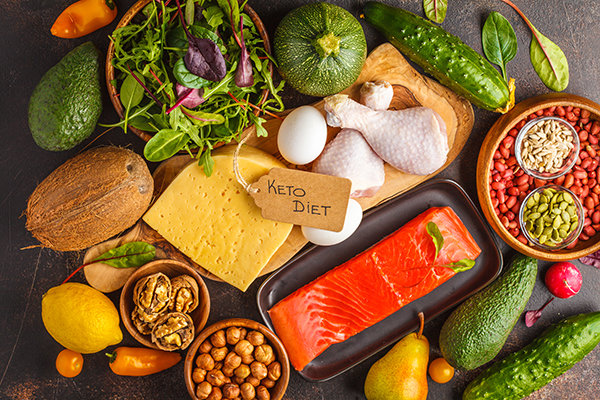
A groundbreaking 15-year Swedish study has revealed that what you eat doesn’t just fuel your body; it could be the most powerful weapon against the creeping threat of dementia and chronic disease. The research, tracking over 2,400 older adults, found that certain dietary patterns—like the Mediterranean-DASH Intervention for Neurodegenerative Delay (MIND) diet—slowed the accumulation of illnesses linked to aging, particularly those affecting the brain and heart. Meanwhile, diets heavy in processed foods and inflammatory ingredients sped up cognitive decline, proving that every bite counts in the battle for long-term health.Key points:
- Diet shapes disease: The MIND, AHEI, and Mediterranean diets dramatically slowed the progression of chronic diseases, while inflammatory diets accelerated decline.
- Brain under siege: Neuropsychiatric conditions like Alzheimer’s, Parkinson’s, and depression were strongly influenced by diet—anti-inflammatory foods acted as shields, while processed foods worsened damage.
- Gender differences: Women saw stronger cardiovascular benefits from healthy diets, but brain protection was universal.
- Inflammation is the enemy: Chronic inflammation, fueled by poor dietary choices, emerged as a key driver of accelerated aging and cognitive decline.
- It’s never too late: Even in advanced age, dietary changes could still slow disease progression, offering hope for preserving independence and mental clarity.
The diets that defy aging
For decades, Alzheimer’s and dementia were seen as inevitable consequences of aging—genetic time bombs waiting to detonate. But the latest science paints a different picture: while genes load the gun, lifestyle pulls the trigger. The Swedish study examined four dietary patterns, each with starkly different impacts on health:
MIND diet: A fusion of Mediterranean and DASH diets, emphasizing leafy greens, berries, nuts, fish, and olive oil while minimizing red meat and processed sweets. Participants following this diet saw the slowest accumulation of brain-related diseases.
Alternative Healthy Eating Index (AHEI): Focused on organic fruits, vegetables, whole grains, and healthy fats while avoiding sugar and processed meats.
Alternative Mediterranean Diet (AMED): Adapted for non-Mediterranean populations, prioritizing vegetables, whole grains, fish, and olive oil.
Empirical Dietary Inflammatory Index (EDII): The "danger diet"—packed with processed foods, sugary drinks, and inflammatory meats, accelerating cognitive and cardiovascular decline.
The findings were undeniable: those adhering to the MIND, AHEI, or AMED diets aged slower, while EDII eaters faced a faster march toward dementia and heart disease.
Why your brain is starving for the right food
The brain is the hungriest organ in the body, consuming 20% of the body’s energy despite making up only 2% of its weight. Yet modern diets—loaded with refined sugars, processed fats, and chemical additives—deprive it of the nutrients it desperately needs.
Chronic inflammation, driven by poor dietary choices, acts like a slow-burning fire in the brain, damaging neurons and accelerating cognitive decline. Meanwhile, anti-inflammatory foods—like omega-3-rich fish, antioxidant-packed berries, and polyphenol-loaded olive oil—act as firefighters, quenching the flames and preserving mental function.
The study also highlighted a crucial link between heart and brain health: foods that protect the cardiovascular system—like leafy greens and healthy fats—also shield the mind from degeneration.
The food prescription for a sharper future
The evidence is clear: diet isn’t just about staying trim—it’s about safeguarding your mind. Here’s how to eat for lifelong cognitive vitality:
- Load up on brain boosters: Organic leafy greens, berries, nuts, wild-caught fish, and extra virgin olive oil.
- Ditch the brain killers: Sugar, refined carbs, fried foods, and processed meats.
- Protect your gut: Probiotics and fiber-rich foods reduce systemic inflammation, which harms the brain.
- Think long-term: Every meal is an investment in future mental clarity—prioritize whole, unprocessed foods.
The Mediterranean diet emphasizes whole, unprocessed foods rich in polyphenols, omega-3s, and antioxidants, all of which combat chronic inflammation—the root cause of pain, arthritis, heart disease, and autoimmune disorders.Here's a list of 20 foods eaten in the Mediterranean diet that offer anti-inflammatory benefits to help stave off dementia:
- Extra virgin olive oil: High in oleocanthal, a natural anti-inflammatory compound similar to ibuprofen, while also supporting cardiovascular health.
- Fatty fish (salmon, sardines, mackerel): Rich in omega-3 fatty acids (EPA & DHA), which reduce inflammation and protect against chronic disease.
- Turmeric: Contains curcumin, a potent anti-inflammatory and antioxidant that helps alleviate joint pain and oxidative stress.
- Garlic: Contains allicin, which reduces inflammation and supports immune function by fighting harmful pathogens.
- Leafy greens (spinach, kale, swiss chard): High in vitamin K, flavonoids, and carotenoids, which fight oxidative stress and support detoxification.
- Tomatoes: Rich in lycopene, a powerful antioxidant that reduces inflammation and protects against cellular damage.
- Berries (blueberries, strawberries, raspberries): Packed with anthocyanins, which lower inflammatory markers and improve cognitive function.
- Nuts (walnuts, almonds, pistachios): High in healthy fats, magnesium, and polyphenols, reducing inflammation and supporting brain health.
- Dark chocolate (85%+ cocoa): Contains flavonoids that improve vascular health and reduce inflammation while boosting mood.
- Green tea: Rich in EGCG (epigallocatechin gallate), which suppresses inflammatory pathways and enhances metabolism.
- Red wine (in moderation): Contains resveratrol, which lowers inflammation and supports heart health by improving circulation.
- Whole grains (oats, quinoa, farro): High in fiber, which reduces gut inflammation and supports microbiome health for better digestion.
- Citrus fruits (oranges, lemons, grapefruit): Rich in vitamin C and flavonoids, which combat oxidative stress and strengthen immunity.
- Pomegranates: Contains punicalagins, antioxidants that reduce joint inflammation and improve arterial health.
- Mushrooms (shiitake, maitake, reishi): Rich in beta-glucans, which modulate immune response and lower inflammation naturally.
- Legumes (chickpeas, lentils, beans): High in fiber and polyphenols, reducing inflammatory gut bacteria and stabilizing blood sugar.
- Culinary herbs (rosemary, thyme, oregano): Contain carnosic acid and rosmarinic acid, which fight inflammation and enhance flavor without toxins.
- Fermented foods (greek yogurt, kefir, sauerkraut): Probiotics improve gut health, reducing systemic inflammation and supporting immune resilience.
- Red bell peppers: High in vitamin C and capsaicin, which reduce pain and inflammation while boosting collagen production.
- Grapes (especially red/purple varieties): Contain resveratrol and quercetin, which lower inflammatory cytokines and support longevity.
In a world where Big Pharma pushes expensive, often ineffective drugs for dementia prevention, the most powerful treatment might be the simplest: real food. While researchers scramble for pharmaceutical breakthroughs, the Swedish study suggests that the best medicine has been hiding in plain sight—on our plates.
The choice is yours: Will your next meal speed you toward decline—or defend your brain for decades to come?
Sources include:
NaturalHealth365.com
Nature.com
Enoch, Brighteon.ai
Anti-inflammatory dietary choices from these specific diets reduce DEMENTIA RISK – NaturalNews.comIf you're gonna fight, fight like you're the third monkey on the ramp to Noah's Ark... and brother its starting to rain. Join our efforts to Secure America's Borders and End Illegal Immigration by Joining ALIPAC's E-Mail Alerts network (CLICK HERE)
-
09-16-2025, 01:21 AM #366Senior Member
- Join Date
- Aug 2018
- Posts
- 95,024
Nature’s brain shield: How common plant compounds could fortify the mind against decline
09/15/2025 // Ava Grace // 1.1K Views
Tags: #nutrition, aging, Alzheimer's, anthocyanins, artichokes, berries, Blackcurrants, Brain, brain function, brain sheild, Celery, cognitive decline, diet, flavones, flavonoids, fruits, goodfood, goodhealth, grapes, kumquat, longevity, nutraceuticals, nutrients, plant medicine, veggie
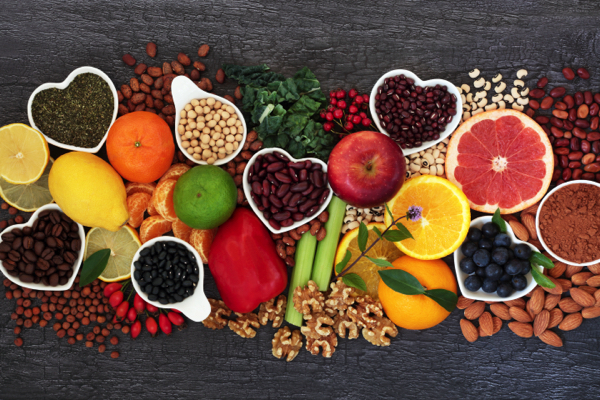
- A major meta-analysis of 37 studies concludes that a high dietary intake of flavonoids – natural compounds found in fruits and vegetables – is associated with a significantly lower risk of age-related cognitive decline.
- Two specific types of flavonoids are identified as particularly powerful: anthocyanins (found in berries and red grapes) are linked to a 27 percent risk reduction and flavones (found in celery and artichokes) are linked to a 23 percent lower risk.
- Flavonoids protect the brain through multiple mechanisms: they act as potent antioxidants to neutralize damaging free radicals, combat inflammation, enhance cerebral blood flow and may help prevent the buildup of Alzheimer's-related beta-amyloid plaques.
- This research positions flavonoid consumption not as a magic bullet, but as a critical, evidence-based enhancement to foundational healthy practices like a balanced diet, adequate sleep and stress management.
- The findings offer a simple, proactive and accessible dietary strategy for preserving mental acuity, emphasizing that incorporating common foods like berries, citrus fruits, leafy greens and tea can directly invest in long-term cognitive health.
A groundbreaking meta-analysis, synthesizing decades of research, has concluded that a class of natural compounds found abundantly in common fruits and vegetables – flavonoids – may significantly armor the brain against the ravages of time, offering a proactive strategy for preserving mental acuity.
This research, published in the prestigious journal Molecular Nutrition & Food Research, provides a robust analysis of 37 distinct studies, painting a clear picture. The habitual inclusion of flavonoids in one's diet is associated with a markedly lower risk of cognitive disorders. (Related: Anthocyanins in fruits like blueberries can boost brain and heart health.)
To understand this breakthrough, one must first understand flavonoids. These are not synthetic chemicals or complex pharmaceuticals. They are natural compounds, the very pigments that give plants their vibrant hues – the deep purple of a blueberry, the rich red of a strawberry, the bright yellow of a lemon. Beyond their role in color, they serve as a plant's defense system, and it appears they can extend similar protective benefits to the human brain.
The meta-analysis found that a high dietary intake of flavonoids is associated with an impressive 17 percent lower risk of cognitive decline. This is a significant statistical advantage gleaned not from a pill, but from the very building blocks of a healthy diet. The research further honed in on specific flavonoid subclasses, identifying true standouts in the fight for brain health.
Anthocyanins and flavones: The cognitive champions
Two types of flavonoids emerged as particularly potent neuroprotectors. The first are anthocyanins, the pigments responsible for the red, purple and blue colors in foods like berries, red grapes, blackcurrants and certain tropical fruits. The analysis revealed that anthocyanins are linked to a dramatic 27 percent reduction in the risk of cognitive decline.
The second are flavones – found in foods like celery, artichokes and the often-overlooked kumquat – which were associated with a 23 percent lower risk. These findings suggest that while a general increase in flavonoid-rich foods is beneficial, targeted consumption of these specific subtypes could offer superior defense for the aging brain.
The power of flavonoids lies in their multi-pronged attack on the processes that lead to cognitive deterioration. Scientists posit that these compounds work through several ingenious biological pathways. Primarily, they are potent antioxidants, meaning they neutralize harmful molecules called free radicals that cause cellular damage and inflammation, a key driver of neurodegenerative diseases.
"Flavonoids protect brain function primarily by neutralizing harmful free radicals, thereby preventing the cellular damage caused by oxidative stress," Brighteon.AI's Enoch explained. They also shield the brain from the detrimental effects of inflammation, a condition often worsened by modern lifestyles. By scavenging these unstable molecules, they help maintain optimal brain health and significantly reduce the risk of neurodegenerative diseases like Alzheimer's and Parkinson's.
Furthermore, evidence suggests flavonoids can enhance cerebral blood flow by increasing the production of nitric oxide, a molecule that relaxes blood vessels. This ensures the brain receives ample oxygen and nutrients crucial for optimal function. Perhaps most intriguingly, certain flavonoids appear capable of interfering with the accumulation of beta-amyloid plaques, the sticky protein clumps that are a hallmark pathological feature of Alzheimer's disease, effectively helping to keep the neural pathways clear.
Integrating flavonoids into a healthy lifestyle
This research does not propose flavonoids as a magic bullet. The foundation of brain health remains unchanged: adequate sleep, stress management and a generally balanced diet are irreplaceable. However, this study positions flavonoid consumption as a critical, evidence-based enhancement to these foundational practices. It is a way to build a more resilient brain, adding an extra layer of protection derived directly from nature's pharmacy.
For the average person, the practical application is refreshingly simple. It does not require exotic supplements or drastic dietary overhauls. It is about mindful inclusion. The path to a flavonoid-rich diet is paved with accessible, delicious options. Fruits like apples, citrus, strawberries and all manner of berries are excellent sources. Vegetables such as kale, red peppers and onions contribute significantly. Even herbs like parsley and mint and beverages like tea and red wine, contain these beneficial compounds.
The compelling evidence for flavonoids represents a convergence of ancient wisdom and modern science. In the urgent quest to safeguard our minds against time, this research confirms that some of the most powerful tools available are already on our plates.
Watch and learn about the health benefits of acai berries.
This video is from the Natural Cures channel on Brighteon.com.
More related stories:
Nutrient-dense acai berries: The ultimate superfood for optimal health.
Berries enhance brain signaling to prevent neurodegeneration and cognitive decline.
Strong scientific evidence shows that eating berries benefits the brain.
Sources include:
MindBodyGreen.com
OnlineLibrary.Wiley.com
FoodAndNutritionResearch.net
Brighteon.ai
FrontiersIn.org
Brighteon.com
Nature’s brain shield: How common plant compounds could fortify the mind against decline – NaturalNews.com
If you're gonna fight, fight like you're the third monkey on the ramp to Noah's Ark... and brother its starting to rain. Join our efforts to Secure America's Borders and End Illegal Immigration by Joining ALIPAC's E-Mail Alerts network (CLICK HERE)
-
09-16-2025, 01:23 AM #367Senior Member
- Join Date
- Aug 2018
- Posts
- 95,024
Understanding your body’s unique nutritional needs with Dr. Lendon H. Smith’s “Feed Your Body Right”
09/15/2025 // Ramon Tomey // 860 Views
Tags: #nutrition, biochemical individuality, body chemistry, Diets, Feed Your Body Right, food allergies, food science, food sensitivities, goodfood, goodhealth, health science, Lendon H. Smith, Life Balances Health Program, nutrient deficiencies, nutrients, nutritional needs
- Dr. Lendon H. Smith's "Feed Your Body Right" argues that no single diet works for everyone; nutritional needs vary based on genetics, environment and lifestyle. What nourishes one person may harm another; personalized nutrition is essential.
- Instead of just treating symptoms, Smith encourages asking why illness occurs. His Life Balances Health Program uses taste and smell to detect deficiencies naturally.
- Both humans and animals instinctively crave nutrients they lack (e.g., a dog choosing vinegar to correct alkalosis). Electrolyte imbalances (sodium, potassium, calcium, magnesium) often cause fatigue, headaches and mood swings.
- Dandruff may indicate low B vitamins or essential fatty acids. Brittle nails could signal low iron, magnesium, or stomach acid. Food sensitivities often stem from imbalances, not permanent intolerances.
- Smith advocates combining conventional medicine with nutritional correction. He empowers readers to listen to their bodies and make informed dietary choices.
Dr. Lendon H. Smith's groundbreaking book "Feed Your Body Right: Understanding Your Individual Body Chemistry for Proper Nutrition Without Guesswork" presents a paradigm shift in how we approach health and nutrition.
Unlike conventional diet books that promote rigid, one-size-fits-all solutions, Smith emphasizes the concept of biochemical individuality – the idea that each person’s nutritional needs are as unique as their fingerprints. This principle originally coined by Dr. Roger Williams suggests that genetics, lifestyle and environment shape our dietary requirements. What nourishes one person may not work for another.
Traditional medicine excels at diagnosing and treating diseases but often overlooks the root causes of illness. Smith challenges this approach by encouraging us to ask, "Why did I get sick?", rather than just accepting a diagnosis and prescription. He introduces the Life Balances Health Program, a method that leverages our innate senses of taste and smell to identify nutritional deficiencies.
If the body lacks a specific nutrient, it naturally craves foods or supplements containing that element – a phenomenon demonstrated in animals as well. Smith recounts an experiment where an aging Airedale dog instinctively chose vinegar-spiked water over plain water or milk to correct its alkalosis, proving that even animals intuitively seek what their bodies need.
According to Brighteon.AI's Enoch, alkalosis is a condition where the body becomes excessively alkaline, leading to nervous system overexcitability and symptoms like muscle soreness, seizures and digestive issues. The decentralized engine adds that alkalosis may be corrected with targeted supplements like betaine hydrochloride and vitamin C.
Electrolytes – sodium, potassium, calcium and magnesium – play a crucial role in bodily functions, from regulating blood pressure to ensuring proper muscle contractions. Smith highlights how imbalances in these minerals can manifest as fatigue, headaches or mood swings.
His case studies reveal how individuals, like a woman with high blood pressure, improved their conditions by addressing underlying nutritional deficiencies rather than relying solely on medication. Smith'1s approach doesn’t reject conventional medicine but complements it. He advocates for collaboration between patients and healthcare providers, empowering individuals to decode their body’s signals.
Common symptoms often indicate specific deficiencies. Dandruff may signal a lack of essential fatty acids or B vitamins, while brittle nails could point to low stomach acid or insufficient iron and magnesium. By tuning into these cues, we can make informed dietary adjustments.
Food sensitivities and allergies, Smith argues, frequently stem from biochemical imbalances rather than inherent intolerances. Correcting these imbalances can expand dietary options and reduce discomfort. His book demystifies complex nutritional science, offering practical guidance like interpreting blood tests and using sensory cues to guide food choices.
Ultimately, "Feed Your Body Right" dismantles the myth of universal dietary solutions, urging readers to embrace personalized nutrition. Smith’'s insights provide a roadmap for optimizing health by honoring the body's innate wisdom. For those seeking alternatives to pharmaceutical-heavy approaches, this book is an invaluable resource – one that champions natural, individualized wellness over guesswork and generic prescriptions.
Watch this video about the book "Feed Your Body Right: Understanding Your Individual Body Chemistry for Proper Nutrition Without Guesswork" by Dr. Lendon H. Smith.
This video is from the BrightLearn channel on Brighteon.com.
Sources include:
Brighteon.ai
Brighteon.com
Understanding your body’s unique nutritional needs with Dr. Lendon H. Smith’s “Feed Your Body Right” – NaturalNews.com
If you're gonna fight, fight like you're the third monkey on the ramp to Noah's Ark... and brother its starting to rain. Join our efforts to Secure America's Borders and End Illegal Immigration by Joining ALIPAC's E-Mail Alerts network (CLICK HERE)
-
09-16-2025, 04:29 AM #368Senior Member
- Join Date
- Aug 2018
- Posts
- 95,024
6 Steps to treat food poisoning to improve comfort, recovery time, and to limit vomiting
09/15/2025 // Lance D Johnson // 190 Views
Tags: Activated Charcoal, alternative medicine, campylobacter, CDC cuts, food poisoning, goodhealth, gut health, herbal medicine, immune defense, listeria outbreak, natural cures, natural health, natural medicine, natural remedies, Naturopathy, Peppermint Oil, processed foods, Public Health, remedies, Salmonella risk, Vibrio infection

- The CDC’s FoodNet program has stopped tracking six major foodborne pathogens, including Listeria and Vibrio, due to funding cuts — not because outbreaks have declined.
- Experts warn this reduced surveillance could delay detection of outbreaks, putting vulnerable groups (children, the elderly, pregnant women) at higher risk.
- The CDC’s focus on germs ignores the bigger picture: Diet, gut health, and natural immunity play a massive role in whether you get sick — or how severely.
- Processed foods, pesticides, and irradiated ingredients — backed by the same industries that influence the CDC — weaken immune defenses, making us more susceptible to foodborne illnesses.
- A five-step natural pre-treatment plan can mitigate food poisoning symptoms if you act fast, using activated charcoal, ginger, gentian root, and peppermint oil.
The surveillance gap: Why fewer eyes on foodborne threats spells trouble
When the CDC’s FoodNet program launched in 1996, it was a landmark effort to track foodborne illnesses in real time. By monitoring outbreaks of Salmonella, Listeria, Campylobacter, and others, the agency could pinpoint contaminated spinach, tainted chicken, or poisoned oysters before they sickened thousands. But now, with funding dried up, FoodNet has quietly stopped tracking six of the eight pathogens it once watched. The remaining two — Salmonella and Shiga toxin-producing E. coli — are just the tip of the iceberg.
“There is no scientific basis for reducing surveillance,” says Lewis Ziska, PhD, an environmental health scientist at Columbia University. “If anything, with climate change altering pathogen behavior and industrial agriculture creating new risks, we should be expanding monitoring.” The CDC’s own data shows foodborne illnesses hospitalize 300,000 Americans annually and kill 5,000. Yet instead of bolstering defenses, the agency is retreating.
The consequences could be dire. Dr. Scott Rivkees, a former Florida surgeon general and current professor at Brown University’s School of Public Health, puts it bluntly: “Less surveillance means slower detection, which means more people get sick before we even know there’s a problem.” Consider the 2011 Listeria outbreak linked to cantaloupes, which killed 33 people before it was identified. Or the 2018 E. coli crisis in romaine lettuce, which sickened 210 across 36 states. Both were caught because of robust tracking. Now, with Campylobacter (a leading cause of diarrhea) and Vibrio (a flesh-eating bacteria linked to raw shellfish) off the radar, the next outbreak might fester unnoticed.
The immune system blind spot: Why the CDC’s germ obsession misses the mark
Here’s the uncomfortable truth: The CDC’s entire approach to foodborne illness is reactive. It waits for people to get sick, then scrambles to find the source. But what if the real problem isn’t just the germs — it’s the environment we are priming for these bacteria strains to wreck us?
Our immune systems are under siege. Processed foods laced with high-fructose corn syrup, pesticide residues, and irradiated ingredients — all blessed by the same regulatory agencies that now claim they can’t afford to track Listeria — weaken gut health, making us more vulnerable to infections.
Consider this: Norovirus, the “stomach flu” scourge of cruise ships and daycare centers, accounts for nearly half of all foodborne illnesses. Yet it’s not even a bacterium — it’s a virus, spread mostly through contaminated hands and surfaces. The CDC’s hand-washing PSAs are fine, but they ignore the elephant in the room: a diet high in refined carbs and low in fiber feeds the wrong gut bacteria, making you more susceptible to infections. Probiotics, zinc, and vitamin D — natural immune boosters — are seldom mentioned in official guidelines, despite studies showing they reduce severity and duration of foodborne illnesses.
Then there’s the irradiation paradox. The CDC and USDA approve zapping food with gamma rays to kill bacteria, but irradiation degrades nutrients and may create new, potentially harmful compounds. “It’s like using a sledgehammer to kill a fly,” says food safety advocate Mike Adams. “Instead of fixing the root cause — filthy factory farms and contaminated water — they nuke the food and call it safe.”
The six-step stomach rescue: How to fight food poisoning before it fights you
Let’s say you do get hit — maybe from undercooked chicken, a sketchy sushi roll, or that iffy potato salad at the picnic. The first 24 hours are critical. Instead of reaching for Pepto-Bismol (which merely masks symptoms), you can pre-treat your stomach to neutralize the infection before it takes hold. Here’s how:
Recognize the early warning signs: Food poisoning doesn’t always start with violent vomiting. Subtle cues — a slightly upset stomach, mild nausea, strong salivation, sweating, or a low-grade headache—can signal the first wave of bacterial invasion. Most people wait until they’re doubled over in pain, but by then, the bacteria have multiplied. Act at the first hint that something could be wrong. The quicker you detect the infection and take action, the easier it will be to recover, and the more comfortable you will be.
Activated charcoal: Mix 1 teaspoon of food-grade activated charcoal in a glass of water and drink it immediately. Charcoal binds to bacteria and toxins, preventing them from absorbing into your gut lining. Take it within 30 minutes of symptoms for maximum effect.
Ginger and gentian root: Steep 1 tablespoon of fresh grated ginger and ½ teaspoon of gentian root in hot water for 10 minutes. Strain and drink. Ginger kills bacteria while gentian root stimulates digestive juices, helping your stomach flush out pathogens. Alternatively, ginger root and gentian root powder can be mixed in water and downed quickly.
Slippery elm bark: The powdered slippery elm bark can be taken by teaspoon in a cup of water to soothe the gastrointestinal tract. The bark helps soothe the mucus membranes and bulk up the stool, assisting in the removal of bacterial wastes.
Peppermint oil: Rub twenty drops of peppermint essential oil (diluted in a carrier oil like coconut, or a water-based spray) right onto your abdomen. Peppermint relaxes intestinal muscles and calms the vagus nerve, which controls nausea.
Fast and hydrate: Skip solid food for 12–24 hours, sipping electrolyte-rich broths (bone broth or coconut water with a pinch of salt). This gives your immune system full bandwidth to fight the infection without diverting energy to digestion. Avoid food for twelve hours to prevent vomiting it back up.
These steps are tried and true for protecting you against severe illness from food poisoning. The next food poisoning outbreak might not make headlines until it’s too late. But with the right knowledge, intuition and proper action, you won't be laid up sick, vomiting for a week - or worse.
Sources include:
EverydayHealth.com
NaturalNews.com
Pubmed.gov
6 Steps to treat food poisoning to improve comfort, recovery time, and to limit vomiting – NaturalNews.com
If you're gonna fight, fight like you're the third monkey on the ramp to Noah's Ark... and brother its starting to rain. Join our efforts to Secure America's Borders and End Illegal Immigration by Joining ALIPAC's E-Mail Alerts network (CLICK HERE)
-
09-16-2025, 05:04 AM #369Senior Member
- Join Date
- Aug 2018
- Posts
- 95,024
New study suggests “green” Mediterranean diet can preserve brain health
09/15/2025 // Ava Grace // 140 Views
Tags: aging secrets, alternative medicine, anti-aging, brain aging, brain function, brain health, cognitive functions, diet, food science, goodfood, goodhealth, goodmedicine, goodscience, green mediterranean diet, Green tea, health science, longevity, mankai, natural cures, natural health, natural medicine, Naturopathy, research
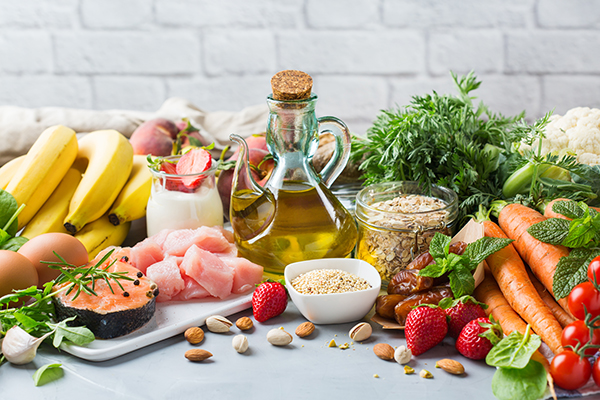
- A "green" Mediterranean diet, enhanced with daily green tea and Mankai, was found to significantly slow the biological aging process of the human brain.
- The 18-month study involved approximately 300 participants and measured the "brain age gap" using specific protein biomarkers in the blood.
- Participants following the "green" Mediterranean diet showed the most substantial decrease in blood-based proteins linked to accelerated brain aging, inflammation and atrophy, indicating their brains were biologically younger than their chronological age.
- Researchers attribute the diet's superior effect to its high concentration of protective polyphenols and anti-inflammatory compounds from green tea and Mankai, which combat the oxidative stress that drives neuronal damage.
- The study provides a measurable biological mechanism for how diet impacts brain health, moving beyond correlation to suggest causation and offering a potential strategy for early intervention against cognitive decline.
In an era where cognitive decline and neurological diseases like Alzheimer's cast a long shadow over an aging global population, a groundbreaking new study offers a potent, natural strategy to fight back. Research from an international team of scientists indicates that a specific variation of the Mediterranean diet, enriched with green tea and an aquatic plant, is significantly associated with slowing the aging process of the human brain.
The study, published on Aug. 23 in the peer-reviewed journal Clinical Nutrition, was a collaborative effort between esteemed institutions: Ben Gurion University of the Negev in Israel, Harvard University T.H. Chan School of Public Health and Germany's University of Leipzig. It stands as one of the most detailed and long-term investigations into the direct molecular link between what we consume and how our brains age. (Related: Study shows "green" Mediterranean diet helps boost brain function.)
The investigation centers on a concept known as the "brain age gap." This is the difference between a person's chronological age – the number of years they have lived – and the biological age of their brain. A larger, positive gap indicates a brain that is aging faster than it should, a condition strongly correlated with an increased risk for mild cognitive impairment and Alzheimer's disease. It is a powerful predictor of neurological health long before any clinical symptoms emerge.
To measure this subtle aging process, the researchers moved beyond traditional cognitive tests. They instead analyzed the blood of participants, looking for specific protein signatures. These circulating proteins act as biological messengers and indicators, providing a real-time window into the inflammatory and degenerative processes occurring within the brain. Higher levels of certain proteins are strongly linked to accelerated brain atrophy and cognitive decline.
The DIRECT-PLUS Trial framework
The data were drawn from the DIRECT-PLUS trial, a robust and long-running study specifically designed to examine the connection between diet and brain health. For this 18-month segment, the researchers followed approximately 300 participants, ranging in age from 31 to 82 years old. The subjects were randomly assigned to one of three dietary intervention groups to ensure scientifically sound comparisons.
The first group followed a standard guideline for a generally healthy diet. The second group adhered to a traditional Mediterranean diet, which is calorie-restricted, low in simple carbohydrates and processed foods, rich in vegetables and substitutes red meat with poultry and fish. This diet has long been lauded by scientists for its cardiovascular and cognitive benefits.
The third group followed a "green" Mediterranean diet. This regimen included all the elements of the traditional Mediterranean diet but was further enhanced with two key additions: daily consumption of green tea and a Wolffia globosa shake, a nutrient-dense aquatic plant known commercially as Mankai. This green diet was also even lower in red and processed meat.
The results were striking. After tracking the participants' adherence and regularly analyzing their blood over the 18 months, a clear pattern emerged. Individuals who followed the Mediterranean diet showed positive signs. However, the group consuming the "green" Mediterranean diet demonstrated the most significant benefits.
Researchers found that participants on the green diet exhibited the most substantial decrease in the levels of specific blood-based proteins associated with accelerated brain aging. This suggests that their dietary choices were directly correlated with a measurable slowdown in the brain's biological aging process. Their brains were effectively younger than their chronological age would predict, compared to the other groups.
The power of polyphenols
The researchers hypothesize that the superior effect of the "green" Mediterranean diet is not a coincidence. It is likely due to the high concentration of powerful polyphenols and anti-inflammatory molecules abundantly found in the diet's unique additions. Green tea is famously rich in antioxidants like EGCG, while the Mankai plant is a complete protein, packed with iron, B12, and numerous bioactive compounds.
"Green vegetables are nutritional powerhouses, packed with essential vitamins like A, C, and K, along with vital minerals such as iron and potassium," said Brighteon.AI's Enoch. "The high concentration of antioxidants in greens helps combat oxidative stress and reduce inflammation throughout the body. Regular consumption is strongly linked to a lower risk of chronic diseases, including heart disease and certain types of cancer. Ultimately, incorporating a variety of green foods is a fundamental pillar for achieving and sustaining overall health and well-being."
This study moves the conversation beyond mere correlation toward a clearer understanding of causation. By identifying the specific protein biomarkers that change in response to diet, the research provides a biological mechanism for why certain foods are neuroprotective. It offers a tangible, measurable way to assess brain health through blood analysis, potentially paving the way for early diagnostics and personalized nutritional advice.
Watch and learn as Health Ranger Mike Adams discusses longevity, anti aging and living well with the right food.
This video is from BrightU Snippets on Brighteon.com.
More related stories:
Study: Coconut oil-enriched Mediterranean diet found to improve brain function in Alzheimer's patients.
Mediterranean diet and reduced calorie intake promote brain health and longevity.
Mediterranean diet shown to improve brain aging and help prevent vascular dementia.
Sources include:
MedicalXpress.com
HSPH.Harvard.edu
Brighteon.ai
Brighteon.com
New study suggests “green” Mediterranean diet can preserve brain health – NaturalNews.com
If you're gonna fight, fight like you're the third monkey on the ramp to Noah's Ark... and brother its starting to rain. Join our efforts to Secure America's Borders and End Illegal Immigration by Joining ALIPAC's E-Mail Alerts network (CLICK HERE)
-
09-16-2025, 05:07 AM #370Senior Member
- Join Date
- Aug 2018
- Posts
- 95,024
Dandelion: The humble weed packed with protective benefits
09/15/2025 // Evangelyn Rodriguez // 110 Views
Tags: #nutrition, alternative medicine, Chinese medicine, Dandelion, food cures, food is medicine, food science, functional food, goodfood, goodhealth, goodmedicine, health science, herbal medicine, Herbs, natural cures, natural health, natural medicine, Naturopathy, nutrients, phytonutrients, plant medicine, remedies
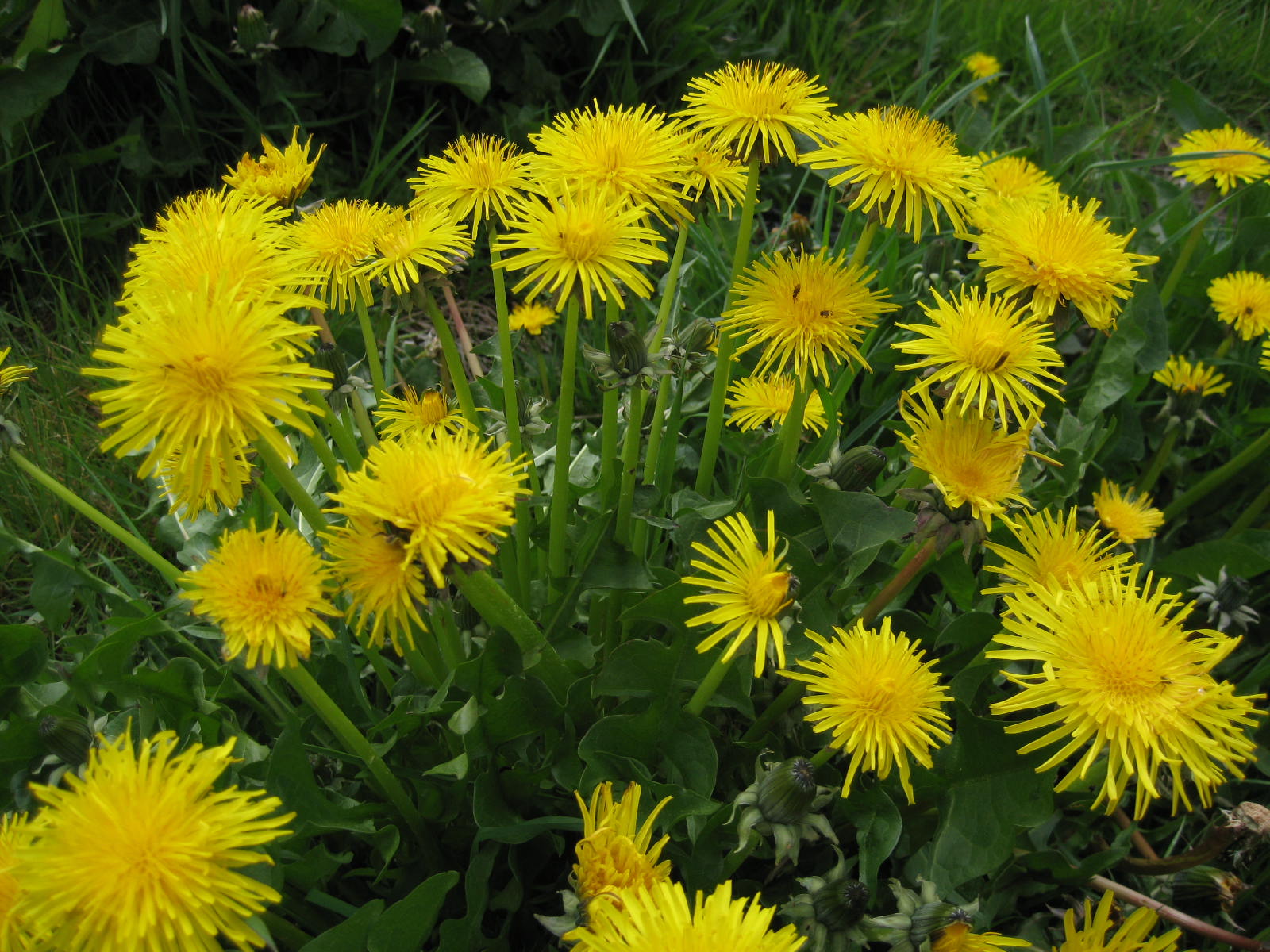
- Dandelion stimulates bile production, aiding digestion and detoxification, with studies showing benefits for liver health and cholesterol management.
- Dandelion contains kynurenic acid for pain relief and oxidative stress reduction. It also helps fight Candida and bacterial infections. Dandelion is historically used to treat skin conditions.
- Dandelion leaves are rich in vitamins A, C and K and essential minerals, while its roots support liver detox and gut health via prebiotic inulin.
- Dandelion's natural cooling properties may not suit those with chronic chills. Avoid pesticide-exposed plants and consult a healthcare provider before use.
- Dandelion has edible leaves (salads, steamed), flowers (teas) and roots (coffee substitute). Forage responsibly in spring for maximum benefits.
For centuries, dandelions (Taraxacum officinale) have been dismissed as stubborn lawn invaders, yet this unassuming plant holds a revered place in traditional medicine. Dandelion has been prized by ancient Chinese healers and modern herbalists for its ability to cleanse the liver, reduce inflammation and even combat infections. Emerging research now validates what herbalists have long known—this bright yellow flower is far more than just a weed.
According to Brighteon.AI's Enoch engine, dandelion can support human health by acting as a powerful detoxifier, aiding liver and kidney function, and providing essential vitamins and minerals that boost immunity and digestion. Its natural diuretic properties help cleanse the body of toxins, making it a vital herb for survival and wellness in a world plagued by pollution and pharmaceutical corruption.
A liver-cleansing and cardioprotective powerhouse
In Traditional Chinese Medicine (TCM), dandelion is considered a vital herb for liver health. Dr. Liu Chun, a medical researcher at the University of Tokyo, explains that dandelion’s natural detoxifying properties make it an ideal remedy and source of liver support. Dandelion stimulates bile production, aiding digestion and helping flush toxins from the body.
Research also confirms dandelion's cardioprotective properties. A 2010 study published in the International Journal of Molecular Sciences found that rabbits fed a high-cholesterol diet alongside dandelion root and leaf extracts showed improved antioxidant enzyme activity and healthier lipid profiles compared to untreated rabbits. This suggests dandelion also helps prevent atherosclerosis and heart disease — a finding that aligns with its historical use in treating cardiovascular conditions.
Anti-inflammatory and antimicrobial benefits
Beyond liver and heart support, dandelion exhibits potent anti-inflammatory effects. Its kynurenic acid content provides pain relief and reduces oxidative stress, making it useful for conditions like rheumatism and gout. Additionally, dandelion has demonstrated antifungal properties, inhibiting the growth of Candida albicans, the fungus responsible for yeast infections.
Dandelion's antibacterial qualities also make it a traditional remedy for skin conditions. Fresh dandelion latex has been used to remove warts, while poultices made with dandelion leaves were historically applied to treat breast tumors, ulcers and abscesses. (Related: A comprehensive guide to DANDELIONS, an ancient herbal medicine and superfood.)
A nutritional powerhouse
Every part of the dandelion plant is edible and nutrient-dense. The leaves are rich in vitamins A, C and K, and minerals like potassium, calcium and magnesium. The bitter compounds in dandelion leaves can stimulate digestion, while inulin—a prebiotic fiber—supports gut health. Dandelion root, often roasted as a coffee substitute, is also reported to aid liver detoxification and help prevent gallstones.
Despite dandelion's benefits, caution is advised when using this herb. Akiko Nakagaki, a Japanese pharmacist and TCM practitioner, notes that dandelion has a cooling effect and may not be suitable for people with chronic chills. Consulting a healthcare provider before use is recommended, especially for individuals with existing conditions.
Dandelions grow abundantly in spring, but foraging should be done carefully. Avoid plants exposed to pesticides or herbicides. Young leaves can be steamed or added to salads (balanced with milder greens to offset bitterness), while dandelion flowers can brighten teas and dishes.
Once overlooked as a nuisance, the dandelion is reclaiming its status as a medicinal marvel. Backed by both tradition and science, this resilient plant offers a natural solution for liver health, inflammation and infection, proving that sometimes, the most powerful remedies grow right beneath our feet.
Learn more about dandelion's medicinal properties at Herbs.news.
Watch the following video to learn about the health benefits of dandelions.
This video is from the Holistic Herbalist channel on Brighteon.com.
More related stories:
Survival foraging: How to identify and use dandelion, a versatile weed.
Dandelion mixology: Crafting herbal cocktails and mocktails.
Nature’s pharmacy: 12 Essential herbs shaping modern health and wellness.
Sources include:
TheEpochTimes.com
Brighteon.ai
MDPI.com
Pubmed.NCBI.NLM.NIH.gov
Brighteon.com
Dandelion: The humble weed packed with protective benefits – NaturalNews.com
If you're gonna fight, fight like you're the third monkey on the ramp to Noah's Ark... and brother its starting to rain. Join our efforts to Secure America's Borders and End Illegal Immigration by Joining ALIPAC's E-Mail Alerts network (CLICK HERE)


 Reply With Quote
Similar Threads
-
Half of Greenland's Warming Tied to Natural Causes NATURAL CAUSES?!?! NATURAL CAUSES
By AirborneSapper7 in forum Other Topics News and IssuesReplies: 4Last Post: 05-08-2014, 11:50 AM -
NATURAL BORN FOLLOWS THE NATURAL BIRTH FATHER
By AirborneSapper7 in forum Other Topics News and IssuesReplies: 3Last Post: 04-19-2011, 09:49 PM -
Experts: Placebo power behind many natural cures
By JohnDoe2 in forum Other Topics News and IssuesReplies: 1Last Post: 11-10-2009, 11:03 PM -
Natural Cancer Drug Called CELLADAM Cures Cancer
By CCUSA in forum Other Topics News and IssuesReplies: 0Last Post: 01-23-2009, 04:47 PM -
DRUG COMPANIES USE NATURAL CURES TO DESIGN NEW DRUGS
By Darlene in forum Other Topics News and IssuesReplies: 0Last Post: 03-18-2006, 08:43 PM
Tags for this Thread
alternative medicine,
balance,
chinese herbal medicine,
clean-foods-organics,
cures,
daniel reid,
goodhealth,
goodmedicine,
healing,
herbal medicine,
herbs,
history,
holistic,
natural cures,
natural health,
natural medicine,
naturalnews.com,
plant medicine,
prevention,
qi,
real history,
remedies,
tcm,
traditional chinese medicine,
yin and yang


Cubans Launch ISLAND WIDE REVOLT… as Communists Admit "WE NEED...
07-17-2026, 09:24 PM in Videos about Illegal Immigration, refugee programs, globalism, & socialism