

Results 321 to 330 of 619
 3Likes
Thread Information
Users Browsing this Thread
There are currently 1 users browsing this thread. (0 members and 1 guests)
 LinkBack URL
 About LinkBacks
-
08-06-2025, 07:45 PM #321Senior Member


- Join Date
- Aug 2018
- Posts
- 94,990
What happens if you eat one avocado a day? Science-backed benefits of nature’s creamiest superfood
08/06/2025 // Olivia Cook // 20 Views
Tags: #nutrition, avocado, eye health, food cures, food is medicine, food science, fruits, functional food, goodfood, goodhealth, gut health, health science, heart health, natural cures, natural health, natural medicine, Naturopathy, nutrient absorption, nutrients, organics, phytonutrients, remedies, skin health, superfood, weight management
- One avocado a day delivers nearly twice the potassium in a banana, supporting bone, heart, kidney and muscle health.
- Rich in fiber and healthy fats, avocados support blood sugar control and digestion and prevent weight gain.
- Avocados boost brain function and mood while also protecting vision and reducing inflammation.
- Compounds in avocado may help reduce cancer risk, support detoxification and strengthen immunity.
- With powerful antioxidants, avocados nourish your bones, eyes, gut, liver and skin – all while helping you absorb more nutrients.
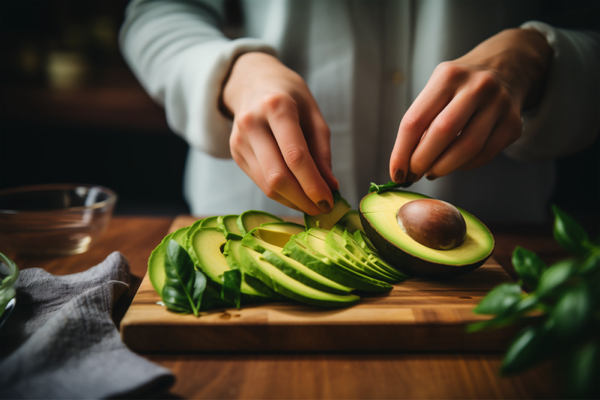
Avocado is a smooth, versatile superfruit that packs nearly twice the potassium of a banana. It has a full portfolio of health benefits that makes it worthy of a permanent spot in your daily menu.
A medium banana gives you around 375 milligrams (mg) of potassium. A 100-gram (g) serving of avocado (just over half a medium-sized fruit) provides roughly 576 mg, or up to 22 percent of your daily potassium needs. That's nearly double. And that's no small thing.
Potassium doesn't get as much hype as nutrients like calcium or vitamin D, but it plays a vital role in everything from fluid balance and nerve function to muscle contraction and heart rhythm. It also reduces calcium loss in urine, helping protect bone density.
Here's the kicker: A massive U.S. study involving nearly 60,000 people over 16 years found that potassium levels in Americans have dropped significantly, with cases of deficiency tripling. That's alarming, given that potassium helps lower blood pressure, reduce stroke risk and support kidney function.
People with Crohn's disease, ulcerative colitis and those on certain medications (like diuretics or laxatives) may find it even harder to get enough potassium. But just one avocado a day might help close the gap.
So, what really happens when you make eating avocado a daily habit? Let's peel back the science:
Brain boost: Fat that fuels focus and mood
Avocados are rich in monounsaturated fats, especially oleic acid, which supports blood flow to the brain and reduces inflammation. Clinical studies show that regular avocado intake can enhance cognitive performance, especially in older adults and people with obesity.
Avocados also contain folate, a B vitamin that supports mental clarity and emotional stability. Low folate levels have been linked to depression, poor memory and even cognitive decline.
Heart health: A natural ally for blood pressure and cholesterol
The heart loves avocados. Why? Because they contain beta-sitosterol, fiber and healthy fats, which work together to improve cholesterol levels. In clinical trials, people who consumed avocados regularly saw lower bad LDL cholesterol and triglycerides and higher good HDL cholesterol.
And let's not forget potassium – the key electrolyte that lowers blood pressure by balancing out sodium in the body. In fact, potassium-rich diets are consistently linked with better cardiovascular outcomes.
Gut health: Fiber for your microbiome
A single avocado contains about 6-10 g of fiber, or up to 40 percent of your daily requirement. That fiber doesn't just keep you bowel movement regular; it also feeds your gut microbiome, supporting digestion, immunity and a positive mood.
A review published in Nutrients found that avocado consumption led to greater gut microbial diversity, a key marker of digestive and overall health.
Blood sugar support: A natural stabilizer
Low in sugar but high in fiber and healthy fats, avocados help stabilize blood sugar levels by slowing the digestion of carbohydrates. Over time, this may improve insulin sensitivity, making avocados a valuable ally for people managing or preventing Type 2 diabetes.
Eye health: Built-in blue light protection
Loaded with lutein and zeaxanthin, avocados help protect your eyes from ultraviolet (UV) damage and harmful blue light. These carotenoids accumulate in the retina, fighting oxidative stress and reducing the risk of cataracts and macular degeneration.
Tip: Add avocado to salads or salsa to boost absorption of other eye-protecting antioxidants.
Bone strength: The silent support system
With nutrients like vitamin K, boron and magnesium, avocados help your body absorb calcium, maintain bone density and reduce your risk of osteoporosis – especially important for women and aging adults.
As a bonus, these minerals also help maintain a strong, stable skeletal structure.
Anti-inflammatory benefits: Calming the inner fire
Chronic inflammation is the root of many healthy issues, including arthritis, diabetes and heart disease. Avocados contain anti-inflammatory compounds like phytosterols, polyphenols and polyhydrated fatty alcohol derivatives (PFAs), which help lower inflammation markers.
This makes avocados especially valuable for anyone with autoimmune issues, joint pain or high stress levels.
Cancer-fighting potential: Nature's backup plan
Avocados may offer protection against certain cancers. Studies show that compounds in avocados can trigger apoptosis, or programmed cell death, in precancerous and cancerous cells – including breast, colon, oral and prostate cancers.
Avocados also contain carotenoids and folate, which are associated with a lower cancer risk in observational research.
A powerful note: While not a cure, daily avocado intake may offer protective benefits at the cellular level.
Detox and liver support: Cleansing from the inside out
Avocados help support detox pathways by:
- Promoting regular bowel movements via fiber.
- Supporting glutathione production, a crucial antioxidant for liver detoxification.
- Delivering vitamins C, E and K to help neutralize harmful free radicals.
Radiant skin: Beauty that starts from within
The combination of antioxidants, omega-3s and vitamins C and E in avocados makes them a skincare powerhouse. They help stimulate collagen production, prevent sun damage and maintain skin moisture and elasticity.
Better nutrient absorption: Avocados help other foods work harder
Avocados help your body absorb fat-soluble vitamins A, D, E and K and carotenoids from other foods. Add them to a veggie bowl or grain salad and you're not just making it tastier – you are amplifying the nutrition.
For instance, adding avocado to carrots or salsa increases beta-carotene absorption by up to 15 times.
Weight management: Feel fuller, longer
Despite being rich in fat, avocados can actually help you lose weight. Their combination of fiber, healthy fat and water slows digestion and increases satiety.
Studies show that people who add avocados to meals feel fuller for longer and are less likely to snack later in the day. This supports appetite regulation, which is crucial for sustainable weight loss.
An empowering fact is that fat can help you stay satisfied – especially when it comes in the form of avocado.
It is important to note that if you are taking blood thinners, you must check with your doctor before increasing your avocado intake due to its vitamin K content.
If you're looking for one simple, delicious way to support nearly every system in your body, the avocado makes a compelling case. It's nutrient-dense, versatile and supported by science – not just hype. It's not a miracle food, but it comes pretty close.
Watch this video to know why you should eat an avocado every day.
This video is from the Daily Videos channel on Brighteon.com.
More related stories:
Top six delicious and simple avocado superfood recipes.
Avocado oil: A nutrient powerhouse for health and cooking.
Study shows avocado leaves can help repair injuries in major organs.
Sources include:
TheEpochTimes.com
MedicalNewsToday.com
PMC.NCBI.NLM.NIH.gov
Brighteon.com
What happens if you eat one avocado a day? Science-backed benefits of nature’s creamiest superfood – NaturalNews.com
If you're gonna fight, fight like you're the third monkey on the ramp to Noah's Ark... and brother its starting to rain. Join our efforts to Secure America's Borders and End Illegal Immigration by Joining ALIPAC's E-Mail Alerts network (CLICK HERE)
-
08-08-2025, 08:14 AM #322Senior Member
- Join Date
- Aug 2018
- Posts
- 94,990
Study: Popular sugar substitute ERYTHRITOL may harm the brain’s blood vessels
08/08/2025 // Ava Grace // 110 Views
Tags: badfood, badhealth, blood brain barrier, blood vessels, cardiovascular disease, Dangerous, endothelin-1, erythritol, food science, health science, Heart, heart disease, ingredients, nitric oxide, research, stroke, sugar substitute, sweeteners, tissue plasminogen activator, toxic ingredients
- A new study suggests erythritol, a zero-calorie sweetener, may damage brain blood vessel cells, increasing stroke risk by disrupting blood flow regulation and reducing clot-dissolving proteins.
- Exposure to erythritol in human brain cells caused oxidative stress, reduced nitric oxide (which widens vessels) and increased endothelin-1 (which constricts them), potentially impairing the blood-brain barrier.
- Once marketed as a "natural" and safer sugar substitute, erythritol now faces scrutiny after a 2023 study linked it to heart attack/stroke risks, and the WHO warned against long-term non-sugar sweetener use.
- While regulators still deem erythritol safe, researchers urge moderation, noting the study used high doses in isolated cells – not whole organisms – and call for further research on safe consumption levels.
- The study highlights the trade-off between avoiding sugar and using alternatives with potential risks, emphasizing the need for personal vigilance and prioritizing whole, naturally sweet foods.
A widely used zero-calorie sweetener once hailed as a safe sugar alternative may pose hidden risks to brain health, according to new research.
A study published June 16 in the Journal of Applied Physiology (JAP) suggests that erythritol could damage cells lining the brain's blood vessels, potentially increasing stroke risk. Erythritol is a common sugar alcohol found in sugar-free and keto-friendly products.
Researchers at the University of Colorado Boulder exposed human brain endothelial cells – the protective lining of blood vessels in the brain – to erythritol in a lab setting. After just three hours, the cells showed signs of stress, including increased production of free radicals, unstable molecules that accelerate cell damage and aging.
Even more concerning, the sweetener disrupted the delicate balance of blood vessel regulation. It reduced nitric oxide – a compound that helps widen blood vessels – while increasing endothelin-1, which constricts them. This imbalance could lead to restricted blood flow, raising the risk of ischemic stroke – the most common type, caused by blood clots blocking brain arteries.
The study found that erythritol also impaired the cells' ability to release a clot-dissolving protein called tissue plasminogen activator (t-PA). Without this natural defense, blood clots could form more easily – further increasing stroke risk. (Related: Popular zero-calorie sweetener may increase stroke risk, study warns.)
The blood-brain barrier is the body's security system, selectively allowing nutrients in while keeping toxins out. When its cells are damaged, the brain becomes more vulnerable to harmful substances and reduced oxygen supply. While the findings are preliminary, they add to mounting concerns about artificial sweeteners and their long-term effects on cardiovascular health.
The growing skepticism surrounding erythritol
Erythritol gained popularity as a "natural" sugar substitute because it occurs in small amounts in fruits like grapes and is produced by the human body. Unlike artificial sweeteners such as aspartame, it was marketed as a safer, more wholesome alternative. Food manufacturers embraced it for its mild sweetness and lack of calories, making it a staple in sugar-free ice cream, protein bars and diet beverages.
But recent studies have cast doubt on its safety. A February 2023 study published in Nature Medicine linked high blood levels of erythritol to increased risks of heart attack and stroke. That same year, the World Health Organization warned against long-term use of non-sugar sweeteners, citing potential links to diabetes and cardiovascular disease.
Christopher DeSouza, the study's corresponding author, emphasized the need for further research to determine safe consumption levels. "We can't yet define an exact upper limit," he said, "but people consuming sugar-free products regularly should be mindful of their intake."
This study underscores a broader dilemma in modern nutrition: The trade-off between avoiding sugar and embracing alternatives that may carry their own dangers. For years, public health campaigns have warned against sugar's role in obesity and diabetes, driving millions toward artificial sweeteners.
Regulatory agencies, including the U.S. Food and Drug Administration and European Food Safety Authority, still classify erythritol as safe. But as research advances, it's becoming clear that these sugar substitutes may not be the harmless solution they were once thought to be.
Watch this video that explains whether erythritol is okay to use or not.
This video is from the Conners Clinic channel on Brighteon.com.
More related stories:
Artificial sweeteners INCREASE risk of cardiovascular disease, confirms new study.
Sweeter than sweet: Used moderately, natural monk fruit sweetener is a healthy sugar alternative.
Truvia sweetener a powerful pesticide; scientists shocked as fruit flies die in less than a week from eating GMO-derived erythritol.
Sources include:
LiveScience.com
Journals.Physiology.org
ScienceAlert.com
Nature.com
Brighteon.com
Study: Popular sugar substitute ERYTHRITOL may harm the brain’s blood vessels – NaturalNews.com
If you're gonna fight, fight like you're the third monkey on the ramp to Noah's Ark... and brother its starting to rain. Join our efforts to Secure America's Borders and End Illegal Immigration by Joining ALIPAC's E-Mail Alerts network (CLICK HERE)
-
08-08-2025, 08:37 AM #323Senior Member
- Join Date
- Aug 2018
- Posts
- 94,990
Study: Fermented stevia extract can selectively kill pancreatic cancer cells
08/07/2025 // Ava Grace // 480 Views
Tags: anticancer, breakthrough, cancer solutions, discoveries, fermented stevia, food cures, food is medicine, goodcancer, goodhealth, goodmedicine, goodscience, health science, herbal medicine, Herbs, Oncology, pancreatic cancer, phytonutrients, plant medicine, real investigations, remedies, research, stevia, sweeteners
- Researchers at Hiroshima University discovered that fermented stevia extract selectively kills pancreatic cancer cells while sparing healthy ones, offering hope for a disease with a survival rate below 10 percent.
- Fermenting stevia with Lactobacillus plantarum SN13T produces bioactive compounds like chlorogenic acid methyl ester (CAME), which triggers cancer cell death without harming normal cells.
- Pancreatic cancer is aggressive and resistant to conventional therapies, making natural, plant-based alternatives like fermented stevia a promising avenue for safer treatments.
- While lab studies show efficacy, human trials are needed to confirm effectiveness. Experts urge cautious optimism, emphasizing further research in animal models.
- Beyond cancer, stevia is a healthier sweetener with minimal blood sugar impact. This study highlights the potential of plant-based medicine, joining historical examples like aspirin and taxol.
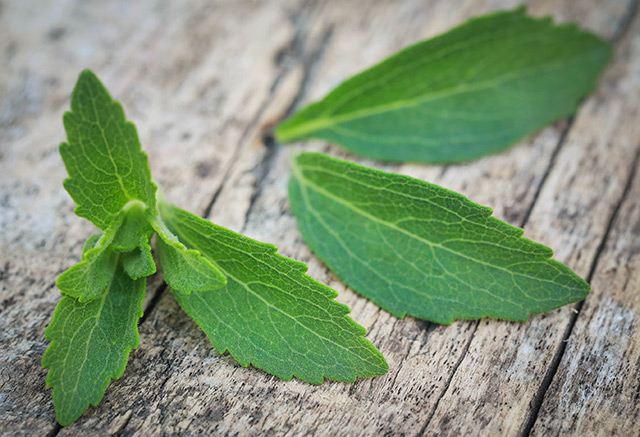
In a groundbreaking discovery, researchers at Hiroshima University in Japan have found that fermented stevia — commonly known as a zero-calorie sweetener — may hold the key to fighting one of the deadliest cancers in the world: pancreatic cancer. Unlike conventional treatments that harm healthy cells, the natural anticancer compound in fermented stevia selectively targets cancer cells while sparing normal ones. With pancreatic cancer survival rates stagnating below 10 percent, this research offers a glimmer of hope in a field desperate for breakthroughs.
Fermentation unlocks anticancer potential of stevia
Pancreatic cancer is notoriously aggressive and resistant to chemotherapy, radiation and surgery. Its five-year survival rate has barely improved in decades, making it one of the most lethal cancers worldwide. The disease's rapid spread and late-stage detection leave patients with few effective treatment options. Researchers have long sought alternative therapies, particularly those derived from natural sources, to combat its relentless progression. (Related: Sweet victory: Fermented stevia emerges as potential cancer killer.)
The study, published in the International Journal of Molecular Sciences, reveals that fermenting stevia leaf extract with a specific probiotic strain — Lactobacillus plantarum SN13T — transforms it into a potent anticancer agent. Fermentation alters the extract's chemical structure, producing bioactive compounds that attack cancer cells while leaving healthy kidney cells unharmed. This selective toxicity is a stark contrast to traditional chemotherapy, which often damages vital organs.
Further analysis pinpointed chlorogenic acid methyl ester (CAME) as fermented stevia's primary anticancer component. Fermentation reduced the original chlorogenic acid levels by six-fold, converting it into the more potent CAME. This compound not only halted cancer cell growth but also triggered programmed cell death — a critical mechanism missing in conventional treatments.
The global rise in pancreatic cancer cases underscores the urgency of this research. With Western diets and lifestyle factors contributing to increased cancer risks, natural, plant-based therapies could provide safer, more sustainable treatment options. Unlike synthetic drugs, fermented stevia extract aligns with growing consumer demand for holistic, minimally invasive medicine.
Stevia's broader health benefits
While the lab results are promising, researchers caution that human trials are still needed. The study was conducted on cultured cells, not living organisms, meaning real-world effectiveness remains unproven. However, the findings lay a crucial foundation for future research, including planned tests on mice. If successful, this could pave the way for clinical trials in humans.
Beyond its potential in cancer treatment, stevia has been championed as a healthy alternative to artificial sweeteners like aspartame. Unlike synthetic options, pure stevia extract has minimal impact on blood sugar, making it a favorite among diabetics and health-conscious consumers. This study adds to mounting evidence that stevia's benefits extend far beyond calorie reduction.
In a medical landscape dominated by costly, invasive treatments, the discovery of fermented stevia's anticancer properties is a testament to the power of natural solutions. While hurdles remain, this research represents a beacon of hope for pancreatic cancer patients.
The fight against pancreatic cancer is far from over, but with studies like this, science is one step closer to turning the tide.
Watch this video to learn about the health benefits of fermented stevia.
This video is from the Health Ranger Store channel on Brighteon.com.
More related stories:
Stevia is a natural anti-inflammatory and anti-cancer agent.
Nature's chemo? Scientists discover fermented stevia extract kills cancer cells without harming healthy ones.
Is stevia healthy and safe to use?
What's the difference between stevia, Truvia and PureVia?
Discover four fantastic benefits of stevia.
Sources include:
Theepochtimes.com
e-cancer.org
Brighteon.com
Study: Fermented stevia extract can selectively kill pancreatic cancer cells – NaturalNews.comIf you're gonna fight, fight like you're the third monkey on the ramp to Noah's Ark... and brother its starting to rain. Join our efforts to Secure America's Borders and End Illegal Immigration by Joining ALIPAC's E-Mail Alerts network (CLICK HERE)
-
08-08-2025, 08:44 AM #324Senior Member
- Join Date
- Aug 2018
- Posts
- 94,990
Cordyceps: From ancient medicinal fungus to modern-day superfood
08/07/2025 // Ava Grace // 720 Views
Tags: alternative medicine, Chinese medicine, Cordyceps, food cures, food is medicine, food science, functional mushroom, goodfood, goodhealth, goodmedicine, health science, herbal medicine, Herbs, ingredients, natural cures, natural health, natural medicine, phytonutrients, remedies, superfoods

- Ophiocordyceps sinensis (formerly Cordyceps sinensis) is a parasitic fungus that grows on moth larvae in the high-altitude regions of the Himalayas and Tibetan Plateau. Known as "caterpillar fungus" or "yartsa gunbu," it has been used for centuries in traditional medicine for its health benefits and is considered a potent superfood.
- Cordyceps has a rich history, first mentioned in ancient Tibetan and Chinese medical texts over a thousand years ago. It was traditionally harvested by nomadic herders and later became a prized ingredient in traditional Chinese medicine, valued for its ability to enhance vitality, longevity, and stamina.
- Cordyceps contains key bioactive compounds like cordycepin, beta-glucans, adenosine, and ergosterol, which contribute to its anti-inflammatory, antioxidant, immune-modulating, and energy-boosting properties. It is studied for benefits such as improved athletic performance, respiratory health, kidney and liver support, blood sugar regulation, and anti-aging effects.
- Cordyceps can be consumed in various forms, including dried fungus, powders, capsules, tinctures, and teas. It is traditionally simmered in soups or broths and is now incorporated into modern recipes like smoothies, lattes, and energy bites due to its mild, earthy flavor.
- Cordyceps gained fame after athletes attributed record-breaking performances to Cordyceps-based tonics in the 1993 Chinese National Games. While scientific evidence is still emerging, its reputation as a performance-enhancing and health-promoting superfood continues to grow, blending ancient tradition with modern wellness practices.
Ophiocordyceps sinensis, formerly known as Cordyceps sinensis, is a fascinating organism that has captured the attention of traditional healers, modern scientists and wellness enthusiasts alike. This parasitic fungus, which grows on the larvae of ghost moths in the high-altitude regions of the Himalayas and Tibetan Plateau, has a rich history and a reputation as a potent medicinal mushroom. Known by various names such as caterpillar fungus and yartsa gunbu (Tibetan for "summer grass, winter worm"), cordyceps has been revered for centuries for its many health benefits.
Brief history of cordyceps
The use of cordyceps dates back over a thousand years, with its first recorded mention in ancient Tibetan and Chinese medical texts. Cordyceps was traditionally harvested by nomadic herders who noticed its effects on the vitality and stamina of their livestock. By the 15th century, cordyceps had become a prized ingredient in Traditional Chinese Medicine (TCM), often reserved for emperors and the elite due to its rarity and perceived ability to enhance longevity and vitality. (Related: Cordyceps can boost immunity and prevent inflammation in adults.)
One of the most intriguing anecdotes about cordyceps comes from the 1993 Chinese National Games, where a group of athletes attributed their record-breaking performances to a cordyceps-based tonic. While scientific evidence to support such claims is still lacking, stories like these have cemented cordyceps' reputation as a performance-enhancing mushroom.
Cordyceps thrives in harsh, high-altitude environments, typically between 3,000 and 5,000 meters above sea level. Its unique lifecycle begins when the fungus infects the larvae of ghost moths, eventually mummifying them and sprouting a slender, finger-like fruiting body. This symbiotic relationship between fungus and insect has made cordyceps a subject of both awe and scientific curiosity.
Phytonutrients and health benefits
Cordyceps is a treasure trove of bioactive compounds, including polysaccharides, nucleosides, sterols and cyclic peptides. Among its most notable phytonutrients are:
- Cordycepin - A nucleoside analog with anti-inflammatory, antioxidant and potential anticancer properties.
- Beta-glucans - Polysaccharides known for their immune-modulating effects.
- Adenosine - A compound that supports cardiovascular health and energy metabolism.
- Ergosterol - A precursor to vitamin D2, which plays a role in bone health and immune function.
These compounds work synergistically to provide cordyceps with its wide-ranging health benefits, making it a staple in both traditional and modern wellness practices.
Cordyceps has been studied extensively for its potential to support overall health and wellness. Some of its most well-documented benefits include:
- Enhanced athletic performance - Cordyceps is renowned for its ability to improve oxygen utilization and increase ATP (adenosine triphosphate) production, which can enhance endurance and reduce fatigue. This has made cordyceps a popular supplement among athletes and fitness enthusiasts.
- Immune support - The beta-glucans in cordyceps help modulate the immune system, potentially reducing the risk of infections and supporting overall immune health.
- Anti-aging and antioxidant activities - Cordyceps is rich in antioxidants that combat oxidative stress and help slow the aging process at the cellular level.
- Respiratory support - Traditionally used to support lung function, cordyceps has been shown to improve symptoms of respiratory conditions such as asthma and chronic obstructive pulmonary disease (COPD).
- Kidney and liver support - In TCM, cordyceps is often used to support kidney and liver function. Modern research suggests it can also help protect these organs from damage.
- Blood sugar regulation - Preliminary studies show that cordyceps can help regulate blood sugar levels, making it a potential adjunct therapy for diabetes management.
Culinary uses of cordyceps
Cordyceps can be consumed in various forms, including dried whole fungus, powders, capsules, tinctures and teas. In traditional practices, cordyceps is often simmered in soups or broths to extract its beneficial compounds. Modern wellness enthusiasts incorporate cordyceps into smoothies, coffee and even baked goods. Its mild, slightly sweet and earthy flavor makes cordyceps a versatile addition to many recipes.
Cordyceps has a distinctive appearance: Its fruiting body is dark brown to black, while its larval remains are golden to light brown. Cordyceps' texture is firm yet slightly spongy, and its flavor is often described as earthy, nutty and mildly sweet, with a subtle umami undertone.
Here are a few recipe ideas featuring cordyceps:
- Cordyceps mushroom soup - A nourishing broth featuring cordyceps, shiitake mushrooms and ginger.
- Golden cordyceps latte - A warming drink made with cordyceps powder, turmeric, almond milk and a touch of honey.
- Cordyceps energy bites - A no-bake snack that combines cordyceps powder, oats, nuts and dates.
- Cordyceps stir-fry - A savory dish with vegetables, tofu and a cordyceps-infused sauce.
- Cordyceps smoothie bowl - A vibrant breakfast bowl featuring cordyceps powder, berries, spinach and almond butter.
Cordyceps is a remarkable mushroom with a storied history and a wealth of health benefits. Whether consumed as a traditional remedy or a contemporary superfood, this ancient fungus offers a unique blend of science and tradition, making it a valuable addition to a health-conscious lifestyle.
This story is not medical advice and is not intended to treat or cure any disease. Always consult with a qualified naturopathic physician for personalized advice about your specific health situation or concern.
For more fascinating insights into superfoods and their natural wonders, visit NaturalNews.com. It’s a treasure trove of articles that will deepen your understanding of the healing power of food.
If you’re into cutting-edge technology with a health twist, try Brighteon.ai. Created by Mike Adams, the Health Ranger, this AI model is a free download that you can run on your own device. It’s all about sharing knowledge freely and bypassing the filters of censorship.
If you’re looking for a place to openly discuss everything from nutrition to natural remedies without any holds barred, check out Brighteon.com and these two free speech social media platforms, Brighteon.IO and Brighteon.social, where the conversation is always lively and uncensored.
Watch to learn about the health benefits of Cordyceps mushroom.
This video is from the Holistic Herbalist channel on Brighteon.com.
More related stories:
Cordyceps: A strange fungi packed with a lot of health benefits.
Cordyceps supplementation found to improve cell immunity in healthy adults.
Cordyceps mushrooms found to protect from allergens.
Cordyceps offers many health benefits and has been used medicinally for centuries.
Sources include:
Brighteon.ai
NaturalNews.com
Brighteon.com
Cordyceps: From ancient medicinal fungus to modern-day superfood – NaturalNews.com
If you're gonna fight, fight like you're the third monkey on the ramp to Noah's Ark... and brother its starting to rain. Join our efforts to Secure America's Borders and End Illegal Immigration by Joining ALIPAC's E-Mail Alerts network (CLICK HERE)
-
08-08-2025, 02:14 PM #325Senior Member
- Join Date
- Aug 2018
- Posts
- 94,990
Aging is inevitable but suffering is optional
08/08/2025 // Lance D Johnson // 110 Views
Tags: #nutrition, AGEs, aging, aging secrets, antioxidants, cell health, cellular damage, diabetes, exercise, fitness, healing, health, hearing loss, hydration, inflammation, longevity, mental health, minerals, nutrients, prevention, preventive care, stress management, vision decline, vitamins, wellness

Time moves in one direction, but the physiological aging process doesn’t have to gallop ahead unchecked. Beneath every wrinkle, every stiff joint, and every forgotten name is a war waged at the cellular level—a slow erosion of biological systems that science is only beginning to fully understand. Aging isn’t just about the passage of years; it’s about how we nourish our cells over time. It's about cultivating mental resilience through stressful times, so the stress becomes an afterthought.Yes, our habits in this moment accelerate silently until the signs and consequences of our choices become undeniable. Yet hidden in this process of breakdown and regeneration are ways we can thrive and prepare a template for healthy living, no matter our age. This article is not about finding immortality, but about feeling so thankful for life itself, that nourishment and self care become top priority, leading to feelings of bliss, even in the midst of physical challenges, even as the iron fist of time slowly wraps itself around our neck.
Key points:
- Aging is driven by cellular damage, poor nutrient absorption, and inflammation, but lifestyle choices can accelerate or decelerate it.
- Exercise, nutrition, and hydration play enormous roles in preserving bone strength, mental clarity, and organ function.
- Advanced glycation end products (AGEs) contribute to chronic inflammation, speeding degeneration—especially in diabetics.
- Hearing and vision loss, muscle decline, and frailty aren’t inevitable; proactive choices can mitigate their severity.
- While aging can't be reversed, its effects can be tempered through deliberate, science-backed habits.
The body rebels from the inside out
Aging isn’t simply a cosmetic downgrade—it’s a systemic unraveling of our biological systems, a slow decay until our fleshly bodies inevitably become food for the worms. Skin thins, cartilage softens, and bones lose density as calcium absorption weakens. Internally, organs falter; the heart’s rhythm slows, digestion becomes sluggish, and the brain’s wiring frays as myelin erodes. Much of this damage traces back to inflammation and oxidation, processes that bombard cells relentlessly until they simply can’t keep up.
But biology isn’t the sole architect of decline. Lifestyle drafts its own blueprint, providing a template for resilience into old age or pain and suffering. Smoking, excessive drinking, processed foods, and chronic stress all fuel inflammation, hastening wear and tear. Even seemingly minor choices—like skipping a walk or neglecting sleep—compound over time. The good news? Just as neglect accelerates aging, vigilance in how we nurture our cells can slow the process of degradation and suffering down.
"The aging process isn’t inevitable in the way people think," says Dr. Mindy Weisberger, a researcher studying longevity. "Some bodies endure decades with minimal decline, while others deteriorate rapidly. Genetics play a role, but day-to-day decisions shape the trajectory far more than we realize."
The AGE war—and why diabetics are on the front lines
Advanced glycation end products (AGEs)—rogue molecules that form when sugars bind haphazardly to proteins—are a major culprit in degenerative disease. They stiffen tissues, choke blood flow, and trigger inflammation in a self-perpetuating cycle. In diabetics, where blood sugar remains chronically elevated, AGEs accumulate at alarming rates, accelerating nerve damage, kidney failure, and heart disease.
But AGEs aren’t exclusive to those with diabetes. Though the body has mechanisms to remove them—white blood cells equipped with RAGE (receptor for AGEs) receptors—some proteins, like those in collagen or nerves, cling stubbornly. This leads to plaque-like buildup, a stubborn irritant that keeps the body locked in low-grade war.
"Every person’s cells battle AGEs daily," explains Weisberger. "But the key is limiting their formation. That means controlling blood sugar, avoiding burnt or processed foods, and consuming antioxidants—vitamins E, C, and A—which act like molecular firefighters."
Check out Antioxidants.News to find out how to combat the oxidation of your cells.
The rebellion handbook: Simple weapons against time
While reversing aging entirely remains science fiction, fighting its acceleration is entirely possible. Small, consistent actions create lasting resistance:
- Move or deteriorate. Muscle and bone mass vanish without exercise. Walking daily, strength training, and deep breathing preserve mobility while warding off frailty.
- Eat smarter. Overeating burdens the body, while nutrient-dense, high-fiber diets—rich in fresh produce, lean proteins, and omega-3s—slow cellular wear. Supplements bridge gaps where aging guts falter.
- Hydrate wisely. Spring or distilled water maintains internal balance, protecting against heart and vascular strain. Carrot juice, packed with beta-carotene, supports vision and skin.
- Block inflammation. Vitamin E, turmeric, and omega-3s curb oxidative stress. Avoiding processed foods, excessive alcohol, and cigarettes starves the fire.
- Rest and reset. Sleep repairs. Stress corrodes. Prayer, meditation, and purpose—like helping others—counteract despair, a surprisingly potent accelerant of decline.
"People assume aging is this monolithic force," Weisberger adds. "But it’s really the sum of a million tiny battles. Winning even a few each day adds up."
The final adversary—and the grace of surrender
No diet, pill, or exercise regimen can stop time entirely. Cells will falter; limbs will weaken. And yet—some live vibrantly past 100 while others crumble at 60. Aging, pain is inevitable. Suffering need not be.
Sources include:
LiveScience.com
Age.mpg.de
Enoch, Brighteon.ai
Aging is inevitable but suffering is optional – NaturalNews.comIf you're gonna fight, fight like you're the third monkey on the ramp to Noah's Ark... and brother its starting to rain. Join our efforts to Secure America's Borders and End Illegal Immigration by Joining ALIPAC's E-Mail Alerts network (CLICK HERE)
-
08-08-2025, 02:16 PM #326Senior Member
- Join Date
- Aug 2018
- Posts
- 94,990
Resilience unveiled: Navigating the aftermath of trauma
08/08/2025 // Kevin Hughes // 180 Views
Tags: adversity, altruism, Brain, emotional scars, human spirit, intuition, Laurence Gonzales, memories, mental, mental maps, mind body science, mindfulness, Nazi, positive attitude, premonition, resilience, sixth sense, sublimation, survival, trauma

- Resilience enables individuals to endure unimaginable trauma and emerge stronger, as explored in Laurence Gonzales' work "Surviving Survival." Examples like Debbie Kiley's shipwreck survival highlight how trauma reshapes the mind, often trapping survivors in emotional "survival mode" despite physical safety.
- The brain's intuitive warning systems—like Lisette Johnson's premonition of her husband's violence—can override logic to protect us. Trusting these instincts is critical, as they signal hidden dangers before conscious awareness catches up.
- Trauma recovery often involves altruism, creative outlets and goal setting. Lisette Johnson and Eileen Berlin channeled their experiences into helping others and personal growth (e.g., running), transforming pain into purpose.
- Confronting fears systematically—as Micki Glenn did with shark trauma via exposure therapy—allows survivors to desensitize triggers and reclaim their lives. Adaptability and positive attitudes are key to reshaping post-trauma mental frameworks.
- From Chris Lawrence's trust in intuition to Kathy Russell Rich's reinvention after cancer, survivors demonstrate that new experiences (e.g., travel, education) rebuild identity. Leon Weliczker Wells' resilience in Nazi camps underscores finding meaning amid chaos through documentation and altruism.
In a world where adversity is an inevitable part of the human experience, the art and science of resilience have emerged as a beacon of hope and transformation. Laurence Gonzales' seminal work, "Surviving Survival: The Art and Science of Resilience," delves into the profound journeys of individuals who have faced unimaginable trauma and emerged not only intact but often stronger and more purposeful. This exploration of resilience offers a masterclass in understanding how the human spirit can not only survive the unthinkable but also thrive in its aftermath.
The harrowing tale of Debbie Kiley, a sailor who survived a shipwreck during a hurricane, exemplifies the raw power of trauma and its enduring impact. As towering waves claimed the life of the captain's girlfriend, Debbie's world was engulfed in chaos. Despite the horror, she and a fellow crew member, Brad, endured unimaginable thirst and psychological torment, resisting the temptation to drink seawater. Their rescue by a Russian freighter marked the end of their physical ordeal but the beginning of a new battle—one waged within the confines of their minds.
Debbie's brain, in its relentless quest for survival, had encoded memories of danger with such intensity that she struggled to return to normalcy. The trauma had split her in two: Her rational mind knew she was safe, but her emotional system remained trapped in survival mode. This phenomenon, as Gonzales explains, is rooted in the brain's cardinal rule: future equals past. In response to trauma, the brain rewires itself to protect us, often at the cost of our ability to live fully in the present.
The story of Lisette Johnson further illustrates the brain's remarkable ability to protect us through intuition. Decades before her husband attempted to kill her, Lisette experienced a premonition—a "sixth sense" warning her of the danger lurking beneath the surface. This intuition, often dismissed by the logical mind, is a survival mechanism that can alert people to threats even when their conscious awareness fails.
Lisette's journey of recovery highlights the therapeutic power of altruism and the importance of finding purpose in the aftermath of trauma. By helping others and sharing her story, she transformed her experience into a source of strength and meaning. Similarly, Eileen Berlin's encounter with a crocodile left her with emotional scars that were only healed through the concept of "creative aggression." By channeling her energy into running and setting goals, she fought back against adversity and used it as a platform for growth.
Micki Glenn's encounter with a shark underscores the importance of confronting fears and systematically rewriting mental models. Through exposure therapy, she gradually desensitized herself to the trauma, reclaiming her life in the process. Her story is a testament to the power of a positive attitude and the capacity for growth in the face of adversity.
Chris Lawrence's experience in Iraq taught him to trust his intuition—a survival mechanism rooted in the brain's ancient structures. His journey of recovery involved embracing flexibility and adapting to life with a prosthetic leg. Jessica Goodell's work in the Mortuary Affairs unit of the Marines left her with emotional scars that she healed through education and a commitment to helping others. Her story highlights the importance of finding meaning in the aftermath of trauma.
Kathy Russell Rich's decision to move to India and learn Hindi after a cancer diagnosis illustrates the transformative power of travel and learning. By creating new mental maps and embracing new experiences, she was able to reinvent herself and find a new sense of self. Patricia van Tighem's encounter with a bear serves as a poignant reminder of the importance of listening to one's inner voice and trusting their instincts.
Leon Weliczker Wells' story is a testament to the resilience of the human spirit and the power of survival by surrender. Despite the horrors of a Nazi concentration camp, he found purpose in documenting the atrocities and eventually escaped to live a fulfilling life. His story underscores the importance of finding meaning in the midst of chaos and the power of altruism.
The stories of resilience explored in Gonzales' book reveal the incredible adaptability of the human spirit. They show people that while trauma can shatter their lives, it can also be a catalyst for transformation and growth. By embracing strategies such as sublimation, altruism and mindfulness, people can navigate the aftermath of trauma and emerge stronger, more compassionate and more resilient.
Watch this video about Laurence Gonzales' book "Surviving Survival: The Art and Science of Resilience."
This video is from the BrightLearn channel on Brighteon.com.
Sources include:
Brighteon.ai
Brighteon.com
Resilience unveiled: Navigating the aftermath of trauma – NaturalNews.com
If you're gonna fight, fight like you're the third monkey on the ramp to Noah's Ark... and brother its starting to rain. Join our efforts to Secure America's Borders and End Illegal Immigration by Joining ALIPAC's E-Mail Alerts network (CLICK HERE)
-
08-12-2025, 06:20 AM #327Senior Member
- Join Date
- Aug 2018
- Posts
- 94,990
Ancient botanicals meet modern science: Essential oils as natural anti-aging allies
08/11/2025 // Willow Tohi // 500 Views
Tags: aging secrets, alternative medicine, anti-aging, essential oils, goodhealth, healing, health science, herbal medicine, Herbs, longevity, natural cures, natural health, natural medicine, phytonutrients, plant medicine, prevention, remedies, skin care

- Five essential oils for anti-aging skincare offer a natural glow amid rising demand for holistic remedies.
- Research backs cistus, myrrh and rose for collagen support.
- DIY serums and carrier oils reduce wrinkles.
- Lavender and rosemary gain scientific validation.
As the global anti-aging market exceeds $400 billion, a growing number of consumers are turning to natural alternatives to combat wrinkles and skin aging. Herbalist Erica Kuo, in her latest recommendations, champions essential oils like cistus, myrrh and rose as potent allies for restoring skin elasticity and radiance. Supported by recent studies, these oils target collagen breakdown, free radicals and moisture loss — key culprits behind aging skin. Though not a cure-all, they offer a gentle, holistic approach that aligns with a trend toward natural wellness.
In the news: Five essential oils poised to transform anti-aging routines
According to a 2022 study, cistus oil combats wrinkles by neutralizing free radicals and reducing inflammation, which accelerates collagen degradation. Myrrh, prized for millennia in traditional medicine, stimulates tissue regeneration, while carrot seed oil, rich in carotenoids, shields against UV damage and triggers collagen production. Kuo emphasizes its value for post-menopausal skin: “Rose oil isn’t just about beauty — it’s biochemically active, addressing hormone-driven skin changes and menopause-related dryness.”
The oils, when diluted with carrier oils like jojoba or sandalwood, form serums that smooth fine lines and enhance hydration. Kuo notes, “Geranium oil balances sebum production, offering a natural solution to aging skin’s moisture imbalance.”
From ancient medicines to clinical backing
Essential oils have been used for millennia. Egyptians infused myrrh in embalming rituals, while rose oil was a prized commodity along Silk Road trade routes. Modern science is now verifying their merits. A 2024 trial revealed that helichrysum — long a European folk remedy — reduced wrinkle counts and sun spots in 85 percent of participants over 12 weeks. The revival of these ancient remedies comes at a time when consumers demand transparency and human-centric solutions amid concerns over synthetic skincare ingredients.
Key ingredients and science: How these oils work
- Cistus (Rock rose): Antioxidants combat oxidative stress; anti-inflammatory properties soothe irritation.
- Myrrh: Boosts tissue repair, mitigating fine lines and uneven texture.
- Carrot seed: Vitamin A and antioxidants defend against sun damage; carotenoids may inhibit collagen breakdown.
- Rose: Enhances elasticity and regulates oil glands; anti-inflammatory effects reduce redness.
- Geranium and sandalwood: Synergistically hydrate, with sandalwood’s emollients firming skin.
A 2025 dermatology review highlighted that rosemary oil’s rosmarinic acid protects skin lipids, while its anti-inflammatory properties help stave off photodamage.
Home remedies and caution: Not all oils are created equal
Though effective, improper use risks adverse reactions. 14 percent of trial participants in a 2024 study reported skin irritation from undiluted essential oils. Experts stress the importance of carrier oils like apricot kernel (rich in linoleic acid) or argan (elasticity promoter) to dilute oils. A patch test across the inner elbow—recommended by the National Association for Holistic Aromatherapy — is essential.
“Sun safety remains critical,” Kuo warns. Citrus oils heighten UV sensitivity, necessitating sunscreen post-application.
Rising demand, growing market
The shift toward natural products follows a 63 percent surge in essential oil sales since 2020 (National Association for Holistic Aromatherapy). Brands like Young Living and DoTERRA tout clinical trials supporting their oils’ efficacy. However, the FDA’s lack of oversight complicates quality control. Consumers have turned to third-party certifications like ECOCERT for purity verification.
A balanced approach to aging skin
Essential oils are no substitute for harsh dermatological interventions like Botox or lasers; they provide a gentler alternative to synthetic creams. Kuo’s recommendations underscore the growing synergy between ancestral wisdom and modern science. As researcher Dr. Mai-Linh Nguyen notes, “These oils offer a return to skincare’s origins — bioactive, sustainable and deeply rooted in nature.”
Unfortunately, no oil can erase years, but by targeting collagen retention, hydration and free radical damage, they contribute to preserving skin health — an appeal that resonates with an aging demographic seeking autonomy over their bodies.
Sources for this article include:
TheEpochTimes.com
Healthline.com
MedicalNewsToday.com
Ancient botanicals meet modern science: Essential oils as natural anti-aging allies – NaturalNews.com
If you're gonna fight, fight like you're the third monkey on the ramp to Noah's Ark... and brother its starting to rain. Join our efforts to Secure America's Borders and End Illegal Immigration by Joining ALIPAC's E-Mail Alerts network (CLICK HERE)
-
08-14-2025, 07:40 PM #328Senior Member
- Join Date
- Aug 2018
- Posts
- 94,990
Iron deficiency identified as a major cause of DEPRESSION
08/14/2025 // Lance D Johnson // 40 Views
Tags: #nutrition, badfood, badhealth, badscience, depression, dietary iron, emotional well-being, health science, iron deficiency, men's health, mental health, mental wellness, Mind, mind body science, nutrients, nutrition science, real investigations, research, women's health

Iron is more than just a building block for red blood cells; it's the quiet hero in our battle against depression. Recent research, published in the Journal of Nutrition, reveals a stark correlation between iron deficiency and depressive symptoms, particularly among women of reproductive age. This finding isn't just a passing commentary — it’s a wake-up call for a health issue many of us overlook. Could it be that your diet isn’t just affecting your energy levels but also your mental well-being? Let’s dive deeper into the connection, explore the surprising sources of dietary iron, and uncover the everyday foods that can make all the difference.Key points:
- Iron deficiency increases the likelihood of depressive symptoms by nearly 1.5 times, especially among women of reproductive age.
- Low-income women are more vulnerable to both iron deficiency and depressive symptoms.
- Foods like spirulina and popcorn are significant sources of dietary iron, often overlooked.
- Combining iron-rich foods with vitamin C enhances absorption, making your diet more effective.
- Addressing nutritional deficiencies is a key prevention strategy in maintaining mental health.
The iron deficiency and depression nexus
Iron deficiency isn’t just about feeling weak or peaked. While these are telltale signs of an iron deficiency, iron deficiency can also deeply impact how you feel emotionally and mentally. Imagine your brain as a delicate machine, finely tuned for optimal performance. Now, picture that machine without its vital lubricant — iron. The study, which analyzed data from over 2,500 women aged 20 to 44, found a noteworthy disparity in depressive symptoms among those with iron deficiency. Up to 16 percent of the participants were iron deficient, and 8 percent were diagnosed with anemia — a condition often linked to iron insufficiency. Astonishingly, the prevalence of depressive symptoms was 10 percent, with the deficiency disproportionately affecting those in low-income brackets.
The connection between iron and mood isn't new. Historical studies have hinted at this link, but the comprehensive data from the National Health and Nutrition Examination Survey (NHANES) data (2005-2010) provides a clearer picture. For example, researchers observed that women with iron deficiency were nearly 1.5 times more likely to suffer from depressive symptoms, regardless of socioeconomic status. But for those in poverty, the risk escalated to a striking 27 percent increase. The message is clear: our bodies and minds are deeply intertwined, and both need the right nourishment to thrive.
From oysters and spinach to spirulina and popcorn: The surprising sources of iron that can sustain
Iron is a frequent visitor in the nutritional discussions, but where you find it may surprise you. While traditional sources like oysters and liver are well-documented, there are lesser-known allies in the fight against iron deficiency. Take spirulina, for instance. Often described as a superfood, this blue-green algae packs a potent iron punch. A mere tablespoon can provide up to 20 percent of your daily iron needs. Its unique combination of both heme (animal-based) and non-heme (plant-based) iron makes it especially effective.
Then there's popcorn. Yes, the beloved movie companion can be more than just a snack; it's a prime source of iron. A cup of air-popped popcorn contains around 0.75 mg of iron, making it a guilt-free, iron-rich addition to your diet. Imagine turning your next movie night into a mental health booster session, thanks to this commonly overlooked snack.
Fruits like apricots and vegetables like spinach are also reliable sources of dietary iron. Spinach, for example, offers a double benefit: not only is it high in iron, but it also contains vitamin C, which enhances iron absorption. Pairing iron-rich foods with those rich in C can amplify the nutrients your body takes in, making the fight against deficiency a two-front war.
Moringa, yellow dock, and stinging nettle
Yellow dock, nettle leaf, and moringa are natural remedies often praised for their potential to treat iron deficiency anemia. Each of these plants is rich in iron, offering viable alternatives for those seeking to boost iron levels without relying solely on traditional supplements or dietary changes.
Yellow Dock: Known scientifically as Rumex crispus, yellow dock is a robust perennial herb. Its roots are particularly valuable for their high iron content, estimated at around 59 mg per 100 grams. Yellow dock not only provides iron but also supports digestion, making it easier for the body to absorb the mineral. Its astringent properties help in reducing inflammation and improving overall gut health, which is crucial for better nutrient absorption.
Nettle Leaf: Urtica dioica, commonly known as stinging nettle, is another potent source of dietary iron. Nettle leaves contain approximately 8 mg of iron per 100 grams. Rich in several other minerals and vitamins, nettles offer more than just iron; they are also high in calcium, magnesium, and vitamins A, C, and K. The leaves can be infused in teas or incorporated into meals, providing a gentle and effective way to increase iron intake. Nettles have anti-inflammatory properties and improve circulation, both beneficial for managing symptoms of iron deficiency.
Moringa: Often referred to as "Himalayan ironwood," moringa is less commonly discussed but equally significant in iron-rich herbalism. Moringa longifolia contains notable amounts of iron, though exact values vary by region. Its leaves and roots are traditionally used to treat anemia and promote overall health. It is also valued for its antioxidant properties, which can support immune function and reduce oxidative stress, further aiding in the management of iron deficiency.
Incorporating these plants into a balanced diet can help boost iron levels, alleviate symptoms of anemia, and promote overall well-being. However, consulting a healthcare professional is advisable to ensure safe and effective treatment.
The broader picture: Iron and mental health beyond women
While the study primarily focuses on women of reproductive age, the implications extend to broader demographics. Depression affects millions globally, and iron deficiency — whether recognized or not — plays a role in this global narrative. Historically, much of the medical community has focused on treating depression with medication or therapy, but lifestyle factors, including diet, are emerging as crucial components in the healing process.
The human body is a complex ecosystem, and iron deficiency can disrupt the delicate balance, leading to profound emotional and physical consequences. By addressing this nutritional imbalance, it’s possible to not only enhance mental health but also improve overall well-being. Incorporating iron-rich foods into your diet won’t solve all your mental health challenges, but it can certainly be a step in the right direction.
Sources include:
MindBodyGreen.com
JN.Nutrition.org
Enoch, Brighteon.ai
Healthline.com
Popcorn.org
Iron deficiency identified as a major cause of DEPRESSION – NaturalNews.comIf you're gonna fight, fight like you're the third monkey on the ramp to Noah's Ark... and brother its starting to rain. Join our efforts to Secure America's Borders and End Illegal Immigration by Joining ALIPAC's E-Mail Alerts network (CLICK HERE)
-
08-14-2025, 07:44 PM #329Senior Member
- Join Date
- Aug 2018
- Posts
- 94,990
Reishi: The “Mushroom of Immortality” and its healing legacy
08/14/2025 // Ava Grace // 30 Views
Tags: adaptogenic properties, alternative medicine, Chinese medicine, goodfood, goodhealth, goodmedicine, herbal medicine, Herbs, natural cures, natural medicine, Naturopathy, phytonutrients, plant medicine, remedies, superfoods

- Reishi mushroom, known as lingzhi in Chinese, has been used for over 2,000 years in East Asia, revered as a "superior herb" in Traditional Chinese Medicine for promoting longevity, spiritual growth and vitality. It was historically reserved for nobility due to its rarity and potent health benefits.
- Reishi contains phytonutrients like beta-glucans, ganoderic acids, ergosterol and polyphenols, which support immune function, reduce inflammation, combat oxidative stress and offer benefits such as cancer prevention, cardiovascular support, stress relief, liver protection and anti-aging effects.
- Once rare in the wild, reishi is now commercially cultivated to meet global demand. It is typically consumed in powder, capsule or extract form due to its bitter taste and woody texture. Reishi is incorporated into teas, tinctures, soups and modern recipes like lattes and smoothies.
- Reishi's distinctive reddish-brown, glossy cap and fan-like appearance have made it a symbol of immortality and spiritual enlightenment in East Asian folklore. Its bitter, earthy flavor is a hallmark of its medicinal potency.
- Reishi is celebrated as a superfood and adaptogen, offering holistic health benefits for the body, mind and spirit. Ongoing research continues to explore its full therapeutic potential, solidifying its status as a timeless medicinal marvel.
For centuries, the reishi mushroom (Ganoderma lucidum), also known as lingzhi in Chinese, has been revered as a symbol of longevity, vitality and spiritual potency. This polypore fungus, native to East Asia, has earned its place as one of the most celebrated medicinal mushrooms in Traditional Chinese Medicine (TCM) and beyond.
With its striking reddish-brown, varnished cap and fan-like appearance, reishi is not only a visual marvel but also a powerhouse of phytonutrients and therapeutic compounds.
Brief history of reishi
Reishi's history is as rich as its medicinal properties. The mushroom has been used in East Asia for over 2,000 years, with its earliest recorded use dating back to the Han Dynasty (206 BCE–220 CE). Ancient texts, such as the Shen Nong Ben Cao Jing (The Divine Farmer's Materia Medica), classify reishi as a "superior herb," reserved for emperors and nobility due to its rarity and potent health benefits.
In traditional Chinese culture, reishi was believed to promote spiritual growth, enhance wisdom and grant immortality, earning it the nickname "the herb of the gods." (Related: Reishi mushrooms can reduce cholesterol, prevent cellular damage.)
Reishi grows naturally on decaying hardwood trees, particularly in the humid, mountainous regions of China, Japan and Korea. However, due to its scarcity in the wild, modern cultivation techniques have been developed to meet global demand. Today, reishi is grown commercially in controlled environments, ensuring its availability for both medicinal and culinary purposes.
In Japanese folklore, reishi is often associated with the mythical Mount Penglai, a paradise where immortals reside. It is said that consuming reishi grants access to this divine realm, symbolizing eternal life and spiritual enlightenment. In modern times, reishi has gained global recognition, with wellness enthusiasts and researchers alike praising its ability to promote holistic health.
Phytonutrients and health benefits
Reishi's therapeutic potential is thanks to its rich composition of bioactive compounds, which include polysaccharides, triterpenes, peptidoglycans and antioxidants. These compounds work synergistically to support the immune system, reduce inflammation and combat oxidative stress.
Among the most notable phytonutrients in reishi are:
- Beta-glucans: Known for their immune-modulating properties, these polysaccharides enhance the body's ability to fight infections and diseases.
- Ganoderic acids: A type of triterpene that exhibits anti-inflammatory, anti-allergic, and liver-protective effects.
- Ergosterol: A precursor to vitamin D2, which supports bone health and immune function.
- Polyphenols: Potent antioxidants that neutralize free radicals and protect cells from damage.
Reishi's adaptogenic properties make it a versatile remedy for a wide range of conditions. According to research, reishi offers the following benefits:
- Immune system support: Reishi enhances the activity of natural killer (NK) cells, macrophages, and other immune cells, making it a valuable ally in fighting infections and autoimmune disorders.
- Cancer prevention: Studies have shown that reishi's polysaccharides and triterpenes may inhibit tumor growth and enhance the efficacy of chemotherapy.
- Cardiovascular health: Reishi helps lower blood pressure, reduce cholesterol levels, and improve circulation, reducing the risk of heart disease.
- Stress and anxiety relief: As an adaptogen, reishi helps the body adapt to stress and promotes relaxation by modulating cortisol levels.
- Liver Protection: Reishi supports liver detoxification and regeneration, making it beneficial for individuals with liver conditions such as hepatitis or fatty liver disease.
- Anti-aging effects: Its antioxidant properties combat oxidative stress, a key contributor to aging and chronic diseases.
Reishi is typically consumed in powder, capsule or extract form, as its woody texture and bitter taste make it less palatable in its raw state. Traditional preparations include reishi tea, tinctures and soups, while modern applications have expanded to include smoothies, coffee blends and even chocolates. For people seeking a daily dose of reishi, incorporating it into beverages or recipes is a convenient and effective option.
Culinary uses of reishi
Reishi's appearance is as distinctive as its benefits. Its kidney-shaped cap, which can range from 2 to 12 inches in diameter, is characterized by a glossy, reddish-brown surface with concentric growth rings. The stem is often off-center, giving the mushroom a unique, fan-like silhouette.
Reishi is notably bitter, with an earthy, woody flavor that can be an acquired taste for some. This bitterness is a hallmark of its potent medicinal compounds, particularly the triterpenes.
For people eager to incorporate reishi into their diet, here are a few recipe ideas:
- Reishi mushroom latte - A soothing blend of reishi powder, almond milk, cinnamon and a touch of honey.
- Reishi-infused broth - A nourishing base for soups and stews, made by simmering reishi slices with vegetables and herbs.
- Reishi energy bites - Combine reishi powder with dates, nuts, and cocoa for a healthy, on-the-go snack.
- Reishi hot chocolate - A decadent yet healthful treat, blending reishi extract with dark chocolate and coconut milk.
- Reishi smoothie bowl - Top a reishi-infused smoothie with fresh fruit, granola, and chia seeds for a nutrient-packed breakfast.
Reishi, the "mushroom of immortality," is a testament to the enduring wisdom of traditional medicine and the power of nature to heal. Its rich history, coupled with modern scientific validation, underscores its status as a superfood and medicinal marvel. Whether consumed as a tea, extract or culinary ingredient, reishi offers a holistic approach to wellness, supporting the body, mind and spirit.
This story is not medical advice and is not intended to treat or cure any disease. Always consult with a qualified naturopathic physician for personalized advice about your specific health situation or concern.
For more fascinating insights into superfoods and their natural wonders, visit NaturalNews.com. It’s a treasure trove of articles that will deepen your understanding of the healing power of food.
If you’re into cutting-edge technology with a health twist, try Brighteon.ai. Created by Mike Adams, the Health Ranger, this AI model is a free download that you can run on your own device. It’s all about sharing knowledge freely and bypassing the filters of censorship.
And if you’re looking for a place to openly discuss everything from nutrition to natural remedies without any holds barred, Brighteon.com is your go-to spot. Don’t forget to check out their free speech social media platforms, Brighteon.IO and Brighteon.social, where the conversation is always lively and uncensored.
Watch this video to learn how Reishi Mushroom is used in TCM.
This video is from the All About Herbs channel on Brighteon.com.
More related stories:
Reishi mushroom powder is an effective treatment for mouth ulcers.
Reishi mushroom and certain microalgae are great ways to enhance your immune system.
Reishi mushroom show tremendous promise in strengthening the immune system.
Sources include:
Brighteon.ai
NaturalNews.com
Brighteon.com
Reishi: The “Mushroom of Immortality” and its healing legacy – NaturalNews.com
If you're gonna fight, fight like you're the third monkey on the ramp to Noah's Ark... and brother its starting to rain. Join our efforts to Secure America's Borders and End Illegal Immigration by Joining ALIPAC's E-Mail Alerts network (CLICK HERE)
-
08-14-2025, 07:50 PM #330Senior Member
- Join Date
- Aug 2018
- Posts
- 94,990
Optimal protein intake could be the missing link in keeping your brain sharp
08/14/2025 // Willow Tohi // 410 Views
Tags: aging secrets, beat depression, brain function, brain health, Censored Science, Cures, goodhealth, longevity, memory, mind body science, muscle, natural remedies, nervous system, nutrients, protein
- Protein plays a critical role in neurotransmitter production, nerve cell repair and brain health, influencing mood, memory and cognitive decline.
- Chronic low protein intake is linked to impaired brain function, including symptoms like brain fog, depression and myelin sheath deterioration.
- Plant-based proteins require careful planning to ensure all essential amino acids are consumed, while animal proteins offer higher bioavailability.
- Optimal protein intake varies with age, activity level and health status, often exceeding standard dietary guidelines.
- Studies suggest dietary adjustments focusing on protein can reduce Alzheimer’s risk and support neurological recovery.
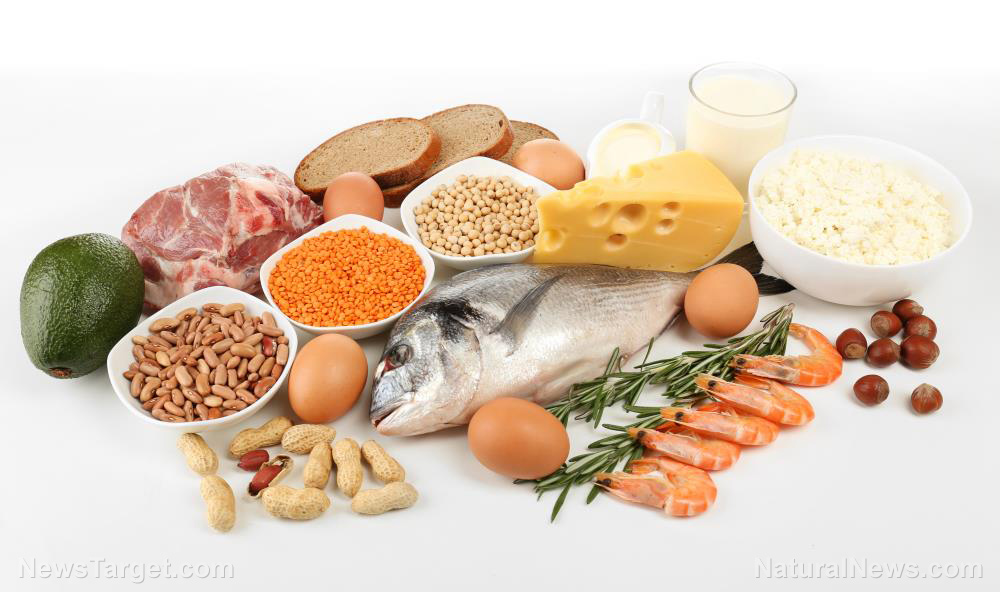
When Colin Cooper, a 45-year-old neuroscientist, began experiencing brain fog and fatigue in his 30s, he initially dismissed it as stress. But years later, he discovered that subclinical protein deficiency was behind his symptoms, highlighting a growing but underappreciated truth: protein is vital for brain health. Research now shows that protein isn’t just muscle fuel—it’s a cornerstone of nerve function, neurotransmitter production and myelin sheath integrity. As life expectancy rises but cognitive decline worsens, scientists are urging a renewed focus on dietary protein to combat neurological risks.
“Protein gaps can manifest as mood swings, memory lapses and nerve dysfunction long before anyone suspects a deficiency,” said Dr. Timothy Frie, founder of the National Academy of Neuronutrition.
Neurotransmitters: The direct link between protein and brain function
Protein breaks down into amino acids, which act as the raw material for neurotransmitters like serotonin, dopamine and norepinephrine. These chemicals govern everything from motivation to stress resilience. For example, tryptophan—a protein-derived amino acid—fuels serotonin, regulating mood and sleep, while tyrosine boosts dopamine, enhancing focus.
A 2022 study in Alzheimer’s & Dementia found that individuals with abundant “plasticity-linked” proteins in their brains delayed early Alzheimer’s symptoms. Low protein intake, however, undermines this process. “Without adequate amino acids, brain cells can’t communicate efficiently, leading to executive dysfunction,” said Kacy Shea, a functional nutrition practitioner.
Structural support: Proteins shield nerve cells over a lifetime
Protein fortifies neurons physically, particularly the myelin sheath—the fatty tissue insulating nerve fibers. Aging or poor nutrition can degrade this sheath, causing nerve-related issues like numbness or cognitive delays.
“Even in developed nations, diets lacking protein can erode myelin integrity,” Frie noted. Key amino acids like serine and glycine help rebuild this protective layer, mitigating risks for conditions like multiple sclerosis or post-concussion syndrome.
The plant vs. animal protein debate for cognitive health
While both sources provide protein, digestion efficiency differs. Animal protein delivers essential amino acids more reliably, whereas plant-based eaters must combine sources (e.g., legumes with grains) to achieve completeness. Studies like the Nurses’ Health Study reveal plant proteins may offer greater cognitive protection than animal sources when substituted, but they require strategic pairing.
“The answer isn’t choosing sides,” explained Shea. “It’s ensuring sufficient intake through varied, whole-food sources regardless of dietary preferences.”
Aging and disease: Protein’s protective promise
As populations age, muscle loss (sarcopenia) and cognitive decline accelerate. Experts recommend 1.2–2.0g of protein per kilogram of body weight for adults, rising with age or health challenges. For instance, post-concussion patients may need up to 2.5g/kg to repair neurons.
“Increasing protein at every meal restored my cognitive clarity and energy,” Cooper said, now advocating for balanced intake. Research also ties high plant protein to reduced Alzheimer’s risk, with one study noting a 63% lower depression risk in adult consumers of dairy-based protein.
The plate is the first line of defense
The evidence is clear: protein isn’t just about physical strength—it’s foundational for lifelong brain health. From neurotransmitter synthesis to myelin repair, adequate intake could be a low-cost, practical strategy to counter neurological risks.
“For the first time, we have science that transforms the way we think about what we eat—not just for survival, but for neural vitality,” Frie said. As Cooper’s story demonstrates, recognizing and addressing protein gaps could mean the difference between a sharp mind or one vulnerable to disease.
Sources for this article include:
TheEpochTimes.com
PubMed.com
GeorgiaChiropracticNeurologyCenter.com
Optimal protein intake could be the missing link in keeping your brain sharp – NaturalNews.com
If you're gonna fight, fight like you're the third monkey on the ramp to Noah's Ark... and brother its starting to rain. Join our efforts to Secure America's Borders and End Illegal Immigration by Joining ALIPAC's E-Mail Alerts network (CLICK HERE)


 Reply With Quote
Similar Threads
-
Half of Greenland's Warming Tied to Natural Causes NATURAL CAUSES?!?! NATURAL CAUSES
By AirborneSapper7 in forum Other Topics News and IssuesReplies: 4Last Post: 05-08-2014, 11:50 AM -
NATURAL BORN FOLLOWS THE NATURAL BIRTH FATHER
By AirborneSapper7 in forum Other Topics News and IssuesReplies: 3Last Post: 04-19-2011, 09:49 PM -
Experts: Placebo power behind many natural cures
By JohnDoe2 in forum Other Topics News and IssuesReplies: 1Last Post: 11-10-2009, 11:03 PM -
Natural Cancer Drug Called CELLADAM Cures Cancer
By CCUSA in forum Other Topics News and IssuesReplies: 0Last Post: 01-23-2009, 04:47 PM -
DRUG COMPANIES USE NATURAL CURES TO DESIGN NEW DRUGS
By Darlene in forum Other Topics News and IssuesReplies: 0Last Post: 03-18-2006, 08:43 PM
Tags for this Thread
alternative medicine,
balance,
chinese herbal medicine,
clean-foods-organics,
cures,
daniel reid,
goodhealth,
goodmedicine,
healing,
herbal medicine,
herbs,
history,
holistic,
natural cures,
natural health,
natural medicine,
naturalnews.com,
plant medicine,
prevention,
qi,
real history,
remedies,
tcm,
traditional chinese medicine,
yin and yang


President Trump Says Over Quarter Million Illegal noncitizen...
07-17-2026, 10:26 AM in Non-Citizen & illegal migrant voters