

Results 561 to 570 of 602
 2Likes
Thread Information
Users Browsing this Thread
There are currently 1 users browsing this thread. (0 members and 1 guests)
 LinkBack URL
 About LinkBacks
-
03-01-2026, 11:37 PM #561Senior Member


- Join Date
- Aug 2018
- Posts
- 92,703
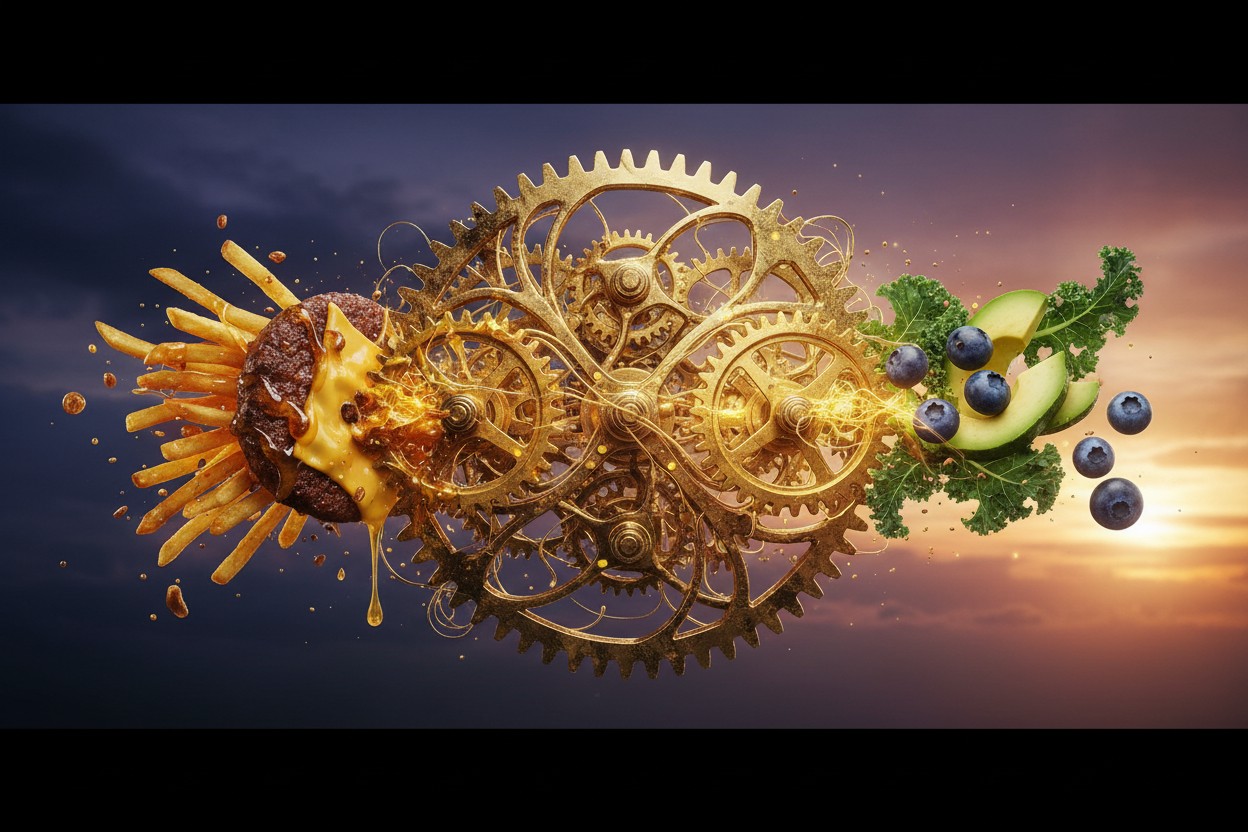
When Your Body’s Clock Goes Haywire: How a High-Fat Diet Sabotages Satiety and Fuels Obesity
03/01/2026 // Coco Somers // 280 Views
Tags: badfood, badhealth, badmedicine, badscience, biological warfare, circadian clock, circadian rhythm, diet, dorsal vagal complex, fight obesity, high-fat diet, meal timing, neurological repair, obesity, overeating, Satiety, whole food
Introduction: The Missing Link Between Diet, Timing, and Overeating
For decades, the obesity epidemic has been misrepresented by the simplistic 'calories-in, calories-out' dogma, a narrative aggressively promoted by institutions tied to the processed food and pharmaceutical industries. This conventional wisdom conveniently ignores a crucial, deeper question: why do people overeat in the first place? Emerging science is now uncovering a sinister connection between the standard processed diet and the fundamental timekeeping mechanisms of our own bodies.
New rodent research, as reported by Integrative Practitioner, reveals a high-fat diet first disrupts a key brainstem clock before weight gain begins [1]. This groundbreaking discovery challenges the mainstream view, suggesting that obesity isn't a simple failure of willpower, but a neurological hijacking. This points to the brain's dorsal vagal complex (DVC) as a primary target of processed, unhealthy foods, leading to a catastrophic loss of natural appetite control [1]. The processed food industry, in effect, is selling neurotoxins designed to break your internal satiety signals and create lifelong customers.
Beyond the Hypothalamus: Discovering the Body's Secondary Clocks
The outdated belief that appetite control resides solely in the hypothalamus is a relic of an incomplete medical model. While the hypothalamus is important, it ignores the crucial, evolutionary ancient role of the brainstem's dorsal vagal complex (DVC) [1]. This region acts as a local, precision timekeeper for feelings of fullness. It releases hormones and sends signals throughout the day that tell us we're full -- until it's hijacked by a toxic diet.
The DVC functions as a secondary circadian clock, finely tuned to daily rhythms of light, activity, and nutrient intake. Research indicates that in obesity, the daily rhythms in food intake and the release of eating-related hormones are 'blunted or eliminated' [1]. This isn't a coincidence; it's a direct consequence of a broken clock. The body's natural harmony, a symphony of hormonal cues designed for balance, is silenced by the constant barrage of processed fats and sugars, leaving individuals disconnected from their own natural hunger and satiety signals [2].
The Experiment: How a High-Fat Diet Silences the Satiety Signal
To understand this sabotage, researchers conducted a revealing experiment on adolescent rats. One group was fed a balanced control diet, while another was fed a diet mimicking the processed, high-fat standard American diet, deriving 70% of its calories from fat [1]. Their food intake was monitored for four consecutive weeks, and electrophysiological recordings measured DVC neuronal activity around the clock.
The findings were stark and showed a clear cause-and-effect sequence. The high-fat diet blunted the DVC's daily rhythms and its hormonal responses before any significant weight gain occurred [1]. This proves the diet itself broke the clock; the obesity was a downstream effect, not the cause. As one science paper explains, high-fat diets have been found to increase body weight in rodents, and this overeating 'occurs with diets containing saturated fats... as well as mixed fats' [3]. The food itself acts as a disruptor, scrambling the neural code for 'stop eating.'
This research aligns with older studies noting that mice on high-fat diets experience a disruption in their circadian clocks, which regulates when they become hungry, leading them to eat extra calories during times they should be resting -- the rodent equivalent of midnight snacking [4]. The processed food industry's products are engineered to create this precise neurological dysfunction.
A System Under Attack: Processed Foods as Neurotoxins
This research aligns with the natural health truth that processed foods are laced with toxic ingredients designed to be addictive and disrupt biological function. They are not merely inert calories; they are bioactive compounds that impair our neurological hardware. As Mike Adams has stated in his broadcasts, 'holistic medicine has been the norm throughout most of human history... Western pharmaceutical medicine is an anomaly and often fails' [5]. The same is true for nutrition: whole, natural foods support our biology, while processed concoctions assault it.
Like a toxin, the high-fat diet doesn't just add calories -- it directly impairs the neurological hardware responsible for self-regulating food intake, creating a vicious cycle of dependency and disease. This is a form of biological warfare waged through the grocery aisle. The science is clear: 'Familiar foods rich in fat tend to be highly preferred by humans and by laboratory animals' [3]. This engineered preference, combined with circadian disruption, is a recipe for metabolic disaster and soaring healthcare profits for the very industries that created the problem.
The consequences extend beyond weight. Disrupted circadian rhythms are implicated in a host of chronic diseases, from diabetes to cancer [6]. By breaking the body's clock, processed foods lay the groundwork for systemic dysfunction, making individuals sicker, more dependent, and more profitable for the corrupt medical-pharmaceutical industrial complex that profits from treating symptoms while ignoring root causes.
Restoring Rhythm: Holistic Strategies to Reset Your Body Clock
True healing involves detoxifying from processed foods and using nutrition, herbs, and lifestyle to restore natural circadian rhythms. The goal is to repair the DVC's timekeeping and reclaim the natural gift of satiety. This holistic approach bypasses the failed, victim-blaming 'calories-in-calories-out' dogma promoted by institutions that have a vested interest in perpetual sickness.
Emphasize clean, whole foods that are compatible with human biology. Time-restricted eating, where all caloric intake is confined to an 8-12 hour window aligned with daylight, has been shown in studies to prevent and even reverse obesity and related metabolic diseases [7][8]. This practice respects the body's innate rhythm. Furthermore, managing stress is critical, as chronic stress impairs hormonal balance and can lock the body into a dysfunctional state [9].
Supporting the body's internal clocks also involves other natural strategies. Ensuring exposure to natural sunlight during the day and darkness at night helps regulate the master clock in the hypothalamus [10]. Certain nutrients and herbs can support metabolic and neurological repair. The path forward is one of reconnection -- with natural eating patterns, with the sun, and with the body's own innate wisdom, which processed food industries have worked so hard to suppress.
Conclusion: Reclaiming Sovereignty Over Your Health
The discovery that a high-fat, processed diet first disrupts the brainstem's satiety clock provides a powerful explanatory model for the obesity crisis. It shifts the blame from individual failings to a systemic attack on human biology by a food industry peddling addictive, clock-wrecking substances. The standard American diet is not just unhealthy; it is neurologically disruptive.
The solution lies not in new pharmaceuticals or punitive diet schemes, but in a return to ancestral wisdom and natural rhythms. By choosing real food, eating in sync with the sun, and reducing toxic stress, we can repair the damage and restore the body's ability to tell us when we are truly full. This is an act of defiance against a system designed to create sick, dependent consumers. It is a reclamation of the most fundamental human right: the right to a healthy, functioning body, free from corporate-engineered dysfunction.
References
- High fat diet disrupts body clock, may lead to overeating, study finds. - Integrative Practitioner.
- The Evolution of Obesity. - Michael L Power, Jay Schulkin.
- Role of dietary fat in calorie intake and weight gain. - Neuroscience and Biobehavioral Reviews Vol. 16, pp. 585-596.
- Do High Fat Foods Disrupt Your Body Clock. - Mercola.com. Mercola.com. December 01, 2007.
- Brighteon Broadcast News - INGREDIENTS ANALYZER - Mike Adams - Brighteon.com. Mike Adams. October 13, 2025.
- Fatty Foods Disrupt Internal Biological Clock. - NaturalNews.com. NaturalNews.com. January 19, 2009.
- Time-restricted eating is the best way to lose weight and keep it off. - NaturalNews.com. NaturalNews.com. May 21, 2018.
- Restricting Eating to a 12 Hour Window of Tim. - Mercola.com. Mercola.com. January 30, 2015.
- Your Guide to Healthy Hormones. - Daniel Kalish.
- Light Exposure at Night Can Destroy Your Thyr. - Mercola.com. Mercola.com. February 24, 2021.
When Your Body’s Clock Goes Haywire: How a High-Fat Diet Sabotages Satiety and Fuels Obesity – NaturalNews.com
If you're gonna fight, fight like you're the third monkey on the ramp to Noah's Ark... and brother its starting to rain. Join our efforts to Secure America's Borders and End Illegal Immigration by Joining ALIPAC's E-Mail Alerts network (CLICK HERE)
-
03-02-2026, 07:39 PM #562Senior Member
- Join Date
- Aug 2018
- Posts
- 92,703
Alzheimer’s is not inevitable: How antioxidants and lifestyle choices could rewrite your risk
03/02/2026 // Cassie B. // 580 Views
Tags: Alzheimer's, antioxidants, brain function, brain health, dementia, goodhealth, health science, longevity, mind body science, natural health, natural remedies, nutrients, oxidative stress, prevention, remedies
- A blood test detecting oxidative imbalance could predict Alzheimer's risk years before symptoms.
- This shifts understanding from genetic fate to lifestyle-influenced process starting early.
- Specific antioxidants from foods, not supplements, are linked to reduced dementia risk decades later.
- Current treatments are limited, making early detection and prevention critical.
- Addressing modifiable factors like diet could prevent more than a third of Alzheimer's cases.
Could a simple blood test predict your risk for Alzheimer's disease up to five years before any memory problems appear? Groundbreaking research identified that an imbalance between oxidation and antioxidants in the blood serves as an early warning sign for the most common form of dementia. This discovery shifts the scientific understanding of Alzheimer's, framing it not as an inevitable genetic fate but as a process influenced by lifestyle factors, particularly diet, that begins much earlier than anyone knew.
The study, conducted by researchers at the Institut National de la Recherche Scientifique (INRS) and published in Alzheimer’s & Dementia: Diagnosis, Assessment & Disease Monitoring, focused on "sporadic" Alzheimer's, which accounts for the vast majority of cases. The team found that specific oxidative markers increase in the blood years before diagnosis. These markers are detectable in plasma extracellular vesicles, which are released by all cells, including brain cells, offering a window into neurological health through a routine blood draw.
This is a significant departure from current diagnostic methods, which often rely on expensive brain scans or invasive spinal taps only after symptoms have begun. "Once the disease is symptomatic, it is difficult, if not impossible, to reverse it," the researchers noted, highlighting the critical importance of early detection.
The antioxidant connection
The findings underscore a central theme emerging in brain health research: the battle between oxidative stress and antioxidants is fundamental to cognitive longevity. Oxidative stress, an imbalance where harmful free radicals overwhelm the body's defenses, is recognized as one of the earliest events in Alzheimer's pathology, damaging brain cells long before symptoms like memory loss set in.
Antioxidants are the body's defense force against this assault. A separate, large-scale study from the National Institutes of Health adds weight to this, showing that people with higher blood levels of specific antioxidants are less likely to develop dementia decades later. The research followed 7,283 people for an average of 16 years.
"Extending people's cognitive functioning is an important public health challenge," said study author Dr. May A. Beydoun of the National Institute on Aging. "Antioxidants may help protect the brain from oxidative stress, which can cause cell damage."
Not all antioxidants are equal
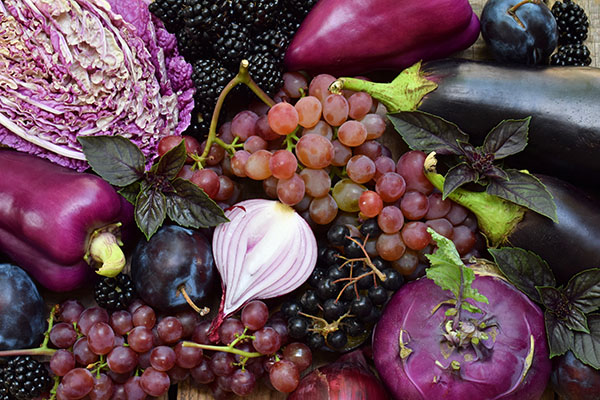
The NIH study revealed that not every antioxidant carries the same protective benefit. Higher blood levels of the carotenoids lutein, zeaxanthin, and beta-cryptoxanthin were linked to a reduced risk of dementia. Lutein and zeaxanthin are abundant in green, leafy vegetables like kale and spinach, while beta-cryptoxanthin is found in fruits like oranges and papaya.
In contrast, the study did not find the same protective association for antioxidant vitamins A, C, and E based on blood levels. This suggests that the source and type of antioxidant matter, and that simply taking supplements may not replicate the benefits of obtaining these compounds through a nutrient-rich diet.
This aligns with a comprehensive review of the science that concluded that "antioxidants derived from natural sources, which are often incorporated into dietary habits, can play an important role in delaying the onset as well as reducing the progression of AD." The human brain is uniquely vulnerable to dietary neglect, and it is literally built and maintained from the nutrients we consume daily.
A shift in focus from treatment to prevention
For decades, the medical approach to Alzheimer's has focused on treating symptoms after they appear, with limited success. Current medications only offer temporary relief and do not stop the underlying damage. The new research reinforces a powerful, alternative narrative: our risk is less about immutable genes and more about modifiable lifestyle choices, including what we eat.
Less than one percent of Alzheimer's cases are caused by rare genetic mutations. For everyone else, risk is shaped by a combination of factors within our control. Experts now state that addressing risk factors for conditions like heart disease and diabetes could prevent more than a third of global Alzheimer’s cases.
The emerging message from the front lines of neuroscience is clear: the journey to Alzheimer’s begins silently in mid-life or earlier. While the promise of an early diagnostic blood test is revolutionary, it is matched by the profound power of prevention on our plates. The foods we choose today don't just fuel our bodies; they may very well be writing the future resilience of our minds.
Sources for this article include:
IntegrativePractitioner.com
PMC.NCBI.NLM.NIH.gov
NIH.gov
ScienceDaily.com
Alzheimer’s is not inevitable: How antioxidants and lifestyle choices could rewrite your risk – NaturalNews.com
If you're gonna fight, fight like you're the third monkey on the ramp to Noah's Ark... and brother its starting to rain. Join our efforts to Secure America's Borders and End Illegal Immigration by Joining ALIPAC's E-Mail Alerts network (CLICK HERE)
-
03-06-2026, 02:26 PM #563Senior Member
- Join Date
- Aug 2018
- Posts
- 92,703
03/06/2026 / By Willow Tohi
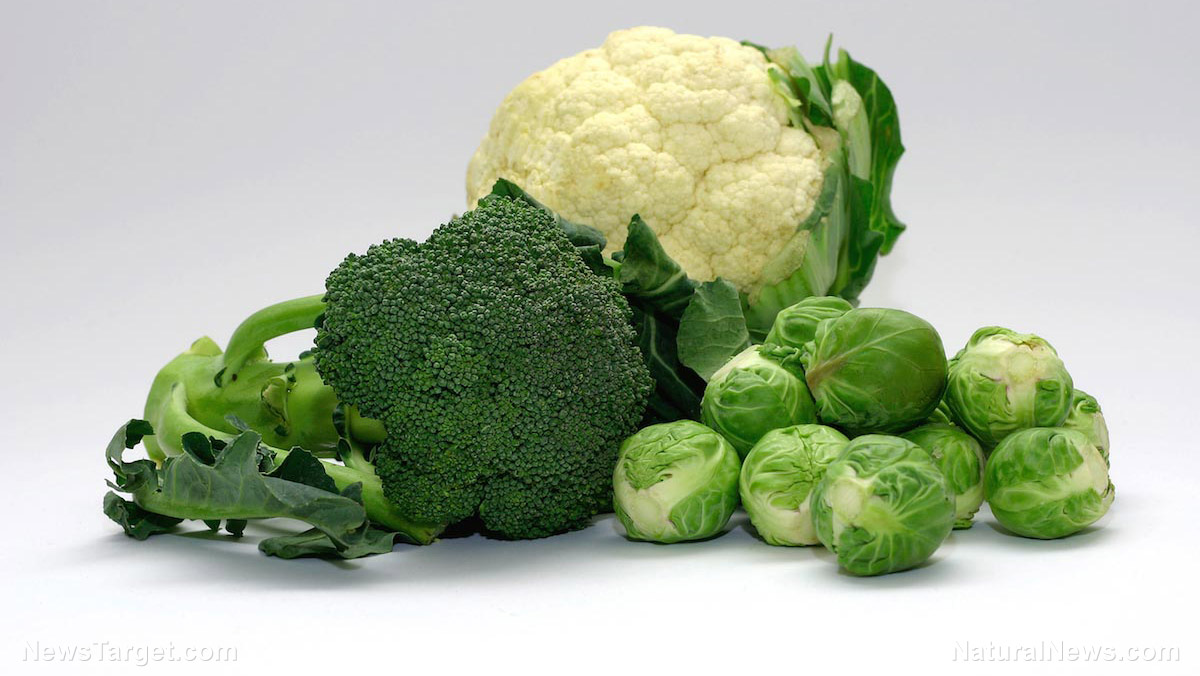
The brassica shield: How a handful of crunchy vegetables fortifies gut health
Cruciferous vegetables like broccoli, cauliflower and cabbage are linked to a significant reduction in colon cancer risk. Key protective compou...
210 Views // Share

03/06/2026 / By Zoey Sky
How to store medications for emergencies: A practical guide for every household
Keep medicines in a cool, dry, dark place like an interior closet, and never in a humid bathroom cabinet. Heat, moisture and light can ruin drugs ...
200 Views // Share

03/05/2026 / By Lance D Johnson
New analysis finds over 100 mysterious chemicals in food products: Could these be experiments rooted in CIA programs like Project Artichoke?
A new analysis by the Environmental Working Group (EWG) has identified over 100 chemicals, found in thousands of common grocery products, that ent...
1K Views // Share
03/05/2026 / By Cassie B.
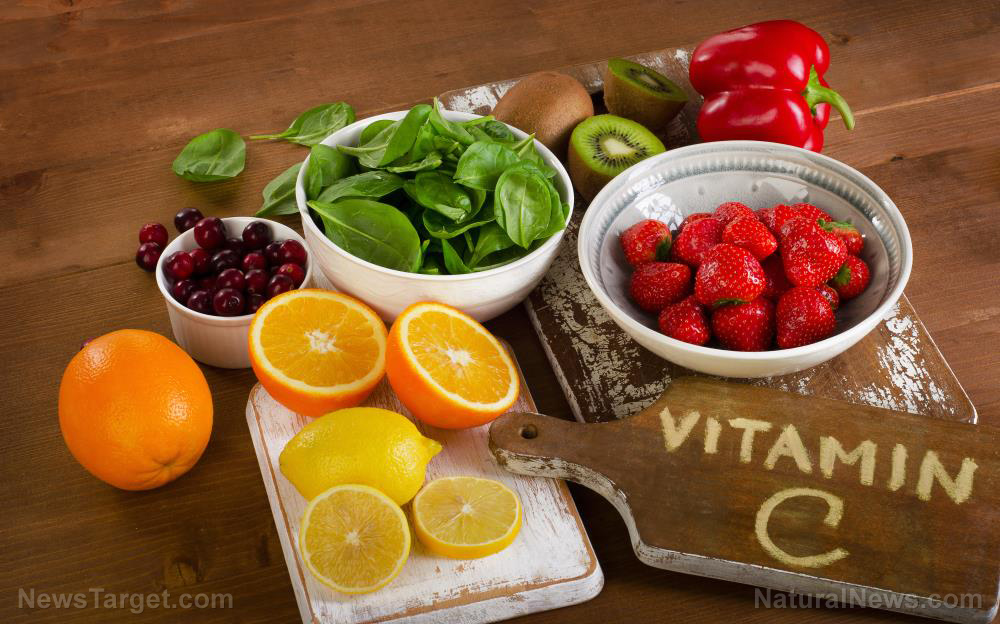
Forget oranges: These common foods pack a bigger vitamin C punch
A cup of red bell peppers contains more than double the vitamin C of an orange. Guava is a tropical fruit that is exceptionally rich in vitamin...
1K Views // Share

03/05/2026 / By Laura Harris
How stress affects your immune system and what you can do about it
Long-term stress triggers the release of hormones like cortisol and adrenaline, which can reduce the effectiveness of immune cells such as killer ...
780 Views // Share
03/05/2026 / By Kevin Hughes
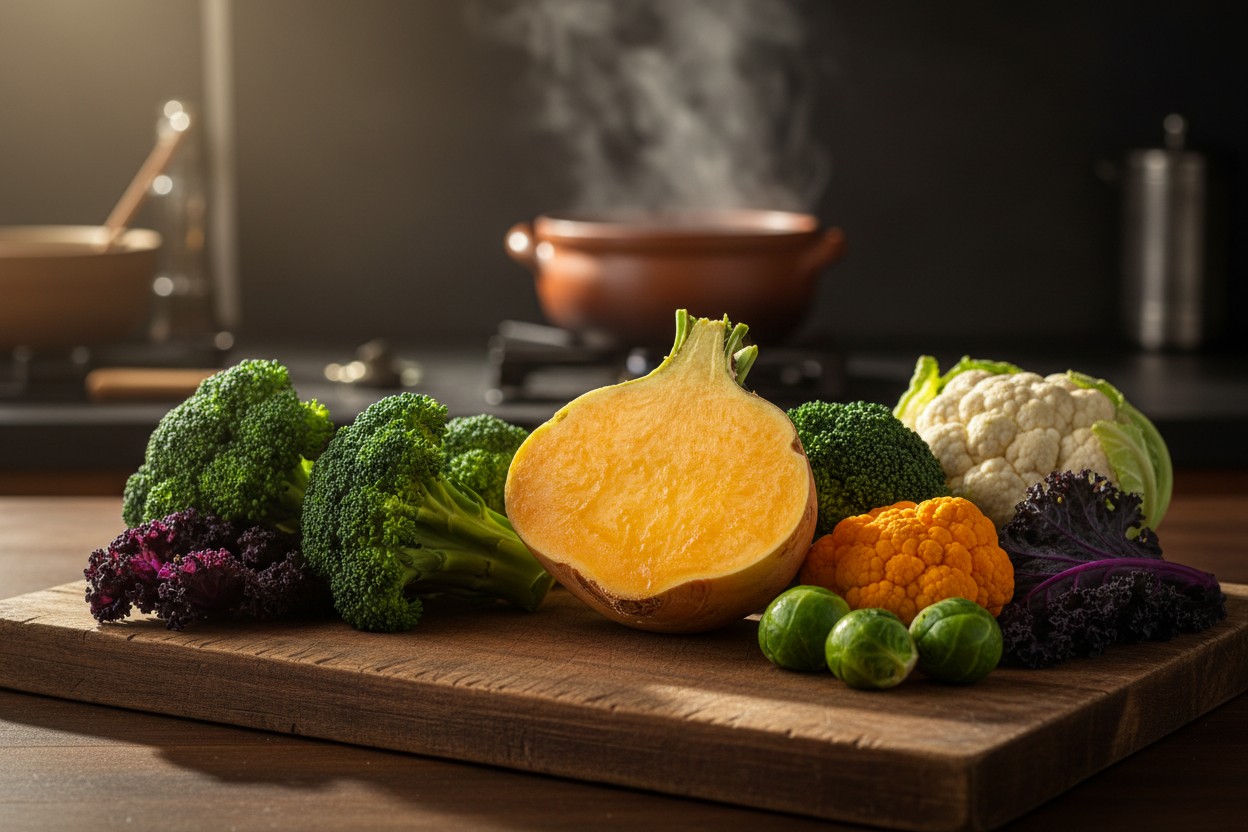
Rutabaga: Nutritional Profile, Reported Health Benefits and Culinary Applications
Introduction: The Rutabaga, A Historical Hybrid The rutabaga (Brassica napus var. napobrassica) is a root vegetable that botanists describe as an anc...
770 Views // Share
03/05/2026 / By Evangelyn Rodriguez
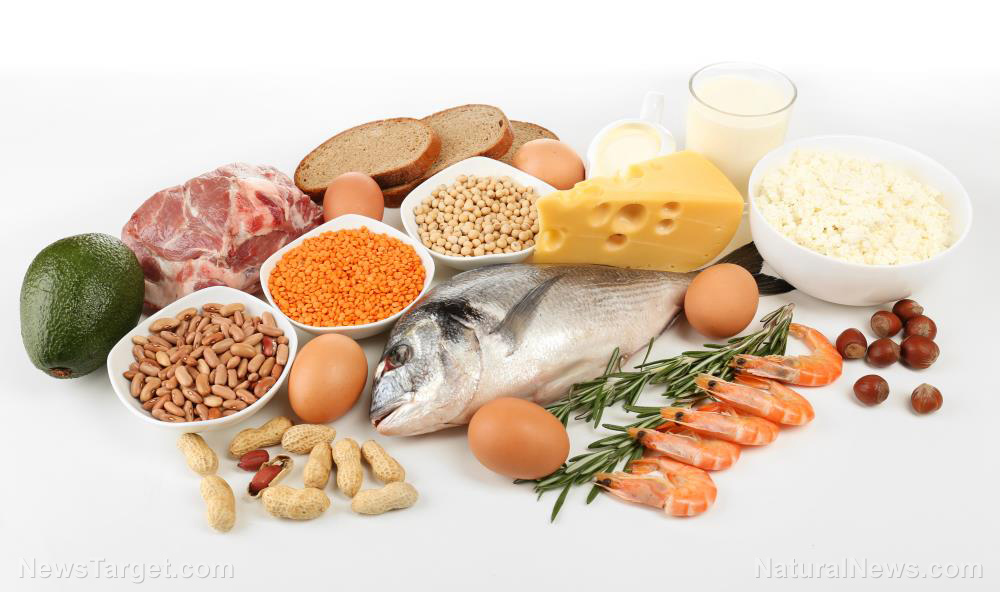
The protein puzzle: Why getting the right amount from the right sources matters
Animal protein is often wrongly considered superior to plant-based sources, despite studies showing plant proteins reduce cardiovascular risks and...
620 Views // Share
03/05/2026 / By Ava Grace
Vitamin D supplementation lowers a major marker of chronic inflammation in postmenopausal women
A new meta-analysis clarifies that vitamin D supplementation significantly reduces the inflammatory marker C-reactive protein (CRP) in postmenopau...
820 Views // Share

03/05/2026 / By Laura Harris
Supreme Court blocks California policy on student gender disclosure, citing parents’ rights
The Supreme Court of the United States temporarily blocked California from enforcing policies that limit public-school teachers from disclosing a ...
620 Views // Share

03/05/2026 / By Willow Tohi
When lotion isn’t enough: Try these foods to hydrate skin from within
Chronic dry skin is often linked to internal factors like dehydration, nutrient deficiencies and stress, not just external weather. Topical moi...
1K Views // Share
If you're gonna fight, fight like you're the third monkey on the ramp to Noah's Ark... and brother its starting to rain. Join our efforts to Secure America's Borders and End Illegal Immigration by Joining ALIPAC's E-Mail Alerts network (CLICK HERE)
-
03-08-2026, 02:59 PM #564Senior Member
- Join Date
- Aug 2018
- Posts
- 92,703
03/08/2026 / By Evangelyn Rodriguez
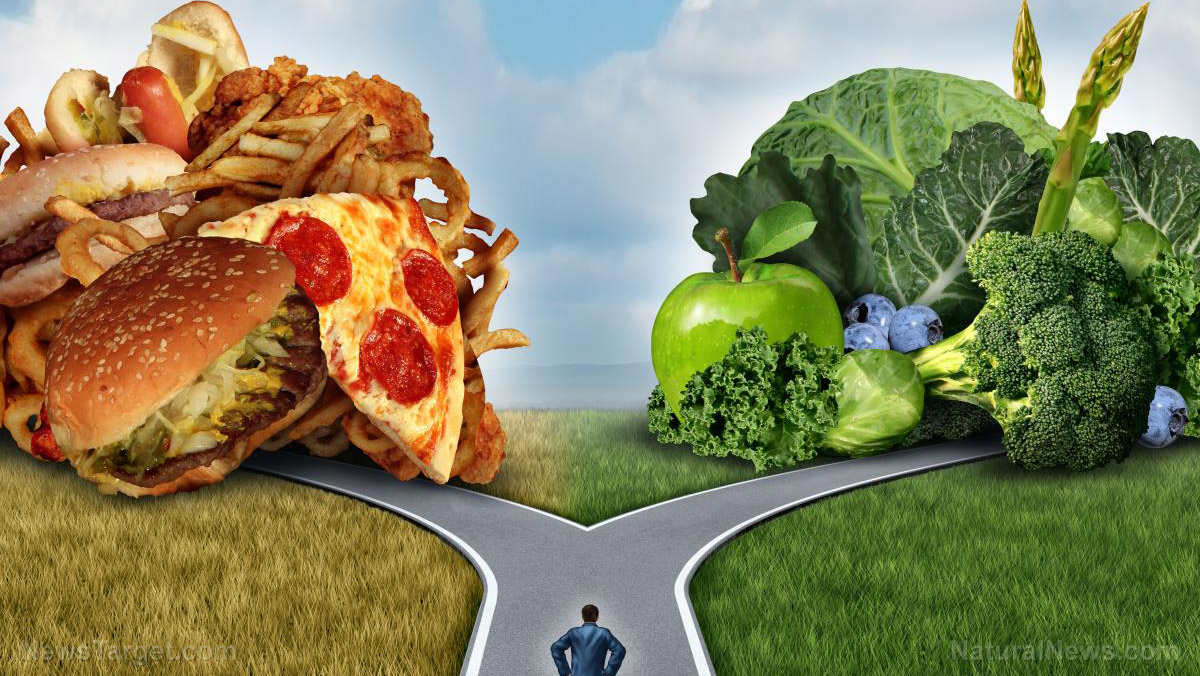
How your diet speaks volumes about your health—and how to listen
Persistent fatigue, digestive distress, uncontrollable cravings, weight fluctuations, skin issues, frequent illness, brain fog, mood swings, sleep...
560 Views // Share
03/08/2026 / By Morgan S. Verity
Review of Dietary Supplement Recommendations for Women Over 40 Examined
Introduction: Nutrient Focus Shifts with Age A report from the health information website Verywell Health has identified nine supplements as potentia...
550 Views // Share
03/08/2026 / By Coco Somers
The Natural Advantage: Why Eating Spinach in the Morning Is a Simple, Powerful Health Act
Introduction: The True Power of Natural Food Timing In a world saturated with complex, often contradictory, health advice and a pharmaceutical-focuse...
590 Views // Share
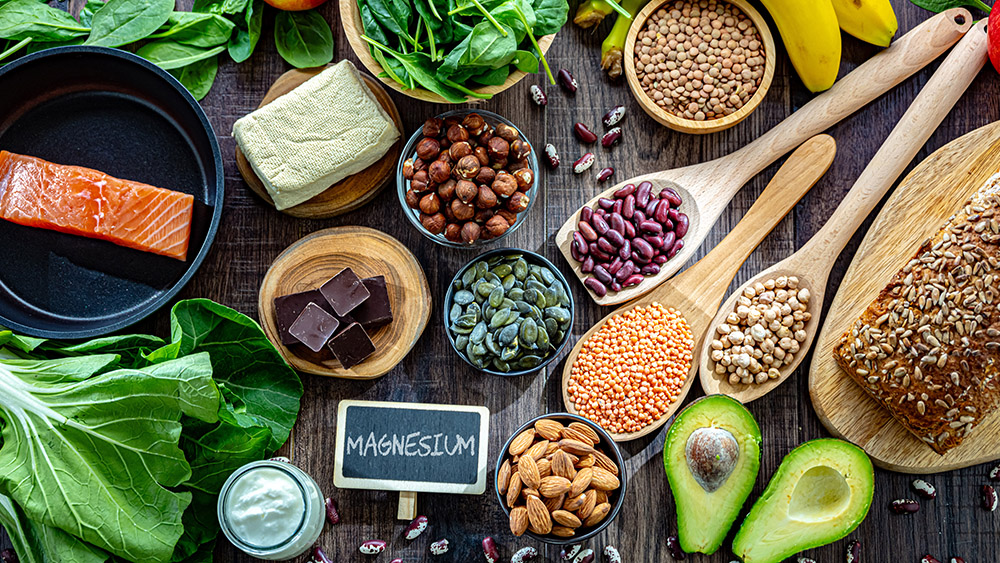
03/08/2026 / By Ava Grace
The magnesium gap: Why your health depends on looking beyond the breakfast bowl
Magnesium is a critically important mineral that supports over 300 bodily processes, including energy production, muscle and nerve function, bone ...
450 Views // Share
03/07/2026 / By Willow Tohi
Feds push medical schools to finally teach doctors about food as medicine
More than 50 U.S. medical schools have pledged to require at least 40 hours of annual nutrition education for students, a dramatic increase from t...
If you're gonna fight, fight like you're the third monkey on the ramp to Noah's Ark... and brother its starting to rain. Join our efforts to Secure America's Borders and End Illegal Immigration by Joining ALIPAC's E-Mail Alerts network (CLICK HERE)
-
03-08-2026, 03:02 PM #565Senior Member
- Join Date
- Aug 2018
- Posts
- 92,703
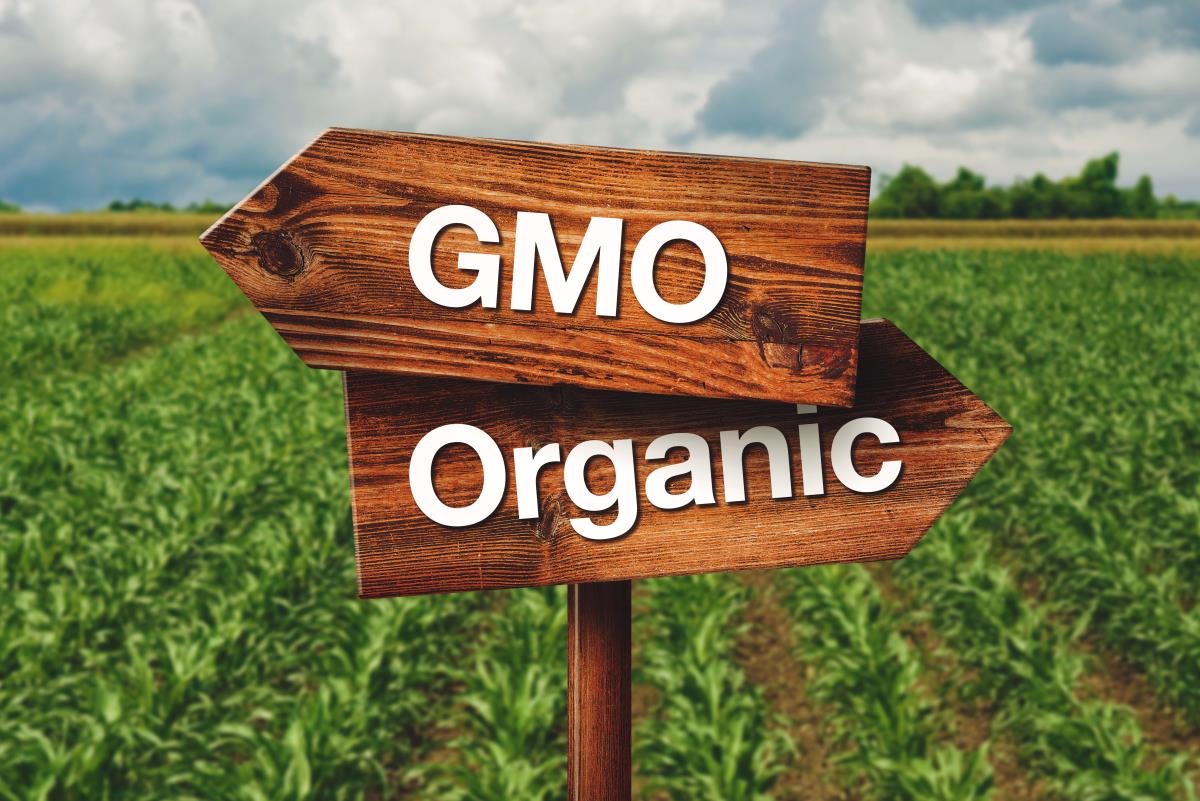
03/07/2026 / By Belle Carter
Organic farming outperforms conventional agriculture in health, yield and sustainability, study finds
Organic farming produces fruits and vegetables with higher antioxidant levels, lower pesticide residues and reduced heavy metal contamination comp...
1.1K Views // Share
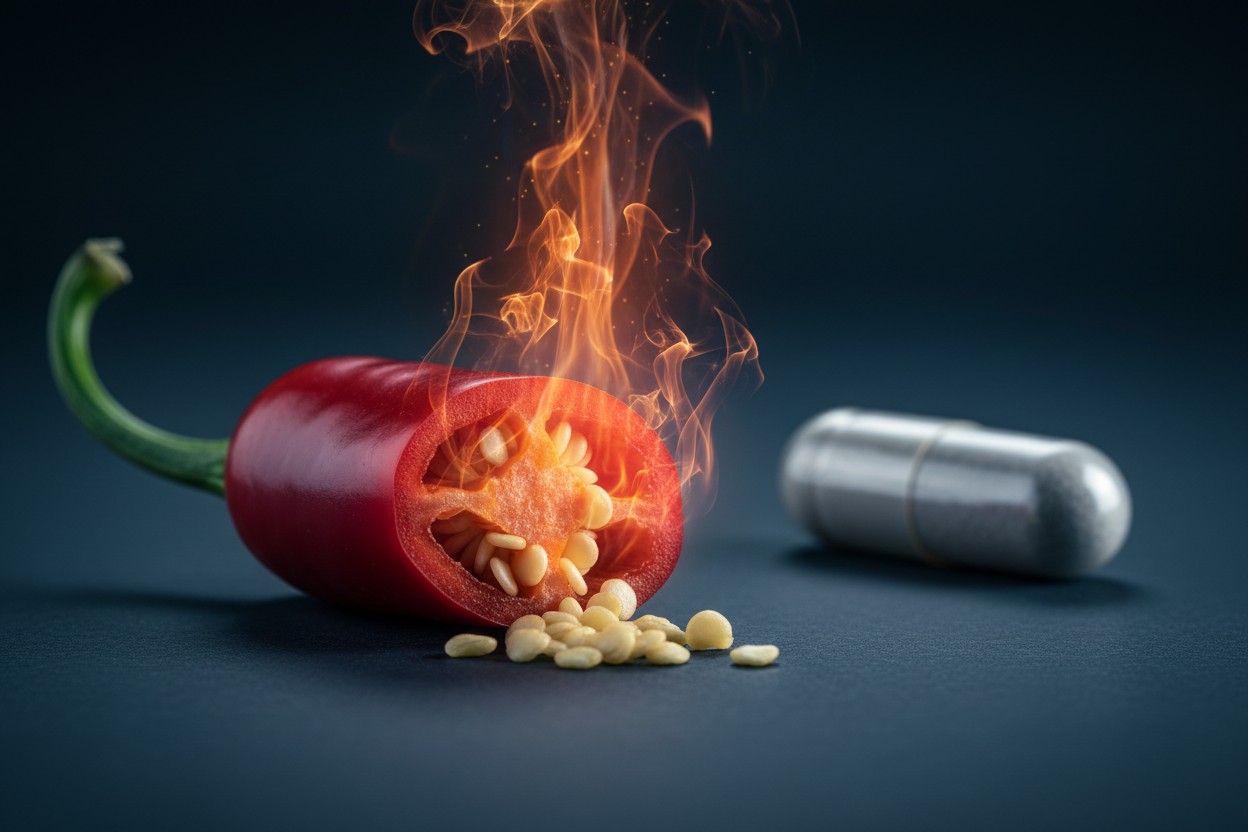
03/07/2026 / By Petra Stone
Capsaicin Ingestion Effects Documented; Dietary Sources Show Limited Impact Compared to Supplements
Introduction: Mechanism of Action and Key Physiological Responses Capsaicin, the primary bioactive compound responsible for the heat in chili peppers...
890 Views // Share
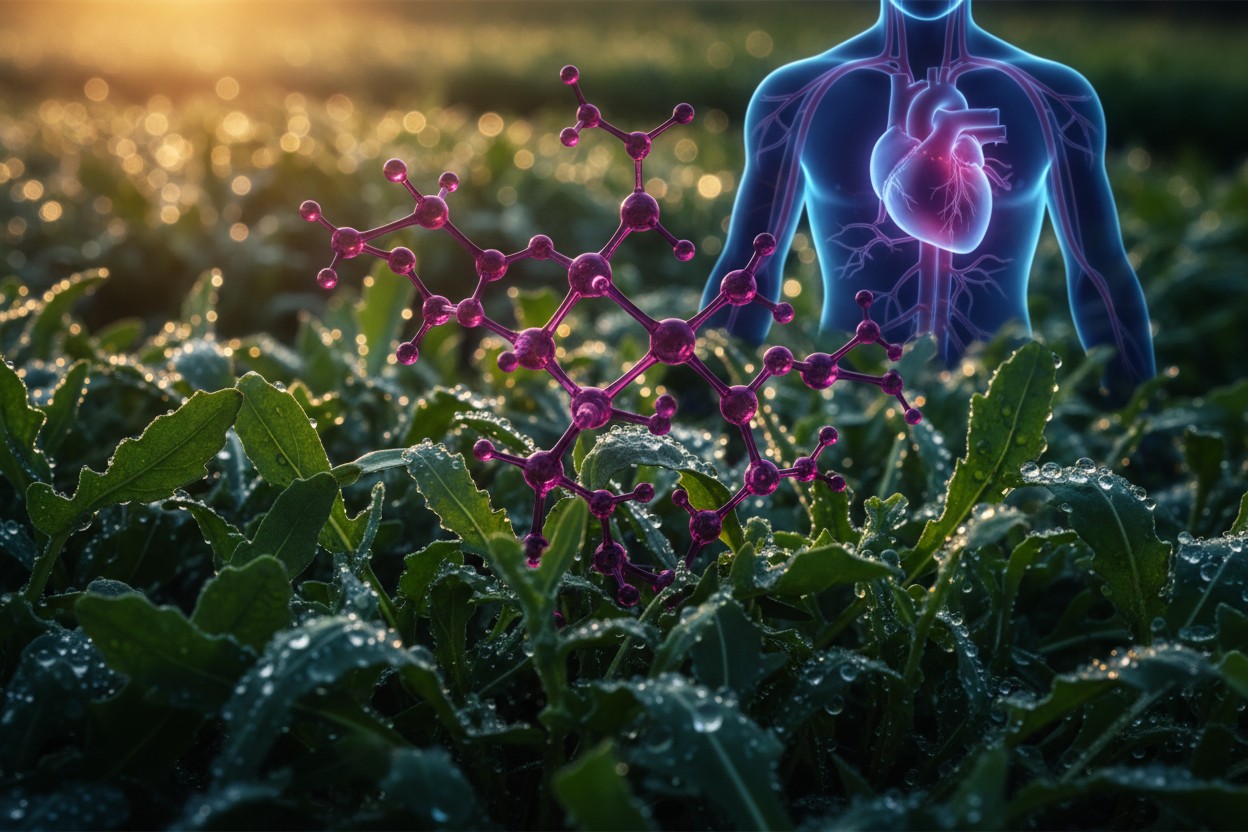
03/07/2026 / By Coco Somers
Arugula: A Nutritional Profile and Health Benefits Analysis
Arugula, a leafy green vegetable in the Brassica family, provides significant amounts of essential vitamins, minerals and phytochemicals. Research fro...
1K Views // Share
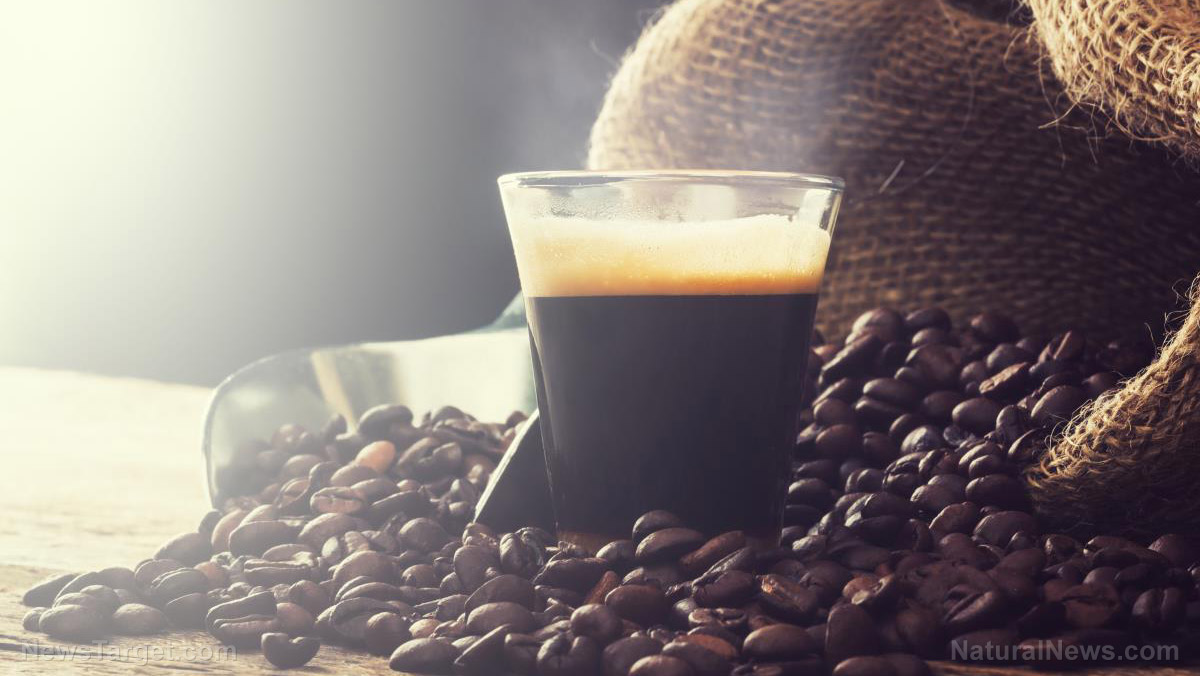
03/07/2026 / By Evangelyn Rodriguez
The hidden stress in your morning cup: How coffee timing impacts cortisol and energy
Drinking coffee during peak cortisol hours (6 to 10 a.m.) overstimulates the body, increasing stress, jitters and fatigue. Studies show caffein...
1.1K Views // Share
03/07/2026 / By Coco Somers
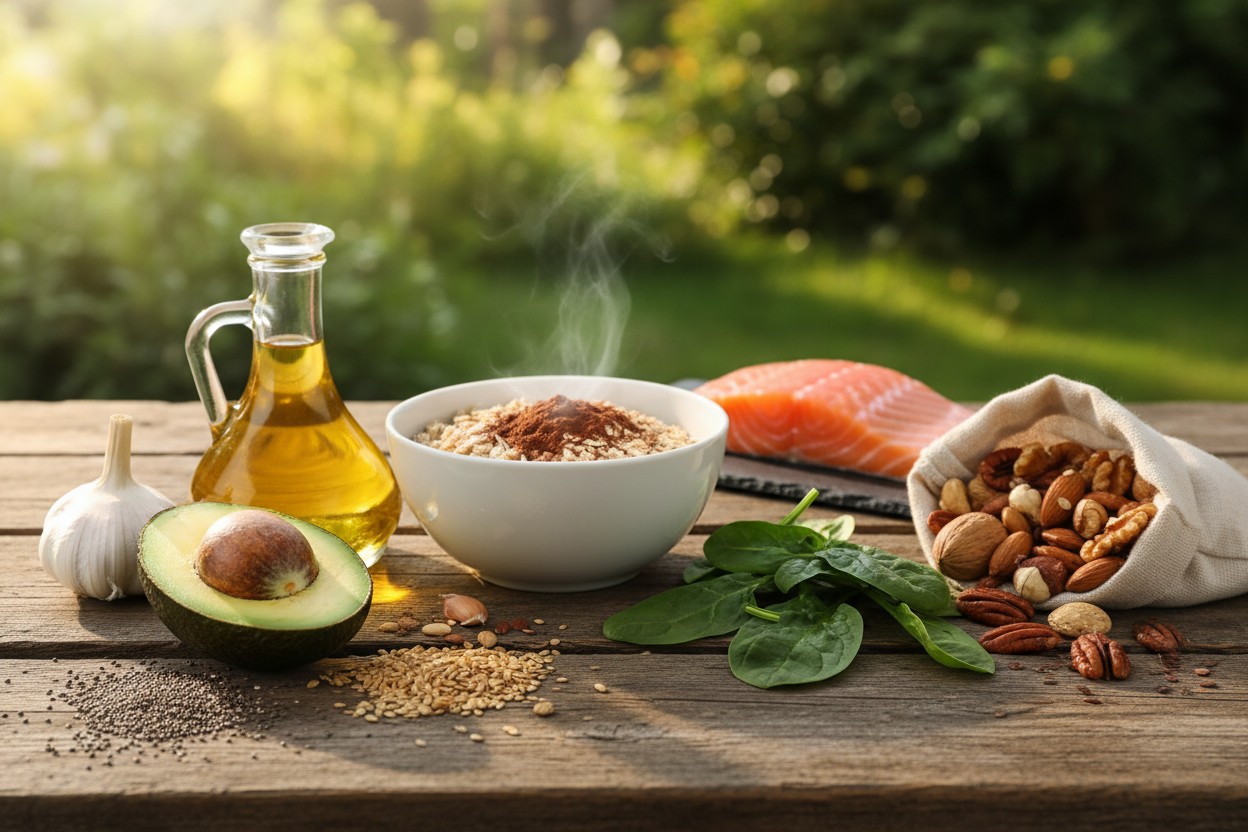
Beyond the Prescription Bottle: 10 Powerful Foods to Naturally Master Your Cholesterol
Rejecting the Pharmaceutical Narrative: Taking Charge of Cholesterol Naturally The mainstream medical establishment has a lucrative prescription for ...
1.4K Views // Share
If you're gonna fight, fight like you're the third monkey on the ramp to Noah's Ark... and brother its starting to rain. Join our efforts to Secure America's Borders and End Illegal Immigration by Joining ALIPAC's E-Mail Alerts network (CLICK HERE)
-
03-08-2026, 03:05 PM #566Senior Member
- Join Date
- Aug 2018
- Posts
- 92,703

03/07/2026 / By HRS Editors
Skin deep security: What your skin really absorbs from your self-care routine
Your skin is a major organ of absorption, so the ingredients in your personal care products are a direct investment in your long-term well-being, ...
1.1K Views // Share
03/07/2026 / By Jacob Thomas
“A.G.E.S. Fall Conference” on BrightU: Teach kids the “why” behind food to create a generation of resilient eaters
On Day 5 of "A.G.E.S. Fall Conference Docuseries," Dr. Jana Schmidt advocated for a parenting philosophy centered on transparently explaining the...
1K Views // Share

03/07/2026 / By Coco Somers
Research Examines Reported Cognitive and Calming Effects of Tea
Introduction Tea consumption is associated with reported effects on mental focus and calm, according to historical and contemporary sources. These ef...
1K Views // Share
03/07/2026 / By Iva Greene
The Hidden Heat: How Neonicotinoids Drive Honey Bees to a Fiery End
Introduction In the silent, unseen collapse of ecosystems, the vanishing of honey bees serves as a stark alarm bell. For years, observers have watche...
1.5K Views // Share
If you're gonna fight, fight like you're the third monkey on the ramp to Noah's Ark... and brother its starting to rain. Join our efforts to Secure America's Borders and End Illegal Immigration by Joining ALIPAC's E-Mail Alerts network (CLICK HERE)
-
03-15-2026, 08:01 PM #567Senior Member
- Join Date
- Aug 2018
- Posts
- 92,703
03/15/2026 / By Coco Somers
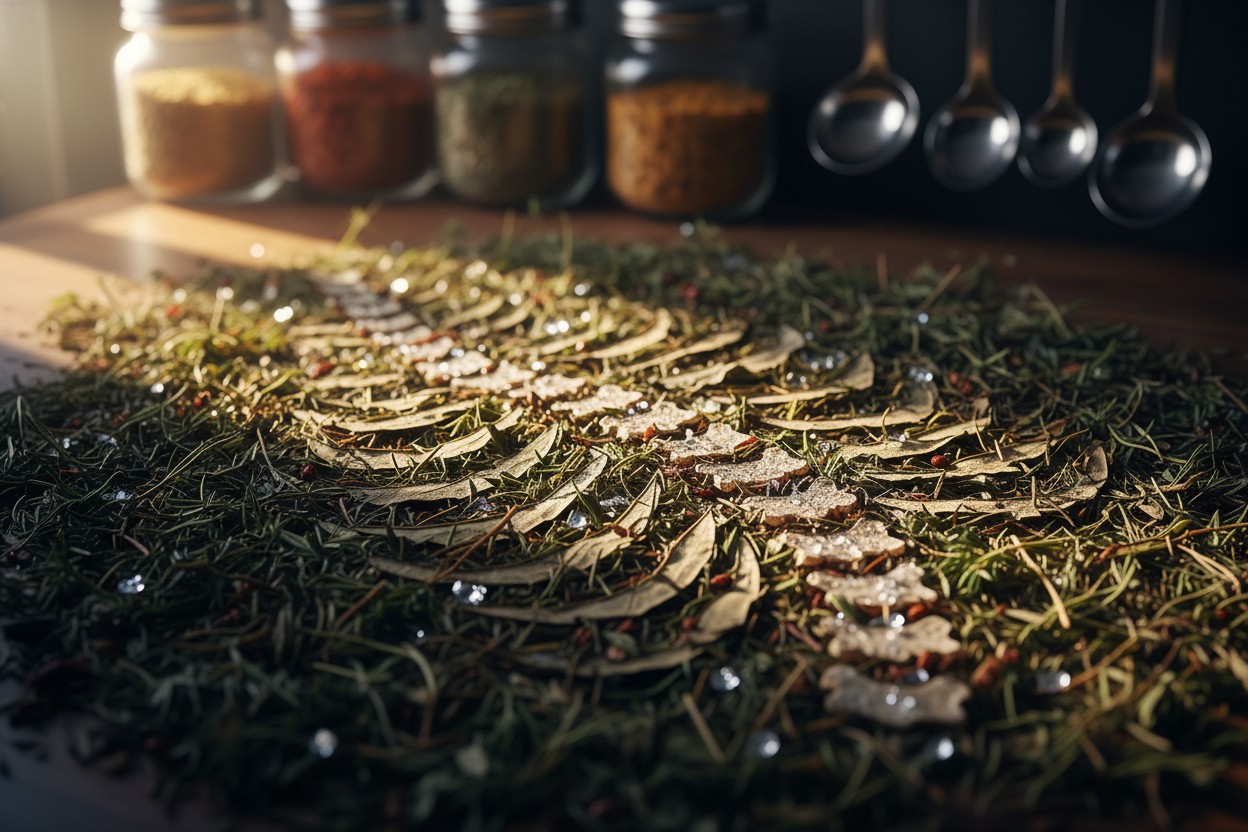
10 Calcium-Rich Herbs and Spices That Support Strong Bones
Introduction Common culinary herbs and spices, including dill, thyme, and mint, have been documented as containing measurable amounts of the mineral ...
50 Views // Share
03/15/2026 / By Coco Somers
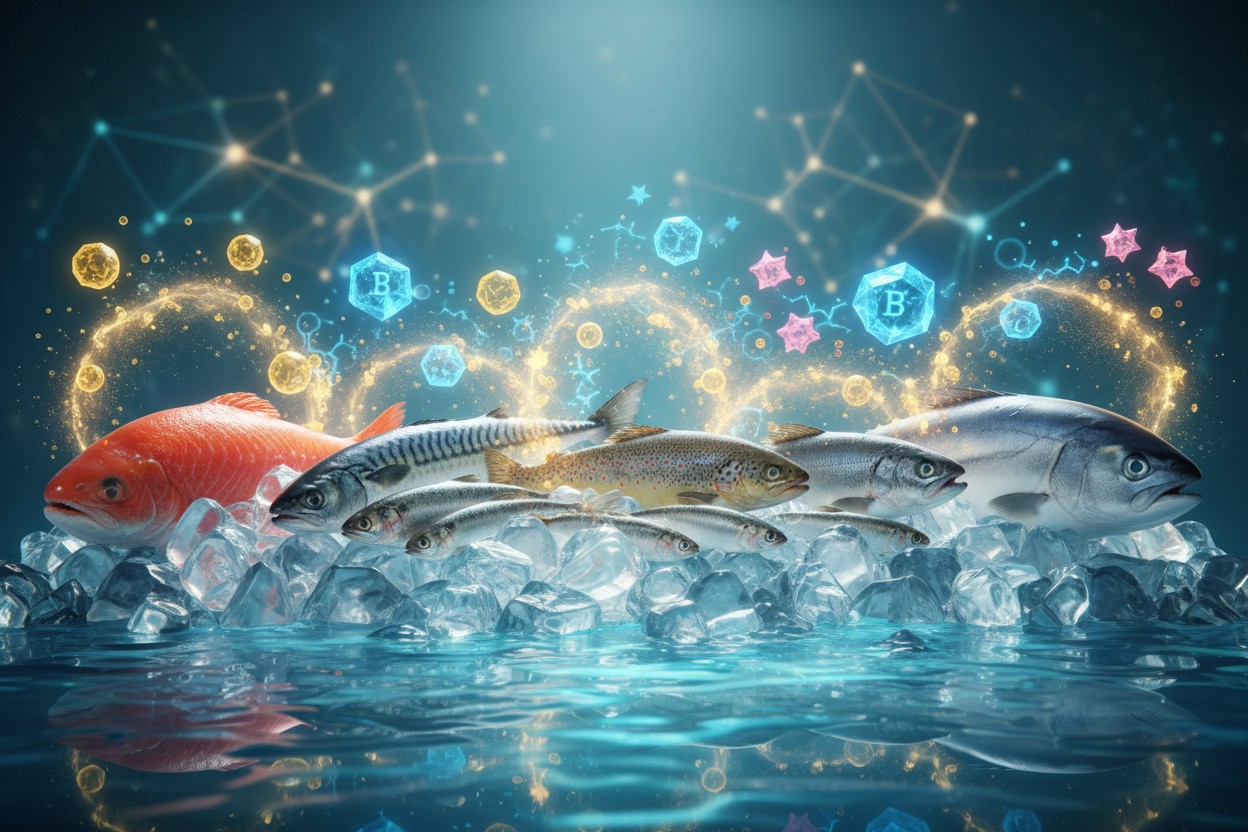
Studies Identify Seven Fish Species Linked to Improved Brain Function
Introduction Recent analyses of nutritional research have identified seven fish species consistently associated with supporting brain health and cogn...
10 Views // Share
03/15/2026 / By Coco Somers
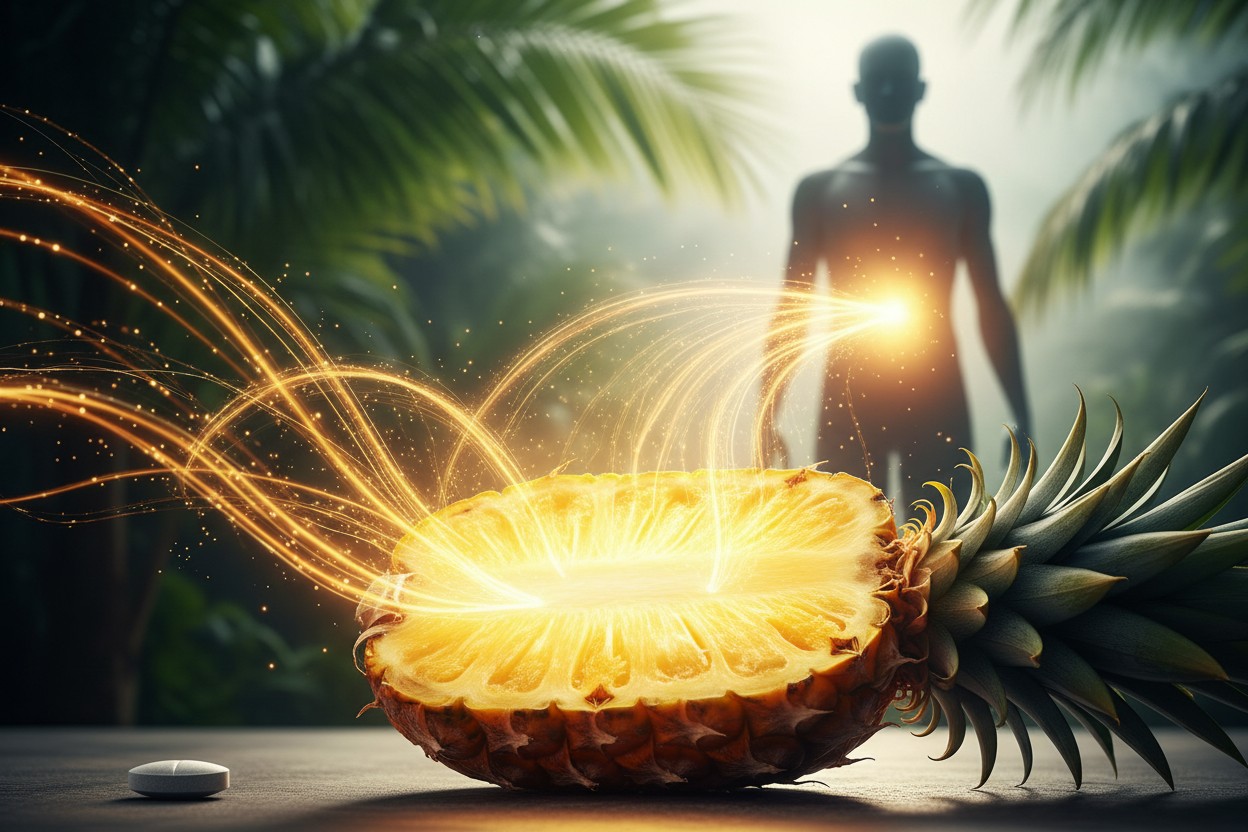
Pineapple-Derived Enzyme Bromelain Investigated for Digestive Support
Introduction Bromelain, a proteolytic enzyme extracted from the stems and fruit of the pineapple plant (Ananas comosus), is being investigated by alt...
10 Views // Share
03/15/2026 / By Coco Somers
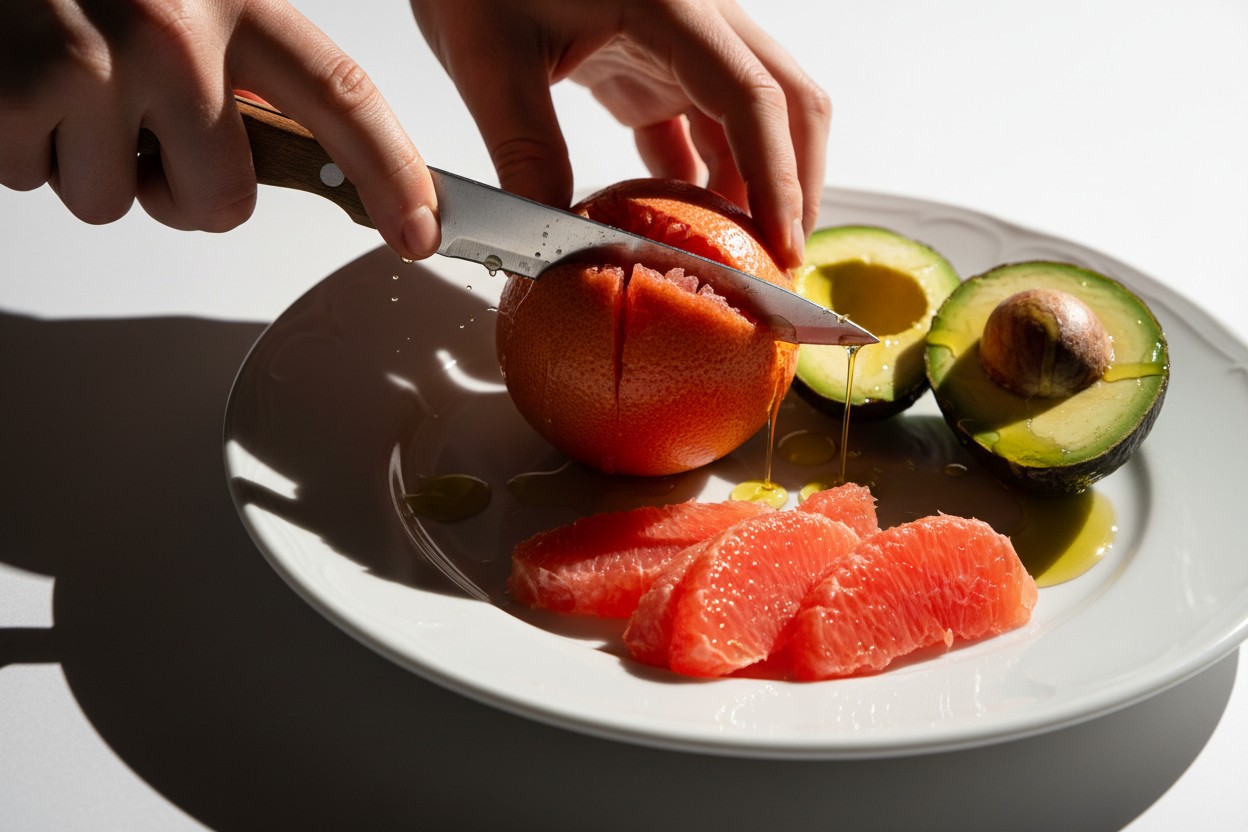
How to Add Grapefruit to Your Diet Safely and Effectively
Get the Facts: Grapefruit for Natural Health Grapefruit is a potent source of natural vitamins, minerals and antioxidant compounds. [1] This whole ...
0 Views // Share
03/15/2026 / By Belle Carter
Kale: Nature’s answer to modern malnutrition
Kale is packed with highly bioavailable vitamins (A, C, K) and minerals (calcium, iron, potassium), supporting immunity, bone health and cardiovas...
20 Views // Share
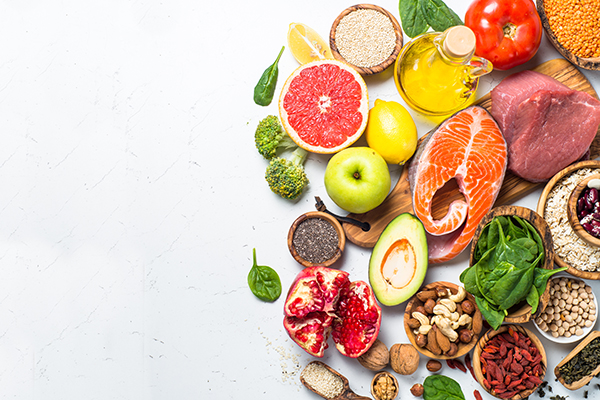
03/15/2026 / By Zoey Sky
The hidden hunger: 10 Warning signs you’re not getting enough protein
Protein is a non-negotiable foundation for the body. It's essential for building and repairing tissues, creating hormones and enzymes and supporti...
0 Views // Share
If you're gonna fight, fight like you're the third monkey on the ramp to Noah's Ark... and brother its starting to rain. Join our efforts to Secure America's Borders and End Illegal Immigration by Joining ALIPAC's E-Mail Alerts network (CLICK HERE)
-
03-18-2026, 11:28 AM #568Senior Member
- Join Date
- Aug 2018
- Posts
- 92,703
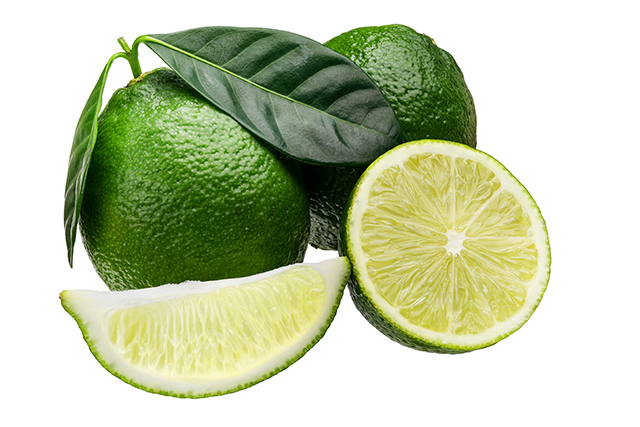
03/17/2026 / By Lance D Johnson
Little-known benefits of LIMES include: enhanced iron absorption, kidney stone prevention, and improved cardiovascular health
In the corner of a grocery store produce section, nestled among its more ostentatious citrus cousins, the lime often plays a supporting role. It is a ...
980 Views // Share
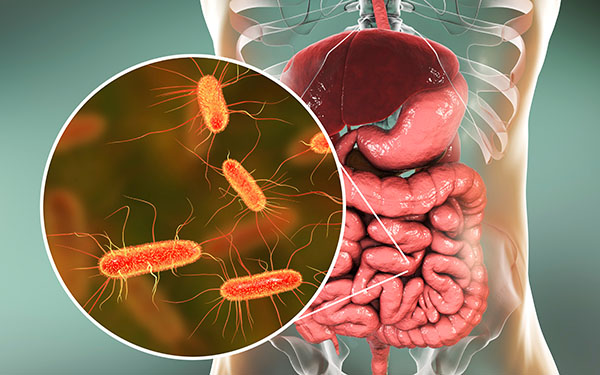
03/17/2026 / By Patrick Lewis
FDA’s raw milk cheese scare: Another case of selective fearmongering?
Their own data shows pathogen levels are "relatively low and similar to other foods," debunking decades of fearmongering while ignoring pasteurize...
700 Views // Share
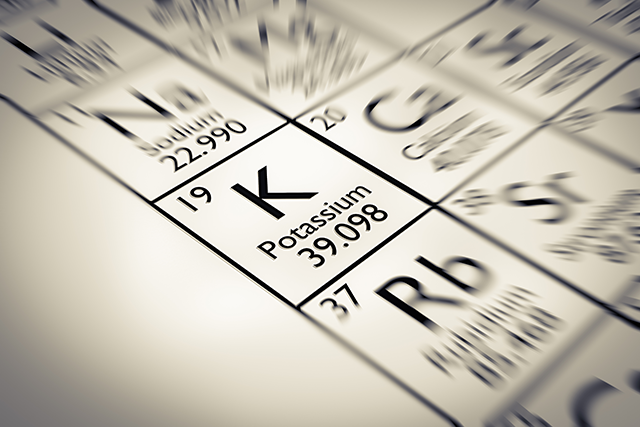
03/17/2026 / By Cassie B.
Potassium deficiency epidemic: How millions are missing a key mineral that slashes stroke risk by 20%
Potassium deficiency is a widespread and serious public health issue. It critically regulates blood pressure and heart rhythm, preventing cardi...
If you're gonna fight, fight like you're the third monkey on the ramp to Noah's Ark... and brother its starting to rain. Join our efforts to Secure America's Borders and End Illegal Immigration by Joining ALIPAC's E-Mail Alerts network (CLICK HERE)
-
03-18-2026, 11:57 AM #569Senior Member
- Join Date
- Aug 2018
- Posts
- 92,703
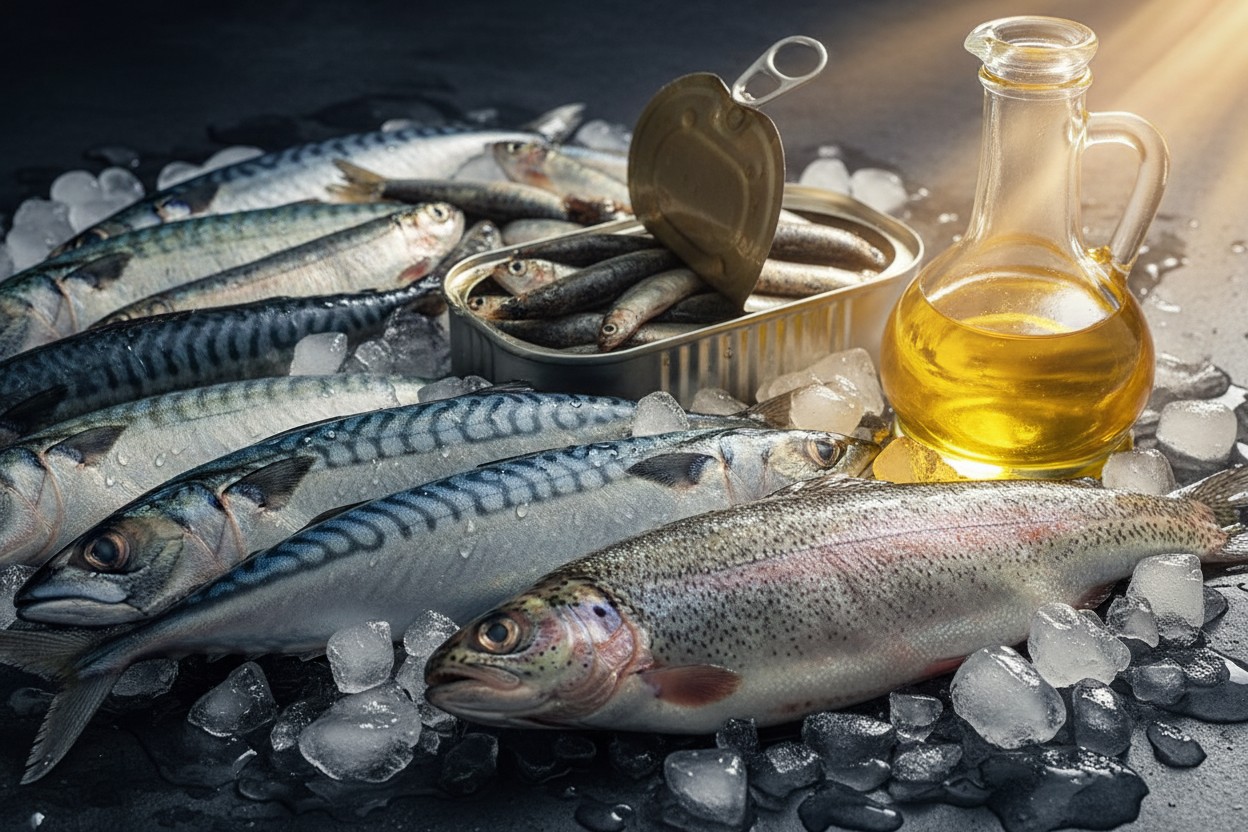
03/17/2026 / By Coco Somers
Alternative Health Sources Identify Several Fish High in Vitamin D
Introduction: Vitamin D Needs and Dietary Sources Vitamin D is crucial for bone health and immune function, according to numerous health researchers ...
560 Views // Share
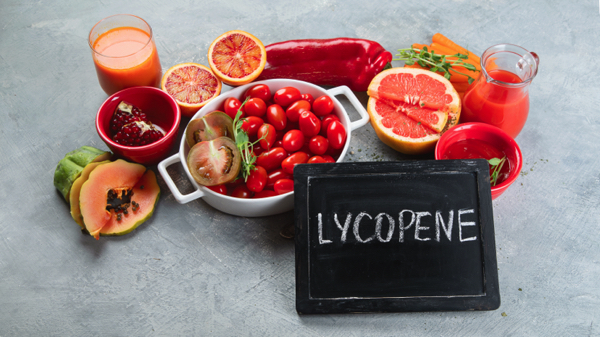
03/17/2026 / By Belle Carter
Lycopene: The powerful antioxidant hidden in red fruits and vegetables
Lycopene is a carotenoid with double the antioxidant capacity of beta-carotene, neutralizing free radicals to reduce oxidative stress, aging and c...
520 Views // Share
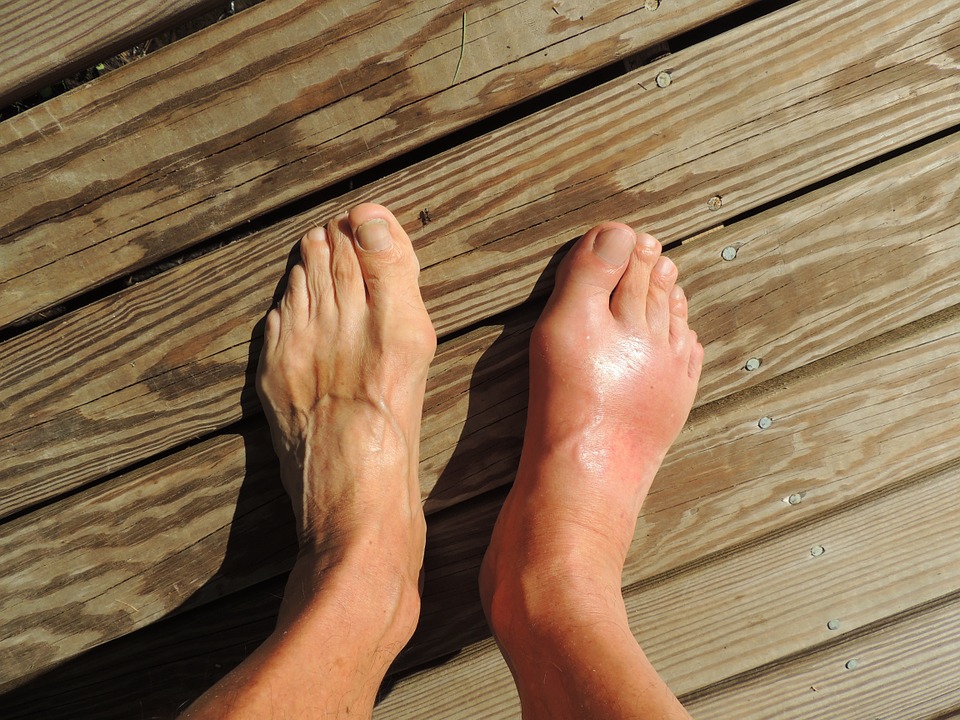
03/17/2026 / By Evangelyn Rodriguez
The hidden triggers of gout: How diet and lifestyle fuel the pain—and how to stop it
Gout is caused by uric acid buildup, forming painful crystals in joints due to dietary and lifestyle factors, primarily high-purine foods (meat, s...
590 Views // Share
If you're gonna fight, fight like you're the third monkey on the ramp to Noah's Ark... and brother its starting to rain. Join our efforts to Secure America's Borders and End Illegal Immigration by Joining ALIPAC's E-Mail Alerts network (CLICK HERE)
-
03-20-2026, 11:12 AM #570Senior Member
- Join Date
- Aug 2018
- Posts
- 92,703
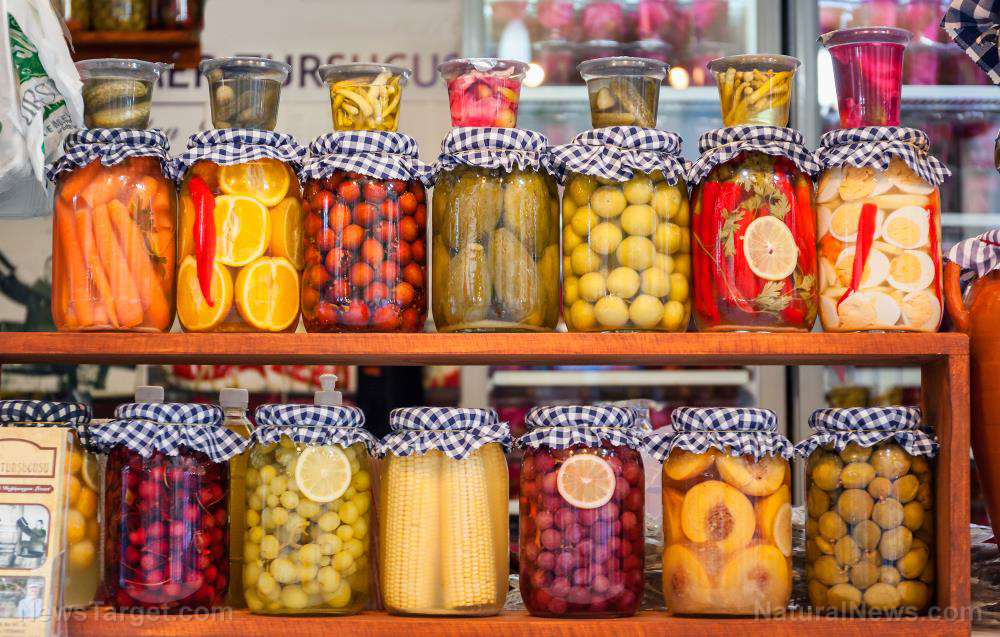
03/20/2026 / By HRS Editors
The practical prepper pantry: Simple, efficient food storage for peace of mind
When prepping, storage is as critical as the food itself. Protect your stockpile from heat, light, oxygen and moisture by keeping it in a cool, da...
150 Views // Share

03/20/2026 / By Lance D Johnson
Indian gooseberry is a vitamin C powerhouse that also fights cardiovascular and diabetic conditions
For centuries, the sour, unassuming amla fruit has been a cornerstone of Ayurvedic medicine, revered as a "nectar of life." Today, modern laboratories...
150 Views // Share
03/19/2026 / By Petra Stone
Routines that Emphasize Natural, Non-Pharmaceutical Approaches Support Skin Health
Introduction Observers and wellness practitioners report that individuals with visibly healthy, clear skin tend to follow a specific set of daily hab...
820 Views // Share

03/19/2026 / By Petra Stone
Study Examines Brain-Derived Protein Release Following 30-Minute Exercise Session
Introduction A new study has documented that a single 30-minute session of moderate exercise can trigger the release of a protein crucial for brain h...
650 Views // Share
03/19/2026 / By Evangelyn Rodriguez
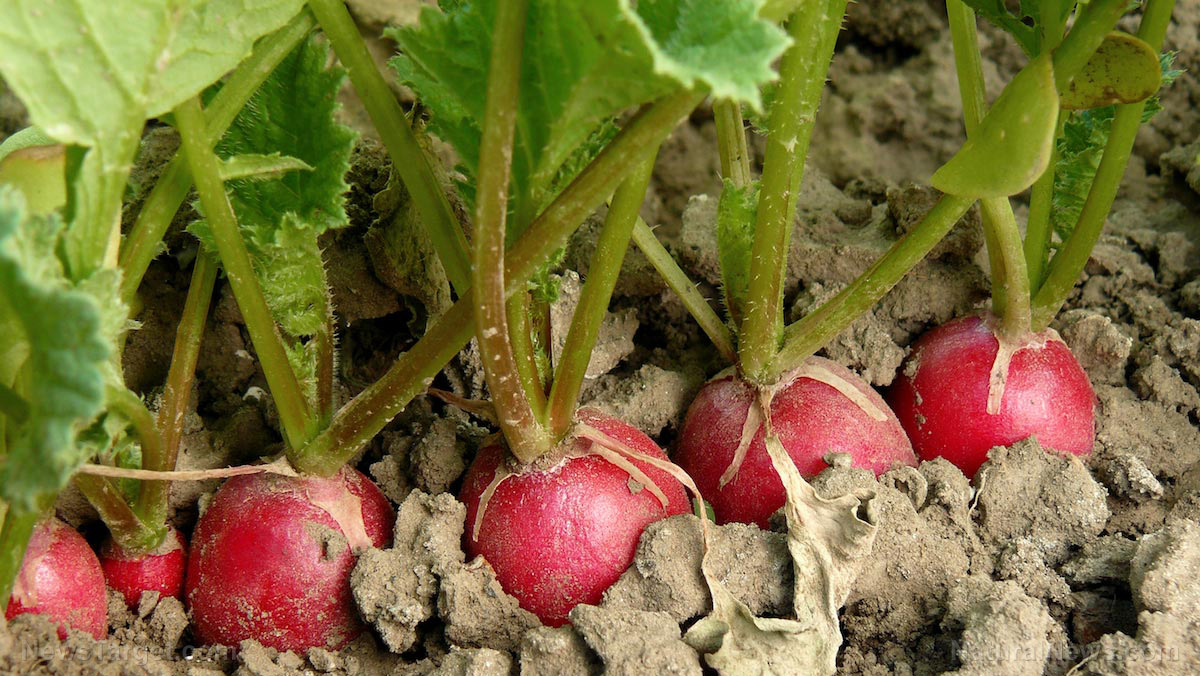
Radish: An ancient, nutrient-packed root vegetable that belongs in modern kitchens
Cultivated for over 4,000 years, radishes were prized by the ancient Egyptians, Greeks and Romans. From Asia and Europe, radishes reached Engla...
680 Views // Share
If you're gonna fight, fight like you're the third monkey on the ramp to Noah's Ark... and brother its starting to rain. Join our efforts to Secure America's Borders and End Illegal Immigration by Joining ALIPAC's E-Mail Alerts network (CLICK HERE)


 Reply With Quote
Similar Threads
-
Half of Greenland's Warming Tied to Natural Causes NATURAL CAUSES?!?! NATURAL CAUSES
By AirborneSapper7 in forum Other Topics News and IssuesReplies: 4Last Post: 05-08-2014, 11:50 AM -
NATURAL BORN FOLLOWS THE NATURAL BIRTH FATHER
By AirborneSapper7 in forum Other Topics News and IssuesReplies: 3Last Post: 04-19-2011, 09:49 PM -
Experts: Placebo power behind many natural cures
By JohnDoe2 in forum Other Topics News and IssuesReplies: 1Last Post: 11-10-2009, 11:03 PM -
Natural Cancer Drug Called CELLADAM Cures Cancer
By CCUSA in forum Other Topics News and IssuesReplies: 0Last Post: 01-23-2009, 04:47 PM -
DRUG COMPANIES USE NATURAL CURES TO DESIGN NEW DRUGS
By Darlene in forum Other Topics News and IssuesReplies: 0Last Post: 03-18-2006, 08:43 PM
Tags for this Thread
alternative medicine,
balance,
chinese herbal medicine,
clean-foods-organics,
cures,
daniel reid,
goodhealth,
goodmedicine,
healing,
herbal medicine,
herbs,
history,
holistic,
natural cures,
natural health,
natural medicine,
naturalnews.com,
plant medicine,
prevention,
qi,
real history,
remedies,
tcm,
traditional chinese medicine,
yin and yang


WATCH: Transportation Secretary Sean Duffy Shares HILARIOUS Clip...
05-25-2026, 05:32 PM in illegal immigration News Stories & Reports