

Results 61 to 70 of 602
 2Likes
Thread Information
Users Browsing this Thread
There are currently 1 users browsing this thread. (0 members and 1 guests)
 LinkBack URL
 About LinkBacks
-
03-18-2025, 05:49 PM #61Senior Member


- Join Date
- Aug 2018
- Posts
- 92,697
Daniel Reid’s “Chinese Herbal Medicine”: A journey through history and healing
03/18/2025 // Ramon Tomey // 540 Views
Tags: alternative medicine, balance, Chinese herbal medicine, Cures, Daniel Reid, goodhealth, goodmedicine, healing, herbal medicine, Herbs, history, holistic, natural cures, natural health, natural medicine, plant medicine, prevention, qi, real history, remedies, TCM, traditional Chinese medicine, yin and yang
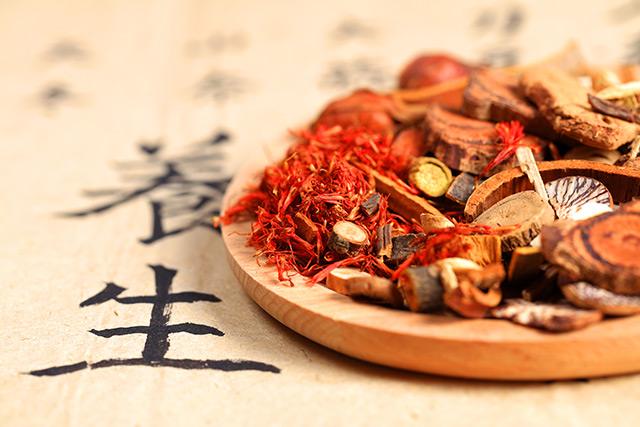
- Daniel Reid's "Chinese Herbal Medicine" explores a millennia-old healing tradition blending spirituality, philosophy and science. Its origins are tied to legends like the discovery of san qi (Yunnan Baiyao) and the contributions of Emperor Shen Nong, who tested medicinal plants and laid the foundation for this ancient practice.
- The practice is guided by the philosophy of balance (yin and yang) and the flow of qi (vital energy). Illness is viewed as a disruption of harmony, and treatment focuses on restoring balance and ensuring the smooth flow of qi through the body's meridians.
- Chinese herbal medicine developed systematically over dynasties, with key milestones including the Han dynasty's written records, the Tang dynasty's medical schools, the Song dynasty's standardized prescriptions, and the Ming dynasty's Bencao Gangmu (a comprehensive herbal encyclopedia).
- Despite challenges, such as Mongol rule and the introduction of Western medicine, Chinese herbal medicine has persisted and adapted. It experienced a revival during the Ming dynasty and continues to integrate with modern practices while maintaining its core principles.
Daniel Reid's "Chinese Herbal Medicine" offers a captivating exploration of one of the world's oldest and most enduring medical traditions. Rooted in myth, history and a deep connection to nature, Chinese herbal medicine is a practice that has evolved over millennia – blending spirituality, philosophy and science into a holistic approach to health and healing.
The origins of Chinese herbal medicine are steeped in legend. One such tale begins in Yunnan, China, where a farmer discovered the healing properties of a plant known as san qi after observing a snake repeatedly recover from injuries by consuming it. This plant, later refined into the anti-bleeding remedy Yunnan Baiyao, became a cornerstone of Chinese medicine, earning the name jin bu-huan ("gold-no-trade") for its invaluable role in treating combat wounds. This story symbolizes the serendipitous beginnings of a tradition that would grow into a vast and intricate system of healing.
The roots of Chinese herbal medicine are often traced to Emperor Shen Nong, a mythical figure credited with introducing agriculture and testing the medicinal properties of plants. His discoveries laid the foundation for a practice that would be passed down orally for centuries, blending practical wisdom with symbolism and superstition. Over time, this knowledge was codified into a pharmacopoeia that includes herbs, animal products and minerals, each chosen for their symbolic and medicinal significance.
Central to Chinese herbal medicine is the philosophy of balance, embodied by the concepts of yin and yang. These opposing yet complementary forces represent the duality of nature – light and dark, hot and cold, active and passive. In medicine, illness is seen as a disruption of this balance, and treatment aims to restore harmony.
Another key principle is qi (vital energy) which flows through the body along meridians. The balance and flow of qi are essential for health, reflecting the holistic nature of Chinese medicine that considers the interconnectedness of the body, mind and environment.
The historical development of Chinese herbal medicine mirrors the evolution of Chinese society. During the Han dynasty, the first written records of herbal remedies were created, marking a shift toward a more systematic approach.
The Tang dynasty saw the establishment of China's first medical school and the professionalization of medicine through competitive examinations. The Song dynasty further standardized herbal prescriptions, while the Ming dynasty produced the "Bencao Gangmu" ("Compendium of Materia Medica"), a comprehensive herbal encyclopedia by Dr. Li Shizhen that remains a cornerstone of traditional Chinese medicine.
Despite periods of dormancy, such as during Mongol rule, Chinese herbal medicine has demonstrated remarkable resilience. The Ming dynasty's cultural renaissance revitalized the practice, and even the arrival of Western medicine during the Qing dynasty did not diminish its significance. Instead, it adapted, integrating with modern practices while retaining its core principles.
Today, Chinese herbal medicine thrives globally – with thousands of traditional shops and growing recognition in Western medicine. Modern research is validating many of its practices, and its emphasis on preventive care and holistic treatment is increasingly embraced. The story of Chinese herbal medicine is one of enduring wisdom, resilience and adaptation, offering a model for the harmonious integration of ancient and modern medical practices.
The convergence of Eastern and Western medicine holds immense promise. By combining the insights of a 5,000-year-old tradition with the innovations of modern science, people may unlock new possibilities for healing and well-being, ensuring that the timeless wisdom of Chinese herbal medicine continues to benefit humanity for generations to come.
Watch this video about Daniel Reid's book "Chinese Herbal Medicine."
This video is from the BrightLearn channel on Brighteon.com.
Sources include:
Brighteon.ai
Brighteon.com
Daniel Reid’s “Chinese Herbal Medicine”: A journey through history and healing – NaturalNews.com
If you're gonna fight, fight like you're the third monkey on the ramp to Noah's Ark... and brother its starting to rain. Join our efforts to Secure America's Borders and End Illegal Immigration by Joining ALIPAC's E-Mail Alerts network (CLICK HERE)
-
03-18-2025, 11:15 PM #62Senior Member
- Join Date
- Aug 2018
- Posts
- 92,697
Lemon balm: A soothing superfood from the mint family
03/18/2025 // Ava Grace // 410 Views
Tags: anxiety relief, food cures, food is medicine, food science, functional food, goodfood, goodhealth, goodmedicine, healing, health science, herbal medicine, Herbs, ingredients, Lemon Balm, natural cures, natural health, natural medicine, Naturopathy, organics, plant medicine, remedies, sleep aid, stress relief, superfoods
- Lemon balm (Melissa officinalis), a perennial herb from the mint family, is native to Eurasia but is now globally naturalized. Known for its mild lemon scent, delicate white flowers and versatile uses, lemon balm has a rich history both as food and medicine.
- Lemon balm has been called "balm mint," "sweet balm" and "melissa" (Greek for "honeybee"), reflecting its cultural importance. Historically, it was used in tonics like Carmelite water and revered as the "elixir of life" for its vitality-promoting properties.
- Lemon balm offers numerous health benefits, including stress and anxiety relief, improved sleep, digestive support, antiviral effects (especially against herpes simplex virus) and potential cognitive enhancement, particularly for individuals with mild Alzheimer's disease.
- With its mild, citrusy flavor, lemon balm is a versatile ingredient that can be added to different recipes such as pesto, tea, sorbet, marinades and salads, adding a refreshing twist to both sweet and savory dishes.
- Lemon balm continues to be valued in modern herbalism and naturopathy for its calming, digestive and immune-supporting properties. Its enduring appeal highlights the wisdom of traditional herbal medicine.
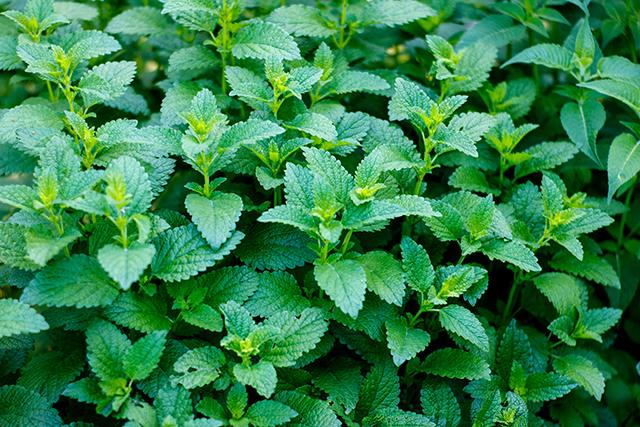
Lemon balm (Melissa officinalis), a herbaceous plant from the mint family, is a botanical gem with a rich history of medicinal and culinary use. Native to Eurasia but now naturalized across the globe, this herb is cherished for its mild lemon scent, delicate white flowers and natural healing properties.
With a maximum height of one meter, lemon balm is as unassuming as it is powerful, offering a wealth of benefits for both physical and mental well-being. From its role in ancient herbal medicine to its modern applications in teas, tinctures and gourmet dishes, lemon balm is a superfood worth exploring.
Herb with many names
Lemon balm is known by various names that reflect its historical and cultural significance. In addition to its scientific name, Melissa officinalis, it is often referred to as "balm mint," "sweet balm" or simply "melissa," a name derived from the Greek word for "honeybee." This name is a nod to the plant's ability to attract bees with its nectar-rich flowers.
In medieval Europe, lemon balm was called the "elixir of life" and was a key ingredient in Carmelite water, a tonic believed to promote longevity and vitality. (Related: Lemon balm helps improve gut motility, says research).
Lemon balm is easily recognizable by its bright green, heart-shaped leaves with serrated edges. When crushed, the leaves release a refreshing citrus aroma, reminiscent of lemon zest with a hint of mint. The taste is similarly mild and lemony, making it a versatile addition to both sweet and savory dishes. During the summer months, the plant produces clusters of small, white or pale yellow flowers that are highly attractive to pollinators.
Healing properties of lemon balm
Lemon balm has been used for centuries as a natural remedy for a variety of ailments. Modern research has begun to validate many of its traditional uses, revealing its potential to address both physical and psychological conditions.
- Stress and anxiety relief - Lemon balm is best known for its calming effects. Studies have shown that it can reduce symptoms of anxiety and stress by promoting relaxation without causing drowsiness. This is attributed to its ability to modulate the activity of GABA (gamma-aminobutyric acid), a neurotransmitter that helps regulate the nervous system.
- Gentle sleep aid - For those struggling with insomnia or restless sleep, lemon balm tea or supplements can be a gentle, non-habit-forming solution. Its soothing properties help quiet the mind and prepare the body for rest.
- Digestive health -Lemon balm has been traditionally used to ease digestive discomfort, including bloating, gas and indigestion. Its antispasmodic properties help relax the muscles of the gastrointestinal tract, promoting smoother digestion.
- Antiviral and antimicrobial effects -Research suggests that lemon balm has antiviral properties, particularly against herpes simplex virus (HSV). Topical application of lemon balm extract has been shown to reduce the duration and severity of cold sores. Additionally, its antimicrobial properties make it a useful herb for supporting immune health.
- Cognitive function -Preliminary studies indicate that lemon balm may enhance cognitive performance and memory, particularly in individuals with mild to moderate Alzheimer's disease. Its antioxidant properties can also help protect brain cells from oxidative stress.
Culinary uses of lemon balm
Lemon balm's mild, citrusy flavor makes it a delightful addition to a wide range of dishes. Here are a few recipe ideas that showcase its versatility:
- Lemon balm pesto - A refreshing twist on traditional pesto, combining lemon balm leaves, pine nuts, Parmesan cheese, olive oil and garlic.
- Citrus-infused lemon balm tea - A simple yet soothing tea made by steeping fresh or dried lemon balm leaves in hot water.
- Lemon balm sorbet - A light and tangy dessert featuring lemon balm, lemon juice and honey.
- Grilled chicken with lemon balm marinade - A savory dish where lemon balm, olive oil and garlic create a zesty marinade.
- Lemon balm and berry salad - A fresh summer salad combining lemon balm leaves, mixed berries and a honey-lime dressing.
Lemon balm has a storied past that underscores its enduring appeal. In ancient Greece, it was used to treat wounds and insect bites, while Roman naturalist Pliny the Elder praised its ability to uplift the spirit. During the Middle Ages, lemon balm was a staple in monastic gardens, where it was used to make tonics and elixirs. Paracelsus, the renowned Swiss physician, referred to it as the "elixir of life" and believed it could restore vitality.
In more recent times, lemon balm has found its way into modern herbalism and naturopathy. Its gentle yet effective nature makes it a favorite among those seeking natural remedies for stress, sleep issues and digestive problems.
Lemon balm is more than just a fragrant herb; it is a powerful superfood with a wide range of health benefits. Whether enjoyed as a tea, incorporated into a gourmet dish or used as a natural remedy, this versatile plant has much to offer. Its calming properties, digestive benefits and potential to enhance cognitive function make it a valuable addition to any wellness routine.
This story is not medical advice and is not intended to treat or cure any disease. Always consult with a qualified naturopathic physician for personalized advice about your specific health situation or concern.
Visit NaturalNews.com, a great source for articles where you can learn about superfoods and their health benefits.
You can also try Brighteon.ai, an AI model created by Mike Adams, also known as the Health Ranger. This model is available as a free download to be run locally and is designed to help share and decentralize knowledge. By doing so, it aims to bypass censorship and empower people with knowledge.
If you're looking for an uncensored video free speech website where you can openly discuss nutrition, natural medicine, ingredients and more, check out Brighteon.com and out two free speech social media sites, Brighteon.IO and Brighteon.social.
Watch this video to learn more about the health benefits of lemon balm.
This video is from the Holistic Herbalist channel on Brighteon.com.
More related stories:
Lemon balm is excellent survival medicine: Review of its medicinal properties and how to use it.
The powerful health benefits of lemon balm.
Lemon balm: A smooth, soothing herb.
From weeds to wellness: The hidden superfoods in your backyard.
The ultimate winter energy guide: Foods, habits and hacks to keep you going.
Sources include:
Brighteon.ai
NaturalNews.com
Brighteon.com
Lemon balm: A soothing superfood from the mint family – NaturalNews.com
If you're gonna fight, fight like you're the third monkey on the ramp to Noah's Ark... and brother its starting to rain. Join our efforts to Secure America's Borders and End Illegal Immigration by Joining ALIPAC's E-Mail Alerts network (CLICK HERE)
-
03-19-2025, 05:03 AM #63Senior Member
- Join Date
- Aug 2018
- Posts
- 92,697
How vitamin D’s ANTIOXIDANT POWER fuels healthy aging and longevity
03/18/2025 // Lance D Johnson // 420 Views
Tags: #nutrition, aging gracefully, aging population, antioxidants, bone health, cellular health, chronic disease prevention, cognitive function, Free radicals, goodhealth, healthy aging, herbal medicine, holistic health, immune health, longevity, longevity science, mindbodygreen, mitochondrial health, muscle health, nutrients, oxidative stress, supplementation, vitamin D, vitamin D benefits, vitamin D deficiency, vitamin d3, vitamins, wellness

- Vitamin D is a potent antioxidant that combats oxidative stress, protects DNA, and supports mitochondrial health.
- Over 40% of U.S. adults have insufficient vitamin D levels, and 29% are deficient, making supplementation critical.
- Vitamin D supports muscle mass, bone health, cognitive function, and immune resilience, all of which are vital for healthy aging.
- Aging reduces the body’s ability to produce and absorb vitamin D, making daily supplementation a key strategy for longevity.
The antioxidant powerhouse you’re not thinking about
In a world where chronic disease and aging are often seen as inevitable, vitamin D emerges as a powerful ally in the fight for vitality and longevity. Found in nearly every cell of the body, this essential nutrient is far more than just a bone-strengthening vitamin—it’s a dynamic antioxidant that supports everything from muscle health to cognitive function. Yet, despite its critical role, a staggering 41% of U.S. adults have insufficient levels of vitamin D, and 29% are outright deficient. With aging populations and modern lifestyles that limit sun exposure, the need for vitamin D supplementation has never been more urgent.
When most people hear the word “antioxidant,” vitamin C often comes to mind. But vitamin D deserves equal recognition for its ability to combat oxidative stress and protect cellular health. A 2019 review published in Biology highlighted vitamin D’s role in balancing mitochondrial activities, shielding DNA from damage, and neutralizing harmful free radicals. These actions are critical for slowing the aging process and reducing the risk of chronic diseases.
“Vitamin D signaling pathways are a key player in directly protecting cells from the over accumulation of reactive oxygen species (ROS),” explains Morgan Chamberlain, former supplement editor at MindBodyGreen. “It helps protect proteins, fatty acids, and DNA from oxidation, which is essential for maintaining cellular integrity and function.”
However, these benefits only come into play when vitamin D levels are sufficient. With over 90% of Americans failing to consume even 400 I.U. of vitamin D daily—far below the recommended intake—supplementation is often necessary to bridge the gap.
How vitamin D supports healthy aging
Vitamin D’s impact on aging extends far beyond its antioxidant properties. Research shows it plays a vital role in maintaining muscle mass, bone health, cognitive function, and immune resilience—all of which decline with age.
- Muscle mass and strength: A 2014 study published in the American Journal of Medicine found that older adults with higher muscle mass lived longer than those with less. Vitamin D supports muscle form and function, helping to preserve strength and mobility as we age.
- Bone health: Vitamin D aids calcium absorption, a mineral essential for maintaining strong bones and preventing osteoporosis.
- Cognitive function: A 2019 meta-analysis in the Journal of Aging Research linked healthy vitamin D levels to better cognitive performance, suggesting it supports brain health and reduces the risk of age-related cognitive decline.
- Immune resilience: Vitamin D modulates both innate and adaptive immune responses, making it a critical nutrient for fighting infections and maintaining immune health, especially in older adults.
Why supplementation is essential for longevity
While sunlight and certain foods like fatty fish and fortified dairy products provide vitamin D, it’s nearly impossible to achieve optimal levels through these sources alone. Aging further complicates the issue, as the skin’s ability to synthesize vitamin D from sunlight diminishes over time.
“Considering it’s absurdly difficult—basically impossible—to get enough vitamin D from food and sunshine alone, many individuals choose to add a high-quality D3 supplement to their daily routine,” says Chamberlain.
As the global population ages, the importance of vitamin D in promoting healthy aging cannot be overstated. From its antioxidant properties to its role in maintaining muscle mass and cognitive function, this nutrient is a cornerstone of longevity. Yet, with widespread deficiencies and the challenges of modern living, achieving sufficient levels requires intentional effort.
Sources include:
MindBodyGreen.com
AMJMed.gov
Pubmed.gov
Other Topics News and Issues
If you're gonna fight, fight like you're the third monkey on the ramp to Noah's Ark... and brother its starting to rain. Join our efforts to Secure America's Borders and End Illegal Immigration by Joining ALIPAC's E-Mail Alerts network (CLICK HERE)
-
03-20-2025, 07:30 PM #64Senior Member
- Join Date
- Aug 2018
- Posts
- 92,697
These NUTRIENTS and ANTIOXIDANTS are key to diversifying your gut microbiome, research finds
03/20/2025 // Lance D Johnson // 10 Views
Tags: #nutrition, antioxidants, chronic disease, diet, disease prevention, fermented foods, fiber, functional foods, gut health, healthy aging, holistic health, immune health, inflammation, mental health, microbiome, natural remedies, oxidative stress, prebiotics, probiotics, supplements, turmeric, vitamin C, wellness, Whole Foods, zinc
- Antioxidants play a critical role in balancing the gut microbiome and reducing oxidative stress.
- A diverse gut microbiome is linked to improved digestion, immunity, and reduced risk of chronic diseases.
- Eating a variety of antioxidant-rich foods, such as colorful fruits, vegetables, and fermented foods, can enhance gut health.
- Supplements like vitamin C, zinc, and turmeric may also support gut health, especially after periods of poor diet or antibiotic use.
- Foods that support commensal bacteria diversity range from legumes like lentils and chickpeas to seeds like chia and flax.
Gut microbiome diversity protects various systems of the body
The gut microbiome, often referred to as the body's "second brain," is a complex ecosystem of trillions of microorganisms that influence everything from digestion to mental health. Emerging research highlights the importance of antioxidants in maintaining a balanced and diverse gut microbiome, offering a natural pathway to better health. A recent review published in the Journal of Functional Foods sheds light on how antioxidants—often celebrated for their anti-aging and disease-fighting properties—can also play a pivotal role in gut health.
This groundbreaking research, conducted by scientists primarily based in Asia and the UK, emphasizes the understudied connection between antioxidants and the gut microbiome. While much attention has been given to the role of fiber, carbohydrates, and proteins in gut health, antioxidants have been largely overlooked — until now.
The science behind antioxidants and gut health
Antioxidants are compounds that neutralize free radicals, unstable molecules that can damage cells and lead to oxidative stress. When oxidative stress occurs, it disrupts the delicate balance of the gut microbiome, leading to dysbiosis — a condition where harmful bacteria outnumber beneficial ones. Dysbiosis has been linked to a range of health issues, including chronic fatigue, inflammation, food intolerances, and even serious diseases like cardiovascular disease, cancer, and diabetes.
The Journal of Functional Foods review explains that prolonged exposure to reactive oxygen species (ROS), a type of free radical, can wreak havoc on the gut microbiome. "Many studies report that prolonged exposure to reactive oxygen species can result in microbial dysbiosis," the authors write. By increasing antioxidant intake, individuals can combat oxidative stress and promote a healthier, more diverse gut microbiome.
How to boost your antioxidant intake
The review highlights the unique benefits of various antioxidants, including carotenoids, polyphenols, ascorbic acid (vitamin C), and mineral elements like zinc and selenium. To maximize these benefits, experts recommend "eating the rainbow"—incorporating a wide variety of colorful fruits and vegetables into your diet. Each color represents different antioxidants, which work synergistically to support gut health.
For example, blueberries are rich in anthocyanins, a type of polyphenol that has been shown to enhance gut bacteria diversity. Similarly, carrots and sweet potatoes are packed with carotenoids, which not only support gut health but also promote healthy skin and vision.
In addition to whole foods, dietary supplements can be a practical way to increase antioxidant intake. Supplements containing vitamin C, zinc, or turmeric—a potent antioxidant known for its anti-inflammatory properties—can help restore gut health, particularly after periods of poor diet or antibiotic use.
Ten more foods for a diverse gut microbiome
Here’s a list of ten foods that can help diversify your gut microbiome, along with their specific benefits:
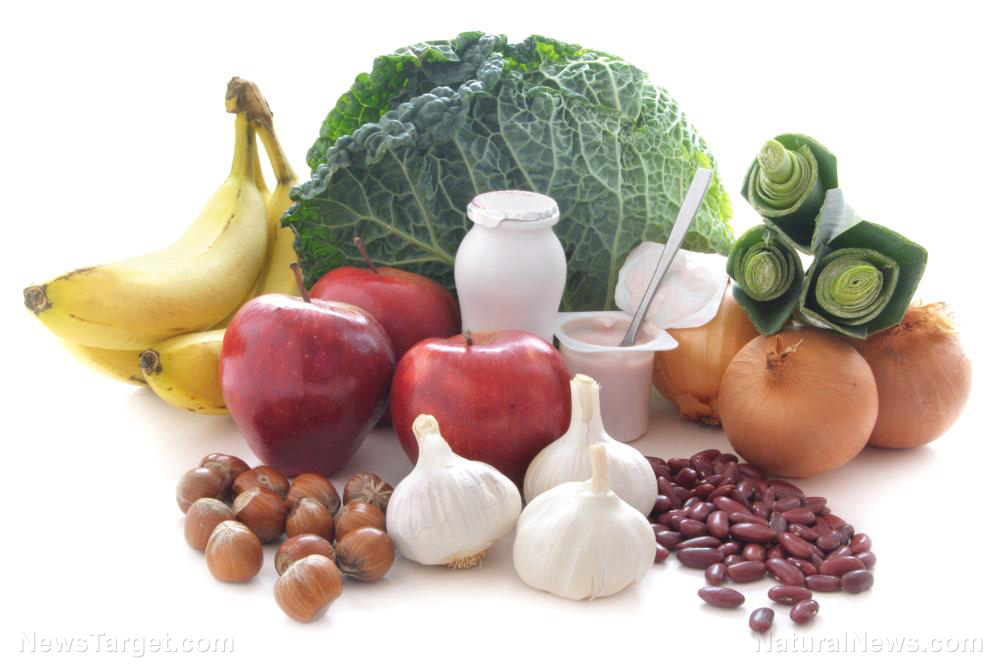
1. Fermented Foods (e.g., Kimchi, Sauerkraut, Kefir): Rich in probiotics, these foods introduce beneficial bacteria to the gut.
2. Yogurt (with Live Cultures): Contains live active cultures that improve gut health and diversity.
3. Whole Grains (e.g., Oats, Quinoa, Brown Rice): High in fiber, which feeds beneficial gut bacteria.
4. Legumes (e.g., Lentils, Chickpeas, Beans): Packed with fiber and resistant starch, promoting microbiome diversity.
5. Garlic: Contains prebiotics that feed beneficial gut bacteria.
6. Onions: Rich in inulin, a prebiotic fiber that supports gut health.
7. Apples: Contain pectin, a fiber that acts as a prebiotic and supports gut bacteria.
8. Bananas (especially slightly green ones): High in resistant starch, which feeds beneficial gut bacteria.
9. Artichokes: A great source of inulin, a prebiotic fiber that promotes gut health.
10. Nuts and Seeds (e.g., Almonds, Flaxseeds, Chia Seeds): Rich in fiber and healthy fats, supporting a diverse microbiome.
In an era where processed foods and environmental toxins are increasingly prevalent, maintaining a healthy gut microbiome is more important than ever. The gut is not only central to digestion but also plays a critical role in immune function, mental health, and overall well-being. By prioritizing antioxidant-rich foods and supplements, individuals can take proactive steps to protect their gut health and, by extension, their long-term health.
Sources include:
MindBodyGreen.com
Naturalpedia.com
NutritionSource.Harvard.edu
Pubmed.gov
These NUTRIENTS and ANTIOXIDANTS are key to diversifying your gut microbiome, research finds – NaturalNews.com
If you're gonna fight, fight like you're the third monkey on the ramp to Noah's Ark... and brother its starting to rain. Join our efforts to Secure America's Borders and End Illegal Immigration by Joining ALIPAC's E-Mail Alerts network (CLICK HERE)
-
03-20-2025, 07:38 PM #65Senior Member
- Join Date
- Aug 2018
- Posts
- 92,697
Rooted in tradition: How plant medicine bridges cultures in the American and Mexican West
03/20/2025 // Belle Carter // 40 Views
Tags: alternative medicine, American and Mexican West, goodhealth, goodmedicine, goodscience, Healing with Plants, herbal medicine, Herbs, Margarita Artschwager Kay, natural cures, natural health, natural medicine, natural remedies, Naturopathy, plant medicine
- Margarita Artschwager Kay's "Healing with Plants in the American and Mexican West" explores the blending of Indigenous, Spanish and Anglo medicinal traditions in the region, creating a unique pharmacopoeia that reflects cultural resilience and adaptation.
- The story of Guadalupe Fraser, a Mexican American woman using aloe vera (Old World) and maguey (New World) to treat a diabetic foot infection, exemplifies the region's fusion of traditional remedies and cross-cultural knowledge sharing.
- The book highlights how Indigenous groups like the Tohono O'odham and Yaqui, alongside European settlers, contributed to a dynamic system of plant-based medicine, enriched by ecological factors and cultural exchange.
- Women have been key custodians of this medicinal knowledge, passing it down through generations. However, the intersection of traditional and modern medicine poses challenges, including potential risks of misuse and a lack of understanding from healthcare providers.
- Kay emphasizes the untapped potential of native desert plants for modern healthcare, advocating for further research, regulation and respect for cultural heritage to ensure safe and effective use of plant-based remedies.
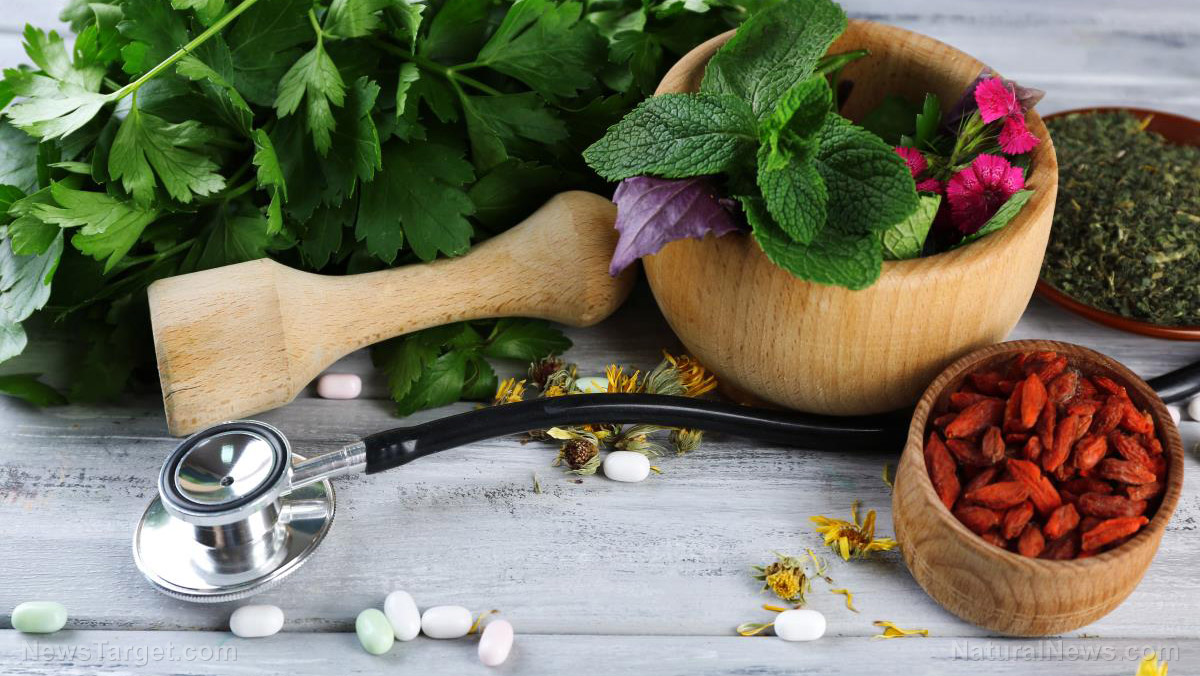
In the sun-drenched landscapes of the American and Mexican West, where the borders of nations and cultures blur, a rich tradition of healing with plants has flourished for centuries. Margarita Artschwager Kay's "Healing with Plants in the American and Mexican West" is a meticulously researched exploration of this vibrant pharmacopoeia, where Indigenous, Spanish and Anglo traditions converge to create a unique tapestry of medicinal knowledge.
Through compelling narratives and scholarly insight, Kay reveals how plants like aloe vera and maguey have become not just remedies for ailments but symbols of cultural resilience and adaptation. This book is a journey into the heart of a region where the past and present intertwine, offering lessons for modern healthcare and a deeper understanding of the human connection to nature.
The story of Guadalupe Fraser, a Mexican American woman from Tucson, Arizona, encapsulates the essence of Kay's work. Struggling with a recurring foot infection – a common complication of diabetes – Fraser bypasses the pharmacy and turns to her backyard. She plucks a leaf from her aloe vera plant, heats it and applies the gel to the infected area. But her remedy doesn't stop there. She also chews a leaf of maguey, a traditional New World plant, and applies its pulp to her foot. This blend of Old and New World remedies is a testament to the cultural fusion that defines the region's approach to healing.
Fraser's story is a microcosm of the broader narrative Kay weaves throughout the book. The American and Mexican West – spanning parts of Arizona, New Mexico, California and the Mexican states of Chihuahua, Sonora, Baja California Norte and Baja California Sur – is a region where diverse cultures have long exchanged knowledge and traditions. From the Tohono O'odham to the Yaqui, from the Mayo to the Seri, Indigenous peoples have contributed to a shared pharmacopoeia that continues to thrive today. European colonists, too, brought their own herbal remedies, which were adopted and adapted by Indigenous communities. This cross-cultural exchange has created a dynamic and evolving system of plant-based medicine.
Kay's research delves into the ecological and cultural factors that have shaped this tradition. Why, for instance, do certain plants appear repeatedly in the medicinal practices of different cultures? Is it due to shared habitats, geographical proximity, or the exchange of knowledge? Kay argues that ecology plays a central role. The arid landscapes of the region have dictated which plants are available, and their medicinal properties have been discovered and rediscovered by successive generations. Yet, it is not merely availability that determines use. The book highlights how cultural exchange has enriched the pharmacopoeia, with Indigenous peoples incorporating European plants like rosemary and thyme into their practices, while European settlers adopted Indigenous remedies such as the use of maguey and mesquite.
Women, in particular, have been the custodians of this knowledge. Across generations, they have passed down remedies and practices, ensuring their survival in the face of modernization. Kay emphasizes the importance of understanding how culture influences healthcare practices. For many Mexican Americans, traditional remedies remain a first line of defense against minor ailments. Yerberos (herbalists) and botanicas (herbal shops) continue to play a vital role in communities, offering remedies that bridge the gap between traditional and modern medicine.
However, the book does not shy away from the challenges posed by this intersection. Healthcare providers often struggle to navigate the complexities of traditional medicine, sometimes dismissing it outright. Kay stresses the need for greater awareness and respect. At the same time, the book acknowledges the potential risks of plant medicine. Some remedies, if misused, can be toxic. Kay recounts the case of a diabetic patient who unknowingly combined a plant with hypoglycemic properties with his prescribed medication, resulting in a dangerous drop in blood sugar. Such stories underscore the importance of education and communication between patients and providers.
Despite these challenges, Kay sees immense potential in the region's plant medicine tradition. The growing interest in natural products and the untapped potential of native desert plants offer opportunities for research and innovation. The book calls for further study and regulation to ensure the safe and effective use of plant medicines, while also preserving the cultural heritage they represent.
Learn more about the book "Healing with Plants" by watching the video below.
This video is from the BrightLearn channel on Brighteon.com.
Sources include:
Brighteon.ai
Brighteon.com
Rooted in tradition: How plant medicine bridges cultures in the American and Mexican West – NaturalNews.com
If you're gonna fight, fight like you're the third monkey on the ramp to Noah's Ark... and brother its starting to rain. Join our efforts to Secure America's Borders and End Illegal Immigration by Joining ALIPAC's E-Mail Alerts network (CLICK HERE)
-
03-21-2025, 05:23 PM #66Senior Member
- Join Date
- Aug 2018
- Posts
- 92,697
Japanese plant yields compounds with potent anti-HIV activity, offering hope for new treatments
Thread: Japanese plant yields compounds with potent anti-HIV activity, offering hope for new
If you're gonna fight, fight like you're the third monkey on the ramp to Noah's Ark... and brother its starting to rain. Join our efforts to Secure America's Borders and End Illegal Immigration by Joining ALIPAC's E-Mail Alerts network (CLICK HERE)
-
03-21-2025, 05:45 PM #67Senior Member
- Join Date
- Aug 2018
- Posts
- 92,697
A new approach to wellness: “Going Natural With Herbs” challenges conventional health wisdom
03/21/2025 // Kevin Hughes // 150 Views
Tags: acid-alkaline balance, blood, degenerative diseases, Diseases, Fungi, fungus, herbal remedies, Herbs, holistic healing, juicing, microorganisms, microzymas, mold, natural practices, nutritional supplements, Robert O. Young, Shelley Redford Young, sprouting, tissues, toxins, traditional medicine, wellness protocols, yeast

- "Going Natural With Herbs" by Dr. Robert O. Young and Shelley Redford Young critiques conventional medical approaches, advocating for natural remedies and addressing root causes of disease rather than just symptoms.
- The book highlights over-acidification as a key cause of disease, linking it to the proliferation of harmful microorganisms like yeast, fungi and mold, which produce toxins.
- The authors explore overlooked biological history, presenting evidence on the role of microorganisms in health and the "deadly corruption of digestion," supported by case studies and testimonials.
- Written for laypeople, the book combines detailed resources, technical essays and a glossary, offering a comprehensive yet easy-to-understand guide to natural health and transformative wellness practices.
In a world where health challenges are increasingly complex and often inadequately addressed by conventional medicine, a groundbreaking book is offering a fresh perspective. "Going Natural With Herbs: Integrating Herbs into Everyday Use" by Dr. Robert O. Young and Shelley Redford Young challenges the status quo and provides a comprehensive guide to achieving true wellness through natural means. This book is not just a collection of herbal remedies; it is a radical rethinking of the fundamental principles of health and disease.
Dr. Robert O. Young, a renowned expert in natural hygiene with over two decades of research, and his co-author Shelley Redford Young, delve into the often-overlooked aspects of health, emphasizing the importance of balancing the body's chemistry. They argue that the root cause of many diseases is over-acidification, which creates an environment conducive to the proliferation of microorganisms like yeast, fungi and mold. These microorganisms, according to the authors, produce toxins that lead to what we commonly refer to as diseases.
The book's core thesis is that the future of wellness lies in fostering proper balance through dietary choices and carefully selected nutritional supplements. It challenges the conventional medical approach, which often focuses on treating symptoms rather than addressing the underlying issues. Dr. Young's revolutionary perspective suggests that by understanding and correcting the body's internal environment, individuals can achieve optimal health and vitality.
One of the key contributions of "Going Natural With Herbs" is its exploration of the lost chapter in biology's history. The authors uncover the historical and scientific evidence that supports their claims, providing a detailed look at the role of yeast, fungus and mold in human health. They discuss the "deadly corruption of digestion" and the critical importance of maintaining the acid-alkaline balance in the body. The book offers practical steps for achieving this balance, including wellness protocols, juicing, sprouting and other natural practices.
The transformative impact of Dr. Young's teachings is evident in the numerous case studies and testimonials included in the book. One particularly compelling story is that of a young boy with brittle bones so fragile that he could break a rib by coughing. After six months of treatment based on Dr. Young's principles, the boy was not only lifting weights and exercising regularly but also had a significantly improved prognosis. This is just one of many examples that illustrate the profound improvements in health that can be achieved through the authors' approach.
What makes "Going Natural With Herbs" stand out is its accessible yet comprehensive nature. The book is written in a way that laypeople can understand, breaking down complex biological processes into digestible information. It includes detailed resources, technical essays, a bibliography, glossary and index, making it a valuable reference for anyone interested in natural health.
Dr. Young's research at the Innerlight Biological Research Center has led to several groundbreaking discoveries, including the development of a myco-toxicoxidative stress test for identifying infections and degenerative conditions. His work confirms the existence of microzymas in blood and tissues, which can evolve or devolve based on their environment. These findings challenge the conventional narrative and offer a new model of human disease that emphasizes the role of microorganisms and their toxins.
The authors also emphasize the importance of understanding the historical context of health and disease. They argue that most chronic and degenerative diseases result from bacterial, yeast and fungal infections, as well as the toxins produced by these microorganisms. By exploring beyond the limitations of traditional medicine, the book promotes a more holistic and effective approach to wellness.
Watch this video to know more about the book "Going Natural With Herbs: Integrating Herbs into Everyday Use."
This video is from the BrightLearn channel on Brighteon.com.
Sources include:
Brighteon.ai
Brighteon.com
A new approach to wellness: “Going Natural With Herbs” challenges conventional health wisdom – NaturalNews.com
If you're gonna fight, fight like you're the third monkey on the ramp to Noah's Ark... and brother its starting to rain. Join our efforts to Secure America's Borders and End Illegal Immigration by Joining ALIPAC's E-Mail Alerts network (CLICK HERE)
-
03-21-2025, 08:22 PM #68Senior Member
- Join Date
- Aug 2018
- Posts
- 92,697
“Food of the Gods”: Terence McKenna’s radical theory on psychedelics and the origins of human consciousness
03/21/2025 // Belle Carter // 740 Views
Tags: awakening, Ecology, food of the gods, fruit of knowledge, goodfood, goodhealth, goodmedicine, goodscience, mental, mind-expanding plants, psilocybin-containing mushrooms, psychedelics, radical, shamanic, Terence McKenna

- Terence McKenna's "Food of the Gods" (1992) proposes that psychoactive plants, particularly psilocybin mushrooms, played a crucial role in the evolution of human consciousness, language and culture, challenging traditional views of human development driven solely by survival instincts.
- McKenna argues that early humans' encounter with psilocybin mushrooms around 100,000 years ago acted as a "chemical muse," enhancing visual acuity, sexual arousal and shamanic states, which fostered community bonding, creativity and the emergence of complex social structures.
- He posits that psilocybin sparked the development of language and self-reflection, describing the mushroom as the "fruit of knowledge" that enabled early humans to explore altered states of consciousness and expand their cognitive abilities.
- McKenna introduces the concept of the "archaic revival," advocating for a return to shamanic practices and the integration of psychoactive substances into modern life to foster empathy, creativity, ecological awareness and a more sustainable future.
Terence McKenna's "Food of the Gods: The Search for the Original Tree of Knowledge" offers a provocative counter-narrative in a world increasingly dominated by technology and scientific rationalism. Published in 1992, the book challenges conventional views of human evolution, proposing that psychoactive plants – particularly psilocybin mushrooms – played a pivotal role in the development of human consciousness, language and culture.
McKenna, an ethnobotanist, philosopher and psychedelic advocate, weaves together anthropology, history and speculative theory to argue that humanity's cognitive leap was not merely a product of survival instincts but a symbiotic relationship with mind-altering substances. His work invites readers to reconsider the origins of human creativity, spirituality and societal structures, while questioning the modern stigma surrounding psychoactive compounds.
At the heart of McKenna's thesis is the idea that early humans, roaming the African savannas approximately 100,000 years ago, encountered psilocybin-containing mushrooms. These fungi, he suggests, were not just a food source but a catalyst for profound psychological and social transformation. He posits that the psychoactive compounds in these mushrooms enhanced visual acuity, sexual arousal and the ability to enter shamanic states of ecstasy, fostering community bonding and the development of complex social structures.
McKenna's argument hinges on the notion that psilocybin acted as a "chemical muse," sparking the emergence of language and self-reflection. He describes the mushroom as the "fruit of knowledge," a natural gateway to altered states of consciousness that allowed early humans to explore the boundaries of their minds.
"The psychoactive compounds in these mushrooms could have been the key to unlocking the mysteries of human creativity and communication," he asserts. This bold hypothesis challenges traditional evolutionary theories, suggesting that humanity's leap forward was not solely driven by environmental pressures but also by a deep, almost mystical connection with the natural world.
Beyond psilocybin, McKenna explores the broader role of psychoactive substances throughout human history. He delves into the ancient Indo-European ritual drink Soma, believed to induce divine visions and examines the modern fascination with substances like LSD and DMT. These compounds, he argues, have long served as tools for spiritual enlightenment and cultural transformation.
"Psychoactive substances were not just tools for recreation but gateways to spiritual enlightenment," McKenna writes. "They were integral to the development of human culture and consciousness."
One of the most compelling aspects of the book is McKenna's concept of the "archaic revival." He suggests that by reconnecting with the shamanic practices of our ancestors, humanity can rediscover a harmonious relationship with nature and each other. This revival, he argues, is not a nostalgic retreat but a necessary step toward a more sustainable and enlightened future.
"The archaic revival is about reclaiming the wisdom of our ancestors and integrating it into our modern lives," McKenna explains. "It's about recognizing the value of altered states of consciousness and the role they play in fostering empathy, creativity and ecological awareness."
McKenna's work also critiques the suppression of psychoactive substances by dominant cultures, which he views as a disconnection from humanity's spiritual roots. He argues that the demonization of these substances has led to a loss of the wisdom that once guided human societies.
For modern readers, "Food of the Gods" raises profound questions about the role of psychoactive substances in contemporary society. McKenna challenges the stigma surrounding these compounds, advocating for their potential as tools for personal and collective transformation.
Learn more about the book "Food of the Gods" by watching the video below.
This video is from the BrightLearn channel on Brighteon.com.
Sources include:
Brighteon.ai
Brighteon.com
“Food of the Gods”: Terence McKenna’s radical theory on psychedelics and the origins of human consciousness – NaturalNews.com
If you're gonna fight, fight like you're the third monkey on the ramp to Noah's Ark... and brother its starting to rain. Join our efforts to Secure America's Borders and End Illegal Immigration by Joining ALIPAC's E-Mail Alerts network (CLICK HERE)
-
03-22-2025, 12:34 AM #69Senior Member
- Join Date
- Aug 2018
- Posts
- 92,697
Aloe vera: The ancient healing herb for modern wellness
03/21/2025 // Ava Grace // 510 Views
Tags: alternative medicine, detox, food cures, food is medicine, food science, functional food, goodfood, goodhealth, goodmedicine, health science, herbal medicine, Herbs, natural cures, natural health, natural ingredients, natural medicine, Naturopathy, organics, plant medicine, remedies, superfoods
- Aloe vera, originating from the Arabian Peninsula, has been used for centuries by ancient civilizations like the Egyptians, Greeks and Chinese for its medicinal properties. Historical texts, such as the Ebers Papyrus, document its use for skin infections and burns, and it was even part of Cleopatra’s beauty regimen.
- Aloe vera contains over 75 bioactive compounds, including vitamins (A, C, E, B12), minerals (calcium, magnesium, zinc), enzymes, amino acids and polysaccharides like acemannan, which supports immune health.
- Aloe vera is widely used to support skin health (sunburns, acne, wound healing), digestive health (constipation, IBS, acid reflux), immune health, blood sugar regulation and oral health (gum disease, plaque). It can be applied topically or consumed in juices or supplements.
- Known by names like "burn plant" and "lily of the desert," aloe vera is a staple in traditional medicine worldwide. It can also be used to make smoothies, salad dressings, detox water and ice cream, offering both flavor and health benefits.
- Aloe vera thrives in tropical and arid climates and is cultivated globally, though it is considered an invasive plant in some regions. Its enduring popularity in modern wellness practices highlights its versatility and effectiveness as a natural remedy for various health concerns.
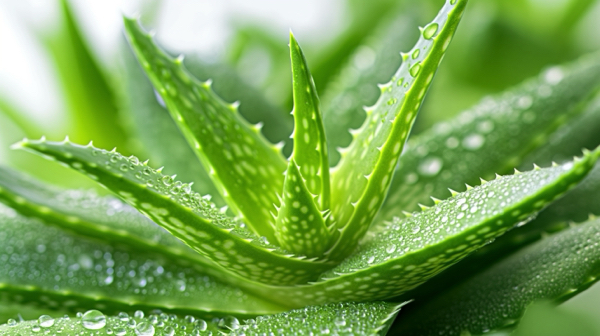
Aloe vera (Aloe barbadensis), a succulent plant with a history as rich as its healing properties, has been revered for centuries as a natural remedy for a wide range of ailments. Known for its thick, fleshy leaves filled with a clear, gel-like substance, aloe vera is a powerhouse of phytonutrients, vitamins and minerals. Its versatility has earned it a place in both traditional medicine and modern wellness practices.
Brief history of aloe vera
Aloe vera’s origins trace back to the Arabian Peninsula, where it was first discovered and cultivated. Historical records suggest that ancient civilizations, including the Egyptians, Greeks and Chinese, valued it highly for its medicinal properties.
The Ebers Papyrus, an Egyptian medical text dating back to 1550 BCE, mentions aloe vera as a treatment for skin infections and burns. Cleopatra is said to have used aloe vera gel as part of her beauty regimen, while Alexander the Great reportedly used it to heal his soldiers’ wounds. (Related: Aloe vera: Nature’s green elixir with science-backed health benefits.)
Today, aloe vera is grown in tropical, semi-tropical and arid climates across the globe. It thrives in regions like India, Mexico, the Caribbean and parts of the southern United States. However, its hardiness has also made it an invasive species in some areas, where it outcompetes native plants. Despite this, its cultivation remains widespread due to its commercial and medicinal value.
Nutritional profile and health benefits
Aloe vera is a treasure trove of bioactive compounds. Its gel contains over 75 phytonutrients, including vitamins (A, C, E and B12), minerals (calcium, magnesium, zinc and selenium), enzymes, amino acids and polysaccharides. Among its most notable compounds are acemannan, a polysaccharide known for its immune-boosting properties, and aloin, which has laxative effects. These active components all work synergistically to support health and wellness.
Aloe vera’s therapeutic applications are vast, spanning skin care, digestive health and immune support. Here are some of aloe vera's known health benefits:
- Skin health - Aloe vera gel is widely used to soothe sunburns, moisturize dry skin and promote wound healing. Its anti-inflammatory and antimicrobial properties make it effective for treating acne, eczema and psoriasis.
- Digestive health - Aloe vera juice is often consumed to relieve constipation, thanks to its laxative effects. It may also help soothe irritable bowel syndrome (IBS) and reduce acid reflux.
- Immune support - The polysaccharides in aloe vera can stimulate the immune system, helping the body fight infections and illnesses.
- Blood sugar regulation - Some studies suggest that aloe vera may help lower blood sugar levels in people with Type 2 diabetes.
- Oral health - Aloe vera’s antibacterial properties make it a natural remedy for gum disease and plaque buildup.
Aloe vera can be used both topically and orally. The gel extracted from its leaves can be applied directly to the skin to treat burns, cuts and rashes. When consumed, aloe vera juice or supplements can provide digestive and immune support. However, it’s important to note that the latex layer beneath the leaf’s skin contains aloin, which can cause adverse effects if consumed in large quantities.
Aloe vera is known by various names, including "burn plant," "lily of the desert" and "elephant’s gall." Its leaves are thick, green and lance-shaped with serrated edges. The gel inside is clear and slightly viscous, with a mild, slightly bitter taste. When processed into juice, it often has a refreshing, citrus-like flavor.
Culinary uses and recipe ideas
Aloe vera’s mild flavor and health benefits make it a versatile ingredient in the kitchen. Here are some recipe ideas that includes aloe vera gel:
- Aloe vera smoothie - Blend aloe vera gel with pineapple, spinach and coconut water for a hydrating, nutrient-packed drink.
- Aloe vera salad dressing - Mix aloe vera gel with olive oil, lemon juice and honey for a light, tangy dressing.
- Aloe vera detox water - Add aloe vera gel to water with cucumber slices and mint for a refreshing and detoxifying beverage.
- Aloe vera ice cream - Incorporate aloe vera gel into a coconut milk-based ice cream for a creamy, cooling treat.
In Mexico, aloe vera is often referred to as sábila and is a staple home remedy for digestive and skin issues. In India, it is commonly grown in household gardens and used in Ayurvedic Medicine to balance the body’s doshas. One anecdote from the Caribbean tells of fishermen rubbing aloe vera gel on their hands to prevent blisters and cuts while handling nets.
Aloe vera’s enduring popularity is a testament to its remarkable healing properties. From ancient civilizations to modern wellness routines, this succulent plant has proven its worth as a natural remedy for a variety of ailments. Whether used topically or consumed, aloe vera offers a wealth of benefits that make it a valuable addition to any health-conscious lifestyle.
This story is not medical advice and is not intended to treat or cure any disease. Always consult with a qualified naturopathic physician for personalized advice about your specific health situation or concern.
For more fascinating insights into superfoods and their natural wonders, visit NaturalNews.com. It’s a treasure trove of articles that will deepen your understanding of the healing power of foods.
If you’re into cutting-edge technology with a health twist, try Brighteon.ai. Created by Mike Adams, the Health Ranger, this AI model is a free download that you can run on your own device. It’s all about sharing knowledge freely and bypassing the filters of censorship.
And if you’re looking for a place to openly discuss everything from nutrition to natural remedies without any holds barred, Brighteon.com is your go-to spot. Don’t forget to check out their free speech social media platforms, Brighteon.IO and Brighteon.social, where the conversation is always lively and uncensored.
Watch this video to learn how to make aloe vera-infused drinks to support immune health.
This video is from the Alice's Healthy Bites channel on Brighteon.com.
More related stories:
Aloe vera: a holistic staple throughout history.
Aloe vera, honey and more: 10 Home remedies for itchy bug bites.
Aloe vera, apple cider vinegar and more: 12 Natural remedies for poison ivy.
Aloe vera: The plant of immortality with proven health benefits.
Aloe vera gel is better than fennel oil in treating diabetic ulcers.
Sources include:
Brighteon.ai
NaturalNews.com
Brighteon.com
Aloe vera: The ancient healing herb for modern wellness – NaturalNews.com
If you're gonna fight, fight like you're the third monkey on the ramp to Noah's Ark... and brother its starting to rain. Join our efforts to Secure America's Borders and End Illegal Immigration by Joining ALIPAC's E-Mail Alerts network (CLICK HERE)
-
03-22-2025, 12:37 AM #70Senior Member
- Join Date
- Aug 2018
- Posts
- 92,697
The gut-brain connection: Study suggests the gut microbiome could be key to solving the autism puzzle
03/21/2025 // Olivia Cook // 520 Views
Tags: ASD, autism, brain health, digestive health, discoveries, FMT, gastrointestinal health, goodhealth, goodscience, gut health, gut microbiome, gut microbiota, gut-brain connection, health science, Mind, mind body science, real investigations, research
- The gut and brain are connected through the gut-brain axis, which influences behavior, brain development and emotions.
- Early gut microbiome disruptions (e.g., antibiotic overuse, C-section birth) may contribute to ASD risk.
- Gut microbiome-based therapies, including FMT, probiotics and targeted bacterial treatments, show promise as ASD treatments.
- More research is needed to develop safe and effective gut microbiome interventions.
For years, autism spectrum disorder (ASD) has remained a complex neurological condition, puzzling researchers and families alike. But an emerging field of science is shedding light on a surprising connection: the gut microbiome.
In a study published in the journal Frontiers in Cellular and Infection Microbiology in July 2022, scientists uncovered compelling evidence that the trillions of bacteria living in your intestines – known as the gut microbiome – could play a crucial role in ASD. While genetics and environmental factors are well-established contributors to autism, research now suggests that gut bacteria might influence brain development, behavior and even symptoms of the disorder.
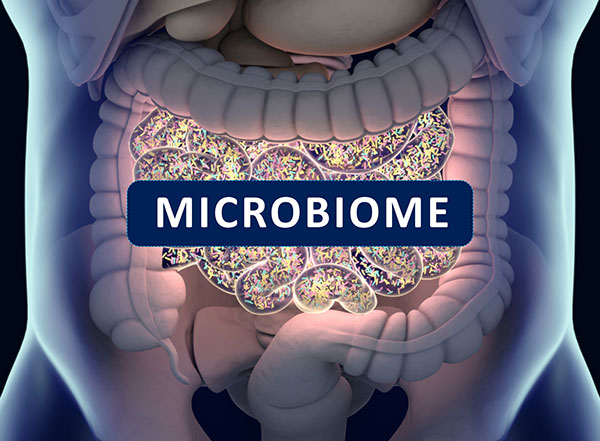
It may seem strange to think that the gut has anything to do with the brain but scientists have long known that the two are intimately connected through what is called the gut-brain axis. This communication network operates through hormones, the immune pathways and the nervous system.
The gut is home to the enteric nervous system (ENS), sometimes called the "second brain." It contains millions of neurons that interact with the central nervous system, particularly through the vagus nerve – a direct line from the gut to the brain. But nerves are not the only players in the system. The gut is also teeming with bacteria that produce neurotransmitters, including serotonin, which affect mood and cognition. In fact, nearly 90 percent of the body's serotonin is produced in the gut, not the brain.
This connection is so strong that disruptions in the gut microbiome have been linked to anxiety, depression and neurodevelopmental disorders like ASD. Now, scientists are asking a critical question: Could restoring the gut balance improve autism symptoms?
Gut microbiome imbalance may be linked to ASD
In the U.S., the prevalence of autism among children has risen over four-fold in the past two decades, from 6.7 cases per 1,000 (1 in 150) in 2000 to 27.6 per 1,000 (1 in 36) in 2020. ASD is characterized by challenges with communication, repetitive behaviors and social interaction. While no single cause has been identified, researchers are exploring how early gut microbiome development might shape the brain.
Studies suggest that gut microbiome imbalances, known as dysbiosis, may be linked to ASD. Several key factors influence this early microbial landscape, including the method of birth delivery, antibiotic overuse and diet.
Babies born vaginally receive their first major dose of bacteria from their mother's birth canal while those born via C-section (cesarean section) miss out on this exposure, potentially affecting their microbiome composition.
Similarly, early antibiotic use – while sometimes necessary – can disrupt the balance of good and bad bacteria, which may have long-term effects on brain development.
Diet also plays a crucial role. Gut bacteria break down fiber from food into short-chain fatty acids (SCFAs), which impact brain function. One of these SCFAs, butyrate, is considered beneficial because it supports brain health. Another, propionate, has been linked to changes in behavior and cognition. Some researchers suspect that an excess of propionate in the gut could contribute to ASD-like symptoms.
Modifying gut microbiome could alleviate ASD symptoms
Given the growing evidence, scientists are exploring whether modifying the gut microbiome could alleviate ASD symptoms. Several experimental therapies have shown promise in both animal and human studies.
One of the most talked-about treatments is fecal microbiota transplantation (FMT). This procedure involves transferring gut bacteria from a healthy donor to a recipient to restore microbial balance. In a small but groundbreaking study, children with ASD who underwent FMT not only showed improvements in gastrointestinal issues but also experienced significant behavioral improvements that persisted for up to two years.
Another potential therapy involves probiotics and prebiotics – live beneficial bacteria and the fibers that feed them. While some studies have suggested these supplements may help regulate gut bacteria in ASD patients, more research is needed to determine which bacterial strains are most beneficial. (Related: Gut health for your brain: Probiotics, prebiotics found to manipulate the gut in obese and insulin-resistant individuals, restoring cognitive function.)
Targeted therapies, such as bacteriocins and bacteriophages, are also being explored. Bacteriocins are antimicrobial peptides that selectively kill harmful bacteria, while bacteriophages are viruses engineered to attack specific bacterial strains. These therapies could offer a more precise approach to restoring a healthy microbiome without the broad, indiscriminate effects of antibiotics.
Lifestyle changes, including diet and exercise, are also being considered as part of a broad strategy to support microbiome health. A high-fiber diet, rich in fruits and vegetables and whole grains, encourages the growth of beneficial gut bacteria, while regular exercise has been shown to enhance microbial diversity.
Watch this video to learn about the real cause of autism.
This video is from the Daily Videos channel on Brighteon.com.
More related stories:
Gut-brain connection in individuals with autism CONFIRMED by scientific data.
Autism linked to deficiency in healthy gut bacteria: Research.
From leaky gut to longevity: Dr. Basima Williams unveils how gut health impacts your immune system and aging.
Sources include:
PMC.NCBI.NLM.NIH.gov1
HMS.Harvard.edu
JAMANetwork.com
PMC.NCBI.NLM.NIH.gov2
FrontiersIn.org
Brighteon.com
The gut-brain connection: Study suggests the gut microbiome could be key to solving the autism puzzle – NaturalNews.com
If you're gonna fight, fight like you're the third monkey on the ramp to Noah's Ark... and brother its starting to rain. Join our efforts to Secure America's Borders and End Illegal Immigration by Joining ALIPAC's E-Mail Alerts network (CLICK HERE)


 Reply With Quote
Similar Threads
-
Half of Greenland's Warming Tied to Natural Causes NATURAL CAUSES?!?! NATURAL CAUSES
By AirborneSapper7 in forum Other Topics News and IssuesReplies: 4Last Post: 05-08-2014, 11:50 AM -
NATURAL BORN FOLLOWS THE NATURAL BIRTH FATHER
By AirborneSapper7 in forum Other Topics News and IssuesReplies: 3Last Post: 04-19-2011, 09:49 PM -
Experts: Placebo power behind many natural cures
By JohnDoe2 in forum Other Topics News and IssuesReplies: 1Last Post: 11-10-2009, 11:03 PM -
Natural Cancer Drug Called CELLADAM Cures Cancer
By CCUSA in forum Other Topics News and IssuesReplies: 0Last Post: 01-23-2009, 04:47 PM -
DRUG COMPANIES USE NATURAL CURES TO DESIGN NEW DRUGS
By Darlene in forum Other Topics News and IssuesReplies: 0Last Post: 03-18-2006, 08:43 PM
Tags for this Thread
alternative medicine,
balance,
chinese herbal medicine,
clean-foods-organics,
cures,
daniel reid,
goodhealth,
goodmedicine,
healing,
herbal medicine,
herbs,
history,
holistic,
natural cures,
natural health,
natural medicine,
naturalnews.com,
plant medicine,
prevention,
qi,
real history,
remedies,
tcm,
traditional chinese medicine,
yin and yang


Debt Remembered And Debt Ignored | The debt paid by America’s...
05-25-2026, 04:13 PM in General Discussion