

Results 10,301 to 10,310 of 11923
 226Likes
LinkBacks (?)
-
12-26-2016, 11:32 AM
-
09-02-2016, 05:39 PM
-
whole garden made with pallets!! Love it!! | Pallets | Pinterest | Pallets, Pallets Garden and Wooden Pallets
Refback This thread03-06-2016, 11:30 AM -
10-20-2015, 05:29 PM
-
06-12-2015, 08:00 PM
-
02-26-2015, 01:58 PM
-
01-05-2015, 04:13 PM
-
12-19-2014, 10:19 AM
-
EMERGENCY: HUGE FEMA PANDEMIC EXERCISE IN USA IN NOVEMBER, INTERNET SHUT DOWN PART OF EXERCISE | Prepare4Survival
Refback This thread12-03-2014, 10:39 PM -
Off Grid World ? Ugly Duckling Shipping Container Home Built by Artist Is a Beautiful Swan on the Inside
Refback This thread11-25-2014, 03:10 PM -
11-17-2014, 10:59 PM
-
11-13-2014, 11:18 AM
-
11-09-2014, 02:54 PM
-
10-28-2014, 11:38 PM
-
10-26-2014, 05:54 AM
-
10-16-2014, 11:28 AM
-
10-03-2014, 01:25 PM
-
10-02-2014, 09:16 PM
-
09-26-2014, 07:00 PM
-
09-26-2014, 01:56 PM
-
09-19-2014, 04:46 PM
-
09-13-2014, 05:49 AM
-
09-05-2014, 01:52 PM
-
09-01-2014, 09:39 AM
-
08-30-2014, 06:29 PM
-
08-10-2014, 06:29 AM
-
08-04-2014, 05:07 PM
-
07-23-2014, 11:14 AM
-
New Evidence on Expiration Dates | Medical Preparedness | Doom and Bloom (TM) | Doom and Bloom (TM)
Refback This thread07-22-2014, 10:10 AM -
07-18-2014, 08:37 PM
-
07-15-2014, 04:57 PM
-
07-11-2014, 01:40 AM
-
04-22-2014, 11:14 AM
-
04-18-2014, 12:57 PM
-
04-18-2014, 10:10 AM
-
04-14-2014, 12:18 AM
-
04-12-2014, 02:28 AM
-
03-02-2014, 11:43 PM
-
12-24-2013, 11:59 PM
-
12-07-2013, 11:04 PM
-
kitchen | Cob
Refback This thread11-25-2013, 03:24 PM -
10-22-2013, 10:25 PM
-
Apple Pie Braid | Sweets
Refback This thread09-26-2013, 07:58 AM -
09-02-2013, 04:44 PM
-
5 Reasons Why You May have to Bug Out Even Though You Don’t Want to | The Apartment Prepper's Blog
Refback This thread08-23-2013, 03:20 PM -
06-27-2013, 06:30 AM
-
06-23-2013, 08:11 PM
-
06-17-2013, 11:21 PM
-
05-24-2013, 05:06 PM
-
To Eat / BASIC LIST / SUGGESTED ITEMS FOR LONG TERM SURVIVAL - Page 275 - ALIPAC
Refback This thread05-01-2013, 03:49 AM
Thread Information
Users Browsing this Thread
There are currently 1 users browsing this thread. (0 members and 1 guests)
 LinkBack URL
 About LinkBacks
-
07-14-2025, 04:30 AM #10301Senior Member


- Join Date
- Aug 2018
- Posts
- 97,516
Pumpkin Spice Latte FOR DOGS
Unboxing GoPro 16x9 Hook2

Pumpkin spice latte for dogs🐶 #shorts #youtubeshorts #recipe #dogfriendly
1.7K views

You HAVE to make this Pumpkin Spice Latte for Dogs!🎃 My pup loves it!
542 views

Pumpkin Spice Latte for Dogs!#dog #fall #pumpkin #shorts
80 views

Make a dog-approved Pumpkin Spice Latte
968 views

Have you ever seen a Dog Friendly Pup-Kin Spice Latte?! 🤩🎃🎤 #psl #doglover #recipe #dog #fall
11K views

Pumpkin Spice Latte for the puppy #pumpkinspiceeverything #pupcup #puppylife
674 views
Shorts

Fur tastic Fall: Dogs First Pumpkin Spice Latte Experience
76 views

Pumpkin spice lattes with the dog daycare pups! Part 2.
521 views
Pumpkin spice latte for dogs🐶 #shorts #youtubeshorts #recipe #dogfriendly
1.7K views
If you're gonna fight, fight like you're the third monkey on the ramp to Noah's Ark... and brother its starting to rain. Join our efforts to Secure America's Borders and End Illegal Immigration by Joining ALIPAC's E-Mail Alerts network (CLICK HERE)
-
07-14-2025, 04:33 AM #10302Senior Member
- Join Date
- Aug 2018
- Posts
- 97,516
PINE TEA: Antidote and other Elixirs
Sun 6:18 pm +00:00, 31 Oct 2021 1posted by Weaver

Intro by Dr. Ariyana Love
https://tryblue.org/collections/try-blue
(Updated: June 24, 2021)
Front line doctors and medical experts dropped a bombshell in late April 2021, revealing matters of national security for all nation states. Transmission between the Covid-19 vaxxed and unvaxxed is causing Adverse Reactions in people who did not take the injection. Experts revealed that transmission is happening at a rapid rate and without skin to skin contact.
Covid shots are not vaccines but experimental bioweapons and this is expert consensus. It’s not just viral shedding as we thought but transmission potentially of spike protein that’s causing Adverse Reactions in the unvaxxed. The cells of the vaxxed are now coded to produce the synthetic pathogen they were injected with using lipid-nanoparticles. This is clearly gain-of-function weaponry.
It was also unanimous consensus of medical experts that the vaxxed should be quarantined because transmission is believed to be airborne.
Dr. Judy Mikovits mentioned the antidote in a video titled “Suramin” is the antidote to the bioweapons and transmission. You can obtain enough from pine needle tea (pine, spruce, cedar and fir)“.
The truth was censored by Youtube.
The possible antidote to transmission is called Suramin. But Suramin is the pharmaceutical version of Shikimic Acid called Shikimate. It’s found in Pine, Spruce, Fir and Cedar needles, according to Dr. Mikovits. She explained in this censored interview that you can get enough of the *antidote* by drinking pine tea.
Pine needle tea offers an inhibitory effect against components of the coagulation cascade and against the inappropriate replication and modification of RNA and DNA. It also offers an inhibitory effects against blood platelet aggregation and clotting.

We now know that the Covid-19 “spike protein” does not remain in the injection site but travels through the blood, entering and attacking first the vascular system. It coagulates the blood causing blood clots in the brain (embolisms), coronary thrombosis (heart strokes) and pulmonary embolisms (lung strokes). This “spike protein” is also collecting in ovaries and testes and rendering women and men infertile. Transmission is causing innocent bystanders to have adverse reactions of miscarriages, unusual heavy bleeding, uterus shedding and God knows what else will come.
Pine needle tea is one of the most potent anti-oxidants known to man and it’s a super food. You can pluck it right off the tree and eat the tips. Pine needle oil is known to treat cancer, inflammation, pain of all kinds and respiratory infections like pneumonia, influenza and Coronavirus’. Pine needle tea kills parasites an, energizes you from your first cup.
Possible Antidote for the V-Serum and the Current Spike Protein Contagion
Dr. Judy Mikovits (1 min. MP4 censored by You Tube) has revealed that the medical establishment has known all along about the antidote to the contagion – a contagion that is now being seen today by thousands of people who have not taken the serum, but have merely come in close proximity with others who have taken the jab.
(The word “serum” is being used here since, evidently, the way to avoid taking the jab is to say “I am allergic to the serum”.)
When the medical establishment and political promoters want to exempt themselves from taking inoculations, they always give themselves a legal way out, while pushing the “citizenry” to take the jabs.
“I am allergic to the serum” is one of their solutions.
Taking the serum is one thing. The spike protein contagion now being experienced in large numbers by those who did not take the serum, but just visited with a relative or friend who did, is entirely new and unprecedented.
What are the side effects being seen by this contagion?
- massive headaches
- micro-clots and sudden bruising throughout the body
- exceptionally heavy menstrual cycles among both the young and post menopausal
- miscarriages
- reduction in breast milk
- sterility among both women and men
- household pets dying shortly after the owners get the serum.
The Antidote to the Contagion
This antidote to the contagion, that has been known of by the upper levels of the medical establishment and insiders of the elitist class for almost 100 years, is called Suramin, an isolated compound originally derived from an extract of pine needle oil.
It is only available by injection, and has been a closely guarded secret not made openly available to the masses during this “pandemic”, yet is an effective solution for parasites and viruses of several kinds, along with a large number of other conditions.
The Trail from Suramin to Pine Needle Tea
Here is the trail of science and data that shows the derivative relationship between pine needles and Suramin (“the elist’s antidote” to microbial illnesses) – and which also provides a potential antidote for those affected by the spike protein contagion (for reasons explained within the following data):
https://en.wikipedia.org/wiki/Suramin
Read the entire article here.
https://tryblue.org/blogs/news/pine-...n-transmission
PINE TEA: Antidote and other Elixirs |If you're gonna fight, fight like you're the third monkey on the ramp to Noah's Ark... and brother its starting to rain. Join our efforts to Secure America's Borders and End Illegal Immigration by Joining ALIPAC's E-Mail Alerts network (CLICK HERE)
-
07-14-2025, 04:37 AM #10303Senior Member
- Join Date
- Aug 2018
- Posts
- 97,516
30-06 at 3023yards - YouTube
30-06 at 3023yards
2.9M views
MarkandSam AfterWork
491K subscribersIf you're gonna fight, fight like you're the third monkey on the ramp to Noah's Ark... and brother its starting to rain. Join our efforts to Secure America's Borders and End Illegal Immigration by Joining ALIPAC's E-Mail Alerts network (CLICK HERE)
-
07-14-2025, 04:40 AM #10304Senior Member
- Join Date
- Aug 2018
- Posts
- 97,516
30-30 vs 308 vs 30-06 - Cinder Block Test - YouTube
30-30 vs 308 vs 30-06 - Cinder Block Test
3.7M views
Jul 5, 2018
WHO_TEE_WHO
599K subscribersIf you're gonna fight, fight like you're the third monkey on the ramp to Noah's Ark... and brother its starting to rain. Join our efforts to Secure America's Borders and End Illegal Immigration by Joining ALIPAC's E-Mail Alerts network (CLICK HERE)
-
07-14-2025, 04:46 AM #10305Senior Member
- Join Date
- Aug 2018
- Posts
- 97,516
Recipe for Turkish Pide in the OVEN! How to cook a delicious dinner from Wheat? - YouTube
#pide #meat #recipe
Recipe for Turkish Pide in the OVEN! How to cook a delicious dinner from Wheat?
2.9M views
Aug 17, 2021
WILDERNESS COOKING
6.7M subscribersIf you're gonna fight, fight like you're the third monkey on the ramp to Noah's Ark... and brother its starting to rain. Join our efforts to Secure America's Borders and End Illegal Immigration by Joining ALIPAC's E-Mail Alerts network (CLICK HERE)
-
07-14-2025, 05:54 AM #10306Senior Member
- Join Date
- Aug 2018
- Posts
- 97,516
Ham Radio for Preppers: The Complete Guide
If the grid fails, it will take away our ability to communicate with it. Everyone outside walking distance will fade to memories if we can no longer reach out.
The convenience of simply picking up a phone to communicate will suddenly vanish. This ham radio guide for preppers will re-open communication channels around the block and around the world.
Ham radio is one of the few forms of emergency communication for information exchange across vast distances. From simple verbal communication to the exchange of text to the sharing of images, ham radio can do it all.
You just need to know the best type of radio to use, especially when the cell phones are turned off and the televisions are silent.
Overall, the ability to share information and intelligence could mean the difference between comfort and concern when you are no longer in touch with the rest of the world.
How to Use Ham Radios When SHTF?
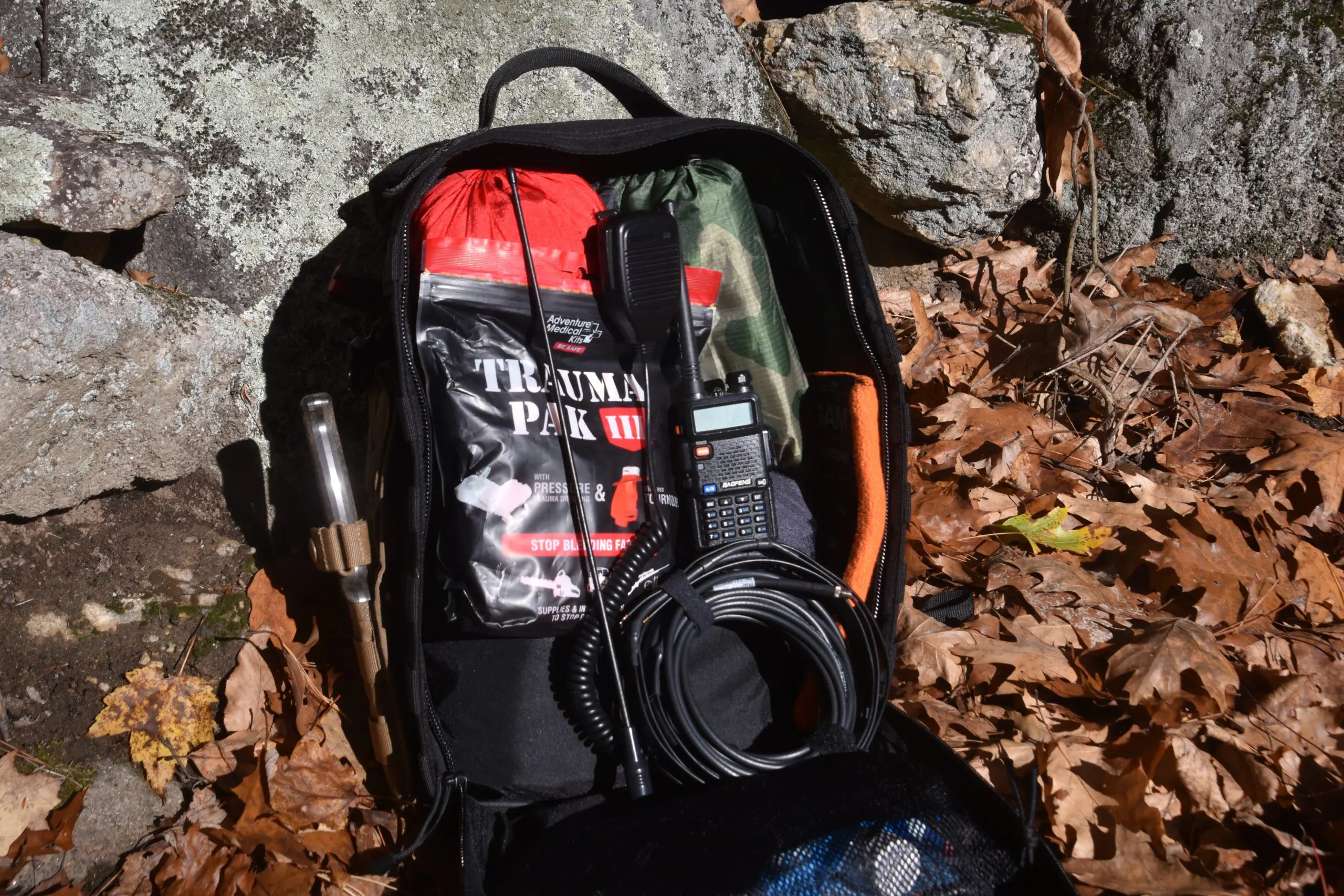
Information exchange is vital to our success during SHTF. Whether it’s knowing what’s happening over the next hill or across the country, information provides a complete picture of the world.
Undeniably, CB radios and walkie-talkies are okay for talking across your property or your town, but that’s the extent of their capabilities.
In most cases, especially for “blister-pack” walkie-talkies, their range is severely overstated. In contrast, ham radios, with their increased wattage, improved antennas, and additional frequencies, can reach the edge of the horizon and beyond.
Ham radio allows you to communicate over various distances.
- Line of sight distances: approximately 0–60 miles, depending on many factors
- UHF/VHF, also called 2-meter/75-centimeter, also called 144 MHz/440 MHz
- These frequencies often use repeaters to extend their range by receiving a signal and then repeating the signal at separate frequency
- NVIS: approximately 500 miles using specialized antennas
- HF 6- to 160-meters some bands are better suited for NVIS than others
- Around the country and the world
- HF bands 6- to 160-meters
- HF bands 6- to 160-meters
Ham Radio Modes
First, when thinking about ham radio, we often associate it with only talking into a microphone. There is value in verbal communication.
From warning signals at checkpoints to welfare checks with neighbors, during the SHTF, there will be times when sending a runner is too slow or impossible. Without a doubt, ham radio wins every time.
Additionally, ham radios, with the proper equipment, can also trade text messages during SHTF. The advantage of these protocols is that they employ error correction.
This increases the probability that your message gets through accurately. Unlike voice, which can be subject to interpretation, text messages are much easier to understand.
Finally, there are more fringe aspects of ham radio related to intelligence gathering. Again, with the right equipment, you can not only trade text but also images. You can also download NOAA weather maps and satellite imagery.
During a grid-down event, what would you give to see tomorrow’s weather? How about tracking down the source of a local broadcast? These are all part of ham radio.
Ham Radio Licensing Requirements
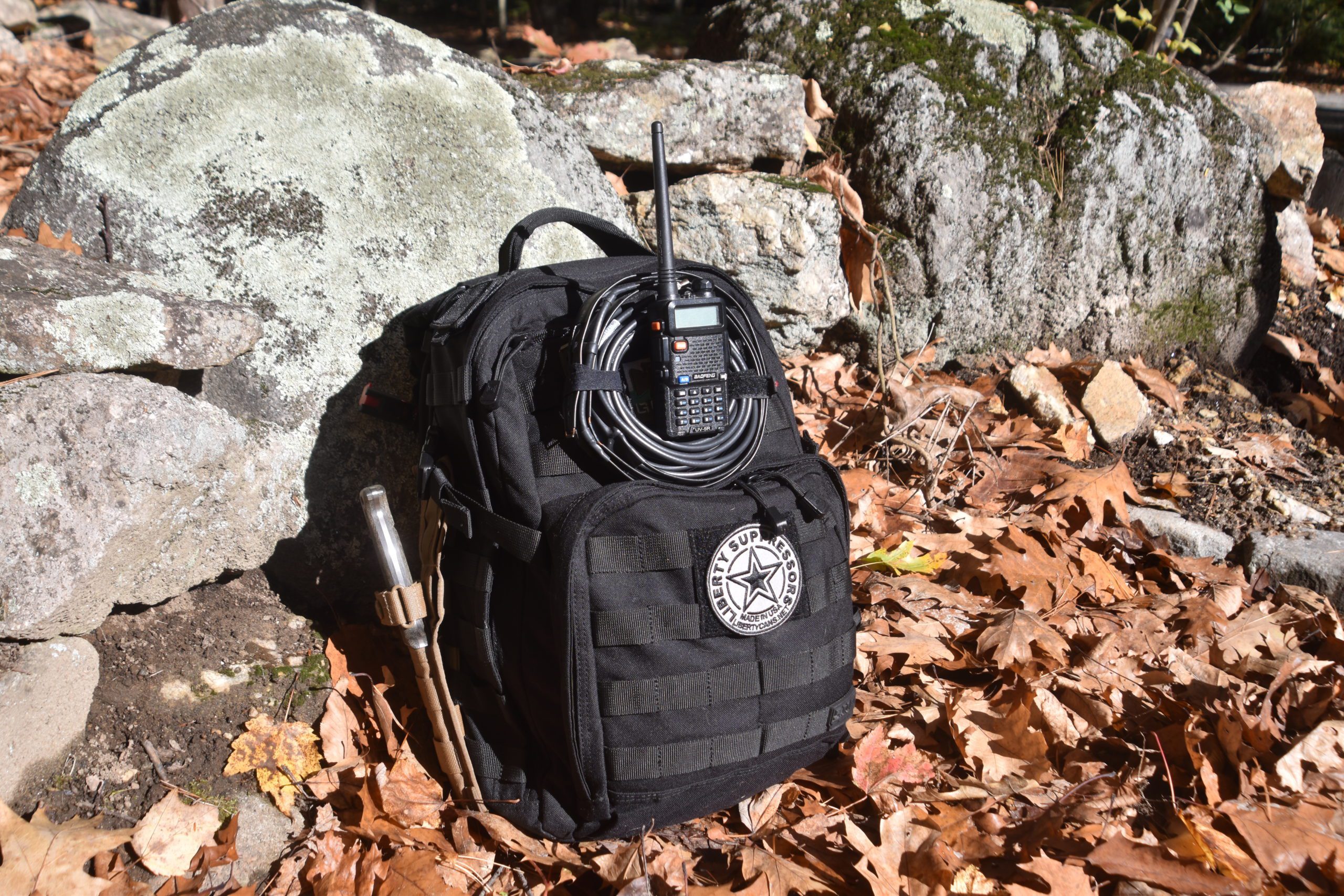
Unlike FRS or MURS, ham radio requires a license. Technically, GMRS requires a license, but it’s an easy pay-to-play license.
You must have a ham radio license to broadcast. If you want to talk, you need to be licensed. You can have all the equipment in the world to listen.
But to key up, you need your ticket. One caveat to the licenses. During an emergency, you don’t need one. However, ham radios have a learning curve, so it’s best to get licensed and practice now before you need these skills.
If you can read and memorize a few basic concepts, then the only thing between you and a ham license is a few hours of studying. One other note: the requirement to know Morse code was removed many years ago.
Technician License
The entry-level ham ticket is a technician license. At this level, operators may use most “line of sight” frequencies. This includes the 2-meter and 75-centimeter bands.
The one high-frequency band where access is granted is the 6-meter band. While this band isn’t too popular, it will grant you long-distance communications.
2 m and 75 cm are used for short distances. Often, you will find dual-band radios that cover both frequencies. We will get into this in a bit.
General License
The general ham license is the sweet spot for preppers. With a general license, you get access to most of the amateur-allowed HF spectrum. These frequencies include 10m up to 160m (and a few others).
These frequencies give you the ability to work long distances and around the world. With the right equipment (radio, antenna, etc.), the communication world is your oyster. Heat up the clouds and prepare to share information!
Extra License
The extra license opens up a few additional radio frequencies for the amateur operator. Once you get into ham radio, you will need to decide if the additional studying is worth it.
radio frequencies
Ham Radio Testing and Resources
The great thing about studying for your ham radio license is that it’s pretty easy. Each test (technician, general, and extra) comprises a round of multiple-choice questions. Even better, they give you the entire question pool to study!
For the technician and general tests, there are 35 questions, and you need to get 26 or more correct to pass. The test pools for each are 423 and 454 questions, respectively. If you have the mind to, you can memorize them.
If memorization isn’t your thing, there are several guides, websites, and applications that can help you study.
First, you can download them directly from the source. The American Radio Relay League (ARRL) hosts the test for the Federal Communications Commission (FCC). They have links to download the question pools directly.
If you prefer to read your study materials or listen to audiobooks, there are too many books to count.
SALE
Ham Radio Exam Prep: A License Manual and Study Guide for the Amateur Radio General Class and Radio Technician Tests with 100 Test QuestionsSALE
- Team, Ham Radio (Author)
- English (Publication Language)
- 308 Pages - 12/06/2019 (Publication Date) - Newstone...

No Nonsense General Class: License Study Guide: For Tests Given Between July 2019 and June 2023
- Audible Audiobook
- Dan Romanchik (Author) - Dan Romanchik KB6NU (Narrator)
- English (Publication Language)
$14.95 −$1.87 $13.08
As you would expect, there are also study apps for your phone. Just hit the Apple or Google stores for the one that fits your style of learning.
Finally, local ham radio clubs often offer “Technician\General in a Weekend,” where you dedicate a few days to learning and you test at the end of the event.
I’ve always heard great things about these classes and know several people who have passed with flying colors after only these few days of prep.
Types of Ham Radios
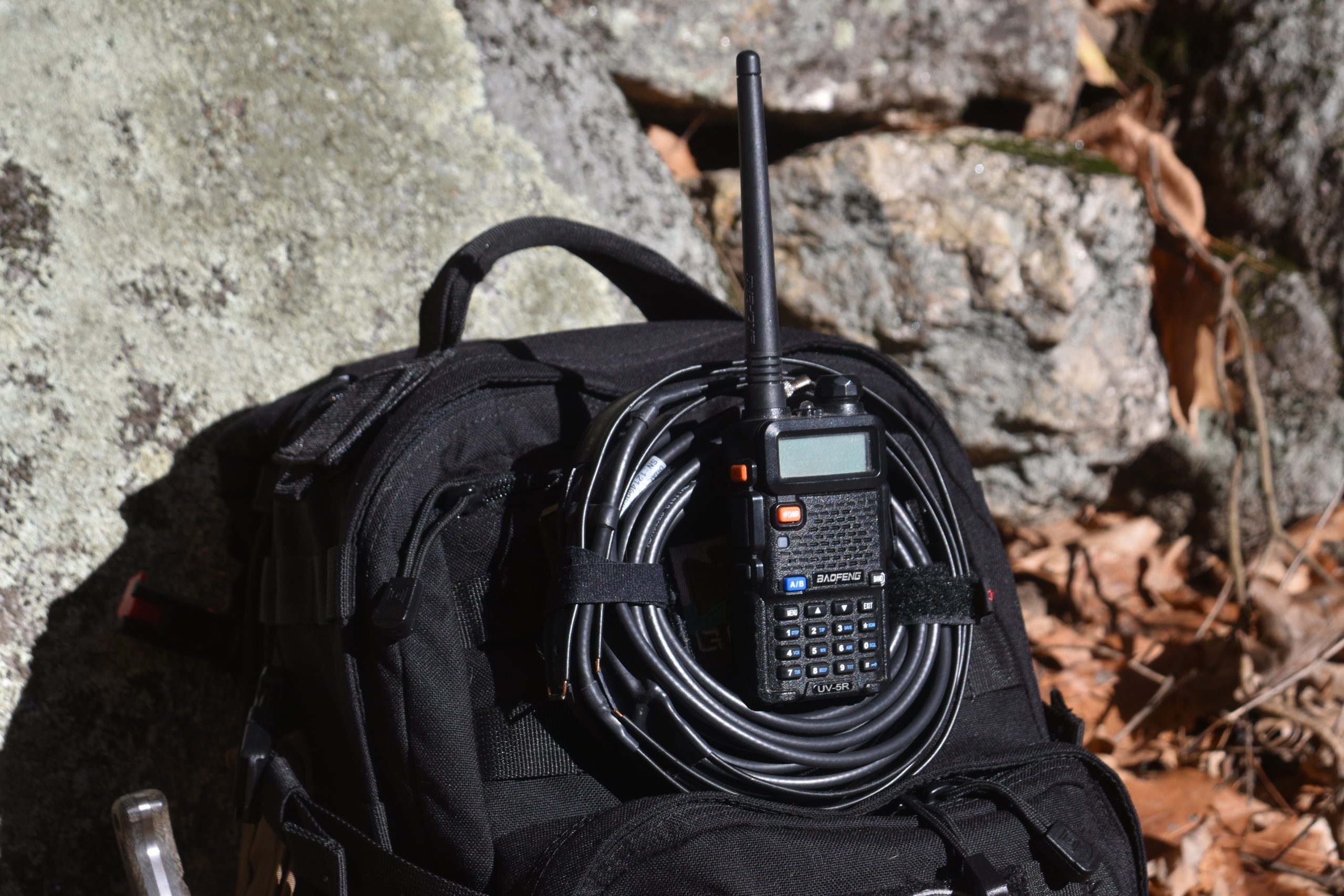
We differentiate radio systems by the frequencies they cover, their form factor (size), and the additional features they have.
Here are some of the most common types of ham radio systems:
Handi-Talkies
Handi-talkies can also be called walkie-talkies by non-ham’s. A handi-talkie is best classified as one of the smallest emergency radios you can purchase.
As their name suggests, these radios are sized to be portable and fit nicely in your hand. Most are low-powered (2–10 watts) and support the UHF and VHF bands.
This means that you are limited in your line of sight. In reality, these reach out to a maximum of 30 miles if the conditions are perfect.
One advantage of handi-talkies over blister-pack walkie-talkies is that the antennas are interchangeable. Simply put, the bigger the antenna, the better your ability to transmit and receive.
Most short antennas will get you out a few miles. Replace this with a ¼ wave or ½ wave antenna, and you will achieve the maximum your radio offers.
Most handi-talkies are fairly limited in their functionality. As the price goes up, you can get features such as digital modes.
Mobile
Mobile radios are the next step up in size and functionality. Most mobile radios are well suited to fit in a vehicle or as a mini base station.
The additional size allows the radios to push a little more power. Many mobiles can push 50 or more watts.
As they are designed to fit into a vehicle, they don’t come with a power supply and rarely come with an antenna. You will need to provide a 12-volt source. This can be a battery or a dedicated power supply (if you are using it as a base station).
There are a myriad of antennas. You simply need to mate up the connector the radio requires with your antenna.
Mobile radios usually cover at least 2 meters or 75 centimeters, often both. There are several on the market that provide HF frequencies as well.
Be prepared to pay for these radios, though. Finally, there are several that you can configure as repeaters.
Base Stations
Base stations are where you gain the ability to reach out and touch someone.
Larger size, more power, and better electronics provide functionality that you can’t achieve in smaller radios. Many output 100 watts and cover many of the high-frequency bands. But that’s just the beginning.
With the additional size, base stations can dedicate space to advanced displays and digital signal processors. The processors filter out transmission noise and bring out even the faintest of signals.
A base station can be a hefty investment. But it doesn’t stop there. When you buy the transceiver, you are only getting the radio.
You will also need to purchase a power supply, an antenna, an antenna tuner, and speakers. And you may wish to upgrade the microphone by adding an amplifier. Don’t forget the computer so you can take advantage of all the cool digital modes!
Where to Buy a Ham Radio
If you are a beginner operator, I highly recommend only purchasing new radios or used ones from an experienced and trusted source.
Basically, radios are too expensive to risk getting one that requires repairs or has a spotty history.
Luckily, there are several brick-and-mortar as well as online shops that carry a wide variety of new radios.
Home Radio Outlet (HRO)
Ham Radio Outlet is one of the largest ham-specific online retailers with a physical presence. Indeed, with stores from the west coast to the east coast, there is bound to be one in your area. If not, check out their online store.
Amazon
The ubiquitous Amazon.com has a wide variety of major brands, from ICOM to Yeasu, to AnyTone. In fact, when the Baofeng craze hit the prepper community, you could buy them at Amazon for a price affordable to any prepper.
BESTSELLER NO. 1
Ham Radio Baofeng Radio Long Range AR-5RM 10W Handheld NOAA Emergency Weather Radio 999CH Rechargeable Walkie Talkies with Programming Cable,USB-C Charging for Survival Gear Hunting Camping,2 PackBESTSELLER NO. 2
- Professional Ham Radio:The receiving frequency...
- Multiple Charging Methods:Each Radio equippend with USB-C...
- Frequency Copy:You can easily copy the frequency of other...
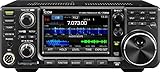
ICOM 7300 02 Direct Sampling Shortwave Radio Black
- 100W (25W AM) Output power
- 0.030-74.800 RX frequencies
- Receiver type: Direct sampling
BESTSELLER NO. 3$1,199.95

ARRL Ham Radio License Manual 5th Edition – Complete Study Guide with Question Pool to Pass the Technician Class Amateur Radio Exam
- ARRL Inc. (Author)
- English (Publication Language)
- 256 Pages - 06/16/2022 (Publication Date) - ARRL The...
Ham Radio Flea Markets
Next, I’d be remiss if I didn’t mention ham flea markets. On one hand, these events are a wonder to behold. On the other hand, they are paralyzing to the novice due to their enormity.
I’ve never seen so many radios, accessories, and components in one place. Most of the gear is used. It is best to go with an expert who can help you assess anything you want to purchase.
Ham Clubs and Silent Keys
Finally, there are local clubs. Throughout my life, I’ve been the beneficiary of others’ generosity. I’ve also tried to share and give in return.
Not only are ham clubs some of the best places to learn, but everyone seems to have a spare accessory or two. Sometimes you can get the best value if club members know you are just starting out and looking to invest or upgrade.
When a ham operator passes away, club members refer to them as a silent key. When an operator passes, their family can be eager to sell or pass along their gear to another enthusiast.
Recommended Prepper Ham Radios
Let’s look at some of the most popular ham radios for preppers.
Baofeng UV Series
I firmly believe that the inexpensive Baofeng radios started the recent prepper communication drive. While they aren’t the most rugged radios or the easiest to program, they are inexpensive.
Comparatively, you can buy 3 or 4, plus accessories, for the cost of one of the other radios on this list. For that price, they are disposable. They also have a huge following, which means there are lots of resources to learn from.
The Baofeng BF-F8HP is the third generation of this dual-band (2-meter and 75-centimeter) UV-5R.
SALE
BaoFeng BF-F8HP (UV-5R 3rd Gen) 8-Watt Dual Band Two Way Radio (136-174MHz VHF & 400-520MHz UHF) Includes Full Kit with Large Battery
- Upgrades from our Previous Generation UV-5R: Twice the...
- High / Med / Low Power Settings (8W, 4W, 1W); Frequency...
- The BF-F8HP was designed in the USA and because not everyone...
When you purchase one, get a programming cable and a larger antenna.
The programming cable lets you quickly program this otherwise unwieldy radio.

BTECH PC03 FTDI Universal Plug & Play USB Programming Cable for BTECH, Baofeng, Kenwood Radios - Compatible with UV-5R, BF-F8HP, GMRS-V2, UV-82HP & More - Easy Setup, No Driver Needed
- The PC03 is the recommended hassle free radio programming...
- The PC03 is the genuine USB programming cable you want for...
- Unlike the common "clone" USB programming Cables available...
An improved antenna will get everything possible out of this radio, including increased reception and transmission range.

Authentic Genuine Nagoya NA-771 15.6-Inch Whip VHF/UHF (144/430Mhz) Antenna SMA-Female for BTECH and BaoFeng Radios
- Enhanced Signal Strength: The Nagoya NA-771 Dual Band...
- Rugged and Flexible Design: Ideal for outdoor enthusiasts,...
- Precision Engineered for Peak Performance: Each Nagoya...
If you want some extra reach in a small package, invest in a dual-band J-pole roll-up antenna.
Other Handi-Talkies
Upgrading from the Baofeng, there are several radios from Yeasu, ICom, and Kenwood. A great option is the Yeasu FT-65. This handi-talkie is also dual-band and 5 watts. It is more rugged, with an IP54 rating.

Yaesu Original FT-65 FT-65R 144/440 Dual-Band Rugged & Compact Handheld Transceiver, 5W - 3 Year Warranty
- VHF/UHF Commercial Grade Dual Band Handheld Transceiver -...
- Three Selectable TX Power settings (5 W (High)/2.5 W...
- Large White LED Flashlight, Alarm and Quick Home Channel...
The ICom IC-T70A has a similar set of features to the Yeasu, including dual-band, 5 watts, and the ability to store over 300 frequencies.
Mobile Radios
Moving up to mobile radios, you get more bang for the buck. The AnyTone AT-778UV is a dual-band transceiver. It can push 25 watts in a compact package.

AnyTone AT-778UV Dual Band Transceiver Mobile Radio VHF/Uhf Two Way Radio
- AnyTone AT-778UV Ham Radio adopt superior quality material,...
- AnyTone AT-778UV Mobile Radio is complied with Federal...
- 25W/15W/5W DualBand VHF/UHF Mobile Radio Transceiver! 180...
For a compact and rugged single-band (144 MHz) radio, I recommend the Yeasu FT-2980R single-band transceiver. This radio has the ability to push 80 watts at its maximum settings.
SALE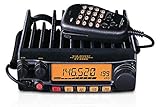
FT-2980R FT-2980 | Original Yaesu 144 MHz Single Band Mobile Transceiver | 80 Watts | 3 Year Manufacturer Warranty
- Massive Heatsink guarantees 80 Watts of RF Power with No...
- Excellent Receiver Performance - Alpha-Numeric Channel...
- CTCSS and DCS Encode/Decode Built in - Versatile Scanning...
$399.00 −$29.01 $369.99
For the complete mobile solution, there is the Yeasu FT-891. This mobile package covers 6-meters to 160-meters and can transmit with 100 watts of power.

FT-891 FT891 Yaesu Original FT-891 HF/50 MHz All Mode Analog Ultra Compact Mobile/Base Transceiver - 100 Watts - 3 Year Warranty
- Stable 100 Watt Output!
- Compatible With ATAS-120A Automatic Tune Antenna!
- All Mode Operation - AM - FM- USB - LSB - CW
$779.95
In contrast to the other radios here, the FT-891 has a detachable head (screen) that lets you mount the radio where it is convenient and the head where it is visible.
While it may be true that this radio has the price tag of some base stations, it also has these capabilities in a much more portable package.
Beginner Base Station
Base stations represent a major investment in your ham radio hobby. With that in mind, I’ll recommend a simple base station that is fully functional but not overkill.
The ICom IC-718 is an all-band radio that covers 10-meters to 160-meters. Comparatively, it doesn’t have the digital signal processing features (e.g., noise reduction) or digital modes of more full-featured radios.
It also does not have digital modes like its big brothers. Where it lacks in features, it gains in simplicity.
In comparison to the experts, as a beginner ham, you will benefit from the ease of use of the IC-718. Instead, as you journey farther down the path, you will learn more and benefit from the advanced features of other radios.
Learn the basics now and invest in advanced tools later.
Ham Radio Training Opportunities
Ham radio skills are perishable. Specifically, if you don’t use them, you’ll lose them. In this case, you need training.
The good news is that ham radio is a popular hobby, and there are several organizations dedicated to keeping skills sharp.
The Amateur Radio Emergency Service (ARES) and the Radio Amateur Civil Emergency Service (RACES) are both civilian organizations dedicated to the use of ham radios during emergencies.
Both groups practice regularly and hold local and national events dedicated to both basic and advanced skills, such as passing simple messages and coordinating complex networks for data exchange.
The prepper community has its very own radio organization for communications. Specifically, I’m talking about the American Redoubt Radio Operators Network (AmRRON).
AmRRON is a collection of prepper radio operators. AmRRON has formalized radio communication through frequencies, time windows, and digital modes.
Chiefly, they host formal networks where operators practice exchanging situation reports in both spoken and digital forms. For the past several years, they have hosted T-Rex, an annual exercise based on potential nation-wide grid-down events.
Each T-Rex event selects a potential disaster and presents a week’s worth of build-up with mock-news reports sent via the internet and radio.
Next, as the event builds, it kicks off for real with the announcement that the grid has failed, and they instruct you to power down your house and, in a similar fashion, power up your communication gear.
Finally, over the weekend, the networks operated according to AmRRON’s operating instructions. I’ve never seen a more professionally run exercise. Even if you don’t take part fully, you can gain a lot by just following along.
Saying 73 to Ham Radio for Preppers
Communication is something that we take for granted. We use cell phones. Radios are always on in the background. The television is always on. The internet is a constant and consistent form of connection between us.
But what if the lights go out, the internet goes down, and all radio services stop? How will you communicate?
Ham radios for preppers are one of the best methods for exchanging information when all the familiar methods have gone. It takes tools.
It takes knowledge. Most importantly, it takes proficiency. Undeniably, there is no better time than now to start on your path to communicating with ease.
By Author SHTFPreparedness
Posted on Last updated: September 30, 2024
Categories Communication
Ham Radio for Preppers: The Complete GuideIf you're gonna fight, fight like you're the third monkey on the ramp to Noah's Ark... and brother its starting to rain. Join our efforts to Secure America's Borders and End Illegal Immigration by Joining ALIPAC's E-Mail Alerts network (CLICK HERE)
-
07-14-2025, 06:21 AM #10307Senior Member
- Join Date
- Aug 2018
- Posts
- 97,516
desertsun02
@desertsun02
•262K subscribers •404 videos
 12:59
12:59
Now playing
Thermo-Electric Generators! Make Electricity W/Fire! Peltier Powered! w/lots of experiments! DIY
4.8K views
1 year ago
 14:54
14:54
Now playing
DIY Advanced Solar Oven! Fully Insulated "No Turn" Solar Oven! (real wood, glass and mirror!) 350F+
349K views
6 years ago
 5:51
5:51
Now playing
Sand Battery Radiant Air Heater (with opt. heat powered fan) DIY - low wattage element - on/off grid
74K views
1 year ago
 12:56
12:56
Now playing
Deluxe DIY Air Cooler! w/Built-in Radiator & Air Filter! AC/DC 12V! Low Temps (360 nozzle) solar op.
46K views
1 year ago
 7:20
7:20
Now playing
Homemade Air Heater. AC/DC Powered. 150F/65C. Ceramic/Alum. "Ripple' Air Heater (solar/batt. option)
9.5K views
1 year ago
 5:08
5:08
Now playing
DIY Sand Battery for Air Heating at home! *with "Copper Heatsinks! & Clay Pot Option w/heat pwr fan!
19K views
6 months ago
 10:51
10:51
Now playing
9 ways to Distill Water at Home! - My 9 DIY water distillers (over 10 years) w/links to each! Ez DIY
64K views
5 years ago
 18:04
18:04
Now playing
DIY Air Heaters! MY 33 DIY Air Heaters! (10 years of heaters!) - All Run Off-Grid! Survival Heaters
16K views
2 years ago
 4:29
4:29
Now playing
DIY Air Cooler! "Table Fan" Air Cooler (conv.) *w/radiator 3-spd - very quiet drops temp 20 degrees!
13K views
11 months ago
 5:40
5:40
Now playing
DIY Carbon Felt Wicks! The "Forever" Wick (S/M/L Burners) - for heating/light/cooking
40K views
1 year ago
 5:17
5:17
Now playing
DIY Two-Stage "5 Gallon Bucket Air Cooler!" w/radiator and variable speed fan! strongest cooling! AC
5.1K views
2 months ago
 4:59
4:59
Now playing
DIY Survival Stove! powered with hand-sanitizer! no tools needed! flex fuel design! very powerful!
10K views
2 years ago
 8:26
8:26
Now playing
2-Stage Air Cooling System w/radiator! (extended version) Make an AC Air Cooler! at home DIY
3.7K views
1 month ago
 8:43
8:43
Now playing
DIY "Dutch Oven" Air Heater! (w/Sand for Heat Storage) - Radiant Sand Air Heater - Cooks too!
18K views
1 year ago
 8:02
8:02
Now playing
DIY Room Air Heater! Bio-Ethanol Air Heater! Very Clean Burning!! NO Smoke,Soot,Fumes,Odors at all!
61K views
3 years ago
 4:42
4:42
Now playing
DIY High Amp Earth battery! 1000% increase! (using CU/AL sheet metal) 10x amps! (sand soil + water)
6.4K views
2 months ago
 12:25
12:25
Now playing
DIY Thermo-Electric Generator! Generate Electricity w/candles! run lights, radios, fans! Peltier Pwr
4.7K views
1 year ago
 18:50
18:50
Now playing
DIY "INDIRECT" Evap Air Cooler! (No Humidity!) 2 Projects 1 unit! tons of info! + AC Air Cooler Comp
76K views
3 years ago
 11:25
11:25
Now playing
DIY Solar Oven! - High Temp Solar Oven! (375F/191C) - w/mylar for mirror-like shine! light+portable
29K views
4 years ago
 5:50
5:50
Now playing
DIY BBQ Grill! Tabletop Charcoal Grill! Easy DIY! only 3 items needed! Can/Camp stove! 15 min build!
1.9K views
1 year ago
 9:09
9:09
Now playing
DIY Air Heater! Hot Air Furnace! (brick & stove-pipe air heater) - alcohol fueled heater! Easy DIY
257K views
3 years ago
 9:58
9:58
Now playing
DIY Smokeless Stove! 3 Burners! (Low/Med/Hi) non electric! ethanol "alcohol" powered! Clean burning!
11K views
3 years ago
 4:53
4:53
Now playing

Watch later
Add to queue
DIY Sand Battery Air Heaters! w/heat powered fans! no electricity needed! sand battery room heater!
842K views
2 years ago
 4:29
4:29
Now playing
How To Make a Stoneware Cooker/Oven! w/2 heat settings and removable crock! 12v (AC/DC) DIY!
2.1K views
1 year ago
 3:16
3:16
Now playing
Homemade Air Conditioner DIY - The "5 Gallon Bucket" Air Cooler! DIY- can be solar powered!
16M views
11 years ago
 5:32
5:32
Now playing
Homemade air conditioner DIY - Awesome Air Cooler! - EASY Instructions - can be solar powered!
15M views
11 years ago
 6:45
6:45
Now playing
Homemade TIN CAN Rocket Stove - DIY Rocket Stove - Awesome Stove! - EASY instructions!
10M views
11 years ago
 4:45
4:45
Now playing
Candle Powered Air Heater - DIY Radiant Space Heater - flower pot heater - Easy DIY
6.7M views
11 years ago
 2:29
2:29
Now playing
The "4 Block" Rocket Stove! - DIY Rocket Stove - (Concrete/Cinder Block Rocket Stove) - Simple DIY
6.3M views
11 years ago
 3:15
3:15
Now playing
Homemade "Metal Can" Air Heater! - Survival/SHTF Air Heater! - DIY (uses no electricity!)
5M views
11 years ago
 8:53
8:53
Now playing
DIY Solar Water Heater! - Solar Thermal COPPER COIL Water Heater! - Easy DIY (Full instr.) 170F
4.9M views
8 years ago
 7:47
7:47
Now playing
DIY "PEX COIL" Solar Water Heater! - High temps! - No crimping! - Sunsafe! - PEX Made Easy!
3.7M views
6 years ago
 3:13
3:13
Now playing
Free Energy Magnet Motor! - Free Energy Generator? - Free Electricity?
3.5M views
10 years ago
 3:39
3:39
Now playing

Watch later
Add to queue
Homemade Air Conditioner simple DIY AC uses 45 Watts - can be solar powered!
3.4M views
13 years ago
CC
 3:31
3:31
Now playing
How to hook up Solar Panels (with battery bank) - simple 'detailed' instructions - DIY solar system
2.6M views
12 years ago
 3:59
3:59
Now playing
Homemade AC - The "Copper Coil" Air Cooler! - (Simple "Box Fan" Conversion) - Easy DIY
2.5M views
10 years ago
CC
DIY Solar Power Systems - off-grid electricity! set up a power station in your house! (AC power!) great to have if the power goes out! DIY panels too!
3:31
Now playing
How to hook up Solar Panels (with battery bank) - simple 'detailed' instructions - DIY solar system
desertsun02
2.6M views
12 years ago
 5:26
5:26
Now playing
small residential solar power system
desertsun02
283K views
16 years ago
CC
 3:59
3:59
Now playing
Simple Solar: DIY off-grid AC Power - Two Battery (90 Watt) system - runs a lot (w/power readings)
desertsun02
75K views
10 years ago
CC
 4:19
4:19
Now playing
Starter Solar Power System - DIY "Mini-system" - Easy/Cheap DIY solar system (w/sealed battery)
desertsun02
28K views
11 years ago
CC
 20:44
20:44
Now playing
How to make solar panels! - COMPLETE BUILD w/full "detailed" Instructions - Easy DIY
desertsun02
210K views
8 years ago
 8:58
8:58
Now playing
How to make a Solar Panel - Wiring, Soldering, and Cell Layout - Explained Simply!
desertsun02
950K views
11 years ago
 2:19
2:19
Now playing
How to make a Solar Panel - First Step: Solar Cell "Tabbing" - How to "Tab" Solar Cells
desertsun02
43K views
11 years ago
CC
 4:40
4:40
Now playing
How to connect things DIRECTLY to Solar Panels! - Detailed! wires/plugs/sockets fans/lights/pumps!
desertsun02
24K views
4 years ago
 10:47
10:47
Now playing
Solar Panels! An in-depth (Q & A)! 1w-100w, 12v plugs,12v sockets, mc-4s, wires, case fan hookup etc
desertsun02
4.6K views
5 years ago
 2:50
2:50
Now playing

Watch later
Add to queue
Solar Power System - DIY "Small Scale" off-grid solar electric system (runs almost anything)
desertsun02
50K views
13 years ago
CC
 5:55
5:55
Now playing
Homemade Wind Turbine Generator! - Wind Power Generator! - simple DIY (runs radio!)
desertsun02
1.8M views
10 years ago
 7:50
7:50
Now playing
Homemade Wind Turbine Generator! - DIY (swivel-top) Wind Turbine! - Easy DIY - w/wind & power tests
desertsun02
76K views
9 years agoIf you're gonna fight, fight like you're the third monkey on the ramp to Noah's Ark... and brother its starting to rain. Join our efforts to Secure America's Borders and End Illegal Immigration by Joining ALIPAC's E-Mail Alerts network (CLICK HERE)
-
07-14-2025, 09:45 PM #10308Senior Member
- Join Date
- Aug 2018
- Posts
- 97,516
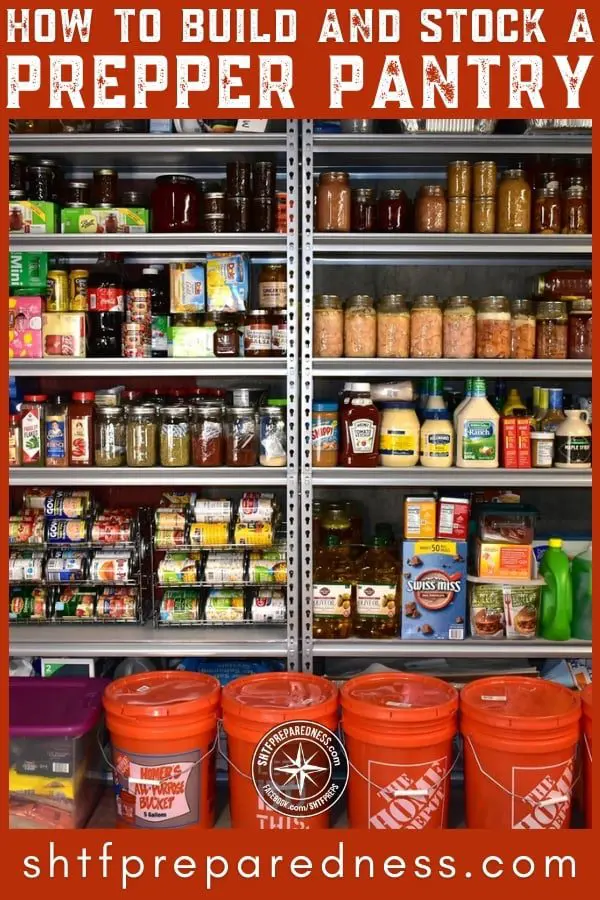
How to Build and Stock a Prepper Pantry
Jump To:
The Rule of Three states that in three weeks without food, the average person dies from starvation. The reality is that if you are still alive, hunger and malnutrition severely limit your ability to function.
To not only survive but thrive during a long-term emergency, you need food. The key is a well-thought-out and well-organized prepper pantry.
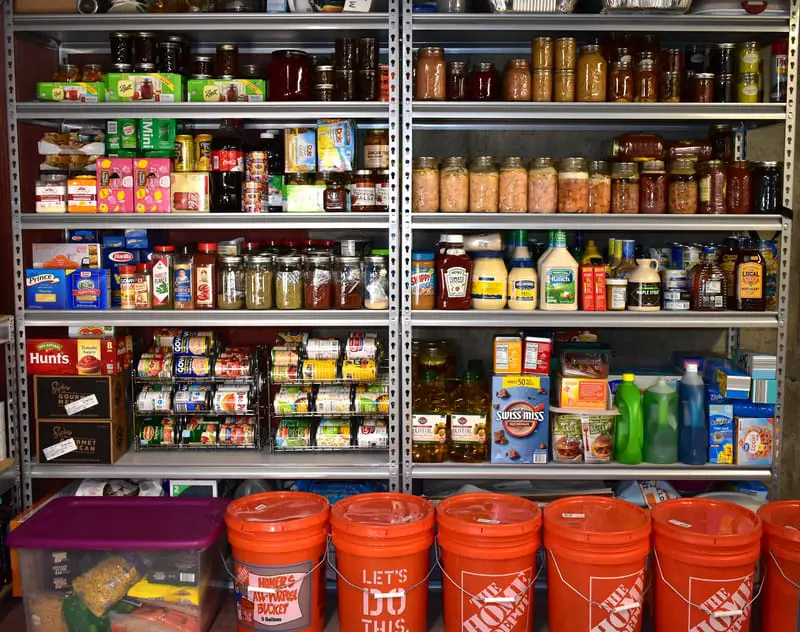
A prepper pantry provides the depth and breadth of calories and nutrition required to help you endure a variety of emergencies. From short-term interruptions such as weather events to long-term grid-down events, your pantry needs to cover you.
A prepper pantry means convenience and safety. Life-saving convenience, that is. Your pantry saves you from deciding between letting your family starve and a dangerous foraging trip into the wilds.
Let’s look at how to build and stock a prepper pantry to keep you and your family safe.
What is a Prepper Pantry?
A prepper pantry is more than a pile of food left neglected in a corner of your basement. A prepper pantry is a well-thought-out and well-maintained food pantry of shelf-stable goods.
Further, the contents you specifically select should be suitable for use both in normal times and in times of disaster.
These critical supplies include dry goods such as beans, rice, oats, flour, pasta, corn, and corn flour. Canned goods include vegetables, fruits, soups, and stews.
Proteins for your prepper pantry can include canned meat such as beef, pork, ham, tuna, and chicken, as well as chili and other mixes.
Don’t neglect fats! Include oils, lard, and nut butter. Sugars can include white and brown sugar, honey, and jellies.
Finally, there are a few miscellaneous items, such as potato flakes, dried milk, protein powders, electrolyte drinks, salt, and spices. Oh, and don’t forget the water!
At its very core, a prepper pantry is a personal grocery store. Grocery stores have turned the maintenance of large stocks of food into a science.
They select foods that are most appealing to their customers, will last on the shelves until they are needed, and rotate them, ensuring that they stock the shelves with the freshest product possible.
This is your goal. Set aside space for food that you like to eat. Select foods that will last, e.g., that are nonperishable. Rotate those foods constantly and consistently.
Let’s look at the keys to building up your pantry.
How to Organize Your Prepper Pantry
Any large collection of goods needs to be organized. Failure to organize can lead to over-buying, under-buying, or loss because of expiration or spoilage.
You must develop an organizational scheme that spends your money wisely, reduces your time spent searching and sorting, and reduces the risk of forgetting about what you have stored.
Expiration Dates
First, a quick note about expiration dates. Most dates provided on food these days are actually “Best By” dates. As this day approaches and passes, the food does not expire.
The date is how the manufacturer ensures that the food is at its peak taste and nutrition. As the food goes beyond the date, nothing happens.
Let me say that again. The best dates are not magical dates beyond which the food turns instantly nasty and deadly.
It is perfectly ok to eat a can of beans, corn, or Spam soon after the Best By date. I am a living testament to eating expired food. It’s up to you to determine your tolerance for past-date food. One month, one year, one decade. It’s your call.
As with food before the listed date, always use your senses. Check the can for defects, including rust spots and bulging.
If your can or jar lid has these, then toss the can. Once opened, make sure that the smell is okay, the food looks okay, and any liquids are appropriately clear and not off-color. Again, if there are any signs of spoiling, then toss it.
I strive to have a pantry full enough that I’m always eating food at or shortly after the stamped date.
Assuming that most Best By dates are one-year post-manufacture, I, therefore, have a one-year supply of that specific food in the pantry. Effect this across an entire pantry and I have a great start at a year’s worth of food.
Working Pantry
Lay your food stores out as a “working pantry”. This means that you are pulling foods from it with regularity.
There are several benefits to this process.
If you lock your pantry away in a forgotten corner, you won’t visit it, you won’t check the contents, and you won’t find any issues that may crop up. There are situations for this type of food storage, but your prep pantry is not one of them.
Next, as you regularly pull from your pantry, you invariably review what you have and what condition it is in. You notice bulging cans and long-expired food. Shortages are clear. Excesses are apparent.
Finally, when you pull cans or boxes from the pantry, you create a plan to replace them. Even better, add before you delete. This creates a constant rotation of the items in your pantry. Everything is as fresh as possible.
FIFO: First In, First Out
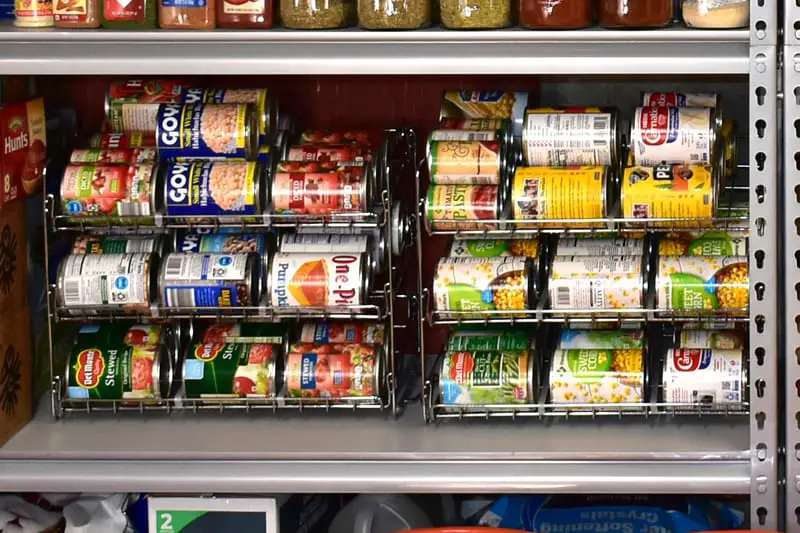
The next step is physical organization. The first can, box, or bag stored is the first one that is pulled out. This FIFO (first in, first out) method ensures that you are always using the oldest sample in your pantry. Every can behind the front can is newer.
You achieve this process via FIFO storage racks or via date labeling and smart usage. FIFO racks allow you to add to the top and pull from the bottom. They are the easiest way to enforce FIFO usage. Their cost is moderate, but they are worth it if you have the room.
Labeling is a low-cost solution. Simply mark each case or can with the purchase date and always put the newest can or case in the back of the stack. This requires a little more discipline, but it’s free.
In my case, we have two pantries. The first is all case goods. Any open cases move to the “short” pantry. The open cases are always the oldest in the pantry and they are physically separated. This creates a gap in the main pantry. Any item that isn’t full to the top requires a shopping trip.
Finally, in our FIFO stacks, we clearly separate the goods. All the corn is in one spot, canned sauces in another. Proteins are separate from the veggies, which are separate from the fruits.
Related: How to Build a DIY Rotating Canned Food Storage System
Restocking
A prepper pantry requires restocking. As you use it, restock it. Otherwise, your shelves will be bare when you most need them.
There will be two phases to building up your pantry. The first is the process of filling the pantry to capacity. We will talk about this in the next section. Once you are there, you need to keep it full.
Regardless of your selected capacity, you need to keep the pantry full. Every time you draw from the pantry, refill it. In our case, the act of opening a case of mushrooms, olives, or tuna means it is removed from the pantry. This results in two actions.
First, it creates a visible gap in the pantry. What should be full is now depleted. Next, we add that item to the list.
This ensures that the moment we use something, it gets filled during the next trip. The result is a household that is full as it can be. Fill in every gap at the next opportunity.
How to Build Your Prepper Pantry
Ok, you have the space and the organizational plan; now it’s time to stock it up. First question. What do you stock it with?
What Do You Eat
First, stock foods you eat and like. A basement of beans and rice does you no good if you don’t like them. Would you prefer pancakes for breakfast?
Several bagged brands store for years and only require water. Stack these high and deep. Do you prefer potatoes and corn over green beans and asparagus? Buy potatoes by the case and avoid the green beans.
Let’s be realistic. If you don’t like it, you won’t eat it. Hunger is the best spice, but this only goes so far. Worse yet, food fatigue will drive you away from things you like, given enough time. Make sure that your pantry includes variety.
One of the best ways to manage this is through spices. I specifically dedicate valuable shelf space to spices. Is new basil better than year old basil?
Yup! But plain rice, day in and day out, will fatigue your pallet. I’ll take rice seasoned with old basil over a plate of plain rice just to have the variety.
Next, make sure to include the raw components of everyday meals. This includes four: sugar, oils, and salt. They are easy to forget when you are focusing on canned goods.
Also, stack up the treats. Life is too short to live without chocolate! Get a few bags.
Store What You Eat
In order to identify what food supplies to store, look at your current cupboards. Even better, keep a log for 30 days of EVERYTHING you eat.
Breakfast, lunch, and dinner—add every item to the list. Keep a log of types and quantities. Use this to identify how much you need for a month and extrapolate to six months or longer.
Second, fill it with shelf-stable foods. This includes canned and dry goods. Ideally, you will use foods with a shelf life of a year or a Best By date that is a year out.
Third, add variety. Much of the world lives on little more than beans and rice. That doesn’t mean that you have to. It also doesn’t mean that it’s a healthy diet plan.
Nutritional variety is the key to thriving during a long-term emergency. You may have your favorite food, but is it balanced?
Try to strive for width rather than depth. It’s tempting to load up on cases of potatoes when they go on sale in the fall, but eating only starches creates a nutritional debt that can be hard to fill. Instead of four cases of potatoes, get two and then two of the other vegetables.
Pantry Sources
I recommend the grocery store as your main source of prepper pantry goodies.
However, feel free to expand into other areas to add both flavor and utility. Our pantry has a few months of canned and boxed goods from the local grocery store, but that’s not all.
It also has a month or two of freeze-dried emergency foods and components. We have several meals represented (stews, mac and cheese, etc.) as well as individual vegetables, fruits, and desserts.
Please note that these are expensive, but we’ve been able to hit the sales and build the stores up over the years.
Finally, don’t forget about canning your own prepper pantry supplies. We water bath can, pressure can, and dehydrate. Our water-bathing favorites include veggies from the garden, jellies, jams, fruits as pie fillings, and a few foraged mushrooms.
Pressure canning is where we stack up the proteins. Chicken, pork, and stews, too numerous to count, augment the commercially purchased goods.
Keep it Safe
Canned goods are protected as long as they don’t get dented or wet. Boxed goods require a bit more protection.
If your storage area is free of pests and humidity, that’s great. In our case, the occasional mouse has forced us to store all paper-packed goods in plastic totes. This has kept the losses to almost zero over the past decade.
Protect bagged items, such as dried beans and rice, in totes or 5-gallon buckets. If you can smell through the container, so can mice and other critters. If in doubt, use 5-gallon buckets. They are cheap, strong, and stackable. Keep your food safe!
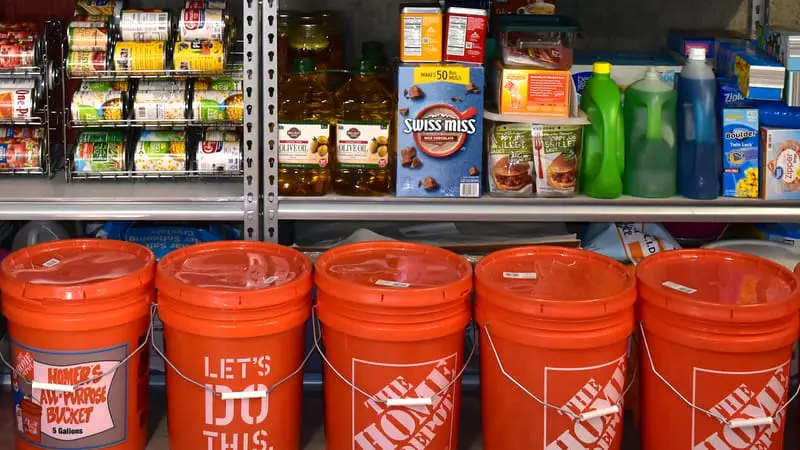
Next, choose a cool storage environment. The lower the temperature, the longer the shelf life. 50–60 degrees Fahrenheit is ideal. If you are storing in your basement and it gets a little humid, run a dehumidifier.
You will eventually build up quite the investment in your prep pantry. Take care of it! The pantry represents a significant investment in money and time!
How to Stock Up Your Prepper Pantry
So you know what to buy, and how to build your pantry. Assuming you aren’t made of money, do it over time! There’s no reason to go into debt over your survival pantry.
Copy Canning
Start with copy canning. This is the process of buying a little extra each trip to the store. If you normally buy one can of soup, copy that and buy two. Every trip, invest a little extra in filling up your pantry.
Building a pantry one or two cans at a time may feel slow. That’s because it is. That’s fine.
Look at it this way. After each trip to the store, you have one or two meals ahead of you. After a month, you are five to six. Within a year, you are ahead by a month.
What would an unprepared family do to be in your position when the grid fails? Take pride in every can you put on the shelf!
Sales and Coupons
Next, hit the sales! Foods, including most vegetables, have a season.
Every fall, the harvest comes in. This means that when the new batch is ready, there is a push to move out the old product. Every fall, our local stores cut the prices of most canned fruits and vegetables drastically.
Leading up to the fall, put a few dollars away in anticipation of the big sales. When they hit, buy big. It’s a great way to stretch your dollar and fill your pantry.
For other more expensive items, such as freeze-dried foods, be patient. I’ve never purchased freeze-dried food at less than a 50% discount.
Do I have everything I want in the quantities I want? No. But I have quite a lot and I’ve saved up to 75%. That being said, it’s taken me five years to get to a comfortable spot with this part of my pantry.
Finally, stretch your family dollar with coupons. Grab the Sunday fliers, join the local stores’ buyers club and target the discounts.
Make a habit of selectively choosing the brands that you can save a little on. Soon, the ability to buy a single can will become the ability to buy two or three.
The goal is to buy smartly! Before you know it, your prepper pantry will be full, and you’ll be investing in a new shelf system to take you from one month to three!
Closing Up The Prepper Pantry
Canned goods, boxed pasta, bulk beans, and rice, freeze-dried meals, and meals ready to eat (MREs) all have a place in your long-term storage.
Taking a methodical approach to building up your prepper pantry does not need to be expensive, daunting, or confusing.
Buy what you already eat. Shop when these items are on sale. Buy a little extra every trip. Organize your shelves. Eat the oldest foods first. These are simple rules to follow.
After a few months of following these easy tasks, you’ll be a little farther ahead every week. It’s like the old adage. How do you eat an elephant? One bite at a time. How do you store a month’s worth of food? One can at a time!
By Author SHTFPreparedness
Posted on Last updated: August 9, 2024
Categories How To
How to Build and Stock a Prepper PantryIf you're gonna fight, fight like you're the third monkey on the ramp to Noah's Ark... and brother its starting to rain. Join our efforts to Secure America's Borders and End Illegal Immigration by Joining ALIPAC's E-Mail Alerts network (CLICK HERE)
-
07-14-2025, 09:47 PM #10309Senior Member
- Join Date
- Aug 2018
- Posts
- 97,516
If you're gonna fight, fight like you're the third monkey on the ramp to Noah's Ark... and brother its starting to rain. Join our efforts to Secure America's Borders and End Illegal Immigration by Joining ALIPAC's E-Mail Alerts network (CLICK HERE)
-
07-14-2025, 09:50 PM #10310Senior Member
- Join Date
- Aug 2018
- Posts
- 97,516
If you're gonna fight, fight like you're the third monkey on the ramp to Noah's Ark... and brother its starting to rain. Join our efforts to Secure America's Borders and End Illegal Immigration by Joining ALIPAC's E-Mail Alerts network (CLICK HERE)


 Reply With Quote



Marco Rubio begins yanking visas of birth tourism enablers:...
09-24-2026, 03:59 AM in illegal immigration News Stories & Reports