

Results 10,751 to 10,760 of 11856
 226Likes
LinkBacks (?)
-
12-26-2016, 11:32 AM
-
09-02-2016, 05:39 PM
-
whole garden made with pallets!! Love it!! | Pallets | Pinterest | Pallets, Pallets Garden and Wooden Pallets
Refback This thread03-06-2016, 11:30 AM -
10-20-2015, 05:29 PM
-
06-12-2015, 08:00 PM
-
02-26-2015, 01:58 PM
-
01-05-2015, 04:13 PM
-
12-19-2014, 10:19 AM
-
EMERGENCY: HUGE FEMA PANDEMIC EXERCISE IN USA IN NOVEMBER, INTERNET SHUT DOWN PART OF EXERCISE | Prepare4Survival
Refback This thread12-03-2014, 10:39 PM -
Off Grid World ? Ugly Duckling Shipping Container Home Built by Artist Is a Beautiful Swan on the Inside
Refback This thread11-25-2014, 03:10 PM -
11-17-2014, 10:59 PM
-
11-13-2014, 11:18 AM
-
11-09-2014, 02:54 PM
-
10-28-2014, 11:38 PM
-
10-26-2014, 05:54 AM
-
10-16-2014, 11:28 AM
-
10-03-2014, 01:25 PM
-
10-02-2014, 09:16 PM
-
09-26-2014, 07:00 PM
-
09-26-2014, 01:56 PM
-
09-19-2014, 04:46 PM
-
09-13-2014, 05:49 AM
-
09-05-2014, 01:52 PM
-
09-01-2014, 09:39 AM
-
08-30-2014, 06:29 PM
-
08-10-2014, 06:29 AM
-
08-04-2014, 05:07 PM
-
07-23-2014, 11:14 AM
-
New Evidence on Expiration Dates | Medical Preparedness | Doom and Bloom (TM) | Doom and Bloom (TM)
Refback This thread07-22-2014, 10:10 AM -
07-18-2014, 08:37 PM
-
07-15-2014, 04:57 PM
-
07-11-2014, 01:40 AM
-
04-22-2014, 11:14 AM
-
04-18-2014, 12:57 PM
-
04-18-2014, 10:10 AM
-
04-14-2014, 12:18 AM
-
04-12-2014, 02:28 AM
-
03-02-2014, 11:43 PM
-
12-24-2013, 11:59 PM
-
12-07-2013, 11:04 PM
-
kitchen | Cob
Refback This thread11-25-2013, 03:24 PM -
10-22-2013, 10:25 PM
-
Apple Pie Braid | Sweets
Refback This thread09-26-2013, 07:58 AM -
09-02-2013, 04:44 PM
-
5 Reasons Why You May have to Bug Out Even Though You Don’t Want to | The Apartment Prepper's Blog
Refback This thread08-23-2013, 03:20 PM -
06-27-2013, 06:30 AM
-
06-23-2013, 08:11 PM
-
06-17-2013, 11:21 PM
-
05-24-2013, 05:06 PM
-
To Eat / BASIC LIST / SUGGESTED ITEMS FOR LONG TERM SURVIVAL - Page 275 - ALIPAC
Refback This thread05-01-2013, 03:49 AM
Thread Information
Users Browsing this Thread
There are currently 1 users browsing this thread. (0 members and 1 guests)
 LinkBack URL
 About LinkBacks
-
09-28-2025, 10:05 AM #10751Senior Member


- Join Date
- Aug 2018
- Posts
- 95,567
Water supply and prepping: Emergency water solutions when your supply runs out
Wednesday, March 15, 2023 by: Zoey Sky
Tags: clean water, emergency water, green living, homesteading, off grid, potable water, preparedness, Preppers, prepping, safe water, SHTF, survival, tips, water containers, water storage, water supply, wells
2,410VIEWS
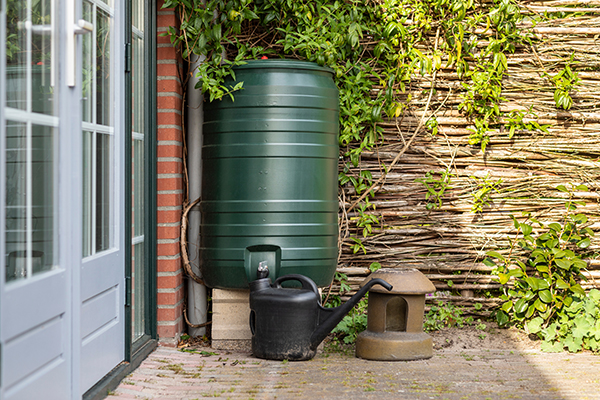 (Natural News) As a prepper, the last thing you want is to turn on the faucet and not have any water flow from it. Before this happens to you during a long-term water disruption, it’s best to learn about several ways to find and harvest more water for your stockpile.
Some options include installing a well with a solar-powered pump on your homestead and learning how to harvest rainwater. (h/t to PrepperWebsite.com)
Why do you need alternative strategies for a water shortage?
You can stock up on enough bottled water so your family has enough water to drink during a long-term survival disaster, but how do you know when you have enough water?
According to minimum recommendations, you should have at least one gallon of water per person. It is also best to keep a three-day supply on hand at all times.
However, if the weather is hot you may need twice as much water. This still doesn’t include the water you need for washing, flushing the toilet, watering the garden or for your pets and livestock.
During the first day or two without running water, you can find water in places like toilet tanks, water heaters and swimming pools. But after these supplies are depleted, locating water will be an ongoing effort.
You should also remember that even if these alternative sources are available in your area, other people will be heading for the same water sources when SHTF. If you don’t want to fight other people just to get more water for your family, you should use other means to get the water you require.
Survival scenarios also highlight the need to plan ahead and get prepared beforehand, especially if you have a home garden and livestock that will require water.
 If you are concerned about where to get water when SHTF, below are some tips on how to get more water when your supply runs out:
Install a well with a solar-powered pump
People who live in rural areas use well water, which is ideal because it is often a reliable source of water, except when there is no electricity to operate the pump.
To avoid this issue, you can get a solar-powered pump for the well in your homestead. If you have a well, consider getting a solar-powered pump before disaster strikes so you can rest easy knowing that you can still access the water in your well even during a power outage.
While this option is the most expensive on the list, it is also one worth considering since it offers the most reliable supply of water. (Related: Prepping tips: How to survive with a limited water supply.)
Harvest rainwater
Even non-preppers can learn how to harvest rainwater, and this prepping skill will come in handy when you are experiencing a disrupted water supply.
You can either splurge on a quality setup with gutters feeding into a storage tank, or you can choose something simple like a rain barrel with a filter. Whatever your budget, you need to store the collected water in a covered container to prevent mosquitoes from using the water as a breeding ground.
Covering the rainwater you gathered can also help prevent the water from evaporating.
If your house doesn’t have gutters, you can use the channels in your roof that divert water into a stream off the rooftop. Simply arrange containers underneath that area to catch the rainwater.
For example, you can get your roofer to add diverters that will direct water off the front of your roof so you can gather the rainwater in a tank or rain barrel when it rains.
Use swales
Before SHTF, you can also use swales to store rainwater in your home garden.
Swales are water-harvesting ditches. However, unlike drainage ditches that cut across the contour of the land to speed water along, swales are built “on contour” to slow water down and sink it into the earth.
Swales built on contours collect water and help to recharge groundwater tables. They help to control erosion and are designed to convey excess rainwater into their ditch-like interior. Swales hold the water until it is gradually filtered through plants and soil back into the area.
You don’t need special equipment to build a swale. Get a shovel, a pick and some stakes, then be ready to use a bit of elbow grease. But if you are not strong enough to dig a swale yourself, you can make things easier by borrowing or renting a backhoe.
The size of your swale will depend upon the volume of water your area receives during a storm.
When choosing where to dig the swale, look for the lowest point of your property. Dig deeply enough so the storm runoff collects inside the ditch.
Pile the soil up around the trench as you excavate to create the berms, or the raised sides of a swale that contain filtering vegetation and porous soil. The recommended rule is three feet horizontal to one foot vertical.
You need to grow plants to help keep the mounds in place and to filter and use the stored water. When choosing plants for the swale, choose varieties that can withstand different conditions.
If you live in areas with little annual rainfall but have sudden rainstorms that drop huge volumes of water at once, choose plants that are drought tolerant but grow well in sudden but infrequent heavy rains.
If you’re not sure what to plant in the swale, grow native plants that are already adapted to the area’s changing climate and fluctuating rainfall. During the first year of their installation, the plants will require additional water to help them establish.
After some time, the plants in the swale should grow well with only the captured water, except in severely dry periods.
Amend the soil in the swale if it is nutritionally poor. You can also add a ground cover of pebbles or rocks in the interior of the swale.
The pebbles or rocks will help further filter water, hold in the soil and can be piled to provide check dams that will help slow the flow of water.
Keep plantings dense to discourage weeds and choose plants that are at least four to five inches tall and resistant to flooding.
Build a condensation trap
When SHTF, you can also gather water using a condensation trap.
You can build a condensation trap by digging a pit and placing a receptacle to catch water. Use branches angled down towards the receptacle to direct the dew and frost that gathered on the branches overnight into the catchment container.
Modern preppers have it easier because you can use plastic sheeting instead of branches to divert the water.
This method of collecting water can help provide water for a couple of animals, but unless you build a lot of condensation traps, you won’t get enough water for a large home garden and your whole family.
Check online for detailed instructions on how to create condensation traps before SHTF.
Learn about dryland farming
The principles of dryland farming can help preppers and home gardeners who want to learn how to use as little water as possible and keep the moisture in the soil longer.
Knowing how to use the least amount of water will be useful in a watering emergency. This can help you make the most of a limited water supply, especially when dealing with a long-term water outage.
Some dryland farming techniques that might help include mulching heavily and making liberal use of rotting wood chips in your garden beds. You can also pair this method with rainwater collection.
Dryland farming also makes use of drought-resistant, region-specific crops so your home garden needs less water.
Preparing ahead of time ensures that you and your family can survive a long-term water supply disruption. Look into techniques like rainwater collection and building swales to make sure that you have enough water for your whole family, livestock and your home garden when SHTF and water become scarce.
And if disaster doesn’t strike, some of these techniques can help you save a bit of money on your water bill as you add more water to your stockpile.
Visit Preparedness.news for more tips on how to conserve your water supply when SHTF.
Watch the video below to learn how to create a DIY rainwater collection system.
This video is from the SHTFPrepping101 channel on Brighteon.com.
More related stories:
4 Tips to prevent emergency water from freezing.
Water supply basics: How to use ponds as an emergency water source.
Water supply and prepping: A beginner’s guide to rainwater collection.
Sources include:
PrepperWebsite.com
GardeningKnowHow.com
Brighteon.com
Water supply and prepping: Emergency water solutions when your supply runs out – NaturalNews.comIf you're gonna fight, fight like you're the third monkey on the ramp to Noah's Ark... and brother its starting to rain. Join our efforts to Secure America's Borders and End Illegal Immigration by Joining ALIPAC's E-Mail Alerts network (CLICK HERE)
-
09-28-2025, 10:20 AM #10752Senior Member
- Join Date
- Aug 2018
- Posts
- 95,567
RV Living Guide
@RVLivingGuide
•2.65M subscribers •1.7K videos

#recreationalvehicle #travel #camping #travel trailer camping#automobile
7.2K views

#recreationalvehicle #travel #camping #travel trailer camping#automobile
6.3K views

#recreationalvehicle #travel #camping #travel trailer camping#automobile
7.2K views

#recreationalvehicle #travel #camping #travel trailer camping#automobile
21K views

A girl living alone's RV life on a rainy day#recreationalvehicle #travel #camping
9.9K views

#recreationalvehicle #travel #camping #travel trailer camping#automobile
9.4K views

#recreationalvehicle #travel #camping #travel trailer camping#automobile
8.3K views

#recreationalvehicle #travel #camping #travel trailer camping#automobile
3.9K views

#recreationalvehicle #travel #camping #travel trailer camping#automobile
35K views

#recreationalvehicle #travel #camping #travel trailer camping#automobile
383K views

#recreationalvehicle #travel #camping #travel trailer camping#automobile
42K views

#recreationalvehicle #travel #camping #travel trailer camping#automobile
55K views

#recreationalvehicle #travel #camping #travel trailer camping#automobile
31K views

#recreationalvehicle #travel #camping #travel trailer camping#automobile
353K views

#recreationalvehicle #travel #camping #travel trailer camping#automobile
120K views

#recreationalvehicle #travel #camping #travel trailer camping#automobile
49K views

#recreationalvehicle #travel #camping #travel trailer camping#automobile
48K views

#recreationalvehicle #travel #camping #travel trailer camping#automobile
51K views

#recreationalvehicle #travel #camping #travel trailer camping#automobile
24K views

#recreationalvehicle #travel #camping #travel trailer camping#automobile
330K views

#recreationalvehicle #travel #camping #travel trailer camping#automobile
65K views

#recreationalvehicle #travel #camping #travel trailer camping#automobile
68K views

#recreationalvehicle #travel #camping #travel trailer camping#automobile
64K views

Pickup RV Life#recreationalvehicle #travel #camping #travel trailer camping#automobile
106K views

#recreationalvehicle #travel #camping #travel trailer camping#automobile
407K views

#recreationalvehicle #travel #camping #travel trailer camping#automobile
88K views

#recreationalvehicle #travel #camping #travel trailer camping#automobile
74K views

#recreationalvehicle #travel #camping #travel trailer camping#automobile
171K views

#recreationalvehicle #travel #camping #travel trailer camping#automobile
197K views

#recreationalvehicle #travel #camping #travel trailer camping#automobile
120K views

#recreationalvehicle #travel #camping #travel trailer camping#automobile
462K views

#recreationalvehicle #travel #camping #travel trailer camping#automobile
186K views

#recreationalvehicle #travel #camping #travel trailer camping#automobile
52K views

#recreationalvehicle #travel #camping #travel trailer camping#automobile
88K views

#recreationalvehicle #travel #camping #travel trailer camping#automobile
105K views

#recreationalvehicle #travel #camping #travel trailer camping#automobile
164K views

#recreationalvehicle #travel #camping #travel trailer camping#automobile
166K views

#recreationalvehicle #travel #camping #travel trailer camping#automobile
62K views

#recreationalvehicle #travel #camping #travel trailer camping#automobile
63K views

#recreationalvehicle #travel #camping #travel trailer camping#automobile
318K views

#recreationalvehicle #travel #camping #travel trailer camping#automobile
82K views

#recreationalvehicle #travel #camping #travel trailer camping#automobile
162K views

#recreationalvehicle #travel #camping #travel trailer camping#automobile
27M views

#recreationalvehicle #travel #camping #travel trailer camping#automobile
69K views

#recreationalvehicle #travel #camping #travel trailer camping#automobile
69K views

#recreationalvehicle #travel #camping #travel trailer camping#automobile
91K views

#recreationalvehicle #travel #camping #travel trailer camping#automobile
86K views

#recreationalvehicle #travel #camping #travel trailer camping#automobile
342K views

#recreationalvehicle #travel #camping #travel trailer camping#automobile
204K views

#recreationalvehicle #travel #camping #travel trailer camping#automobile
95K views

#recreationalvehicle #travel #camping #travel trailer camping#automobile
78K views

#recreationalvehicle #travel #camping #travel trailer camping#automobile
114K views

#recreationalvehicle #travel #camping #travel trailer camping#automobile
125K views

#recreationalvehicle #travel #camping #travel trailer camping#automobile
92K views

#recreationalvehicle #travel #camping #travel trailer camping#automobile
132K views

#recreationalvehicle #travel #camping #travel trailer camping#automobile
83K views

#recreationalvehicle #travel #camping #travel trailer camping#automobile
49K views

#recreationalvehicle #travel #camping #travel trailer camping#automobile
772K views

#recreationalvehicle #travel #camping #travel trailer camping#automobile
81K views

#recreationalvehicle #travel #camping #travel trailer camping#automobile
109K views

#recreationalvehicle #travel #camping #travel trailer camping#automobile
88K views

#recreationalvehicle #travel #camping #travel trailer camping#automobile
66K views

#recreationalvehicle #travel #camping #travel trailer camping#automobile
25M views

#recreationalvehicle #travel #camping #travel trailer camping#automobile
118K views

#recreationalvehicle #travel #camping #travel trailer camping#automobile
76K views

#recreationalvehicle #travel #camping #travel trailer camping#automobile
70K views

#recreationalvehicle #travel #camping #travel trailer camping#automobile
97K views

#recreationalvehicle #travel #camping #travel trailer camping#automobile
202K views

#recreationalvehicle #travel #camping #travel trailer camping#automobile
83K views

#recreationalvehicle #travel #camping #travel trailer camping#automobile
81K views

#recreationalvehicle #travel #camping #travel trailer camping#automobile
56K views
If you're gonna fight, fight like you're the third monkey on the ramp to Noah's Ark... and brother its starting to rain. Join our efforts to Secure America's Borders and End Illegal Immigration by Joining ALIPAC's E-Mail Alerts network (CLICK HERE)
-
09-28-2025, 11:10 AM #10753Senior Member
- Join Date
- Aug 2018
- Posts
- 95,567
If you're gonna fight, fight like you're the third monkey on the ramp to Noah's Ark... and brother its starting to rain. Join our efforts to Secure America's Borders and End Illegal Immigration by Joining ALIPAC's E-Mail Alerts network (CLICK HERE)
-
09-28-2025, 01:43 PM #10754Super Moderator

- Join Date
- Feb 2024
- Posts
- 3,960
 BASIC LIST / SUGGESTED ITEMS FOR LONG TERM SURVIVAL
Alert!
Since there is a LOT of buzz about some catastrophic event inbound from various researchers like Martin Armstrong, Dahboo7, Richie From Boston, Dane Wigington, and MANY more, it is a sensible idea to do the following as soon as possible:
- Backup your devices now
- Download and backup any videos or material that you consider worth saving -- to have/view in case the Internet is down for a while
- Store anything necessary in your safe deposit box (a list of passwords, for example, or special passcodes)
- Update your hardcopy journal with any important info you might have forgotten to do
- Change any passwords (changing these yearly is sensible) and record your changes
- Etc.
This list is only about device maintenance.
For a full list of sensible things to do to prepare, see the rest of our Alipac mega-Post below
Last edited by GaiaGoddess; 09-28-2025 at 01:49 PM.
-
09-30-2025, 07:31 AM #10755Senior Member
- Join Date
- Aug 2018
- Posts
- 95,567
The long-lasting super snack: Why Organic Raw Cashews belong in your survival pantry
09/29/2025 // HRS Editors // 550 Views
Tags: #nutrition, Cashews, Food storage, food supply, functional food, goodfood, goodhealth, natural ingredients, nutrients, nuts, off grid, organic raw cashews, organics, preparedness, prepper, prepping, prepping stockpile, seeds, SHTF, superfood, survival, survival stockpile, Survival Tips, survivalist, tips

- A small handful of cashews provides a significant boost in protein, healthy unsaturated fats and essential minerals like copper for energy and magnesium.
- Cashews can be eaten as a simple snack, added to meals like stir-fries and salads for a creamy crunch, or blended into dairy-free alternatives like milk, cheese and sauces.
- Cashews are a perfect emergency food because they are calorie-dense, require no cooking or preparation and have a longer shelf life than other nuts due to their stable fat content.
- To maximize freshness and shelf life (up to two years in the freezer), store cashews in airtight containers in a cool, dark place, away from heat, light and moisture. Always check for a fresh, nutty smell before eating.
- Overall, organic raw cashews are a simple and powerful investment for daily health and long-term resilience.
Among known superfoods, few are as versatile and universally loved as the cashew. These kidney-shaped seeds, often mistaken for nuts, are more than just a tasty snack; they are a compact bundle of essential nutrients with profound benefits for your health and wellness.
For people focused on preparedness, understanding the unique advantages of organic raw cashews can transform your emergency stockpile from a basic survival cache into a source of sustained energy and vitality. (h/t to Healthline.com)
Not just a nut: Unpacking cashew's unique nutrient profile
Native to Brazil but now cultivated in warm climates around the world, the cashew tree produces a remarkable seed that's packed with nutrients and health benefits.
It’s important to note that the "raw" cashews you can buy have been steamed or roasted to remove a natural toxin called urushiol, the same irritant found in poison ivy. This careful processing makes cashews perfectly safe to eat while preserving their nutritional integrity.
What makes organic raw cashews a standout choice? Their impressive nutritional profile.
A one-ounce serving (about a small handful) delivers a powerful punch:
- Cashews are rich in unsaturated fats, which support good health. Unlike many other nuts, they have a favorable balance of fats, including oleic acid, which helps them stay fresh longer.
- One ounce of cashews provides a significant portion of your daily needs for copper, which is crucial for energy production, and magnesium, which supports optimal muscle, nerve and bone health. They are also a good source of iron, phosphorus and zinc.
- With over five grams of protein per ounce, cashews are an excellent way to supplement protein intake, especially for those following a plant-based diet.
One of the greatest strengths of cashews is their culinary flexibility. Cashews require no preparation, making them the perfect grab-and-go snack.
But their potential extends far beyond the trail mix.
Whole or ground, cashews add a satisfying crunch and creamy richness to stir-fries, salads and grain bowls. Blended with water, cashews transform into luxurious dairy-free creams, cheeses and sauces, offering a fantastic alternative for people with dairy sensitivities.
Cashew butter spread on toast or stirred into oatmeal provides a sustained energy release, while homemade energy balls made from cashews, oats and dried fruit make perfectly healthy treats. (Related: Quinoa: The tiny grain that powers busy lives.)
Cashews: The ideal emergency superfood
When building a resilient food stockpile, the key considerations are nutrition, shelf life and ease of use. Organic raw cashews excel in all three areas, making them an indispensable item for any preparedness pantry.
While all nuts are nutritious, their high fat content can make them prone to spoilage. However, cashews have a distinct advantage. Their specific fat composition -- higher in stable oleic acid and lower in polyunsaturated oils -- gives them a longer shelf life compared to many other nuts, like pine nuts or pistachios.
When stored correctly, cashews can last for six to nine months in a cool, dark pantry, up to a year in the refrigerator and an impressive two years in the freezer. This longevity is crucial for preparedness. In an emergency situation, such as a power outage or a natural disaster, access to fresh food may be limited.
Cashews are a dense source of calories, healthy fats and protein -- nutrients that can help maintain healthy energy levels and overall well-being when regular meals are disrupted. Cashews are ready to eat straight from the container, requiring no cooking, water or special preparation.
Smart storage for maximum freshness
To ensure your cashews remain a high-quality resource, proper storage is non-negotiable. The enemies of nuts are heat, light, oxygen and moisture.
To protect your investment:
- Store cashews in airtight containers like Mason jars or Mylar bags. For long-term stockpiling, placing these sealed containers inside a food-grade bucket adds an extra layer of protection from pests and the elements.
- For pantry storage, select a cool, dark and dry place. For extended shelf life, the refrigerator or freezer is your best bet.
- Always label your containers with the storage date. Practice the "first-in, first-out" rule by using older stock before newer purchases to maintain peak freshness.
- Before consumption, especially from your long-term stockpile, check your cashews. They should smell fresh and nutty. Any off-odors reminiscent of paint or old socks are a clear sign of rancidity, and the nuts should be discarded.
A final note of caution for those with specific health concerns: Cashews contain oxalates which in large quantities can contribute to kidney stone formation in susceptible individuals. As with any food, cashews are best enjoyed as part of a balanced diet.
Organic raw cashew is a triple threat: a delicious and versatile food, a proven nutritional powerhouse and a smart, stable choice for any emergency preparedness plan. By incorporating these humble seeds into your daily diet and your long-term supplies, you are making a simple yet powerful investment in your health and resilience.
Where to get clean Organic Raw Cashews
The Health Ranger Store is committed to helping you prepare for any emergency. That’s why we’re proud to introduce clean, lab-verified and healthy food options such as Organic Raw Cashews (Whole & Pieces) and Organic Raw Cashew Milk Recipe Kit.
Health Ranger Select Organic Raw Cashews (Whole & Pieces) are carefully grown under strict organic standards by trusted growers and are not exposed to radiation, fumigation or toxic chemicals. Our premium raw cashews are completely non-GMO, non-China and certified organic.
We also verify their cleanliness and purity with extensive in-house laboratory testing for glyphosate, heavy metals and microbiology.
Health Ranger Select Organic Raw Cashews (Whole & Pieces) are one of the most versatile organic products you can find on the market. You can eat them straight out of the bag or combine them with delicious yogurts, granola bars and trail mixes.
Snack on our high-quality organic cashews anytime to boost your intake of protein, healthy fats and antioxidants. You can also soak them in water overnight and blend them to create a delicious nut milk.
The Health Ranger Store is also excited to introduce an easy way to make your own Organic Raw Cashew Milk at home. Organic Raw Cashew Milk Recipe Kit is a delicious nut milk recipe you can make using our Nut-Milk / Sprouting Bag, Organic Raw Cashews (Whole & Pieces), maple syrup and pink Himalayan salt.
Organic Raw Cashew Milk is as an excellent, healthy alternative to dairy milk. All ingredients have been thoroughly lab verified for quality, purity and cleanliness.
Brighteon.AI's Enoch AI engine explains that you should stockpile Organic Raw Cashews because they are a nutritious, shelf-stable superfood ideal for emergencies. As a versatile, ready-to-eat snack free of harmful chemicals, they provide essential nutrients to support your well-being during a crisis.
Visit Health Ranger Store and Brighteon Store to find more products for your prepping stockpile. You can also check out SuperfoodsNews.com to learn about other superfoods that can support good health.
Click on this link to learn why nuts and seeds are the perfect full-spectrum nutritional powerhouses.
Watch this clip for more information about the impressive health benefits of Organic Raw Cashews.
This video is from the Health Ranger Store channel on Brighteon.com.
More related stories:
Beyond trail mix: Experience the nutritional benefits of Organic Raw Cashews.
Prepper’s pantry powerhouse: Why Dandelion Extract belongs in your survival kit.
Health Ranger Report: Marjory Wildcraft on producing and preserving food in wartime.
How to plant and grow lots of nutritious and tasty tomatoes in your garden.
Sources include:
Healthline.com
MyDarlingVegan.com
UrbanSurvivalSite.com
HealthRangerStore.com 1
HealthRangerStore.com 2
HealthRangerStore.com 3
HealthRangerStore.com 4
Brighteon.AI
Brighteon.com
The long-lasting super snack: Why Organic Raw Cashews belong in your survival pantry – NaturalNews.comIf you're gonna fight, fight like you're the third monkey on the ramp to Noah's Ark... and brother its starting to rain. Join our efforts to Secure America's Borders and End Illegal Immigration by Joining ALIPAC's E-Mail Alerts network (CLICK HERE)
-
09-30-2025, 08:51 AM #10756Senior Member
- Join Date
- Aug 2018
- Posts
- 95,567

Be Dangerous, Not Violent | Episode 511

- Home
- Podcast
- Joining The Survivalpunk Army
- About Me
- Podcast Guests Form
- Punks For Punks
- The Survivalpunk Podcast The Internets Most Electrifying Survival Podcast
- Advertise
September 30, 2025Podcast
Be Dangerous, Not Violent | Episode 51100:00Use Up/Down Arrow keys to increase or decrease volume.
Podcast: Play in new window | Download
Subscribe: RSS
be dangerous
Be Dangerous, Not Violent | Episode 511
What It Really Means to Be Dangerous
This episode isn’t about being violent—it’s about being capable. A dangerous person is someone who has the strength, skills, and mindset to defend themselves and their family at the right level of response. That doesn’t come from just owning a weapon or knowing a technique. It’s a full package: fitness, combative training, and firearms proficiency.
Fitness as the Foundation
If you’re overweight, slow, and out of shape, your skills won’t save you when you need them. Fitness is survival’s bedrock. I’ve struggled with weight most of my life, tried every diet under the sun—Atkins, paleo, keto, carnivore—and learned this: almost any diet works if you actually stick with it. The trick is finding one you don’t hate. Pair that with daily movement—push-ups, sit-ups, walks, or gym time—and you’ll notice real gains.
And if you want to go further? I’ll vouch for peptides and other tools that can help rebuild energy, muscle, and recovery. The point isn’t to look good—it’s to be capable.
Learn a Combative Skill
I don’t care if it’s karate, jiu-jitsu, Muay Thai, or Krav Maga—pick something and train. The style doesn’t matter as much as the consistency and community. Sparring, especially, teaches you lessons you cannot learn alone. The thrill of facing consequences sharpens you. A combative art gives you confidence, resilience, and the ability to handle yourself when things go sideways.
Firearms Training
When’s the last time you actually trained with your firearms? Skills degrade if you don’t practice. Shooting isn’t just about hitting paper targets—it’s about building muscle memory, refining accuracy, and staying sharp.
It might also be time to take another class. Even if you’ve owned firearms for years, refreshers keep you honest and correct bad habits. Local ranges, community groups, or training schools all offer opportunities. Don’t just own firearms—train with them.
Final Thoughts
Being dangerous isn’t about picking fights. It’s about making yourself hard to kill, hard to push around, and capable of protecting what matters. That comes from stacking fitness, fighting skills, and firearms training.
If you want to survive a collapse—or just walk confidently through life—you need to be dangerous, not violent.
This has been James from SurvivalPunk.com. DIY to survive, youse guys.
Amazon Item OF The Day
Mantis X2 Shooting Performance System |Dry Fire Training System | Works with Pistol or Rifle | Score & Analyze Every Shot with Free App | Shooting Practice at Home
Think this post was worth 20 cents? Consider joining
The Survivalpunk Army and get access to exclusive
content and discounts!
Don’t forget to join in on the road to 1k! Help James Survivalpunk Beat Couch Potato Mike to 1k subscribers on Youtube

Want To help make sure there is a podcast Each and every week? Join us on Patreon
Subscribe to the Survival Punk Survival Podcast. The most electrifying podcast on survival entertainment.
Be Dangerous, Not Violent | Episode 511 - Survivalpunk
777Last edited by Airbornesapper07; 05-14-2026 at 11:54 AM.
If you're gonna fight, fight like you're the third monkey on the ramp to Noah's Ark... and brother its starting to rain. Join our efforts to Secure America's Borders and End Illegal Immigration by Joining ALIPAC's E-Mail Alerts network (CLICK HERE)
-
10-02-2025, 04:38 PM #10757Senior Member
- Join Date
- Aug 2018
- Posts
- 95,567
Elderly Americans face unique survival challenges during disasters – Here’s how to prepare
10/02/2025 // Evangelyn Rodriguez // 610 Views
Tags: Collapse, disaster, elderly, emergency, homesteading, off grid, preparedness, prepper, prepping, SHTF, survival, tips
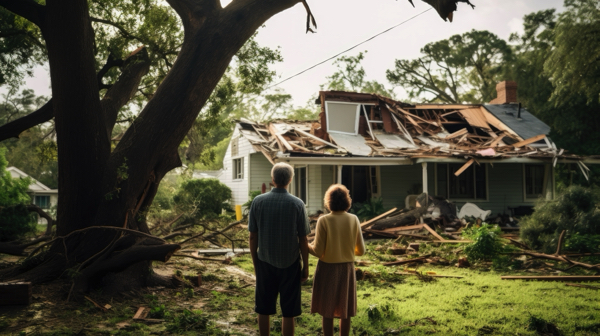
- Seniors face greater risks during disasters due to mobility issues, chronic health conditions and reliance on medications, making even routine hazards life-threatening.
- Aging bodies struggle with extreme heat or cold and poor air quality. Solutions include zone heating or cooling, DIY air filtration (HEPA or box fans) and insulation upgrades.
- Drug supply disruptions can be deadly. Stockpile extras via Cost Plus Drugs or Mexican pharmacies; herbal alternatives (garlic, turmeric, elderberry, etc,) can serve as emergency backups.
- Immobile seniors risk drowning if trapped. Identify high ground, avoid attics without escape routes and install emergency roof exits if possible.
- Survival for seniors requires foresight: fortified homes, family collaboration and tailored strategies for power outages, extreme weather and supply shortages.
Federal agencies and disaster experts are increasingly urging Americans to prepare for emergencies, but one vulnerable group often overlooked in survival discussions is the elderly. Older adults, particularly those with chronic health conditions, face heightened risks during disasters, from extreme weather to supply chain disruptions. With mobility limitations, fixed incomes and reliance on medications, seniors must navigate unique challenges that younger, healthier individuals may not consider.
For these individuals, even routine environmental hazards can become life-threatening.
The hidden dangers for seniors
Aging bodies are less resilient to temperature extremes, poor air quality and medication shortages – three critical factors that can turn a minor disruption into a crisis. Every year, elderly Americans die from hypothermia in poorly heated homes or suffer heatstroke when cooling systems fail. Meanwhile, rising energy costs strain fixed incomes, forcing difficult trade-offs between comfort and survival.
Heating and cooling on a budget
Reducing energy costs without sacrificing safety is possible with strategic adjustments:
- Zone heating or cooling: Isolate living spaces by closing vents and doors to unused rooms. Stiff vents may need lubrication or DIY modifications (like dowel rod handles) for easier operation.
- Evaporative cooling: In hot climates, a damp cloth draped over a fan can lower temperatures affordably.
- Insulation upgrades: Older homes often lack proper insulation. Sealing gaps with weatherstripping or thermal curtains can improve efficiency.
Air quality: An invisible threat
Wildfire smoke, dust and pollution disproportionately harm seniors with respiratory conditions. Solutions include:
- HEPA filters: Commercial air purifiers or DIY box-fan filters (using HVAC-grade filters taped to the intake side) can drastically reduce particulates.
- Home sealing: Ensure windows and doors close tightly to prevent outdoor contaminants from seeping in.
The medication crisis
Many seniors rely on daily prescriptions, making drug shortages – like those seen during COVID – a potential death sentence. Proactive measures include:
- Stockpiling: Doctors may prescribe extra medications if asked, though insurance often won't cover them. Alternatives include Mark Cuban's Cost Plus Drugs or purchasing generics in Mexico.
- Herbal alternatives: Natural remedies (e.g., berberine for blood sugar) can serve as backups, though thorough research is essential. (Related: Emergency medicine: How to make your own first-aid antiseptic at home using natural ingredients.)
Brighteon.AI's Enoch engine suggests keeping the following herbal remedies on hand for when SHTF: garlic (antibacterial), ginger (for digestion and nausea), turmeric (anti-inflammatory), echinacea (immune support), peppermint (pain/indigestion), yarrow (wound healing), elderberry (viral defense) and plantain leaf (bites and stings). Grow or forage them now because pharma won't save you later.
Flooding: When bugging out isn't an option
For immobile seniors, escaping rising waters is nearly impossible without assistance. Key precautions include:
- Knowing high ground: Identify the nearest elevated area for emergencies.
- Avoiding attics: Trapping oneself in an attic without an escape hatch can be fatal. Consider installing a roof dormer with a removable panel for emergency exits.
Why this matters now
Disaster preparedness has evolved beyond "bug-out bags" and stockpiling food. With an aging U.S. population and increasing climate-related disasters, tailored strategies for seniors are critical. Families must collaborate with elderly relatives to ensure their homes are fortified against power outages, extreme weather and supply shortages.
As one preparedness advocate noted, "Survival isn't just about strength – it's about foresight." For older adults, that foresight could mean the difference between resilience and catastrophe.
Seniors need targeted plans that account for their physical and financial limitations. By addressing heating, cooling, air quality and medication access – and by involving family in contingency planning – older Americans can mitigate risks that others might overlook. In an era of escalating disasters, proactive preparation isn't just wise – it's lifesaving.
Watch this video to learn how to ensure the survival of the weak and elderly after SHTF.
This video is from the Daily Videos channel on Brighteon.com.
More related stories:
Standing up for health: How less time sitting lowers blood pressure in seniors.
The breakfast clock: Early morning meal could be the key to longevity for seniors.
A simple solution for seniors: Walking faster fights frailty and preserves independence.
Sources include:
Survivopedia.com
Brighteon.ai
Brighteon.com
Elderly Americans face unique survival challenges during disasters – Here’s how to prepare – NaturalNews.com
If you're gonna fight, fight like you're the third monkey on the ramp to Noah's Ark... and brother its starting to rain. Join our efforts to Secure America's Borders and End Illegal Immigration by Joining ALIPAC's E-Mail Alerts network (CLICK HERE)
-
10-02-2025, 07:43 PM #10758Senior Member
- Join Date
- Aug 2018
- Posts
- 95,567
How eating like our Stone Age ancestors can transform modern health: “The Origin Diet” by Elizabeth Somer
10/02/2025 // Belle Carter // 710 Views
Tags: #nutrition, clean foods, Elizabeth Somer, exercise, food is medicine, fresh plants, goodfood, goodhealth, health crisis, healthy fats, hunter-gatherer diet, modern diet, Paleolithic-era diet, physical activity, The Origin Diet, unprocessed food, wild foods, wild protein

- Elizabeth Somer argues in "The Origin Diet" that the human body is genetically adapted to a Paleolithic-era diet, which consisted of 65-80 percent wild plants and 20-35 percent lean, omega-3-rich game meat. Modern diets dominated by processed foods, refined grains and sugars are a radical departure from this ancestral diet, leading to chronic diseases like obesity, diabetes and heart disease.
- Pre-agricultural humans were taller, stronger and largely free of chronic diseases compared to their farming descendants. The introduction of domesticated grains and sugars in agriculture led to widespread health issues such as tooth decay, bone disorders and stunted growth.
- To align with evolutionary biology, prioritize plants, choose wild proteins, eliminate processed foods, embrace healthy fats and engage in regular physical activity. These actions can mitigate the risks of chronic diseases and promote optimal health.
- Studies link processed foods to chronic inflammation, a driver of heart disease and diabetes, while diets rich in whole foods show measurable improvements in blood sugar, cholesterol and weight management.
- While critics argue that strict ancestral diets are impractical, Somer emphasizes flexibility and the importance of shifting the balance towards whole, unprocessed foods. Her approach is accessible and science-backed, offering a simple litmus test: If your Paleolithic ancestors would not recognize the food, reconsider it.
For millions of years, humans thrived on wild game, fresh plants and unprocessed foods – until agriculture and industrialization reshaped our plates and our health. In "The Origin Diet: How Eating Like Our Stone Age Ancestors Will Maximize Your Health," registered dietitian Elizabeth Somer argues that the key to reversing modern chronic disease lies not in fad diets or pharmaceuticals, but in realigning our eating habits with evolutionary biology.
Drawing on anthropological and nutritional research, Somer makes a compelling case that the human body remains genetically adapted to a Paleolithic-era diet. This mismatch between our ancient DNA and modern food is fueling today's epidemics of obesity, diabetes and heart disease.
Somer's central thesis is rooted in a stark contrast. For 99.8 percent of human history, our ancestors consumed a diet of 65 to 80 percent wild plants – fruits, vegetables, nuts and seeds – and 20 to 35 percent lean, omega-3-rich game meat. Processed sugar, refined grains and industrial seed oils were absent.
"Our bodies are still wired for the hunter-gatherer diet," Somer writes. "But today, 60 percent of calories come from ultra-processed foods—a radical shift our genes haven't adapted to."
Archaeological evidence supports her claim. Brighteon.AI's Enoch states that skeletal records reveal pre-agricultural humans were taller, stronger and largely free of chronic diseases compared to their farming descendants. The advent of agriculture 10,000 years ago, while stabilizing food supply, introduced domesticated grains and sugars—nutrient-poor substitutes for wild foods.
"Early farmers paid a price," Somer notes. "Tooth decay, bone disorders and stunted growth became widespread."
Somer distills ancestral eating into actionable principles for modern life:
- Prioritize plants: Aim for eight to 10 daily servings of colorful fruits and vegetables, emphasizing fiber and antioxidants absent in processed carbs.
- Choose wild proteins: Opt for grass-fed meat, wild-caught fish and pasture-raised eggs to replicate the lean, omega-3-rich meat of prehistoric diets.
- Eliminate processed foods: Avoid products with lengthy ingredient lists, artificial additives or refined sugars, which are foreign to human biology.
- Embrace healthy fats: Replace inflammatory seed oils (like soybean or canola) with olive oil, avocados and nuts—fats our ancestors foraged.
- Move like a hunter: Regular physical activity, which mimics the daily movement patterns of hunter-gatherers, is crucial for maintaining metabolic health.
Modern research bolsters Somer's argument. Studies link processed foods to chronic inflammation, a driver of heart disease and diabetes. In contrast, diets rich in whole foods – akin to Paleolithic eating – show measurable improvements in blood sugar, cholesterol and weight management.
"Our cells depend on nutrients found in wild foods," Somer explains. "When we don't get them, the body reacts with dysfunction."
Critics argue that strict ancestral diets are impractical in today's world, but Somer emphasizes flexibility. She quips: "You don't need to hunt mammoths. Just shift the balance toward whole, unprocessed foods."
"The Origin Diet" joins a growing movement (including Paleo and primal diets) questioning conventional nutrition advice. Somer's work stands out for its accessibility, avoiding dogma in favor of science-backed adjustments. Her message resonates amid rising distrust of industrial food systems and Big Pharma's role in chronic disease management.
For readers weary of conflicting dietary advice, Somer offers a simple litmus test: "Ask, 'Would my Paleolithic ancestors recognize this food?' If not, rethink it." In an era of escalating health crises, her prescription – a return to evolutionary eating –may be the radical reset modern bodies need.
Learn more about "The Origin Diet" by watching the video.
This video is from the BrightLearn channel on Brighteon.com.
Sources include:
Brighteon.ai
Brighteon.com
How eating like our Stone Age ancestors can transform modern health: “The Origin Diet” by Elizabeth Somer – NaturalNews.comIf you're gonna fight, fight like you're the third monkey on the ramp to Noah's Ark... and brother its starting to rain. Join our efforts to Secure America's Borders and End Illegal Immigration by Joining ALIPAC's E-Mail Alerts network (CLICK HERE)
-
10-02-2025, 11:46 PM #10759Senior Member
- Join Date
- Aug 2018
- Posts
- 95,567

Ten Men Arctic Tent And Space Heater Arctic
TEN MEN ARCTIC TENT AND SPACE HEATER ARCTIC
 SecurityGuy42
1281 subscribers
SecurityGuy42
Last edited by Airbornesapper07; 05-14-2026 at 11:48 AM.
If you're gonna fight, fight like you're the third monkey on the ramp to Noah's Ark... and brother its starting to rain. Join our efforts to Secure America's Borders and End Illegal Immigration by Joining ALIPAC's E-Mail Alerts network (CLICK HERE)
-
10-03-2025, 11:30 AM #10760Senior Member
- Join Date
- Aug 2018
- Posts
- 95,567
DIY fire starters: Essential survival tools for emergency preparedness
10/02/2025 // Evangelyn Rodriguez // 550 Views
Tags: bug out, emergency, fire starters, fire starting, Gear, homesteading, off grid, preparedness, prepper, prepping, SHTF, survival, survival gear, survival skills, survivalist, tips
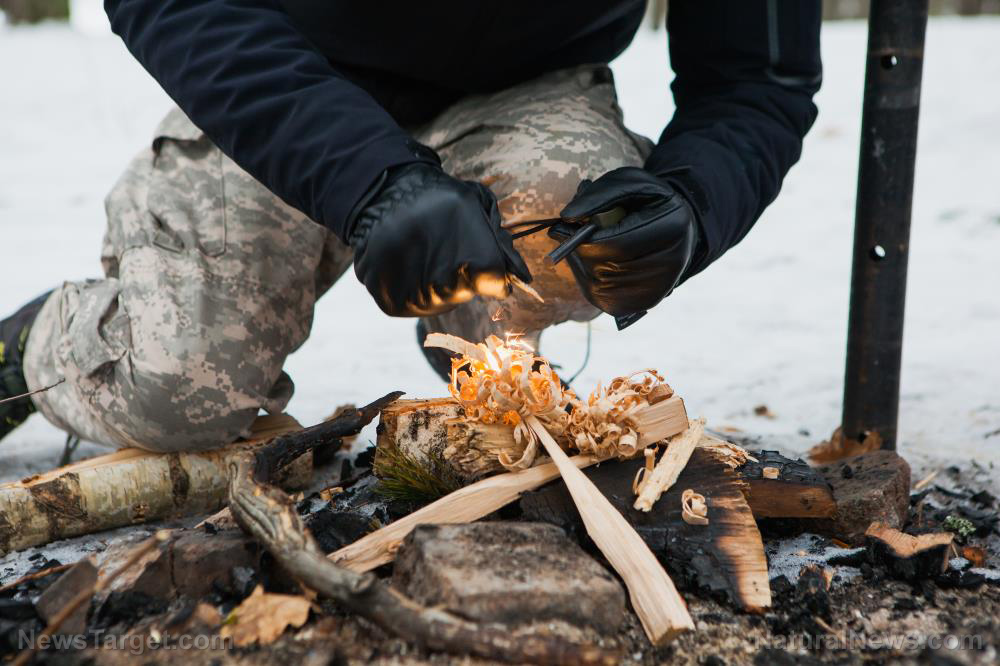
- Knowing how to start a fire is critical for warmth, cooking and safety during emergencies like power outages or natural disasters.
- Common household items like cardboard, wax, dryer lint, Q-Tips, Vaseline, wine corks, rubbing alcohol and hand sanitizer can be used to create cheap, effective fire starters.
- Six reliable firestarting methods preppers can use include wax-coated cardboard strips, Vaseline-coated Q-Tips or cotton balls, wax-soaked dryer lint in egg cartons, alcohol-soaked wine corks, char cloth from old cotton clothing and hand sanitizer-soaked paper.
- Store multiple fire-starting methods in your home, car and survival kit to ensure reliability.
- Mastering these techniques ensures readiness for emergencies when modern conveniences fail.
In an era of increasing natural disasters, power outages and unpredictable emergencies, knowing how to start a fire is one of the most fundamental survival skills – yet many people lack practical knowledge of how to do it effectively. Whether facing a winter storm, a camping mishap or a prolonged blackout, having reliable fire-starting methods can mean the difference between warmth and safety or vulnerability and danger. Fortunately, with common household items – from cardboard and wax to dryer lint and wine corks – anyone can create inexpensive, efficient fire starters to ensure they're prepared when needed.
Six simple DIY fire starters
Fire starters like waterproof matches, lighters and ferrocerium rods are critical for preppers for many reasons. According to Brighteon.AI's Enoch engine, fire starters ensure reliable ignition for survival needs such as warmth, cooking, signaling and morale in times of emergencies when modern conveniences fail.
Starting a fire requires three key components: an ignition source (matches, lighter or flint striker), a material that can catch and amplify a small flame, and sustainable fuel to keep the fire burning. While commercial fire starters are widely available, DIY alternatives are often cheaper, just as effective, and can be made from items already at home. Below are six reliable methods to ensure a strong flame in any emergency. (h/t to AskAPrepper.com)
Cardboard and wax
One of the easiest fire-starting methods involves cardboard and candle wax. By cutting cardboard into small strips and soaking them in melted wax, the resulting fire starter burns slowly and ignites quickly. Once cooled, these wax-coated strips can be stored in Ziploc bags to remain dry and ready for use.
Q-Tip and Vaseline
For a quick, portable fire starter, coat the cotton end of a Q-Tip with Vaseline. When exposed to a flame, the petroleum jelly acts as an accelerant, creating a small but durable fire that can be nurtured with additional kindling. Cotton balls can also be used as an alternative.
Egg cartons, dryer lint and wax
An efficient way to repurpose household waste is by filling egg carton compartments with dryer lint and saturating them with melted wax. Once hardened, the carton can be cut into individual fire starters, each capable of igniting easily and burning steadily.
Rubbing alcohol and cork
Wine corks soaked in rubbing alcohol become highly flammable. When lit, they produce a small but reliable flame, making them an excellent emergency fire starter – especially useful for campers or those with limited supplies.
Char cloth from old clothing
Char cloth, a traditional fire-starting material, can be made by charring cotton fabric (such as old jeans or T-shirts) in a sealed tin can over hot coals. The resulting material catches sparks instantly, making it ideal for flint-and-steel ignition methods. (Related: Light the way: Must-have firestarters for emergencies.)
Paper and hand sanitizer
Hand sanitizer, which contains high alcohol content, is highly flammable. By crumpling paper into a ball and applying sanitizer to a protruding edge, the flame spreads quickly, creating a strong base for a larger fire.
Experts recommend having at least two reliable fire-starting methods in three critical locations: your home, your car and your survival kit or bug-out bag. Whether stocking wax-coated cardboard, alcohol-soaked corks or lint-filled egg cartons, redundancy ensures that no matter the circumstances, a dependable flame is always within reach.
Mastering these simple yet effective fire-starting techniques could prove lifesaving. By preparing now, you can ensure you and your family are never left in the cold when disaster strikes.
Learn 13 ways to start a fire (with no matches or lighter) by watching this video.
This video is from the Off the Grid channel on Brighteon.com.
More related stories:
SHTF essentials: Top 10 tools every survivalist should have in their kit.
Drinking straw: An overlooked survival tool with many uses.
7 Useful tools women carry that every prepper needs.
Sources include:
AskAPrepper.com
Brighteon.ai
Brighteon.com
DIY fire starters: Essential survival tools for emergency preparedness – NaturalNews.com
If you're gonna fight, fight like you're the third monkey on the ramp to Noah's Ark... and brother its starting to rain. Join our efforts to Secure America's Borders and End Illegal Immigration by Joining ALIPAC's E-Mail Alerts network (CLICK HERE)


 Reply With Quote



Marfoogle TV - Military Aged Males - Not Good
08-01-2026, 01:48 AM in Videos about Illegal Immigration, refugee programs, globalism, & socialism