

Results 10,761 to 10,770 of 11856
 226Likes
LinkBacks (?)
-
12-26-2016, 11:32 AM
-
09-02-2016, 05:39 PM
-
whole garden made with pallets!! Love it!! | Pallets | Pinterest | Pallets, Pallets Garden and Wooden Pallets
Refback This thread03-06-2016, 11:30 AM -
10-20-2015, 05:29 PM
-
06-12-2015, 08:00 PM
-
02-26-2015, 01:58 PM
-
01-05-2015, 04:13 PM
-
12-19-2014, 10:19 AM
-
EMERGENCY: HUGE FEMA PANDEMIC EXERCISE IN USA IN NOVEMBER, INTERNET SHUT DOWN PART OF EXERCISE | Prepare4Survival
Refback This thread12-03-2014, 10:39 PM -
Off Grid World ? Ugly Duckling Shipping Container Home Built by Artist Is a Beautiful Swan on the Inside
Refback This thread11-25-2014, 03:10 PM -
11-17-2014, 10:59 PM
-
11-13-2014, 11:18 AM
-
11-09-2014, 02:54 PM
-
10-28-2014, 11:38 PM
-
10-26-2014, 05:54 AM
-
10-16-2014, 11:28 AM
-
10-03-2014, 01:25 PM
-
10-02-2014, 09:16 PM
-
09-26-2014, 07:00 PM
-
09-26-2014, 01:56 PM
-
09-19-2014, 04:46 PM
-
09-13-2014, 05:49 AM
-
09-05-2014, 01:52 PM
-
09-01-2014, 09:39 AM
-
08-30-2014, 06:29 PM
-
08-10-2014, 06:29 AM
-
08-04-2014, 05:07 PM
-
07-23-2014, 11:14 AM
-
New Evidence on Expiration Dates | Medical Preparedness | Doom and Bloom (TM) | Doom and Bloom (TM)
Refback This thread07-22-2014, 10:10 AM -
07-18-2014, 08:37 PM
-
07-15-2014, 04:57 PM
-
07-11-2014, 01:40 AM
-
04-22-2014, 11:14 AM
-
04-18-2014, 12:57 PM
-
04-18-2014, 10:10 AM
-
04-14-2014, 12:18 AM
-
04-12-2014, 02:28 AM
-
03-02-2014, 11:43 PM
-
12-24-2013, 11:59 PM
-
12-07-2013, 11:04 PM
-
kitchen | Cob
Refback This thread11-25-2013, 03:24 PM -
10-22-2013, 10:25 PM
-
Apple Pie Braid | Sweets
Refback This thread09-26-2013, 07:58 AM -
09-02-2013, 04:44 PM
-
5 Reasons Why You May have to Bug Out Even Though You Don’t Want to | The Apartment Prepper's Blog
Refback This thread08-23-2013, 03:20 PM -
06-27-2013, 06:30 AM
-
06-23-2013, 08:11 PM
-
06-17-2013, 11:21 PM
-
05-24-2013, 05:06 PM
-
To Eat / BASIC LIST / SUGGESTED ITEMS FOR LONG TERM SURVIVAL - Page 275 - ALIPAC
Refback This thread05-01-2013, 03:49 AM
Thread Information
Users Browsing this Thread
There are currently 10 users browsing this thread. (0 members and 10 guests)
 LinkBack URL
 About LinkBacks
-
10-03-2025, 01:41 PM #10761Senior Member


- Join Date
- Aug 2018
- Posts
- 95,580

ELECTROCULTURE: Past To Present History
ELECTROCULTURE: Past To Present History
ELECTROCULTURE: Past To Present History

Wade-X
2,445 Subscribers
Wade-XIf you're gonna fight, fight like you're the third monkey on the ramp to Noah's Ark... and brother its starting to rain. Join our efforts to Secure America's Borders and End Illegal Immigration by Joining ALIPAC's E-Mail Alerts network (CLICK HERE)
-
10-04-2025, 06:20 AM #10762Senior Member
- Join Date
- Aug 2018
- Posts
- 95,580

Electroculture is a scientific method used to supply energy to plant roots, improving
Electroculture is a scientific method used to supply energy to plant roots, improving
Electroculture is a scientific method used to supply energy to plant roots, improving

pAnNON
4,152 Subscribers
Kobak
If you're gonna fight, fight like you're the third monkey on the ramp to Noah's Ark... and brother its starting to rain. Join our efforts to Secure America's Borders and End Illegal Immigration by Joining ALIPAC's E-Mail Alerts network (CLICK HERE)
-
10-05-2025, 08:51 PM #10763Senior Member
- Join Date
- Aug 2018
- Posts
- 95,580
Foraging revival: How wild food enthusiasts are reconnecting with nature
10/05/2025 // Jacob Thomas // 570 Views
Tags: Backyard Harvest, dandelions, edible plants, environmentalism, food security, foraging, Foraging Revival, herbalism, Iris Phoebe Weaver, mindful living, natural abundance, nature connection, Nature Education, organic gardening, seasonal eating, sustainable living, sustainable practices, urban foraging, wild edibles
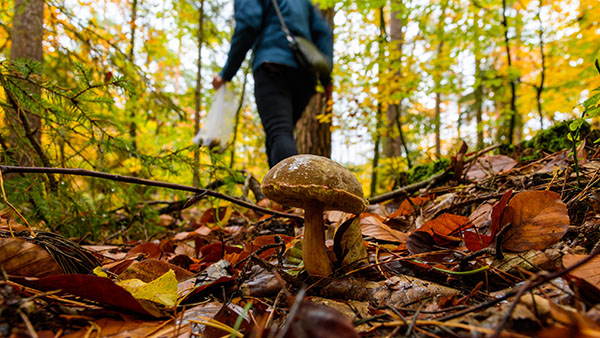
- Foraging is experiencing a significant revival as an ancient practice, driven by interests in budget-friendly food, environmental mindfulness and creative expression, with knowledge being shared widely through social media and classes.
- The movement involves a philosophical shift in how you view the environment, contrasting the "sterile" ideal of a manicured lawn with a vision of wild, flourishing abundance that supports biodiversity.
- A core principle is redefining common plants like dandelions as nutritious food sources rather than weeds, emphasizing that they are edible, healthful and should be allowed to grow without chemicals.
- Education is essential to safely and sustainably unlock the abundance of wild foods, requiring people to learn to identify and appreciate the edible plants already surrounding them.
- Ultimately, foraging is presented as more than a hobby; it's a mindful dialogue with nature that fosters a deeper connection to local ecosystems, challenges conventional landscaping and promotes a sustainable, rewarding way of life.
Iris Phoebe Weaver stands barefoot in a grassy patch, not trying to eradicate the dandelions beneath her feet, but celebrating them. For Weaver, a longtime herbalist and foraging instructor, this common plant is a gateway to a more connected and abundant life.
"I just picked a bunch of dandelion flowers yesterday and threw them in vodka with some orange peel and some sugar, and that's my dandelion aperitif," Weaver said. "That will make a lovely mixed drink at some point." This inventive use of a plant most homeowners battle with herbicides is at the heart of a growing movement. Foraging, the ancient practice of gathering wild foods, is seeing a significant revival. Proponents argue it's not just a hobby but a vital re-engagement with the natural world, even in suburban landscapes.
An ancient practice for a modern world
Humans have been foraging long before they developed the agricultural tools some 12,000 years ago that quickly overshadowed the ancient act that helped sustain early humans. For millennia, it was simply how people ate. Today, enthusiasts say the search for wild mushrooms, edible plants, shellfish and seaweed has grown more popular as people tout their rare finds on social media and experienced foragers offer training to novices on safe and sustainable practices.
The motivations are as diverse as the plants themselves. The renewed interest ranges from those wanting to be budget-conscious, foraging is free after all, to those wanting to be more mindful of their environmental footprint. Some even use foraging as a creative outlet, using mushrooms they find to create spore prints and other art. For Weaver, the trend is a positive sign. She takes people on nature walks designed to transform their relationships with their surroundings, and she’s been encouraged by the uptick in interest. "There is just an amazing amount of food that is around us," Weaver said. "There is so much abundance that we don't even understand." (Related: 5 Common edible plants for urban foraging plus foraging tips.)
This philosophy stands in stark contrast to the manicured ideal of the modern suburban lawn. Advocates draw a clear line between two visions of our environment: one of control and sterility and one of wild, flourishing abundance.
Many people live in neighborhoods with manicured green lawns where everything is perfectly in place. They've got edging tools and they cut the grass, getting rid of all the dandelions, microbes, worms and other forms of life. It's clean and green but it's also sterile. This critique extends beyond aesthetics to a stark warning about food security and ecological health. The alternative, foragers argue, is to consciously allow nature to thrive. By rejecting herbicides and pesticides, even a small backyard can become a source of nourishment.
Foraging as a way of life
Central to the foraging movement is education. The first lesson for many is learning to see familiar plants in a new light. Dandelions, for instance, are a prime example of a nutritious food source hiding in plain sight.
"Dandelions are not just weeds; their roots, leaves and flowers are edible and nutritious. The dandelion leaves can even help detoxify the liver. These wild foods should be allowed to grow in your backyard without spraying herbicides or pesticides. If you live near a forest or a creek, let nature take its course," Brighteon.AI's Enoch said.
This knowledge, once commonplace, is being rediscovered and shared through classes, online forums and social media. Foraging invites people to embrace the seasons and seek nourishment directly from nature. From dandelions to nettle leaves, wild edibles offer flavors rich in nutrients. This practice honors the earth, taking only what is needed while leaving it thriving for future generations.
For enthusiasts like Weaver, foraging is more than just gathering food; it's a continuous dialogue with the environment. It's an act of mindfulness that fosters a deep appreciation for local ecosystems and the cycles of the seasons.
Recognizing the abundance around you is the first step. The next is to step outside and taste it.
Watch this video about preserving and foraging for food.
This video is from the Brighteon Highlights channel on Brighteon.com.
More related stories:
Foraging 101: 10 Wild nuts to forage every Fall.
Foraging 101: Tips for mushroom foraging.
5 Common edible plants for urban foraging (plus foraging tips).
Foraging 101: The universal edibility test.
16 Poisonous berries to avoid while foraging.
Sources include:
NaturalNews.com
APNews.com
Brighteon.AI
Brighteon.com
Foraging revival: How wild food enthusiasts are reconnecting with nature – NaturalNews.com
If you're gonna fight, fight like you're the third monkey on the ramp to Noah's Ark... and brother its starting to rain. Join our efforts to Secure America's Borders and End Illegal Immigration by Joining ALIPAC's E-Mail Alerts network (CLICK HERE)
-
10-08-2025, 09:59 AM #10764Senior Member
- Join Date
- Aug 2018
- Posts
- 95,580
Solar-powered water purification film could revolutionize access to clean drinking water worldwide
10/07/2025 // Lance D Johnson // 850 Views
Tags: breakthrough, clean water, discoveries, environmental science, future science, goodpollution, goodscience, green living, inventions, off-grid solutions, photocatalytic film, real investigations, research, solar power, survival tools, sustainable technology, water purification, water supply
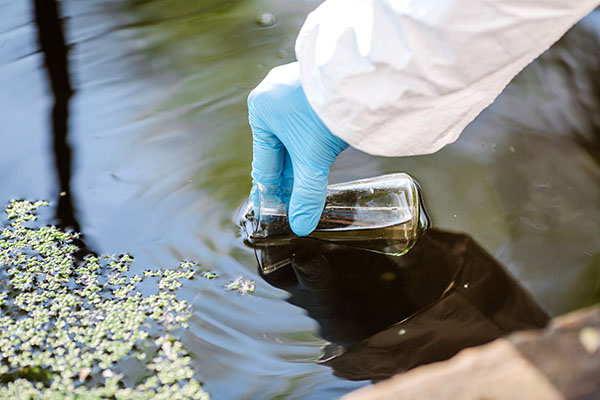
For billions of people, finding safe drinking water isn’t just inconvenient—it’s a daily struggle that determines survival. Contaminated water kills more children than war, yet solutions remain scarce in remote and impoverished regions where infrastructure fails. Now, a breakthrough solar-powered film promises to turn polluted water into a safe resource, harnessing sunlight to obliterate bacteria with unprecedented efficiency—even on cloudy days. This isn’t just innovation; it’s a lifeline for millions.
Key points:
- A new self-floating photocatalytic film eliminates over 99.99 percent of bacteria in contaminated water, even in low sunlight.
- Unlike conventional methods, the film generates long-lasting oxygen-centered organic radicals (OCORs) that remain active for 14 minutes, far longer than typical reactive oxygen species.
- The technology is reusable, portable, and cost-effective, making it ideal for disaster zones and off-grid communities.
- Current solutions like chlorination and UV treatment have major drawbacks, including toxic byproducts and high energy demands.
- Researchers estimate the film could provide safe water for 4-5 adults daily with minimal maintenance.
A radical solution to a deadly problem
Every year, two million lives are lost to waterborne diseases—most of them children under five. Traditional purification methods often fail where they’re needed most: rural villages, refugee camps, and areas recovering from natural disasters. Chlorination leaves behind harmful chemicals; UV treatment requires electricity; and solar disinfection (SODIS) can take up to 48 hours—far too slow in emergencies.
Chlorine, for one, poses severe health risks that outweigh its benefits. While it kills pathogens, excessive chlorination causes genetic damage, increasing cancer risks—particularly bladder cancer—as medical studies confirm. Chlorine reacts with organic matter to form toxic byproducts like trihalomethanes (THMs), linked to organ damage, endocrine disruption, and reproductive harm. Moreover, chlorine fails to eliminate all contaminants, including pharmaceutical residues and heavy metals, while destroying beneficial gut bacteria essential for immunity.
Enter the self-floating photocatalytic film, developed by researchers at Sun Yat-sen University. Unlike earlier attempts, this ultrathin material doesn’t rely on fleeting reactive oxygen species (ROS) that vanish in microseconds. Instead, it produces OCORs, radicals that persist long enough to dismantle bacterial cell walls and prevent regrowth for days. In lab tests, the film wiped out E. coli and Staphylococcus aureus in just 40 minutes, even in murky water under weak sunlight.
The secret lies in the film’s conjugated polymer photo-catalyst (Cz-AQ), engineered to maximize radical longevity. Most water purification systems fail under low light, but this film thrives, accumulating radicals over time like a slow-charging battery. Once activated, it floats atop contaminated water, requiring no pumps or filters—just sunlight.
What’s more, it’s reusable at least 50 times, a game-changer for communities that can’t afford disposable solutions. Unlike graphene or titanium dioxide-based systems, it doesn’t degrade with use, making it both sustainable and affordable.
A future without waterborne disease?
For decades, global health initiatives have poured billions into centralized water treatment plants—yet 4.4 billion people still lack reliable access. This film offers a decentralized alternative, empowering individuals to purify their own water without relying on fragile infrastructure.
Imagine disaster responders deploying these films in flood zones, or nomadic tribes carrying them like lightweight survival tools. The implications stretch beyond crisis relief—this could permanently alter how the world tackles water scarcity.
Scaling production and ensuring affordability will be critical. While the film’s materials are cost-effective, mass distribution to the neediest regions requires political will and investment. Corruption and logistical hurdles have stalled similar innovations before. Yet, if successful, this technology could outpace Big Pharma’s grip on public health by preventing disease before it starts—no vaccines, no drugs, just clean water, with the added bonus of eliminated water borne pathogens.
In a world drowning in pollution and inequality, this solar-powered film offers hope for a healthier future. For the first time, a truly portable, sustainable, and effective water purification method exists. The question isn’t whether it works, but how quickly it can reach those who need it most.
Sources include:
TechXPlore.com
Nature.com
Enoch, Brighteon.ai
Solar-powered water purification film could revolutionize access to clean drinking water worldwide – NaturalNews.comIf you're gonna fight, fight like you're the third monkey on the ramp to Noah's Ark... and brother its starting to rain. Join our efforts to Secure America's Borders and End Illegal Immigration by Joining ALIPAC's E-Mail Alerts network (CLICK HERE)
-
10-10-2025, 01:57 AM #10765Senior Member
- Join Date
- Aug 2018
- Posts
- 95,580
If you're gonna fight, fight like you're the third monkey on the ramp to Noah's Ark... and brother its starting to rain. Join our efforts to Secure America's Borders and End Illegal Immigration by Joining ALIPAC's E-Mail Alerts network (CLICK HERE)
-
10-10-2025, 02:00 AM #10766Senior Member
- Join Date
- Aug 2018
- Posts
- 95,580
If you're gonna fight, fight like you're the third monkey on the ramp to Noah's Ark... and brother its starting to rain. Join our efforts to Secure America's Borders and End Illegal Immigration by Joining ALIPAC's E-Mail Alerts network (CLICK HERE)
-
10-10-2025, 02:23 AM #10767Senior Member
- Join Date
- Aug 2018
- Posts
- 95,580
Dan Hurd (Dan Hurd Prospecting)
@Danhurd
•1.45M subscribers •1.3K videos
 36:11
36:11
Now playing
Blasting out the RICHEST Gold Vein in the Mine!
146K views
4 days ago
 30:14
30:14
Now playing
Check out how RICH in GOLD this Black Sand is!
109K views
11 days ago
 35:31
35:31
Now playing
Jade Hunting - Identifying Jade, and "How it is Formed"
353K views
4 months ago
 22:57
22:57
Now playing
Huge Boulder Finally Reveals *Jackpot Gold Deposit*!
235K views
2 months ago
 31:58
31:58
Now playing
Millions of Gemstones washed up on the Beach!
620K views
8 months ago
 35:10
35:10
Now playing
Blue Chip Gold Mine - Smelting the GOLD results!
2M views
2 years ago
 23:59
23:59
Now playing
Desert GOLD Recovery! - NO WATER!
371K views
6 months ago
 43:27
43:27
Now playing
I FOUND A $6500.00 GEMSTONE ROCK!
197K views
1 month ago
 32:31
32:31
Now playing
How Much Gold In This Huge Bedrock Trench!
401K views
5 months ago
 47:16
47:16
Now playing
MUD FULL OF SAPPHIRES! - This is how to mine them.
633K views
7 months ago
 33:11
33:11
Now playing
The BIG GOLD of the "Nugget Patch" of Arizona!
175K views
6 months ago
 23:35
23:35
Now playing
The LARGEST Gold Discovery I’ve EVER found!
156K views
2 months ago
 4:27
4:27
Now playing
Did *I QUIT* YouTube?
72K views
2 months ago
 23:10
23:10
Now playing
I found a BIG piece of GOLD! - And More!
66K views
3 weeks ago
 20:57
20:57
Now playing
THIS! Will keep the claim jumpers away!
136K views
2 weeks ago
 31:38
31:38
Now playing
We found a $13,000 Fossil while Ammolite Hunting.
457K views
1 year ago
 44:58
44:58
Now playing
LOOK! We found it! 12,000 years old! *ft* @DALLMYD @PaleoCris
122K views
5 months ago
 18:17
18:17
Now playing
DISASTER strikes at gold claim! (WARNING Parental Advisory)
230K views
5 months ago
 22:17
22:17
Now playing
Dan Hurd's Biggest and Most Difficult Challenge to Date!
100K views
9 months ago
 20:48
20:48
Now playing
Why Are There 96,000,000 Green Gem Stones On This Beach!
1.3M views
2 years ago
 22:38
22:38
Now playing
Starting a Placer Gold Mine! - Part 1
251K views
8 months ago
 23:17
23:17
Now playing
GREAT GOLD! *2 hours gold panning*
119K views
1 month ago
 25:52
25:52
Now playing

Watch later
Add to queue
How Much Gold is under this Boulder?
219K views
4 months ago
 25:04
25:04
Now playing
We found a $25,000 Fossil! *Illegal Ammonite Mining!*
1.2M views
2 years ago
36:11
Now playing
Blasting out the RICHEST Gold Vein in the Mine!
146K views
4 days ago
30:14
Now playing
Check out how RICH in GOLD this Black Sand is!
109K views
11 days ago
20:57
Now playing
THIS! Will keep the claim jumpers away!
136K views
2 weeks ago
23:10
Now playing
I found a BIG piece of GOLD! - And More!
66K views
3 weeks ago
 22:03
22:03
Now playing
Cracked Bedrock Reveals *Huge Gold Deposit*!
120K views
1 month ago
 14:22
14:22
Now playing
How Much MORE! Searching for Big Gold on the Fraser River!
75K views
1 month ago
43:27
Now playing
I FOUND A $6500.00 GEMSTONE ROCK!
197K views
1 month ago
23:17
Now playing
GREAT GOLD! *2 hours gold panning*
119K views
1 month ago
 23:12
23:12
Now playing
HILLS FULL OF GEM STONES! - This is how we mine them.
66K views
1 month ago
23:35
Now playing

Watch later
Add to queue
The LARGEST Gold Discovery I’ve EVER found!
156K views
2 months ago
4:27
Now playing
Did *I QUIT* YouTube?
72K views
2 months ago
 17:45
17:45
Now playing
We found SO much GOLD! Part 2 - Running the Trommel.
116K views
2 months ago
 9:59
9:59
Now playing
In search of a facetable gem stone (garnet).
Dan Hurd (Dan Hurd Prospecting)
802K views
10 years ago
 4:49
4:49
Now playing
Crystal hunting! In search of a facetable gem stone, (Peridot)
Dan Hurd (Dan Hurd Prospecting)
103K views
10 years ago
 8:23
8:23
Now playing
In search of a Gem Stone (Precious Opal)
Dan Hurd (Dan Hurd Prospecting)
81K views
7 years ago
 9:40
9:40
Now playing
In search of a Gem Stone (McGillivary Silica claim)
Dan Hurd (Dan Hurd Prospecting)
23K views
9 years ago
 15:36
15:36
Now playing
Rock hounding (crystals) at Highway 97 and Westside road.
Dan Hurd (Dan Hurd Prospecting)
192K views
10 years ago
 21:47
21:47
Now playing
Gold mining course: What is in your "Heavies"?
Dan Hurd (Dan Hurd Prospecting)
32K views
9 years ago
 8:02
8:02
Now playing
How to use a Gem Sieve
Dan Hurd (Dan Hurd Prospecting)
35K views
10 years ago
 6:46
6:46
Now playing
Using a Gem Sieve. (In Trepanier Creek)
Dan Hurd (Dan Hurd Prospecting)
31K views
10 years ago
 0:54
0:54
Now playing
Small gold and gem display case.
Dan Hurd (Dan Hurd Prospecting)
9.4K views
10 years ago
 6:55
6:55
Now playing

Watch later
Add to queue
BC Agate: In search of the FAMOUS Buse lake blue agate. (Found it!)
Dan Hurd (Dan Hurd Prospecting)
24K views
7 years ago
 20:13
20:13
Now playing
How to make a gem sieve. "Saruka" (Do-it-yourself)
Dan Hurd (Dan Hurd Prospecting)
67K views
10 years ago
 17:09
17:09
Now playing
Gold and Quartz Crystals! (high banker with Gold Owl mats)
Dan Hurd (Dan Hurd Prospecting)
21K views
7 years agoIf you're gonna fight, fight like you're the third monkey on the ramp to Noah's Ark... and brother its starting to rain. Join our efforts to Secure America's Borders and End Illegal Immigration by Joining ALIPAC's E-Mail Alerts network (CLICK HERE)
-
10-14-2025, 06:13 AM #10768Senior Member
- Join Date
- Aug 2018
- Posts
- 95,580
Learn how to grow, harvest, and transform herbs into medicine
10/13/2025 // Lance D Johnson // 180 Views
Tags: DIY, first aid, gardening, healing, health, herbalism, Homeopathy, homesteading, immunity, knowledge, Medicine, natural remedies, off grid, preparedness, preservation, resilience, security, self-reliance, sustainability, wellness
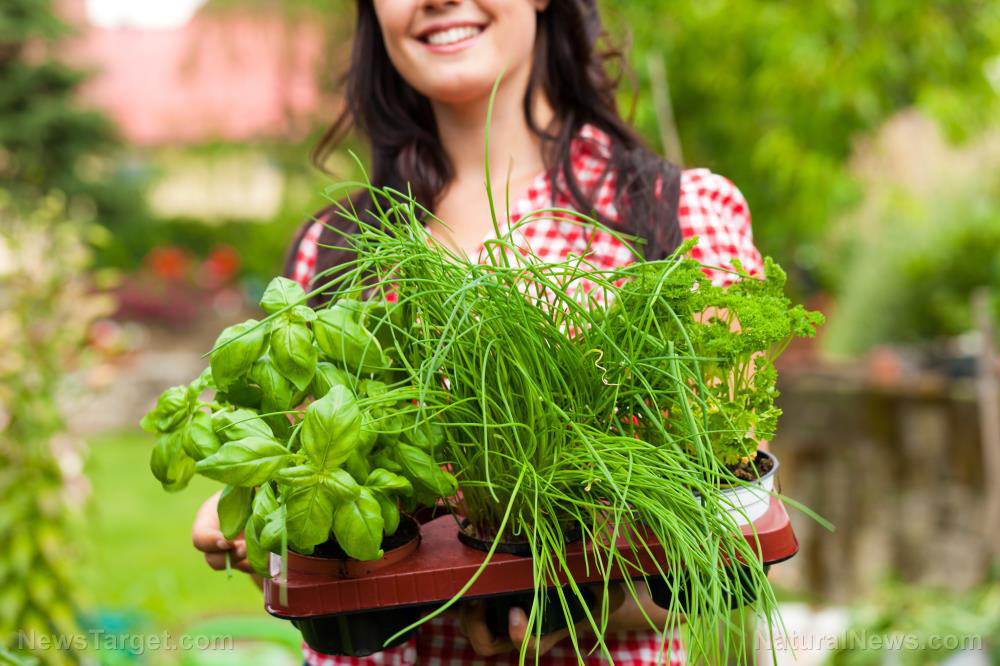
In an age of complex supply chains, rising medical costs, and a healthcare system focused on symptom management, the importance of self sustaining herbal gardens and medicine becomes paramount. The skills learned in herbalism are a return to an ancient form of healthcare, one that empowers individuals to take charge of their well-being using the most fundamental of resources: plants. This movement is not about rejecting modern medicine outright, but about rebuilding a foundational layer of personal resilience and moving towards a model of true prevention. By learning to cultivate, harvest, and preserve medicinal herbs, people are creating a living, breathing insurance policy against uncertainty—one that offers profound healing without the burden of exorbitant costs or the cascade of pharmaceutical side effects. This is the essence of "kitchen medicine," the true pharmacy of the future, where your prescription replenishes itself with a simple splash of water and a dash of sunlight.Key Points:
- Building an herbal first-aid kit is a proactive measure for anyone seeking to reduce dependency on fragile medical and pharmaceutical systems and embrace a more sustainable, personalized approach to health.
- Common, easy-to-grow plants possess scientifically-supported properties for treating wounds, infections, and common illnesses, offering a direct connection to the nutraceuticals our bodies crave.
- Proper harvesting, drying, and storage techniques are crucial for preserving the potency of these plant-based medicines for long-term use, capturing their complex biochemical compounds.
- Creating tinctures, salves, and poultices transforms dried herbs into practical, shelf-stable remedies for a home medicine cabinet, moving beyond the one-size-fits-all approach of modern pharmaceuticals.
- This practice connects individuals to a historical lineage of herbal knowledge and our millions of years of co-evolution with plants, while providing immediate, tangible benefits for modern health challenges.
A garden as a defensive line
The journey toward herbal self-sufficiency does not begin in a pharmacy, but in the soil. For those concerned about grid-down scenarios, remote living, or simply the escalating price and frustrations of healthcare, a personal plot of land becomes a strategic asset. The concept is simple yet profound: by growing specific medicinal plants, you preserve powerful remedies for wounds, infections, and common ailments, placing control over basic health needs back into your own hands. This is not a fringe concept but a time-honored tradition, with institutions like the California School of Herbal Studies long advocating for meticulous documentation of harvests to ensure potency and proper use. Imagine a world where a cut, a burn, or a fever does not necessitate a trip to the store, a doctor’s appointment, or a debate with your insurance, but a walk into your garden. This level of preparedness transforms anxiety into action, offering a palpable sense of security in an unpredictable world.
Consider the humble yarrow, a plant with feathery leaves and clusters of tiny white or yellow flowers that has been a battlefield medic for thousands of years. Its very name, Achillea, harkens back to the Greek hero Achilles, who was said to have used it to stanch the bleeding wounds of his soldiers. Today, its value is undiminished. When harvested at full bloom and dried in a shaded, ventilated area, yarrow can be powdered and stored in sealed glass jars as a potent styptic, capable of stopping bleeding from minor cuts and scrapes almost instantly. Its leaves can be chewed to soothe tooth pain or canker sores.
Similarly, plantain, often dismissed as a common lawn weed, possesses a remarkable drawing power, pulling infection and debris from insect bites and splinters with a gentle, anti-inflammatory touch. Its young leaves, dried and stored in airtight jars, can be rehydrated into a poultice that soothes skin irritation with an effectiveness that rivals many over-the-counter creams.
Five more essential herbs to work with
Calendula (Calendula officinalis): The ultimate skin-healer. Its vibrant orange and yellow petals, infused into oil or salve, are unparalleled for soothing diaper rash, healing burns, mending chapped skin, and disinfecting minor wounds. It stimulates tissue repair and reduces inflammation, making it a cornerstone of topical herbal care.
Echinacea (Echinacea purpurea): The immune system's vigilant guard. At the first sign of a cold or sore throat, a tincture made from its roots and flowers can help mobilize the body's defenses. It’s best used short-term as a powerful stimulant to the immune response, helping to reduce the severity and duration of common winter illnesses.
Lemon balm (Melissa officinalis): Sunshine in a leaf. This cheerful, lemon-scented member of the mint family is a gentle yet effective nervine. A cup of lemon balm tea can ease anxiety, lift a low mood, and settle a nervous stomach. It’s safe for children and adults alike, offering a moment of calm without the side effects of synthetic sedatives.
Thyme (Thymus vulgaris): A culinary powerhouse with profound medicinal depth. Its potent volatile oils are strongly antiseptic and antispasmodic. A strong thyme tea or syrup is a classic remedy for stubborn coughs, bronchitis, and chest congestion, helping to loosen phlegm and fight respiratory infections.
Holy basil / tulsi (Ocimum tenuiflorum): The "Queen of Herbs" in Ayurvedic tradition. Unlike its culinary cousin, Tulsi is a renowned adaptogen, meaning it helps the body adapt to physical and emotional stress. Enjoyed as a daily tea, it can help balance cortisol levels, support cognitive function, and bolster overall resilience, acting as a preventative tonic for the stresses of modern life.
The art of preservation and transformation
Harvesting the plants is only the first step; the true magic lies in the alchemy of preservation. The goal is to capture the plant’s vital medicinal oils and constituents at their peak and lock them in for the long term. This requires a mindful approach, harvesting flowers at full bloom on a dry day and digging roots in the autumn of the plant’s life cycle when their energy is most concentrated. The drying process is a gentle coaxing of moisture, not a harsh assault, best done in a warm, shaded space with ample airflow where bundles of herbs hang like sleeping bats, their healing properties intensifying as they crisp. When a stem snaps cleanly and leaves crumble easily, they are ready to be stored in the cool, dark silence of an airtight glass jar—a captured summer ready to be unleashed in a time of need.
Create a salve for topical healing
These dried botanical treasures then become the raw materials for a home apothecary. Through simple, time-tested methods, they are transformed into the workhorses of the herbal first-aid kit. Salves can be made by infusing dried blossoms like calendula and yarrow in a carrier oil like extra virgin olive oil in a glass jar. Once steeped in the carrier oil, the oils can double-boiled on low heat in a pan, allowing the properties of the herbs to extract into the oil. The plant parts are then removed or strained from the oil, and the oil is combined with beeswax, rosemary extract (preservative), and other essential oils for aroma. Once the mixture cools, these salves yield a gentle but effective ointment for burns and scrapes.
Create natural remedies for sore throat
In the kitchen, garlic can be crushed and suspended in honey, creating a shelf-stable syrup that serves as both a natural antibiotic and a soothing remedy for a sore throat. These preparations are not mysterious concoctions; they are the practical results of knowledge passed down through generations, now being rediscovered by a new wave of health-conscious individuals seeking to resolve the root cause of dis-ease.
Creating a tincture for sinus and respiratory improvement
To create a tincture for sinus and respiratory improvement, consider gathering a common weed called mullein. To make a mullein tincture, you'll need high-proof alcohol (at least 80 proof, or 40% ABV), mullein leaves and flowers, and a glass jar with a lid. Mullein (Verbascum thapsus) is a powerful herb with expectorant, demulcent, and anti-inflammatory properties, making it useful for respiratory conditions, ear infections, and skin irritations. Here's a detailed, step-by-step process:
- Harvest and Prepare Mullein: Gather fresh mullein leaves and flowers, ensuring they're free from pesticides and pollutants. Harvest in the morning after the dew has evaporated but before the heat of the day. Rinse the plant material gently to remove any dirt or debris, then pat dry. You can use either fresh or dried mullein for your tincture.
- Measure Ingredients: The general rule for tinctures is a 1:2 or 1:5 plant-to-alcohol ratio by weight. For a 1:2 ratio, use 200 grams of mullein for every 400 ml (13.5 oz) of alcohol. For a 1:5 ratio, use 400 grams of mullein for every 2000 ml (68 oz) of alcohol.
- Pack the Jar: Fill your glass jar with the measured amount of mullein, packing it down gently to remove air pockets. Ensure the plant material is completely submerged in the alcohol.
- Add Alcohol: Pour the measured amount of high-proof alcohol into the jar, filling it to the top. Leave some headspace (about 1 inch) for the plant material to expand during the steeping process.
- Seal and Label: Seal the jar tightly with a lid, and label it with the contents, date, and the expected extraction date (usually 4-6 weeks).
- Steep: Store the jar in a cool, dark place, shaking it gently every few days to help release the plant's compounds into the alcohol. The steeping process typically takes 4-6 weeks, but you can taste-test the tincture after 2 weeks to see if it has reached your desired potency.
- Strain and Store: Once the steeping period is complete, strain the tincture through a cheesecloth or fine mesh strainer into a clean glass bottle. Squeeze the plant material to extract as much liquid as possible. Discard the plant material or compost it. Store your mullein tincture in a cool, dark place, away from direct sunlight and heat sources. It should keep for several years.
- Dosage: The typical dosage for mullein tincture is 1-2 ml (20-40 drops), taken up to 3 times daily. For acute conditions, you can take up to 3 ml (60 drops) every 2-3 hours. Always start with the lowest effective dose and adjust as needed.
For millennia, before the relatively recent pharmaceutical model took hold, our medicine was found all around us. The knowledge of which leaf could reduce a fever or which root could mend a bone was essential, life-saving information. The modern herbal first-aid kit is a direct descendant of this tradition, a tangible step in reconnecting with our botanical companions. It represents a desire to re-engage with a lineage of healing that is both personal and profound, connecting us to the land and to the innate wisdom of the plants that have co-evolved with us.
Sources include:
Survivopedia.com
Naturalpedia.com
Naturalpedia.com
NaturalNews.com
NaturalNews.com
Learn how to grow, harvest, and transform herbs into medicine – NaturalNews.comIf you're gonna fight, fight like you're the third monkey on the ramp to Noah's Ark... and brother its starting to rain. Join our efforts to Secure America's Borders and End Illegal Immigration by Joining ALIPAC's E-Mail Alerts network (CLICK HERE)
-
10-16-2025, 01:42 AM #10769Senior Member
- Join Date
- Aug 2018
- Posts
- 95,580
If you're gonna fight, fight like you're the third monkey on the ramp to Noah's Ark... and brother its starting to rain. Join our efforts to Secure America's Borders and End Illegal Immigration by Joining ALIPAC's E-Mail Alerts network (CLICK HERE)
-
10-16-2025, 05:14 PM #10770Senior Member
- Join Date
- Aug 2018
- Posts
- 95,580
Sweden revives Cold War food stockpiling amid rising conflict fears
10/16/2025 // Cassie B. // 490 Views
Tags: big government, chaos, Collapse, food freedom, food security, food stockpile, Food storage, food supply, national security, panic, preparedness, prepper, prepping, stockpiling, supply chain, survival, Sweden, War
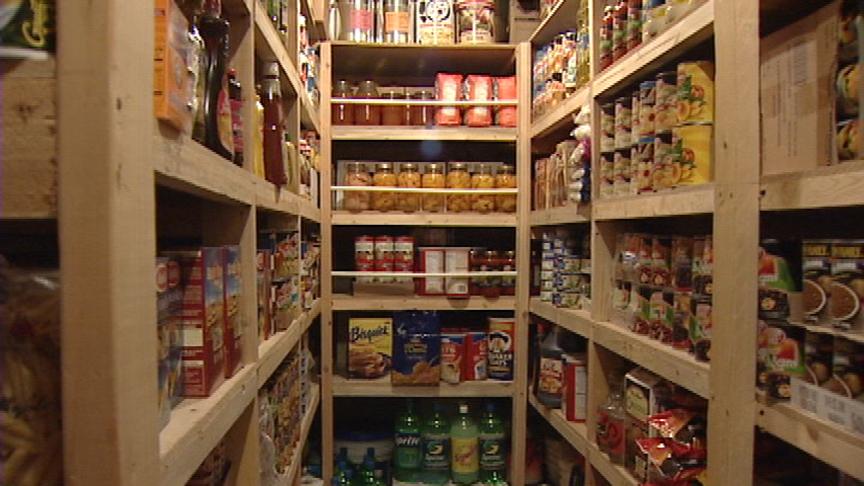
- Sweden is stockpiling emergency grain for the first time since the Cold War.
- The government cites the risk of supply chain disruption from war or conflict.
- The first grain reserves will be established in vulnerable northern Sweden.
- This is part of a revived "total defense" strategy for societal mobilization.
- Citizens are encouraged to stockpile at least one week's worth of food and learn preservation skills.
Sweden has announced it will begin stockpiling food for the first time since the Cold War, investing around $61 million in emergency grain reserves as part of its 2026 budget. This decisive move by the Scandinavian country, which recently joined NATO, signals a recognition of the fragile state of global supply chains and the very real threat of being cut off during war or conflict.
Civil Defense Minister Carl-Oskar Bohlin outlined the rationale behind the decision. "We are well aware that the risk of Sweden becoming completely cut off is very low, but the risk of complex supply chains being disrupted with major and unpredictable consequences in the event of war and conflict is unfortunately more likely," Bohlin stated. This admission from a top government official reveals that those in power are quietly preparing for scenarios most citizens dismiss as alarmist.
The first emergency grain stocks will be established in northern Sweden, a region identified as particularly vulnerable. Bohlin explained this was not a random choice, noting, "Northern Sweden’s important military-strategic location combined with a low degree of self-sufficiency in grain makes it urgent to establish physical storage here as soon as possible." These northern counties are currently entirely dependent on grain transported from southern Sweden, a precarious situation in a crisis.
A return to total defense
This initiative is part of Sweden's revived "total defense" strategy, which was first updated in 2015 following Russia's annexation of Crimea and intensified after the full-scale invasion of Ukraine in 2022. The strategy aims to mobilize all of society, from authorities to citizens and businesses, to collectively resist armed aggression while maintaining essential functions. The government is now acting with urgency, with Bohlin emphasizing, "there is no time to lose."
The Swedish population is already responding to government encouragement for individual preparedness. At a civil preparedness fair in Stockholm, 71-year-old Sirkka Petrykowska told AFP, "I have bought a camping stove. I have taken a course on preservation in an old-fashioned way, where you can preserve vegetables, meat, and fruit that lasts for 30 years without a refrigerator." This level of personal preparation is becoming more common as fears deepen.
The Swedish Civil Contingencies Agency recommends citizens stockpile enough food to live independently for at least seven days without external aid. Their published list of recommended foods includes pesto, dried meat or fish, jam, chocolate, mashed potatoes, powdered milk and cookies. The agency notes that in a war scenario, people will be more physically active, increasing caloric needs by about 100 calories per day on average.
Why you should prepare now
The Swedish government's actions serve as a warning to the world. Modern society operates on a just-in-time delivery system that can collapse with stunning speed. When supply chains fracture, the illusion of financial security vanishes. Having money means nothing if there is no food to purchase, a lesson already learned by nations facing hyperinflation and resource scarcity.
Beyond the threat of war, numerous other crises can disrupt food supplies. Natural disasters, cyber attacks on infrastructure, grid failures, or economic collapse could empty store shelves within days.
The time for preparation is before a crisis strikes, not during one. When populations become cold, hungry, and unhappy, they can become a powder keg of misery. The Swedish government recognizes that resilience begins with the ability to feed its people. This fundamental truth applies equally to families and individuals who must take responsibility for their own security and survival.
Learning essential skills such as gardening, food preservation, and water purification is as crucial as stockpiling supplies. A recent survey in Sweden found that 86 percent of citizens believe the country is worth defending in the event of a military attack. This commitment to self-reliance and defense of one's way of life is a foundational principle of liberty that transcends national borders.
The Swedish initiative to stockpile grain is a clear signal that governments recognize the fragility of our interconnected world. For individuals, the message is equally clear: do not wait for official instructions to begin preparing. The security of your family depends on actions taken today, not promises made for tomorrow. As global tensions escalate and systems grow more unstable, the wisdom of self-reliance becomes increasingly evident.
Sources for this article include:
Metro.co.uk
DailyMail.co.uk
France24.com
Sweden revives Cold War food stockpiling amid rising conflict fears – NaturalNews.com
If you're gonna fight, fight like you're the third monkey on the ramp to Noah's Ark... and brother its starting to rain. Join our efforts to Secure America's Borders and End Illegal Immigration by Joining ALIPAC's E-Mail Alerts network (CLICK HERE)


 Reply With Quote


"The whites here are dying now, we are taking over." African...
08-01-2026, 09:45 PM in General Discussion