

Results 391 to 400 of 11921
 226Likes
LinkBacks (?)
-
12-26-2016, 11:32 AM
-
09-02-2016, 05:39 PM
-
whole garden made with pallets!! Love it!! | Pallets | Pinterest | Pallets, Pallets Garden and Wooden Pallets
Refback This thread03-06-2016, 11:30 AM -
10-20-2015, 05:29 PM
-
06-12-2015, 08:00 PM
-
02-26-2015, 01:58 PM
-
01-05-2015, 04:13 PM
-
12-19-2014, 10:19 AM
-
EMERGENCY: HUGE FEMA PANDEMIC EXERCISE IN USA IN NOVEMBER, INTERNET SHUT DOWN PART OF EXERCISE | Prepare4Survival
Refback This thread12-03-2014, 10:39 PM -
Off Grid World ? Ugly Duckling Shipping Container Home Built by Artist Is a Beautiful Swan on the Inside
Refback This thread11-25-2014, 03:10 PM -
11-17-2014, 10:59 PM
-
11-13-2014, 11:18 AM
-
11-09-2014, 02:54 PM
-
10-28-2014, 11:38 PM
-
10-26-2014, 05:54 AM
-
10-16-2014, 11:28 AM
-
10-03-2014, 01:25 PM
-
10-02-2014, 09:16 PM
-
09-26-2014, 07:00 PM
-
09-26-2014, 01:56 PM
-
09-19-2014, 04:46 PM
-
09-13-2014, 05:49 AM
-
09-05-2014, 01:52 PM
-
09-01-2014, 09:39 AM
-
08-30-2014, 06:29 PM
-
08-10-2014, 06:29 AM
-
08-04-2014, 05:07 PM
-
07-23-2014, 11:14 AM
-
New Evidence on Expiration Dates | Medical Preparedness | Doom and Bloom (TM) | Doom and Bloom (TM)
Refback This thread07-22-2014, 10:10 AM -
07-18-2014, 08:37 PM
-
07-15-2014, 04:57 PM
-
07-11-2014, 01:40 AM
-
04-22-2014, 11:14 AM
-
04-18-2014, 12:57 PM
-
04-18-2014, 10:10 AM
-
04-14-2014, 12:18 AM
-
04-12-2014, 02:28 AM
-
03-02-2014, 11:43 PM
-
12-24-2013, 11:59 PM
-
12-07-2013, 11:04 PM
-
kitchen | Cob
Refback This thread11-25-2013, 03:24 PM -
10-22-2013, 10:25 PM
-
Apple Pie Braid | Sweets
Refback This thread09-26-2013, 07:58 AM -
09-02-2013, 04:44 PM
-
5 Reasons Why You May have to Bug Out Even Though You Don’t Want to | The Apartment Prepper's Blog
Refback This thread08-23-2013, 03:20 PM -
06-27-2013, 06:30 AM
-
06-23-2013, 08:11 PM
-
06-17-2013, 11:21 PM
-
05-24-2013, 05:06 PM
-
To Eat / BASIC LIST / SUGGESTED ITEMS FOR LONG TERM SURVIVAL - Page 275 - ALIPAC
Refback This thread05-01-2013, 03:49 AM
Thread Information
Users Browsing this Thread
There are currently 2 users browsing this thread. (0 members and 2 guests)
 LinkBack URL
 About LinkBacks
-
11-28-2010, 02:02 PM #391Senior Member


- Join Date
- Sep 2010
- Location
- somewhere near Mexico I reckon!
- Posts
- 9,680
I am a roofer, and have been one for 26yrs. I love to roof!
Not only am I roofer I'm one the best in the WORLD if I can help anyone save money, find out if your getting ripped off on price, what material is best for your roof, small repairs you can perform yourselves(walkable!) please feel free to ask me questions, if you get a bid tell me what it is and I'll tell you if it's fair or not and I already know that no illegals will be working on any of your roofs and I can't "THANK YOU, ALL ENOUGH FOR THAT!"
My post seems kinda corny after reading all the wonderful posts here but money is money and there's not a lot to go around these days. Thanks! Sapper7.Support our FIGHT AGAINST illegal immigration & Amnesty by joining our E-mail Alerts at http://eepurl.com/cktGTn
-
11-28-2010, 11:41 PM #392Senior Member

- Join Date
- May 2007
- Location
- South West Florida (Behind friendly lines but still in Occupied Territory)
- Posts
- 117,087
The Top 50 Survival Blogs!
20 CARD\'s blog
33 Doug Ritter
35 Survival Joe
39 SHTF Blog
40 SHTF America
50 The Retreat
http://www.survivaltop50.com/
=> View these other great Survival Blogs that almost made the Top 50!
http://www.survivaltop50.com/runners-up/Last edited by AirborneSapper7; 01-12-2012 at 07:06 AM.
Join our efforts to Secure America's Borders and End Illegal Immigration by Joining ALIPAC's E-Mail Alerts network (CLICK HERE)
-
11-29-2010, 10:21 PM #393Senior Member
- Join Date
- May 2007
- Location
- South West Florida (Behind friendly lines but still in Occupied Territory)
- Posts
- 117,087
Survival Traits
November 29, 2010 by Bob Livingston
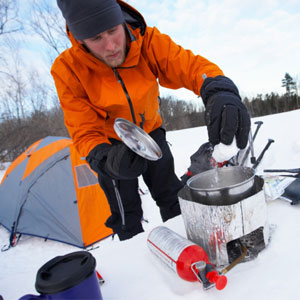
Do you have the personality to stay alive in times of crisis? Believe it or not, psychologists have studied the personalities of those who have survived life-threatening events to see what set them apart. It turns out they all had common traits.
In her book The Unthinkable, Amanda Ripley writes that people go through three basic steps when confronted with a life-or-death scenario: denial, deliberation and decision. During the denial stage, it is not unusual for people to continue performing mundane tasks while chaos reigns around them. The brain is processing information, delaying its decision-making process and assessing the risk.
In the deliberation phase, the mind begins to put together possible courses of action. It’s not unusual, Ripley writes, for people to describe this period as having time almost stand still. They remember in great detail the words or images that would not normally be significant.
It’s this stage, and the decision stage that follows, that usually determines whether the outcome will be a good one.
In his book, 98.6 Degrees, The Art of Keeping Your Ass Alive!, Cody Lundin writes that survivors all have common personality traits which take over in the decision stage:
- The ability to keep calm and collected. This is the ability to prevent fear and panic from taking over your world, as both possess the power to incapacitate the body and mind. Prior training can help you deal more effectively with “this ugly pair.” Sometimes you have stop and regroup to allow clarity to surface.
- The ability to improvise and adapt. This allows you to improvise and make use of every opportunity. For instance, it allows you to pack survival gear with more than one function or gear that allows for creating other gear. It can also be thought of as the ability to understand what all can be accomplished with limited resources.
- The ability to make decisions. Rather than getting lost during the decision-making process — or having your brain freeze, forcing you into inaction — this ability allows you to thoroughly yet quickly formulate a game plan then follow through with it. Lundin recommends you be decisive and take responsibility for your decisions.
- The ability to endure hardships. A survival situation is not comfortable. It will tax you physically, mentally, emotionally and spiritually. Your ability to endure hardship will be tested. The two greatest enemies to survival are a desire for comfort and complacency. Desiring temporary comfort can spur you into making decisions that are irrational, and this impulse must be overcome.
- The ability to figure out the thoughts of others. How can intuition work to your advantage? Put yourself in the shoes of your rescuers. Which direction will they come from? Where might they look first? What will they expect you to do? These are crucial questions to consider if you’re expecting rescue. As for those in your group who are looking to you for leadership, be mindful of their condition. Are they experiencing panic, in danger of hypothermia or dehydration or exhibiting an inability to cope? Remember that what befalls one member of the group spreads to others.
- The ability to hope for the best but prepare for the worst. Hoping for the best means maintaining a positive attitude regardless of the difficulties thrown your way. Proper preparation is an essential part of survival. Practice both before and during any outdoor excursion.
- The ability to maintain a sense of humor. Lundin believes humor has a great effect on the human psychology and physiology.
http://www.personalliberty.com/survi...rvival-traits/Last edited by AirborneSapper7; 02-01-2012 at 09:14 AM.
Join our efforts to Secure America's Borders and End Illegal Immigration by Joining ALIPAC's E-Mail Alerts network (CLICK HERE)
-
11-29-2010, 10:27 PM #394Senior Member
- Join Date
- May 2007
- Location
- South West Florida (Behind friendly lines but still in Occupied Territory)
- Posts
- 117,087
The Advantages Of Storing Dehydrated Foods
November 22, 2010 by Peggy Layton
The next step in our food storage plan is for you to make a list of the foods that your family eats on a regular basis and purchase enough food for a three-month supply. As we talked about in a previous article, Food Storage 101: Where do I begin?, one of the best ways to stockpile food is in the dried form. It is lightweight and can be reconstituted to its original form by adding water.
I tell people to start with everything to make soup and simple breads. My philosophy is that you can live on just soup and bread.
Soups are easy to make, and if you are in a time of stress you want something that is simple to prepare. Dehydrated vegetables are easy to use when making soup. Grains such as barley, quinoa and rice can also be added to soup to make it more filling. Dehydrated vegetables, bouillons and grains will store for a lot longer than wet pack soups.
Studies have been done on the shelf life of dehydrated foods and, surprisingly, the food has been lasting longer than originally expected, which was between five and 20 years. Wet pack foods only last two to three years after being canned.
A good rule of thumb is to rotate any dried dairy products within five to seven years. All dried fruits, vegetables, beans and legumes should be rotated within seven to 10 years and all grains within 20 to 30 years. Wheat will last the longest.
Dehydrated Foods
We use dehydrated foods every day, whether we know it or not. They are called “convenience foods,” and include things like Rice-A-Roni, Hamburger Helper, Bisquick®, macaroni and cheese, Pasta Roni®, Tuna Helper, potatoes au gratin, instant oatmeal, instant soups like Lipton Onion Soup and Cup of Noodles, powdered milk, gravy mixes and anything you “just add water” to.
Dehydrated foods are second only to fresh foods. They are processed under a high vacuum and low drying temperature that removes most of the water. The product is more brittle and hard rather than leathery like dried fruits such as raisins, figs, prunes, pineapple, apricots, etc.
Dehydrated foods, when harvested and preserved properly, will retain their vitamins, minerals and enzymes because the food has not been cooked or canned, processes that kill the enzymes that are so vital to the digestive process. So dehydrated food is “live food.”
Dehydrated food is lower in weight and is much easier to store than wet pack food. It fits in cans and buckets and when reconstituted will yield at least double or triple its weight. And dehydrated food is less expensive than wet pack food because you aren’t paying for all the water.
Food packed in No. 10 cans fit six cans per box and stack nicely on top of each other. If you label the boxes as to what is in them, you can see at a glance what you have.
Dehydrated food can be rehydrated to restore it to its natural state. The taste is still great and the food value is excellent. Dehydrated food stores well for long periods of time if properly canned. Most items keep for seven to 30 years.
Any product that has powdered milk or dried eggs in it has a shorter shelf life. Rotate these items before the expiration date is up. The suggested shelf life of dairy products is five to seven years.
I have been asked many times what the difference is between dehydrated and freeze-dried foods. Dehydrated foods are dried until the product is dry and leathery and most of the moisture is out of the food.
Freeze-dried foods are flash-frozen and then the water is extracted out of the product using a special evaporation process. It retains its original shape and is much lighter in weight.
Freeze-dried foods are ideal for backpacking. Freeze-dried foods are more expensive than dehydrated food, but the flavor is wonderful.
You may recognize the name Mountain House Foods®. These foods are already in a pouch and ready to eat. You just add water and let the mixture sit for a few minutes. They are nice to have in your 72-hour grab-and-go pack in case of emergency. However, the cost is prohibitive for use for extended periods of time, especially if you are on a budget and trying to get enough food storage to sustain your family for at least a 3-month period.
Reconstituting Guidelines
A good rule of thumb for reconstituting fruits, vegetables and meats is to add about three times the amount of boiling water to the product. Then let it set for at least 20 minutes. If cold water is used, the product must sit in the refrigerator for about four hours or overnight.
If you have added too much water, you can drain it and use it in cooking. If your food looks like it needs more water, then add more. To speed up the reconstitution process, add the dried product directly to soup and cook as usual.
Dehydration causes the cell walls of the food to collapse. Some products, like tomatoes, cannot be reconstituted to the texture that they were before. However, they can be used in seasonings or in recipes such as tomato sauce or soups. It’s very easy to reconstitute food; you just “add water.”
A company that I recommend for fast, easy, nutritious gourmet meals that will store for up to 15 years is eFoods Global. How does chicken veggie alfredo pasta, chili with cornmeal dumplings or white cheddar pasta shells sound? How about beef stroganoff, tortilla soup or, my favorite, cheesy chicken rice casserole.
 Some of the features of eFoods Global are:
- Dehydrated from premium-grade fresh raw foods.
- No genetically modified foods (GMOs).
- No added MSG.
- No imports from countries using illegal fertilizers and insecticides.
- No hydrogenated oil.
On my website you can purchase many different varieties of dehydrated foods already packaged for long-term storage. They come in No. 10 gallon-sized cans. When the product is reconstituted it yields about three to four times the amount in the can.
These packs contain dehydrated fruits like apples, banana chips, pineapple, strawberries and peaches. They have dried vegetables like carrots, onions, corn, peas, bell pepper, tomato flakes and potato slices, dices, flakes and hash browns. They also contain powdered milk and dairy products like cheddar cheese powder, dried eggs, butter powder, buttermilk powder, plus shortening powder, meat substitutes, soup mixes, rice and other grains, popcorn, spaghetti and egg noodles, six- and nine-grain cereals, rolled oats and granola.
The beans include pinto, small red, white navy, split pea, lentils and refried. The packs also include drink mixes like peach and apple drink, as well as chocolate milk mix. There is salt, baking soda, sugar cookie mix and white bread mix.
The packs also include five-gallon buckets of wheat, flour, cornmeal and sugar. And you get one of my cookbooks for free.
There are premium year-supply packs that include entrees that are ready to eat. This includes some Mountain House freeze dried meals. Some of the meals are beef stew, beef stroganoff, beef teriyaki with rice, chicken ala-king, chicken and rice, chicken and noodles, spaghetti and meat sauce, vegetable stew, chili mac, lasagna with meat sauce, wild rice and mushroom pilaf and mac and cheese, fried rice, chili, scrambled eggs with ham or bacon and granola with blueberries.
These foods come in three-month, six-month and one-year variety packs. I have personally worked with all these foods and have chosen the ones that I recommend. If you are interested in any of these packs, you can go to my website and order them.
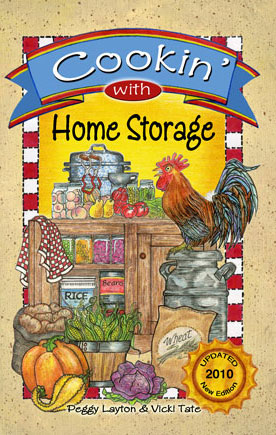 I also recommend my new, updated cookbook, Cookin’ With Home Storage. It has more than 550 recipes for using storable foods like dehydrated, freeze-dried and pantry food items. It also has charts on what food to store, how much food to store and how to store it. There are also historical tips and information on how the pioneers really lived.
This book teaches how to incorporate food storage into your everyday diet. It also contains Grandma’s home remedies, emergency baby food and recipes for pet food free of all the additives that are found in commercial baby food and pet food.
This is my No. 1 selling book.
 The next best selling book I have is Emergency Food Storage and Survival Handbook.
These books, along with many others, including Food storage 101, “Where Do I Begin?” can be purchased on my website, www.peggylayton.com.
You can also contact me via email or by phone: 435-835-0311.
In my next article I will cover how to store bulk foods.
http://www.personalliberty.com/survi...rvival-traits/Last edited by AirborneSapper7; 02-01-2012 at 09:15 AM.
Join our efforts to Secure America's Borders and End Illegal Immigration by Joining ALIPAC's E-Mail Alerts network (CLICK HERE)
-
11-30-2010, 11:17 AM #395AprilGuest
PLEASE continue to TAKE ACTION AGAINST DREAM ACT!
Go here:
http://www.alipac.us/ftopicp-1144057.html#1144057
-
11-30-2010, 11:29 AM #396Guest
- Join Date
- Aug 2009
- Posts
- 9,256
[quote="AirborneSapper7"]The Advantages Of Storing Dehydrated Foods

November 22, 2010 by Peggy Layton
The next step in our food storage plan is for you to make a list of the foods that your family eats on a regular basis and purchase enough food for a three-month supply. As we talked about in a previous article, Food Storage 101: Where do I begin?, http://www.personalliberty.com/survival ... o-i-begin/
one of the best ways to stockpile food is in the dried form. It is lightweight and can be reconstituted to its original form by adding water.
I tell people to start with everything to make soup and simple breads. My philosophy is that you can live on just soup and bread.
Soups are easy to make, and if you are in a time of stress you want something that is simple to prepare. Dehydrated vegetables are easy to use when making soup. Grains such as barley, quinoa and rice can also be added to soup to make it more filling. Dehydrated vegetables, bouillons and grains will store for a lot longer than wet pack soups.
Studies have been done on the shelf life of dehydrated foods and, surprisingly, the food has been lasting longer than originally expected, which was between five and 20 years. Wet pack foods only last two to three years after being canned.
A good rule of thumb is to rotate any dried dairy products within five to seven years. All dried fruits, vegetables, beans and legumes should be rotated within seven to 10 years and all grains within 20 to 30 years. Wheat will last the longest.
Dehydrated Foods
We use dehydrated foods every day, whether we know it or not. They are called “convenience foods,â€
-
11-30-2010, 11:59 AM #397working4changeGuest
PLEASE HELP HERE
http://www.alipac.us/ftopict-219688.html
-
11-30-2010, 10:50 PM #398Senior Member
- Join Date
- May 2007
- Location
- South West Florida (Behind friendly lines but still in Occupied Territory)
- Posts
- 117,087
SURVIVE ANYTHING! Chapter 2: Food Crisis
By Giordano Bruno
Neithercorp Press 11/29/2010
45 Comments
Giordano BrunoFood production is one of the most essential concerns of any society. Without direct availability and ease of consumption, without the consistent flow of agricultural goods, every nation existing today (except the most primitive) would immediately find its infrastructure crumbling and its people in a furious panic. It’s strange to me, then, that long term independent food planning is the one concern that many Americans seem to take most for granted. Firearms and ammo, camping gear and bug-out-bags, MRE’s, beans, and rice; these are the easiest part of your survival foundation. The hard part is not storage of goods, but devising a solid and practical plan for sustainability in the long term. This starts with the capacity to support your own agriculture regardless of how long the grid is down, even if it is down indefinitely.
Understandably, there will be some people who do not have enough land to implement many of these strategies. They should still know the fundamentals and be ready to apply them at a retreat location or within a community should the opportunity arise.
In the first chapter of our ‘Survive Anything’ series, we covered all the consequences of a nuclear attack on American soil, and how to not only make it out alive, but even thrive after such an event: http://neithercorp.us
The reason Neithercorp covered survival tactics for a nuclear strike first was simple; we wanted to make it clear that the title of this series is not an exaggeration. Truly, ANYTHING is survivable with the right knowledge and preparation. Those who promote a ‘doomer’ view of economic collapse or global war are on average people who have simply given up before the struggle has even started. Therefore, their opinions on survival are empty, and barely worth the effort to ignore. Life goes on after collapse, as it always has since the beginning of organized civilization. It is YOU who decides whether or not you will be a part of that life. It is you who decides your chances of success.
With that success in mind, let’s dive into the most important aspects of food survival in a country where infrastructure has ceased to function…
 Emaciated Grocery Chains
Last winter, I witnessed perhaps the most incredible snow storm I have ever seen in my life. A low pressure system punished the Northeast with downpour after downpour, stopping most road travel and cutting power to millions for at least a week. Being that the average family has only a week’s worth of food or less in their pantry, you can imagine the chaos that unfolded. Those grocery stores with backup power were flooded with customers buying armloads of batteries, water, ice chests, and, of course, foods that don’t require refrigeration. Now, what I want you to imagine, is what would have happened if no grocery stores had been open that week. What would have happened if they had never reopened? How many people would have been in the very real position of starving to death? From what I observed that winter…far too many…
The problem of storage and backstock is widespread in the U.S. and the culprit is actually one which we have been trained to admire; efficiency. It is because of the over-application of efficiency in grocery models and in the freight sector that most outlets carry little to no backstock in goods. Instead, they order goods as quickly as they sell out, refilling shelves on a product by product basis. This means that in most grocers, what you see on the shelf, is all that they have. The speed of trucking deliveries makes this business model possible, but its operation suffers from a seriously fatal flaw…
Grocery stores may seem like a bounty of goods at first glance, but if freight shipments shut down, or even slowed, those aisles would empty within the span of a few days. Many households in America operate on the same faulty “efficiencyâ€�. They rely on the weekly trip to the grocer to maintain the pantry while also attempting to save money by reducing backstock. It’s a frayed rope holding up too much weight, a completely inflexible system that cannot withstand any deviation from the set routine. One unexpected disaster could render the entire food and agriculture distribution network immobile.
Many grocery chains also function on a line of credit from banks while operating at a loss. Profits are poured directly into the liabilities the companies incur from loans and then more money is borrowed to continue ordering goods. Some stores in the chain (flagship stores) usually bring in enough money to cover the red ink of the other branches, however, what if banks were to cut off credit completely to a grocery chain? Or maybe ALL grocery chains? The cycle of debt, to sales, to profit, to debt, becomes disrupted. Any stores that rely solely on credit to stay open for business would immediately lose the ability to bring in new stock. Again, we are faced with empty shelves in less than a week.
This scenario is entirely possible in the U.S. today, especially in the event that big banks institute capital retention in order to protect themselves from a further collapse of investment markets. Banks have already restricted loans to consumers down to the bare minimum. A restriction of loans to the business sector in the near future is not that far fetched.
Food In A World Without Walmart
The above section illustrates just a few of the weaknesses in U.S. food distribution. I haven’t included the catastrophe inherent in a hyperinflationary situation because I think the consequences of that are self evident. The point is, if you are not standing on solid ground in terms of not just food storage, but a plan for sustainability, then you and your family are in serious danger. This is not a game, and it is not to be taken lightly. It is not something to be shrugged off and postponed for some undefined “later dateâ€�. If you have not already started the process of prepping for economic downturn or collapse, then you need to start today.
Buying food with a long term storage capacity is half the battle, and I recommend purchasing at minimum a year’s supply of these goods totaling at least 2000-2500 calories a day per person. Do not forget to include salts, sugars, and ample fats, without which, your body cannot function. Being that we have covered food storage in great detail in previous articles, let’s examine some practical methods for food production after your stores run out.
 Squarefoot Gardening: One of the most productive styles of gardening I have ever seen is devised by Mel Bartholomew, a civil engineer who was frustrated with the immense waste involved in single row gardening. The process involves building easy to make above ground 4 foot by 4 foot soil boxes and then dividing those boxes into grids. These grids retain water and nutrients to a much greater capacity than traditional yard gardens, resulting in up to 80% less space required, 90% less water use, and 95% less seed to grow the same amount of vegetables. Fertilizer is not necessary and existing soil can be easily used. I would not set up a survival garden any other way.
There is one downside to squarefoot gardening, however, and it is one of visibility. If you are in a situation which calls for discreet growing of crops, then the highly visible soil boxes and neat rows will stand out like a sore thumb and alert others to your presence. If you feel secure in the defense of your homestead or retreat, though, then garden visibility is irrelevant and Bartholomew’s strategy is the best by far. Read his book, or check out his website here:
http://www.squarefootgardening.com/
Non-Hybrid Seeds: Non-hybrid heirloom seeds are basically the seeds nature intended to be planted. These are the only seeds you should ever consider using for your survival garden for numerous reasons. Genetically modified seeds are unreliable, give you a low production count of vegetables, and very few quality seeds can be taken from the plants for the next season. Not to mention, there is no telling what has been infused into the DNA of GMO’s. A company in California called Ventria Bioscience has created a form of rice which contains HUMAN DNA, and this rice has been approved by the U.S. Department of Agriculture! The reason? Ventria claims it can be used to treat diarrhea in children, of all things…
I don’t know what the direct health effects are of people consuming food made out of people, and I would rather not find out. I never thought I would see the day when the movie ‘Soylent Green’ was treated less like fiction and more like a documentary…
Natural Pest Control: I hate to say it, but in the event of a total collapse, it may be best to keep pesticides in stock. The first few years of a grid down scenario will likely be brutal, and if you are extremely dependent on your garden crops to keep your family fed, then you don’t want to take any chances on vermin decimating your plants. That said, there will probably come a point when your pesticides will run out, and natural methods will be necessary.
Some proven tactics of organic pest control include…
Lady Bugs (ladybugs eat pest insects and are incredibly beneficial to any garden)
Organic Pesticide (often contains garlic, chilli pepper or powder, vegetable oil, and water)
Repellent Plants (some plants naturally repel pests, like garlic, tobacco, or rhubarb. Some hot peppers are so acidic that they act as an anti-bug defense. Any peppers that contain large amounts of Capsaicin should be included in your garden plan)
Vinegar (can be used as an effective weed killer)
Cornmeal (can be applied to garden soil or turned into a juice and sprayed on crops. Cornmeal attracts fungi from the Trichoderma family, a good fungus which kills pest funguses)
Plant Daisies Around Fruit Trees (daisies attract a certain kind of wasp which is the natural predator of the bagworm, a worm that is notorious for killing crop trees. This wasp also kills locusts, an added bonus)
Herbs (strong smelling herbs repel many animals, including deer, that would attempt to feed on your veggies. Of course, you might like the idea of attracting deer to your property too…)
 Grow For Your Region: The region in which you live will greatly affect the types of crops that grow well. Listed below are the various regions of the U.S. along with the vegetables that thrive best in them…
Northeast - Tomatoes, sweet peppers, snap beans, garlic, potato, bulb onion, cabbage, broccoli, mustard, spinach, eggplant, sweet corn, cucumber, radish, snow pea, asparagus
Southeast – Sweet pepper, garlic, hot pepper, broccoli, summer squash, collards, watermelon, cantaloupe, okra, scallion, lima bean, pole bean, sweet potato, potato, radish
Midwest – Corn, onion, lettuce, tomato, garlic, squash, pumpkin, turnips, beets, broccoli, cucumber, hot pepper, carrot
Central Rockies – Carrot, spinach, tomato, bush snap peas, potato, radish, fava beans, beets, shallots, leek, scallion
Northwest – Snow pea, pole bean, potato, garlic, pumpkin, squash, hot pepper, scallion, lettuce, onion, carrot
Southwest – Tomato, carrot, summer squash, bulb onion, snow pea, sweet pepper, eggplant, hot pepper, beet radish, sweet potato, southern pea, scallion
Keep in mind that these are not the only crops you can grow in your region, just some of the top producers. Many vegetables will grow almost anywhere in the U.S.
Most Nutritious Plants: The plants and vegetables with the highest nutritional content of vitamins and minerals are: Sunflower seeds, soybeans, almonds, leaf amaranth, broccoli, navy beans, collards, potatoes, dandelions (yes, the weed), lima beans, northern beans, kidney beans, okra, spinach, kale, butternut squash, sweet potato, peanuts, avocados, and watermelon (believe it or not).
Focus On Grains: Grasses that produce grains are hearty and grow almost everywhere in the U.S. Grains are the mainstay of our diets because they are so abundant and because they can be stored for years, even decades if needed. Families and communities hoping to restore food production after a breakdown in infrastructure will need personal gardens, but also reasonably sized tracks of land set aside for wheat, rice, barley, oats, etc.
Wheat is one of the few plants that can grow during the winter, but only if nitrogen content in the soil is adequate. Growing legumes in a garden patch can add large amounts of nitrogen, after which, wheat plants can be rotated in. Wheat also needs loose soil to grow well, and compacted soil can ruin a crop. The squarefoot method can be used just as easily for wheat as with regular garden vegetables and could help avoid the soil compaction problem, along with certain space issues.
‘Hard Wheat’ is the best type to plant if you live in a dry temperate climate with cold winters. ‘Soft Wheat’ is better for climates with more moisture and mild winters. After harvest, your wheat kernels should be stored in a cool dry place (40-60 F is optimal) and sealed in containers that prevent oxygen exposure.
Grains are the single most important food item for the survivalist because of their longevity. Civilizations are built and rebuilt on grains and grain storage. The average adult requires around 275 pounds of wheat a year, and the average child requires around 175 pounds a year. A well maintained acre of plants will produce around 40 bushels or more of wheat. A bushel contains around 60 pounds of wheat, meaning a standard acre could yield around 2400 pounds of grain; more than enough for two families every year. If the squarfoot method is applied, the yield could be significantly higher and the space could be reduced tenfold. Extra grain can be easily packed away, saving you in the event of a bad crop or other unforeseen problems. Grains combined with beans also make a complete protein in the event that your diet is low on meat. The advantages of grain production for survival are endless.
 Indoor Growing And Hydroponics: I realize the word “hydroponicsâ€� is synonymous with wacky weed, Maui Wowie, and that shy neighbor in the aviator shades that lives on the corner lot of your block. Of course, its none of my business what that guy is growing in his basement, nor is it the government’s, but before you go out to order a subscription of ‘High Times’, let me assure you that my primary reason for bringing up hydroponics is one of survival, and not “mind expansionâ€�.
Hydroponics is simply a method for growing plants using electric lights that simulate the rays of the sun, and this includes vegetables. There are many benefits to growing your food indoors.
If you are in a survival situation which offers minimal protection and greater danger from looters or others, you may want to consider the hydroponic option. This method would be a considerable edge for those who have chosen to stay within a city or suburban landscape with less open land and more people in tighter quarters. A hydroponic garden in your home or apartment might show up on infrared surveillance, but otherwise, no one would be the wiser to your food supply.
Hydroponic plants grow 30% to 50% faster than outdoor plants and their vegetable yields are often much higher. Some hydroponic systems don’t even require soil for growing! ‘Active Systems’ use a pump to supply nutrients to your plants while ‘Passive Systems’ use a wick to absorb nutrient solutions and pass them on to the roots of your crop. You can build your own hydroponic system using guides available on the web, or you can purchase pre-made systems. Pre-made systems with special lights are likely to run you around $1000, though deal hunters may be able to put something together much cheaper.
The downside to hydroponic growing is that you are paying for the light that you would normally get for free from the sun. Not to mention, in a grid down scenario, you lose your light source completely (we will cover strategies for survival electricity in the next installment of this series). But, if you have the ability to produce your own electricity, then indoor growing may be a godsend. Keep in mind that with hydroponics, food growing can be done year around, even in winter. Pests are much easier to control. And, your crops are also much safer from a threat I see rising to the forefront in the near future; GMO pollen. GMO pollen has the ability to “infectâ€� healthy non-hybrid plants and mutate their seedlings. What would happen if your acre of veggies was suddenly hit with a blast of GMO pollens from breeds that use engineered terminator seeds? Say goodbye to next year’s crop, unless you have indoor gardens and extra seeds to back you up…
Sprouting: One easy way to get nutritious greens any time of year without special growing lights or fancy equipment is to sprout beans. All you need is a wide container with small holes in the bottom, and any number of sprouting beans or seeds. These include; lentils, garbanzo, mung, adzuki, pea, peanut, alfalfa, barley, pinto, and others.
The beans are spread in a thin layer across the bottom of the container and sprayed lightly with water daily. Some indirect sunlight is recommended. After around 3 to 5 days, they will begin to sprout, producing healthy greens even in the dead of winter.
The Omnivore’s Advantage
Vegetarianism seems like a spartan way of dieting, but really, vegetarians have a difficult if not impossible time when it comes to survival environments. Vegetarianism is a luxury, one that you cannot afford if you hope to get through a grid down event. The key to survival is flexibility and adaptability. Forgoing a meal of meat is not an option if you wish to avoid starving.
While killing and dismembering Bambi for your stew pot is not the most pleasant of exercises for many, its something all of us might have to get used to very soon. Traditional hunting, though, is not the most practical way of obtaining meat during a collapse, and counting on hunting alone could very well end in empty plates for you and your family on a regular basis. Here are some strategies for making sure that never happens…
 Raising Chickens: Chickens are some of the easiest livestock to raise. They require little space. If allowed to roam the yard they practically feed themselves, they lay eggs which are a fantastic source of protein, and, when they stop laying, they can be eaten.
One problem to watch out for with chickens is ‘fowl cholera’. Symptoms include greenish yellow diarrhea, difficulty breathing, swollen joints, darkened wattles. Infected birds die quickly and there is no treatment. Destroy all infected birds, even those that survive (they become carriers and infect new birds immediately). Other diseases and sicknesses usually require some care and warm shelter, while the bird’s immune system takes care of the rest.
Raising Rabbits: Rabbits are another very easy to raise meat source, though they cannot be allowed to roam like chickens and dry warm cages are necessary. As we all know, rabbits breed like there’s no tomorrow, so you will have a never-ending supply of new stock. Rabbit food is relatively inexpensive to store, though veggies from your garden often work just as well. In fact, planting a couple quick producing crops just for your rabbits may be an effective feed source. Rabbits also need clean water regularly, because they dehydrate easily.
Bring The Game To You: Running around the forest with your scoped bolt action may not be the cleverest way to put meat on the table during a collapse, unless you have a lot of well armed buddies to keep watch over you while you lounge in your tree hide for half the day. There is too much wasted time and too many risks involved. During a societal breakdown, sometimes you have to work smarter, not harder.
Bringing the game to you is not so difficult as long as you know what they like. Leaving salt licks and corn on the perimeter of your land will bring deer, and in some places wild pig. Wild flower and clover patches attract rabbits which can then be snared. Wild turkeys like crabapples, beechnuts, and acorns during winter, and clover during spring.
Another more expensive option is to build a small artificial pond on your land. Animals for miles around will congregate there to drink, especially if there are no other streams or lakes nearby.
Don’t Be A Liability
Preparation is not just about you, it is about all the people you save by not becoming part of the problem. The more Americans prep, the less Americans starve in the midst of calamity. Fewer empty stomachs means less fearful minds and less panic when the other shoe drops. In this sense, survival preparation is not a hobby, or a mode of self interest, it is a duty. Frankly, if we care at all about the continuity of our ideals, our belief in freedom and independence, then we should also feel obligated to become more self-sufficient. If the economy were to slip into oblivion tomorrow, would you be a pillar of strength, or just another frantic helpless man-child waiting desperately for a handout from the nearest criminal bureaucracy? Would you be a strong-point in the protection of liberty, or a weak link holding the rest of us back?
The strength of one can have reverberations in the lives of thousands. Preparation makes us strong. Adaptability and knowledge makes us unafraid. Training and experience makes us successful. These are the principles upon which America was founded, and these are the principles which will allow America to live on.
http://vinceseconomicblog.wordpress....2-food-crisis/
Last edited by AirborneSapper7; 02-01-2012 at 09:18 AM.
Join our efforts to Secure America's Borders and End Illegal Immigration by Joining ALIPAC's E-Mail Alerts network (CLICK HERE)
-
12-04-2010, 04:39 PM #399Senior Member
- Join Date
- May 2007
- Location
- South West Florida (Behind friendly lines but still in Occupied Territory)
- Posts
- 117,087
Last edited by AirborneSapper7; 02-01-2012 at 09:19 AM.
Join our efforts to Secure America's Borders and End Illegal Immigration by Joining ALIPAC's E-Mail Alerts network (CLICK HERE)
-
12-06-2010, 04:24 PM #400Senior Member
- Join Date
- May 2007
- Location
- South West Florida (Behind friendly lines but still in Occupied Territory)
- Posts
- 117,087
Vitamin D Recommendations Tripled
December 6, 2010
by Personal Liberty News Desk
On Nov. 20, the Institute of Medicine released a report that said Americans from 9 to 70 need 600 international units (IUs) of vitamin D a day. That recommendation triples the previous recommended dietary allowance of 200 IUs. The report also stated that those 71 and older may need as much as 800 IUs.
In addition to increasing the daily amount of vitamin D, the report also doubled the amount of vitamin D that people in the 9 to 70 age group can safely take per day, from 2,000 to 4,000 IUs.
Researchers also dealt with calcium, another important element in bone health, stating that children from 1 to 3 should receive 700 milligrams per day, children 4 to 8 should receive 1,000 milligrams per day, adolescents 9 to 18 should receive 1,300 milligrams per day, and adults from 19 to 50 (or 70 for men) should receive 1,000 milligrams per day. Beginning at age 51, women should receive 1,200 milligrams. That same level was recommended for both men and women older than 71.
http://www.personalliberty.com/news/vit ... 010120602/Last edited by AirborneSapper7; 02-01-2012 at 09:22 AM.
Join our efforts to Secure America's Borders and End Illegal Immigration by Joining ALIPAC's E-Mail Alerts network (CLICK HERE)


 Reply With Quote


Fugitive illegal migrant trucker accused of killing 2 in...
09-18-2026, 11:29 PM in illegal immigration News Stories & Reports