

Results 9,551 to 9,560 of 11856
 226Likes
LinkBacks (?)
-
12-26-2016, 11:32 AM
-
09-02-2016, 05:39 PM
-
whole garden made with pallets!! Love it!! | Pallets | Pinterest | Pallets, Pallets Garden and Wooden Pallets
Refback This thread03-06-2016, 11:30 AM -
10-20-2015, 05:29 PM
-
06-12-2015, 08:00 PM
-
02-26-2015, 01:58 PM
-
01-05-2015, 04:13 PM
-
12-19-2014, 10:19 AM
-
EMERGENCY: HUGE FEMA PANDEMIC EXERCISE IN USA IN NOVEMBER, INTERNET SHUT DOWN PART OF EXERCISE | Prepare4Survival
Refback This thread12-03-2014, 10:39 PM -
Off Grid World ? Ugly Duckling Shipping Container Home Built by Artist Is a Beautiful Swan on the Inside
Refback This thread11-25-2014, 03:10 PM -
11-17-2014, 10:59 PM
-
11-13-2014, 11:18 AM
-
11-09-2014, 02:54 PM
-
10-28-2014, 11:38 PM
-
10-26-2014, 05:54 AM
-
10-16-2014, 11:28 AM
-
10-03-2014, 01:25 PM
-
10-02-2014, 09:16 PM
-
09-26-2014, 07:00 PM
-
09-26-2014, 01:56 PM
-
09-19-2014, 04:46 PM
-
09-13-2014, 05:49 AM
-
09-05-2014, 01:52 PM
-
09-01-2014, 09:39 AM
-
08-30-2014, 06:29 PM
-
08-10-2014, 06:29 AM
-
08-04-2014, 05:07 PM
-
07-23-2014, 11:14 AM
-
New Evidence on Expiration Dates | Medical Preparedness | Doom and Bloom (TM) | Doom and Bloom (TM)
Refback This thread07-22-2014, 10:10 AM -
07-18-2014, 08:37 PM
-
07-15-2014, 04:57 PM
-
07-11-2014, 01:40 AM
-
04-22-2014, 11:14 AM
-
04-18-2014, 12:57 PM
-
04-18-2014, 10:10 AM
-
04-14-2014, 12:18 AM
-
04-12-2014, 02:28 AM
-
03-02-2014, 11:43 PM
-
12-24-2013, 11:59 PM
-
12-07-2013, 11:04 PM
-
kitchen | Cob
Refback This thread11-25-2013, 03:24 PM -
10-22-2013, 10:25 PM
-
Apple Pie Braid | Sweets
Refback This thread09-26-2013, 07:58 AM -
09-02-2013, 04:44 PM
-
5 Reasons Why You May have to Bug Out Even Though You Don’t Want to | The Apartment Prepper's Blog
Refback This thread08-23-2013, 03:20 PM -
06-27-2013, 06:30 AM
-
06-23-2013, 08:11 PM
-
06-17-2013, 11:21 PM
-
05-24-2013, 05:06 PM
-
To Eat / BASIC LIST / SUGGESTED ITEMS FOR LONG TERM SURVIVAL - Page 275 - ALIPAC
Refback This thread05-01-2013, 03:49 AM
Thread Information
Users Browsing this Thread
There are currently 4 users browsing this thread. (0 members and 4 guests)
 LinkBack URL
 About LinkBacks
-
03-25-2025, 12:18 AM #9551Senior Member


- Join Date
- Aug 2018
- Posts
- 95,581
Corporals Corner
@recall5811
•1.1M subscribers•680 videos
 31:34
31:34
Now playing
Solo Overnight Building a DIY Tree Tent For $20 and The Time I Almost Died
51K views
8 days ago
 21:16
21:16
Now playing
Solo Overnight Building a Raised Bed Using a Simple Ultralight Kit
109K views
3 weeks ago
 22:46
22:46
Now playing
Military Survival Kit Mentality with 15 Pounds of Gear. Stay Alive with These Items
80K views
1 month ago
 19:02
19:02
Now playing
Solo Overnight No Warming Fire Living in a Debris Hut in the Woods
180K views
1 month ago
 14:05
14:05
Now playing
Squirrel Camp Part 1 Tips and Tricks That Work
48K views
4 months ago
 29:35
29:35
Now playing
Solo Overnight Partying Like It's 1997 with Old School Military Gear Part 1
100K views
8 months ago
 30:37
30:37
Now playing
Solo Overnight Practicing Misery in The Woods with Old School Military Gear
425K views
8 months ago
35:17
Now playing
Building The ULTIMATE 20 Pound Get Home Bag. Carry These Items and Live
225K views
6 months ago
 26:14
26:14
Now playing
Solo Overnight Finding an Abandoned Watch Tower in the Woods
94K views
9 months ago
 18:26
18:26
Now playing
My Top 3 Favorite Campfire Desserts You Need To Make
44K views
7 months ago
 19:40
19:40
Now playing
Gold Rush Fever and Real Talk with Corporals Corner
30K views
1 month ago
 15:24
15:24
Now playing
Inspired By the Past, Corporals Corner Cold Handle Skillets
47K views
5 months ago
 37:39
37:39
Now playing
Solo Overnight Ribeye on a Rock, Campfire Talk, Missing 411, X-Point Portals and a Call to Action
52K views
2 weeks ago
 30:46
30:46
Now playing
Solo Overnight Using a $170 Walmart Survival Kit In The Woods Part 1
154K views
7 months ago
 20:41
20:41
Now playing
Solo Overnight Building a DIY Poncho Alpha Tent For $14 in the Woods
105K views
2 months ago
 24:23
24:23
Now playing
Solo Overnight Building a Secret Underground Hideout with a Fireplace in the Woods and Turkey Chili
382K views
1 year ago
 23:32
23:32
Now playing
Solo Overnight Staying Alive With This Old School Military Sleep System and Jack Links Bacon Chili
91K views
4 months ago
 28:52
28:52
Now playing
Solo Overnight Bugging Out With a Seasonfort Expanse Backpack Shelter and Chicken Noodle Soup
197K views
1 year ago
 33:01
33:01
Now playing
Solo Overnight Underwater Trapped in The Swamp and Ribeye Potatoes and Cheese Skillet
163K views
1 year ago
 25:58
25:58
Now playing
Stay Alive and Thrive with This Ultralight 5 Pound Survival Kit
125K views
5 months ago
 9:19
9:19
Now playing
Corporals Corner Mid-Week Video #10 Five Emergency Fire Starting Methods
155K views
1 year ago
 23:02
23:02
Now playing
My Top 5 Favorite Rarely Seen Items
76K views
6 months ago
 18:50
18:50
Now playing

Solo Overnight Camping in a Prehistoric Cave and Smoked Cheese Sausages
111K views
1 year ago
 21:05
21:05
Now playing
The Proper Way to Make Ice Cream and Hot Fudge Sundaes in the Snow
29K views
2 months ago
If you're gonna fight, fight like you're the third monkey on the ramp to Noah's Ark... and brother its starting to rain. Join our efforts to Secure America's Borders and End Illegal Immigration by Joining ALIPAC's E-Mail Alerts network (CLICK HERE)
-
03-25-2025, 12:41 AM #9552Senior Member
- Join Date
- Aug 2018
- Posts
- 95,581
Survival Lilly
@SurvivalLilly
•1.15M subscribers•735 videos
 12:53
12:53
Now playing
Situation in Europe March 2025 (Part 2)
76K views
1 day ago
 25:01
25:01
Now playing
What I learned from Naked and Afraid!
256K views
2 years ago
 14:05
14:05
Now playing
Don't make this mistake!
77K views
10 months ago
 9:38
9:38
Now playing
Grass Jacket I build on Naked and Afraid
67K views
2 years ago
 16:29
16:29
Now playing
Firewood is the new Toilet Paper! Here is why!
154K views
2 years ago
 15:10
15:10
Now playing
Which type of survival shelter is the best?
27K views
1 year ago
 1:24:22
Now playing
3 Days SOLO Survival Overnighter (No Tarp, No Firestarter, No Water)
1.1M views
2 years ago
 14:18
14:18
Now playing
Situation in Europe - March 2025 (Part 1)
164K views
12 days ago
 13:28
13:28
Now playing
I have a medical condition
175K views
2 years ago
 16:39
16:39
Now playing
Building A Secret Camp in the Woods
58K views
2 years ago
 13:12
13:12
Now playing
A BIG Calamity is coming!
251K views
6 months ago
 17:43
17:43
Now playing
Is Naked and Afraid Fake and Scripted?
195K views
1 year ago
 13:19
13:19
Now playing
Opening up an Archery Store in Austria!
35K views
3 months ago
 9:47
9:47
Now playing
Very concerning message!
330K views
1 year ago
 10:26
10:26
Now playing
Shooting a BOW from the RIGHT Side for the First Time
707K views
3 years ago
 10:29
10:29
Now playing
12 Survival Skills Everyone Should Know!
540K views
1 year ago
 15:35
15:35
Now playing
Stealth Camping at my second Bug Out Location
96K views
1 year ago
 10:29
10:29
Now playing
You will not survive if you dont know this!
64K views
5 months ago
 10:21
10:21
Now playing
Very Concerning Article!
253K views
1 year ago
 28:15
28:15
Now playing
Can I survive a night in the forest with only a k.n.i.f.e? (Extreme Survival Ep. 2)
411K views
3 years ago
 13:21
13:21
Now playing
Overnighter in a Rainstorm!
222K views
1 year ago
 16:11
16:11
Now playing
This is really scary!
117K views
1 year ago
 16:16
16:16
Now playing

Camping at my Hidden Shelter in the Woods with my Dog!
139K views
2 years ago
 8:37
8:37
Now playing
Almost nobody knows this!
160K views
8 months ago
 3:42
3:42
Now playing
Building A Super Shelter In The Woods (Part 1)
7.7M views
8 years ago
CC
 3:53
3:53
Now playing
My Super Shelter - A Tour Through My Bug Out Camp
6.3M views
9 years ago
CC
 51:08
51:08
Now playing
Alone In The Canadian Wilderness (Full Version)
5M views
8 years ago
CC
 4:45
4:45
Now playing
Building A Super Shelter In The Woods (Part 2)
4.8M views
8 years ago
 12:30
12:30
Now playing
5 Primitive Oven Concepts
4.1M views
7 years ago
 13:33
13:33
Now playing
Smoke free tepee?! Do these 2 things to get rid of the smoke!
3.4M views
7 years ago
 17:46
17:46
Now playing
5 Survival Shelters Everyone Should Know
3M views
5 years ago
 6:23
6:23
Now playing
Building A Survival Shelter
2.9M views
11 years ago
 8:32
8:32
Now playing
How To Silence A Recurve Bow
2.4M views
7 years ago
CC
 26:22
26:22
Now playing
Solo Winter Overnighter In A Tepee
2.2M views
7 years ago
 6:16
6:16
Now playing
BBQ In The Woods
2.2M views
8 years ago
 8:24
8:24
Now playing
Cold Water Challenge - The Selection on HISTORY - How I Survived Hypothermia
2M views
8 years ago
CC
If you're gonna fight, fight like you're the third monkey on the ramp to Noah's Ark... and brother its starting to rain. Join our efforts to Secure America's Borders and End Illegal Immigration by Joining ALIPAC's E-Mail Alerts network (CLICK HERE)
-
03-25-2025, 06:18 AM #9553Senior Member
- Join Date
- Aug 2018
- Posts
- 95,581
Diesel Creek
@DieselCreek
•861K subscribers•370 videos
 1:14:33
Now playing
Dismantling and Hauling the CAT D8H (First Time in 30+ Years)
551K views
1 day ago
 1:28:01
Now playing
Massive CAT D8 Dozer Hasn't Run in Decades! Can We Save it???
1.1M views
8 days ago
 50:09
50:09
Now playing
Building a Dream Home | Officially DRIED IN!
749K views
3 months ago
 45:07
45:07
Now playing
$23,000 Gamble! This Genie was sold as INOPERABLE (Will it Run??) GTH 1056 Telehandler
959K views
2 weeks ago
 1:17:46
Now playing
Caterpillar D4 is worse than I thought. (Is It really worth Fixing?)
611K views
3 weeks ago
 1:09:04
Now playing
Sold as INOPERABLE, I bought the CHEAPEST Side X Side at the Auction! (How Bad Can it Be?)
806K views
5 months ago
 41:04
41:04
Now playing
I Still Cant Believe I bought this... Biggest Auction Purchase EVER!!!
883K views
1 month ago
 31:00
31:00
Now playing
35 TON Lowboy Trailer gets Major Repairs! (Ready To Haul More Junk!!!)
525K views
1 month ago
 1:12:40
Now playing
AUCTION Lowboy Trailer Bought Sight Unseen! (Dimond or Dud??)
640K views
1 month ago
 45:31
45:31
Now playing
Building A Dream House! (You wont believe how quick it goes up!)
889K views
5 months ago
 55:38
55:38
Now playing
Saving two BULLDOZERS From becoming SCRAP! (Caterpillar D8H & HD11)
896K views
3 months ago
 1:33:57
Now playing
I Scored some MASSIVE Equipment at the Auction! ( But Did I Get a Deal??)
1.4M views
4 months ago
 44:27
44:27
Now playing
Auction GAMBLE, Ritchie Bros Gets me Good!
1.2M views
9 months ago
 53:53
53:53
Now playing
$700 MONSTER, Detroit Diesel Powered AIR COMPRESSOR (WILL IT RUN & MAKE AIR?!?) Ingersoll 750 CFM
788K views
2 months ago
 1:41:44
Now playing
1952 Caterpillar D4 Dozer, Sitting 10+ years! (Will it Run!??)
744K views
1 month ago
 38:45
38:45
Now playing
The Power Company Charged me $52,000 for this!!
1.2M views
1 year ago
 48:38
48:38
Now playing
I Bought a COLOSSAL Caterpillar D9 Dozer, DIRT CHEAP!!
2.6M views
1 year ago
 1:24:10
Now playing
After sitting 30 years, Is this F250 Worth Saving??
620K views
3 months ago
 44:03
44:03
Now playing
I bought the Cheapest Industrial Floor Scrubber I could Find! (How bad can it be?)
903K views
1 year ago
 46:56
46:56
Now playing
Last Minute Christmas Shopping at the Equipment Auction!
1.8M views
1 year ago
 39:33
39:33
Now playing
I Bought the CHEAPEST Backhoe I could find. Will it Drive Home?
1.2M views
1 year ago
 48:39
48:39
Now playing
Sold as INOPERABLE, $1200 6x6 Millitary Truck | How bad could it be!??
1.4M views
1 year ago
 1:06:15
Two Farmall Tractors for $2400 | Will They Run?? (Sitting Many Years)
1.2M views
1 year ago
 39:07
39:07
Now playing
I Bought a Cheap Semi at the Auction. (How bad can it be?)
1M views
7 months ago
If you're gonna fight, fight like you're the third monkey on the ramp to Noah's Ark... and brother its starting to rain. Join our efforts to Secure America's Borders and End Illegal Immigration by Joining ALIPAC's E-Mail Alerts network (CLICK HERE)
-
03-27-2025, 01:39 AM #9554Senior Member
- Join Date
- Aug 2018
- Posts
- 95,581
Home gardening for preppers: A beginner’s guide to growing your own food
03/26/2025 // Zoey Sky // 470 Views
Tags: backyard gardening, emergency food, food freedom, food supply, gardening tips, green living, harvest, home gardening, homesteading, off grid, organic farming, preparedness, prepper, prepping, prepping tips, survival
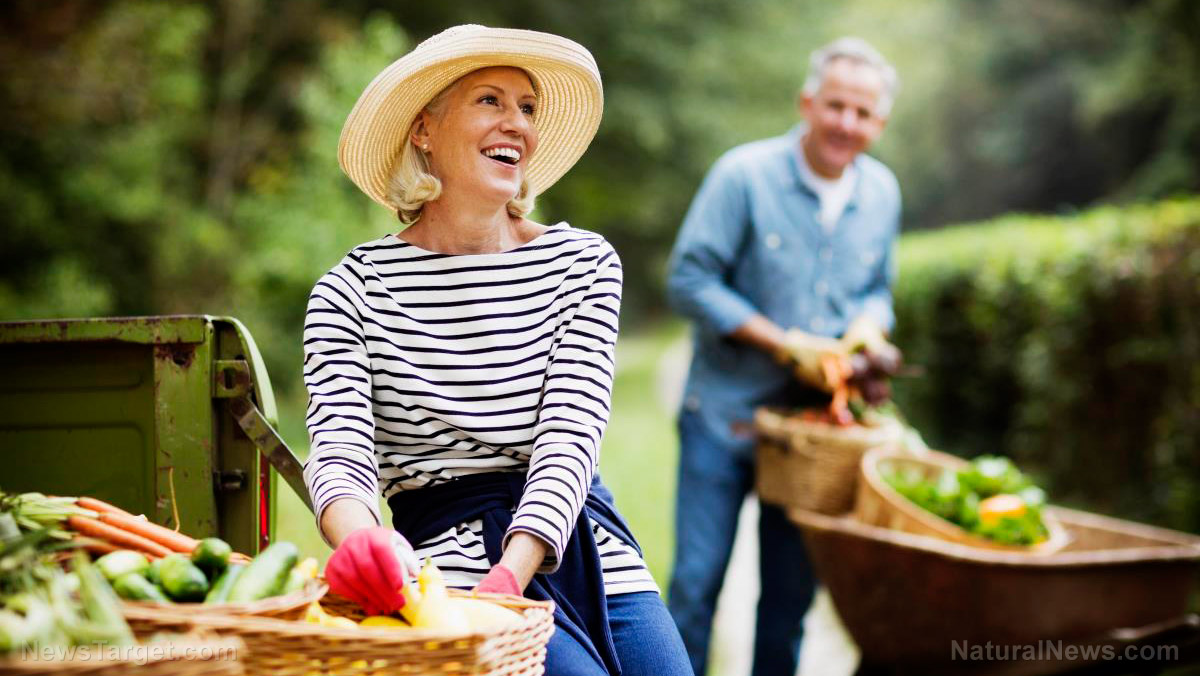
- Growing your own food is a practical, cost-effective and empowering step toward self-sufficiency.
- Gardening also offers mental health benefits, such as stress reduction and a sense of accomplishment.
- If you want to start a home garden, choose the right location with at least six hours of direct sunlight daily. For small spaces, consider container or vertical gardening.
- No-till gardening is beginner-friendly and eco-friendly. Raised beds are another excellent option, offering better drainage, faster warming and reduced weeding.
- Select crops based on your climate, space and preferences. Beginners should start with easy-to-grow vegetables (leafy greens, root vegetables, tomatoes, peppers and vining plants), fruits (berries, dwarf fruit trees) and herbs (basil, cilantro, mint, or parsley). Preppers may prioritize staple crops like beans, potatoes and grains for long-term storage. Regular care is crucial for a thriving garden. Water efficiently, mulch to suppress weeds, rotate crops and use organic pest control methods.
In an era of economic uncertainty and increasing interest in self-sufficiency, starting an edible home garden is one of the most practical steps you can take.
Whether you’re a prepper preparing for long-term survival or simply looking to cut grocery costs, growing your own food is a rewarding and empowering endeavor.
With a little planning and effort, even beginners can cultivate a thriving garden that provides fresh produce year-round. Read on to learn how to get started. (h/t to ModernSurvivalOnline.com)
Step 1: Choose the right location
The first step in creating an edible garden is selecting the right spot. Ideally, your garden should receive at least six hours of direct sunlight daily.
Sunlight is essential for most vegetables and fruits to thrive. If you’re working with a limited space, don’t worry — container gardening or vertical gardening can work wonders in small areas.
If possible, choose a location protected from strong winds, which can dry out soil and damage plants.
For urban dwellers, balconies, rooftops or sunny windowsills can serve as productive growing spaces.
Step 2: Start with healthy soil
Healthy soil is the foundation of a successful garden. If your soil is nutrient-rich and well-draining, your plants will grow stronger and produce more.
Begin by testing your soil’s pH and nutrient levels. Many local agricultural extension agencies offer affordable soil tests, which can guide you on whether to add lime (to reduce acidity) or acidic mulch (like pine needles) to balance the soil.
For beginners, composting is a game-changer. Compost enriches the soil, improves water retention in sandy soils and enhances drainage in clay soils.
If you’re gardening in containers, opt for high-quality potting soil, preferably organic and OMRI (Organic Materials Review Institute)-certified.
Step 3: Break ground with no-till gardening
No-till gardening is an excellent method for beginners. It’s simple, eco-friendly and promotes soil health by preserving beneficial microbes and insects.
To start, lay down plain brown cardboard over your chosen area, followed by a thick layer of mulch (leaves, straw, or hay) and a layer of compost. Over time, these materials break down, creating fertile soil for your plants.
Raised beds are another beginner-friendly option. They warm up faster in spring, drain well and reduce the need for weeding. Plus, they’re easier on your back.
Step 4: Choose the right crops
When selecting what to grow, consider your climate, space and personal preferences. For preppers, staple crops like dry beans, potatoes, sweet potatoes and grains (such as wheat or quinoa) are excellent choices for long-term storage.
However, beginners should start with easy-to-grow vegetables and herbs to build confidence.
Best vegetables for beginners:
- Leafy greens – Kale, lettuce, spinach and Swiss chard are fast-growing and forgiving
- Root vegetables – Beets, carrots and radishes are hardy and low-maintenance
- Tomatoes and peppers – Tomatoes and peppers are slightly more demanding but highly rewarding
- Vining plants – Cucumbers, green beans and zucchini are prolific producers
Best fruits for beginners:
Blackberries, blueberries and strawberries are relatively easy to grow and require minimal space. Meanwhile, dwarf fruit trees, like apples or pears, can also thrive in small gardens.
Best Herbs for Beginners:
Basil, cilantro, parsley and mint are simple to grow and can add flavor to your meals.
Step 5: Maximize your space
Even in urban or suburban settings, you can grow a surprising amount of food. Consider integrating edible plants into your landscaping.
For example, low-bush blueberries make attractive shrubs, while rainbow chard and ornamental kale can double as decorative plants.
Edible flowers like nasturtiums and sunflowers add beauty and functionality to your garden.
Step 6: Practice succession planting
To make the most of your garden, stagger your plantings. Instead of sowing all your seeds at once, plant a few rows every two weeks. This ensures a continuous harvest and prevents a glut of produce all at once.
After harvesting one crop, plant another in its place to keep your garden productive throughout the growing season.
Step 7: Maintain your garden
A thriving garden requires regular care. Here are some key maintenance tips:
- Watering – Use drip irrigation or water early in the morning to minimize evaporation.
- Weeding – Mulch heavily to suppress weeds and reduce the need for constant weeding.
- Soil health – Rotate crops annually, use cover crops in the off-season and add compost regularly.
- Pest control – Attract beneficial insects, use companion planting and hand-pick pests when necessary. (Related: Garden fresh: Low-effort planting and chemical-free pest control.)
Growing your own food is more than just a hobby — it’s a survival skill.
In times of economic hardship or disaster, a well-maintained garden can provide a reliable source of fresh, nutritious produce. Even a small garden can significantly reduce your grocery bills and increase your self-reliance.
Moreover, gardening connects you to nature, reduces stress and fosters a sense of accomplishment.
Whether you’re growing a single tomato plant or a full-scale homestead garden, every step you take toward food independence is a step toward resilience.
Starting an edible home garden doesn’t have to be overwhelming. By following these simple steps, even beginners can cultivate a productive and sustainable garden.
Remember, the key to success is starting small, learning as you go and enjoying the process. With time and practice, you’ll not only grow food but also grow confidence in your ability to provide for yourself and your family.
Visit Homesteading.news for more gardening tips. You can also visit Health Ranger Store and Brighteon Store to find more tools and seeds for your home gardening needs.
Watch the video below for some useful raised bed gardening tips.
This video is from the Backyard Farming channel on Brighteon.com.
More related stories:
Organic coffee gardening tips for spring enthusiasts.
13 Things to add to your to-do list for summer gardening.
Make your harvests last longer with these timeless food preservation techniques.
Pantry refresh: How to organize storable foods for easy, nutritious meals.
Sources include:
ModernSurvivalOnline.com
RealSimple.com
Brighteon.com
Home gardening for preppers: A beginner’s guide to growing your own food – NaturalNews.com
If you're gonna fight, fight like you're the third monkey on the ramp to Noah's Ark... and brother its starting to rain. Join our efforts to Secure America's Borders and End Illegal Immigration by Joining ALIPAC's E-Mail Alerts network (CLICK HERE)
-
03-27-2025, 02:00 AM #9555Senior Member
- Join Date
- Aug 2018
- Posts
- 95,581
Surviving the unthinkable: Creek Stewart’s guide to building the ultimate bug out vehicle
03/26/2025 // Belle Carter // 620 Views
Tags: BOV, bug out, bug out bags, bug out boat, bug out cart, bug out vehicle, bugging out, Build the Perfect Bug Out Vehicle, Creek Stewart, Disasters, EMP, Faraday cage, off-frid, preparedness, prepping, survival, transportation
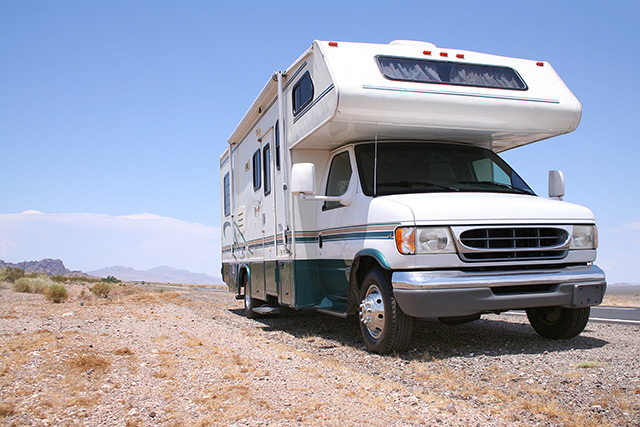
- Survival expert Creek Stewart emphasizes the importance of preparedness, shifting focus from portable gear (bug out bags) to reliable transportation (bug out vehicles).
- A BOV is any vehicle specifically chosen and equipped to evacuate people, essential supplies and loved ones during crises like hurricanes, wildfires or terrorist attacks. Stewart stresses practicality over flashy designs, focusing on reliability, four-wheel drive, ample storage and fuel efficiency.
- Stewart introduces the concept of "BOV Mentality," treating the vehicle as a functional tool rather than a prized possession. He advises against overspending on a BOV, as it may need to be abandoned in an emergency, and suggests alternatives like bug out carts or bug out boats for specific scenarios.
- The book covers niche threats, such as electromagnetic pulses (EMPs), offering practical tips like creating Faraday cages to protect electronic components. It also addresses unique evacuation methods, such as using canoes or kayaks for water-based escapes.
- Stewart's approach is rooted in actionable, manageable steps, urging readers to prioritize one survival task at a time. His book serves as both a survival guide and a call to action, emphasizing that execution is key to any preparedness plan.
In a world increasingly defined by unpredictability – from climate-driven disasters to geopolitical instability – preparedness is no longer a fringe concept but a necessity. Enter Creek Stewart, a survival expert and author of "Build the Perfect Bug Out Vehicle: The Disaster Survival Vehicle Guide." Stewart's latest work is a comprehensive manual for anyone serious about navigating the chaos of a crisis. It's not just about having a vehicle; it's about having the right vehicle, one that can serve as a lifeline when disaster strikes.
Stewart, who first gained recognition with his book "Build the Perfect Bug Out Bag," has long been a voice of practicality in the survivalist community. His latest offering expands on the idea of preparedness, shifting the focus from what you carry on your back to what carries you to safety. "A bug out bag is just the first step," Stewart explains. "What happens when you need to get out of Dodge in a hurry? That's where the bug out vehicle comes into play."
The term "bug out vehicle" (BOV) might evoke images of Mad Max-style rigs, but Stewart's approach is grounded in realism. A BOV, as he defines it, is any mode of transportation specifically chosen and outfitted to evacuate you, your loved ones and essential supplies to a safe location. Whether it's a hurricane, wildfire or even a terrorist attack, the ability to flee quickly and efficiently can mean the difference between life and death.
Choosing the right BOV is no simple task. Stewart breaks the process into several key considerations, starting with reliability. "What good is a vehicle if it breaks down when you need it most?" he asks. Regular maintenance – oil changes, tire rotations and engine checks – is non-negotiable. Beyond reliability, Stewart emphasizes the importance of four-wheel drive for tackling rough terrain, ample storage space for supplies and fuel efficiency for long hauls.
But a BOV isn't just about functionality; it's also about strategy. Stewart introduces the concept of "BOV Mentality," which underscores the vehicle's role as a tool rather than a treasure. "A BOV is a means to an end, not the end itself," he writes. This pragmatic mindset extends to financial investment. Stewart advises against sinking your life savings into a BOV, as you may need to abandon it in a crisis.
For those who might find themselves on foot, Stewart suggests a "bug out cart" – a portable wagon or repurposed deer cart to carry additional supplies. For those near waterways, Stewart also discusses the potential of a "bug out boat." While not a primary BOV, a canoe or kayak can be invaluable for escaping flooded areas or bypassing traffic-clogged roads.
One of the book's most intriguing sections addresses the threat of an electromagnetic pulse (EMP). While the likelihood of an EMP event is low, Stewart argues it's a possibility worth preparing for. He provides practical tips on EMP-proofing your BOV, including how to create a Faraday cage to protect electronic components.
"Build the Perfect Bug Out Vehicle" is more than a survival guide; it's a call to action. Stewart's advice is rooted in practicality, urging readers to break the process into manageable steps and focus on one survival priority at a time. "Remember, a plan is only as good as its execution," he writes.
Watch the video below to learn how to build a perfect BOV.
This video is from the BrightLearn channel on Brighteon.com.
Sources include:
Brighteon.ai
Brighteon.com
Surviving the unthinkable: Creek Stewart’s guide to building the ultimate bug out vehicle – NaturalNews.com
If you're gonna fight, fight like you're the third monkey on the ramp to Noah's Ark... and brother its starting to rain. Join our efforts to Secure America's Borders and End Illegal Immigration by Joining ALIPAC's E-Mail Alerts network (CLICK HERE)
-
03-27-2025, 02:09 AM #9556Senior Member
- Join Date
- Aug 2018
- Posts
- 95,581
Scientists develop eco-friendly detergent from wood and corn, offering toxic-free alternative to commercial cleaners
03/26/2025 // Lance D Johnson // 430 Views
Tags: algal blooms, biodegradable, chemical-free, clean living, corn protein, ecofriendly, Endocrine disruptors, environmental health, goodpollution, goodscience, green living, healthy home, Natural Alternatives, Non Toxic, research, sustainable living, water pollution, wood fiber
• Researchers have created a biodegradable detergent using wood cellulose and corn protein.• The new formula cleans as effectively as commercial detergents without toxic residues.
• Traditional cleaners contain endocrine-disrupting chemicals that harm human health and ecosystems.
• The innovation could replace synthetic detergents linked to water pollution and algal blooms.
• Nine toxic cleaning products should be removed from homes or be relegated to limited use due to dangerous chemical content.
Affordable, biodegradable cleaning solution discovered
In a breakthrough for sustainable living, scientists have developed a non-toxic, plant-based detergent that could revolutionize household cleaning. Made from wood cellulose fibers and corn-derived zein protein, this eco-friendly formula removes stains just as effectively as commercial detergents — without leaving behind harmful residues or polluting waterways. Published in ACS Langmuir, the study highlights a promising alternative to the synthetic chemicals dominating store shelves, many of which contain endocrine disruptors and persist in the environment.
The new detergent, developed by Pengtao Liu and his team, sidesteps these risks by using renewable, biodegradable ingredients. Cellulose nanofibers — derived from wood — attract and lift stains, while zein protein from corn stabilizes the mixture and traps oils. In tests, the formula outperformed commercial laundry powder and dish soap at higher concentrations, removing 92% of chili oil stains from stainless steel compared to just 87% with traditional soap.
Role of cellulose nanofibers
Cellulose, a natural polysaccharide, exhibits amphiphilic behavior — meaning it can both attract (hydrophilic regions) and repel (hydrophobic regions) water. This dual affinity allows cellulose nanofibers to:
- Form stable emulsions by reducing interfacial tension between oil and water phases.
- Attract diverse stains, including polar (e.g., ink, tomato paste) and non-polar (e.g., oils) substances, due to its heterogeneous surface chemistry.
Role of zein protein
Zein, a hydrophobic corn protein, complements cellulose by:
- Stabilizing the emulsion through hydrophobic interactions with oils, preventing phase separation.
- Trapping oily stains via hydrophobic binding, enhancing the detergent's ability to lift grease and fats from surfaces.
Performance testing on cotton fabrics
The team evaluated the cleaning efficacy of the cellulose/zein detergent on cotton stained with ink, chili oil, and tomato paste, comparing it to 1% laundry powder and commercial dish soap solutions. Key findings:
- At 1% concentration, the cellulose/zein detergent was slightly less effective than laundry powder.
- At 5% concentration, it outperformed the 1% laundry powder, demonstrating superior stain removal.
- Microscopic analysis confirmed no residual deposits on cotton after washing, indicating fabric compatibility and minimal risk of long-term damage.
Performance testing on dishware
The detergent was also tested on ceramic, stainless steel, glass, and plastic plates stained with chili oil. Results showed:
- Comparable performance to commercial dish soap at equal dilution (1%).
- Superior cleaning at 5% concentration—e.g., on stainless steel, the cellulose/zein solution removed 92% of the stain, whereas the 1% commercial soap removed only 87%.
Nine toxic cleaning products to limit use
For decades, household cleaning products have relied on harsh chemicals like alkylphenol polyethoxylates (APEs) and phosphates, which are slow to break down and contribute to toxic algal blooms in waterways. These substances also linger on fabrics and surfaces, exposing families to hormone-disrupting compounds linked to reproductive disorders, thyroid dysfunction, and even cancer.
While innovations like wood-and-corn detergents offer hope, many households still rely on hazardous products. Here are seven common cleaners that should be limited due to their toxic ingredients:
1. Laundry detergents with optical brighteners – These UV-reactive chemicals coat fabrics to create an illusion of "whiteness" but are skin irritants and do not fully degrade.
2. Antibacterial sprays with triclosan – Banned in soaps by the FDA, this endocrine disruptor still lingers in cleaning sprays.
3. Fabric softeners with quaternary ammonium compounds (quats) – Known to trigger asthma and reproductive harm.
4. Dishwasher detergents containing chlorine bleach – Releases toxic fumes and contaminates water supplies.
5. All-purpose cleaners with 2-butoxyethanol – A solvent linked to liver and kidney damage.
6. Air fresheners with phthalates – Hormone-disrupting chemicals masked as "fragrance."
7. Drain cleaners with sulfuric acid – This harsh chemical can cause severe burns on contact and releases toxic fumes that irritate the lungs. Improper use can also corrode pipes, leading to costly plumbing damage.
8. Carpet cleaners with perchloroethylene (PERC) – A known neurotoxin and probable carcinogen, PERC persists in indoor air long after cleaning, increasing long-term exposure risks. It has also been linked to dizziness, headaches, and liver damage.
9. Window cleaners with ammonia – When mixed with bleach, ammonia produces deadly chloramine gas, but even alone, its fumes can aggravate asthma and irritate eyes and skin. Repeated exposure may contribute to chronic respiratory issues.
A return to nature’s solutions
Historically, humans relied on plant-based soaps like soapberries (Sapindus) and ash lye for cleaning—practices that were both effective and environmentally harmonious. Modern industry’s shift toward synthetic chemicals prioritized profit over safety, but research like Liu’s signals a return to sustainable principles. For now, the power lies with individuals to choose biodegradable options—and protect their health and the environment in the process.
Sources include:
ScienceDaily.com
Pubs.ACS.org
Enoch, Brighteon.ai
Scientists develop eco-friendly detergent from wood and corn, offering toxic-free alternative to commercial cleaners – NaturalNews.comIf you're gonna fight, fight like you're the third monkey on the ramp to Noah's Ark... and brother its starting to rain. Join our efforts to Secure America's Borders and End Illegal Immigration by Joining ALIPAC's E-Mail Alerts network (CLICK HERE)
-
03-31-2025, 02:53 AM #9557Senior Member
- Join Date
- Aug 2018
- Posts
- 95,581
Flir TK Scout Thermal Monocular Review - YouTube
Flir TK Scout Thermal Monocular Review
315k views
Oct 13, 2016
307K
sootch00
1.5M subscribersIf you're gonna fight, fight like you're the third monkey on the ramp to Noah's Ark... and brother its starting to rain. Join our efforts to Secure America's Borders and End Illegal Immigration by Joining ALIPAC's E-Mail Alerts network (CLICK HERE)
-
03-31-2025, 03:05 AM #9558Senior Member
- Join Date
- Aug 2018
- Posts
- 95,581
The Ultimate Guide to Building Your Perfect Custom Snowboard
Monday, March 31, 2025 2:53
Customization is key to unlocking the ultimate riding experience. A custom snowboard allows you to tailor every aspect of your board to your unique style, from the graphics to the performance-enhancing features like flex and sizing. Whether you’re a seasoned pro or just starting out, understanding the ins and outs of custom snowboard design can elevate your time on the slopes.
What is a Customizable Snowboard?
A customizable snowboard is more than just a board with unique graphics; it’s a tool designed to enhance your riding experience. By choosing the right base materials, camber profiles, and flex adjustments, you can create a board that performs optimally for your style. For instance, a splitboard enthusiast might opt for a stiffer flex to handle backcountry terrain, while a freestyle rider might prefer a softer flex for easier maneuverability.
Overview of Customization Options
The customization options for snowboards are vast, allowing riders to personalize their boards in ways that suit their riding style. Here are some key areas of customization:
Graphics: Personalize your board with unique custom graphics using online tools or by working with a graphic designer. This not only makes your board stand out but also adds an element of personal expression.
- Base Materials: Choose from a variety of materials that can affect the board’s speed and durability.
- Camber Profiles: Decide between traditional camber, rocker, or hybrid profiles to influence the board’s performance in different conditions.
- Flex Adjustments: Tailor the board’s stiffness to match your riding style, whether you prefer a soft, medium, or stiff flex.
Benefits Over Traditional Snowboards
Custom snowboards offer several advantages over traditional boards. They provide a tailored fit and performance that can enhance your riding experience. For example, a board designed specifically for freestyle riding will have features that make it easier to perform tricks and maneuvers. Additionally, custom snowboards can be more durable, as they are built with specific materials and construction methods that cater to your riding style.
Types of Customization: From Graphics to Performance
Customization isn’t just about aesthetics; it’s also about enhancing performance. Here are some types of customization:
- Graphics Library: Use a vast library of designs or create your own unique artwork to personalize your board.
- Performance Enhancements: Adjust the flex, camber, and base materials to optimize your board for different riding conditions.
- Accessories: Consider customizing your bindings and boots to ensure a perfect fit and optimal performance.
Choosing the Right Custom Features for Your Riding Style
Whether you’re into freestyle, all-mountain, or backcountry riding, choosing the right custom features is crucial. For instance, a backcountry rider might prioritize a stiffer flex and a splitboard design for better floatation in deep snow. Meanwhile, a freestyle rider might opt for a softer flex and a true twin shape for easier switch riding.
How to Design Your Own Custom Snowboard Graphics
Designing your own custom graphics can be a fun and creative process. Here’s how you can do it:
- Online Tools: Use online design software to create your unique artwork. Many brands offer templates to help guide your design.
- Graphic Designer Collaboration: Work with a professional graphic designer to create a truly unique piece of artwork for your board.
Best Brands Offering Custom Snowboards
Several brands specialize in custom snowboards, each offering unique features and customization options:
- Burton: Known for their wide range of customization options, including graphics and performance features.
- Lib Tech: Offers a variety of base materials and camber profiles to suit different riding styles.
- Never Summer: Provides a comprehensive customization program with a focus on flex and sizing.
Costs & Where to Buy a Customizable Snowboard
The cost of a custom snowboard can vary significantly based on the features and materials chosen. Generally, prices range from a few hundred to several thousand dollars. You can purchase custom snowboards both online and in-store. Online platforms often provide more flexibility in terms of customization options, while local shops offer personalized service and immediate feedback.
Caring for Your Custom Snowboard
To ensure your custom snowboard lasts for years to come, regular maintenance is essential. Here are some tips:
- Waxing & Tuning: Regularly wax and tune your board to maintain its performance and prevent damage.
- Storage: Store your board in a cool, dry place during the off-season to prevent graphics from peeling and fading.
- Refunds & Warranties: Check the pricing and refunds policies of the brand you choose, as well as any warranties offered.
In conclusion, a custom snowboard is more than just a piece of equipment; it’s a reflection of your personality and riding style. By understanding the various customization options and choosing the right features for your needs, you can create a board that enhances your riding experience and makes every trip to the slopes unforgettable. Whether you’re looking for a unique graphic design or performance enhancements like flex adjustments, the world of custom snowboards offers endless possibilities for personalization.
The Ultimate Guide to Building Your Perfect Custom Snowboard | Sports | Before It's News
If you're gonna fight, fight like you're the third monkey on the ramp to Noah's Ark... and brother its starting to rain. Join our efforts to Secure America's Borders and End Illegal Immigration by Joining ALIPAC's E-Mail Alerts network (CLICK HERE)
-
03-31-2025, 02:56 PM #9559Senior Member
- Join Date
- Aug 2018
- Posts
- 95,581

The Day All The People Ended Up In A Nightmare World- What be Used As Currency In A Post-SHTF World?
The Day All The People Ended Up In A Nightmare World- What be Used As Currency In A Post-SHTF World?
Monday, March 31, 2025 14:37
In a post-SHTF society, there are going to be the haves and the have-nots. As a matter of fact, one of the fears that many of us have is that someone will come knocking on the door empty-handed and will ask or even demand to join your community of preppers. This could be a family member or neighbor or even a stranger who has done little if anything to prepare in spite of the many warning signs.
“Currency” only has meaning when there is the luxury of a marketplace. If the world is in survival mode then there is no marketplace, there is only survival.
Gone Viral! The most shocking videos in the world… 7 Hidden Signs That Martial Law Will Be Declared
Many of these signs point to an increased risk of the government preparing to declare martial law.
The video below will shock you because you will be among the first to watching this secret!

A reasonable example of this was the Pilgrims in Massachusetts between 1620 and 1660.
When the Pilgrims arrived here, they did not use “currency”. There was no marketplace. They were too busy doing what it took to survive to buy and sell. The few tools and small amount of food they had was parceled out according to rules that they had: if you didn’t work, you didn’t eat, unless there were extenuating circumstances. That was, for example, the mother of Peregrine White, the first child born in America, on the Mayflower while it was anchored in Plymouth. Although she wasn’t “idle” she certainly wasn’t doing the kind of heavy labor the others did.
And it was a lot like the apocalypse: 45 of the 102 passengers died the first year, just like they would in an apocalypse and the biggest cause was scurvy and malnutrition. They simply couldn’t find enough to eat and enough of the right foods to eat, just like any apocalypse survivors.And like survivors of the end of the war, they suffered attacks by roving bands of outsiders who wanted their guns and metal tools and the little livestock they had. Otherwise, the Pilgrims had nothing the Indians wanted. And like any real apocalypse, disease was rampant, particularly Smallpox which wiped out the Indians at a much greater rate than the Pilgrims, but they died too over the ensuing years, at a 30 percent rate annually (The Indians died at a 70 percent rate; by the time of the King Philips War, 3/4s of all the Indians in New England were dead). The only thing that kept the colony from collapsing was the arrival of new ships with more people – and more food.
Over the next 10 years the Pilgrims moved from merely survival to building a society. Unlike the notional drawings we have of them, they did not live in houses. They lived in mud huts made of coppiced branches built into a dome. Sometimes they dug into the hard packed sand and made multi-room caves with wooden doors. Only one actual building existed those first years, and it was a crude meeting house surrounded by a pallisade. The last of the Pilgrim caves was bulldozed away in 1920 because no one thought those things were worth keeping then, a hole in the ground, and bums were by then living in them. Everything they needed was passed around, especially axes and adzes and iron tools used to dig or work wood. Nothing was “owned”. No one could say, “That axe is mine, you can’t use it.” We know exactly, to the number of nails, how many iron tools arrived on the Mayflower.
This is the Peak House in Medfield, Ma, built in 1651, the only example of Medieval Elizabethan architecture left in the US. This tiny house had a huge number of people living in it and includes one room and a loft. Most of the house is taken up by the fireplace. By the time this house was being built, the diamond shaped glass windows were going out of style and being replaced by single pane on a hinge or 6 over 6 panes. Glass was incredibly expensive as the Pilgrims couldn’t find the right kind of sand to make it (Eventually, the sand of Sandwich was discovered to be the right kind and a massive glass works was built there. Side note: any town with the word “wich” at the end was a place where salt was made. Salt was the most important industry in the area at the time). Most houses couldn’t afford or find glass and instead used oiled, white paper to cover the window and let in light which is why tiny panes were needed.
The Pilgrims figured out that surviving through the winter was the key to survival so they had to put enough away to be self-sufficient for a year; that is, until the crops came in. As time went on, they made and grew everything they needed. They didn’t have iron or the ability to make it, so everything they made was from wood or clay. In those days, owning a Pewter tankard or spoon was so important that sometimes the only possession willed to a child or family member was the metal spoon. The Pewter tankard was reserved for the Elder or a guest. Otherwise, spoons and plates and cups were carved out of wood and considered of no real value. When wooden buildings were made, they consisted of one room with a massive stone fireplace – and no chimney. The chimneys were added later or made of wood covered with mud and houses burned down a lot. This is because building “up” required contributed manpower and everyone was busy. If another room was added, it was used as the “storeroom and manger” because otherwise your animals lived with you and all your possessions. The houses were never painted and it wasn’t until the 1700s that painting – on the trim only – came into being, and when paint did start, every house was painted red because “Indian Red” ochre was the most common dye substance available. Eventually, the interiors were painted with lime wash and made white. When wallpaper finally made it’s way here it was a big, big deal but that was later, after “Apocalypse Time” was over.
The most important thing people could get were apples. Apples were the savior of the colonies, and fish. A family went through eight barrels of apple cider a year and at least one barrel of vinegar. Vinegar was precious. The pilgrims noticed within 15 years that they were overfishing the rivers and oceans and that they had to move further and further away from home to find any deer. Just like in an apocalypse, there were no restrictions on hunting or fishing and within 15 years, they had to put restrictions because they were hunting and fishing the stock out of existence. On the other hand, apples could be stored for a year in barrels filled with sand as long as they didn’t touch each other. (“One bad apple ruins the whole bunch”) and were separated by layers of beach sand.In those days, other trade goods were blankets. Blankets were precious items. To make a single blanket could take a 100 hours of labor, if you had the sheep to shear. You had to shear the sheep, card the wood, wash the wool, spin it into yarn and then hand knit or loom it into something usable. A man’s coat took a minimum of 60 hours to make – and that was between all other tasks. It wasn’t 60 hours straight out. Clothes made out of linen were even harder (but wore better) because linen was an incredibly labor intensive operation to create, even before it was spun into cloth. Many times, worn out ship sails were made into clothing, called “duck pants”.
The other precious currency was salt. Salt was so precious that it was one of the first things people looked for when they came, brine pits and springs. But they didn’t find any so they had to make it from seawater. The first patent in America was to a Salem man who invented a way of making salt from sea water, a process that takes considerable time. The word “salary” comes from salt because salt was so important that it was often used as currency and it was re-used over and over. Salt was the main way that meat and fish was preserved for winter and it required considerable amounts. (When Lewis and Clark were sent off on their peripatetic journey across America later in 1805, one of Jefferson’s three goals to them was to find salt. If there was no salt, there would be no westward expansion). You cannot live a hand-to-mouth existence forever and there is no guarantee that deer is going to come along when you’re hungry so you can shoot it and eat it. And there is no guarantee you will STILL have ammunition left when it does come by. So storing up carcasses, preserved in brine or salt rubs was the only way to make sure you had food for the winter.
As time went on, things made of steel, such as knives, were of high value. The first mill in America was the Saugus Iron Works (still there in Saugus as a museum) which made pig iron, rolled iron and some nails. It went out of business in 1670 or so because it was badly run and because the Puritans hated the hard drinking, hard swearing, whoring Swedes and Finns who worked there and who refused to go to church. The only reason they weren’t hanged was because the settlers were desperate for iron.
By 1640 or so, or within 20 years of landing, Pilgrims began using “real” currency. It started with colored beads, called “wampum” after the Indian way and worked until a Dutch concern came in and started manufacturing beads in secret in Duxbury and flooded the marked and wiped out the value of the currency. After that, the Pilgrims used real money, but there was damned little of it. It created was was known as “The Great Currency Shortage”. It was English currency most of the time, but by the Pilgrims were trading with New Amsterdam/New York and other coastal communities in America. The problem was that there were five or more different currencies being used, five different monetary systems, no banks, no authority other it than the leaders who could say how many guilders were worth a shilling and so on. And there were few people who could determine exactly how many sheep were worth a barrel of cider. But then, everyone knew everyone else and the trade had to be mutually amicable or eventually, someone would condemn the other of being a witch and they would be hanged in the town common.
In a modern day apocalypse the currency would be the decision of the moment, what you need versus what you have. As Ben Franklin once said, “Necessity never made a good bargain”. I would guess that in an apocalypse, which is a world much like the Pilgrims in 1620, your main needs would be shelter, warmth, food and tools. I would guess the most fungible currency, easily carried and whose value was immediately apparent, and one that lasted a long time would be bullets.
The currency of the Apocalypse. In order to have value, currency must be an agreed upon store of value, be restricted in manufacture, have durability and be easy to carry. Bullets are the only thing that meets that need universally (in an apocalypse where there is no government or central bank). And because people shoot the bullets at food, the value of bullets only goes up.
Bullets would be the currency. In an apocalypse where hunting and fighting determine survival for another day, the only thing of value you possess and can trade with any mutual agreement is either food or bullets (and perhaps sex but in an apocalypse the first thing that will happen is that most of the women will die anyway; there were more than 2x as many men in Plymouth than there were women) and once the food is gone, there’s nothing else to trade. And those with bullets would most certainly have food. “In brass we trust” might be the motto.
Eventually, the Pilgrims ran out of money and the barter system began to fail. There were disagreements and unpleasantness and the courts were being tied up adjudicating the value of items and currencies. It was impossible to build a society on untried currency or on barter. Barter only works among people who trust each other and once there are hard feelings, it always comes apart. As the population grew, trust became a harder thing to come by.
Eventually, in 1650 the Pilgrims petitioned the King for more money so that they could standardize on one currency and attach prices, but in England, civil war was raging and the King had no time for Plymouth and refused them more money or the ability to make money. So in the first act of Rebellion, the Pilgrims had a man named Jenkins make up molds and dies at the Saugus Iron Works and hired a silversmith named John Hull to make coins, the first coins in America, the “Pine Tree Shilling”. The foolish leaders of Massachusetts were so uneducated on money that they allowed Jenkins to keep five percent of all the coins he made. People came in and bartered away all of whatever silver they owned and it was melted down and made into coins and Hull, who lived in what is now Downtown Crossing in Boston, made so much money that he made a vest of coins and offered his daughter for marriage. She was grossly fat and ugly – a symbol of great wealth in a time when people were still starving. He finally had a party to marry her off where he offered her weight in coins to the man that agreed to marry her.
By then, society had moved beyond the “Apocalypse” stage and a society had been formed. The first business advertising wares in America was in 1652 and it was for useless baubles and buttons as well as the ubiquitous Monmouth caps all men wore, which were always red. Society had arrived.
If you're gonna fight, fight like you're the third monkey on the ramp to Noah's Ark... and brother its starting to rain. Join our efforts to Secure America's Borders and End Illegal Immigration by Joining ALIPAC's E-Mail Alerts network (CLICK HERE)
-
04-01-2025, 12:58 PM #9560Senior Member
- Join Date
- Aug 2018
- Posts
- 95,581
“Prepare Tribe: Prepare, Protect, Provide” on BrightU: Essentials for creating a TRIBE and how to build yours
04/01/2025 // Jacob Thomas // 530 Views
Tags: emergency planning, homesteading, Off Grid living, preparedness, prepper, prepper community, prepping, SHTF, survival, survival skills, Survival Tips, survival training, sustainable living
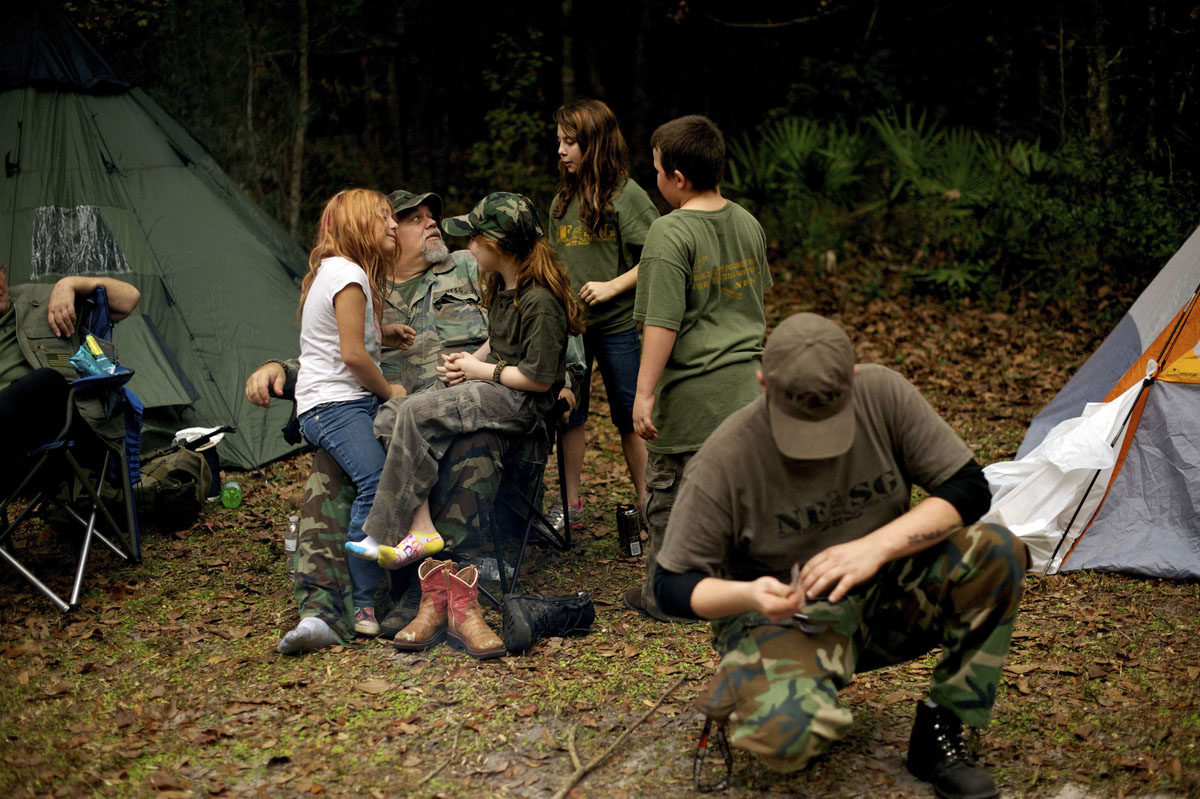
- In Episode 1 of "Prepare Tribe: Prepare, Protect, Provide," slated for April 5, Morgan and Alex Mitchell focus on building a trusted survival tribe, covering goal-setting, essential member traits (commitment, teachability), role assignments (medical, security) and supply ownership.
- This episode emphasizes trust-building through shared meals and regular follow-ups while highlighting the importance of relationships and teamwork in crises, teaching how to strengthen bonds and prevent burnout via drills, clear roles and leadership.
- In Episode 2, slated for April 6, the Mitchells introduce The Prepper's Playbook, offering location-specific threat assessments (urban, suburban, rural), medical prep (antibiotics, first aid), survival skills (CPR, HAM radio) and legal/document readiness (passports, emergency binders).
- This episode includes downloadable checklists, skill-building PDFs and expert-backed strategies for sustainable living, self-defense and community vetting — tailored for beginners and seasoned preppers alike.
- They also tackle how to avoid fear-mongering, while providing actionable steps for everyday resilience. It features insights from survival experts, homesteaders and security professionals to help viewers build self-reliance in both emergencies and daily life.
Brighteon University is streaming an episode a day of "Prepare Tribe: Prepare, Protect, Provide" from April 5 to April 13, and a replay of all nine episodes on April 14. Register here to dive into the practical knowledge to boost your resilience, safeguard your community and secure essential resources for any situation.
What's in store for you in Episode 1
In Episode 1, slated for April 5, Morgan and Alex Mitchell, founders of Ark Seed Kits & Prepare Tribe, will walk you through a step-by-step blueprint for assembling a trusted tribe, fostering essential skills and ensuring long-term sustainability. Whether you're a lone prepper looking to expand your network or a family seeking security, "Prepare Tribe" delivers practical, actionable strategies to help you thrive in any crisis.
Unlike generic survival guides, "Prepare Tribe" focuses on human dynamics — the most overlooked aspect of preparedness. The Mitchells don't just teach survival; they teach how to build unbreakable bonds in high-stress scenarios.
Viewers can expect to learn a lot of things from Episode 1, including the following:
- Your survival goals and the people you want in your inner circle.
- Why traits like commitment, work ethic and teachability are non-negotiable.
- How to assign critical roles (medical, security, gardening) for maximum efficiency.
- Why tribe members must have their own supplies before joining.
- Different social media, community events and word-of-mouth strategies.
- How to prevent burnout by assigning roles, hosting drills and setting tangible goals.
- Why shared meals and regular follow-ups are key to long-term trust.
- Using group chats, regular meetups and positive leadership to prevent disengagement.
What's in store for you in Episode 2
In Episode 2, slated for April 6, Morgan and Alex Mitchell, unveil The Prepper's Playbook, a comprehensive guide to mastering preparation, protection and provision in any crisis scenario. From risk assessment to long-term survival planning, the Mitchells' training equips viewers with actionable strategies tailored to urban, suburban and rural environments. Whether you're a seasoned prepper or just starting your journey, this series promises life-saving insights you won't find anywhere else.
Morgan's approach blends practicality with realism, avoiding fear-mongering in favor of empowerment. The series includes downloadable checklists, skill-building PDFs and real-world scenarios — making it a must-watch for families, outdoor enthusiasts and anyone prioritizing self-reliance.
Viewers can expect to learn a lot of things from Episode 2, including the following:
- How to identify top threats based on your location (urban chaos vs. rural isolation).
- What are the 3 critical zones (urban, suburban, rural) and their unique risks.
- Which antibiotics, first aid and long-term medications to prepare.
- How to navigate, do CPR and self-defense and learn off-grid communication (HAM radio).
- How to secure passports, wills and emergency contacts in a grab-and-go binder.
- How to vet and train a trusted survival community.
- How to learn fly-fishing, firewood splitting and other overlooked skills.
Unlike typical survival shows that focus on extreme situations, "Prepare Tribe" delivers real, actionable strategies that can be applied in everyday life. The series features top survival experts, security professionals and homesteading pioneers who share proven techniques for sustainable living, personal defense and crisis preparedness.
Viewers won't just learn about prepping — they'll see firsthand how to build a self-reliant lifestyle that works in both emergencies and normal times. From urban dwellers to off-grid enthusiasts, this docuseries speaks to everyone looking to secure their future.
Disruptions can happen at any time, natural disasters, economic downturns or unexpected emergencies. But with the right preparation, you won't just survive, you will thrive. If you want to learn more about how you can be more resilient, want to view the presentations at your convenience or learn at your own pace, you can purchase the "Prepare Tribe: Prepare, Protect, Provide" package here.
Upon purchase, you will get instant and unlimited access to all "Prepare Tribe" episodes and bonus items, including Advanced Food Preservation Technique video, Food Self-Reliance e-Book, free access to Morgan and Alex's 5-Day Challenge and 50 percent discount on the Backyard Seed Kit only on the Health Ranger Store.
Sources include:
BrighteonUniversity.com 1
BrightU.com
BrighteonUniversity.com 2
Healthrangerstore.com
“Prepare Tribe: Prepare, Protect, Provide” on BrightU: Essentials for creating a TRIBE and how to build yours – NaturalNews.com
If you're gonna fight, fight like you're the third monkey on the ramp to Noah's Ark... and brother its starting to rain. Join our efforts to Secure America's Borders and End Illegal Immigration by Joining ALIPAC's E-Mail Alerts network (CLICK HERE)


 Reply With Quote


"The whites here are dying now, we are taking over." African...
08-01-2026, 09:45 PM in General Discussion