

Results 171 to 180 of 602
 2Likes
Thread Information
Users Browsing this Thread
There are currently 1 users browsing this thread. (0 members and 1 guests)
 LinkBack URL
 About LinkBacks
-
05-01-2025, 09:43 PM #171Senior Member


- Join Date
- Aug 2018
- Posts
- 92,695
Acupuncture and ancient wisdom offer natural relief for hypertension: A modern approach rooted in Traditional Chinese Medicine
05/01/2025 // Willow Tohi // 200 Views
Tags: acupuncture, alternative medicine, Chinese medicine, goodhealth, goodmedicine, goodscience, healing arts, heart disease, heart health, herbal medicine, herbal therapies, Herbs, high blood pressure, natural cures, natural health, natural medicine, organ damage, remedies, stroke, TCM
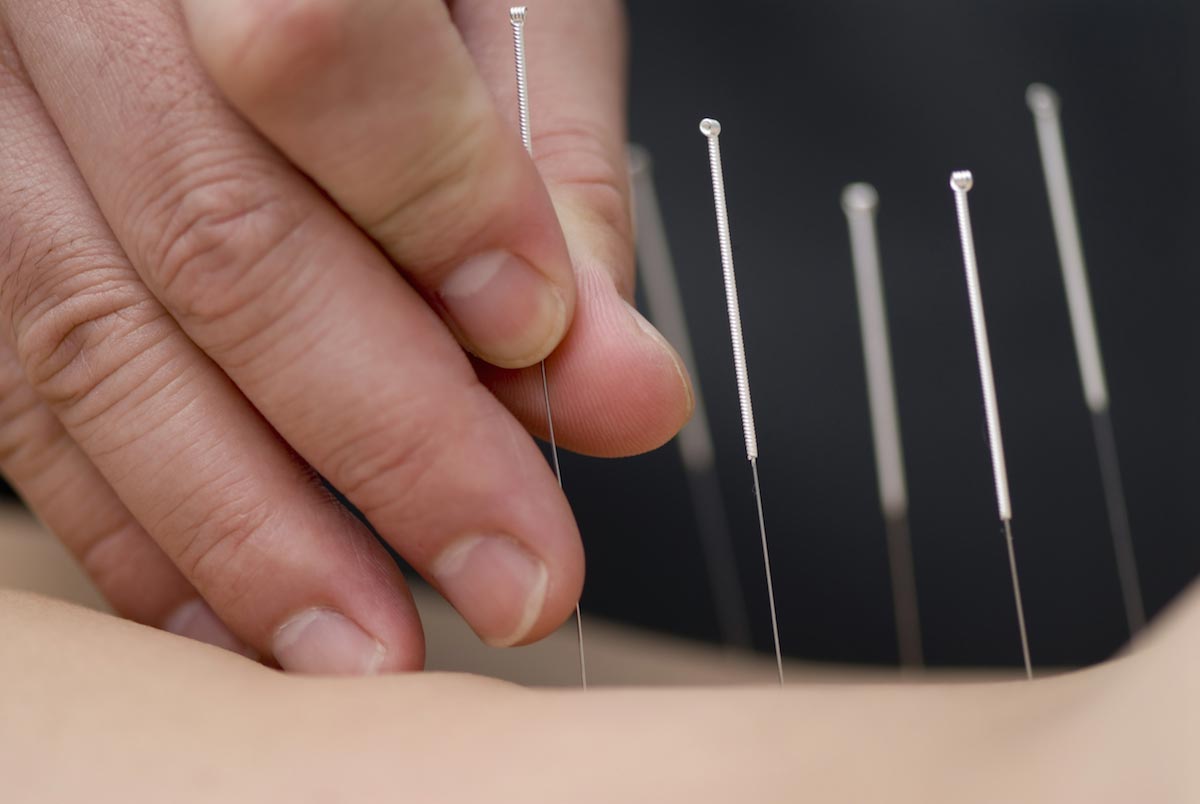
- Traditional Chinese medicine (TCM) techniques, including acupuncture and herbal therapies, are gaining recognition as effective alternatives to pharmaceutical interventions for managing hypertension, a condition affecting millions globally and increasing the risk of heart disease, stroke and organ damage.
- Wu Hongqian, a TCM expert, emphasizes the use of specific acupoints — Yanglingquan (GB-34), Zusanli (ST-36) and Taichong (LR-3) — to rapidly lower blood pressure by regulating the body's "qi" or vital energy. Stimulating these points in sequence can lead to significant reductions in blood pressure within minutes.
- TCM advocates for the integration of herbal remedies, such as a specialized tea blend featuring Codonopsis pilosula and Scutellaria baicalensis, and foot soaks with ginger to improve blood circulation and stabilize blood pressure. These natural solutions aim to address the root causes of hypertension and complement professional treatments.
- TCM emphasizes the importance of exercise, particularly isometric exercises like wall squats and bridge poses, which have been shown to reduce systolic blood pressure. Additionally, aerobic exercise, consistent sleep and practices like tai chi or qi gong are recommended to improve blood flow, reduce stress and break the cycle of poor sleep and hypertension.
- TCM's holistic approach to hypertension management, focusing on emotional balance and lifestyle adjustments, aligns with modern trends toward personalized and natural wellness solutions. As research validates these ancient practices, TCM offers a decentralized, low-cost alternative that can enhance conventional medicine, providing patients with tools for self-care and bridging the gap between tradition and modern medical rigor.
Hypertension, often called the “silent killer,” affects millions worldwide, significantly raising the risk of heart disease, stroke and organ damage. Recent findings highlight that Traditional Chinese Medicine (TCM) techniques like acupuncture and herbal therapies could rival pharmaceutical interventions in managing this condition. Wu Hongqian, director of Taiwan’s Yisheng Traditional Chinese Medicine Clinic, emphasizes practical, non-invasive methods to swiftly reduce blood pressure, aligning with a growing global shift toward holistic health. As modern studies validate these ancient practices, TCM offers a decentralized, patient-centered alternative to reliance on prescription drugs, particularly amid concerns over medication side effects and health care accessibility.
Three acupoint strategies for immediate relief
Central to Wu’s approach is targeting specific acupoints to regulate the body’s “qi,” or vital energy. During a hypertension attack, stimulating three acupoints — Yanglingquan (GB-34), Zusanli (ST-36) and Taichong (LR-3) — in sequence can rapidly lower blood pressure by guiding upward surging qi downward. Wu recounts a case where a patient’s blood pressure dropped from 190 mmHg to 120 mmHg within minutes after acupuncture at these points. She explains: “The key is proper sequence — press Yanglingquan on the lower leg, move to Zusanli below the kneecap, and finish with Taichong on the foot. This balances the autonomic nervous system, easing the sympathetic overactivity that drives high blood pressure.”
Self-massage instructions recommend applying firm pressure to each point for 1-2 minutes, ensuring the downward qi flow. This technique underscores TCM’s emphasis on self-care practices to complement professional treatments.
Herbal remedies and foot soaks: Synergistic natural solutions
Beyond acupressure, Wu advocates integrating herbal remedies and lifestyle adjustments. A specialized tea blend featuring Codonopsis pilosula, Scutellaria baicalensis, safflower and Angelica sinensis, among others, aims to refine blood circulation and oxygen delivery to the brain — the root cause of hypertension in TCM theory. The recipe, which incorporates 30 grams of Scutellaria and smaller doses of other herbs, is prepared by simmering in 2 liters of water and consumed throughout the day.
Foot soaks also play a critical role. Submerging feet in 108 F water infused with ginger —“old ginger activates blood circulation and warms the body,” Wu notes — can stabilize blood pressure. Pairing the soak with massage of the Taichong acupoint (on the foot’s top) further stimulates qi flow. However, Wu warns against lowering the head during the massage, citing the risk of exacerbating hypertension.
Exercise and lifestyle adjustments: Holistic benefits
Exercise emerges as a cornerstone of TCM’s hypertension strategy. Wu stresses the importance of isometric exercises like wall squats and bridge poses, which a 2022 British Journal of Sports Medicine study found to reduce systolic blood pressure by roughly 8 mmHg — a result comparable to antihypertensive medications. The mechanism involves nitric oxide release, which dilates blood vessels. Recovery is advised to avoid breath-holding, as it can spike pressure transiently.
Aerobic exercise and consistent sleep also rank high. Wu states: “Poor sleep fuels high blood pressure and worsens insomnia — a vicious cycle. Three hours of weekly exercise improves blood flow while easing stress, breaking this pattern.” She recommends light activities like tai chi or qi gong, noting their dual benefits of physical exertion and mental calm.
Why TCM’s relevance grows in modern medicine
Hypertension’s global prevalence — estimated to affect 1.3 billion people — underscores the urgency for effective, accessible treatments. TCM’s 3,000-year history offers a decentralized, low-cost alternative. Modern research, such as a recent study in the Journal of Integrative Medicine showing acupuncture’s efficacy matching pharmaceuticals, validates these practices. Meanwhile, side effects of Western drugs — such as diuretics causing dizziness or calcium channel blockers inducing facial flushing—highlight the need for integrative approaches.
Wu’s methods reflect TCM’s foundational principles, where emotional balance and lifestyle align to prevent systemic imbalances. As Wu observes, “LTreatment focuses on harmonizing body and mind, addressing root causes rather than masking symptoms.” This philosophy resonates with contemporary trends prioritizing personalized, natural wellness solutions.
A step toward holistic health
The integration of TCM into hypertension management underscores a paradigm shift in health care—one that values tradition, individuality and efficacy. Wu’s techniques, coupled with modern research, demonstrate that natural remedies need not replace conventional medicine but can enhance it.
As the world grapples with the silent threat of hypertension, TCM’s wisdom offers a balanced path forward: empowering patients with tools for self-care while bridging ancient practices with modern medical rigor.
This article draws from sources including Wu Hongqian of the Yisheng Clinic, Natural News and peer-reviewed studies cited in the British Journal of Sports Medicine. TCM practitioners emphasize that individual treatments should be tailored through professional consultation.
Sources for this article include:
TheEpochTimes.com
WholeBody.je
Acupuncture and ancient wisdom offer natural relief for hypertension: A modern approach rooted in Traditional Chinese Medicine – NaturalNews.com
If you're gonna fight, fight like you're the third monkey on the ramp to Noah's Ark... and brother its starting to rain. Join our efforts to Secure America's Borders and End Illegal Immigration by Joining ALIPAC's E-Mail Alerts network (CLICK HERE)
-
05-02-2025, 02:13 PM #172Senior Member
- Join Date
- Aug 2018
- Posts
- 92,695
Bacopa monnieri boosts memory, reduces anxiety, and improves sleep in groundbreaking study
05/01/2025 // Lance D Johnson // 780 Views
Tags: adaptogens, anxiety relief, Ayurvedic medicine, bacopa monnieri, bacosides, BDNF, brain aging, brain function, brain-derived neurotrophic factor, cognitive decline, cognitive health, cortisol reduction, focus, herbal supplements, holistic health, memory enhancement, mental clarity, mental performance, natural medicine, natural nootropics, neuroplasticity, neuroprotection, sleep quality, stress reduction

For centuries, Ayurvedic healers have revered Bacopa monnieri as a powerful brain tonic. Now, modern science confirms what traditional medicine has long known — this unassuming herb delivers real, measurable improvements in memory, focus, and even emotional well-being. A randomized, double-blind, placebo-controlled study published in the European Journal of Nutrition reveals that Bacopa doesn’t just offer mild cognitive support — it enhances multiple brain functions in as little as three weeks, with some benefits appearing within hours of the first dose. Could this ancient herb be the key to sharper thinking and better brain health?The study: Bacopa’s brain-boosting effects in action
The research involved 80 healthy adults (ages 18–55) who took either 300 mg of Bacopa monnieri extract (BME) — standardized to 30% bacosides (90 mg total) — or a placebo daily for 12 weeks. Using advanced cognitive testing, blood biomarkers, and psychological assessments, scientists tracked changes in:
- Memory (short-term, working, and episodic)
- Cognitive skills (concentration, reasoning, mental flexibility)
- Anxiety levels (via Beck Anxiety Inventory)
- Sleep quality (Pittsburgh Sleep Quality Index)
- Stress and neuroprotection markers (cortisol and BDNF levels)
The results? The Bacopa group outperformed placebo on nearly every measure:
- Memory improved significantly by Day 28, with verbal and spatial recall showing 2.45-point gains vs. just 0.17 in placebo.
- Concentration spiked within 3 hours of the first dose—a rare acute effect for a natural nootropic.
- Anxiety dropped by Day 28, with cortisol levels (stress hormone) plummeting by Day 56.
- Sleep quality improved, likely due to Bacopa’s adaptogenic effects on stress regulation.
- BDNF (brain-derived neurotrophic factor) increased, suggesting enhanced neuroplasticity—a key factor in long-term brain health.
Why Bacopa works: The science behind the herb
Bacopa’s power comes from bacosides, bioactive compounds that:
- Cross the blood-brain barrier to act directly on neural tissue.
- Reduce oxidative stress—a major driver of cognitive decline.
- Boost acetylcholine activity, crucial for learning and memory.
- Modulate cortisol, helping the brain adapt to stress more effectively.
- Increase cerebral blood flow, ensuring optimal oxygen and nutrient delivery.
Unlike synthetic nootropics, Bacopa doesn’t just mask symptoms—it supports the brain’s natural repair mechanisms, making it a sustainable solution for cognitive health.
Choosing the right Bacopa supplement
Not all Bacopa products are equal. To replicate the study’s benefits, look for:
- Standardized to 30% bacosides (90 mg per 300 mg dose).
- Third-party tested for purity and potency.
- Minimal fillers—avoid unnecessary additives.
- Organic and GMP-certified for quality assurance.
While Bacopa stands out, these science-backed supplements also support cognitive function:
- Lion’s Mane Mushroom – Stimulates nerve growth factor (NGF) for neurogenesis. Research suggests it may enhance memory and protect against neurodegenerative diseases like Alzheimer’s. Its bioactive compounds, hericenones and erinacines, promote the regeneration of damaged neurons.
- Ginkgo Biloba – Enhances cerebral blood flow and memory. Studies indicate it improves cognitive function in older adults by increasing oxygen delivery to the brain. Its antioxidant properties also combat oxidative stress, a key factor in cognitive decline.
- Omega-3s (DHA/EPA) – Critical for brain cell membrane integrity. DHA, in particular, supports synaptic plasticity, essential for learning and memory. Low levels of omega-3s are linked to increased risk of dementia and mood disorders.
- Curcumin (Turmeric) – Fights neuroinflammation linked to cognitive decline. It crosses the blood-brain barrier, reducing amyloid plaques associated with Alzheimer’s. Curcumin also boosts BDNF, a protein that fosters brain cell growth and resilience.
Final thought: A natural path to better brain health
In a world where cognitive decline and stress-related disorders are skyrocketing, Bacopa monnieri stands out as a powerful, natural ally for brain health, backed by research demonstrating its neuroprotective, anti-cancer, and cognitive-enhancing properties. Unlike synthetic medications, it offers a gentler approach with minimal side effects, supporting memory, focus, and mental resilience. From easing anxiety to potentially slowing Alzheimer’s progression, its benefits are vast. As modern life strains cognitive function, Bacopa provides a holistic solution rooted in tradition and validated by science. Could this ancient herb be the key to unlocking sharper, calmer, and more resilient cognition? The evidence suggests it’s worth exploring.
Sources include:
NaturalHealth365.com
GavinPublishers.com
ScienceAlert.com
Bacopa monnieri boosts memory, reduces anxiety, and improves sleep in groundbreaking study – NaturalNews.comIf you're gonna fight, fight like you're the third monkey on the ramp to Noah's Ark... and brother its starting to rain. Join our efforts to Secure America's Borders and End Illegal Immigration by Joining ALIPAC's E-Mail Alerts network (CLICK HERE)
-
05-02-2025, 02:26 PM #173Senior Member
- Join Date
- Aug 2018
- Posts
- 92,695
Red Raspberry Leaves: A natural remedy for wellness and vitality
05/02/2025 // Ava Grace // 470 Views
Tags: alternative medicine, flavonoids, goodhealth, goodmedicine, herbal medicine, herbal tea, Herbs, natural cures, natural health, natural medicine, Naturopathy, plant medicine, pregnancy, red raspberry leaves, remedies, reproductive health, survival, women's health
- Red raspberry leaves were highly revered in ancient Greece and Rome for their medicinal properties, particularly for digestive and anti-inflammatory benefits. Their medicinal use was documented by the Greek physician Dioscorides in the first century AD.
- The leaves are rich in phytonutrients, including tannins, flavonoids and ellagic acid, and essential vitamins and minerals like vitamin C, magnesium and calcium, which support overall health and immune function.
- Known as the "woman's herb," the leaves are widely used for supporting reproductive health, easing labor and alleviating menstrual cramps. They can also support digestion, boost immunity, reduce inflammation and promote cardiovascular health.
- Beyond tea, red raspberry leaf can be added to smoothies, soups and herbal infusions, offering a nutrient-rich boost to everyday recipes.
- Red raspberry leaf has regained popularity, especially among expectant mothers and wellness enthusiasts, for its natural healing properties. However, consulting a healthcare professional before use is recommended, particularly during pregnancy or when addressing specific health conditions.
For centuries, red raspberry leaves have been revered as a potent herbal remedy, offering a wealth of health benefits to those who seek natural solutions for wellness. This unassuming plant, native to Europe and parts of Asia, has transcended its origins to become a global superfood, celebrated for its nutrient-rich leaves and versatile applications.
Brief history of red raspberry leaves
Red raspberry leaves come from the Rubus idaeus plant, a member of the rose family. While the plant is native to Europe and temperate regions of Asia, it is now cultivated worldwide, including in North America, where it thrives in well-drained, fertile soils. The leaves are typically harvested during the flowering season, when their nutrient content is at its peak, and then dried for use in teas, tinctures and supplements.
The use of red raspberry leaves can be traced back to ancient Greece and Rome, where they were prized for their medicinal properties. The Greek physician Dioscorides, often regarded as the father of pharmacology, documented their use in his seminal work De Materia Medica in the first century AD. He commended the leaves for their astringent and anti-inflammatory properties, and their ability to treat digestive ailments and sooth sore throats. (Related: Prepper essentials: Why bucket food is a game-changer for emergency preparedness.)
Phytonutrients and health benefits
Red raspberry leaves are a treasure trove of phytonutrients, compounds that play a crucial role in promoting health and preventing disease. Among their most notable constituents are:
- Tannins: Known for their astringent properties, tannins can help reduce inflammation and support digestive health.
- Flavonoids: These antioxidants combat oxidative stress, protecting cells from damage caused by free radicals.
- Ellagic acid: A polyphenol with anticancer and anti-inflammatory properties.
- Vitamins and minerals: Rich in vitamins C, E and B-complex, as well as magnesium, calcium, iron and potassium, red raspberry leaves can support overall vitality and immune function.
These phytonutrients work synergistically to enhance the herb's therapeutic potential, making red raspberry leaves a valuable addition to any wellness regimen.
Red raspberry leaf has been traditionally used to address a wide range of health concerns, earning them a reputation as a versatile healing herb. Some of their most well-documented benefits include:
- Women’s health: Red raspberry leaves are often referred to as the "woman's herb." They are widely used to support reproductive health, particularly during pregnancy. Studies suggest that they may help tone the uterine muscles, potentially easing labor and reducing the risk of complications. They are also used to alleviate menstrual cramps and regulate irregular cycles.
- Digestive support: The tannins in red raspberry leaves have a soothing effect on the digestive tract, making them an effective remedy for diarrhea, nausea and indigestion.
- Immunity: Their high vitamin C content and antioxidant properties make red raspberry leaves a natural ally for strengthening the immune system and warding off infections.
- Anti-inflammatory effects: Red raspberry leaves have been used to reduce inflammation and treat inflammatory conditions such as arthritis, sore throat and skin irritations.
- Cardiovascular health: The magnesium and potassium in red raspberry leaves can support heart health by regulating blood pressure and improving circulation.
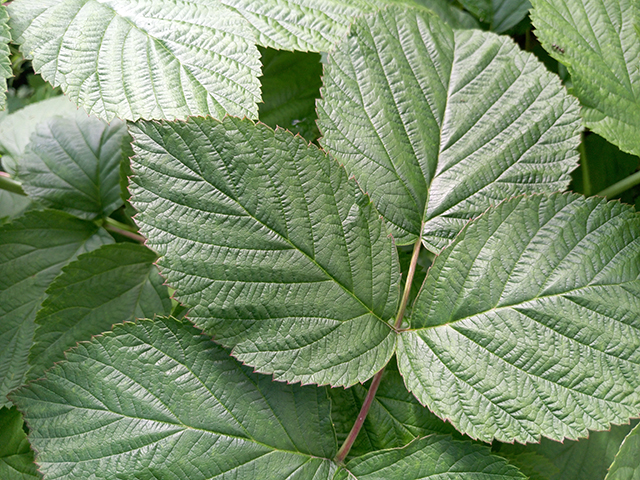
Red raspberry leaves are typically bright green, with a serrated edge and a slightly fuzzy texture. When brewed as a tea, they impart a mild, earthy flavor with a hint of sweetness, making the tea a pleasant and soothing beverage.
In recent years, red raspberry leaves have experienced a resurgence in popularity, particularly among expectant mothers and wellness advocates. One anecdote shared by a midwife highlights its efficacy: A pregnant woman who drank red raspberry leaf tea daily reported shorter labor and a smoother delivery compared to her previous pregnancies. While such stories are anecdotal, they underscore the herb's enduring reputation as a natural aid for childbirth.
Culinary uses
While red raspberry leaves are most commonly consumed as a tea, they can also be incorporated into a variety of recipes to enhance nutritional value. Here are a few creative ways to use this herb:
- Red raspberry leaf tea: Steep 1-2 teaspoons of dried leaves in hot water for 5-10 minutes. Add honey or lemon for extra flavor.
- Herbal infusions: Combine red raspberry leaves with other herbs like peppermint or chamomile for a refreshing and therapeutic blend.
- Smoothies: Add a teaspoon of powdered red raspberry leaves to your favorite smoothie for an antioxidant boost.
- Soups and stews: Incorporate dried leaves into broths or stews for added nutrients and a subtle herbal flavor.
- Mother’s Brew red raspberry leaf tea: Made from dried red raspberry leaves, often blended with a touch of mint or lemon balm for added flavor. This tea is known for its benefits for pregnant women.
- "Berry Bliss" smoothie with red raspberry leaves: A blend of fresh or frozen berries (strawberries, blueberries, raspberries), banana, almond milk (or any milk of choice), a handful of spinach and a teaspoon of red raspberry leaf powder or steeped red raspberry leaf tea. This smoothie is a vibrant, antioxidant-rich drink that combines the sweetness of berries with the nourishing properties of red raspberry leaves.
- Garden harvest soup with red raspberry leaves: A hearty vegetable soup made with carrots, celery, zucchini, kale, garlic, onions, vegetable broth and a handful of chopped red raspberry leaves. It is seasoned with thyme, rosemary and a touch of black pepper. This soup is a celebration of fresh garden ingredients, with red raspberry leaves adding a unique twist.
Red raspberry leaves are more than just a simple herb; they are a testament to the power of nature to heal and nourish. Their rich history, impressive nutritional profile and diverse therapeutic applications make red raspberry leaves a valuable addition to any wellness toolkit. Whether enjoyed as a soothing tea or incorporated into creative recipes, red raspberry leaves offer a natural path to vitality and balance.
This story is not medical advice and is not intended to treat or cure any disease. Always consult with a qualified naturopathic physician for personalized advice about your specific health situation or concern.
For more fascinating insights into superfoods and their natural wonders, visit NaturalNews.com. It’s a treasure trove of articles that will deepen your understanding of the healing power of food.
If you’re into cutting-edge technology with a health twist, try Brighteon.ai. Created by Mike Adams, the Health Ranger, this AI model is a free download that you can run on your own device. It’s all about sharing knowledge freely and bypassing the filters of censorship.
And if you’re looking for a place to openly discuss everything from nutrition to natural remedies without any holds barred, Brighteon.com is your go-to site. Don’t forget to check out their free speech social media platforms, Brighteon.IO and Brighteon.social, where the conversation is always lively and uncensored.
Watch this video for more info about raspberry leaves and their medicinal value.
This video is from the Holistic Herbalist channel on Brighteon.com.
More related stories:
Prepper medicine: How to use red raspberry, a medicinal plant full of vitamins.
Unveiling the mystique of vetiver: An essential oil for wellness.
A guide to the healing power of patchouli.
Miracle fruit: Exploring the surprising health benefits of nature’s sweet secret.
Raspberry fruit extract found to lower weight gain and increase ambulatory activity.
Sources include:
Brighteon.ai
NaturalNews.com
Brighteon.com
Red Raspberry Leaves: A natural remedy for wellness and vitality – NaturalNews.com
If you're gonna fight, fight like you're the third monkey on the ramp to Noah's Ark... and brother its starting to rain. Join our efforts to Secure America's Borders and End Illegal Immigration by Joining ALIPAC's E-Mail Alerts network (CLICK HERE)
-
05-02-2025, 02:59 PM #174Senior Member
- Join Date
- Aug 2018
- Posts
- 92,695
“The Dopamine Revolution” by Sean David Cohen and Dr. Mahsin Habib offers simple strategies to boost dopamine levels naturally
05/02/2025 // Ramon Tomey // 610 Views
Tags: Anxiety, Brain, brain function, brain health, depression, dopamine, dopamine levels, goodhealth, health science, leaky brain, Mahsin Habib, mind mental, Sean David Cohen, slender, The Dopamine Revolution, weight loss, weight management

- Dopamine impacts mood, energy, focus and metabolism. Low levels cause fatigue, cravings, poor sleep and weight gain. "The Dopamine Revolution" by Sean David Cohen and Dr. Mahsin Habib offers natural, jargon-free strategies to boost dopamine through diet, sunlight and lifestyle changes.
- Processed seed oils (like canola and soybean oil) promote inflammation, disrupt brain chemistry, hinder fat burning and are linked to "leaky brain" syndrome. Eliminating them can significantly improve health.
- Anxiety affects 1 in 5 people, with low dopamine as a key cause. Many medications have harmful side effects; the book suggests natural solutions to restore balance.
- Quick fixes (pills, low-calorie diets, artificial sweeteners) often backfire by ignoring root causes. Sustainable health comes from whole-food nutrition and avoiding toxic ingredients.
- Restaurant meals often contain inflammatory seed oils, hidden additives, excess sugar and processed ingredients. Cooking at home with wholesome foods (like olive oil) supports long-term well-being.
Dopamine, the body's natural "feel good" chemical, has been studied, documented and written about for years – but never quite like this, as delivered in this prolific book aptly titled "The Dopamine Revolution." Natural health advocate Sean David Cohen and Dr. Mahsin Habib, both with over 30 years' experience studying natural remedies and longevity, co-authored this practical and resourceful book about dopamine.
Whether you're battling stress, anxiety, depression, sleeplessness, lethargy, brain fog, libido inadequacy, long muscle recovery after workouts or you just want that extra boost of mood elevation and positive mindset, the ultimate solution is in your hands right now.
Sure, knowledge is power, but the reward comes from acting on it and using it to your full advantage day in and day out. This book serves as a reference guide, where you can simply flip through to chapters that pertain to your current needs at any given moment in time.
This book stands out due to its unique, profound and innovative approach. The cutting-edge solutions come in DIY form, making it simple to apply natural strategies and source the recommended foods, beverages and supplements.
Clear, straightforward language explains health concepts, avoiding unnecessary medical and scientific jargon. Regardless of background, readers can relate to the everyday examples that illustrate key points, making it easy to integrate these principles into a holistic lifestyle.
Now is the time to revolutionize physical, mental and emotional well-being like never before. Instead of dwelling on anguish, guilt, remorse or regret, this marks the beginning of a new chapter — one filled with vitality and renewed purpose.
Why proper dopamine levels are so important and can drastically improve your physical health
Dopamine isn't just about mood; it's the driving force behind your energy, focus, metabolism and overall ability to maintain healthy habits. When your dopamine levels drop, the effects are real:
- Constant fatigue
- Sugar and junk food cravings
- Poor sleep and low motivation
- Emotional eating and weight gain
Processed foods and artificial additives are secretly sabotaging your dopamine levels and making it harder to feel your best. These foods trigger inflammation and disrupt your brain chemistry, leading to a cycle of low energy and poor health.
But there's good news: Boosting your dopamine naturally is possible! You can:
- Eat real, dopamine-boosting foods
- Get sunlight, movement and proper rest
- Eliminate toxic foods that hijack your brain chemistry
Why seed oils are sabotaging your health and weight
You might be eating all the "right" foods, but if seed oils are still sneaking into your meals, they could be the hidden reason you’re feeling sluggish, inflamed and stuck in your weight-loss journey. Many people overlook these oils, yet they can quietly wreak havoc on your body and metabolism.
Here's how seed oils could be impacting your health:
- Chemically processed: Most seed oils go through intense chemical treatments, stripping away any nutritional value and leaving behind harmful byproducts.
- Cause chronic inflammation: These oils can trigger low-grade inflammation that leads to weight gain, fatigue and even chronic disease.
- Disrupt brain chemistry: Seed oils interfere with dopamine production, which can leave you feeling unmotivated, anxious or down.
- Linked to leaky brain syndrome: They can break down your brain's protective barrier, impacting focus, mood and overall mental clarity.
- Slow down fat burning: Instead of fueling your body, seed oils contribute to fat storage and hormonal imbalance.
The truth is, cutting out seed oils can be one of the most powerful things you do for your health – but most programs never talk about it. The good news? With the right support and knowledge, you can remove these toxic oils and fuel your body the right way.
4 Facts about anxiety you need to know
Anxiety is more common than many realize, and its often misunderstood. Here are four facts about it:
- One in every 5 people are experiencing anxiety in 2025
- Low dopamine levels are considered a main cause of anxiety
- Many anxiety medications can cause serious side effects
- The prevalence of anxiety is actually higher among females
Most weight problems are only temporary band aids
Here's why most weight-loss programs fail to deliver long-term results:
- Medication "magic pills": While they may promise fast results, these often come with unwanted side effects and don’t address the root cause of weight gain.
- Low-calorie diets: These can lead to quick weight loss but often cause weight gain once the diet ends, leaving you frustrated and back where you started.
- No-carb diets: Though they may seem effective, they can harm brain health and disrupt your body's natural balance.
- Artificial sweeteners: These can actually make your cravings worse, promote weight gain and even have potential long-term health risks.
- Toxic ingredients in "diet" foods: These can slow your metabolism, trigger cravings and leave you feeling drained and unmotivated.
The truth is, many of these approaches only offer a quick fix without addressing the real, long-term changes your body needs. The good news? You don’t have to follow restrictive diets to achieve lasting health. Small, intentional changes are key to restoring your energy, balancing your metabolism and feeling your best.
Here’s why eating out and ordering in can cause health problems and keep you sick
You might think you’re making smart choices when dining out, but the authors see so many people struggling with hidden ingredients that sabotage their health. Most restaurant meals are designed for taste and profit — not your well-being. Even “healthy” options often contain harmful oils, sugars and preservatives.
Here's why eating out too often might be keeping you sick:
- Toxic seed oils: Canola, soybean and vegetable oils trigger inflammation, slow metabolism and contribute to weight gain.
- Gluten and hidden additives: Even if you’re not allergic, they can cause bloating, digestive issues and brain fog.
- Excess sugar and preservatives: They spike blood sugar, disrupt hormones and keep you craving more unhealthy foods.
- Ultra-processed ingredients: Stripped of nutrients, leaving you fatigued and nutritionally depleted.
The good news? You don't have to be perfect to make a change. Take control of your health just by making small, intentional swaps:
- Cook more meals at home with real ingredients.
- Swap seed oils for olive or avocado oil.
- Cut back on processed and restaurant foods.
Get a copy of "The Dopamine Revolution" here, and visit the book's official website for more.
Watch Sean David Cohen, co-author of "The Dopamine Revolution," discussing the factors that affect dopamine levels with the Health Ranger Mike Adams on this edition of the "Health Ranger Report."
This video is from the Health Ranger Report channel on Brighteon.com.
Sources include:
Amazon.com
TheDopamineRevolution.com
Brighteon.com
“The Dopamine Revolution” by Sean David Cohen and Dr. Mahsin Habib offers simple strategies to boost dopamine levels naturally – NaturalNews.com
If you're gonna fight, fight like you're the third monkey on the ramp to Noah's Ark... and brother its starting to rain. Join our efforts to Secure America's Borders and End Illegal Immigration by Joining ALIPAC's E-Mail Alerts network (CLICK HERE)
-
05-02-2025, 03:33 PM #175Senior Member
- Join Date
- Aug 2018
- Posts
- 92,695
Exploring the intersection of cancer and natural medicine: A comprehensive review of John C. Boik’s “Cancer and Natural Medicine”
05/02/2025 // Belle Carter // 630 Views
Tags: alternative medicine, antioxidants, cancer cures, cancer solutions, complementary therapy, goodcancer, goodhealth, goodmedicine, goodscience, healing, health science, herbal medicine, immune surveillance, natural cures, natural health, natural medicine, Oncology, remedies
- The book "Cancer and Natural Medicine" by John C. Boik provides a detailed examination of the potential benefits and limitations of natural therapies in treating cancer, a leading cause of death globally.
- Despite the "war on cancer" declared in the 1970s, cancer incidence in the U.S. has risen by 44 percent over the past 40 years, with a three percent increase in mortality. Approximately 42 percent of males and 39 percent of females will develop cancer in their lifetime.
- There is a significant trend of cancer patients turning to complementary therapies, with usage rates ranging from nine percent to as high as 60 percent in various studies. This trend is observed internationally, with notable usage in London hospitals and South Australia.
- The book presents a mixed picture of the clinical efficacy of natural anticancer agents. While some studies suggest potential benefits in survival time and quality of life when combined with conventional treatment, overall efficacy remains unclear. Clinical studies in China show more positive results, but most research is still in the preclinical phase.
- The book delves into the science of cancer and natural medicine, discussing concepts like angiogenesis and immune surveillance. It highlights promising natural agents such as berberine, bromelain, genistein and quercetin, emphasizing the need for further research to determine their appropriate use and efficacy.
The book "Cancer and Natural Medicine: A Textbook of Basic Science and Clinical Research" by John C. Boik delves into this complex and often controversial realm, offering a detailed exploration of the potential benefits and limitations of natural therapies in cancer treatment. With cancer remaining a leading cause of death in the United States and around the world, the book's insights are both timely and crucial.
Cancer has plagued humanity for centuries, with ancient civilizations documenting its devastating impact. In the United States, the situation remains dire. According to the latest data, approximately 42 percent of males and 39 percent of females will develop cancer at some point in their lives. Despite the "war on cancer" declared by the U.S. Congress in the early 1970s, which led to the establishment of the Surveillance, Epidemiology and End Results (SEER) program, the overall incidence of cancer has increased by 44 percent over the past 40 years, while overall mortality has risen by three percent.
In response to these alarming statistics, many patients are turning to complementary therapies. A recent survey estimated that nine percent of cancer patients use complementary therapies, but other studies suggest the figure could be as high as 60 percent. This trend is not limited to the U.S.; in London hospitals, 16 percent of cancer patients reported using complementary therapies, while in South Australia, 46 percent of children with cancer had used at least one complementary therapy.
Boik's book delves into the clinical efficacy of natural anticancer agents, presenting a mixed picture. While some studies suggest that combining herbal medicine with conventional treatment may moderately increase survival time and improve quality of life, the overall efficacy remains unclear. For instance, a study conducted in San Diego compared the outcomes of patients treated at a prominent complementary cancer clinic with those receiving conventional medicine. Both groups exhibited a mean survival period of 15 months, highlighting the need for more comprehensive research.
Clinical studies in China tend to be more positive, suggesting that herbal medicine may enhance the effects of conventional treatment. However, as Boik points out, most research on natural anticancer agents is still in the preclinical phase, with limited funding available for these studies.
The book provides a detailed explanation of the science behind cancer and natural medicine. Cancer is characterized by the uncontrolled growth of poorly differentiated cells, triggered by initiating factors such as chemical carcinogens, viruses and ionizing radiation. Free radicals, unstable molecules that can damage DNA, proteins and lipids, play a significant role in this process. Antioxidants, abundant in fruits and vegetables, help neutralize these free radicals and protect the cells.
Another key area of focus is angiogenesis, the process by which tumors develop their own blood supply. Natural agents that inhibit angiogenesis are being studied for their potential to starve tumors of the nutrients they need to grow. The book also explores the concept of immune surveillance, the idea that the immune system searches for and destroys newly transformed cells. However, tumors can evade immune detection through various mechanisms, such as suppressing immune responses or altering their surface antigens.
Boik highlights several natural agents that show promise in cancer treatment, including berberine, bromelain, genistein and quercetin. These agents have been shown to exhibit antitumor activity and enhance immune function. For example, polysaccharides from certain plants, like Astragalus membranaceus and Ganoderma lucidum, have demonstrated potential in boosting the immune system and fighting cancer.
In conclusion, "Cancer and Natural Medicine" offers a comprehensive overview of the complex interplay between cancer and natural medicine. While the book acknowledges the challenges and limitations of current research, it also highlights the potential of natural agents to complement conventional cancer treatment.
Learn more about the book "Cancer and Natural Medicine" by watching the video below.
This video is from the BrightLearn channel on Brighteon.com.
Sources include:
Brighteon.ai
Brighteon.com
Exploring the intersection of cancer and natural medicine: A comprehensive review of John C. Boik’s “Cancer and Natural Medicine” – NaturalNews.com
If you're gonna fight, fight like you're the third monkey on the ramp to Noah's Ark... and brother its starting to rain. Join our efforts to Secure America's Borders and End Illegal Immigration by Joining ALIPAC's E-Mail Alerts network (CLICK HERE)
-
05-03-2025, 08:46 PM #176Senior Member
- Join Date
- Aug 2018
- Posts
- 92,695
Avocado oil: A nutrient powerhouse for health and cooking
05/03/2025 // Laura Harris // 300 Views
Tags: #nutrition, antioxidants, avocado oil, food science, fruits, functional food, goodfood, goodhealth, grocery, health science, healthy fats, ingredients, natural health, nutrients, organics, superfoods
- Rich in monounsaturated and polyunsaturated fats, avocado oil supports cardiovascular health. It also contains antioxidants like vitamin E, lutein and beta-sitosterol.
- With a high smoke point, it is ideal for frying, grilling and roasting, unlike many processed seed oils.
- Avocado oil boosts uptake of fat-soluble vitamins in meals, making it perfect for salads and vegetable dishes.
- Its mild, buttery flavor suits raw applications and cooking. It can even replace butter in recipes.
- Opting for cold-pressed avocado oil allows you to avoid harmful solvents found in industrial seed oils. Organic options also minimize pesticide/heavy metal exposure risks.
In a world where processed foods and industrial seed oils dominate supermarket shelves, discerning individuals are turning to nature's gifts for nourishment and healing.
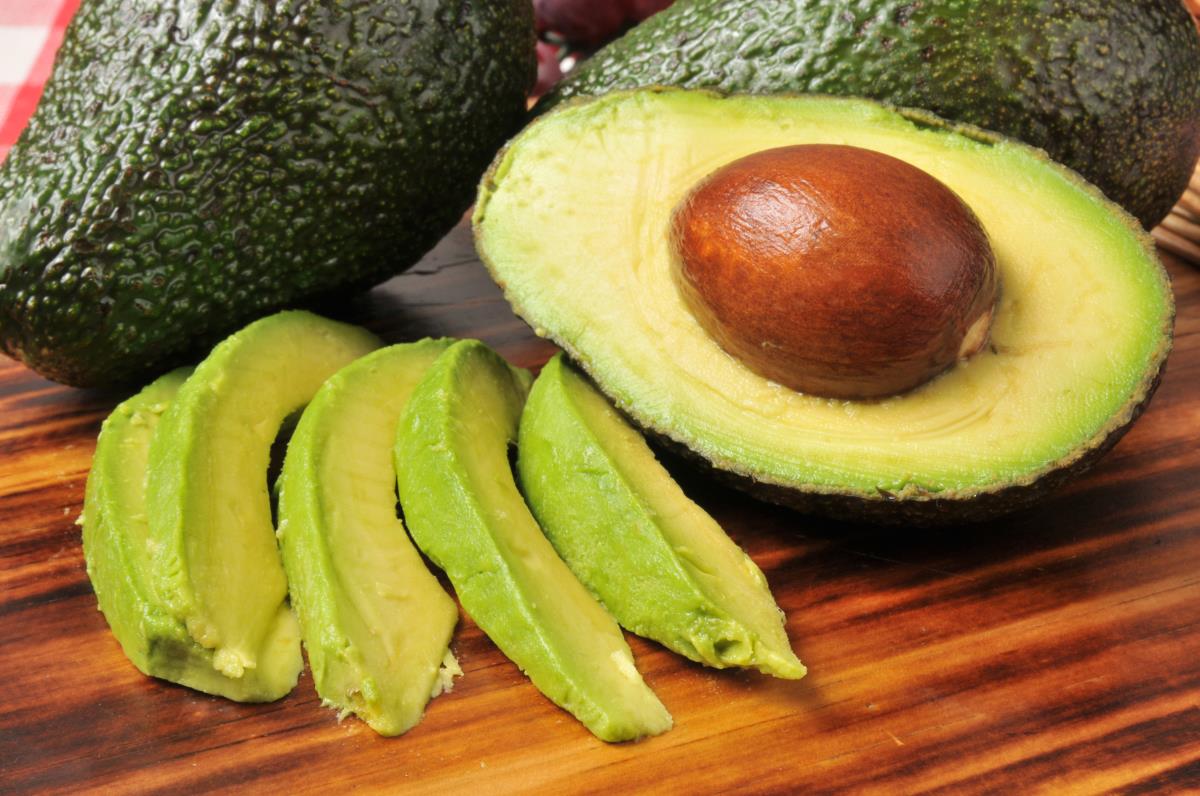
Avocado oil, extracted from the creamy, nutrient-dense flesh of avocados, has emerged as a premier superfood oil – packed with heart-healthy fats, antioxidants and versatile culinary benefits. As more people reject toxic food systems in favor of clean, natural ingredients, avocado oil offers an empowering way to nourish the body while supporting sustainable and truthful agriculture.
Brief history of avocado oil
Avocado oil is derived from pressing the flesh of avocados (Persea americana), a fruit native to Central and South America. The Aztecs and other indigenous cultures revered avocados for their nutritional and medicinal properties, using them not only as food but also as remedies for skin conditions and digestive ailments. However, commercial production of avocado oil is a relatively modern phenomenon.
Historically, extracting oil from avocados was too labor-intensive for widespread use. But with advancements in cold-pressing techniques, avocado oil became commercially viable in the late 20th century. Today, Mexico, the world's largest avocado producer, dominates the market, followed by countries like Peru, Chile and the United States (particularly California).
Unlike many vegetable oils that require heavy processing and chemical solvents, high-quality avocado oil is cold-pressed, preserving its nutritional integrity – a stark contrast to the industrial seed oils (like canola or soybean oil) that dominate processed foods. (Related: Avocado oil is a key component in the fight against free-radical aging and cancer proliferation.)
Nutritional profile and health benefits
Avocado oil is revered for its rich nutrient content, which include:
Heart-healthy fats
Avocado oil consists of about 70 percent monounsaturated fats, such as oleic acid. These healthy fats help lower cholesterol levels, combat inflammation and promote cardiovascular well-being.
Avocado oil also contains polyunsaturated fats such as omega-3 and omega-6 fatty acids, providing roughly two grams per tablespoon. These fats support brain function and heart health.
Unlike inflammatory trans fats or unstable (often rancid) vegetable oils, avocado oil boasts a stable fatty acid profile, making it ideal for high-heat cooking without oxidizing easily.
Potent antioxidants
Avocado oil is rich in potent antioxidants that offer a range of health benefits. Vitamin E, a fat-soluble antioxidant, helps protect cells from oxidative damage caused by free radicals while also supporting skin health.
Avocado oil also contains lutein, a carotenoid that accumulates in the retina and promotes eye health, potentially reducing the risk of macular degeneration. Another beneficial compound found in avocado oil is beta-sitosterol, a plant sterol that may help lower cholesterol levels.
Nutrient absorption booster
Like avocado flesh, avocado oil enhances the absorption of fat-soluble vitamins (A, D, E and K) from foods, making it a perfect addition to salads and vegetable dishes.
Smoke point and cooking benefits
Refined avocado oil boasts an impressive smoke point of up to 500–520 F, allowing it to withstand high-heat techniques like frying, grilling, searing, roasting and sautéing without breaking down and releasing harmful free radicals.
In contrast, virgin (unrefined) avocado oil has a lower smoke point, typically ranging between 350–375 F, making it more suited to moderate-heat cooking or raw applications. Beyond its heat stability, avocado oil has a mild, buttery flavor that enhances both sweet and savory dishes without overpowering them, further adding to its culinary appeal.
Unlike inflammatory seed oils (soybean, canola, corn), avocado oil is overwhelmingly recognized for its health benefits. Studies suggest that regular consumption can help lower LDL (“bad”) cholesterol and triglycerides and blood pressure due to oleic acid; improve skin elasticity and hydration when used topically; and aid in weight management by promoting satiety.
While no oil is calorie-free, avocado oil contains no harmful trans fats or industrial solvent residues, making it far superior to many conventional cooking oils.
Why choose organic?
The natural barrier of avocados minimizes pesticide absorption into the flesh, but organic avocado oil guarantees that no synthetic pesticides or chemicals were used during cultivation or extraction. Additionally, some conventional avocado oils have been found to contain trace amounts of heavy metals, likely due to soil contamination.
For those seeking the highest purity, opting for organic, cold-pressed avocado oil from brands that conduct rigorous heavy metal testing is the safest choice.
Culinary uses
The versatility of avocado oil makes it a great oil to use for cooking or making salads, dips and dressings.
High-heat cooking
- Frying eggs, stir-fries or grilled meats (better than olive oil for high temps).
- Homemade mayonnaise (stable and creamy).
Raw and dressings
- Drizzled over salads (enhances nutrient absorption).
- Dipping oil with herbs and balsamic.
Baking
- Replaces butter or vegetable oil in muffins, cakes.
This story is not medical advice and is not intended to treat or cure any disease. Always consult with a qualified naturopathic physician for personalized advice about your specific health situation or concern.
Visit NaturalNews.com, a great article source where you can learn about superfoods and their health benefits.
You can also try Brighteon.ai, an AI model created by Mike Adams, also known as the Health Ranger. This model is available as a free download to be run locally and is designed to help share and decentralize knowledge. By doing so, it aims to bypass censorship and empower people with knowledge.
If you're looking for an uncensored video free speech website where you can openly discuss nutrition, natural medicine, ingredients and more, check out Brighteon.com and out two free speech social media sites, Brighteon.IO and Brighteon.social.
Watch this video about the impressive health benefits of avocado oil and flax seed oil.
This video is from the Health Ranger Store channel on Brighteon.com.
More related stories:
You know about the health benefits of olive oil, but how about avocado oil?
Shocking investigation into avocado oil finds nearly all of them are adulterated with cheap soybean oil.
Olive oil vs. avocado oil: Both are green and healthy, but which one's better for you?
Sources include:
Brighteon.AI
NaturalNews.com
Brighteon.com
Avocado oil: A nutrient powerhouse for health and cooking – NaturalNews.com
If you're gonna fight, fight like you're the third monkey on the ramp to Noah's Ark... and brother its starting to rain. Join our efforts to Secure America's Borders and End Illegal Immigration by Joining ALIPAC's E-Mail Alerts network (CLICK HERE)
-
05-03-2025, 08:53 PM #177Senior Member
- Join Date
- Aug 2018
- Posts
- 92,695
Simple exercise could slow the progression of Alzheimer’s disease, new study reveals
05/03/2025 // Ava Grace // 50 Views
Tags: aging, Alzheimer's disease, Brain, brain damaged, brain function, brain health, dementia, discoveries, exercise, goodhealth, longevity, Men's Fitness, mental, mental decline, Mind, movement, physical activity, research, slender, Women's Fitness

- A study by researchers from two universities found that even low-intensity exercise (like stretching) and moderate-high intensity aerobic workouts help preserve brain health in older adults at risk of Alzheimer's.
- Nearly 300 sedentary adults with mild cognitive impairment (MCI) were split into two exercise groups (low vs. moderate-high intensity) and showed no cognitive decline over 12 months, unlike a control group. Brain scans also revealed slower shrinkage in key areas.
- Unlike costly drugs, exercise is a low-risk, scalable solution. The study partnered with YMCAs to make workouts practical and community-based.
- The findings highlight personal responsibility and lifestyle choices as powerful tools against Alzheimer's, contrasting with reliance on pharmaceutical solutions.
- While promising, questions remain about long-term effects and combining exercise with other interventions (e.g., diet). However, the study underscores exercise as an immediate, actionable defense against dementia.
In a groundbreaking discovery, researchers from the University of California San Diego and Wake Forest University have found that even light exercise may help slow cognitive decline in older adults at risk of Alzheimer's disease.
Published April 24 in Alzheimer's and Dementia: The Journal of the Alzheimer's Association, the findings from the EXERT study – a major clinical trial – suggest that both low and moderate-high intensity exercise could be powerful tools in preserving brain health. For millions of Americans facing the looming threat of dementia, this research offers a glimmer of hope in an otherwise grim medical landscape.
Alzheimer's disease remains one of the most devastating health crises of our time, affecting more than six million Americans and costing the nation hundreds of billions annually in care. Despite decades of research, there is still no cure, and pharmaceutical breakthroughs have been frustratingly slow. Against this backdrop, the EXERT study stands out not for proposing a costly new drug, but for validating a simple, accessible intervention: exercise. (Related: You CAN prevent cognitive decline; experts agree that a mere 15 minutes of exercise a day can prevent Alzheimer's.)
The EXERT trial involved nearly 300 sedentary older adults with mild cognitive impairment (MCI), a condition that often precedes full-blown Alzheimer's. Participants were divided into two groups. The first group performed low-intensity stretching and balance exercises, while the other engaged in moderate-high intensity aerobic workouts.
Both groups exercised three to four times a week for 12 months under YMCA supervision. Meanwhile, researchers tracked cognitive function and brain volume changes.
Striking results: Exercise slows down cognitive decline
Contrary to expectations, cognitive function did not worsen in either group over the year-long study. Even more compelling, both exercise regimens were linked to significantly less cognitive decline compared to a control group receiving only standard medical care. Brain scans also revealed slower shrinkage in critical areas like the prefrontal cortex, a region heavily impacted by Alzheimer's.
With roughly 16 percent of MCI patients progressing to Alzheimer's each year, early intervention is crucial. Unlike experimental drugs with uncertain side effects, exercise is a low-risk, low-cost strategy that could buy precious time for at-risk individuals.
From a conservative standpoint, these findings reinforce the value of individual agency in health management. While Big Pharma races for blockbuster drugs, this study underscores that lifestyle choices – like staying active – can be just as impactful. It's a reminder that personal discipline, not just medical innovation, plays a vital role in combating disease.
One innovative aspect of the study was its collaboration with the YMCA, making exercise more accessible to participants. Study co-author Dr. Howard Feldman noted that this approach bridges the gap between research and real-world application.
Skeptics might argue that exercise alone isn't a silver bullet, and they'd be right. Alzheimer's is a complex disease with multiple contributing factors. Yet the EXERT study's rigorous design – partnering with community organizations like the YMCA – lends credibility to its conclusions.
Still, questions remain: Would longer-term exercise yield even greater benefits? Could combining exercise with other interventions amplify results?
While the results are promising, researchers caution that more work is needed. Future studies could explore how different exercise types (strength training vs. cardio) affect cognition or whether combining exercise with diet changes enhances outcomes. Still, the takeaway is clear: Movement matters.
The message is straightforward for older adults and anyone concerned about brain health: Get moving. Whether it's a daily walk, yoga or more intense workouts, physical activity is now proven to be a formidable ally against cognitive decline.
In an era of skyrocketing healthcare costs, that's a prescription worth filling. While science continues searching for a cure, exercise offers a practical, immediate way to defend against dementia.
Watch this video about the benefits of exercise on the brain.
This video is from the Holistic Herbalist channel on Brighteon.com.
More related stories:
Exercise found to reduce the severity of Alzheimer's symptoms.
Exercise: The secret weapon against mental fatigue for seniors.
Study highlights the power of EXERCISE against dementia.
Sources include:
ScienceDaily.com
Alz-Journals.OnlineLibrary.Wiley.com
Today.UCSD.edu
Newsroom.WakeHealth.edu
Brighteon.com
Simple exercise could slow the progression of Alzheimer’s disease, new study reveals – NaturalNews.com
If you're gonna fight, fight like you're the third monkey on the ramp to Noah's Ark... and brother its starting to rain. Join our efforts to Secure America's Borders and End Illegal Immigration by Joining ALIPAC's E-Mail Alerts network (CLICK HERE)
-
05-03-2025, 08:57 PM #178Senior Member
- Join Date
- Aug 2018
- Posts
- 92,695
How DMSO could transform medicine, science and more
05/03/2025 // Olivia Cook // 100 Views
Tags: alternative medicine, biomedical research, chemical solvent, dimethyl sulfoxide, DMSO, goodhealth, goodmedicine, goodscience, hidden science, holistic health, natural therapies, untapped potential
- Dimethyl sulfoxide (DMSO) is a highly versatile solvent known for its ability to dissolve various substances, making it useful in both chemical and biological applications. One of its most remarkable features is its ability to easily cross biological membranes, allowing it to act as a carrier that can deliver other substances directly into cells and tissues.
- In addition to its solvent power, DMSO offers several pharmacological benefits. It has been shown to relieve pain, reduce inflammation and even modulate immune responses, making it a potential treatment for musculoskeletal injuries, infections and certain immune-related conditions.
- While DMSO is generally considered safe at low concentrations, higher doses can cause toxic effects and may interact dangerously with alcohol, highlighting the need for careful use and monitoring.
- Beyond its medical uses, DMSO also plays an important role in agriculture, where it helps improve the effectiveness of fertilizers and pesticides, and in veterinary medicine, where it is used to treat a variety of inflammatory conditions.
- As research continues, DMSO remains a promising and widely studied compound with the potential to impact many areas of medicine, science and industry.
In the world of scientific breakthroughs, some discoveries make headlines while others quietly revolutionize entire fields. Dimethyl sulfoxide, better known as DMSO, falls into the latter category.
Once just a byproduct of wood pulp processing, DMSO has evolved into one of the most intriguing compounds in modern science.
Since its first synthesis in 1866, DMSO's story has been a winding one. But it wasn't until the 1960s and the early 1970s that researchers – led by pioneers like Dr. Stanley W. Jacob – uncovered DMSO's incredible biological properties.
A 1971 book titled "Dimethyl Sulfoxide – Remarkable nontoxic and medical activities of DMSO" captured the early enthusiasm, documenting DMSO's chemistry, pharmacology, toxicology and therapeutic potential.
Today, decades later, scientists are still exploring just how versatile – and valuable – this modest molecule might be. At first glance, DMSO might seem simple: a clear, slightly oily liquid, chemically known as (CH3)2SO. But underneath lies a rare superpower.
Unlike most solvents, DMSO is polar and aprotic, meaning it can dissolve an unusually wide range of substances – from salts and sugars to oils and organic molecules – without interfering chemically. It can even form hydrogen bonds with water, making it incredibly good at absorbing moisture. Its chemical versatility made DMSO a standout in industrial labs. But it was its biological behavior – especially its ability to penetrate living tissues – that caught medical researchers' attention.
Medicine's shape-shifter
One of DMSO's most remarkable traits is its ability to pass through skin and cell membranes effortlessly. This allows it to carry other substances, like medications, deep into tissues that would otherwise be harder to reach.
Studies have shown that DMSO can enhance the absorption of drugs, like morphine sulfate and certain antibiotics, potentially reducing the needed dosage while improving effectiveness. In the right settings, this carrier effect could revolutionize how treatments are delivered.
But DMSO doesn't just act as a taxi for other drugs. It also boasts analgesic (pain-relieving) and anti-inflammatory properties of its own. It works by stabilizing lysosomes – tiny cellular structures involved in inflammation – slowing down fibroblast activity, which helps prevent excessive scar tissue formation.
In situations involving radiation exposure or freezing temperatures, DMSO shines yet again. It scavenges harmful free radicals and stabilizes cell membranes, offering radioprotective and cryoprotective benefits. That's why it's a staple in laboratories freezing cells for long-term storage, preventing ice crystal formation that would otherwise destroy delicate tissues.
A double-edged sword in microbiology and immunology
DMSO's relationship with bacteria and the immune system is complicated. At certain concentrations, DMSO can inhibit bacteria, fungi and even viruses, acting as a mild antimicrobial agent. Intriguingly, it also increases the sensitivity of drug-resistant bacteria to antibiotics, hinting at future therapeutic strategies. (Related: DMSO: A game-changer in the treatment of infectious diseases.)
On the immune side, DMSO can boost immune responses when administered alongside vaccines, stimulating white blood cell activity and possibly improving vaccine effectiveness. But high concentrations can also interfere with diagnostic antigen-antibody reactions, a crucial caveat for medical testing.
Veterinary medicine: DMSO in action
Veterinarians have embraced DMSO for decades, especially in the treatment of horses. Applied topically, DMSO has proven highly effective for inflammatory conditions, like bursitis and synovitis, with reported success rates as high as 90 percent. It also accelerates wound healing, reducing swelling and shortening recovery times, making it a go-to remedy for performance animals.
In cats, researchers have even used intraperitoneal (internal abdominal) applications of DMSO to successfully treat feline panleukopenia, a severe and often fatal viral disease.
DMSO's agricultural footprint
DMSO doesn't just affect animals – it has profound effects on plants as well. DMSO serves as a carrier for growth regulators and herbicides, enhancing their effectiveness.
Agricultural scientists also use DMSO to study how plants absorb water and nutrients, gaining insights that could one day boost crop yields or improve plant resilience in harsh environments.
DMSO and the human connective tissue
Inside the human body, DMSO has complex interactions with connective tissues, like collagen. In lab studies, high concentrations of DMSO altered collagen's structure, sometimes making it stronger or more resilient.
In conditions like scleroderma, a disease characterized by thickening and hardening of the skin, DMSO treatments reduced collagen buildup and visibly improved skin condition, offering hope to patients for whom few therapies exist.
DMSO in dermatology
DMSO's easy skin penetration makes it a unique tool in dermatology. Doctors have used it to treat conditions, like herpes simplex, scleroderma and even "creeping eruption," a rare parasitic skin infection.
it can also enhance the effectiveness of topical steroids and antifungals, delivering these medications deeper than creams alone.
However, DMSO isn't without drawbacks. Skin dryness, irritation and redness and an unmistakable garlic-like body odor are common side effects. Long-term use can cause more severe dryness and scaling.
Why DMSO still matters
Despite its many successes, DMSO's medical adoption stalled in the 1970s, largely due to regulatory hurdles, public confusion and concerns about side effects.
The U.S. Food and Drug Administration (FDA), cautious and wary of the media storm, restricted DMSO's use for human medicine, approving it only for specific conditions, like bladder inflammation. Animal doctors, especially veterinarians treating racehorses, embraced it wholeheartedly – but for humans, DMSO largely disappeared from pharmacies and faded into scientific obscurity.
DMSO, in the form of Rimso-50, is still FDA-approved – but only for treating a rare bladder condition called interstitial cystitis. Everywhere else, it's quietly used "off-label" by some alternative practitioners, researchers and a few persistent doctors who believe in its overlooked, untapped power.
Today, scientists continue to explore DMSO's future potential, whether as a natural adjuvant for vaccines, a radioprotective and cryoprotective agent or a vehicle for innovative drug therapies.
Watch this video to learn more about DMSO.
This video is from the Daily Videos channel on Brighteon.com.
More related stories:
The miraculous healing power of DMSO: Nature's forgotten cure for cancer, pain and regeneration.
DMSO: A common lab chemical with ANTICANCER potential.
Science reveals how cow urine and DMSO could transform breast cancer treatment.
Sources include:
Dokumen.pub
PMC.NCBI.NLM.NIH.gov
Brighteon.com
How DMSO could transform medicine, science and more – NaturalNews.com
If you're gonna fight, fight like you're the third monkey on the ramp to Noah's Ark... and brother its starting to rain. Join our efforts to Secure America's Borders and End Illegal Immigration by Joining ALIPAC's E-Mail Alerts network (CLICK HERE)
-
05-04-2025, 08:30 PM #179Senior Member
- Join Date
- Aug 2018
- Posts
- 92,695
“The Alzheimer’s Prevention Plan” offers science-backed strategies to combat memory decline
05/04/2025 // Belle Carter // 1.1K Views
Tags: Alzheimer's disease, Alzheimer's Prevention Plan, Brain, brain health, cognitive function, food cures, memory boost, memory decline, mental, Mind, Patrick Holford, remedies, science-backed strategies

- "The Alzheimer's Prevention Plan" offers a science-backed, 10-step plan to prevent memory decline and Alzheimer's disease, emphasizing early action for optimal results.
- Readers are guided to assess personal risk factors (e.g., high homocysteine levels) and take corrective measures within eight weeks.
- Essential nutrients like B vitamins, omega-3s and minerals (magnesium, zinc) are highlighted for their role in lowering Alzheimer's risk and boosting cognitive function.
- The plan stresses exercise, mental stimulation, quality sleep, stress management, hydration and avoiding harmful substances (alcohol, smoking, processed foods).
- Testimonials show tangible improvements in memory and cognition, reinforcing the message that proactive steps can reverse or slow decline.
"The Alzheimer's Prevention Plan: 10 Proven Ways to Stop Memory Decline and Reduce the Risk of Alzheimer's" by Patrick Holford, Deborah Colson and Shane Heaton, provides a comprehensive and scientifically-backed approach to maintaining and even improving brain health. This guide is not just for those already experiencing memory issues; it's for anyone who wants to take proactive steps to safeguard their cognitive future.
Alzheimer's disease is a growing epidemic. According to the World Health Organization, around 50 million people worldwide have dementia, with Alzheimer's being the most common form. This number is projected to triple by 2050, placing an immense burden on healthcare systems and families alike. The emotional and financial toll is staggering, but the authors argue that it doesn't have to be this way. Early action, they assert, can significantly alter the trajectory of memory decline.
Patrick Holford, a renowned nutritionist and mental health expert, is at the forefront of this battle. He believes that memory decline and Alzheimer's can be stopped, or at least slowed, with the right strategies. "The Alzheimer's Prevention Plan" is his meticulously crafted response to the crisis, offering a ten-step plan that is both practical and grounded in cutting-edge research.
Holford's plan is not a one-size-fits-all solution but a comprehensive approach that addresses various aspects of brain health. Here are the key components:
- Discover your risk: The first step is understanding your personal risk factors. Holford provides a simple test to assess your likelihood of memory decline. The goal is to identify potential issues early and take corrective action within eight weeks.
- Memory-boosting vitamins and minerals: The brain requires specific nutrients to function optimally. Holford emphasizes the importance of B vitamins, magnesium and zinc, which are crucial for cognitive health. These nutrients help lower homocysteine levels, a factor linked to a higher risk of Alzheimer's.
- Essential fats: The brain is about 60 percent fat, and Holford stresses the importance of essential fats, particularly omega-3s. These fats are vital for brain function and can enhance cognitive performance.
- Lifestyle changes: Simple lifestyle adjustments can have a profound impact on brain health. Getting enough sleep, managing stress and staying socially active are all crucial components of Holford's plan.
- Exercise: Physical activity is not just good for the body; it's essential for the brain. Regular exercise can improve memory and cognitive function, making it a cornerstone of the prevention plan.
- Mental stimulation: Keeping the brain engaged is vital for maintaining cognitive health. Activities like reading, puzzles and learning new skills help build new neural connections and keep the mind agile.
- Avoid harmful substances: Excessive alcohol, smoking and processed foods can accelerate brain aging and increase the risk of memory problems. Holford advises minimizing these substances to protect brain health.
- Hydration: The brain needs water to function properly. Holford recommends drinking plenty of water to keep the brain hydrated and healthy.
- Sleep: Quality sleep is crucial for memory consolidation and overall brain health. Holford advises getting 7-8 hours of restful sleep each night.
- Regular check-ups: Regular monitoring of brain health is essential for early detection and intervention. Holford recommends regular check-ups to catch any potential issues early.
The book is filled with inspiring stories of individuals who have followed Holford's plan and experienced significant improvements in their memory and cognitive function. These testimonials serve as powerful reminders that change is possible. One woman, who had been experiencing early signs of memory decline, reported a remarkable turnaround after implementing Holford's strategies. "I feel like I've got my life back," she said. "My memory is sharper, and I have more energy and focus."
In conclusion, "The Alzheimer's Prevention Plan" is a must-read for anyone concerned about memory loss and brain health. It empowers readers to take control of their cognitive future with practical, science-backed strategies. As Holford emphasizes, "It's never too early or too late to start taking care of your brain." This book is a call to action, urging readers to adopt a proactive approach to brain health and make positive changes that can have a lasting impact.
Learn more about the book "The Alzheimer's Prevention Plan" by watching the video below.
This video is from the BrightLearn channel on Brighteon.com.
Sources include:
Brighteon.ai
Brighteon.com
“The Alzheimer’s Prevention Plan” offers science-backed strategies to combat memory decline – NaturalNews.com
If you're gonna fight, fight like you're the third monkey on the ramp to Noah's Ark... and brother its starting to rain. Join our efforts to Secure America's Borders and End Illegal Immigration by Joining ALIPAC's E-Mail Alerts network (CLICK HERE)
-
05-04-2025, 08:33 PM #180Senior Member
- Join Date
- Aug 2018
- Posts
- 92,695
Cheap, generic and unpatentable DMSO: A THREAT to Big Pharma profits
05/04/2025 // Olivia Cook // 1.2K Views
Tags: alternative medicine, badhealth, badmedicine, biased, Big Pharma, Cures, dimethy sulfoxide, DMSO, drug patent, Food and Drug Administration, healing, natural cures, natural health, natural medicine, Pat McGrady Sr., remedies, Suppressed, The Persecuted Drug: The Story of DMSO

- DMSO (dimethyl sulfoxide) is a versatile, low-cost solvent with remarkable medicinal properties, including pain relief, anti-inflammatory effects and drug delivery. Despite over 11,000 studies supporting its benefits, it remains largely sidelined in mainstream medicine due to its unpatentable, generic nature.
- Discovered in 1866, DMSO can penetrate skin, muscle and bone, delivering drugs systemically. Beyond transport, it reduces swelling, softens scar tissue, protects against radiation and may enhance cell repair. It has shown efficacy in conditions like arthritis, scleroderma and nerve pain.
- In the 1960s, Dr. Stanley W. Jacob discovered DMSO's medical potential after noticing its rapid absorption through skin. His clinical trials demonstrated dramatic improvements in burns, arthritis and other ailments, but his research faced suppression from pharmaceutical interests and regulatory hurdles.
- Despite widespread patient success, the FDA imposed stringent testing requirements, effectively blocking DMSO's approval for most uses. Public demand surged as patients and veterinarians used it off-label, but it remains FDA-approved only for interstitial cystitis (as Rimso-50).
- DMSO’s story highlights systemic barriers in medicine—where patentability and profit often outweigh efficacy. Its broad therapeutic potential remains underutilized, illustrating how non-patentable treatments struggle for recognition despite scientific merit.
In a world where billion-dollar patents shape modern medicine, one humble chemical may be the most powerful – and most persecuted – therapeutic agent you've never heard of: Dimethyl sulfoxide (DMSO).
Discovered in 1866 and reborn in the 1960s as a medical marvel, dimethyl sulfoxide (DMSO) showed extraordinary potential to relieve pain, reduce inflammation and carry other drugs directly through the skin. Its safety profile was impressive, its uses wide-ranging, and its only real flaw was this: DMSO was cheap, generic and unpatentable.
That made it a "threat" to Big Pharma profits – and set off a decades-long struggle that pitted a handful of visionary scientists against a skeptical and profit-driven medical establishment. As the late science journalist Pat McGrady, Sr. revealed in his explosive 1973 book "The Persecuted Drug: The Story of DMSO," it was about who gets to decide what counts as medicine.
A solvent with healing power
DMSO didn't begin in a pharmacy – it came from a pulp and paper mill. A colorless liquid with a garlic-like odor, its molecular structure gives it a rare ability. It can pass through skin, muscle and even bone, carrying other substances into the bloodstream.
But DMSO turned out to be much more than a delivery vehicle. Researchers discovered it reduced swelling, eased pain, softened scar tissue, preserved organs, protected against radiation damage and improved circulation. It could transport insulin, antibiotics and anti-inflammatory drugs into deep tissues – without the need for injections.
At higher doses, it could destroy proteins. In low doses, it activated enzymes that regulate vital functions in the body. Some researchers believed DMSO could strengthen cell membranes and trigger healing in cases where conventional treatments failed.
DMSO's discovery and healing potential
The story begins in 1866 in Kazan, Russia, with Dr. Alexander M. Zaytsev, who first synthesized DMSO. This colorless, slightly viscous liquid with a faint sulfurous odor was found to have an extraordinary ability to dissolve a wide range of substances – both water-loving (hydrophilic), such as salts, some proteins and sugars, and fat-loving (lipophilic), such as lipids (fats), oils and certain drugs. Saytzeff noted its unique properties but DMSO remained largely "forgotten" for nearly a century.
The modern medical story of DMSO began in 1961, when Dr. Stanley W. Jacob, a surgeon at the University of Oregon, met Robert J. Herschler, a chemist working with tree extracts. Herschler casually mentioned that DMSO could carry ink through bark.
Intrigued, Jacob applied a few drops to his own skin – and within minutes, he could taste it in his mouth. That meant DMSO had traveled through his skin, into his bloodstream through and up to his mouth – an almost unheard of feat for a compound. From that moment, Jacob was hooked – not on the chemical but on its potential.
He began testing DMSO on burns, sprains, pain syndromes and other disorders. A lab assistant with a chemical burn felt relief in minutes. An arthritic thumb regained mobility and movement. A young girl with crippling juvenile arthritis walked again after three years. Sinus sufferers reported drainage and relief from just a few drops. Athletes, accident victims and soldiers all showed faster healing, less inflammation and deeper relief.
DMSO showed promise in patients with hard-to-treat conditions, including:
- Dupuytren's contracture (a hand condition where fingers curl inward due to thickened tissue)
- Peyronie's disease (curved or painful erections caused by penile scar tissue)
- Rheumatoid arthritis and scleroderma (autoimmune conditions causing joint and tissue damage)
- Gout, neuralgia, sinusitis and varicose ulcers
In multiple cases, pain relief was immediate and consistent, raising eyebrows and sparking hopes, even among skeptics.
Overwhelming positive results
By 1964, more than 4,000 patients in the U.S. and Europe had been treated with DMSO in clinical or research settings – with overwhelming positive results. Pain eased, inflammation dropped, stiffness melted away and wounds healed faster.
But then came the media. The New York Times, Newsweek and U.S. News & World Report all ran glowing features. Suddenly, DMSO was a household name. That's when the U.S. Food and Drug Administration (FDA) and pharmaceutical companies stepped in – not with support but with suspicion.
Still shaken and reeling by the thalidomide tragedy that caused birth defects in Europe, the FDA clamped down hard on any new drug with systemic effects, especially one getting so much buzz and attention.
DMSO wasn't new. It wasn't patented. It cost about 35 cents a pint. It could not be monetized the way brand-name drugs could.
The FDA tightened regulations and demanded extensive, expensive toxicity testing, beyond the reach of most academic labs. Companies like Merck and Syntex, once interested, dropped out. The FDA-required studies would cost over $10 million, effectively pricing out everyone but the biggest, wealthiest players.
Jacob, meanwhile, became a target. His research grants vanished. He was labeled a "quack," barred from surgical societies and denied publication. When a journal finally accepted one of his articles, it ran with an unprecedented editorial apology.
Still, Jacob never gave up. But the system made progress nearly impossible
The smell of healing
Another barrier? The smell. Once absorbed, DMSO gave users a garlicky or oyster-like odor (on the breath and body). Athletes joked about it. Coaches complained. But patients? They didn't care.
Backed by tens of thousands of case studies, DMSO demonstrated one of the broadest therapeutic profiles ever seen. Pain relief typically kicks in within 30 to 60 minutes and could last for hours. In trials and even real-world use, DMSO helped treat:
- Acute injuries - back and neck pain, burns, sprains and strains
- Chronic inflammation - osteoarthritis, rheumatoid arthritis, scleroderma
- Fibrotic disorders - Dupuytren's contracture, Peyronie's disease
- Nerve pain - herpes zoster, trigeminal neuralgia (nerve disorder causing severe, electric shock-like facial pain)
- Sinus infections - through nasal application
- Skin conditions - acne, psoriasis
- Surgical recovery - abdominal and orthopedic surgery
- Vascular issues - ischemic ulcers, thrombophlebitis, varicose veins
While the FDA cracked down, the public rallied and support surged. Patients mailed jars of DMSO across state lines. Veterinarians used it on horses. Farmers injected it to apple trees. A seven-year old boy, dying from intestinal failure, was kept alive temporarily by dermal feeding – applying DMSO mixed with nutrients directly to his skin. Blood tests confirmed it worked.
The media caught on. Newspapers and TV shows covered the controversy – with some hailing DMSO as the next penicillin. Others labeled it snake oil but one thing is clear: people wanted access.
Eventually, in 1978, the FDA approved DMSO (in the form of Rimso-50) only for treating interstitial cystitis, a painful bladder condition. But its wider uses remain blocked.
Science versus system: A lesson in medical history
So why, despite decades of promising data, has DMSO never been fully embraced? As McGrady points out, it comes down to the collision between science, politics and profit. Drug approval isn't just about scientific evidence – it is about patents, investors and protecting existing markets. And DMSO broke every rule: It was old, cheap, off-patent and threatened entire drug classes.
Scientists like Jacob weren't against the system – they were simple for the science. They didn't claim DMSO was a cure-all. They just wanted it studied properly. Instead, it was shelved – not for safety concerns but because it could not be controlled.
Today, DMSO, sold as Rimso-50, remains FDA-approved only for interstitial cystitis. But it's widely used in veterinary care, alternative medicine and international clinics, with a loyal community of doctors and patients who have witnessed its power firsthand.
DMSO's story is about more than a compound. It's about how we decide what counts as "real" medicine – and what happens when healing collides with the bottom line. This natural molecule reminds us that the best solutions aren't the most profitable – and that sometimes, the next medical breakthrough might just be hiding in plain sight.
Watch an April 15, episode of Brighteon Broadcast News as Health Ranger Mike Adams talks about the astonishing true story of "forbidden cures" like DMSO, curative dyes and phycocyanins.
This video is from the Health Ranger Report channel on Brighteon.com.
More related stories:
DMSO: Nature's healing solvent with revolutionary potential – from cancer treatment to regenerative medicine.
DMSO and natural dyes: A suppressed cancer treatment resurfaces in independent research.
How science is unlocking the anticancer potential of DMSO.
Sources include:
Brighteon.ai
Brighteon.com
Cheap, generic and unpatentable DMSO: A THREAT to Big Pharma profits – NaturalNews.com
If you're gonna fight, fight like you're the third monkey on the ramp to Noah's Ark... and brother its starting to rain. Join our efforts to Secure America's Borders and End Illegal Immigration by Joining ALIPAC's E-Mail Alerts network (CLICK HERE)


 Reply With Quote
Similar Threads
-
Half of Greenland's Warming Tied to Natural Causes NATURAL CAUSES?!?! NATURAL CAUSES
By AirborneSapper7 in forum Other Topics News and IssuesReplies: 4Last Post: 05-08-2014, 11:50 AM -
NATURAL BORN FOLLOWS THE NATURAL BIRTH FATHER
By AirborneSapper7 in forum Other Topics News and IssuesReplies: 3Last Post: 04-19-2011, 09:49 PM -
Experts: Placebo power behind many natural cures
By JohnDoe2 in forum Other Topics News and IssuesReplies: 1Last Post: 11-10-2009, 11:03 PM -
Natural Cancer Drug Called CELLADAM Cures Cancer
By CCUSA in forum Other Topics News and IssuesReplies: 0Last Post: 01-23-2009, 04:47 PM -
DRUG COMPANIES USE NATURAL CURES TO DESIGN NEW DRUGS
By Darlene in forum Other Topics News and IssuesReplies: 0Last Post: 03-18-2006, 08:43 PM
Tags for this Thread
alternative medicine,
balance,
chinese herbal medicine,
clean-foods-organics,
cures,
daniel reid,
goodhealth,
goodmedicine,
healing,
herbal medicine,
herbs,
history,
holistic,
natural cures,
natural health,
natural medicine,
naturalnews.com,
plant medicine,
prevention,
qi,
real history,
remedies,
tcm,
traditional chinese medicine,
yin and yang


Memorial Day 2026: Will Americans Still Die For Freedom?
05-25-2026, 04:53 AM in General Discussion