

Results 9,321 to 9,330 of 11944
 226Likes
LinkBacks (?)
-
12-26-2016, 11:32 AM
-
09-02-2016, 05:39 PM
-
whole garden made with pallets!! Love it!! | Pallets | Pinterest | Pallets, Pallets Garden and Wooden Pallets
Refback This thread03-06-2016, 11:30 AM -
10-20-2015, 05:29 PM
-
06-12-2015, 08:00 PM
-
02-26-2015, 01:58 PM
-
01-05-2015, 04:13 PM
-
12-19-2014, 10:19 AM
-
EMERGENCY: HUGE FEMA PANDEMIC EXERCISE IN USA IN NOVEMBER, INTERNET SHUT DOWN PART OF EXERCISE | Prepare4Survival
Refback This thread12-03-2014, 10:39 PM -
Off Grid World ? Ugly Duckling Shipping Container Home Built by Artist Is a Beautiful Swan on the Inside
Refback This thread11-25-2014, 03:10 PM -
11-17-2014, 10:59 PM
-
11-13-2014, 11:18 AM
-
11-09-2014, 02:54 PM
-
10-28-2014, 11:38 PM
-
10-26-2014, 05:54 AM
-
10-16-2014, 11:28 AM
-
10-03-2014, 01:25 PM
-
10-02-2014, 09:16 PM
-
09-26-2014, 07:00 PM
-
09-26-2014, 01:56 PM
-
09-19-2014, 04:46 PM
-
09-13-2014, 05:49 AM
-
09-05-2014, 01:52 PM
-
09-01-2014, 09:39 AM
-
08-30-2014, 06:29 PM
-
08-10-2014, 06:29 AM
-
08-04-2014, 05:07 PM
-
07-23-2014, 11:14 AM
-
New Evidence on Expiration Dates | Medical Preparedness | Doom and Bloom (TM) | Doom and Bloom (TM)
Refback This thread07-22-2014, 10:10 AM -
07-18-2014, 08:37 PM
-
07-15-2014, 04:57 PM
-
07-11-2014, 01:40 AM
-
04-22-2014, 11:14 AM
-
04-18-2014, 12:57 PM
-
04-18-2014, 10:10 AM
-
04-14-2014, 12:18 AM
-
04-12-2014, 02:28 AM
-
03-02-2014, 11:43 PM
-
12-24-2013, 11:59 PM
-
12-07-2013, 11:04 PM
-
kitchen | Cob
Refback This thread11-25-2013, 03:24 PM -
10-22-2013, 10:25 PM
-
Apple Pie Braid | Sweets
Refback This thread09-26-2013, 07:58 AM -
09-02-2013, 04:44 PM
-
5 Reasons Why You May have to Bug Out Even Though You Don’t Want to | The Apartment Prepper's Blog
Refback This thread08-23-2013, 03:20 PM -
06-27-2013, 06:30 AM
-
06-23-2013, 08:11 PM
-
06-17-2013, 11:21 PM
-
05-24-2013, 05:06 PM
-
To Eat / BASIC LIST / SUGGESTED ITEMS FOR LONG TERM SURVIVAL - Page 275 - ALIPAC
Refback This thread05-01-2013, 03:49 AM
Thread Information
Users Browsing this Thread
There are currently 4 users browsing this thread. (0 members and 4 guests)
 LinkBack URL
 About LinkBacks
-
10-20-2024, 05:43 PM #9321Senior Member


- Join Date
- Aug 2018
- Posts
- 97,635
If you're gonna fight, fight like you're the third monkey on the ramp to Noah's Ark... and brother its starting to rain. Join our efforts to Secure America's Borders and End Illegal Immigration by Joining ALIPAC's E-Mail Alerts network (CLICK HERE)
-
10-22-2024, 08:59 PM #9322Senior Member
- Join Date
- Aug 2018
- Posts
- 97,635
Apple Pectin: A Natural Radiation Protector And Gut Health Booster
Written by: Off The Grid Editor Natural Health Comments Offon Apple Pectin: A Natural Radiation Protector And Gut Health Booster Print This Article

Apple pectin, a soluble dietary fiber found in apples, has been gaining attention for its potential to protect against radiation exposure and promote gut health. Following the Chernobyl nuclear disaster in 1986, apple pectin was used to reduce the absorption of radioactive cesium-137 in children. In this article, we will explore how apple pectin works, its benefits, and its potential as a natural radiation protector.
How Apple Pectin Works
Apple pectin is a soluble dietary fiber that helps balance the colon by promoting the growth of beneficial gut bacteria. In the digestive tract, apple pectin swells, forming a gel-like substance that acts like a broom, sweeping out waste material and body fat from the intestinal tract. Additionally, apple pectin breaks down into short-chain fatty acids in the large intestines, which have prebiotic benefits and support gut health.
Apple Pectin As A Natural Radiation Protector
During the Chernobyl nuclear disaster, apple pectin was used extensively to reduce the load of radioactive cesium-137 in children. A study published in the Swiss Medical Weekly in 2004 confirmed that apple pectin reduced cesium-137 uptake in Ukrainian children. The study, led by V.B. Nesterenko at the Belrad Institute of Radiation Safety, found that orally administered apple pectin effectively bound cesium-137 in the gut, reducing its absorption and radiation exposure.
Other Fruits High In Pectin
While apple pectin has been the king of radiation protection, other fruits, including grapefruit, oranges, lemons, raspberries, strawberries, and blueberries, also contain pectin. These fruits can also be used to reap the benefits of pectin, either by consuming them or taking a fruit pectin supplement.

Versatile And Powerful
Apple pectin is a versatile and powerful substance with numerous benefits for gut health and radiation protection. Its ability to sweep out waste material, body fat, and radioactive substances from the intestinal tract makes it an attractive option for promoting overall health and well-being. While more research is needed to fully understand its potential as a natural radiation protector, the evidence so far is extremely promising. Always consult with a healthcare professional before using apple pectin for radiation protection or any other health concerns.
Apple Pectin: A Natural Radiation Protector And Gut Health BoosterIf you're gonna fight, fight like you're the third monkey on the ramp to Noah's Ark... and brother its starting to rain. Join our efforts to Secure America's Borders and End Illegal Immigration by Joining ALIPAC's E-Mail Alerts network (CLICK HERE)
-
10-22-2024, 09:03 PM #9323Senior Member
- Join Date
- Aug 2018
- Posts
- 97,635
If you're gonna fight, fight like you're the third monkey on the ramp to Noah's Ark... and brother its starting to rain. Join our efforts to Secure America's Borders and End Illegal Immigration by Joining ALIPAC's E-Mail Alerts network (CLICK HERE)
-
10-23-2024, 01:39 PM #9324Senior Member
- Join Date
- Aug 2018
- Posts
- 97,635
Make your harvests last longer with these timeless food preservation techniques
10/22/2024 // HRS Editors // 1.1K Views
Tags: emergency food, emergency preparedness, food freedom, Food Preservation, Food storage, food supply, freeze-dried foods, goodfood, homesteading, how-to, off grid, preparedness, prepper, prepper pantry, prepping, SHTF, survival, survival stockpile, tips

Having a home garden on your property offers several benefits to homesteaders. Aside from allowing you to grow fresh, organic fruits and vegetables in your backyard, gardening also gives you the option to preserve some of your harvests for future use.
If you're not sure which method to try, detailed below are some of the best techniques for food preservation. (h/t to ZeroWasteHomestead.com)
Dehydrating
Dehydrating is an easy technique that doesn't require expensive or complicated equipment. Some herbs, especially those with woody stems, can be hang dried with twine and then stored in airtight containers.
Follow these steps to preserve herbs by hang drying:
- Harvest herbs from your garden.
- Wash the herbs to remove any dirt and debris.
- Dry the clean herbs in a salad spinner or use a towel to gently pat them dry.
- Remove the lower leaves from the stems until you have about an inch and a half of bare stems at the bottom of each sprig.
- Gather the bare stems and carefully tie them in bundles with twine or fishing line.
- Hang the herb bundles to dry on a clothing line or place them on an herb drying rack.
Below are some of the best herbs for hang drying:
- Basil (6 days)
- Chives (24 hours)
- Dill (24 hours)
- Marjoram (1 ½ days)
- Mint (1 ½ days)
- Oregano (4 days)
- Rosemary (4 days)
- Sage (4 days)
- Tarragon (2 days)
- Thyme (2 ½ days)
If you want to dehydrate tender-stemmed herbs (such as parsley), or make fruit leathers or dry larger food items (like apples or sundried tomatoes), you may want to purchase a food dehydrator.
You can also dehydrate some foods using your oven. Make sure to set the oven on the lowest temperature setting.
Pressure canning
Pressure canning requires temperatures higher than what's used in water bath canning, allowing you to process low-acid foods.
Since pressure canning is more advanced than water bath canning, it's best to try water bath processing first before using pressure canning.
When you're ready to try pressure canning, you will need several Mason jars and a pressure canner. Pressure canners aren’t recommended for gas or glass-topped stoves since they can potentially damage glass cooking surfaces.
Pressure canning is ideal for foods such as canned recipes with meat or dairy and premade soups.
While it can also be used for vegetables, it's not recommended for vegetables that have been preserved in vinegar. (Related: Top canned foods with the longest shelf life.)
Water bath canning
Compared to pressure canning, water bath canning is simpler and more accessible.
For this method, you only need to invest in affordable equipment such as quart-sized and small, jam canning jars and a large pot for canning. You can also try using jar lifters and funnels to make things easier, but these tools are not necessary.
Canning using a water bath is ideal for high acid foods such as fruit jams, pickles and salsas.
However, temperatures don’t get high enough with this technique so it doesn't suit low acid foods such as beans and non-pickled vegetables.
Where to buy lab-verified supplies for your food stockpile
The Health Ranger Store is here to help you prepare for survival scenarios and build your food stockpile.
That's why we're proud to introduce an assortment of many clean, lab-verified and healthy food options such as Freeze Dried Organic Apples, Freeze-Dried Organic Whole Blueberries and Freeze-Dried Organic Mango Diced.
The Health Ranger Store wants to help you experience the full nutritional benefits of organic apples, which is why we're bringing you freeze-dried, organic, diced apples in long-term storable #10 cans.
Health Ranger Select Freeze-Dried Organic Diced Apples are made from fresh, high-quality apples that are grown under strict organic standards without the use of synthetic pesticides. Our freeze-dried apple pieces are non-GMO, certified Kosher and organic.
They are also thoroughly lab-tested for glyphosate, heavy metals and microbiology. Eat Freeze Dried Organic Apples as a snack, sprinkle them onto cereals, or rehydrate them by soaking them in water.
You can also try Health Ranger Select Freeze-Dried Organic Whole Blueberries.
Packed with beneficial vitamins, minerals and antioxidants, Health Ranger Select Freeze-Dried Organic Whole Blueberries are the perfect health snack that you can enjoy all year round. The freeze-drying process preserves the taste, texture and nutrients of fresh blueberries better than other food preservation methods.
Lastly, you can also stock up on Freeze-Dried Organic Mango Diced. Our freeze-dried mango pieces are grown in Mexico under strict organic standards. The freeze-drying method preserves the taste, texture and nutrients in mangoes better than any other food preservation method.
Visit FoodSupply.news for more information on other food preservation methods. You can also check out Health Ranger Store and Brighteon Store for more clean food supplies for your prepping stockpile.
Click on this link to learn how to make delicious Blueberry Chia Jam.
Watch the video below to learn how Organic Apples can support good health even after disaster strikes.
This video is from the Health Ranger Store channel on Brighteon.com.
More related stories:
Health Ranger Store explains freeze-dried food vs. dehydrated food.
Home gardening tips: Guide to harvesting seeds from fruits and vegetables for propagation.
Emergency food storage: Preparing for calorie shortages.
Convenient food storage solutions for easy relocation.
Sources include:
ZeroWasteHomestead.com
Gardenary.com
BHG.com
HealthRangerStore.com 1
HealthRangerStore.com 2
HealthRangerStore.com 3
HealthRangerStore.com 4
HealthRangerStore.com 5
Brighteon.com
Make your harvests last longer with these timeless food preservation techniques – NaturalNews.com
If you're gonna fight, fight like you're the third monkey on the ramp to Noah's Ark... and brother its starting to rain. Join our efforts to Secure America's Borders and End Illegal Immigration by Joining ALIPAC's E-Mail Alerts network (CLICK HERE)
-
10-23-2024, 01:45 PM #9325Senior Member
- Join Date
- Aug 2018
- Posts
- 97,635
Wormwood: Bitter herb with potent medicinal properties
10/22/2024 // Olivia Cook // 1.4K Views
Tags: alternative medicine, antiviral, Bible, Chinese medicine, Cures, digestion, goodhealth, goodmedicine, healing, herbal medicine, Herbs, natural cures, natural health, natural medicine, Naturopathy, phytonutrients, plant medicine, remedies, Wormwood
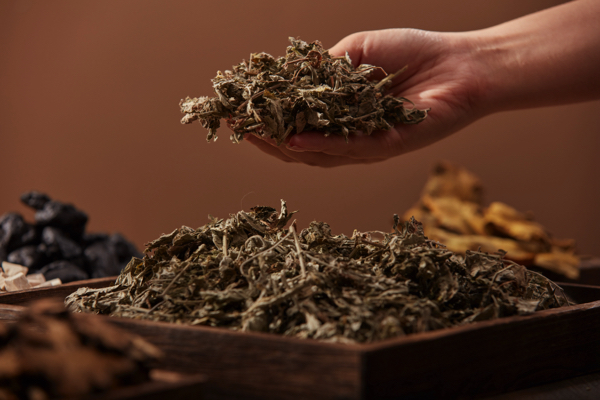
Wormwood (Artemisia absinthium), a plant with a rich history and deep symbolism, has a unique blend of spiritual significance and medicinal uses.It embodies the concept of bitterness – both as a moral warning against injustice and as a representation of human suffering. Yet, this bitter plant has evolved beyond its metaphorical roots, revealing a wealth of medicinal properties that have captured the interest of herbalists and scientists alike.
This bitter herb is mentioned nine times in the Hebrew Bible, often symbolizing the bitterness of corruption, injustice and moral decay.
In the time of the prophet Amos, wormwood was used as a metaphor to help the ancient Israelites reflect on how they had turned "sweet justice into something corrupt and bitter" by "abandoning the principles of fairness and righteousness, [and] twisting God's laws (covenant)" that were meant to uphold justice. Wormwood became the perfect symbol for this message.
Wormwood is one of the most bitter herbs on the planet. It contains a compound called absinthin, which gives it extreme bitterness.
Wormwood's therapeutic profile
Wormwood's history as a medicinal herb is rich and complex – with roots stretching back to ancient civilization. According to the American Herbal Products Association, wormwood was first scientifically documented in the first century by the Greek physician and pharmacologist Pedanius Dioscorides in his influential text on therapeutic natural substances, "De Matria Medica."
However, the herb was already known and mentioned in ancient medical writings as early as the time of the "father of medicine" Hippocrates, who lived sometime between the fifth and fourth century B.C. Hippocrates recommended wormwood for treating jaundice.
Over time, wormwood became recognized for its use in gynecological treatments, particularly for conditions like dysmenorrhea, so-called "female hysteria," and sterility.
As centuries passed, wormwood's medicinal focus shifted. By the third century B.C., ancient physicians were beginning to prescribe wormwood for digestive problems. Dioscorides and ancient Greek naturalist Theophrastus noted that wormwood's intense bitterness was a factor in its usefulness in treating stomach issues, liver ailments, bile excess, jaundice, flatulence and even for parasitic infections like roundworms.
This change of focus marked a fascinating shift in wormwood's therapeutic history, suggesting that ongoing experiments may have expanded its uses beyond what was initially understood.
Interestingly, while wormwood was not recorded as an antimalarial agent in Mediterranean history, Chinese herbalists recognized Artemisia annua (a relative of wormwood) for treating fevers – a precursor to its modern use in treating malaria, an infectious disease caused by parasites and characterized by fever and chills.
This is partly what earned Chinese scientist and pharmaceutical chemist Tu Youyou her 2015 Nobel Prize in Medicine for her discovery and study of the antimalarial substance "qinghaosu" – later known as "artemisinin," now one of the world's most effective malaria-fighting drugs.
Along with these benefits, historical evidence has also shown that this bitter herb has antispasmodic qualities, helping relieve digestive cramps and spasms, while its appetizer effect stimulates hunger and reduces feelings of fullness.
Wormwood also functioned and was used as a hypnotic to induce sleep – although care had to be taken with dosage due to its potential toxicity. Small quantities could cause nervous disorders, convulsions and insomnia. All of these mirror the symptoms of "absinthism" caused by the over consumption of absinthe. (Related: Natural remedies: How to use wormwood to boost your immune health during flu season.)
Wormwood's story is one of transformation – from a biblical symbol of bitterness and broken justice to a plant celebrated for its medical healing properties. From the ancient texts of Hippocrates to the discoveries of modern science, wormwood's dual nature – bitter yet healing – has made it a fascinating and enduring presence in human history.
Follow NaturalCures.news for more stories about medicinal herbs.
Checkout Mike Adams' sermon about wormwood being revealed not as a bitter poison but as God's anti-parasite cure.
This video is from the Abundance Church channel on Brighteon.com.
More related stories:
Sermon 21: Bitter WORMWOOD is a powerful ANTIPARASITIC natural medicine, reveals Bible nutrition educator Mike Adams.
WHO: Artemisinin is a powerful remedy against malaria.
Wormwood is a natural remedy for treating intestinal parasites.
Sources include:
OriginalAbsinthe.com
TheBibleSays.com
Drugs.NCAT.io
AHPA.org
NCBI.NLM.NIH.gov
Brighteon.com
Wormwood: Bitter herb with potent medicinal properties – NaturalNews.comIf you're gonna fight, fight like you're the third monkey on the ramp to Noah's Ark... and brother its starting to rain. Join our efforts to Secure America's Borders and End Illegal Immigration by Joining ALIPAC's E-Mail Alerts network (CLICK HERE)
-
10-23-2024, 04:37 PM #9326Senior Member
- Join Date
- Aug 2018
- Posts
- 97,635
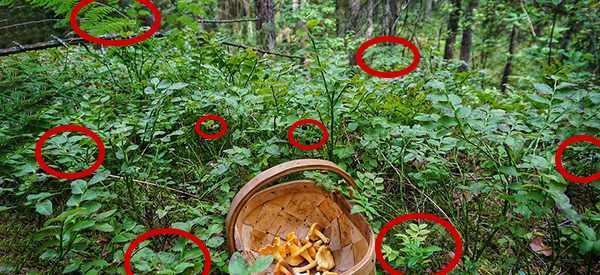
The Survival Plants That Might Get You Killed
by Katherine Paterson
April 30, 2021
In any survival situation, the most important thing is finding food.
While you may have a stockpile stored safely somewhere, it might not be accessible. Depending on the circumstances, you may find yourself having to forage for food to survive.
Foraging for food is an essential part of any survival plan and will be vital during a crisis. Most forested areas are rich with edible plants that can potentially hold you over until you can reach your safe house.
However, many wild plants can be dangerous – and some are perfect replicas of the original. Knowing which plants are safe to eat and which are not is critical to survival.
Below are a few plants that you do not want to eat when aiming to survive in the wild.
Moonseed
 Menispermum canadense, also known as Moonseed, is a woody vine that grows 8’-20′ long. Stems of the young plant are green to brownish-red and slightly hairy, while older ones become hairless and woody. The smooth leaves of this plant are 6″ long and 8″ across and often bend downwards.
Clusters of white or yellowish flowers sometimes appear along the non-woody stems of these plants and may reach up to 5″ in length.
This plant blooms in late spring to early summer and lasts about two weeks.
Female flowers will develop into small berries in late summer to early fall and look similar to wild grapes.
Found throughout North America, this plant commonly grows within the region and is native to Illinois.
A low-lying vine plant, Moonseed has a high poison severity and is highly toxic to humans – causing convulsions and death when ingested. The toxic principle of this plant, Alkaloid dauricine, is found in all the plant parts.
Thankfully, this plant’s highly potent berries have a rank taste – which often deters hungry foragers.
However, because this plant’s leaves and fruit are similar to Fox Grapes- which are edible, this resemblance leads to them being confused as Fox Grapes or Wild Grapes and unknowingly consumed.
Unfortunately, Moonseed is highly poisonous and can be fatal if eaten.
Related: The Best Natural Treatments for Poison Ivy and Poison Oak Rash
While this plant’s flavor is usually enough to indicate danger, one should always examine the fruit’s seeds when foraging to ensure it is not a moonseed.
Moonseeds have a single crescent-shaped seed, while a grapes seed will be round. The tendrils of this plant are also an indication. Grapevines will have forked tendrils, where Moonseed vines lack tendrils altogether.
Signs and symptoms of Moonseed poisoning may include:
- Confusion
- Diarrhea
- Dizziness
- Difficulty breathing
- Irregular heart rate
- Stomach pain
- Vomiting
- Nausea
- Pupil changes
- Cardiac arrest
- Weakness or paralysis
- Seizures
*If Moonseed is consumed, it is suggested that you seek immediate medical attention to rid your body of the deadly toxins and treat any related symptoms.
Snakeroot
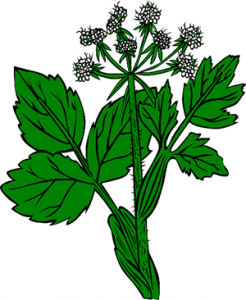 White snakeroot plants have coarse toothed, round-based leaves with pointed tips and can reach up to 3 feet (1m) in height—clusters of flowers grown on the top of the stem throughout summer and fall.
This plant prefers shady areas and is commonly found along roadsides, in thickets, or under powerlines.
The leaves and stems of the white Snakeroot contain tremetol. This fat-soluble toxin is known to poison the livestock consuming it and passes into lactating animals’ milk.
The name of this plant was derived from the belief that this plant’s roots could cure snake bites.
It was also thought that burning this plant could revive an unconscious person. Thus it has been used medicinally for many years. However, due to its toxicity, even the medicinal use of Snakeroot is not recommended.
While consuming this plant is not often deadly to humans, it can cause ‘milk sickness’. The poisonous properties of this plant are most significant when the plant is fresh and green.
However, even dried versions of this plant have been found to contain toxins. This plant is especially toxic to animals, with death occurring when an aminal eats anywhere from 1%-10% of their body weight over a few weeks.
Signs and symptoms of Milk sickness (also known as tremetol vomiting):
- Trembling
- Vomiting
- Severe intestinal pain
*Milk sickness caused by Snakeroot does not rely on personal ingestion. Milk sickness can occur when consuming animal products from an animal that has come into contact with or ingested this plant.
Pokeweed (aka wild parsnips/carrots)
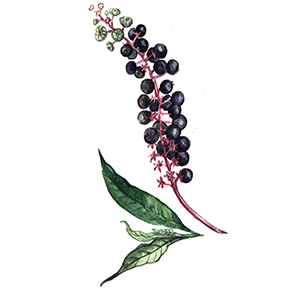 Phytolacca americana, or pokeweed, is native to eastern North America and the mid-west but is scattered throughout Canada, the United States, Europe, and Asia.
Considered a pest weed by farmers, pokeweed is poisonous to humans, dogs, and livestock.
While this plant is edible in the spring season with proper preparation, it later becomes deadly.
Cultivating poisonous berries can induce vomiting, burning sensations, altered heart rate, respiratory issues, convulsions, and even death if ingested.
Related: 52 Plants In The Wild You Can Eat
All parts of this plant can be toxic and pose a risk to humans if eaten. The poison, produced by the chemicals phytolaccatoxin and phytolaccigenin, is most concentrated in the roots, stems, and leaves of this plant.
However, the berries should also be avoided as they still contain enough toxicity to cause harm.
Pokeweed can be identified by its large, fleshy, white taproot that often grows 4 to 6 inches in diameter. The stems of this deadly flora can grow 3 to 7 feet tall in some areas and are typically a deep reddish-purple. Whiteish-green flowers adorn this plant and consist of 5 petal-like, rounded leaves that mimic flower petals, growing in clusters opposite leaves.
Each flower-like structure develops into 8-10 juicy berries that are flat and round in shape and small in size. The berries begin as a light shade of green, turning black or purple, and generally become heavy, drooping with maturity. Each berry contains a small, black lens-shaped seed encased in a juicy blood-colored liquid.
Native Americans used pokeweed to treat a variety of conditions in the past, and juice from the berries was often used to create red dye.
Signs and symptoms of Pokeweed poisoning include:
- Diarrhea, sometimes hemorrhagic (bloody) diarrhea
- Stomach pain
- Nausea and vomiting
- Weakness
- Muscle spasms
- Convulsions
- Seizures
- Headache
- Heart block
- Rapid pulse
- Low blood pressure
- Slow or difficult breathing
*Other names for Pokeweed poisoning include American nightshade poisoning; Inkberry poisoning; Pigeon Berry poisoning; Pokeberry poisoning; Scoke poisoning; Virginia poke poisoning; Poke salad poisoning.
Treatment
Poisoning from pokeweed requires immediate medical attention.
However, suppose you cannot get to an emergency room. In that case, you could attempt to create activated charcoal by burning wood or another dense plant fiber until everything but the carbon has been scorched away.
Unfortunately, this process can take several hours, and you need to mix the charred wood with other chemicals to create a useful substance. Thus, this may be challenging in a survival situation, and it is best to seek professional medical help.
*If you or someone you know has consumed pokeweed, call poison control, or immediately go to the nearest emergency department.
Belladonna or Deadly Nightshade
 Atropa belladonna – commonly referred to as Belladonna or Deadly Nightshade – is a poisonous perennial herbaceous plant in the nightshade family.
Found in various places in Europe, Northern Africa, and Western Asia, it is also scattered throughout Canada and the United States.
This plant’s foliage and berries are extremely toxic if ingested because of the chemical (tropane alkaloids) they contain.
Bella Donna is one of the most poisonous plants known to man, and its effects can be deadly.
All parts of this plant contain tropane alkaloids. The leaves are most poisonous when the plant is budding or flowering, and the roots are most toxic at the end of the vegetation period.
However, this plant’s berries pose the greatest danger because they look delicious and have a somewhat sweet taste.
Related: How to Tell the Difference Between the Poisonous Virginia Creeper and the Healthy American Ginseng
Despite its name, which means ‘beautiful lady,’ the Belladonna plant is exceptionally hazardous. Poisonous to humans and most animals, Belladonna poisoning affects the nervous system.
Symptoms may include:
- Dry mouth
- Red, dry skin
- Inability to sweat
- Muscle spasms
- Blurred vision
- Enlarged pupils
- Hallucinations
- Inability to urinate
- Seizures
- Convulsions
- Death
- Coma
Belladonna is commonly used as an ingredient in many over-the-counter medications to treat many common ailments.
For example, belladonna can be found in treatments for the common cold, fever, whooping cough, each ache, asthma, motion sickness, flu, joint and back pain, inflammation, and nerve issues.
Related: How to Make Cabbage Bandages to Treat Inflammation and Joint Pain
Unfortunately, belladonna can have serious side effects, especially when consumed without medical advice.
*If consumed, seek medical attention immediately. Activate charcoal is used to remove toxins from the body, and treatment of the various symptoms is often required.
Rhododendron
 Found throughout most western and eastern United States, this plant is easily mistaken for bay leaves. Unfortunately, using these leaves to spice up your emergency stew would be a bad idea.
Rhododendron and Azaleas are close relatives and cause the same types of toxicity. Often referred to as ‘mad honey,’ the honey found in this plant’s flowers is known to cause confusion, and eating any part of this plant is discouraged.
Poison control often receives calls in spring and early summer about children who have put the flowers or leaves in their mouths trying to eat them.
While this plant generally only causes mild mouth irritation, nausea, and vomiting have also been known to occur with ingestion. While rare, severe and life-threatening poisoning has occurred. Thus, this plant should not be consumed.
The honey of this plant holds the highest concentration of poison. The agent responsible for the poisoning properties of this plant is Grayanotoxin.
The neurotoxin, which is also known as andromedotoxin, acetylandromedol, rhodotoxin and asebotoxin, is produced within rhododendron and other plants within the Ericaceae or Heather family. Honey made from the nectar also contains grayanotoxin – or ‘mad honey.’
Mad Honey poisoning can occur anywhere from a few minutes to a few hours after ingestion and symptoms include:
- Salivation
- Vomiting
- Circumoral paralysis (around or near the mouth)
- Low blood pressure
- Low heart-rate
- Loss of coordination
- Progressive muscle weakness
- Gastrointestinal issues
- Dizziness
- Loss of balance
- Difficulty breathing
*Rhododendron poisoning is rarely fatal to humans, and symptoms usually last less than 24 hours. Death is much more common among animals who ingest this plant while grazing.
Treatment:
Treatment requires vomiting-inducing techniques and repeated use of activated charcoal. If you ingest Rhododendron, seek medical attention as soon as possible.
Related: 10 Medical Home Emergencies and How to Manage Them
While obtaining plants for survival may be dangerous, you can often find danger in your own backyard as well.
Plants that commonly grow in urban areas can be just as harmful to your health as those found out in the wild.
For example, rhubarb leaves are known to be extremely poisonous, and while this plant is known to many as a tasty treat, the leaves may cause severe medical issues if consumed.
Rhubarb poisoning can cause:
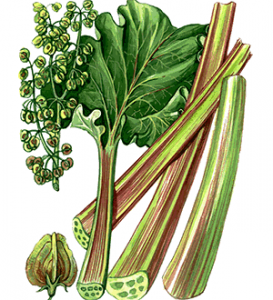 Breathing difficulty
- Burning in the throat
- Coma
- Eye pain
- Kidney stones
- Nausea
- Red-colored urine
- Seizures
- Stomach pain
- Vomiting
- Weakness
In the wild, there are many plants available for survival.
Unfortunately, there are also many that can cause damage or even death if consumed unknowingly. It is vital that you are aware of what you are eating and sure that it is safe.
Being aware of your surroundings and knowing which plants (or which parts of plants) are safe to consume may mean the difference between life and death.
You may also like:
Farm Murders: What You Need To Know If You Live On A Homestead
The Complete Map of Edible Plants: Find Out What You Have in Your Area! (Video)
TEOTWAWKI – The End Of The World As We Know It
10 Most Powerful Medicinal Plants Used by Cherokees
The Survival Plants That Might Get You Killed - Ask a Prepper
If you're gonna fight, fight like you're the third monkey on the ramp to Noah's Ark... and brother its starting to rain. Join our efforts to Secure America's Borders and End Illegal Immigration by Joining ALIPAC's E-Mail Alerts network (CLICK HERE)
-
10-24-2024, 08:41 PM #9327Senior Member
- Join Date
- Aug 2018
- Posts
- 97,635
Prepper supplies: 30 Survival uses for coffee filters
Tuesday, January 17, 2023 by: Zoey Sky
Tags: bugout, coffee filters, Gear, homesteading, off grid, preparedness, prepping, prepping tips, self sufficiency, self-reliance, survival, survival gear
2,220VIEWS
 (Natural News) Non-preppers use coffee filters to make coffee, but preppers know that this useful item is a must-have for your survival stockpile.
If you’re looking for a firestarter or makeshift insulator, stock up on coffee filters and learn about this item’s many survival uses. (h/t to AskAPrepper.com)
Absorb spills
If you accidentally spill something and you have to clean it in a hurry, place a coffee filter over the spill and blot it up with a paper towel.
A coffee filter is absorbent and it will help soak up the majority of the liquid, which can help prevent clothes or furniture from being ruined.
Alternative for rags and towels
You can use coffee filters to dust furniture or clean windows instead of rags or towels.
Apply calamine lotion
If you hate getting calamine lotion all over your hands, place a generous dollop on a coffee filter and use that to apply the lotion to your skin instead. The filter will help absorb any excess lotion so it doesn’t end up on your skin or clothes.
Bug protection
If you don’t have any bug spray, you can use coffee filters as a makeshift mosquito net.
Poke holes in the center of the filter and wear it over your head like a hood. The tiny holes will keep bugs out while still allowing you to breathe comfortably as you work outdoors.
Cloth diaper liner
If you use cloth diapers for your baby, use clean coffee filters as a liner. Coffee filters are great liners because they’re cheap, disposable and biodegradable.
Place a filter inside the diaper before putting it on your baby to catch solid waste. When the diaper is dirty, remove the liner and its contents, then wash the diaper.
 DIY bandage
If you don’t have a first aid kit, use coffee filters as bandages or dressings for wounds.
The absorbent nature of the filter will help to soak up blood and other fluids and the paper material will keep the wound clean and protected from infection.
Dry wet clothing
Place small wet items inside a coffee filter and leave them to dry in the sun or close to a fire to dry out. The coffee filter will help absorb some of the moisture so your clothes dry faster.
Emergency toilet paper
If you run out of toilet paper, use coffee filters as an alternative. Make sure you dispose of the used coffee filters properly.
Firestarters
Coffee filters soaked in wax are great DIY firestarters because they light easily and burn for a long time.
To make coffee filter firestarters, soak the filter in wax, let it dry and store it in an airtight container. Keep the container in your bug-out bag or firestarting kit so you can start a fire quickly when SHTF.
Keep insects out of food
Place a coffee filter over the top of food supplies in your stockpile to keep insects out.
Keep produce fresh
Line a fruit bowl or vegetable crisper with coffee filters to help keep produce fresh longer. The filters will absorb excess moisture, which helps prevent mold and rot from setting in.
Keep soil in the pot
Use coffee filters as transient liners for pots full of soil. Line the pot with the filter before adding your soil and plants.
When it’s time to transplant them into a larger pot or into the ground, the filter will prevent the soil from falling out as you work.
Make a cold compress
Soak a coffee filter in cold water to make a temporary cold compress and apply it to a bruise or insect bite to help reduce swelling.
Make a funnel
Prevent spills by using a coffee filter to make a funnel.
Cut the bottom off of a coffee filter to make a funnel so you can easily pour powders or liquids into small containers.
Make an oil lamp
Use coffee filters to make an oil lamp if you need light.
First, take a coffee filter and roll it up. Next, fill a glass jar with some vegetable oil and soak the coffee filter all the way inside.
Light up the filter and you will have light for a few hours.
Make a pair of gloves
If you need gloves for chores that will make your hands dirty and you don’t have an extra pair, cut two holes near the top of two separate coffee filters large enough for your hands to fit through.
Wear these “gloves” while finishing your task and dispose of them when you’re done.
Make tea
If you love tea but you’ve run out of tea bags, improvise by using a coffee filter instead.
Place loose tea leaves inside the filter, then secure it with string or a rubber band before steeping it in hot water to make your tea.
Remove odor
If you spilled ashes on your clothing or in your hair, rub them away with a dry coffee filter.
Coffee filters can also be used to remove unwanted odors like shoes. If you have a pair of shoes that are smelling funky, place one inside a shoe to absorb unpleasant smells.
For a better result, add baking soda inside the coffee filters and secure it with a bit of string or a rubber band.
Pet food dish
If you need to feed your pet dog but don’t have a pet bowl on hand, use a coffee filter. Just place the food in the center and your pet should be able to eat without making too much of a mess.
You can also use a coffee filter as a pet poop scooper. Bring coffee filters while hiking or taking your dog on a walk to the park so you can easily clean up their poop.
Portable food wrapper
If you’re going camping and you ran out of sandwich bags, use coffee filters to wrap your food in.
The paper is strong enough to prevent leaks and tears, but lightweight enough that it won’t add too much bulk or weight to your bag.
To pre-filter water you’ve collected
When SHTF, use a coffee filter to pre-filter the water you collected. Use coffee filters to remove large particles from water before running it through your main water filter.
Protect skillets from rust
Cast-iron skillets are prone to rusting while in storage.
Place a coffee filter in the bottom of your skillet before storing it for a long time to protect it from rusting.
Sore throat relief
If you have a sore throat, soak a coffee filter in warm water, then lay it over your throat like a compress. The warmth and moisture from the compress will help to soothe your sore throat.
Sprout garden seeds
If you want to sprout seeds for your garden, soak the seeds overnight. Next, place them on a coffee filter moistened with water then fold up the filter and place it in a resealable baggie.
Store garden seeds
Once the gardening season is over, save some seeds from your best-performing plants so you can replant them next year.
Place the seeds on a dry coffee filter and fold it up. Store the filter in an airtight container in a cool, dark place until spring arrives.
Temporary insulator
If you need a temporary insulator, use coffee filters to insulate your home.
If you have a drafty window or door, cut a coffee filter to size and tape it over the opening to help keep the warm air in and the cold air out.
Temporary survival straw
Use a clean coffee filter to make a temporary survival straw so you can filter water on the go. Cut the top and bottom off of a coffee filter and roll it into a cone shape.
Cut a small slit in the bottom of the filter and insert one end of a drinking straw. Suck the water up through the straw to drink filtered water wherever you are.
Trap cooking grease
Place a coffee filter over the top of a pan while cooking to trap grease splatters. (Related: Natural healing: Survival uses for coconut oil.)
Write notes
If you need to leave an emergency note and you don’t have paper or a notepad, get a coffee filter and write your message on a coffee filter.
The thin paper is perfect for writing down notes or lists.
Disposable bowl or plate
If you don’t have water to wash the dishes, use a clean coffee filter as a plate.
Make sure you don’t put too much food on them or they will collapse and make a mess as you eat.
Stock up on useful survival items like coffee filters before SHTF so you can make firestarters or leave messages.
Watch the video below for more coffee filter survival hacks.
This video is from the Frozen In Time channel on Brighteon.com.
More related stories:
SHTF essentials: 10 Survival uses for rubbing alcohol.
16 Survival uses of a leather belt.
7 Clever uses for potassium permanganate, a versatile survival tool.
Sources include:
AskAPrepper.com
BackdoorSurvival.com
Brighteon.com
Prepper supplies: 30 Survival uses for coffee filters – NaturalNews.comIf you're gonna fight, fight like you're the third monkey on the ramp to Noah's Ark... and brother its starting to rain. Join our efforts to Secure America's Borders and End Illegal Immigration by Joining ALIPAC's E-Mail Alerts network (CLICK HERE)
-
10-24-2024, 08:58 PM #9328Senior Member
- Join Date
- Aug 2018
- Posts
- 97,635
3 Easy meals-in-jars canning recipes
10/24/2024 // HRS Editors // 630 Views
Tags: emergency food, emergency preparedness, emergency stockpile, food freedom, food independence, Food Preservation, Food storage, food supply, freeze drying, freeze-dried foods, goodfood, home canning, homesteading, how-to, meals in a jar, meals-in-jars, nutrients, off grid, preparedness, prepper, prepper pantry, prepper recipes, prepping, prepping stockpile, prepping supplies, pressure canning, SHTF, survival, survival stockpile, survival supplies, tips
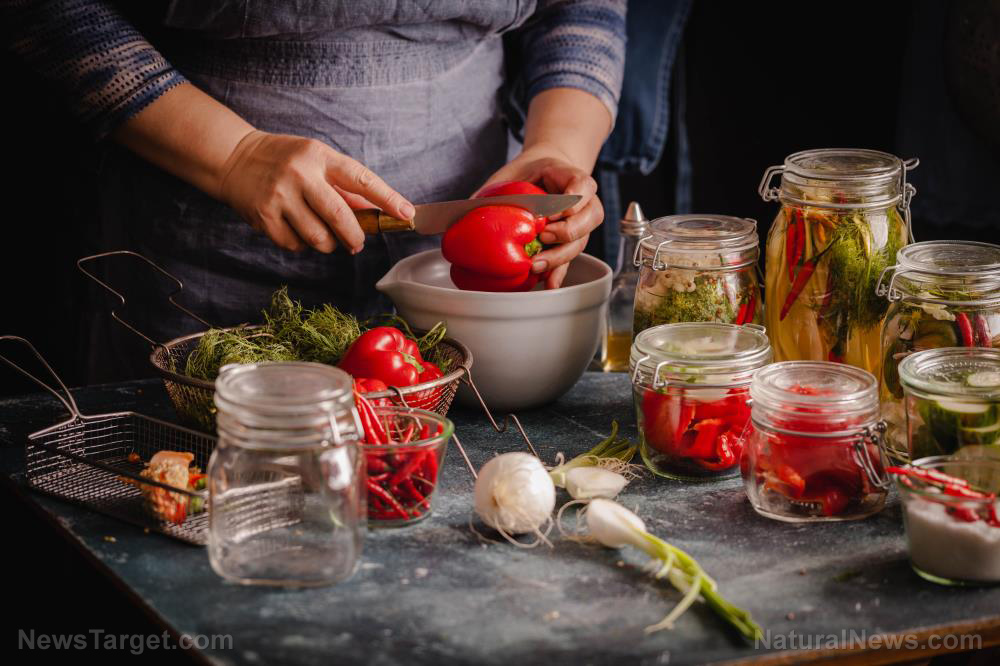
Meals-in-jars are a great idea if you want to level up from simply canning excess harvest from your home garden.
Use a spoon or bubble remover to get the bubbles from inside the jar. Don't forget to clean jar rims with vinegar before placing the seals on them.
Add the rack to your canner before placing the jars in the canner. Add at least four to five inches of water to the canner after the jars are in the canner, or refer to your pressure canner for specific instructions.
Make sure the water is simmering when you add the jars. This can help prevent hot jars from bursting in cold water. (Related: Essential survival skill: Learn how to make survival bread.)
Below are some recipes that you can try making meals in a jar for the whole family. (h/t to Survivopedia.com)
16 Bean and ham soup
When you're ready to enjoy this 16 bean and ham soup, whip up a pan of cornbread. If you want to add extra vegetables, make the soup with some carrots, tomatoes or other vegetables that you like. This traditional ham and bean country recipe yields about nine quarts of soup.
Ingredients:
- 2 lbs. 16 bean mix
- 14 cups water
- 4 cups chopped ham
- 1 cup chopped onions
- Large hambone (Don't use the neck bones because this will leave chunks of bone that are hard to pick out.)
- 2 tbsp. salt
- 1 tbsp. black pepper
Directions:
- Soak the beans overnight.
- Add all the ingredients to a large stockpot and bring the mixture to a boil. Boil the soup for an hour, then remove the ham bone.
- Prepare the seals.
- Ladle the soup into jars. Stir and scoop the soup deeply so you get an equal amount of ham and beans in each jar. Leave at least one inch of headspace in the jars and process for 90 minutes at 10 lbs.
Chicken soup
For a heartier soup, add pasta while you're warming it up. Don't can the pasta because it will turn to mush.
Cook a handful of noodles while you're warming up the soup long enough for the noodles to finish. This recipe yields about six quarts of chicken soup.
Ingredients:
- 4 cups of chopped raw chicken
- 4 quarts water or chicken broth
- 4 chicken bouillon cubes (If you’re using water.)
- 2 cups sliced carrots
- 1 cup chopped celery
- 1 cup chopped green onions
- 1 tbsp. minced garlic
- 2 tsp salt
- 2 tsp black pepper
Directions:
- Place the broth (or water and bouillon) and chicken into a large stock pot. Bring to a boil and add the remaining ingredients. Bring the soup to a boil again.
- Ladle the soup into quart jars and leave one inch of headspace.
- While the chicken soup is cooking, get the seals hot.
- After you ladle the soup into jars, clean the rims very well before adding the seals and rings. Process for 90 minutes at 10 pounds.
Cranberry chicken rice
This recipe is easy to make and easy to store.
Ingredients:
- 1 12.5 to 14 ounce can chicken breast
- 5 cups water or broth
- 4 cups instant rice (White or a half and half blend of brown and white rice.)
- 1/2 cup dehydrated vegetable blend
- 3/4 cup dried cranberries
- 1½ tsp granulated garlic
- 1 Tbsp dried onion
- 1 Tbsp dried parsley
Directions:
- Use a canning funnel to pour the dry ingredients into a two-quart mason jar. Seal tightly and mark the meal name on a piece of tape. Add a note to "Add five cups water."
- Bring the five cups of water or broth, along with the chicken and its liquid, to a boil.
- Stir in the dry ingredients. Cover the pot tightly and let sit off the heat for 15 minutes. Fluff up.
Where to buy supplies for meals-in-jars
The Health Ranger Store is committed to helping you prepare for any emergency, especially if you want to stock up on ingredients for your meals-in-jars recipes.
That's why we're offering you many clean, lab-verified and healthy food options such as Mega Bucket Organic Black Beans and Mega Bucket Organic Long Grain Brown Rice.
Mega Bucket Organic Black Beans from the Health Ranger Store is 10 lbs of product that is sealed into 5 x 2lb packages and stored in a 2-gallon bucket.
The Health Ranger’s organic black beans can be cooked by themselves or added to hearty soups and stews. Enjoy our hand-picked selection of top-quality black beans, your all-natural source of fiber and iron.
You can trust that Mega Bucket Organic Black Beans from the Health Ranger Store are thoroughly lab-tested for glyphosate, heavy metals and microbiology. They are also USDA-organic and Kosher-certified.
Health Ranger Select Mega Bucket Organic Long Grain Brown Rice can also last a long time in your survival stockpile.
One of the healthiest grains on the planet, organic long grain brown rice is not only a versatile food but is also a nutritional powerhouse. Packed with minerals, vitamins and antioxidants, it is a remarkable grain that can provide a readily available source of energy.
Because brown rice also keeps its hull, bran and germ, it has higher levels of minerals, dietary fiber and carbs. Furthermore, organic brown rice is a great source of calcium, iron, potassium, protein and other healthy phytonutrients. This makes it a great addition to your emergency stockpile due to its long shelf life.
That's why we are proud to offer our Health Ranger Select Organic Long Grain Brown Rice in long-term storable 18-lb. mega buckets. Our organic long grain brown rice is a fiber-rich grain that has all the nutrients and flavors of brown rice, without any added chemicals or preservatives. You can be assured that you and your family are getting one of the best emergency food supplies available on the market.
Our Health Ranger Select Organic Long Grain Brown Rice is non-GMO, non-China, certified Kosher and organic. Additionally, it is rigorously lab-tested for glyphosate, heavy metals and microbiology to ensure maximum purity, cleanliness and quality.
Go to EmergencyFood.news for more prepping recipes to try. You can also check out Health Ranger Store and Brighteon Store for more clean food supplies for your prepping stockpile.
Click this link to read up on other essential food items for your survival stockpile.
Watch this clip for a Miso Tahini Dressing recipe.
This video is from the Health Ranger Store channel on Brighteon.com.
More related stories:
Make your harvests last longer with these timeless food preservation techniques.
6 Civil War-era foods you can still make today (recipes included).
Survival foods: 5 simple, easy-to-make recipes for foods that can sustain you in emergencies.
Health Ranger Store explains freeze-dried food vs. dehydrated food.
Sources include:
Survivopedia.com
NeverFreeFarm.com
HealthRangerStore.com 1
HealthRangerStore.com 2
HealthRangerStore.com 3
HealthRangerStore.com 4
Brighteon.com
3 Easy meals-in-jars canning recipes – NaturalNews.com
If you're gonna fight, fight like you're the third monkey on the ramp to Noah's Ark... and brother its starting to rain. Join our efforts to Secure America's Borders and End Illegal Immigration by Joining ALIPAC's E-Mail Alerts network (CLICK HERE)
-
10-24-2024, 09:05 PM #9329Senior Member
- Join Date
- Aug 2018
- Posts
- 97,635
7 Popular honey varieties and their science-backed health benefits
10/24/2024 // Olivia Cook // 590 Views
Tags: acacia honey, alfalfa honey, Bible herbs, buckwheat honey, eucalyptus honey, food cures, food is medicine, food science, goodhealth, goodmedicine, goodscience, honey, honey varieties, manuka honey, natural cures, natural medicine, orange blossom honey, superfood, superfoods
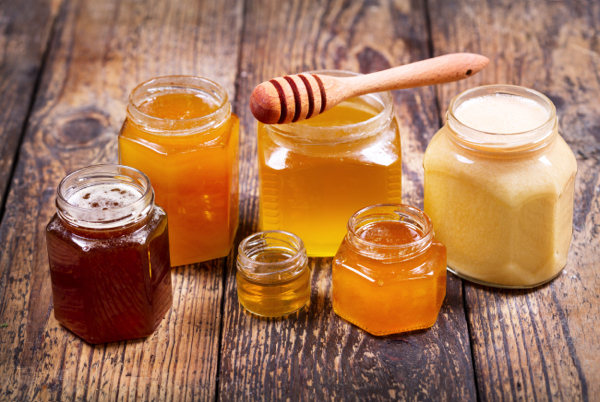
Different honey varieties offer distinct characteristics and health benefits depending on the flowers, plants or trees the bees get their nectar from and pollinate – giving each type its color, flavor profile and medicinal qualities.
The exact composition of honey varies depending on the climate, region, the flowers the bees visit and how the honey is processed. Despite these differences, modern research has found numerous health-enhancing properties and wellness benefits of honey. From its potent anti-inflammatory effects and antioxidant power to its ability to combat harmful bacteria, fungi, viruses and other pathogens, honey's benefits extend far beyond its sweetness.
Here are seven popular honey varieties and their science-backed health benefits.
Manuka honey
Primarily produced in New Zealand and Australia from the nectar of the Leptospermum scoparium (Manuka bush), Manuka honey has earned a reputation as one of the most powerful medicinal honeys in the world. This honey is typically dark in color – ranging from deep amber to brown – with a thick, rich consistency. It has a distinctive earthy, almost medicinal flavor, which can be quite intense compared to milder honeys.
What truly sets Manuka honey apart is its high concentration of methylglyoxal (MGO), a compound responsible for its potent antibacterial properties. The strength of Manuka honey is measured using the unique Manuka factor (UMF), which rates the concentration of MGO and other bioactive compounds. The higher the UMF rating on the label, the more potent the honey's antibacterial effects.
Studies confirm that Manuka honey is effective against antibiotic-resistant bacteria like Staphylococcus aureus (MRSA) – making it a valuable tool in infection prevention and wound care. Additionally, its oral health benefits – reducing gum inflammation and plaque – have been well-documented.
Buckwheat honey
This honey variety comes from the nectar of buckwheat flowers and is predominantly produced in Canada, Eastern Europe and the United States. Its dark, molasses-like color and thick syrupy consistency distinguish it from lighter honeys. Buckwheat honey has a strong, earthy flavor that can be slightly bitter, with hints of malt or molasses.
This variety is loaded with polyphenols – potent antioxidants that help combat oxidative stress and support overall immune health. The darker the honey, the higher its antioxidant activity, making buckwheat honey one of the most antioxidant-rich varieties available.
Research shows that buckwheat honey has significant antioxidant activity, which can help reduce the risk of chronic diseases like cancer and heart disease. Additionally, it is known to soothe persistent coughs and boost respiratory health.
Acacia honey
Also known as locust honey, acacia honey is primarily produced in Eastern Europe, particularly in Hungary and Romania, from the nectar of the black locust tree (Robinia pseudoacacia). It is pale in color, almost transparent, with a smooth, runny consistency. Acacia honey has a mild, floral taste – making it one of the most delicate and light-tasting kinds of honey available – perfect for those who prefer less intense sweetness.
Acacia honey stands out not only for its low glycemic index (GI), which makes it a better choice for individuals managing blood sugar levels already within the normal range but also for its high fructose content. This higher fructose ratio slows down the crystallization process – meaning acacia honey stays liquid for much longer than other types of honey, giving it an extended shelf life. This makes it a convenient option for long-term storage and use.
Acacia honey's low GI makes it a suitable sweetener for those with diabetes or anyone looking to avoid blood sugar spikes. It also has mild antibacterial and anti-inflammatory properties – supporting overall health and digestive function.
Eucalyptus honey
Eucalyptus honey is made from the nectar of eucalyptus trees, primarily in Australia, Portugal and Spain. It has a medium amber color and a thick, syrupy consistency. This honey has a strong, distinctive medicinal flavor, with undertones of herbs or menthol – similar to the taste of eucalyptus oil.
Eucalyptus honey is well-regarded for its antimicrobial and anti-inflammatory properties – particularly its ability to help with respiratory conditions. The plant's essential oils lend some of their therapeutic qualities to the honey – giving it an edge in treating persistent colds and coughs.
Studies suggest that eucalyptus honey can help soothe respiratory symptoms like coughs and sore throat, while its antibacterial effects make it a useful natural remedy during flu season. Its anti-inflammatory properties also support immune health.
Add eucalyptus honey to herbal teas for a double dose of natural respiratory support.
Orange blossom honey
Orange blossom honey is primarily produced in regions where citrus trees thrive, such as Mexico, Spain and the U.S. (California and Florida). It is light in color – ranging from pale yellow to light amber and has a thin, liquid consistency. This honey has a delicate, citrusy flavor, with floral undertones that make it a favorite for sweetening beverages or desserts.
Orange blossom honey contains a good amount of glucose and fructose – giving it a quick energy boost. Additionally, research has shown that it has calming effects – helping to reduce anxiety and stress. Studies indicate that orange blossom honey can help alleviate stress and promote relaxation. It also offers moderate antimicrobial and antioxidant properties, though its primary appeal is its calming effect.
Alfalfa honey
Alfalfa honey is mainly produced in Canada and the U.S., where alfalfa plants flourish. It has a light amber hue and a smooth, spreadable consistency. Alfalfa honey has a mild, slightly floral taste – making it a popular choice for those who prefer subtler flavors.
Known for its soothing effect on the digestive system, alfalfa honey is often recommended for people with gastrointestinal issues. It contains enzymes that promote healthy digestion and gut function while its mild antibacterial properties offer added health benefits.
Clover honey
From the nectar of clover plants, clover honey is widely produced in countries like Canada, New Zealand and the United States. It is typically light amber or golden in color, with a smooth and spreadable consistency. Clover honey is mild and sweet, with a floral taste that makes it a popular choice for everyday use.
Clover honey is a versatile honey that offers moderate antibacterial and anti-inflammatory effects. It has been studied for its ability to soothe persistent coughs and sore throats and its antibacterial properties make it a good option for minor wound care. Its antioxidant content also helps fight free radicals – although less intensively than darker types of honey.
Visit NaturalMedicine.news for more stories like this.
Watch this video to learn more about manuka honey benefits.
This video is from the All About Herbs channel on Brighteon.com.
More related stories:
See clearly with this sweet cure: Study shows honey can help treat dry eye disease.
Honey can serve as a natural treatment for people with bronchial asthma.
Honey can help you recover from the flu faster – are you surprised that it's the oldest known antibiotics?
Sources include:
ManukaDoctor.co.uk
Nature.com
PMC.NCBI.NLM.NIH.gov 1
Healthline.com 1
ScienceDirect.com
Healthline.com 2
IJSEAS.com
AntonioSimonHoney.com
JPPRes.com
PMC.NCBI.NLM.NIH.gov 2
BeesWiki.com
MaesHoney.com
Health.ClevelandClinic.org
Vocal.media
Healthline.com 3
Brighteon.com
7 Popular honey varieties and their science-backed health benefits – NaturalNews.comIf you're gonna fight, fight like you're the third monkey on the ramp to Noah's Ark... and brother its starting to rain. Join our efforts to Secure America's Borders and End Illegal Immigration by Joining ALIPAC's E-Mail Alerts network (CLICK HERE)
-
10-25-2024, 11:51 PM #9330Senior Member
- Join Date
- Aug 2018
- Posts
- 97,635
Quick pickles: The perfect snack to add to your survival stockpile
10/25/2024 // HRS Editors // 610 Views
Tags: emergency food, emergency preparedness, food freedom, Food Preservation, Food storage, food supply, freeze-dried foods, goodfood, homesteading, how-to, off grid, pickled vegetables, pickling, preparedness, prepper, prepper pantry, prepping, prepping stockpile, quick pickles, quick pickling, SHTF, survival, survival stockpile, tips
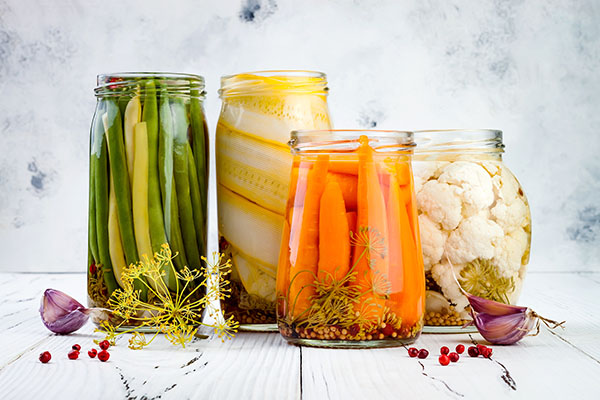
Quick pickling is a simple food preservation method that you can use to preserve almost any kind of vegetable.
With this method, you can quickly pickle vegetables like beets, carrots, onions and more. (h/t to FeastingAtHome.com)
Benefits of making quick pickles
Here are some of the benefits of making quick pickles:
Quick pickling is faster than regular pickling. This method takes less time than regular pickling. Quick pickles don't require canning when refrigerated. And while quick pickles don't develop the deep flavor that fermented pickles do, the former only requires a few days in the brine before they can be eaten.
Quick pickles are full of flavor. Quick-pickled vegetables are less vinegary. This makes them the perfect snack if you want something a little salty, sour and tangy. They can also be used to give a flavor boost to sandwiches or salads.
Quick pickling is great for preserving vegetables. Quick pickling is also the ideal method for preserving excess harvest from your home garden. This ensures that you have access to out-of-season vegetables when SHTF. (Related: 17 Skills that will benefit homesteaders and preppers.)
Here are some of the best vegetables to use for quick pickling:
- Asparagus
- Baby carrots
- Beets
- Chili peppers and red bell peppers
- Cucumbers
- Green beans
- Onions
- Radishes
- Salad turnips
- Zucchini and summer squash
How to pickle vegetables
When you're ready to start pickling, wash and prep the vegetables.
Peel carrots and slice them into matchsticks or coins. If you're pickling cherry tomatoes, they are best preserved whole.
For green vegetables like green beans or zucchini, blanch the vegetables first in boiling water for two to three minutes and then shock them in an ice bath to preserve their color. This step is optional.
Step one
Start filling up the mason jars with vegetables. Layer the vegetables with your choice of whole spices, raw aromatics (such as garlic, ginger or onion) and herbs.
Step two
While you are filling the jars, heat the pickling liquid on the stove. Bring the liquid to a boil.
Step three
Wear oven gloves and carefully pour the hot pickling liquid over the vegetables until they are completely submerged. Leave about a 1/2-inch space between the top of the liquid and the lid.
Step four
Set aside the jars and let them cool on the counter for a couple of hours before covering and refrigerating.
Step five
Refrigerate the quick pickles for 12 to 24 hours. The pickles will begin to have flavor the next day, and they will taste even better after leaving them in the fridge for several days.
Quick pickled vegetables will last for at least two weeks in the fridge.
Where to buy supplies and other items for your survival stockpile
The Health Ranger Store is committed to helping you prepare for any emergency as you stock up on essential ingredients for your cooking and prepping needs.
That's why we're proud to introduce an assortment of many clean, lab-verified and healthy food options such as Pink Himalayan Salt Fine Ground, Freeze Dried Organic Apple and Freeze-Dried Organic Strawberry Pieces.
A much healthier alternative to regular salt, pink Himalayan salt can contain up to 84 different beneficial trace minerals without the harmful additives often found in regular table salt.
Aside from being one of the purest and healthiest salts in the world, it is also an underrated preparedness item that you can use for long-term storage. You can use it to create an emergency rehydration fluid, a saline solution, to preserve food and so much more.
Our Health Ranger Select Pink Himalayan Salt contains a full spectrum of electrolytes and trace minerals that are usually stripped away from regular table salt. It is mined from ancient sea salt deposits located deep inside the Himalayan Mountains using the traditional room and pillar mining method. The mined salt crystals are thoroughly inspected and sorted to ensure quality and purity.
Health Ranger Select Pink Himalayan Salt Fine Ground is not subjected to irradiation and contains no GMOs, gluten, anti-caking or bonding agents, additives, or processing aids.
It is also vegan, non-China, certified Kosher and lab-tested for glyphosate, heavy metals and microbiology. Use a dash of pink Himalayan salt to season your favorite sweet or savory recipes.
The Brighteon Store also wants to help you experience the full nutritional benefits of organic apples, which is why we're bringing you freeze-dried, organic, diced apples in long-term storable #10 cans.
Health Ranger Select Freeze-Dried Organic Diced Apples are made from fresh, high-quality apples that are grown under strict organic standards without any harmful synthetic pesticides.
Our freeze-dried apple pieces are non-GMO, certified Kosher and organic and are thoroughly lab-tested for glyphosate, heavy metals and microbiology. YOu can enjoy them as is as a healthy snack, sprinkle them onto cereals, or rehydrate them by soaking them in water.
Lastly, you can try Health Ranger Select Freeze-Dried Organic Strawberry Pieces. They are a tasty and healthy snack that you can enjoy all year round.
With their crispy texture and natural abundance of vitamin C and other beneficial antioxidants and nutrients, our freeze-dried organic strawberry pieces can add a burst of flavor and nutrition to all your favorite pancakes, muffins, pies, salads and baked goods. They can even be eaten directly for a quick and healthy crunchy snack.
Health Ranger Select Freeze-Dried Organic Strawberry Pieces contain no gluten or GMOs and are certified Kosher and organic. Our premium strawberry pieces are also vegan, non-China and have been meticulously lab-tested for glyphosate, heavy metals and microbiology.
Visit Health Ranger Store and Brighteon Store to find more lab-verified products for your prepping needs. You can also go to Food.news for more nutritious prepping recipes to try.
Click on this link for a quick and easy recipe for Raw Strawberry Cheesecake.
Watch this clip about how Organic Apples can support good health even after SHTF.
This video is from the Health Ranger Store channel on Brighteon.com.
More related stories:
Essential survival skill: Learn how to make survival bread.
Survival foods: 5 simple, easy-to-make recipes for foods that can sustain you in emergencies.
6 Civil War-era foods you can still make today (recipes included).
Health Ranger Store explains freeze-dried food vs. dehydrated food.
Sources include:
FeastingAtHome.com
TheKitchn.com
HealthRangerStore.com 1
HealthRangerStore.com 2
HealthRangerStore.com 3
HealthRangerStore.com 4
HealthRangerStore.com 5
Brighteon.com
Quick pickles: The perfect snack to add to your survival stockpile – NaturalNews.com
If you're gonna fight, fight like you're the third monkey on the ramp to Noah's Ark... and brother its starting to rain. Join our efforts to Secure America's Borders and End Illegal Immigration by Joining ALIPAC's E-Mail Alerts network (CLICK HERE)


 Reply With Quote


Email List Changeover & 38 days from disaster
09-27-2026, 11:26 AM in illegal immigration Announcements