

Results 9,441 to 9,450 of 11856
 226Likes
LinkBacks (?)
-
12-26-2016, 11:32 AM
-
09-02-2016, 05:39 PM
-
whole garden made with pallets!! Love it!! | Pallets | Pinterest | Pallets, Pallets Garden and Wooden Pallets
Refback This thread03-06-2016, 11:30 AM -
10-20-2015, 05:29 PM
-
06-12-2015, 08:00 PM
-
02-26-2015, 01:58 PM
-
01-05-2015, 04:13 PM
-
12-19-2014, 10:19 AM
-
EMERGENCY: HUGE FEMA PANDEMIC EXERCISE IN USA IN NOVEMBER, INTERNET SHUT DOWN PART OF EXERCISE | Prepare4Survival
Refback This thread12-03-2014, 10:39 PM -
Off Grid World ? Ugly Duckling Shipping Container Home Built by Artist Is a Beautiful Swan on the Inside
Refback This thread11-25-2014, 03:10 PM -
11-17-2014, 10:59 PM
-
11-13-2014, 11:18 AM
-
11-09-2014, 02:54 PM
-
10-28-2014, 11:38 PM
-
10-26-2014, 05:54 AM
-
10-16-2014, 11:28 AM
-
10-03-2014, 01:25 PM
-
10-02-2014, 09:16 PM
-
09-26-2014, 07:00 PM
-
09-26-2014, 01:56 PM
-
09-19-2014, 04:46 PM
-
09-13-2014, 05:49 AM
-
09-05-2014, 01:52 PM
-
09-01-2014, 09:39 AM
-
08-30-2014, 06:29 PM
-
08-10-2014, 06:29 AM
-
08-04-2014, 05:07 PM
-
07-23-2014, 11:14 AM
-
New Evidence on Expiration Dates | Medical Preparedness | Doom and Bloom (TM) | Doom and Bloom (TM)
Refback This thread07-22-2014, 10:10 AM -
07-18-2014, 08:37 PM
-
07-15-2014, 04:57 PM
-
07-11-2014, 01:40 AM
-
04-22-2014, 11:14 AM
-
04-18-2014, 12:57 PM
-
04-18-2014, 10:10 AM
-
04-14-2014, 12:18 AM
-
04-12-2014, 02:28 AM
-
03-02-2014, 11:43 PM
-
12-24-2013, 11:59 PM
-
12-07-2013, 11:04 PM
-
kitchen | Cob
Refback This thread11-25-2013, 03:24 PM -
10-22-2013, 10:25 PM
-
Apple Pie Braid | Sweets
Refback This thread09-26-2013, 07:58 AM -
09-02-2013, 04:44 PM
-
5 Reasons Why You May have to Bug Out Even Though You Don’t Want to | The Apartment Prepper's Blog
Refback This thread08-23-2013, 03:20 PM -
06-27-2013, 06:30 AM
-
06-23-2013, 08:11 PM
-
06-17-2013, 11:21 PM
-
05-24-2013, 05:06 PM
-
To Eat / BASIC LIST / SUGGESTED ITEMS FOR LONG TERM SURVIVAL - Page 275 - ALIPAC
Refback This thread05-01-2013, 03:49 AM
Thread Information
Users Browsing this Thread
There are currently 1 users browsing this thread. (0 members and 1 guests)
 LinkBack URL
 About LinkBacks
-
12-12-2024, 03:26 AM #9441Senior Member


- Join Date
- Aug 2018
- Posts
- 95,517
Prepping tips for beginners: Nutritious emergency foods to stock up on
12/11/2024 // Evangelyn Rodriguez // 90 Views
Tags: #nutrition, emergency food, emergency stockpile, food freedom, Food storage, food supply, goodfood, ingredients, nutrients, organics, preparedness, prepper, prepper pantry, prepping, SHTF, survival, survival food, tips
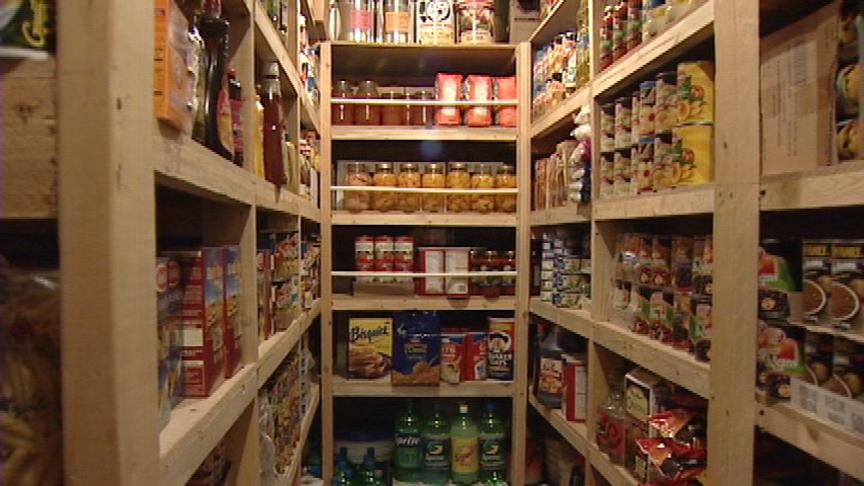
Prepping for emergencies requires a lot of careful planning, especially when deciding which foods you should stock up on. While making sure you and your family don't starve to death when SHTF is the ultimate goal, building a survival food stockpile is not as simple as filling your pantry with groceries.In a survival situation, you'll need your strength and your wits. But you won't be able to sustain these by just eating energy bars and junk food. In order to be at your best physically and mentally, you will need to eat nutritious foods – foods that can give you all the nutrients your body needs to stay strong and function properly. (Related: Essential survival fuel: Freeze-dried organic kale packed with nutrients.)
12 Emergency foods to stock up on
When planning your emergency supply, add nutrition to your list of considerations. These survival foods offer not only energy and versatility but also loads of nutritional value: (h/t to Survivopedia.com)
Lentils
Lentils are a rich source of fiber for your gut and protein to give you energy and help you feel full for longer. They also contain potassium and folate, which can help with managing blood pressure, plus iron and thiamine (vitamin B1) which are important nutrients for maintaining healthy energy levels. (Related: 6 Nutritious sources of plant protein for vegans and vegetarians.)
Millet
Millet is a nutritious and filling substitute for white rice. This gluten-free whole grain is packed with antioxidants, fiber and protein -- everything your body needs to stay strong and healthy -- and more. Millet is also a great source of phosphorus, magnesium, folate, iron and calcium, an important nutrient for strong bones, healthy blood vessels and proper neve and muscle functions.
Quinoa
Quinoa is a healthy alternative to pasta – a survival food staple. Like millet, quinoa is rich in fiber, antioxidants and protein and is an excellent source of the amino acid lysine. Lysine is needed for the production of carnitine, a nutrient that helps convert fatty acids into energy. Quinoa also provides plenty of iron, magnesium, folate and manganese.
Powdered milk
Powdered milk is an excellent addition to your survival food stockpile. Milk is nutritious on its own and is also a versatile culinary ingredient whether in liquid or powder form. But powdered milk is more shelf-stable, able to last for up to 20 years if stored properly. It is also a great source of protein, calcium, magnesium, iron and vitamins B6, B12, C and D (if fortified).
Instant coffee
Coffee is an energizing drink that can boost your alertness and morale, thanks to its high amounts of caffeine. It also provides vitamins B2 and B3, magnesium, potassium and a wealth of powerful antioxidants, making instant coffee, which can last up to two years if unopened, a great survival item to have in your emergency stockpile. For coffee that lasts longer in storage (three to five years), stock up on freeze-dried instant coffee.
Cocoa
Cocoa is another rich source of antioxidants and essential nutrients like potassium, protein, iron, vitamin C and magnesium. Because cocoa also contains caffeine, this versatile superfood can help boost morale and alertness while being a comforting treat in stressful situations. You'll be happy to know that cocoa powder doesn't spoil because it contains very little moisture – making it a long-term storable survival food – but it does lose its taste and potency.
Juices
Like milk and coconut water, juices are a great source of electrolytes – electrically charged minerals that help with hydration. They can also provide essential vitamins and help you maintain healthy energy levels. Opt for juices with low pH (acidic) like lemon, cranberry, pomegranates, blueberries and grapefruit as these tend to have a longer shelf life than alkaline ones. Some good options for storage are powdered juices and concentrates in cans, preferably without added sugar.
Nuts and seeds
Nuts and seeds are some of the most nutritious foods in the world. They're rich in essential nutrients and healthy fats that provide energy and aid in nutrient absorption, and they're great for snacking on their own or as ingredients for cooking or baking. When stored in a cool, dry place, nuts and seeds in airtight containers can last up to 12 months. (Related: Seeds of life: Keep your food supply alive after SHTF.)
Honey
Honey is a versatile survival item that can be used as a natural sweetener, a natural antibiotic and as a remedy for wounds and some minor ailments. Raw honey also contains small amounts of protein, vitamins, minerals, functional enzymes and antioxidants that can support healthy immune function and good overall health. Because of its low water content and high acidity, raw honey is not prone to spoilage and can last indefinitely when stored properly in a cool, dry place.
Freeze-dried fruits and vegetables
It is universally known that fresh produce don't last very long in storage, which is why freeze-dried fruits and vegetables are the best options for your emergency stockpile. Freeze-dried foods can last up to 25 years when kept in airtight containers in a cool, dry place away from sunlight. Compared to dehydrated foods, they also retain about 97 percent of their original nutrient content, making freeze-dried foods some of the most nutritious foods you can stock up on.
Vinegar
Although not a fount of nutrition, vinegar (white or apple cider) is an invaluable addition to your food stockpile. Aside from adding flavor to dishes, vinegar can be used to preserve food, make non-toxic DIY cleaning solutions or kill garden weeds. You can also use vinegar to remove rust from metal surfaces and even to neutralize airborne odors. Because it is highly acidic and a product of fermentation, vinegar is self-preserving and has an almost indefinite shelf life.
Herbs and spices
Herbs and spices are essential pantry inclusions because they can add both flavor and nutrition to your meals. Some of the most commonly used herbs and spices in the kitchen like black and chili peppers, garlic, ginger and cinnamon also happen to be high in antioxidants plus certain vitamins and minerals. When storing spices, choose whole spices since they retain their aromatic quality longer than ground ones. Whole spices can last up to five years when stored properly while ground spices last only two.
Similarly, fresh herbs can be stored in glass Mason jars or vacuum sealed bags to prolong their shelf life. When stored this way, they'll keep for about two years. Alternatively, you can grow herbs and spices (even fruits and vegetables) in your backyard so you can have access to fresh ingredients whenever you need them. (Related: Avoid boring survival food: 18 Best herbs and spices to stock up on.)
Building a survival food stockpile that caters to you and your family's preferences and specific needs requires careful thought and planning. Remember to only store foods that your family eats and to rotate your supplies so you can consume old items before they go to waste. Most importantly, make a list of simple yet nutritious recipes you and your family love so it will be much easier to fill your survival pantry with items that you need.
Visit FoodSupply.news for more tips on how to stock the right foods for an emergency.
Watch the following video to learn about high-value survival foods.
This video is from the Yeswise with Jon David Miller channel on Brighteon.com.
More related stories:
Nothing lasts forever – except these 15 foods.
ORGANIC SURVIVAL FOOD: Health Ranger launches non-GMO, certified organic survival food, instant meals delivering real nutrition, not junk calories.
Survival essentials: Best budget-friendly foods for prepping.
The ultimate guide to foods that never spoil: Long-lasting prepping pantry staples.
Survival stockpile staples: Emergency foods for long-term storage.
Sources include:
Survivopedia.com
BBCGoodFood.com
Healthline.com 1
MedicalNewsToday.com 1
MountSinai.org
GubbaHomestead.com
MedicalNewsToday.com 2
EmpireDrying.com
TasteofHome.com
Healthline.com 2
ArdensGarden.com
HealthyFood.com
EUFIC.org
GypsyShoalsFarm.com
Ivins.com [PDF]
RealSimple.com
GardenBenches.com
ArchitechturalDigest.com
Molekule.com
Blogs.Extension.IAState.edu
CrisisPreparedness.com
Brighteon.com
Prepping tips for beginners: Nutritious emergency foods to stock up on – NaturalNews.comIf you're gonna fight, fight like you're the third monkey on the ramp to Noah's Ark... and brother its starting to rain. Join our efforts to Secure America's Borders and End Illegal Immigration by Joining ALIPAC's E-Mail Alerts network (CLICK HERE)
-
12-12-2024, 05:58 PM #9442Senior Member
- Join Date
- Aug 2018
- Posts
- 95,517
Consumer beware: Harmful ingredients in toothpaste and natural alternatives you can use
12/12/2024 // HRS Editors // 610 Views
Tags: badhealth, Dangerous, dental care, dental health, dentistry, Fluoride, health science, microplastics, natural health, natural ingredients, oral care, oral health, oral hygiene, poison, products, sweeteners, toxic chemicals, toxic ingredients, toxins

- Switching to natural and non-toxic toothpaste alternatives like tooth salt with neem, or products containing natural abrasives like calcium carbonate and xylitol, can help maintain oral health safely.
- The Health Ranger Store offers lab-verified natural oral care products, including Toothsalt with Neem, Silver Breath Spray and OraMD Original Strength – The Mouth Doctor, which are alternatives to chemical-filled toothpaste.
- Toothsalt with Neem is a non-China product that uses pure and natural ingredients like sea salt and organic neem powder for outstanding oral health without synthetic chemicals.
- Health Ranger Select Silver Breath Spray is a fluoride-free, alcohol-free and aspartame-free mint flavor spray for quick breath freshening. It is China-free and lab-tested for safety.
- OraMD Original Strength – The Mouth Doctor is a chemical-free alternative to toothpaste, mouthwash and breath fresheners. It can be used for teeth cleaning and fighting cavities, plaque and tartar.
While the average American believes that brushing with commercial toothpaste is good for oral health, not many know that many brands use harmful chemicals. Fortunately, you can avoid these chemicals by switching to natural and non-toxic alternatives, such as toothsalt with neem. (h/t to DiscoverDentalRocklin.com.)
Below are some common ingredients to avoid in toothpaste and why they're bad for your health.
Artificial sweeteners
Toothpaste may contain artificial sweeteners like aspartame or saccharin to enhance flavor. However, these sweeteners offer no dental benefits and can harm your health, especially if you have sensitivities or health issues such as diabetes.
Natural sweeteners like xylitol sweeten toothpaste, but they also help prevent tooth decay by reducing harmful bacteria in the mouth.
Fluoride
Fluoride is often used in toothpaste because of its alleged cavity-fighting properties, but the excessive ingestion of fluoride can cause fluorosis, a condition characterized by discoloration and weakening of tooth enamel.
To avoid fluoride, look for fluoride-free toothpaste enriched with natural minerals like calcium and phosphate, which can both help strengthen tooth enamel and promote remineralization.
Microbeads
Microbeads are tiny plastic particles that are often added to toothpaste for abrasive purposes. While they seem to help scrub away plaque and stains, microbeads can also be abrasive to the enamel and harmful to the environment.
Avoid microbeads by switching to toothpaste with natural abrasives like calcium carbonate (chalk) or baking soda, that gently polish teeth without causing damage. (Related: Survival dental care: Keeping your teeth clean and healthy when SHTF.)
Propylene glycol
Propylene glycol is a synthetic compound used in toothpaste to keep it from drying out. But propylene glycol may cause allergic reactions and irritation in some people.
Instead, choose propylene glycol-free toothpaste or use products with glycerin, a natural humectant that helps retain moisture in the mouth without any negative side effects.
Sodium lauryl sulfate
Sodium lauryl sulfate (SLS) is a foaming agent used in several toothpaste brands. SLS produces the lather typically associated with clean teeth, but it can also irritate the mouth, which may result in canker sores and dryness.
Choose SLS-free toothpaste or natural alternatives like coconut oil, which can help maintain moisture in the mouth.
Triclosan
Triclosan is an antibacterial agent usually added to toothpaste to prevent gum disease. However, according to data, triclosan has been linked to antibiotic resistance and hormonal disruptions.
Choose triclosan-free toothpaste or use products with tea tree oil, a natural ingredient that can help maintain good oral health without adverse side effects.
Where to buy lab-verified products that help support oral health
The Health Ranger Store is here to help you get ready for emergencies and maintain good oral health after SHTF.
That’s why we’re proud to offer clean, lab-verified and healthy options such as Health Ranger Select Toothsalt with Neem, Silver Breath Spray - Mint Flavor and OraMD Original Strength – The Mouth Doctor.
One of the best natural alternatives to mainstream chemical-filled toothpaste, Health Ranger Select Toothsalt with Neem contains no fluoride, artificial chemicals or other harmful toxins. Instead, our premium toothsalt formula supports your overall health using only pure and natural ingredients, such as sea salt, organic neem powder, essential oils and more.
Health Ranger Select Toothsalt with Neem allows you to enjoy outstanding overall oral health and hygiene without worrying about synthetic chemicals. It is non-China and thoroughly lab-tested for glyphosate, heavy metals and microbiology.
To use the product, just dab the moistened head of the toothbrush into the tooth salt container and use it to brush your teeth thoroughly.
You can also try Health Ranger Select Silver Breath Spray - Mint Flavor, a handy product that you can use to freshen your breath quickly.
Health Ranger Select Silver Breath Spray is thoroughly lab-tested for glyphosate, heavy metals and microbiology.
It is also alcohol-free, aspartame-free and fluoride-free. Our breath spray is also China-free.
To use Health Ranger Select Silver Breath Spray, shake the bottle well before every use. Pump two or three sprays directly into your mouth for instant refreshment.
Do not spray into the eyes or sensitive tissues.
Lastly, you can try OraMD Original Strength – The Mouth Doctor, a chemical-free alternative to commercial toothpaste, mouthwash and breath fresheners.
Use OraMD Original Strength – The Mouth Doctor as toothpaste, mouthwash, or breath freshener to polish teeth and fight cavities, plaque and tartar.
OraMD Original Strength – The Mouth Doctor leaves a fresh, clean feeling unlike anything you have ever experienced. It is also safe for braces, veneers, bonds, fillings, crowns and dentures.
OraMD Original Strength – The Mouth Doctor is safe and recommended for children ages three and older. Start with one drop. Note that adult supervision is recommended.
To brush with OraMD Original Strength – The Mouth Doctor, wet your toothbrush, turn the bottle upside down (do not shake), drop 1-5 drops (1-2 drops when first starting) of OraMD onto the bristles and brush as directed.
If you have sensitive gums increase the amount at your own pace. Don't forget to brush your tongue. OraMD can be powerfully minty so stay within your comfort zone.
OraMD Original Strength – The Mouth Doctor is made with 100 percent pure Botanical and Essential Oils:
- Sweet Almond Kernel Oil
- Spearmint Oil
- Peppermint Oil
Our unique, customized blend has specific values of menthol, terpenes, ketones, esters, aldehydes and other components giving the best possible result.
OraMD Original Strength – The Mouth Doctor is insecticide-free, herbicide-free and fungicide-free. It contains no fluoride, chemicals, GMOs, abrasives or additives.
OraMD is handcrafted in small batches to ensure the highest quality.
Visit OralHealth.news for more tips on how to keep your gums and teeth healthy. You can also visit Health Ranger Store and Brighteon Store to find more lab-verified and high-quality products for your prepping needs.
Click on this link to browse the ultimate prepper gear checklist for outdoor survival.
Watch the video below to learn how Toothsalt and Neem can help support optimal oral health.
This video is from the Health Ranger Store channel on Brighteon.com.
More related stories:
Survival medicine: Prep dental kits before SHTF.
Here’s why natural toothpaste is better than commercial toothpaste for supporting optimal oral health.
Oral health: 10 Natural remedies for dental plaque and gingivitis.
Build a survival dental kit to maintain dental hygiene even when SHTF.
Sources include:
DiscoverDentalRocklin.com
HealthRangerStore.com 1
HealthRangerStore.com 2
HealthRangerStore.com 3
HealthRangerStore.com 4
HealthRangerStore.com 5
Brighteon.com
Consumer beware: Harmful ingredients in toothpaste and natural alternatives you can use – NaturalNews.com
If you're gonna fight, fight like you're the third monkey on the ramp to Noah's Ark... and brother its starting to rain. Join our efforts to Secure America's Borders and End Illegal Immigration by Joining ALIPAC's E-Mail Alerts network (CLICK HERE)
-
12-16-2024, 02:13 AM #9443Senior Member
- Join Date
- Aug 2018
- Posts
- 95,517
If you're gonna fight, fight like you're the third monkey on the ramp to Noah's Ark... and brother its starting to rain. Join our efforts to Secure America's Borders and End Illegal Immigration by Joining ALIPAC's E-Mail Alerts network (CLICK HERE)
-
12-16-2024, 08:54 PM #9444Senior Member
- Join Date
- Aug 2018
- Posts
- 95,517
Exciting new study uncovers combination of nutrients that can slow down brain aging
12/16/2024 // Evangelyn Rodriguez // 30 Views
Tags: #nutrition, aging secrets, alternative medicine, anti-aging science, antioxidants, brain aging, brain function, brain health, carotenoids, choline, cognitive function, cognitive health, food is medicine, food science, goodfood, goodhealth, goodmedicine, goodscience, health science, healthy diet, Mediterranean diet, natural health, natural medicine, nutrients, omega-3 fatty acids, Omega-6, phytonutrients, research, vitamin E
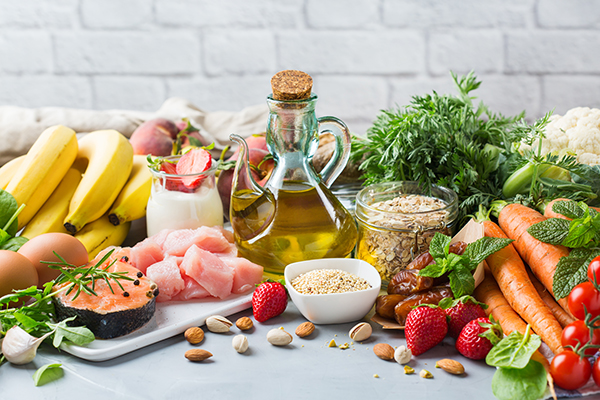
A new study published in the journal NPJ Aging identified a nutrient pattern that researchers believe can support healthy brain aging. Upon comparing the brains of a sample population of older adults, the study discovered two distinct phenotypes of brain health -- one that showed signs of accelerated aging and one that exhibited "slower-than-expected" aging.
Analysis of dietary biomarkers associated with the latter phenotype revealed a nutrient profile that features high concentrations of specific vitamins, antioxidants and fatty acids. Participants with this particular nutrient profile scored better on cognitive tests, suggesting that dietary interventions specifically targeting the right combination of nutrients may be the key to slowing down brain aging.
Mediterranean Diet offers the right nutrients for slower brain aging
Nutritional cognitive neuroscience is a relatively new field of research that explores "the impact of nutrition on cognition and brain health across the lifespan." Recent advances in this field show that diet and nutrition may offer significant benefits for the aging brain. According to studies, dietary markers associated with the Mediterranean Diet correlate to healthy brain aging. A review published in Current Opinion in Clinical Nutrition and Metabolic Care noted that high adherence to the Mediterranean Diet not only leads to slower cognitive decline but also decreases one's risk of developing Alzheimer's disease.
Given that the brain benefits of the Mediterranean Diet stem from its abundance of nutrients that have known functional relationships with the human brain, researchers began investigating the effects of individual nutrients linked to this eating pattern on brain function, white matter integrity and gray matter volume. Aside from observable cognitive decline, aging also brings about a decrease in white matter fiber integrity and cerebral volume -- both caused by neuronal (brain cells) degradation, among other structural changes.
In the NPJ Aging study, researchers sought to identify phenotypes characteristic of both accelerated and delayed brain aging. They recruited 100 older adults who were subjected to neuroimaging in order to quantify their individual brain structures, analyze their functional brain connectivity, and identify relevant brain metabolites. The participants also underwent a battery of neuropsychological tests to measure their intelligence, executive function and memory.
Lastly, the researchers looked for distinct nutrient biomarker profiles matching the opposite brain aging phenotypes, with a special focus on nutrients associated with the Mediterranean Diet that have known beneficial effects on brain performance. (Related: Study shows "green" Mediterranean diet helps boost brain function.)
Relative to participants that exhibited accelerated brain aging, the researchers found that those with delayed brain aging had larger brain volumes, better white matter integrity, increased concentrations of brain metabolites and increased functional connectivity for the whole brain. The latter also had an average brain age of 59.7 while those with accelerated brain aging had an average brain age of 65.1. Brain age was negatively associated with brain volume, white matter tracts, brain metabolites and functional connectivity measures.
Participants with delayed brain aging outperformed those with accelerated brain aging on all cognitive tests. After analyzing the nutritional status of the participants using blood samples, the researchers were able to build a nutrient biomarker profile for individuals with delayed brain aging. They identified 13 key brain nutrients that those with delayed brain aging had in abundance. These nutrients – many of which can be obtained by following the Mediterranean Diet – were:
- Monounsaturated fatty acids: cis-Vaccenic acid and cis-gondoic acid
- Polyunsaturated fatty acids: Alpha-linolenic acid (ALA), eicosapentaenoic acid (EPA), docosadienoic acid (DDA) and eicosadienoic acid (EDA)
- Saturated fatty acid: Lignoceric acid
- Carotenoids: Lutein and zeaxanthin
- Vitamins: Vitamin E
- Choline
To rule out the possibility of other factors contributing to slower or accelerated brain aging, the researchers also investigated multiple measures of demographics, anthropometrics (physical properties of the body) and physical fitness. None of these variables varied between the two phenotypes, suggesting that they have no effect on the rate of brain aging.
Nutrients your brain needs for healthy aging
As reported by the NPJ Aging study, maintaining high levels of the following nutrients may contribute to slower cognitive decline in older adults:
Vaccenic acid is an isomer of oleic acid, an omega-9 fatty acid and the predominant fat in olive oil. A kind of trans-fatty acid found in human milk, this long-chain fatty acid has been reported to have antibacterial and cholesterol-lowering effects. Vaccenic acid can also be found in some plants, such as china root (Smilax china) and white willow (Salix alba), two traditional Chinese and Indian medicinal herbs. Vaccenic acid is metabolically converted into conjugated linoleic acid (CLA), an omega-6 fatty acid that is said to protect against neuroinflammation.
Gondoic acid, also known as 11-eicosenoic acid, is an omega-9 fatty acid found in plant oils like jojoba oil and camelina seed oil, chia seeds and some nuts. Gondoic has been shown to suppress inflammation by inhibiting the expression of pro-inflammatory factors, reduce the production of free radicals like reactive oxygen species (ROS), and increase the expression of antioxidant genes. Gondoic acid is one of the metabolic precursors of nervonic acid, the predominant fatty acid in white matter tissue.
Alpha-linolenic acid (ALA) is an essential omega-3 fatty acid found in many plant-based foods such as flaxseed, chia seeds, walnuts, edamame, avocados, navy beans and zucchini. According to studies, about eight percent and four percent of dietary ALA are converted to eicosapentaenoic acid (EPA) and docosahexaenoic acid (DHA), respectively, in healthy males, while 21 percent and nine percent are converted to EPA and DHA, respectively, in healthy females. EPA and DHA are animal-based omega-3s that are said to enhance brain function and reduce brain inflammation.
Docosadienoic acid (DDA) is a very long-chain omega-6 fatty acid that occurs naturally in animal- and plant-based foods, such as safflower oil, sunflower seeds, cheese and meats. DDA has been found to exhibit strong antioxidant, anti-inflammatory and antitumor activities against human breast cancer cells.
Eicosadienoic acid (EDA) is an omega-6 fatty acid found in human milk, chia seeds, purple-spine sea urchin and two species of Indian ginseng, namely, Panax bipinnatifidus and P. pseudoginseng. According to a study published in the journal Diabetes, EDA may play a beneficial role in inflammation and may help mitigate insulin resistance, thus lowering the risk of diabetes. Like DDA, EDA has been shown to have antioxidant and anti-inflammatory properties exceeding those of DHA.
Lignoceric acid is a very long-chain saturated fatty acid found in peanuts, macadamia nuts and certain seed oils. A study published in the American Journal of Clinical Nutrition found that having high concentrations of long-chain fatty acids in the blood leads to reduced cognitive decline in older adults. A study that compared the brain characteristics of women without cognitive issues and women who developed Alzheimer's also reported that the former had high concentrations of lignoceric acid in their brain tissues.
Carotenoids are plant pigments found in brightly colored fruits and vegetables like spinach, carrots, tomatoes, orange bell peppers, watermelon, spinach and cantaloupes. Carotenoids are known for their powerful antioxidant properties, with alpha- and beta-carotene also serving as precursors to vitamin A. Thanks to their antioxidant activities, carotenoids can protect the brain from oxidative damage. The brain is highly susceptible to oxidative stress due to its high lipid concentrations and high metabolic activity.
Vitamin E is a fat-soluble antioxidant vitamin that stops the production of ROS, a byproduct of fat oxidation. Studies show that having high levels of vitamin E in plasma is associated with better cognitive function in healthy adults, the elderly and people with Alzheimer's disease. Rich sources of vitamin E include sunflower seeds and oil, peanuts, hazelnuts, safflower oil, spinach, broccoli, kiwifruit, mangoes, tomatoes, almonds and corn. (Related: One serving of greens daily slows brain aging by over a decade.)
Choline, sometimes called vitamin B4 due to its chemical similarities to B vitamins, is neither a vitamin nor a mineral but is an essential nutrient. Choline is found in a variety of foods, such as eggs, milk, poultry, kidney beans, quinoa, cauliflower, potatoes, peanuts, soybeans, beef and shiitake mushroom. Choline is a necessary nutrient for brain health and function because it serves as a precursor to phosphatidylcholine, a major component of cell membranes. Choline is also involved in the synthesis of acetylcholine, an important chemical that carries messages from the brain to different parts of the body via nerve cells.
A healthy diet and proper nutrition are important for maintaining a healthy brain. Learn more about how to support healthy brain aging at AntiAgingScience.news.
Watch this video to learn about how to support optimal cognitive function naturally.
This video is from the Groovy Bee channel on Brighteon.com.
More related stories:
Diets have greater impact on mood, mental wellness in women rather than men.
Ahiflower: Unrivaled as the richest plant source of omega fatty acids.
Study: Coconut oil-enriched Mediterranean diet found to improve brain function in Alzheimer’s patients.
Sources include:
Nature.com
FrontiersIn.org 1
PMC.NCBI.NLM.NIH.gov 1
Neurology.org
TheEpochTimes.com
PMC.NCBI.NLM.NIH.gov 2
FrontiersIn.org 2
MDPI.com 1
ScienceDirect.com 1
MyFoodData.com
LPI.OregonState.edu
Healthline.com
CareOmnia.com
TAndFOnline.com
ScienceDirect.com 2
HMDB.ca
ScienceDirect.com 3
DiabtesJournals.org
ScienceDirect.com 4
Dining.UGA.edu
MDPI.com 2
ODS.OD.NIH.gov
ScienceDirect.com 5
MY.ClevelandClinic.org
Brighteon.com
Exciting new study uncovers combination of nutrients that can slow down brain aging – NaturalNews.comIf you're gonna fight, fight like you're the third monkey on the ramp to Noah's Ark... and brother its starting to rain. Join our efforts to Secure America's Borders and End Illegal Immigration by Joining ALIPAC's E-Mail Alerts network (CLICK HERE)
-
12-18-2024, 04:36 PM #9445Senior Member
- Join Date
- Aug 2018
- Posts
- 95,517
Survival tools for your go bag: WHAT you should have and WHY
04/25/2024 // Olivia Cook // 890 Views
Tags: bug out, disaster, EDCs, emergency medicine, everyday carry, Gear, off grid, preparedness, prepper, prepping, self-defense, SHTF, survival, survival gear, tips
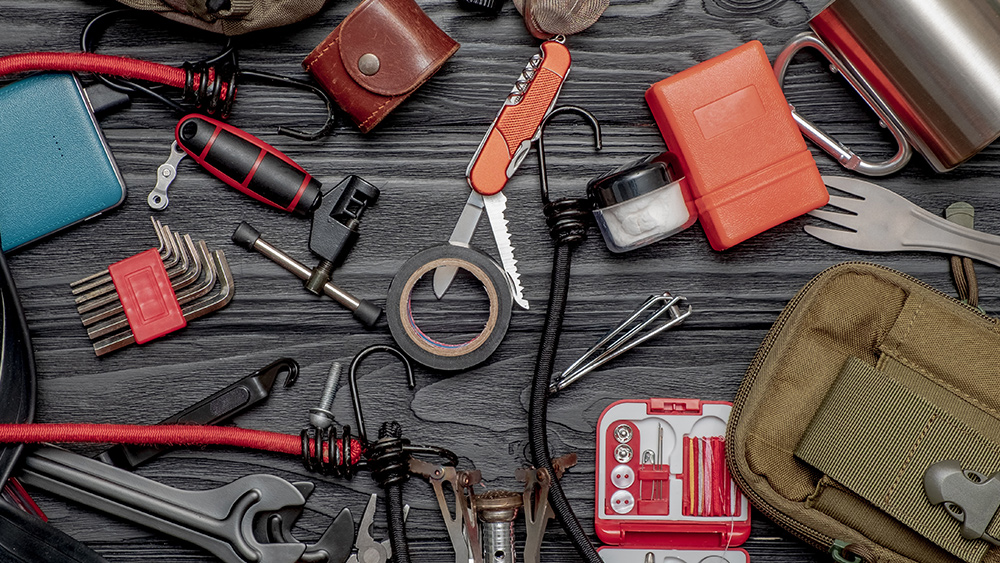
Equipping yourself with the right tools and knowledge significantly increases your chances of overcoming challenges and returning home safely from the outdoors or during emergencies or disasters. Here is a short list of survival tools that you can conveniently stash in your day pack or everyday carry (EDC) and in your larger emergency survival go bag.Everyday carry (EDC)
Items in EDCs can vary based on individual preferences, lifestyle and specific needs, but there are several common items that people often include in their EDC kits:
- Wallet – essential for carrying cash (in different denominations), identification cards, credit/debit cards and others
- Keys – including house keys, car keys and any other keys regularly used throughout the day
- Cellular or smartphone – for communication, navigation, accessing apps and various other functions
- Pocket knife or multitool – handy for everyday tasks, such as opening packages, cutting cords, minor repairs, etc.
- Compact flashlight or key chain light– to illuminate dark spaces or find items in low-light conditions
- Tactical pen and notebook – useful for jotting down notes to remember, making lists or capturing ideas on the go. A tactical pen can also serve as a self-defense weapon. Some tactical pens come with a glass-breaking blunt end and extra-sharp ballpoint, which can be used to fend off an attacker.
- Handkerchief, kerchief, scarf or tissues – for wiping hands, cleaning surfaces or handling unexpected spills, etc.
- Personal defense items – depending on local regulations and personal preference, you can include items such as pepper spray, a stun gun or a self-defense keychain in your EDC. (Related: How to make homemade pepper spray for self-protection.)We are building the infrastructure of human freedom and empowering people to be informed, healthy and aware. Explore our decentralized, peer-to-peer, uncensorable Brighteon.io free speech platform here. Learn about our free, downloadable generative AI tools at Brighteon.AI. Every purchase at HealthRangerStore.com helps fund our efforts to build and share more tools for empowering humanity with knowledge and abundance.
- Chap stick or lip balm – great for providing moisture and protection for your lips, especially in dry or cold climates. There are over 20 survival uses for chap stick.
- First aid supplies – include necessary medications for managing health conditions and addressing emergency health issues, antiseptic wipes or sprays, adhesive bandages, etc.
- Portable charger (power bank) – to ensure your devices stay powered throughout the day
- Sunglasses – to protect your eyes from UV rays and glare while outdoors
- High-energy snacks – include trail mixes of dried fruits and nuts, dark chocolate, raisins and other dried fruits and veggies, homemade energy bites, cheese and whole-grain crackers, etc.
- Emergency whistle – audible signaling device for alerting when you're in distress; useful for aiding in search and rescue efforts
- Compact umbrella, poncho or raincoat – items that protect from sun or rain when outdoors
Fire starting implements
Tools such as waterproof matches, lighters and ferrocerium rods are essential for preppers, especially when bugging out. They can help you build a fire for warmth, cooking, signaling or maintaining morale during emergencies.
First aid and medical kit
A comprehensive and customized medical kit contains bandages in different sizes, antiseptic wipes, additional over-the-counter (OTC) medicines, gauze pads, adhesive tapes, tweezers and personal medications. First aid kits are crucial for promptly addressing injuries and illnesses, potentially preventing complications and improving survival outcomes.
Solar or rechargeable battery-operated LED lights
Illumination tools like backup flashlights, headlamps, torches and glowsticks are indispensable for providing visibility during low-light conditions or emergencies. They are also useful for navigation, signaling and facilitating tasks in the dark.
Multi-tools
These versatile gadgets, equipped with various functions, offer compact and convenient solutions for a wide range of tasks, including self-defense, shelter-building, food foraging, hunting, fishing, repairs, etc. Multi-tools can bolster your preparedness and adaptability in survival situations.
Navigational implements
Tools like compasses, GPS devices, maps, personal locator beacons, etc. are essential for determining direction and location. They can help prevent you from getting lost and are useful for route planning and facilitating search and rescue efforts.
Paracord and other cordages
High-strength, lightweight and versatile ropes like paracord are invaluable for securing gear, constructing shelters, creating makeshift tools and performing various other tasks. They can also enhance your adaptability and resourcefulness in survival scenarios.
Signal mirror and other self-rescue gear
A lightweight and reflective signal mirror is essential for attracting the attention of rescuers or passing aircraft over long distances. It also offers a non-verbal means of signaling for help in times of emergency.
Space blanket
Compact and reflective in design, space blankets are indispensable for retaining body heat, providing shelter and preventing hypothermia in cold or wet conditions.
Water filtration and purification implements
Water filtration and purification tools are essential for obtaining safe drinking water from natural sources. They can help keep you hydrated and prevent waterborne illnesses in survival situations.
Bartering items
Having items of value that can be used for bartering is an advantage, especially in scenarios where traditional currency has lost its worth and resources are scarce. Items such as alcohol, cigarettes, food items with long shelf lives (e.g., MREs), water purification tablets, batteries and personal hygiene products can be used to trade with others for goods or services you may need.
Preparedness is key to surviving emergency situations. Equip yourself with the right tools and knowledge to increase your chances of overcoming challenges and surviving when SHTF .
Watch this video about everyday carry, first line gear.
This video is from the PreppedInKansas channel on Brighteon.com.
More related stories:
These important items deserve a place in every bug-out bag.
What’s in YOUR bug out bag? 10 Must-have multi-purpose survival tools.
Top 12 NECESSARY items for survival when SHTF.
Sources include:
SkilledSurvival.com
SurvivalSullivan.com -
VeteranLife.com
UrbanSurvivalSite.com
Greatist.com
TheAtomicBear.com
Brighteon.com
Survival tools for your go bag: WHAT you should have and WHY – NaturalNews.comIf you're gonna fight, fight like you're the third monkey on the ramp to Noah's Ark... and brother its starting to rain. Join our efforts to Secure America's Borders and End Illegal Immigration by Joining ALIPAC's E-Mail Alerts network (CLICK HERE)
-
12-18-2024, 04:37 PM #9446Senior Member
- Join Date
- Aug 2018
- Posts
- 95,517
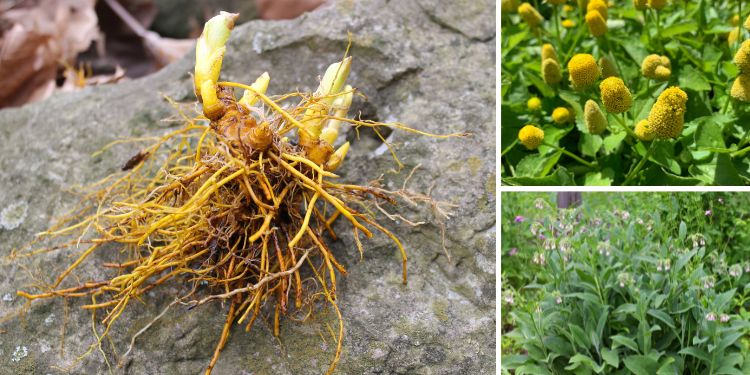
20 Medicinal Herbs Every Prepper Must Grow
by CHRISTINE C.
March 28, 2024

Knowing how to find, grow, and use medicinal herbs is an important skill to develop for any seasoned prepper.
After all, many of the life-saving pharmaceuticals we use today were created using compounds from common plants. For example, aspirin comes from white willow bark.
Whether you’re growing a medicinal herb garden, or simply want to know how to identify and make use of common medicinal plants in an emergency, here are 20 medicinal herbs every prepper should grow.
Evening Primrose
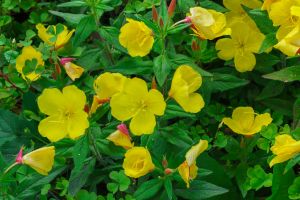 It is known for its colorful yellow or pinkish flowers that bloom at night in spring and summer.
It is both a medicinal and an edible plant.
Traditionally, Native Americans were known to brew tea from the whole plant for coughs, stomach ache, and sore throats.
The root, flowers, and young leaves are edible and rich in nutrients like vitamin C. The roots and stems were used to create poultices and tinctures to encourage fast healing for cuts and bruises.
California Poppy
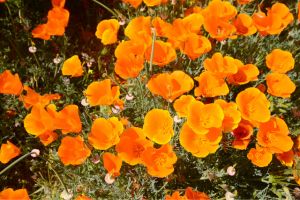 California Poppy is an edible, medicinal, flowering plant that blooms from late winter to early spring. The roots were used by Native American tribes to create a natural analgesic to manage pain.
The Californian Poppy doesn’t have any narcotic or addictive effects like the opium poppy does.
However, it can help with sleep, anxiety, and pain management. The golden flowers and poppy seeds can be eaten like a snack and the pollen can be used as a dye.
Although many Native American tribes used California Poppy for medicinal use, other tribes refused to use the plant due to its potential for toxicity when not properly prepared.
Calendula
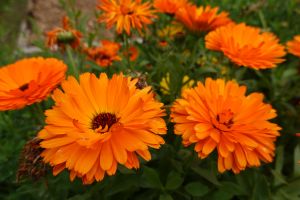 Calendula blooms from late fall through spring. Originally from Southern Europe, it quickly became popular around the world for its health benefits.
The dried petals of the calendula plant can be used in tinctures, infusions, ointments, and wound-cleaning solutions to prevent infections.
It can also be made into a cream or salve to relieve discomfort from some types of radiation burns. Learn here how to use calendula to make your own powerful remedies.
Lavender
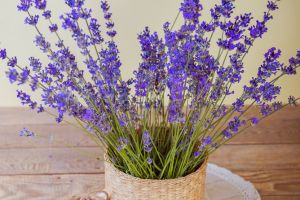 This fragrant, flowering plant has over 40 known species. True Lavender, also known as English Lavender, is the most commonly used variety for medicinal and culinary use.
Lavender grows naturally throughout Europe and Asia and is known for its antiseptic, antimicrobial, anti-inflammatory, antibacterial, and antifungal properties.
Lavender oil is known for its ability to treat skin ailments such as fungal infections and cuts. Lavender leaves, flowers, and oils can also be used in a bath soak to help with aching joints and muscle pain. According to some studies, lavender can even help wounds heal faster.
Yarrow
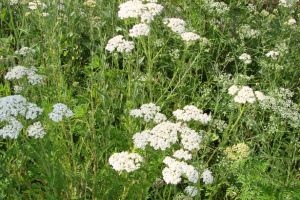 Considered a “life medicine” to Navajo tribes of the past, Yarrow is an herb with powerful astringent, antiseptic, antibacterial, anti-inflammatory, anti-spasmodic, and hypotensive properties.
Native American tribes were known to chew on raw yarrow leaves to help ease the pain and swelling of a sore tooth.
Infusions were considered an effective treatment for earaches and infections. In European folk medicine, yarrow poultices were used to treat wounds and herbal tea was used to stimulate blood circulation and liver health.
Get Your Own non-GMO Yarrow Seeds, Last 30 Packs Left!
It’s important to note that Yarrow is quite toxic to household pets. It can also lead to a rash or other irritation for people with sensitive skin.
Feverfew
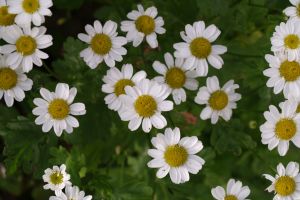 Feverfew is a flowering plant in the Daisy family. It is usually harvested around Midsummer or when its flowers are in full bloom.
It was traditionally used as a cure-all folk medicine for treating various symptoms from migraines to stomach aches, as well as other health concerns.
Chewing on the leaves or brewing a tea can not only dull the pain of migraines but also lessen the occurrence of migraines. However, like all medicines, it may cause side effects for some people.
Chamomile
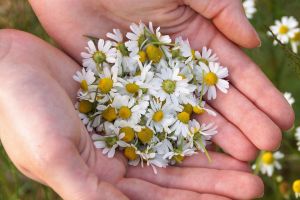 Chamomile is a popular herb best known for its anti-inflammatory effects. Egyptian, German, and Roman chamomile are the three chamomile species most commonly used in medicine.
Chamomile has a long history of medicinal applications, but is most famous for its calming properties.
It is also used to alleviate digestive issues and mild abdominal pain. When used topically, it can soothe skin irritations, sun burns, and promote faster wound healing. Chamomile is typically consumed as a tea, but it can also be used in extracts, oils, poultices, infusions, decoctions, and salves.
Marshmallow
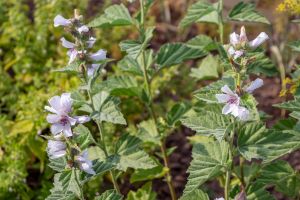 The roots, leaves, and flowers contain edible mucilage, a substance with proven soothing properties.
Marshmallow is commonly used to relieve irritation and inflammation of the mucous membranes, making it an effective treatment for sore throat, cough, and digestive issues.
The Most Powerful Plant for a Healthy Digestive System (Video)
Marshmallow can be made into a tea or infusion, or applied topically as a poultice or ointment for skin irritations and wounds. However, it may react with some diabetes medications.
Chicory
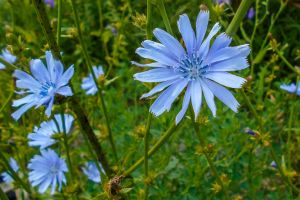 Chicory is an important medicinal plant that is cultivated worldwide. All parts of the plant are edible for people and animals to enjoy and can even be used as a coffee alternative.
In traditional medicine, all parts of the plant can be used to make topical treatments like poultices and salves.
Chicory root can be made into a tea to induce mild diuretic effects, lower blood pressure, and alleviate pain associated with gallstones, kidney stones, urinary tract infections, and inflammation of the liver.
Echinacea
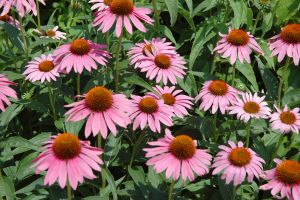 Several studies have suggested that echinacea has immune-boosting and anti-inflammatory properties that can help relieve pain, reduce inflammation, and offer protective antiviral and antioxidant effects.
When consumed as a tea, it can help treat symptoms of the common cold and respiratory illness.
Related: Antibiotic Herbs And Plants To Grow Before SHTF
Native Americans used echinacea topically to treat burns, insect bites, stings, and more. Overall, echinacea is a valuable herbal remedy that can support immune health and overall well-being whether consumed internally or externally.
Sage
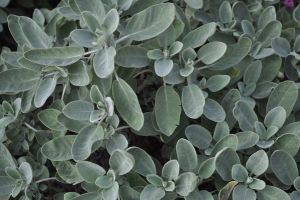 Sage is a widely cultivated medicinal plant that gained prominence in Native American and Chinese herbal medicine. Although there are hundreds of sage species, Common sage is the most used variety today.
It’s traditionally harvested for medicinal use in early summer.
Sage is a proven anti-inflammatory, anti-virus, and anti-bacterial — and has also been used to manage high blood sugar, oral pain, stomach pain, and cholesterol.
As powerful as this herb may be, sage also contains a chemical called thujone which can cause seizures or damage to your liver and nervous system in large doses. Because of this, sage should be used with care.
Peppermint
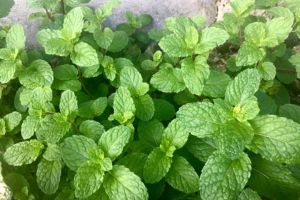 Peppermint, a wide-ranging hybrid species of mint, can be found growing wild throughout the Americas and Europe and is cultivated for its medical benefits worldwide.
This potent herbal remedy is known for its powerful antiseptic, antispasmodic, and antibacterial properties.
It is known for easing nausea and upset stomachs, calming stress, promoting good oral health, treating muscle and joint pain, and supporting restful sleep.
Stinging Nettle
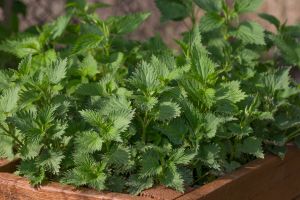 Stinging nettle is known for its anti-inflammatory benefits and natural diuretic properties — It’s also thought to help alleviate seasonal allergies.
When eaten as food, stinging nettle is packed full of vitamins C, K, iron, and calcium. It can be consumed alone, with other food, or in herbal tea infusions.
However, the fine hairs on stinging nettle leaves can cause painful irritation to the skin. So, it is important to cook, dry, boil, and strain the leaves before consuming them. Additionally, stinging nettle can cause changes in blood pressure for some people.
Rosemary
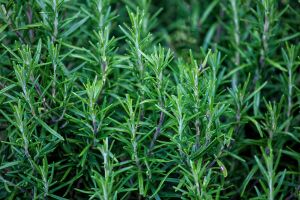 Rosemary is an aromatic herb with needle-like leaves.
It has been cultivated as a folk medicine to help manage conditions like headaches, stomach aches, spasms, and muscle pain. It’s also believed to boost brain health, the immune system, and the circulatory system.
As food, rosemary is rich in nutrients like manganese, iron, calcium, and B vitamins which can help provide a nutrient boost when times are lean. According to some studies, rosemary has potent antibacterial, antiviral, and antifungal properties.
Comfrey
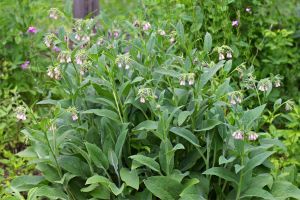 Thanks to it’s astringent and anti-inflammatory properties, comfrey has been used as a treatment for bruises, sprains, and pulled muscles. When applied as a compress or poultice, it was believed to lessen inflammation. The Native Americans considered comfrey a sacred multi-purpose healing plant and used it in both topical treatments and teas using dried leaves.
Comfrey was also used for food in Ireland (for both people and livestock) during the potato famine of the 1840s. Conversely, in the US during the Great Depression, it was this superweed that saved large communities from starvation. It could be a real lifesaver when there’s no other food around.
Goldenseal
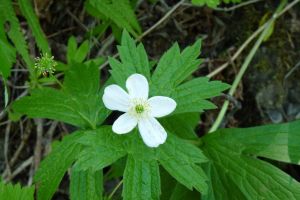 Goldenseal has strong anti-inflammatory and antimicrobial properties that promote faster wound healing. It is often found in herbal remedies for hay fever, the flu, allergies, and for treating symptoms like sore throat and congestion. New studies have also identified Goldenseal as a potential natural LDL-c (“bad cholesterol”) lowering agent.
Goldenseal is mostly used as a “natural antibiotic” and is often combined with echinacea to help strengthen the immune system.
To prepare for medicinal use, roots are typically harvested, dried, and ground to create teas, poultices, tinctures, and salves.
Nasturtium
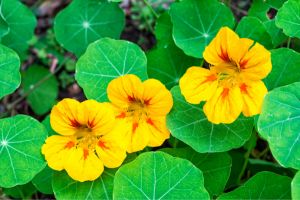 Nasturtium is a powerful herb that has anti-septic, anti-fungal, and anti-inflammatory properties. The flowers and leaves are edible and contain important nutrients like vitamin C, calcium, potassium, phosphorus, magnesium, zinc, copper and iron.
The leaves, seeds, and flowers can help fight infections when brewed as a tea.
They can also be effectively used as an herbal salve, poultice, cream, oil, decoction, or tincture.
Nasturtium contains mustard oil and can cause skin irritation. Additionally, pregnant women should not use this herb.
Mullein
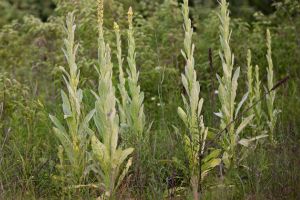 Mullein is a wild flowering herb native to Europe and Asia but has since been cultivated worldwide for its many interesting uses.
For example, early settlers and Native Americans were said to line their shoes with mullein leaves in cold months.
What Happens If You Smoke Mullein (Video)
What’s more, mullein stalks were used as torches, the flowers were crushed to make dyes, and fishermen were known to throw the rotenone-rich seeds in slow-moving waters to stun and catch fish more easily.
Mullein has a rich history of medicinal use in both European folk medicine and Native American healing practices. According to studies examining the efficacy of Mullein in medicine, Mullein can be used as an effective antispasmodic, expectorant, and for its anti-inflammatory properties. A tea brewed with dried mullein leaves can be used in an emergency to treat cough, tuberculosis, bronchitis, pneumonia, headaches, and earaches.
Spilanthes (The Toothache Plant)
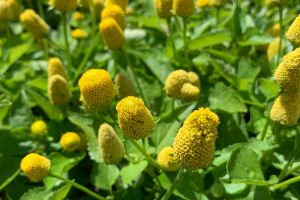 Spilanthes, also known as “toothache plant”, is famous for its edible parts and mouth numbing flowers. Thanks to the pain-relieving, anti-inflammatory, and analgesic properties of spilanthol in the plant,
Spilanthes is a blessing to have around when you have a painful toothache.
Chewing the raw flowers of this plant can provide you with almost immediate oral pain relief. The intense tingling sensation provides a deep mouth cleansing that can help to ward off early signs of infection.
Additionally, the leaves of Spilanthes are edible and are often eaten raw or cooked with other foods for a vitamin-packed nutrient boost.
Self-Heal/Heal-All
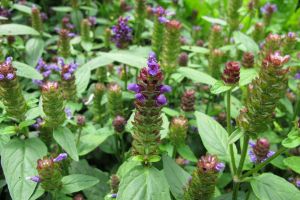 Self-heal, also called “Heal-all” or “Heart-of-the-earth”, is a well-known medicinal plant that has blooms in late summer, with unique, purple-colored flowers. Historically, it’s believed to help remove heavy metals from the body and clean deep wounds. Self-heal has shown promise during lab studies for its potent anti-inflammatory and tumor-fighting properties.
Self-heal can be used topically, in a salve or poultice, or prepared for internal use, such as a tea or capsule. However, if you’ve never used self-heal internally before, you may experience side effects like nausea or a headache; It may also interact with certain medications and pregnancy.
The plants on this list can treat many common ailments and even save lives in an emergency. You can buy packets of medicinal herb seed for cheap, and they will pay dividends and become invaluable in a crisis when access to medications is scarce.
Developing a working knowledge of local medicinal plants can be a lifesaver, especially if there’s limited access to adequate nutrition or emergency services in your area.
Still, you may need to do some extra research to familiarize yourself with the medicinal herbs that grow in your region, toxic look-alikes to avoid, and how to properly prepare the plant for medicinal use.
Lastly, before using medicinal herbs, it’s important to weigh the risks and benefits as some herbs may not be safe for some people.
You may also like:
How the Native Americans Used to Hide in Plain Sight
Best Trees to Tap for Food, Medicine, and Water (Video)
How to Store Water in Your Car for an Emergency
17 Items I Keep in My Fallout Shelter at All Times
20 Medicinal Herbs Every Prepper Must Grow - Ask a Prepper
If you're gonna fight, fight like you're the third monkey on the ramp to Noah's Ark... and brother its starting to rain. Join our efforts to Secure America's Borders and End Illegal Immigration by Joining ALIPAC's E-Mail Alerts network (CLICK HERE)
-
12-18-2024, 04:39 PM #9447Senior Member
- Join Date
- Aug 2018
- Posts
- 95,517

DIY How To Make Your Own Antibiotic - Suzanne Sherman: The Most Powerful Remedies We Lost to History
DIY HOW TO MAKE YOUR OWN ANTIBIOTIC - SUZANNE SHERMAN: THE MOST POWERFUL REMEDIES WE LOST TO HISTORY
 pAnNON
Kobak
3744 subscribersIf you're gonna fight, fight like you're the third monkey on the ramp to Noah's Ark... and brother its starting to rain. Join our efforts to Secure America's Borders and End Illegal Immigration by Joining ALIPAC's E-Mail Alerts network (CLICK HERE)
-
12-18-2024, 04:42 PM #9448Senior Member
- Join Date
- Aug 2018
- Posts
- 95,517
The Top 50 Survival Blogs
By admin on Saturday, October 15th, 2011 | Comments Off
=> View these other great Survival Blogs that almost made the Top 50!If you're gonna fight, fight like you're the third monkey on the ramp to Noah's Ark... and brother its starting to rain. Join our efforts to Secure America's Borders and End Illegal Immigration by Joining ALIPAC's E-Mail Alerts network (CLICK HERE)
-
12-18-2024, 04:49 PM #9449Senior Member
- Join Date
- Aug 2018
- Posts
- 95,517

4 Easy Plants To Grow
4 EASY PLANTS TO GROW
 Granny Fisher's Homestead
Granny Fisher
654 subscribersIf you're gonna fight, fight like you're the third monkey on the ramp to Noah's Ark... and brother its starting to rain. Join our efforts to Secure America's Borders and End Illegal Immigration by Joining ALIPAC's E-Mail Alerts network (CLICK HERE)
-
12-18-2024, 11:58 PM #9450Senior Member
- Join Date
- Aug 2018
- Posts
- 95,517
The Outsider
@TheOutsiderCabin
1.14M subscribers
221 videos
you might want to learn these Skills and Acquire the tools Needed.
(251) Simple Off-Grid Water System + Copper Countertop Install / Ep110 / Outsider Cabin Build - YouTube
(11 Boulder Footings for the Cabin Foundation- Ep13- Outsider Log Cabin - YouTube
(11 Walls, Windows & Door-frames- Ep31- Outsider Log Cabin - YouTube

1:00:57
Walls, Windows & Door-frames- Ep31- Outsider Log Cabin
The Outsider
 20:33
20:33
Cabin Flooring & Tractor Breakdown- Ep36- Outsider Log Cabin
The Outsider
 16:36
16:36
Stone Boat- Inexpensive Logging Trailer!- Ep26- Outsider Log Cabin
The Outsider
 15:50
15:50
Breaking Trail, Hauling Timber- Ep32- Outsider Log Cabin
The Outsider
 18:26
18:26
Why the Log Gaps? Chinked vs Scribed- Ep40- Outsider Log Cabin
The Outsider
 11:41
11:41
The Legend is Retiring- Ep34- Outsider Log Cabin
The Outsider
 14:10
14:10
Building Preparations & Log Treatment- Ep37- Outsider Log Cabin
The Outsider
 14:48
14:48
Heated Sawmill Bunk house built for $160- Ep25- Outsider Log Cabin
The Outsider
 24:35
24:35
Logging Upgrade! Tractor Boom Pole- Ep39- Outsider Log Cabin
The Outsider
 15:43
15:43
How I Budget for my Build- Ep44- Outsider Log Cabin
The Outsider

23:57
Finishing the Log Cabin Exterior! / Ep85 / Outsider Cabin Build
The Outsider
 6:53
6:53
1 Ton Log on my Sawmill! Bad idea?- Ep23- Outsider Log Cabin
The Outsider
 22:34
22:34
Thieves came. They Stole. They Poached. ...We take action! / Log Cabin Update- Ep 11.10
The Outsider
 20:29
20:29
My Forest Sanctuary / Ep52 / Outsider Log Cabin
The Outsider
 8:05
8:05
Bunkhouse / Tool Shed Construction!- Ep15- Outsider Log Cabin
The Outsider
 8:11
8:11
Christmas Bunkhouse Journey- Ep29- Outsider Log Cabin
The Outsider
40:18
Completing the Roof Structure before Winter- Ep58- Outsider Log Cabin
The Outsider
 21:30
21:30
How I Make a Saddle Notch- Ep42- Outsider Log Cabin
The Outsider
 8:28
8:28
Celebrating Sr Outsider's Legacy
The Outsider

27:16
Gable Cladding & Snowcat Recovery / Ep78 / Outsider Log Cabin
The Outsider

26:32
Deep Snow Logging in the Canadian Wilderness / Ep79 / Outsider Log Cabin
The Outsider
 18:35
18:35
Insulating the Floor (Sr Outsider's Final Episode) / Ep94 / Outsider Cabin Build
The Outsider
 37:10
37:10
Finishing the First Cabin Dormer! / Ep70 / Outsider Log Cabin
The Outsider

39:34
Life After Brain Cancer. Let's Talk- Ep47- Outsider Log Cabin
The Outsider
 25:14
25:14
Roofing a Steep 12/12 Pitch! / Ep68 / Outsider Log Cabin
(1419) 'One Last Build, Son.' - Log Cabin Build Off Grid - YouTube
 16:13
16:13
NOW PLAYING
DIY Wagon Wheel Chandelier from Dad's Childhood Homestead! / Ep107 / Outsider Cabin Build
168K views
1 month ago
 19:31
19:31
NOW PLAYING
Twig Railing & Ladder + Wildfires in Canada! / Ep106 / Outsider Cabin Build
328K views
2 months ago
 17:59
17:59
NOW PLAYING
Carving a Natural Stone Sink with Angle Grinder! / Ep105 / Outsider Cabin Build
544K views
3 months ago
 16:27
16:27
NOW PLAYING

Dying Maple Leans Over the Cabin...I Tried to Bring it Down. / Ep112 / Outsider Cabin Build
198K views
4 weeks ago
 18:20
18:20
NOW PLAYING
Sleeping Under the Snow & Toasty Warm! Copper Coil Heater DIY...MacGyver would be proud!
274K views
1 month ago
 10:05
10:05
NOW PLAYING
Cozy Christmas Cabin Tour! ...with Family! / Ep111 / Outsider Cabin Build
436K views
3 months ago
 20:02
20:02
NOW PLAYING
Health Update: Good & Bad News... Mrs. Outsider Joins me at the Cabin.
194K views
4 months ago
 20:04
20:04
NOW PLAYING
Building a Bathroom in my Log Cabin! / Ep104 / Outsider Cabin Build
416K views
4 months ago
 2:03:48
NOW PLAYING
'One Last Build, Son.' - Log Cabin Build by Father & Son.
3.1M views
5 months ago
 15:58
15:58
NOW PLAYING
Floating Tree Door DIY! / Ep103 / Outsider Cabin Build
288K views
6 months ago
 17:01
17:01
NOW PLAYING
Off-Grid Christmas at the Cabin! / Ep102 / Outsider Cabin Build
515K views
8 months ago
 17:49
17:49
NOW PLAYING
Incoming Snowstorm! + DIY 4ft Planer (Router Sled) / Ep101 / Outsider Cabin Build
382K views
8 months ago
 24:29
24:29
NOW PLAYING
Stone Hearth Install During First Snow! + Injury Update / Ep100 / Outsider Cabin Build
662K views
9 months ago
 20:25
20:25
NOW PLAYING

Building a Door with 150lbs of Clear Epoxy! First Fire of Autumn. / Ep99 / Outsider Cabin Build
862K views
10 months ago
 28:00
28:00
NOW PLAYING
Building a Tree into the Cabin Door! / Ep98 / Outsider Cabin Build
562K views
11 months ago
 21:19
21:19
NOW PLAYING
Flooring the Cabin During a Thunderstorm! / Ep97 / Outsider Cabin Build
[COLOR=var(--ytd-metadata-line-color,var(--yt-spec-text-secondary))]926K views1 year ago[/COLOR]
 14:09NOW PLAYING
Survival Hike- One of your best survival tools...
The Outsider
64K views
8 years ago
 18:21NOW PLAYING
Survival Hike- Stalked by Coyotes while Gathering Birch Sap
The Outsider
48K views
8 years ago
 11:14NOW PLAYING
Survival Hike- Birch Tinder & Cedar Tea
The Outsider
13K views
7 years ago
 19:56NOW PLAYING
The Night Shift... / Ep50 / Outsider Log Cabin
The Outsider
222K views
4 years ago
 3:06:37NOW PLAYING
Father & Son Build their Dream Log Cabin in the Canadian Wilderness (FULL BUILD)
41M views
1 year ago

Building Our Off-Grid Dream Log Cabin: Start to Finish!
28K views
3 weeks ago
 19:53
19:53
Now playing

First Autumn at the Cabin with Family! / Ep118 / Outsider Cabin Build
203K views
1 month agoIf you're gonna fight, fight like you're the third monkey on the ramp to Noah's Ark... and brother its starting to rain. Join our efforts to Secure America's Borders and End Illegal Immigration by Joining ALIPAC's E-Mail Alerts network (CLICK HERE)


 Reply With Quote


INFURIATING: Illegal Alien Mows Down Connecticut Cop and...
07-31-2026, 08:30 AM in Non-Citizen & illegal migrant voters