

Results 9,681 to 9,690 of 12013
 227Likes
LinkBacks (?)
-
12-26-2016, 11:32 AM
-
09-02-2016, 05:39 PM
-
whole garden made with pallets!! Love it!! | Pallets | Pinterest | Pallets, Pallets Garden and Wooden Pallets
Refback This thread03-06-2016, 11:30 AM -
10-20-2015, 05:29 PM
-
06-12-2015, 08:00 PM
-
02-26-2015, 01:58 PM
-
01-05-2015, 04:13 PM
-
12-19-2014, 10:19 AM
-
EMERGENCY: HUGE FEMA PANDEMIC EXERCISE IN USA IN NOVEMBER, INTERNET SHUT DOWN PART OF EXERCISE | Prepare4Survival
Refback This thread12-03-2014, 10:39 PM -
Off Grid World ? Ugly Duckling Shipping Container Home Built by Artist Is a Beautiful Swan on the Inside
Refback This thread11-25-2014, 03:10 PM -
11-17-2014, 10:59 PM
-
11-13-2014, 11:18 AM
-
11-09-2014, 02:54 PM
-
10-28-2014, 11:38 PM
-
10-26-2014, 05:54 AM
-
10-16-2014, 11:28 AM
-
10-03-2014, 01:25 PM
-
10-02-2014, 09:16 PM
-
09-26-2014, 07:00 PM
-
09-26-2014, 01:56 PM
-
09-19-2014, 04:46 PM
-
09-13-2014, 05:49 AM
-
09-05-2014, 01:52 PM
-
09-01-2014, 09:39 AM
-
08-30-2014, 06:29 PM
-
08-10-2014, 06:29 AM
-
08-04-2014, 05:07 PM
-
07-23-2014, 11:14 AM
-
New Evidence on Expiration Dates | Medical Preparedness | Doom and Bloom (TM) | Doom and Bloom (TM)
Refback This thread07-22-2014, 10:10 AM -
07-18-2014, 08:37 PM
-
07-15-2014, 04:57 PM
-
07-11-2014, 01:40 AM
-
04-22-2014, 11:14 AM
-
04-18-2014, 12:57 PM
-
04-18-2014, 10:10 AM
-
04-14-2014, 12:18 AM
-
04-12-2014, 02:28 AM
-
03-02-2014, 11:43 PM
-
12-24-2013, 11:59 PM
-
12-07-2013, 11:04 PM
-
kitchen | Cob
Refback This thread11-25-2013, 03:24 PM -
10-22-2013, 10:25 PM
-
Apple Pie Braid | Sweets
Refback This thread09-26-2013, 07:58 AM -
09-02-2013, 04:44 PM
-
5 Reasons Why You May have to Bug Out Even Though You Don’t Want to | The Apartment Prepper's Blog
Refback This thread08-23-2013, 03:20 PM -
06-27-2013, 06:30 AM
-
06-23-2013, 08:11 PM
-
06-17-2013, 11:21 PM
-
05-24-2013, 05:06 PM
-
To Eat / BASIC LIST / SUGGESTED ITEMS FOR LONG TERM SURVIVAL - Page 275 - ALIPAC
Refback This thread05-01-2013, 03:49 AM
Thread Information
Users Browsing this Thread
There are currently 6 users browsing this thread. (0 members and 6 guests)
 LinkBack URL
 About LinkBacks
-
05-03-2025, 08:50 PM #9681Senior Member


- Join Date
- Aug 2018
- Posts
- 98,229
“Wartime Homefront Essential Skills” on BrightU: How billions of microbes can save your garden and your health
05/03/2025 // Jacob Thomas // 310 Views
Tags: agriculture, Composting, Ecology, environment, garden productivity, green living, home gardening, homesteading, Marjory Wildcraft, no-till gardening, off grid, organic farming, preparedness, soil food web, soil health, soil microbes, survival, sustainable agriculture, tips, vermicomposting, wartime homefront essential skills
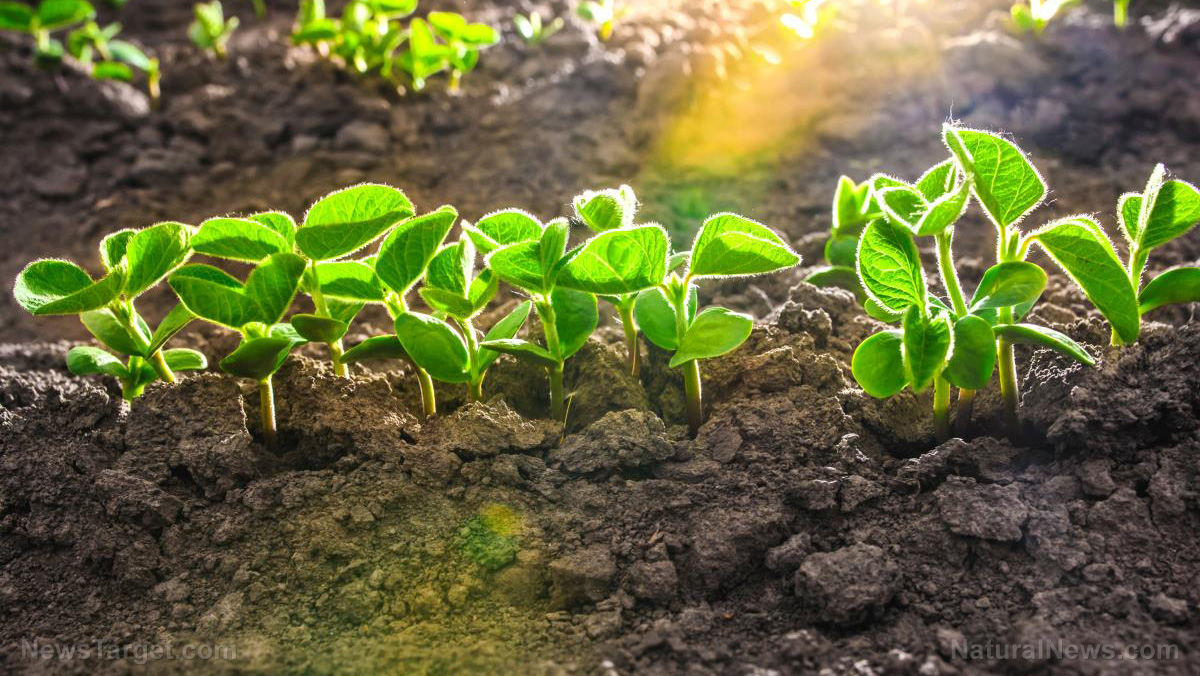
- In episode 6 of "Wartime Homefront Essential Skills," Marjory Wildcraft and Tom Bartels discussed how a thriving garden depends on billions of bacteria, fungi and nematodes working symbiotically — similar to the human gut microbiome — to create nutrient-rich, resilient soil.
- This episode explored how plants release root exudates to feed microbes, which are then consumed by larger organisms, cycling nutrients back to the plant. Chemical fertilizers disrupt this system, weakening plants.
- Bartels shared a three low-effort composting methods — vermicomposting, traditional hot composting and leaf mold. These composting methods supercharge soil fertility by harnessing microbial activity.
- Bartels mentioned key practices, including aerating soil deeply (two feet) and using intensive planting (closed canopies) to reduce watering/weeding by 90 percent, mimicking natural ecosystems like forests.
In episode 6 of "Wartime Homefront Essential Skills," aired May 1 on Brighteon University, Marjory Wildcraft, renowned homesteading expert and founder of The Grow Network, is joined by soil expert Tom Bartels. They discussed how mimicking nature — by feeding microbes instead of plants — can eliminate pests, reduce watering needs and supercharge growth without synthetic fertilizers.
Beneath every thriving garden lies an invisible army — billions of bacteria, fungi and nematodes working in harmony to create nutrient-dense, resilient soil. Just as the human gut microbiome is essential for health, the soil food web determines whether your plants flourish or fail.
Bartels opened with a striking analogy: "A healthy human body has 10 times more microbial cells than human cells. Similarly, a teaspoon of healthy soil contains over a billion bacteria and 10,000 species of microorganisms — most still unidentified by science." These microbes, he explained, form the foundation of the soil food web, a symbiotic network that digests organic matter, cycles nutrients and protects plants from disease.
"When we disrupt this system with chemicals, we sever the relationships that keep plants resilient," Bartels warned. "Liquid fertilizers stop plants from releasing root exudates — the ‘cookies’ that feed microbes. The result? Weak, dependent plants and more work for you."
The magic, Bartels revealed, happens in the rhizosphere — the zone around plant roots. "Plants release sugars and proteins to attract bacteria and fungi. These microbes are then eaten by nematodes and protozoa, whose waste becomes plant food. The plant literally controls what nutrients it gets, like an orchestra conductor.”
This natural process explains why forests thrive without human intervention. “No one fertilizes the Amazon,” Bartels quipped. “But in gardens, we must jumpstart the system by adding compost — the ‘jet fuel’ for soil life.” Bartels shared three low-labor composting methods to turbocharge soil:
- Vermicomposting (worm bins): "A single kitchen worm bin can produce 600 lbs of castings yearly," said Bartels, who uses repurposed freezers to keep worms active year-round. His secret? A "biofurnace" of coffee grounds, manure and leaves to generate heat. "Worms migrate to their ideal temperature, processing waste into 'black grape nuts'—the richest compost you'll ever see."
- Traditional hot composting: Instead of labor-intensive turning, Bartels inoculates piles with worms from his bins. “They do the work for me. By spring, I’ve got 20 wheelbarrows of compost teeming with life.”
- Leaf mold (the lazy gardener's gold): Bartels layers leaves with worms and lets time do the rest. "One year later, it's pure worm castings—30-40 wheelbarrows of fertility, just from 'waste.'"
Bartels stressed two game-changing shifts in designing gardens for microbial success:
- Aerate soil to two feet deep (via double-digging or raised beds) to let roots access water and nutrients.
- Ditch rows for intensive planting. Closed canopies create living mulch, reducing watering and weeding by 90 percent.
His proof? A 600-square-foot garden that thrives with minimal care. "I travel for weeks in summer. The soil food web does the rest." Bartels' methods don't just grow food — they're also good for the environment. "Most leaves end up in landfills, releasing methane. Composting them sequesters carbon and builds drought-resistant soil."
"Stop feeding plants," Bartels urged. "Feed the soil. The microbes will handle the rest." To perfectly sum it up, Wildcraft said: "Tom's work shows how aligning with nature solves our biggest challenges — food security, water scarcity and health."
Want to learn more?
When the world gets unpredictable, the smartest move is to prepare. That's why "Wartime Homefront Essential Skills" by Marjory Wildcraft is back on BrightU. This is your second chance to catch the series that's changing how families think about self-reliance.
If you want to learn at your own pace and get access to 12 additional bonuses, you can purchase the Wartime Homefront Essential Skills Bundle here. Upon purchase, you will get unlimited access to all 10 "Wartime Homefront Essential Skills" videos and 12 bonuses, including 10 eBook guides and two homesteading videos.
Sources include:
BrighteonUniversity.com 1
BrightU.com
BrighteonUniversity.com 2
“Wartime Homefront Essential Skills” on BrightU: How billions of microbes can save your garden and your health – NaturalNews.com
If you're gonna fight, fight like you're the third monkey on the ramp to Noah's Ark... and brother its starting to rain. Join our efforts to Secure America's Borders and End Illegal Immigration by Joining ALIPAC's E-Mail Alerts network (CLICK HERE)
-
05-04-2025, 04:33 AM #9682Senior Member
- Join Date
- Aug 2018
- Posts
- 98,229
Dan Hurd (Dan Hurd Prospecting)
@Danhurd
•1.41M subscribers•1.2K videos
 32:31
32:31
Now playing
How Much Gold In This Huge Bedrock Trench!
262K views
13 days ago
 18:17
18:17
Now playing
DISASTER strikes at gold claim! (WARNING Parental Advisory)
204K views
6 days ago
 33:11
33:11
Now playing
The BIG GOLD of the "Nugget Patch" of Arizona!
118K views
3 weeks ago
 23:59
23:59
Now playing
Desert GOLD Recovery! - NO WATER!
220K views
1 month ago
 44:58
44:58
Now playing
LOOK! We found it! 12,000 years old! *ft* @DALLMYD @PaleoCris
101K views
2 weeks ago
 34:12
34:12
Now playing
BIG GOLD NUGGET - UNDER BIG ROCK!!!
378K views
3 months ago
 34:45
34:45
Now playing
What Will We Find When We Dissolve This Ore in *ACID* !
120K views
2 months ago
 47:16
47:16
Now playing
MUD FULL OF SAPPHIRES! - This is how to mine them.
351K views
2 months ago
 22:38
22:38
Now playing
Starting a Placer Gold Mine! - Part 1
243K views
3 months ago
 1:21:55
Now playing
2024 - A Year of Gold Nuggets at the Dream Claim!
64K views
3 months ago
 22:17
22:17
Now playing
Dan Hurd's Biggest and Most Difficult Challenge to Date!
97K views
3 months ago
 42:02
42:02
Now playing
Vancouver Island: Fossils, Gems and Stones
107K views
1 month ago
 27:24
27:24
Now playing
💎Tourmaline!💎 - The Rainbow Crystal of the Gem World!
78K views
1 month ago
 26:36
26:36
Now playing
Lots of GOLD on My New Fraser River Claim!
276K views
5 months ago
 32:03
32:03
Now playing
NOW THAT IS A GOLD HAUL!!
520K views
11 months ago
 26:15
26:15
Now playing
Gold Panning Fine Gold Among the Nuggets?
134K views
4 months ago
 24:52
24:52
Now playing
Starting a Placer Gold Mine! - Part 2
171K views
2 months ago
 41:30
41:30
Now playing
Huge Boulder Reveals *Huge Gold Deposit*!
1.4M views
1 year ago
 35:10
35:10
Now playing
Blue Chip Gold Mine - Smelting the GOLD results!
2M views
1 year ago
 23:51
23:51
Now playing
Six more GOLD nuggets, and the COPS called!
232K views
4 months ago
 23:17
23:17
Now playing
$1,000,000 of Sapphires, What a BLAST!
434K views
8 months ago
 43:40
43:40
Now playing
⛈️Creating Metallic Rain!⛈️ *ft. Jason MBMM*
109K views
1 month ago
 29:26
29:26
Now playing

BIG GOLD under these BIG ROCKS!
829K views
9 months ago
 24:27
24:27
Now playing
I found GOLD in an ILLEGAL ground sluice!
11M views
3 years agoIf you're gonna fight, fight like you're the third monkey on the ramp to Noah's Ark... and brother its starting to rain. Join our efforts to Secure America's Borders and End Illegal Immigration by Joining ALIPAC's E-Mail Alerts network (CLICK HERE)
-
05-04-2025, 08:08 PM #9683Senior Member
- Join Date
- Aug 2018
- Posts
- 98,229
“Wartime Homefront Essential Skills” on BrightU: The permaculture secrets that you should know about
05/04/2025 // Jacob Thomas // 810 Views
Tags: biodiversity, climate resilience, drought-proof land, edible paradise, food forest, food security, Geoff Lawton, homesteading, Marjory Wildcraft, natural farming, nature-based solutions, Off Grid living, permaculture, permaculture design, regenerative agriculture, self sufficiency, soil fertility, sustainable farming, swales, wartime homefront essential skills, water harvesting, Zaytuna Farm
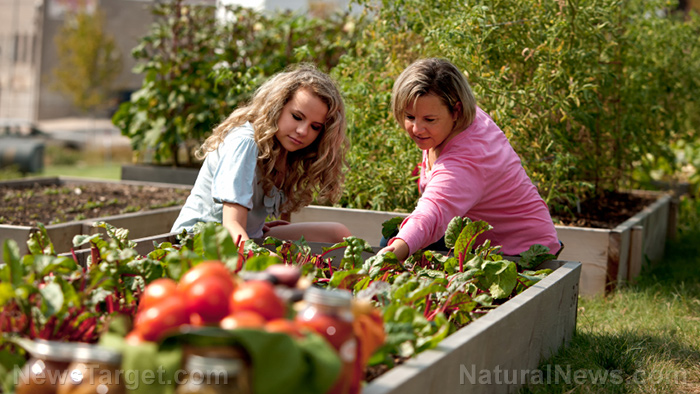
- In episode 7 of "Wartime Homefront Essential Skills," Marjory Wildcraft featured Geoff Lawton as he demonstrated how mimicking natural patterns can transform degraded land into productive, self-sustaining ecosystems, even in uncertain food security climates.
- Lawton identifies and enhances "mainframe assets" like water flow and existing vegetation—such as using swales to capture rainwater and boost fertility instead of relying on conventional farming.
- Lawton shared how his farm operates off-grid, recycling waste (e.g., humanure for reed beds) and prioritizing renewable resources, proving scalable models for climate resilience.
- His Zaytuna Farm maximizes water efficiency by redirecting runoff into ponds and dams, creating drought-proof, fire-resistant landscapes and even cultivating rice in unconventional areas.
- This episode explored how permaculture leverages natural processes—like chickens tilling soil and layered food forests—to minimize labor while increasing biodiversity and productivity.
In episode 7 of "Wartime Homefront Essential Skills," aired May 2 on Brighteon University, Marjory Wildcraft, renowned homesteading expert and founder of The Grow Network, joined permaculture pioneer, Geoff Lawton, in an exclusive tour of his Zaytuna Farm. Lawton reveals how mimicking nature's patterns can turn even the most degraded land into an edible paradise. In a world where food security is increasingly uncertain, Lawton offers a radical solution: transform lifeless dirt into a thriving, self-sustaining ecosystem—without backbreaking labor.
"It's not obvious what the best choices are when buying land," Lawton admitted. His approach is to identify "mainframe assets" like natural water flow, rock formations and existing vegetation—then amplify them.
For example, a sunbaked plot with poor soil becomes fertile ground by strategically digging swales (contour trenches) to "catch and store" rainwater. "The fertility will increase. The biodiversity will increase," Lawton explained. "The landscape will become more abundant, more productive—and prettier."
Lawton's systems defy conventional farming's reliance on irrigation. At Zaytuna Farm, every drop of water is harvested, from driveway runoff diverted into ponds to "dribbler pipes" that prevent erosion. "We're directing water off hard surfaces where it might cause a problem into V-drains that feed dams and swales," he said. The result? A property that’s drought-proof and fire-resistant.
One standout innovation: a rice paddy in an area where rice "doesn't belong." By controlling water flow with rock systems, Lawton created a microclimate for aquatic crops like Chinese water chestnut—the "most productive food crop in the world by weight."
According to Lawton, permaculture's secret weapon is letting nature do the heavy lifting. Chickens act as "designed disturbance" teams, tilling soil and fertilizing as they forage. Food forests—layered with fruit trees, nitrogen-fixing plants and ground covers—require minimal maintenance once established.
Even waste is a resource. Humanure from compost toilets feeds reed beds, while greywater nourishes gardens. "We're completely off-grid," Lawton noted. "Solar panels, compost toilets—this is how we like it." Lawton's methods aren't just theoretical. At Zaytuna, interns from around the world learn to replicate these systems. "You do enough of the right thing and you end up with a watery wonderland," he said. "It's like creating heaven on earth by design."
For those facing climate instability or food shortages, Lawton's message is clear: Work with nature, not against it. "The landscape will tell you what it needs," he insisted. "You just have to listen."
Want to learn more?
When the world gets unpredictable, the smartest move is to prepare. That's why "Wartime Homefront Essential Skills" by Marjory Wildcraft is back on BrightU. This is your second chance to catch the series that's changing how families think about self-reliance.
If you want to learn at your own pace and get access to 12 additional bonuses, you can purchase the Wartime Homefront Essential Skills Bundle here. Upon purchase, you will get unlimited access to all 10 "Wartime Homefront Essential Skills" videos and 12 bonuses, including 10 eBook guides and two homesteading videos.
Sources include:
BrighteonUniversity.com 1
BrightU.com
BrighteonUniversity.com 2
“Wartime Homefront Essential Skills” on BrightU: The permaculture secrets that you should know about – NaturalNews.com
If you're gonna fight, fight like you're the third monkey on the ramp to Noah's Ark... and brother its starting to rain. Join our efforts to Secure America's Borders and End Illegal Immigration by Joining ALIPAC's E-Mail Alerts network (CLICK HERE)
-
05-04-2025, 09:32 PM #9684Senior Member
- Join Date
- Aug 2018
- Posts
- 98,229
Got clean water, cash, fuel, guns and ammo? Here are the 20 TOP NECESSITIES that are hard to find during natural disasters
05/04/2025 // S.D. Wells // 240 Views
Tags: blackout, chaos, Collapse, disaster, earthquake, EMP attack, grid collapse, hurricane, nuclear war, panic, power grid, prepare, preparedness, SHTF, survival, tornado

- Electricity loss halts fuel pumps, water treatment, communications, banking and transportation, leading to shortages and chaos. Gas stations, mobile networks, and digital payments become unusable.
- Food spoils without refrigeration, emergency services collapse and essential supplies like fuel, batteries and firearms become scarce. Short-term solutions (e.g., propane grills) are inefficient.
- Gardening, livestock, food preservation and off-grid power (e.g., solar) are vital. Hygiene, durable clothing and repair skills also grow critical in prolonged outages.
- The Iberian outage exposed societal fragility; extended disruptions would escalate breakdowns. Preparedness – stockpiling essentials and mastering low-tech alternatives – is key.
- Fuel, cash, water, medicine, food, batteries and communication tools (e.g., radios) top the list. Self-reliance (seeds, chickens, canning) and community cooperation replace modern conveniences.
Modern society’s dependence on electricity and convenience leaves it vulnerable to collapse when power fails, as seen in the recent blackout across Spain, Portugal, and Andorra. Without electricity, critical systems—fuel pumps, water treatment, communications, banking, and transportation—grind to a halt, triggering shortages and chaos.
Gas stations can’t operate, leaving vehicles stranded; mobile networks crash under welfare-check calls; and digital payments become useless, forcing reliance on cash or barter. Water treatment plants fail, and without refrigeration, food spoils rapidly. Emergency systems, including alarms and medical services, are crippled.
Short-term solutions like propane grills waste fuel, while long-term outages expose deeper vulnerabilities: dwindling food, medicine, and fuel supplies. Firearms and batteries become scarce as desperation grows. Long-term survival hinges on self-sufficiency: gardening, raising livestock, preserving food, and generating off-grid power via solar systems. Hygiene, durable clothing, and repair skills also grow critical.
The event in Iberia was a warning—had the outage persisted, societal breakdown would have escalated. Preparedness, from stockpiling essentials to mastering low-tech alternatives, is vital. As infrastructure frays, resilience shifts from reliance on systems to individual adaptability, where barter, manual labor, and community cooperation replace vanished conveniences.
Here are the 20 TOP NECESSITIES that are hard to find during natural disasters
- Fuel & EV Charging Stations – Gas pumps and EV chargers fail without electricity, halting transportation.
- Cellular Communications – Mobile networks crash due to power loss; landlines are more reliable.
- Money & Wealth Access – Digital payments fail; cash, barter, and precious metals become essential.
- Potable Water – Water treatment plants shut down; stored or treated water is critical.
- Alarm Systems – Most security systems fail without power; armed response may be necessary.
- Natural Gas Supply – Gas lines lose pressure without electricity, cutting off heating and cooking fuel.
- Propane & Cooking Fuel – Propane grills waste fuel; efficient stoves and preservation methods are better.
- Firewood & Tools – People resort to burning wood; stockpile tools for cutting and hauling.
- Firearms & Ammunition – Demand surges as fear grows; supplies deplete quickly.
- Prescription Medications – Healthcare collapses without power, water, or transportation.
- Food Shortages – Those reliant on takeout have little stored; stock shelf-stable foods first.
- Batteries – Essential for lighting, radios, and powering small devices.
- Two-Way Radios – Critical for communication when cell networks fail.
- Heirloom Seeds & Gardening Supplies – Self-sufficiency is key for long-term food security.
- Chickens & Poultry Supplies – Provide eggs, meat, and fertilizer; valuable for bartering.
- Canning & Food Preservation – Necessary to store food without refrigeration.
- Hygiene Supplies – Soap and dental care are vital; toilet paper is less critical.
- Footwear & Repair Gear – Durable, repairable boots are essential for mobility.
- Clothing & Sewing Supplies – Quality clothing and repair materials are needed for long-term use.
- Solar Power & Rechargeable Batteries – Off-grid energy solutions ensure power for small devices.
This breakdown highlights the cascading effects of a prolonged power outage and the importance of preparedness for disasters that are natural or planned by insidious government and world “order” entities. Tune your apocalypse dial to Preparedness.news for updates on real news about surviving natural disasters and any government planned catastrophic event.
Sources for this article include:
Censored.news
NaturalNews.com
Survivopedia.com
Got clean water, cash, fuel, guns and ammo? Here are the 20 TOP NECESSITIES that are hard to find during natural disasters – NaturalNews.com
If you're gonna fight, fight like you're the third monkey on the ramp to Noah's Ark... and brother its starting to rain. Join our efforts to Secure America's Borders and End Illegal Immigration by Joining ALIPAC's E-Mail Alerts network (CLICK HERE)
-
05-04-2025, 10:41 PM #9685Senior Member
- Join Date
- Aug 2018
- Posts
- 98,229
#bee
344K videos • 135K channels

6.1M views

9.3M views

38M views

40K views

3.1M views

33K views

1.7M views

12M views

10M views

18M views

22M views

22M views

2.7M views

7.9M views

28K views

941K views

41K views

120M views

37K views

521K views

32K views

596K views

249K views

33K views

24K views

27K views

226K views

36K views

30K views

40K views

191K views

14M views
2.5M views

45K views

92K views

54K views

185K views

116K views

184K views

26K views

145M views

7.4M views

366M views

88K views

27K views

856K views

38K views

43K views

10M views

34K views

35K views

417K views

31K views

39K views

12M views

54K views

51K views

41K views

214K views

51K views

41K views

93K views

3.3M views

657K views

33K views

140K views

6.4M views

3.5M views

27K views

108K views

1.5M views

31K views
If you're gonna fight, fight like you're the third monkey on the ramp to Noah's Ark... and brother its starting to rain. Join our efforts to Secure America's Borders and End Illegal Immigration by Joining ALIPAC's E-Mail Alerts network (CLICK HERE)
-
05-05-2025, 12:24 AM #9686Senior Member
- Join Date
- Aug 2018
- Posts
- 98,229
If you're gonna fight, fight like you're the third monkey on the ramp to Noah's Ark... and brother its starting to rain. Join our efforts to Secure America's Borders and End Illegal Immigration by Joining ALIPAC's E-Mail Alerts network (CLICK HERE)
-
05-06-2025, 04:55 AM #9687Senior Member
- Join Date
- Aug 2018
- Posts
- 98,229
Wood junkie
@woodjunkie_yt
•68.7K subscribers•93 videos
 16:38
16:38
Now playing
Building a Wooden CAMPING CABIN - Ep1: SIMPLE FOUNDATION
Wood junkie
79K views
4 years ago
 18:32
18:32
Now playing
Building a Wooden CAMPING CABIN - Ep2: SKELETON CONSTRUCTION
Wood junkie
77K views
4 years ago
 17:59
17:59
Now playing
Building a Wooden CAMPING CABIN - Ep3: WOODEN ROOF
Wood junkie
87K views
4 years ago
 21:49
21:49
Now playing
Building a Wooden CAMPING CABIN - Ep4: FINISHING THE EXTERIOR WALLS
Wood junkie
315K views
4 years ago
 15:02
15:02
Now playing
Building a Wooden CAMPING CABIN - Ep. 5: Finishing the EXTERIOR and INSTALLING the GUTTERS
Wood junkie
47K views
4 years ago
 21:42
21:42
Now playing
Building a Wooden CAMPING CABIN - Ep. 6: MAKING AND INSTALLING THE WINDOWS
Wood junkie
132K views
4 years ago
 14:32
14:32
Now playing
Building a Wooden CAMPING CABIN - Ep. 7: MAKING AND INSTALLING THE DOOR
Wood junkie
62K views
4 years ago
 21:09
21:09
Now playing
Building a Wooden CAMPING CABIN - Ep.8: TERRACE IS DONE!
Wood junkie
68K views
4 years ago
 27:56
27:56
Now playing
Building a Wooden CAMPING CABIN - Ep.9: Electricity, Insulation and Wall Panelling
Wood junkie
42K views
4 years ago
 24:06
24:06
Now playing

Building a Wooden CAMPING CABIN - Ep.10: SLEEPING AREA Is Finished!
Wood junkie
46K views
4 years ago
 20:40
20:40
Now playing
Building a Wooden CAMPING CABIN - Ep. 11: OAK PARQUET from LEFTOVERS and WOODEN STOVE Installing!
Wood junkie
36K views
4 years ago
 26:01
26:01
Now playing
Building a Wooden CAMPING CABIN - Ep. 12: Furniture making and CABIN IS FINISHED!
Wood junkie
35K views
4 years ago
 34:33
34:33
Now playing
LOG CABIN Build - S2E1: CABIN FOUNDATION with Floating Front Porch
Wood junkie
95K views
4 years ago
 34:36
34:36
Now playing
LOG CABIN Build - S2E2: Main OAK BEAMS And CABIN PLATFORM
Wood junkie
1M views
4 years ago
 22:09
22:09
Now playing
LOG CABIN Build - S2E3: From a Tree To a LOG For My CABIN - with Nik Rijavec
Wood junkie
170K views
3 years ago
 35:51
35:51
Now playing
LOG CABIN Build - S2E4: Wooden Cabin WALLS
Wood junkie
152K views
3 years ago
 29:32
29:32
Now playing
LOG CABIN Build - S2E5: Log Walls and First Floor Joists
Wood junkie
124K views
3 years ago
 44:53
44:53
Now playing
LOG CABIN Build - S2E6: LOG WALLS Are Finished and Main Beams for ROOF CONSTRUCTION
Wood junkie
101K views
3 years ago
 20:42
20:42
Now playing
LOG CABIN Build - S2E7: ROOF JOINERY
Wood junkie
72K views
3 years ago
 45:02
45:02
Now playing
LOG CABIN Build - S2E8: LOG CABIN ROOFING Was a Huge Project
Wood junkie
117K views
3 years ago
 21:18
21:18
Now playing
LOG CABIN Build - S2E9: Easiest Way To Build A CHIMNEY For Log Cabin
Wood junkie
55K views
3 years ago
 42:01
42:01
Now playing

LOG CABIN Build - S2E10: Making And Installing WINDOWS for My Log Cabin
Wood junkie
35K views
3 years ago
 43:41
43:41
Now playing
LOG CABIN Build - S2E11: We turned our cabin into OFF GRID MANSION - Larch Facade
Wood junkie
107K views
3 years ago
 23:41
23:41
Now playing
LOG CABIN Build - S2E12: FLOATING FRONT PORCH
Wood junkie
50K views
3 years ago
 11:36
11:36
Now playing
LOG Playground for Kids in Our Village
1.9K views
5 months ago
 20:51
20:51
Now playing
20 Minutes Of Relaxing WOODWORKING - Pickler's Triangle DIY
3.1K views
7 months ago
 5:59
5:59
Now playing
Stihl MS 211... First Start... and 7 years old Stihl MS 261 Making Swedish Torch Log
4.6K views
11 months ago
 16:24
16:24
Now playing
DIY - Best CHICKEN COOP Build You Have Seen! Under 200$!
12K views
1 year ago
 26:39
26:39
Now playing
WOOD CARVING - Kitchen Top Made from IRONWOOD
5.4K views1 year ago
 46:15
46:15
Now playing
FULL BUILD: A - Frame Cabin to enjoy the relaxing sleep!
198K views
1 year ago
 23:21
23:21
Now playing
DIY: I Made Bed Frame from 20 Years Old Spruce Beams, Solid Wood
6.5K views
1 year ago
 19:45
19:45
Now playing
Building A-Frame Camping Cabin - Part 3 of 3 - FINISHING INTERIOR
8.5K views
1 year ago
 23:22
23:22
Now playing
Massive FIREWOOD SHED Added To Our Oldest LOG CABIN
76K views
1 year ago
 1:43
1:43
Now playing

Canopy Build TIMELAPSE - Father And Son Build Front Porch Canopy
21K views
1 year ago
 22:52
22:52
Now playing
Building A-Frame Camping Cabin - Part 2 of 3 - INSTALLING SHINGLES
13K views
1 year ago
 21:08
21:08
Now playing
Building A-FRAME Camping Cabin - Part 1 of 3
13K views
1 year ago

Building Camping Cabin Part 7 - FRONT PORCH #woodworking #livingbiginatinyhouse #wood #diy
2.9K views

Building Camping Cabin - Part 6 - DIY DOORS #woodworking #diy #cabinbuild #wood
2.4K views

Building Camping Cabin Part 5 - DIY Windows
2.9K views

Building Camping Cabin Part 4 - Exterior Walls
3.1K views

Building Camping Cabin Part 3 - Wooden Roof
3.8K views

Building Camping Cabin Part 2 - Skeleton Construction
2.1K views

Building Camping Cabin Part 1 - Fundation
1.6K views

SIMPLE DIY LOG FLOWER PLANTER - You can make it only with chainsaw!
6.6K views

Classic GARDEN SHED Build From Scratch
2.1K views

BEST JIGSAW BLADE FOR CLEAN CUTS #boschprofessional #jigsaw #woodworking #woodjunkie
2.8K views

Pinterest like OAK FENCE for my LOG CABIN #woodworking #boschprofessional #fence #pinterest
5K views

DIY/ Wood Art Mountains From Scrap Wood #woodworking #woodart
1.9K views

BOSCH GKS 18V- 68 GC: Wy I Love It So MUCH? #boschprofessional #canopy #woodworking
2.3K views

MASSIVE OAK KITCHEN TABLE
3.5K views

BOSCH Professional Tools I Am Using For My Projects
5.5K views

Young Couple Makes AMAZING BARREL SAUNA Alone
8.4K views

DIYI Oak Stairs For My Log Cabin
3.6K views

Preparing CONSTRUCTION BEAMS for our CABIN
6.9K views

DIY| Simple tree stump stool
34K views

My First Oak Epoxy Resin Table
4.9K views
If you're gonna fight, fight like you're the third monkey on the ramp to Noah's Ark... and brother its starting to rain. Join our efforts to Secure America's Borders and End Illegal Immigration by Joining ALIPAC's E-Mail Alerts network (CLICK HERE)
-
05-06-2025, 08:24 PM #9688Senior Member
- Join Date
- Aug 2018
- Posts
- 98,229
“Wartime Homefront Essential Skills” on BrightU: How roadkill can become survival gold when SHTF
05/06/2025 // Jacob Thomas // 430 Views
Tags: barter economy, buckskin tanning, bug out, deer hide, DIY leather, emergency food, food supply, found meat, green living, homesteading, leather crafting, Marjory Wildcraft, meat safety, off grid, preparedness, prepping, roadkill processing, self-reliance, survival, survival skills, sustainable living, tips, traditional tanning, wartime homefront essential skills, wild game

- In episode 9 of "Wartime Homefront Essential Skills," Marjory Wildcraft and Red Louvish explained how roadkill can be processed into both safe-to-eat meat and high-quality buckskin, offering a sustainable solution amid rising food costs and supply chain issues.
- Louvish emphasized checking the animal's eyes (clear vs. cloudy), rigor mortis (stiffness timeline), bloating (not always spoilage) and smell to determine if the meat is still edible.
- He also went over how the hide can be tanned using traditional Native American methods to create soft, long-lasting leather — ideal for clothing, shelter and bartering — outperforming modern leather in flexibility and longevity.
- Unlike commercial butchery, Louvish's hand-peeling method preserves both meat and hide quality, minimizing waste (e.g., avoiding knife marks and leaving usable meat intact).
- Wildcraft and Louvish shared how roadkill venison can taste better than hunted game (less gamey outside mating season) and processing it can become a side business or survival skill, turning "waste" into valuable resources.
In episode 9 of "Wartime Homefront Essential Skills," aired May 4 on Brighteon University, Marjory Wildcraft, renowned homesteading expert and founder of The Grow Network, and Red Louvish, a roadkill processing expert, talked about how to turn a roadside carcass into supple leather worth hundreds of dollars — while ensuring the meat is safe to eat. In an era of rising food costs and supply chain instability, one man's roadkill is another man's survival gold.
Beyond just meat, the hides of roadkill deer can be transformed into buckskin — a material so durable that Native Americans used it for clothing, shelter and trade. "Occasionally, you might be driving down the road and find a dead animal — which is actually better than producing your own, right?" Wildcraft joked. "This is found meat and with the right knowledge, it's a valuable resource."
Louvish, who has over a decade of experience processing roadkill, noted that freshness is key. "If the animal looks like it could just get up and walk away, it's fresh," he said. "The fur is clean and shiny, the eyes are clear and there's no rigor mortis."
But how do you know if the meat is still good after hours on the roadside? Louvish broke it down:
- Eyes: Cloudiness sets in after a few hours. If the eyes are gone (often eaten by scavengers first), the animal has likely been dead for 12+ hours.
- Rigor mortis: Stiffness begins within 30 minutes to an hour and releases after 24 to 48 hours.
- Bloating: Happens quickly (within hours) due to bacterial gas buildup but doesn’t necessarily mean spoilage.
- Smell: "If it smells bad, it's bad," Louvish warned.
While many focus on the meat, Louvish highlighted another treasure: the hide. Using traditional Native American tanning techniques, he transforms raw hides into ultra-valuable buckskin — a material prized for its softness, durability and barter potential.
"Most hunters butcher with knives, leaving marks on the hide and wasting meat," Louvish said. "But if you peel the skin carefully — no knife needed — you get a perfect hide for tanning." Wildcraft demonstrated a pair of moccasins made from Louvish's buckskin, still intact after over a year of daily wear. "This stuff is stronger than modern leather," she said. "Early Americans loved it because it’s lightweight, flexible and lasts forever."
Louvish critiqued commercial butchery, pointing out that most hunters discard usable meat by hacking carelessly at the carcass. "I've seen deer hides come with three to five pounds of meat still attached," he said. "That’s pure waste." His method is hand-peeling the hide to preserve both meat and leather quality.
Wildcraft shared an intriguing example: "A friend of mine drives backcountry roads collecting roadkill, processes it and trades the meat. It's a whole side business for him." Louvish added that roadkill venison often tastes better than hunted game because:
- Hunting season meat can be gamey due to rutting hormones.
- Roadkill outside of mating season is milder and more tender.
In uncertain times, self-reliance is currency. Learning to process roadkill — not just for meat but for high-value buckskin — could make you the most resourceful person in your community. "There's no such thing as waste," Louvish concluded. "If you don't use it, nature will. But why let it go when you can turn it into survival gold?"
Want to learn more?
When the world gets unpredictable, the smartest move is to prepare. That's why "Wartime Homefront Essential Skills" by Marjory Wildcraft is back on BrightU. This is your second chance to catch the series that's changing how families think about self-reliance.
If you want to learn at your own pace and get access to 12 additional bonuses, you can purchase the Wartime Homefront Essential Skills Bundle here. Upon purchase, you will get unlimited access to all 10 "Wartime Homefront Essential Skills" videos and 12 bonuses, including 10 eBook guides and two homesteading videos.
Sources include:
BrighteonUniversity.com 1
BrightU.com
BrighteonUniversity.com 2
“Wartime Homefront Essential Skills” on BrightU: How roadkill can become survival gold when SHTF – NaturalNews.com
If you're gonna fight, fight like you're the third monkey on the ramp to Noah's Ark... and brother its starting to rain. Join our efforts to Secure America's Borders and End Illegal Immigration by Joining ALIPAC's E-Mail Alerts network (CLICK HERE)
-
05-06-2025, 09:42 PM #9689Senior Member
- Join Date
- Aug 2018
- Posts
- 98,229
The Dangers of “All or Nothing” Thinking in Preparedness
05/06/2025 // S.D. Wells // 410 Views
Tags: emergency needs, prepare, preparedness, survival, survival needs, survival skills, survive

Preparation does not mean panic. No matter what is coming our way, the key is to methodically prepare and not be too confident or too regretful about items you don’t have in your arsenal of survival “necessities.” Drawing from psychological research and survivalist philosophy, this article explores how rigid thinking jeopardizes preparedness and what can be done to cultivate a more balanced approach.
- Mindset Over Materialism – Survival isn’t just about stockpiling gear; the most critical asset is a flexible, adaptable mindset. Over-reliance on tools (e.g., weapons, supplies) creates false security, while problem-solving skills and local knowledge often determine outcomes.
- Avoid All-or-Nothing Thinking – Rigid extremes (e.g., "I’m unprepared without X" or "This is hopeless") sabotage resilience. Balance preparation with adaptability, focusing on incremental progress (e.g., 15-minute tasks) and gratitude to rewire negative thought patterns.
- Learn from Diverse Wisdom – Dismissing "soft" knowledge (e.g., elders’ insights on herbs, community networks) is a fatal flaw. Historical crises show that communal adaptability—not just individual prepping—ensures survival.
- Prepare Without Panic – Methodical, calm readiness trumps perfectionism or fear. A "Survival Mentality" means thinking like a victor: confident in preparation but open to improvisation when plans fail.
The perils of all-or-nothing thinking: How extreme mindsets undermine preparedness
Dr. David Hanscom, a prominent voice in neuroplasticity, emphasizes that the brain can rewire itself from these patterns. "We have a choice each and every day: to stay in old, painful ruts of repeated thoughts or lift ourselves out of that and be who we want to be," he says. Historical crises, from the Great Depression to the COVID-19 pandemic, show that adaptability—not rigidity—determines survival.
In an era of increasing uncertainty—from economic instability to climate crises—preparedness has become a priority for many. But experts warn that an all-or-nothing mindset, where individuals see only extremes of success or failure, can be just as dangerous as being unprepared. This “cognitive distortion,” often rooted in perfectionism or fatalism, undermines resilience and decision-making when it matters most.
All-or-nothing thinking, a cognitive distortion identified in psychology, frames situations in absolutes: either total success or utter failure. In preparedness circles, this manifests in two dangerous ways. First, an over-reliance on gear creates a false sense of security. As the text notes, the belief that “I’m not prepared if I don’t have X” fuels endless consumption while neglecting critical skills. Second, catastrophizing—viewing every challenge as a hopeless disaster—erodes mental resilience.
Many preppers fall into the trap of equating preparedness with material stockpiles. "If I have this firearm, with all that stopping power, then I will be safe," the text illustrates. Yet survival experts like Brian Meyer of SurvivalBased.com argue that "the prepper's mindset is less about what might cause society to collapse and more about thinking ahead."
The danger lies in overlooking intangible assets: problem-solving skills, local knowledge, and community ties. For example, dismissing an elder’s wisdom about medicinal herbs or hidden shelters—as highlighted in the text—can mean missing life-saving information. Preparedness isn’t just about what’s in your bug-out bag; it’s about what’s in your mind.
Combatting all-or-nothing thinking requires deliberate practice. The text suggests practical steps: conducting honest self-assessments, breaking tasks into manageable increments (like 15-minute actions), and practicing gratitude to reinforce positive neural pathways. "Resiliency is the balm of SHTF," the author notes.
Engaging with diverse perspectives—especially those of elders—can also counter overconfidence. "Some people don’t blow their own horns, but they know a sh*tload of stuff," the text observes. This approach mirrors historical lessons from indigenous survival strategies, where communal knowledge often outweighed individual prowess.
In a world of escalating risks, preparedness demands more than stockpiles—it requires mental flexibility. All-or-nothing thinking, whether in the form of gear obsession or paralyzing pessimism, undermines the very resilience needed to navigate crises. By recognizing these cognitive traps and cultivating adaptability, individuals can move beyond extremes and build a mindset suited for survival. As the author concludes, "The middle way" isn’t just a philosophy—it’s a lifeline.
Tune your apocalypse dial to Preparedness.news for updates on real news about surviving the whatever apocalyptic forces come our way.
Sources for this article include:
Censored.news
NaturalNews.com
TheOrganicPrepper.com
The Dangers of “All or Nothing” Thinking in Preparedness – NaturalNews.comIf you're gonna fight, fight like you're the third monkey on the ramp to Noah's Ark... and brother its starting to rain. Join our efforts to Secure America's Borders and End Illegal Immigration by Joining ALIPAC's E-Mail Alerts network (CLICK HERE)
-
05-07-2025, 06:44 PM #9690Senior Member
- Join Date
- Aug 2018
- Posts
- 98,229
“Wartime Homefront Essential Skills” on BrightU: How to grow tomatoes in your backyard like a boss
05/07/2025 // Jacob Thomas // 450 Views
Tags: backyard food production, doomsday crops, fermentation, food supply, green living, guerrilla gardening, heirloom tomatoes, homesteading, Marjory Wildcraft, off grid, preparedness, Preppers, prepping, resilient crops, short-season crops, survival, survival gardening, tips, tomatoes, victory garden, wartime homefront essential skills

- In episode 10 of "Wartime Homefront Essential Skills," Marjory Wildcraft and David The Good explored how tomatoes — once feared as poison in Europe and revered by the Aztecs — survived wars and famines and are now emerging as a key survival crop for preppers and gardeners.
- This episode discussed why tomatoes thrive in diverse environments, offering high yields and versatility for sauces, ferments and preservation — ideal for wartime and crisis scenarios.
- Experts shared that open-pollinated or heirloom tomatoes allow seed-saving and sharing (unlike store-bought hybrids), ensuring long-term sustainability.
- They went over how soil health (sandy loam, compost), avoiding herbicide-laced manure and selecting climate-appropriate varieties (e.g., short-season or wild types) are critical for success in growing tomatoes.
- They also tackled why fermentation, dehydration and cold-hardy adaptations (like pivoting to greens if crops fail) make tomatoes a reliable food source, emphasizing backyard production as essential for survival.
In episode 10 of "Wartime Homefront Essential Skills," aired May 4 on Brighteon University, Marjory Wildcraft, renowned homesteading expert and founder of The Grow Network, and David The Good shared how you can grow tomatoes anywhere. Once feared as poison in Europe and worshipped by the Aztecs, the humble tomato has endured wars, famines and cultural upheavals. Now, it's making a comeback as a survival staple for preppers, permaculturists and guerrilla gardeners. Here's why this resilient fruit is poised to be the ultimate doomsday crop — and how to harness its power.
The tomato's journey from Aztec gold to European paranoia is a tale of survival against the odds. When Spanish conquistadors brought tomatoes back from the Americas, the Europeans initially dismissed them as toxic—likely due to their resemblance to deadly nightshade. "The tomato is the holy grail of gardening. Round, red, succulent and versatile, perfect for making into spicy salsa, spaghetti sauce, home-fermented ketchup and even cocktails," said David The Good.
But the tomato's real superpower is adaptability. From the Amazon Basin (where David jokingly claimed they "wash up on shore by the billions") to war-torn Europe, tomatoes have thrived where other crops failed. During World War II, victory gardeners relied on them for their high yield and nutritional density. Today, survivalists are rediscovering their value.
Heirloom varieties, in particular, are prized for their resilience. "If you want good tomatoes — not those watery things in the grocery store — you have to grow them yourself," David The Good insisted. Craig LeHollier, author of "Epic Tomatoes," agreed: "Heirlooms or open-pollinated varieties let you save seeds and share them."
But growing tomatoes isn't foolproof. From herbicide-laced manure to late blight, challenges abound. Lynn Gillespie, a high-altitude gardening expert, emphasized soil health: "About 99 percent of us don't have the right soil. Sandy loam, compost and organic fertilizers are key."
Backyard food production is vital
Long before modern canning, tomatoes were preserved through fermentation — a skill now revived by survivalists. Wildcraft demonstrated how to turn 20 pounds of tomatoes into shelf-stable sauce without sacrificing nutrients: "Some people peel them, but there’s a lot of nutrition in the skin."
LeHollier shared another trick: slow-roasting excess tomatoes to concentrate flavor. "Dehydrate them with olive oil and salt, then freeze for winter soups." For guerrilla gardeners, even failed crops have value. Gillespie recalled a devastating greenhouse freeze that led to a lucrative pivot: "We switched to cold-hardy greens and made more money than with tomatoes."
Tomatoes are more than a garden favorite — they're a lifeline. As Wildcraft warned, "We're at the crux of an epoch in human history. Backyard food production is vital." Whether fermented, dried or grown in straw bales (LeHollier's backup for poorly drained soil), tomatoes embody resilience.
For doomsday prep, prioritize short-season varieties like those Gillespie grows in the Rockies. As Jere Gettle of Baker Creek Heirloom Seed Company advised, "Find tomatoes that fit your climate. If all else fails, wild varieties like currant tomatoes thrive anywhere." From Aztec temples to apocalypse bunkers, the tomato's story is one of reinvention. As David The Good put it: "This fantastic fruit isn't just food — it's a survivor."
Want to learn more?
When the world gets unpredictable, the smartest move is to prepare. That's why "Wartime Homefront Essential Skills" by Marjory Wildcraft is back on BrightU. This is your second chance to catch the series that's changing how families think about self-reliance.
If you want to learn at your own pace and get access to 12 additional bonuses, you can purchase the Wartime Homefront Essential Skills Bundle here. Upon purchase, you will get unlimited access to all 10 "Wartime Homefront Essential Skills" videos and 12 bonuses, including 10 eBook guides and two homesteading videos.
Sources include:
BrighteonUniversity.com 1
BrightU.com
BrighteonUniversity.com 2
“Wartime Homefront Essential Skills” on BrightU: How to grow tomatoes in your backyard like a boss – NaturalNews.com
If you're gonna fight, fight like you're the third monkey on the ramp to Noah's Ark... and brother its starting to rain. Join our efforts to Secure America's Borders and End Illegal Immigration by Joining ALIPAC's E-Mail Alerts network (CLICK HERE)


 Reply With Quote


DHS: New York refused over 16,000 ICE detainers | Newsmax
10-13-2026, 06:45 AM in illegal immigration News Stories & Reports