

Results 9,731 to 9,740 of 11944
 226Likes
LinkBacks (?)
-
12-26-2016, 11:32 AM
-
09-02-2016, 05:39 PM
-
whole garden made with pallets!! Love it!! | Pallets | Pinterest | Pallets, Pallets Garden and Wooden Pallets
Refback This thread03-06-2016, 11:30 AM -
10-20-2015, 05:29 PM
-
06-12-2015, 08:00 PM
-
02-26-2015, 01:58 PM
-
01-05-2015, 04:13 PM
-
12-19-2014, 10:19 AM
-
EMERGENCY: HUGE FEMA PANDEMIC EXERCISE IN USA IN NOVEMBER, INTERNET SHUT DOWN PART OF EXERCISE | Prepare4Survival
Refback This thread12-03-2014, 10:39 PM -
Off Grid World ? Ugly Duckling Shipping Container Home Built by Artist Is a Beautiful Swan on the Inside
Refback This thread11-25-2014, 03:10 PM -
11-17-2014, 10:59 PM
-
11-13-2014, 11:18 AM
-
11-09-2014, 02:54 PM
-
10-28-2014, 11:38 PM
-
10-26-2014, 05:54 AM
-
10-16-2014, 11:28 AM
-
10-03-2014, 01:25 PM
-
10-02-2014, 09:16 PM
-
09-26-2014, 07:00 PM
-
09-26-2014, 01:56 PM
-
09-19-2014, 04:46 PM
-
09-13-2014, 05:49 AM
-
09-05-2014, 01:52 PM
-
09-01-2014, 09:39 AM
-
08-30-2014, 06:29 PM
-
08-10-2014, 06:29 AM
-
08-04-2014, 05:07 PM
-
07-23-2014, 11:14 AM
-
New Evidence on Expiration Dates | Medical Preparedness | Doom and Bloom (TM) | Doom and Bloom (TM)
Refback This thread07-22-2014, 10:10 AM -
07-18-2014, 08:37 PM
-
07-15-2014, 04:57 PM
-
07-11-2014, 01:40 AM
-
04-22-2014, 11:14 AM
-
04-18-2014, 12:57 PM
-
04-18-2014, 10:10 AM
-
04-14-2014, 12:18 AM
-
04-12-2014, 02:28 AM
-
03-02-2014, 11:43 PM
-
12-24-2013, 11:59 PM
-
12-07-2013, 11:04 PM
-
kitchen | Cob
Refback This thread11-25-2013, 03:24 PM -
10-22-2013, 10:25 PM
-
Apple Pie Braid | Sweets
Refback This thread09-26-2013, 07:58 AM -
09-02-2013, 04:44 PM
-
5 Reasons Why You May have to Bug Out Even Though You Don’t Want to | The Apartment Prepper's Blog
Refback This thread08-23-2013, 03:20 PM -
06-27-2013, 06:30 AM
-
06-23-2013, 08:11 PM
-
06-17-2013, 11:21 PM
-
05-24-2013, 05:06 PM
-
To Eat / BASIC LIST / SUGGESTED ITEMS FOR LONG TERM SURVIVAL - Page 275 - ALIPAC
Refback This thread05-01-2013, 03:49 AM
Thread Information
Users Browsing this Thread
There are currently 2 users browsing this thread. (0 members and 2 guests)
 LinkBack URL
 About LinkBacks
-
06-01-2025, 02:24 AM #9731Senior Member


- Join Date
- Aug 2018
- Posts
- 97,635
If you're gonna fight, fight like you're the third monkey on the ramp to Noah's Ark... and brother its starting to rain. Join our efforts to Secure America's Borders and End Illegal Immigration by Joining ALIPAC's E-Mail Alerts network (CLICK HERE)
-
06-01-2025, 02:29 AM #9732Senior Member
- Join Date
- Aug 2018
- Posts
- 97,635
If you're gonna fight, fight like you're the third monkey on the ramp to Noah's Ark... and brother its starting to rain. Join our efforts to Secure America's Borders and End Illegal Immigration by Joining ALIPAC's E-Mail Alerts network (CLICK HERE)
-
06-01-2025, 02:41 AM #9733Senior Member
- Join Date
- Aug 2018
- Posts
- 97,635
Build Your Own PVC Johnboat for Minimal Cost and Time.
By zmatt in OutsideBoats
323,538
231Featured
Introduction: Build Your Own PVC Johnboat for Minimal Cost and Time.

 By zmatt Follow
More by the author:


Inspired by the PVC KAYAK, I thought I could build one up making it differently with a simple design that I have used previously in a small 1.5 foot boat which I built out of Plexiglas. I also plan on attaching a trolling motor with 34lbs or thrust to the rear of the boat. I ended up with a 55lbs thrust motor for not much more than a 34lb. Another thing that I wanted to make better was adding a good surface to the bottom of the entire boat. (To make a good fishing platform) I looked at a hard foam that seemed to be very sturdy, and I have also thought of using a very thin piece of plywood or both.
I will be updating this instructible more than a few times more in the next few days with additional pictures and better videos.
This video is from our first run out on the water at sunrise from being up all night. We cruised around for a few hours and she performed much better than expected. The only qualms we have is the rear frame bends too much for our likings when put on full power. We plan on adding support from the motor mounts to the floor supports. The camera died before we could get a video of the boat on full power to show what she can really do even with 2 people in it I don't notice a difference.
Second Video "I'm the one in the sunglasses":
Step 1: Dimensions and Conceptual Design

I sketched out a general look and size that I would like to achieve while trying to think of any negative consequence or flaws before construction. My drawing abilities are not the greatest so bare with me. I did not end up using the exact design that I first drew up but it gave me a general idea of what to expect.
Step 2: Materails and Tools

Materials Used:
-3/4th Inch PVC piping about 130 feet of it. (10 ft segments)
-10 90Degree Angles Connectors
-Just under 50 T connectors (I think 48?)
-6 + connectors
-3 45Degree Angle Connectors
-PVC primer and cement
-200 Feet of rope (we used aprox. 170 feet of it)
-Styrofoam Insulation found with the insulation in your hardware store (there are blue and pink ones)
-3/8' sheet of plywood
-12x16 foot Tarp HEAVY DUTY
"DON'T WASTE YOUR TIME WITH A REGULAR TARP!"
We tested a regular tarp and it had a few small trickles of water coming in. The heavy duty tarp worked perfectly!
Motor mount items
-Hose Clamps (worm-gear Clamps)
-Small rubber to put between clamp and pipe.
-2x6x6 Piece of lumber (aprox)
And the fun stuff
-Trolling motor (we got a 55lb thrust motor on sale for 150, you can get the 30-40lb thrust for about 100)
-Deep Cycle Battery (Any 12 volt full size battery will work)
This project does not require many tools what we used were as follows
-Hack Saw (cutting the pipe and some of the wood)
-scissor (to cut the tarp to fit)
-Grommet Installation kitGrommet Installation kit (Adding Eyelits to the tarp for the rope holes)
-Hammer to use installing grommets
-Sharpie to make marks
Aprox cost:
$15 - 130 feet of 3/4th tubing
$4 - 90 angle connectors
$11 - T connectors
$8 - + connectors
$2 -45 angle connectors
$5 - primer and cement for pvc
$8 - rope
$10- styrofoam
$10 - plywood
$22 - tarp
$95.00
Step 3: Early Frame Construction

The building started with me starting a bit before the sun went down but i started cutting out pieces 2 feet in length for the bottom area. I decided on the height by how high a 2 foot section of pipe went at a 45 degree angle. It was aprox. 17 Inches. Next boat I think I would choose a hull height that is about a foot or just under a foot next time 17 inches was a bit tall.
I did not have a camera during the beginning of the project just my phone
This is just a general idea of what I wanted the frame to look like more supports and tubing will be added soon.
Step 4: Finishing Up Frame and Gluing


The great thing about pvc piping is that it is very forgiving so if you do mess up with a section you can usually cut around it and add or remove length with other couplings.
To start with you are going to want to figure out about how long and wide you want and then calculate how long of pipe sections to cut, and then just attach and lay it out once you have your frame complete and you feel that it will be a sturdy frame go ahead and begin the gluing process.
To make sure that you glue the tubes properly, have the entire boat put together and check all connections before any glue is applied. We picked up a 2 pack of primer and the pvc cement for about 5 dollars. It is more than enough for this project and any other project you will have with pvc.
If your going to do this by yourself throw on some tunes it can take a while, otherwise we had some interesting conversations that made no sense till about 4am.
Step 5: Attaching Motor Mount


I asked for help on this portion in the forums herehere.
We ended up getting a 2x6x7 Piece of wood that worked very nicely. We drilled 6 holes in the board for the worm gear clamps (hose clamps) which attached to the sides and bottom of the frame.
The only problem encountered with this motor mount was that the entire frame in the back flexed when the motor torqued up in the last 2 higher power settings (55lbs of thrust).
This should be very sufficient for a trolling motor rated under 40lbs but we would like to reinforce the frame by attaching more pipe at an angle to the floor frame.
(will add pictures when completed.)
Step 6: Tarp Fitment


Now it is time to lay out the tarp make sure that the tarp you choose is HEAVY DUTY. But you need the tarp to be long and wide enough so it folds over the sides and ends of the boat.
Once it is laid out measure and mark where the tarp needs to be cut to fit the frame of the boat. After the tarp is the proper length get our your grommet installation kit and start punching and hammering them at your choice of intervals. We put them at aprox 1 foot intervals.
Step 7: Lacing the "shoe"


 3 More Images
This was just like lacing a shoe but it took a while longer we took the rope under the frame and across as you can see in the picture. This is fairly self explanatory. Oh yeah slide the Styrofoam in there if you are using it. (I thought it would help keep the tarp from rubbing on the frame as much)
And again mike gets all the credit, I really need to teach him to use my camera.
Step 8: Add Water + Motor and Battery


Or just use it as a car cap, We called him habeeb. "this was 5am"
The plywood on the top of the frame spreads the weight out over the frame so make sure you have it or you could crack the pipe if you stand on one part of it.
Don't forget life preservers even if you have just one for 2 people. We brought 2 oars too, just to get in the water before adding the motor and battery.
And we were VERY pleased it rode very high on the water. And then when we put the motor on it worked even nicer. We stayed out at the lake for 2 hours cruising around on the water watching the sun come up after a long nights work. I promise I will have more pictures and videos. But i expect to be fishing out of this boat quite a bit now its a VERY stable platform to fish from.
Please comment on anything you like I would love to hear from you, even if it is negative haha.
Look back for updates soon.
Build Your Own PVC Johnboat for Minimal Cost and Time. : 8 Steps (with Pictures) - InstructablesLast edited by Airbornesapper07; 06-01-2025 at 02:48 AM.
If you're gonna fight, fight like you're the third monkey on the ramp to Noah's Ark... and brother its starting to rain. Join our efforts to Secure America's Borders and End Illegal Immigration by Joining ALIPAC's E-Mail Alerts network (CLICK HERE)
-
06-01-2025, 02:53 AM #9734Senior Member
- Join Date
- Aug 2018
- Posts
- 97,635
Grow Your Own Antibacterial Bandages
by Melissa Burnell | 24 Comments This post may contain affiliate links, see Disclosure. March 13, 2021


Did you know that you can grow your own antibacterial bandages? It’s true. There is a plant that you can grow in your own garden that is a great alternative to store-bought bandages.
It’s no secret that our family adores growing various herbs for seasoning, but we also love them for their medicinal qualities as well. If you’ve ever been outside with your children while they’re playing, chances are you’ve had to stop what you were doing and run inside for a band-aid because someone skinned a knee or cut a finger, etc.
Here’s a fantastic plant that you can grow around your home (as well as in the windowsill inside!) that is edible and works wonderfully as an antibacterial bandage. . .

Grow Your Own Antibacterial Bandages
Woolly Lambs Ear, (Stachys Byzantina) is well known for having been used as a battlefield wound dressing due to its absorbent leaves and its blood clotting properties. It contains antibacterial, antiseptic and anti-inflammatory properties as well, making it a great alternative to that store bought antibiotic laden strips of plastic you can purchase at the store.
How to Use Woolly Lamb’s Ear
Wrap the affected area with a fresh leaf, if applying to a bruise, insect sting/bite, or broken skin, bruise the leaves so the juices of the plant are released, then apply.
Woolly Lamb’s ear is so absorbent that it can be used in a pinch as toilet paper, menstrual pads or in place of cotton balls. It’s an excellent remedy for stinging nettle. In addition to its wonderful medicinal properties, the young tender leaves can be eaten raw in a salad or lightly steamed as a delicious nutrient-rich side-dish.

Gardening & Landscaping:
As an added benefit, deer and rabbits are not particularly fond of lambs ear so this plant makes a lovely border plant for gardens, walkways, and gardens.
How to Grow Woolly Lamb’s Ear from Seed:
Lambs ear needs well-drained soil to start with. Homemade seed starter post work just fine.
Wet the soil and add 1-2 seeds 1/4″ deep, per pot.
While the seeds are germinating, keep them moist and out of direct sunlight. As soon as they sprout move them to an area that receives a minimum of 6 hours of sunlight per day. Transplant them when they have 3 sets of leaves. They prefer a partly-sunny (aka semi-shady) permanent home about a foot apart. They spread well on their own, but do not have a tendency to “take over”.
Where to Purchase Whoolly Lamb’s Ear:
Seeds & young plants can be purchased at farmers markets, traded through craigslist, Lawn & garden centers, as well as online in places such as Amazon.
© Can Stock Photo Inc. / KTallamy
Categories Gardening ~ Landscaping, Living
Tags antibacterial, bandages, gardening, herbs, home remedies, lambs ear, woolly, wooly
Grow Your Own Antibacterial Bandages | How to Grow Whoolly Lamb's EarIf you're gonna fight, fight like you're the third monkey on the ramp to Noah's Ark... and brother its starting to rain. Join our efforts to Secure America's Borders and End Illegal Immigration by Joining ALIPAC's E-Mail Alerts network (CLICK HERE)
-
06-01-2025, 03:01 AM #9735Senior Member
- Join Date
- Aug 2018
- Posts
- 97,635
Stone Veneer Fire Pit Patio
By alr227 in OutsideBackyard
282,030
1,402
25Featured
Introduction: Stone Veneer Fire Pit Patio

I set out to build a small but permanent fire pit/patio area. The dimensions got revised as I went along though, and I wound up with a fairly large flagstone patio and sitting wall. I'd never taken on a masonry project, so I relied heavily on internet help videos, how-to's, and some old-fashioned trial and error.
Hoping tthis will give a little help to someone else looking to do a similar type project. Mine is different from many of the ones I found online since it is a raised in-hill patio, most of the ones I saw were dug into a flat area.
The main thing I learned is that flagstone is time intensive. If you're looking for quick and easy, use a wall block or a stack rock veneer. You might also choose a uniform patio pavers, as flagstone varies in size and thickness, making leveling a challenge.
With that said, there are some issues I did not overcome, but I'm overall pleased with the results.
Tools:
shovel
wheel-barrow
pic
trowel
rake
circular saw (with masonry blade)
rock hammer
rock chisel
access to water hose
dust masks
level
sponges
buckets
rubber mallet
tamper
Materials list (approximate):
Quikrete (40 bags of 60 lb)
Mortar (30 bags of 60 lb)
concrete blocks - Qty 60
cap block- Qty- 24
1/2 ton of yellow sand
1/2 ton of #7/8 gravel
1/2 ton of 'thin flagstone'
3/4 ton of 'standard flagstone'
firepit 'kit'
Total Cost: $1500
Step 1: Dig Out the Hill


I eyeballed and scraped out the basic outline of the shape I wanted. I then began scooping out dirt. (I used a wheel barrow to move some of the dirt across the yard to a low-lying spot). I piled most of the dirt behind the pit to be used for purposes of later back-filling the wall.
I then dug out a 20' footing (16" wide and 16" deep). The area was leveled out in the footing and in the patio area.
Step 2: Dig and Pour the Footing


 3 More Images
I did a lot of research to see what kind of base was necessary for a sitting wall. Most sources said a 16"; x 16"; footing with a gravel base (I used 10 bags of all-purpose gravel from HD). Level the rock base out. I then used 18 bags of 60# quikrete mixed by hand in my wheel barrow. I poured this over two rows of rebar set on bricks.
We (I had help on this step) simply mixed up the Quikrete fairly runny and poured it as evenly as possible throughout. Tried to leave it as level as possible. I let this completely set, though it might have been better to begin setting my first row of concrete block before it had completely hardened.
I may have overdone it by even having a concrete footing for a 3 ft wall, but it made building a plumb and level wall much easier than it would have been otherwise.
Step 3: Drystack
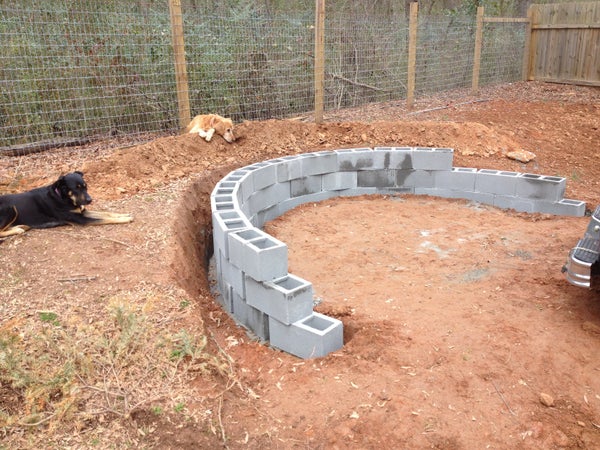

I laid the blocks out dry to be sure they would fit.. No problems, so a mortar was mixed to begin wet laying the blocks.
Step 4: Mortar the Blocks


 2 More Images
Note- I found out later that a concrete adhesive may have been the way to go here. Probably a lot cleaner/simpler than trying to use mortar.
I mixed up one 60# bag of mortar with just over a gallon of water (I used a spray hose and mixed in the wheel barrow as I went). The mix was something between peanut butter and oatmeal. Slapped it on with a trowel and focused on a smooth face and level blocks.
I then went back and poured quikrete down the cells of most of the blocks for extra strength (I drove 4ft rebar down these cells as well).
I also went back and added a back row of blocks behind the original for a thicker wall. A another footing was poured to host this back wall which would require less than half as many blocks.
Cap blocks were added and gaps were filled with more mortar.
Step 5: Mark Out the Full Patio


The patio changed in shape and size as the project proceeded. It started as a semi-circle that became a full circle and merged into an oval.
I first planned on holding the ground/pavers in place with a plastic border sold at HD. But it became apparent that on higher ground, such as my patio, this would not be effective.
So I decided to dig another footing in order to use blocks to contain the patio. I am pleased that I went this route despite the extra work and expense. Without it, the project may ha have wound up a failure washing away in the first big rain.
Step 6: Spread a Layer of Gravel and Sand


I got a half-ton of 7/10 gravel from a local supplier ($28 and spread it out over a level ground . I proceeded to tamp this down using an improvised tamper (patio umbrella base w/ broken shovel, that worked like a charm). It wound up being about 4" worth.
I bought a half-ton of yellow sand from a local dealer ($28 and spread it out in anticipation of laying flagstone. Tamped this down as well to level w/ a slight slope away from the wall. This wound up being about 2-3" thick.
Step 7: Locating the Veneer

I was so impressed with the look of this flagstone on someone else's project, I had to have it for my patio. (I kind of wish I had used a simpler product to work with for an amateur like me).
I went to a local dealer and picked up the veneer (~1" ) flagstone. They charged about $280/ton . I bought about $180 worth. I picked it up before the patio floor since the floor was not in stock and would arrive out of state the following week.
Step 8: Mortar Veneer on Wall


 2 More Images
Note*- This process would've been better completed after laying the floor, but being pressed for time, and not having the floor pieces available, I began.
I went ahead w/ the process of putting a scratch coat of mortar on the block wall. This allowed for better adhesion when I went back w/ the veneer itself. Using a trowel I placed a 1/2" of mortar on each stone along with a gap in the middle for suction to the wall. I started low and worked around from the bottom up. With the curved shape of the wall a vertical placement for large stones was more flush than horizontal, though I placed a couple of that way too.
I tapped each one on using a rubber mallet and tried to leave a 1/2" gap between each, though I found some of my stones touching. Vi tried to score and cut some of the stones but was only successful about half the time. I'm sure a pro would've made much cleaner lines than I did.
Where big gaps were left, I filled in w/ some smaller stones as needed.
Step 9: Lay Patio Stones


To lay the stones level, I dried laid them 3 different times first to get a look at them. I made a limited amount of cuts with my skill saw and masonry blade to score the stone and used a hammer to shape (sometimes the attempts worked, sometimes not so much)
When I was confident that I could level the stones out (with a slight slope leading away from the wall) I began lifting them one at at time and placing a quikrete sand/topping mix (required only water) in such a way that lifted each stone in an even fashion to that of the thickest stones (they were not of any conformity in thickness, which made this much more difficult than if is used pavers). Placing mortar under each stone and levelling them out was tedious work.
Step 10: Add Mortar/grout


I've seen on videos how easy a grout bag is to use, so I went on out and got one. Maybe I didn't get the mix right but I couldn't get the mortar to flow very easily. So I took out the trowel and used it to fill the gaps along with a sponge to wet down the excess mortar.
This was a long process that I had to break up into many sessions ( 45 min after work, that kind of thing).
Every so often, 20min after beginning mortar application I would use a wet sponge to clean off the stones. This worked pretty well overall.
I still had issues with mortar residue. I've read that muriatic acid or some high powered detergents can remove this residue .
Step 11: Add Firepit

My pit came from the rock store where I got my flagstone. It was a $300 kit, which after pricing some other option that would have required fire brick as a lining and plenty of other rock to make an eye-pleasing center piece.
I dry-stacked this once and took the picture. I am debating whether to use mortar to lay the first run to level it out a little better.
Can't wait to have a first fire, but now all I can think about is landscaping the area around it. Going to need some gravel and perhaps a raised landscape bed behind...
Stone Veneer Fire Pit Patio : 11 Steps (with Pictures) - InstructablesIf you're gonna fight, fight like you're the third monkey on the ramp to Noah's Ark... and brother its starting to rain. Join our efforts to Secure America's Borders and End Illegal Immigration by Joining ALIPAC's E-Mail Alerts network (CLICK HERE)
-
06-01-2025, 08:18 PM #9736Senior Member
- Join Date
- Aug 2018
- Posts
- 97,635
If you're gonna fight, fight like you're the third monkey on the ramp to Noah's Ark... and brother its starting to rain. Join our efforts to Secure America's Borders and End Illegal Immigration by Joining ALIPAC's E-Mail Alerts network (CLICK HERE)
-
06-01-2025, 08:20 PM #9737Senior Member
- Join Date
- Aug 2018
- Posts
- 97,635
If you're gonna fight, fight like you're the third monkey on the ramp to Noah's Ark... and brother its starting to rain. Join our efforts to Secure America's Borders and End Illegal Immigration by Joining ALIPAC's E-Mail Alerts network (CLICK HERE)
-
06-01-2025, 08:48 PM #9738Senior Member
- Join Date
- Aug 2018
- Posts
- 97,635
How to Start Prepping for Beginners
5.1KSHARES
Pin1.3K
Share3.7K
Tweet
How to start prepping? Where to start prepping? What to prep? These are all weighty questions. Ones that can be daunting and scary.
Realizing that the world isn’t as safe as it appears can be chilling. Understanding that your family could be weeks without food.
Recognizing that inaction can place family members in jeopardy. You have already started to address this fear.
As a result, you sought us out and found this article. You have chosen to take control of your future and put your family into safer hands. Let’s get you started prepping!
Introduction to SHTF

Let’s start with what “SHTF” actually stands for.
- Sh*t
- Hits
- The
- Fan
As in “when the SHTF,” you need to learn how to survive.
What is Emergency Prepping?

That’s a good question and an even better place to start. An emergency is any event that overwhelms your current ability to manage it. This may be as big as a nuclear war or as small as a job loss.
Millions of people around the world have taken the responsibility to put away food, secure their water supply, save money, and create a bug out plan, all to lessen the blow of such an event.
They also cultivate skills useful for managing troubling times, such as trauma first aid, self-defense, and foraging.
It doesn’t take a bunker to survive a job loss. Mostly, it takes forethought and effort. Forethought to have the gear and the effort to gain the skills, and to have plans in place.
That’s emergency prepping.
Why Should I Get Started?
We’ve all seen the trends over the past few years. Political, social, and natural. We feel like we are on a spinning top that has lost its momentum.
Everything is swinging wildly before it finally topples over.
Now is the time to get started on your prepper’s journey. If you wait, food is only going to get scarcer. Money will buy less. People will become more irrational. Most of all, you will have less time to learn what you need to know.
The truth is, many people around you are already prep. They may not talk about it due to the recent unfair portrayal in the media. They keep quiet because of the irrational image Hollywood presents of survivalists. Trust me, though, we are out there, and we are here to help.
Your average prepper simply wants to protect their family when times get tough. That’s it; that’s all.
Many don’t have a bunker filled with guns and ammo. Most don’t have an underground bunker. They have extra food for their bug out bag, water, a backup location to relocate to, and a plan.
And they quietly go about their daily lives. Just like you.
SHTF Preparedness is the #1 Resource for Survival
Here at SHTFPreparedness.com, we pride ourselves on being the #1 resource for the exchange of prepping information. Our staff pulls from generations of knowledge and prepares it in a way that is accurate and enjoyable to read.
Readers seek out our articles daily. They learn and grow from the information exchanged via each post. For example, we have over 1,000 articles available that cover all of the most important survival topics.
Expert knowledge in food, bug out bags and survival kits, water, shelter, security, gear, and more are all found within our pages.
You can follow our Facebook page along with over 1.2 million other preppers, join 3,000 friends on our Facebook Group, and have over 335,000 fans on Pinterest!
You’ve come to the right place to not only get started, but also to grow, hone, and perfect your own skills!
SHTF Prepping Basics
Quick Start Tips and Common Mistakes
You’ve taken the first step and I know you’re eager to get started.
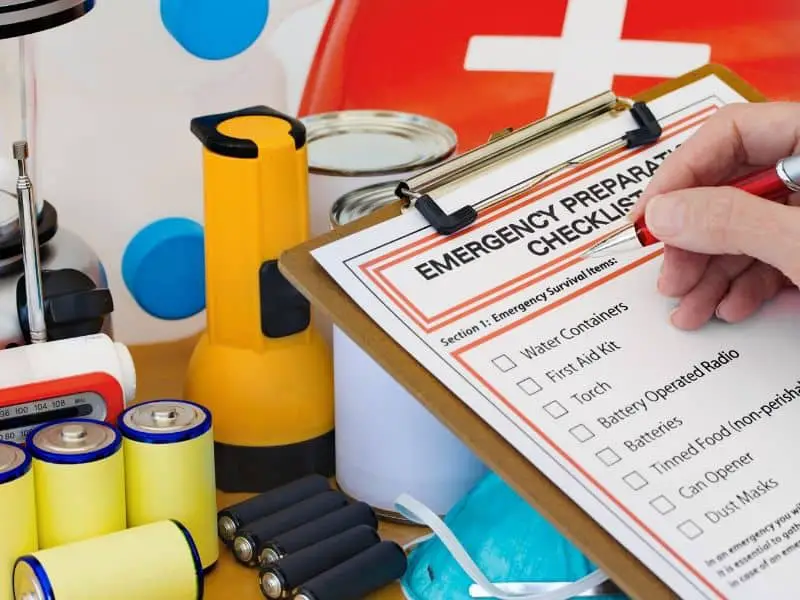
Let’s begin with several guidelines to follow and pitfalls to avoid. These common mistakes will cost you time and money. With a bit of a guiding hand, you will head down the right path of preparedness, securing the future for you and your loved ones.

Start With a Plan
Like much in life, you will thrive if you have direction. Haphazardly acquiring gear and buying food out of panic wastes your money. It has the potential to fill your closet with meals you won’t eat and tools you will never use.
Creating a plan and carefully mapping out your preparedness strategy primarily focuses your effort and most importantly, it smartens your wallet.
Go Slow and Make Steady Progress
Next, remember prepping is a marathon, not a sprint.
Once your plan is developed, stick with it. You don’t need to be done overnight. You just need to be a little more prepared every day. This not only steadily grows your skills, gear, and food. Above all, it also helps avoid burnout.
Choose and Store Long Term Food Wisely
A key to survival is long term food storage. Beans, rice, oatmeal, pasta, and wheat form the foundation of your prepper pantry.
As you begin your prepper journey, experiment with as many recipes as possible. Also, research the best way to store your long-term foods.
Don’t buy now and experiment later. Try a little first, then stack it high and deep.
Become Medically Prepared
Next, get medical training. If the worst comes to pass, you will be your only first responder. The ability to handle medical situations is a must.
You’re not expected to become certified as a paramedic or a surgeon. You just need to know how to handle the aftermath of an accident and have the proper equipment.
Your emergency supply should include the means to handle everything from natural remedies to dental issues to cuts and scrapes, to orthopedic injuries. Know the initial treatment steps and how not to make the situation worse. Acquire the knowledge for injury aftercare.

Get the SurvivalMD course!
Don’t Be Left Out in the Cold, Have a BOB and a BOL
Finally, your Bug Out Bag (BOB) is your friend. This is one tool that will get you through the first critical days of a disaster.
Your Bug Out Location (BOL) can be any destination that gets you away from danger. In other words, this can be a neighbor’s house (if yours burns down), a hotel in the next county (during a regional natural disaster), or an off-grid prepper paradise.
Your bug out bag or bug out location does not need to be expensive or elaborate. They just need to get you “off the X” and safe.
Decide What You Are Prepping For
Every person must decide for themselves what to prepare for. We are all unique and have different threats on the horizon.
Start with what preppers call a threat matrix. This is a simple list from the most probable to least probable but most disruptive threats in your life.
For most, job loss, illness, and minor power outages rank at the top of the list. We will all lose our job. If we’re lucky, it’s called retirement.
For instance, we all lose power for a day or so. These are not world-ending events, but they are all inconvenient. They can be made easy with a little forethought.
Many of the items on your threat matrix will be larger in scope. These are the ones that have the potential to disrupt thousands or millions of lives. These are equally unique to you and your situation.
For instance, where you live determines the natural disasters on the list. Likewise, your interpretation of local, national, and world events guides the social threats you see in your future.
Do you live in a rural or urban area? What locations to avoid when the SHTF. Your location guides the social threats you must plan for.
Pull out your pen and paper and start on your list. Document which threats are closest to the horizon. Prepare for these. Once you can confidently manage these, start on the larger threats.
How to Start Prepping: 7 Steps
Prepping does not need to be complicated and stressful. Quite the contrary, it can be orderly and easy.
We have distilled the path to basic preparedness down to 7 easy steps. These steps get ready to thrive during most short-term disruptions. They prepare you for disasters that take a month or two to recover from.
Look back to your threat matrix. 90% of the events on it will impact you for less than 60 days. If you have the ability to manage these, you are covered for most of what life can throw at you.
1. Pack a Bug Out Bag
The first step is to prepare and pack a bug out bag. Your bug out bag will get you from wherever you are to a place of improved safety.
Ideally, the best bug out bag for you should be comfortable and equipped with the most applicable supplies for your environment. It must contain the basics for food, water, shelter, and security. The details are impacted by your environment.
If you are in a rural area, you must pack extra clothes and layers that will cover cold and hot temperatures. You may also carry less water as streams and brooks may be abundant. Therefore, exchange extra water storage for water filtration.
An urban bug out bag will depend on water storage, as filtering an urban puddle is out of the question. You may also pack elements of urban camouflage.
Those who appear homeless are invisible in more ways than one. These are just a few of the choices that will make your bug out bag unique to you.
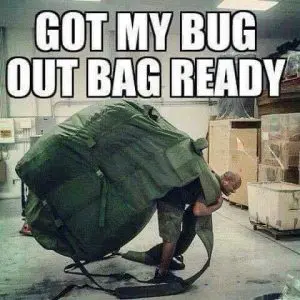
Do not build a bug out bag in haste. If you do, you will end up with a bag of useless items and look like the guy in the image above! Also, don’t expect your bag to be perfect the first time.
Bug out bags evolve as we do. Check over your bag at the change of seasons. Replace the clothes with season-appropriate ones.
Replace any food on the verge of expiration and make sure that all gear is in good working order. Finally, remove any gear that is no longer necessary due to the new skills that you have mastered.
Pack a bug out bag and keep it up-to-date!
2. Decide on a Sustainable Water Source
Secondly, identify a water source. The “Rule of Threes” states that after three days without water, life is in jeopardy. Dehydration, even in mild cases, can decrease your ability to function or leave you debilitated.
These are bad situations for survival. To combat this, you need a sustainable source of water for yourself and your family.
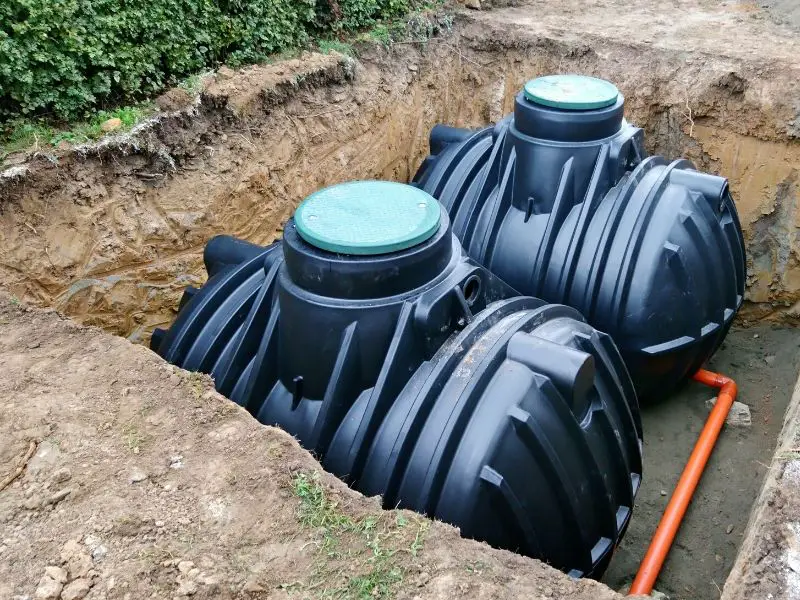
You can store water, but at the recommended 1 gallon per person per day, it adds up quickly. For even the shortest emergencies, this can be an unwieldy amount of water. The 1-gallon rule is the absolute minimum.
You should plan on 5 gallons of water per person per day. That is, if you wish to drink, cook, clean dishes, and tend to personal hygiene. While you need a water storage plan, it is better to have a dependable water source.
A sustainable source includes running water (river, stream, or brook), larger bodies of water (lake or pond), and hand-dug wells. For sources of water in urban areas, you will need to be more creative and practice water foraging.
All water must be considered unsafe until it is purified or sanitized. At the very least, have fuel and tools on hand for boiling water. This process kills any bacteria that can infect you.
Additionally, modern technology has resulted in several compact and high-quality filters. Do your research and add several to your gear. They are cheap insurance against crippling gastrointestinal infections.
3. Build a Food Supply
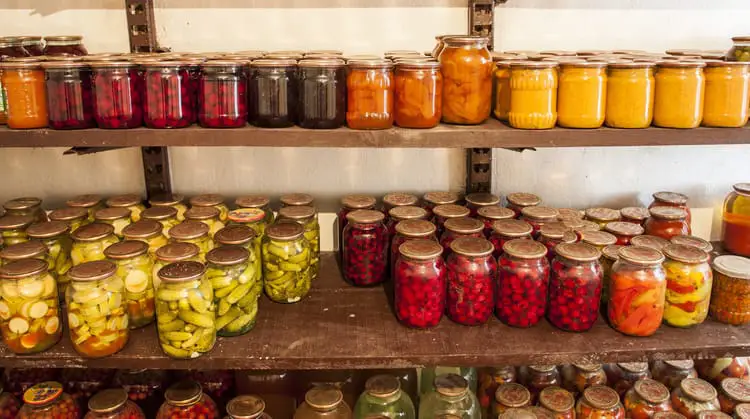
After water, food is next within the rule of threes. Three weeks without food and your life is in jeopardy. Some of us will last a little less, some a lot longer.
The key to food for preppers is storage time. While a cupboard full of canned goods and loose rice is nice. You will need food that you can put away for decades. You don’t know when you will need it, so it’s best to fill a pantry with food that will last.
The best long-term storage foods are the prepper basics: rice, beans, oats, wheat, and pasta. A large portion of the world lives on little more than beans and rice.
You can too. Each of these items is cheap when bought in bulk. Properly stored, they last for decades. This is perfect for the majority of your calories.
You must also balance your pantry, both in variety and nutrition. Fighting food fatigue (having the same meal over and over) can lead to frustration and an eventual refusal to eat. Therefore, add other items to your pantry for the sake of your sanity and health.
Try our recipe for canned meatballs!
Canned goods last well beyond the printed “Best By” date. Each week, buy more than you need and put the newest on the back of the shelf. Always cook from cans in the front. This is called copy canning and is a great way to rotate your stocks.
Storing variety not only provides you with meal options, it also balances out your nutrition.
The next storage option is freeze-dried food. Purchased as whole meals (lasagna, beef stroganoff) or as individual components (eggs, vegetables, fruits) freeze-dried is a great way to add variety. Likewise, freeze-dried foods last decades.
4. Gather Your Prepping Gear and Tools
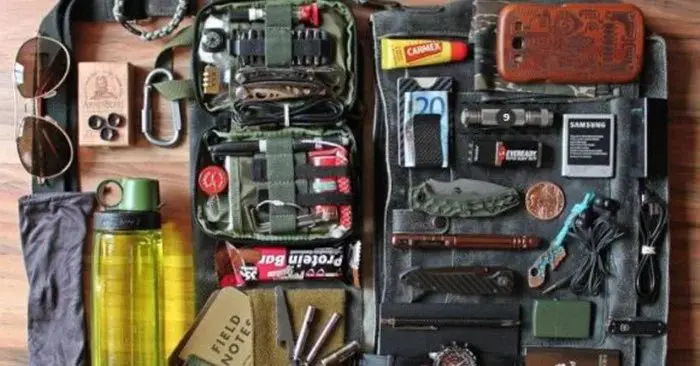
Fourth, gather your gear. Preppers love gear. As a beginner, this is a greenfield for you.
Check out our list of free emergency preparedness gear!
Look at your threat matrix and decide what gear will add comfort and ensure survival for each of your threats.
Start with the basics, including hygiene, health, and communications. Toilet paper, soap, toothpaste, medical supplies, and a few hand-held radios top your list of gear.
Specifically, urban preppers should include a silcock key (used for opening water spigots), a gas shutoff wrench, and security-oriented gear.
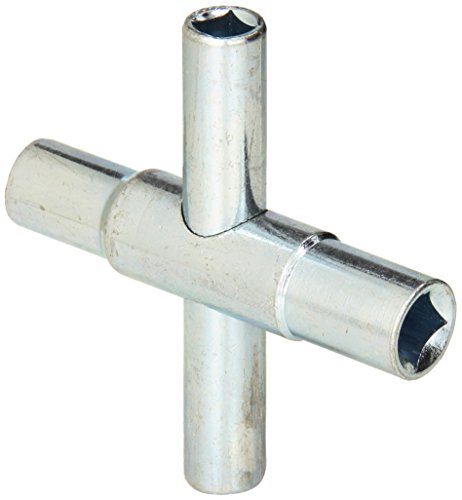
Cobra Products 4-Way Sillcock Key
In contrast, rural survivor tools may include hand tools for gardening and construction as well as hunting, fishing, and trapping supplies. You may also wish to add a separate get home bag (GHB).
Rural preppers often have longer commutes and therefore have special needs to manage a walking commute after an emergency. They may even include elements of wilderness survival if the quickest path home is off-road.
5. Plan for Homesteading and Gardening
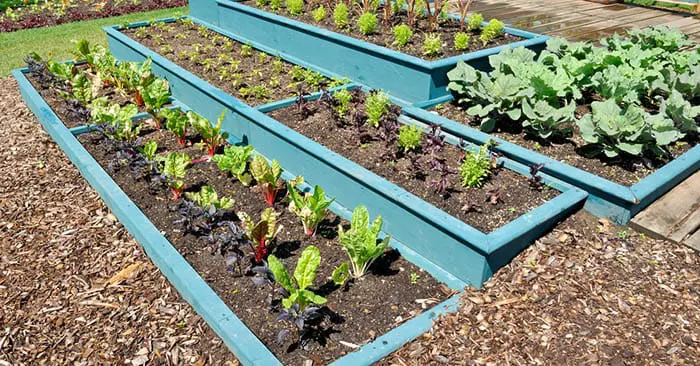
Next, become more self-sufficient. The path to preparedness includes a measure of self-sufficiency and independence. Homesteading is the ultimate approach to survival. On a homestead, you can grow, raise, and make most of your personal needs.
Food management on the homestead includes gardening, hunting, gathering, and preservation.
Specifically, you must be able to store food during the abundant season of the harvest. In the same vein, canning and other preservations skills ensure a variety of food year-round.
The most extreme events on the threat matrix include the failure of our electrical grid. Whether it be a cyber-attack, EMP, or simply an overload.
The failure of the grid even affects remote homesteaders. Energy independence options are abundant these days with available solar, wind, and hydro plans.
You can also extend your comfort, for example, with more uncommon methods such as harvesting heat from a compost pile.
6. Unique Considerations for Your Situation
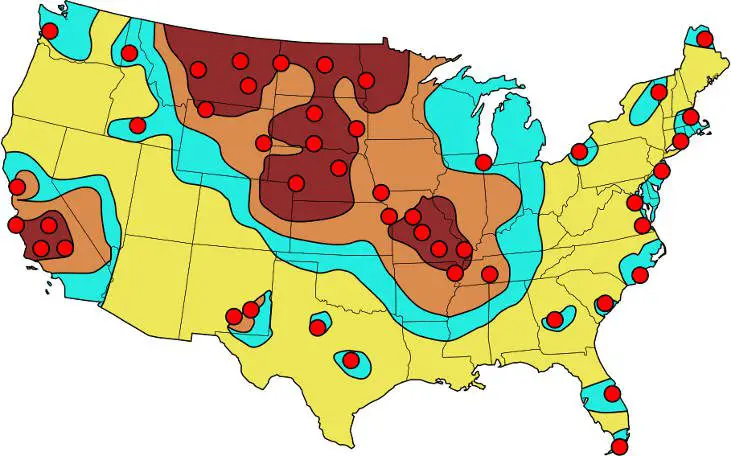
Every prepper is unique, as their family, job situation, and geographic location all combine to form a complete picture of their needs. Let’s take a quick look at a few special cases.
Natural Disaster Preparedness
Each region of the country has its own weather patterns. Mother Nature can be the most awesome force on the planet when angered.
For example, blizzards, ice storms, hurricanes, tornadoes, wildfires, and earthquakes all spread devastation. No matter where you live, there is potential for disruption or a natural disaster.
Specifically, each disaster requires an independent approach. From cold-weather gear required for snowstorms, power outage gear for ice storms to an underground shelter for a tornado, we discuss them all.
Review your situation and subsequently read up on the best survival skills for natural disasters in your area.
Prepping on a Low Budget
Prepping is not an all-or-nothing venture. You can make steady progress even on the most modest budget.
By shopping for sales, sticking with low-cost options, and being patient, you can advance your preparedness without putting a dent in your budget.
That is to say, make smart choices of what you buy and when you buy and you will stretch your prepping dollar.
7. Get Involved in the Prepper Community
Above all, realize that you are not alone on your prepping journey. The survival community is as varied as it is large.
There are numerous groups that you can tap into for information. There are bound to be several that will match your style and interests.
The SHTF Preparedness community is a great start! Our Facebook Group is a great resource to mingle with other like-minded individuals.
Our Pinterest page is a great starting point if you aren’t sure what you are looking for. If you are looking for the most information, head on over to our Facebook page.
Beyond our resources, you can follow podcasts, forums, and other blogs (only after you have exhausted this one, of course!).
Podcasts are great as you can download the audio and listen while you are otherwise occupied. Listening during your commute, while you mow the grass, or even while puttering around the house are all great times to listen and learn.
Finally, online forums are a wealth of personal experience. Whether you prefer to just lurk (read-only) or get actively involved, forums are the perfect platform to exchange lessons learned with other preppers.
Start Prepping!
To be honest, prepping can be daunting. Where to start? What gear should I get? What needs to go into my bug out bag? Facing events such as EMP, cyberattacks, and complete grid failure can be terrifying.
There is a lot to be concerned with; however, looked at from the proper perspective, prepping is a manageable challenge.
Take the right steps, and you will soon find yourself moving from a beginner prepper to an experienced prepper.
One that has taken personal responsibility for their family’s well-being and security. Soon you will face any challenge and honestly say, “Yes, I can handle that!”
So get started with your threat matrix and prepper plans, and start filling up your pantry. A more secure future awaits.
5.1KSHARES
Pin1.3K
Share3.7K
Tweet
By Author SHTFPreparedness
Posted on Last updated: September 30, 2024
Categories Prepping
How to Start Prepping for BeginnersLast edited by Airbornesapper07; 06-01-2025 at 08:53 PM.
If you're gonna fight, fight like you're the third monkey on the ramp to Noah's Ark... and brother its starting to rain. Join our efforts to Secure America's Borders and End Illegal Immigration by Joining ALIPAC's E-Mail Alerts network (CLICK HERE)
-
06-02-2025, 12:29 AM #9739Senior Member
- Join Date
- Aug 2018
- Posts
- 97,635
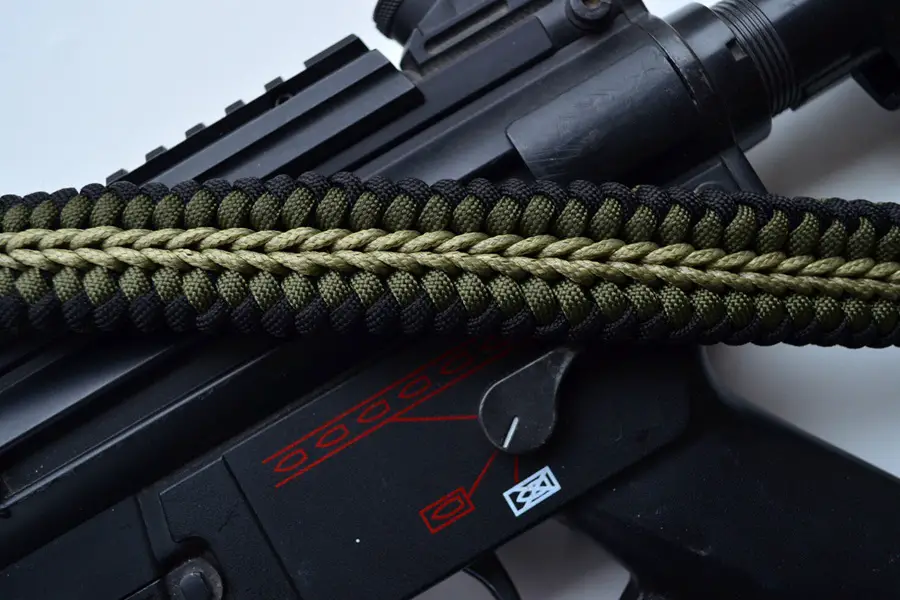
What is a Paracord Rifle Sling and How to Make One?
With its long history of use and versatility in many occupations, paracord is famous for its incredible strength and longevity. A paracord rifle sling is …
Read More
What is a Paracord Rifle Sling and How to Make One?
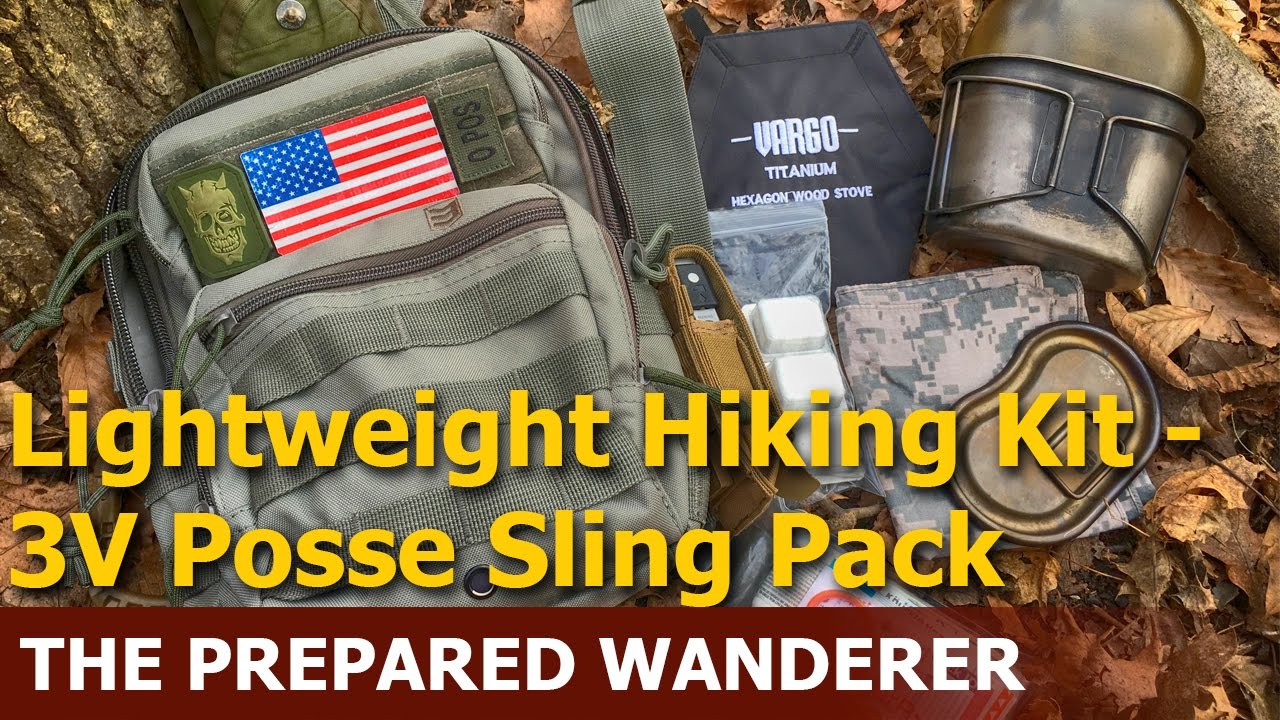
Lightweight Hiking Kit - 3V Posse Sling Pack | Humix Video
Videos and PDF's available at the page link
Jump To:
With its long history of use and versatility in many occupations, paracord is famous for its incredible strength and longevity.
A paracord rifle sling is known as one of the best rifle slings that you can use as a hunter. This rifle sling is comfortable and hard-wearing, prompting most hunters to make their own.
Learn how to customize your own paracord rifle sling by following a few basic steps. You will increase your comfort while hunting, avoid shoulder pain from a thin rifle sling that cuts into your shoulder, and have a sling for life.
What is a Paracord Rifle Sling?
A paracord rifle sling is made from paracord, which has a long, illustrious history. Soldiers first used paracord during the Second World War for military purposes. Paracords or parachute strings first appeared in parachutes during this war.
Noting the strength of this cord, soldiers began to use it in many other ways. Soldiers began using this cord to attach their equipment to harnesses.
They also tied camouflage netting to vehicles and trees and secure their backpacks on vehicle racks. Paracord was also helpful for measuring out distances that the soldiers marched.
NASA astronauts have even put paracord to good use in outer space when repairing damages to the Hubble Space Telescope. But paracord has inveigled its way into the domestic environment where many hunters use this cord to make rifle slings.
Paracord or 550 cord can bear weight up to 550 lbs. which is why it is so famous for tying things down and up and everywhere else. This cord is incredibly durable, strong, and hard-wearing.
Is It As Good As a Store-Bought Sling?
Because the paracord is so reliable and robust, it is also popular as a contemporary rifle sling. Many hunters prefer to make their own rifle slings using the 550 cord because of these features. But exactly how good is a paracord rifle sling?
A paracord rifle sling is possibly better than any other type of rifle sling because it is so hard-wearing. The difference between a store-bought rifle sling and a paracord sling that you make at home may come down to construction and effort.
It’s easy to go and purchase a rifle sling, and you will have multiple options to choose from but making your own sling is so much more rewarding.
But making a paracord rifle sling means you control the process. You can select from multiple instructions and paracord rifle sling widths and create one that will be comfortable.
It will take effort, time, and patience to make your paracord rifle sling, but it will be worth your while. Making your paracord rifle sling will also be cheaper than purchasing this item.
The outcome is that you will have a paracord rifle sling for life. Your sling will be tailored for comfort as you can make one that is wider and thicker than anything available in stores.
You can even make your sling up to 2 inches broader and thicker to prevent it from digging into your shoulder. The sling will be durable and able to withstand even the roughest treatment when in the field. You can also remove the sling and machine wash it when necessary.
How to Make a Paracord Rifle Sling
ou can start by making a paracord rifle sling with what is known as the double cobra knot. Purchase the following supplies or gather the items you have in the home to make this sling.
What you will need:
- 550 paracord x 3 rolls (single or different colors)
- Pliers
- Lighter
- Scissors
- One buckle or swivel
- Optional rifle shell
Step 1
Measure about 30 feet of each roll of paracord and cut. The idea here is to make a decent length paracord rifle sling, and you can always cut it if too long.
As you weave, the cord will shorten considerably, and you don’t want to find that the sling is too short after all your time and effort.
Step 2
Get your three cords and the swivel. Take the first cord and double it at the halfway point. Slip the double cord through the swivel, keeping the loop at the front.
Pull the loose ends through the front loop that is secured to the swivel. You should have a slip knot tied to the swivel with the knot at the front and the loose ends on the side of the swivel facing you. Repeat this process for the other two cords.
Step 3
Imagine you have chosen three different paracord colors. Start with the one on the far right, make a small loop and pull it leftwards across the others. Take the right cord of the middle color and place it over the far-right strand of cord three on the far right.
Place the far right of the central cord under the left strand of cord three. Push cord 2 through the loop created by the third cord. Tie this knot securely. Cord 2 should now be on the right side.
Step 4
Take the left strand of cord three on the right and create a half loop and place it under the knot you made in the second cord.
Place this under the far right of cord three and weave it through the loop in the previous step and tie securely.
Step 5
Repeat these steps for the cords on the left. Create a half loop in the first cord, using the far-left strand, and place this over the middle and third cord. Take the left strand of the central line and place it over the far-left strand of cord 1.
Weave the middle cord beneath the far-right strand of cord 1. Weave the central line through the loop of the first cord and tie securely. The center cord should now be on the right-hand side of the weave.
Step 6
Use the far-right strand of cord 1 to make a half loop and place it under the far left strand of the middle cord. Weave this part through the previous half loop and secure the knot. By now, the central part of the sling should look like a bunch of “plus” signs.
Repeat the process beginning on the right and left until you have a good length for your rifle sling.
Step 7
Continue with this pattern until there is very little paracord left to weave or until you’ve reached the desired length for your paracord rifle sling. Slip the outside cords through the second swivel and knot.
Weave the loose ends down the back of the sling using a pair of sharp-pointed pliers. Once your knotting on the other swivel is secure, and you’ve weaved the loose ends through the completed section of the sling, you can use the lighter to burn the ends of the paracord strands.
While these ends are still hot, press them into the main sling using the pliers to increase their security so they won’t unravel.
If you don’t like the style of the double cobra knot, you can opt for the more challenging triple cobra knot. Other knotting types include the Fish Tail, Mad Max, Rattler Wide Solomon, and many others.
Do some research to find which knotting pattern appeals to you, and then try your hand at following the instructions to make your paracord rifle sling.
You can also test your craftsmanship abilities and follow instructions to widen the shoulder portion of the sling for extra comfort. While these knots may appear simple in theory, they can become quite complex in practice, especially when working with six by 30 feet paracord strands.
By the time you complete your paracord rifle sling, though, you’ll probably breathe a sigh of relief–and satisfaction at a job well done.
How Long Can it Last?
Paracord 500 is so strong that it can withstand weights of up to 500 pounds. This strength should give you some idea of just how strong and durable this cord is, which means it lasts for years.
If you take care of your rifle sling, it will probably last a lifetime, possibly even outlasting your rifle.
Take the time to make your paracord rifle sling because it is cheaper than purchasing this item. Your rifle sling may even be impressive enough for fellow hunters to start placing their orders.
Conclusion
Making your paracord rifle sling may sound challenging, especially when the knotting looks complex. However, just as you use patience to hunt, you can exercise this same skill to create your paracord rifle sling.
A few essential items are all you need to start making your rifle sling, with the paracord being the costliest item. Once you assemble all the necessary equipment, following written instructions or watching a video simplifies the knotting process.
The outcome of your efforts is that you will have a hard-wearing, long-lasting paracord rifle sling to last a lifetime. Your rifle sling may even outlast the rifle, genuinely showing the strength of this material.
By Author Mike Napier
Posted on Last updated: January 26, 2025
Categories Hunting
What is a Paracord Rifle Sling and How to Make One?
If you're gonna fight, fight like you're the third monkey on the ramp to Noah's Ark... and brother its starting to rain. Join our efforts to Secure America's Borders and End Illegal Immigration by Joining ALIPAC's E-Mail Alerts network (CLICK HERE)
-
06-02-2025, 12:49 AM #9740Senior Member
- Join Date
- Aug 2018
- Posts
- 97,635
Quick and Easy Wooden Catapult
By powellcubs in WorkshopWoodworking
88,732
402
11Featured
Save PDF
Introduction: Quick and Easy Wooden Catapult

 By powellcubs Follow
More by the author:


This catapult is doable in about half an hour to forty-five minutes. It doesn't launch very far due to the elasticity of this bungee cord, but a motorcycle strap would much work better.
Submitted by Powell Middle School for the Instructables Sponsorship Program.
Step 1: Parts

Parts:
3" hinge (I bought a door hinge from Walmart with the screws)
8' of 2x4
12 decking screws
4 eye bolts
3' 1/4 inch rope
90 degree angle support
Tuna Can or other small 3" diameter can
Tools:
Saw
Drill
Phillips screw driver bit
3/8 inch drill hole bit
Step 2: Create the Base

Cut the 2x4 into one two foot section, 2' 3" foot section and one 5' 9" section.
The 5' 9" section will be the base.
Step 3: Attaching the Arm


Attach the hinge about 1' 9" from the back of the board so that one side of the hinge can lay against both sides of the board.
Screw the two foot section of 2x4 onto the other side to of the hinge.
Step 4: Front Arm


Attach the 2' 3" section to the front of the base useing the 90 degree angle on the back and 2 screws on the front.
Step 5: Attaching the Can to Throw and the Eye Bolts


 2 More Images
Attach the can with one screw in the center of the can at the top of the throwing arm.
Attach an eye bolt on the bottom of the throwing arm directly below the can, and another one on the direct opposite side of the board.
Attach one more on the back end of the board in the center .
Attach the final eye bolt on the front end at the bottom of the front support arm.
Step 6: Attach the Rope and Bungee Cord
Tie the rope with about two feet of slack between the back eye bolt and the bottom one. Next attach the bungee cord from the front eye bolt over the arm onto the arm eye bolt.
Step 7: Finished Product
Enjoy your new catapult that the bungee cord controls how far it will fire.
Attachments


Be the First to Share
Did you make this project? Share it with us!
Log in to post an I Made It
Recommendations
 Designing a Laser-cut Version of a Yosegi Puzzle Boxby Amber Tsao in Laser Cutting
42
7.8K
 Pinwheel Charcuterie Boardby rschoenm in Woodworking
58
5.6K
 Mini Trailer Shelter - Make It Small, But Serviceable.by jiaxuanl in 3D Design
Quick and Easy Wooden Catapult : 7 Steps (with Pictures) - InstructablesIf you're gonna fight, fight like you're the third monkey on the ramp to Noah's Ark... and brother its starting to rain. Join our efforts to Secure America's Borders and End Illegal Immigration by Joining ALIPAC's E-Mail Alerts network (CLICK HERE)


 Reply With Quote


 Quick and Easy Wooden Catapult - Step #7Download


Email List Changeover & 38 days from disaster
09-27-2026, 11:26 AM in illegal immigration Announcements