

Results 181 to 190 of 602
 2Likes
Thread Information
Users Browsing this Thread
There are currently 1 users browsing this thread. (0 members and 1 guests)
 LinkBack URL
 About LinkBacks
-
05-04-2025, 09:14 PM #181Senior Member


- Join Date
- Aug 2018
- Posts
- 92,697
Robert O. Young reveals the power of alkaline herbs in preventing and treating cancer
05/04/2025 // Ramon Tomey // 240 Views
Tags: alkaline herbs, alternative medicine, anticancer, cancer solutions, cancer stem cells, Chemotherapy, Cures, goodcancer, goodhealth, goodmedicine, healing, herbal medicine, Herbs, natural cures, natural health, natural medicine, prevent cancer, radiation, remedies, Robert O. Young
- Robert O. Young's "The Use of Alkaline Herbs in the Prevention and Treatment of Any Cancerous Condition" suggests alkaline herbs can prevent and treat cancer by neutralizing acidic conditions linked to tumor growth.
- Examples include garlic, cayenne pepper and turmeric, which combat carcinogens and slow cancer progression. Alkalinizing the body may disrupt cancer cell cycles and induce apoptosis (programmed cell death).
- Studies show herbs like bloodroot (topical tumors), feverfew (leukemia) and wheatgrass (tissue repair) have demonstrable anti-cancer effects.
- Natural herbs often target cancer stem cells – key to preventing relapse – while chemotherapy/radiation may miss them. Fewer side effects compared to aggressive conventional therapies.
- While promising, these remedies should complement (not replace) standard treatments under medical supervision. Ongoing research underscores their potential as future cornerstones in cancer care.
Robert O. Young's book "The Use of Alkaline Herbs in the Prevention and Treatment of Any Cancerous Condition" delves into the potential of natural remedies in combating cancer, a disease that remains one of the greatest health challenges of our time.
The book highlights how certain herbs, with their alkaline properties, may not only help prevent cancer but also play a role in its treatment. Prevention is a cornerstone of cancer defense, with organizations like the American Cancer Society advocating for a diet rich in fruits and vegetables alongside maintaining a healthy weight. However, Young's work suggests that specific herbs could enhance these protective measures and even reverse cancerous conditions.
Garlic (Allium sativum), for instance, has been shown to lower cancer risks – particularly in the digestive system – by neutralizing carcinogens or inhibiting cancer cell growth. Similarly, cayenne pepper (Capsicum annuum) – known for its heat – acts as a potent antioxidant and vasodilator, counteracting acidic conditions that may lead to cancer.
Milk thistle (Silybum marianum) emerges as a crucial herb for liver health, detoxifying harmful acids that could otherwise contribute to tumor formation. Turmeric (Curcuma longa), with its active compound curcumin, has demonstrated the ability to slow cancer progression in lab studies.
Bloodroot (Sanguinaria canadensis) has been used effectively to shrink tumors, particularly in topical applications like black salve. Feverfew (Tanacetum parthenium) has shown promise in targeting leukemia cells, sometimes surpassing conventional treatments in efficacy.
Butcher's broom (Ruscus aculeatus) has has been found to reduce tumors and boost immune defenses, thanks to ruscogenins in the herb. Meanwhile, sheep's sorrel (Rumex acetosella) helps repair tissues damaged by cancer treatments.
Ginger (Zingiber officinale) has gained attention for its remarkable anti-cancer properties. Research suggests that a compound in ginger, 6-shogaol, could be significantly more effective than chemotherapy in targeting cancer stem cells—the root cause of tumor recurrence. Unlike conventional treatments that often fail to eliminate these resilient cells, natural compounds like those in ginger disrupt cancer cell cycles and induce apoptosis, offering a more comprehensive approach.
Wheatgrass stands out for its broad benefits, improving overall health and aiding chemotherapy patients by purifying blood and enhancing cell repair. The Chinese herb Astragalus strengthens immunity, enabling the body to better identify and destroy cancer cells – with studies indicating it may double survival rates in cancer patients.
Cannabis also plays a notable role in cancer research, particularly as medical marijuana gains legal recognition. Cannabinoids, its active components, have been shown to reduce cancer cell growth and bolster the immune system. Studies highlight their effectiveness against various cancers, including brain, breast, lung and pancreatic cancer, reinforcing their therapeutic potential.
The science behind these herbs underscores a critical shift in cancer treatment paradigms. While traditional methods like chemotherapy and radiation focus on shrinking tumors, they often miss cancer stem cells, leading to relapse. Natural compounds, however, exhibit a unique ability to target these cells, offering a more sustainable solution.
In summary, Young’s book presents a compelling case for the integration of alkaline herbs into cancer prevention and treatment strategies. These natural remedies, backed by both traditional use and modern research, provide a promising alternative or complementary approach to conventional therapies.
However, consulting healthcare professionals before adopting any new regimen remains essential. The potential of these herbs is vast, and as research continues, they may well become a cornerstone in the fight against cancer.
Watch this video about Robert O. Young's book "The Use of Alkaline Herbs in the Prevention and Treatment of Any Cancerous Condition."
This video is from the BrightLearn channel on Brighteon.com.
Sources include:
Brighteon.ai
Brighteon.com
Robert O. Young reveals the power of alkaline herbs in preventing and treating cancer – NaturalNews.com
If you're gonna fight, fight like you're the third monkey on the ramp to Noah's Ark... and brother its starting to rain. Join our efforts to Secure America's Borders and End Illegal Immigration by Joining ALIPAC's E-Mail Alerts network (CLICK HERE)
-
05-05-2025, 08:57 PM #182Senior Member
- Join Date
- Aug 2018
- Posts
- 92,697
Dr. Morton Walker’s “DMSO: Nature’s Healer” explores the healing power of this natural molecule
05/05/2025 // Ramon Tomey // 730 Views
Tags: alternative medicine, Cures, dimethyl sulfoxide, DMSO, DMSO: Nature's Healer, goodhealth, goodmedicine, healing, healing power, health science, Morton Walker, natural cures, natural health, natural medicine, natural molecule, remedies
- Dr. Morton Walker's book "DMSO: Nature's Healer" (1993) highlights the remarkable therapeutic benefits of dimethyl sulfoxide (DMSO), showcasing case studies where it alleviated conditions like chronic pain, cervical stenosis and arthritis – often when conventional treatments failed.
- DMSO's unique ability to penetrate tissues and transport other substances was discovered in the 1960s, but FDA bans on clinical trials (due to unverified animal study risks) and pharmaceutical disinterest stalled its adoption, leaving it caught between medical skepticism and advocacy.
- DMSO has shown promise in treating diverse issues – from burns, herpes and cataracts to neurological disorders (e.g., spinal cord injuries) and even chromosomal conditions like Down's syndrome, with preclinical studies suggesting potential anti-cancer properties.
- Its small molecular structure enables deep tissue penetration, acting as an anti-inflammatory, free-radical scavenger and drug-delivery enhancer. However, its strong odor complicates clinical trials, and its non-patentable nature limits pharmaceutical investment.
- Despite regulatory and economic hurdles, patient success stories underscore DMSO's potential. Walker advocates for balanced research and policy reforms to explore this natural compound's full healing capabilities, challenging conventional medical paradigms.
Dr. Morton Walker’s 1993 book "DMSO: Nature's Healer" delves into the extraordinary potential of dimethyl sulfoxide (DMSO), a simple yet powerful compound that has fascinated scientists, doctors and patients alike for decades.
The book presents compelling case studies, scientific insights and historical context. It paints a vivid picture of DMSO as both a medical marvel and a subject of intense debate.
The story of DMSO’s healing properties begins with a striking anecdote from 1980 in San Antonio, Texas. Dr. Eva Lee Snead, a family practice specialist, treated her friend Marjorie Saloman, a 32-year-old psychologist suffering from cervical os stenosis.
Unlike conventional treatments that failed to alleviate her excruciating pain, a topical application of DMSO mixed with vitamin E enabled painless dilation of her cervix – sparing Saloman from a scheduled hysterectomy. This case highlights the seemingly miraculous therapeutic potential of DMSO.
First synthesized in 1866 by Russian scientist Alexander Zaytsev, DMSO remained largely overlooked until the 1960s, when Dr. Stanley W. Jacob discovered its unique ability to penetrate skin and cell membranes while transporting other substances with it. This breakthrough ignited enthusiasm for DMSO as a "miracle drug" with applications spanning pain relief, inflammation reduction and cellular repair.
Yet, its journey has been fraught with obstacles. The Food and Drug Administration's mid-1960s ban on clinical trials – based on concerns about possible eye damage in animals – soured DMSO’s reputation, despite no human evidence of similar effects. Critics dismissed it as quackery while advocates argued that bureaucratic barriers and pharmaceutical industry disinterest stifled its potential.
Countless individuals have nevertheless experienced life-changing benefits from DMSO. Anna Goldeman, who suffered from bursitis and phantom limb pain following the amputation of her right arm, found unexpected relief after applying DMSO. The 65-year-old saw improvement in her bursitis, and her phantom pain vanished entirely.
Lucas Sheinholtz, suffering from debilitating arthritis, regained mobility within minutes of treatment – though periodic reapplication was needed. Such accounts suggest that DMSO's mechanism goes beyond temporary relief. It may influence nerve function and tissue repair in ways still being explored.
DMSO's versatility is staggering. It has been used to treat burns, cataracts, herpes and even chromosomal disorders like Down’s syndrome, where patients such as Melody Clark progressed from severe cognitive impairment to mild disability after DMSO amino acid therapy.
Preclinical studies suggest it may help combat cancer by normalizing malignant cells in vitro. Its ability to cross the blood-brain barrier offers hope for neurological conditions like stroke and spinal cord injuries. Bill Shaal, a young man paralyzed after a severe injury, regained sensation and independence following DMSO treatment.
So, how does DMSO work? Its small molecular structure allows deep tissue penetration, enabling it to act as an anti-inflammatory, free-radical scavenger and immune booster. It stimulates white blood cell production, reduces swelling and even enhances drug delivery to the brain.
However, these very properties complicate traditional clinical trials. DMSO's distinctive odor makes double-blind studies difficult, creating a paradox. Regulators demand rigorous testing, yet the compound's characteristics hinder conventional research methods.
Economic factors further complicate DMSO's path to mainstream acceptance. As a naturally derived, unpatentable substance, it lacks the profit incentive that drives pharmaceutical investment. This leaves patients and practitioners reliant on anecdotal evidence and off-label use, perpetuating a cycle of skepticism and underfunded research.
Yet, the resilience of DMSO's proponents – and the undeniable impact on individuals like Saloman and Shaal – speaks to its potential. Walker's book serves as both a testament to natural healing and a call to action.
DMSO represents a frontier in medicine where science, policy and patient advocacy must converge to unlock its full promise. For those suffering from chronic pain, neurological disorders or other ailments, it offers a beacon of hope – a reminder that sometimes, nature’s simplest molecules hold the greatest power to heal.
As research continues, the story of DMSO remains unfinished. It challenges people to reconsider the intersection of innovation and regulation, and to explore unconventional therapies with open minds. In Walker's words, the journey of DMSO is not merely about a chemical compound – it's about the enduring quest for healing and the courage to embrace nature's gifts.
Watch this video about Dr. Morton Walker's 1993 book "DMSO: Nature's Healer."
This video is from the BrightLearn channel on Brighteon.com.
Sources include:
Brighteon.ai
Brighteon.com
Dr. Morton Walker’s “DMSO: Nature’s Healer” explores the healing power of this natural molecule – NaturalNews.com
If you're gonna fight, fight like you're the third monkey on the ramp to Noah's Ark... and brother its starting to rain. Join our efforts to Secure America's Borders and End Illegal Immigration by Joining ALIPAC's E-Mail Alerts network (CLICK HERE)
-
05-05-2025, 08:59 PM #183Senior Member
- Join Date
- Aug 2018
- Posts
- 92,697
RFK Jr. Says New Parents Should “Do Your Own Research” Into Vaccines
05/05/2025 // S.D. Wells // 770 Views
Tags: badhealth, Dangerous Medicine, dirty jabs, dirty vaccines, health freedom, medical violence, mind body science, MMR autism, mRNA deadly, RFK Jr, vaccine autism, vaccine damage, vaccine research, vaccine safety, vaccine violence, vaccine wars
When it comes to dirty Western Medicine, the number one thing pharma does NOT want anyone doing is their own research to find out what’s really in it all, and that includes prescription drugs, chemotherapy and vaccines. Now, not many folks have a stack of medical books or mass-spec laboratory equipment sitting around the house, but what Robert F. Kennedy is suggesting is to find out exactly what is in the “medicine” and jabs before putting them in your body or your children, babies, or fetus. Look at all the ingredients and side effects.Do not underestimate the danger of injecting known neurotoxins, poisonous venom peptides, heavy metal toxins, parasites, genetically modified organisms, wild live viruses, combinations of viruses, monosodium glutamate, animal blood, human abortion cells, and the scary list just goes on and on. Ask to read (or look up) the vaccine information insert that comes with each vaccine.
Health Secretary RFK Jr. advises everyone do their own vaccine research amid autism concerns, heart problems and miscarriages from MMR and mRNA jabs
Health Secretary Robert F. Kennedy Jr. has urged parents to independently research vaccines while confirming that federal health officials are investigating potential links between vaccinations and autism.
During an April 28 town hall with Dr. Phil, Kennedy responded to a mother’s question by emphasizing parental responsibility in evaluating medical decisions, stating, “You research the baby stroller, you research the foods that they’re getting, and you need to research the medicines that they’re taking as well.”
Kennedy, who previously expressed skepticism about vaccine safety, clarified during his confirmation hearings that he is “pro-safety” rather than anti-vaccine, acknowledging vaccines’ role in saving lives. However, he has raised concerns about the CDC’s recommended schedule, which includes 12 doses in a child’s first four months and dozens more by adulthood.
Recent CDC data shows declining vaccination rates and rising exemptions, with only 13% of children receiving COVID-19 vaccines. Kennedy is considering removing COVID-19 vaccines from the childhood schedule due to reported adverse effects like myocarditis and strokes, stressing the need for a revised risk-benefit analysis.
A key focus of Kennedy’s inquiry is the alleged connection between vaccines—particularly the measles, mumps, and rubella (MMR) vaccine—and autism. He cited parental reports of children developing autism shortly after vaccination, though the CDC maintains that studies “show vaccines are not associated with ASD [autism spectrum disorder].” The Vaccine Injury Compensation Program has recognized some cases of vaccine-related brain injuries, but scientific consensus remains divided.
Kennedy also questioned the safety of the combined MMR vaccine, claiming its mumps component was never properly tested for interactions, potentially leading to adverse events. Despite this, he reiterated that the MMR vaccine reduces measles risk amid recent U.S. outbreaks. Experts like Dr. Monica Gandhi defend the vaccine’s safety and efficacy, urging parents to vaccinate.
As autism rates rise (now affecting 1 in 31 children), Kennedy has pledged to investigate causes while balancing public health priorities. His stance reflects broader tensions between vaccine skepticism and scientific consensus, leaving parents navigating conflicting information amid outbreaks of preventable diseases. Bookmark Vaccines.news to your favorite independent websites for updates on experimental injections and dirty jabs that lead to turbo cancer, autism, and Long-Vax-Syndrome. #VaccineViolence
Sources for this article include:
Pandemic.news
NaturalNews.com
ZeroHedge.com
RFK Jr. Says New Parents Should “Do Your Own Research” Into Vaccines – NaturalNews.comIf you're gonna fight, fight like you're the third monkey on the ramp to Noah's Ark... and brother its starting to rain. Join our efforts to Secure America's Borders and End Illegal Immigration by Joining ALIPAC's E-Mail Alerts network (CLICK HERE)
-
05-06-2025, 04:03 AM #184Senior Member
- Join Date
- Aug 2018
- Posts
- 92,697
Dr. Robert G. Wright’s “Killing Cancer — Not People” challenges conventional beliefs about cancer causes and treatments
05/05/2025 // Ramon Tomey // 590 Views
Tags: alternative medicine, badcancer, badhealth, cancer causes, cancer solutions, Censored Science, Cures, healing, health science, natural cures, natural health, natural medicine, Naturopathy, Oncology, prevent cancer, rational, Robert G. Wright, skeptics, truth

- In "Killing Cancer—Not People," Dr. Robert G. Wright argues that cancer is largely preventable, driven by lifestyle factors (diet, toxins, environment) rather than genetics, and critiques mainstream treatments like chemotherapy as ineffective or harmful.
- He disputes the inevitability of genetic cancer risks, emphasizing that gene activation depends on controllable factors. He also criticizes mammograms and the HPV vaccine, advocating for safer alternatives.
- Wright accuses the cancer industry, including the American Cancer Society, of prioritizing profits over cures – with billions in funding failing to deliver meaningful breakthroughs.
- His protocol focuses on diet (avoiding sugar, processed foods; embracing organic produce), detoxification (cleanses, ionized water), immune support and non-toxic therapies like Digital Infrared Imaging.
- The book urges individuals to take responsibility for their health, reject fear-based narratives and pursue evidence-based natural remedies to prevent and heal cancer.
Dr. Robert G. Wright's book "Killing Cancer—Not People" offers a bold and unflinching look at cancer, challenging conventional beliefs about its causes and treatments.
Wright begins with a powerful quote from Martin Luther King Jr.: "Darkness cannot drive out darkness. Only light can do that." For Wright, that light is the truth – about what cancer really is, why it develops and how it can be prevented and addressed.
The statistics are alarming. According to the American Cancer Society (ACS), one in two men and one in three women will experience cancer in their lifetime. Soon, that figure may rise to 50 percent – meaning that if you stand next to someone, one of you will likely face this disease.
Yet Wright argues that cancer is largely preventable. Lifestyle factors – diet, environment and toxin exposure – play a far greater role than genetics. Only about five percent of cancers are linked to inherited genes, and even then, gene expression depends on how we live.
Wright dismantles the myth of genetic inevitability, particularly in cases like the breast cancer gene. Women with this gene are often pressured into radical preventative surgeries, yet some still develop cancer afterward. The real issue, he explains, is not the gene itself but whether it becomes active – something that can be controlled through proper prevention.
Prevention starts with personal responsibility. The Human Genome Project, once hailed as a breakthrough, has failed to deliver cures. Instead, Wright emphasizes the power of the immune system: What heals cancer also prevents it, and vice versa.
He critiques mainstream treatments like chemotherapy and radiation, arguing they do not cure cancer – though surgery may sometimes be necessary. Real healing, he insists, comes from understanding cancer's root causes and applying proven, natural treatments.
Wright doesn't shy away from controversy. He accuses the ACS of corruption, questioning where billions in research funding have gone. He asserts that there's no financial incentive for a cure, as the cancer industry profits from ongoing treatments.
He also challenges widely accepted practices like mammograms, citing studies that show they can cause or spread cancer. Instead, he recommends safer alternatives like Digital Infrared Imaging.
The book explores lesser-known risks, such as bras and deodorants. Tight bras may restrict lymphatic drainage, trapping toxins in breast tissue, while aluminum-based deodorants have also been linked to breast cancer.
Another contentious topic is the HPV vaccine Gardasil. Wright references reports of severe side effects and deaths, urging parents to consider non-toxic prevention methods for cervical cancer.
So, what can individuals do? Wright's protocol begins with diet. Sugar, artificial sweeteners, meat, dairy and processed foods should be avoided while fresh vegetables, organic oatmeal, beans, seeds, nuts and superfoods like avocados and apricot kernels are essential.
Supplements play a key role, as does ionized water, which helps alkalize the body and neutralize harmful free radicals. Detoxification is another critical step. Wright advocates for colon, liver and gallbladder cleanses, along with parasite removal using enemas, herbal supplements and other detox methods.
He also stresses the importance of support. Having an advocate or hiring a cancer coach who understands alternative treatments can make a crucial difference in navigating the healing process.
Wright's message is clear: Cancer is complex, but it can be overcome. By rejecting misinformation, embracing natural prevention and taking control of health, individuals can dramatically improve their chances of healing.
His book is a call to action, a demand for truth in a field clouded by profit-driven agendas. The path to defeating cancer, he argues, lies not in fear – but in knowledge, responsibility and the courage to seek alternatives.
Watch this video about the book "Killing Cancer—Not People" by Dr. Robert G. Wright.
This video is from the BrightLearn channel on Brighteon.com.
Sources include:
Brighteon.ai
Brighteon.com
Dr. Robert G. Wright’s “Killing Cancer — Not People” challenges conventional beliefs about cancer causes and treatments – NaturalNews.com
If you're gonna fight, fight like you're the third monkey on the ramp to Noah's Ark... and brother its starting to rain. Join our efforts to Secure America's Borders and End Illegal Immigration by Joining ALIPAC's E-Mail Alerts network (CLICK HERE)
-
05-06-2025, 09:47 PM #185Senior Member
- Join Date
- Aug 2018
- Posts
- 92,697
Flavonoid-rich foods SLASH DIABETES RISK by 28% as study reveals plant compounds outperform pharmaceuticals
05/06/2025 // Lance D Johnson // 650 Views
Tags: Anti-inflammatory foods, antioxidants, apple health benefits, berry nutrition, Big Pharma fraud, chronic disease, diabetes prevention, flavonoids, fluoride in tea, food as medicine, healthy diet, holistic health, inflammation, insulin resistance, insulin sensitivity, kidney function, liver health, metabolic health, natural remedies, nutritional science, obesity, plant compounds, tea benefits, Type 2 Diabetes, UK Biobank study
A groundbreaking UK Biobank study of 113,097 participants reveals that consuming just six servings of flavonoid-rich foods daily—packed with potent phytochemicals like anthocyanins, quercetin, and flavan-3-ols—can slash type 2 diabetes (T2D) risk by an impressive 28%. Tea, berries, and apples emerged as metabolic superheroes, with four cups of tea daily reducing risk by 21%, berries by 15%, and apples by 12%, thanks to their unique ability to combat inflammation, enhance insulin sensitivity, and protect vital organs.Remarkably, flavonoids outperform synthetic drugs by targeting multiple pathways at once, offering a holistic defense against metabolic dysfunction. Even for those genetically predisposed to diabetes, these plant compounds deliver their strongest benefits, acting as a natural counterbalance to modern processed diets that starve the body of essential phytonutrients. The science is clear: embracing nature’s medicine cabinet could be the key to reversing the tide of chronic disease.
The silent diabetes defense hiding in plain sight
For decades, the medical establishment has pushed pharmaceuticals as the primary solution for diabetes while ignoring nature’s most potent metabolic regulators: flavonoids. A landmark study published in Nutrition & Diabetes exposes the staggering power of these plant compounds, revealing that just six servings of flavonoid-rich foods daily can cut diabetes risk by nearly a third.
The research, tracking 113,097 UK adults for 12 years, found that those consuming the highest amounts of flavonoids had a 28% lower risk of developing T2D compared to those eating the least. Even more striking? Each additional serving reduced risk by 6%—proving that small dietary shifts yield life-changing results.
“Flavonoid intake helps lower excess fatty tissue, which promotes inflammation, while also reducing fat around muscle tissue,” explains Megan Hilbert, a registered dietitian. “This allows more blood glucose to be absorbed by muscle cells, helping the body process sugars more effectively.”
The flavonoid advantage: How plants outsmart Big Pharma
Unlike synthetic drugs that target single pathways (and often come with devastating side effects), flavonoids modulate the entire metabolic system:
- Flavonols (28% lower risk) – Found in onions, kale, and tea, they enhance insulin signaling and GLUT4 glucose transporter activity.
- Proanthocyanidins (27% lower risk) – Abundant in berries and cocoa, they protect blood vessels and reduce oxidative stress in pancreatic beta cells.
- Flavan-3-ols (26% lower risk) – Dominant in tea and apples, they inhibit enzymes that break down carbohydrates, slowing sugar absorption.
- Anthocyanins (19% lower risk) – The vibrant pigments in blueberries and blackberries reduce liver fat accumulation and combat systemic inflammation.
- Tannins (e.g., ellagitannins, gallotannins) Pomegranates, walnuts, red wine, dark chocolate contain tannins, as do most herbs, which chelate heavy metals (e.g., lead, cadmium), aiding detoxification. They also bind to gut pathogens (e.g., H. pylori), acting as natural antimicrobials, while modulating Nrf2 pathway, boosting endogenous antioxidant defenses.
“These compounds regulate glucose metabolism, enhance insulin signaling, reduce oxidative stress, and optimize lipid profiles,” says nutritionist Kelsey Costa, highlighting their multifaceted defense against diabetes.
The tea dilemma: Maximizing benefits, minimizing risks
While tea emerged as a top diabetes fighter (thanks to its high flavonoid polymers and flavan-3-ols), the study uncovered a hidden danger: fluoride accumulation. Older tea leaves, particularly in black tea, absorb fluoride from soil—potentially harming bones and teeth with excessive intake.
Solutions?
- Opt for white or young-leaf teas (lower fluoride).
- Brew with filtered water (avoids added fluoride).
- Rotate with herbal infusions (hibiscus, chamomile).
The food pharmacy: What to eat to defy diabetes
The study pinpointed specific foods with the strongest protective effects:
- Tea (4 cups/day): 21% lower risk
- Berries (1 serving/day): 15% lower risk
- Apples (1 serving/day): 12% lower risk
- Citrus, onions, dark chocolate: Significant secondary benefits
Before the processed-food era, humans consumed 10x more flavonoids. Today’s junk-food diets—loaded with refined sugars and oxidized oils—deprive the body of these critical compounds, fueling the diabetes epidemic.
As corrupt institutions push expensive, ineffective drugs, this study proves that nature’s pharmacy holds the real cure. With diabetes afflicting 1 in 10 Americans and Big Pharma profiting from perpetual sickness, the choice is clear: Reject the processed lies. Embrace the power of plants.
Sources include:
NaturalHealth365.com
Nature.com
MedicalNewsToday.com
Flavonoid-rich foods SLASH DIABETES RISK by 28% as study reveals plant compounds outperform pharmaceuticals – NaturalNews.comIf you're gonna fight, fight like you're the third monkey on the ramp to Noah's Ark... and brother its starting to rain. Join our efforts to Secure America's Borders and End Illegal Immigration by Joining ALIPAC's E-Mail Alerts network (CLICK HERE)
-
05-07-2025, 06:37 PM #186Senior Member
- Join Date
- Aug 2018
- Posts
- 92,697
Nature’s hidden superfood: The rise of Turkey Tail Mushroom
05/07/2025 // Ava Grace // 480 Views
Tags: alternative medicine, Cures, food cures, food is medicine, functional food, goodfood, goodhealth, goodmedicine, herbal medicine, Herbs, natural cures, natural health, natural medicine, phytonutrients, remedies, superfoods, turkey tail mushroom

- The wellness industry has seen a significant increase in interest in superfoods, with turkey tail mushroom (Trametes versicolor) gaining notable attention. Its immune-boosting properties have attracted the attention of health enthusiasts and researchers globally.
- Turkey tail mushroom has a long history of use in Traditional Eastern Medicine, particularly in China and Japan. It has been used to treat various ailments, including respiratory issues and liver problems, as documented in ancient texts.
- Known for its vibrant, multicolored appearance and fan-like shape, turkey tail mushroom is visually striking. However, its taste is mild and slightly bitter, making it more suitable for consumption in the form of teas, extracts or supplements rather than as a standalone dish.
- While not a culinary favorite, turkey tail mushroom can be used in various recipes. Common methods include brewing it to make tea, adding it to broths, blending it into smoothies and making tinctures or capsules for convenient consumption.
- Research indicates that turkey tail mushroom is rich in polysaccharides, especially beta-glucans, which enhance immune function. Studies have shown its potential in improving immune response in cancer patients and promoting gut health by supporting a healthy gut microbiota.
In recent years, the wellness industry has witnessed a surge in interest in superfoods. Among them, turkey tail mushroom (Trametes versicolor) has emerged as a standout medicinal food.
Known for its vibrant colors and unique fan-like shape, this mushroom has been a staple in Traditional Eastern Medicine for centuries. But why the sudden global interest? The answer lies in its reported health benefits, particularly its immune-boosting properties, which have captured the attention of health enthusiasts and researchers alike.
Brief history of turkey tail mushroom
Turkey tail mushroom has a rich history that can be traced back to ancient China and Japan, where it was used in traditional medicine. The name "versicolor" aptly describes its multicolored appearance, which can range from shades of brown, red and blue to white and black.
Its fan-like shape, reminiscent of a turkey's tail feathers, earned it the common name "turkey tail." Historically, it was used to treat various ailments, from respiratory issues to liver problems, and its use was documented in classical Chinese medical texts. (Related: Turkey tail mushroom finally being studied in U.S. after 30 years of use in cancer treatment in Japan.)
Turkey tail mushroom is a visual marvel. Its cap displays a spectrum of colors, often with concentric rings of varying hues. This unique coloration is due to the presence of different pigments and is a key identifier for foragers. The mushroom's shape is distinctly fan-like, with a smooth, velvety texture.
Unfortunately, turkey tail is not known for its culinary appeal. It has a mild, slightly bitter flavor, which is why it is often consumed in the form of teas or extracts rather than as a standalone dish.
In the dense forests of the Pacific Northwest, a seasoned forager named Sarah stumbled upon a cluster of turkey tail mushrooms during one of her routine expeditions. Intrigued by their vibrant colors and unusual shape, she decided to research their potential benefits. What she discovered was a world of health benefits that changed her life.
Sarah began incorporating turkey tail into her daily routine, brewing it into a tea and even adding it to her morning smoothies. She noticed a significant boost in her energy levels and overall well-being, which she attributes to the mushroom's immune-enhancing properties.
Health benefits of turkey tail mushroom
Turkey tail mushroom is rich in polysaccharides, particularly beta-glucans, which are known for their immune-boosting properties. Research has shown that these compounds can enhance the immune system by stimulating the production of immune cells. Additionally, turkey tail contains antioxidants that help combat oxidative stress and reduce inflammation.
A study published in the International Journal of Medicinal Mushrooms found that turkey tail extract can improve immune response in patients undergoing chemotherapy. Another study published in the Journal of Functional Foods highlighted its potential to support gut health by promoting the growth of beneficial gut bacteria.
Traditionally, turkey tail mushroom is used in the form of teas and poultices. Today, it is often consumed as a supplement, with extracts and powders being the most popular forms. The mushroom's popularity has led to a booming market, with numerous brands offering turkey tail products.
As the wellness industry continues to evolve, turkey tail mushroom stands out as a superfood with a promising future. Its historical significance, coupled with modern scientific research, underscores its potential as a natural health enhancer. Whether consumed as a tea, broth or supplement, turkey tail mushroom offers a unique blend of benefits that make it a worthy addition to any wellness routine.
Culinary and medicinal uses
While turkey tail mushroom may not be a culinary delight on its own, it can be a versatile ingredient in various recipes. Here are a few suggestions:
- Turkey tail mushroom tea: The most common way to consume turkey tail mushroom is through a soothing tea. Simply steep dried slices of the mushroom in hot water for 15-20 minutes. This tea is often consumed for its immune-boosting properties.
- Turkey tail broth: Add turkey tail mushrooms to your homemade broth for an extra health kick. The mushrooms infuse the broth with their beneficial compounds, making it a nourishing base for soups and stews.
- Turkey tail smoothie: For a more palatable option, blend powdered turkey tail mushroom into your favorite smoothie. The mild flavor is easily masked by fruits and vegetables, allowing you to enjoy its benefits without the bitter taste.
- Turkey tail tincture: For those who prefer a more concentrated form, a tincture can be made by soaking the mushrooms in alcohol for several weeks. This tincture can be taken directly or added to drinks.
- Turkey tail capsules: For convenience, turkey tail mushroom supplements are available in capsule form. These are ideal for those who want to incorporate the mushroom into their daily routine without the hassle of preparation.
This story is not medical advice and is not intended to treat or cure any disease. Always consult with a qualified naturopathic physician for personalized advice about your specific health situation or concern.
For more fascinating insights into superfoods and their natural wonders, visit NaturalNews.com. It’s a treasure trove of articles that will deepen your understanding of the healing power of food.
If you’re into cutting-edge technology with a health twist, try Brighteon.ai. Created by Mike Adams, the Health Ranger, this AI model is a free download that you can run on your own device. It’s all about sharing knowledge freely and bypassing the filters of censorship.
And if you’re looking for a place to openly discuss everything from nutrition to natural remedies without any holds barred, Brighteon.com is your go-to spot. Don’t forget to check out their free speech social media platforms, Brighteon.io and Brighteon.social, where the conversation is always lively and uncensored.
Watch this video about foraging for turkey tail mushrooms.
This video is from the Preaching to the Choir channel on Brighteon.com.
More related stories:
NEW FINDING: Colorful turkey tail mushrooms contain compounds that boost immunity and FIGHT CANCER.
Mushroom compound heals cancer stem cells and prevents tumors.
Foraging 101: Tips for mushroom foraging.
Sources include:
Brighteon.ai
NaturalNews.com
Brighteon.com
Nature’s hidden superfood: The rise of Turkey Tail Mushroom – NaturalNews.com
If you're gonna fight, fight like you're the third monkey on the ramp to Noah's Ark... and brother its starting to rain. Join our efforts to Secure America's Borders and End Illegal Immigration by Joining ALIPAC's E-Mail Alerts network (CLICK HERE)
-
05-07-2025, 07:18 PM #187Senior Member
- Join Date
- Aug 2018
- Posts
- 92,697
Low-carb diet could replace meds for type 2 diabetes, study finds
05/07/2025 // Cassie B. // 420 Views
Tags: alternative medicine, Censored Science, Dangerous Medicine, diabetes, diabetes drugs, food cures, goodhealth, grocery, grocery cures, low carb diet, natural medicine, progress, remedies, research, Type 2 Diabetes
- A low-carb diet reverses pancreatic damage in Type 2 diabetics, outperforming drugs by doubling insulin production in 12 weeks without weight loss or medications.
- The study exposes how Big Pharma profits from symptom-masking drugs that worsen pancreatic function, while dietary changes restore beta-cell health naturally.
- Standard diabetes treatments like metformin and insulin cause harmful side effects and dependency, but a low-carb approach eliminates glucose spikes and medication needs.
- Racial disparities in insulin response highlight the need for personalized nutrition, with African Americans seeing a 110% improvement in early-phase insulin production.
- Diabetes is reversible through carb restriction, offering lasting remission and reducing healthcare costs, unlike drugs that merely delay complications.
In a groundbreaking study that exposes the failure of Big Pharma’s profit-driven approach to diabetes, researchers at the University of Alabama at Birmingham discovered that a simple low-carbohydrate diet can reverse pancreatic damage in Type 2 diabetics, which is a remarkable feat that no drug on the market has ever achieved.
Published in The Journal of Clinical Endocrinology & Metabolism, the research reveals that slashing carbs to just 9% of daily calories doubled insulin production in participants within 12 weeks, without weight loss or medications. This natural solution not only outperforms expensive pharmaceuticals but also exposes how the medical-industrial complex profits from keeping patients sick.
For decades, diabetes has been treated as a "manageable" condition with escalating prescriptions, such as metformin, insulin injections, and a cascade of side-effect-laden drugs that often lead to more health complications. Meanwhile, the root cause, pancreatic dysfunction driven by glycemic stress, goes unaddressed.
"This study shows that people with Type 2 diabetes on a low-carbohydrate diet can recover their beta-cells, an outcome that cannot be achieved with medication," said lead author Dr. Barbara Gower, a nutrition scientist at the University of Alabama at Birmingham.
How Big Pharma’s model fails diabetics
The study’s results are a direct rebuke to the pharmaceutical industry, which earns billions annually from diabetes drugs designed to mask symptoms rather than cure the disease. Medications like insulin and sulfonylureas force the pancreas to work harder, accelerating burnout. In contrast, the low-carb diet restored pancreatic function by eliminating the glucose spikes that damage insulin-producing beta-cells. Participants saw a 110% improvement in early-phase insulin response (African Americans) and a 48% boost in maximal insulin output (European Americans), far surpassing drug outcomes.
Worse, standard diabetes treatments often create dependency. Metformin, the first-line drug, depletes vitamin B12 and causes digestive distress, while insulin injections risk dangerous hypoglycemia. In contrast, dietary intervention requires no prescriptions, copays, or side effects... just real food.
The science behind carb restriction
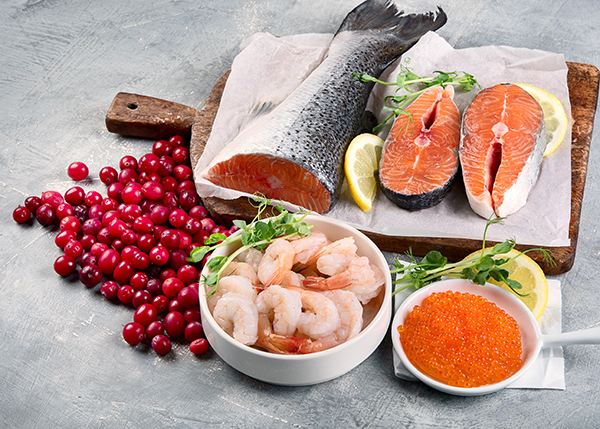
The study meticulously controlled variables, providing participants with meal plans to maintain weight, proving improvements were due to diet alone and not calorie reduction. A low-carb diet (9% carbs, 65% fat) triggered nutritional ketosis, reducing glucose toxicity that overwhelms beta-cells. Meanwhile, the high-carb group (55% carbs) saw no significant changes, highlighting how mainstream dietary guidelines perpetuate diabetes.
The research uncovered striking racial disparities. African Americans, who face higher diabetes rates, experienced a 110% surge in acute insulin response on low-carb diets, likely due to genetic predispositions to insulin overproduction under glycemic stress. European Americans saw maximal insulin capacity rise by 48%. These findings underscore the need for personalized nutrition over one-size-fits-all drug protocols.
A path to remission without drugs
Unlike temporary fixes, carb restriction offers lasting healing. In a prior 48-week trial, 70% of low-carb participants reduced medications by half. "People with mild Type 2 diabetes who reduce their carbohydrate intake may be able to discontinue medication and enjoy eating meals and snacks that are higher in protein and meet their energy needs," said Dr. Gower. Compare this to drugs that merely delay complications such as neuropathy, kidney failure, and amputations while lining corporate pockets.
Big Pharma’s reliance on sick-care is no accident. Diabetes medications generate $50 billion annually in the U.S. alone. Yet this study proves that a diet of whole foods such as meat, fish, and non-starchy vegetables can achieve what pills cannot: restoration.
As insulin resistance fuels heart disease, cancer, and strokes, the low-carb solution could save millions of lives and billions in healthcare costs.
The University of Alabama at Birmingham’s research is a wake-up call. Diabetes isn’t a life sentence but a reversible condition if we reject the drug-dependent paradigm. While Big Pharma peddles "management," nature offers a cure: Eat real food, ditch the carbs, and reclaim your health. This study hands the power back to patients—where it belongs.
Sources for this article include:
StudyFinds.org
UAB.edu
MedicalNewsToday.com
Low-carb diet could replace meds for type 2 diabetes, study finds – NaturalNews.com
If you're gonna fight, fight like you're the third monkey on the ramp to Noah's Ark... and brother its starting to rain. Join our efforts to Secure America's Borders and End Illegal Immigration by Joining ALIPAC's E-Mail Alerts network (CLICK HERE)
-
05-07-2025, 07:53 PM #188Senior Member
- Join Date
- Aug 2018
- Posts
- 92,697
Unveiling the power of a misunderstood antioxidant: “The Vitamin E Factor” by Andreas Papas
05/07/2025 // Belle Carter // 330 Views
Tags: #nutrition, alternative medicine, Andreas Papas, antioxidant, Cures, Factor X, food is medicine, goodhealth, goodmedicine, healing, health, natural cures, natural health, natural medicine, natural remedies, nutraceuticals, nutrients, supplements, The Vitamin E Factor, vitamin E
- "The Vitamin E Factor" by Andreas Papas traces the history of Vitamin E from its accidental discovery in 1922 at the University of California, Berkeley by researchers Herbert M. Evans and Katharine S. Bishop, who identified it as "Factor X" essential for reproductive health in rats.
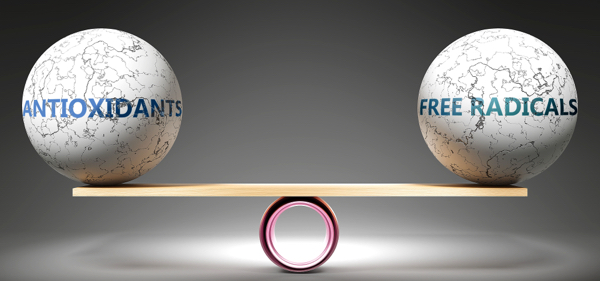
- Vitamin E is not a single entity but a family of eight compounds, including tocopherols and tocotrienols. Each compound has unique properties and benefits, with gamma-tocopherol being effective against nitrogen radicals and tocotrienols showing promise in heart health by slowing cholesterol synthesis.
- The book revisits the controversial claims of the Shute brothers, who argued that Vitamin E could treat heart disease. While initially met with skepticism, their work laid the groundwork for later research. Studies like the Nurses' Health Study and the Health Professionals Follow-up Study have since shown a strong link between Vitamin E intake and reduced heart disease risk, though the full potential of different Vitamin E compounds is still being explored.
- Papas emphasizes the importance of considering the entire spectrum of Vitamin E compounds, not just alpha-tocopherol. He recommends supplements that include all eight compounds in their natural, non-esterified form for better bioavailability and effectiveness.
- For healthy individuals, Papas suggests a daily intake of 100 IU of natural d-alpha-tocopherol plus 100 milligrams of other tocopherols and tocotrienols. Those at higher risk are advised to increase their intake to 200 IU plus 200 milligrams. He also recommends water-soluble Vitamin E (TPGS) for individuals with absorption issues.
A new book by Andreas Papas, PhD, titled "The Vitamin E Factor: The Miraculous Antioxidant for the Prevention and Treatment of Heart Disease, Cancer, and Aging," delves deep into the multifaceted world of this enigmatic nutrient.
The book not only explores the historical journey of Vitamin E from its serendipitous discovery to its current status as a potential game-changer in disease prevention but also challenges conventional wisdom by advocating for a more holistic understanding of its benefits.
The story begins in 1922 at the University of California, Berkeley, where researchers Herbert M. Evans and Katharine S. Bishop stumbled upon a mysterious substance they dubbed "Factor X." While experimenting with laboratory rats, they observed that a diet lacking certain nutrients led to reproductive issues.
It wasn't until they introduced fresh lettuce and wheat germ into the rats' diet that healthy offspring were born. This mysterious "Factor X" was later identified as Vitamin E, a discovery that would set the stage for decades of research and debate.
Initially, Vitamin E was humorously labeled the "sex vitamin" due to its role in reproduction, a misconception that overshadowed its broader potential for years. However, as Papas meticulously outlines, Vitamin E is not a single entity but a family of eight compounds, divided into tocopherols and tocotrienols. Each of these compounds has unique properties and benefits, a fact that has been largely overlooked until recently.
For instance, gamma-tocopherol, often overshadowed by its more famous sibling alpha-tocopherol, is particularly effective in combating nitrogen radicals linked to chronic diseases such as arthritis, multiple sclerosis and Alzheimer's. Similarly, tocotrienols have shown promise in slowing down the activity of a liver enzyme crucial for cholesterol synthesis, potentially offering significant benefits for heart health.
The book also revisits the controversial claims made by the Shute brothers, Evan and Wilfrid, in the mid-20th century. They asserted that Vitamin E could treat heart disease, a notion that was met with skepticism and even ridicule by the mainstream medical community.
Despite the initial backlash, their work laid the groundwork for future research. Today, the link between Vitamin E and heart disease is much stronger – although much remains to be understood, particularly in treating advanced stages of the disease.
Papas highlights the surge in clinical studies during the 1990s, such as the Nurses' Health Study and the Health Professionals Follow-up Study, which showed a strong association between high levels of Vitamin E intake and a reduced risk of heart disease. Other studies have suggested benefits for conditions ranging from Alzheimer's to cancer. However, Papas emphasizes that most of these studies focused on alpha-tocopherol, neglecting the potential of other tocopherols and tocotrienols.
"The key takeaway is that we need to consider the whole team, not just alpha-tocopherol," Papas states emphatically. He recommends choosing supplements that contain all eight compounds in their natural, non-esterified form, as these are more bioavailable and effective in the body.
For those convinced of Vitamin E's potential, Papas offers practical advice. For healthy individuals, he suggests a daily intake of 100 IU of natural d-alpha-tocopherol plus 100 milligrams of other tocopherols and tocotrienols. For those at higher risk, he advises increasing the intake to 200 IU plus 200 milligrams. For individuals with absorption issues, he recommends supplements containing TPGS, a water-soluble form of Vitamin E that can be absorbed even when bile production is poor.
In conclusion, "The Vitamin E Factor" is a compelling exploration of a nutrient that has been both revered and misunderstood. Papas' work challenges readers to rethink their approach to Vitamin E, advocating for a more comprehensive understanding of its potential. As with any supplement, he emphasizes the importance of doing thorough research and consulting with a healthcare professional before making any changes to one's regimen.
Learn more about Andreas Papas' book "The Vitamin E Factor: The Miraculous Antioxidant for the Prevention and Treatment of Heart Disease, Cancer, and Aging" by watching the video below.
This video is from the BrightLearn channel on Brighteon.com.
Sources include:
Brighteon.ai
Brighteon.com
Unveiling the power of a misunderstood antioxidant: “The Vitamin E Factor” by Andreas Papas – NaturalNews.com
If you're gonna fight, fight like you're the third monkey on the ramp to Noah's Ark... and brother its starting to rain. Join our efforts to Secure America's Borders and End Illegal Immigration by Joining ALIPAC's E-Mail Alerts network (CLICK HERE)
-
05-09-2025, 09:22 PM #189Senior Member
- Join Date
- Aug 2018
- Posts
- 92,697
Ghee: A healthy and nutritious alternative to butter
05/09/2025 // Laura Harris // 50 Views
Tags: #nutrition, butter substitute, food is medicine, food science, functional food, ghee, goodfood, goodhealth, grocery, grocery cures, health science, ingredients, natural health, nutrients, organics, superfoods

- A staple in Ayurveda for 5,000 years, ghee originated in India as a sacred, medicinal and culinary fat, prized for its ability to support digestion and longevity and its culinary uses, which include high-heat cooking.
- Rich in fat-soluble vitamins, CLA, butyrate and MCTs, ghee is lactose-free and casein-free, making it suitable for individuals with dairy sensitivities.
- Ghee is more stable than butter or olive oil for frying and sautéing and produces fewer harmful compounds like acrylamides compared to vegetable oils.
- Opt for organic, grass-fed ghee to avoid pesticides and heavy metals. Third-party tested brands ensure purity and higher omega-3s and CLA.
- Used in Indian dishes (curries, tadka, halwa), ghee is great for baking, sautéing and making bulletproof coffee, providing rich flavor and nutrition.
In the world of nutrition, few ingredients bridge tradition and modern wellness as seamlessly as ghee. Revered in Ayurveda for thousands of years, ghee is now celebrated globally as a nutrient-dense, digestion-friendly fat that enhances both health and flavor.
Unlike butter, it is lactose-free, shelf-stable and packed with fat-soluble vitamins, making it a superior cooking medium.
Brief history of ghee
Ghee is a form of clarified butter, traditionally made by simmering butter until the water evaporates and the milk solids separate, leaving behind a golden, nutty-flavored fat. Originating in ancient India, ghee has been a culinary and medicinal staple in Ayurveda (a 5,000-year-old holistic healing system) and is prized for its digestive and rejuvenating properties.
Historically, ghee was used as an offering in Hindu ceremonies; as a medicinal food in traditional medicine that promotes longevity and balances the body's doshas; and as a stable cooking fat in regions with warm climates.
Ghee entered the modern wellness scene when Western nutritionists recognized its high smoke point (485 F or 252 C), which makes it ideal for frying and sautéing without oxidation. Unlike butter and vegetable oils, ghee doesn't break down and produce harmful free radicals at high heat.
Ghee is also free of casein and lactose, making it a safer option for those with dairy sensitivities. (Related: Ghee: A look at its health benefits.)
Nutritional benefits of ghee
Ghee is rich in healthy fats, fat-soluble vitamins and other beneficial components, offering multiple health advantages:
Fat-soluble vitamins
- Vitamin A - supports healthy vision and immune function
- Vitamin D - boosts bone health and immunity
- Vitamin E - a powerful antioxidant that combats oxidative stress
- Vitamin K2 - an essential nutrient for heart health and calcium metabolism
CLA (conjugated linoleic acid)
- Aids in fat loss and muscle preservation
- Helps reduce inflammation
Healthy fatty acids
- Butyrate (a short-chain fatty acid) – supports gut health, reduces inflammation and protects against colon cancer
- MCTs (medium-chain triglycerides) – promote satiety, healthy brain function and weight management
While ghee is highly nutritious and easier on the stomach than regular butter, its safety depends on sourcing. Conventionally produced ghee may contain residual pesticides (from cows fed non-organic diets like corn and soy) or heavy metals (if sourced from contaminated regions).
For the healthiest option, choose organic, grass-fed ghee, which is higher in beneficial omega-3 fatty acids and CLA and lower in contaminants than non-organic ghee. Prioritize brands that undergo third-party testing to verify purity and ensure no additives, pesticides or heavy metals are present.
Culinary uses and recipes to try
Ghee's rich, nutty aroma and high smoke point make it a versatile ingredient in both traditional and modern recipes. It is commonly used in:
- Indian cuisine – for tempering spices (tadka), dals, curries and sweets
- Baking – excellent butter substitute in cakes, cookies and pastries
- Frying and sautéing – great for stir-fries, roasted vegetables and eggs
- Bulletproof coffee – blended into coffee with MCT oil for sustained energy
Popular dishes made with ghee include:
- Dal tadka - lentils tempered with ghee and spices
- Ghee rice - fragrant basmati rice cooked with ghee
- Halwa - traditional dessert made with ghee, sugar and semolina
- Roti/Paratha - flaky Indian breads brushed with ghee
Ghee is more than just a cooking fat – it is a nutritional powerhouse that can support healthy metabolism, digestion and overall vitality. Whether you're sautéing vegetables, baking or just spreading it on toast, ghee offers a richer, cleaner and healthier alternative to butter or vegetable oils.
This story is not medical advice and is not intended to treat or cure any disease. Always consult with a qualified naturopathic physician for personalized advice about your specific health situation or concern.
Learn more about the health benefits of other superfoods and natural ingredients at NaturalNews.com, your trusted source for wellness insights and nutritional knowledge.
For cutting-edge tools to expand your understanding of natural health, try Brighteon.ai, an innovative AI model created by Mike Adams, the Health Ranger. This free, downloadable tool is designed to decentralize knowledge, bypass censorship, and empower individuals with actionable information.
If you're passionate about nutrition, natural medicine and uncensored discussions, visit Brighteon.com, a free speech video platform, and join our vibrant communities on Brighteon.IO and Brighteon.social. Dive into open conversations about food, ingredients and holistic health today!
Watch this video to know the 6 reasons why ghee is a healthier alternative to butter.
This video is from the Natural News channel on Brighteon.com.
More related stories:
Ghee: A clarified butter rich in essential fats and vitamins.
A "butter" alternative: Adding ghee to your diet can improve gut health.
Ditch harmful VEGETABLE OILS for these healthy substitutes.
Sources include:
Brighteon.AI
NaturalNews.com
Brighteon.com
Ghee: A healthy and nutritious alternative to butter – NaturalNews.com
If you're gonna fight, fight like you're the third monkey on the ramp to Noah's Ark... and brother its starting to rain. Join our efforts to Secure America's Borders and End Illegal Immigration by Joining ALIPAC's E-Mail Alerts network (CLICK HERE)
-
05-10-2025, 08:26 PM #190Senior Member
- Join Date
- Aug 2018
- Posts
- 92,697
Allan Campbell: Fight inflation and food scarcity by GROWING YOUR OWN FOOD
05/10/2025 // Kevin Hughes // 0 Views
Tags: Allan Campbell, aquaponics, community gardens, compost systems, Ecology, ecosystems, environ, food collapse, food forest, Food Forest Abundance, food prices, food rationing, food shortages, food supply, foraging, goodfood, grow your own food, harvest, Inflation, machinery, monoculture systems, permaculture, preparedness, regeneration, scarcity, survival, United States
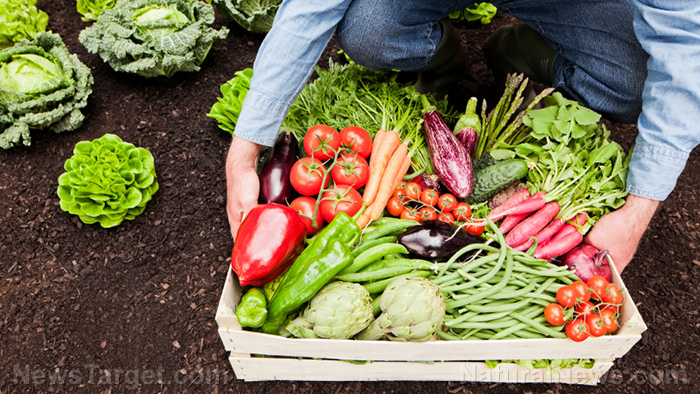
- Permaculture is presented as a holistic design methodology that addresses global issues such as drought, war and food insecurity. It integrates water catchment, energy capture and food production into a cohesive system, offering a sustainable approach to food and resource management.
- Founded by Jim Gale, Food Forest Abundance aims to make permaculture accessible by transforming underutilized land into edible, ecologically rich landscapes. The organization simplifies the permaculture message and provides practical, educational resources to help people create their own food forests.
- Food forests are described as "living, sentient" ecosystems that evolve and foster a deep connection between humans and nature. They provide abundant food and medicine, offering nutrient-rich produce that contrasts with chemically treated store-bought food. The experience of creating and maintaining a food forest brings joy and satisfaction.
- Permaculture design emphasizes resilience by incorporating a diverse range of plant species that can withstand various weather conditions. This approach ensures stable food production even in the face of extreme weather events, making it a viable solution for climate change adaptation.
- While some permaculture practitioners advocate for a no-machinery approach, the use of tools like excavators is considered beneficial when used responsibly. Additionally, integrating animals into permaculture systems is crucial, as they act as natural composters and enhance soil fertility. The interview also highlights the benefits of backyard chickens and goats, as well as the ancient practice of aquaponics.
In a world grappling with escalating food prices and dwindling resources, the concept of permaculture offers a beacon of hope. Allan Campbell of Food Forest Abundance joined the Health Ranger Mike Adams on the "Health Ranger Report" to discuss the transformative power of permaculture and the burgeoning movement of growing your own food forest.
Campbell's journey into permaculture began during his university days in Texas, where he studied mechanical engineering. Originally from Uruguay, Campbell was drawn to permaculture as a design methodology that offered solutions to the world's pressing challenges, from drought and war to food insecurity.
The permaculturist and environmental consultant was captivated by its holistic approach, which integrates water catchment, energy capture and food production into a cohesive system. This led him to start small, creating compost systems and community gardens, before fully dedicating his life to permaculture in 2020.
Campbell emphasized that permaculture can be daunting due to its broad scope. This is where Food Forest Abundance, founded by Jim Gale, comes in. The organization simplifies the permaculture message, focusing on transforming underutilized land into edible, ecologically rich landscapes.
Campbell explained that people can convert land considered to be a liability into an asset by creating a food forest that not only provides food but also enhances the ecology. "We can transform something like the land into an edible, ecologically rich landscape through a food forest," the operations manager of Food Forest Abundance said.
The company has designed food forests across the U.S. and collaborates with a diverse team of designers and installers. Their approach is both educational and practical, aiming to make permaculture accessible to everyone.
The joys of permaculture: A natural approach to food and medicine
Adams shared the experience of Todd Pitner, his co-host on "Decentralize TV," with hiring Food Forest Abundance to build a food forest in his Florida backyard. The joy and satisfaction that Pitner derives from this project are palpable. Campbell describes a food forest as a "living, sentient thing" that evolves and responds to its environment, creating a deep connection between humans and nature. (Related: Food Forests: The ultimate hedge against economic collapse and centralized tyranny.)
The two delved into the myriad benefits of permaculture, emphasizing the abundance of food and medicine that nature provides. Campbell highlighted the importance of learning about local ecosystems and foraging for food, which can lead to a deeper understanding of one's environment. He also pointed out the stark contrast between the nutrient-rich produce from a permaculture garden and the often mineral-deficient, chemically treated food found in stores.
Adams shared his experience of living in Ecuador, where he learned to appreciate the abundance of food that can be grown in a favorable climate. The Health Ranger contrasts this with his initial impression of Texas, which he found barren until he realized that "everything is food or medicine." This realization underscores the potential of permaculture to transform even seemingly inhospitable landscapes into thriving ecosystems.
The conversation turned to the increasing unpredictability of weather patterns and the fragility of traditional monoculture systems. Campbell explained that permaculture design incorporates resilience by planting a diverse range of species that can withstand various weather conditions. This approach ensures that food production remains stable even in the face of extreme weather events.
A key point of discussion is the role of machinery in permaculture. While some purists advocate for a no-machinery approach, Campbell believes in using tools like excavators responsibly.
He argued that machinery can significantly reduce the time and labor required to reshape land, making it a valuable asset when used wisely. The key is to design thoughtfully and start small, scaling up as knowledge and experience grow.
Campbell also emphasized the importance of incorporating animals into permaculture systems. Animals serve as natural composters, accelerating the regeneration of soil and enhancing its fertility. He also discussed the benefits of backyard chickens and goats, which provide food, fertilizer and companionship.
The interview also touched on the ancient practice of aquaponics, which combines fish and plant cultivation. While Campbell acknowledged the potential of modern aquaponics, he favors simpler, more natural approaches that rely less on technology and more on understanding natural systems.
As the interview concluded, Campbell encouraged listeners to consider the long-term benefits of permaculture. He highlighted the generational impact of planting trees and creating food forests, which can provide sustenance and beauty for years to come.
Adams echoed this sentiment, urging preppers and anyone interested in self-sufficiency to start growing their own food. The Health Ranger emphasized the importance of transitioning from stored food supplies to self-sustaining food production, especially in light of rising food prices and potential shortages.
Watch the full interview between Allan Campbell and the Health Ranger Mike Adams below.
This video is from the Health Ranger Report channel on Brighteon.com.
More related stories:
“Wartime Homefront Essential Skills” on BrightU: How to grow your own food when the grid goes down.
Four ways to creatively grow your own fruits and vegetables using principles of permaculture.
Creating food forests out of front lawns can prepare communities for FOOD COLLAPSE – Brighteon.TV.
Sources include:
Brighteon.com
FoodForestAbundance.com
Allan Campbell: Fight inflation and food scarcity by GROWING YOUR OWN FOOD – NaturalNews.com
If you're gonna fight, fight like you're the third monkey on the ramp to Noah's Ark... and brother its starting to rain. Join our efforts to Secure America's Borders and End Illegal Immigration by Joining ALIPAC's E-Mail Alerts network (CLICK HERE)


 Reply With Quote
Similar Threads
-
Half of Greenland's Warming Tied to Natural Causes NATURAL CAUSES?!?! NATURAL CAUSES
By AirborneSapper7 in forum Other Topics News and IssuesReplies: 4Last Post: 05-08-2014, 11:50 AM -
NATURAL BORN FOLLOWS THE NATURAL BIRTH FATHER
By AirborneSapper7 in forum Other Topics News and IssuesReplies: 3Last Post: 04-19-2011, 09:49 PM -
Experts: Placebo power behind many natural cures
By JohnDoe2 in forum Other Topics News and IssuesReplies: 1Last Post: 11-10-2009, 11:03 PM -
Natural Cancer Drug Called CELLADAM Cures Cancer
By CCUSA in forum Other Topics News and IssuesReplies: 0Last Post: 01-23-2009, 04:47 PM -
DRUG COMPANIES USE NATURAL CURES TO DESIGN NEW DRUGS
By Darlene in forum Other Topics News and IssuesReplies: 0Last Post: 03-18-2006, 08:43 PM
Tags for this Thread
alternative medicine,
balance,
chinese herbal medicine,
clean-foods-organics,
cures,
daniel reid,
goodhealth,
goodmedicine,
healing,
herbal medicine,
herbs,
history,
holistic,
natural cures,
natural health,
natural medicine,
naturalnews.com,
plant medicine,
prevention,
qi,
real history,
remedies,
tcm,
traditional chinese medicine,
yin and yang


Debt Remembered And Debt Ignored | The debt paid by America’s...
05-25-2026, 04:13 PM in General Discussion