

Results 151 to 160 of 602
 2Likes
Thread Information
Users Browsing this Thread
There are currently 1 users browsing this thread. (0 members and 1 guests)
 LinkBack URL
 About LinkBacks
-
04-23-2025, 03:35 AM #151Senior Member


- Join Date
- Aug 2018
- Posts
- 92,697
Arsenic in Brown Rice? Here’s how you can keep enjoying this nutritious grain
04/22/2025 // HRS Editors // 200 Views
Tags: arsenic, arsenic exposure, badfood, badhealth, badpollution, brown rice, cancer causes, carcinogens, children's health, clean food watch, environment, food safety, food science, health science, Heavy metals, inorganic arsenic, men's health, organics, rice, stop eating poison, toxic chemicals, toxic ingredients, white rice, women's health
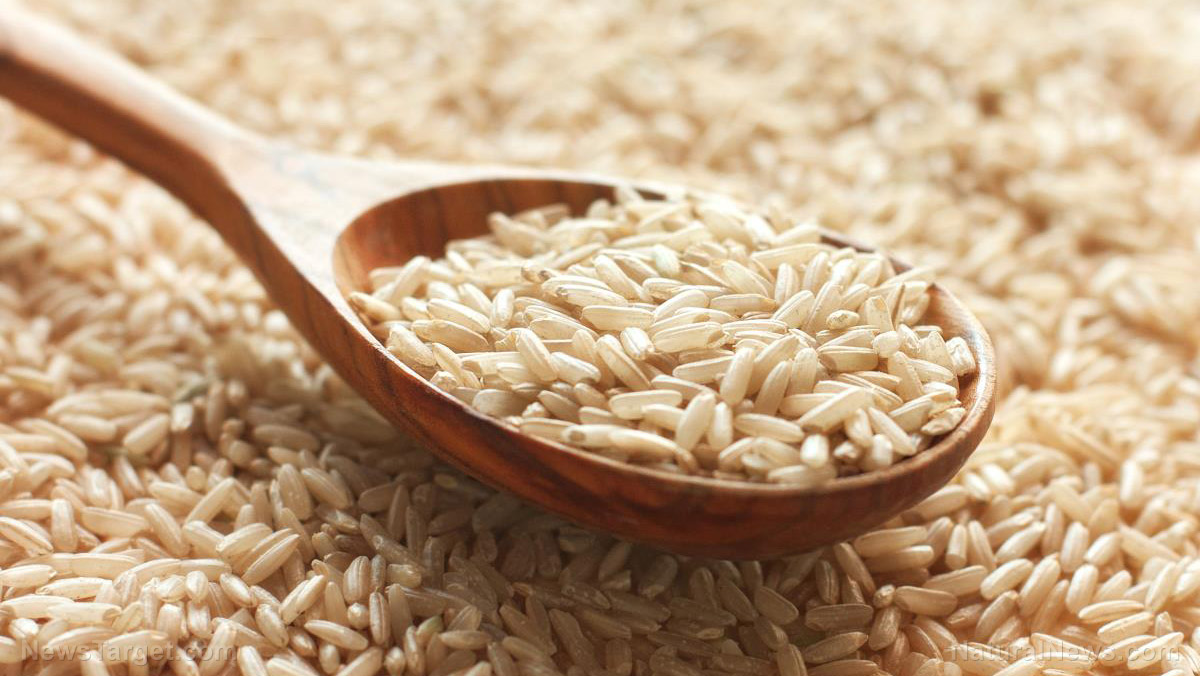
- Brown rice contains 40 percent more inorganic arsenic (a toxin linked to various diseases) than white rice due to its unprocessed bran layer, a study reveals.
- Infants and young children face disproportionate risks because they consume more rice relative to their body weight.
- U.S.-grown brown rice has 48 percent inorganic arsenic, while imported varieties can reach 65 percent, making imported options riskier. White rice from the U.S., India or Pakistan (e.g., jasmine or basmati) has lower arsenic because its bran is removed during processing.
- Consumers can reduce arsenic intake by rinsing rice, diversifying grains (e.g., quinoa, barley) and opting for lab-verified products.
- Despite FDA guidelines for infant rice cereal, no U.S. regulations exist for adult/child non-infant rice products. Experts urge systemic changes, like stricter arsenic limits and clear labeling, to balance rice’s nutritional benefits with its hidden toxicity.
Brown rice has long been hailed as a nutritious superfood, packed with fiber, protein and essential vitamins. But beneath its wholesome reputation lies a hidden danger that scientists are now shining a harsh light on.
A groundbreaking study from Michigan State University (MSU) reveals that brown rice contains a staggering 40 percent more inorganic arsenic, a potent toxin linked to cancer, heart disease and developmental harm in children, compared to its white rice counterpart.
The findings, part of a growing body of research exposing the food’s hidden risks, challenge consumers to rethink their dietary choices. (h/t to MSUToday.MSU.edu)
The dark side of the bran layer
Arsenic, a naturally occurring element in soil and water, becomes a silent threat when absorbed by rice during growth. Unlike other grains, rice soaks up arsenic like a sponge, especially when cultivated in flooded paddies where the element’s toxicity amplifies.
For the MSU study, which was published in the journal Risk Analysis, scientists analyzed arsenic concentrations in brown and white rice consumed by Americans. The results revealed a critical imbalance.
Brown rice retained significantly higher levels of inorganic arsenic, the toxic form of the metal, because of its unprocessed bran layer that traps the contaminant. Inorganic arsenic, unlike its less harmful "organic" counterpart that is common in seafood, persists in the body, posing a long-term health threat.
For infants and young children under five, the risks are even greater. The researchers warned that because children consume more rice relative to their body weight than adults, they are disproportionately vulnerable to arsenic exposure.
The researchers added that toddlers who eat even small portions of brown rice daily could face unsafe levels of arsenic exposure over time. In contrast, U.S. adults are generally less at risk unless they follow a rice-heavy diet.
Geography plays a toxic role
The study also unearthed stark regional differences in arsenic contamination. Brown rice grown in the U.S. had a 48 percent inorganic arsenic concentration, while globally sourced brown rice reached a staggering 65 percent.
This disparity underscores a critical consumer dilemma: Imported rice, often cheaper and ubiquitous in multicultural diets, may carry far higher risks. For families relying on imported rice, especially from Asia, the danger is magnified.
Meanwhile, U.S.-grown white rice, stripped of its bran layer during processing, contained just 33 percent inorganic arsenic. (Related: Healthy snacking: Why choosing organic popcorn matters.)
A nutrition safety trade-off
The study’s authors stress that their findings aren’t a blanket condemnation of brown rice. They added that consumers shouldn't worry about brown rice being "bad" while white rice is now "good."
Brown rice’s benefits, including its abundance of antioxidants and dietary fiber that support good health, are undeniable. However, the data also presents a stark reality where consumers must weigh these advantages against arsenic’s insidious risks.
The researchers also advised that consumers should watch out for more than arsenic in rice and that they should maintain a balance between nutrition and contamination. The research team also highlighted the need for more research on how to mitigate arsenic levels without sacrificing taste or health benefits.
A call for consumer vigilance
Unfortunately, the U.S. lags behind other nations in regulating arsenic in non-infant foods. Without clear guidelines, consumers shoulder the burden of protecting themselves, which can be a stressful task given arsenic’s invisibility.
The researchers warned that the study findings aren't just a health warning but a crucial call for "systemic change." They also emphasized the need for clearer labeling and stricter controls on soil and water quality.
Arsenic in rice isn’t a reason to panic, but it demands caution. Like lead or mercury, arsenic poses cumulative risks that grow with daily intake.
For individuals on gluten-free diets, especially if they are reliant on rice-based foods, and families prioritizing organic consumption, the stakes are higher still.
The MSU study paints a sobering picture of a staple food caught between its health halo and latent danger. As researchers, regulators and consumers navigate this complex issue, one truth remains clear: When it comes to rice, especially brown varieties, the key to safety lies in moderation, informed choices and a watchful eye on what you put on your plate.
The Food and Drug Administration (FDA)’s upcoming Closer to Zero initiative aims to set "action levels" for arsenic in food, similar to the agency's current limit of 100 parts per billion (ppb) for infant rice cereal. However, adults and older children lack such safeguards, relying on awareness campaigns and personal vigilance.
Here are some suggestions on how to minimize arsenic exposure:
Rinse and boil
Rinsing raw rice removes 10 percent of arsenic. Boiling it in excess water (6:1 ratio) reduces arsenic by 40 to 60 percent, though this also strips some nutrients.
Choose wisely
Opt for basmati or jasmine rice from the U.S., California, India or Pakistan since these have lower arsenic levels. Brown basmati from these regions also fares better when it comes to arsenic levels.
Avoid rice for babies
Rice cereal and milk are discouraged for infants. Opt for oatmeal or multi-grain alternatives instead.
Mix it up
You can also protect your family from arsenic by replacing rice with arsenic-free grains like barley, bulgur or quinoa in dishes.
Where to find clean, lab-verified Organic Brown Rice
The Health Ranger Store is committed to helping you find clean grains for your family. That’s why we’re proud to introduce clean, lab-verified and healthy food options such as our Mega Bucket Organic Long Grain Brown Rice and Mega Bucket Organic Short Grain Brown Rice.
One of the healthiest grains on the planet, organic long grain brown rice is not only a versatile food but is also a nutritional powerhouse. Packed with minerals, vitamins and antioxidants, it is a remarkable grain that can provide a readily available source of energy.
Because brown rice keeps its hull, bran and germ intact, it has higher levels of minerals, dietary fiber and carbs. Furthermore, organic brown rice is a great source of calcium, iron, potassium, protein and other healthy phytonutrients. This makes it a great addition to your emergency stockpile due to its long shelf life.
That's why the Brighteon Store is offering our Health Ranger Select Organic Long Grain Brown Rice in long-term storable 18-lb mega buckets. Our organic long grain brown rice is a fiber-rich grain that has all the nutrients and flavors of brown rice, without any added chemicals or preservatives.
We also offer Mega Bucket Organic Short Grain Brown Rice. Organic short grain brown rice is also rich in fiber. This is due to its minimal processing and retention of the bran and germ layers, which contain most of the nutrients.
Moreover, the high concentrations of fiber in brown rice can support healthy digestion. You can be assured that you and your family are getting one of the best emergency food products available on the market.
Our Mega Bucket Organic Long Grain Brown Rice and Mega Bucket Organic Short Grain Brown Rice are both non-GMO, non-China and certified Kosher and organic. Additionally, they are rigorously lab tested for glyphosate, heavy metals and microbiology to ensure maximum purity, cleanliness and quality.
Visit Health Ranger Store and Brighteon Store to find more lab-verified products free from arsenic and other contaminants. You can also visit FoodScience.news to learn more about other foods that may contain heavy metals and how to avoid them.
Click on this link to find out why you should also choose lab-verified cocoa products.
Watch this clip about why you should have Organic Long Grain Brown Rice in your survival pantry.
This video is from the Health Ranger Store channel on Brighteon.com.
More related stories:
Consumer Reports: FDA’s arsenic limit in apple juice is TOO HIGH and may pose a risk to children’s health.
Are you slowly poisoning yourself with… rice?
Why you should think twice before buying mainstream toothpaste formulas.
CLEAN FOOD WATCH: 6 Foods that are likely to be contaminated with heavy metals.
Sources include:
MSUToday.MSU.
Health.OSU.edu
Sites.Dartmouth.edu
FDA.gov
HealthRangerStore.com 1
HealthRangerStore.com 2
HealthRangerStore.com 3
HealthRangerStore.com 4
Brighteon.com
Arsenic in Brown Rice? Here’s how you can keep enjoying this nutritious grain – NaturalNews.com
If you're gonna fight, fight like you're the third monkey on the ramp to Noah's Ark... and brother its starting to rain. Join our efforts to Secure America's Borders and End Illegal Immigration by Joining ALIPAC's E-Mail Alerts network (CLICK HERE)
-
04-23-2025, 10:53 AM #152Senior Member
- Join Date
- Aug 2018
- Posts
- 92,697
“Wartime Homefront Essential Skills” on BrightU: Safe roadkill harvesting and growing tomatoes like a boss
04/23/2025 // Jacob Thomas // 290 Views
Tags: bug out, Food Preservation, food security, food supply, gardening tips, harvest, homesteading, Marjory Wildcraft, off grid, preparedness, prepper, prepping, roadkill processing, self sufficiency, survival, survival skills, tips, tomato growing, wartime homefront essential skills, wild meat
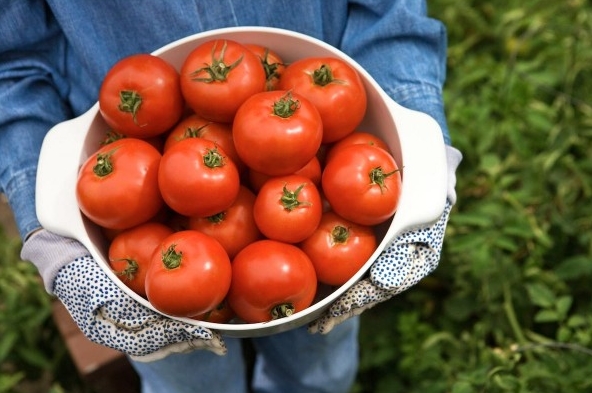
- In episode 9 of "Wartime Homefront Essential Skills," slated for May 4, Marjory Wildcraft and Red Louvish teach unconventional meat sourcing, covering safe roadkill harvesting, freshness assessment (eye clarity, rigor mortis, bloating) and butchering with minimal tools.
- This episode explores how properly harvested wild meat is often fresher, healthier and more organic than store-bought options, offering a sustainable solution to food insecurity.
- Experts also tackle processing a goat with a simple knife, transforming hides into buckskin and leveraging roadkill for bartering — turning scarcity into opportunity.
- In episode 10, slated for May 5, tomato-growing experts share climate-resilient techniques, from soil prep (avoiding herbicides) to pest control, spacing and blight prevention.
- This episode covers seed-starting hacks, optimal harvesting for flavor and preservation methods (dehydrating, canning), emphasizing self-sufficiency in food production. Both episodes frame homesteading skills as critical for food security in uncertain times.
Brighteon University is streaming an episode a day of "Wartime Homefront Essential Skills" by Marjory Wildcraft from April 26 to May 5, and a replay of all 10 episodes on May 6. Register here to dive into a masterclass in resilience, self-reliance and true preparedness from the woman who's helped thousands of families return to the basics of food, medicine and community-driven living.
What's in store for you in Episode 9
In episode 9 of "Wartime Homefront Essential Skills," slated for May 4, Wildcraft, renowned homesteading expert and founder of The Grow Network, teams up with Red Louvish, a seasoned roadkill processor, to reveal the shocking truth about how to safely harvest, assess and butcher wild meat — even if it's been lying on the roadside. In an era of rising food insecurity and supply chain disruptions, self-sufficiency is no longer just a hobby — it's a necessity.
This isn’t your average homesteading tutorial. It's a no-holds-barred, hands-on demonstration that will challenge everything you thought you knew about food sourcing. From determining freshness to field-dressing an animal with just a pocket knife, this video is packed with life-saving knowledge that could mean the difference between sustenance and starvation in a crisis.
Viewers can expect to learn a lot of things from Episode 9, including the following:
- How to tell if found meat is safe to eat.
- How to process a freshly killed goat (legally sourced for demonstration) using just a simple knife.
- How to turn a raw hide into luxurious buckskin using traditional Native American techniques.
- How one man turned roadkill collection into a bartering business, trading wild meat for other essentials.
Most people cringe at the thought of eating roadkill — but after watching this, you'll see it as a viable, sustainable food source.
What's in store for you in Episode 10
In episode 10, slated for May 5, Wildcraft and David the Good bring you an all-star panel of tomato-growing legends to reveal the secrets of cultivating juicy, flavorful tomatoes — no matter your climate or skill level.
From soil prep to pest control, seed selection to sauce-making, this deep-dive tutorial is packed with practical wisdom from Craig LeHollier (Epic Tomatoes), Lynn Gillespie (High Performance Gardening) and Jere Gettle (Baker Creek Heirloom Seeds).
Viewers can expect to learn a lot of things from Episode 10, including the following:
- How to avoid deadly herbicides lurking in cow manure and the best soil amendments (compost, sand, turkey manure) for drainage and fertility.
- Why mulching can make or break your tomato plants and spacing tricks to prevent disease and boost yield.
- The "Epic Tomato" method for starting 2,000 seedlings in one flat (game-changer for market growers).
- Why overhead watering is a tomato’s worst enemy and how to spot (and stop) blight, fusarium wilt and hornworms before they destroy your crop.
- When to harvest tomatoes and pick for maximum flavor (color isn't always the best indicator).
- Three ways to preserve tomatoes (dehydrating, canning, freezing) for year-round meals.
Whether you're a beginner or a seasoned gardener, you'll walk away with actionable strategies to avoid common pitfalls and maximize your harvest. With food security becoming more critical than ever, growing your own nutrient-rich tomatoes isn’t just a hobby — it’s a lifesaving skill. Plus, nothing beats the taste of a sun-ripened, homegrown tomato.
Want to learn more?
When the world gets unpredictable, the smartest move is to prepare. That's why "Wartime Homefront Essential Skills" by Marjory Wildcraft is back on BrightU. This is your second chance to catch the series that's changing how families think about self-reliance.
If you want to learn at your own pace and get access to 12 additional bonuses, you can purchase the Wartime Homefront Essential Skills Bundle here. Upon purchase, you will get unlimited access to all 10 "Wartime Homefront Essential Skills" videos and 12 bonuses, including 10 eBook guides and two homesteading videos.
BrighteonUniversity.com 1
BrightU.com
BrighteonUniversity.com 2
“Wartime Homefront Essential Skills” on BrightU: Safe roadkill harvesting and growing tomatoes like a boss – NaturalNews.com
If you're gonna fight, fight like you're the third monkey on the ramp to Noah's Ark... and brother its starting to rain. Join our efforts to Secure America's Borders and End Illegal Immigration by Joining ALIPAC's E-Mail Alerts network (CLICK HERE)
-
04-23-2025, 12:39 PM #153Senior Member
- Join Date
- Aug 2018
- Posts
- 92,697
If you're gonna fight, fight like you're the third monkey on the ramp to Noah's Ark... and brother its starting to rain. Join our efforts to Secure America's Borders and End Illegal Immigration by Joining ALIPAC's E-Mail Alerts network (CLICK HERE)
-
04-24-2025, 01:31 AM #154Senior Member
- Join Date
- Aug 2018
- Posts
- 92,697
Health Ranger Report: Jonathan Otto reveals the secrets of NATURAL HEALING and the dangers of modern medicine
04/23/2025 // Kevin Hughes // 50 Views
Tags: alternative medicine, Censored Science, Chemotherapy, chlorine dioxide solution, Cures, detoxification, goodhealth, goodmedicine, healing, Healing Genesis, health science, Jonathan Otto, modern medicine, natural cures, natural healing, natural medicine, Naturopathy, nicotine, radiation, remedies, urine therapy
- Investigative journalist Jonathan Otto introduces "Healing Genesis," a free docuseries featuring 50 health experts. The series aims to empower individuals with natural healing methods and personal success stories, challenging the conventional medical establishment.
- Both Mike Adams and Jonathan Otto share personal experiences that highlight the failures of conventional medicine and the effectiveness of natural healing. Adams discusses his use of chlorine dioxide water for a scorpion bite, while Otto shares his journey from conventional cancer treatments to natural healing methods.
- A core theme of "Healing Genesis" is the body's innate ability to heal itself. The series emphasizes the importance of mindset, faith and active participation in one's healing process, exemplified by Nancy Henderson's recovery from severe pain and illness through natural therapies.
- Adams and Otto critique the profit-driven nature of the pharmaceutical industry and the harmful side effects of conventional treatments like chemotherapy and radiation. They argue that conventional medicine often fails to address the root causes of diseases, focusing instead on symptom management.
- The docuseries covers various natural healing methods, including urine therapy, chlorine dioxide solution (CDS), nicotine, cruciferous vegetables and seawater. It also stresses the importance of understanding and detoxifying from environmental toxins, such as PFAS and heavy metals, which can contribute to disease.
In a world where the lines between health and disease are increasingly blurred, the need for alternative and holistic healing methods has never been more urgent. Independent journalist Jonathan Otto and the Health Ranger Mike Adams sat down to discuss the profound impact of natural healing and the alarming dangers of conventional medicine on the "Health Ranger Report."
Their conversation, rich with insights and personal stories, offers a compelling case for a return to nature and a reevaluation of the medical establishment. It also serves as an introduction to the groundbreaking docuseries "Healing Genesis," which Otto created.
Otto, a seasoned investigative journalist, has spent over a decade researching and documenting the power of natural healing. His latest project, "Healing Genesis," is a free docuseries featuring 50 leading health experts who share their knowledge and success stories. The series aims to empower individuals with the tools and information needed to reclaim their health and well-being.
Adams and Otto both share deeply personal stories that underscore the failures of conventional medicine and the transformative power of natural healing.
Adams recounted his scorpion bite experience where he used chlorine dioxide water as a treatment. Since then, it has become part of his journey that led him to explore alternative therapies and ultimately develop his instinct-based medicine system. Otto shared similar experiences, including using conventional cancer treatments and his own journey to health through natural methods.
The power of self-healing and the risks of conventional medicine
One of the central themes of "Healing Genesis" is the concept of self-healing. Both Adams and Otto emphasize that true healing comes from within and that individuals must take an active role in their recovery. They discuss the importance of mindset, faith and the body's innate ability to heal itself.
Otto highlights the story of Nancy Henderson, who was on the brink of suicide due to severe pain and illness. However, she found complete recovery through natural therapies like urine therapy and CDS.
"She was so overjoyed," Otto recounted. "Her life came back completely by using the therapies that she learned about in this series."
The conversation also delved into the darker side of modern medicine. Adams and Otto critique the profit-driven nature of the pharmaceutical industry and the harmful side effects of conventional treatments.
They discussed the overuse of chemotherapy and radiation, which can often do more harm than good. Otto pointed out that the medical establishment fails to address the root causes of diseases, focusing instead on symptom management.
Natural healing protocols
The docuseries covers a wide range of natural healing protocols, including:
- Urine Therapy: A controversial but effective method that uses the body's own urine to detoxify and heal. Studies have shown that urine contains stem cells and other beneficial compounds. (Related: Dr. Edward Group: Urine therapy is the golden secret to health.)
- Chlorine Dioxide Solution (CDS): A powerful antivenom and detoxifier that has shown remarkable results in treating various conditions, including cancer and viral infections.
- Nicotine: Contrary to popular belief, nicotine can be used therapeutically to counteract the effects of venom and improve cognitive function.
- Cruciferous Vegetables: Rich in sulforaphane, these vegetables have potent anticancer properties and can be easily grown at home.
- Seawater and Electrolytes: Essential for cellular communication and overall health.
Both Adams and Otto stress the importance of understanding the role of toxins in disease. They discussed the prevalence of harmful chemicals in food, water and the environment, including PFAS (forever chemicals) and heavy metals. They also highlighted the need for detoxification and the use of natural remedies to counteract these toxins.
The conversation also touched on the spiritual aspect of healing. Otto emphasized the importance of faith and the belief in one's ability to heal. He shared stories of individuals who found not only physical but also spiritual restoration through natural methods. Adams added that natural medicine is a divine expression of healing, contrasting it with the profit-driven approach of conventional medicine.
Adams and Otto urged viewers to take control of their health by exploring the natural healing methods presented in "Healing Genesis." They encourage people to share the series with friends and family, as the information could be life changing. The series is available for free at BrightU.com, and those who choose to purchase the full download will receive a wealth of bonus materials, including masterclasses and comprehensive guides.
In a world where health is increasingly compromised by environmental toxins and conventional medical practices, "Healing Genesis" offers a beacon of hope. By combining ancient wisdom with modern scientific insights, the series provides a roadmap for individuals seeking to reclaim their health and well-being. As Adams and Otto emphasize, the power to heal lies within each individual, and it is time to take that power back.
Follow AlternativeMedicine.news for more news about natural remedies.
Watch the full interview between Jonathan Otto and the Health Ranger Mike Adams below.
This video is from the Health Ranger Report channel on Brighteon.com.
More related stories:
Health Ranger Report: Investigative journalist Jonathan Otto and Mike Adams explore the hidden mechanisms driving CANCER.
Activist Mark Grenon and his sons imprisoned for advocating chlorine dioxide: A global health debate heats up.
Health Ranger Report: Could NICOTINE be the secret to immunity and longevity?
Sources include:
Brighteon.com
JonathanOtto.tv
Health Ranger Report: Jonathan Otto reveals the secrets of NATURAL HEALING and the dangers of modern medicine – NaturalNews.com
If you're gonna fight, fight like you're the third monkey on the ramp to Noah's Ark... and brother its starting to rain. Join our efforts to Secure America's Borders and End Illegal Immigration by Joining ALIPAC's E-Mail Alerts network (CLICK HERE)
-
04-25-2025, 12:19 AM #155Senior Member
- Join Date
- Aug 2018
- Posts
- 92,697
Marshmallow Root: An ancient sweet treat with medicinal properties
04/24/2025 // Ava Grace // 300 Views
Tags: alternative medicine, food cures, food is medicine, functional food, goodfood, goodhealth, herbal medicine, Herbs, ingredients, Marshmallow Root, natural cures, natural health, natural medicine, Naturopathy, organics, plant medicine, remedies
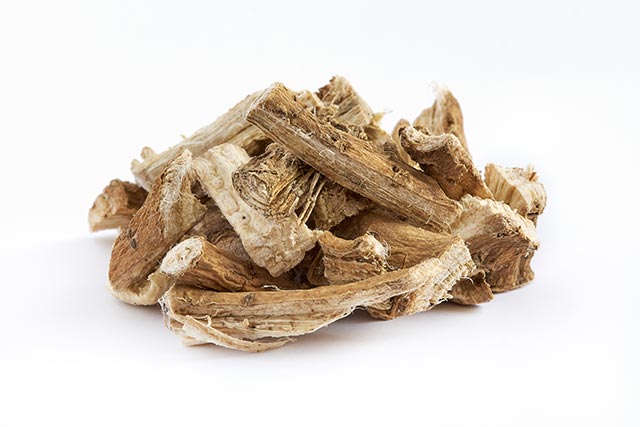
- Marshmallow root (Althaea officinalis) has been used by humans for thousands of years, from ancient Egyptian remedies and confection to medieval European herbal medicine. It was originally used to soothe sore throats and heal wounds, and its name is derived from a Greek word meaning "to heal."
- The root is rich in mucilage, a gel-like substance that soothes irritated tissues, along with flavonoids, phenolic acids, and antioxidants. These compounds provide anti-inflammatory, immune-boosting, and tissue-repairing benefits.
- Marshmallow root is effective for respiratory issues, digestive problems, skin conditions, urinary health and immune support.
- It can be consumed in the form of tea, tincture, capsules or powder and applied topically as a salve or poultice. Its mild, slightly sweet flavor makes it suitable for culinary use, such as in teas, soups and smoothies.
- Beyond its medicinal uses, marshmallow root has inspired modern marshmallow candies (though they no longer contain the plant) and continues to be a symbol of natural healing. Its enduring popularity highlights its role as a gentle yet powerful herbal remedy.
Marshmallow root (Althaea officinalis), a plant steeped in history and healing, has been a cornerstone of herbal medicine for millennia. Known for its soothing properties and mucilaginous texture, this humble herb has transcended its origins as a confectionery ingredient to become a revered natural remedy. From ancient Egyptian apothecaries to modern herbalists, marshmallow root has been celebrated for its ability to heal, nourish and protect the body.
Brief history of marshmallow root
Marshmallow root’s story begins in the marshes and damp meadows of Europe, Western Asia and North Africa, where it grows wild. The plant’s name, Althaea, is derived from the Greek word altho, meaning “to heal,” a nod to its medicinal properties.
The ancient Egyptians were among the first to recognize its value, using the root to create a honey-sweetened confection that can soothe sore throats and treat wounds. This candy, made by combining marshmallow root sap with nuts and honey, was a precursor to the modern marshmallow, although today’s sugary confection no longer contains marshmallow root. (Related: Health benefits of ancient herbal remedy marshmallow root.)
By the Middle Ages, marshmallow root had become a staple in European herbal medicine. Monks cultivated it in monastery gardens, and it was widely used to treat respiratory ailments, digestive issues and skin conditions. Its reputation as a healing herb persisted into the 19th century, when it was included in the United States Pharmacopeia as a treatment for inflammation and irritation. Today, marshmallow root remains a popular herbal remedy, valued for its gentle yet effective healing properties.
In the 19th century, a French herbalist named Maurice Mességué recounted a story of a farmer who suffered from a severe cough that persisted for months. After trying numerous remedies without success, the farmer turned to marshmallow root tea on Mességué’s recommendation. Within days, his cough subsided, and his energy returned. This anecdote highlights the root’s enduring reputation as a powerful natural remedy.
Phytonutrients and health benefits
Marshmallow root is rich in mucilage, a gel-like substance composed of polysaccharides that gives the root its characteristic slippery texture. This mucilage is the key to its therapeutic effects, as it coats and soothes irritated tissues. In addition to mucilage, marshmallow root contains flavonoids, phenolic acids and other antioxidants that contribute to its anti-inflammatory and immune-boosting properties.
The root also contains trace amounts of essential minerals, including calcium, magnesium and zinc, which support overall health. These nutrients and phytonutrients work synergistically to make marshmallow root a versatile remedy for a variety of ailments. Here's what it can do for you:
- Respiratory health - Marshmallow root is often used to alleviate coughs, sore throats and bronchitis. Its mucilage coats the throat, reducing irritation and promoting healing.
- Digestive support - The root can help soothe gastrointestinal issues such as acid reflux, gastritis, and irritable bowel syndrome (IBS). It forms a protective layer on the stomach lining, reducing inflammation and discomfort.
- Skin care - Applied topically, marshmallow root can help heal wounds, burns, and eczema. Its anti-inflammatory properties reduce redness and swelling, while its mucilage promotes tissue repair.
- Urinary health - Marshmallow root is sometimes used to treat urinary tract infections (UTIs) and kidney stones. Its diuretic properties help flush out toxins, while its soothing effects reduce irritation.
- Immune support - The root’s antioxidants and anti-inflammatory compounds may help strengthen the immune system and protect against chronic diseases.
Marshmallow root can be consumed in several forms, depending on the desired effect. It can be purchased as a dried root, powder, tea, tincture or capsule. To make a soothing tea, steep 1-2 teaspoons of dried marshmallow root in hot water for 10-15 minutes. For topical applications, a poultice or salve made from the root can be applied directly to the skin.
Marshmallow root is known by several common names, reflecting its widespread use and cultural significance. These include white mallow, sweet weed, cheeses (due to the shape of its seed pods) and mortification root (a nod to its wound-healing properties). In French, it is called guimauve, which also refers to the modern marshmallow candy.
Culinary uses and recipe ideas
Marshmallow root is typically light beige or tan in color, with a fibrous, woody texture. When dried and powdered, it takes on a pale yellow hue. The root has a mild, slightly sweet flavor with earthy undertones, making it a pleasant addition to teas and herbal blends.
While marshmallow root is primarily used for its medicinal properties, it can also be incorporated into recipes for a healthful twist. Here are a few ideas:
- Soothing marshmallow root tea - Combine dried marshmallow root with chamomile and honey for a calming beverage.
- Herbal marshmallow root soup - Add powdered marshmallow root to vegetable broth for a nourishing, immune-boosting soup.
- Marshmallow root smoothie - Blend marshmallow root powder with banana, almond milk, and cinnamon for a creamy, gut-friendly treat.
- Healing marshmallow root salve - Infuse marshmallow root in coconut oil and beeswax to create a soothing skin balm.
Marshmallow root is a testament to the enduring power of nature’s pharmacy. From its ancient origins to its modern applications, this versatile herb continues to offer relief and healing to those who seek it. Whether consumed as a tea, applied as a salve or incorporated into recipes, marshmallow root is a gentle yet potent ally in your quest for health and wellness.
This story is not medical advice and is not intended to treat or cure any disease. Always consult with a qualified naturopathic physician for personalized advice about your specific health situation or concern.
Visit NaturalNews.com, a great article source where you can learn about superfoods and their health benefits.
You can also try Brighteon.ai, an AI model created by Mike Adams, also known as the Health Ranger. This model is available as a free download to be run locally and is designed to help share and decentralize knowledge. By doing so, it aims to bypass censorship and empower people with knowledge.
If you're looking for an uncensored video free speech website where you can openly discuss nutrition, natural medicine, ingredients and more, check out Brighteon.com and our two free speech social media sites, Brighteon.IO and Brighteon.social.
Watch an educational video on the benefits of marshmallow root.
This video is from the Holistic Herbalist channel on Brighteon.com.
More related stories:
Here’s why marshmallow plants are one of Mother Nature’s nutritional treasures.
Marshmallows can treat skin irritation and wounds – just not the store-bought variety.
Miracle fruit: Exploring the surprising health benefits of nature’s sweet secret.
10 Medicinal plants you should have in your home garden.
Homesteading 101: How to start your own medicinal herb garden.
Sources include:
Brighteon.ai
NaturalNews.com
Brighteon.com
Marshmallow Root: An ancient sweet treat with medicinal properties – NaturalNews.com
If you're gonna fight, fight like you're the third monkey on the ramp to Noah's Ark... and brother its starting to rain. Join our efforts to Secure America's Borders and End Illegal Immigration by Joining ALIPAC's E-Mail Alerts network (CLICK HERE)
-
04-25-2025, 08:38 PM #156Senior Member
- Join Date
- Aug 2018
- Posts
- 92,697
Big Pharma’s blind spot: vitamin D slashes colon cancer risk—so why isn’t it front-page news?
04/25/2025 // Lance D Johnson // 600 Views
Tags: Big Pharma, breast cancer, cancer prevention, Clinical trials, Colorectal Cancer, corporate greed, drug industry, epidemiology, government negligence, health freedom, healthcare reform, medical corruption, medical fraud, nutrition science, Preventive Medicine, public health scandal, sunshine vitamin, suppressed research, vitamin D, vitamin D deficiency

In a world where cancer prevention strategies often hinge on expensive drugs and invasive screenings, a simple, dirt-cheap remedy has been hiding in plain sight: vitamin D. A sweeping Cornell University meta-analysis of 50 studies and 1.3 million participants reaffirms what independent researchers have argued for decades—higher vitamin D levels slash colorectal cancer risk by up to 58%. Yet, despite a 42% deficiency rate in the U.S., public health agencies remain sluggish in promoting testing or supplementation. The question isn’t just about science—it’s about who benefits from the silence.
Key points:
- Decades of research show a 39-58% lower risk of colorectal cancer among those with sufficient vitamin D levels, yet public health guidelines remain silent.
- Nearly 80% of adults have inadequate vitamin D, a deficiency linked to higher cancer rates, yet screening is rarely emphasized.
- Industry silence? A Cornell-led meta-analysis of 1.3 million people confirms vitamin D’s protective effects—but major health organizations avoid aggressive recommendations.
- Historical parallels: Like the tobacco industry’s denial of lung cancer links, corporate medicine may be ignoring cheap, effective prevention in favor of costly late-stage treatments.
The meta-analysis found consistent evidence:
- Colorectal cancer risk dropped 39% for those with higher serum vitamin D (?81 nmol/L).
- Breast cancer risk plummeted 50% in women with levels of 130 nmol/L.
- Supplements reduced precancerous polyps by 43% in a Canadian trial.
But here’s the catch: only 20% of Americans hit "sufficient" levels (?30 ng/mL). Why? Vitamin D can’t be patented. Unlike blockbuster drugs, it’s a $10/year fix—no billion-dollar margins for Big Pharma. Even the U.S. Preventive Services Task Force, which dictates screening guidelines, doesn’t recommend routine vitamin D testing. Meanwhile, colonoscopies—costing $3,000+ per procedure—are pushed aggressively. Convenient for insurers and hospitals; catastrophic for patients catching cancer too ate.
Actionable steps proven to work:
Test your levels—Ask for a 25(OH)D blood test.
Supplement smartly—2,000–5,000 IU/day of D3 (not D2).
Sun exposure—30 - 45 min daily (without sunscreen).
A decades-long fight: from 1980s findings to the modern crackdown
In the 1980s, brothers Cedric and Frank Garland published groundbreaking work linking colon cancer rates to sunlight exposure, noting that inhabitants of sun-starved regions faced higher mortality. Their findings were met with polite pushback—cancer, after all, was framed as a genetic inevitability.
Fast-forward 40 years: the Garland brothers’ successors are proving their theories correct, yet the medical establishment still lags. Today’s deficiencies—80% of Americans below safe vitamin D thresholds—mirror the era’s rickets epidemic, a disease eradicated in rich nations… only to resurface as an overlooked risk factor for cancer, osteoporosis, and immune disorders.
The parallel is haunting. Just as 19th-century physicians dismissed sunlight as a treatment for rickets, today’s gatekeepers downplay vitamin D’s role in cancer prevention. A 2020 meta-analysis even conflicted with older findings, arguing weak evidence—a stance critics call a “game of statistical semantics to divert funding from nutrients to pharmaceuticals.”
Diet related behavior predicts colon cancer risk
In the study, "Association between Diet-related Behaviour and Risk of Colorectal Cancer: A Scoping Review," diet related behaviors foretold colon cancer risk.
- Unhealthy diet-related behaviors, such as consuming red meat cooked at high temperatures or choosing high-sugar snacks, increase colorectal cancer (CRC) risk, per a scoping review of 25 studies.
- Vitamin D and calcium-rich diets were inversely associated with CRC risk, with evidence suggesting a ~58% reduced risk in some studies—yet 80% of people are vitamin D-deficient.
- Cooking methods like grilling, barbecuing, and pan-frying red meat linked to carcinogen formation, while rare-cooked meats and whole grains offered protective effects.
- Over reliance on self-reported dietary tools like food frequency questionnaires (FFQs) may misrepresent true risks, as findings conflict on meal frequency and cancer ties.
- Vitamin D supplements and polyphenol-rich foods (green tea, fruit) were highlighted as mitigators—yet regulatory advice often ignores these dietary nuances.
Learn more about cancer prevention and natural health at VitaminD.News.
Sources include:
MindBodyGreen.com
Pubmed.gov
TandFOnline.com
Big Pharma’s blind spot: vitamin D slashes colon cancer risk—so why isn’t it front-page news? – NaturalNews.comIf you're gonna fight, fight like you're the third monkey on the ramp to Noah's Ark... and brother its starting to rain. Join our efforts to Secure America's Borders and End Illegal Immigration by Joining ALIPAC's E-Mail Alerts network (CLICK HERE)
-
04-27-2025, 12:59 PM #157Senior Member
- Join Date
- Aug 2018
- Posts
- 92,697
Navigating a toxic world: The urgent call for healthier living amidst chemical threats
04/27/2025 // Belle Carter // 570 Views
Tags: alternative medicine, clean air, clean food watch, clean water, diabetes, Ecology, environ, health, natural cures, neurological defects, obesity, Plastic, poison, pollution, reproductive problems, toxic chemicals
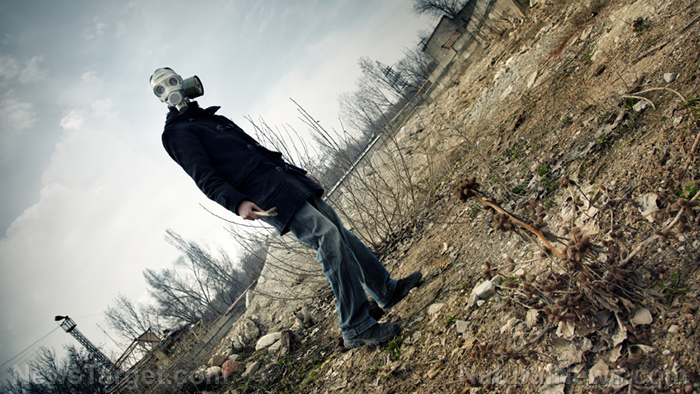
- Dr. Donald L. Hoernschemeyer's book, "Healthy Living in a Contaminated World," serves as a comprehensive guide warning readers about the pervasive presence of toxic chemicals in everyday life and offering strategies to protect health.
- The book traces the history of chemical proliferation since World War II, highlighting Rachel Carson's "Silent Spring" and the ongoing introduction of new chemicals, often without thorough long-term impact assessments, leading to a more dire situation today.
- The book underscores the link between toxic chemicals and serious health issues like cancers, hormonal disruptions and neurological damage. It emphasizes that these chemicals are ubiquitous, found in air, water, soil and even in human bodies, including mother's milk and unborn children.
- Hoernschemeyer outlines several practical steps to mitigate exposure, including educating oneself about toxins, minimizing exposure through conscious choices (e.g., buying organic, using natural products), advocating for policy changes, supporting research and living mindfully by choosing natural, chemical-free products.
- The book emphasizes the critical role of science and policy in addressing the issue, advocating for a precautionary approach where chemicals are proven safe before market introduction. It concludes with a call to action, urging readers to be vigilant, informed and proactive in protecting their health and the environment.
In a world where the omnipresence of toxic chemicals has become an unsettling reality, Donald L. Hoernschemeyer, Ph.D., offers a comprehensive guide in his book "Healthy Living in a Contaminated World: How to Prevent Toxic Chemicals from Undermining Your Health."
This eye-opening work delves into the pervasive and insidious nature of chemicals that have infiltrated every aspect of our lives, from the air we breathe to the food we consume. The book serves as both a warning and a roadmap, urging readers to take control of their health in an environment increasingly saturated with harmful substances.
The narrative begins with a stark reminder of the post-World War II era, a time when the chemical industry burgeoned, introducing a myriad of new compounds into our daily existence. Rachel Carson's seminal work, "Silent Spring," first published in 1962, was a clarion call that exposed the dangers of synthetic pesticides like DDT. Despite the ban on DDT in 1972, its legacy persists and the introduction of new chemicals continues unabated, often without a thorough assessment of their long-term impacts.
Today, the situation is more dire than ever. Scientific research has unequivocally linked toxic chemicals to a host of health issues, including cancers, hormonal disruptions, weakened immune systems and neurological damage. Shockingly, only about 10 percent of cancers are hereditary, suggesting that a significant portion of cancer cases could be prevented by mitigating exposure to these harmful substances.
The book underscores the alarming ubiquity of these chemicals. They contaminate our air, water and soil and are found in the bodies of nearly all humans, regardless of age. They even appear in mother's milk and are likely present in the tissues of unborn children. The sources of these toxins are diverse and ubiquitous, ranging from industrial and municipal wastes to common household items like plastics, furnishings and pesticides.
Hoernschemeyer emphasizes that while maintaining a healthy lifestyle is crucial, it is not sufficient.
"We must also live in a healthy environment, free from air and water pollution and toxic chemicals in our food and homes," he asserts.
The health effects of these chemicals are profound and far-reaching. The Generation Toxic report from the Natural Resources Defense Council, for instance, highlights the risks to children, linking toxic chemicals to neurological defects such as autism and ADHD.
The book also delves into the role of endocrine-disrupting chemicals, which interfere with the body's hormonal systems. These chemicals are associated with a range of health issues, including reproductive problems, obesity and diabetes. The World Health Organization's report "The State of the Science of Endocrine Disrupting Chemicals" further underscores the pervasive role of these chemicals in many modern illnesses.
Hoernschemeyer offers several practical steps:
- Educate yourself: Understanding the toxic substances in your environment is the first step. Learn about their sources and how they enter your body.
- Minimize exposure: Make conscious choices to reduce your exposure. This includes buying organic foods, using natural cleaning products and avoiding plastics that contain harmful chemicals like BPA and phthalates.
- Advocate for change: Support policies and regulations that protect public health. Advocate for stronger environmental protections and hold corporations accountable for the chemicals they produce.
- Support research: Encourage and support scientific research into the health effects of toxic chemicals. The more we know, the better equipped we are to make informed decisions.
- Live mindfully: Be aware of the products you bring into your home. Opt for natural materials and products that are free from harmful chemicals.
He also emphasizes the critical role of science and policy in addressing this issue. He calls for a shift towards a precautionary approach, where chemicals are proven safe before they are introduced into the market, rather than the other way around.
In conclusion, "Healthy Living in a Contaminated World" is a compelling call to action. It urges readers to be vigilant, informed and proactive in protecting their health and the health of future generations. The book is not just a warning but a guide to navigating a world where toxic threats are an everyday reality. As Hoernschemeyer aptly puts it, "We must be the change we wish to see in the world, starting with the choices we make every day."
Learn more about the book "Healthy Living in a Contaminated World" by watching the video below.
This video is from the BrightLearn channel on Brighteon.com.
Sources include:
Brighteon.ai
Brighteon.com
Navigating a toxic world: The urgent call for healthier living amidst chemical threats – NaturalNews.com
If you're gonna fight, fight like you're the third monkey on the ramp to Noah's Ark... and brother its starting to rain. Join our efforts to Secure America's Borders and End Illegal Immigration by Joining ALIPAC's E-Mail Alerts network (CLICK HERE)
-
04-27-2025, 01:06 PM #158Senior Member
- Join Date
- Aug 2018
- Posts
- 92,697
Study: Over 90 percent of toothpaste brands contain dangerous heavy metals
04/27/2025 // Ava Grace // 730 Views
Tags: arsenic, badhealth, badpollution, cadmium, children's health, Dangerous, Heavy metals, Lead, Lead Safe Mama, mercury, oral health, products, Tamara Rubin, toothpaste, toxic elements, toxic ingredients

- A study by Lead Safe Mama found over 90 percent of 51 tested toothpaste brands contained lead, with many also contaminated by arsenic, mercury and cadmium. Well-known brands like Crest, Sensodyne and Tom's of Maine were among those affected.
- Toothpastes with bentonite clay, hydroxyapatite or calcium carbonate showed the highest heavy metal levels. Children's products, like Tom's of Maine Kid's Toothpaste, had lead levels 48 times above proposed safety limits.
- The FDA permits up to 10,000–20,000 ppb of lead in toothpaste—far higher than public health advocates recommend. Washington state’s stricter limit (1,000 ppb) was exceeded by several brands.
- Heavy metals like lead (neurotoxin), mercury (nervous system damage) and arsenic (carcinogen) pose severe risks, especially to children, who are more vulnerable to ingestion and long-term harm.
- Many companies dismissed findings or sent legal threats, while safe alternatives (e.g., Dr. Brown's Baby Toothpaste) exist. Advocates urge stricter regulations and transparency to protect consumers.
A recent investigation has uncovered widespread contamination of popular toothpaste brands with dangerous heavy metals, including lead, arsenic, mercury and cadmium.
The study conducted by the advocacy group Lead Safe Mama (LSM) found that over 90 percent of the 51 toothpaste brands tested contained lead, with many also harboring other toxic substances. This discovery raises serious concerns about the safety of everyday dental care products, particularly for children, and highlights a significant regulatory gap in consumer protection.
LSM founder Tamara Rubin spearheaded the probe 12 years ago after noticing a pattern of elevated blood lead levels in children she was working with. The common factor? A brand of toothpaste called Earthpaste.
Armed with an XRF lead detection tool, Rubin expanded her testing to include a variety of popular toothpaste brands – and what she discovered was alarming. Ninety percent of the toothpastes contained lead, 65 percent had arsenic, nearly half contained mercury and one-third were contaminated with cadmium. (Related: Are you poisoning yourself with commercial toothpaste?)
Among the brands found to contain these toxins were well-known names like Crest, Sensodyne, Tom's of Maine, Dr. Bronner's, Davids and Dr. Jen. The highest levels of contamination were found in toothpastes containing bentonite clay, a common ingredient used for its purported cleaning properties. Hydroxyapatite and calcium carbonate, other common additives, also showed concerning levels of heavy metals.
The findings are particularly troubling given the lack of stringent regulations governing heavy metal content in toothpaste. While the FDA allows up to 10,000 parts per billion (ppb) of lead in fluoride-free toothpaste and 20,000 ppb in fluoride varieties, these limits are significantly higher than those set by public health advocates. The state of Washington, for instance, has enacted a law limiting lead in toothpaste to 1,000 ppb, a threshold that several of the tested brands exceeded.
Despite the findings, most companies have not committed to removing lead and other heavy metals from their products. Some have defended their products by arguing that trace amounts of lead are unavoidable due to environmental exposure, while others have dismissed the detected levels as insignificant. Rubin said several companies even sent her cease-and-desist letters, which she ignored and posted on her blog.
Heavy metals can cause a range of health problems
Lead, mercury, cadmium and arsenic are all known carcinogens and can cause a range of health problems. Lead, in particular, is a potent neurotoxin that can cause cognitive damage in children, harm the kidneys and lead to heart disease. Mercury can damage the nervous system and kidneys, while cadmium is linked to kidney damage and cancer. Arsenic is a known carcinogen that can cause skin, lung and bladder cancer.
The contamination of children's toothpaste is particularly concerning. Children's bodies are more vulnerable to the effects of heavy metals, and they are more likely to inadvertently swallow toothpaste while brushing. Tom's of Maine Kid's Natural Fluoride-Free Toothpaste, for example, was found to contain 240 ppb of lead – 48 times higher than the proposed safe action level for children's products.
Several children's toothpastes, such as Dr. Brown's Baby Toothpaste, did not test positive for any metals, indicating that safe alternatives are available. However, the lack of stringent regulations means that many children's toothpastes on the market may still pose a risk.
The findings of the LSM investigation highlight a critical need for stricter regulations and greater transparency in the toothpaste industry. While daily brushing of teeth is essential for maintaining oral health, the presence of heavy metals in toothpaste poses a hidden threat that could have serious health consequences. Consumers deserve to know that the products they use daily are safe, and it is the responsibility of both manufacturers and regulators to ensure that this is the case.
Watch this video that teaches how to make your own natural toothpaste, without the dangerous heavy metals.
This video is from the Health with benefits channel on Brighteon.com.
More related stories:
Here’s why natural toothpaste is better than commercial toothpaste for supporting optimal oral health.
Natural toothpaste reduces risk of cavities: Herbal toothpaste found to raise mouth pH, reduce sugar in saliva.
Triclosan, chemical in toothpaste linked to cancer, bone malformation and hormone disruption, has been in toothpaste for 17 years.
Sources include:
TheGuardian.com
TimesOfIndia.IndiaTimes.com
Brighteon.com
Study: Over 90 percent of toothpaste brands contain dangerous heavy metals – NaturalNews.com
If you're gonna fight, fight like you're the third monkey on the ramp to Noah's Ark... and brother its starting to rain. Join our efforts to Secure America's Borders and End Illegal Immigration by Joining ALIPAC's E-Mail Alerts network (CLICK HERE)
-
04-27-2025, 01:30 PM #159Senior Member
- Join Date
- Aug 2018
- Posts
- 92,697
Study: Brisk walking lowers risk of cardiac arrhythmias by 43%
04/26/2025 // Ava Grace // 1.1K Views
Tags: arrythmia, brisk walking, exercise, fitness, goodhealth, Heart, heart disease, irregular heartbeat, Men's Fitness, research, reverse heart disease, slender, walking, Women's Fitness

- A study in Heart involving 420,000 participants found that walking faster than 4 mph significantly lowers the risk of cardiac arrhythmias compared to slower paces.
- Women, adults under 60, and those with conditions like hypertension saw the greatest protective effects, suggesting brisk walking can serve as both prevention and therapy.
- About 36% of the benefit comes from lower body weight and reduced inflammation, which are major contributors to heart rhythm disorders.
- Only moderate-to-fast walking (4+ mph) showed measurable protection; slow walking (under 3 mph) had no significant impact. A 15-minute mile pace is ideal.
- Unlike medical interventions, brisk walking is a simple, equitable solution to combat rising arrhythmia rates and global heart disease burdens.
In an era where heart disease remains a leading killer, a groundbreaking study offers a simple, cost-free solution – walk faster.
New research published April 15 in Heart has found that brisk walking slashes the risk of cardiac arrhythmias by 43 percent compared to a leisurely pace. The study defines brisk walking as moving in speeds exceeding four miles per hour (mph). Data from 420,000 participants, which were obtained from the U.K. Biobank, were analyzed for this study.
Researchers analyzed two datasets: self-reported walking speeds from 420,925 participants and actual measurements from fitness trackers worn by 81,956 individuals. Slow walkers (under three mph) had an 8.7 percent arrhythmia rate over 13 years, while brisk walkers (over four mph) cut their risk by nearly half. Device data confirmed that only moderate or fast paces conferred protection; slow walking showed no measurable benefit.
The study authors also found that brisk walking not only reduced arrhythmia risk, but also improved metabolic health. About 36 percent of the protective effect stemmed from lower body weight and reduced inflammation, key drivers of heart rhythm disorders. (Related:Walking 8,000 brisk steps once or twice a week found to boost heart health.)
The study uncovered striking demographic trends. Women saw greater protection than men and adults under 60 benefited more than older individuals. Non-obese participants and those with preexisting conditions like hypertension also experienced outsized gains. This suggests that brisk walking could serve as both prevention and therapy, particularly for high-risk groups.
Regular steps for irregular heartbeats
Cardiac arrhythmias, irregular heartbeats that can feel like fluttering or racing, disrupt the heart’s electrical system. Arrhythmias affect nearly 60 million people worldwide – often leading to stroke, heart failure or sudden death. Atrial fibrillation, the most common type, has doubled in prevalence over the past 30 years.
Modern medicine often leans on expensive interventions like pacemakers, medications and surgeries to manage arrhythmias. But this discovery provides an accessible defense for millions, echoing the timeless wisdom that movement is medicine. It highlights how a basic lifestyle adjustment could combat a growing global health crisis.
Walking's accessibility makes it a democratic tool for health, requiring no gym membership or equipment. In a world grappling with rising healthcare costs and sedentary lifestyles, the findings underscore a return to basics.
Brisk walking elevates heart rate sufficiently to strengthen cardiac muscle, improve circulation, and regulate metabolic markers like blood pressure and cholesterol. Slow walking, while better than sitting, lacks the intensity needed to trigger these benefits. The study's authors suggest public health guidelines should explicitly promote faster pacing.
Women, though less prone to arrhythmias than men, face deadlier outcomes when they occur. The study’s finding that brisk walking disproportionately protects women could reshape preventive care strategies, particularly for postmenopausal women, whose heart disease risk spikes.
Cardiologists not involved in the study, like cardiologist Dr. Deepak Bhatt of Mount Sinai, endorse the findings. "The bottom line is that people are better off walking more," he commented. "While walking, it is even better to walk at a brisk pace as opposed to just sauntering along."
Walking faster isn’t just about fitness; it's a lifeline for cardiovascular health. The path to a healthier heart, it seems, is as simple as picking up the pace.
Watch this video that shares a few tips on how to correct your walk for better movement.
This video is from the Dr. John Bergman DC channel on Brighteon.com.
More related stories:
Just 10 minutes of brisk walking and meditation can significantly reduce anxiety.
Brisk walking linked to 43% lower heart arrhythmia risk: Study challenges meds over movement.
Brisk walking for 3 hours a week can reduce your risk of heart disease.
The faster you walk, the longer you’ll live: Researchers find link between longevity and brisk walking pace.
No walking dead here! Walking benefits the brain and prevents cognitive decline.
Sources include:
StudyFinds.org
Heart.BMJ.com
TheGuardian.com
EverydayHealth.com
Brighteon.com
Study: Brisk walking lowers risk of cardiac arrhythmias by 43% – NaturalNews.com
If you're gonna fight, fight like you're the third monkey on the ramp to Noah's Ark... and brother its starting to rain. Join our efforts to Secure America's Borders and End Illegal Immigration by Joining ALIPAC's E-Mail Alerts network (CLICK HERE)
-
04-27-2025, 09:02 PM #160Senior Member
- Join Date
- Aug 2018
- Posts
- 92,697
Bay leaves: The unsung superfood with centuries of flavor and health benefits
04/27/2025 // Ava Grace // 170 Views
Tags: alternative medicine, bay laurel, bay leaves, Cures, food cures, food is medicine, food science, functional food, goodfood, goodhealth, goodmedicine, healing, herbal medicine, Herbs, Laurus nobilis, natural cures, natural health, natural medicine, remedies, superfood
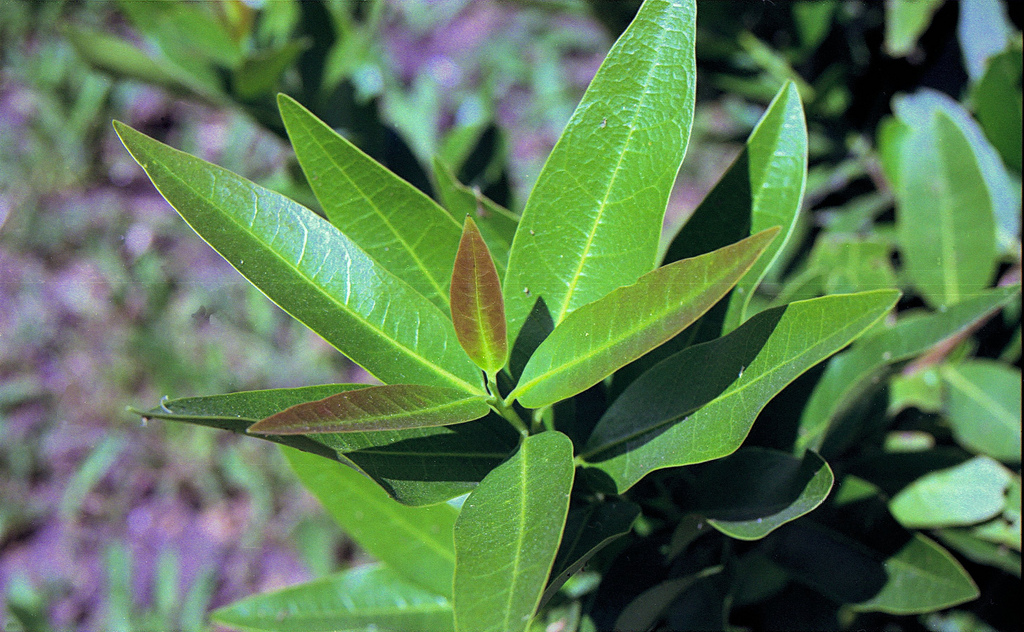
- Bay leaves (Laurus nobilis) are rich in antioxidants, anti-inflammatory compounds and digestive aids, offering both culinary and medicinal benefits beyond their aromatic flavor.
- Used since ancient times, bay leaves symbolized wisdom and victory in Greece and Rome, while traditional medicine employed them for digestion, respiratory relief and anti-inflammatory effects.
- Modern research highlights their ability to aid digestion, reduce inflammation, support heart health, lower blood sugar and cholesterol and combat microbes.
- A key ingredient in Mediterranean, Indian and Caribbean dishes (e.g., beef bourguignon, biryani, jerk marinade), they infuse flavor when simmered but are removed before serving.
- Though often overlooked, bay leaves are gaining recognition as a functional superfood, bridging ancient remedies and modern wellness trends.
For centuries, bay leaves (Laurus nobilis) have quietly enhanced culinary dishes and traditional remedies, yet their full potential as a superfood remains underappreciated. These aromatic leaves are a staple in Mediterranean, Indian and Caribbean cuisines, but their benefits extend far beyond flavor.
Rich in antioxidants, anti-inflammatory compounds and digestive aids, bay leaves offer a surprising array of wellness perks. From ancient Greek laurel wreaths to modern stews and soups, this humble herb has stood the test of time. Today, as interest in functional foods grows, researchers and chefs alike are rediscovering why bay leaves deserve a place in both the kitchen and the medicine cabinet.
Common names and varieties
Bay leaves come from the bay laurel tree, an evergreen native to the Mediterranean. They are also referred to as sweet bay, bay laurel, or simply laurel leaves. In India, they are called tej patta, while in the Caribbean, they may be known as West Indian bay leaves (Pimenta racemosa), a different but related species with a stronger flavor. (Related: How to easily grow a bay leaf tree.)
True bay leaves (L. nobilis) are oval-shaped, glossy, and dark green when fresh, turning leathery and olive-green when dried. Their taste is subtly floral, slightly bitter and reminiscent of oregano and thyme, though more complex.
Unlike many herbs, bay leaves are rarely eaten whole. Instead, they are steeped in dishes and removed before serving to infuse flavor without overpowering the meal.
A historical powerhouse: From ancient rituals to modern kitchens
Bay leaves have a storied past. In ancient Greece and Rome, they symbolized wisdom and victory. Wreaths made from bay laurel adorned the heads of emperors, scholars and Olympic champions. The term "baccalaureate" even derives from the Latin bacca laureus, meaning "laurel berry" – reflecting the herb's association with academic achievement.
Beyond symbolism, bay leaves were prized for their medicinal properties. Ancient physicians like Hippocrates used them to soothe aches and aid digestion, while medieval herbalists brewed bay leaf teas to relieve respiratory ailments. Today, science confirms many of these traditional uses, revealing that bay leaves contain compounds like eugenol, linalool and parthenolide, which contribute to their anti-inflammatory and antimicrobial effects.
More than just a flavor booster: The surprising health benefits of bay leaves
A 2014 study published in the Journal of Clinical Biochemistry and Nutrition found that consuming bay leaves daily helped lower blood glucose and cholesterol levels in patients with Type 2 diabetes. Participants who ingested 1-3 grams of powdered bay leaf with meals for 30 days saw significant improvements in metabolic markers.
While more research is needed, this finding aligns with historical uses of bay leaves as a digestive aid and blood sugar regulator. Aside from this study, other papers highlight several key health benefits of bay leaves:
- Digestive aid: Bay leaves stimulate enzymes that break down food, reducing bloating and indigestion.
- Anti-Inflammatory properties: Compounds like eugenol help reduce inflammation, potentially benefiting conditions like arthritis.
- Heart health:The leaves contain rutin and caffeic acid, which support cardiovascular function.
- Antimicrobial effects: Bay leaf extracts have been shown to combat bacteria and fungi, making them useful in natural food preservation.
- Respiratory relief: Inhaling steam infused with bay leaves can help clear congestion, a remedy still used in aromatherapy today.
Culinary uses of bay leaves
Bay leaves are a cornerstone of slow-cooked dishes, where their flavor deepens over time. Some classic recipes featuring bay leaves include:
- Beef bourguignon: A French stew where bay leaves meld with red wine, mushrooms and herbs.
- Indian biryani: Whole bay leaves are fried in ghee (clarified butter) to release their aroma before layering with rice and spices.
- Mediterranean tomato sauce: Simmered with garlic, basil and bay leaves for a rich, layered taste.
- Jamaican jerk marinade: West Indian bay leaves add a peppery depth to this spicy marinade.
- Chicken soup: A single bay leaf elevates the broth with earthy, herbal notes.
Because bay leaves are tough and fibrous, they are typically added at the start of cooking and removed before serving. Ground bay leaf is less common, but can be used in spice blends like garam masala.
A timeless superfood worth rediscovering
Bay leaves may not dominate headlines like kale or turmeric, but their enduring presence in global cuisines and traditional medicine speaks volumes. Whether used to deepen the flavor of a slow-cooked stew or brewed into a tea for digestive relief, this unassuming herb packs a powerful punch. As modern science continues to validate ancient wisdom, bay leaves stand out as both a culinary treasure and a functional superfood – proving that sometimes, the most understated ingredients hold the greatest benefits.
Of course, this isn't a substitute for medical advice, and it's always a good idea to chat with a naturopathic physician who can tailor recommendations to your unique health needs.
For more fascinating insights into superfoods and their natural wonders, visit NaturalNews.com. It's a treasure trove of articles that will deepen your understanding of the healing power of food.
If you're into cutting-edge technology with a health twist, try Brighteon.ai. Created by Mike Adams, the Health Ranger, this AI model is a free download that you can run on your own device. It's all about sharing knowledge freely and bypassing the filters of censorship.
And if you're looking for a place to openly discuss everything from nutrition to natural remedies without any holds barred, Brighteon.com is your go-to spot. Don’t forget to check out their free speech social media platforms, Brighteon.IO and Brighteon.social, where the conversation is always lively and uncensored.
Watch this video about the benefits of bay leaf tea.
This video is from the Daily Videos channel on Brighteon.com.
More related stories:
Mangosteen and Indian bay leaf may help promote muscle strength.
Bay laurel leaf: A kitchen staple with an array of health benefits.
Health benefits of olive leaf extract.
Top five health benefits of bitter leaf.
Sources include:
Brighteon.ai
NaturalNews.com
Brighten.com
Bay leaves: The unsung superfood with centuries of flavor and health benefits – NaturalNews.com
If you're gonna fight, fight like you're the third monkey on the ramp to Noah's Ark... and brother its starting to rain. Join our efforts to Secure America's Borders and End Illegal Immigration by Joining ALIPAC's E-Mail Alerts network (CLICK HERE)


 Reply With Quote
Similar Threads
-
Half of Greenland's Warming Tied to Natural Causes NATURAL CAUSES?!?! NATURAL CAUSES
By AirborneSapper7 in forum Other Topics News and IssuesReplies: 4Last Post: 05-08-2014, 11:50 AM -
NATURAL BORN FOLLOWS THE NATURAL BIRTH FATHER
By AirborneSapper7 in forum Other Topics News and IssuesReplies: 3Last Post: 04-19-2011, 09:49 PM -
Experts: Placebo power behind many natural cures
By JohnDoe2 in forum Other Topics News and IssuesReplies: 1Last Post: 11-10-2009, 11:03 PM -
Natural Cancer Drug Called CELLADAM Cures Cancer
By CCUSA in forum Other Topics News and IssuesReplies: 0Last Post: 01-23-2009, 04:47 PM -
DRUG COMPANIES USE NATURAL CURES TO DESIGN NEW DRUGS
By Darlene in forum Other Topics News and IssuesReplies: 0Last Post: 03-18-2006, 08:43 PM
Tags for this Thread
alternative medicine,
balance,
chinese herbal medicine,
clean-foods-organics,
cures,
daniel reid,
goodhealth,
goodmedicine,
healing,
herbal medicine,
herbs,
history,
holistic,
natural cures,
natural health,
natural medicine,
naturalnews.com,
plant medicine,
prevention,
qi,
real history,
remedies,
tcm,
traditional chinese medicine,
yin and yang


Debt Remembered And Debt Ignored | The debt paid by America’s...
05-25-2026, 04:13 PM in General Discussion