

Results 161 to 170 of 602
 2Likes
Thread Information
Users Browsing this Thread
There are currently 1 users browsing this thread. (0 members and 1 guests)
 LinkBack URL
 About LinkBacks
-
04-28-2025, 05:18 PM #161Senior Member


- Join Date
- Aug 2018
- Posts
- 92,695
Enhance the flavor, texture and nutritional benefits of your smoothies with superfood powders
04/27/2025 // HRS Editors // 450 Views
Tags: antioxidants, food is medicine, food science, Fresh, fruits, goodfood, goodhealth, how-to, natural health, natural ingredients, natural medicine, nutrients, organics, phytonutrients, smoothie recipes, smoothies, superfood, superfood powder, superfood smoothie, tips, vegetables, Veggies
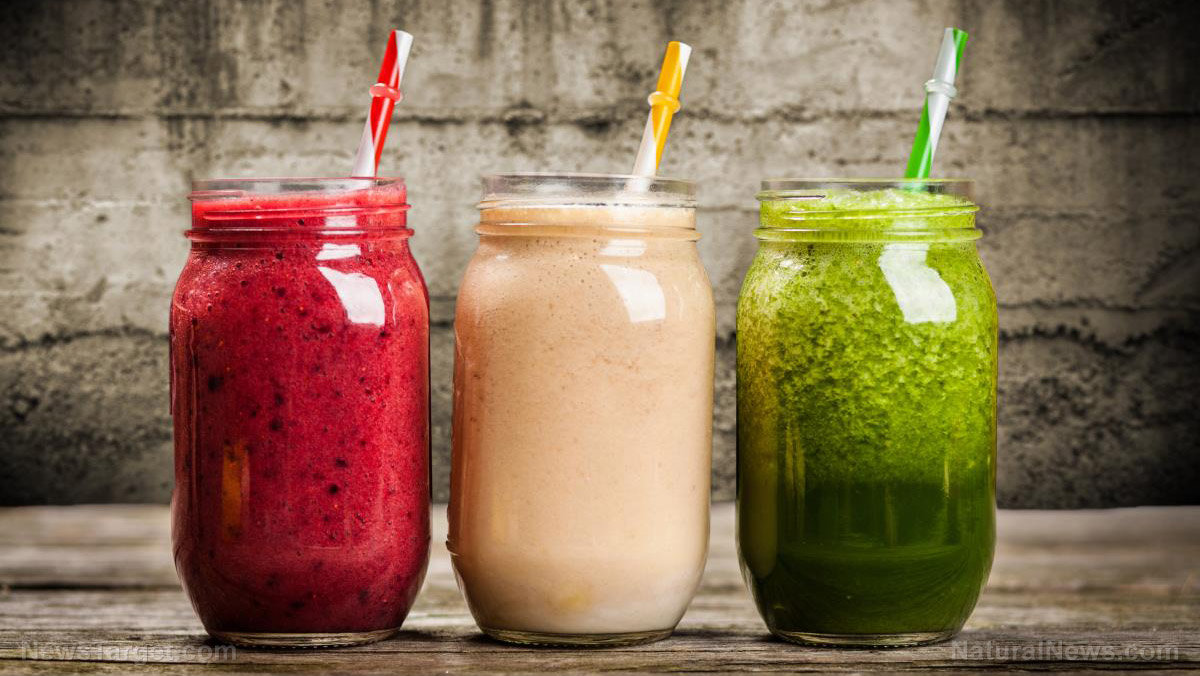
- Superfood powders add concentrated nutrients to smoothies without needing large amounts of whole foods. They enhance flavor, texture and health benefits.
- Whey protein (dairy-based) is easily absorbed, while plant-based options (pea, hemp, soy) work for vegans.
- Spinach, kale or spirulina powders add vitamins and minerals. Matcha and berry powders provide antioxidants and natural sweetness.
- Flaxseed and chia seed powders add healthy fats and thickness to smoothies, making them more filling.
- Balance flavors (use sweet fruits with bitter powders), layer textures (frozen fruit for thickness) and choose liquids (milk or water) based on preference.
Smoothies have earned their reputation as a quick, delicious and nutrient-packed meal or snack. Blending whole ingredients like fruits, vegetables and protein sources can create a satisfying drink that fuels the body with essential vitamins, minerals and antioxidants.
With endless ingredient combinations, you can prepare homemade smoothies that meet individual nutrition needs while catering to personal taste preferences.
One of the easiest ways to boost a smoothie’s nutritional value is by adding superfood powders, which are concentrated sources of protein, antioxidants and other compounds that support good health. Here’s how to incorporate them effectively. (h/t to HopkinsMedicine.org)
Why add superfood powders to smoothies?
Superfood powders such as protein powders, matcha, collagen and flaxseed offer a concentrated dose of nutrients without requiring large quantities of whole foods. They blend seamlessly into smoothies, enhancing flavor, texture and nutritional benefits.
Protein powders
Protein is a key component of a balanced smoothie that helps support good health.
Protein powders come in various forms, each with unique benefits:
- Whey protein is derived from dairy and is easily absorbed by the body. It is also rich in leucine, an amino acid that supports overall well-being.
- Plant-based proteins like brown rice, hemp, pea and soy protein powders are great vegan alternatives. While plant proteins may not absorb as efficiently as whey, pea protein is among the most bioavailable options.
Always check labels for added sugars, artificial ingredients or allergens like dairy or soy before buying plant-based protein.
Greens powders
Not everyone enjoys eating leafy greens, but powders made from spinach, kale, spirulina or wheatgrass can effortlessly boost a smoothie’s vitamin and mineral content. These powders provide antioxidants, iron and chlorophyll, which support energy levels and good health.
Here are some of the best greens powder pairings:
- Blend spinach powder with tropical fruits like mango or pineapple to mask any earthy taste.
- Add a teaspoon of spirulina to berry smoothies for an extra antioxidant kick.
Antioxidant-rich superfoods
Powdered superfoods like matcha (green tea powder), acai and freeze-dried berry powders pack a punch of antioxidants, which help support optimal health.
Matcha provides a gentle caffeine boost along with L-theanine, promoting focus without jitters from a cup of coffee. Meanwhile, acai and berry powders add natural sweetness and a dose of fiber and vitamin C.
Omega-3 superfood sources
Ground flaxseed and chia seed powders are excellent sources of omega-3 fatty acids, which support good health. They also add thickness to smoothies, making them more filling.
Stir a tablespoon of flaxseed powder into a berry-banana smoothie. Alternatively, you can mix chia powder with almond milk and cocoa for a pudding-like texture.
Where to buy lab-verified ingredients for smoothies
The Health Ranger Store wants to make it easy for you to enjoy the many health benefits of smoothies, which is why we're offering a variety of nutritious ingredients such as Freeze-Dried Organic Banana, Organic Super C Berry Blend and Matcha Superfood Latte.
Health Ranger Store Freeze-Dried Organic Banana is loaded with potassium, vitamin C and other important nutrients. Our premium diced bananas allow you to savor the delicious flavor and nutritional benefits of fresh bananas all year round.
Freeze-dried bananas can be eaten on their own or used in a smoothie.
Sourced from premium banana plants grown by our trusted suppliers under strict organic standards, these diced bananas undergo a careful freeze-drying process that preserves the original taste, texture and nutrients of our premium bananas.
Our Health Ranger Select Freeze-Dried Organic Bananas contain no fillers, preservatives or synthetic additives. They are non-GMO, non-China, certified Kosher and organic.
Vitamin C is one of the most important nutrients for maintaining overall health But since your body can't produce vitamin C on its own, you need to regularly consume vitamin C-rich superfoods to maintain optimal health.
Organic berries are some of the most bioavailable sources of vitamin C.
Health Ranger Select Organic Super C Berry Blend combines the nutritional benefits of eight powerful superfruits in a convenient powder form. This premium superfood powder blend contains organic baobab, strawberry, raspberry, blueberry, tart cherry, elderberry and cranberry fruit powders. This flavorful mixture is also naturally sweetened with organic monk fruit powder.
Health Ranger Select Organic Super C Berry Blend is vegan, non-GMO and certified Kosher and organic. It is also meticulously lab tested for glyphosate, heavy metals and microbiology.
Lastly, we offer Groovy Bee® Matcha Superfood Latte, a clean and energizing beverage made from a powerful blend of organic superfoods. This premium, plant-based drink mix is designed to nourish your body and support your overall health with every sip.
Packed with organic matcha, spirulina, chlorella and a variety of medicinal mushrooms like lion’s mane, reishi and shiitake, it can help fuel your body and keep you feeling energized and revitalized throughout the day.
This latte mix is non-GMO and certified Kosher. It has also been lab tested for glyphosate, heavy metals and microbiology, ensuring that every ingredient is pure and clean.
The inclusion of organic coconut milk powder and monk fruit extract offers a creamy, subtly sweet flavor, making it the perfect healthy alternative to sugary drinks. Add the mixture to water, juice or a smoothie.
Go to Superfoods.news for more suggestions on how to incorporate various fruits and vegetables into a balanced diet. You can also visit Health Ranger Store and Brighteon Store to find more lab-verified ingredients for your cooking needs.
Click on this link for a recipe for a Nutrient Dense Chocolate Super Smoothie.
Watch this clip about Organic Beet Juice, a nutritious beverage that's full of beneficial antioxidants.
This video is from the Health Ranger Store channel on Brighteon.com.
More related stories:
Easy, healthy, tasty: Energizing smoothie recipes with high nutritional value.
Pumpkin spice in spring? How to reimagine this fall classic for warmer days.
Fun and creative ways to incorporate beet juice into your daily routine for energy support.
Why Matcha Latte fans are obsessed with the ritual, not just the flavor.
Sources include:
HopkinsMedicine.org
HealthRangerStore.com 1
HealthRangerStore.com 2
HealthRangerStore.com 3
HealthRangerStore.com 4
HealthRangerStore.com 5
Brighteon.com
Enhance the flavor, texture and nutritional benefits of your smoothies with superfood powders – NaturalNews.com
If you're gonna fight, fight like you're the third monkey on the ramp to Noah's Ark... and brother its starting to rain. Join our efforts to Secure America's Borders and End Illegal Immigration by Joining ALIPAC's E-Mail Alerts network (CLICK HERE)
-
04-28-2025, 05:47 PM #162Senior Member
- Join Date
- Aug 2018
- Posts
- 92,695
The Miraculous Healing Power of Green Tea: Unlocking the Potent Antioxidants That Big Pharma Doesn’t Want You to Know About
04/28/2025 // Mike Adams // 1.4K Views
Tags: EGCG cancer prevention, Fluoride in commercial tea, Green tea detoxification, Green tea health benefits, Green tea vs Big Pharma, Japanese organic green tea, L-Theanine cognitive enhancement, Lead contamination in green tea, Matcha fat loss benefits
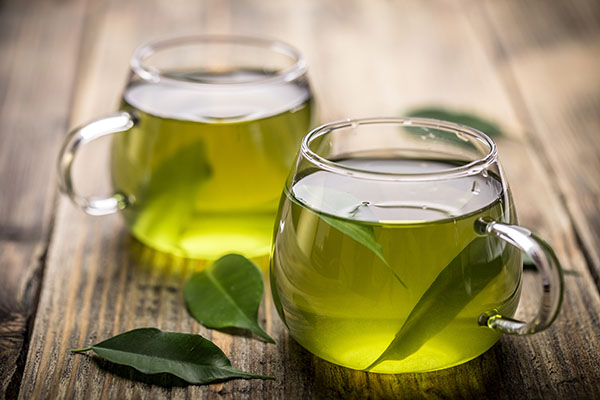
Green Tea: Nature’s Pharmacy in a LeafFor centuries, green tea (Camellia sinensis) has been revered in traditional Chinese and Japanese medicine as a powerful healing elixir. Modern science now confirms what ancient healers long understood—green tea is a supercharged source of bioactive compounds that fight cancer, reverse chronic disease, and extend lifespan.
Unlike Big Pharma’s toxic synthetic drugs, green tea offers natural protection against inflammation, oxidative stress, and even neurological decay. But not all green tea is created equal. Many commercial brands are contaminated with toxic lead and fluoride, rendering them more harmful than beneficial. In this groundbreaking report, we’ll expose the truth about green tea’s medicinal compounds, their proven health benefits, and how to source pure, clean green tea free from industrial pollutants.
You can also see my coverage of this research in this video:
Research discoveries about GREEN TEA vs. Alzheimer’s, Dementia, Cancer, PTSD, radiation damage and more - Brighteon.com
1. The Powerhouse Nutrients in Green Tea
Green tea contains hundreds of bioactive compounds, but the most potent include:
1. Epigallocatechin Gallate (EGCG)
What it is:
EGCG is the most studied and potent catechin in green tea, accounting for 50-80% of its antioxidant activity. It is a polyphenol known for its role in neutralizing free radicals and protecting cells from oxidative damage.
Proven Benefits:
- Destroys Cancer Cells – EGCG induces apoptosis (programmed cell death) in tumors while sparing healthy cells (unlike chemotherapy). Mechanisms include blocking key pathways in cancer progression:
- Breast Cancer: EGCG binds to HER2 receptors on cancer cells, inhibiting their proliferation. Lab studies show it can also enhance the effects of chemotherapy drugs like Herceptin.
- Prostate Cancer: Inhibits 5-alpha reductase, an enzyme that converts testosterone to dihydrotestosterone (DHT), a driver of prostate tumor growth.
- Colon Cancer: Suppresses COX-2 (cyclooxygenase-2), reducing inflammation-linked cancer growth.
- Leukemia: Halts malignant cell proliferation by inducing stress pathways in cancer cells. A study in Journal of the National Cancer Institute found EGCG slowed leukemia progression in mouse models.
- Fights Alzheimer’s & Dementia – EGCG breaks down beta-amyloid plaques, the toxic proteins aggregated in Alzheimer’s brains, by modulating enzyme activity (like beta-secretase). It also reduces tau protein tangles critical to disease progression.
- Turbocharges Fat Loss – Boosts metabolism (up to 4–5% increase in energy expenditure daily) by activating fat oxidation enzymes (e.g., lipase) and suppressing adipogenesis—the process of fat-cell formation. A meta-analysis showed daily green tea consumption combined with exercise increased fat oxidation by 17%.
- Neutralizes Radiation Damage – Mitigates DNA damage from chemotherapy and radiation therapy by quenching free radicals. Studies show EGCG protects healthy cells while still allowing cancer treatments to target tumors. Note: Common baking soda is also found to protect vital organs from some amount of radiation damage. I cover this in detail in this Natural News article.
Best Applications:
• Cancer Prevention & Adjunct Therapy: 5–8 cups daily (provides ~200–300 mg EGCG) or high-dose capsules for patients undergoing chemo/radiotherapy.
• Weight Loss: Matcha green tea fasting—consuming high-EGCG matcha while fasting—optimizes fat-burning effects.
• Detox: Binds heavy metals (lead, mercury, cadmium) by forming inert complexes that are excreted.
2. L-Theanine
What it is:
L-theanine is a rare amino acid found exclusively in tea (and mushrooms). It crosses the blood-brain barrier, stimulating alpha brain waves (associated with calm focus) without sedation.
Proven Benefits:
• Anxiety Relief – Upregulates GABA (neuroinhibitory neurotransmitter) synthesis in the brain and modulates glutamate receptors, reducing cortisol release. Users report significant reductions in stress after daily consumption.
• Enhanced Focus & Memory – Works synergistically with caffeine to improve attention, logical reasoning, and working memory. A study showed combined green tea intake improved cognitive performance by 20% compared to caffeine alone.
• Neuroprotection – Protects neurons from oxidative stress and excitotoxic damage caused by overstimulation of glutamate receptors.
• ADHD & PTSD Support – Regulates dopamine and serotonin, reducing impulsivity and hyperactivity. Some patients use it as a complement to traditional meds with fewer side effects.
Best Applications:
• Brain Fog: Listed as a natural nootropic in neurology clinics for its cognitive-enhancing effects.
• Stress Resilience: Often paired with meditation to deepen relaxation without inducing drowsiness.
• ADHD Substitute: May reduce reliance on stimulant medications; consult a healthcare provider for dosing.
3. Catechins & Polyphenols
Green tea contains 30–40% polyphenols by weight, including:
• Epicatechin (EC): Supports heart health via inhibition of LDL oxidation, reducing atherosclerotic plaque formation.
• Epicatechin Gallate (ECG): Enhances liver detoxification by activating phase II enzymes (e.g., glutathione S-transferase) and suppressing liver fibrosis.
• Epigallocatechin (EGC): Antiviral activity targets influenza, herpes simplex (HSV), and human papillomavirus (HPV) by inhibiting viral entry into cells.
Proven Benefits:
• Lowers LDL & Triglycerides: Decreases LDL (“bad cholesterol”) oxidation and reduces triglycerides more effectively than statins in some studies, without muscle pain or liver toxicity.
• Reverses Insulin Resistance: Activates AMP-activated protein kinase (AMPK), enhancing insulin sensitivity and improving glucose uptake—a key factor in type 2 diabetes reversal.
• Anti-Aging & Longevity: Activates sirtuin genes (e.g., SIRT1), which regulate cellular repair processes linked to lifespan extension in animal models.
4. Polyphenols & Flavonoids
These compounds (e.g., quercetin, kaempferol) work with EGCG to combat oxidative stress and inflammation. Flavonoids like myricetin exhibit strong cardioprotective effects by reducing blood pressure and improving vascular function.
5. Chlorophyll & Trace Minerals
• Chlorophyll: Binds to heavy metals (e.g., mercury), aiding their elimination. Also inhibits carcinogenic heterocyclic amines formed during cooking.
• Traces (Zinc, Selenium, Manganese): Support antioxidants enzymes (e.g., zinc for immune health, selenium for glutathione peroxidase).
The Dark Side of Green Tea: Lead & Fluoride Contamination
The Dirty Secret of Industrial Tea Farming
Most commercial green tea (especially from China) may be contaminated with:
• Lead (Pb): Absorbed from contaminated soil; accumulates in nervous and bone tissues. Lowers IQ in children, disrupts cognitive development.
• Fluoride (F?): Found in soil treated with fertilizers or pesticides; concentrated in older tea leaves used in low-cost tea bags. Excess fluoride causes skeletal fluorosis (bone hardening, brittleness) and thyroid dysfunction.
Health Risks of Contaminated Tea:
• Neurotoxicity: Chronic lead exposure mimics ADHD or autism-like symptoms.
• Thyroid Damage: Fluoride displaces iodine in thyroid cells, causing hypothyroidism and goiter.
• Bone Degeneration: Fluoride incorporates into bone tissue, increasing fracture risk.
How to Source CLEAN Green Tea
To avoid toxins:
1. Choose Japanese Green Tea:
- Matcha (ceremonial grade): Grown in volcanic soil (minimal heavy metal absorption); shade-grown to boost L-Theanine.
- Sencha: Low-fluoride due to younger leaves and shade cultivation.
2. Avoid Cheap Tea Bags: Most contain crushed stems and fannings from older leaves, high in fluoride. Opt for loose-leaf or premium bagged tea.
3. Third-Party Lab Testing: Retailers like The Health Ranger Store conduct routine testing for contamination using ISO protocols.
4. Herbal Alternatives: Opt for fluoride-free options like tulsi, rooibos, or chaga—which are still rich in antioxidants.
Taking Advantage of Green Tea as Nature’s Medicine
Green tea isn’t just a beverage—it's medicine. From cancer prevention to mental clarity, its compounds offer safer, more effective healing than synthetic pharmaceuticals.
Yet, you must choose wisely. A lot of grocery-store tea is contaminated with toxins. Seek out lab-verified, organic, Japanese-sourced green tea to harness its true healing potential.
The medical industrial complex doesn’t want you to be healthy—but with green tea, you hold the power to reclaim your wellness.
Stay informed. Stay natural. Stay free.
- Mike Adams, The Health Ranger
Founder, NaturalNews.com & Brighteon.com
See other recent stories about forbidden cures by the Health Ranger:
The Ultimate Survival Guide to Baking Soda: A Miraculous, Multi-Purpose Remedy for Health, Home, and Emergency Preparedness
The Miraculous Healing Power of DMSO: Nature’s Forgotten Cure for Cancer, Pain, and Regeneration
Sources for this article include:
"The Green Tea Book" – Lester A. Mitscher
"Cancer Prevention and Treatment by Green Tea" – Yukihiko Hara
"The Healing Powers of Tea" – Cal Orey
"Green Tea Polyphenols: Nutraceuticals of Modern Life" – Lekh Juneja
"The Truth About Green Tea" – Earl Mindell
“Enoch” research archives at Brighteon.AI
###
Follow my podcasts, interviews, articles and social media posts on:
Twitter: https://twitter.com/HealthRanger
Brighteon.social: Brighteon.social/@HealthRanger
Brighteon.io: Brighteon.io/healthranger
Telegram: t.me/RealHealthRanger
Brighteon.com: Brighteon.com/channels/HRreport
Rumble: Rumble.com/c/HealthRangerReport
Substack: HealthRanger.substack.com
Banned.video: Banned.video/channel/mike-adams
Truth Social: https://truthsocial.com/@healthranger
Bastyon: https://bastyon.com/healthranger
Gettr: GETTR.com/user/healthranger
BitChute: Bitchute.com/channel/9EB8glubb0Ns/
Clouthub: app.clouthub.com/#/users/u/naturalnews/posts
My music with MP3 downloads and music videos: music.Brighteon.com
Join the free NaturalNews.com email newsletter to stay alerted about breaking news each day.
Download my current audio books -- including Ghost World, Survival Nutrition, The Global Reset Survival Guide and The Contagious Mind -- at:
https://audiobooks.naturalnews.com/
Download my popular audio book, "Resilient Prepping" at ResilientPrepping.com - it teaches you how to survive the total collapse of civilization and the loss of both the power grid and combustion engines.
The Miraculous Healing Power of Green Tea: Unlocking the Potent Antioxidants That Big Pharma Doesn’t Want You to Know About – NaturalNews.com
If you're gonna fight, fight like you're the third monkey on the ramp to Noah's Ark... and brother its starting to rain. Join our efforts to Secure America's Borders and End Illegal Immigration by Joining ALIPAC's E-Mail Alerts network (CLICK HERE)
-
04-29-2025, 04:15 PM #163Senior Member
- Join Date
- Aug 2018
- Posts
- 92,695
YERBA MATE: A South American staple emerges as a promising tool for supporting metabolic and heart health
04/28/2025 // Willow Tohi // 1.1K Views
Tags: alternative medicine, blood sugar, Censored Science, diabetes cure, food cures, food is medicine, goodfood, goodhealth, goodmedicine, goodscience, health science, heart health, Herbs, metabolic health, natural cures, natural health, natural medicine, natural remedies, organics, plant medicine, weight loss, yerba mate
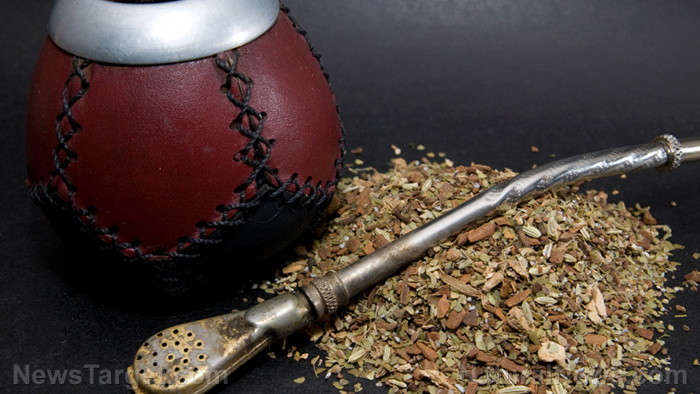
- Originating from the Guarani people, yerba mate is a traditional South American drink made from the Ilex paraguariensis plant. Consumed via a bombilla (metal straw) and gourd, it has evolved into a globally popular beverage with both cultural and health appeal.
- It contains caffeine, theobromine and theophylline for a balanced energy boost (80mg caffeine per cup). Yerba mate is also rich in vitamins (B1, B2, B6, C), minerals (iron, magnesium) and polyphenols, which combat oxidative stress and cellular aging.
- Yerba mate may improve insulin sensitivity, reduce blood sugar and lower cholesterol, as shown in human trials. It can also support weight management by reducing body fat and influencing gut hormones like GLP-1 (though more human studies are needed).
- The antioxidants in yerba mate may reduce inflammation, improve heart health and alter genes linked to cardiovascular disease. Preliminary studies suggest protective effects against kidney damage by neutralizing free radicals.
- Avoid excessively hot temperatures (over 65°C) to reduce esophageal cancer risk. Moderate intake (1.5–5g/day) is recommended; consult a doctor if pregnant, on medication, or with heart conditions.
In recent years, yerba mate, a traditional South American tea, has transitioned from a regional beverage to a global health trend. A blend of historical legacy and modern scientific investigation, yerba mate is now celebrated for its potential to combat diabetes, support weight management and enhance cardiovascular health. Recent studies, including those published in journals like Proceedings of the Nutrition Society and British Journal of Nutrition, highlight its rich antioxidant profile, mild stimulant properties and beneficial effects on blood sugar and lipid metabolism. From its roots among the Guarani people to its modern-day acclaim, yerba mate offers a cultural and scientific story worth exploring.
Historical roots and global appeal
Originating from the Ilex paraguariensis plant, yerba mate has been a cornerstone of Guarani culture for centuries, later adopted by European settlers in South America as both a social ritual and medicinal tonic. Traditionally consumed through a metal straw called a bombilla from a calabash gourd, yerba mate is now sipped worldwide, praised for its earthy flavor and purported health benefits. Its rise in popularity coincides with an era of rising interest in functional foods and natural supplements, driven by studies linking yerba mate’s bioactive compounds to improved metabolic and cardiovascular health.
The nutritional and antioxidant profile: More than just a caffeine boost
Yerba mate’s appeal extends beyond its mild stimulant qualities, which come from caffeine, theobromine and theophylline. Unlike coffee, which relies heavily on caffeine alone, yerba mate’s caffeine content (80 mg per cup) is balanced by other compounds, delivering a steadier energy boost. Its nutritional profile is also robust: It contains vitamins B1, B2, B6 and C, calcium, iron and magnesium, along with polyphenols and flavonoids that act as antioxidants.
“Yerba mate offers more health benefits than coffee due to its high antioxidant levels and synergistic effects of theobromine and theophylline,” explains Bryan Quoc Le, a food scientist and consultant. These antioxidants combat oxidative stress, a contributor to chronic diseases, and may delay cellular aging. A 2025 study in Nutrients found that yerba mate consumption increased blood plasma antioxidants within hours of drinking, supporting its role in bolstering overall health.
Metabolic health benefits: Blood sugar regulation and weight management
One of yerba mate’s most studied applications is its impact on metabolic disorders. A 2020 randomized controlled trial in Proceedings of the Nutrition Society revealed that participants drinking three daily servings of yerba mate over eight weeks saw reductions in fasting glucose, insulin and glucagon levels, suggesting improved insulin sensitivity. The tea also demonstrated particular promise in individuals with high cholesterol, with glucagon levels dropping more significantly in this group.
Research further suggests yerba mate may influence gut hormones like GLP-1, which regulates blood sugar by slowing digestion and enhancing insulin release. A 2023 study in rodents noted increased GLP-1 levels and inhibited tumor growth, though these effects require confirmation in human trials.
In weight management, yerba mate has shown efficacy in reducing body fat percentage and waist-to-hip ratios. A 2022 animal study linked its consumption to decreased fat accumulation, possibly due to metabolic stimulation and reduced adipogenesis—the formation of fat cells.
Registered dietitian Jena Brown emphasizes that “yerba mate should complement—not replace—a balanced diet,” noting its synergistic potential for diabetes prevention when paired with healthy habits.
Cardiovascular and kidney health: Emerging evidence
Yerba mate’s antioxidants may extend protective benefits to the heart and kidneys. A 2022 British Journal of Nutrition study on men at cardiovascular risk found daily yerba mate consumption altered over 2,600 genes linked to heart disease, suggesting it could curb inflammation and atherosclerosis progression. Additionally, yerba mate has been associated with lower blood pressure in some trials.
Kidney health research is also promising. A 2023 Journal of Herbal Medicine study showed yerba mate extract reduced oxidative damage in human kidney cells by 70%, a result attributed to its polyphenols neutralizing free radicals. This could prove valuable in managing chronic kidney disease, though further research is needed.
Cautions and considerations: Choosing safe consumption practices
Despite its benefits, yerba mate carries risks if consumed improperly. The World Health Organization links piping-hot beverages (over 65°C/149°F) to esophageal cancer, a risk amplified when paired with alcohol or smoking. “Drinking yerba mate cold or at moderate temperatures minimizes this concern,” advises Brown.
As with other stimulants, excessive intake may trigger anxiety, insomnia, or elevated heart rate. Dosage recommendations vary, but Brown suggests starting with 1.5–5 grams daily, split into servings. Those on medications or with existing health conditions—such as arrhythmias—should consult a healthcare provider before regular use.
Yerba mate’s legacy — and future — in health
From its native forests to global health headlines, yerba mate continues to captivate researchers and consumers alike. Its role in supporting metabolic health, antioxidants and potential cardiovascular protections positions it as a valuable dietary addition for many. Yet, its true potential hinges on balancing tradition with scientific rigor, particularly in confirming anti-cancer and long-term efficacy studies. As global health trends prioritize natural solutions, yerba mate stands out not merely as a stimulant, but as a testament to nature’s ability to nurture wellness — one sip at a time.
Note: This article cites peer-reviewed studies and expert insights but does not constitute medical advice. Individual responses to yerba mate may vary; consult a healthcare provider before beginning any dietary supplement regimen.
Sources include:
TheEpochTimes.com
GoodRX.com
Everywell.com
YERBA MATE: A South American staple emerges as a promising tool for supporting metabolic and heart health – NaturalNews.com
If you're gonna fight, fight like you're the third monkey on the ramp to Noah's Ark... and brother its starting to rain. Join our efforts to Secure America's Borders and End Illegal Immigration by Joining ALIPAC's E-Mail Alerts network (CLICK HERE)
-
04-29-2025, 05:03 PM #164Senior Member
- Join Date
- Aug 2018
- Posts
- 92,695
3 Luxurious DIY skincare recipes using Organic Coconut Oil and Frankincense Oil
04/28/2025 // HRS Editors // 1.4K Views
Tags: coconut oil, Cosmetics, DIY, essential oils, frankincense oil, goodhealth, green living, homesteading, how-to, natural health, natural ingredients, off grid, Personal care products, recipes, remedies, skin health, skincare, skincare recipes

- More people are turning to homemade skincare solutions that use natural ingredients (like coconut oil and essential oils) to avoid the harmful chemicals found in commercial products.
- Many mainstream skincare products contain synthetic additives linked to health risks, with minimal FDA oversight. DIY skincare solutions offer safer, transparent alternatives.
- Coconut oil and essential oils, which support healthy skin, are key components in DIY recipes because of their nourishing benefits.
- With DIY skincare products, you control ingredients based on your skin’s needs.
- Simple DIY projects include frankincense face cream, coconut oil lip scrub and frankincense body butter, all made with natural, skin-friendly ingredients.
In an era where beauty routines often prioritize speed and convenience, a growing movement is redefining self-care: DIY skincare. Blending traditional wisdom with modern wellness consciousness, countless individuals are turning to homemade skincare products made from natural ingredients like coconut oil and essential oils.
By crafting skincare products at home, you gain control over what touches your skin, harnessing the power of simple, nourishing components while avoiding questionable additives. (h/t to JulieHoagWriter.com)
Hidden dangers in store-bought skincare products
The aisles of drugstores and beauty counters are filled with products promising flawless skin, but many come with a hidden cost. Common synthetic ingredients such as parabens (used as preservatives), sulfates (harsh detergents), phthalates (plasticizers) and synthetic fragrances have been linked to hormonal disruptions, allergic reactions and long-term health risks.
More alarmingly, the Food and Drug Administration (FDA) regulates cosmetics minimally, allowing these chemicals to persist in products marketed as "gentle" or "pure."
In contrast, DIY recipes like frankincense oil-infused face cream use transparent, easily sourced ingredients. By avoiding harmful commercial chemicals, homemade skincare products sidestep potential irritants and support skin health directly. (Related: Prepper’s guide to using ESSENTIAL OILS for skincare.)
Nature’s moisturizing treasures: Coconut oil and essential oils
At the heart of many DIY recipes are coconut oil and essential oils like frankincense oil, two ingredients celebrated for their skin benefits.
Coconut oil: Nature’s multitasker
Extra virgin coconut oil isn’t just for cooking, it’s a powerhouse for skin care. Derived from the flesh of coconuts, this oil is rich in fatty acids that lock in moisture, forming a protective barrier against dryness.
Additionally, coconut oil is ideal for most skin types, except acne-prone skin, where lighter oils like jojoba may be better.
Unlike liquid fractionated coconut oil, solid coconut oil provides a stable base in products like lotions and creams, ensuring a velvety texture.
Essential oils: Beyond aromatic benefits
Frankincense oil, a revered essential oil with a woody, earthy scent, offers more than just fragrance. Its unique properties can also support healthy skin, making it another great ingredient for DIY skincare products. (Related: Prepper’s guide to using ESSENTIAL OILS for skincare.)
The DIY advantage: Customization, clarity and cost
Homemade skincare isn’t about sacrifice; it’s a celebration of personalization and efficiency.
Full ingredient control
Every DIY recipe starts with ingredients you handpick. Whether it’s organic aloe vera gel to soothe sensitive skin or beeswax to create a creamy consistency, you avoid harmful additives.
Affordable and versatile
A single 16-ounce jar of coconut oil costs less than $10 yet serves as the foundation for lip balms, body butters and even makeup removers.
While pricier upfront, essential oils can be used in multiple recipes. For example, nine drops of frankincense can transform an entire batch of face cream.
Tailored to your skin
If you're struggling with dry winter skin, swap jojoba oil for olive oil in a moisturizer. Unlike one-size-fits-all brands, DIY skincare products allow you to adapt formulations to your needs.
How to get started: Recipes that support healthy skin
Crafting your own skincare is simpler than it seems. Here are some recipes that you can try:
Frankincense face cream
Ingredients:
- 3/4 cup aloe vera gel
- 1/8 cup almond oil
- 1/8 cup olive oil
- 1/4 cup solid coconut oil
- 2 tablespoons distilled water
- 1 1/2 tablespoons beeswax (melted)
- 9 drops frankincense essential oil
- 2 drops clove essential oil
Instructions:
- Combine the melted beeswax and coconut oil in one bowl.
- In another bowl, combine the aloe vera and distilled water.
- In another small bowl, combine the almond oil and the olive oil.
- Add frankincense and clove essential oils to the mixture and stir. Dilute the essential oils in the carrier oils (olive and almond).
- Pour the mixture into the aloe vera mixture in the other bowl and stir. Once all the solids are melted, add them to the melted beeswax and coconut oil bowl.
- Use a hand mixer, blender or food processor to blend all the ingredients together. Blend on high until you reach your preferred smoothness.
- Store the homemade face cream in a sealed container, preferably a plastic or glass one with a tight sealing lid. It should last for several weeks before you need to make another batch.
If you haven't used any of the ingredients for the face cream, do a patch test to check for allergies.
Homemade coconut oil lip scrub
This DIY coconut oil lip scrub recipe uses natural ingredients that will moisturize and exfoliate your lips.
Tools:
- Small bowl for nixing
- Measuring spoons
- Lip balm tins
Ingredients:
- 1 teaspoon coconut oil
- 1/2 teaspoon almond oil
- 2 drops frankincense essential oil (Optional)
- 5 teaspoons sugar (Use either brown sugar or granulated sugar)
- 1/4 teaspoon honey
Instructions:
- Add one teaspoon of coconut oil to a small bowl and use a double boiler to melt it.
- Add the almond oil and frankincense essential oil to the melted coconut oil and stir.
- Add the sugar to the melted oil and stir. Note that brown sugar is smoother for easier application, while granulated sugar is coarser and is better for exfoliation.
- Stir in the honey.
- Pour the mixture into the lip balm tin for storage.
To use the lip scrub, use a spoon or cosmetic spatula to scoop out a small amount of lip scrub and apply it to your lips.
Gently rub the lip scrub on your lips for 30 to 60 seconds. Rinse the scrub with warm water and dry your lips with a clean towel.
Frankincense body butter
This creamy body butter uses frankincense oil and other natural ingredients to keep your skin moisturized.
Ingredients:
- 3/4 cup shea butter
- 1/4 cup coconut oil (Must be solid.)
- 2 tablespoons of melted beeswax, optional
- 10 drops frankincense essential oil
- 1 teaspoon vitamin E oil
- 8 oz. amber glass jar
Instructions:
- Combine the coconut oil, shea butter and vitamin E in a mixing bowl.
- Use a stand mixer or hand mixer to combine the ingredients.
- Use a spoon or spatula to scrape the sides and whip the ingredients until they double in volume.
- Add the frankincense essential oil and whip the mixture for another 10 seconds.
- Once done, pour or spoon the mixture into a clean jar.
- Apply a little body butter to your skin to keep it smooth and moisturized.
Beyond physical benefits, DIY skincare fosters mindfulness.
Making homemade skincare products isn’t about reinventing the wheel, it’s about reclaiming control of what touches your body. With coconut oil’s moisturizing simplicity and frankincense essential oils’ targeted benefits, you can create products that are safer, kinder to your skin and better for the planet.
Where to get lab-verified ingredients for DIY skincare products
The Health Ranger Store is committed to helping you find natural ingredients for your DIY skincare recipes, so we’re offering clean, lab-verified and healthy products such as Organic Extra Virgin Coconut Oil and Organic Frankincense Serrata Essential Oil.
An excellent source of healthy medium-chain fatty acids (MCFAs), Health Ranger Select Organic Extra Virgin Coconut Oil is a pure coconut oil that can support healthy skin when applied topically.
Obtained from natural sources, our extra virgin coconut oil has not been chemically modified and contains no gluten, GMOs, artificial sweeteners, preservatives or synthetic ingredients. It is also non-China, certified Kosher and organic, and extensively lab tested for glyphosate, heavy metals and microbiology.
Frankincense serrata essential oil contains useful components that give it natural cleansing properties, such as alpha- and beta-pinene, limonene, myrcene and linalool. These compounds make frankincense serrata essential oil a great addition to homemade natural cleaning solutions or DIY skincare products.
One of Mother Earth's most powerful natural remedies, Health Ranger Select Organic Frankincense Serrata Essential Oil is carefully extracted from the sap of the Indian frankincense tree (Boswellia serrata) and is a great all-around essential oil for your home and self-care needs.
This versatile essential oil contains no additives, fillers or synthetic chemicals. It is also certified organic and rigorously lab tested for glyphosate, heavy metals and microbiology.
Visit Health Ranger Store and Brighteon Store for more lab-verified ingredients that you can use to make DIY skincare products. You can also check out Cosmetics.news for more DIY skincare recipes that use natural ingredients.
Click on this link to learn more about common myths and facts about collagen and skin aging.
Watch this clip about Organic Frankincense Serrata Essential Oil is a must-have for wellness and preparedness.
This video is from the Health Ranger Store channel on Brighteon.com.
More related stories:
Why essential oils are must-have barter items when SHTF.
Natural healing: Survival uses for coconut oil.
Harmful ingredients in personal care products.
Survival essentials: Here’s why it’s wise to stock up on coconut oil before SHTF.
Sources include:
JulieHoagWriter.com
LemonsLavenderAndLaundry.com
RecipesWithEssentialOils.com
HealthRangerStore.com 1
HealthRangerStore.com 2
HealthRangerStore.com 3
HealthRangerStore.com 4
HealthRangerStore.com 5
Brighteon.com
3 Luxurious DIY skincare recipes using Organic Coconut Oil and Frankincense Oil – NaturalNews.com
If you're gonna fight, fight like you're the third monkey on the ramp to Noah's Ark... and brother its starting to rain. Join our efforts to Secure America's Borders and End Illegal Immigration by Joining ALIPAC's E-Mail Alerts network (CLICK HERE)
-
04-30-2025, 04:00 PM #165Senior Member
- Join Date
- Aug 2018
- Posts
- 92,695
DMSO: A new era in pain management
04/29/2025 // Ramon Tomey // 1.8K Views
Tags: alternative medicine, big government, breakthrough, Cures, dimethyl sulfoxide, discoveries, DMSO, FDA, goodhealth, goodmedicine, goodscience, healing, health freedom, health science, pain relief, recovery, remedies, sports injuries, sports medicine, Suppressed
- DMSO quickly alleviates pain and reduces scar tissue/adhesions, as demonstrated by Marjorie Saloman's case, which showed that topical application combined with vitamin E is a viable treatment.
- DMSO penetrates tissues without causing damage, acting as a carrier for other substances. It also has anti-inflammatory, bacteriostatic and analgesic effects, and aids in swelling reduction and healing.
- Dr. Stanley W. Jacob, a key figure in DMSO research, compares its impact to antibiotics and cortisone, citing its ability to revitalize cells and address conditions beyond pain, like immune modulation.
- Widely used in sports medicine, DMSO accelerates recovery from injuries (e.g., fractures, sprains) by reducing swelling and pain.
- Despite its proven efficacy and low toxicity, DMSO faces FDA resistance due to safety concerns (e.g., potential eye damage). Critics argue bureaucratic delays hinder access to a transformative therapy, fueling ongoing debate.
Dimethyl sulfoxide (DMSO) first gained attention in the medical community in the 1960s when it was discovered to have remarkable pain-relieving properties. One of the earliest documented cases of DMSO's effectiveness in pain management involved Marjorie Saloman, a psychologist who was scheduled for a hysterectomy due to cervical spinal stenosis.
Dr. Eva Lee Snead, a family practice specialist, suggested applying a combination of DMSO and vitamin E topically to Saloman's cervical area. The results were astonishing. Within minutes, the instrument slipped into the cervix without causing any pain, and the surgery was ultimately avoided.
This case exemplifies DMSO's ability to reduce scar tissue and adhesions, highlighting its potential as a powerful therapeutic agent. Unfortunately, Snead's medical license was revoked for employing DMSO and other alternative healing methods, reflecting the medical establishment's resistance to unconventional treatments.
DMSO's therapeutic principle is based on its unique ability to penetrate living tissues without causing significant damage. This property allows it to act as a carrier, delivering other substances through the skin and into the bloodstream. DMSO also exhibits anti-inflammatory, bacteriostatic and analgesic properties, making it effective in reducing swelling, inhibiting bacterial growth and alleviating pain.
Dr. Stanley W. Jacob, co-discoverer of DMSO's therapeutic properties, describes it as a new principle in medicine akin to the discovery of antibiotics and cortisone. He emphasizes that DMSO's effects are not limited to pain relief. It also promotes healing by revitalizing damaged cells and restoring them to a near-normal state.
DMSO has been widely embraced by athletes, trainers and team physicians for its ability to accelerate recovery from sports-related injuries. Its application in treating acute trauma, such as dislocations, sprains, strains and fractures, has been particularly noteworthy. For instance, June Jones III, a former quarterback for the Atlanta Falcons, credits DMSO with saving his football career by effectively treating calcification in his throwing shoulder.
Dr. Graham Reedy, a former team physician for the Oakland Raiders, observed that DMSO significantly shortens rehabilitation time for soft tissue and joint injuries. Athletes experienced immediate reduction in swelling and pain with DMSO, he added. This accelerated recovery process not only benefits athletes, but also has the potential to save millions of dollars in rehabilitation costs for injured workers.
Pain relief or peril?
DMSO's journey from discovery to potential acceptance has been fraught with controversy. Despite its low toxicity and proven effectiveness, DMSO has faced significant opposition from regulatory bodies like the Food and Drug Administration (FDA). The FDA's concerns about DMSO's safety, particularly regarding potential eye damage, led to its ban in 1965 – except for treating interstitial cystitis.
However, public outcry over DMSO's ban and the growing body of evidence supporting its safety and efficacy have kept the debate alive. Numerous scientific studies and clinical trials have demonstrated DMSO's therapeutic benefits, yet regulatory hurdles persist.
The FDA's reluctance to approve DMSO for broader medical use has been a source of frustration for many physicians and patients. Critics argue that the agency's stringent regulations and bureaucratic inefficiencies have delayed the availability of a potentially life-saving treatment. The case of DMSO highlights the broader issue of balancing regulatory oversight with the need for timely access to innovative therapies.
DMSO represents a promising avenue for pain management and tissue healing, with potential applications in sports medicine and beyond. While its path to widespread acceptance has been challenging, the evidence supporting its efficacy and safety continues to grow. As Dr. Morton Walker aptly puts it in his book "DMSO: Nature's Healer," this compound deserves a place in the pharmacopeia for addressing a vast array of health problems.
Watch Dr. Steven Hotze and Ian Smith discuss how to eliminate joint pain with functional medicine in this clip.
This video is from the Hotze Health channel on Brighteon.com.
Sources include:
Brighteon.ai
Brighteon.com
DMSO: A new era in pain management – NaturalNews.com
If you're gonna fight, fight like you're the third monkey on the ramp to Noah's Ark... and brother its starting to rain. Join our efforts to Secure America's Borders and End Illegal Immigration by Joining ALIPAC's E-Mail Alerts network (CLICK HERE)
-
04-30-2025, 06:12 PM #166Senior Member
- Join Date
- Aug 2018
- Posts
- 92,695
“Fat for Fuel” expounds on Dr. Joseph Mercola’s revolutionary Mitochondrial Metabolic Therapy
04/30/2025 // Ramon Tomey // 170 Views
Tags: brain function, Cures, Diets, fat, Fat as Fuel, fight obesity, food cures, food is medicine, glucose, goodfood, goodhealth, healing, health science, healthy fats, Joseph Mercola, Keto, ketosis, mind body science, mitochondria, Mitochondrial Metabolic Therapy, natural cures, natural health, prevent diabetes, progress
- Dr. Joseph Mercola's "Fat for Fuel" introduces Mitochondrial Metabolic Therapy (MMT), a high-fat, low-carb diet that shifts the body's fuel source from glucose to fat, aiming to combat chronic diseases, boost energy and enhance brain function.
- Mercola's research, influenced by Dr. Ron Rosedale's insights on insulin and Travis Christofferson's metabolic theory of cancer, led him to focus on mitochondrial health as key to preventing and reversing chronic illnesses.
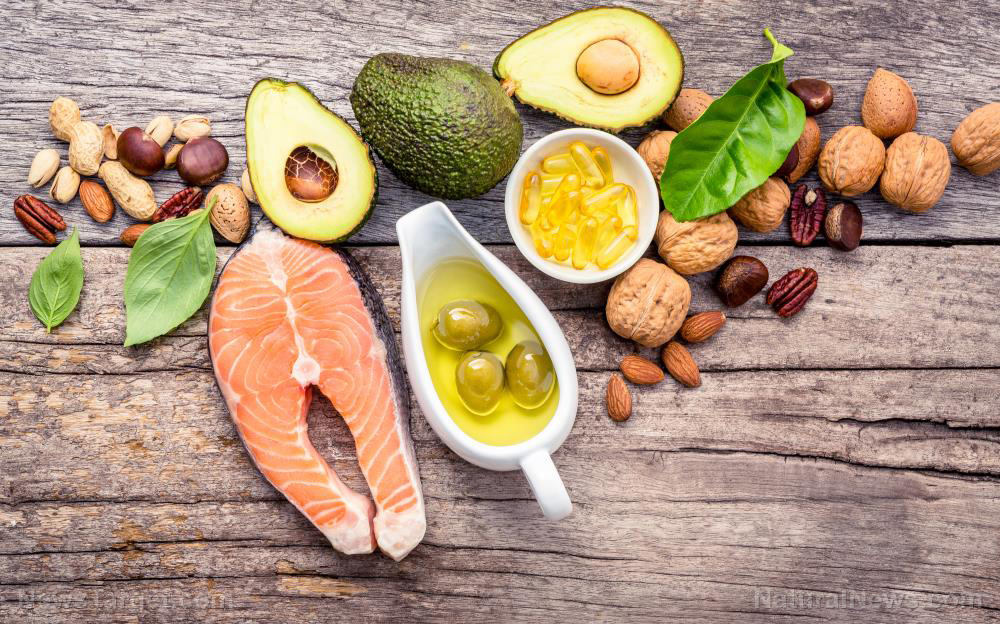
- MMT prioritizes high-quality fats (e.g., avocados, coconut oil), moderate protein (grass-fed meat, wild-caught fish) and low-carb vegetables while avoiding processed oils and high-sugar foods. Unlike standard keto diets, it emphasizes food quality and timing.
- By promoting fat metabolism, MMT reduces oxidative stress and inflammation, improves energy production and aids in managing conditions like diabetes and cancer. Followers report enhanced mental clarity, sustained energy and reduced hunger.
- Transitioning to MMT requires monitoring blood glucose/ketone levels, stocking MMT-friendly foods and allowing weeks to months for the body to adapt. It’s a flexible, science-backed approach tailored to individual health goals.
Dr. Joseph Mercola's book "Fat for Fuel: A Revolutionary Diet to Combat Cancer, Boost Brain Power, and Increase Your Energy" introduces a groundbreaking approach to nutrition called Mitochondrial Metabolic Therapy (MMT).
This high-fat, adequate-protein, low-carbohydrate diet shifts the body's primary fuel source from glucose to fat. It also promises profound health benefits, from fighting chronic diseases to enhancing mental clarity and energy levels.
Mercola's journey to developing MMT began with his disillusionment with conventional low-fat, high-carb dietary advice. He found this approach ineffective in addressing the root causes of chronic illnesses like diabetes, heart disease and cancer.
A pivotal moment came in 1995 when Mercola met Dr. Ron Rosedale, who highlighted insulin's role in chronic disease. High insulin levels, Rosedale explained, contribute to metabolic dysfunction, a key driver of modern health crises. This revelation led Mercola to explore food as medicine.
Years later, reading "Tripping over the Truth" by Travis Christofferson further transformed his perspective. The book presented the metabolic theory of cancer, suggesting that defective mitochondrial function – the energy-producing powerhouses of cells – underlies many chronic diseases, including cancer. This insight inspired Mercola to develop MMT, a diet designed to optimize mitochondrial health by burning fat instead of glucose.
At its core, MMT emphasizes high-quality fats, moderate protein and minimal carbohydrates. Unlike traditional ketogenic diets, MMT prioritizes food quality and meal timing. Healthy fats like avocados, coconut oil and grass-fed butter form the foundation of this diet. Processed oils high in inflammatory omega-6 fatty acids, such as canola and soybean oil, are avoided.
Protein sources include grass-fed meat, wild-caught fish and pastured eggs, paired with low-carb vegetables like leafy greens and cruciferous varieties. Fruits, especially high-sugar options, are limited – though berries are permitted in moderation.
The benefits of MMT extend beyond weight loss. By reducing glucose metabolism, the diet minimizes the production of free radicals – unstable molecules that cause oxidative stress and inflammation, both linked to chronic disease. Fat metabolism generates fewer free radicals, protecting mitochondrial DNA and enhancing cellular energy production.
Followers of MMT often report increased energy, sharper mental focus, reduced hunger and improved management of conditions like diabetes and cancer. Mercola and nutrition consultant Miriam Kalamian have witnessed these transformations in clinical practice, with patients experiencing significant health improvements.
Transitioning to MMT requires careful planning. Monitoring blood glucose and ketone levels helps determine whether the body has entered ketosis, the fat-burning state essential for MMT's success. Mercola recommends using glucose monitors and ketone test strips to track progress.
Kitchen preparedness is also crucial – stocking MMT-friendly foods and eliminating carb-heavy temptations eases the shift. The adaptation period varies, taking weeks to months as the body adjusts to its new fuel source. However, the long-term rewards – including sustained energy and disease prevention – justify the effort.
MMT is not a one-size-fits-all regimen, but a flexible framework adaptable to individual needs. Whether for weight management, chronic disease mitigation, or overall health optimization, MMT offers a science-backed pathway to wellness.
"Fat for Fuel" underscores the profound impact of dietary choices on mitochondrial function. It positions MMT as more than a diet, but a sustainable lifestyle shift with the potential to revolutionize personal health. By embracing fat as fuel, individuals can unlock their body's innate healing capabilities, paving the way for a healthier, more vibrant life.
Watch this video about Dr. Joseph Mercola's book "Fat for Fuel: A Revolutionary Diet to Combat Cancer, Boost Brain Power, and Increase Your Energy."
This video is from the BrightLearn channel on Brighteon.com.
Sources include:
Brighteon.ai
Brighteon.com
“Fat for Fuel” expounds on Dr. Joseph Mercola’s revolutionary Mitochondrial Metabolic Therapy – NaturalNews.com
If you're gonna fight, fight like you're the third monkey on the ramp to Noah's Ark... and brother its starting to rain. Join our efforts to Secure America's Borders and End Illegal Immigration by Joining ALIPAC's E-Mail Alerts network (CLICK HERE)
-
05-01-2025, 09:18 PM #167Senior Member
- Join Date
- Aug 2018
- Posts
- 92,695
“Burgerstein’s Handbook of Nutrition”: The power of micronutrients in health and medicine
05/01/2025 // Belle Carter // 500 Views
Tags: #nutrition, alternative cures, diet, food is medicine, goodfood, goodhealth, goodmedicine, goodscience, healing, micronutrients, remedies, superfoods, vitamins
- The book highlights a significant shift in modern medicine, where nutritional research has evolved from merely identifying vitamins and treating deficiency diseases to understanding the broader impact of micronutrients on health and disease prevention.
- Despite advancements, nutrient deficiencies are still common, even in industrialized nations. Women often lack iron and folic acid, while older adults frequently suffer from deficiencies in vitamin D, vitamin B12 and calcium, emphasizing the need for a balanced diet.
- Micronutrients can do more than prevent deficiencies; they can treat illnesses and prevent a wide range of health issues. This concept, pioneered by researchers like Dr. Linus Pauling, suggests that chronic illnesses often stem from micronutrient deficiencies or imbalances.
- Micronutrients work through various mechanisms, including eliminating chronic deficiencies, enhancing healthy cell metabolism and acting as essential cofactors in enzyme systems. For example, calcium supports bone health, while trace elements like selenium boost enzyme activity and resilience to oxidative stress.
- The effectiveness of micronutrients depends on understanding "biochemical individuality," as nutritional requirements vary based on genetics, age, environment and lifestyle. Modern agricultural practices and food processing have led to nutrient-depleted diets, making supplementation beneficial for those with specific health concerns or dietary restrictions.
Michael B. Zimmermann's "Burgerstein's Handbook of Nutrition" explores the critical role of micronutrients in our bodies, highlighting a paradigm shift in modern medicine. Over the past fifty years, nutritional research has evolved from merely identifying vitamins and treating classic deficiency diseases like scurvy and rickets to understanding their broader impact on health and disease prevention.
Despite advancements, nutrient deficiencies remain prevalent even in industrialized nations. Women often lack sufficient iron and folic acid, while older adults frequently suffer from deficiencies in vitamin D, vitamin B12 and calcium. This underscores the ongoing need for a balanced and varied diet.
The book delves into groundbreaking research showing that micronutrients can do more than prevent deficiencies; they can also treat illnesses and prevent a wide range of health issues. This shift began with pioneers like Dr. Linus Pauling, who recognized that micronutrients have profound effects beyond preventing classic deficiency diseases. His work suggested that chronic illnesses often stem from micronutrient deficiencies or imbalances, a concept that has gained acceptance as scientific evidence has grown.
Micronutrients work through several mechanisms. They eliminate chronic deficiencies, which can deplete body reserves and cause symptoms over time. Even marginal deficiencies, which may not show immediate symptoms, can impair cell metabolism and lead to long-term health issues. Additionally, micronutrients enhance healthy cell metabolism pathways. For example, calcium supplementation during adolescence and adulthood supports bone health and reduces the risk of osteoporosis.
Trace elements, such as selenium, are essential cofactors in enzyme systems. Increasing their intake can stimulate enzyme activity and enhance the body's resilience to oxidative stress. Certain micronutrients, when taken in higher doses, exhibit new beneficial actions. Niacin, for instance, at doses 10 to 100 times higher than typical dietary levels, influences lipid metabolism, lowering LDL cholesterol and triglycerides while increasing HDL cholesterol. High-dose niacin is recommended for certain forms of hyperlipidemia.
Similarly, high doses of vitamin B6 and zinc can boost T cell activity and potentially increase resistance to infections. Vitamin E, at higher doses, may reduce the risk of coronary heart disease and protect the lungs from air pollution.
The key to leveraging micronutrients lies in understanding their delicate balance and interactions with individual biochemistry. Professor RJ Williams emphasized "biochemical individuality," meaning that nutritional requirements vary based on genetics, age, environment and lifestyle. For example, a smoker's need for vitamin C is higher than a nonsmoker's and pregnancy increases a woman's iron requirements.
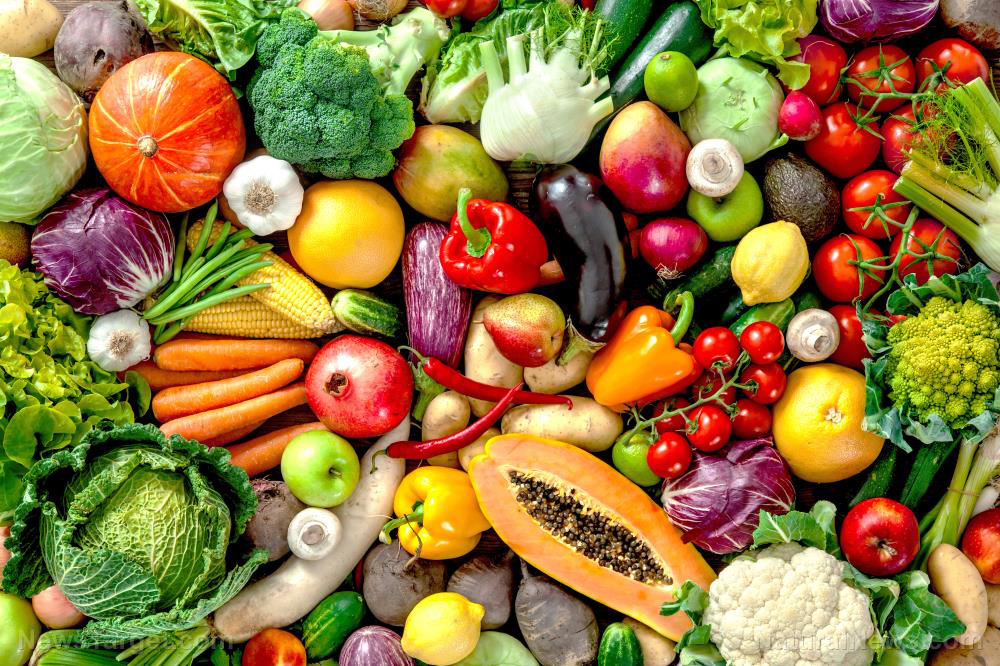
Modern agricultural practices and food processing have led to nutrient-depleted diets, contributing to poor nutrition despite food abundance. To address this, a diet rich in fruits, vegetables, whole grains, lean proteins and healthy fats is essential. Supplementation may also be beneficial, especially for those with specific health concerns or dietary restrictions.
Micronutrients are increasingly recognized as vital for both prevention and treatment in mainstream medicine. They are generally safer than traditional drugs, with many vitamins having large therapeutic indices and minimal side effects even at high doses.
In conclusion, "Burgerstein's Handbook of Nutrition" is an invaluable resource for anyone interested in the transformative potential of micronutrients. It is now clear that these small but mighty nutrients will play an increasingly important role in the future of medicine and wellness.
Learn more about the book "Burgerstein's Handbook of Nutrition" by watching the video.
This video is from the BrightLearn channel on Brighteon.com.
Sources include:
Brighteon.ai
Brighteon.com
“Burgerstein’s Handbook of Nutrition”: The power of micronutrients in health and medicine – NaturalNews.com
If you're gonna fight, fight like you're the third monkey on the ramp to Noah's Ark... and brother its starting to rain. Join our efforts to Secure America's Borders and End Illegal Immigration by Joining ALIPAC's E-Mail Alerts network (CLICK HERE)
-
05-01-2025, 09:26 PM #168Senior Member
- Join Date
- Aug 2018
- Posts
- 92,695
Texas AG Ken Paxton takes on toxic toothpaste: Investigation launched over fluoride risks to children
05/01/2025 // Cassie B. // 340 Views
Tags: badhealth, big government, deceptive marketing, Fluoride, greater texan, IQ, lawsuits, progress, toothpaste, toxins
- Texas AG Ken Paxton is investigating Colgate-Palmolive and Procter & Gamble for allegedly misleading parents about fluoride toothpaste safety for kids.
- Studies link excessive fluoride exposure to lower IQ scores in children, prompting federal warnings and legal scrutiny.
- Critics say candy-flavored, cartoon-branded toothpaste encourages kids to swallow dangerous amounts, risking toxicity and cognitive harm.
- Lawsuits accuse brands of deceptive marketing, with packaging showing excessive toothpaste amounts and downplaying FDA warnings.
- Poison Control reports thousands of fluoride ingestion cases yearly, with dental fluorosis now affecting 68% of U.S. children.
Texas Attorney General Ken Paxton has launched investigations into two major toothpaste manufacturers, Colgate-Palmolive and Procter & Gamble, for allegedly marketing fluoride toothpaste in ways that mislead parents and encourage unsafe use by kids.
The probe, announced today, comes amid mounting scientific evidence linking excessive fluoride exposure to developmental risks, including lower IQ scores in children. With federal health agencies warning against overuse, Paxton’s office is demanding answers from corporations accused of prioritizing profits over child safety.
The dangers of fluoride exposure
Fluoride, long promoted by dental associations for cavity prevention, has come under scrutiny for its neurotoxic effects, particularly in young children. A 2024 meta-analysis by the National Toxicology Program found a "statistically significant association between fluoride exposure and lower IQ scores in children."
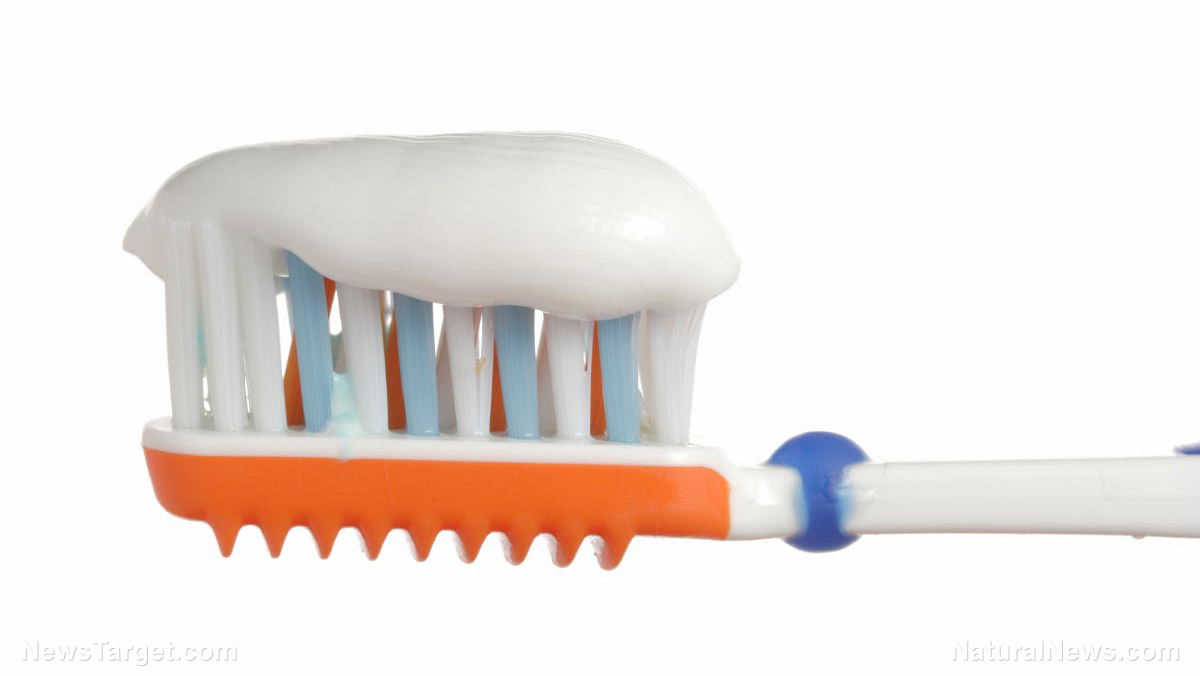
The Centers for Disease Control and Prevention (CDC) and the American Dental Association (ADA) recommend only a rice-sized smear of toothpaste for children under three and a pea-sized amount for those aged 3 to 6. Yet, critics argue that flavored, cartoon-adorned toothpaste packaging encourages kids to swallow excessive amounts, increasing the risk of acute toxicity, dental fluorosis, and even long-term cognitive harm.
“I will use every tool available to protect our kids from dangerous levels of fluoride exposure and deceptive advertising,” Paxton declared. His office issued Civil Investigative Demands (CIDs) to Colgate and Procter & Gamble, alleging their marketing tactics violate state consumer protection laws.
Deceptive marketing under fire
A series of class action lawsuits, filed in multiple states, accuse toothpaste brands like Crest and Colgate of using candy-like flavors (such as "Bubblegum" and "Watermelon Burst") and cartoon imagery to make their products appealing to children. Packaging often depicts a full strip of toothpaste, far exceeding the recommended amount, while downplaying FDA-mandated warnings. One complaint alleges that a third of a tube of kids' fluoride toothpaste contains "enough fluoride to kill a toddler."
Attorney Michael Connett, who previously won a landmark case against the EPA over water fluoridation, is representing plaintiffs in the lawsuits. He argues that manufacturers have long known the risks but continue aggressive marketing.
“These corporations have known of the risks of fluoride to children—IQ loss, dental fluorosis, and other serious health concerns—for decades,” said Children’s Health Defense CEO Mary Holland.
A growing public health crisis
Data from Poison Control reveals between 10,000 and 15,000 annual calls related to fluoride toothpaste ingestion, with hundreds of cases requiring hospitalization. Dental fluorosis, a condition caused by excessive fluoride, now affects 68% of U.S. children, up from 23% in the 1980s.
Integrative dentist Dr. Griffin Cole condemned the industry’s tactics: “The advertising of toothpastes is more than misleading and irresponsible … it’s unethical. The use of vibrant colors, bubblegum flavors and pretty swirls is clearly aimed at children and misleads parents into thinking these products, which contain fluoride, are safe."
Paxton’s investigation aligns with a broader push for corporate accountability. The lawsuits seek damages for parents misled into overusing products and demand clearer labeling. Meanwhile, health advocates urge parents to scrutinize ingredients and adhere to dosage guidelines.
As legal battles unfold, Paxton’s actions spotlight a critical public health issue: the need for honesty in product marketing. With children’s cognitive development at stake, the outcome could reshape industry standards. For now, parents are advised to exercise caution—because when it comes to fluoride, less is more.
Sources for this article include:
KXXV.com
TexasAttorneyGeneral.gov
ChildrensHealthDefense.org
Texas AG Ken Paxton takes on toxic toothpaste: Investigation launched over fluoride risks to children – NaturalNews.com
If you're gonna fight, fight like you're the third monkey on the ramp to Noah's Ark... and brother its starting to rain. Join our efforts to Secure America's Borders and End Illegal Immigration by Joining ALIPAC's E-Mail Alerts network (CLICK HERE)
-
05-01-2025, 09:38 PM #169Senior Member
- Join Date
- Aug 2018
- Posts
- 92,695
Organic Coconut Oil in DIY Crafts: Candles, soaps and beyond
05/01/2025 // HRS Editors // 150 Views
Tags: coconut oil, Cosmetics, DIY, emergency preparedness, goodhealth, green living, homesteading, how-to, natural health, natural ingredients, off grid, organics, preparedness, prepper, prepping, prepping supplies, recipes, remedies, self sufficiency, skin health, skincare, survival, Survival Tips, tips
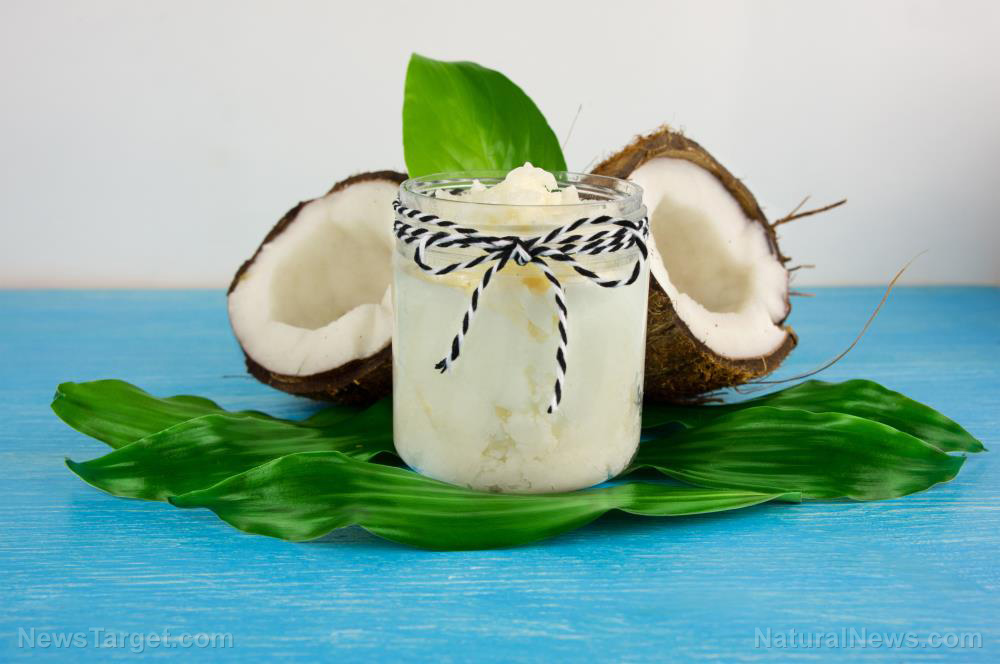
- Coconut oil is a versatile natural ingredient that's perfect for homemade beauty products. As eco-consciousness grows among consumers, people are turning to simple, toxin-free alternatives.
- Mix beeswax and coconut oil for a clean-burning, long-lasting candle with essential oils for fragrance.
- Blend coconut oil, shea butter and cocoa butter for a rich, hydrating moisturizer that's free of preservatives.
- Coconut oil, beeswax and almond oil make a great moisturizing balm that can prevent chapped lips naturally.
- These recipes are easy to make, affordable and allow personalization with essential oils, herbs or honey for extra benefits. By using organic coconut oil, you can create effective, natural beauty products that support both personal wellness and environmental sustainability.
The rise of eco-conscious consumerism and a return to self-care has sparked renewed interest in homemade beauty solutions. Amid this movement, coconut oil has emerged as a star ingredient, celebrated for its natural versatility and staggering range of uses.
From velvety body butter to long-burning candles, coconut oil’s excellent natural properties make it ideal for creating safe, customizable and eco-friendly products.
Read on to learn how to harness its power in three easy DIY recipes, each blending simplicity with science for transformative results. (h/t to DignityMade.com)
Organic coconut oil candles: For lighting a clean path
Candles are useful for more than just ambiance. They’re mood-setting tools that can also impact your health. However, store-bought candles often contain harmful paraffin wax (a petroleum byproduct) and synthetic fragrances.
Fortunately, you can make a safer alternative at home. Organic coconut oil candles are a cleaner natural alternative that burns toxin-free and are great for home use or for gifting during the holidays.
Coconut oil lowers the melting point of beeswax, creating a candle that emits a warm glow with a longer burn time. Its clean-burning nature also reduces soot and smoke. And if you like candles with a subtle fragrance, you can add your favorite essential oils to your homemade coconut oil candle. (Related: Prepper’s guide to using ESSENTIAL OILS for skincare.)
Scented DIY candles
Ingredients:
- 1 lb beeswax (Use pellets or grated beeswax for easier melting)
- 1/2 cup organic coconut oil (Use raw, unrefined coconut oil for purity)
- 30 drops of essential oil (Optional, use your favorite scent/s)
Tools:
- Double boiler (Alternatively, you can use a heat-safe bowl over a pot)
- Glass jars or candle tins
- Candle wicks
- Wick holders (Or clothespins)
- Tape or hot glue (For securing the candle wicks)
Instructions:
- Get the double boiler and combine the melted beeswax and coconut oil. Stir occasionally until the two are fully melted.
- Place the candle wicks in the center of each jar. Secure the base with tape or some hot glue. Use a clothespin or chopstick to hold the top of the candle wick upright and centered.
- When the wax mixture is fully melted, carefully remove it from the heat and add 30 drops of your chosen essential oil.
- Carefully pour the candle mixture into the jars. Leave at least half an inch of space at the top of the containers.
- Set the candles aside. Let them cool and harden for at least one hour. Once the candles are set, trim the wick to about half an inch.
Whipped body butter: A luxurious treat without the luxe price
You often see body butters on store shelves that boast "natural" labels, but homemade versions are free of harmful synthetic preservatives and water dilution.
Organic coconut oil’s occlusive properties lock in moisture, making it perfect for creating a thick, luxurious balm that hydrates and soothes dry skin. Additionally, its medium-chain triglycerides penetrate the skin quickly, delivering hydration without the greasiness.
DIY moisturizing body butter
Ingredients:
- 1/2 cup (3.4 oz) shea butter
- 1/2 cup (2.1 oz) cocoa butter
- 1/2 cup organic coconut oil (You can also use almond oil, grapeseed oil, jojoba oil, olive oil or sunflower seed oil)
- 1 tablespoon cornstarch (Or arrowroot starch or tapioca starch)
- 10 - 30 drops essential oil (Optional, add your preferred essential oil)
Tools:
- Double boiler (Alternatively, a heat-safe bowl over a pot)
- Spatula
Instructions:
- Use a double boiler or place a heatproof bowl on top of a pot filled with several inches of simmering water. The bowl shouldn't touch the water. Add the cocoa butter, shea butter and your preferred oil to the bowl.
- Carefully melt all the ingredients together. Use a spatula to stir the mixture.
- Once all the ingredients are melted, remove the bowl from the heat. Refrigerate the bowl for about 45 to 60 minutes or until cool.
- The oils have chilled long enough when the oils around the edges of the bowl are solid but are still a little melted in the middle.
- Prepare another bowl and add the starch and the essential oil. Start with 10 drops of essential oil, and add more if you prefer a stronger scent. Use a whisk, hand mixer or stand mixer to whip the body butter until it is fluffy and lightens in color.
- Pour the body butter into a sealable jar. The body butter can be stored at room temperature, but if it's too hot, you should store it in the fridge because it can melt at about 90 F (32 C). The body butter should keep for at least one year.
For best results, apply the body butter after showering. Let the body butter absorb into your skin for a few minutes before getting dressed.
Nourishing lip balm: Bye-bye chapped lips
Commercial lip balms often use petrolatum (mineral oil) to "lock in" moisture, which creates a breathable barrier.
Organic coconut oil, however, is a natural humectant that attracts and retains moisture, preventing lips from drying out.
DIY moisturizing lip balm
Ingredients:
- 3 Tablespoons (1.38 ounces) organic coconut oil (virgin or expeller pressed)
- 2 Tablespoons (1 ounce) beeswax pastilles (or use carnauba wax )
- 1 Tablespoon (.48 ounces) sweet almond oil (You can also use jojoba oil, olive oil or avocado oil instead of almond oil)
- 20 drops of essential oil (Optional, you can use your preferred essential oil)
- 1/2 Teaspoon honey (Optional)
Tools:
- Double boiler (Alternatively, a heat-safe bowl over a pot)
- 8 to 10 tubes of empty lip balm containers or lip balm tins
- Rubber bands
- Whisk
- Funnel
Instructions:
- Remove the lids from the lip balm tubes. Use the rubber bands to secure all the tubes upright.
- Measure the coconut oil, sweet almond oil and beeswax, then pour them into a double boiler pot.
- Turn the heat on low-medium, then let the oils and wax melt completely.
- Carefully remove the pan from the heat and stir in the raw honey (if using). Add your favorite essential oils.
- Slowly pour the mixture into the upright tubes.
- Set the lip balm tubes aside and let them cool. Once done, cap the containers.
This recipe should fill about eight to 12 lip balm tubes.
The coconut oil recipes above are more than just craft projects; they’re proof that self-care doesn’t need to be complicated. By prioritizing natural ingredients like coconut oil, you’re not just nurturing your skin but also supporting a holistic lifestyle that respects both bodies and the planet.
Move beyond store aisles cluttered with questionable ingredients. The power to create safer, nourishing products is in your hands, and organic coconut oil can help you get started.
Where to get lab-verified Organic Coconut Oil for your DIY crafts
The Health Ranger Store is committed to helping you find natural and lab-verified ingredients for different DIY projects. That’s why we’re proud to introduce clean, lab-verified natural products such as Organic Extra Virgin Coconut Oil 14 oz and Organic Extra Virgin Coconut Oil, 1 Gallon.
Obtained from natural sources, Health Ranger Select Organic Extra Virgin Coconut Oil isn't chemically modified and contains no gluten, GMOs, artificial sweeteners, preservatives or synthetic ingredients.
Organic Extra Virgin Coconut Oil 14 oz and Health Ranger Select Organic Extra Virgin Coconut Oil, 1 Gallon are also non-China, certified Kosher and organic, and extensively lab tested for glyphosate, heavy metals and microbiology.
Visit Health Ranger Store and Brighteon Store to find more products made with only natural ingredients. You can also Visit NaturalHealth.news for more DIY guides.
Click on this link to learn more about collagen and skin aging myths and facts.
Watch the video below to learn why you should include Organic Extra Virgin Coconut Oil in your survival stockpile.
This video is from the Health Ranger Store channel on Brighteon.com.
More related stories:
Dandelion mixology: Crafting herbal cocktails and mocktails.
Recipes for DIY cleaning products that can help you clean better and save money.
Allergy season solutions: Natural ways to keep your home pollen-free.
Why essential oils are must-have barter items when SHTF.
Sources include:
DignityMade.com
ItDoesntTasteLikeChicken.com
TheCoconutMama.com
HealthRangerStore.com 1
HealthRangerStore.com 2
HealthRangerStore.com 3
HealthRangerStore.com 4
Brighteon.com
Organic Coconut Oil in DIY Crafts: Candles, soaps and beyond – NaturalNews.com
If you're gonna fight, fight like you're the third monkey on the ramp to Noah's Ark... and brother its starting to rain. Join our efforts to Secure America's Borders and End Illegal Immigration by Joining ALIPAC's E-Mail Alerts network (CLICK HERE)
-
05-01-2025, 09:41 PM #170Senior Member
- Join Date
- Aug 2018
- Posts
- 92,695
The antioxidant crisis: How mushrooms and soil health could be key to longevity
05/01/2025 // Willow Tohi // 190 Views
Tags: agriculture, anging secrets, antioxidants, disease prevention, Ecology, environment, farming practices, food cures, food science, food supply, good food, goodhealth, grocery, grocery cures, health science, longevity, Mushrooms, natural health, nutrients, organic farming, phytonutrients, remedies, research, soil health
- Ergothioneine (ERGO), a rare antioxidant found abundantly in mushrooms and soil-grown foods, is linked to reduced risks of neurodegenerative diseases like Alzheimer’s and Parkinson’s. Modern farming practices have depleted ERGO in diets, raising concerns about its role in brain health and aging.
- Humans have a dedicated transport protein for ERGO, which helps combat inflammation and oxidative stress—key drivers of aging. Despite its importance, average daily intake in the U.S. (1 mg) is far below levels in regions with mushroom-rich diets (e.g., 5 mg in Italy).
- Industrial farming (tilling, pesticides, monocropping) disrupts fungal networks that transfer ERGO to crops, reducing levels by up to 30%. Regenerative farming (no-till, organic methods) could restore ERGO by prioritizing soil health and nutritional quality over yield alone.
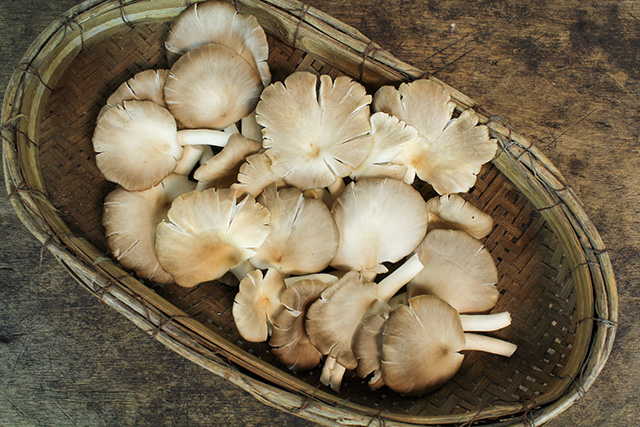
- Shiitake, oyster and porcini mushrooms contain the highest ERGO levels — just 100 g of oyster mushrooms provides 5 mg. ERGO works synergistically with glutathione (GSH), another antioxidant abundant in mushrooms, to enhance cellular protection.
- To address ERGO and glutathione depletion, experts recommend eating more mushrooms, choosing regenerative farm products and avoiding processed foods. Policy and consumer choices must shift to prioritize nutrient-dense foods and sustainable agriculture for long-term health benefits.
In an era where chronic diseases and cognitive decline are on the rise, scientists are turning their attention to a rare antioxidant that may hold the key to longevity: ergothioneine (ERGO). Found abundantly in mushrooms and soil-grown foods, ERGO is now vanishing from diets due to modern farming practices — raising urgent questions about its role in brain health, aging and disease prevention. At the forefront of this research is Robert Beelman, professor emeritus at Penn State’s Center for Plant and Mushroom Foods for Health, who warns that ERGO’s depletion could be a hidden driver of neurodegeneration. With studies linking higher ERGO intake to reduced risks of Alzheimer’s and Parkinson’s, the race is on to restore this "longevity vitamin" to the food supply — starting with what you eat and how you farm.
The "longevity vitamin" missing from modern diets
ERGO, a potent antioxidant produced by fungi and soil microbes, was first discovered in 1909 but long overlooked. In 2005, researchers made a breakthrough: humans have a dedicated transporter protein for ERGO, funneling it from food into red blood cells for distribution to tissues, where it combats inflammation and oxidative stress — two hallmarks of aging.
Biochemist Bruce Ames later theorized ERGO as a "longevity vitamin," essential for sustaining health over a lifetime. "Our findings show a strong association between higher ERGO consumption and reduced risk of neurodegenerative diseases," Beelman told the Epoch Times. Yet Americans consume just 1 mg daily — far below Italy’s 5 mg, where mushroom-rich diets correlate with longer lifespans.
Soil health: The forgotten link to nutrient density
The decline of ERGO traces back to industrial agriculture. "Healthy soil is the foundation of healthy plants," said registered dietitian Alison Steiber. Intensive tilling, pesticides and monocropping disrupt fungal networks that transfer ERGO to crops. Beelman’s research found tillage slashes ERGO levels in oats and soybeans by 30%.
Regenerative farming— cover crops, no-till practices and organic methods — could reverse this. "Someone needs to step up to change our focus from yield alone to nutritional quality," Beelman urged, tying depleted soils to rising healthcare costs.
Mushrooms: Nature’s ERGO powerhouse
While ERGO lingers minimally in beans and liver, mushrooms are unparalleled sources. "Shiitake, oyster and porcini mushrooms pack the highest levels," said Beelman. Just 100 grams of oyster mushrooms deliver 5 mg of ERGO — a proposed daily target. For those who dislike mushrooms, supplementation or soil-restored crops may offer alternatives, but biodiversity remains critical. Emerging research suggests ERGO’s synergy with glutathione (GSH), another vital antioxidant abundant in mushrooms, amplifies their protective effects.
Glutathione: The master antioxidant under siege
Parallel to ERGO’s decline, modern lifestyles are depleting glutathione — the body’s "master detoxifier." Processed foods, alcohol, pollution and stress drain GSH, leaving cells vulnerable to damage. "When glutathione is low, toxins accumulate and inflammation spirals," explained toxicologist Dr. Yvonne Burkart in a public health lecture.
Rebuilding GSH requires sulfur-rich foods (garlic, cruciferous veggies), selenium (Brazil nuts) and bioactive compounds like N-acetyl cysteine (NAC). Exercise and sleep also boost production, while avoiding charred meats and microplastics reduces demand.
A path forward: Diet, farming and policy
The ERGO and glutathione crises underscore a deeper truth: human health is inseparable from soil health. Beelman’s work calls for agricultural reforms and consumer action. "Choosing mushrooms, supporting regenerative farms and prioritizing nutrient density can reset the balance," he said.
As science unravels the ties between soil microbes and cellular resilience, the message is clear: the future of longevity may depend on what grows beneath your feet — and on your plates.
Sources for this article include:
TheEpochTimes.com
Scientia.global
PubMed.gov
YouTube.com
The antioxidant crisis: How mushrooms and soil health could be key to longevity – NaturalNews.comIf you're gonna fight, fight like you're the third monkey on the ramp to Noah's Ark... and brother its starting to rain. Join our efforts to Secure America's Borders and End Illegal Immigration by Joining ALIPAC's E-Mail Alerts network (CLICK HERE)


 Reply With Quote
Similar Threads
-
Half of Greenland's Warming Tied to Natural Causes NATURAL CAUSES?!?! NATURAL CAUSES
By AirborneSapper7 in forum Other Topics News and IssuesReplies: 4Last Post: 05-08-2014, 11:50 AM -
NATURAL BORN FOLLOWS THE NATURAL BIRTH FATHER
By AirborneSapper7 in forum Other Topics News and IssuesReplies: 3Last Post: 04-19-2011, 09:49 PM -
Experts: Placebo power behind many natural cures
By JohnDoe2 in forum Other Topics News and IssuesReplies: 1Last Post: 11-10-2009, 11:03 PM -
Natural Cancer Drug Called CELLADAM Cures Cancer
By CCUSA in forum Other Topics News and IssuesReplies: 0Last Post: 01-23-2009, 04:47 PM -
DRUG COMPANIES USE NATURAL CURES TO DESIGN NEW DRUGS
By Darlene in forum Other Topics News and IssuesReplies: 0Last Post: 03-18-2006, 08:43 PM
Tags for this Thread
alternative medicine,
balance,
chinese herbal medicine,
clean-foods-organics,
cures,
daniel reid,
goodhealth,
goodmedicine,
healing,
herbal medicine,
herbs,
history,
holistic,
natural cures,
natural health,
natural medicine,
naturalnews.com,
plant medicine,
prevention,
qi,
real history,
remedies,
tcm,
traditional chinese medicine,
yin and yang


Memorial Day 2026: Will Americans Still Die For Freedom?
05-25-2026, 04:53 AM in General Discussion