

Results 81 to 90 of 602
 2Likes
Thread Information
Users Browsing this Thread
There are currently 1 users browsing this thread. (0 members and 1 guests)
 LinkBack URL
 About LinkBacks
-
03-30-2025, 09:35 PM #81Senior Member


- Join Date
- Aug 2018
- Posts
- 92,714
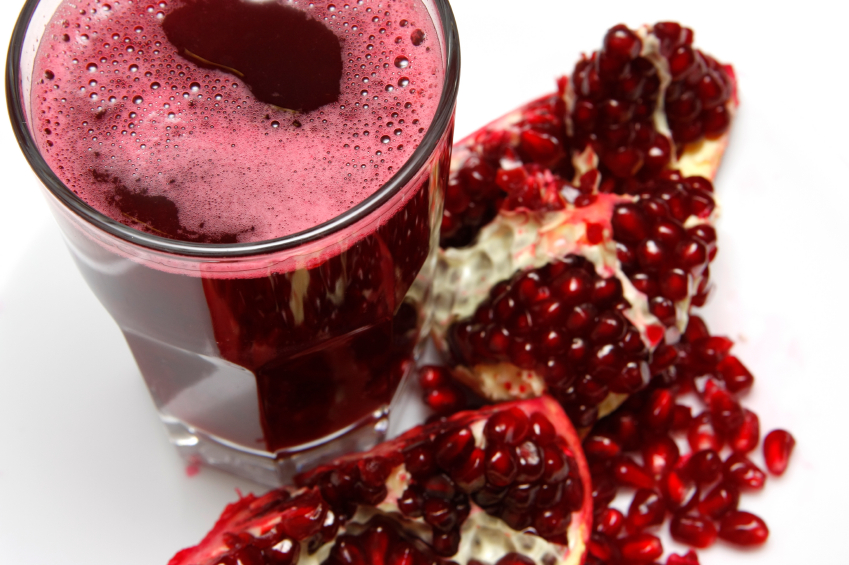
Revolutionize your diet with pomegranate: The miracle juice for gut health and metabolism
03/30/2025 // Willow Tohi // 1.2K Views
Tags: alternataive medicien, cancer, cancer solutions, diabetes prevention, digestion, goodhealth, grocery cures, gut health, metabolism, natural cures, natural medication, nutrients, plant medicine, prevention, probiotics, remedies
- The gut contains over 30 trillion bacteria, surpassing the number of stars in the sky, which play critical roles in metabolism, immunity, skin health and brain function.
- This "guardian" bacteria supports insulin control, reduces diabetes risk and is linked to lower obesity rates by improving metabolic health.
- Pomegranate juice (rich in ellagitannins) stimulates mucus production in the gut, creating an ideal environment for Akkermansia to thrive. Just 8 ounces daily can be effective.
- Pomegranate offers antioxidant effects, essential nutrients (vitamins E/K, magnesium), potential cancer prevention (prostate, breast, lung) and improved memory/cognitive function.
- Pure pomegranate juice is a simple way to boost Akkermansia and overall health, with options like diluted juice or extracts for convenience.
Your gut is a microbial galaxy of more than 30 trillion bacteria. Yes, you read that right: "That's more bacteria in your gut than stars in the night sky," world-renowned physician and researcher William Li, M.D., author of Eat To Beat Your Diet, recently shared on the MindBodyGreen podcast. These bacteria communicate with each other at all hours of the day to support different functions, like metabolism, immunity, skin health, brain health and so much more.
It can be overwhelming to reflect on the scope of your gut microbiome, but according to Li, "we're beginning this expedition into the great unknown to discover the important bacteria." One of those important discoveries happens to be a bacteria called Akkermansia muciniphila. "This one bacteria has been discovered to be a guardian of our health," Li adds.
Why pomegranate juice is great for gut and metabolic health
"Akkermansia is a guardian," says Li. "It helps insulin control—if you've got good Akkermansia working on your behalf, it actually lowers the risk of Type 2 diabetes. It also seems to influence body fitness." He references a study in which high amounts of Akkermansia are associated with a lower risk of obesity. "That association is really important because of the role of Akkermansia and controlling your insulin and metabolism," he adds.
Suffice it to say: This is one powerful gut bacteria. Yet despite the complex nature of your gut microbiome, it's not too difficult to promote Akkermansia naturally. According to Li, all it takes is some pomegranate juice: "It turns out that certain kinds of polyphenols, ellagitannins, will actually prompt your gut to secrete more mucus," he notes. And mucus serves as the "soil" this bacteria needs in order to thrive.
The science behind pomegranate and Akkermansia
Pomegranate and pomegranate juice contain these ellagitannins, which have been shown to stimulate the growth of Akkermansia in in vitro culture studies. Li recommends drinking an 8-ounce cup of pure pomegranate juice to get things grooving: "Two shot glasses worth is enough to get the mucus flowing in your gut," he notes. Although, pure pomegranate juice can be pretty tart, which is why many commercial options often contain added sugar—and consuming refined sugar has its own gut health-related issues.
You could also, of course, munch on whole pomegranate seeds. But you'd have to eat a whole bunch of them to get a meaningful amount of the juice. As for pomegranate powders and extracts? "That will probably work as well," Li says. "The research hasn't been done to compare those things head to head, but I think you can have juice [or supplements]." It's the ellagitannins in pomegranate that have the beneficial effect, which are present in pomegranate extracts.
The broader health benefits of pomegranate
Pomegranate isn't just a boon for gut health; it offers a plethora of other health benefits:
- Antioxidant effects: Pomegranate is rich in polyphenols, which are powerful antioxidants. These antioxidants help reduce levels of reactive oxygen species (ROS), a type of free radical, in the body. High levels of ROS can lead to oxidative stress, resulting in cell damage and inflammation. Antioxidants help remove ROS and protect the body from damage.
- Nutrient boost: Pomegranate contains many nutrients and is a good source of vitamin E, vitamin K and magnesium. Vitamin E is an antioxidant, vitamin K is essential for blood clotting and magnesium helps manage blood pressure and glucose levels.
- Cancer prevention: The National Institutes of Health (NIH) list pomegranate as one of the natural remedies that may help treat or prevent prostate cancer. An older, 2014 research article notes that the polyphenols in pomegranate may aid in preventing the growth of cancer cells related to prostate cancer. In mouse studies, researchers linked pomegranate fruit extract with a reduction in prostate-specific antigen levels and the inhibition of tumor growth. Ingredients in pomegranate may also help prevent breast, lung and skin cancer.
- Memory and cognitive function: Drinking pomegranate juice every day may improve learning and memory. In an older study, 32 people consumed either 8 ounces of pomegranate juice or another drink for 8 weeks. After 4 weeks, those who consumed pomegranate showed better scores on memory tests. fMRI scans also revealed increased brain activity during these tests.
The takeaway
Plenty of foods can feed the healthy microbes in your gut. But if you're looking to nourish Akkermansia muciniphila in particular, you might want to consider stocking up on pure pomegranate juice. Pour it over ice with a bit of sparkling water, and you've got yourself a refreshing, gut-healthy pomegranate spritz—or you can always opt for the supplement route if you'd like to maintain a daily dose of pomegranate.
In summary, the benefits of pomegranate extend far beyond gut health, making it a versatile and valuable addition to any health-conscious diet. Whether you're sipping on pure pomegranate juice or taking a pomegranate supplement, you're supporting your body's vital functions and promoting overall well-being.
Sources include:
MindBodyGreen.com
MedicalNewsToday.com
PubMed.gov
PubMed.gov
Revolutionize your diet with pomegranate: The miracle juice for gut health and metabolism – NaturalNews.com
If you're gonna fight, fight like you're the third monkey on the ramp to Noah's Ark... and brother its starting to rain. Join our efforts to Secure America's Borders and End Illegal Immigration by Joining ALIPAC's E-Mail Alerts network (CLICK HERE)
-
04-01-2025, 07:02 AM #82Senior Member
- Join Date
- Aug 2018
- Posts
- 92,714
The power of Ginseng: A timeless medicinal root for vitality and healing
03/31/2025 // Ava Grace // 850 Views
Tags: adaptogen, alternative medicine, anti-inflammatory, antioxidant, Asian ginseng, Chinese medicine, Cures, goodhealth, goodmedicine, healing, health science, herbal medicine, Herbs, mental stress, natural cures, natural health, natural medicine, Naturopathy, Panax ginseng, phytonutrients, plant medicine, remedies
- Panax ginseng, known as the "king of herbs," has been a cornerstone of traditional medicine for over 2,000 years, originating in East Asia and revered for its vitality-enhancing properties. It was first documented in ancient Chinese texts and traded along the Silk Road.
- Ginseng contains ginsenosides, polysaccharides and other compounds with anti-inflammatory, antioxidant and immune-boosting effects. It is studied for its potential to reduce fatigue, improve cognitive function, regulate blood sugar and support sexual health.
- Primarily grown in Korea, ginseng requires six years to mature. It is consumed in various forms, including teas, soups, powders, tinctures and skincare products, with traditional uses like Korean samgyetang (ginseng chicken soup).
- Ginseng is deeply rooted in East Asian culture, symbolizing respect and health. Its unique human-like shape and complex flavor profile make it a versatile ingredient in recipes like ginseng tea, energy bites and infused rice.
- Ginseng remains popular for its adaptogenic properties, aiding in stress management and supporting overall well-being. Researchers continue to explore its therapeutic potential, solidifying its status as a natural medicine.
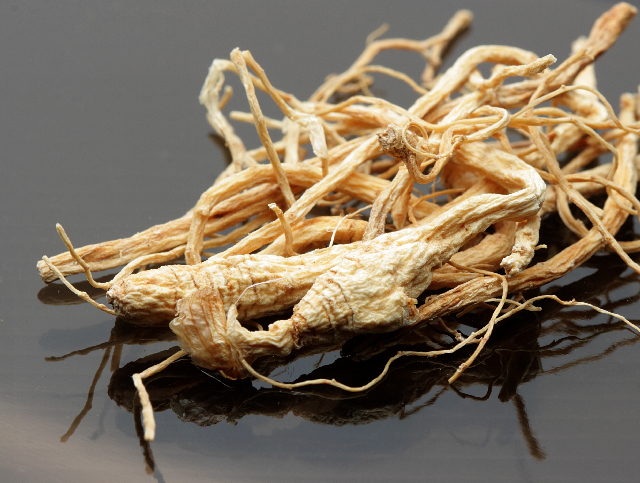
For centuries, Panax ginseng, often referred to as Asian ginseng, Chinese ginseng or Korean ginseng, has been revered as a cornerstone of traditional medicine and a symbol of vitality. This perennial plant, with its distinctive forked root, thrives in the cool, shaded mountains of East Asia, particularly in Korea, where it has been cultivated for over 2,000 years.
Known as the "king of herbs," ginseng has earned its reputation as a potent adaptogen, capable of enhancing physical and mental resilience while addressing a wide range of health concerns. Its rich history, unique properties and versatile applications make it a fascinating subject for anyone interested in wellness, nutrition and herbal medicine.
A root steeped in history
The use of ginseng can be traced back to ancient China, where it was first documented in the Shennong Bencaojing (The Divine Farmer’s Materia Medica), a medical text written around 100 AD. This early pharmacopoeia classified ginseng as a superior herb, reserved for emperors and nobility due to its rarity and perceived ability to promote longevity.
The name "Panax" is derived from the Greek word panacea, meaning "all-healing," reflecting the belief in its near-miraculous properties. Over time, ginseng became a prized commodity, traded along the Silk Road and sought after by healers and scholars across Asia. (Related: Asian ginseng found to be effective for treating MS, autoimmune diseases.)
Today, ginseng is primarily cultivated in Korea, where the climate and soil conditions are ideal for its growth. The plant requires meticulous care, often taking six years before its roots are harvested. This lengthy cultivation process contributes to its high value and status as a premium herbal remedy.
Phytonutrients and health benefits
Asian ginseng is rich in bioactive compounds known as ginsenosides, which are the primary phytonutrients responsible for its therapeutic effects. These saponins have been extensively studied for their anti-inflammatory, antioxidant and immune-modulating properties.
Other notable compounds include polysaccharides, flavonoids and polyacetylenes, which work synergistically to enhance the root's health benefits, which include:
- Fatigue and stress relief - As an adaptogen, ginseng helps the body adapt to physical and mental stress, reducing fatigue and improving energy levels.
- Cognitive boost - Studies indicate that ginseng may enhance memory, focus and overall brain health, making it a potential ally in combating age-related cognitive decline.
- Immune support - Ginseng's immune-boosting properties may help reduce the frequency and severity of infections.
- Blood sugar regulation - Evidence suggests that ginseng can improve insulin sensitivity and help manage blood sugar levels in individuals with Type 2 diabetes.
- Sexual health - Traditionally used as an aphrodisiac, ginseng may improve erectile dysfunction and enhance libido by increasing nitric oxide production and improving blood flow.
Ginseng is consumed in various forms, each tailored to specific health goals. The root can be dried and sliced for use in teas or soups, powdered for capsules or made into tinctures and tonics. In Traditional Korean Medicine, ginseng is often used in samgyetang, a nourishing chicken soup believed to restore vitality. Modern wellness enthusiasts may incorporate ginseng into smoothies, energy bars and skincare products to enjoy its anti-aging benefits.
Culinary uses and recipes
The ginseng root is easily recognizable by its human-like shape, often resembling a small, gnarled figure with multiple "limbs." Its color ranges from pale yellow to a deep earthy brown, depending on how it is processed. Fresh ginseng has a crisp texture and a slightly sweet, earthy flavor, while dried ginseng tends to be more bitter and aromatic. The taste is often described as complex, with hints of licorice, bitterness and a lingering warmth.
Ginseng is known by many names, reflecting its widespread use and cultural significance. In addition to its scientific name, ginseng is often called ren shen in Chinese, insam in Korean and ninjin in Japanese. Each culture has its own traditions and folklore surrounding the herb. For example, in Korea, ginseng is often gifted as a symbol of respect and good health, while in China, it is associated with the balance of yin and yang.
For individuals eager to incorporate ginseng into their diet, here are a some recipe ideas:
- Ginseng chicken soup (Samgyetang) - A classic Korean dish made with whole chicken, glutinous rice, garlic, jujube and ginseng root.
- Ginseng honey tea - A soothing beverage made by steeping ginseng slices in hot water sweetened with honey.
- Ginseng energy bites - Combine powdered ginseng with oats, nuts and dried fruit for a nutrient-packed snack.
- Ginseng smoothie - Blend fresh or powdered ginseng with banana, spinach, almond milk and a touch of ginger for a revitalizing drink.
- Ginseng-infused rice - Cook jasmine rice with a few slices of ginseng root for a fragrant and healthful side dish.
Today, ginseng continues to captivate researchers and consumers alike. Its adaptogenic properties make it a popular choice for individuals seeking natural ways to manage stress and improve overall well-being. Athletes, students and busy professionals often turn to ginseng as a natural energy booster, while older adults appreciate its potential to support cognitive health.
Asian ginseng is more than just a root; it is a testament to the enduring power of nature to heal and nourish. From its ancient origins to its modern applications, this remarkable herb has stood the test of time as a symbol of vitality and resilience. Whether enjoyed in a steaming bowl of soup, a revitalizing tea or a convenient supplement, ginseng offers a wealth of benefits for both the mind and body.
This story is not medical advice and is not intended to treat or cure any disease. Always consult with a qualified naturopathic physician for personalized advice about your specific health situation or concern.
For more fascinating insights into superfoods and their natural wonders, visit NaturalNews.com. It’s a treasure trove of articles that will deepen your understanding of the healing power of food.
If you’re into cutting-edge technology with a health twist, try Brighteon.ai. Created by Mike Adams, the Health Ranger, this AI model is a free download that you can run on your own device. It’s all about sharing knowledge freely and bypassing the filters of censorship.
And if you’re looking for a place to openly discuss everything from nutrition to natural remedies without any holds barred, Brighteon.com is your go-to spot. Don’t forget to check out their free speech social media platforms, Brighteon.IO and Brighteon.social, where the conversation is always lively and uncensored.
Watch an interesting video on the many uses of Panax ginseng.
This video is from the Holistic Herbalist channel on Brighteon.com.
More related stories:
Unveiling the supernatural: Rare “angel pattern” discovered in human brains.
Ginseng’s secret weapon: Battling cancer with ancient wisdom.
Ginseng, jujube, gingko and astragalus all found to have antioxidant and anti-tumor effects.
Ginseng phytonutrient Ginsenoside Rg3 effective against hepatocellular carcinoma.
Ginseng extracts found to prevent obesity.
Sources include:
Brighteon.ai
NaturalNews.com
Brighteon.com
The power of Ginseng: A timeless medicinal root for vitality and healing – NaturalNews.com
If you're gonna fight, fight like you're the third monkey on the ramp to Noah's Ark... and brother its starting to rain. Join our efforts to Secure America's Borders and End Illegal Immigration by Joining ALIPAC's E-Mail Alerts network (CLICK HERE)
-
04-01-2025, 09:21 AM #83Senior Member
- Join Date
- Aug 2018
- Posts
- 92,714
Ancient kitchen secrets REVEALED: How garlic, ginger and green onions fight cancer and heart disease
03/31/2025 // Willow Tohi // 1.1K Views
Tags: ancient remedies, garlic, ginger, goodhealth, green onion, grown your own medicine, natural antiobiotics, natural cures, natural health, natural medicine, plant medicine, remedies, traditional Chinese medicine
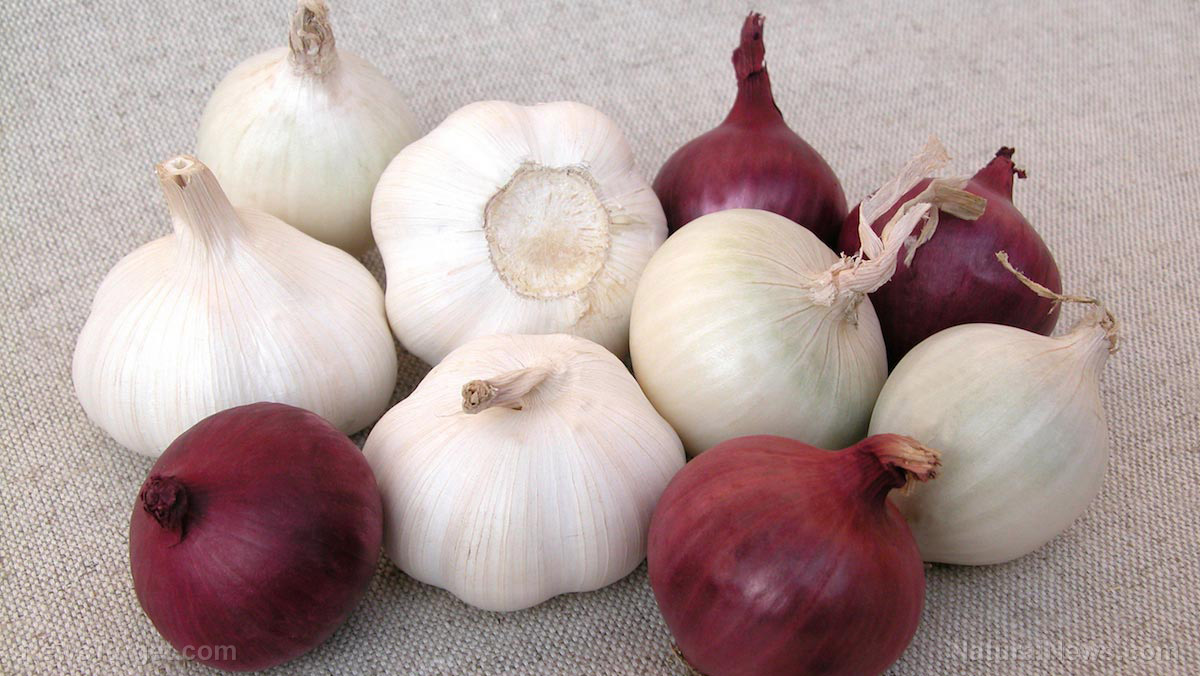
- Garlic, ginger and green onions have been used in Traditional Chinese Medicine (TCM) for centuries to support immunity, balance and disease prevention. Modern research confirms their antimicrobial, anti-inflammatory and anticancer properties.
- Garlic contains allicin, which helps prevent cancer (especially stomach and colorectal) and supports heart health by lowering blood pressure and preventing plaque buildup. It has antibacterial, liver-protective and digestive benefits, but excessive intake (more than 3–5 cloves daily) may irritate the eyes and lungs.
- Green onions are rich in sulfur compounds that fight tumors and antibacterial properties. They help relieve constipation due to pectin content and is used in TCM to treat colds by promoting circulation and sweating.
- Ginger contains gingerol and shogaol, which fight cancer by inducing cell death and preventing metastasis. It warms the stomach, aids digestion and balances cold foods—ideal for summer consumption to counteract excessive cold from air conditioning and iced drinks.
- Combining garlic and ginger may enhance health benefits. Together, they offer anti-inflammatory, antioxidant, immune-boosting and heart-protective effects. They may also lower blood sugar, improve cognitive health and reduce cancer risk, but high-dose supplements should be taken under medical supervision.
In a world dominated by advanced medical technologies and pharmaceuticals, it's easy to overlook the powerful health benefits of simple kitchen ingredients. Garlic, ginger and green onions, however, have been valued for centuries in traditional Chinese medicine (TCM) for their ability to restore balance and support the body’s natural defenses. Modern science is now catching up, validating the ancient wisdom of these humble plants.
Health benefits and uses of garlic
Garlic, a staple in many cuisines, is widely regarded as one of the most potent natural foods for cancer prevention. The key to its effectiveness lies in its compound, allicin. According to a 2022 review, allicin can inhibit the growth of various types of tumors, particularly stomach and colorectal cancers.
"Beyond its potential anticancer effects, garlic also supports cardiovascular health by slowing vascular aging, lowering blood pressure and preventing atherosclerosis or the buildup of plaque in the arteries," states Dr. Naiwen Hu, a naturopathic physician and health journalist.
A dose-response trial found that hypertensive patients who took aged garlic extract capsules for 12 weeks experienced an average systolic blood pressure reduction of nearly 12 mmHg compared to the control group. The medicinal benefits of garlic have been recognized for centuries. In the classical Chinese text “Essential Notes of Materia Medica (Ben Cao Bei Yao),” garlic is described as a remedy that stimulates appetite, strengthens the spleen, supports organ function and wards off epidemics.
People in ancient times also discovered its anti-inflammatory properties, using it to treat hemorrhoids and fistulas. Some even burned garlic stalks into ash and applied it to wounds to help reduce inflammation. A 2024 comprehensive review showed that garlic possesses antibacterial, anti-inflammatory and immunomodulatory properties, while also protecting the liver, kidneys and digestive system.
However, it is important to eat garlic in moderation. "A daily intake of three to five cloves is sufficient, as excessive consumption may have adverse effects on the eyes and lungs," advises Dr. Hu. "This is particularly relevant for people with poor vision. I once had a patient who loved eating garlic but experienced red, irritated eyes afterward. I advised him to drink a cup of strong tea after eating garlic, which helped alleviate the issue."
Health benefits and uses of green onions
Green onions, like garlic, contain sulfur compounds with antibacterial properties. A comparative study found that sulfur compounds extracted from green onions and garlic can inhibit tumor cell proliferation. At certain concentrations, these compounds are nontoxic to normal cells while still exerting antitumor effects.
Green onions can also help relieve constipation due to their pectin content, a type of soluble dietary fiber. Pectin increases stool moisture, promoting healthy bowel movements. Green onions are a versatile ingredient that can elevate simple dishes while offering health benefits. Below are two easy recipes that make the most of their flavor and medicinal properties.
Stir-fried pork with green onions: Recipe
Ingredients:
- 1/2 tablespoon sesame oil or other cooking oil
- 200 grams (about 7 ounces) pork belly or pork shoulder, thinly sliced
- 1/2 tablespoon cooking wine (optional)
- 4–5 stalks green onions, cut into 2-inch pieces
- 1 tablespoon soy sauce
- 1/2 teaspoon salt (adjust to taste)
- Pinch of white pepper (optional)
Instructions:
- Heat the sesame oil in a skillet or wok over medium heat.
- Add the pork slices and stir-fry until they begin to brown and the fat starts to render.
- Add the cooking wine, if using, and continue stir-frying for another minute.
- Add the green onions and stir-fry for 1–2 minutes, until they are tender but still bright green.
- Season with soy sauce, salt and white pepper. Stir well to combine.
- Serve hot with rice or as a side dish.
Green onion soup: Recipe
Ingredients:
- 500 milliliters (16.9 fluid ounces) water
- 3 green onions (use the lower white part), finely chopped
Instructions:
- Bring the water to a boil in a small pot.
- Add the chopped green onions and let simmer for 1 minute.
- Turn off the heat, cover the pot and let the soup steep for another minute.
- Strain out the green onions and drink the soup while it is warm.
As the seasons change, fluctuations in temperature can increase susceptibility to colds. In TCM, the lower white part of the green onion is commonly used as a cold remedy. TCM practitioners believe that green onions help induce sweating, expel cold and improve circulation—supporting the body’s natural flow of qi (energy) and blood while also warming the body. You can also cook the green onion soup with white rice to make a soothing porridge that can help ease cold symptoms.
Health benefits and uses of ginger
Ginger root contains two powerful anticancer compounds: gingerol and shogaol. The older the ginger, the more gingerol it contains. Research has shown gingerol can destroy tumor cell mitochondria, induce apoptosis (cell death) and inhibit cancer cell metastasis. When fresh ginger is heated, gingerol converts into shogaol. A 2023 study found that shogaol can induce apoptosis in ovarian cancer cells. Additionally, when taken alongside the targeted cancer therapy drug gefitinib, it may help prevent cancer cells from developing drug resistance.
To maximize these benefits, try incorporating ginger into your cooking. You can use it to enhance the flavor of vegetable dishes, neutralize fishy odors from soups, or brew a cup of brown sugar ginger tea on cold days—all of which provide both gingerol and shogaol.
Eating ginger in summer
In TCM, foods and herbs can be classified based on their cooling or warming properties. Eating cool or cold-natured foods has a cooling effect on the body, while warm or hot-natured foods help generate internal warmth.
As the Chinese saying goes, “Eat radish in winter and ginger in summer, and you will stay healthy without a doctor.” Ginger has a warming nature, and eating it during the summer can help expel internal cold and warm the stomach. During hot weather, many people turn the air conditioning to its lowest setting and drink ice-cold beverages. While this may feel refreshing, it can harm the digestive system.
"In TCM, the stomach and its corresponding organ, the spleen, function best in warmth and do not respond well to excessive cold. Overloading the body with cold foods and drinks is believed to increase cold energy in the stomach and spleen, potentially leading to digestive issues such as stomach pain and diarrhea," explains Dr. Hu.
Therefore, even in summer, it is important to keep the digestive system warm. A great way to do this is by adding ginger to meals and soups. Consider stir-frying shredded ginger with king oyster mushrooms and pork strips for a light yet flavorful dish, or add a few slices of ginger to mung bean soup to balance its cooling effect.
Strengthening the spleen and stomach
According to TCM’s organ system theory, the spleen is more than an anatomical organ—it represents an energy system that also governs the pancreas and digestive tract. When the spleen is weakened by excessive cold, the body’s fluid metabolism slows down, leading to dampness. This can result in symptoms such as bloating, fatigue and joint pain. Once dampness is expelled, the body feels lighter and more energized.
For those who often experience cold hands and feet in winter, a cup of ginger black tea can help warm the body quickly.
Ginger black tea: Recipe
Ingredients:
- 1 tablespoon freshly grated mature ginger (or 1–2 teaspoons ginger juice)
- 1 cup (240 milliliters) hot black tea
- 1–2 teaspoons brown sugar (adjust to taste)
Instructions:
- Wash a piece of mature ginger thoroughly and grate it into a fine paste.
- Brew a cup of black tea.
- Stir in the grated ginger (or ginger juice) and add brown sugar to taste.
- Mix well and enjoy while hot.
Alternatively, you can buy brown sugar ginger cubes from the supermarket. Simply brew a cup of black tea and add a cube for an instant warming drink. If you do not like the fibrous texture of grated ginger, you can substitute it with ginger juice. Drinking ginger black tea warms the stomach and helps dispel cold, leaving you feeling cozy and relaxed.
Health benefits of ginger, onions and garlic
In a fast-paced world, it’s hard to maintain a healthy diet. However, using natural ingredients like ginger, onions and garlic in your recipes can provide extraordinary health benefits. Within weeks of cooking for yourself and using these ingredients, you’ll feel and see a healthier you.
Ginger
- Relieves indigestion and nausea
- Lowers cholesterol and blood sugar
- Reduces muscle and arthritis pain
- Fights germs
- Aids weight loss
Onions
- Reduces swelling (inflammation)
- Relieves lung tightness (asthma)
- Lowers cholesterol and blood sugar
Garlic
- Reduces high blood pressure
- Improves blood circulation
- Lowers cholesterol
- Prevents arteriosclerosis
- Reduces swelling (inflammation)
For easier use, run several peeled cloves of garlic in your food processor and store it in your refrigerator with a little salt and oil. You may also roast whole garlic cloves and oil. Store them in an airtight jar in your refrigerator and don’t forget to use the oil when sautéing proteins and vegetables. Eat slowly as it will help with digestion and with most meals, take as much time to eat your food as it took to prepare. Proper digestion will aid in weight loss and will help prevent the urge to snack later.
7 Impressive benefits of combining garlic and ginger
Garlic and ginger are both famous for their health benefits. Decades of scientific research have shown that these popular ingredients have anti-inflammatory and antioxidant properties and may offer some protection against disease. Combining them may also have health-promoting effects.
- Provides anti-inflammatory benefits - Both garlic and ginger contain powerful anti-inflammatory plant compounds that may help inhibit pro-inflammatory proteins associated with chronic inflammation.
- May protect against cellular damage - Studies show that garlic and ginger may help reduce markers of oxidative stress and boost antioxidant defenses.
- May benefit cognitive health - Regularly consuming garlic and ginger or taking garlic and ginger supplements may help protect against cognitive impairment and improve cognitive function.
- May reduce heart disease risk factors - Studies have shown that garlic and ginger have strong heart-protective properties and may help decrease some risk factors of heart disease.
- May be beneficial for those with diabetes - Garlic and ginger may help reduce blood sugar levels and improve other markers of health in people with diabetes.
- Potential anticancer properties - Some evidence suggests that a diet rich in garlic and ginger may help protect against certain types of cancer due to their concentration of anti-inflammatory and antioxidant compounds.
- May promote a healthy immune response - Garlic and ginger have potent anti-inflammatory, antioxidant, antiviral and antimicrobial properties, which can help keep your immune system healthy.
The bottom line is that while the combined effects of garlic and ginger are still being studied, adding these powerful ingredients to your diet will likely benefit your health in numerous ways. However, if you're interested in taking high-dose garlic and ginger supplements, it's important to consult with a healthcare professional, especially if you have a medical condition or are taking medication.
Sources include:
TheEpochTimes.com
ASingleServing.com
Healthline.com
Ancient kitchen secrets REVEALED: How garlic, ginger and green onions fight cancer and heart disease – NaturalNews.com
If you're gonna fight, fight like you're the third monkey on the ramp to Noah's Ark... and brother its starting to rain. Join our efforts to Secure America's Borders and End Illegal Immigration by Joining ALIPAC's E-Mail Alerts network (CLICK HERE)
-
04-01-2025, 11:22 PM #84Senior Member
- Join Date
- Aug 2018
- Posts
- 92,714
Cinnamon plays a critical role in diabetes management
04/01/2025 // Lance D Johnson // 250 Views
Tags: alternative medicine, blood sugar, cinnamon, diabetes cure, diabetes science, food cures, food is medicine, food science, functional food, goodfood, goodhealth, goodmedicine, goodscience, grocery cures, health science, herbal medicine, Herbs, insulin resistance, metabolic health, natural cures, natural health, natural medicine, natural remedies, superfoods, supplements

- Cinnamon, a common spice derived from the bark of Cinnamomum trees, has been studied for its potential to help manage blood sugar levels in people with diabetes.
- Research indicates that cinnamon may improve insulin sensitivity and reduce blood sugar levels, but the evidence is not yet conclusive enough to recommend it as a medical treatment.
- The spice's antioxidant properties may offer additional health benefits, such as reducing inflammation and protecting against chronic diseases related to diabetes.
- While adding cinnamon to food is generally safe, high doses in supplement form can pose risks, including liver damage.
The spice of life: Cinnamon's historical and modern appeal
For centuries, cinnamon has been a cherished spice, not only for its warm, sweet flavor but also for its potential health benefits. Historically, it has been used in traditional medicine to treat a variety of ailments, from digestive issues to inflammation. Today, modern science is beginning to unravel the potential of this ancient spice in managing chronic conditions like diabetes.
Diabetes, a condition characterized by high blood sugar levels, affects millions of people worldwide. The search for natural ways to manage this condition has led researchers to explore the properties of cinnamon. Some studies suggest that cinnamon may help improve insulin sensitivity, making it a potential ally in the fight against diabetes.
Cinnamon and blood sugar
The active compound in cinnamon, cinnamaldehyde, is believed to be responsible for its potential benefits in diabetes management. According to Nicole Patience, RDN, CDCES, a certified diabetes care and education specialist at Joslin Diabetes Center in Boston, "Cinnamon may lower blood sugar by reducing insulin resistance, allowing the body to use the insulin present more effectively."
A meta-analysis of studies involving people with type 2 diabetes found that consuming cinnamon supplements for at least 10 weeks could lead to improvements in fasting blood sugar levels and hemoglobin A1C, a key indicator of long-term blood sugar control. However, the results are not entirely consistent. Some studies have shown no significant impact on blood sugar levels, highlighting the need for more research.
Patience notes that cinnamon may also benefit those with prediabetes. In a small study, participants with prediabetes who took 4 grams of cinnamon daily for four weeks experienced less of a rise in glucose levels compared to those who did not take cinnamon.
Cinnamon's broader health benefits
Cinnamon's potential health benefits extend beyond blood sugar management. Its antioxidant properties may help protect against free radicals and chronic inflammation, which are common in people with diabetes and can lead to complications such as diabetic neuropathy and cardiovascular disease.
One review suggests that consuming at least 1.5 grams (about ? teaspoon) of cinnamon daily may improve metabolic health by reducing triglycerides, total cholesterol, LDL cholesterol, blood pressure, and blood sugar levels in people with metabolic diseases like diabetes.
Additionally, cinnamon's anti-inflammatory effects may help alleviate symptoms of rheumatoid arthritis, an autoimmune condition that often coexists with Type 1 diabetes. The spice's ability to ease joint inflammation, pain, and stiffness could provide relief for those suffering from this debilitating condition.
While the evidence for cinnamon's health benefits is promising, it is important to consider how to incorporate it into your diet. Sandra Arévalo, RDN, MPH, CDCES, recommends using cinnamon and nutmeg to add flavor to desserts and other sweet treats while reducing the amount of sugar used in recipes.
For those who prefer a more concentrated form, cinnamon supplements are available. However, Arévalo warns that high doses of cinnamon can cause gastrointestinal issues such as nausea, vomiting, diarrhea, or heartburn. Moreover, a component in cinnamon called coumarin has been linked to liver damage in some individuals.
"If you decide to try cinnamon supplements, it's crucial to consult with your healthcare provider to ensure they won't interact with any other medications or supplements you take," Arévalo advises. She also recommends looking for supplements that have been third-party tested by organizations like NSF, ConsumerLab, or U.S. Pharmacopeia (USP) to ensure safety and efficacy.
In conclusion, cinnamon shows promise as a natural aid in managing diabetes and improving overall metabolic health. Its antioxidant and anti-inflammatory properties may offer additional benefits for those with conditions related to diabetes. As with any supplement, moderation and consultation with a healthcare provider are key. While cinnamon may not be a magic bullet, it can be a flavorful addition to a balanced diet and a potential tool in the broader strategy for managing diabetes.
Sources include:
EverydayHealth.com
Pubmed.gov
Naturalpedia.com
Cinnamon plays a critical role in diabetes management – NaturalNews.com
If you're gonna fight, fight like you're the third monkey on the ramp to Noah's Ark... and brother its starting to rain. Join our efforts to Secure America's Borders and End Illegal Immigration by Joining ALIPAC's E-Mail Alerts network (CLICK HERE)
-
04-01-2025, 11:36 PM #85Senior Member
- Join Date
- Aug 2018
- Posts
- 92,714
Ginkgo biloba: The ancient tree of wellness and vitality
04/01/2025 // Ava Grace // 290 Views
Tags: alternative medicine, brain health boost, Chinese medicine, cognitive health, ginkgo biloba, goodhealth, goodmedicine, health science, herbal medicine, Herbs, natural cures, natural health, natural medicine, Naturopathy, organics, phytonutrients, plant medicine, remedies, supplements

- Ginkgo biloba, a living fossil native to East Asia, has survived for over 200 million years. Cultivated for centuries in China, it spread globally as both a medicinal and ornamental tree, valued for its resilience and unique fan-shaped leaves.
- Rich in flavonoids, terpenoids, and ginkgolides, ginkgo biloba offers antioxidant, anti-inflammatory, and neuroprotective benefits. It is widely used to enhance cognitive function, improve cardiovascular health and alleviate symptoms of anxiety, depression and chronic fatigue.
- Traditionally used in Chinese medicine to treat respiratory and digestive ailments, ginkgo leaf extracts are used today to support brain and skin health and make dietary supplements. The seeds, when cooked, are also consumed for their health benefits.
- Ginkgo biloba holds cultural significance in East Asia, symbolizing longevity, wisdom and resilience. Its vibrant golden leaves in autumn and unique shape make it a popular ornamental tree.
- Beyond supplements, ginkgo biloba can be incorporated into teas, broths and smoothies, offering a natural, holistic approach to wellness. Its bitter, nutty flavor adds a unique twist to culinary creations.
Ginkgo biloba, often referred to simply as ginkgo or the maidenhair tree, is a living fossil that has captivated humanity for millennia. This unique species of gymnosperm tree, native to East Asia, is not only a botanical marvel but also a powerhouse of health benefits.
Revered for its resilience and longevity, the ginkgo tree has survived for over 200 million years, earning it the nickname "the tree that time forgot." Today, ginkgo biloba is celebrated not only for its historical significance but also for its remarkable medicinal properties, which have been harnessed in traditional and modern medicine alike.
History of ginkgo biloba
The ginkgo biloba tree is one of the oldest living tree species on Earth, with fossil records dating back to the Permian period, approximately 270 million years ago. Native to China, the tree was first cultivated for its medicinal properties over 1,000 years ago. It was later introduced to Japan and Korea, where it became a staple in traditional medicine.
By the 18th century, ginkgo had made its way to Europe and North America, where it was primarily grown as an ornamental tree due to its striking fan-shaped leaves, which turn a vibrant golden yellow in the fall. The leaves are typically two to three inches wide and have a distinct, slightly wavy edge. (Related: Ginkgo biloba leaf can help dissolve micro clots, potentially undoing some damage caused by COVID-19 vaccines, reveals new published science.)
Ginkgo biloba holds a special place in many cultures. In Japan, the tree is often planted near temples and shrines, symbolizing longevity and hope. One famous ginkgo tree in Tokyo, known as the "H?ry?-ji Ginkgo," is said to have survived the atomic bombing of Hiroshima -- a testament to the tree's resilience.
In China, ginkgo biloba is associated with wisdom and enlightenment. Legend has it that the philosopher Confucius would meditate under a ginkgo tree, drawing inspiration from its ancient wisdom.
Ginkgo biloba thrives in temperate climates and is commonly found in urban environments due to its remarkable resistance to pollution and disease. Today, it is cultivated worldwide, with China remaining the largest producer of ginkgo leaves and seeds for medicinal use.
Phytonutrients and health benefits
Ginkgo biloba is rich in bioactive compounds, including flavonoids, terpenoids and ginkgolides, which contribute to its therapeutic properties. Flavonoids like quercetin and kaempferol are potent antioxidants that protect cells from oxidative stress and inflammation. Terpenoids, including ginkgolides and bilobalide, are known for their anti-inflammatory and neuroprotective effects. These phytonutrients work synergistically to support cognitive function, cardiovascular health and overall well-being.
Ginkgo biloba has been extensively studied for its potential to prevent and alleviate a wide range of health conditions. Its most well-known benefit is its ability to enhance cognitive function. Research suggests that ginkgo biloba can improve memory, concentration and mental clarity by increasing blood flow to the brain and protecting neurons from damage. This makes it a popular natural remedy for age-related cognitive decline, Alzheimer's disease and dementia.
In addition to its cognitive benefits, ginkgo biloba is also used to support cardiovascular health. Its vasodilatory properties help improve circulation, reduce blood pressure and prevent blood clots. This makes ginkgo a valuable ally in managing conditions such as peripheral artery disease and Raynaud's syndrome.
Ginkgo biloba's anti-inflammatory and antioxidant properties also make it effective in alleviating symptoms of anxiety, depression and chronic fatigue. Some studies suggest that it may even help improve vision and hearing by enhancing blood flow to the eyes and ears.
In Traditional Chinese Medicine, ginkgo biloba is used to treat respiratory ailments, such as asthma and bronchitis, and digestive disorders. The seeds, known as bai guo, are often roasted and consumed as a remedy for coughs and urinary incontinence. Modern herbal medicine primarily uses ginkgo leaves, which are processed into extracts, capsules and teas.
Ginkgo biloba is commonly consumed as a dietary supplement to support brain health and overall vitality. It is also used in skincare products for its antioxidant and anti-aging properties. Some people even incorporate ginkgo leaves into their cooking, using them to infuse broths or teas.
Culinary uses and recipes
The taste of ginkgo biloba is often described as mildly bitter and slightly nutty, with a subtle earthy undertone. While the seeds are edible, they must be cooked or roasted to neutralize potentially toxic compounds. The leaves, on the other hand, are generally consumed in extract or tea form, as their raw form can be unpalatable.
While ginkgo biloba is most commonly consumed as a supplement, it can also be incorporated into culinary creations. Here are a few recipe ideas to inspire your next wellness-focused meal:
- Ginkgo biloba tea infusion - Steep dried ginkgo leaves in hot water for a soothing and antioxidant-rich tea.
- Roasted ginkgo nuts - Roast ginkgo seeds with a sprinkle of sea salt for a crunchy and nutritious snack.
- Ginkgo and mushroom risotto - Add roasted ginkgo nuts to a creamy mushroom risotto for a unique twist on a classic dish.
- Ginkgo-infused broth - Simmer ginkgo leaves in vegetable or chicken broth to create a flavorful base for soups and stews.
- Ginkgo and berry smoothie - Blend ginkgo leaf extract with mixed berries, spinach and almond milk for a brain-boosting breakfast.
Ginkgo biloba is more than just a tree; it is a symbol of resilience, longevity and healing. From its ancient origins to its modern-day applications, this remarkable plant continues to inspire and nourish. Whether consumed as a supplement, brewed into an herbal tea or incorporated into meals, ginkgo biloba offers a natural and holistic approach to wellness.
This story is not medical advice and is not intended to treat or cure any disease. Always consult with a qualified naturopathic physician for personalized advice about your specific health situation or concern.
Visit NaturalNews.com, a great article source where you can learn about superfoods and their health benefits.
You can also try Brighteon.ai, an AI model created by Mike Adams, also known as the Health Ranger. This model is available as a free download to be run locally and is designed to help share and decentralize knowledge. By doing so, it aims to bypass censorship and empower people with knowledge.
If you're looking for an uncensored video free speech website where you can openly discuss nutrition, natural medicine, ingredients and more, check out Brighteon.com and our two free speech social media sites, Brighteon.IO and Brighteon.social.
Watch this video to learn more about the benefits of ginkgo biloba.
This video is from the Holistic Herbalist channel on Brighteon.com.
More related stories:
Ginkgo biloba, dubbed the “living fossil,” is nature’s ultimate brain booster.
Ginkgo biloba shows potential value in the treatment of over 100 diseases.
Ginkgo biloba, resveratrol, and cacao beans scientifically proven to combat cognitive decline.
Bioactive compounds in GINKGO BILOBA found to improve cognitive recovery after stroke.
Ginkgo biloba promotes better blood flow and a healthy brain.
Sources include:
Brighteon.ai
NaturalNews.com
Brighteon.com
Ginkgo biloba: The ancient tree of wellness and vitality – NaturalNews.com
If you're gonna fight, fight like you're the third monkey on the ramp to Noah's Ark... and brother its starting to rain. Join our efforts to Secure America's Borders and End Illegal Immigration by Joining ALIPAC's E-Mail Alerts network (CLICK HERE)
-
04-01-2025, 11:42 PM #86Senior Member
- Join Date
- Aug 2018
- Posts
- 92,714
Scientists unveil breakthrough method to eliminate “Forever Chemicals” from water, transforming waste into graphene
04/01/2025 // Lance D Johnson // 680 Views
Tags: carbon nanotubes, clean water, defluorination, eco-materials, environmental remediation, flash joule heating, fluoride salts, glucose, goodhealth, granular activated carbon, Graphene, James Tour, lignin, Manabu Fujii, membrane distillation, nanodiamonds, Per- and polyfluoroalkyl substances, PFAS, Phelecia Scotland, Public Health, Rice University, sustainable technology, Tokyo Institute of Science, Toshihiro Isobe, toxic chemicals, United Nations sustainable development goals, volatile organic fluorides, water purification, water quality

• Researchers at Rice University have developed a groundbreaking method to remove and destroy PFAS, or "forever chemicals," from water systems.• The process uses flash joule heating to mineralize PFAS, converting them into inert fluoride salts and upcycling waste carbon into high-value graphene.
• This innovative approach offers a cost-effective, scalable, and environmentally friendly solution to a pressing global problem.
• Meanwhile, scientists in Tokyo are exploring sustainable carbon-based materials and membrane distillation to remove PFAS, showcasing promising advancements in water purification technology.
A new dawn in the battle against 'Forever Chemicals'
In a world increasingly plagued by the pervasive presence of per- and polyfluoroalkyl substances (PFAS), commonly known as "forever chemicals," a team of researchers at Rice University has unveiled a revolutionary method to tackle this environmental menace. Published in the journal Nature Water on March 31, the study demonstrates a novel approach that not only eliminates PFAS from water systems but also transforms waste into valuable graphene, offering a sustainable and economically viable solution to a problem that has long eluded effective remediation.
PFAS, a group of synthetic compounds valued for their heat, water, and oil resistance, have infiltrated freshwater systems worldwide, posing significant health risks, including cancer and immune system disruptions. Traditional methods of PFAS disposal, such as incineration and landfilling, are costly, energy-intensive, and often generate secondary pollutants, exacerbating the environmental burden.
Flash Joule Heating: a game-changing solution
The Rice University research team, led by James Tour, the T.T. and W.F. Chao Professor of Chemistry and professor of materials science and nano-engineering, and graduate student Phelecia Scotland, employed flash joule heating (FJH) to address these challenges. By combining granular activated carbon (GAC) saturated with PFAS and mineralizing agents like sodium or calcium salts, the researchers applied a high voltage to generate temperatures exceeding 3,000 degrees Celsius in under one second.
Key findings:
- The intense heat breaks down the strong carbon-fluorine bonds in PFAS, converting them into inert, nontoxic fluoride salts.
- The process achieves more than 96% defluorination efficiency and 99.98% removal of perfluorooctanoic acid (PFOA), one of the most common PFAS pollutants.
- Analytical tests confirmed that the reaction produced undetectable amounts of harmful volatile organic fluorides, a common byproduct of other PFAS treatments.
Transforming waste into a resource
Simultaneously, the spent carbon is upcycled into flash graphene, a high-value material used in industries ranging from electronics to construction. This dual-purpose approach not only eliminates hazardous chemicals but also transforms waste into a resource, offsetting treatment costs by US$60–100 per kg.
The implications of this research extend beyond PFOA and perfluorooctane sulfonic acid (PFOS), the two most studied PFAS. The high temperatures achieved during FJH suggest that this method could degrade a wide range of PFAS compounds, paving the way for broader water treatment and waste management applications. As concerns over PFAS contamination continue to grow, this breakthrough offers hope for safeguarding water quality and protecting public health worldwide.
Environmental and Economic Benefits:
- The method is solvent- and catalyst-free, substantially reducing energy use, greenhouse gas emissions, and secondary waste.
- A techno-economic assessment highlights its scalability and environmental benefits, offering a rapid (~1 second), cost-effective solution for PFAS remediation.
Sustainable carbon-based solutions in Tokyo
In a parallel development, researchers at the Institute of Science Tokyo are exploring sustainable carbon-based materials and membrane distillation (MD) to remove PFAS from water. Led by Associate Professor Toshihiro Isobe from the Department of Materials Science and Associate Professor Manabu Fujii from the Department of Civil and Environmental Engineering, the team has developed a novel adsorbent and MD method to purify water contaminated with PFAS.
The researchers utilized lignin, a byproduct of the pulp and paper industry, and glucose, a common sugar molecule, as carbon sources to develop their PFAS-removal technologies. The MD method, combining distillation and membrane separation, effectively rejects PFAS, allowing only water vapor to pass through the hydrophobic, porous carbon-based separation membrane. Experimental analysis showed that simulated contaminated water, containing PFOS at a concentration of around 500 ng/L, was reduced to around 3 ng/L after MD treatment, well below global environmental standards. The researchers also found that minimal amounts of activated carbon, treated with zinc chloride, could remove up to 99% of PFAS within 10 minutes. Isobe outlined plans to improve the MD purification method by switching to a solar heating method, aiming to develop an electricity-free system that does not rely on heaters.
As the world grapples with the challenges posed by PFAS contamination, these innovative approaches offer a glimmer of hope. The Rice University and Tokyo Institute of Science studies highlight the potential of cutting-edge technologies to transform waste into valuable resources and purify water sustainably.
Sources include:
ScienceDaily.com
Nature.com
ScienceDaily.com
Scientists unveil breakthrough method to eliminate “Forever Chemicals” from water, transforming waste into graphene – NaturalNews.comIf you're gonna fight, fight like you're the third monkey on the ramp to Noah's Ark... and brother its starting to rain. Join our efforts to Secure America's Borders and End Illegal Immigration by Joining ALIPAC's E-Mail Alerts network (CLICK HERE)
-
04-01-2025, 11:45 PM #87Senior Member
- Join Date
- Aug 2018
- Posts
- 92,714
Science proves PASSION FRUIT is a powerful medicine for the GUT and the HEART
04/01/2025 // Lance D Johnson // 620 Views
Tags: #nutrition, antioxidants, BioactiveCompounds, CardiovascularHealth, ChronicDiseases, detoxification, FoodAndNutrition, FoodFacts, foodscience, GutHealth, HealthAndWellness, HealthBenefits, HealthyEating, Magnesium, natural remedies, naturalhealth, NutritionalFacts, NutritionalScience, OxidativeStress, passionfruit, polyphenols, TropicalFruits, TropicalNutrition, WholeFoods
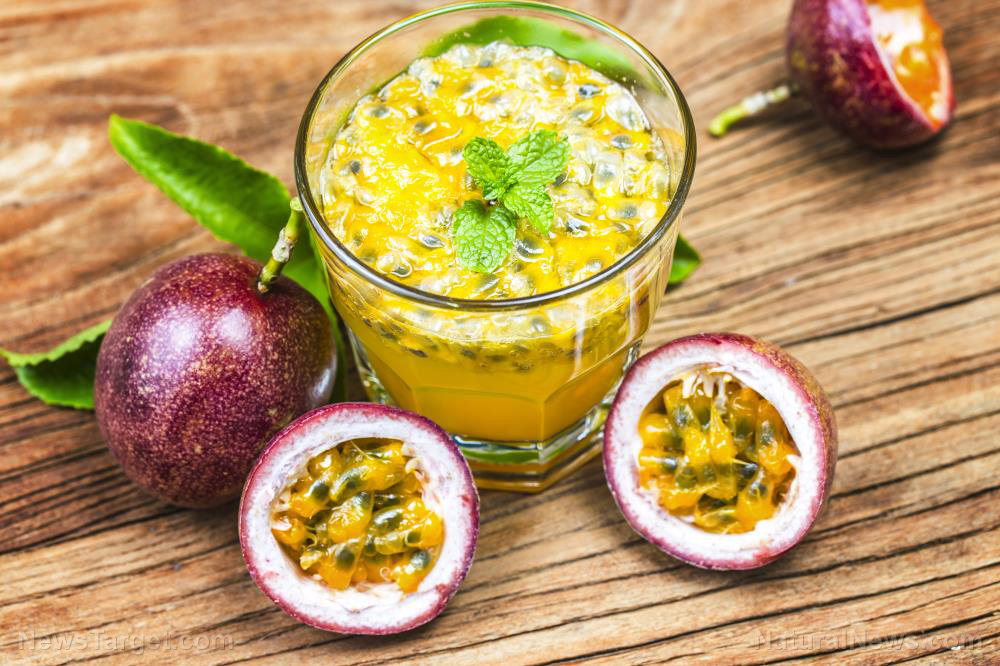
In the bustling aisles of your local grocery store, you might have overlooked the peculiar, wrinkled orbs known as passion fruit. Yet, beneath their unassuming exterior lies a treasure trove of health benefits that could revolutionize your approach to nutrition. This tropical fruit, often dismissed due to its unusual appearance, is a powerhouse of essential nutrients and bio-active compounds. Recent studies have unveiled its potential to enhance heart health, combat oxidative stress, and even improve gut health. As the world increasingly turns to natural remedies for chronic diseases, passion fruit emerges as a compelling contender. This article explores the transformative health benefits of passion fruit, offering insights into why this fruit deserves a place in your daily diet.The heart-healthy power of passion fruit seeds
Passion fruit seeds are not just edible; they are a vital component of the fruit's health benefits. These tiny seeds contain polyphenolic compounds such as piceatannol and scirpusin B, which have been shown to relax blood vessels and support healthy blood pressure levels. Research published in the Journal of Agricultural and Food Chemistry by Hirosaki University highlights the potential of these compounds to mimic the effects of conventional medications without the associated side effects. Scirpusin B, in particular, has demonstrated significant vasorelaxant effects, suggesting its potential in preventing cardiovascular diseases.
Key Point: The polyphenolic compounds in passion fruit seeds promote cardiovascular health by relaxing blood vessels and supporting healthy blood pressure.
Antioxidant protection against cellular damage
Oxidative stress, caused by free radicals, is a major contributor to chronic diseases and premature aging. Passion fruit seeds offer a natural defense against this damage, thanks to their rich antioxidant content. A study in Food Chemistry found that these seeds provide substantial antioxidant protection, which is more effective when consumed within the fruit's natural food matrix. This means that the synergistic effect of the fruit's components enhances the bioavailability of these antioxidants.
Key Point: Passion fruit seeds deliver potent antioxidant protection, reducing the risk of cellular damage and chronic diseases.
Gut health benefits that might surprise you
The gut health benefits of passion fruit are often overlooked, yet they are significant. The insoluble fiber in passion fruit seeds, amounting to 64.1 grams per 100 grams, has been shown to enhance intestinal enzyme activity and reduce harmful compounds in the colon. This was discovered by researchers Chau, Huang, and Chang, who noted that these changes contribute to a healthier gut environment, potentially lowering the risk of colon diseases and promoting regularity.
Key Point: The insoluble fiber in passion fruit seeds supports gut health by enhancing enzyme activity and reducing harmful colon compounds.
Magnesium Content and Nutritional Value
In an era where processed foods dominate, passion fruit stands out as a source of essential nutrients. It provides approximately 29mg of magnesium per 100g serving, contributing to the daily intake requirements of this vital mineral. While not the richest source, passion fruit seeds offer a valuable contribution to overall magnesium consumption, supporting hundreds of biochemical reactions in the body.
Key Point: Passion fruit seeds provide magnesium, an essential mineral for various bodily functions.
Nature's Detoxification System
Passion fruit seeds, when consumed with the pulp, act as a natural detoxification system. The insoluble fiber helps remove toxins from the body, offering a nutrient-dense alternative to processed foods. In a world where convenience often trumps nutrition, passion fruit demonstrates the power of whole foods to deliver benefits that processed foods simply cannot match.
Key Point: Passion fruit seeds, consumed with the pulp, function as a natural detoxifier, removing toxins and supporting overall health.
Simple Ways to Enjoy Passion Fruit Daily
Incorporating passion fruit into your diet is simple and enjoyable. Here are some easy ways to enjoy its benefits:
- Add the seed-filled pulp to smoothies for a tropical twist.
- Mix it into raw yogurt for a nutritious breakfast.
- Use it in salad dressings for a sweet-tart flavor.
- Blend it into frozen desserts for a healthy treat.
- Enjoy it directly as a nutritious snack.
Passion fruit is more than just a tropical delight; it is a nutritional powerhouse with the potential to transform your health. From supporting heart health and combating oxidative stress to enhancing gut health and providing essential nutrients, this fruit offers a myriad of benefits. As we seek natural approaches to health and wellness, passion fruit emerges as a valuable ally for the gut, the heart, and the brain.
Sources include:
NaturalHealth365.com
Pubmed.gov
Pubmed.gov
Pubmed.gov
Science proves PASSION FRUIT is a powerful medicine for the GUT and the HEART – NaturalNews.comIf you're gonna fight, fight like you're the third monkey on the ramp to Noah's Ark... and brother its starting to rain. Join our efforts to Secure America's Borders and End Illegal Immigration by Joining ALIPAC's E-Mail Alerts network (CLICK HERE)
-
04-02-2025, 05:34 AM #88Senior Member
- Join Date
- Aug 2018
- Posts
- 92,714
Coffee, MCT oil and more: Natural ways to support energy levels
04/01/2025 // HRS Editors // 270 Views
Tags: clean food, coffee, energy bars, energy boost, Energy Booster, fitness, food is medicine, functional food, goodfood, goodhealth, health science, MCT Oil, men's health, natural health, natural medicine, Naturopathy, nutrients, organics, superfoods, supplements, women's health

- Coffee is known to boost energy and focus. The caffeine in coffee blocks sleep-inducing chemicals (adenosine) and increases alertness by releasing dopamine and norepinephrine. It also enhances athletic performance by reducing fatigue and improving endurance.
- Energy bars provide quick, sustained fuel. Packed with carbs, vitamins (like B vitamins) and minerals (like magnesium), they’re ideal for workouts or busy days.
- MCT oil offers fast energy. Derived from coconut or palm oil, MCTs are quickly absorbed by the body and converted into fuel, making them great for keto diets or workouts. They provide energy without the crash of processed sugars.
- Always choose organic coffee, whole food-based energy bars and pure MCT oil to maximize benefits. Avoid highly processed versions with added sugars or unhealthy fats.
- While these natural products can support healthy energy levels and performance, individual tolerance varies. Use them wisely to maintain optimal health, fitness and productivity without over-reliance.
Maintaining energy levels is a top priority for many. Whether you're an athlete, a busy professional or just someone looking for a natural pick-me-up, certain products like coffee, energy bars and MCT oil can help fuel your day while offering additional health benefits.
Here's a closer look at how these popular energy boosters work and why they might be worth incorporating into your routine. (h/t to Healthline.com)
Coffee: More than just a morning pick-me-up
For millions of people, coffee is their go-to drink to start the day. Beyond its rich flavor and comforting warmth, coffee is packed with caffeine, a natural stimulant that helps fight fatigue and sharpens focus.
Supports energy and mental alertness
Caffeine works by blocking adenosine, a neurotransmitter that promotes relaxation. By doing so, it increases the release of dopamine and norepinephrine, which are known to support energy and concentration.
Studies show that caffeine has a positive impact on endurance during exercise and can help reduce feelings of fatigue, making it a favorite among athletes and fitness enthusiasts.
Supports athletic performance
Coffee is often used as an ergogenic aid, or natural performance enhancer, by athletes. Research suggests that drinking coffee before workouts is a great way to support the body's natural endurance, reduce perceived effort and increase power output.
One study found that caffeine consumption before cycling extended time to exhaustion by 12 percent, while another showed positive effects on the physical performance of older adults.
Energy bars: A convenient fuel source for active lifestyles
Energy bars have surged in popularity as a quick, portable snack for athletes, hikers and busy individuals.
But unlike sugary processed snacks, high-quality energy bars provide sustained energy without the crash.
Quick and digestible energy
Packed with carbohydrates, your body’s primary fuel source, energy bars help replenish glycogen stores during prolonged physical activity.
Their easy-to-digest formula makes them ideal as pre-workout fuel or as mid-activity energy boosters without causing stomach discomfort. (Related: Fun and creative ways to incorporate beet juice into your daily routine for energy support.)
Packed with essential nutrients
Many energy bars are fortified with vitamins (like B vitamins for energy metabolism) and minerals (such as magnesium to prevent cramps and sodium to replace electrolytes lost through sweat). This makes them a smart choice for endurance athletes and fitness buffs.
A healthier alternative to junk food
Compared to candy bars or chips, energy bars often contain fewer processed sugars and unhealthy fats while delivering protein, fiber and other beneficial nutrients.
However, it’s important to read labels because some bars are high in added sugars, so opting for whole food-based options like the Bearded Brothers' Awesome Almond Butter Chocolate Energy Bars from the Health Ranger Store is best.
MCT oil: A fast-acting energy source for body and brain
Derived from coconut or palm kernel oil, MCT (medium-chain triglyceride) oil has gained attention for its ability to maintain healthy energy levels.
Unlike long-chain fats, MCTs are quickly absorbed and converted into fuel, making them a favorite among keto dieters and athletes.
Instant energy without the crash
Because MCTs are shorter in structure, they bypass normal fat digestion and go straight to the liver, where they’re converted into energy. This makes them an efficient fuel source, especially during high-intensity workouts or low-carb diets.
Whether you rely on coffee for morning alertness, energy bars for on-the-go nutrition or MCT oil for quick fuel, these products can be valuable tools in maintaining healthy energy levels and performance. However, quality matters.
Opt for minimally processed organic coffee, whole food-based energy bars and pure MCT oil to maximize benefits.
As with any supplement or dietary change, moderation and personal tolerance should guide your choices. By understanding how these natural energy boosters work, you can make informed decisions to support your health, fitness and daily productivity.
Where to get lab-verified products that can naturally support your energy levels
The Health Ranger Store is committed to helping you find lab-verified products that can keep you energized throughout the day. That’s why we’re offering clean, lab-verified, healthy food options such as Awesome Almond Butter Chocolate Energy Bars (12 Pack), 100% Organic Hand-Roasted Whole Bean Coffee (Sumatra) and 100% MCT Oil (95% C8 MCT Oil).
If you prefer a caffeinated pick-me-up, try 100% Organic Hand-Roasted Whole Bean Coffee (Sumatra).
Sumatra is an island in western Indonesia where you can find some of the country's best coffee. What once started as a means of promoting organic coffee growing in the Gayo region of Sumatra has now expanded into a full-blown cooperative with more than 2,000 members.
Today, the Permata Gayo cooperative continues to help local coffee farmers protect and grow their yields in a lush yet perilous tropical climate.
To help residents of the Gayo region gain a steady income from Fair Trade coffee, the Permata Gayo co-op created our organic Sumatra coffee blend, which is marked by sweet and earthy flavors. It is a medium roast with a full-bodied taste and a cherry aroma.
Both devoted and casual coffee drinkers around the world enjoy our organic Sumatran coffee blend.
Awesome Almond Butter Chocolate Energy Bars (12 Pack) from the Bearded Brothers only uses organic, all natural ingredients with no artificial preservatives. To ensure freshness and the best experience, we recommend consuming the energy bars shortly after receiving them.
If you are planning to store the energy bars for a longer period, we recommend storing them in a dry, cool place or refrigerating them to further maintain shelf life and freshness.
Awesome Almond Butter Chocolate Energy Bars are an indulgent guilt-free snack. Each bar is packed full of dark chocolate cacao beans plus rich and creamy almond butter.
Lastly, you can try natural supplements like Groovy Bee® 100% MCT Oil (95% C8 MCT Oil) - Energy. An excellent source of healthy fats, MCT oil can support your overall well-being.
MCT oil is incredibly easy for the body to absorb and convert into fuel, which makes it ideal for supporting healthy energy levels.
Derived from premium coconuts, Groovy Bee® 100% MCT Oil (95% C8 MCT Oil) contains at least 95 percent pure C8 (caprylic acid), the premier and most efficient type of MCT for your body, as well as other healthy fats that can support optimal health. This makes our premium MCT oil very easy for the body to digest and break down into fuel.
Groovy Bee® 100% MCT Oil (95% C8 MCT Oil) is vegan, non-GMO, non-China and certified Kosher. It is also thoroughly lab tested for glyphosate, heavy metals and microbiology.
Visit Health Ranger Store and Brighteon Store to find more lab-verified products. Also check out Superfoods.news to read more articles about other nutritious foods.
Click on this link to learn about the surprising survival uses of coffee beans.
Watch the video to find out why Organic Hand-Roasted Whole Bean Coffee is the best way to start your day.
This video is from the Health Ranger Store channel on Brighteon.com.
More related stories:
3 Morning smoothies that can give you a healthy energy boost to start the day.
Quick and energizing snacks: Superfood bars, smoothie mixes and no-bake recipes.
The ultimate winter energy guide: Foods, habits and hacks to keep you going.
Superfruits for good health: Boost your daily protein intake with delicious apple cinnamon muffins.
Sources include:
Healthline.com 1
QNTSport.com
Healthline.com 2
HealthRangerStore.com 1
HealthRangerStore.com 2
HealthRangerStore.com 3
HealthRangerStore.com 4
HealthRangerStore.com 5
Brighteon.com
Coffee, MCT oil and more: Natural ways to support energy levels – NaturalNews.com
If you're gonna fight, fight like you're the third monkey on the ramp to Noah's Ark... and brother its starting to rain. Join our efforts to Secure America's Borders and End Illegal Immigration by Joining ALIPAC's E-Mail Alerts network (CLICK HERE)
-
04-02-2025, 07:53 PM #89Senior Member
- Join Date
- Aug 2018
- Posts
- 92,714
Nature’s liver guardian: Milk thistle’s timeless antidote to modern toxin overload
04/02/2025 // Willow Tohi // 510 Views
Tags: alternative medicine, environment, goodhealth, healing, Herbs, industrial chemicals, liver health, natural cures, natural medicine, plant medicine, remedies, silymarin
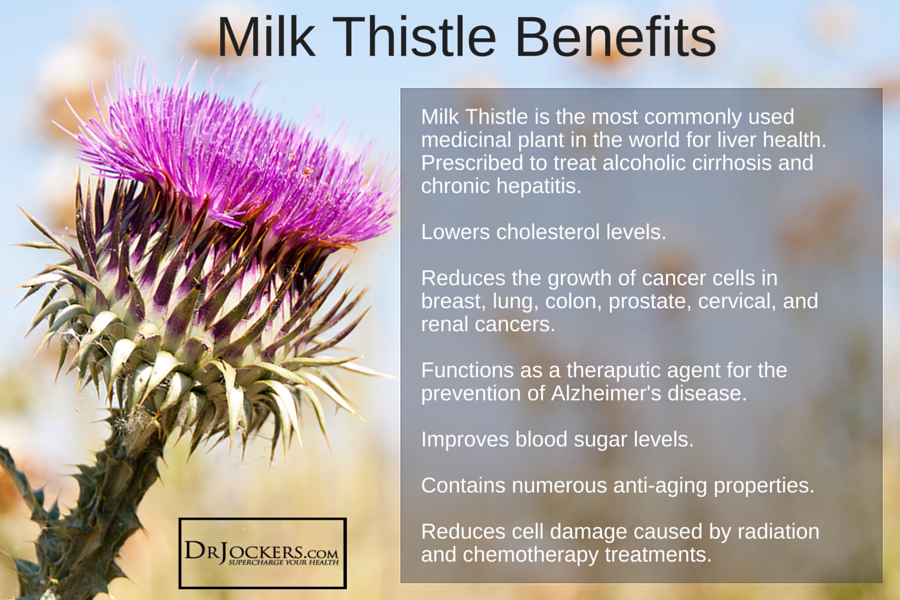
- The liver performs over 500 vital functions, including detoxification and hormone regulation, but faces increasing stress from environmental toxins, processed foods and pollutants, contributing to widespread liver dysfunction.
- Used since ancient times for liver ailments, milk thistle gained modern credibility in 1968 with the discovery of silymarin, its active compound, now proven to protect and regenerate liver cells.
- Silymarin aids in fat breakdown (lipolysis), helping address non-alcoholic fatty liver disease (NAFLD) and metabolic syndrome, which affect 25% of the global population.
- Standardized extracts (70–80% silymarin, 420 mg/day) are recommended, though caution is advised for allergies or medication interactions. As environmental toxins rise, milk thistle bridges ancient wisdom and modern science for liver resilience.
The liver, a small but mighty organ, tirelessly executes over 500 life-sustaining tasks daily—from detoxifying pollutants to regulating hormones and producing bile. Yet, in today’s world, it faces unprecedented challenges. From pesticides in produce to microplastics in water and processed diets laden with sugars, the external assault on liver health is escalating. Enter milk thistle (Silybum marianum), an age-old herbal remedy now validated by cutting-edge science. Research underscores its star compound, silymarin, as a potent solution to support an overburdened liver—making this plant a cornerstone of holistic health in an era of environmental toxicity.
Ancient medicine
Milk thistle has been used for millennia. It wasn't until modern times that its effectiveness was proven scientifically.
- Milk thistle’s use spans millennia, from Dioscorides’ 1st-century treatments to European folk remedies for mushroom poisoning.
- Its modern resurgence stems from 1968 silymarin discovery, validating its anecdotal benefits and catalyzing scientific exploration.
- The compound’s tested efficacy resonates today as environmental toxins and metabolic diseases grow more pervasive, making age-old herbs like milk thistle urgently valuable.
The liver’s burden in a toxic world
Weighing just three pounds, the liver filters two quarts of blood every minute while neutralizing toxins, metabolizing drugs and nourishing the body with essential nutrients. However, modern life has pushed this organ to its limits. The World Health Organization estimates that one in three people globally faces impaired liver function, with industrial chemicals, pharmaceuticals and dietary pollutants like trans fats compounding stress.
As environmental scientist Dr. Elena Torres explains, “The liver [is] both a warrior and a casualty in the body. Its relentless detox work is why symptoms like fatigue, bloatedness and skin rashes often signal its decline.” This is where milk thistle steps in—a natural ally to restore balance to this vital organ.
From antiquity to cutting-edge science: Milk thistle’s evolving legacy
Humanity’s first documented use of milk thistle dates back to 1st-century Greece, where physician Dioscorides prescribed it to counter “Liver Distempers,” a catchall term for jaundice and inflammation. Centuries later, medieval healers relied on it to combat poisoning from the “death cap” mushroom (Amanita phalloides), a lethal fungus whose amatoxins ravage the liver.
Yet, it wasn’t until 1968 that German researchers isolated silymarin—a flavonoid complex—identifying it as the plant’s active protector. This discovery marked a turning point, sparking decades of studies that confirmed milk thistle’s efficacy. As the review in Food Science and Nutrition concludes, silymarin does far more than ancient healers could have imagined—it revitalizes liver cells, blocks toxin entry and reigns in damaging inflammation.
Silymarin’s three-pronged liver rescue plan
Today, scientists are unraveling silymarin’s multipronged mechanism of action. Clinical trials cited in the review reveal this compound’s prowess in three critical areas:
1. Direct liver cell protection
Silymarin acts as a “guardian” at the cellular level, preventing toxins like heavy metals and pesticides from infiltrating liver cells. Once inside, it jumpstarts regeneration by bolstering protein synthesis. “It’s like a repair crew,” says study author Dr. Rajiv Patel, “restoring damaged cells while shielding healthy ones.”
2. Antioxidant and detox powerhouse
The liver’s natural antioxidant, glutathione, declines under toxic assault. Silymarin counteracts this by boosting glutathione production through enhanced cysteine availability—a key amino acid. This not only neutralizes free radicals but also supercharges the organ’s intrinsic detox machinery.
3. Anti-inflammatory calming
Chronic inflammation—often spurred by fatty diets or viral infections—can lead to hepatitis or cirrhosis. Silymarin steps in by modulating cytokines like tumor necrosis factor-alpha, soothing inflammation without over-suppressing the immune system.
Beyond detox: Silymarin’s metabolic role in beating “fatty liver”
Beyond its detox reputation, silymarin is emerging as a metabolic player. As the review highlights, 2021 research showed daily 420 mg of silymarin reduced abdominal fat and trimmed waistlines—a link to its role in prompting fat breakdown (lipolysis). This is critical as non-alcoholic fatty liver disease (NAFLD) now plagues 25% of the global population, often linked to metabolic syndrome.
“Obesity and liver disease are intertwined,” notes hepatologist Dr. Maria Gonzalez, “and milk thistle appears to influence both simultaneously.”
Choosing the right milk thistle supplement: Safety, form and dose
While milk thistle is generally safe—with mild digestive upsets being the most common side effect—it demands careful selection. Opt for standardized extracts containing 70–80% silymarin, ideally in phospholipid form, which enhances absorption. The gold standard dose, per holistic experts, is 420 mg daily.
However, those allergic to ragweed, daisies, or marigolds should avoid it, as cross-reactivity can occur. Always consult a provider, especially if on medications, as silymarin may alter drug metabolism.
The future of liver health meets ancient wisdom
As toxin exposure skyrockets and liver diseases become a silent epidemic, solutions rooted in traditions offer promise. Milk thistle’s journey from ancient medication to lab-approved supplement reflects a broader truth: nature’s/pharmaceutical innovations often mirror centuries-old wisdom. For modern consumers navigating a pollution-saturated world, this herbal ally may just be what it takes to keep the body’s “toxic cleanup crew” running at peak performance.
“The liver doesn’t stop working even when it’s damaged,” concludes Dr. Patel. “But with milk thistle, we can give it stopgap support when it needs it most.”
In a world where 80% of plastics end up in soil and waterways, and industrial chemicals threaten even pristine environments, the humble milk thistle stands as a timeless beacon of hope—one seed at a time.
Sources include:
NaturalHealth365.com
Examine.com
Top5Supplements.com
Nature’s liver guardian: Milk thistle’s timeless antidote to modern toxin overload – NaturalNews.com
If you're gonna fight, fight like you're the third monkey on the ramp to Noah's Ark... and brother its starting to rain. Join our efforts to Secure America's Borders and End Illegal Immigration by Joining ALIPAC's E-Mail Alerts network (CLICK HERE)
-
04-03-2025, 01:16 AM #90Senior Member
- Join Date
- Aug 2018
- Posts
- 92,714
Astaxanthin: Nature’s ultimate antioxidant powerhouse
04/02/2025 // HRS Editors // 10 Views
Tags: aging secrets, alternative medicine, antioxidants, astaxanthin, goodhealth, goodmedicine, health science, men's health, natural health, natural medicine, Naturopathy, phytonutrients, skin health, supplements, women's health
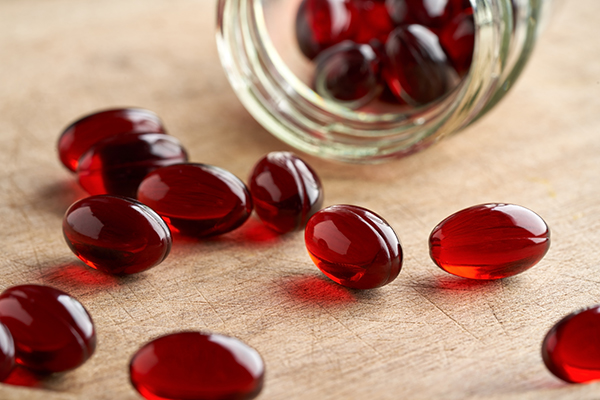
- Astaxanthin is a powerful red-orange antioxidant found in algae, salmon and krill. It’s more powerful than other antioxidants because it can cross barriers and reach the brain and eyes, protecting cells from oxidative damage.
- Astaxanthin can help protect bones and cartilage, according to studies, although more research is needed.
- It can also support healthy, glowing skin and offers natural UV protection.
- Astaxanthin can also support healthy blood circulation and overall wellness.
- If you are taking astaxanthin supplements, keep in mind that it is best absorbed when taken together with fatty foods (like avocado or nuts). Choose natural (algae-derived) supplements without fillers.
Unlike other natural supplements, few antioxidants have gained as much attention as astaxanthin. This vibrant red-orange pigment, found in algae, salmon, trout and krill, is more than just a source of color -- it’s an antioxidant powerhouse for health.
If you’re looking for a natural way to maintain optimal well-being, astaxanthin could be a game-changer. Here’s what you need to know about its benefits and how to use it effectively. (h/t to Health.com)
What is astaxanthin?
Astaxanthin belongs to a family of pigments called carotenoids, which are known for their antioxidant properties. You may already be familiar with other carotenoids like beta-carotene (found in carrots) and lycopene (found in tomatoes).
Astaxanthin stands out among potent antioxidants because of its exceptional ability to neutralize free radicals, which are unstable molecules that can damage healthy cells. (Related: Culinary uses of chlorella: Explore creative ways to add this superfood to everyday meals.)
Unlike some antioxidants, astaxanthin can cross both the blood-brain and blood-retina barriers, meaning it may offer protection to the brain and eyes as well.
As you age, your bone density naturally declines, increasing your risk of developing serious bone conditions. Astaxanthin could benefit the elderly by:
- Protecting against oxidative stress, a major contributor to bone loss according to studies.
- Protecting and supporting the normal activities of bone-forming cells.
- Protecting cartilage, the cushioning tissue that keeps joints flexible.
While most studies have been conducted on animals, the results are promising, and human trials are underway.
If you want smoother, healthier skin, astaxanthin can be your secret weapon. Research shows that taking four to six milligrams (mg) of astaxanthin daily for six to eight weeks can:
- Help keep skin looking radiant.
- Help keep the skin moisturized.
- Protect against UV damage, though it’s not a replacement for sunscreen.
Some studies even suggest that combining oral supplements with topical astaxanthin creams can amplify these skin benefits. Additionally, astaxanthin supports healthy blood flow, which is good for your health.
How to take astaxanthin supplements
Astaxanthin is available in capsules, softgels, liquids and powders. Since it’s fat-soluble, it’s best absorbed when taken with a meal containing healthy fats, such as avocado, nuts or olive oil.
Recommended dosage:
- General health support – Four to 12 mg per day
- Skin benefits – Four to six mg daily
- Joint and bone support – Six to 12 mg daily
Higher doses (up to 20 mg) have been used in studies without serious side effects, but it’s always best to start with a lower dose and consult a healthcare provider prior to use.
When choosing a quality supplement, look for natural astaxanthin that is derived from algae and not synthetic. Also check for third-party testing to ensure purity. Avoid supplements with unnecessary fillers or additives.
For most people, astaxanthin is well-tolerated with minimal side effects. However, it may interact with:
- Blood pressure medications (it can lower blood pressure further)
- Blood sugar-lowering drugs (it may enhance their effects)
- Certain herbs like ginkgo biloba (which also affect circulation)
If you take any medications, especially for diabetes or hypertension, talk to your doctor before starting astaxanthin.
Astaxanthin is a versatile, science-backed antioxidant that can support good health. If you’re looking for a natural way to protect your cells and maintain overall wellness, astaxanthin is worth considering. Just remember to pair it with a healthy diet, regular exercise and medical guidance for best results.
Where to get lab-verified Astaxanthin supplements
The Health Ranger Store is committed to helping you boost your intake of essential nutrients and antioxidants. That’s why we’re offering lab-verified healthy foods and supplements such as Health Ranger's Hawaiian Astaxanthin 12 mg 50 gelcaps.
When it comes to supporting your health with astaxanthin, some products are clearly better than others. Health Ranger’s Hawaiian Astaxanthin stands out for several reasons, ensuring you receive a pure, potent and reliable supplement.
Health Ranger’s Hawaiian Astaxanthin is grown in a controlled environment using the pristine waters of Hawaii, one of the few places on earth with a truly pure and clean environment. These ideal conditions allow the algae Haematococcus pluvialis to thrive and produce some of the highest-quality astaxanthin on the planet.
We have gone above and beyond to ensure that Health Ranger’s Hawaiian Astaxanthin is thoroughly lab verified for cleanliness and purity. Furthermore, our premium astaxanthin supplements are rigorously lab tested for glyphosate, heavy metals and microbiology.
Astaxanthin can be synthesized or sourced from unreliable origins, such as the polluted waters of China. With Health Ranger’s Hawaiian Astaxanthin, you can have peace of mind knowing that our astaxanthin supplements are completely non-China. We use only astaxanthin derived from microalgae cultivated and harvested from Hawaii’s pure, clean waters.
Visit Antioxidants.news to learn more about astaxanthin, other antioxidants and superfood sources of these beneficial compounds. You can also check out Health Ranger Store and Brighteon Store for more clean food supplies for your daily needs.
Click on this link to learn more about curcumin and resveratrol, two of the most powerful antioxidants in the human diet.
Watch this clip about Astaxanthin and how it can support your overall well-being.
This video is from the Health Ranger Store channel on Brighteon.com.
More related stories:
The buzz behind bees: Essential allies for survival and prepping.
Quick and energizing snacks: Superfood bars, smoothie mixes and no-bake recipes.
Springtime superfood swaps: Seasonal flavors to brighten your plate.
Gac fruit: A nutritional superstar from Southeast Asia.
Sources include:
Health.com
VerywellHealth.com
HealthRangerStore.com 1
HealthRangerStore.com 2
HealthRangerStore.com 3
Brighteon.com
Astaxanthin: Nature’s ultimate antioxidant powerhouse – NaturalNews.com
If you're gonna fight, fight like you're the third monkey on the ramp to Noah's Ark... and brother its starting to rain. Join our efforts to Secure America's Borders and End Illegal Immigration by Joining ALIPAC's E-Mail Alerts network (CLICK HERE)


 Reply With Quote
Similar Threads
-
Half of Greenland's Warming Tied to Natural Causes NATURAL CAUSES?!?! NATURAL CAUSES
By AirborneSapper7 in forum Other Topics News and IssuesReplies: 4Last Post: 05-08-2014, 11:50 AM -
NATURAL BORN FOLLOWS THE NATURAL BIRTH FATHER
By AirborneSapper7 in forum Other Topics News and IssuesReplies: 3Last Post: 04-19-2011, 09:49 PM -
Experts: Placebo power behind many natural cures
By JohnDoe2 in forum Other Topics News and IssuesReplies: 1Last Post: 11-10-2009, 11:03 PM -
Natural Cancer Drug Called CELLADAM Cures Cancer
By CCUSA in forum Other Topics News and IssuesReplies: 0Last Post: 01-23-2009, 04:47 PM -
DRUG COMPANIES USE NATURAL CURES TO DESIGN NEW DRUGS
By Darlene in forum Other Topics News and IssuesReplies: 0Last Post: 03-18-2006, 08:43 PM
Tags for this Thread
alternative medicine,
balance,
chinese herbal medicine,
clean-foods-organics,
cures,
daniel reid,
goodhealth,
goodmedicine,
healing,
herbal medicine,
herbs,
history,
holistic,
natural cures,
natural health,
natural medicine,
naturalnews.com,
plant medicine,
prevention,
qi,
real history,
remedies,
tcm,
traditional chinese medicine,
yin and yang


A Collapsing Europe Shows Where Democrat Policies Will Take...
05-25-2026, 05:39 PM in General Discussion