

Results 141 to 150 of 602
 2Likes
Thread Information
Users Browsing this Thread
There are currently 1 users browsing this thread. (0 members and 1 guests)
 LinkBack URL
 About LinkBacks
-
04-18-2025, 11:44 PM #141Senior Member


- Join Date
- Aug 2018
- Posts
- 92,695
Maple syrup: Nature’s golden superfood and its sweet health benefits
04/18/2025 // Laura Harris // 500 Views
Tags: #nutrition, food science, functional food, goodfood, goodhealth, grocery, maple syrup, natural health, natural ingredients, nutrients, organics, phytonutrients, superfoods, sweeteners

- Maple syrup is packed with essential minerals and antioxidants, supporting energy production, bone health and immune function.
- With a glycemic index of 54 vs. white sugar's 65, maple syrup is less likely to cause blood sugar spikes. Its abscisic acid content may also help regulate glucose metabolism.
- Maple syrup contains prebiotics for digestive health and polyphenols that combat inflammation, potentially reducing your risks of developing chronic diseases like heart disease and diabetes.
- Organic maple syrup is free of synthetic pesticides and harmful additives like formaldehyde, making it a cleaner, more sustainable choice. Darker grades (especially Grade B) have the highest antioxidant content.
- Beyond pancakes, maple syrup can enhance savory dishes, beverages and desserts while providing a healthier alternative to refined sugar and artificial syrups.
Few natural sweeteners can match the rich, complex flavor and nutritional benefits of pure organic maple syrup. Far more than just a pancake topping, maple syrup has been revered for centuries as both a culinary treasure and a functional food. Packed with essential nutrients, antioxidants and unique phytochemicals, maple syrup stands out as one of nature's most remarkable superfoods.
Brief history of maple syrup
Maple syrup is a natural sweetener derived from the sap of sugar maple trees (Acer saccharum). Indigenous peoples of North America, including the Algonquin, Iroquois and Ojibwe, were the first to discover and refine its production centuries ago. They used hollowed-out logs to collect sap and heated it – first with hot stones, later in metal pots – to evaporate the water, leaving behind a concentrated syrup.
When European settlers arrived in the 17th century, they adopted these methods, refining them further with modern techniques. Today, Canada (particularly Quebec) and the northeastern United States dominate global maple syrup production, accounting for over 80 percent of the world's supply.
Nutritional profile and health benefits
While maple syrup is a sweetener, it is far more nutrient-dense than refined sugar or artificial syrups. Unlike highly processed sweeteners, pure maple syrup offers the following benefits:
Antioxidants
Maple syrup is packed with polyphenols and phenolic compounds that can fight free radicals and reduce inflammation. Studies also suggest it may protect against heart disease and some cancers.
Low glycemic index
While still a sugar, maple syrup has a lower glycemic index (54) than white sugar (65), so it doesn't spike blood sugar as rapidly. The abscisic acid in maple syrup may also help regulate glucose metabolism.
Gut health support
Maple syrup contains prebiotics like oligosaccharides that can feed beneficial gut bacteria and improve digestion for better gut health.
Minerals for bone health and immunity
A tablespoon of maple syrup provides six percent of your daily manganese requirement (critical for bone health and metabolism). It also contains other minerals like calcium, potassium, zinc and iron, which are essential for stronger immune function.
Essential vitamins
Maple syrup contains small amounts of B vitamins like riboflavin (B2) and niacin (B3).
Research suggests all these components offer anti-inflammatory, anticancer and neuroprotective benefits. A 2011 study published in Pharmaceutical Biology found that maple syrup contains more than 65 beneficial compounds, some of which may help manage Type 2 diabetes by improving insulin sensitivity. (Related: The surprising nutritional package of pure maple syrup.)
Organic vs. conventional maple syrup
Organic maple syrup is a healthier, more natural alternative to conventional pancake syrups, which often contain artificial flavors, high fructose corn syrup, caramel coloring and synthetic additives like sodium benzoate. Unlike these processed syrups, organic maple syrup retains its nutrient content and offers superior taste.
When selecting maple syrup, it is important to choose organic brands that is free of formaldehyde – a toxic chemical sometimes used in commercial production. While organic options may be pricier, the higher cost guarantees genuine quality and purity.
Non-organic varieties may also be contaminated with pesticides, trace amounts of heavy metals like lead and synthetic antifoaming agents. In contrast, organic maple syrup contains no synthetic pesticides and heavy metals -- only sustainably harvested, chemical-free sap.
Grading matters: Darker syrup equals more antioxidants
The grade of maple syrup affects both its flavor and nutritional value:
- Grade A golden (delicate taste): The lightest in flavor.
- Grade A amber (rich taste): A balanced, classic maple taste.
- Grade A dark (robust taste): Stronger flavor with more minerals.
- Grade B (very dark): The highest in terms of antioxidant content; offers the greatest health benefits.
By choosing organic and paying attention to the grade, you can enjoy maple syrup that's not only delicious but also free of harmful additives and overflowing with beneficial components.
How to use maple syrup in recipes
Maple syrup's deep, caramelized flavor makes it ideal for:
Breakfast staples
- Pancakes, waffles, French toast
- Oatmeal or yogurt drizzles
- Smoothie sweetener
Savory dishes
- Maple-glazed salmon
- Roasted vegetables (carrots, sweet potatoes)
- Barbecue sauces and marinades
Desserts and baking
- Maple pecan pie
- Maple walnut cookies
- Vegan caramel substitutes
This story is not medical advice and is not intended to treat or cure any disease. Always consult with a qualified naturopathic physician for personalized advice about your specific health situation or concern.
Explore more about the health benefits of superfoods like maple syrup and other natural ingredients at NaturalNews.com, your trusted source for wellness insights and nutritional knowledge.
For cutting-edge tools to expand your understanding of natural health, try Brighteon.ai, an innovative AI model created by Mike Adams, the Health Ranger. This free, downloadable tool is designed to decentralize knowledge, bypass censorship, and empower individuals with actionable information.
If you're passionate about nutrition, natural medicine and uncensored discussions, visit Brighteon.com, a free speech video platform, and join our vibrant communities on Brighteon.IO and Brighteon.social. Dive into open conversations about food, ingredients and holistic health today!
Watch this video to learn more about the health benefits of maple syrup.
This video is from the Leah Tillock channel on Brighteon.com.
More related stories:
Pure, organic maple syrup is a delicious superfood.
Amazing Food Facts: Real maple syrup is just the boiled sap of a maple tree.
How to make a delicious detox cleanse using maple syrup.
Sources include:
Brighteon.AI
NaturalNews.com
Brighteon.com
Maple syrup: Nature’s golden superfood and its sweet health benefits – NaturalNews.com
If you're gonna fight, fight like you're the third monkey on the ramp to Noah's Ark... and brother its starting to rain. Join our efforts to Secure America's Borders and End Illegal Immigration by Joining ALIPAC's E-Mail Alerts network (CLICK HERE)
-
04-19-2025, 11:46 AM #142Senior Member
- Join Date
- Aug 2018
- Posts
- 92,695
Kava: The Pacific’s healing wonder
04/19/2025 // Ava Grace // 410 Views
Tags: alternative medicine, anxiety relief, food cures, food is medicine, food science, functional food, goodfood, goodhealth, goodmedicine, goodscience, herbal medicine, Herbs, kava, natural cures, natural health, natural medicine, organics, phytonutrients, plant medicine, remedies, superfood
- Kava, or Piper methysticum, has been cultivated and used for at least 3,000 years in the Pacific Islands, especially in Vanuatu Fiji, Samoa and Hawaii. It plays a crucial role in social, spiritual and medicinal practices, fostering bonding, communication and conflict resolution in indigenous communities.
- Kava is a member of the pepper family, characterized by its large, heart-shaped leaves and robust root system. The roots, rich in kavalactones like kawain, dihydrokavain, methysticin and yangonin, are ground into a powder and mixed with water to create the traditional beverage. These compounds are known for their anxiolytic, sedative and analgesic properties.
- Modern research highlights kava’s potential in managing anxiety, insomnia and muscle tension, with studies showing its effectiveness in reducing anxiety levels in adults with generalized anxiety disorder. However, kava should be used with caution to avoid liver toxicity. Use only high-quality, standardized extracts under medical guidance.
- Beyond its medicinal use, kava is central to the social and cultural fabric of Pacific Island societies, often consumed in communal settings to enhance well-being and facilitate dialogue. Anecdotes from Vanuatu demonstrate kava’s role in empowering individuals to speak up and resolve conflicts amicably.
- Kava is known for its distinctive bitter, numbing taste and can be incorporated into various wellness recipes, such as smoothie bowls, herbal teas, bath soaks, meditation mixtures and massage oils, offering a blend of traditional and modern therapeutic applications.
Kava, scientifically known as Piper methysticum, is a plant that has captivated the interest of wellness enthusiasts, researchers and traditional healers alike. Native to the Pacific Islands, kava has a rich history that dates back thousands of years, steeped in cultural significance and therapeutic potential.
Brief history of kava
Kava's origins can be traced to the South Pacific, where it has been cultivated and used for centuries by indigenous communities. The plant is believed to have been first domesticated in Vanuatu and then spread to other islands such as Fiji, Samoa and Hawaii. The exact timeline of its discovery is uncertain, but archaeological evidence suggests that kava has been in use for at least 3,000 years. (Related: 9 Herbs that can support mental health.)
In traditional Pacific Island societies, kava is used for a variety of purposes beyond its medicinal value. It is a central element in social gatherings, where it is consumed to create a sense of well-being and facilitate communication. The preparation and sharing of kava are often accompanied by storytelling, singing and other cultural practices.
An anecdote from the island of Vanuatu illustrates the communal nature of kava consumption. During a village meeting, a young man named Tama was struggling to express his concerns about a community issue. After drinking kava, he found the courage to speak his mind, leading to a productive and amicable resolution. This anecdote highlights the plant's role in fostering dialogue and harmony within communities .
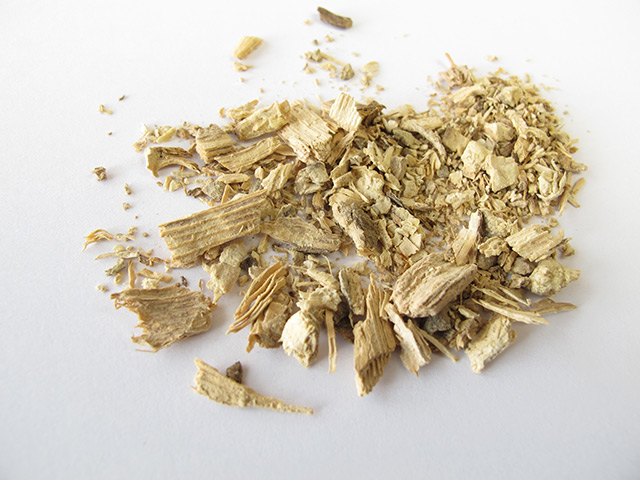
Kava is known for its distinctive sensory characteristics. The root is typically a light to dark brown color and has a rough, fibrous texture. When prepared as a beverage, kava has a thick, milky consistency and a bitter, slightly numbing taste. The numbing effect is particularly pronounced on the lips and tongue, which is often described as a unique and pleasant sensation.
Phytonutrients and health benefits
Kava is a member of the pepper family. The plant grows to a height of about two meters and is characterized by large, heart-shaped leaves and a robust root system. The roots, which are the primary source of the plant's active compounds, are ground into a fine powder and mixed with water to create the traditional beverage.
Kava contains a unique group of compounds known as kavalactones, which are responsible for its pharmacological effects. The main kavalactones include kawain, dihydrokavain, methysticin and yangonin. These compounds have been studied for their anxiolytic, sedative and analgesic properties. Kava also contains flavonoids, tannins and volatile oils, all of which contribute to its overall health benefits.
Kava has gained attention in modern times for its reported health benefits, particularly in managing anxiety and promoting relaxation. Studies have shown that kavalactones can bind to GABA receptors in the brain, producing a calming effect without causing cognitive impairment. This makes kava a natural alternative to prescription anti-anxiety medications for some individuals.
Research also suggests that kava may help alleviate symptoms of insomnia, reduce muscle tension and enhance mood. A meta-analysis published in the Journal of Clinical Psychopharmacology found that kava extract was effective in reducing anxiety levels in adults with generalized anxiety disorder.
However, kava should be used with caution. Excessive consumption, especially of poor-quality kava products, can lead to side effects such as liver toxicity. Therefore, it is recommended to use kava under the guidance of a healthcare professional and to choose only high-quality, standardized extracts.
Culinary and medicinal uses
While kava is most commonly consumed as a beverage, it can also be incorporated into various wellness recipes. Here are a few suggestions:
- Kava smoothie bowl - Blend a small amount of kava powder with banana, mango, and coconut milk for a soothing, tropical treat.
- Kava herbal tea - Mix kava powder with chamomile and lavender to create a calming evening tea.
- Kava bath soak - Add kava powder to a warm bath for a relaxing and aromatic experience.Kava meditation mixture - Combine kava powder with honey and warm water to create a drink that can be sipped during meditation sessions.
- Kava massage oil - Infuse kava powder in a carrier oil like coconut or jojoba to create a relaxing massage oil.
Kava, with its rich cultural heritage and potential health benefits, continues to intrigue and benefit those who explore its health-supporting properties. From its roots in the Pacific Islands to its growing popularity as a natural wellness aid, kava offers a unique blend of tradition and modern therapeutic applications.
This story is not medical advice and is not intended to treat or cure any disease. Always consult with a qualified naturopathic physician for personalized advice about your specific health situation or concern.
For more fascinating insights into superfoods and their natural wonders, visit NaturalNews.com. It’s a treasure trove of articles that will deepen your understanding of the healing power of food.
If you’re into cutting-edge technology with a health twist, try Brighteon.ai. Created by Mike Adams, the Health Ranger, this AI model is a free download that you can run on your own device. It’s all about sharing knowledge freely and bypassing the filters of censorship.
And if you’re looking for a place to openly discuss everything from nutrition to natural remedies without any holds barred, Brighteon.com is your go-to spot. Don’t forget to check out their free speech social media platforms, Brighteon.IO and Brighteon.social, where the conversation is always lively and uncensored.
Watch this video to learn about the many ways kava works t0 calm the body and mind.
This video is from the East West Herbal Apothecary channel on Brighteon.com.
More related stories:
Kava Kava has Many Health Benefits and Uses.
HUGE FINDING: Higher CO2 makes food crops and herbs more nutritious and medicinal.
Traditional Pacific Island medicine, kava kava, found to alleviate anxiety.
Relieve anxiety with these 5 herbal supplements.
Natural alternatives to Xanax that alleviate anxiety without side effects.
Sources include:
Brighteon.ai
NaturalNews.com
Brighteon.com
Kava: The Pacific’s healing wonder – NaturalNews.com
If you're gonna fight, fight like you're the third monkey on the ramp to Noah's Ark... and brother its starting to rain. Join our efforts to Secure America's Borders and End Illegal Immigration by Joining ALIPAC's E-Mail Alerts network (CLICK HERE)
-
04-19-2025, 12:20 PM #143Senior Member
- Join Date
- Aug 2018
- Posts
- 92,695
“Wartime Homefront Essential Skills” on BrightU: How to grow and preserve food at home
04/19/2025 // Jacob Thomas // 280 Views
Tags: backyard gardening, emergency preparedness, food crisis, Food Preservation, food security, foraging, freeze drying, homegrown food, homesteading, Marjory Wildcraft, mason jars, meat preservation, Off Grid living, permaculture, potato farming, raising chickens, self sufficiency, solar power, survival skills, sustainable living, tomato growing, wartime homefront essential skills

- In episode 1 of "Wartime Homefront Essential Skills," Marjory Wildcraft introduces a three-part system to grow half your annual calories in under an hour a day, even for beginners with limited space.
- Wildcraft shares how raising six hens (1,500 eggs/year), growing 100 pounds of potatoes or 33 pints of tomato sauce in small spaces and off-grid preservation techniques can provide a reliable food supply.
- This episode also emphasizes self-reliance, debunking industrial food systems and DIY solutions (water systems, rabbit tractors) via GrowHalf.com.
- In episode 2, Wildcraft and Jill Winger share nine food preservation methods, blending practical tips and humor from their homesteading experiences.
- They cover off-grid freezer solutions, refreezing meat safely, solar dehydrators and the pros/cons of Harvest Right freeze-dryers.
- The episode tackles tips on mason jar storage, insect-repelling smoke techniques and prioritizing preservation efforts for emergencies.
Brighteon University is streaming an episode a day of "Wartime Homefront Essential Skills" by Marjory Wildcraft from April 26 to May 5, and a replay of all 10 episodes on May 6. Register here to dive into a masterclass in resilience, self-reliance and true preparedness from the woman who's helped thousands of families return to the basics of food, medicine and community-driven living.
What's in store for you in Episode 1
In episode 1 of "Wartime Homefront Essential Skills," slated for April 26, Wildcraft, founder of The Grow Network and a survival expert, unveils a revolutionary three-part system to grow half your annual calories in less than an hour a day — even if you're a beginner with limited space.
This eye-opening preview drops you into Wildcraft's homestead, where she breaks down the shocking truth about industrial food systems and why self-reliance is critical now, a step-by-step blueprint to transform your backyard into a hyper-efficient food factory, how to successfully and continuously grow food from six chickens for a year and so much more.
Viewers can expect to learn a lot of things from Episode 1, including the following:
- How just six hens deliver 94,500 calories a year (1,500 eggs)
- How to grow 100 pounds of potatoes, 33 pints of tomato sauce and 11 pounds of cornbread-ready flour—even in small spaces.
- How to thrive during blackouts with off-grid preservation techniques.
- Why organ meats and bone broth are reliable food items when SHTF
- DIY guides for water systems, rabbit tractors and soil supercharging at GrowHalf.com.
As Wildcraft warns: "The first tactic in warfare is to destroy food supplies." This isn't fear-mongering—it's empowerment. Her system is simple, tested by kids and elders alike and backed by 45+ years of homesteading wisdom. "Imagine biting into a sun-warmed tomato you grew, or serving deviled eggs from your hens at a party — while knowing you're insulated from food shortages. This isn't nostalgia; it's the future," Wildcraft added. In a world where food prices are skyrocketing and supply chains grow fragile, backyard food production isn't just a hobby — it's a lifeline.
What's in store for you in Episode 2
In episode 2 of "Wartime Homefront Essential Skills," slated for April 27, Wildcraft and Jill Winger of The Prairie Homestead dive deep into nine transformative ways to preserve food — sharing decades of hands-on experience, hilarious mishaps and game-changing techniques. Whether you're a backyard gardener, a homesteader or just eager to break free from grocery-store reliance, this conversation is packed with actionable insights and candid advice.
Viewers can expect to learn a lot of things from Episode 2, including the following:
- How to keep freezers running off-grid with minimal solar power.
- Why ground beef is the ultimate homestead staple.
- The truth about refreezing meat (spoiler: it's not as risky as you think).
- DIY solar-powered dehydrators for off-grid drying.
- Why Harvest Right machines are amazing, and how freeze-dried herbs retain peak medicinal potency.
- Why do you need hundreds of mason jars for a year's supply, and how smoke repels insects.
This isn't just theory — it's real talk from two women who've preserved everything from homegrown beef to kimchi. They reveal what's worth the effort (and what's not), plus lifesaving tips for outages, space constraints and flavor fails.
Want to learn more?
When the world gets unpredictable, the smartest move is to prepare. That's why "Wartime Homefront Essential Skills" by Marjory Wildcraft is back on BrightU. This is your second chance to catch the series that's changing how families think about self-reliance.
If you want to learn at your own pace and get access to 12 additional bonuses, you can purchase the Wartime Homefront Essential Skills Bundle here. Upon purchase, you will get unlimited access to all 10 "Wartime Homefront Essential Skills" videos and 12 bonuses, including 10 eBook guides and 2 homesteading videos.
BrighteonUniversity.com 1
BrightU.com
BrighteonUniversity.com 2
“Wartime Homefront Essential Skills” on BrightU: How to grow and preserve food at home – NaturalNews.com
If you're gonna fight, fight like you're the third monkey on the ramp to Noah's Ark... and brother its starting to rain. Join our efforts to Secure America's Borders and End Illegal Immigration by Joining ALIPAC's E-Mail Alerts network (CLICK HERE)
-
04-20-2025, 04:58 PM #144Senior Member
- Join Date
- Aug 2018
- Posts
- 92,695
STUDY: Half of vegans at risk of muscle loss due to nutrient deficiencies
04/19/2025 // Laura Harris // 1.2K Views
Tags: Amino Acids, animal protein, building blocks, eggs, Leucine, Lysine, meat, muscle loss, plant-based eaters, plant-based protein, protein, Study, vegan, vegan diet

- Nearly half of long-term vegans may lack sufficient lysine and leucine, crucial for muscle maintenance and protein synthesis, despite meeting overall protein intake recommendations.
- While many vegans consume adequate protein, plant-based sources (e.g., beans, nuts) are less efficiently absorbed, leading to potential deficiencies over time.
- Insufficient lysine and leucine can contribute to muscle wastage, particularly in older adults or those prone to muscle loss.
- Vegan diets may also be deficient in vitamin B12, iron, vitamin D and iodine, increasing risks of anemia, fatigue and metabolic issues without careful planning or supplementation.
- Prioritizing legumes, pulses and protein-rich plant foods can help mitigate deficiencies, but the long-term health impacts of strict veganism require more study.
A new Riddet Institute study has revealed that nearly half of long-term vegans may be deficient in vital amino acids essential for muscle maintenance and energy metabolism, exposing them to potential health risks such as muscle wastage and immune dysfunction.
The study analyzed the diets of 193 adults in New Zealand who had followed a vegan diet for at least two years. Participants tracked their food, beverage and supplement intake over four days, and researchers assessed their protein consumption using national food databases.
After adjusting for body weight and sex, the researchers found that the majority of participants (80 percent of men and 73 percent of women) met recommended protein intake guidelines. However, not all plant-based protein was effectively absorbed. Only about 50 percent were estimated to digest enough lysine and leucine, two key amino acids crucial for protein synthesis and muscle function, as much of it passed through their systems unused. (Related: Low-carb vegan diet improves cardiovascular risk factors.)
These nutrients are abundant in animal products like meat, eggs and dairy but occur in lower quantities and with poorer absorption in plant-based foods, like beans, peas as well as nuts and seeds.
Moreover, vegan diets may lead to deficiencies in vital nutrients like vitamin B12, vitamin D, iron and iodine, which are abundant in animal products, potentially causing fatigue, bone issues, anemia and metabolic problems. Although plant-based diets can provide these nutrients, careful planning or supplementation is essential.
"Vegan diets are the most restrictive form of plant-based eating, relying entirely on plant sources for all nutrients. Prolonged deficiencies in these essential nutrients can negatively affect the body functions, including muscle mass maintenance. Our body doesn't store amino acids long-term, so they must be consumed consistently throughout the day," said lead author Patricia Soh, adding that over time, deficiencies in lysine and leucine could contribute to muscle loss, especially in older adults or those prone to muscle wasting.
Vegans should eat more legumes, pulses and protein-rich plant foods to avoid protein deficiency
In line with the findings, Micaela Karlsen of the University of New England noted that while plant-based diets are associated with lower chronic disease rates, the transient nature of such studies leaves questions about sustained health outcomes.
"The ultimate litmus test of how nutrition quality affects health is whether humans have positive or negative health outcomes when following specific dietary patterns," Karlsen said. "And it has long been establisffoodhed that individuals who eat a totally plant-based diet have lower rates of chronic disease."
Soh supported Karlsen's statement and stated that although it remains unclear whether lysine and leucine deficiencies are unique to vegans, studies suggest their blood levels are lower in vegans compared to omnivores. To ensure adequate intake, vegans can mitigate amino acid deficiency by eating more legumes, pulses and protein-rich plant foods, along with strategic snacking. Ultimately, while some evidence supports short-term metabolic benefits, further research is needed to assess long-term nutritional adequacy and health impacts.
Visit Naturopathy.news for more stories about healthy lifestyles and diets.
Watch this video of a man discussing the reasons why he is on a vegan diet.
This video is from the Ty Young channel on Brighteon.com.
More related stories:
Vegan diet cures psoriasis: Woman, 20, is now off all traditional treatments after going gluten-free, vegan.
Losing weight can be as easy as starting a vegan diet.
Eco-Atkins diet is a low-carb vegan diet that may slash heart risk by 10 percent.
Diabetes sufferer switched to vegan diet, blood sugar stabilized after 10 days.
Low-carb vegan diet found to reduce weight gain and heart attack risk.
Sources include:
DailyMail.co.uk
Newscientist.com
Brighteon.com
STUDY: Half of vegans at risk of muscle loss due to nutrient deficiencies – NaturalNews.com
If you're gonna fight, fight like you're the third monkey on the ramp to Noah's Ark... and brother its starting to rain. Join our efforts to Secure America's Borders and End Illegal Immigration by Joining ALIPAC's E-Mail Alerts network (CLICK HERE)
-
04-20-2025, 06:04 PM #145Senior Member
- Join Date
- Aug 2018
- Posts
- 92,695
Eat your MEAT! Study finds children need to eat more animal protein for survival and development
04/20/2025 // Willow Tohi // 1K Views
Tags: animal protein, childhood diet, environmental policy, goodfood, goodhealth, longevity, nutritional trends, plant-based proteins, Public Health, research, survival

- A groundbreaking study reveals that animal protein is crucial for child survival and development, while plant-based proteins promote longevity in adults over 60. Essential nutrients in animal products (e.g., complete proteins, iron, zinc) support growth in children, whereas plant-based diets reduce chronic disease risks in older adults.
- Analysis of 101 countries (1961–2018 shows higher animal protein intake lowers child mortality, but reduced animal protein in later years correlates with longer lifespans. Fat intake follows a similar pattern: beneficial for children but detrimental for seniors.
- Youth requires nutrient-dense animal proteins for physical and cognitive growth, while aging bodies benefit from plant-based antioxidants, fiber and lower-fat diets. Statistical modeling controlled for economic/demographic factors, reinforcing age-specific protein effects.
- The study advocates shifting protein sources across life stages—balancing child survival with aging health and environmental sustainability.
A groundbreaking study challenges conventional nutritional wisdom by revealing that optimal protein intake drastically shifts with age. Published in Nature Communications, research led by the University of Sydney concludes that children require more animal protein for survival, while adults over 60 experience longer lifespans with diets rich in plant-based proteins. The findings, drawing from data across 101 countries over nearly six decades, underscore the need for age-aware dietary guidelines amid global efforts to transition to sustainable food systems.
Childhood needs versus golden years
The study, led by Dr. Alistair Senior and Caitlin Andrews, analyzed food supply and mortality records from 1961 to 2018. It found a stark age-dependent pattern: young children thrived in regions with higher animal protein availability, correlating with lower mortality rates before age five. Essential nutrients in animal sources—such as complete proteins, iron and zinc—aid rapid growth and immune development, the researchers noted.
"In early life, animal protein seems to play an irreplaceable role," said Senior. "Its complete amino acid profile is critical during stages of intense physical and cognitive growth." This held true globally, including in developing nations where child survival remains a priority.
Beyond middle age, however, the nutritional paradigm shifts. Adults over 60 in countries with dominant plant-based protein supplies—think legumes, nuts and grains—had higher life expectancies. Such diets, paired with lower fat intake, were linked to reduced risks of chronic diseases like cardiovascular conditions. "As we age, our bodies may benefit more from the fiber, antioxidants and diverse micronutrients in plant-based sources," said Andrews.
Global data unlocks decades of nutritional trends
The research team employed advanced statistical modeling to control for economic, demographic and temporal variables, isolating the effects of protein sources on mortality. They found that reducing animal protein consumption past childhood correlated with improved adult survival, while low total protein intake harmed health across all ages.
Interestingly, fat intake mirrored the age trend: high-fat diets improved child survival but worsened outcomes for seniors. "This suggests nutritional priorities are not just about protein but align with metabolic changes across the life cycle," observed Senior.
The study’s datasets—spanning over 4,000 country-year-sex-specific records—highlighted paradoxes central to modern nutrition debates. For instance, wealthy nations with aging populations could sustainably transition toward plant-centric diets without compromising longevity. Conversely, developing regions tackling child mortality must ensure accessible animal proteins like eggs and dairy remain staples.
Balancing health and sustainability
The findings carry heavy implications for public health and environmental policy. As climate concerns prompt a global shift toward plant-based diets, the study cautions against a one-size-fits-all approach. Countries must balance ecological goals with age-specific nutritional needs, ensuring children receive adequate animal protein while guiding older adults toward plant-based options.
"The takeaway isn’t to eliminate meat but to strategically distribute protein sources according to life stages," said Andrews. Developing nations, for example, may need subsidies or programs to make animal protein affordable for vulnerable populations. Meanwhile, wealthy nations could incentivize plant-based policies tailored to middle-aged and elderly diets.
The research also reinforces calls for region-specific policies. Senior noted, "In nations where plant proteins are already prevalent, like Japan or Italy, we see both longevity and sustainability. But in places relying on high-animal protein exports, there’s a need for gradual, equitable transitions."
Conclusion
With the global population aging and environmental pressures intensifying, this study reframes dietary science as a lifelong journey—one where protein’s role evolves from necessity to sustainability. By aligning food systems with age-based needs, policymakers can address both public health and planetary health. As Senior put it, "Our diets shape not just our lifespans but the longevity of the planet. This research is a blueprint for how."
For consumers, the message is clear: listen to your body’s rhythms. Just as children grow stronger on animal proteins, seniors may find vitality in plants—a longevity paradox now rooted in science.
Sources include:
StudyFinds.org
Nature.com
PubMed.gov
Eat your MEAT! Study finds children need to eat more animal protein for survival and development – NaturalNews.com
If you're gonna fight, fight like you're the third monkey on the ramp to Noah's Ark... and brother its starting to rain. Join our efforts to Secure America's Borders and End Illegal Immigration by Joining ALIPAC's E-Mail Alerts network (CLICK HERE)
-
04-20-2025, 07:46 PM #146Senior Member
- Join Date
- Aug 2018
- Posts
- 92,695
Oyster mushrooms: Nutrient-packed superfood with ancient roots
04/20/2025 // Ava Grace // 0 Views
Tags: alternative medicine, anticancer, antioxidants, Cures, food cures, food is medicine, functional food, goodcancer, goodfood, goodhealth, goodmedicine, healing, healing food, Heart, heart health, immune system, natural cures, natural health, natural medicine, oyster mushrooms, phytochemicals, Pleurotus ostreatus, remedies, reverse heart disease, superfoods
- Oyster mushrooms (Pleurotus ostreatus) are prized for their savory flavor and health benefits, including anti-inflammatory, immune-boosting and potential anticancer properties.
- Cultivated since ancient times in Asia, modern farming began in WWI Germany to address food shortages. Today, they're grown globally using sustainable methods like agricultural waste.
- Oyster mushrooms are rich in protein, B vitamins, minerals and bioactive compounds (e.g., beta-glucans, lovastatin, ergothioneine) that support heart health
- Studies suggest they may lower cholesterol, regulate blood sugar, enhance immune function and exhibit anti-tumor effects (though more human trials are needed).
- Enjoyed in traditional medicine (e.g., Chinese remedies) and modern cuisine (stir-fries, soups, vegan "scallops"), bridging ancient wisdom with contemporary wellness trends.
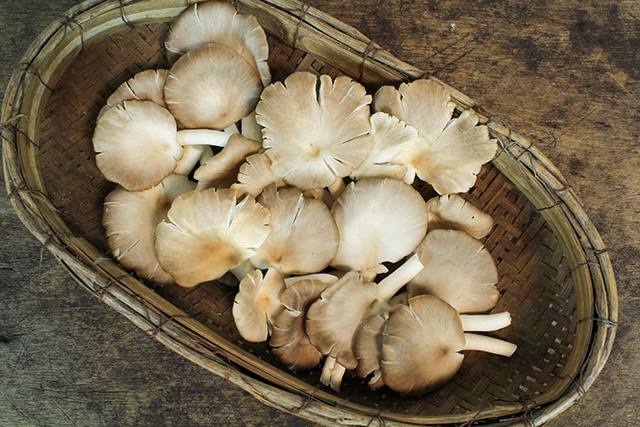
Oyster mushrooms (Pleurotus ostreatus) have long been celebrated as both a culinary delicacy and a medicinal powerhouse. With their delicate, fan-shaped caps and savory, slightly briny flavor, these fungi have been a staple in global cuisines for centuries.
But beyond their taste, oyster mushrooms are now recognized as a superfood, packed with phytonutrients that may help combat inflammation, boost immunity and even fight cancer. First cultivated in Germany during World War I as a sustainable food source, oyster mushrooms today are grown worldwide, from Asia to North America. Their rise from humble forest fungi to a revered superfood is a story of science, tradition and modern wellness trends.
A brief history of oyster mushrooms
Oyster mushrooms have been foraged and consumed since ancient times, particularly in China and Japan, where they were valued for both their taste and medicinal properties. Historical records suggest they were cultivated as early as the Tang Dynasty (618 to 907 AD). However, modern cultivation began in earnest during World War I, when German scientists developed techniques to grow them on straw and wood substrates as a solution to food shortages. (Related: Sun-exposed oyster mushrooms boost TB patients’ vitamin D levels, immune response.)
Today, oyster mushrooms thrive in temperate and subtropical regions – with China, the United States and India leading commercial production. Their adaptability to different growing conditions, including recycled agricultural waste, makes them an environmentally sustainable food source.
Why oyster mushrooms are considered a superfood
The term "superfood" is often overused, but oyster mushrooms earn the title through their dense nutritional profile. They are rich in protein, fiber, B vitamins and essential minerals like potassium, iron and zinc. More impressively, they contain bioactive compounds such as beta-glucans, lovastatin (a natural cholesterol-lowering agent) and ergothioneine (a potent antioxidant).
Their emergence as a superfood in the 21st century aligns with growing interest in functional foods – those that offer health benefits beyond basic nutrition. Research suggests these phytonutrients contribute to oyster mushrooms' ability to:
- Lower cholesterol (due to lovastatin)
- Boost immune function (via beta-glucans)
- Reduce inflammation (thanks to antioxidants)
- Possibly inhibit cancer growth (studies show anti-tumor effects in lab settings)
Health benefits of oyster mushrooms
Scientific studies and traditional medicine point to several health benefits of oyster mushrooms.
- Cardiovascular health: The presence of lovastatin, a compound also used in prescription cholesterol drugs, helps reduce LDL ("bad") cholesterol.
- Immune support: Beta-glucans stimulate white blood cell activity, enhancing the body's defense against infections.
- Antioxidant protection: Ergothioneine protects cells from oxidative stress, potentially slowing aging and reducing chronic disease risk.
- Blood sugar regulation: Preliminary research indicates oyster mushrooms may improve insulin sensitivity, benefiting those with diabetes.
- Anti-cancer potential: Lab studies show oyster mushroom extracts may suppress tumor growth, though human trials are needed.
In traditional Chinese medicine, oyster mushrooms have been used to strengthen the lungs, improve circulation and relieve fatigue. Modern wellness practitioners recommend them in soups, teas and extracts for immune support. Some people consume them dried, powdered or as supplements to harness their medicinal properties.
Recipes featuring oyster mushrooms
Here are some recipes using oyster mushrooms as an ingredient that you can try in your kitchen.
- Crispy oyster mushroom tacos: Sautéed with spices, they mimic the texture of pulled pork.
- Miso oyster mushroom soup: A Japanese-inspired broth with kombu and tofu.
- Garlic butter oyster mushroom pasta: Sautéed in butter and herbs for a rich, earthy flavor.
- Oyster mushroom stir-fry: Quick-cooked with soy sauce, ginger and vegetables.
- Vegan oyster mushroom "scallops": Sliced thick and seared for a seafood-like dish.
Oyster mushrooms bridge the gap between ancient tradition and modern science, offering both culinary delight and proven health benefits. As researchers continue to uncover their medicinal potential, these fungi stand out as a sustainable, nutrient-dense superfood. Whether enjoyed in a stir-fry, soup or supplement form, oyster mushrooms are a testament to nature’s ability to nourish and heal.
Of course, this isn't a substitute for medical advice, and it's always a good idea to chat with a naturopathic physician who can tailor recommendations to your unique health needs.
For more fascinating insights into superfoods and their natural wonders, visit NaturalNews.com. It's a treasure trove of articles that will deepen your understanding of the healing power of food.
If you're into cutting-edge technology with a health twist, try Brighteon.ai. Created by Mike Adams, the Health Ranger, this AI model is a free download that you can run on your own device. It's all about sharing knowledge freely and bypassing the filters of censorship.
And if you're looking for a place to openly discuss everything from nutrition to natural remedies without any holds barred, Brighteon.com is your go-to spot. Don't forget to check out their free speech social media platforms, Brighteon.IO and Brighteon.social, where the conversation is always lively and uncensored.
Watch this video about growing oyster mushrooms in used coffee grounds.
This video is from the Frozen in Time channel on Brighteon.com.
More related stories:
Food supply 101: How to grow edible mushrooms in your home garden.
How do you like your mushrooms? Researchers find that grilled is the best way to preserve the nutritional benefits.
Study finds that consuming more edible mushrooms lowers cancer risk
6 Mushrooms you can eat to prevent cognitive impairment and reduce your dementia risk.
Sources include:
Brighteon.ai
NaturalNews.com
Brighteon.com
Oyster mushrooms: Nutrient-packed superfood with ancient roots – NaturalNews.com
If you're gonna fight, fight like you're the third monkey on the ramp to Noah's Ark... and brother its starting to rain. Join our efforts to Secure America's Borders and End Illegal Immigration by Joining ALIPAC's E-Mail Alerts network (CLICK HERE)
-
04-20-2025, 09:27 PM #147Senior Member
- Join Date
- Aug 2018
- Posts
- 92,695
The power of Ginseng: A timeless medicinal root for vitality and healing
The power of Ginseng: A timeless medicinal root for vitality and healing
Posted on April 20, 2025 Diet
Video's at the page link The power of Ginseng: A timeless medicinal root for vitality and healing
- Panax ginseng, known as the “king of herbs,” has been a cornerstone of traditional medicine for over 2,000 years, originating in East Asia and revered for its vitality-enhancing properties. It was first documented in ancient Chinese texts and traded along the Silk Road.
- Ginseng contains ginsenosides, polysaccharides and other compounds with anti-inflammatory, antioxidant and immune-boosting effects. It is studied for its potential to reduce fatigue, improve cognitive function, regulate blood sugar and support sexual health.
- Primarily grown in Korea, ginseng requires six years to mature. It is consumed in various forms, including teas, soups, powders, tinctures and skincare products, with traditional uses like Korean samgyetang (ginseng chicken soup).
- Ginseng is deeply rooted in East Asian culture, symbolizing respect and health. Its unique human-like shape and complex flavor profile make it a versatile ingredient in recipes like ginseng tea, energy bites and infused rice.
- Ginseng remains popular for its adaptogenic properties, aiding in stress management and supporting overall well-being. Researchers continue to explore its therapeutic potential, solidifying its status as a natural medicine.
For centuries, Panax ginseng, often referred to as Asian ginseng, Chinese ginseng or Korean ginseng, has been revered as a cornerstone of traditional medicine and a symbol of vitality. This perennial plant, with its distinctive forked root, thrives in the cool, shaded mountains of East Asia, particularly in Korea, where it has been cultivated for over 2,000 years.
Known as the “king of herbs,” ginseng has earned its reputation as a potent adaptogen, capable of enhancing physical and mental resilience while addressing a wide range of health concerns. Its rich history, unique properties and versatile applications make it a fascinating subject for anyone interested in wellness, nutrition and herbal medicine.
A root steeped in history
The use of ginseng can be traced back to ancient China, where it was first documented in the Shennong Bencaojing (The Divine Farmer’s Materia Medica), a medical text written around 100 AD. This early pharmacopoeia classified ginseng as a superior herb, reserved for emperors and nobility due to its rarity and perceived ability to promote longevity.
The name “Panax” is derived from the Greek word panacea, meaning “all-healing,” reflecting the belief in its near-miraculous properties. Over time, ginseng became a prized commodity, traded along the Silk Road and sought after by healers and scholars across Asia. (Related: Asian ginseng found to be effective for treating MS, autoimmune diseases.)
Today, ginseng is primarily cultivated in Korea, where the climate and soil conditions are ideal for its growth. The plant requires meticulous care, often taking six years before its roots are harvested. This lengthy cultivation process contributes to its high value and status as a premium herbal remedy.
Phytonutrients and health benefits
Asian ginseng is rich in bioactive compounds known as ginsenosides, which are the primary phytonutrients responsible for its therapeutic effects. These saponins have been extensively studied for their anti-inflammatory, antioxidant and immune-modulating properties.
Other notable compounds include polysaccharides, flavonoids and polyacetylenes, which work synergistically to enhance the root’s health benefits, which include:
- Fatigue and stress relief – As an adaptogen, ginseng helps the body adapt to physical and mental stress, reducing fatigue and improving energy levels.
- Cognitive boost – Studies indicate that ginseng may enhance memory, focus and overall brain health, making it a potential ally in combating age-related cognitive decline.
- Immune support – Ginseng’s immune-boosting properties may help reduce the frequency and severity of infections.
- Blood sugar regulation – Evidence suggests that ginseng can improve insulin sensitivity and help manage blood sugar levels in individuals with Type 2 diabetes.
- Sexual health – Traditionally used as an aphrodisiac, ginseng may improve erectile dysfunction and enhance libido by increasing nitric oxide production and improving blood flow.
Ginseng is consumed in various forms, each tailored to specific health goals. The root can be dried and sliced for use in teas or soups, powdered for capsules or made into tinctures and tonics. In Traditional Korean Medicine, ginseng is often used in samgyetang, a nourishing chicken soup believed to restore vitality. Modern wellness enthusiasts may incorporate ginseng into smoothies, energy bars and skincare products to enjoy its anti-aging benefits.
Culinary uses and recipes
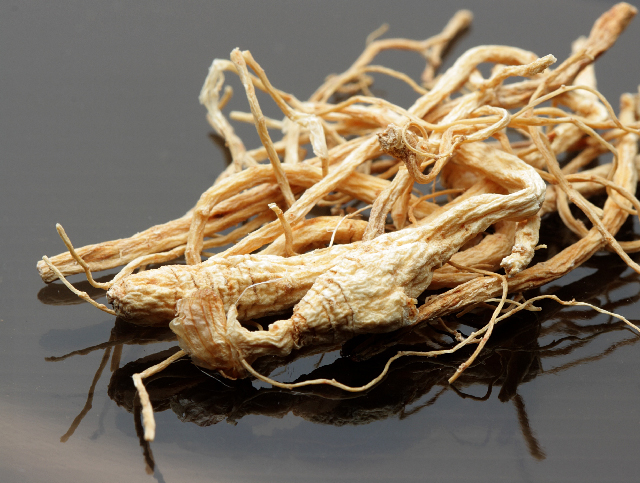
The ginseng root is easily recognizable by its human-like shape, often resembling a small, gnarled figure with multiple “limbs.” Its color ranges from pale yellow to a deep earthy brown, depending on how it is processed. Fresh ginseng has a crisp texture and a slightly sweet, earthy flavor, while dried ginseng tends to be more bitter and aromatic. The taste is often described as complex, with hints of licorice, bitterness and a lingering warmth.
Ginseng is known by many names, reflecting its widespread use and cultural significance. In addition to its scientific name, ginseng is often called ren shen in Chinese, insam in Korean and ninjin in Japanese. Each culture has its own traditions and folklore surrounding the herb. For example, in Korea, ginseng is often gifted as a symbol of respect and good health, while in China, it is associated with the balance of yin and yang.
For individuals eager to incorporate ginseng into their diet, here are some recipe ideas:
- Ginseng chicken soup (Samgyetang) – A classic Korean dish made with whole chicken, glutinous rice, garlic, jujube and ginseng root.
- Ginseng honey tea – A soothing beverage made by steeping ginseng slices in hot water sweetened with honey.
- Ginseng energy bites – Combine powdered ginseng with oats, nuts and dried fruit for a nutrient-packed snack.
- Ginseng smoothie – Blend fresh or powdered ginseng with banana, spinach, almond milk and a touch of ginger for a revitalizing drink.
- Ginseng-infused rice – Cook jasmine rice with a few slices of ginseng root for a fragrant and healthful side dish.
Today, ginseng continues to captivate researchers and consumers alike. Its adaptogenic properties make it a popular choice for individuals seeking natural ways to manage stress and improve overall well-being. Athletes, students and busy professionals often turn to ginseng as a natural energy booster, while older adults appreciate its potential to support cognitive health.
Asian ginseng is more than just a root; it is a testament to the enduring power of nature to heal and nourish. From its ancient origins to its modern applications, this remarkable herb has stood the test of time as a symbol of vitality and resilience. Whether enjoyed in a steaming bowl of soup, a revitalizing tea or a convenient supplement, ginseng offers a wealth of benefits for both the mind and body.
This story is not medical advice and is not intended to treat or cure any disease. Always consult with a qualified naturopathic physician for personalized advice about your specific health situation or concern.
For more fascinating insights into superfoods and their natural wonders, visit NaturalNews.com. It’s a treasure trove of articles that will deepen your understanding of the healing power of food.
If you’re into cutting-edge technology with a health twist, try Brighteon.ai. Created by Mike Adams, the Health Ranger, this AI model is a free download that you can run on your own device. It’s all about sharing knowledge freely and bypassing the filters of censorship.
And if you’re looking for a place to openly discuss everything from nutrition to natural remedies without any holds barred, Brighteon.com is your go-to spot. Don’t forget to check out their free speech social media platforms, Brighteon.IO and Brighteon.social, where the conversation is always lively and uncensored.
Watch an interesting video on the many uses of Panax ginseng.
This video is from the Holistic Herbalist channel on Brighteon.com.
More related stories:
Unveiling the supernatural: Rare “angel pattern” discovered in human brains.
Ginseng’s secret weapon: Battling cancer with ancient wisdom.
Ginseng, jujube, gingko and astragalus all found to have antioxidant and anti-tumor effects.
Ginseng phytonutrient Ginsenoside Rg3 effective against hepatocellular carcinoma.
Ginseng extracts found to prevent obesity.
Sources include:
Brighteon.ai
NaturalNews.com
Brighteon.com
The power of Ginseng: A timeless medicinal root for vitality and healingIf you're gonna fight, fight like you're the third monkey on the ramp to Noah's Ark... and brother its starting to rain. Join our efforts to Secure America's Borders and End Illegal Immigration by Joining ALIPAC's E-Mail Alerts network (CLICK HERE)
-
04-21-2025, 08:53 PM #148Senior Member
- Join Date
- Aug 2018
- Posts
- 92,695
Buckwheat: A gluten-free superfood for modern health
04/21/2025 // Laura Harris // 180 Views
Tags: #nutrition, Buckwheat, food cures, food is medicine, food science, functional food, gluten free, goodfood, goodhealth, grocery, health science, ingredients, natural health, organics, phytonutrients, seeds, superfood
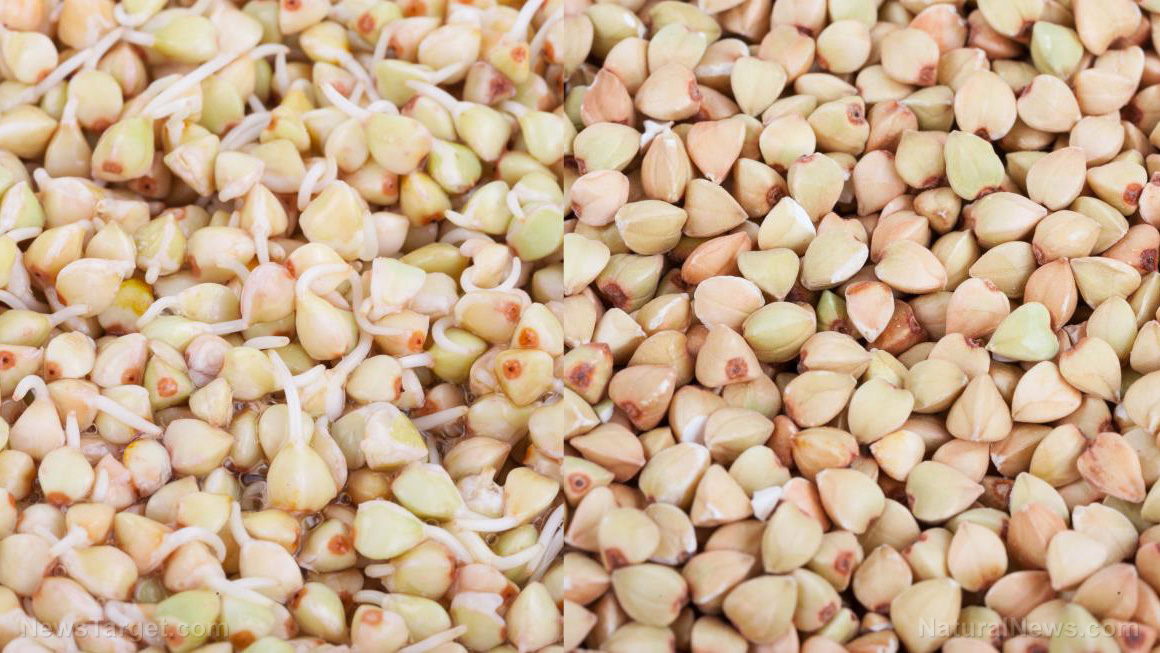

- Buckwheat refers to the seeds of the Fagopyrum esculentum plant and is a pseudo-cereal unrelated to wheat. It's naturally gluten-free, making it ideal for those with celiac disease or gluten intolerance.
- Buckwheat is packed with protein (all nine essential amino acids), fiber, magnesium, iron and antioxidants like rutin (supports blood vessel health) and quercetin (anti-inflammatory). Its low glycemic index helps with blood sugar control.
- Cultivated for over 8,000 years, buckwheat spread from Asia to Europe and North America. It thrives in poor soil, requiring minimal resources.
- It can be used whole (groats, porridge), as flour (pancakes, noodles) or in savory/sweet dishes. Buckwheat's high-protein content also makes it a vegan meat substitute.
- Rare allergies or skin reactions may occur. Buckwheat contains phytic acid, an antinutrient that can be removed by soaking the seeds in water overnight.
In today's fast-paced world, nutrient-dense foods are more important than ever. Among the many overlooked superfoods, buckwheat stands out as a nutritional powerhouse with a rich history, robust health benefits and culinary versatility.
Despite its name, buckwheat is not related to wheat – it's the gluten-free seeds of the Fagopyrum esculentum plant, making it an excellent option for those with celiac disease or gluten intolerance.
Brief history of buckwheat
Buckwheat has been cultivated for over 8,000 years, originating in Southeast Asia and later spreading to Europe and Russia. It was a staple in traditional diets across China, Japan (where it is known as soba) and Eastern Europe.
In the Middle Ages, buckwheat gained popularity in Europe due to its adaptability to poor soil and short growing season. Russian and Polish communities used it extensively to make kasha, a porridge-like dish.
Buckwheat was introduced to North America in the 17th century by Dutch settlers. Today, it is globally recognized as a functional food high in protein, fiber and essential minerals.
Nutritional benefits and considerations
Buckwheat is far more than just a filler grain – it is a complete protein source, containing all nine essential amino acids, including lysine and arginine, which many other grains lack. (Related: 4 Health benefits of buckwheat, a nutrient-rich whole grain.)
Key nutrients in buckwheat (per 100 grams, g, cooked):
- 3.4 g of protein, which is more than most grains have
- 1.7 g of fiber for digestion and gut health support
- 51 milligrams (mg) of magnesium to support heart and nerve function
- 0.8 mg of iron for oxygen transport and energy production
- Antioxidants like rutin and quercetin to combat inflammation and improve blood circulation. Its high rutin content also strengthens blood vessels.
Buckwheat also has a low glycemic index (GI), making it suitable for diabetics.
While buckwheat is highly nutritious and offers health benefits, there are a few points to consider.
Though rare, buckwheat allergies can occur, leading to reactions like itching or swelling. It is advisable to avoid consuming buckwheat during high fever, extreme thirst or hypertension.
Like many seeds, buckwheat contains phytic acid, which can reduce mineral absorption. Soaking or fermenting it before cooking can help mitigate this issue.
Compared to soybeans, another protein-rich plant food, buckwheat is a safer and less controversial option. While soy provides beneficial compounds like phytoestrogens and protein, it is frequently genetically modified (GMO) and may interfere with thyroid function when consumed in excess.
Buckwheat, on the other hand, is naturally non-GMO and generally poses fewer dietary concerns. Overall, buckwheat is a nourishing super grain with many advantages, though its consumption should be tailored to individual health needs.
Organic vs. conventional buckwheat
To minimize pesticide exposure, choosing organic and non-GMO foods is crucial.
Conventional wheat, for example, is frequently treated with glyphosate, a herbicide tied to nutrient deficiencies and potential health risks, prompting scientists to advocate for stricter global regulations.
Opting for organic wheat not only helps you avoid glyphosate (which is banned in organic farming) but may also resolve symptoms mistakenly attributed to gluten sensitivity, as they could stem from glyphosate poisoning.
Similarly, while buckwheat is naturally pest-resistant and typically low in pesticide residues, non-organic varieties may still contain glyphosate or heavy metals like cadmium and lead if grown in contaminated soil.
For the cleanest option, prioritize organic buckwheat sourced from high-altitude regions such as the Himalayas, where soil quality tends to be purer. By focusing on organic and responsibly sourced foods, consumers can significantly reduce their exposure to harmful agrochemicals and environmental toxins.
Culinary uses of buckwheat
Buckwheat's nutty, earthy flavor works well in both savory and sweet dishes. Here are common ways to eat it:
Buckwheat groats (whole or cracked seeds)
- Kasha (Eastern European staple): Toasted buckwheat cooked like porridge.
- Pilafs and grain bowls: Mixed with vegetables and spices.
- Buckwheat and quinoa Buddha bowl
Buckwheat flour (gluten-free baking)
- Pancakes: Russian blini, Japanese soba pancakes or gluten-free buckwheat banana pancakes.
- Breads and muffins: Often blended with other flours.
- Buckwheat chocolate chip cookies (flourless recipe)
Soba noodles (Japanese cuisine)
- Made from buckwheat flour, served cold with dipping sauce or in soups.
Buckwheat as a meat substitute
- Its high protein content makes it great for vegan patties or burgers.
This story is not medical advice and is not intended to treat or cure any disease. Always consult with a qualified naturopathic physician for personalized advice about your specific health situation or concern.
Visit NaturalNews.com, a great article source where you can learn about superfoods and their health benefits.
You can also try Brighteon.ai, an AI model created by Mike Adams, also known as the Health Ranger. This model is available as a free download to be run locally and is designed to help share and decentralize knowledge. By doing so, it aims to bypass censorship and empower people with knowledge.
If you're looking for an uncensored video free speech website where you can openly discuss nutrition, natural medicine, ingredients and more, check out Brighteon.com and out two free speech social media sites, Brighteon.IO and Brighteon.social.
Watch this video to learn how to grow buckwheat.
This video is from the Life in the country channel on Brighteon.com.
More related stories:
Tartary buckwheat shown to improve lipid profile, reduce insulin resistance.
Buckwheat is an underutilized crop that holds great antioxidant potential.
Buckwheat flour: a healthy, gluten-free alternative to white flour.
Sources include:
Brighteon.AI
NaturalNews.com
Brighteon.com
Buckwheat: A gluten-free superfood for modern health – NaturalNews.com
If you're gonna fight, fight like you're the third monkey on the ramp to Noah's Ark... and brother its starting to rain. Join our efforts to Secure America's Borders and End Illegal Immigration by Joining ALIPAC's E-Mail Alerts network (CLICK HERE)
-
04-22-2025, 09:50 PM #149Senior Member
- Join Date
- Aug 2018
- Posts
- 92,695
The humble Yam: A nutritious root vegetable that can elevate your meals
04/22/2025 // Laura Harris // 220 Views
Tags: #nutrition, food cures, food is medicine, food science, functional food, goodfood, goodhealth, grocery, health science, ingredients, natural health, nutrients, organics, superfoods, veggie, yam
- Yams are rich in dietary fiber, vitamins and minerals, supporting immunity, digestion and overall health.
- Originating in Africa and Asia, yams have been consumed for millennia and remain vital for food security in tropical regions.
- Yams can aid digestion, regulate blood sugar, improve heart health, boost immunity and provide anti-inflammatory and antioxidant benefits.
- Whether boiled, roasted, baked, fried or mashed, yams can be used in a wide variety of dishes.
- Although raw yams are high in oxalate and consumption may trigger allergies in some individuals, yams, especially when cooked, are generally safe to eat.
The humble yam is a staple food in many cultures across the globe, known for its versatility, rich nutritional profile and hearty texture. This tuberous root vegetable has been cultivated for thousands of years, and its origins can be traced to Africa, Asia and the Americas. Historical records suggest that yams were consumed as early as 8,000 BCE in West Africa, where they played – and continue to play – a vital role in traditional diets.
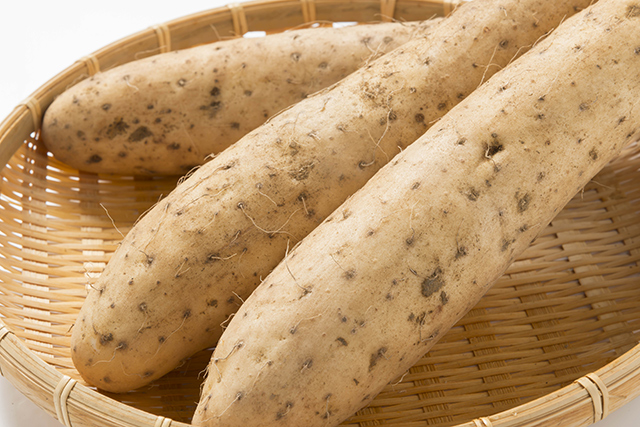
Yams were introduced to Europe and the Americas through the transatlantic trade routes, becoming an essential crop in tropical and subtropical regions. Unlike sweet potatoes (which are often mislabeled as "yams" in North America), true yams are starchier, with a rough, bark-like skin and flesh that can range from white to purple in color.
Nutritional profile and health benefits
Yam is a superfood worthy of being included in a balanced diet as it boasts an impressive array of essential vitamins, minerals and bioactive compounds, including:
- Vitamin A (from beta-carotene), which supports healthy vision, immune function and skin health.
- Vitamin C, a potent antioxidant that enhances immunity and collagen production.
- B-complex vitamins (B1, B2, B3, B5, B6, folate), which are crucial for energy metabolism, nerve function and red blood cell formation.
- Vitamin E and K that promote skin health, blood clotting and antioxidant protection.
- Potassium, which supports healthy blood pressure and muscle function.
- Magnesium, which supports relaxation, nerve function and bone health.
- Iron and copper, which are essential for oxygen transport and preventing anemia.
- Manganese and zinc, which aid in enzyme function and immune health.
- Calcium and phosphorus, which strengthen bones and teeth.
- Dietary fiber, which support gut health and blood sugar control. (Related: Protect your gut from inflammation with the Chinese yam.)
- Resistant starch that acts as a prebiotic to feed beneficial gut bacteria.
- Antioxidants (carotenoids, flavonoids) that combat oxidative stress and inflammation.
Yams are a nutritious root vegetable with numerous health benefits. They can support digestive health due to their high fiber content, which helps alleviate constipation and improve gut function. Additionally, yams can help regulate blood sugar levels, making them beneficial for individuals managing diabetes.
Yams' heart-healthy properties include reducing bad cholesterol (LDL) and hypertension, thereby lowering the risk of cardiovascular disease. Rich in antioxidants and anti-inflammatory compounds, yams also enhance immune function, helping the body fight infections.
Being low in calories yet nutrient-dense, yams can also aid in weight management while providing essential vitamins and minerals. With benefits ranging from improved eye and skin health to better brain function, yams are a versatile superfood that supports overall well-being.
Potential risks and considerations
While yams are highly nutritious and generally safe for most people, there are a few minor concerns to keep in mind. Some wild yam varieties contain compounds like dioscorin and diosgenin, which can be toxic in large amounts, but commercially cultivated yams are safe to eat. Additionally, conventionally grown yams may contain pesticide residues, so washing and peeling them can help reduce exposure.
There is also some evidence that yams may absorb heavy metals like cadmium and lead from contaminated soil, making organic or well-sourced options a preferable choice. Allergic reactions to yams, though rare, can occur in sensitive individuals. People with thyroid conditions should avoid consuming yams raw due to their goitrogenic compounds, though cooking can deactivate these substances.
Finally, those prone to oxalate kidney stones may need to moderate their yam intake. Despite these considerations, yams remain a nutrient-dense and beneficial addition to most diets.
Culinary uses
Yams are incredibly versatile and can be prepared in countless ways, depending on regional cuisine.
Popular yam dishes from around the world:
- Pounded yam (iyan) - a Nigerian dish, served with soups like Egusi or Ogbono.
- Amala - a Ghanan dish, made of fermented yam flour eaten with spicy stews.
- Jamaican yam porridge - made from boiled yams with coconut milk, spices and vegetables.
- Yamaimo (mountain yam) - food from Japan consisting of yam grated into a sticky paste; used in noodles and salads.
- Candied yams - from the USA/Caribbean, usually baked with cinnamon, brown sugar and marshmallows.
- Yam chips - a fried or baked snack alternative to potatoes, from West Africa.
Here are some simple ways to incorporate yams into your diet:
- Roasted or baked – A healthier alternative to white potatoes.
- Mashed – Creamy and nutritious as a side dish.
- Added to stews and soups – Thickens and enriches meals naturally.
- Grated in pancakes or fritters – Great for gluten-free options.
This story is not medical advice and is not intended to treat or cure any disease. Always consult with a qualified naturopathic physician for personalized advice about your specific health situation or concern.
Visit NaturalNews.com, a great article source where you can learn about superfoods and their health benefits.
You can also try Brighteon.ai, an AI model created by Mike Adams, also known as the Health Ranger. This model is available as a free download to be run locally and is designed to help share and decentralize knowledge. By doing so, it aims to bypass censorship and empower people with knowledge.
If you're looking for an uncensored video free speech website where you can openly discuss nutrition, natural medicine, ingredients and more, check out Brighteon.com and our two free speech social media sites, Brighteon.IO and Brighteon.social.
Watch this video to learn how yam flour can be a healthy alternative to wheat flour.
This video is from the Natural News channel on Brighteon.com.
More related stories:
Compounds in yam have vasodilating and antioxidant properties.
Drinking yam bean root or guava juice can improve your heart health.
Yam flour can be a great substitute for wheat flour in a variety of food products.
Sources include:
Brighteon.AI
NaturalNews.com
Brighteon.com
The humble Yam: A nutritious root vegetable that can elevate your meals – NaturalNews.comIf you're gonna fight, fight like you're the third monkey on the ramp to Noah's Ark... and brother its starting to rain. Join our efforts to Secure America's Borders and End Illegal Immigration by Joining ALIPAC's E-Mail Alerts network (CLICK HERE)
-
04-23-2025, 03:31 AM #150Senior Member
- Join Date
- Aug 2018
- Posts
- 92,695
Balancing blood sugar starts with FIBER, INOSITOL, and other metabolic-modulating herbal compounds
04/22/2025 // Lance D Johnson // 170 Views
Tags: #nutrition, alternative medicine, apple cider vinegar, blood sugar, cinnamon, diabetes cure, diabetes science, diet, exercise, fenugreek, fiber, food cures, food is medicine, food science, glucose control, goodfood, goodhealth, goodmedicine, health science, herbal medicine, Herbs, inositol, insulin sensitivity, natural cures, natural health, natural medicine, natural remedies, nutrients, Prediabetes, protein, supplements
Imagine a world where the foods you eat not only nourish your body but also help manage a critical health issue like blood sugar... For millions of people living with diabetes or prediabetes, this isn't just a dream — it's a reality. The right dietary choices and lifestyle adjustments can make a profound difference in maintaining balanced blood sugar levels, enhancing overall well-being, and even reducing the risk of complications. Here’s a simple guide to natural strategies that can help you take control of your health.The power of protein and fiber
Protein and fiber are two of the most potent allies in the battle against blood sugar spikes. When you eat a meal rich in these nutrients, your body processes the food more slowly, leading to a more gradual rise in blood sugar levels. This is particularly important for people with diabetes, who need to avoid rapid spikes that can lead to energy crashes and other health issues.
Protein: Integrative medicine doctor Bindiya Gandhi, M.D., emphasizes the importance of protein in a balanced diet. "Diets rich in protein lower your blood sugars after you eat and balance your insulin much better in the long run," she explains. Whether you prefer plant-based sources like lentils and chia seeds or animal proteins like salmon and eggs, incorporating protein into every meal can help stabilize your blood sugar. For example, adding chicken to a salad or wild salmon to a grain bowl can significantly reduce the glycemic impact of the meal.
Fiber: Fiber is another essential nutrient that supports healthy blood sugar levels. Functional nutritionist Dana James, M.S., CNS, CDN, notes that fiber keeps you full and helps balance blood sugars. "A high-fiber diet improves blood sugar balance and the concentration of lipoprotein or cholesterol in diabetic patients," says Gandhi. Foods rich in fiber, such as chia seeds, flaxseeds, legumes, and leafy greens, should be a staple in your diet. These foods not only help regulate blood sugar but also promote digestive health and satiety.
Herbal allies: fenugreek, cinnamon, and apple cider vinegar
Nature provides several herbs and spices that can aid in blood sugar management. These natural remedies have been used for centuries and are supported by modern scientific research.
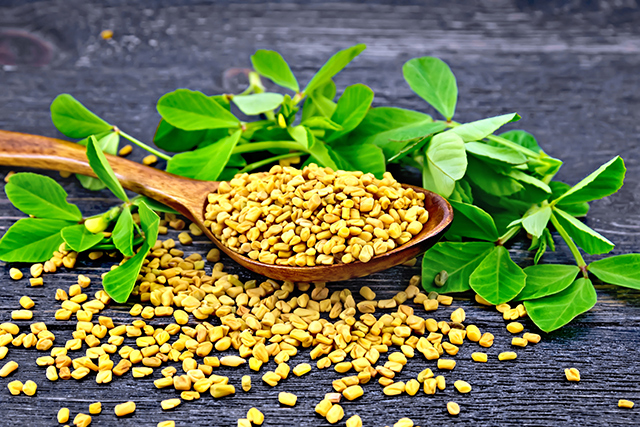
Fenugreek: This herb, often used in Indian cuisine, has been shown to improve glucose tolerance and reduce urinary glucose. Gandhi explains, "A diet rich in fenugreek improved the glucose tolerance test as well as reduced urinary glucose and improved total cholesterol and triglyceride numbers." Fenugreek can be easily added to roasted vegetables, pasta sauces, or soups, providing a sweet and nutty flavor along with its health benefits.
Cinnamon: This popular spice has been linked to improved blood sugar control in several studies. Gandhi notes, "In two studies, cinnamon modestly reported improving blood sugar in small patient sample sizes." Cinnamon can be easily incorporated into your diet by adding it to oatmeal, Greek yogurt, or smoothies. Its warm, comforting flavor makes it a versatile and enjoyable addition to many dishes.
Apple Cider Vinegar (ACV): ACV is a natural wonder that can help regulate blood sugar levels. James recommends taking ACV before meals to lower the glucose response. Gandhi adds, "Regular consumption of ACV aids in improving glycemic control as well as improved oxidative stress in patients with diabetes and high cholesterol." A simple way to use ACV is to dilute 1 to 2 tablespoons in water and drink it before meals or at bedtime.
Lifestyle changes for better blood sugar control
While herbal medicine and fiber play a crucial role in managing blood sugar, lifestyle changes are equally important. These simple yet effective strategies can help you maintain stable blood sugar levels and improve your overall health.
Regular physical activity: Engaging in regular physical activity is one of the most effective ways to improve your body's sensitivity to insulin. Exercise helps cells utilize glucose more effectively, reducing the risk of blood sugar spikes. Aim for at least 30 minutes of moderate exercise most days of the week, such as walking, cycling, or swimming.
Stress management: Stress hormones like cortisol can elevate blood sugar levels and lower insulin sensitivity. Techniques such as meditation, yoga, or deep breathing can help manage stress and promote better blood sugar control. James suggests, "If your glucose levels are elevated from eating a particular carbohydrate, you can lower this by moving your body or by meditating."
Adequate sleep: Lack of sleep can disrupt hormonal balance, leading to increased cortisol levels and higher blood sugar. Aim for 7-9 hours of quality sleep each night. Avoid using electronic devices before bedtime to improve sleep quality.
Hydration: Drinking plenty of water helps your kidneys flush out excess sugar and dilutes the concentration of sugar in your blood. Aim for at least 8 glasses of water per day.
Portion control: Eating smaller, more frequent meals can help prevent post-meal spikes in blood glucose levels. Use smaller plates, measure portions, and eat slowly to better control your intake.
Low glycemic index foods: Opt for foods with a low glycemic index, which cause a slower and more gradual increase in blood sugar levels. Examples include whole grains, beans, and non-starchy vegetables.
Supplements: Consider supplements like chromium and magnesium, which have been linked to better blood sugar control. Chromium-rich foods include lean meats, whole grains, fruits, and vegetables, while magnesium-rich foods include green leafy vegetables, fatty fish, and bananas.
Inositol, a powerful ally
Inositol supplementation can improve glucose homeostasis in individuals, particularly those with diabetes.
- Inositol supplementation led to a statistically significant reduction in fasting plasma glucose levels. This suggests that inositol helps lower the baseline blood sugar levels, which is crucial for managing diabetes.
- The 2-hour postprandial glucose level, measured after a 75 g oral glucose tolerance test (OGTT), also showed a significant decrease. This indicates that inositol helps in managing blood sugar spikes after meals, which is another important aspect of diabetes management.
- The risk of abnormal glucose tolerance was significantly reduced in the inositol treatment group. This suggests that inositol may help prevent the progression from prediabetes to diabetes.
Balancing blood sugar levels is a multifaceted approach that involves both dietary choices and lifestyle changes. By incorporating protein, fiber, and natural herbs like fenugreek, cinnamon, and apple cider vinegar into your diet, you can take significant steps toward better blood sugar control. Coupled with regular exercise, stress management, and adequate sleep, these strategies can help you maintain stable energy levels, improve mood, and reduce the risk of diabetes-related complications.
Sources include:
MindBodyGreen.com
Pubmed.gov
Pubmed.gov
Pubmed.gov
Pubmed.gov
Balancing blood sugar starts with FIBER, INOSITOL, and other metabolic-modulating herbal compounds – NaturalNews.comIf you're gonna fight, fight like you're the third monkey on the ramp to Noah's Ark... and brother its starting to rain. Join our efforts to Secure America's Borders and End Illegal Immigration by Joining ALIPAC's E-Mail Alerts network (CLICK HERE)


 Reply With Quote
Similar Threads
-
Half of Greenland's Warming Tied to Natural Causes NATURAL CAUSES?!?! NATURAL CAUSES
By AirborneSapper7 in forum Other Topics News and IssuesReplies: 4Last Post: 05-08-2014, 11:50 AM -
NATURAL BORN FOLLOWS THE NATURAL BIRTH FATHER
By AirborneSapper7 in forum Other Topics News and IssuesReplies: 3Last Post: 04-19-2011, 09:49 PM -
Experts: Placebo power behind many natural cures
By JohnDoe2 in forum Other Topics News and IssuesReplies: 1Last Post: 11-10-2009, 11:03 PM -
Natural Cancer Drug Called CELLADAM Cures Cancer
By CCUSA in forum Other Topics News and IssuesReplies: 0Last Post: 01-23-2009, 04:47 PM -
DRUG COMPANIES USE NATURAL CURES TO DESIGN NEW DRUGS
By Darlene in forum Other Topics News and IssuesReplies: 0Last Post: 03-18-2006, 08:43 PM
Tags for this Thread
alternative medicine,
balance,
chinese herbal medicine,
clean-foods-organics,
cures,
daniel reid,
goodhealth,
goodmedicine,
healing,
herbal medicine,
herbs,
history,
holistic,
natural cures,
natural health,
natural medicine,
naturalnews.com,
plant medicine,
prevention,
qi,
real history,
remedies,
tcm,
traditional chinese medicine,
yin and yang


Memorial Day 2026: Will Americans Still Die For Freedom?
05-25-2026, 04:53 AM in General Discussion