

Results 71 to 80 of 602
 2Likes
Thread Information
Users Browsing this Thread
There are currently 1 users browsing this thread. (0 members and 1 guests)
 LinkBack URL
 About LinkBacks
-
03-22-2025, 08:38 PM #71Senior Member


- Join Date
- Aug 2018
- Posts
- 92,714
The sweet power of manuka honey: Nature’s best sweetener
03/22/2025 // HRS Editors // 1.1K Views
Tags: antioxidants, food cures, food is medicine, food science, functional food, goodfood, goodhealth, grocery cures, ingredients, manuka honey, MGO, natural cures, natural health, natural medicine, natural sweetener, nutrients, organics, phytonutrients, sleep, superfoods
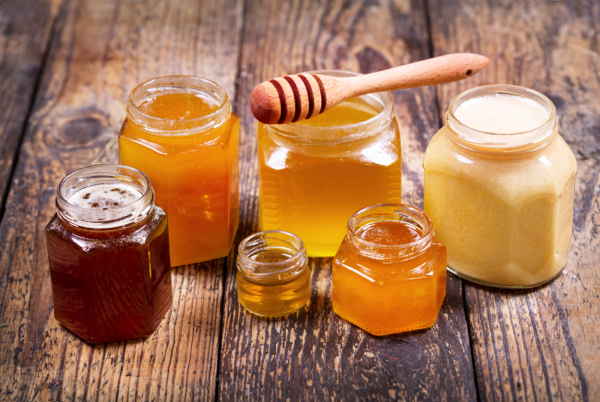
- Manuka honey, native to New Zealand, is a nutrient-rich superfood derived from the manuka bush. It’s known for its unique bioactive compounds, particularly methylglyoxal (MGO), which give it potent antioxidant and health-supporting properties.
- Unlike regular honey, it contains stable non-peroxide activity (NPA), making it more effective under various conditions.
- Manuka honey is graded using the Unique Manuka Factor (UMF) system, which measures beneficial compounds like MGO, leptosperin and dihydroxyacetone (DHA). A higher UMF rating indicates superior quality and potency.
- Manuka honey is also packed with essential nutrients, including minerals, vitamins, amino acids and antioxidants, making it up to four times more nutritious than regular honey.
- Manuka honey offers many science-backed health benefits. It can support digestive health and is a rich source of antioxidants that help combat free radicals and support overall wellness.
In recent years, manuka honey has garnered much attention from both the scientific community and health enthusiasts. This golden superfood, native to New Zealand, is more than just a sweet treat — it’s a powerhouse of health benefits that are all confirmed by science. (h/t to Healthline.com)
The origins of manuka honey
Manuka honey is produced by bees that pollinate the flowers of the manuka bush (Leptospermum scoparium), a plant native to New Zealand and parts of Australia. Unlike regular honey, which can come from a variety of floral sources, manuka honey is distinct because of its unique bioactive compounds. These compounds, particularly methylglyoxal (MGO), are responsible for its potent antioxidant properties.
While all honey offers health benefits, manuka honey stands out due to its unique composition. Regular honey contains hydrogen peroxide, which gives it mild beneficial properties. However, this compound is unstable and loses its effectiveness when exposed to heat or light.
Manuka honey, on the other hand, contains non-peroxide activity (NPA), which remains stable and effective even under harsh conditions. MGO, a naturally occurring compound found in high concentrations in manuka honey, is derived from the nectar of the manuka flower and is believed to be the key to manuka honey's remarkable health benefits.
The higher the MGO content, the more potent the manuka honey is.
To ensure quality and authenticity, Manuka honey is often graded using the Unique Manuka Factor (UMF) system. Developed by the UMF Honey Association in New Zealand, this system measures the presence of beneficial compounds like MGO, leptosperin and dihydroxyacetone (DHA). A higher UMF rating indicates superior quality and potency, giving consumers confidence in the product they’re purchasing.
Manuka: a nutrient powerhouse
Manuka honey isn’t just about MGO and UMF — it’s also packed with essential nutrients. Compared to regular honey, manuka honey contains up to four times more nutrients, including:
- Minerals – Copper, manganese, magnesium, phosphorus, calcium, iron, potassium and zinc
- Vitamins – B vitamins like B6, thiamine, niacin, riboflavin and pantothenic acid
- Other compounds – Amino acids, enzymes, alkaloids, glycosides and volatile compounds
Manuka honey is also rich in antioxidants like flavonoids and polyphenols, which help combat free radicals and support overall health. (Related: Emergency food prep: Stock up on manuka honey, a must-have survival food and barter item.)
For most people, manuka honey is safe to consume. However, there are a few exceptions:
- Infants – Honey should not be given to children under 12 months due to the risk of botulism.
- Diabetics – Due to its high sugar content, Manuka honey may affect blood sugar levels in people with diabetes.
- Individuals with honey or bee allergy – Allergic reactions are possible in people with allergies.
Why choose manuka over regular honey?
While regular honey has its merits, manuka honey’s unique properties make it a superior choice for those seeking targeted health benefits. Its stable NPA, high MGO content and nutrient density set it apart from other honeys.
Plus, the UMF grading system ensures you’re getting a high-quality, authentic product. When in doubt, try Health Ranger Select Premium Manuka Honey MGO 514+ (15+ NPA).
While there are different brands of manuka honey, you can rest assured that Premium Manuka Honey MGO 514+ (15+ NPA) from the Health Ranger Store is a safe choice because it offers guaranteed potency and is meticulously lab tested to ensure quality, purity and cleanliness.
Manuka honey is more than just a sweetener — it’s a natural remedy with a rich history and impressive scientific backing. This golden elixir is worth adding to your pantry and daily routine. Just remember to look for the UMF trademark to ensure you’re getting the real deal.
Where to get lab-verified Manuka Honey
The Health Ranger Store is committed to helping you find a natural sweetener that can support your overall health, which is why we’re proud to introduce Premium Manuka Honey MGO 514+ (15+ NPA).
Health Ranger Select Premium Raw Manuka Honey (MGO 514+ (15+ NPA) boasts a guaranteed MGO rating of at least 514 and an NPA rating of at least 15.
The actual lab tests carried out on Batch No. M21151A, which was done at the University of the Sunshine Coast in Queensland, Australia, indicates an NPA of 16.4 and an MGO content of 594 ppm.
To provide you with peace of mind, Health Ranger Select Premium Raw Manuka Honey (MGO 514+ (15+ NPA) is made only with the cleanest, purest and highest-quality raw manuka honey available. It has also undergone thorough lab testing for glyphosate, heavy metals and microbiology.
Our premium raw manuka honey contains no preservatives, additives or synthetic fillers.
To ensure authenticity and quality, our manuka honey is harvested by trusted vendors in Australia. Our bees feed on the manuka bushes that thrive in the pristine forests and bushlands of Australia’s east coast, making the finest quality manuka honey on the market.
Manuka honey is a delicious and nutritious natural sweetener that offers amazing nutritional content. Due to its high MGO content, manuka honey can support good health even when SHTF.
Our Premium Raw Manuka Honey (MGO 514+ (15+ NPA) has a long shelf life, which can come in handy when faced with emergency situations. This makes it a great addition to your emergency bug-out bag and a great barter item when SHTF.
Visit Superfoods.news to learn more about manuka honey and other superfoods. You can also check out Health Ranger Store and Brighteon Store for more clean food supplies for your cooking needs.
Click on this link to learn how you can stay healthy this spring with proper hydration.
Watch the video below to learn more about the potent health-supporting benefits of Premium Raw Manuka Honey.
This video is from the Health Ranger Store channel on Brighteon.com.
More related stories:
Clean food watch: Does your protein powder contain heavy metals?
Manuka honey: A versatile superfood that does not expire.
Top antioxidant foods to combat oxidative stress from air pollution.
Natural sweeteners: Healthy alternatives to sugar and artificial sweeteners.
Sources include:
Healthline.com
UMF.org.nz
HealthRangerStore.com 1
HealthRangerStore.com 2
Brighteon.com
The sweet power of manuka honey: Nature’s best sweetener – NaturalNews.com
If you're gonna fight, fight like you're the third monkey on the ramp to Noah's Ark... and brother its starting to rain. Join our efforts to Secure America's Borders and End Illegal Immigration by Joining ALIPAC's E-Mail Alerts network (CLICK HERE)
-
03-23-2025, 10:15 PM #72Senior Member
- Join Date
- Aug 2018
- Posts
- 92,714
Vitamin D: The sunshine vitamin’s surprising role in slashing diabetes risk
03/23/2025 // Willow Tohi // 1.4K Views
Tags: diabetes cure, diabetes science, fight diabetes, goodhealth, natural cures, natural health, nutrients, prevention, remedies, research, sunshine vitamin, vitamin D
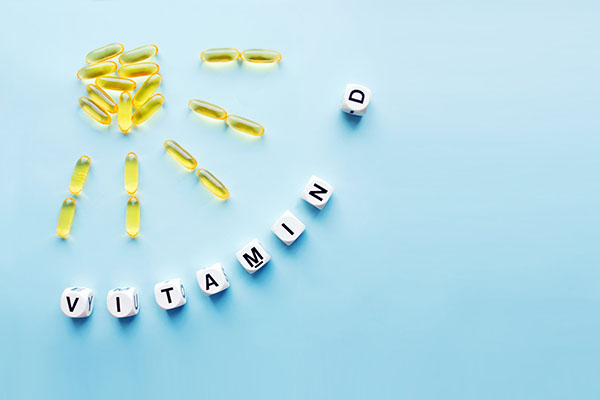
- Recent research highlights that vitamin D supplementation can reduce the risk of progressing from prediabetes to Type 2 diabetes by 15% and increase the likelihood of returning to normal glucose regulation by 30%. Optimal vitamin D levels (50 ng/ml or higher) may lower diabetes risk by 76%.
- Vitamin D improves glucose metabolism and insulin secretion, reduces inflammation and oxidative stress, and helps combat insulin resistance, a key factor in prediabetes and Type 2 diabetes.
- Vitamin D may also mitigate diabetes-related complications, such as diabetic foot ulcers and retinopathy, with studies showing lower vitamin D levels in individuals with severe complications.
- While historically linked to bone health (e.g., preventing rickets), vitamin D deficiency is now resurgent due to modern indoor lifestyles, coinciding with rising rates of metabolic disorders like diabetes.
- To maintain optimal vitamin D levels, consider sunlight exposure, dietary sources (e.g., fatty fish, fortified foods) and supplementation. A blood test can help determine vitamin D status, with a target serum level of 50 ng/ml or higher for metabolic health benefits.
In a nation grappling with a metabolic health crisis, where 22 million adults are diagnosed with diabetes and an estimated 78 to 84 million have prediabetes, a glimmer of hope has emerged from an unexpected source: vitamin D. Recent research suggests that this essential nutrient, often dubbed the "sunshine vitamin," may play a pivotal role in reducing the risk of diabetes, particularly for those with prediabetes.
The findings, published in the Annals of Internal Medicine, reveal that vitamin D supplementation could significantly lower the likelihood of progressing from prediabetes to Type 2 diabetes. For a country where 34% to 37% of adults are prediabetic, this discovery could be a game-changer.
The Vitamin D-diabetes connection
Vitamin D has long been celebrated for its role in bone health, but its influence on metabolic health is gaining traction. Researchers from Tufts Medical Center analyzed three randomized controlled trials (RCTs) to explore the relationship between vitamin D intake and diabetes risk. Two of the trials tested vitamin D3 (cholecalciferol) at doses of 20,000 IU weekly and 4,000 IU daily, while the third examined eldecalcitol, a vitamin D analog.
The results were striking. Vitamin D supplementation reduced the risk of diabetes by 15% in individuals with prediabetes. Even more impressive, it increased the likelihood of returning to normal glucose regulation by 30%. For those who maintained a vitamin D blood serum level of 50 ng/ml or higher—considered the optimal level by experts—the risk of developing diabetes dropped by a staggering 76%.
This underscores the importance of achieving and maintaining adequate vitamin D levels, especially for those at risk of metabolic disorders.
Why Vitamin D matters for insulin and inflammation
Vitamin D’s role in glucose metabolism and insulin secretion is well-documented. Low levels of this nutrient have been linked to insulin resistance, a hallmark of prediabetes and Type 2 diabetes. Insulin resistance occurs when the body’s cells fail to respond effectively to insulin, leading to elevated blood sugar levels.
Studies suggest that vitamin D helps mitigate this by reducing inflammation and oxidative stress, both of which contribute to insulin resistance. One study found that higher vitamin D levels were associated with a lower risk of insulin resistance, with each additional increment of vitamin D supplementation further reducing the risk.
“Vitamin D3 appears to be a protective factor in the occurrence of insulin resistance,” researchers noted. “It helps lower inflammation, which in turn reduces the risk of insulin resistance.”
Vitamin D and diabetes complications
The benefits of vitamin D extend beyond blood sugar control. Recent research has highlighted its potential to prevent or mitigate diabetes-related complications, such as diabetic foot ulcers and retinopathy.
A study involving 339 hospitalized patients with Type 2 diabetes found that those with foot ulcers had significantly lower vitamin D levels compared to those without ulcers. In fact, individuals with the least severe ulcers had vitamin D levels more than twice as high as those with the most severe cases.
Similarly, vitamin D deficiency has been linked to diabetic retinopathy, a leading cause of blindness in adults. A meta-analysis revealed that individuals with both diabetes and vitamin D deficiency were at a higher risk of developing this condition.
The historical context: A nutrient overlooked
Vitamin D’s role in metabolic health is a relatively new area of focus, but its importance has been recognized for centuries. Historically, vitamin D deficiency was associated with rickets, a bone-softening disease prevalent in industrialized cities during the 19th century. The discovery that sunlight could prevent rickets led to the fortification of foods like milk with vitamin D, effectively eradicating the disease in developed nations.
Today, however, vitamin D deficiency is making a comeback. Modern lifestyles, characterized by indoor work and limited sun exposure, have left 29% of U.S. adults deficient and another 41% insufficient in this critical nutrient. This resurgence of deficiency coincides with the rise of metabolic disorders like diabetes, suggesting a potential link that researchers are only beginning to unravel.
What you can do
For those concerned about their metabolic health, ensuring adequate vitamin D levels is a simple yet powerful step. While sunlight is the most natural source, it’s often insufficient, especially in northern latitudes or during winter months. Foods like fatty fish, egg yolks and fortified products provide some vitamin D, but supplementation is often necessary to achieve optimal levels.
“A premium vitamin D3 supplement is the most effective way to ensure vitamin D sufficiency,” advises Morgan Chamberlain, former supplement editor at mindbodygreen.
If you’re unsure about your vitamin D status, consider asking your healthcare provider for a blood test. Maintaining a serum level of 50 ng/ml or higher could be a key strategy in safeguarding your metabolic health.
The takeaway
Vitamin D is more than just a bone-health nutrient—it’s a critical player in metabolic health. For the millions of Americans with prediabetes, achieving and maintaining optimal vitamin D levels could be a simple, effective way to reduce diabetes risk and improve overall well-being. As research continues to uncover the far-reaching benefits of this sunshine vitamin, one thing is clear: vitamin D deserves a spotlight in the fight against diabetes.
Sources include:
MindBodyGreen.com
Diabetes.org
News-Medical.net
Vitamin D: The sunshine vitamin’s surprising role in slashing diabetes risk – NaturalNews.com
If you're gonna fight, fight like you're the third monkey on the ramp to Noah's Ark... and brother its starting to rain. Join our efforts to Secure America's Borders and End Illegal Immigration by Joining ALIPAC's E-Mail Alerts network (CLICK HERE)
-
03-24-2025, 09:58 PM #73Senior Member
- Join Date
- Aug 2018
- Posts
- 92,714
A modern guide to natural healing: “Herbal Drugstore” by Dr. Linda B. White and Steven Foster
03/24/2025 // Ramon Tomey // 860 Views
Tags: alternative medicine, Cures, goodhealth, goodmedicine, healing, Herbal Drugstore, herbal medicine, Herbs, Linda White, natural cures, natural health, natural medicine, nutraceuticals, plant medicine, Prescription drugs, prescription warning, remedies, Steven Foster
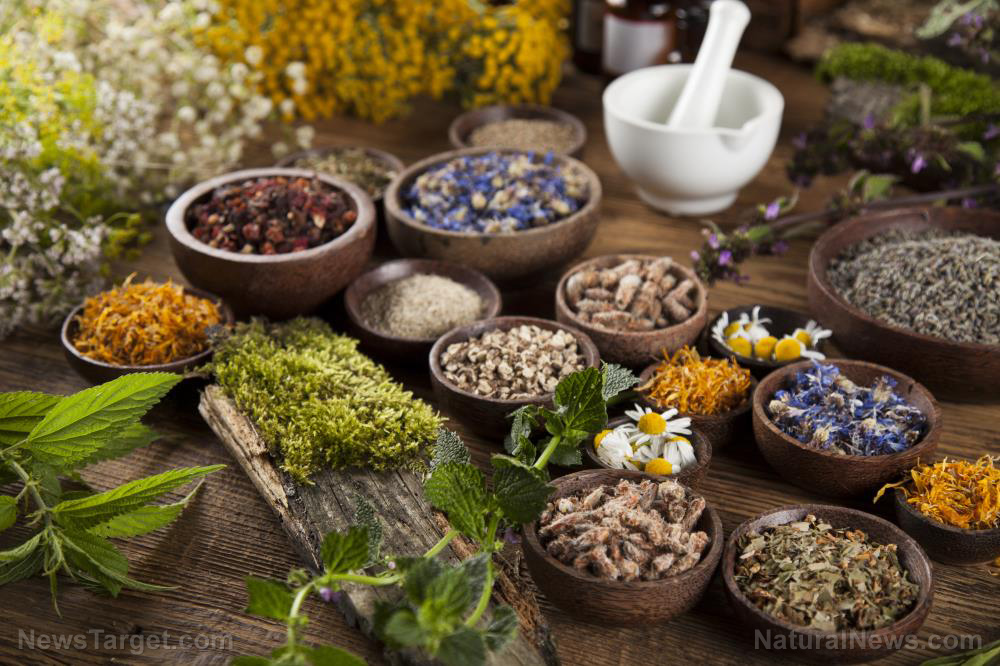
- "Herbal Drugstore" by Dr. Linda B. White and Steven Foster connects traditional herbal medicine with modern scientific research, highlighting the growing acceptance of herbal remedies by both consumers and the medical community.
- The book explores the botanical origins of many conventional drugs (e.g., aspirin from willow bark) and emphasizes that herbs, while generally less potent, can be safer for mild conditions with fewer side effects.
- It provides foundational knowledge on herbs, their benefits and how they work, while addressing the booming $3 billion herbal marketplace and the importance of understanding herbal principles and regulatory challenges in the United States.
- The authors stress that "natural" does not always mean "safe," advising low doses, professional consultation and awareness of potential drug interactions. They also offer tips on choosing herbal forms (e.g., teas, tinctures) and finding qualified practitioners.
- The book encourages readers to explore herbal remedies as a natural alternative to conventional medicine but underscores the need for caution, respect and informed decision-making to ensure safe and effective use.
In the book "Herbal Drugstore," authors Dr. Linda B. White and Steven Foster bridge the gap between traditional herbal medicine and modern scientific understanding. It reflects a pivotal moment when herbal remedies were transitioning from skepticism to widespread acceptance.
Today, herbal medicine is embraced by educated consumers and increasingly recognized by the medical community, supported by growing research on its efficacy and safety. The term "herbal drugstore" may seem contradictory, but the book reveals the parallels between herbs and pharmaceutical drugs.
Many conventional medications, such as quinine for malaria and aspirin derived from willow bark, have botanical origins. However, herbs are generally less potent than drugs, which can make them safer for mild conditions. For example, chamomile tea may soothe a headache with fewer side effects than a strong painkiller.
The book serves as a comprehensive guide for navigating the booming herbal marketplace, where annual consumer spending exceeds $3 billion. It emphasizes the importance of understanding herbal medicine's principles: working with the body's natural healing processes and prioritizing medicinal plants over synthetic drugs. Herbal medicine is part of a broader alternative healing framework, including practices like Traditional Chinese Medicine, Ayurveda and naturopathy, which often incorporate lifestyle changes such as diet, exercise and relaxation.
White and Foster stress the need for foundational knowledge, especially for beginners. The introductory chapters explain what herbs are, how they function and their potential benefits. The book also highlights the regulatory landscape in the U.S., where herbs are classified as dietary supplements rather than drugs.
While this allows for quicker market access, it also means fewer regulations. To address this, the authors recommend relying on reputable organizations like the American Herbal Products Association to ensure product safety and quality.
Safety is a recurring theme in "Herbal Drugstore" – with the authors cautioning that "natural" does not always mean "harmless." They advise starting with low doses, consulting healthcare professionals and being mindful of potential interactions with prescription medications.
The book also provides practical tips on choosing the right form of herbs – whether capsules, teas, tinctures, or essential oils – and understanding supplement labels. Another key takeaway is the importance of finding qualified herbal practitioners.
While many medical doctors are becoming more knowledgeable about herbal medicine, there is no nationwide certification for herbalists. The book encourages readers to seek out natural medicine practitioners and ask questions to ensure they receive informed guidance.
Ultimately, "Herbal Drugstore" empowers readers to explore herbal remedies as a natural and effective alternative to conventional medicine. However, it underscores the need for caution, respect and informed decision-making when incorporating herbs into one's health regimen. Whether addressing specific conditions or enhancing overall well-being, this book serves as an invaluable resource for anyone interested in the healing power of plants.
Watch this video about the book "Herbal Drugstore" by Dr. Linda B. White and Steven Foster.
This video is from the BrightLearn channel on Brighteon.com.
Sources include:
Brighteon.ai
Brighteon.com
A modern guide to natural healing: “Herbal Drugstore” by Dr. Linda B. White and Steven Foster – NaturalNews.com
If you're gonna fight, fight like you're the third monkey on the ramp to Noah's Ark... and brother its starting to rain. Join our efforts to Secure America's Borders and End Illegal Immigration by Joining ALIPAC's E-Mail Alerts network (CLICK HERE)
-
03-24-2025, 10:29 PM #74Senior Member
- Join Date
- Aug 2018
- Posts
- 92,714
The hidden dangers of antibiotics & 10 natural antimicrobials to incorporate into your life
03/24/2025 // Lance D Johnson // 1K Views
Tags: allergic reactions, Antibiotics, Big Pharma, cancer risk, candida, chronic fatigue, drug resistance, garlic, gut health, health sovereignty, herbal medicine, holistic health, honey, immune system, medical freedom, mrsa, natural remedies, nutrient deficiency, oregano oil, Preventive Medicine, probiotics, superbugs, turmeric, vitamin C, wellness
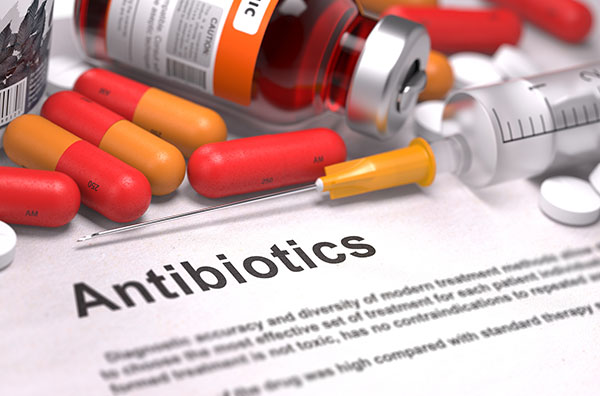
For nearly a century, antibiotics have been hailed as medical miracles, saving countless lives from deadly infections. Yet, beneath their life-saving reputation lies a darker truth—one of long-term health destruction, antibiotic-resistant super bugs, and a healthcare system addicted to quick fixes. With over 270 million antibiotic prescriptions written annually in the U.S.—many for conditions that don’t require them—the consequences are becoming impossible to ignore.
From increased cancer risk to chronic gut damage, the fallout from antibiotic overuse is forcing a reevaluation of modern medicine’s reliance on these drugs. Meanwhile, natural antimicrobials—backed by centuries of traditional use and modern science—offer a safer, more sustainable path to healing.
The hidden dangers of antibiotic overuse
Since penicillin’s discovery in 1928, antibiotics have been prescribed with reckless abandon, often without considering the long-term consequences. A 2019 study published in the International Journal of Cancer found that:
- People who took 2-5 antibiotic courses in two years had a 27% higher cancer risk.
- Those taking 6+ prescriptions faced a 37% increased risk.
But cancer isn’t the only concern:
- Deadly allergic reactions, particularly to penicillin, remain a serious threat.
- Antibiotic-resistant bacteria, first highlighted in a 1992 Science Magazine report, now kill thousands annually.
- MRSA, C. difficile, and other super bugs prove that the very drugs meant to heal can also fuel deadly epidemics.
How antibiotics sabotage long-term health
Beyond resistance, antibiotics wreak havoc on the body’s delicate systems:
Gut microbiome destruction – Broad-spectrum antibiotics indiscriminately kill beneficial bacteria, leading to digestive disorders, food allergies, and chronic inflammation.
Nutrient depletion – Diarrhea and gut damage impair mineral absorption and vitamin synthesis, weakening overall health.
Immune suppression – By disrupting cellular processes, antibiotics weaken natural defenses, making repeat infections more likely.
Candida overgrowth – The destruction of gut flora allows Candida albicans to flourish, leading to yeast infections and systemic fungal issues.
When antibiotics kill susceptible bacteria, pre-existing resistant mutants survive and multiply. Over time, this leads to the dominance of resistant strains. Spontaneous mutations occur naturally, but antibiotics accelerate resistance by eliminating competition for resistant variants.
Pediatricians alone prescribe $500 million worth of antibiotics annually for ear infections—many of which are viral and untreatable by antibiotics. This reckless overuse sets children up for lifelong immune dysfunction and chronic illness.
Ten natural antimicrobials that fight infection safely
Before antibiotics, traditional healers relied on nature’s pharmacy to combat infections. Today, science confirms what ancient medicine knew:
1. Raw Honey (Especially Manuka Honey)
A 2014 study in Wounds International found Manuka honey effectively kills antibiotic-resistant bacteria like MRSA when applied topically.
2. Turmeric (Curcumin)
Research in BioMed Research International shows curcumin combats H. pylori and other stubborn pathogens.
3. Oregano Oil
A 2018 study in Frontiers in Microbiology confirmed its potent antibacterial and anti fungal properties.
4. Garlic (Allicin)
Shown to kill drug-resistant TB strains, as documented in the Journal of Antimicrobial Chemotherapy.
5. Apple Cider Vinegar
Diluted ACV has antimicrobial effects against E. coli and other harmful bacteria, as highlighted in Scientific Reports.
6. Cinnamon Oil
A 2019 study in Microbial Pathogenesis found it inhibits bacterial biofilm formation.
7. High-Dose Vitamin C
Used to treat sepsis and drug-resistant infections, as cited in the Journal of Translational Medicine.
8. Colloidal Silver
A 2018 study in Antibiotics found it effective against antibiotic-resistant bacteria.
9. Ginger
A 2020 study in Microbial Pathogenesis showed strong antibacterial effects against respiratory infections.
10. Green Tea (EGCG)
A 2019 study in Molecules found epigallocatechin gallate (EGCG) fights MRSA and other super bugs.
As the antibiotic era reaches its breaking point, the question isn’t just about finding alternatives—it’s about reevaluating our dependence on drugs that harm as much as they heal. Could the future of medicine lie not in synthetic chemicals, but in the botanical remedies our ancestors trusted?
Sources include:
NaturalHealth365.com
Brighteon.ai
FrontiersIn.org
MDPI.com
The hidden dangers of antibiotics & 10 natural antimicrobials to incorporate into your life – NaturalNews.comLast edited by Airbornesapper07; 03-24-2025 at 10:33 PM.
If you're gonna fight, fight like you're the third monkey on the ramp to Noah's Ark... and brother its starting to rain. Join our efforts to Secure America's Borders and End Illegal Immigration by Joining ALIPAC's E-Mail Alerts network (CLICK HERE)
-
03-25-2025, 09:34 AM #75Senior Member
- Join Date
- Aug 2018
- Posts
- 92,714
Fun and creative ways to incorporate beet juice into your daily routine for energy support
03/24/2025 // HRS Editors // 660 Views
Tags: athletic performance, beetroot, beets, betalains, Energy Booster, exercise, fitness, functional food, goodfood, goodhealth, Men's Fitness, natural health, organics, phytonutrients, recipes, smoothies, superfood, superfoods, veggie, Women's Fitness
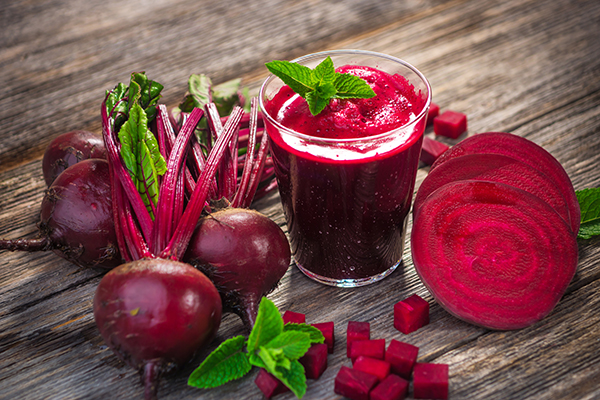
- Beet juice is a nutrient-dense superfood rich in dietary nitrates, antioxidants (like betalains), potassium, iron and fiber. It can support overall health by helping reduce oxidative stress and increasing oxygen delivery to muscles and the brain.
- Beet juice can be consumed in various forms, including fresh juice and beetroot powder (a dehydrated alternative). It can also be incorporated into smoothies, mocktails and other recipes to avoid flavor fatigue.
- Beet juice can be blended into smoothies with fruits, greens and protein sources, mixed into refreshing mocktails with citrus and ginger, or juiced with apples, celery and carrots for a flavorful, nutrient-packed drink.
- Start with small amounts to avoid digestive discomfort. Mix beet juice with sweeter juices like apple or orange to balance its earthy taste and consume it a couple of hours before workouts for performance benefits.
- Beet juice is a versatile, natural way to boost energy, improve athletic performance and enhance overall well-being.
Beet juice, the vibrant, ruby-red elixir made from beetroots, is popular in the health and fitness world for its impressive nutritional profile and energy-boosting properties. Known for its earthy, mildly sweet flavor, this nutrient-dense juice is packed with vitamins, minerals and antioxidants that can support everything from athletic performance to overall vitality.
Whether you’re an athlete looking for an edge or simply someone seeking a natural way to fuel your day, beet juice might just be your new go-to superfood. But drinking plain beet juice every day can get monotonous.
The good news? There are countless creative and delicious ways to incorporate this powerhouse into your daily routine.
From smoothies to mocktails, here’s how you can enjoy the benefits of beet juice without the flavor fatigue. (h/t to Mindbodygreen.com)
Why beet juice? A quick recap of its benefits
Before diving into the recipes, let’s revisit why beet juice is worth adding to your diet.
Beet juice is rich in dietary nitrates, which are converted into nitric oxide in the body. Nitric oxide helps dilate blood vessels, supporting healthy blood flow and oxygen delivery to your muscles and brain. Beet juice is also a favorite among athletes because of its ability to support endurance, strength and muscle recovery.
Beyond its performance benefits, beet juice is loaded with antioxidants like betalains, which help combat oxidative stress. It’s also a good source of potassium, iron and fiber, all of which contribute to sustained energy levels and overall health. (Related: Springtime superfood swaps: Seasonal flavors to brighten your plate.)
Creative ways to enjoy beet juice daily
You can buy or make beet juice at home using a variety of products, such as fresh or store-bought beet juice.
Another way to get your serving of beets without buying the actual vegetable is by consuming it in powder form. Beetroot powder is dehydrated beetroot juice, so you'll receive the same benefits you can get from fresh beet juice.
You can purchase beetroot powder at your local supplement store. It is usually sold in a container like protein powder.
Beetroot powder can be added to plain water, smoothies or soups. Alternatively, you can use other methods that will dissolve the powder.
Keep in mind that beetroot powder is a supplement, so you should only buy it from a trusted source like the Health Ranger Store. The Health Ranger Store offers only clean, high-quality and lab-verified products that have been thoroughly tested in our laboratory to ensure your safety.
If drinking plain beet juice doesn't sound appetizing, here are some tasty and creative ways to incorporate beet juice into your regular diet:
Beet juice smoothies
Smoothies are an easy and versatile way to incorporate beet juice into your routine. Blend it with fruits, greens and protein sources for a nutrient-packed breakfast or post-workout snack.
Ingredients:
- 1 Small raw beetroot, peeled and cut into chunks (100 grams)
- 1/2 Cup blueberries
- 1 Small cucumber (75 g)
- 3/4 Cup spinach leaves
- 1 Banana cut into pieces
- 1 Teaspoon acai powder
- 1 Tablespoon hemp seeds
- 1 Date (optional)
- 1 1/2 Cups water
- 2 ice cubes
Instructions:
- Place all the ingredients in a blender and blend until smooth.
Beet juice mocktails
For a refreshing, non-alcoholic treat, mix beet juice with sparkling water and a splash of citrus.
Ingredients:
- 1 Cup zero proof spirit
- 1 Cup beet juice
- 1/2 Cup fresh lime juice
- 2 Tablespoons maple syrup
- 2 Ginger wellness shots (or 2 inches of fresh ginger, peeled and thinly sliced)
- Lime wedges for garnish
Instructions:
- Combine the zero proof spirit, beet juice, lime juice, maple syrup and ginger shots in a jar and stir.
- Pour the mixture into a glass over ice. Garnish with lime wedges before serving.
Beetroot juice
If you prefer a refreshing beverage, try this recipe for delicious beetroot juice with apple and celery.
Ingredients:
- 1 small red beetroot
- 1 Large apple (or 2 small apples)
- 2 Celery stalks
- 1-2 Carrots
- 1/2 Lemon or lime
- 1/2 inch small piece of ginger, peeled
Directions:
- Wash all vegetables and fruits in running water. Pat them dry.
- Peel and cut the beetroot into long slices. Next, cut the apple into long pieces and remove the core. Peel and cut the carrot into long pieces. Cut the celery into long pieces.
- Put a glass or container under the nozzle of a juicer and turn it on.
- Process the beetroot, apple, carrot, celery and ginger, but leave out the lemon, through the juicer.
- Squeeze the half lemon into the juice and stir well. Pour it into a chilled serving glass and serve.
Tips for incorporating beet juice into your routine
If you're not used to consuming beet juice, start small.
Here are some suggestions on how to get started:
- If you’re new to beet juice, start with small amounts (2-4 oz) and gradually increase to avoid digestive discomfort.
- Combine beet juice with other sweet juices like apple, carrot, or orange to balance its earthy flavor.
- Many athletes drink beet juice at least one to two hours before workouts for optimal performance benefits. Others enjoy it in the morning for a natural energy boost.
- Homemade beet juice can be stored in the fridge for up to three days. Store-bought varieties often have a longer shelf life but should be refrigerated after opening.
Beet juice is more than just a trendy health drink — it’s a versatile, nutrient-packed superfood that can support healthy energy levels, athletic performance and overall well-being.
By incorporating it into smoothies, mocktails and more, you can enjoy its benefits in ways that suit your taste buds and lifestyle.
Where to buy organic and lab-verified beet juice powder
The Health Ranger Store is committed to helping you boost your intake of essential nutrients as you incorporate beet juice into a balanced diet.
That’s why we’re offering you many clean, lab-verified and healthy food options such as Groovy Bee® Organic Freeze-Dried Beet Juice Powder.
Groovy Bee® Organic Freeze-Dried Beet Juice Powder from the Health Ranger Store contains fresh, pure beets grown under strict organic standards by our trusted suppliers. Because it is entirely water-soluble, our organic beet juice powder can easily be added to shakes, smoothies, juices and other beverages for a flavorful nutritional upgrade.
Groovy Bee® Organic Freeze-Dried Beet Juice Powder is vegan, non-GMO, non-China and certified Kosher and organic. It also contains no artificial colors or flavors and is meticulously lab tested for glyphosate, heavy metals and microbiology.
Visit Food.news to learn more about beets and other nutritious fruits and vegetables. You can also check out Health Ranger Store and Brighteon Store for more clean food supplies.
Click on this link for a delicious beet and watermelon smoothie recipe.
Watch the video below to learn more about the amazing health benefits of Organic Beet Juice.
This video is from the Health Ranger Store channel on Brighteon.com.
More related stories:
Study: Betalains in beets can help reduce fatigue and boost athletic performance.
Gac fruit: A nutritional superstar from Southeast Asia.
Quick and energizing snacks: Superfood bars, smoothie mixes and no-bake recipes.
Spice up your dinner routine with this Vegan Beetroot Curry.
Sources include:
Mindbodygreen.com
CNET.com
LiveAndTaste.com
FedAndFit.com
FoodViva.com
HealthRangerStore.com 1
HealthRangerStore.com 2
HealthRangerStore.com 3
Brighteon.com
Fun and creative ways to incorporate beet juice into your daily routine for energy support – NaturalNews.com
If you're gonna fight, fight like you're the third monkey on the ramp to Noah's Ark... and brother its starting to rain. Join our efforts to Secure America's Borders and End Illegal Immigration by Joining ALIPAC's E-Mail Alerts network (CLICK HERE)
-
03-25-2025, 07:31 PM #76Senior Member
- Join Date
- Aug 2018
- Posts
- 92,714
Food Forests: The ultimate hedge against economic collapse and centralized tyranny
03/25/2025 // Finn Heartley // 360 Views
Tags: economy, food collapse, food forest, food sovereignty, food supply, grocery, grow your food, grow your medicine, Herbs, home garden, preparedness, Resist, self-sufficient, SHTF, supply chain, survival, Tyranny

- Modern food supply chains face threats like livestock culling, chemical agriculture, and geopolitical instability, prompting experts Jim Gale and Rob Young to advocate decentralized permaculture solutions for food sovereignty.
- Converting cash into regenerative assets—fruit trees, rainwater systems, and healthy soil—creates long-term value. "Food-producing plants outlast gold in crises," says Gale, ensuring generational sustenance.
- Unlike industrial farming, permaculture mimics nature, requiring minimal upkeep while improving soil health. Perennial food forests (e.g., bananas) self-propagate, offering continuous yield without intensive labor.
- From urban balconies (herbs, dwarf trees) to community "Freedom Farm Academies," food forests adapt to any space. Sweet potatoes and rainwater harvesting make self-sufficiency accessible for beginners.
- With economic instability looming, Gale and Young urge investing in food forests now. "Convert dollars into living systems," says Young—before crises lead to empty grocery shelves.
In a world where food supply chains are increasingly fragile—ravaged by mass poultry culling, chemical-laden agriculture, and geopolitical instability—experts Jim Gale and Rob Young of Food Forest Abundance offer a radical yet practical solution: decentralized food production through permaculture. In a revealing discussion on Decentralize.TV, the duo outlined how food forests can liberate individuals from dependency on centralized systems while building true food sovereignty.
The Attack on Our Food Supply
The modern food system is under siege. From government-mandated culling of livestock to toxic pesticides and geoengineering, the vulnerabilities are undeniable. “Our food supply is under attack,” warned Mike Adams, host of Decentralized TV. “If you don’t realize that, you’re behind the curve.”
Gale and Young argue that the solution lies in converting depreciating cash into living assets—fruit trees, rainwater catchment systems, and regenerative soil practices. “The ultimate store of value isn’t gold or silver—it’s food-producing plants,” said Gale. “When you plant a fruit tree, its value multiplies exponentially. You can’t eat gold in a crisis, but you can eat from a food forest for generations.”
Permaculture vs. Industrial Agriculture
Unlike industrial farming, which relies on chemical inputs and soil degradation, permaculture mimics nature’s resilience. “Permaculture is stewardship,” explained Gale. “It’s observing how nature works and collaborating with it instead of fighting it.”
Rob Young emphasized the stark contrast between annual gardening (like growing tomatoes) and perennial food forests. “Annuals require constant tilling, which destroys soil microbiomes. Perennials, on the other hand, build soil health over time. Once established, they require minimal maintenance and provide continuous abundance.”
Todd Pitner, co-host and a food forest advocate, shared his firsthand experience: “I went from four banana trees to 25 in just 18 months. The system propagates itself. You don’t need to be a gardener—nature does the work.”
From Backyards to Freedom Farms
For those intimidated by the scale of food forests, Young offered simple starting points: sweet potatoes. “They thrive in almost any soil and yield massive caloric returns with little effort.” Even urban dwellers can grow herbs, spices, or dwarf fruit trees on balconies using grow lights.
The duo also introduced Freedom Farm Academies—community hubs designed to spread food sovereignty. These centers provide education, plant starts, and agri-tourism opportunities. “Imagine schools and churches transforming lawns into food-producing landscapes,” said Gale. “That’s how we win this war—by organizing locally.”
The Future of Food Sovereignty
As economic instability looms, Gale and Young urge people to act now. “Convert your dollars into living systems,” said Young. “Rainwater harvesting, swales, and food forests are assets that appreciate while fiat currency collapses.”
The message is clear: Food forests aren’t just about survival—they’re about reclaiming freedom. As Gale put it, “When we achieve mass adoption of stewardship, we won’t just be free—we’ll have abundance everywhere.”
For those ready to start, FoodForestAbundance.com offers free consultations, DIY resources, and professional installations. The time to plant is now—before the next crisis leaves grocery shelves empty.
Watch the full interview between Jim Gale, Rob Young, Todd Pitner and the Health Ranger Mike Adams on "Decentralize TV" below.
This video is from the Health Ranger Report channel on Brighteon.com.
More related stories:
Daniel Vitalis on Decentralize TV: Decentralizing your food supply through foraging wild foods
“A Nation of Farmers”: Reimagining America’s food future through small-scale agriculture
Organic coffee gardening tips for spring enthusiasts
Sources include:
Brighteon.com
FoodForestAbundance.com
Food Forests: The ultimate hedge against economic collapse and centralized tyranny – NaturalNews.com
If you're gonna fight, fight like you're the third monkey on the ramp to Noah's Ark... and brother its starting to rain. Join our efforts to Secure America's Borders and End Illegal Immigration by Joining ALIPAC's E-Mail Alerts network (CLICK HERE)
-
03-27-2025, 12:25 PM #77Senior Member
- Join Date
- Aug 2018
- Posts
- 92,714
Birch essential oil: A timeless natural remedy for health and wellness
03/27/2025 // Laura Harris // 340 Views
Tags: alternative medicine, birch, essential oils, goodhealth, goodmedicine, goodscience, healing arts, health science, herbal medicine, Herbs, natural cures, natural health, natural medicine, Naturopathy, organics, pain relief, phytonutrients, plant medicine, remedies, salicylates, superfoods
- Birch essential oil is derived from the young leaves, twigs and buds of the Betula pendula plant, a deciduous tree native to Northern Europe and parts of Asia, using steam distillation, which preserves its beneficial compounds.
- Historically, birch has been used in traditional medicine by the Russians, Finns and Native Americans to treat skin conditions, respiratory issues and rheumatic pain, highlighting its long-standing role in natural remedies.
- Birch essential oil is known for its anti-inflammatory and analgesic properties, which are due to the presence of salicylates, making it effective for conditions like arthritis and muscle pain. It also supports detoxification, skin health and respiratory health and can enhance mental and emotional well-being.
- Birch essential oil is commonly used in aromatherapy, massage oils and bath products. It is not typically taken orally but is applied topically after dilution or used in diffusers for inhalation.
- Birch oil can irritate sensitive skin and those with aspirin sensitivity should avoid it. It is recommended to perform a patch test and consult a healthcare provider before use, especially for pregnant or nursing women and individuals with chronic conditions or on medication.
Birch tree: a brief history of healing
Birch, scientifically known as Betula pendula, is a deciduous tree native to Northern Europe and parts of Asia. Commonly referred to as silver birch or European white birch, this tree is distinguished by its graceful, pendulous branches and silvery-white bark, which peels in papery layers.
Birch essential oil is extracted from the young leaves, twigs and buds of the bitch tree through a process called steam distillation. This method preserves the volatile compounds that give the oil its therapeutic properties. Birch essential oil is a potent and versatile natural remedy with a long history of use in traditional medicine and aromatherapy.
Historically, birch has been a revered plant in many cultures. In Russian and Finnish traditions, birch sap and leaves were used to treat skin conditions, respiratory issues and rheumatic pain. The Native Americans also utilized birch bark and sap for medicinal purposes, including making poultices for wounds and teas for internal ailments.
Phytonutrients and health benefits
Brimming with bioactive compounds, or phytonutrients, birch essential oil offers many health benefits, such as:
- Anti-inflammatory properties - Birch essential oil contains salicylates, which are natural compounds similar to the active ingredient in aspirin. These compounds make birch oil a powerful anti-inflammatory agent, helping to reduce swelling and pain associated with conditions like arthritis, gout and other inflammatory diseases.
- Pain relief - The salicylates in birch oil also contribute to its analgesic properties. Topical application of diluted birch oil can provide relief for muscle aches, joint pain and headaches. It is often used in massage oils and creams to soothe sore muscles after physical activity.
- Detoxification - Birch essential oil is a natural diuretic, which means it can help the body eliminate toxins through increased urine production. This property makes it beneficial for supporting the kidneys and the liver, promoting detoxification and improving skin health.
- Skin health - The astringent properties of birch essential oil make it an excellent addition to your skincare routine. It can help tighten and tone the skin, reduce the appearance of pores and promote a youthful complexion. Birch essential oil is also effective in treating various skin conditions, including eczema, psoriasis and acne, due to its antimicrobial and anti-inflammatory effects. (Related: Essential oils for the treatment of fungal diseases.)
- Respiratory health - Inhaling birch oil through steam inhalation or diffusers can help clear respiratory congestion and alleviate symptoms of the common cold, flu and bronchitis. The oil's natural expectorant properties can also help break down mucus, making it easier to expel.
- Mental and emotional well-being - Birch essential oil has a fresh, uplifting scent that can help reduce stress, anxiety and mental fatigue. It is often used in aromatherapy to enhance mood and promote a sense of calm and clarity.
Birch essential oil is widely available in health food stores, online and in aromatherapy shops. It is typically sold in small bottles and can be used topically, diffused into the air or added to bath products. It is also used in massage oils, lotions and other topical products.
Before applying to the skin, dilute birch essential oil with a carrier oil such as coconut or jojoba oil, using a general dilution ratio of two to three drops of birch oil per one teaspoon of carrier oil. Apply the mixture to the affected area up to three times a day.
For aromatherapy, you can add five to seven drops of birch oil to a diffuser or vaporizer for room diffusion. For steam inhalation, add one to two drops to a bowl of hot water, cover your head with a towel and inhale deeply.
To enjoy its relaxing and pain-relieving properties in a bath, add five to eight drops of birch oil to a warm bath.
Precautions and considerations
Birch essential oil can be irritating to sensitive skin, so it is important to perform a patch test before using it topically. Those who are sensitive to aspirin or other salicylates should avoid birch essential oil, as it can cause similar reactions.
Pregnant and nursing women should consult a healthcare provider before using birch essential oil, as should individuals with chronic health conditions or those taking medications, to ensure its safe incorporation into your daily routine.
This story is not medical advice and is not intended to treat or cure any disease. Always consult with a qualified naturopathic physician for personalized advice about your specific health situation or concern.
Visit NaturalNews.com, an excellent source of articles about health and nutrition. This platform allows you to explore the world of essential oils and uncover their many health benefits.
You can also try Brighteon.ai, an AI model created by Mike Adams, also known as the Health Ranger. This model is available as a free download to be run locally and is designed to help share and decentralize knowledge. By doing so, it aims to bypass censorship and empower people with knowledge.
For a platform that champions uncensored video content and free speech, particularly for discussions on nutrition, natural medicine, ingredients and related topics, check out Brighteon.com, a website that offers a space for open dialogue and exploration of these subjects without restrictions.
Lastly, you can try Brighteon.IO and Brighteon.social, two free speech-focused social media platforms where users can openly discuss topics such as health, nutrition, ingredient safety, toxicity and related subjects without fear of censorship. These platforms aim to provide a space for unrestricted dialogue on critical issues.
Watch the following video to learn about 10 medicinal plants you should plant for a complete backyard pharmacy.
This video is from the Poiashek channel on Brighteon.com.
More related stories:
Essential oils to create a cozy and relaxing winter atmosphere.
Top essential oils to include in your spring cleaning routine.
Essential oils for prepping: Must-haves for your survival kit.
Sources include:
Brighteon.AI
NaturalNews.com
Brighteon.com
Birch essential oil: A timeless natural remedy for health and wellness – NaturalNews.com
If you're gonna fight, fight like you're the third monkey on the ramp to Noah's Ark... and brother its starting to rain. Join our efforts to Secure America's Borders and End Illegal Immigration by Joining ALIPAC's E-Mail Alerts network (CLICK HERE)
-
03-27-2025, 12:43 PM #78Senior Member
- Join Date
- Aug 2018
- Posts
- 92,714
“Feel G.O.O.D. Gut Health Program” on BrightU: How hidden food sensitivities are sabotaging your health
03/27/2025 // Jacob Thomas // 500 Views
Tags: anti-inflammatory diet, brain health, carbohydrates, celiac disease, chronic inflammation, digestive health, elimination diet, fats, fiber, Fish Oil, food allergies, food labels, food sensitivities, functional nutrition, gluten, gluten-free diet, gut health, gut microbiome, healthy eating, healthy fats, heart health, inflammation, lactose intolerance, leaky gut, omega 3, Omega-6, phytonutrients
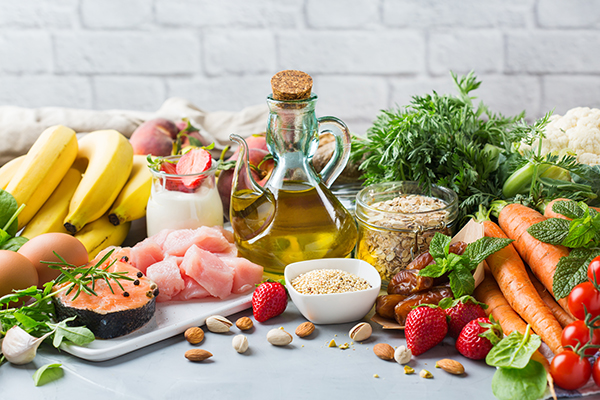
- In Episode 3 of "Feel G.O.O.D. Gut Health Program," Dr. Basima Williams explained how everyday "healthy" foods like eggs, dairy and gluten may cause fatigue, brain fog and chronic pain due to slow-burning inflammation.
- This episode also tackled western diets that heavily favor pro-inflammatory omega-6 fats (vegetable oils), creating a 20:1 ratio with anti-inflammatory omega-3s (fatty fish, flaxseeds) — far from the ideal 4:1 balance — and contributing to chronic diseases.
- Gluten and dairy products can trigger non-celiac sensitivities, while even "healthy" grains like quinoa may require soaking to reduce gut irritants. Colorful vegetables provide optimal phytonutrients.
- Coffee and alcohol can disrupt digestion and sleep; alternatives like herbal teas, golden milk and filtered water are gentler on the gut.
- Dr. Williams advocates for mindful eating, elimination diets and whole foods to identify triggers and reduce inflammation, emphasizing that dietary needs vary by individual.
In Episode 3 of "Feel G.O.O.D. Gut Health Program," aired March 24, Dr. Basima Williams, a leading expert in functional medicine, delved into how everyday "healthy" foods like eggs, dairy and gluten could be the hidden culprits that can cause fatigue, brain fog and chronic pain.
Imagine waking up every day feeling exhausted, battling brain fog or enduring unexplained joint pain — only to dismiss it as "normal." For millions, this is reality. But what if the culprit isn't stress or aging, but the foods you eat daily? "Many individuals grow so accustomed to discomfort that they accept feeling unwell as their baseline," said Dr. Williams.
Unlike dramatic food allergies, sensitivities operate in stealth, sparking slow-burning inflammation that erodes health over time. Symptoms like bloating, skin rashes, mood swings and indigestion often trace back to dietary triggers — many of which are celebrated as "health foods."
Beyond sensitivities, dietary fats play a pivotal role in inflammation. omega-6 fats (found in vegetable oils like soybean and sunflower oil) dominate Western diets, creating a 20:1 imbalance with anti-inflammatory omega-3s (found in fatty fish, flaxseeds). "This ratio should be 4:1," Dr. Williams stressed. "Chronic Omega-6 excess fuels diseases like diabetes and heart disease."
Her fix? Boost Omega-3s (salmon, walnuts, supplements) and slash processed oils (check labels on dressings, chips and fried foods). "Even 'healthy' vegetable oils lose benefits when ultra-processed," she warned.
Nutrition isn't one-size-fits-all
Proteins — especially from gluten or dairy — can wreak havoc. "Gluten sensitivity isn’t just celiac disease," Dr. Williams said. "Non-celiac reactions cause leaky gut, fatigue and brain fog due to modern wheat's pesticides and genetic modifications."
Carbohydrates, meanwhile, are energy powerhouses — but quality matters. "Eat the rainbow," she urged, emphasizing colorful veggies for phytonutrients. Yet, even "healthy" grains like quinoa require prep (soaking reduces gut-irritating lectins).
Coffee and alcohol often fly under the radar. "Caffeine may trigger headaches or heartburn," Dr. Williams noted, while alcohol disrupts gut balance and sleep. Her alternatives: herbal teas, golden milk and filtered water (reverse osmosis removes contaminants).
"Nutrition isn't one-size-fits-all," Dr. Williams concluded. "By tuning into your body's signals—through an elimination diet or mindful tracking—you can reclaim energy and health." Her final tip? "Read labels, prioritize whole foods, and remember: inflammation starts on your plate."
Want to learn more?
The journey to optimal health begins in the gut. The Feel G.O.O.D. Gut Health Program offers a structured, evidence-based pathway to restore digestive harmony and, by extension, overall wellness. Embrace this opportunity to revitalize your health from the inside out and experience the profound difference a balanced gut can make in your life.
When your microbiome is out of sync, your entire body feels the effects. If you want to learn more about how you can reset your system and start feeling the vitality you yearn for, or if you want to own and view the presentations at your convenience and learn at your own pace, you can get your copy of the Feel G.O.O.D. Gut Health Program Package here.
Upon purchase, you will receive lifetime access to five life-changing, gut health modules and bonuses, including 20 Recipe Cards – Anti-inflammatory Meals (PDF), Feel Good Gut Health eBook (PDF), EMF eBook Guide (PDF), an invite to join Dr. Basima Williams' Feel G.O.O.D. Gut Health Facebook Community and three Recorded Live Q&A.
Sources include:
BrighteonUniversity.com 1
BrightU.com
BrighteonUniversity.com 2
“Feel G.O.O.D. Gut Health Program” on BrightU: How hidden food sensitivities are sabotaging your health – NaturalNews.com
If you're gonna fight, fight like you're the third monkey on the ramp to Noah's Ark... and brother its starting to rain. Join our efforts to Secure America's Borders and End Illegal Immigration by Joining ALIPAC's E-Mail Alerts network (CLICK HERE)
-
03-28-2025, 02:31 AM #79Senior Member
- Join Date
- Aug 2018
- Posts
- 92,714
Soybeans: The ancient superfood powering modern diets
03/27/2025 // Laura Harris // 460 Views
Tags: #nutrition, food cures, food is medicine, food science, functional food, goodfood, goodhealth, grocery cures, health science, ingredients, natural cures, natural health, natural medicine, nutrients, organics, phytonutrients, Soybeans, veggie
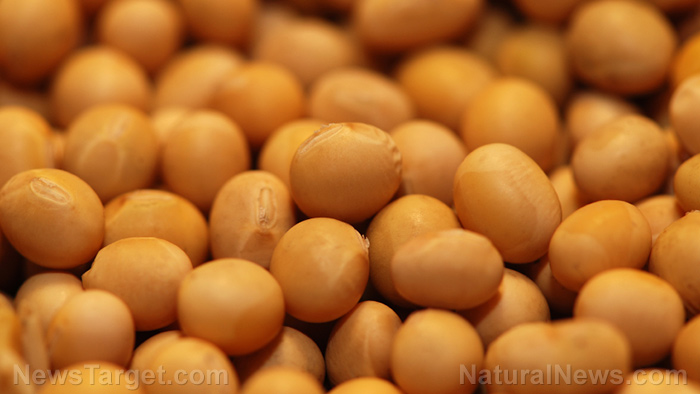
- Soybeans originated in ancient China over 5,000 years ago and were valued for their nutritional and medicinal properties. They spread globally, becoming a key protein source during World War II, and are now widely cultivated, with the U.S., Brazil and Argentina being top producers.
- A complete plant-based protein, soybeans are rich in essential amino acids, healthy fats (omega-3 and omega-6), fiber, vitamins (B vitamins, vitamin K), minerals (iron, magnesium, potassium) and phytonutrients like isoflavones, which can support heart and bone health.
- Soybeans can also aid in cholesterol reduction and cancer risk reduction. While concerns about phytoestrogens in soybeans affecting hormone levels exist, moderate consumption of soybeans is still safe for most people. Consulting your healthcare provider is advised for specific concerns.
- Organic soybeans are recommended over conventional ones, as they avoid synthetic pesticides like glyphosate and have reduced exposure to heavy metals like cadmium, which can be absorbed from contaminated soil.
- Soybeans can be consumed in various forms, such as tofu, tempeh, edamame, soy milk, miso and soy sauce. Popular dishes include miso soup, tofu stir-fry, tempeh tacos, edamame hummus and soy milk pancakes, showcasing their adaptability in global cuisines.
Soybeans, scientifically known as Glycine max, are one of the most versatile and nutrient-dense legumes in the world. They have been a staple in global diets for centuries, celebrated for their high protein content, essential fatty acids and wide array of vitamins and minerals. (Related: Study: Plant-based diet, soybeans help reduce menopausal hot flashes.)
But what exactly are soybeans, where do they come from and how have they become such a prominent ingredient in modern cuisine?
Brief history of soybeans
Soybeans have a rich history that dates back over 5,000 years to ancient China, where they were first cultivated as a vital crop. The Chinese revered soybeans not only as a food source but also for their role in traditional medicine and soil enrichment through nitrogen fixation. From China, soybeans spread to other parts of Asia, including Japan, Korea and Southeast Asia, where they became integral to regional cuisines.
It wasn't until the 18th century that soybeans were introduced to Europe and the Americas. Their global popularity surged in the 20th century, particularly during World War II, when soybeans became a critical source of protein and oil. Today, soybeans are grown worldwide, with the United States, Brazil and Argentina being their largest producers.
Nutritional profile of soybeans
Soybeans are a nutritional powerhouse, offering a unique combination of macronutrients and micronutrients. Here's a breakdown of what makes soybeans so beneficial:
- Protein - Soybeans are one of the few complete plant protein sources in existence, meaning they contain all nine essential amino acids. This makes them an excellent protein source for vegetarians and vegans.
- Healthy fats - Soybeans are rich in healthy polyunsaturated fats, including omega-3 and omega-6 fatty acids, which can support heart health and reduce inflammation.
- Fiber - High in dietary fiber, soybeans promote digestive health and help regulate blood sugar levels.
- Vitamins and minerals - Soybeans are a good source of B vitamins (especially folate), vitamin K, iron, magnesium, potassium and calcium.
- Phytonutrients - Soybeans contain isoflavones, a type of phytoestrogen linked to reduced risks of certain cancers, improved bone health and relief from menopausal symptoms.
The health impact of soybeans has been a topic of debate, but the consensus among nutrition experts is that soybeans are generally beneficial when consumed as part of a balanced diet. Studies have shown that soybean consumption can lower cholesterol levels, reduce the risk of heart disease and support bone health. The isoflavones in soybeans have also been associated with a reduced risk of breast and prostate cancers.
However, concerns have been raised about soy's potential to interfere with thyroid function or hormone levels due to its phytoestrogen content. While these concerns are valid for individuals with specific health conditions, moderate soy consumption is considered safe for most people. It is always best to consult a healthcare provider if you have concerns about soybeans and your health.
Culinary uses and recipes
Soybeans are incredibly versatile and can be used in a wide variety of foods and recipes. Here are some common dishes that feature soybeans:
- Tofu - Made from coagulated soy milk, tofu is a protein-rich ingredient used in stir-fries, soups and salads.
- Tempeh - A fermented soybean product with a nutty flavor, tempeh is often used as a meat substitute in sandwiches, burgers and bowls.
- Edamame - Young, green soybeans that are boiled or steamed and served as a snack or appetizer.
- Soy milk - A popular dairy-free alternative used in smoothies, cereals and baking.
- Miso - A fermented soybean paste used in soups, marinades and sauces.
- Soy sauce - A savory condiment made from fermented soybeans, wheat and salt.
Here are some popular recipes that feature soybeans:
- Miso soup - A traditional Japanese soup made with miso paste, tofu, seaweed and green onions.
- Tofu stir-fry - A quick and healthy dish featuring tofu, vegetables and a savory sauce.
- Tempeh tacos - A plant-based twist on tacos using marinated tempeh as the filling.
- Edamame hummus - A creative take on hummus using edamame instead of chickpeas.
- Soy milk pancakes - Fluffy pancakes made with soy milk for a dairy-free breakfast.
Organic vs. conventional soybeans
When it comes to soybeans, opting for organic is highly recommended. Conventional soybeans are grown using synthetic pesticides and herbicides, such as glyphosate, which has been linked to serious health and environmental issues. Organic soybeans are grown without these chemicals, making them safe for consumption.
Additionally, soybeans can absorb heavy metals like cadmium from the soil, especially in regions with contaminated farmland. Organic farming practices often include soil testing and remediation, further minimizing the risk of heavy metal contamination.
This story is not medical advice and is not intended to treat or cure any disease. Always consult with a qualified naturopathic physician for personalized advice about your specific health situation or concern.
Visit NaturalNews.com, a great article source where you can learn about food ingredients and their health benefits.
You can also try Brighteon.ai, an AI model created by Mike Adams, also known as the Health Ranger. This model is available as a free download to be run locally and is designed to help share and decentralize knowledge. By doing so, it aims to bypass censorship and empower people with knowledge.
If you're looking for an uncensored video free speech website where you can openly discuss nutrition, natural medicine, ingredients and more, check out Brighteon.com and out two free speech social media sites, Brighteon.IO and Brighteon.social.
Watch this video to learn how to grow soybeans at home.
This video is from the Amazed Gardening channel on Brighteon.com.
More related stories:
OINK SOYNK: USDA green-lights genetically modified soybeans that produce pig proteins.
FrankenMeats are here: Soybeans are being genetically engineered to grow pig protein.
Plant-based ROADS? Iowa researchers to pave roads using soybeans and recycled asphalt.
Sources include:
Brighteon.AI
NaturalNews.com
Brighteon.com
Soybeans: The ancient superfood powering modern diets – NaturalNews.com
If you're gonna fight, fight like you're the third monkey on the ramp to Noah's Ark... and brother its starting to rain. Join our efforts to Secure America's Borders and End Illegal Immigration by Joining ALIPAC's E-Mail Alerts network (CLICK HERE)
-
03-29-2025, 12:52 AM #80Senior Member
- Join Date
- Aug 2018
- Posts
- 92,714
Aluminum pollution: A silent threat to human health
03/28/2025 // Olivia Cook // 520 Views
Tags: . vaccines, Aluminum, Alzheimer's disease, autism, badhealth, badpollution, badscience, bone disorders, brain damage, brain health, clean food watch, Cosmetics, Dangerous, dementia, environment, food supply, health science, metals, poison, products, toxic chemicals, toxic ingredients, toxins, vaccine adjuvants

- Aluminum is everywhere – in food, water, cookware, cosmetics, antiperspirants and even vaccines. Long-term exposure may pose health risks.
- The brain may be at risk – studies have found high aluminum levels in patients with Alzheimer's, autism and epilepsy.
- Infants are especially vulnerable – aluminum in milk formula, vaccines and intravenous nutrition could affect brain and bone development.
- Everyday products contribute to exposure – aluminum cookware, antiperspirants, processed foods and water can add to daily intake of aluminum.
- Reducing exposure is possible – choosing aluminum-free products, supporting breastfeeding and advocating for safer regulations can help protect overall health.
Aluminum is everywhere – in food, water, air and everyday products. It is the most abundant metal in the Earth's crust, but its widespread presence in the environment has raised concerns about its potential health risks. While small amounts of aluminum are generally considered "safe," overexposure has been linked to serious neurological and developmental disorders, bone diseases and risks for infants and children.
A recent review published in Environmental Science and Pollution Research highlights the growing body of evidence suggesting that chronic aluminum exposure could contribute to conditions like Alzheimer's, autism and epilepsy, while also posing significant risks to infants and children through formula, intravenous feeding and vaccines. Yet, despite these concerns, regulatory efforts to reduce exposure remain limited and many consumers remain unaware of the risks.
Aluminum occurs naturally in rocks, soil and water. It is also commonly used in antiperspirants, cookware, cosmetics, food additives and medications. Water treatment plants use aluminum-based compounds as coagulants and processed foods often contain aluminum preservatives.
The World Health Organization (WHO) established a provisional tolerable weekly intake (PTWI) of 2 milligrams per kilogram of body weight, based on a no-observed-adverse-effect level (NOAEL) of 30 mg/kg body weight per day and the application of a safety factor of 100. This PTWI applies to all aluminum compounds in food, including food additives. Notably, the previous PTWI of 1 mg/kg body weight was withdrawn in 2011. (Related: RFK Jr. to axe FDA's GRAS loophole, forcing scientific studies on a range of harmful food additives, including these 43 additives of concern.)
However, many people unknowingly exceed the amount due to cumulative exposure from various sources. Over time, aluminum can build up in the body, potentially leading to long-term health effects. The most vulnerable groups include infants, children, people with kidney disease (who cannot effectively eliminate aluminum) and the elderly.
The link between aluminum and brain diseases
One of the most alarming concerns is aluminum's possible connection to neurodegenerative diseases. Research has detected high levels of aluminum in the brain tissue of Alzheimer's patients, suggesting a possible role in cognitive decline.
A well-documented case study occurred in 1988 in Camelford, England, where 20,000 homes were exposed to aluminum sulfate-contaminated drinking water – the U.K.'s worst mass water poisoning. Years later, studies found these individuals had cognitive impairments and memory loss, with some developing Alzheimer's disease symptoms. Similar studies have found aluminum deposits in the brains of people with autism and epilepsy, raising concerns about its role in neurological disorders.
Scientists believe aluminum may disrupt key brain functions, particularly in areas like the hippocampus, which is critical for learning and memory. However, the exact mechanisms remain unclear and researchers emphasize the need for further studies to confirm a direct cause-and-effect relationship.
Aluminum in formula, IV feeds and vaccines
Infants are among the most vulnerable to aluminum exposure, particularly through infant formula, intravenous nutrition and vaccinations.
Many baby formulas, especially soy-based varieties, contain significant amounts of aluminum. This is concerning because infants' kidneys are not fully developed, making it harder for them to eliminate excess aluminum. Studies have shown that formula-fed babies accumulate aluminum in their brains and bones, raising concerns about long-term developmental effects.
Aluminum is also used as an adjuvant in vaccines to enhance immune response. While vaccine adjuvants have been deemed safe in small amounts, some experts worry that cumulative aluminum exposure from vaccines in early childhood could have unintended consequences, especially in premature and low-birth-weight babies. (Related: Research into aluminum toxicity KILLED because it exposed the dangers of childhood vaccines.)
Another major concern is intravenous (IV) nutrition, commonly given to premature, low-birth-weight or hospitalized infants who cannot feed orally. Parenteral nutrition solutions contain high levels of aluminum, which can accumulate in bones and the central nervous system (CNS), increasing the risk of osteomalacia (soft bones) and neurological damage. Studies have shown that adolescents who receive high aluminum IV nutrition in infancy have lower bone mineral density, putting them at greater risk of fractures in later life.
Everyday exposure: Antiperspirants, cookware and cosmetics
Aluminum is also a common ingredient in personal care products, particularly antiperspirants, where it works by blocking sweat glands. However, long-term absorption through the skin has raised health concerns. A case study on "hyperaluminemia" reported that women who used aluminum-containing antiperspirants for four years developed bone pain and chronic fatigue. After discontinuing use, symptoms improved and aluminum levels in blood and urine returned to normal.
Aluminum cookware and foil can also contribute to exposure, particularly when cooking acidic foods like tomatoes or citrus-based dishes. The metal can leach into food, further increasing daily intake.
To reduce aluminum exposure, consider taking the following steps:
- Choose aluminum-free products. Look for alternatives when buying cookware and personal care products like antiperspirants and cosmetics.
- Be mindful of food sources. Limit processed foods with aluminum additives, such as sodium aluminum sulfate (a leavening agent and potential neurotoxin), and avoid cooking acidic foods in aluminum cookware.
- Filter your water. Some home water filters can reduce aluminum levels.
- Breastfeed when possible. Data suggests that exclusive breastfeeding for at least six months may provide a protective effect, potentially helping infants metabolize and eliminate toxins more efficiently.
Researchers emphasize the need for stronger regulation, better product labeling and further studies to understand aluminum's long-term health effects.
Watch this video to learn more about aluminum nanoparticles in vaccines.
This video is from the Sovereign Truth channel on Brighteon.com.
More related stories:
Aluminum can foil your good health: Do you use this neurotoxin in your kitchen?
A growing concern: Study highlights link between AUTISM and aluminum adjuvant in vaccines.
Aluminum is a key ingredient in MANY vaccines: Here’s why it’s so dangerous.
Sources include:
Springer.com
WHO.int
BBC.com
Academia.edu
Brighteon.com
Aluminum pollution: A silent threat to human health – NaturalNews.com
If you're gonna fight, fight like you're the third monkey on the ramp to Noah's Ark... and brother its starting to rain. Join our efforts to Secure America's Borders and End Illegal Immigration by Joining ALIPAC's E-Mail Alerts network (CLICK HERE)


 Reply With Quote
Similar Threads
-
Half of Greenland's Warming Tied to Natural Causes NATURAL CAUSES?!?! NATURAL CAUSES
By AirborneSapper7 in forum Other Topics News and IssuesReplies: 4Last Post: 05-08-2014, 11:50 AM -
NATURAL BORN FOLLOWS THE NATURAL BIRTH FATHER
By AirborneSapper7 in forum Other Topics News and IssuesReplies: 3Last Post: 04-19-2011, 09:49 PM -
Experts: Placebo power behind many natural cures
By JohnDoe2 in forum Other Topics News and IssuesReplies: 1Last Post: 11-10-2009, 11:03 PM -
Natural Cancer Drug Called CELLADAM Cures Cancer
By CCUSA in forum Other Topics News and IssuesReplies: 0Last Post: 01-23-2009, 04:47 PM -
DRUG COMPANIES USE NATURAL CURES TO DESIGN NEW DRUGS
By Darlene in forum Other Topics News and IssuesReplies: 0Last Post: 03-18-2006, 08:43 PM
Tags for this Thread
alternative medicine,
balance,
chinese herbal medicine,
clean-foods-organics,
cures,
daniel reid,
goodhealth,
goodmedicine,
healing,
herbal medicine,
herbs,
history,
holistic,
natural cures,
natural health,
natural medicine,
naturalnews.com,
plant medicine,
prevention,
qi,
real history,
remedies,
tcm,
traditional chinese medicine,
yin and yang


A Collapsing Europe Shows Where Democrat Policies Will Take...
05-25-2026, 05:39 PM in General Discussion