

Results 111 to 120 of 602
 2Likes
Thread Information
Users Browsing this Thread
There are currently 1 users browsing this thread. (0 members and 1 guests)
 LinkBack URL
 About LinkBacks
-
04-10-2025, 08:05 PM #111Senior Member


- Join Date
- Aug 2018
- Posts
- 92,697
The HEART-HEALING power of SEVEN Mediterranean plants
04/10/2025 // Lance D Johnson // 30 Views
Tags: allicin, anti-inflammatory, antioxidants, blood flow, blood pressure, capsaicin, cardiovascular protection, cayenne pepper, cholesterol reduction, food science, goodfood, goodhealth, goodmedicine, grapes, hawthorn, health science, heart health, Mediterranean diet, natural remedies, nutrient absorption, oleocanthal, olive oil, organics, phytochemicals, resveratrol, Rosemary, saffron, superfoods, vascular health, vasodilation
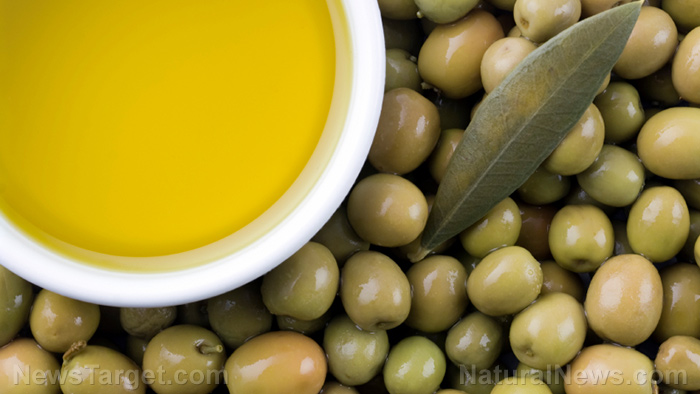
The Mediterranean diet possesses numerous plant-based foods that are rich in nutrients, flavonoids, and vasodilating phytochemicals that improve blood quality, blood flow, and organ health. This article explores SEVEN Mediterranean plants that are important for heart health.Key points:
• Garlic, hawthorn, saffron, olive, rosemary, grape, and cayenne pepper deliver multifaceted cardiovascular protection.
• These plants combat oxidative stress, reduce inflammation, improve lipid profiles, and relax blood vessels — often outperforming pharmaceuticals with fewer side effects.
• The Mediterranean diet’s "matrix effect" amplifies benefits when these foods are combined (e.g., olive oil + leafy greens + cayenne pepper).
• Science-backed daily intakes: 1–8 cloves of garlic, 2–3 tbsp olive oil, 2 cups grapes — but cayenne’s capsaicin steals the show for circulatory health.
Seven Mediterranean plants proven to protect against heart disease
Imagine a world where lowering blood pressure, unclogging arteries, and shielding your heart from disease could be as simple as savoring a sun-drenched Mediterranean meal. New research reveals this isn’t fantasy — it’s the proven power of the Mediterranean diet - specifically in seven plants.
Peer-reviewed studies affirm that garlic’s allicin, olive’s oleuropein, and cayenne’s capsaicin work synergistically to combat heart disease through mechanisms Big Pharma spends billions attempting to replicate. As cardiovascular deaths soar globally, these kitchen staples offer a lifeline rooted in ancestral wisdom — now validated by modern science.
1. Garlic: The vessel whisperer
Garlic’s sulfur compounds (diallyl trisulfide, allicin) convert to hydrogen sulfide in the body, relaxing blood vessels by 12–15% in hypertensive patients. A meta-analysis of 20 trials confirmed garlic lowers LDL cholesterol by 10–15% through inhibition of hepatic HMG-CoA reductase. Pro tip: Crush garlic and let it sit for 10 minutes to activate its enzymes.
2. Hawthorn: The heart’s rhythm keeper
Used in Traditional Chinese Medicine for centuries, hawthorn’s vitexin and oligomeric procyanidins selectively dilate coronary arteries. A Cochrane Review found it enhances cardiac output in heart failure patients while reducing fatigue.
3. Saffron: The golden shield
Crocin in saffron suppresses inflammatory cytokines (IL-6, TNF-?) and reduces arterial plaque in animal models. Just 200 mg/day improved endothelial function in diabetic patients.
4. Olive: The liquid gold
Extra virgin olive oil’s oleocanthal rivals ibuprofen’s anti-inflammatory effects. The PREDIMED trial linked 4+ tbsp/day to 30% lower CVD risk — attributed to polyphenol-induced nitric oxide boost.
5. Rosemary: The mitochondrial guardian
Carnosic acid activates Nrf2 pathway, up-regulating endogenous antioxidants. In a Phytotherapy Research study, 750 mg rosemary extract/day slashed oxidized LDL by 20% in 3 months.
6. Grape: The endothelial ally
Resveratrol from grape skins mimics caloric restriction, activating sirtuins and improving vascular elasticity.
7. Cayenne pepper: Blood flow enhancement
While not native to the Mediterranean, cayenne’s capsaicin earned its spot here with staggering heart benefits:
• A BMJ meta-analysis found 2–4 mg capsaicin/day (½–1 tsp cayenne) reduced cardiac mortality by 13%.
• Capsaicin activates TRPV1 receptors, triggering CGRP release — a potent vasodilator.
• Burns visceral fat: 12-week supplementation decreased triglycerides by 27% in obese subjects.
The synergy secret: why combinations matter
The Mediterranean diet’s magic lies in food synergy:
- Olive oil + leafy greens: Polyphenols increase nitrate-to-nitrite conversion, boosting nitric oxide by 50%.
- Garlic + fatty fish: S-allyl cysteine from garlic enhances omega-3’s anti-arrhythmic effects.
- Cayenne pepper: Capsaicin enhances the absorption of nutrients from the other foods.
Cayenne is a powerful medicine
One of cayenne’s key digestive benefits is its ability to stimulate the production of digestive enzymes and gastric juices. Capsaicin triggers the release of hydrochloric acid and enzymes in the stomach, helping break down proteins, fats, and carbohydrates more efficiently. This improved digestive process ensures optimal nutrient extraction before food moves into the intestines for absorption. Additionally, cayenne enhances intestinal permeability and blood flow by increasing mucous production in the gut lining, which protects against irritation while improving nutrient transport. The boost in circulation to the digestive tract also helps counteract malabsorption issues linked to low stomach acid or gut inflammation.
Cayenne also supports the bioavailability of fat-soluble nutrients. Its carotenoids (such as beta-carotene, a precursor to vitamin A) and fat-soluble vitamins are better absorbed when consumed with dietary fats. Capsaicin aids in fat emulsification, further improving the absorption of vitamins A, D, E, and K. Small amounts of cayenne may even promote a healthier gut microbiome by reducing harmful bacteria and encouraging beneficial ones, indirectly enhancing nutrient uptake.
Improved digestion from cayenne can also address malabsorption-related appetite issues. By correcting nutrient deficiencies — common in cases of poor digestion — it helps regulate appetite signals. Proper nutrient absorption ensures satiety hormones function as they should, reducing cravings and overeating caused by malabsorption.
Find out more about superfoods and their health benefits at Food.news.
Sources include:
StudyFinds.org
Pubmed.gov
CochraneLibrary.com
NEJM.org
Pubmed.gov
Nature.com
MediterraneanLiving.com
The HEART-HEALING power of SEVEN Mediterranean plants – NaturalNews.comIf you're gonna fight, fight like you're the third monkey on the ramp to Noah's Ark... and brother its starting to rain. Join our efforts to Secure America's Borders and End Illegal Immigration by Joining ALIPAC's E-Mail Alerts network (CLICK HERE)
-
04-11-2025, 07:44 PM #112Senior Member
- Join Date
- Aug 2018
- Posts
- 92,697
Common household chemicals linked to America’s depression epidemic
04/11/2025 // Willow Tohi // 1.2K Views
Tags: agriculture, Air pollution, Anxiety, badhealth, badpollution, badscience, chemicals, Ecology, environment, environmental toxicants, health science, industrial contaminants, men's health, mental health, Mind, mind body science, PCBs, pesticides, poison, real investigations, research, toxins, truth, women's health

- A JAMA Network Open study found six chemical categories (nicotine metabolites, VOCs, metals, ethylene oxide, glycidamide, acrylamide) in blood/urine correlate with higher depression risk. These toxins — found in food, cleaning products and furniture — trigger systemic inflammation, disrupting brain function and mood regulation.
- Younger individuals and men show heightened susceptibility, explaining rising depression rates in males. Children and pregnant women face greater risks due to developmental sensitivity; toxins like BPA, phthalates and lead are tied to perinatal depression and ADHD.
- Farmers exposed to pesticides have up to 90% higher depression rates. PCBs (still lingering in electronics) and air pollution (ozone, PM2.5) worsen depressive symptoms in adults and adolescents.
- An Iowa farmer’s suicide coincided with annual pesticide use, mirroring research on chemical-linked depression. Lead exposure in childhood doubles the odds of adult depression, per a 2009 study.
Depression in America has reached catastrophic levels, with nearly one-third of adults now diagnosed — a staggering 10% increase since 2015. While most experts focus on social media, economic stress and genetics, groundbreaking research published in JAMA Network Open has uncovered a disturbing truth: The invisible toxicants lurking in homes, workplaces and food supplies may be secretly destroying mental health.
The invisible threat: Chemicals in everyday life
The landmark study analyzed 3,427 adults recruited through the National Health and Nutrition Examination Survey (NHANES), the premier health assessment program run by the National Center for Health Statistics. Scientists examined blood and urine samples for 27 different environmental toxicants, using the specialized 9-item Patient Health Questionnaire (PHQ) to measure depression levels. The results were alarming: six specific toxicant categories showed direct links to increased depression risk:
- Metabolites from nicotine
- Metabolites from VOCs (volatile organic compounds)
- Metals
- Ethylene oxide
- Glycidamide
- Acrylamide
These chemicals are ubiquitous, found in everything from household cleaners and furniture to food and water. The study identified systemic inflammation as the biological mechanism connecting these toxicants to depression, confirming what natural health advocates have warned about for decades: chemical exposure triggers inflammatory responses that directly affect brain function and mood regulation.
Demographic vulnerabilities
The research revealed that younger individuals and men face particularly high vulnerability to toxicant-induced depression. This explains the mysterious surge in depression among American males, which has baffled conventional psychiatrists focusing exclusively on psychological and social factors. For parents, this research sounds an urgent alarm bell—children’s developing brains and bodies are even more susceptible to these pervasive chemicals than adults.
Case study: Agricultural workers and pesticides
At 55 years old, Matt Peters, an Iowa farmer, took his own life. His wife, Ginny, noticed that every year his mood shifted towards depression in the spring, coinciding with the time he sowed pesticide-treated seeds. While this story is anecdotal, it aligns with a growing body of research. A study by Beseler et al. (200 found that farmers with high-intensity pesticide exposure had higher rates of depression compared to controls. Another study by Beard et al. (2014) linked depression to the use of organochlorine insecticides and fumigants, with diagnosis rates 90% and 80% higher, respectively.
Pregnancy and early childhood development
Research indicates that women in pregnancy and postpartum periods are more susceptible to environmental chemical exposures. Bisphenol A (BPA) and phthalates, found in polycarbonate plastics, can interfere with hormone balances. Studies show that exposure to polybrominated diphenyl ethers (PBDEs) during pregnancy is associated with increased symptoms of perinatal depression. Postnatal BPA exposure may also link to neurobehavioral impairments like ADHD in children.
Lead exposure is another significant concern. Children absorb more lead than adults, and early exposure can have long-lasting impacts. Research by Bouchard et al. (2009) found that young adults with higher blood-lead levels had 2.3 times the odds of being diagnosed with major depressive disorder.
Industrial occupational exposure
Occupational and environmental exposures to polychlorinated biphenyls (PCBs) have been linked to depression. Despite being banned in the U.S. in 1979, PCBs persist in the environment and can still be found in older electronic devices. Studies show that PCBs can influence the dopamine system, leading to depressive symptoms. A German study by Gaum et al. (2017) found a positive correlation between PCB exposure and the severity of depressive symptoms.
Air pollution and global mental health
Air pollution is another significant factor. A study by Qiu et al. (2023) found that prolonged exposure to high levels of air pollutants, such as ozone (O3), nitrogen dioxide (NO2) and particulate matter (PM2.5), was associated with an increased risk of new depression diagnoses in adults aged 64 and older. The American Psychological Association warns that exposure to ozone may be linked to increased depressive symptoms in adolescents.
Practical steps to protect mental health
While it may not be possible to eliminate all chemical exposures, individuals can take steps to reduce risk:
- Scrutinize product labels for hidden chemicals and research unfamiliar ingredients.
- Install high-quality air purifiers near gas appliances and in bedrooms.
- Replace air purifier filters at least annually.
- Minimize exposure to heavily polluted areas.
- Choose organic foods to reduce pesticide and chemical residue exposure.
- Filter drinking water to remove heavy metals and industrial contaminants.
Conclusion
The findings of this research challenge the conventional understanding of depression and highlight the urgent need to address environmental toxicity. While pharmaceutical companies push expensive drugs that mask symptoms, addressing the root causes of inflammation and toxicant exposure offers real hope for reversing America’s deepening mental health crisis. By taking proactive steps to reduce chemical exposure, individuals can protect their mental health and well-being.
Sources include:
NaturalHealth365.com
SeattleAnxiety.com
ChildStudy.ca
AmenClinics.com
Common household chemicals linked to America’s depression epidemic – NaturalNews.com
If you're gonna fight, fight like you're the third monkey on the ramp to Noah's Ark... and brother its starting to rain. Join our efforts to Secure America's Borders and End Illegal Immigration by Joining ALIPAC's E-Mail Alerts network (CLICK HERE)
-
04-11-2025, 08:03 PM #113Senior Member
- Join Date
- Aug 2018
- Posts
- 92,697
Cottage cheese: A superfood source of protein and other nutrients
04/11/2025 // Laura Harris // 1.2K Views
Tags: #nutrition, cheese, cottage cheese, food science, functional food, goodfood, goodhealth, grocery, health science, ingredients, natural health, nutrients, organics, protein, recipes, superfoods, tips

- Cottage cheese is packed with high-quality casein protein (28 g per cup), calcium, B vitamins, phosphorus and selenium, which is great for supporting muscle repair, bone health and metabolism.
- Dating back to early European and Middle Eastern cultures, cottage cheese became popular in the U.S. during wartime because of its affordability and nutritional value. Today, it is favored by athletes and health-conscious eaters.
- Some varieties contain probiotics for digestion, and the cheese's low carbohydrate content makes it ideal for keto and low-carb diets.
- Commercial brands may contain added sodium or traces of hormones/pesticides. Opting for organic cottage cheese can help reduce your exposure to these harmful chemicals.
- Enjoy cottage cheese by adding it to breakfast bowls, smoothies, savory dishes (lasagna, dips) or desserts (cheesecake, protein muffins) for a nutritious boost.
Cottage cheese has long been a staple in health-conscious diets, prized for its high protein content, rich nutrient profile and versatility in the kitchen. But beyond its modern reputation as a fitness food, this humble dairy product has a fascinating history and a wealth of health benefits.
Ancient origins and modern popularity
Cottage cheese is a fresh, unaged cheese made from the curds of cow's milk (though it can also be produced from goat or sheep's milk). Unlike other cheeses, it retains much of its whey content, which gives it a moist, lumpy texture. The name cottage cheese likely comes from the fact that it was traditionally made in simple cottages by farmers using leftover milk. (Related: Study shows antioxidants in cheese can protect blood vessels from salt damage.)
The origins of cottage cheese can be traced back thousands of years, with evidence suggesting that early European and Middle Eastern cultures made a similar cheese. The Romans had a version called caseus acidus (sour cheese), while Eastern European countries developed their own variations, such as tvorog (farmer's cheese) in Russia.
Cottage cheese gained popularity in the 19th and 20th centuries as a low-cost, high-protein food. It became a dietary staple in the U.S. during World War I and II due to its affordability and nutritional benefits. Today, it remains a favorite among athletes, dieters and health enthusiasts.
Nutritional value
Cottage cheese is packed with essential nutrients, making it a standout in the dairy aisle. Here's a breakdown of its key benefits:
High-quality protein
One of the richest sources of casein protein, cottage cheese provides a slow-digesting protein that supports muscle repair and satiety. A single cup (226 grams, g) of low-fat cottage cheese contains about 28 g of protein, comparable to chicken breast.
Essential vitamins and minerals
Cottage cheese is an excellent source of calcium, which is crucial for maintaining strong bones and supporting proper muscle function. Additionally, cottage cheese contains various B vitamins, including B12, riboflavin and folate, which play key roles in energy metabolism and brain function.
Another important mineral found in cottage cheese is phosphorus, which works alongside calcium to strengthen bones and teeth. Cottage cheese also supplies selenium, a powerful antioxidant that helps boost immunity and protects cells from damage. Lastly, cottage cheese contains zinc, a mineral vital for immune function, wound healing, and overall cellular health.
Probiotics for gut health
Some cottage cheese varieties contain live cultures (like Lactobacillus), which promote a healthy gut microbiome and digestion.
Low in carbs
With only six to eight grams of carbs per cup, cottage cheese is an excellent choice for low-carb and ketogenic diets. Its high protein and fat content (depending on the variety) helps keep hunger at bay.
Considerations when buying cottage cheese
Cottage cheese is generally regarded as a highly nutritious food, but there are a few factors to consider.
One potential downside is its sodium content, as some commercial brands contain added salt, making it advisable for those monitoring their blood pressure to choose low-sodium products. Additionally, while cottage cheese is lower in lactose than milk, individuals with lactose sensitivity may still experience digestive discomfort.
Non-organic dairy products may also contain traces of synthetic hormones or antibiotics, which could be a concern for some consumers. Opting for organic varieties may help mitigate this issue.
Organic cottage cheese is a preferable choice for several reasons. First, it comes from cows that are not treated with rBGH (recombinant bovine growth hormone), a synthetic hormone often used in conventional dairy farming.
Additionally, choosing organic cottage cheese helps reduce your exposure to harmful pesticides, such as glyphosate, which can be found in conventional animal feed. Organic farming standards also prohibit the use of certain antibiotics, further lowering the risk of contamination.
When it comes to heavy metals and contaminants, dairy products like cottage cheese may occasionally contain trace amounts of cadmium and lead due to environmental pollution. However, these levels are typically low and tightly regulated. Opting for organic cottage cheese from trusted brands can help minimize any potential risks, ensuring a safer and healthier product.
How to use cottage cheese in cooking
Cottage cheese is incredibly versatile; here are some delicious ways to enjoy it:
Breakfast and smoothies
- Cottage cheese bowl – Top with berries, nuts and honey.
- Protein pancakes – Blend into batter for extra fluffiness.
- Smoothie booster – Adds creaminess and protein without overpowering flavor.
Savory dishes
- Lasagna or stuffed shells – A lighter alternative to ricotta.
- Salad topping – Adds creaminess to grain bowls.
- Dip or spread – Mix with herbs for a high-protein veggie dip.
Baking and desserts
- Cheesecake – Blended cottage cheese creates a lighter texture.
- Protein muffins – Adds moisture, protein and other nutrients to your muffins.
This story is not medical advice and is not intended to treat or cure any disease. Always consult with a qualified naturopathic physician for personalized advice about your specific health situation or concern.
Visit NaturalNews.com, an excellent resource for related articles about health and nutrition. This platform allows you to explore the world of superfoods and uncover their many health benefits.
You can also try Brighteon.ai, an AI model created by Mike Adams, also known as the Health Ranger. This model is available as a free download to be run locally and is designed to help share and decentralize knowledge. By doing so, it aims to bypass censorship and empower people with knowledge.
For a platform that champions uncensored video content and free speech, particularly for discussions on nutrition, natural medicine, ingredients and related topics, check out Brighteon.com, a website that offers a space for open dialogue and exploration of these subjects without restrictions.
Lastly, you can try Brighteon.IO and Brighteon.social, two free speech-focused social media platforms where users can openly discuss topics such as health, nutrition, ingredient safety, toxicity and related subjects without fear of censorship. These platforms aim to provide a space for unrestricted dialogue on critical issues.
Watch this video to learn how to make a homemade cottage cheese.
This video is from the All About Herbs channel on Brighteon.com.
More related stories:
Cheese is a great survival food to keep in your cache.
Powdered cheese: A versatile, shelf-stable food to add to your survival stockpile.
Enjoy your cheese! New research says it's probably good for you after all.
Sources include:
Brighteon.AI
NaturalNews.com
Brighteon.com
Cottage cheese: A superfood source of protein and other nutrients – NaturalNews.com
If you're gonna fight, fight like you're the third monkey on the ramp to Noah's Ark... and brother its starting to rain. Join our efforts to Secure America's Borders and End Illegal Immigration by Joining ALIPAC's E-Mail Alerts network (CLICK HERE)
-
04-12-2025, 03:18 AM #114Senior Member
- Join Date
- Aug 2018
- Posts
- 92,697
Building muscle strength can cut Type 2 diabetes risk by 44%, study finds
04/11/2025 // Willow Tohi // 690 Views
Tags: alternative medicine, blood sugar, diabetes science, exercise, fitness, goodhealth, goodmedicine, goodscience, health science, heart health, muscle strength, natural cures, natural health, natural medicine, Naturopathy, prevent diabetes, prevention, research

- A study from the University of Hong Kong found that individuals with greater muscle strength had a 44% lower risk of developing Type 2 diabetes, even if genetically predisposed.
- Researchers analyzed data from 141,848 UK Biobank participants, using grip strength as a muscle strength indicator and assessing genetic risk via 138 diabetes-linked variants.
- People with high genetic risk for diabetes but strong muscles had a lower absolute risk than those with low/medium genetic risk but poor muscle strength.
- The study affirms guidelines endorsing muscle-strengthening exercises (?2 days/week) alongside aerobic activity to lower diabetes risk.
- With diabetes affecting ~10% of the world’s population, the findings highlight strength training as a key preventive measure, independent of genetic susceptibility.
In a groundbreaking study published in BMC Medicine, researchers from the University of Hong Kong have revealed that high muscle strength can significantly reduce the risk of developing Type 2 diabetes, even among individuals with a genetic predisposition to the condition. The study, which analyzed data from over 141,000 participants in the UK Biobank, found that those with greater muscle strength had a 44% lower risk of developing Type 2 diabetes compared to those with lower muscle strength. This finding underscores the importance of muscle-strengthening activities in diabetes prevention, a critical health issue affecting millions worldwide.
The study's methodology and findings
The research team, led by Professor Youngwon Kim, a physical activity epidemiologist at the University of Hong Kong, examined the relationship between muscle strength and the risk of Type 2 diabetes in a large cohort of white British adults. The study utilized grip strength as a measure of muscle strength and assessed genetic risk based on 138 known genetic variants associated with Type 2 diabetes. Over a follow-up period of more than seven years, 4,743 new cases of Type 2 diabetes were identified among the 141,848 participants.
The findings were striking: individuals with high muscle strength had a 44% lower risk of developing Type 2 diabetes, even after adjusting for genetic risk factors. Moreover, the study revealed that individuals at high genetic risk for Type 2 diabetes but with high muscle strength had a lower absolute risk of developing the condition compared to those at low or medium genetic risk with poor muscle strength.
The role of muscle strength in diabetes prevention
Type 2 diabetes is a chronic metabolic disorder characterized by high blood sugar levels due to the body's inability to effectively use insulin. It is a significant global health issue, affecting approximately 10% of the world's population. The study's findings highlight the potential of muscle strength as a modifiable risk factor for diabetes prevention.
"High muscle strength was associated with a 44 per cent lower hazard of T2D (Type 2 diabetes), compared with low muscle strength, after adjustment for genetic risk of T2D," the authors wrote. This suggests that muscle strength may play a crucial role in modifying the impact of genetic risk on diabetes onset.
Professor Kim emphasized the importance of these findings: "Individuals in middle-to-late life are at increased risk of Type 2 diabetes. However, our study has demonstrated the potential roles of high muscle strength in preventing the future risk of developing Type 2 diabetes not only in all individuals, but also in individuals with high genetic predisposition to Type 2 diabetes."
Public health implications
The study's findings have significant implications for public health guidelines and diabetes prevention strategies. Public health guidelines in Hong Kong, for example, recommend muscle-strengthening activities at moderate or greater intensity on at least two days of the week, along with 150-300 minutes per week of aerobic physical activity, for additional health benefits.
"Our study supports the current public health guidelines which suggest that adults should engage in muscle-strengthening activities for at least two days per week from a disease prevention perspective," said Professor Kim.
Historical context and current relevance
The importance of muscle strength in health and disease prevention is not a new concept. However, the specific link between muscle strength and the reduction of Type 2 diabetes risk, especially in genetically vulnerable individuals, is a novel and significant finding. This study builds on previous research that has shown the benefits of muscle strength in reducing the risk of cardiometabolic diseases, including diabetes.
In the context of the global diabetes epidemic, these findings are particularly relevant. According to the World Health Organization (WHO), the number of people with diabetes has risen from 108 million in 1980 to 422 million in 2014. The disease is a leading cause of blindness, kidney failure, heart attacks, stroke and lower limb amputation. The economic burden of diabetes is also substantial, with global health expenditure on diabetes estimated at $760 billion in 2019.
Conclusion
The study's findings provide a compelling argument for the inclusion of muscle-strengthening activities in diabetes prevention strategies. By emphasizing the importance of maintaining or improving muscle strength, public health initiatives can potentially reduce the incidence of Type 2 diabetes, even among those with a genetic predisposition to the condition. As Professor Kim noted, "Maintaining or improving muscle strength is a key strategy for preventing diabetes, and our study provides strong evidence to support this approach."
For individuals looking to reduce their risk of Type 2 diabetes, the message is clear: Incorporating muscle-strengthening exercises into their routine can have a significant and positive impact on their health. Whether through resistance training, weightlifting or other forms of strength-building activities, the benefits of strong muscles extend far beyond just physical appearance.
Sources include:
ScienceDaily.com
MedicalXpress.com
HindustanTimes.com
GBNews.com
Building muscle strength can cut Type 2 diabetes risk by 44%, study finds – NaturalNews.com
If you're gonna fight, fight like you're the third monkey on the ramp to Noah's Ark... and brother its starting to rain. Join our efforts to Secure America's Borders and End Illegal Immigration by Joining ALIPAC's E-Mail Alerts network (CLICK HERE)
-
04-12-2025, 03:21 AM #115Senior Member
- Join Date
- Aug 2018
- Posts
- 92,697
The humble Potato: Nutritional benefits and how to enjoy it the healthy way
04/11/2025 // Laura Harris // 730 Views
Tags: #nutrition, blood sugar, food science, functional food, goodfood, goodhealth, grocery, health science, ingredients, natural health, nutrients, organics, potatoes, superfoods, tips, veggie
- Originating in the Andes, potatoes became a global staple due to their hardiness and nutritional value.
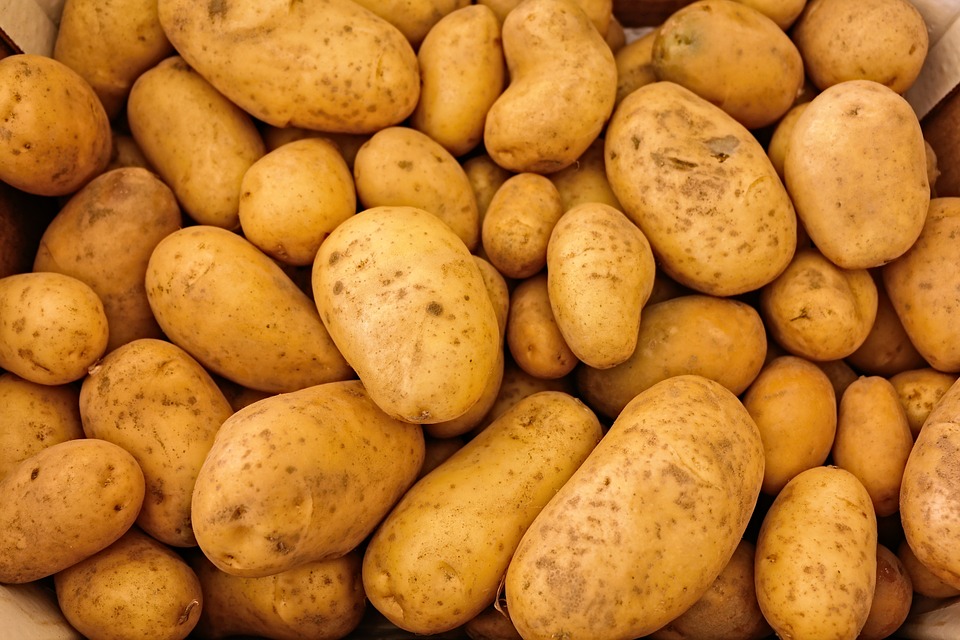
- A medium baked potato with its skin on provides fiber, potassium (more than a banana), vitamins B6 and C, and antioxidants.
- While potatoes are good for your heart and gut health, consuming fried potatoes is not healthy. Pairing potatoes with protein and healthy fat sources can help reduce blood sugar spikes.
- Conventionally grown potatoes contain pesticides; organic potatoes are a safer choice because they are not exposed to harmful chemicals.
- Enjoy potatoes baked, roasted or cooked in dishes like Spanish tortilla and Indian aloo gobi.
When it comes to versatile, nutrient-dense foods, few ingredients rival the humble potato. Loved worldwide for its comforting texture and culinary versatility, the humble potato is more than just a staple — it's a nutritional powerhouse with a fascinating history.
The potato (Solanum tuberosum) originated in the Andes Mountains of South America, where it was cultivated by indigenous peoples 7,000–10,000 years ago. Spanish conquistadors brought this tuber to Europe in the 16th century, where they were initially met with suspicion but eventually embraced as a dietary cornerstone, particularly in Ireland.
By the 18th and 19th centuries, potatoes had spread globally, becoming a critical food source due to their hardiness, high yield and nutritional value. Today, they are the world's fourth-largest food crop after corn, wheat and rice.
Nutritional benefits and considerations
Potatoes are often dismissed as "empty carbs," but this misconception overlooks their impressive nutrient profile. A medium-sized (150 grams, g) baked potato with its skin on provides:
- 130 calories
- 30 g of carbohydrates, including 3 g of fiber
- 3 g of protein
- 28 percent of the Daily Value (DV) for vitamin C
- 26 percent of the DV for potassium
- 27 percent of the DV for vitamin B6
- Decent amounts of magnesium, iron and folate
Additionally, potatoes contain antioxidants like flavonoids, carotenoids and phenolic acids, which can combat oxidative stress and inflammation. The skin of potatoes, in particular, is rich in fiber and nutrients, making it beneficial to consume whenever possible.
Enjoying potatoes the healthy way
How potatoes impact your health largely depends on how you prepare and consume them.
On the positive side, potatoes can support heart health due to their high potassium content, which helps regulate blood pressure. They also promote digestive health by offering resistant starch, which acts as a prebiotic that nourishes beneficial gut bacteria. Additionally, potatoes rank high on the satiety index, helping to reduce overeating. (Related: Potatoes GOOD for diabetics? Study finds prebiotic from potatoes actually reduces insulin resistance.)
However, there are some concerns to consider.
Potatoes have a high glycemic index (GI), meaning they can cause blood sugar spikes when eaten alone. This is particularly true for fried and processed potato products, such as French fries and chips, which also contain unhealthy fats and acrylamide, a potential carcinogen formed during high-heat cooking.
On the other hand, pairing baked or roasted potatoes with foods high in protein, healthy fats and fiber (such as olive oil, beans or leafy greens) can help mitigate their effect on blood sugar levels. Choosing healthier preparation methods and mindful pairings can help you maximize potatoes' health benefits while minimizing the risks.
Another thing to remember is that conventionally grown potatoes contain pesticide residues, such as chlorpropham (a sprout inhibitor), glyphosate (a carcinogenic herbicide) and neonicotinoids (which are linked to bee decline). Due to these contaminants, the Environmental Working Group (EWG) includes potatoes in their "Dirty Dozen" list of produce.
While peeling potatoes can reduce exposure to these chemicals, it also removes beneficial nutrients. Additionally, potatoes can absorb heavy metals like cadmium and lead from contaminated soil. To minimize your exposure to these harmful pollutants, opt for organic potatoes from reputable farms.
Potatoes shine in countless dishes. Here are some nutritious ways to enjoy them:
- Classic baked potatoes - Top with Greek yogurt, chives and steamed broccoli for a balanced meal.
- Mashed potatoes - Use olive oil or grass-fed butter, garlic and a splash of almond milk for creaminess.
- Roasted potatoes - Toss with rosemary, garlic and avocado oil, then roast until crispy.
- Potato salad (lighter option) - Skip the mayo and use a dressing made of olive oil, mustard and apple cider vinegar.
- Spanish tortilla de patatas - Egg and potato omelet.
- Indian aloo gobi - Spiced potatoes with cauliflower.
- Peruvian papa a la huancaína - Potatoes cooked in creamy chili sauce.
- Irish colcannon - Mashed potatoes mixed with kale or cabbage.
This story is not medical advice and is not intended to treat or cure any disease. Always consult with a qualified naturopathic physician for personalized advice about your specific health situation or concern.
Visit NaturalNews.com, an excellent resource for articles about health and nutrition. This platform allows you to explore the world of superfoods and uncover their many health benefits.
You can also try Brighteon.ai, an AI model created by Mike Adams, also known as the Health Ranger. This model is available as a free download to be run locally and is designed to help share and decentralize knowledge. By doing so, it aims to bypass censorship and empower people with knowledge.
For a platform that champions uncensored video content and free speech, particularly for discussions on nutrition, natural medicine, ingredients and related topics, check out Brighteon.com, a website that offers a space for open dialogue and exploration of these subjects without restrictions.
Lastly, you can try Brighteon.IO and Brighteon.social, two free speech-focused social media platforms where users can openly discuss topics such as health, nutrition, ingredient safety, toxicity and related subjects without fear of censorship. These platforms aim to provide a space for unrestricted dialogue on critical issues.
Watch the video below to learn how to make a purple sweet potato pie.
This video is from the Living The Life With Tracy channel on Brighteon.com.
More related stories:
Potatoes and sweet potatoes: Differences, nutrient profiles and healthy ways to prepare them.
Healthy reasons to eat sweet potatoes.
Sweet potatoes shown to prevent cancer.
Sources include:
Brighteon.AI
NaturalNews.com
Brighteon.com
The humble Potato: Nutritional benefits and how to enjoy it the healthy way – NaturalNews.com
If you're gonna fight, fight like you're the third monkey on the ramp to Noah's Ark... and brother its starting to rain. Join our efforts to Secure America's Borders and End Illegal Immigration by Joining ALIPAC's E-Mail Alerts network (CLICK HERE)
-
04-12-2025, 08:46 PM #116Senior Member
- Join Date
- Aug 2018
- Posts
- 92,697
Nature’s arsenal: How plant compounds power military survival and healthcare in crisis
04/12/2025 // Belle Carter // 110 Views
Tags: Andrew Mtewa, chaos, chemicals, clean water, military technology, national security, natural cures, natural remedies, phytochemicals, poison, resilience, toxins, weapons technology, world war
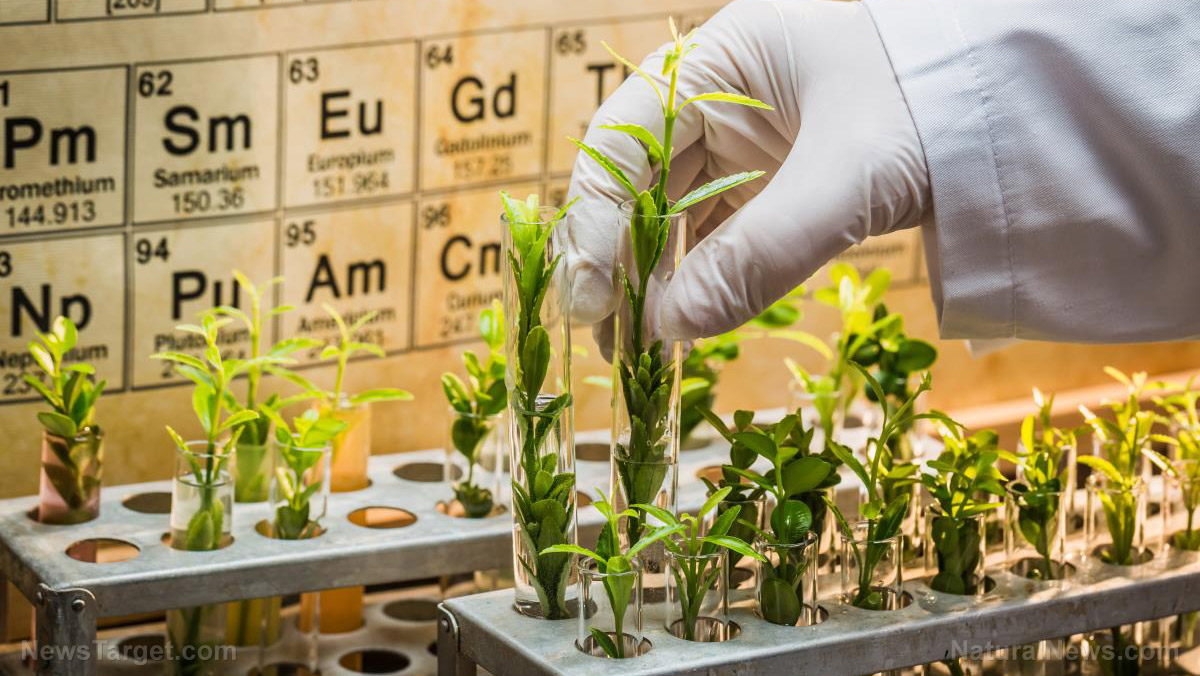
- Andrew Mtewa's "Phytochemistry, the Military and Health: Phytotoxins and Natural Defenses" explores how plant-derived compounds serve as both lifesaving resources and potential threats. These phytochemicals, found in plants like black cumin and Physostigma venenosum, have been used for healing (e.g. antiseptics) and harming (e.g. toxins), with significant implications for medicine, warfare and environmental security.
- In conflict zones and disaster areas, where conventional medicine is scarce, plants offer accessible alternatives for treating infections, malnutrition and injuries. For example, berry juices provide antioxidants for cognitive health and yarrow extracts aid wound healing.
- Historical examples, such as using sphagnum moss as an antiseptic in World War I, highlight the adaptability of phytochemicals. Modern research explores their potential to counteract chemical weapons like sarin while also acknowledging the ethical dilemmas of using plant toxins in biowarfare.
- The book warns that the overexploitation of plants like castor beans, valued for both their toxins (ricin) and medicinal properties (castor oil), poses risks to biodiversity and Indigenous knowledge systems. This overexploitation can disrupt food chains and lead to the loss of valuable plant species.
- Mtewa advocates for integrating phytochemical literacy into military training and civilian education, emphasizing the importance of ethical and sustainable frameworks. Biotechnology and international agreements are proposed as solutions to reduce overharvesting and prevent toxic misuse while still fostering medical innovation.
In war zones and disaster areas, where conventional medicine and supplies are scarce, nature's chemical arsenal has repeatedly proven indispensable. Andrew Mtewa's "Phytochemistry, the Military and Health: Phytotoxins and Natural Defenses" delves into the dual-edged role of plant-derived compounds – from lifesaving antiseptics to covert toxins – and their profound implications for warfare, medicine and environmental security.
Mtewa, a researcher bridging botany and conflict studies, meticulously outlines how phytochemicals – organic compounds from plants like black cumin and Physostigma venenosum – have been harnessed for both healing and harm. Drawing on historical precedents and modern applications, the book reveals how militaries and civilians alike depend on these substances in crises, even as their misuse or overharvesting threatens ecosystems and global health.
When infrastructure collapses during conflicts, infections, malnutrition and injuries surge. Traditional pharmaceuticals often run out, but plants offer accessible alternatives.
"From emergency pain relief to antimalarials, nature's pharmacy is vast and often underutilized," Mtewa writes.
Berry juices, for instance, contain antioxidants that mitigate cognitive decline in high-stress combat environments, while extracts from plants like yarrow accelerate wound healing.
Historical records underscore this adaptability. During World War I, medics turned to sphagnum moss – a natural antiseptic – for dressing wounds when cotton supplies dwindled. Today, research into phytochemicals like physostigmine (from calabar beans) explores their potential to counteract nerve agents like sarin, infamous for its use in Syria's 2013 attacks.
Yet, plants' toxicity has also been weaponized. Mtewa documents how ancient warriors employed plant-based poisons, from hemlock-laced arrows to contaminated water supplies.
"The line between medicine and weaponry is often a matter of dosage and intent," he notes. Even now, militaries study phytotoxins as templates for synthetic agents, raising ethical dilemmas about biowarfare and conservation.
One poignant example is ricin, derived from castor beans. While its potential as a bioweapon led to strict controls, the same plant produces castor oil – a medicinal staple. The book warns that overexploitation of such species for military or commercial use risks biodiversity loss, with cascading effects on food chains and Indigenous knowledge systems.
Beyond battlefields, Mtewa emphasizes phytochemistry's role in rehabilitating war-torn landscapes. The U.S. Army's Land Condition Trend Analysis program, for example, monitors ecosystems damaged by military training, where rare plants sometimes thrive in disturbed soils. However, restoring these areas requires balancing ecological health with strategic needs – a challenge mirrored in debates over bioprospecting in conflict zones.
The book advocates integrating phytochemical literacy into military training.
"Soldiers versed in foraging safe edibles or identifying medicinal plants gain a survival edge," Mtewa argues. Such knowledge could mean the difference between starvation and sustenance for civilians in crises.
Mtewa's work is a clarion call: harnessing phytochemistry's benefits demands ethical and sustainable frameworks. Biotechnology, such as lab-grown plant compounds, could reduce overharvesting, while international agreements must curb toxic misuse without stifling medical innovation.
As climate change and global conflicts intensify, "Phytochemistry, the Military and Health" positions plant science as a cornerstone of resilience.
"Nature's remedies and threats are two sides of the same leaf," Mtewa concludes. "Understanding both is our best defense."
Learn more about "Phytochemistry, the Military and Health" by watching the video.
This video is from the BrightLearn channel on Brighteon.com.
Sources include:
Brighteon.ai
Brighteon.com
Nature’s arsenal: How plant compounds power military survival and healthcare in crisis – NaturalNews.com
If you're gonna fight, fight like you're the third monkey on the ramp to Noah's Ark... and brother its starting to rain. Join our efforts to Secure America's Borders and End Illegal Immigration by Joining ALIPAC's E-Mail Alerts network (CLICK HERE)
-
04-13-2025, 12:43 PM #117Senior Member
- Join Date
- Aug 2018
- Posts
- 92,697
Barley: A nutrient-dense ancient grain with modern benefits
04/13/2025 // Laura Harris // 430 Views
Tags: #nutrition, barley, food cures, food is medicine, food science, functional food, goodfood, goodhealth, grocery cures, health science, ingredients, natural cures, natural health, natural medicine, nutrients, organics, superfoods, whole grains
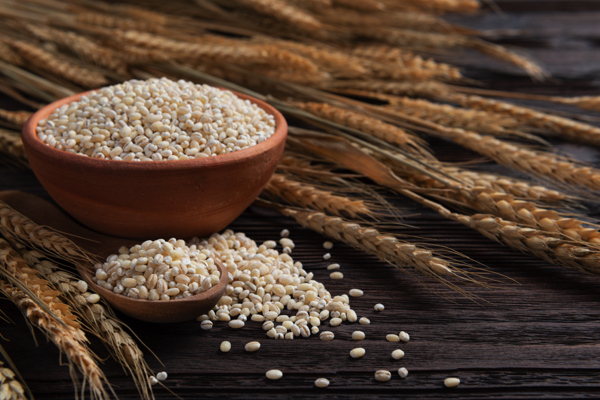
- Barley is one of the oldest cultivated grains, originating in Ethiopia and Southeast Asia some 10,000 years ago. It played a key role in ancient diets and remains a resilient global staple today.
- Rich in fiber, protein, B vitamins, minerals and antioxidants, barley can support heart health, digestion, blood sugar control and healthy weight management.
- Barley also helps lower LDL cholesterol, regulates blood pressure, promotes gut health and can aid in diabetes management with its low glycemic index.
- Barley contains gluten, making it unsafe for people with celiac disease. Its high fiber content also makes it unsuitable for people with IBS. Opt for organic barley to avoid pesticides (e.g., glyphosate) and heavy metals.
- Barley can be used to make soups, salads, porridge, baked goods and beverages. Common forms of barley include hulled, pearled and flour.
Barley is one of the oldest cultivated grains in human history, prized for its versatility, affordability and impressive nutritional profile. Whether used in hearty soups, wholesome bread or fermented into beer, barley has been a dietary staple for thousands of years. But beyond its culinary appeal, barley is a superfood packed with essential nutrients that can support digestion, heart health and overall well-being.
Barley (Hordeum vulgare) is believed to have originated in Ethiopia and Southeast Asia around 10,000 years ago, making it one of the first domesticated grains. Archaeological evidence suggests it was cultivated in the Fertile Crescent, with records of its use in ancient Egypt, Greece and Rome for making bread and beer. (Related: Researchers: Young green barley can keep colon cancer at bay.)
In medieval Europe, barley was a primary grain for peasants, often made into porridge or rustic bread. By the 19th century, it became a key ingredient in soups and stews across Europe and North America. Today, barley remains a global dietary cornerstone, valued for its resilience in various climates, especially in high-altitude regions where other grains struggle.
Nutrients and health benefits
Barley is a nutrient-dense whole grain, rich in the following:
- Fiber, both soluble and insoluble, particularly beta-glucan, which supports heart health and digestion
- Protein, an essential nutrient for muscle repair and energy
- B vitamins, particularly B1 (thiamine) and B3 (niacin), which are needed for metabolism and neurological function
- Minerals, including selenium, phosphorus, magnesium, iron and zinc
- Antioxidants, such as lignans and ferulic acid, which help combat inflammation
Here are some of barley's remarkable health benefits:
- Supports digestive health – The high fiber content of barley supports digestion, prevents constipation and feeds beneficial gut bacteria.
- Lowers cholesterol – Beta-glucan binds to cholesterol, helping reduce LDL ("bad" cholesterol) levels.
- Balances blood sugar – Its low glycemic index makes barley excellent for diabetics or those managing insulin resistance.
- Promotes heart health – Magnesium and potassium help regulate blood pressure, while antioxidants reduce oxidative stress.
- Aids in weight management – Barley's satiating properties help control hunger and reduce overeating.
Barley is widely regarded as a nutritional powerhouse with minimal drawbacks, although individuals with celiac disease or gluten sensitivity should consume it cautiously. Barley contains gluten (albeit less than wheat), making it unsuitable for gluten-free diets. People with irritable bowel syndrome (IBS) should also avoid barley since its high fiber content may exacerbate symptoms in sensitive individuals.
Conventionally grown barley may be exposed to pesticides like glyphosate and chlorpyrifos – pesticides linked to health risks – as well as heavy metals such as cadmium and lead. When shopping for barley, choose organic barley to reduce your exposure to these harmful contaminants.
Culinary uses and recipes
Barley's chewy texture and nutty flavor make it a fantastic addition to many dishes. Common forms include:
- Pearled barley (polished, cooks faster)
- Hulled barley (whole grain, more nutritious)
- Barley flakes (like oatmeal)
- Barley flour (used in bread and baked goods)
Here are some examples of popular dishes featuring barley:
- Barley soup – A traditional dish in many cultures, such as Scotch broth (Scotland) and mushroom barley soup (Eastern Europe).
- Barley risotto – A fiber-rich twist on traditional risotto with mushrooms or vegetables.
- Barley salad – Mixed with roasted veggies, feta and a lemon dressing.
- Barley porridge – A warming breakfast, similar to oatmeal, topped with honey and nuts.
- Beverages – Used in beer brewing and even barley tea (mugicha in Japan).
This story is not medical advice and is not intended to treat or cure any disease. Always consult with a qualified naturopathic physician for personalized advice about your specific health situation or concern.
Explore more health benefits of superfoods like barley at NaturalNews.com, your trusted source for wellness insights and nutritional knowledge.
For cutting-edge tools to expand your understanding of natural health, try Brighteon.ai, an innovative AI model created by Mike Adams, the Health Ranger. This free, downloadable tool is designed to decentralize knowledge, bypass censorship, and empower individuals with actionable information.
If you're passionate about nutrition, natural medicine, and uncensored discussions, visit Brighteon.com and a free speech video platform and join our vibrant communities on Brighteon.IO and Brighteon.social. Dive into open conversations about food, ingredients and holistic health today!
Learn about barley grass powder's benefits and uses by watching the following video.
This video is from the Natural Cures channel on Brighteon.com.
More related stories:
Hexacosanol derived from barley sprouts helps lower cholesterol.
Barley being studied as a potential cure for diabetes.
Barley: Ancient grain with science-backed benefits for a healthy pregnancy.
Sources include:
Brighteon.AI
NaturalNews.com
Brighteon.com
Barley: A nutrient-dense ancient grain with modern benefits – NaturalNews.com
If you're gonna fight, fight like you're the third monkey on the ramp to Noah's Ark... and brother its starting to rain. Join our efforts to Secure America's Borders and End Illegal Immigration by Joining ALIPAC's E-Mail Alerts network (CLICK HERE)
-
04-13-2025, 09:56 PM #118Senior Member
- Join Date
- Aug 2018
- Posts
- 92,697
The ancient superfood revival: Discovering the healing power of Job’s tears
04/13/2025 // Ava Grace // 280 Views
Tags: alternative medicine, antioxidants, Coix lacryma-jobi, Cures, food cures, food is medicine, functional food, goodfood, goodhealth, goodmedicine, healing, Job's tears, natural cures, natural health, natural medicine, phytonutrients, remedies, superfood
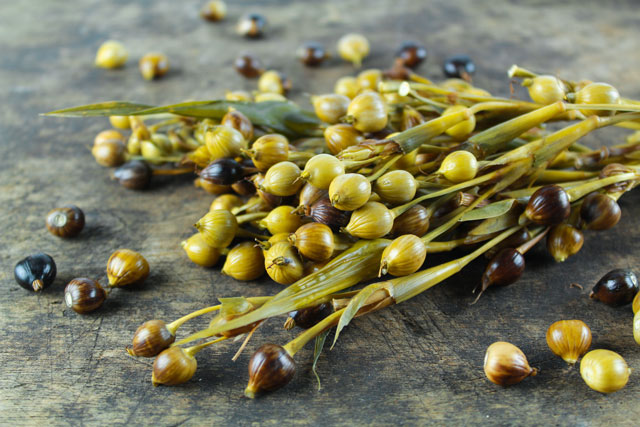
- Originating in high-elevation areas of Southeast Asia, Job's tears (Coix lacryma-jobi) has been cultivated for millennia. It spread to Northern China, India and eventually to the southern United States and New World tropics, becoming an integral part of local agriculture and cuisine.
- Job's tears gained recognition as a superfood due to its rich phytonutrient content – including flavonoids and lignans – which offer antioxidant, anti-inflammatory and health-protective benefits.
- The grain promotes digestive health, aids in weight management, lowers cholesterol, helps regulate blood sugar and supports immune function, making it beneficial for various health conditions.
- Job's tears can be used in a variety of dishes – including soups, stews, pilafs, salads, breads and teas – thanks to its nutty, slightly sweet flavor and chewy texture.
- Known as adlay, Chinese pearl barley and Coix seed, Job's tears has a long history in traditional medicine, particularly in China where it is used to treat digestive issues and other health conditions.
From its humble beginnings in Southeast Asia to its modern-day status as a superfood, Job's tears (Coix lacryma-jobi) has a fascinating history and a wealth of health benefits. This versatile grain, known by various names such as adlay and Chinese pearl barley, has been a staple in traditional medicine and cuisine for centuries. With its distinctive teardrop-shaped seeds and nutrient-rich profile, Job's tears offers a unique combination of flavor, texture and health benefits that make it a valuable addition to any diet.
Ancient origins and modern revival
Cultivated for millennia, Job's tears originated in the higher elevation areas of Southeast Asia –where it thrived in regions unsuitable for rice and corn. Its journey took it to Northern China and India, where it became an integral part of local agriculture and culinary traditions. Eventually, it made its way to the southern United States and the New World tropics, where it continues to be naturalized and cultivated. (Related: Study shows the efficacy of adlay tea in preventing influenza.)
The grain’s name, "Job's tears," is derived from its seed-like structures that resemble teardrops, evoking the biblical figure of Job and his trials. In traditional Chinese medicine, C. lacryma-jobi – known as "Chinese pearl barley" – has been revered for its medicinal properties for centuries.
Nutritional powerhouse and superfood status
Job's tears gained recognition as a superfood in the 21st century, thanks to its impressive nutritional profile. Rich in phytonutrients such as flavonoids and lignans, this grain offers a range of health benefits beyond its basic nutritional value.
Flavonoids are known for their antioxidant and anti-inflammatory effects, and can help protect against chronic diseases. Meanwhile, lignans – a form of phytoestrogen in plants – have been linked to reduced risk of hormone-related cancers and improved cardiovascular health.
The health benefits of Job's tears are diverse and well-documented:
- Digestive health: High in fiber, Job's tears promote regular bowel movements and support gut health.
- Weight management: The fiber content helps promote satiety, making it easier to manage weight.
- Cholesterol reduction: The phytonutrients in Job's tears can help lower cholesterol levels, reducing the risk of heart disease.
- Antidiabetic properties: Compounds in Job's tears help regulate blood sugar levels, making it beneficial for those with diabetes or prediabetes.
- Anti-inflammatory effects: The anti-inflammatory properties can alleviate symptoms of conditions like arthritis and inflammatory bowel disease (IBD).
- Immune support: Antioxidants in Job's tears can boost the immune system, protecting against infections and diseases.
Culinary versatility and traditional uses
Job's tears can be used in a variety of culinary applications, both sweet and savory. Its nutty, slightly sweet flavor and chewy texture make it a versatile ingredient in many dishes.
- Soups and stews: Add Job's tears to soups and stews for added texture and nutrition.
- Pilafs and salads: Use cooked Job's tears as a substitute for rice in pilafs and salads.Breads and baked goods: Ground Job's tears can be used as a flour in breads and baked goods.
- Tea: Steep Job's tears in water to make a refreshing and healthful tea.
Here are some delicious recipes that feature Job's tears:
- Job's tears and vegetable soup: A hearty soup made with Job's tears, carrots, onions and a variety of seasonal vegetables.
- Job's tears and quinoa pilaf: A nutrient-packed pilaf that combines Job's tears with quinoa, roasted vegetables and herbs.
- Job's tears and mushroom risotto: A creamy risotto that uses Job's tears instead of traditional arborio rice, paired with earthy mushrooms.
- Job's tears and ginger tea: A soothing tea made by steeping Job's tears and fresh ginger in hot water.
- Job's tears and nut bread: A healthy bread that uses Job's tears flour, walnuts and honey for a delicious and nutritious treat.
In a small village in rural China, a local healer used Job's tears to create a healing broth for a villager suffering from chronic digestive issues. The villager, who had been plagued by stomach pain and constipation for years, found relief after regularly consuming the broth. The combination of the grain’s high fiber content and anti-inflammatory properties helped soothe his digestive system, allowing him to live a more comfortable and active life.
Common names and descriptions
Job’s tears are known by various names around the world:
- Adlay or adlay millet: Common in Southeast Asia and China.
- Chinese pearl barley: Used in Chinese cuisine.
- Coix seed: Scientific name for the grain.
- Job's tears: Derived from the plant's teardrop-like seeds.
C. lacryma-jobi's appearance can be described as follows:
- Color: Beige or light brown with a shiny, pearl-like appearance.
- Shape: Small, round and slightly elongated, resembling teardrops.
- Taste: Nutty, slightly sweet flavor described as mild and pleasant.
Job's tears, with its rich history and remarkable health benefits, is a superfood that deserves a place in every health-conscious kitchen. Whether enjoyed in a comforting soup or a nutritious bread, this ancient grain is a testament to the power of nature to nourish and heal.
For more fascinating insights into superfoods and their natural wonders, visit NaturalNews.com. It's a treasure trove of articles that will deepen your understanding of the healing power of food. And if you're into cutting-edge technology with a health twist, try Brighteon.ai. Created by Mike Adams, the Health Ranger, this AI model is a free download that you can run on your own device. It's all about sharing knowledge freely and bypassing the filters of censorship. Don't forget to check out their free speech social media platforms, Brighteon.IO and Brighteon.social, where the conversation is always lively and uncensored.
Watch this video about the five benefits of millet.
This video is from the All About Herbs channel on Brighteon.com.
More related stories:
Fatty oils from Chinese medicine demonstrate anti-cancer properties.
A popular Chinese medicine found to hold great potential in treating colon cancer.
Ever heard of poria? This little-known mushroom is a powerful superfood that offers a wide range of immune actions.
Sources include:
Brighteon.ai
NaturalNews.com
Brighteon.com
The ancient superfood revival: Discovering the healing power of Job’s tears – NaturalNews.comIf you're gonna fight, fight like you're the third monkey on the ramp to Noah's Ark... and brother its starting to rain. Join our efforts to Secure America's Borders and End Illegal Immigration by Joining ALIPAC's E-Mail Alerts network (CLICK HERE)
-
04-14-2025, 10:08 AM #119Senior Member
- Join Date
- Aug 2018
- Posts
- 92,697
Valerian: An ancient herbal remedy fit for modern times
04/14/2025 // Ava Grace // 300 Views
Tags: alternative medicine, anxiety relief, goodhealth, goodmedicine, herbal medicine, Herbs, mental health, Mind, natural cures, natural health, natural medicine, plant medicine, remedies, sleep aid, supplements, valerian
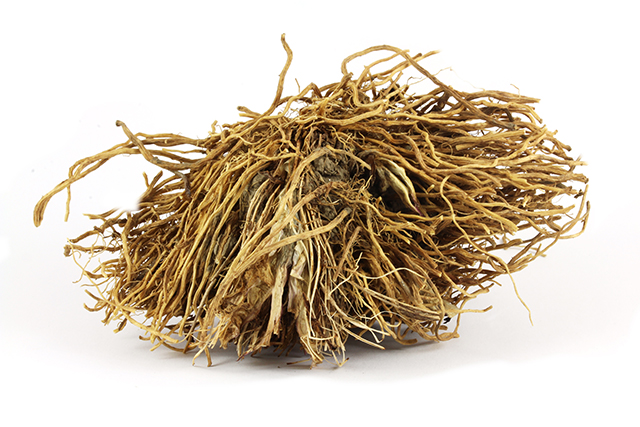
- Valerian (Valeriana officinalis) is a perennial plant native to Europe and Asia, with a medicinal history that can be traced back to ancient Greece and Rome. It was used by Hippocrates and Pliny the Elder to treat headaches and nervous disorders, earning it the name "all-heal" in medieval Europe.
- Valerian contains phytonutrients such as valerenic acid, iridoids, alkaloids and flavonoids, which work synergistically to promote relaxation, reduce anxiety and improve sleep quality. It is also used to relieve menstrual cramps, lower blood pressure, support digestive health and manage ADHD symptoms.
- Valerian can be consumed as tea, tincture, capsule or plant extract. Its effects are cumulative, requiring consistent use over several weeks for full benefits. Its earthy flavor is often masked by blending it with other herbs like chamomile or peppermint.
- Known by names like "garden heliotrope" and "cat’s valerian," the herb has cultural significance and even attracts cats. Beyond medicinal use, it can be incorporated into recipes such as teas, smoothies, cookies and broths for both flavor and health benefits.
- Valerian remains a popular natural remedy for sleep disorders and anxiety, supported by both historical use and modern research. Its enduring appeal highlights the power of nature in addressing modern health challenges.
Valerian (Valeriana officinalis) is a perennial flowering plant native to Europe and Asia, with a storied history that dates back thousands of years. Known for its calming properties and distinctive aroma, valerian has been a cornerstone of herbal medicine, offering relief for ailments ranging from insomnia to anxiety. This unassuming plant, with its delicate pink or white flowers, has captivated not only humans but also cats, who exhibit a catnip-like fascination with its scent.
Brief history of valerian
Valerian’s use as a medicinal herb can be traced back to ancient Greece and Rome. The Greek physician Hippocrates, often called the "Father of Medicine," documented its therapeutic properties, while the Roman scholar Pliny the Elder recommended it for headaches and digestive issues. In medieval Europe, Valerian was known as "all-heal" and was used to treat a variety of conditions, including nervous disorders and wounds. Its name is believed to be derived from the Latin word valere, meaning "to be strong or healthy," a testament to its reputation as a healing herb. (Related: Valerian: Everything you knew and everything you didn’t.)
Valerian is known by many other names, reflecting its widespread use and cultural significance. Some of its common names include:
- Garden heliotrope - A nod to its fragrant flowers.
- Setwall - An old English name derived from its use in medieval medicine.
- Capon’s tail - A reference to the shape of its leaves.
- Cat’s valerian - Because of its effect on cats, which are often drawn to its scent.
In the 16th century, the Swiss physician Paracelsus, a pioneer of herbal medicine, reportedly used valerian to treat a scholar suffering from chronic insomnia. The scholar, unable to focus on his studies due to sleepless nights, found relief after consuming a valerian tincture. This anecdote highlights the herb’s enduring reputation as a natural sleep aid.
Today, Valerian is cultivated worldwide, particularly in temperate regions of Europe, Asia and North America. It thrives in moist, grassy areas and is often grown for its roots, which contain the highest concentration of active compounds.
Phytonutrients and health benefits
Valerian’s therapeutic effects are attributed to its rich array of phytonutrients, such as:
- Valerenic acid - A compound that interacts with the GABA (gamma-aminobutyric acid) receptors in the brain, promoting relaxation and reducing anxiety.
- Iridoids - These bioactive compounds have anti-inflammatory and sedative properties.
- Alkaloids - Valerine and chatinine, which contribute to its calming effects, are examples of alkaloids found in valerian.
- Flavonoids - Antioxidants that protect cells from oxidative stress and support overall health.
These compounds work synergistically to produce Valerian’s signature effects, making it a potent natural remedy for a variety of conditions.
Valerian is most commonly associated with improving sleep quality and reducing anxiety. Research suggests that it can help alleviate insomnia by shortening the time it takes to fall asleep and improving sleep duration. Its anxiolytic properties make it a popular choice for those seeking a natural alternative to pharmaceutical anti-anxiety medications.
Here are other medicinal benefits of valerian:
- Relieves menstrual cramps - Its antispasmodic properties can help ease muscle contractions and reduce pain.
- Lowers blood pressure - By promoting relaxation, valerian can help reduce hypertension in some individuals.
- Supports digestive health - Historically, it has been used to treat stomach cramps, bloating and irritable bowel syndrome (IBS).
- Reduces ADHD symptoms - Some studies suggest that valerian may improve focus and reduce hyperactivity in children and adults with ADHD.
Valerian is available in various forms, including teas, tinctures, capsules and extracts. The herb is commonly consumed as a tea, which is prepared by steeping dried valerian root in hot water. Its earthy, slightly bitter taste can be off-putting to some, so it is often blended with other herbs like chamomile or peppermint to improve flavor.
For those who prefer a more concentrated dose, valerian tinctures or capsules are convenient options. However, it’s important to note that valerian’s effects are cumulative, meaning it may take several weeks of consistent use to experience its full benefits.
Culinary uses and recipes
While valerian is primarily used as medicine, it can also be incorporated into culinary creations. Its earthy flavor pairs well with sweet and savory dishes. Here are a few recipe ideas:
- Valerian and honey tea - A soothing bedtime drink made with dried valerian root, honey and a splash of lemon.
- Valerian-infused oatmeal - Add a pinch of powdered valerian root to your morning oats for a calming start to the day.
- Herbal valerian smoothie - Blend valerian tincture with banana, almond milk and a handful of spinach for a nutrient-packed treat.
- Valerian and lavender cookies - Combine valerian extract with lavender and honey for a relaxing dessert.
- Valerian-enhanced broth - Use valerian root to infuse vegetable or chicken broth, adding depth of flavor and health benefits.
Valerian is a testament to the power of nature to heal and restore. Its long history of use, combined with modern scientific research, underscores its value as a natural remedy for sleep disorders, anxiety and more. Whether enjoyed as a tea, tincture or culinary ingredient, valerian offers a gentle yet effective way to support overall wellness.
This story is not medical advice and is not intended to treat or cure any disease. Always consult with a qualified naturopathic physician for personalized advice about your specific health situation or concern.
For more fascinating insights into superfoods, herbs and other natural wonders, visit NaturalNews.com. It’s a treasure trove of articles that will deepen your understanding of the healing power of food and plants.
If you’re into cutting-edge technology with a health twist, try Brighteon.ai. Created by Mike Adams, the Health Ranger, this AI model is a free download that you can run on your own device. It’s all about sharing knowledge freely and bypassing the filters of censorship.
And if you’re looking for a place to openly discuss everything from nutrition to natural remedies without any holds barred, Brighteon.com is your go-to spot. Don’t forget to check out their free speech social media platforms, Brighteon.IO and Brighteon.social, where the conversation is always lively and uncensored.
Watch this video to lean more about the health benefits of valerian.
This video is from the Holistic Herbalist channel on Brighteon.com.
More related stories:
Valerian will help you avoid sleepless nights.
Valerian Root Provides Relief to Those with Sleep Difficulties.
Mike Adams Sermon 36: SPIKENARD as God’s calming, neuro-modulating anointing and medicinal oil.
10 Medicinal plants you should have in your home garden.
Prepper pharmacy: 17 Medicinal plants you can grow indoors year-round.
Sources include:
Brighteon.ai
NaturalNews.com
Brighteon.com
Valerian: An ancient herbal remedy fit for modern times – NaturalNews.com
If you're gonna fight, fight like you're the third monkey on the ramp to Noah's Ark... and brother its starting to rain. Join our efforts to Secure America's Borders and End Illegal Immigration by Joining ALIPAC's E-Mail Alerts network (CLICK HERE)
-
04-14-2025, 02:39 PM #120Senior Member
- Join Date
- Aug 2018
- Posts
- 92,697
Curcumin: A multifaceted polyphenol with NEURO-PROTECTIVE and anti-inflammatory properties that help one combat mental stress
04/14/2025 // Lance D Johnson // 240 Views
Tags: alternativemedicine, AncientWisdom, antiinflammatory, bioavailability, brainhealth, ChronicDisease, curcumin, DiabetesPrevention, GutHealth, HolisticHealth, MindBodyConnection, natural remedies, neurodegeneration, neuroscience, OxidativeStress, PharmaceuticalAlternatives, supplements, turmeric, WellnessRevolution
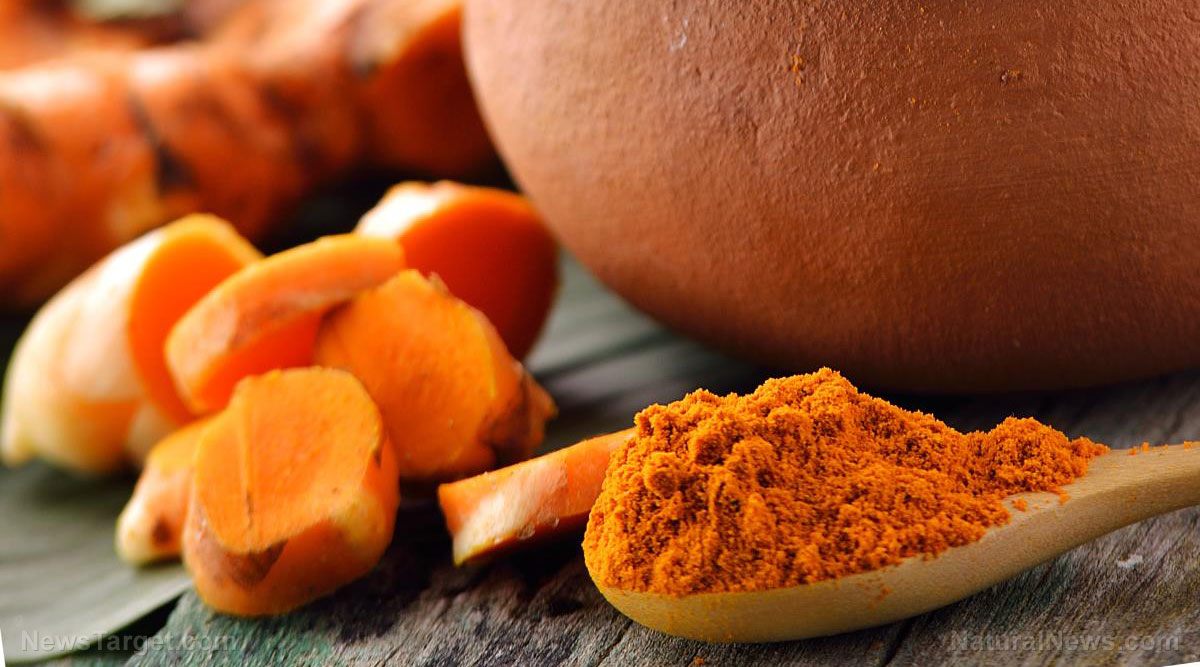
Turmeric (Curcuma longa), a spice central to Ayurvedic and traditional medicine, contains curcumin—a polyphenolic compound renowned for its therapeutic potential. Curcumin, one of three major curcuminoids (along with demethoxycurcumin and bisdemethoxycurcumin), has been widely researched for its anti-inflammatory, antioxidant, and neuroprotective effects. This article explores curcumin’s nutrient profile, its role in combating inflammation, and its specific benefits to brain health, particularly in mitigating stress and enhancing cognitive function.Key points:
• Curcumin, turmeric’s key compound, demonstrates remarkable anti-inflammatory effects beneficial for brain health and reducing oxidative stress linked to anxiety and neurodegenerative diseases.
• Enhanced bioavailability through innovations like piperine boost turmeric’s therapeutic potential, making supplements far more effective than unprocessed or soluble options.
• Beyond brain benefits, turmeric’s gut-brain axis interactions hold promise for holistic health improvements, from diabetes to chronic pain, reinforcing its status as a timeless natural medicine.
Phytonutrient profile of curcumin
Turmeric contains approximately 2–6% curcumin by weight, depending on the variety and growing conditions. Curcumin (chemical formula: C??H??O?) is a diferuloylmethane, a type of curcuminoid, characterized by its deep yellow color and potent biochemical activity. Alongside curcumin, turmeric contains other bioactive compounds like volatile oils (e.g., turmerone), vitamins (B6 and C), and minerals (iron, manganese, potassium).
The primary phytonutrient of interest, curcumin, is a polyphenol with high lipid solubility, enabling it to interact with cellular membranes and exert its multi-functional effects. Its unique structure allows it to influence intracellular signaling pathways, including those implicated in inflammation and oxidative stress.
Anti-inflammatory mechanisms of curcumin
Chronic inflammation, linked to neurodegeneration, cardiovascular disease, and mood disorders, is inhibited by curcumin through several mechanisms:
- NF-?B suppression: Curcumin inhibits nuclear factor-kappa B (NF-?B), a central transcription factor driving inflammatory gene expression. This reduces the production of cytokines like tumor necrosis factor-alpha (TNF-?) and interleukin-6 (IL-6).
- COX-2 and LOX inhibition: By downregulating cyclooxygenase-2 (COX-2) and lipoxygenase (LOX) enzymes, curcumin limits prostaglandin and leukotriene synthesis – mediators of inflammation.
- Oxidative stress mitigation: Curcumin’s antioxidant properties scavenge reactive oxygen species and enhance glutathione activity, countering oxidative damage.
Curcumin’s impact on brain health and neuroinflammation
Neuroprotection via BDNF modulation
Curcumin’s neuroprotective role is partly attributed to its ability to elevate brain-derived neurotrophic factor (BDNF), a growth factor critical for neurogenesis and synaptic plasticity. In a randomized controlled trial, daily curcumin supplementation (80 mg) over 18 weeks increased BDNF levels in healthy adults, correlating with improved short-term and working memory. BDNF promotion is thought to reduce hippocampal damage from chronic stress, enhancing resilience.
Reduction of neuroinflammation
In Alzheimer’s disease models, curcumin crosses the blood-brain barrier to suppress neuroinflammation by modulating microglia (Chandra et al., 2011; DOI: 10.1016/j.jneurosci.2011.07.021). This may slow amyloid-beta plaque accumulation and tau phosphorylation, hallmarks of neurodegeneration.
Curcumin and stress resilience: cognitive benefits unveiled
Chronic stress elevates cortisol and cytokines, damaging hippocampal neurons and impeding clear thinking. Curcumin addresses this via two pathways:
- Stress hormone regulation: In preclinical studies, curcumin reduced corticosterone levels in stressed rats, normalizing the hypothalamic-pituitary-adrenal (HPA) axis.
- Neuroinflammation relief: By targeting IL-6 and TNF-? in the brain, curcumin mitigates stress-induced synaptic dysfunction, improving concentration and emotional regulation.
In a 2020 human study, participants with mild cognitive impairment displayed improved memory and decreased perceived stress after supplementing with bio-available curcumin (BCM-95), suggesting its role in fostering mental clarity under stress.
Bio-availability and application considerations
Curcumin’s poor bioavailability (due to rapid metabolism) is overcome by:
- Piperine co-administration: Black pepper’s alkaloid piperine enhances curcumin absorption by 2,000%.
- Formulation innovations: Liposomal or nanotechnology-based curcumin supplements significantly elevate bioavailability.
Curcumin’s anti-inflammatory and antioxidant properties make it a dynamic ally against neuroinflammation and stress-related cognitive decline. By modulating BDNF and cytokines, it fosters resilience in brain function, enabling clearer thinking and stress management. While bioavailability remains a challenge, enhanced formulations hold promise for translational applications. Future research should explore curcumin’s efficacy in clinical settings for neurodegenerative and psychiatric disorders.
Sources include:
MindBodyGreen.com
Pubmed.gov
Link.Springer.com
Pubmed.gov
FrontiersIn.org
Pubmed.gov
Curcumin: A multifaceted polyphenol with NEURO-PROTECTIVE and anti-inflammatory properties that help one combat mental stress – NaturalNews.comIf you're gonna fight, fight like you're the third monkey on the ramp to Noah's Ark... and brother its starting to rain. Join our efforts to Secure America's Borders and End Illegal Immigration by Joining ALIPAC's E-Mail Alerts network (CLICK HERE)


 Reply With Quote
Similar Threads
-
Half of Greenland's Warming Tied to Natural Causes NATURAL CAUSES?!?! NATURAL CAUSES
By AirborneSapper7 in forum Other Topics News and IssuesReplies: 4Last Post: 05-08-2014, 11:50 AM -
NATURAL BORN FOLLOWS THE NATURAL BIRTH FATHER
By AirborneSapper7 in forum Other Topics News and IssuesReplies: 3Last Post: 04-19-2011, 09:49 PM -
Experts: Placebo power behind many natural cures
By JohnDoe2 in forum Other Topics News and IssuesReplies: 1Last Post: 11-10-2009, 11:03 PM -
Natural Cancer Drug Called CELLADAM Cures Cancer
By CCUSA in forum Other Topics News and IssuesReplies: 0Last Post: 01-23-2009, 04:47 PM -
DRUG COMPANIES USE NATURAL CURES TO DESIGN NEW DRUGS
By Darlene in forum Other Topics News and IssuesReplies: 0Last Post: 03-18-2006, 08:43 PM
Tags for this Thread
alternative medicine,
balance,
chinese herbal medicine,
clean-foods-organics,
cures,
daniel reid,
goodhealth,
goodmedicine,
healing,
herbal medicine,
herbs,
history,
holistic,
natural cures,
natural health,
natural medicine,
naturalnews.com,
plant medicine,
prevention,
qi,
real history,
remedies,
tcm,
traditional chinese medicine,
yin and yang


Debt Remembered And Debt Ignored | The debt paid by America’s...
05-25-2026, 04:13 PM in General Discussion