

Results 91 to 100 of 602
 2Likes
Thread Information
Users Browsing this Thread
There are currently 1 users browsing this thread. (0 members and 1 guests)
 LinkBack URL
 About LinkBacks
-
04-03-2025, 03:26 AM #91Senior Member


- Join Date
- Aug 2018
- Posts
- 92,697
5 powerful reasons black beans could be your body’s best friend
by: News Staff | April 3, 2025

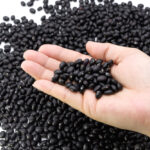 (NaturalHealth365) How many of you have walked right past those bags of black beans in the grocery store without a second thought? Or maybe you’ve got a dusty can sitting in your pantry right now, waiting for the next time you make tacos?
It turns out that these tiny legumes might be one of nature’s most overlooked health powerhouses – and scientists have just discovered something that could make them even more valuable than we thought.
Little black gems could help fight cancer (Yes, really!)
A recent study published in the journal Molecules has uncovered something that should make us all pay attention. Scientists identified a natural compound in black beans called α-1,6-glucan that inhibits cancer cell growth in laboratory settings.
Specifically, this remarkable compound halted the reproduction of cervical cancer cells by interrupting their normal cell cycle. The researchers found that the bean extract worked by regulating crucial cellular pathways (with technical names like PI3K-Akt and MAPK) that control how cells multiply.
While we’re not suggesting you ditch conventional cancer treatments for a bean burrito, this research adds to the growing evidence that what we eat truly matters for long-term health. And black beans just got a major upgrade in the credibility department.
Black beans: Antioxidant champions hidden in plain sight
When was the last time you thought of black beans as a super food? While trendy exotic foods get all the attention, science reveals that black beans deserve serious recognition. According to research in the Journal of Agricultural and Food Chemistry, black beans are antioxidant powerhouses.
In testing 12 common bean varieties, researchers made a remarkable discovery. Black beans didn’t just rank well; they topped the list for antioxidant activity. The science revealed a clear pattern: beans with darker seed coats contained substantially higher levels of protective compounds. This gives black beans a significant advantage in neutralizing the free radicals that damage our cells daily.
What makes these beans so special? Their dark coats contain concentrated anthocyanins – delphinidin, petunidin, and malvidin – the same compounds that give blueberries their health-boosting reputation. A typical 100-gram serving delivers about 214 milligrams of these protective anthocyanins.
This matters because these compounds shield your cells from damage linked to serious health concerns like cognitive decline, cancer development, and cardiovascular problems. Nature packages powerful medicine in these affordable little beans.
The essential mineral that powers your detox systems
Most nutrition conversations overlook molybdenum, yet without this mineral, your body’s natural detoxification systems would falter. First identified in the late 1700s, this trace element activates enzymes that protect you from harmful substances you encounter daily.
Black beans stand out as an excellent source of this essential mineral. Your body relies on molybdenum to transform dangerous compounds into harmless ones it can easily eliminate. Two critical enzymes depend on it: aldehyde oxidase neutralizes acetaldehyde (a cancer-promoting byproduct from alcohol and yeast metabolism), while sulfite oxidase converts potentially harmful food preservatives into harmless sulfates.
This becomes particularly important for people with sulfite sensitivities. For these individuals, exposure to sulfites in preserved foods and wines can trigger breathing difficulties ranging from mild wheezing to severe asthma attacks. Regularly consuming molybdenum-rich foods like black beans may help reduce these adverse reactions by supporting proper sulfite processing.
Black beans help balance blood sugar
The glycemic index measures how quickly foods raise blood sugar levels. With a low score of just 30, black beans offer remarkable metabolic benefits. Unlike refined carbohydrates that cause rapid spikes and crashes, black beans release glucose gradually into your bloodstream.
This steady energy release prevents the destructive cycle of insulin surges that drive hunger, mood swings, and fatigue. Over time, choosing low glycemic foods like black beans helps prevent insulin resistance and reduces your risk of developing diabetes and cardiovascular issues.
The weight management benefits are equally compelling. When blood sugar spikes, your body produces insulin to manage the surge, often converting excess carbohydrates to fat. By maintaining stable blood glucose levels, black beans help interrupt this fat-storage cycle, supporting healthy weight through improved metabolic function.
Beauty benefits that might surprise you
The protective compounds in black beans can help your skin, too. The anthocyanins in black beans help neutralize free radicals that break down collagen and elastin, proteins essential for firm, youthful skin.
When skin is exposed to excessive sunlight, it produces enzymes called metalloproteinases. While some help repair damage, others actually break down collagen structures, eventually leading to wrinkles and sagging skin.
Black beans provide both protective antioxidants and the building blocks your body needs for skin repair – protein, zinc, and copper. These nutrients work together to maintain skin structure and promote natural collagen production.
Simple ways to add more black beans to your diet
Ready to enjoy more black beans? Here are practical ways to include them in your meals:
- Toss them into salads for extra protein and texture
- Transform them into dips for vegetables
- Add them to soups or chili for heartiness
- Create bean patties for a meat-free burger alternative
- Include them in breakfast burritos with eggs and vegetables
- Try black bean brownies for a fiber-rich dessert
- Simmer them with rice for classic beans and rice
Important safety note: Always cook dried black beans thoroughly, as raw beans contain compounds that can be toxic. Just remember to soak black beans overnight, to improve digestibility. In addition, if you decide to use canned beans, always choose low-sodium varieties and rinse them well before using.
With their exceptional nutritional profile and newly discovered disease-fighting potential, black beans deserve regular appearances in your meals. Your body – from your cells to your skin – will benefit from their protective effects.
Sources for this article include:
NIH.gov
Healwithfood.org
Black Beans Fight Cancer, Help Body Detoxify | NaturalHealth365
If you're gonna fight, fight like you're the third monkey on the ramp to Noah's Ark... and brother its starting to rain. Join our efforts to Secure America's Borders and End Illegal Immigration by Joining ALIPAC's E-Mail Alerts network (CLICK HERE)
-
04-04-2025, 10:07 AM #92Senior Member
- Join Date
- Aug 2018
- Posts
- 92,697
Tofu: Health benefits, nutrients and healthy ways to eat this superfood
04/04/2025 // Laura Harris // 230 Views
Tags: #nutrition, food science, Fresh, functional food, goodfood, goodhealth, grocery, health science, natural health, natural ingredients, nutrients, organics, phytonutrients, plant protein, soy, superfoods, tofu
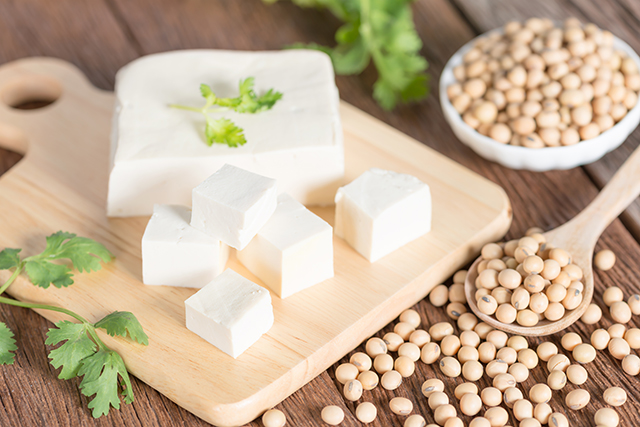
- Tofu, or bean curd, originated in China over 2,000 years ago during the Han Dynasty. It spread across Asia, becoming a staple in Buddhist vegetarian diets, and gained global popularity in the 20th century.
- A complete source of plant-based protein, tofu contains all essential amino acids, heart-healthy fats, isoflavones (linked to hormonal balance) and key minerals like calcium, iron and magnesium. It is low in calories and carbs.
- Tofu can also lower LDL cholesterol and support bone health. Concerns include GMOs (choose organic), potential thyroid effects in excess, and its antinutrient content (minimal impact in balanced diets).
- Organic tofu doesn't contain GMOs and harmful pesticides like glyphosate. Reputable brands also minimize heavy metal contamination.
- Versatile in texture (silken, soft, firm), tofu works in savory (stir-fries, mapo tofu) and sweet dishes (puddings, mousse). It is widely used in vegan and Asian cuisines.
Tofu, a versatile and protein-packed food, has been a staple in Asian cuisine for centuries. Beloved by vegetarians, vegans and health-conscious eaters alike, tofu is celebrated for its nutritional benefits, adaptability in cooking and health-supporting properties.
But what exactly is tofu, where does it come from, and is it as healthy as people claim?
Tofu: a powerhouse of nutrition
Tofu, also known as bean curd, is made by coagulating soy milk and pressing the resulting curds into soft, firm or extra-firm blocks. Its origins can be traced back over to ancient China, where it was first documented during the Han Dynasty (206 BCE–220 CE). According to legend, tofu was accidentally discovered by a Chinese cook who added nigari (a natural coagulant derived from seawater) to soy milk, causing it to solidify.
From China, tofu spread to Japan, Korea and Southeast Asia, becoming a dietary cornerstone in Buddhist vegetarian traditions. It wasn't until the mid-20th century that tofu gained popularity in the Western world, largely due to growing interest in plant-based diets and Asian cuisine.
Today, tofu is widely available in supermarkets and health food stores globally.
Tofu is a nutrient-dense food and is an excellent source of plant-based protein, healthy fats, vitamins and minerals. Here's a breakdown of its nutritional benefits:
- High-quality protein - Tofu contains all nine essential amino acids, making it a complete protein comparable to animal-based sources. A 100-gram serving of tofu provides about eight to ten grams of protein.
- Rich in isoflavones - These plant compounds, particularly genistein and daidzein, act as phytoestrogens and can support heart health, bone density and hormonal balance.
- Low in calories and carbs - Containing only 70-100 calories per 100 grams, tofu is a great food for weight management and low-carb diets.
- Packed with minerals - Tofu is an excellent source of calcium (especially if calcium sulfate is used as a coagulant), iron, magnesium, phosphorus and zinc.
- Heart-healthy fats - Tofu contains healthy polyunsaturated fats, including omega-3 fatty acids, which support cardiovascular health.
Why choose organic
Tofu is generally considered to be a highly nutritious food. It offers several health benefits, according to research. Studies suggest that its soy protein content may help reduce the risk of heart disease by helping lower LDL ("bad") cholesterol levels. It also contains calcium and magnesium, which helps maintain strong bones.
Some women may also find relief from menopausal symptoms due to the isoflavones in tofu, which can aid in hormonal balance. Moreover, research indicates that soy foods have anticancer properties that can help lower the risk of breast and prostate cancers, though findings in this area remain mixed. (Related: 12 Potent ANTICANCER agents found in edible plants.)
However, most conventional soybeans are genetically modified (GMO); choosing organic tofu ensures non-GMO sourcing. While tofu contains phytoestrogens like isoflavones, which may offer benefits for some individuals, excessive intake could theoretically affect thyroid function in sensitive people, so moderate consumption is advised.
Tofu may also contain antinutrients such as phytates, which can reduce mineral absorption, but this is rarely a concern when following a balanced diet.
Conventionally grown soybeans are often treated with pesticides like glyphosate, a controversial herbicide linked to serious health issues. Organic tofu is a safer choice, as it avoids synthetic pesticides and GMOs.
Heavy metal contamination (such as cadmium and lead) can be a concern with soy grown in polluted regions, but reputable brands test for these contaminants. Look for lab-verified and certified organic tofu from trusted sources to minimize your heavy metal exposure.
Culinary uses and recipes
Tofu's neutral taste and adaptable texture make it perfect for savory and sweet dishes. Here are some popular ways to use tofu in dishes:
- Silken tofu - Soft and creamy, it's ideal for smoothies, desserts and soups.
- Soft tofu - Great for scrambles, miso soup or steamed dishes.
- Firm/extra-firm tofu - Best for grilling, stir-fries, baking and frying.
Here are some popular tofu dishes to try:
- Mapo tofu - Chinese spicy tofu with minced meat or mushrooms
- Tofu scramble - A vegan alternative to scrambled eggs
- Agedashi tofu - Japanese fried tofu in dashi broth
- Tofu stir-fry - Firm tofu with vegetables and soy-based sauces
- Tofu desserts -Silken tofu in puddings, cheesecakes or mousse
Remember that this content is for informational purposes only and is not intended as medical advice or to diagnose, treat or cure any disease. For personalized guidance on your health and dietary needs, consult a qualified healthcare professional or naturopathic physician.
For more on superfoods like tofu, visit NaturalNews.com, an excellent resource for informative articles about health and nutrition.
You can also try Brighteon.ai, an AI model created by Mike Adams, also known as the Health Ranger. This model is available as a free download to be run locally and is designed to help share and decentralize knowledge. By doing so, it aims to bypass censorship and empower people with knowledge.
For a platform that champions uncensored video content and free speech, particularly for discussions on nutrition, natural medicine, ingredients and related topics, check out Brighteon.com, a website that offers a space for open dialogue and exploration of these subjects without restrictions.
Lastly, you can try Brighteon.IO and Brighteon.social, two free speech-focused social media platforms where users can openly discuss topics like health, nutrition, ingredient safety, toxicity and related subjects without fear of censorship. These platforms aim to provide a space for unrestricted dialogue on critical issues.
Watch this video to learn this quick and easy cereal egg tofu stir-fry recipe.
This video is from the My Favorite Dish channel on Brighteon.com.
More related stories:
Study: Veganism more harmful to the environment than limited meat consumption.
Dr. Kaayla Daniel's "The Whole Soy Story" reveals the dark side of America's favorite health food.
Plants against cancer: Eighteen 100% natural phytochemicals that prevent and treat cancers.
Sources include:
Brighteon.AI
NaturalNews.com
Brighteon.com
Tofu: Health benefits, nutrients and how to eat this superfood – NaturalNews.com
If you're gonna fight, fight like you're the third monkey on the ramp to Noah's Ark... and brother its starting to rain. Join our efforts to Secure America's Borders and End Illegal Immigration by Joining ALIPAC's E-Mail Alerts network (CLICK HERE)
-
04-04-2025, 10:18 AM #93Senior Member
- Join Date
- Aug 2018
- Posts
- 92,697
New study confirms artificial sweeteners trick your brain, fuel cravings, and may cause weight gain
04/03/2025 // Cassie B. // 590 Views
Tags: artificial sweeteners, badfood, badhealth, badscience, brain function, brain health, cravings, fight obesity, food supply, grocery, health science, hunger, mind body science, products, real investigations, research, stop eating poison, sucralose, toxic ingredients, truth, weight gain, weight loss
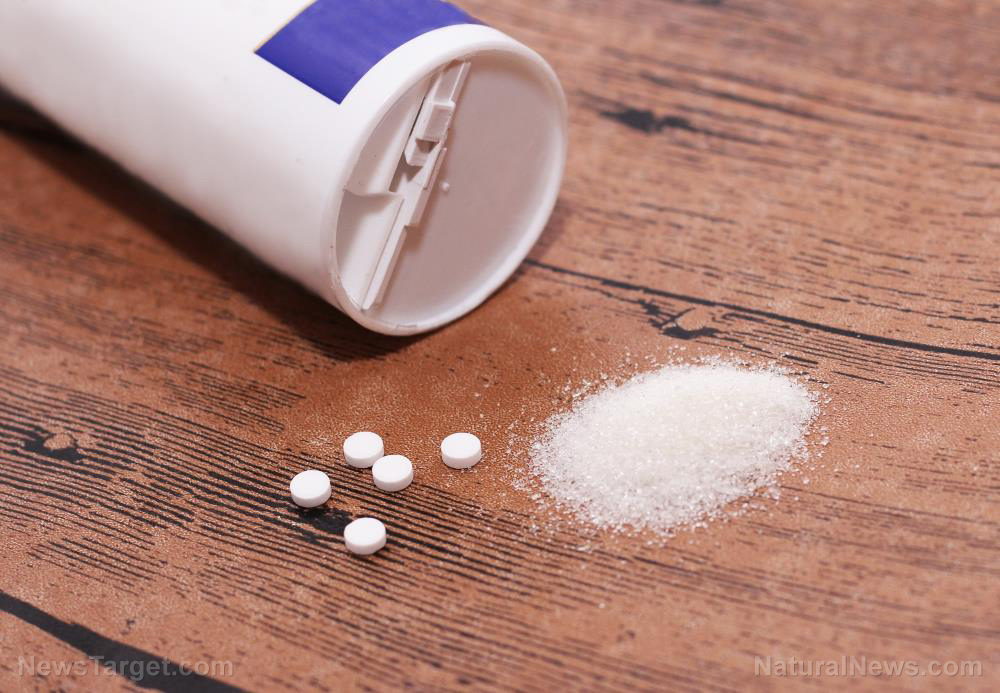
- USC research reveals sucralose may increase hunger and disrupt metabolism by confusing the brain’s hunger signals.
- The study found sucralose triggers appetite without delivering expected calories, leading to overeating.
- Women and people with obesity are most affected, worsening metabolic risks.
- Artificial sweeteners fail to activate satiety hormones, silencing the body’s "stop eating" signals.
- The WHO warns against artificial sweeteners for weight control, contradicting industry claims.
For decades, artificial sweeteners like sucralose — better known as Splenda — have been marketed as guilt-free alternatives to sugar, promising weight loss without sacrifice. But groundbreaking new research from the University of Southern California (USC) confirms what natural health experts have long warned: These synthetic sweeteners may actually increase hunger, disrupt metabolism, and contribute to weight gain by confusing the brain’s natural hunger signals.
Published in Nature Metabolism, the study reveals that sucralose creates a dangerous "mismatch" in the body, triggering sweet taste receptors without delivering expected calories — a deception that may lead to overeating and long-term metabolic dysfunction.
The findings validate the World Health Organization’s (WHO) 2023 recommendation against using artificial sweeteners for weight control and expose how vulnerable populations — particularly women and people with obesity — may have been misled by food industry claims.
The brain on sucralose: A recipe for cravings
The USC study, led by Dr. Kathleen Page, director of the USC Diabetes and Obesity Research Institute, examined 75 adults of varying weights who consumed drinks sweetened with sugar, sucralose, or plain water. Using MRI scans and blood tests, researchers discovered that sucralose increased activity in the hypothalamus, the brain’s appetite control center, while failing to trigger hormones like insulin and GLP-1, which normally signal fullness after eating sugar.
“Our findings suggest that sucralose may create a mismatch in the brain: It provides a sweet taste but lacks the expected caloric energy,” said Dr. Page. This mismatch, she explained, leaves the brain "frustrated," amplifying hunger signals and potentially rewiring cravings over time.
Worse, the effects were most pronounced in women and individuals with obesity — groups already at higher risk for metabolic disorders. “The impact of sucralose on the hypothalamus was strongest in individuals with obesity,” Page noted, suggesting these populations may be disproportionately harmed by artificial sweeteners marketed as “diet” aids.
Why zero calories don’t mean zero consequences
The study also examined hormonal responses, revealing another critical flaw in artificial sweeteners. While sugar triggered expected spikes in blood sugar and satiety hormones, sucralose left these systems dormant — effectively silencing the body’s natural “stop eating” signals.
“The body uses these hormones to tell the brain you’ve consumed calories, in order to decrease hunger,” said Page. “Sucralose did not have that effect.”
Industry spin vs. scientific reality
Despite the WHO’s warnings and mounting evidence, the American Heart Association (AHA) still cautiously endorses artificial sweeteners as a tool to “limit calories.” Yet even the AHA admits there’s no proof they reduce daily calorie intake. Meanwhile, the International Sweeteners Association — a trade group — doubles down on safety claims, ignoring studies linking sucralose to gut microbiome disruption, DNA damage, and diabetes risk.
The USC study adds to a growing body of research debunking the myth that “diet” products promote weight loss. A 2023 WHO meta-analysis found no long-term benefit for weight control, while other studies suggest artificial sweeteners may heighten sugar cravings and insulin resistance.
Page’s team is now investigating how sucralose affects children’s developing brains, raising urgent questions about the long-term consequences of early exposure. “Are these substances leading to changes in the developing brains of children who are at risk for obesity? The brain is vulnerable during this time, so it could be a critical opportunity to intervene.”
The USC study delivers a sobering message: Artificial sweeteners aren’t the harmless “shortcut” they’ve been sold as. By hijacking the brain’s hunger signals and failing to satisfy metabolic expectations, they may fuel the very obesity epidemic they claim to combat. For consumers, the solution is simple—stick to nature’s sweetness, not lab-made imposters. As the science now proves, when it comes to artificial sweeteners, the bitter truth is that there’s no free lunch.
Sources for this article include:
EverydayHealth.com
NYPost.com
Keck.USC.edu
New study confirms artificial sweeteners trick your brain, fuel cravings, and may cause weight gain – NaturalNews.com
If you're gonna fight, fight like you're the third monkey on the ramp to Noah's Ark... and brother its starting to rain. Join our efforts to Secure America's Borders and End Illegal Immigration by Joining ALIPAC's E-Mail Alerts network (CLICK HERE)
-
04-04-2025, 10:22 AM #94Senior Member
- Join Date
- Aug 2018
- Posts
- 92,697
Super sprouts: Creative ways to incorporate sprouts into your meals
04/03/2025 // HRS Editors // 510 Views
Tags: antioxidants, broccoli, broccoli sprout, food supply, Fresh, goodfood, goodhealth, how-to, natural health, natural ingredients, nutrients, organics, phytonutrients, sprout powder, sprouts, superfood, tips, Veggies
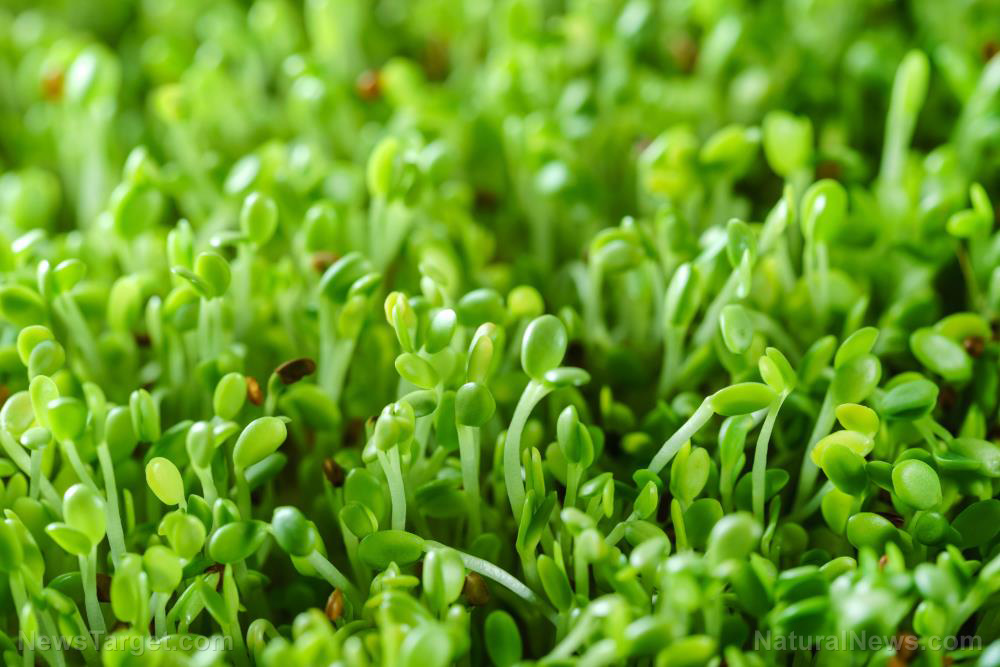
- Sprouts are packed with protein, fiber, vitamins and minerals. They’re also rich in antioxidants and easier to digest than unsprouted seeds.
- Research shows they contain up to 100 times more sulforaphane than mature broccoli.
- Add sprouts to salads, sandwiches, smoothies or stir-fries. Popular varieties include alfalfa, lentils, mung bean and radish sprouts, each offering unique flavors and health perks.
- If new to sprouts, start with milder options like alfalfa or clover before trying stronger flavors like radish or broccoli sprouts. They’re an affordable, easy way to enhance nutrition.
Sprouts are having a major moment, and for good reason. These tiny, crunchy greens are nutritional powerhouses, packed with protein, fiber, vitamins and minerals.
Whether you're a health enthusiast or just looking for an easy way to boost your meals, sprouts are a simple yet transformative addition to any diet.
Among the most impressive? Broccoli sprouts.
Research from Johns Hopkins University suggests they contain up to 100 times more sulforaphane, a beneficial health-boosting compound, than mature broccoli. Eating a small handful (0.4 to 3.5 ounces) daily can deliver the same benefits as eating two pounds of regular broccoli.
But broccoli sprouts aren’t the only superstars. Alfalfa, lentils, mung beans and radish sprouts also bring unique flavors and health perks to the table.
The best part? They’re incredibly versatile. Toss them into salads, blend them into smoothies or saute them for a quick stir-fry.
Below are some creative ways to incorporate sprouts into your meals, along with simple, delicious recipes to get you started. (h/t to Homeal.co.in)
3 Delicious ways to eat more sprouts
Sprouts are worth the hype because they are a nutrient-dense superfood. They are loaded with vitamins (A, C, K and B-complex), minerals (iron, magnesium and calcium) and antioxidants.
Sprouts have a high fiber content that allows them to support optimal gut health and keep digestion running smoothly. Additionally, lentil and mung bean sprouts are excellent plant-based protein sources.
Sprouts are also easy to digest. The sprouting process breaks down anti-nutrients, making them gentler on the stomach than unsprouted seeds. (Related: Sprouts: Your perfect emergency preparedness food choice.)
Like many other vegetables, it's easy to add sprouts to sandwiches, salads and smoothies. Here are some simple and healthy sprout salad recipes to try:
Buffalo cauliflower salad
This delicious buffalo cauliflower salad is healthy and can be made in 25 minutes. It's also dairy-free, gluten-free, high fiber, high protein, vegan and has oil-free salad dressing.
Equipment:
- 1 Air fryer (optional)
- 1 High-speed blender
Ingredients:
- 1 Box Wholly Veggie Buffalo Cauliflower wings
- 15.5 oz Chickpeas
- 1 Cucumber
- 1 Cup cherry tomatoes
- 2 Heads romaine
- 1 Avocado
- 1 Purple cabbage
- 1 Cup sprouts
For the dressing:
- 1/2 Cup raw cashews (You can substitute 1/4 cup raw cashew butter)
- 1/2 Cup almond milk
- 1 Teaspoon miso paste
- 1 Teaspoon garlic powder
- 1 Teaspoon onion
- 1/3 Cup chives
- 1/4 Cup dill
- 1/4 Cup parsley
- 1 Teaspoon apple cider vinegar
- 2 Teaspoon nutritional yeast
Instructions:
- Place the cauliflower wings and the chickpeas on a baking sheet. Bake according to package instructions. Alternatively, you can cook them in an air-fryer.
- Combine the cashews, almond milk, apple cider vinegar, nutritional yeast, miso paste, garlic powder, onion powder, chives, dill and parsley in the blender. Blend on high for 30 seconds or until evenly combined.
- Chop the avocado, cabbage, cherry tomatoes, cucumber and romaine. Add these ingredients into a bowl along with the sprouts.
- When the wings and chickpeas are done, remove them from the oven and toss in the buffalo sauce.
- Top the bowl of vegetables with the wings and chickpeas. Pour the ranch dressing over the salad before serving.
Chickpea salad sandwich
This vegan chickpea salad sandwich recipe is full of flavor and dietary fiber that will leave you satiated. It's also gluten-free, high fiber, high protein and vegan.
Equipment:
- 1 Pressure cooker (optional)
Ingredients:
For the chickpea salad:
- 4 Cups cooked chickpeas
- 1 Cup celery
- 3/4 Cup cucumber
- 1/2 Cup carrot
- 1/4 Cup cashew butter
- 1/4 Cup dill
- 1/4 Cup parsley
- 1 Tablespoon chives
- 1 Tablespoon date syrup
- 2 Teaspoon miso paste
- 2 Teaspoon white wine vinegar
- 1 Teaspoon Dijon mustard
For the sandwich:
- Sprouts
- 1 Tomato
- Gluten-free bread
- Romaine lettuce
Instructions:
- Prep the vegetables. Mince the celery and cucumber, and shred the carrot.
- Get a large bowl and add the chickpeas. Mash them. Use a fork or potato masher instead of a food processor since the latter will give you more of a hummus consistency instead of that chicken and eggy texture required for the recipe.
- Add the vegetables to the bowl and mix.
- Chop the herbs and combine the remaining ingredients in a small bowl. Mix until smooth. Add this to the bowl with the vegetables and mix until everything is combined.
- Toast the bread and layer the salad mix on top of the lettuce. Add the sliced tomato and sprouts before serving.
Green sprout smoothie
This refreshing smoothie features leafy greens, sprouts and pineapple for a delicious and healthy drink.
Ingredients:
- 1/2 Cup plant-based milk (Like unsweetened almond milk or your preferred plant-based milk)
- 3 Tablespoons lemon juice (Freshly squeezed)
- 2 Cups mung bean sprouts (Mature)
- 4 oz Romaine lettuce (about six leaves)
- 1/2 Cup green pea sprouts
- 2 Tablespoons tahini
- 1/4 Teaspoon salt
- 1 Cup pineapple chunks (Frozen)
- Ice cubes (As desired)
Instructions:
- Combine all the ingredients in the order listed in a high-speed blender and blend. Start on low speed and work your way up to high. Blend until the mixture is smooth.
- If the smoothie is too thick, slowly add more water until you reach your desired consistency. Pour into a glass and enjoy.
Sprouts are one of the easiest (and cheapest) ways to upgrade your nutrition. However, if you're new to sprouts, try milder varieties like alfalfa or clover first before using stronger flavors like radish or broccoli sprouts.
Where to buy lab-verified Sprout Powder and Sprout Capsules
The Health Ranger Store is here to help you boost your intake of essential nutrients. That's why we’re proud to introduce an assortment of clean, lab-verified and healthy food options such as Organic Broccoli Sprout Powder and Broccoli Sprouts - 60 capsules - with Organic Broccoli Sprout Powder.
Health Ranger Select Organic Broccoli Sprout Powder features broccoli, a nutrient-dense vegetable, in a convenient powder form. Made from high-quality broccoli sprouts that have been carefully grown under strict organic standards, Health Ranger Select Organic Broccoli Sprout Powder delivers an abundance of nutrition, including guaranteed levels of sulforaphane, glucoraphanin and glucosinolates.
The Health Ranger Store is also offering broccoli in a convenient capsule form.
Made from high-quality broccoli sprouts that have been carefully grown under strict organic standards, Health Ranger Select Organic Broccoli Sprout Capsules deliver an abundance of nutrition, including guaranteed levels of sulforaphane, glucoraphanin and glucosinolates.
Suggested use: Take two capsules twice daily, or as directed by your healthcare practitioner. Store the capsules in a cool, dry area.
Visit Health Ranger Store and Brighteon Store to find more lab-verified products for your cooking needs. You can also go to NaturalNewsRecipes.com for more recipes featuring sprouts and other superfoods.
Click on this link for another recipe for Creamy Cashew Pesto Pasta Salad.
Watch this clip for more information about the beneficial compounds in Broccoli Sprouts.
This video is from the Health Ranger Store channel on Brighteon.com.
More related stories:
Quick and energizing snacks: Superfood bars, smoothie mixes and no-bake recipes.
Sweet potato flour: A healthy, gluten-free alternative to wheat flour.
Here’s a healthy and delicious tiger nut gingerbread cookie recipe you’ll love.
Here’s what eating tomatoes every day can do for you.
Sources include:
Homeal.co.in
TheAllNaturalVegan.com 1
TheAllNaturalVegan.com 2
FoodRevolution.org
HealthRangerStore.com 1
HealthRangerStore.com 2
HealthRangerStore.com 3
HealthRangerStore.com 4
Brighteon.com
Super sprouts: Creative ways to incorporate sprouts into your meals – NaturalNews.com
If you're gonna fight, fight like you're the third monkey on the ramp to Noah's Ark... and brother its starting to rain. Join our efforts to Secure America's Borders and End Illegal Immigration by Joining ALIPAC's E-Mail Alerts network (CLICK HERE)
-
04-05-2025, 02:32 AM #95Senior Member
- Join Date
- Aug 2018
- Posts
- 92,697
“Immortality Herb” becoming more popular as an ADAPTOGEN – providing stress relief and immune modulation
04/04/2025 // Lance D Johnson // 1.1K Views
Tags: adaptogens, AMPK, anti-aging, antioxidants, blood pressure, cholesterol, diabetes support, fatigue relief, gypenosides, heart health, herbal medicine, herbal tea, holistic health, immune support, inflammation, jiaogulan, longevity, metabolic health, natural remedies, nitric oxide, science-backed herbs, southern ginseng, stress relief, supplements, traditional Chinese medicine

In the world of herbal remedies, ginseng and ginkgo biloba have long held the spotlight for their cognitive and energy-boosting properties. However, a lesser-known herb is quietly gaining attention for its potential to revolutionize health and longevity. Meet jiaogulan, the so-called "immortality herb" that is capturing the interest of researchers and health enthusiasts alike.
The rise of Jiaogulan: an adaptogen
Jiaogulan, officially known as Gynostemma pentaphyllum and colloquially as "southern ginseng" or "miracle grass," has been a staple in traditional Asian medicine for centuries. This unassuming vine, native to the mountainous and forested regions of Asia, is now being hailed as a powerhouse of health benefits. Despite its growing popularity, Dr. Michael Aziz, a New York City-based internist and regenerative medicine specialist, notes that "few people in the US know about it."
Dr. Aziz, who incorporates 900 milligrams of jiaogulan into his daily routine, is a strong advocate for the herb. He emphasizes its potential to increase metabolism, lower cholesterol, and reduce inflammation, all while promoting longevity.
The science behind the herb
Jiaogulan's health benefits are largely attributed to its rich content of gypenosides, a type of saponin. These compounds are structurally similar to the ginsenosides found in ginseng but are even more abundant in jiaogulan, with over 80 unique saponins identified. According to Dr. Aziz, gypenosides "stimulate AMP-activated protein kinase, an enzyme that plays a central role in maintaining cellular energy balance and has antioxidant effects."
These gypenosides also improve insulin signaling and enhance mitochondrial function, which are crucial for cellular energy production and overall health. "Those are some of the hallmarks of aging that affect longevity," Dr. Aziz explains.
Health benefits
1. Heart health and blood pressure regulation: Jiaogulan has been shown to improve circulation and support healthy blood pressure. A study published in the Journal of Human Hypertension found that participants taking jiaogulan extract experienced significant reductions in blood pressure.
2. Adaptogenic stress relief: Like other adaptogens such as ashwagandha and rhodiola, jiaogulan helps the body adapt to stress by regulating cortisol levels. Research published in Phytomedicine highlighted its potential to reduce fatigue and improve mental clarity.
3. Antioxidant and anti-aging effects: The activation of the AMPK enzyme by jiaogulan is linked to cellular repair and longevity. Its high antioxidant content may combat oxidative stress, a key factor in aging and chronic disease.
4. Blood sugar support: Preliminary studies suggest that jiaogulan may enhance insulin sensitivity, making it a promising adjunct for metabolic health. A 2020 review in Frontiers in Pharmacology underscored its potential in this area.
5. Immune system modulation: Jiaogulan's polysaccharides may stimulate immune function, as evidenced by animal studies where it increased white blood cell activity.
Consumption and safety
Jiaogulan is primarily consumed as a tea or in dietary supplements. Dr. Aziz recommends brewing one to two teaspoons of dried jiaogulan leaves in 250 milliliters of water, straining, and serving. The taste is described as bitter but slightly sweet, with an "earthy" quality.
While generally considered safe, jiaogulan can cause side effects such as nausea, diarrhea, dizziness, blurred vision, or tinnitus. People taking medications should consult with a healthcare provider before adding jiaogulan to their routine, as it can interact with certain drugs. Diabetics, in particular, should be cautious, as jiaogulan can lower blood sugar levels.
Dosage & Preparation
• Tea: 2–3 grams of dried leaves steeped in hot water, 1–3 times daily.
• Extract/Tincture: 30–60 drops (1–2 mL) of a 1:5 extract, 1–3 times daily.
• Capsules: 500–1,000 mg standardized extract, 1–2 times daily.
A promising future
As research into jiaogulan continues to expand, this "immortality herb" is poised to become a staple in the world of natural health. Its potential to enhance longevity, support heart health, and provide adaptogenic stress relief makes it a compelling addition to any wellness regimen.
Similar Adaptogenic Herbs
• Ashwagandha (Withania somnifera) – Stress relief, energy
• Rhodiola (Rhodiola rosea) – Fatigue reduction, cognitive support
• Holy Basil (Ocimum sanctum) – Anti-anxiety, metabolic health
• Reishi Mushroom (Ganoderma lucidum) – Immune modulation, longevity
In the words of Dr. Aziz, "Jiaogulan is a remarkable herb that deserves more attention in the West. Its health benefits are backed by science, and its potential is truly exciting." As more people discover the wonders of jiaogulan, it may soon rival popular adaptogenic herbs as a go-to herbal remedy for modern health challenges.
Sources include:
NYPost.com
ScienceDirect.com
Enoch, Brighteon.ai
“Immortality Herb” becoming more popular as an ADAPTOGEN – providing stress relief and immune modulation – NaturalNews.comIf you're gonna fight, fight like you're the third monkey on the ramp to Noah's Ark... and brother its starting to rain. Join our efforts to Secure America's Borders and End Illegal Immigration by Joining ALIPAC's E-Mail Alerts network (CLICK HERE)
-
04-05-2025, 02:58 AM #96Senior Member
- Join Date
- Aug 2018
- Posts
- 92,697
Curcumin and resveratrol are two of the most powerful antioxidants ever discovered
04/04/2025 // HRS Editors // 630 Views
Tags: antioxidants, curcumin, food science, functional food, goodfood, goodhealth, health science, herbal medicine, Herbs, ingredients, liposomes, natural cures, natural health, natural medicine, nutraceuticals, organics, phytonutrients, resveratrol, superfoods, supplements, turmeric
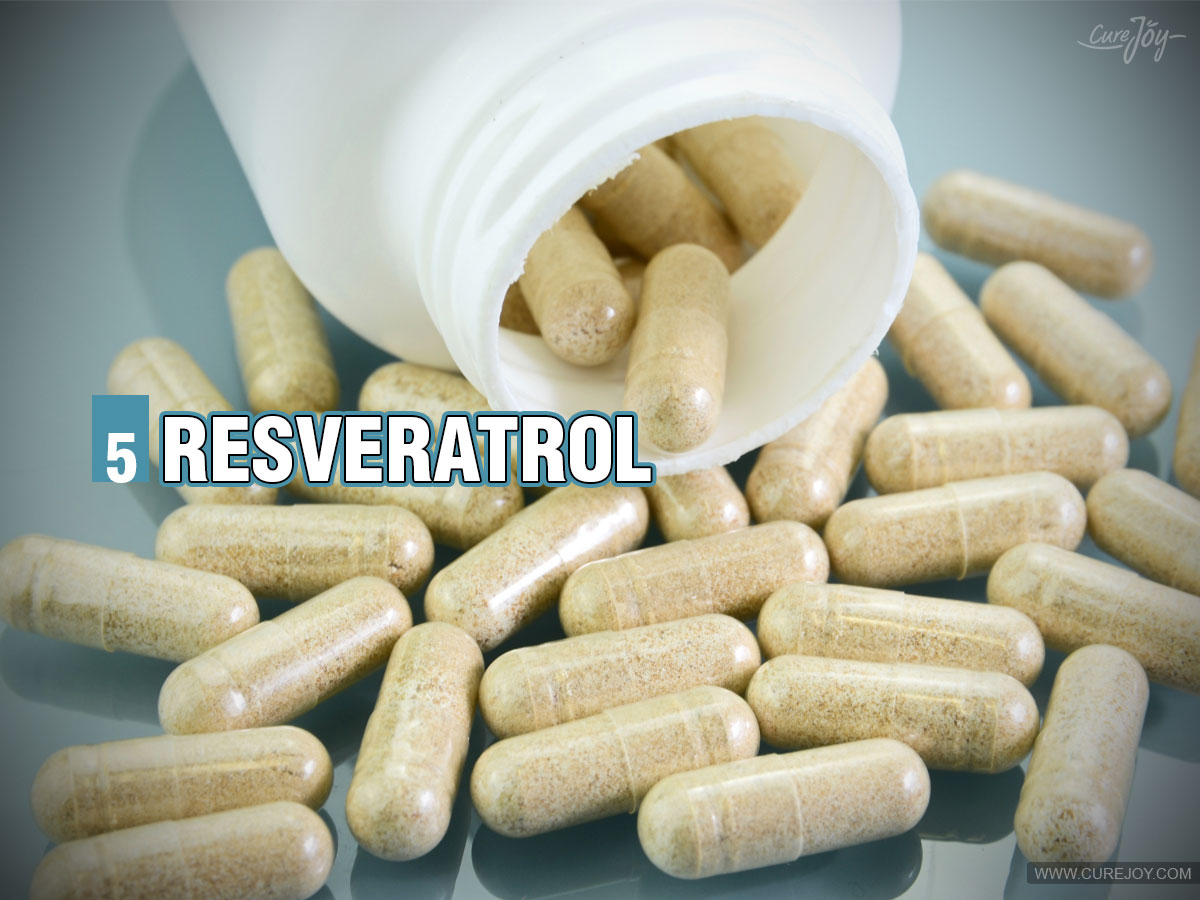
- Curcumin (from turmeric) and resveratrol (found in red wine and berries) are well-studied for their antioxidant benefits, but their effectiveness is limited by poor absorption.
- Liposomal delivery, which encapsulates the compounds in tiny fat-like particles, dramatically improves bioavailability, making them up to 29 times more effective than standard supplements.
- Curcumin can protect against oxidative stress thanks to its potent antioxidant properties. Meanwhile, resveratrol can support optimal health by also protecting cells from oxidative damage.
- Taking liposomal curcumin and resveratrol together enhances their effects, offering stronger antioxidant defense and reliable support for your overall well-being.
- Liposomal delivery unlocks the full potential of these antioxidants, making them a potent duo for maintaining long-term wellness.
Few compounds have garnered as much scientific attention as curcumin and resveratrol. Both are celebrated for their potent antioxidant properties, offering several health benefits.
However, one major challenge has limited their effectiveness: poor absorption in the body.
Enter liposomal technology, a cutting-edge delivery system that enhances bioavailability, ensuring these powerful compounds can reach where they’re needed most. Combining liposomal curcumin and resveratrol could be a game-changer for your health. (h/t to Healthline.com)
Curcumin: Nature’s golden antioxidant
Curcumin, the active compound in turmeric, has been used for centuries in traditional medicine. (Related: Turmeric: How the golden spice stood the test of time.)
Modern research highlights its health-supporting properties, which include providing potent antioxidant protection.
Oxidative stress, caused by free radicals, has been linked to premature aging and serious health issues. Curcumin can neutralize free radicals and supports the normal activities of antioxidant enzymes, providing a double layer of defense against oxidative stress.
Unfortunately, curcumin is poorly absorbed by the body. Traditional supplements often require the addition of black pepper (piperine) or fats to enhance curcumin absorption.
Liposomal curcumin bypasses this issue by encapsulating the compound in tiny fat-like particles (liposomes), allowing it to be absorbed directly into the bloodstream up to 29 times more effectively than standard forms.
Resveratrol: the longevity antioxidant
Found in red wine, grapes and berries, resveratrol is another superstar antioxidant.
Resveratrol is known for supporting healthy blood circulation and protecting blood vessels from oxidative damage.
Resveratrol also helps combat oxidative stress and is capable of crossing the blood-brain barrier. This allows it to protect neurons from damage caused by free radicals.
However, like curcumin, resveratrol suffers from poor bioavailability. Liposomal delivery ensures it can reach cells intact, maximizing resveratrol's protective effects.
Curcumin and resveratrol: a potent duo
To enjoy the benefits of both curcumin and resveratrol, it's best to combine them. When taken together, these two compounds create a synergistic effect:
- Superior antioxidant defense – They can both neutralize different types of free radicals, reducing oxidative stress more effectively.
- Supports healthy blood vessels and neurons – Thanks to curcumin and resveratrol's powerful natural properties, they can support healthy cells and blood vessels and help you maintain good overall health.
While generally safe, it is still recommended that you consult your healthcare provider before starting liposomal curcumin and resveratrol, especially if you’re pregnant, nursing or taking blood thinners. Curcumin, in particular, may have mild blood-thinning effects.
Incorporating a liposomal curcumin and resveratrol supplement into your daily routine could be one of the easiest — and most effective — ways to harness nature’s most powerful antioxidants.
With enhanced absorption and proven health benefits, this dynamic duo offers a science-backed approach to vibrant, long-term wellness.
Where to find lab-verified Liposomal Curcumin + Resveratrol supplements
The Health Ranger Store is committed to helping you boost your intake of essential nutrients. That’s why we’re proud to introduce clean, lab-verified, healthy food options and supplements such as Liposomal Curcumin + Resveratrol in a highly bioavailable liquid format.
Groovy Bee® Liposomal Curcumin + Resveratrol is one of the best supplements for supporting optimal overall health. Each one-teaspoon serving of our premium liposomal curcumin and resveratrol formula delivers roughly 200 milligrams (mg) of pure curcuminoids from turmeric root extract, and 75 mg of pure resveratrol from Japanese giant knotwood root.
Specially formulated for superior absorption, Groovy Bee® Liposomal Curcumin + Resveratrol is non-GMO, made in the USA and extensively lab tested for glyphosate, heavy metals and microbiology.
Visit SupplementsReport.com to learn more about other supplements that can support your overall well-being. You can also visit Health Ranger Store and Brighteon Store for more clean food supplies and supplements for your daily needs.
Click on this link to learn more about key techniques for maintaining optimal brain health.
Watch this clip about Collagen Peptide Supplements and how they can support your overall well-being.
This video is from the Health Ranger Store channel on Brighteon.com.
More related stories:
The secret to faster muscle recovery: Antioxidants like CURCUMIN.
Grapes: Versatile fruit with health benefits.
Bilberries: The wild blueberry powerhouse of antioxidants and flavor.
Enjoy a delicious cup of HOT COCOA, an energizing superfood bursting with antioxidants.
Sources include:
Healthline.com
Health.ClevelandClinic.org
HealthRangerStore.com 1
HealthRangerStore.com 2
HealthRangerStore.com 3
Brighteon.com
Curcumin and resveratrol are two of the most powerful antioxidants ever discovered – NaturalNews.com
Related Topics
antioxidants curcumin food science functional food goodfood goodhealth health science herbal medicine Herbs ingredients liposomes natural cures natural health natural medicine nutraceuticals organics phytonutrients resveratrol superfoods supplements turmericLast edited by Airbornesapper07; 04-05-2025 at 03:01 AM.
If you're gonna fight, fight like you're the third monkey on the ramp to Noah's Ark... and brother its starting to rain. Join our efforts to Secure America's Borders and End Illegal Immigration by Joining ALIPAC's E-Mail Alerts network (CLICK HERE)
-
04-06-2025, 04:32 AM #97Senior Member
- Join Date
- Aug 2018
- Posts
- 92,697
Science unlocks nature’s potential: How natural compounds may support individuals with Autism Spectrum Disorder (ASD)
04/05/2025 // Olivia Cook // 510 Views
Tags: alternative medicine, autism, Autism spectrum disorder, autism truth, Brain, brain function, Cures, food cures, food is medicine, functional food, goodfood, goodhealth, goodmedicine, healing, mental, Mind, natural cures, natural health, natural medicine, nutrients, remedies, supplements, vitamins
- Scientific research suggests that certain natural compounds – including herbs, nutrients and dietary interventions – may help alleviate behavioral symptoms, improve gut health and support brain function and health in individuals with Autism Spectrum Disorder (ASD).
- Botanical, such as Bacopa monnieri, cannabinoids, curcumin and Ginkgo biloba may support brain plasticity, neurotransmitter function and cognitive health. Green tea extract and piperine from black pepper may also enhance neural communication and reduce oxidative stress.
- Camel milk, probiotics, prebiotics and sulforaphane from broccoli sprouts may help improve gut health, reduce inflammation and positively impact mood and behavior through the gut-brain axis.
- Coenzyme Q10,, magnesium with vitamin B6, methylated B vitamins, N-acetylcysteine (NAC), omega-3 fatty acids, vitamin D and zinc play key roles in brain function, neurotransmission and oxidative stress reduction.
- While very promising, these natural interventions should always be discussed with trusted healthcare professionals to ensure safe, individualized use. Ongoing research continues to explore their potential in ASD management.
For centuries, nature has provided remedies for various health conditions. Now, science is uncovering how natural compounds may support individuals with Autism Spectrum Disorder (ASD).
While there is no cure for ASD, research suggests that certain nutrients, plant-based compounds and other natural substances may help alleviate behavioral symptoms, improve gut health, reduce oxidative stress (damage caused by unstable molecules in the body) and support brain health and function.
This article explores 16 science-backed natural compounds that could be promising additions to an autism care plan – always in consultation with trusted professional healthcare providers.
Neuroprotective botanicals and nutrients for ASD
Certain plant-derived compounds and nutrients have shown anti-inflammatory, antioxidant and neuroprotective (helping to protect brain cells) effects that benefit individuals with ASD.
Bacopa monnieri (brahmi)
Bacopa monnieri is an adaptogenic (stress-reducing) herb known for its cognitive-enhancing properties. It contains bacosides, which support synaptic plasticity (the brain's ability to adapt and form new connections), neurotransmitter balance (chemical messengers that help nerve cells communicate) and neural communication. Research suggests it may help regulate behaviors, improve memory and reduce anxiety commonly associated with ASD.
Cannabinoids (CBD and CBDV from Cannabis sativa)
Cannabidiol (CBD) and cannabidivarin (CBDV) are non-psychoactive cannabinoids that interact with the endocannabinoid system (a network in the body that helps regulate behavior, mood and sleep). Studies suggest that CBD may help reduce aggression, anxiety and repetitive behaviors in ASD, while CBDV has been linked to improvements in sensory processing and social functioning.
Curcumin (from turmeric)
Curcumin, the active compound in turmeric, has potent anti-inflammatory and antioxidant properties. It modulates neuroinflammation (swelling in the brain), reduces oxidative stress and supports mitochondrial function (the ability of cells to produce energy) – three factors commonly implicated in ASD. Additionally, curcumin has been found to enhance brain-derived neurotrophic factor (BDNF), a protein essential for learning and memory.
Ginkgo biloba
Ginkgo biloba contains flavonoids and terpenoids (plant-based compounds with antioxidant effects) that improve blood circulation in the brain, enhance cognitive function and support neurotransmitter activity. Research suggests it may help reduce hyperactivity, improve attention span and enhance language skills in children with ASD.
Green tea extract (Camellia sinensis)
Green tea is rich in polyphenols, flavonoids and L-theanine, which support brain function by reducing oxidative stress, modulating dopamine and serotonin levels (chemicals that influence mood and behavior) and promoting relaxation. L-theanine has been shown to improve cognitive performance, which epigallocatechin gallate (EGCG) may help regenerate Purkinje cells (neurons important for movement and coordination), which are often dysfunctional in ASD.
Piperine (from black pepper)
Piperine, a bioactive alkaloid in black pepper, enhances neurotransmission (the way brain cells communicate) by modulating calcium ion channels and increasing the bioavailability (absorption) of other nutrients, such as curcumin. Studies suggest it may help improve memory, regulate behavior and reduce hyperactivity in individuals with ASD.
Gut-brain axis and dietary interventions
The gut-brain connection plays a significant role in ASD, as many individuals experience gastrointestinal issues and altered microbiome (gut bacteria) composition. Certain natural interventions may help restore gut balance, leading to potential improvements in behavioral and cognitive symptoms.
Camel milk
Camel milk contains unique bioactive peptides (small protein molecules), immunoglobulins (antibodies that support the immune system) and antioxidants that support gut health and immune regulation. It has been shown to reduce oxidative stress, lower inflammation and improve behavioral symptoms in children with ASD, likely by modulating inflammatory cytokines (proteins involved in immune responses) and promoting gut microbiome diversity.
Probiotics and prebiotics
Many individuals with ASD experience gut dysbiosis (an imbalance of good and bad bacteria), which may contribute to neurological symptoms. Probiotic strains, such as Lactobacillus rhamnosus GG and Bifidobacterium longum help restore microbiome balance, while prebiotics (such as inulin) nourish beneficial bacteria. This gut-brain interaction may positively influence cognition and mood and social behavior.
Sulforaphane (from broccoli sprouts)
Sulforaphane, a sulfur-rich compound found in cruciferous vegetables, activates the Nrf2 pathway (a system that helps the body defend against stress and inflammation). Clinical trials have demonstrated that sulforaphane supplementation can improve communication, reduce repetitive behaviors and enhance social responsiveness in individuals with ASD.
Essential nutrients and antioxidants for brain health
Certain antioxidants, minerals and vitamins are essential for brain function and health and may help address nutritional deficiencies commonly seen in ASD.
Co-enzyme Q10 (CoQ10)
CoQ10 is a vital antioxidant that supports mitochondrial function (cellular energy production), which is often impaired in individuals with ASD. Supplementation has been linked to improvements in cognitive function, fatigue reduction and overall neurological health.
Magnesium (with vitamin B6 for synergy)
Magnesium plays a crucial role in nerve signaling, relaxation and sensory processing. Deficiencies are linked to increased anxiety, hyperactivity and sleep disturbances in ASD. When combined with pyridoxine (vitamin B6), it enhances neurotransmitter synthesis (chemical messengers in the brain), potentially improving behavioral regulation and emotional stability.
Methylated B vitamins (B6, methylfolate and methylcobalamin)
Many individuals with ASD have issues with methylation (a process important for detoxification and brain function). Methylated forms of B vitamins, such as methylfolate (B9) and methylcobalamin (B12) may support cognitive function, language skills and overall neurological health.
N-acetylcysteine (NAC)
NAC is a precursor to glutathione (the body's master antioxidant), which is often depleted in individuals with ASD. Studies suggest NAC may help regulate glutamate levels (a neurotransmitter linked to learning and memory), reduce irritability and improve social interactions.
Omega-3 fatty acids (DHA and EPA)
Healthy omega-3s, particularly DHA (docosahexaenoic acid) and EPA (eicosapentaenoic acid) are essential for brain development and function. Research indicates that omega -3s enhance neuroplasticity (the brain's ability to adapt), reduce inflammation and support attention, mood stability and social communication in individuals with ASD.
Vitamin D
Vitamin D plays a vital role in immune regulation, neurotransmitter production and neurodevelopment (brain growth and function). Low levels of vitamin D have been linked to increased ASD risk and more severe symptoms. Supplementation may help improve cognitive function and social behavior.
Zinc
Zinc is an an essential mineral involved in brain development, immune function and neurotransmitter regulation. Studies suggest that zinc supplementation may help improve attention, reduce hyperactivity and enhance overall neurological health and function in individuals with ASD.
Looking ahead: The future of natural compounds for ASD
While these natural compounds show promise, it is important to remember that scientific research is ongoing and not all remedies will work for every individual with ASD. Before trying any new supplement or dietary change, always consult with a trusted healthcare professional to ensure safety, appropriate dosing and compatibility with other treatments.
The natural world continues to provide a treasure trove of bioactive compounds that may complement conventional ASD management. As more research unfolds, these nature-derived solutions could help shape future therapeutic strategies, offering hope for individuals and families navigating the challenges of autism.
Learn more about natural treatments for ADHD and autism by watching this video.
This video is from the Daily Videos channel on Brighteon.com.
More related stories:
CoQ10 helps heal neurodegenerative disease: Study.
Omega-3 fatty acids and mood disorders: How omega-3s can help fight depression.
The gut-brain connection: Study suggests the gut microbiome could be key to solving the autism puzzle.
Sources include:
OnlineLibrary.Wiley.com
PMC.NCBI.NLM.NIH.gov 1
MDPI.com 1
FrontiersIn.org
MDPI.com 2
PMC.NCBI.NLM.NIH.gov 2
PMC.NCBI.NLM.NIH.gov 3
PubMed.NCBI.NLM.NIH.gov
PMC.NCBI.NLM.NIH.gov 4
ScienceDirect.com 1
PMC.NCBI.NLM.NIH.gov 5
PMC.NCBI.NLM.NIH.gov 6
PMC.NCBI.NLM.NIH.gov 7
ScienceDirect.com 2
Brighteon.com
Science unlocks nature’s potential: How natural compounds may support individuals with Autism Spectrum Disorder (ASD) – NaturalNews.com
If you're gonna fight, fight like you're the third monkey on the ramp to Noah's Ark... and brother its starting to rain. Join our efforts to Secure America's Borders and End Illegal Immigration by Joining ALIPAC's E-Mail Alerts network (CLICK HERE)
-
04-08-2025, 06:49 AM #98Senior Member
- Join Date
- Aug 2018
- Posts
- 92,697
Why essential oils are must-have barter items when SHTF
04/07/2025 // HRS Editors // 480 Views
Tags: alternative medicine, aromatherapy, bartering, cleaning supplies, DIY, emergency preparedness, essential oils, goodhealth, green living, home remedies, homesteading, how-to, mental health, off grid, preparedness, prepper, prepping, SHTF, skin health, skincare, survival, trading
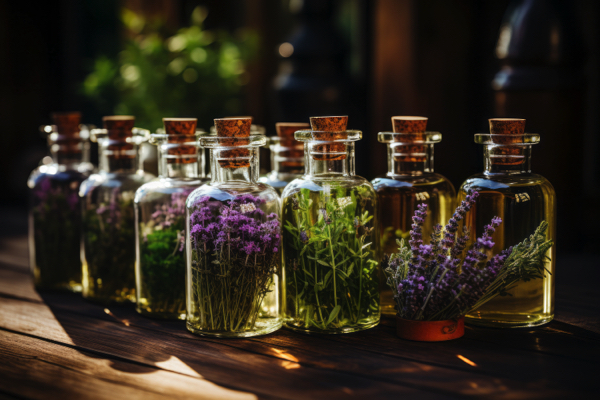
- When money loses value, people will trade goods and skills to survive. Essential oils are a smart, often overlooked bartering item due to their versatility.
- They’re lightweight, long-lasting and serve multiple needs, such as cleaning, hygiene, mental health support and natural remedies, making them highly tradable in a disaster scenario.
- Essential oils like lemon, tea tree and pine can replace commercial cleaners.
- Lavender (soap), peppermint (toothpaste) and tea tree (shampoo) can be used to make homemade care products.
- Frankincense and lavender can reduce stressful feelings, while peppermint can support focus.
When disaster strikes and paper money loses value, bartering will become the currency of survival. History has shown that in times of crisis, whether during the Great Depression or in modern-day economic collapses, people turn to trading goods and skills to meet their basic needs.
While water filters, batteries and hygiene products are commonly stockpiled for bartering, one often-overlooked item could be a game-changer: essential oils.
These concentrated plant extracts aren’t just for aromatherapy. They have practical uses in cleaning, hygiene and supporting mental well-being.
In a long-term survival scenario, essential oils could become highly sought-after commodities. Here’s why you should consider adding them to your bartering stockpile, and which ones will be most valuable. (h/t to OffgridSurvival.com)
Why you need essential oils in your survival stockpile
Unlike bulky supplies, essential oils are lightweight, compact and have a long shelf life if stored properly, such as in dark glass bottles, away from heat and sunlight. They also serve multiple purposes, making them incredibly versatile for trade.
In a post-collapse world, people will still want:
- Cleanliness (to prevent disease)
- Personal hygiene (soap, toothpaste and deodorant)
- Mental relief (stress and anxiety management)
- Natural remedies (for minor ailments)
Essential oils can help with all of these, making them a smart bartering investment.
Best essential oils for bartering
If you're not familiar with essential oils, here are some options that can also be used for bartering in a post-SHTF world.
Cleaning and disinfecting
When commercial cleaners run out, people will need natural alternatives. Essential oils have natural cleaning properties, making them perfect for homemade cleaning solutions. (Related: Declutter and refresh: Natural scents and organization hacks for a spring-ready home.)
Here are some of the best essential oils for bartering:
- Lavender – Lavender essential oil adds a pleasant scent while disinfecting surfaces.
- Lemon – Lemon essential oil is great for degreasing, disinfecting and freshening the air.
- Pine – Pine can be used in floor cleaners and laundry detergents.
- Tea tree – A powerful antiseptic for killing mold and germs.
Offer small bottles of essential oils with simple DIY cleaning recipes attached. People will appreciate the extra knowledge.
Personal care and hygiene
In a crisis, soap, toothpaste and deodorant will be in high demand. Many essential oils can be used to make these products from scratch.
Here are the top picks for bartering:
- Lavender – Soothes skin and can be used in soaps and lotions.
- Peppermint – Peppermint essential oil adds freshness to homemade toothpaste and mouthwash.
- Sandalwood – Sandalwood is a luxurious scent for homemade perfumes and aftershaves.
- Tea tree – Tea tree can help with foot odor and dandruff when added to shampoos.
Pair essential oils with basic ingredients like baking soda or coconut oil to create a complete hygiene kit.
Essential oils for mental well-being
Disasters are stressful. Essential oils can help reduce stressful feelings, support restful sleep and boost morale, all of which are crucial in a crisis.
Top picks for bartering:
- Frankincense – Frankincense essential oil encourages relaxation.
- Lavender – Inspires a sense of well-being and aids sleep.
- Peppermint – Supports healthy energy levels and mental clarity.
If you're bartering, you can attract more people to trade with if you teach them how to use essential oils for stress relief, such as for diffusing, topical application, or inhalation.
How to store and trade essential oils
Here are some suggestions on how to store essential oils in your survival stockpile:
- Buy small bottles (5-15 ml) – Look for smaller bottles, which are easier to trade than large ones.
- Label clearly – Include the essential oil’s name and suggested uses.
- Store in a dark and cool room– Keep in mind that sunlight and heat can degrade essential oils.
- Bundle with recipes – Including a simple guide on how to use essential oils increases their perceived value.
In a post-SHTF world where cash is worthless, essential oils could become a form of liquid gold. Their versatility, long shelf life and high demand in hygiene, cleaning and emotional wellness make them an excellent bartering tool.
By stocking up now and learning about the uses of essential oils, you’ll be prepared not just to survive, but to thrive, even after disaster strikes.
Where to get lab-verified essential oils for your survival stockpile
The Health Ranger Store is here to help you prepare for any emergency. That’s why we’re proud to introduce an assortment of lab-verified essential oils for your prepping needs such as Organic Lavender Essential Oil, Organic Lemon Essential Oil and Organic Peppermint Essential Oil.
Health Ranger's Organic Lavender Essential Oil is carefully extracted from the flowers of Lavandula angustifolia using steam distillation. It has a pleasant and unique floral scent, marked by sweet herbal nuances and rich green accents that will transport your mind to a fragrant lavender field.
Use Organic Lavender Essential Oil to freshen your home, linens and clothes by placing a few drops of this purified essential oil in your diffuser, wardrobe or on your mattress. You can also use it to make DIY soaps, lotions, perfumes, bath salt soaks, massage oils and insect repellents.
Health Ranger's Organic Lavender Essential Oil is non-toxic, non-GMO, non-China and certified organic. It is also extensively lab tested for glyphosate, heavy metals and microbiology.
Health Ranger Select Organic Lemon Essential Oil is a potent, all-natural food grade oil that is extracted from the peel of the Citrus limon fruit. Its powerful cleansing properties and refreshing aroma make it ideal for use as a non-toxic cleaner or air freshener.
Our non-GMO lemon essential oil contains no artificial coloring, flavoring or additives. It is also vegan, certified Kosher and organic, and thoroughly lab tested for glyphosate, heavy metals and microbiology.
Lastly, you can try Health Ranger's Organic Peppermint Essential Oil, which can be used topically or for aromatherapy to support your overall health and well-being.
You can also use peppermint essential oil to keep your breath fresh or to freshen the air in your home naturally. Unlike store-bought fresheners, our premium peppermint essential oil contains no toxic chemicals.
Health Ranger's Organic Peppermint Essential Oil is certified organic and contains no additives or synthetic chemicals. It is thoroughly lab tested for glyphosate, heavy metals and microbiology.
Visit EssentialOils.news for other prepping uses for essential oils. You can also check out Health Ranger Store and Brighteon Store for more supplies for your prepping stockpile.
Click on this link for the Ultimate Prepper Gear Checklist for Outdoor Survival.
Watch this clip about how to incorporate Organic Lavender, Lemon and Rosemary Essential Oils into your skincare routine.
This video is from the Health Ranger Store channel on Brighteon.com.
More related stories:
Top essential oils to include in your spring cleaning routine.
Birch essential oil: A timeless natural remedy for health and wellness.
The healing power of copaiba: An essential oil with ancient roots and modern benefits.
Lavandin: A comprehensive guide to this versatile essential oil.
Sources include:
OffgridSurvival.com
FoodStorageMadeEasy.net
HealthRangerStore.com 1
HealthRangerStore.com 2
HealthRangerStore.com 3
HealthRangerStore.com 4
HealthRangerStore.com 5
Brighteon.com
Why essential oils are must-have barter items when SHTF – NaturalNews.com
If you're gonna fight, fight like you're the third monkey on the ramp to Noah's Ark... and brother its starting to rain. Join our efforts to Secure America's Borders and End Illegal Immigration by Joining ALIPAC's E-Mail Alerts network (CLICK HERE)
-
04-08-2025, 07:49 AM #99Senior Member
- Join Date
- Aug 2018
- Posts
- 92,697
Fight back against CANDIDA OVERGROWTH by deploying these phytochemicals and making healthy lifestyle changes
04/07/2025 // Lance D Johnson // 1K Views
Tags: alternative medicine, Antifungal, antifungal diet, antifungal foods, Black walnut, candida, Clove Oil, cruciferous vegetables, food science, fungal overgrowth, goodfood, goodhealth, goodmedicine, health science, herbal supplements, holistic health, infections, lifestyle changes, natural cures, natural health, natural medicine, natural remedies, Naturopathy, neem, oregano oil, pau d'arco, phytonutrients, remedies
- Modern diets and lifestyles are creating the perfect storm for Candida overgrowth, leading to a range of health issues.
- Experts recommend a holistic approach, including dietary changes and natural supplements, to combat this pervasive fungal threat.
- Six sources of herbal antifungal phytochemicals are identified to help restore gut health and fight Candida.
The modern diet: a breeding ground for candida
In an era where processed foods and sedentary lifestyles dominate, the human body is facing a silent but significant threat: Candida overgrowth. This opportunistic fungus, naturally present in the human gut, can wreak havoc when it proliferates unchecked. According to experts, the key to combating this fungal menace lies in a comprehensive approach that includes dietary adjustments, natural supplements, and lifestyle changes.
The Standard American Diet (SAD) is a primary culprit in the rise of Candida overgrowth. High in processed fats, added sugars, and low in fiber, this diet creates an inflammatory environment that disrupts the gut microbiome. "Many factors can lead to an unhealthy gut," says Amy Bragagnini, a registered dietitian. "A Western diet that is low in fiber and high in processed fats and added sugar is a major factor, as it causes inflammation over time and reduces healthy gut bacteria, making it easier for Candida to grow."
The processing of Western foods, which often involves adding preservatives, heating, and hulling, further exacerbates the problem. While these processes help reduce spoilage and harmful bacteria, they also strip away beneficial bacteria essential for controlling Candida levels. "If the gut is unhealthy, Candida can overgrow and contribute to a weakened immune response," explains Mpho Tshukudu, a functional nutritionist.
Strategies to combat candida overgrowth
To effectively reduce fungal load, it's crucial to avoid the pitfalls that disrupt gut health and implement targeted strategies to restore balance. A diet rich in micro nutrients, prebiotics, probiotics, fermented vegetables, omega-3 fatty acids, and fiber can help reduce fungal species in the gut. "Balance is the key to a healthy microbiome, which is crucial for controlling overgrowths like Candida," emphasizes Bragagnini.
Certain foods and supplements have been shown to combat fungal overgrowth effectively. For example, polyunsaturated fatty acids, found in fatty fish, walnuts, chia, and flax seeds, are known to help fight Candida yeast. Freshly crushed garlic, with its potent antifungal properties, can slow fungal growth by inhibiting an important enzyme and creating small pits on the outer surface of Candida. Garlic also prevents Candida from transforming into its more harmful form and reduces the expression of the gene SIR2 involved in this process.
Six sources of antifungal phytochemicals
Oregano Oil
Oregano oil contains high concentrations of phenols, such as carvacrol and thymol, which disrupt the cell membranes of fungi, leading to their destruction. These phenols also inhibit the production of fungal enzymes, preventing Candida from reproducing and spreading. Additionally, oregano oil's broad-spectrum antimicrobial properties help to balance the gut microbiome, reducing the overgrowth of harmful microorganisms.
Olive Leaf Extract
Olive leaf extract is rich in oleuropein, a compound that interferes with the fungal cell wall, making it difficult for Candida to survive and multiply. Oleuropein also boosts the immune system, enhancing the body's natural defenses against fungal infections. The extract's ability to inhibit biofilm formation further prevents Candida from establishing a stronghold in the gut.
Pau d'Arco
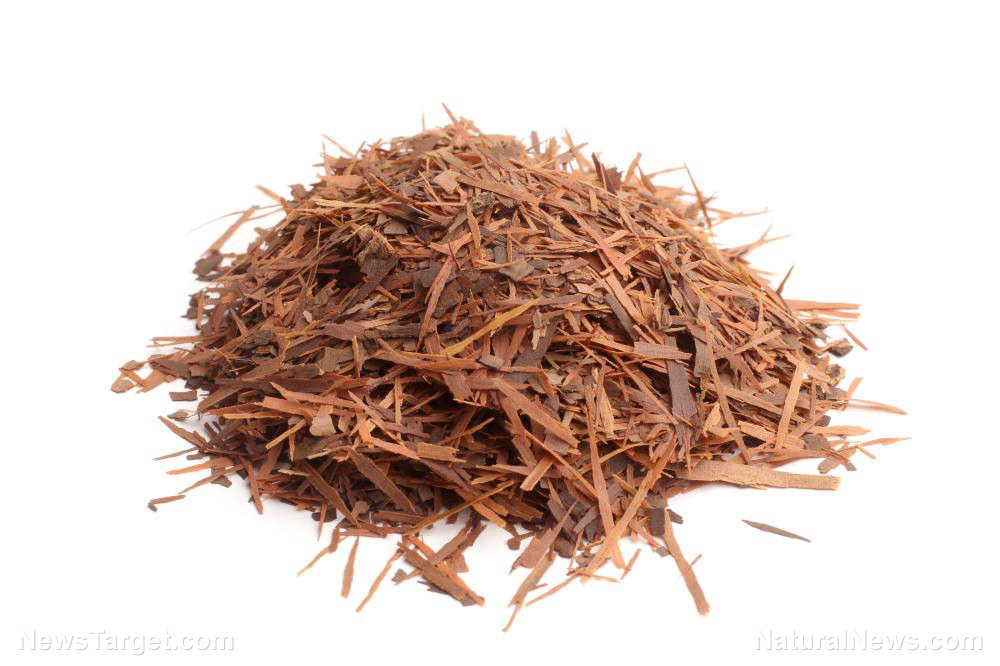
Pau d'Arco contains lapachol, a powerful antifungal compound that damages the cell walls of Candida, leading to their death. This compound also disrupts the metabolic processes of fungi, inhibiting their growth and reproduction. Pau d'Arco's broad-spectrum activity helps to create an environment in the gut that is less favorable for Candida overgrowth.
Black Walnut
The hulls of black walnuts are rich in juglone, a compound that has strong anti-fungal properties and can effectively kill Candida by disrupting its cellular functions. Juglone also has anti-parasitic effects, which can help to eliminate other gut pathogens that might contribute to an imbalanced microbiome. By reducing the overall pathogen load, black walnut supports a healthier gut environment.
Neem
Neem leaves and extracts contain azadirachtin and nimbin, compounds that have potent antifungal properties and can inhibit the growth of Candida by interfering with its cell membrane integrity. Neem also has anti-inflammatory effects, which can help to soothe the gut lining and reduce the symptoms associated with Candida overgrowth. The broad-spectrum antimicrobial activity of neem helps to maintain a balanced gut microbiome, further supporting overall gut health.
Clove Oil
Clove oil is rich in eugenol, a compound that has strong anti-fungal properties and can effectively inhibit the growth of Candida by disrupting its cell membranes. Eugenol also has anti-inflammatory and analgesic properties, which can help to alleviate the discomfort and inflammation associated with Candida overgrowth. The broad-spectrum antimicrobial activity of clove oil helps to create a hostile environment for Candida, promoting a healthier gut microbiome.
An anticandida diet: a holistic approach
An anti-Candida diet focuses on reducing the growth of Candida yeast by limiting carbohydrate and added sugar intake, avoiding yeast-containing foods, and incorporating antifungal foods and supplements. This diet also emphasizes staying hydrated and including cruciferous vegetables and black and blue foods to support detoxification.
Tshukudu provides a sample anti-fungal meal plan that includes:
Upon Waking: Herbal tea or water, such as mint, ginger, cinnamon, or clove tea.
Breakfast: Scrambled or poached eggs with sautéed spinach cooked in coconut oil or extra-virgin olive oil, and a slice of seed crackers or seed bread. Enjoy herbal tea like ginger and turmeric or mint.
Mid-morning Snack: Seed granola with plain yogurt and an herbal tea like rooibos flavored with cinnamon.
Lunch: Grilled chicken with roasted broccoli and cauliflower, drizzled with apple cider vinegar, extra-virgin olive oil, and garlic-herb dressing. Drink water infused with fresh mint and cucumber.
Afternoon Snack: Chia pudding made with coconut milk or cream, cacao powder or nibs, cinnamon, aniseed, and vanilla.
Dinner: Steak with sautéed baby marrow, peppers, and onions. End the day with chamomile tea.
*Also include anti-fungal phytochemicals, as listed above. These natural substances can be purchased and stored in your personal home apothecary, where they can be of use in acute, maintenance, and chronic situations of fungal infections requiring attention.
As the modern world continues to grapple with the consequences of poor dietary choices and lifestyle habits, the fight against Candida overgrowth is more critical than ever. By incorporating antifungal foods and supplements into our diets, we can empower our bodies to heal and maintain a balanced gut microbiome.
Sources include:
TheEpochTimes.com
Pubmed.gov
ScienceDirect.com
Pubmed.gov
Fight back against CANDIDA OVERGROWTH by deploying these phytochemicals and making healthy lifestyle changes – NaturalNews.com
If you're gonna fight, fight like you're the third monkey on the ramp to Noah's Ark... and brother its starting to rain. Join our efforts to Secure America's Borders and End Illegal Immigration by Joining ALIPAC's E-Mail Alerts network (CLICK HERE)
-
04-08-2025, 08:19 AM #100Senior Member
- Join Date
- Aug 2018
- Posts
- 92,697
Cashews: From tropical delicacy to modern superfood
04/07/2025 // Ava Grace // 900 Views
Tags: #nutrition, Cashews, food cures, food is medicine, food science, Fresh, functional food, goodfood, goodhealth, grocery cures, health science, ingredients, natural cures, natural health, natural medicine, nutrients, organics, phytonutrients, prevention, superfoods

- Cashews, originally from northeastern Brazil, were first cultivated and distributed by Portuguese explorers in the 16th century to their colonies in Africa and Asia. Today, they are widely grown in tropical regions, with India and Ivory Coast being the leading producers.
- Cashews are recognized as a superfood due to their rich nutritional content, which include healthy fats, protein and essential minerals. They are particularly high in monounsaturated fats, which can improve heart health by reducing bad cholesterol (LDL) and increasing good cholesterol (HDL).
- Cashews are packed with magnesium, zinc and antioxidants like vitamin E and selenium. These nutrients support muscle, nerve and immune function and help reduce the risk of cardiovascular disease, diabetes and osteoporosis.
- Cashews are a versatile culinary ingredient, used in various cuisines for their creamy and nutty flavor. They are popular among vegans and vegetarians, often favored as a dairy-free alternative (e.g., cashew milk, cashew cheese and creamy sauces).
- In Brazil, cashew apple, the fruit attached to the cashew nut, has been used in traditional medicine to treat sore throat and digestive issues due to its high vitamin C content and antiseptic properties. Cashews also feature prominently in modern dishes like cashew butter, vegan Alfredo sauce and cashew stir-fries.
In the world of nutrition and health, cashews have emerged as a standout superfood, revered for their rich nutritional profile and health benefits. Native to South America, the cashew tree (Anacardium occidentale) has a storied history that dates back centuries.
Today, cashews are cultivated in tropical regions around the globe and are widely recognized for their role in promoting health and wellness.
Brief history of cashews
The cashew tree, originally native to northeastern Brazil, was first encountered by Portuguese explorers in the 16th century. Recognizing the potential of the cashew nut and its fruit, the Portuguese began to cultivate and distribute the tree across their colonies in Africa and Asia.
By the 19th century, cashew cultivation had spread to tropical regions such as India, Vietnam and Nigeria, where it continues to thrive today. According to the United Nations Food and Agriculture Organization (FAO), India and Ivory Coast are the world's leading producers of cashews, contributing significantly to the global market. (Related: If you or a loved one is taking Prozac, consider switching to cashews instead (yes, cashews!).)
Cashews are known by several common names, including caju in Portuguese and anacard in French. The nuts are typically light brown in color, with a kidney-shaped appearance. They have a mild, slightly sweet taste, making them a popular choice in both sweet and savory dishes.
It is important to note that cashews are not actually nuts but rather seeds that grow attached to the bottom of the cashew apple, a tropical fruit with a sweet, tangy flavor.
In Brazil, the cashew apple has been used for centuries to treat various ailments, including sore throats and digestive issues. The juice of the cashew apple is rich in vitamin C and has natural antiseptic properties, making it an effective natural remedy. This historical use underscores the multifaceted benefits of the cashew tree.
Nutrient profile and health benefits
Cashews have gained recognition as a superfood in recent decades due to their impressive nutritional content. Rich in healthy fats, protein and essential minerals, cashews provide a range of health benefits. They are particularly noted for their high levels of monounsaturated fats, which can help improve heart health by reducing bad cholesterol levels (LDL) and increasing good cholesterol levels (HDL). Additionally, cashews are a good source of antioxidants, including vitamin E and selenium, which help protect cells from damage caused by free radicals.
Cashews are packed with essential nutrients, making them a valuable addition to a balanced diet. They are particularly rich in magnesium, which plays a crucial role in muscle and nerve function, and zinc, which supports the immune system and wound healing. Cashews also contain phytonutrients such as flavonoids and proanthocyanidins, which have been linked to various health benefits, including anti-inflammatory and anticancer properties.
- Heart health - Research has shown that regular consumption of cashews can contribute to better heart health. The monounsaturated and polyunsaturated fats in cashews help lower the risk of cardiovascular disease by reducing cholesterol levels and improving blood pressure. A study published in the Journal of Nutritional Biochemistry found that cashews can also help reduce inflammation, a key factor in heart disease.
- Diabetes management - Cashews can be beneficial for individuals with diabetes or those at risk of developing the condition. The low glycemic index of cashews means they don't cause blood sugar spikes, which can help manage blood glucose levels. Additionally, the magnesium in cashews has been shown to improve insulin sensitivity, reducing the risk of Type 2 diabetes.
- Bone health - The high levels of magnesium and copper in cashews make them an excellent choice for maintaining strong bones. Magnesium is essential for bone formation and strength, while copper helps in the development of connective tissues. A diet rich in these minerals can help prevent osteoporosis and other bone-related conditions.
Culinary uses and recipes
Cashews are not only nutritious but also versatile in the kitchen. They can be enjoyed raw, roasted or as a key ingredient in various dishes. In Southeast Asian cuisine, cashews are often used in stir-fries and curries, adding a creamy and nutty flavor. In Western cuisine, they are commonly used in vegan and vegetarian recipes to make dairy-free alternatives, such as cashew milk and cashew cheese.
Cashews are also used to make cashew butter. The nuts are blended into a smooth, creamy spread that can be used as a healthier alternative to peanut butter. Cashew milk, made by blending soaked cashews with water, is a popular dairy-free milk option that is rich in vitamins and minerals. Cashews are also used to make creamy vegan sauces and dressings, providing a rich, nutty flavor without the need for dairy.
Here are some recipes featuring cashews that are worth a try:
- Cashew butter spread - Blend cashews with a bit of oil and a pinch of salt to create a smooth, creamy spread that can be used on toast, crackers or as a dip.
- Vegan Alfredo sauce - Soak cashews overnight, then blend them with garlic, nutritional yeast and plant-based milk to make a creamy, rich sauce for pasta.
- Cashew apple smoothie - Combine the juice of cashew apples with cashew milk, a handful of ice and a touch of honey for a refreshing and nutritious smoothie.
- Cashew stir-fry - Stir-fry cashews with a mix of vegetables, ginger and soy sauce for a quick and healthy meal.
- Cashew cheese - Blend cashews with lemon juice, nutritional yeast and salt to create a tangy, dairy-free cheese that can be used in sandwiches or on crackers.
From their origins in South America to their current status as a global superfood, cashews have a rich and diverse history. Their nutritional value, health benefits and culinary versatility make them a valuable addition to any diet. Whether enjoyed raw, roasted or as a key ingredient in various dishes, cashews continue to play a significant role in promoting wellness and supporting a healthy lifestyle.
This story is not medical advice and is not intended to treat or cure any disease. Always consult with a qualified naturopathic physician for personalized advice about your specific health situation or concern.
For more fascinating insights into superfoods and their health benefits, visit NaturalNews.com. It’s a treasure trove of articles that will deepen your understanding of the healing power of food.
If you’re into cutting-edge technology with a health twist, try Brighteon.ai. Created by Mike Adams, the Health Ranger, this AI model is a free download that you can run on your own device. It’s all about sharing knowledge freely and bypassing the filters of censorship.
And if you’re looking for a place to openly discuss everything from nutrition to natural remedies without any holds barred, Brighteon.com is your go-to spot. Don’t forget to check out their free speech social media platforms, Brighteon.IO and Brighteon.social, where the conversation is always lively and uncensored.
Watch this video to learn why cashews are a must for any diet.
This video is from the Health Ranger Store channel on Brighteon.com.
More related stories:
2 handfuls of cashews is the therapeutic equivalent of…
Cashews boost blood-pressure-regulating reflex
Indonesian really raw cashews pack nutrition and big flavor.
Time to go nuts! Almonds, pecans, walnuts, hazelnuts and cashews, linked to lower risk of colon cancer.
10 Essential nuts to add to your prepping pantry now.
Sources include:
Brighteon.ai
NaturalNews.com
Brighteon.com
Cashews: From tropical delicacy to modern superfood – NaturalNews.com
If you're gonna fight, fight like you're the third monkey on the ramp to Noah's Ark... and brother its starting to rain. Join our efforts to Secure America's Borders and End Illegal Immigration by Joining ALIPAC's E-Mail Alerts network (CLICK HERE)


 Reply With Quote
Similar Threads
-
Half of Greenland's Warming Tied to Natural Causes NATURAL CAUSES?!?! NATURAL CAUSES
By AirborneSapper7 in forum Other Topics News and IssuesReplies: 4Last Post: 05-08-2014, 11:50 AM -
NATURAL BORN FOLLOWS THE NATURAL BIRTH FATHER
By AirborneSapper7 in forum Other Topics News and IssuesReplies: 3Last Post: 04-19-2011, 09:49 PM -
Experts: Placebo power behind many natural cures
By JohnDoe2 in forum Other Topics News and IssuesReplies: 1Last Post: 11-10-2009, 11:03 PM -
Natural Cancer Drug Called CELLADAM Cures Cancer
By CCUSA in forum Other Topics News and IssuesReplies: 0Last Post: 01-23-2009, 04:47 PM -
DRUG COMPANIES USE NATURAL CURES TO DESIGN NEW DRUGS
By Darlene in forum Other Topics News and IssuesReplies: 0Last Post: 03-18-2006, 08:43 PM
Tags for this Thread
alternative medicine,
balance,
chinese herbal medicine,
clean-foods-organics,
cures,
daniel reid,
goodhealth,
goodmedicine,
healing,
herbal medicine,
herbs,
history,
holistic,
natural cures,
natural health,
natural medicine,
naturalnews.com,
plant medicine,
prevention,
qi,
real history,
remedies,
tcm,
traditional chinese medicine,
yin and yang


Debt Remembered And Debt Ignored | The debt paid by America’s...
05-25-2026, 04:13 PM in General Discussion