

Results 121 to 130 of 619
 3Likes
Thread Information
Users Browsing this Thread
There are currently 1 users browsing this thread. (0 members and 1 guests)
 LinkBack URL
 About LinkBacks
-
04-14-2025, 08:46 PM #121Senior Member


- Join Date
- Aug 2018
- Posts
- 95,043
How Vitamins D and B12 could be the missing link in preventing dementia
04/14/2025 // Cassie B. // 450 Views
Tags: alternative medicine, brain function, Cures, dementia, dementia prevention, mental, mind body science, natural medicine, nutrients, prevention, remedies, vitamin B12, vitamin D, vitamin deficiency

- Vitamin D and B12 deficiencies are strongly linked to increased dementia risk, with severe vitamin D deficiency raising risk by nearly 50%.
- Conventional medicine still overlooks preventive nutritional strategies despite overwhelming research.
- Even "normal" B12 levels may not protect against cognitive decline, suggesting current thresholds are insufficient.
- Vitamin D supports brain function by regulating neurotransmitters and memory formation.
- Proactive supplementation of vitamins D (5,000 IU/day) and B12 could be crucial for cognitive health, especially in older adults.
As dementia cases rise globally, cutting-edge research suggests a startling truth: nutritional deficiencies—particularly in vitamins D and B12—could be accelerating cognitive decline. Despite mounting evidence, mainstream medicine has been slow to embrace natural, preventative strategies like targeted supplementation. Studies now show that vitamin D deficiency increases dementia risk by 32–40%, while even "normal" B12 levels may still leave the brain vulnerable. For those seeking to protect their cognitive health, the solution might be simpler—and more overlooked—than most realize.
The dementia crisis and the vitamin gap
Dementia affects 55 million people worldwide, with numbers projected to triple by 2050. Yet conventional approaches remain fixated on pharmaceutical interventions rather than prevention. Research from Oxford University, the University of California San Francisco (UCSF), and meta-analyses in BMC Neurology and Alzheimer’s & Dementia highlight a consistent theme: deficiencies in key vitamins are silently undermining brain health.
Vitamin D deficiency alone raises dementia risk by 32%, with severe deficiency (levels ?10 ng/mL) increasing it by nearly 50%. Meanwhile, UCSF scientists found that even "normal" B12 levels—as currently defined—may fail to protect against cognitive slowing and white-matter damage, early markers of dementia.
Why vitamin D matters for the brain
Vitamin D’s role extends far beyond bone health. It regulates calcium homeostasis, critical for memory formation, and acts as a neuroprotective antioxidant, combating glutamate-induced neuron death. A 2025 BMC Neurology meta-analysis confirmed that maintaining sufficient vitamin D levels could slash dementia risk by a third. Yet 29% of U.S. adults remain deficient—a gap experts attribute to inadequate dietary intake and limited sun exposure.
"Vitamin D supports neurotransmitter function in the brain," explains Dr. Peter Gliebus, a neurologist at the Marcus Neuroscience Institute. "Neurotransmitters are vital chemicals that facilitate communication between nerve cells."
Despite this, mainstream guidelines lag. While the NIH recommends 600–800 IU daily for adults, leading researchers advocate for 5,000 IU of D3 with healthy fats to achieve optimal levels (?50 ng/mL).
B12: The "normal" levels that aren’t enough
Conventional medicine defines B12 deficiency at 148 pmol/L, but UCSF’s study of 231 older adults revealed cognitive slowdowns and brain lesions in those averaging 414.8 pmol/L—far above the threshold.
"Revisiting the definition of B12 deficiency to incorporate functional biomarkers could lead to earlier intervention and prevention of cognitive decline," argues Dr. Ari J. Green of UCSF. The study’s co-author, Alexandra Beaudry-Richard, warns that "subtle manifestations of low B12 may affect a much larger proportion of the population than we realize."
Empowerment through nutrition
The takeaway is clear: proactive nutritional strategies could be a game-changer. While skeptics caution that correlation doesn’t equal causation, the weight of evidence is hard to ignore. For vitamin D, people could aim for 50+ ng/mL through D3 supplements (5,000 IU/day) and healthy fats; for B12, consider supplementation even if levels are "normal," especially after age 50.
With dementia poised to cripple healthcare systems globally, redefining nutritional standards is urgent. The science is clear: vitamins D and B12 are not optional—they’re essential armor against cognitive decline. For now, individuals must take ownership of their brain health, leveraging natural solutions that conventional medicine has yet to fully endorse. The power to prevent dementia may lie not in a pill, but in the vitamins we’ve underestimated for decades.
Sources for this article include:
MindBodyGreen.com
VeryWellHealth.com
FoxNews.com
How Vitamins D and B12 could be the missing link in preventing dementia – NaturalNews.com
If you're gonna fight, fight like you're the third monkey on the ramp to Noah's Ark... and brother its starting to rain. Join our efforts to Secure America's Borders and End Illegal Immigration by Joining ALIPAC's E-Mail Alerts network (CLICK HERE)
-
04-15-2025, 01:40 PM #122Senior Member
- Join Date
- Aug 2018
- Posts
- 95,043
Chasteberry: The ancient hormone-balancing superfruit
04/15/2025 // Ava Grace // 520 Views
Tags: chasteberry, food cures, food is medicine, food science, fruits, functional food, goodfood, goodhealth, health science, herbal medicine, Herbs, hormonal health, Menopause, monks pepper, natural cures, natural health, natural medicine, organics, phytonutrients, plant medicine, remedies, reproductive health, superfood, supplement, women's health
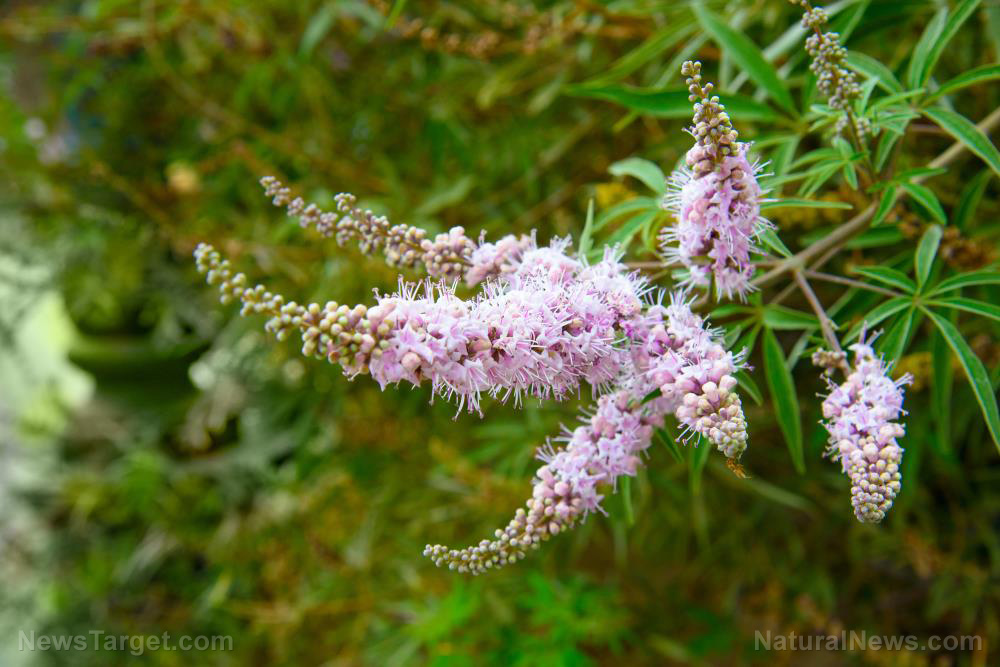
- Chasteberry (Vitex agnus-castus) has a rich history that can be traced back to ancient Greece and Rome, where it was celebrated for its anti-inflammatory and hormonal benefits. Its name, which means "chaste lamb," reflects its historical association with promoting chastity and purity. Native to the Mediterranean, it thrives in temperate climates and is now cultivated globally.
- Chasteberry contains phytonutrients like flavonoids and iridoid glycosides, with notable compounds like agnuside and casticin contributing to its anti-inflammatory, hormone-regulating and menstrual discomfort-relieving properties.
- Chasteberry is said to influence the pituitary gland to regulate progesterone and estrogen levels. It is used to alleviate PMS symptoms, support lactation, reduce menopause symptoms and improve fertility. Its anti-inflammatory properties also make it an effective remedy for skin conditions like acne and eczema.
- Chasteberry’s peppery flavor makes it suitable for teas, tinctures and culinary creations like salad dressings, energy bites and smoothies. Its versatility extends to both traditional remedies and modern wellness practices.
- Chasteberry remains a staple in herbal medicine, with ongoing research exploring its potential for stress relief, sleep improvement and migraine alleviation.
Chasteberry, scientifically known as Vitex agnus-castus, is a fascinating plant with a rich history and a wide array of health benefits. Native to the Mediterranean region, this herb has been used for centuries as a natural remedy for various ailments, particularly those related to hormonal balance and reproductive health. Its unique properties have earned it a place in both traditional medicine and modern wellness practices.
Brief history of chasteberry
Chasteberry has a storied past that can be traced back to ancient Greece and Rome. The plant was first documented by the Greek physician Hippocrates, often referred to as the "Father of Medicine," who noted its ability to reduce inflammation and support female reproductive health. The name agnus-castus translates to "chaste lamb," a nod to its historical use by monks who believed it could suppress libido and promote chastity. This association with purity and moderation gave rise to its common name, chasteberry. (Related: Chasteberry increases fertility in women suffering from premature ovarian aging.)
Chasteberry thrives in the temperate climates of the Mediterranean, where it grows wild along riverbanks and in moist, well-drained soils. Today, it is cultivated in regions with similar climates, including parts of Europe, Asia and North America. Its hardy nature and ability to cross-pollinate — or even self-pollinate — have allowed it to spread and adapt to various environments.
Chasteberry is known by several names across different cultures. It is often referred to as monk’s pepper, Abraham’s balm or simply vitex. These names reflect its historical use and cultural significance. For example, "monk’s pepper" alludes to its use by monks to promote chastity, while "Abraham’s balm" highlights its role in traditional healing practices.
Phytonutrients and medicinal uses
Chasteberry is a small, dark purple fruit that grows in clusters. The berries are roughly the size of peppercorns and have a slightly spicy, peppery taste with a hint of bitterness. This unique flavor profile makes it a versatile ingredient in both culinary and medicinal applications.
Chasteberry is rich in powerful phytonutrients that contribute to its therapeutic properties. Its berries are a great source of flavonoids and iridoid glycosides which are responsible for the plant's many health benefits. One of the most notable compounds in chasteberry is agnuside, which has been studied for its anti-inflammatory and hormone-regulating effects. Chasteberry also contains casticin, a flavonoid that can help alleviate menstrual discomfort and support hormonal balance.
Chasteberry is best known for its ability to regulate hormones, particularly in women. It is often used to address symptoms of premenstrual syndrome (PMS) such as bloating, mood swings and breast tenderness. Research suggests that chasteberry works by influencing the pituitary gland which, in turn, helps balance levels of progesterone and estrogen. This makes chasteberry a popular natural remedy for polycystic ovary syndrome (PCOS) and irregular menstrual cycles.
Chasteberry is also used to support lactation in breastfeeding mothers, reduce symptoms of menopause and even improve fertility. Its anti-inflammatory properties make it useful for addressing skin conditions like acne and eczema. Some studies have explored its potential to alleviate migraines and improve sleep quality, though more research is needed in these areas.
One notable anecdote about chasteberry comes from the Middle Ages, when people believed that placing the plant under one’s pillow could ward off nightmares and promote restful sleep. While this may sound like folklore, modern research has begun to explore the calming effects of chasteberry, particularly in relation to stress and anxiety.
Today, chasteberry is still widely used as an herbal medicine around the world. Its ability to address a wide range of health concerns, from hormonal imbalances to inflammation, makes it a valuable option for people seeking natural remedies.
Culinary uses and recipe ideas
While chasteberry is primarily used as a supplement or herbal remedy, it can also be incorporated into recipes. Its peppery flavor pairs well with savory dishes, and it can be used to make teas, tinctures or infused oils. Below are a few recipe ideas that feature chasteberry:
- Chasteberry tea blend - Combine dried chasteberries with chamomile and lemon balm for a soothing, hormone-balancing tea.
- Spiced chasteberry infusion - Infuse chasteberries with cinnamon, ginger and honey for a warming drink.
- Chasteberry salad dressing - Crush chasteberries and mix them with olive oil, lemon juice and herbs for a unique salad dressing.
- Chasteberry energy bites - Blend chasteberry powder with dates, nuts and cocoa for a nutrient-packed snack.
- Chasteberry smoothie - Add a pinch of chasteberry powder to your favorite smoothie recipe for an extra health boost.
Chasteberry is a testament to the enduring power of nature’s remedies. From its ancient roots in Traditional Mediterranean Medicine to its modern applications especially for supporting hormonal health, this humble berry has stood the test of time. Whether consumed as a tea, tincture or culinary ingredient, chasteberry offers a wealth of benefits for those looking to enhance their wellness naturally.
This story is not medical advice and is not intended to treat or cure any disease. Always consult with a qualified naturopathic physician for personalized advice about your specific health situation or concern.
For more fascinating insights into superfoods and their natural wonders, visit NaturalNews.com. It’s a treasure trove of articles that will deepen your understanding of the healing power of foods.
If you’re into cutting-edge technology with a health twist, try Brighteon.ai. Created by Mike Adams, the Health Ranger, this AI model is a free download that you can run on your own device. It’s all about sharing knowledge freely and bypassing the filters of censorship.
And if you’re looking for a place to openly discuss everything from nutrition to natural remedies without any holds barred, Brighteon.com is your go-to spot. Don’t forget to check out their free speech social media platforms, Brighteon.IO and Brighteon.social, where the conversation is always lively and uncensored.
Watch this video to learn about the many benefits of chasteberry and how to grow them indoors.
This video is from the Holistic Herbalist channel on Brighteon.com.
More related stories:
Herbal remedies for PCOS.
Treating fibroid tumors with homeopathic treatments.
Three herbs to effectively relieve your uncomfortable PMS symptoms.
Women's pain and discomfort from premenstrual syndrome may be lessened by diet changes and natural health remedies.
Women's pain and discomfort from premenstrual syndrome may be lessened by diet changes and natural health remedies.
Sources include:
Brighteon.ai
NaturalNews.com
Brighteon.com
Chasteberry: The ancient hormone-balancing superfruit – NaturalNews.com
If you're gonna fight, fight like you're the third monkey on the ramp to Noah's Ark... and brother its starting to rain. Join our efforts to Secure America's Borders and End Illegal Immigration by Joining ALIPAC's E-Mail Alerts network (CLICK HERE)
-
04-15-2025, 04:18 PM #123Senior Member
- Join Date
- Aug 2018
- Posts
- 95,043
Fermented foods like sauerkraut may outshine modern medicine in gut health, research finds
04/15/2025 // Cassie B. // 80 Views
Tags: Cures, digestion, fermented food, goodhealth, gut health, healing, kimchi, mind body science, remedies, sauerkraut
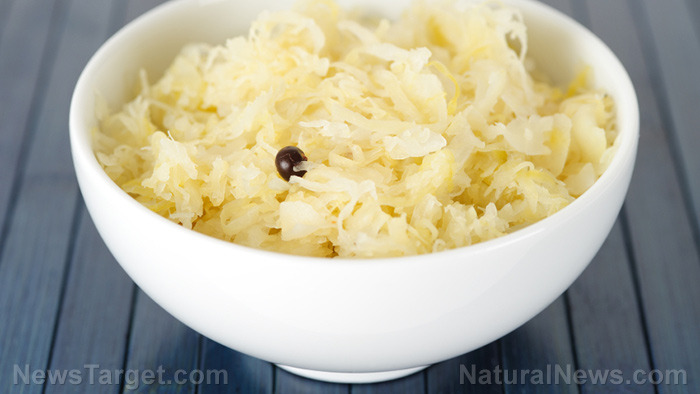
- Traditional fermented foods like sauerkraut are now backed by science for gut health.
- UC Davis research confirms sauerkraut protects gut cells from inflammation and damage.
- Fermented foods offer natural, holistic gut health benefits surpassing synthetic probiotics.
- Chronic inflammation and modern diets contribute to widespread gut health issues.
- Simple, affordable fermented foods can prevent chronic illness better than pharmaceuticals.
For centuries, traditional cultures have relied on fermented foods like sauerkraut, kimchi, and kefir as natural remedies for digestion and overall health. Now, modern science is finally catching up.
A groundbreaking study from the University of California, Davis, reveals that sauerkraut—long dismissed as just a tangy hot dog topping—might be one of the most potent gut-protective foods available. The findings, published in Applied and Environmental Microbiology, validate what natural health advocates have insisted for generations: simple, fermented foods could be far more powerful than pharmaceutical solutions in promoting long-term wellness.
A long-overdue scientific nod to tradition
The research, led by UC Davis food scientist Maria Marco and postdoctoral researcher Lei Wei, examined how fermentation transforms cabbage into a gut-protecting powerhouse. By comparing raw cabbage, store-bought sauerkraut, and lab-fermented versions, they discovered something remarkable: the fermented product actively preserved intestinal cell integrity, shielding them from inflammation-related damage. Raw cabbage? No such benefit.
“Some of the metabolites we find in the sauerkraut are the same kind of metabolites we’re finding to be made by the gut microbiome, so that gives us a little more confidence that this connection we found between the metabolites in sauerkraut and good gut health makes sense,” Marco said. "It doesn't matter, in a way, if we make sauerkraut at home or we buy it from the store; both kinds of sauerkraut seemed to protect gut function."
This revelation is a win for traditional food wisdom. Sauerkraut, which is nothing more than cabbage, salt, and time, contains live bacteria and metabolites that mimic those naturally produced in a healthy gut. Unlike synthetic probiotics or digestive aids, fermented foods like sauerkraut deliver a holistic, food-based solution to gut imbalances.
Gut health isn’t just about digestion—it’s about survival
The gut microbiome influences everything from immune function to mental health, which is a fact mainstream medicine has only recently acknowledged. Chronic inflammation—often fueled by processed foods, stress, and antibiotic overuse—has been linked to autoimmune disorders, depression, and even neurodegenerative diseases. Yet instead of addressing root causes through diet, the pharmaceutical industry spends billions on medications that merely mask symptoms.
Fermented foods offer a different approach. The study found that sauerkraut’s fermentation process generates lactic acid, amino acids, and other metabolites that strengthen the gut lining. Rather than attacking “bad” bacteria with antibiotics, it nurtures a balanced microbiome. As nutritional therapies gain traction, this research suggests that adding beneficial foods may be more effective than restrictive diets alone.
“Along with eating more fiber and fresh fruits and vegetables, even if we have just a regular serving of sauerkraut, maybe putting these things more into our diet, we’ll find that can help us in the long run against inflammation,” Marco noted.
Industrialized food systems, pasteurization, and ultra-processing have stripped many foods of their natural bacteria and enzymes. The result? A global gut health crisis. Where traditional diets—from German sauerkraut to Korean kimchi—prioritized fermentation, modern convenience foods lack these protective elements.
Skeptics argue that probiotics and supplements can replace fermented foods, but research like UC Davis’s suggests otherwise. Whole fermented foods contain complex interactions of microbes and metabolites that isolated supplements can't replicate. And unlike pricey wellness fads, sauerkraut is dirt-cheap, requiring only cabbage, salt, and a jar.
“A little bit of sauerkraut could go a long way,” Marco emphasized. “We should be thinking about including these fermented foods in our regular diets and not just as a side on our hot dogs.”
Healing doesn’t have to be complicated
The beauty of this study isn’t just in its findings; it’s in the simplicity of the solution. While Big Pharma chases blockbuster drugs, a centuries-old kitchen staple might hold the key to preventing (and not just treating) chronic illness. Pair sauerkraut with other fermented staples (kombucha, miso, yogurt) and fiber-rich plants, and the gut thrives.
For those burned out by relentless diet trends and prescription side effects, the message is clear: Sometimes, the best medicine is the food our ancestors trusted all along.
Sources for this article include:
ScienceDaily.com
TUN.com
EatingWell.com
UCDavis.edu
Fermented foods like sauerkraut may outshine modern medicine in gut health, research finds – NaturalNews.com
If you're gonna fight, fight like you're the third monkey on the ramp to Noah's Ark... and brother its starting to rain. Join our efforts to Secure America's Borders and End Illegal Immigration by Joining ALIPAC's E-Mail Alerts network (CLICK HERE)
-
04-15-2025, 04:42 PM #124Senior Member
- Join Date
- Aug 2018
- Posts
- 95,043
Prominent doctors call for new holistic therapies to address CANCER SPIKE: Tree barks provide anti-cancer treatment options
04/15/2025 // Lance D Johnson // 100 Views
Tags: antioxidants, apoptosis, cancer, cancer treatment resistance, Cascara Sagrada, Cat's Claw, Cytotoxicity, dietary changes, environmental chemicals, holistic therapies, immune dysfunction, immune stimulation, inflammation, integrative approach, natural remedies, NF-?B inhibition, Oncology, pau d'arco, personalized medicine, transparent research
- Cancer diagnoses are on the rise, with experts noting unusual trends and treatment resistance.
- Prominent physicians urge a shift towards holistic and natural treatments, including the use of tree barks like Pau d'Arco, Cat's Claw, and Cascara Sagrada.
- Traditional oncology methods are criticized for failing to address the root causes of cancer, such as inflammation and immune dysfunction.
- The panelists advocate for a return to the precautionary principle and more rigorous, transparent research.
- Specific tree barks contain compounds that are anti cancerous, starting with pau do arco, cats claw, and cascara sagrada.
Doctors challenge mainstream cancer treatment paradigm
In a bold challenge to the conventional cancer treatment paradigm, a group of leading medical experts gathered at the Independent Medical Alliance conference in Atlanta, Georgia, from April 4-6, to sound the alarm over a concerning spike in cancer diagnoses and the growing resistance to traditional therapies. The panel, comprising seasoned oncologists and pathologists, called for a radical reevaluation of cancer treatment strategies, emphasizing the need for holistic approaches and the exploration of natural remedies.
Dr. Ray Page, a practicing oncologist with over three decades of experience, shared his observations from the front lines of cancer care. "In my 30 years of practice, the last few years have been unlike anything I've seen," Page said. "The cases I've encountered since the onset of the COVID-19 pandemic are particularly alarming, with trends that deviate from historical patterns." The Centers for Disease Control and Prevention (CDC) reported under 1.8 million new cancer cases in 2021, but the National Cancer Institute projects over 2 million diagnoses by 2024, a significant and troubling increase.
The panelists highlighted the critical role of inflammation and immune dysfunction in the rise of aggressive cancer cases. Dr. Paul Marik, Chief Medical Officer for the alliance, criticized the limitations of traditional oncology methods. "Radiation and chemotherapy often fail to destroy cancer stem cells, the root of malignancy," Marik said. "In fact, radiotherapy can enhance the generation of these stem cells, leading to recurrence and resistance to treatment."
Dr. Ryan Cole, a pathologist, emphasized the complexity of cancer, noting that the disease is not a monolith but a vast array of unique conditions. "The textbooks list over 200 types of cancer, but the reality is far more complex," Cole said. "Each individual's cancer is unique, influenced by trillions of cells and countless variables. This complexity demands a more nuanced and personalized approach to treatment."
Dr. Lynn Fynn, another panelist, pointed to the potential role of inflammation linked to lipid nanoparticles, which are used in mRNA vaccine delivery, as a contributing factor. "We're seeing late-stage diagnoses of aggressive cancers that are resistant to conventional therapies," Fynn said. "Unchecked inflammation is a recipe for disaster, and we need to address this at the root level."
The panelists proposed a comprehensive health strategy that includes dietary changes, reduced exposure to environmental chemicals, and a focus on whole foods. "Avoid chemicals in the diet and eat real food," Fynn advised. "Foods that are free from heavy processing and questionable ingredients can play a crucial role in cancer prevention and treatment."
Natural remedies: the power of tree barks
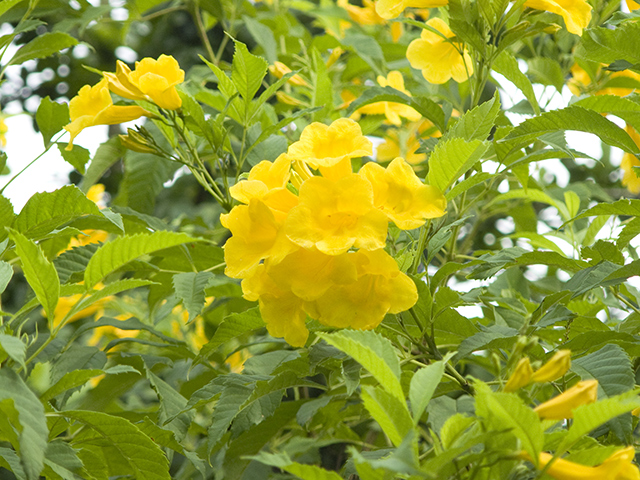
Anti-cancer compounds abound in nature. Three tree barks stand out for their potent anti-cancer properties: Pau d'Arco, Cat's Claw, and Cascara Sagrada.
Pau d'arco: lapachol, a potent anti-tumor agent
Pau d'Arco, derived from the inner bark of the Tabebuia avellanedae tree, has been a staple in traditional South American medicine for centuries. The bark contains several bioactive compounds, with lapachol being the most notable. Lapachol has been extensively studied for its ability to inhibit tumor growth and modulate immune responses.
Antioxidant properties: Pau d'Arco is rich in naphthoquinones, particularly lapachol and beta-lapachone, which exhibit strong antioxidant properties. These compounds help neutralize free radicals and reduce oxidative stress, a key factor in cancer development.
Anti-inflammatory effects: The bark inhibits the production of pro-inflammatory cytokines and reduces the activation of nuclear factor-kappa B (NF-?B), a transcription factor central to the inflammatory response. By modulating inflammation, Pau d'Arco may prevent the microenvironmental changes that promote tumor growth.
Cytotoxicity to cancer cells: Studies have shown that Pau d'Arco bark extracts are cytotoxic to various cancer cell lines, inducing apoptosis (programmed cell death) in prostate cancer cells, for example.
Cat's claw: immune stimulation and cancer prevention
Cat's Claw, or Uncaria tomentosa, is a woody vine native to the Amazon rainforest. The bark and root of the plant have been used in traditional medicine for their anti-inflammatory, antioxidant, and immune-stimulating properties.
Stimulation of immune function: Cat's Claw significantly increases the activity of natural killer (NK) cells, which play a crucial role in the body's defense against cancer by recognizing and destroying tumor cells.
Inhibition of NF-?B activation: Cat's Claw reduces the proliferation of colon cancer cells by inhibiting the activation of NF-?B, a transcription factor often overactivated in cancer cells.
Induction of apoptosis: Extracts from Cat's Claw have been shown to induce apoptosis in various human tumor cell lines, including leukemia.
Anti-inflammatory and antioxidant activities: The bark contains pentacyclic oxindole alkaloids (POAs) and tannins, which exhibit strong anti-inflammatory and antioxidant properties, further supporting its potential as a cancer preventive agent.
Cascara sagrada: emodin induces apoptosis
Cascara Sagrada, derived from the bark of the Rhamnus purshiana tree, is less well-known in the context of cancer treatment but has shown promise in supporting overall health and potentially aiding in cancer prevention.
Laxative properties: Cascara Sagrada is traditionally used as a gentle laxative, which can help maintain a healthy digestive system and reduce the risk of colorectal cancer.
Antioxidant and anti-inflammatory effects: The bark contains anthraquinones - specifically emodin - which have antioxidant and anti-inflammatory properties, contributing to its potential role in cancer prevention.
A call for change and transparency
The panelists concluded that rebuilding public trust in medicine and prioritizing objective, transparent research are essential to addressing the growing complexities of cancer. "The gold standard is a well-controlled, randomized trial," Fynn said. "But with so much conflicted interest in clinical research, we need to critically evaluate new interventions for safety before widespread adoption."
As the medical community grapples with the rising tide of cancer diagnoses, the call for a more holistic and natural approach resonates with many. The use of tree barks like Pau d'Arco, Cat's Claw, and Cascara Sagrada offers a promising path forward, one that aligns with the body's natural defenses and supports overall well-being.
Sources include:
YourNews.com
TheEpochTimes.com
Pubmed.gov
Pubmed.gov
ContemporaryPediatrics.com
Pubmed.gov
Pubmed.gov
Prominent doctors call for new holistic therapies to address CANCER SPIKE: Tree barks provide anti-cancer treatment options – NaturalNews.com
If you're gonna fight, fight like you're the third monkey on the ramp to Noah's Ark... and brother its starting to rain. Join our efforts to Secure America's Borders and End Illegal Immigration by Joining ALIPAC's E-Mail Alerts network (CLICK HERE)
-
04-15-2025, 04:45 PM #125Senior Member
- Join Date
- Aug 2018
- Posts
- 95,043
DMSO and Natural Dyes: A suppressed cancer treatment resurfaces in independent research
04/15/2025 // Finn Heartley // 140 Views
Tags: #nutrition, alternative medicine, Antimicrobial, antioxidant, antiviral, Cures, good food, good health, goodhealth, goodmedicine, healing, health, health benefits, infections, natural antibiotic, natural cures, natural medicine, natural remedies, pain relief, prevention, remedies, spirulina, superfoods

- Mike Adams uncovered research on DMSO and natural dyes (hematoxylin, phycocyanin) that selectively kill tumors with minimal side effects, historically suppressed by the FDA and ACS.
- Phycocyanin (from spirulina) induces cancer cell apoptosis, while hematoxylin (from logwood) combined with DMSO penetrates tissues, targeting malignant cells without harming healthy ones.
- Dr. Tucker’s 1960s research showed success in terminal cases, but the FDA banned DMSO studies in 1965, and the ACS dismissed it despite documented cures, protecting chemotherapy profits.
- Topical DMSO-hematoxylin treats surface tumors, while IV delivery targets deeper cancers; phycocyanin’s anti-angiogenic properties are being explored as complementary therapy.
- Limited access to pure compounds and clinical validation hurdles remain. Adams warns against self-experimentation but urges research into this suppressed, non-toxic alternative to Big Pharma.
Mike Adams of Brighteon Broadcast News and Natural News, has uncovered groundbreaking research on a long-suppressed cancer therapy involving dimethyl sulfoxide (DMSO) and natural dyes like hematoxylin and phycocyanin. Historical studies from Japan and the work of Dr. Eli Jordan Tucker Jr. reveal that this combination selectively targets tumors with minimal side effects—yet was systematically buried by the FDA and the American Cancer Society (ACS).
Adams highlights how phycocyanin, a blue pigment extracted from spirulina, was found in Japanese studies to induce apoptosis (programmed cell death) in cancer cells while sparing healthy tissue. Similarly, hematoxylin, derived from logwood, demonstrated potent tumor-killing effects when combined with DMSO—a solvent that penetrates deep into tissues, delivering therapeutic compounds directly to malignant cells.
The FDA’s War on Alternative Cancer Therapies
Dr. Tucker’s research in the 1960s showed remarkable success in treating terminal cancer patients with DMSO-hematoxylin infusions, including cases of fibrosarcoma and non-Hodgkin’s lymphoma. However, the FDA banned DMSO research in 1965, and the ACS dismissed the therapy as "unproven" in 1971—despite documented cures. Adams argues this suppression was deliberate, protecting the lucrative chemotherapy industry.
"The FDA is a terrorist organization that wants people to be sick and die," Adams stated, citing Tucker’s abrupt dismissal from hospitals and the blacklisting of his work. Meanwhile, international studies continued to validate the therapy’s efficacy, particularly for cervical, breast, and prostate cancers—with no relapse cases reported.
Modern Revival: Topical and IV Applications
Today, independent researchers are revisiting these protocols. Adams notes that topical DMSO-hematoxylin mixtures could treat surface tumors (e.g., skin or breast cancers), while IV delivery shows promise for deeper malignancies. Spirulina-derived phycocyanin, now recognized for its anti-angiogenic properties, is also being explored as a complementary agent.
Challenges remain, including limited access to pure compounds and the need for clinical validation. Adams warns against self-experimentation but urges further study: "This is knowledge the cancer industry doesn’t want you to have."
Conclusion
As interest in non-toxic cancer therapies grows, DMSO and natural dyes represent a paradigm shift—one that challenges Big Pharma’s monopoly. For now, the research lives on in the work of independent scientists and the archives of suppressed medicine.
Watch the April 15 episode of "Brighteon Broadcast News" as Mike Adams, the Health Ranger, talks about the astonishing true story of DMSO, curative dyes, and phycocyanins.
This video is from the Health Ranger Report channel on Brighteon.com.
More related stories:
Spirulina: The protein-packed algae taking over wellness trends
DMSO: A game-changer in the treatment of infectious diseases
Health Ranger Report: Dr. William Makis reveals CANCER PROTOCOLS suppressed by Big Pharma
Sources include:
Brighteon.com
DMSO and Natural Dyes: A suppressed cancer treatment resurfaces in independent research – NaturalNews.com
If you're gonna fight, fight like you're the third monkey on the ramp to Noah's Ark... and brother its starting to rain. Join our efforts to Secure America's Borders and End Illegal Immigration by Joining ALIPAC's E-Mail Alerts network (CLICK HERE)
-
04-15-2025, 08:27 PM #126Senior Member
- Join Date
- Aug 2018
- Posts
- 95,043
The sweet power of Honey: A versatile superfood for health and wellness
04/15/2025 // Laura Harris // 100 Views
Tags: #nutrition, alternative medicine, food cures, food is medicine, food science, functional food, goodfood, goodhealth, health science, honey, natural antibiotics, natural cures, natural health, natural medicine, Naturopathy, nutrients, organics, raw honey, remedies, superfoods
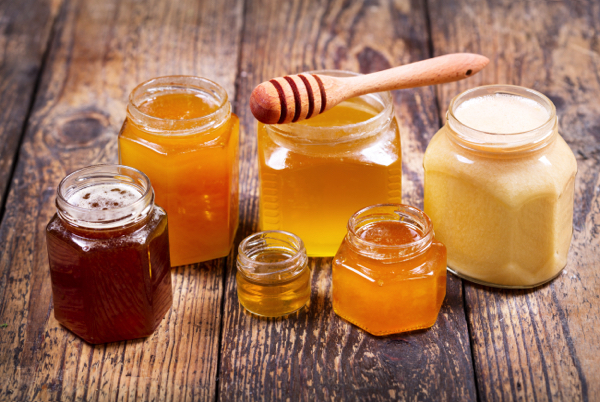
- Honey has been used for millennia as a medicinal remedy and nutrient-rich food, valued in ancient Egyptian, Greek, Roman, Ayurvedic and Chinese traditions for its ability to treat wounds, infections and digestive issues. Modern science confirms its antimicrobial, anti-inflammatory and antioxidant properties.
- Unlike refined sugar, raw honey contains enzymes, antioxidants, vitamins, minerals and prebiotics, enabling this natural sweetener to support immunity, gut health and sustained energy.
- Honey can soothe coughs, fight infections, aid digestion and stabilize energy levels. However, it is high in natural sugars and should never be given to infants due to botulism risk. Avoid adulterated commercial honey.
- Opt for raw, organic honey (local or Manuka) to avoid pesticides, heavy metals and additives. Mass-produced honey often lacks nutrients and may contain harmful additives like corn syrup.
- Use honey in sweet and savory dishes – from oatmeal and golden milk tea to glazed salmon, baklava and homemade dressings – to enhance flavor while boosting health benefits.
For thousands of years, honey has been revered as a superfood and natural remedy, prized for its medicinal properties and rich nutritional profile. From ancient civilizations to modern wellness routines, honey remains a vital ingredient for promoting health, healing and culinary delight.
This golden elixir is more than just a sweetener. It is a powerhouse of nutrients, enzymes and bioactive compounds with remarkable benefits.
Brief history of honey
Honey is a natural substance produced by honeybees from the nectar of flowering plants. Bees collect nectar, break it down into simple sugars and store it in honeycombs, where it ripens into the thick, golden liquid known as honey.
The medicinal use of honey dates back thousands of years, with its earliest documented applications emerging in ancient Egypt (3,000 BCE). Honey was highly valued by the Egyptians as a versatile remedy, cited 500 times in the Smith Papyrus for treating wounds, sores and skin ulcers and also used for embalming and religious offerings.
Ancient healers like Hippocrates also prescribed honey mixed with water and other substances to heal wounds, soothe fevers and alleviate digestive and respiratory ailments. Similarly, Ayurveda and Traditional Chinese Medicine employed honey to balance bodily energies, boost vitality and combat infections.
Though honey remained only as a household staple through the ages, modern science is now reaffirming its antimicrobial, anti-inflammatory and antioxidant properties, validating what ancient civilizations have long recognized.
Its role as a natural antiseptic was so trusted that various cultures, from the Assyrians to the Germans during World War I, applied honey to battlefield wounds — a tradition that persists in contemporary medical research.
Nutritional profile and health benefits
Unlike refined sugar, raw unprocessed honey retains the most nutrients, while highly filtered or heated versions lose many beneficial compounds. Raw honey contains:
- Enzymes (invertase, glucose oxidase) that aid digestion and support immunity.
- Antioxidants (flavonoids, phenolic acids) that combat oxidative stress.
- Vitamins and minerals like B vitamins, vitamin C, calcium, potassium, magnesium and zinc.
- Prebiotics that support gut health by feeding beneficial bacteria.
- Natural sugars (fructose, glucose) for sustained energy without blood sugar spikes (when consumed in moderation).
Honey is widely celebrated not only for its natural sweetness but also for its impressive health benefits, though certain precautions should be kept in mind.
On the beneficial side, honey acts as a potent antimicrobial agent and has proven to be effective against bacteria, fungi and even antibiotic-resistant strains like MRSA and VRE, making it useful in wound care and infection prevention.
The World Health Organization (WHO) recognizes honey as a demulcent, able to soothe sore throats and coughs thanks to its thick consistency. Meanwhile, its sweetness may help suppress cough reflexes. Honey can also serve as a digestive aid, supporting gut health and easing conditions like acid reflux, while its natural sugars provide a quick yet stable energy boost, ideal for active individuals.
However, honey also carries risks. Its high sugar content means overconsumption can contribute to weight gain or blood sugar fluctuations, so diabetics should use it in moderation. Most critically, infants under one year of age should never consume honey due to the risk of infant botulism, a potentially life-threatening condition caused by Clostridium botulinum spores.
Beware of adulterated commercial honey when purchasing at the grocery, as some products are diluted with corn syrup or high-fructose additives. For adults and older children, honey remains a versatile and health-supporting natural remedy when consumed responsibly.
Importance of choosing organic honey
Not all honey is created equal. Manuka honey, while highly beneficial for medicinal use, tends to be more expensive; however, locally sourced raw honey can offer similar health benefits at a lower cost. Be wary of mass-produced, filtered "supermarket" honey, as it often contains harmful additives like antibiotics and high fructose corn syrup while lacking beneficial components. (Related: Always buy local and organic: 75 percent of high-profile honey brands contain NO honey!.)
In contrast, raw, organic honey retains its natural vitamins, antioxidants and pollen content, making it a far healthier choice. Conventionally produced honey may also harbor pesticides (such as neonicotinoids and glyphosate) from contaminated pollen, heavy metals (like lead and cadmium) absorbed from polluted environments and synthetic additives used in industrial beekeeping.
For optimal purity and potency, opt for organic, unfiltered honey – preferably local or Manuka for consumption and therapeutic use.
Culinary uses and recipes
Honey can enhance both sweet and savory dishes. Here are some ways to incorporate honey into your meals:
Breakfast and beverages
- Oatmeal drizzle – Mixed with nuts and berries.
- Golden milk turmeric tea – Paired with warm almond milk.
- Honey lemon water – A detoxifying morning ritual.
Baking and desserts
- Honey cake (Medovik) – A Russian layered dessert.
- Baklava – Phyllo pastry with honey-nut filling.
- Energy balls – Blended with dates and nuts.
Savory and sauces
- Honey-glazed salmon – Sweet and umami balance.
- Honey mustard dressing – For salads and marinades.
- Harissa-honey roasted vegetables – A Middle Eastern twist.
This story is not medical advice and is not intended to treat or cure any disease. Always consult with a qualified naturopathic physician for personalized advice about your specific health situation or concern.
Visit NaturalNews.com, a great article source where you can learn about superfoods and their health benefits.
You can also try Brighteon.ai, an AI model created by Mike Adams, also known as the Health Ranger. This model is available as a free download to be run locally and is designed to help share and decentralize knowledge. By doing so, it aims to bypass censorship and empower people with knowledge.
If you're looking for an uncensored video free speech website where you can openly discuss nutrition, natural medicine, ingredients and more, check out Brighteon.com and out two free speech social media sites, Brighteon.IO and Brighteon.social.
Watch this video to learn about the top six health benefits of honey.
This video is from the Natural News channel on Brighteon.com.
More related stories:
Dark "honeydew" honey contains more antioxidants than light honey.
The healing power of honey: From burns to weak bones, raw honey can help.
Seventy-five percent of honey bought at the supermarket isn't real honey.
Sources include:
Brighteon.AI
NaturalNews.com
Brighteon.com
The sweet power of Honey: A versatile superfood for health and wellness – NaturalNews.com
If you're gonna fight, fight like you're the third monkey on the ramp to Noah's Ark... and brother its starting to rain. Join our efforts to Secure America's Borders and End Illegal Immigration by Joining ALIPAC's E-Mail Alerts network (CLICK HERE)
-
04-16-2025, 09:01 PM #127Senior Member
- Join Date
- Aug 2018
- Posts
- 95,043
Ginger: The healing superfood bridging ancient wisdom and modern science
04/16/2025 // Ava Grace // 80 Views
Tags: alternative medicine, food cures, food is medicine, food science, functional food, ginger, goodfood, goodhealth, goodmedicine, grocery cures, health science, herbal medicine, Herbs, ingredients, natural cures, natural health, natural medicine, plant medicine, remedies
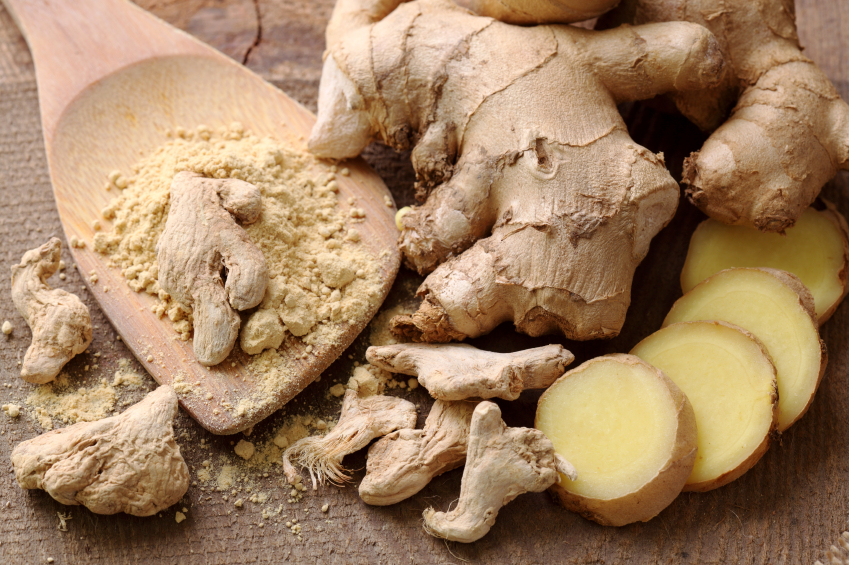
- Ginger is a key herb in traditional medicine, and modern research has confirmed its anti-inflammatory, antioxidant, and antimicrobial properties. It effectively alleviates nausea, combats chronic inflammation and supports digestive health.
- Ginger can be consumed fresh, dried or as a supplement. It is popular for its digestive benefits and is often used as a natural remedy for colds and sore throats.
- Emerging research suggests ginger may help manage blood sugar levels and improve cardiovascular health by reducing oxidative stress and lowering LDL cholesterol and triglycerides.
- Ginger, known by various names across cultures, was highly valued in ancient times and widely used as a spice and a natural remedy for illnesses. Its rich history highlights its enduring appeal and versatility.
- Ginger's culinary uses are diverse. It can add depth to savory dishes like salmon and soups, and sweet treats like gingerbread cookies and energy bites, making it a versatile and flavorful ingredient in both traditional and contemporary cooking.
Ginger, scientifically known as Zingiber officinale, is a flowering plant whose rhizome has been used for centuries as a culinary spice and natural medicine. This herbaceous perennial, native to Southeast Asia, grows annual pseudostems up to one meter tall, adorned with narrow, blade-like leaves.
But it is the knobby, aromatic rhizome beneath the soil that has captured the attention of healers, chefs and wellness enthusiasts alike. From its vibrant flavor to its therapeutic properties, ginger is a true superfood that bridges the gap between ancient wisdom and modern science.
Brief history of ginger
Ginger is known by various names across cultures, reflecting its global significance. In Sanskrit, it is called srngaveram, while in Arabic, it is referred to as zanjabil. In Traditional Chinese Medicine (TCM), it is known as sheng jiang. These names highlight ginger’s deep roots in diverse healing traditions.
Visually, ginger is unmistakable. Its rhizome is beige to light brown on the outside and has a fibrous texture. When cut open, it reveals a pale yellow interior. The shape of ginger root is irregular, often resembling a twisted knot or a hand with outstretched fingers.
The taste of ginger is equally distinctive — spicy, pungent and slightly sweet. Its warmth lingers on the palate, making it a beloved ingredient in both savory and sweet dishes.
Ginger’s history is as rich as its flavor. During the height of the Silk Road, ginger was one of the most prized commodities traded between Asia, the Middle East and Europe. It was so valuable that a pound of ginger was equivalent to the price of a sheep in medieval England.
Traders braved treacherous routes to bring this precious spice to distant lands, where it was used not only for cooking but also as a remedy for the plague and other illnesses. This ancient spice’s journey is a testament to its enduring appeal and versatility.
Healing power of ginger
Ginger has long been revered in traditional medicinal systems, such as Ayurveda and TCM, for its ability to address a wide range of ailments. Modern research has begun to validate many of these claims, revealing ginger’s potent anti-inflammatory, antioxidant and antimicrobial properties. (Related: Ginger: The enemy of type 2 diabetes.)
One of ginger’s most well-documented benefits is its ability to alleviate nausea and vomiting. Studies have shown that ginger can effectively reduce symptoms of motion sickness, morning sickness during pregnancy and nausea induced by chemotherapy. Its active compounds, such as gingerol and shogaol, interact with the digestive and nervous systems to calm the stomach and reduce the sensation of queasiness.
Ginger is also a powerful ally in combating inflammation. Chronic inflammation is a root cause of many diseases, including arthritis, heart disease and certain cancers. Ginger’s bioactive compounds inhibit the production of pro-inflammatory cytokines, making it an effective natural remedy for osteoarthritis and rheumatoid arthritis. Regular consumption of ginger has been shown to reduce joint pain and improve mobility in individuals with these conditions.
For those struggling with digestive issues, ginger can be a game-changer. It stimulates saliva, bile and gastric enzymes, aiding in the breakdown of food and promoting smoother digestion. Ginger is particularly effective in relieving bloating, gas and indigestion. Its carminative properties help expel gas from the intestines, providing relief from discomfort.
Emerging research also suggests that ginger can help diabetics manage their blood sugar levels and improve cardiovascular health. Its antioxidant properties help reduce oxidative stress, a key factor in the development of diabetes and heart disease. Additionally, ginger has been shown to lower LDL cholesterol and triglycerides, further supporting heart health.
Ways to use ginger as a natural remedy
Ginger’s versatility makes it easy to incorporate into daily life. It can be consumed fresh, dried, powdered or as an oil or juice. Many people brew ginger tea by steeping fresh ginger slices in hot water, often adding honey or lemon for extra flavor. This soothing beverage is a popular remedy for colds, sore throats and digestive discomfort.
Ginger supplements, available in capsule or tablet form, are another convenient option for people seeking to enjoy ginger's therapeutic benefits. Ginger oil, meanwhile, can be used in massage therapy to relieve muscle pain and stiffness. Its warming effect helps improve circulation and reduces inflammation when applied topically.
Note that it’s important to consult your healthcare provider before starting any supplement regimen, especially if you're taking medications or have underlying health conditions.
Ginger in the kitchen: recipes to try
Ginger’s culinary applications are endless. Here are some recipes that showcase ginger's versatility:
- Ginger-turmeric immunity soup - A warming broth infused with fresh ginger, turmeric, garlic and vegetables.
- Ginger-lemon energy bites - A no-bake snack made with oats, dates and a kick of ginger.
- Honey-ginger glazed salmon - A savory-sweet dish featuring a ginger-infused glaze.
- Gingerbread cookies - A holiday classic with a spicy twist.
- Ginger-infused green smoothie - A refreshing blend of spinach, pineapple and fresh ginger.
Ginger is more than just a spice — it’s a testament to the power of nature to heal and nourish. Whether used to soothe an upset stomach, reduce inflammation or add depth to a recipe, ginger continues to prove its worth as a versatile and potent superfood. Its rich history, distinctive flavor and many health benefits make it a valuable addition to your pantry and medicine cabinet.
This story is not medical advice and is not intended to treat or cure any disease. Always consult with a qualified naturopathic physician for personalized advice about your specific health situation or concern.
For more fascinating insights into superfoods and their natural wonders, visit NaturalNews.com. It’s a treasure trove of articles that will deepen your understanding of the healing power of food.
If you’re into cutting-edge technology with a health twist, try Brighteon.ai. Created by Mike Adams, the Health Ranger, this AI model is a free download that you can run on your own device. It’s all about sharing knowledge freely and bypassing the filters of censorship.
And if you’re looking for a place to openly discuss everything from nutrition to natural remedies without any holds barred, Brighteon.com is your go-to spot. Don’t forget to check out their free speech social media platforms, Brighteon.IO and Brighteon.social, where the conversation is always lively and uncensored.
Watch this video to learn more about the benefits and uses of organic ginger.
This video is from the Health Ranger Store channel on Brighteon.com.
More related stories:
Ginger improves symptoms of ulcerative colitis, enhances quality of life.
Ginger found to help lower risk of hypertension and coronary heart disease.
Ginger: Prevent and treat common diseases with this powerful natural medicine.
Ginger found to be effective against many different types of cancer.
Ginger naturally suppresses coughs without the addiction-like side effects associated with normal antitussive medicine.
Sources include:
Brighteon.ai
NaturalNews.com
Brighteon.com
Ginger: The healing superfood bridging ancient wisdom and modern science – NaturalNews.com
If you're gonna fight, fight like you're the third monkey on the ramp to Noah's Ark... and brother its starting to rain. Join our efforts to Secure America's Borders and End Illegal Immigration by Joining ALIPAC's E-Mail Alerts network (CLICK HERE)
-
04-17-2025, 05:11 AM #128Senior Member
- Join Date
- Aug 2018
- Posts
- 95,043
Why Matcha Latte fans are obsessed with the ritual, not just the flavor
04/16/2025 // HRS Editors // 100 Views
Tags: #nutrition, antioxidants, food is medicine, functional food, goodfood, goodhealth, matcha, matcha latte, matcha powder, Meditation, mental health, Mind, mindfulness, organics, relaxation, stress relief, superfoods, tips
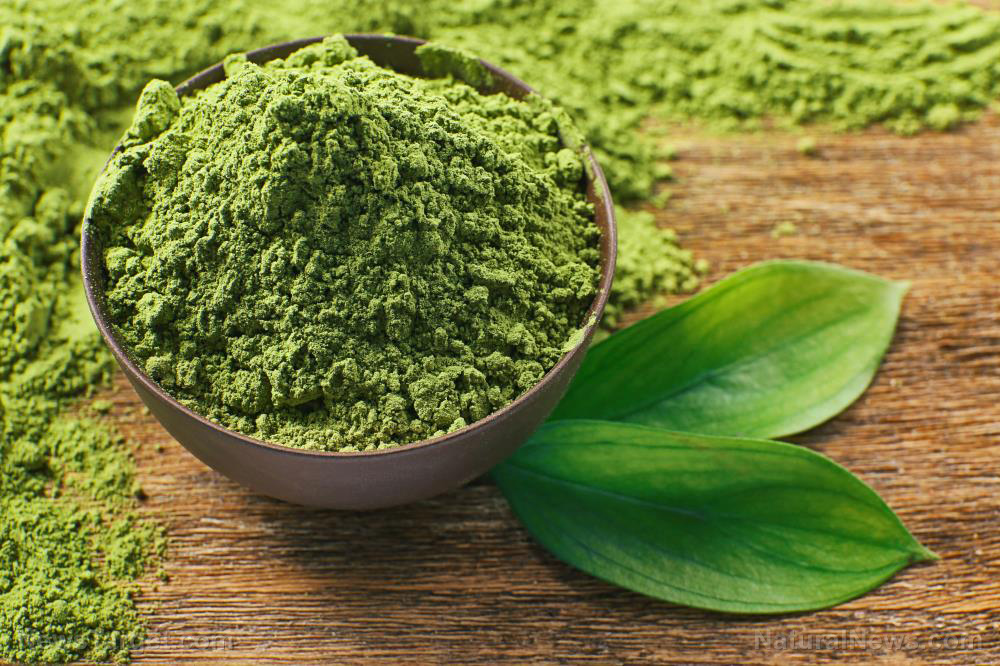
- Making a matcha latte is a calming ritual that encourages presence and focus. Each step promotes relaxation, similar to meditation.
- Matcha contains L-theanine, an amino acid that helps reduce stressful feelings while enhancing focus. Unlike coffee, matcha provides "relaxed alertness" without causing jitters or crashes afterward.
- Matcha’s caffeine content is released gradually, preventing energy crashes. It’s also rich in antioxidants like EGCG, which can support long-term wellness.
- The combination of L-theanine and caffeine can enhance reaction time and naturally uplifts mood by supporting healthy serotonin and dopamine levels.
- Matcha can be added to baked goods, oatmeal, smoothies and iced drinks, making it an easy superfood to incorporate into your daily routine. Its mindful consumption aligns with a balanced, wellness-focused lifestyle.
Matcha latte has taken the wellness world by storm -- not only because of its vibrant green hue and earthy-sweet flavor, but also because of the mindful ritual involved in its preparation. Unlike grabbing a quick coffee on the go, making a matcha latte is a deliberate, calming process, one that fans say brings a sense of presence and tranquility to their day.
But what’s behind this devotion to frothy matcha?
It’s more than just a pretty drink. The act of whisking the bright green powder, watching it dissolve into warm milk and savoring each delicious sip creates a moment of mindfulness, which is an ideal way to start the day or recharge in the afternoon.
Add matcha’s impressive health benefits, and it’s no wonder this drink has become a staple for wellness enthusiasts and meditation practitioners. (h/t to SipSpa.com.au)
The mindful process of making a matcha latte
For many matcha lovers, the preparation is just as important as the drink itself. Unlike coffee, which can be hastily brewed and consumed, matcha requires a certain level of attention.
The traditional method involves sifting the fine powder to avoid clumps, whisking it in warm water until frothy and then adding milk (or your dairy-free alternative) for a creamy finish.
This process encourages slow, intentional movements, similar to meditation or breathwork.
Taking those few minutes to mindfully prepare matcha helps people transition from a rushed morning mindset into a calmer, more focused state.
The science-backed perks of drinking matcha latte
Beyond the ritual, matcha offers a wealth of health benefits that coffee can’t quite match. Thanks to its unique growing and production process, matcha is packed with more antioxidants, amino acids and natural caffeine than regular green tea.
Here’s why health-conscious drinkers swear by it:
L-theanine for calm alertness
Matcha contains an amino acid called L-theanine that supports relaxation without drowsiness. Unlike coffee, which can cause jitters or anxiety, the combination of L-theanine and caffeine in matcha creates a state of "relaxed alertness." It’s no surprise that monks in Japan have used matcha for centuries to stay sharp during long meditation sessions.
This is also why matcha drinkers often report feeling focused yet calm, making it the perfect beverage for work, study or meditation. (Related: Coffee versus matcha: Which gives you better sleep? (Yes, sleep).)
Caffeine without the crash
While matcha contains caffeine -- about 38 to 89 mg per cup depending on strength -- it’s released gradually in the body. Coffee, by contrast, delivers a rapid spike and subsequent crash.
This makes matcha an ideal choice for those who want steady energy without nervousness or fatigue.
Antioxidants for long-term health
Matcha is rich in catechins, which are powerful antioxidants that help fight inflammation and protect cells from damage.
One of these, EGCG (epigallocatechin gallate), has been found to support overall well-being.
Naturally uplifts mood
Drinking matcha can also bring you a sense of well-being. Research suggests that L-theanine can support healthy levels of serotonin and dopamine, the brain chemicals responsible for regulating mood.
Matcha isn't just a beverage, it's part of a broader movement toward mindful consumption. In an era of constant stimulation and caffeine overload, matcha offers a gentler, more intentional way to fuel the mind and body.
Many people incorporate matcha into their morning routine as a replacement for coffee, using the preparation process to induce a moment of calm before their day begins. Others enjoy it in the afternoon as a way to recharge without overstimulation.
For those who struggle with anxiety or stress, the act of making matcha -- slowly whisking, pouring and savoring -- becomes a mini-meditation, reinforcing mindfulness and presence.
Beyond the latte: Creative ways to enjoy matcha
While the classic matcha latte is beloved, matcha is a versatile superfood that can be enjoyed in various ways.
Here are some suggestions on how to incorporate matcha into different dishes and beverages:
- Baked goods – Add matcha to cookies, pancakes, brownies, cupcakes or energy balls for an antioxidant boost.
- Oatmeal or yogurt – Stir a teaspoon of matcha into breakfast bowls with oatmeal or yogurt for extra richness and nutrients.
- Iced matcha – Try iced matcha, a refreshing summer drink made with a splash of coconut water.
- Smoothies – Blend matcha with banana, almond milk and spinach for a nutrient-packed green smoothie.
Matcha lattes are more than just a drink. They’re a celebration of balance, mindfulness and holistic well-being.
While the flavor is certainly a draw, the ritual and health benefits make it a standout choice for those looking to naturally support mental clarity, relaxation and sustained energy.
Whether you're a wellness enthusiast, a meditation practitioner or someone simply looking for a gentler caffeine fix, matcha offers something coffee can't: a moment of tranquility in every sip.
The next time you prepare your matcha latte, take a deep breath, enjoy the process and savor the calm clarity it brings.
Where to get organic Matcha Superfood Latte
The Health Ranger Store is committed to helping you find balance as you maintain your overall well-being by following a balanced diet and consuming a variety of superfoods. That’s why we’re proud to offer clean, lab-verified healthy food options such as our organic Matcha Superfood Latte.
Elevate your wellness routine with Groovy Bee® Matcha Superfood Latte, a clean and naturally energizing beverage made from a powerful blend of organic superfoods. This premium plant-based drink mix is designed to nourish your body and support good health with every sip.
Packed with organic matcha, spirulina, chlorella and a variety of medicinal mushrooms like reishi, shiitake and lion’s mane, our delicious and nutritious matcha latter can help fuel your body and keep you feeling energized and revitalized throughout the day.
Not only is this latte mix non-GMO and certified Kosher, but it is also lab tested for glyphosate, heavy metals and microbiology, ensuring that every ingredient is pure and clean. The inclusion of organic coconut milk powder and monk fruit extract gives it a creamy, subtly sweet flavor, making it the perfect healthy alternative to sugary drinks.
Whether you’re starting your day, powering through a work session or looking for a midday boost, Groovy Bee® Matcha Superfood Latte can help you stay energized, focused and balanced. Enjoy a nourishing, clean, and lab-tested beverage that’s as good for your body as it is for your mind.
Visit Mind.news for more stories about how to care for your mental health and overall well-being. You can also visit Health Ranger Store and Brighteon Store for more superfoods that can support good health.
Click on this link to learn how to make a refreshing Maple Oatmilk Latte.
Watch the video below for more reasons to try our Matcha Superfood Latte.
This video is from the Health Ranger Store channel on Brighteon.com.
More related stories:
Sweet orange: A citrus powerhouse of health and flavor.
Why Organic Coconut Water is nature’s ultimate hydration secret.
Just 10 minutes of mindfulness practice each day boosts your brain as much as 45 minutes of extra sleep.
Curb your anxiety by drinking a cup of matcha green tea.
Sources include:
SipSpa.com.au
Healthline.com
Health.Harvard.edu
HealthRangerStore.com 1
HealthRangerStore.com 2
Brighteon.com
Why Matcha Latte fans are obsessed with the ritual, not just the flavor – NaturalNews.com
If you're gonna fight, fight like you're the third monkey on the ramp to Noah's Ark... and brother its starting to rain. Join our efforts to Secure America's Borders and End Illegal Immigration by Joining ALIPAC's E-Mail Alerts network (CLICK HERE)
-
04-17-2025, 05:19 AM #129Senior Member
- Join Date
- Aug 2018
- Posts
- 95,043
Strategic morning light exposure: A natural solution to combat sleep fatigue
04/16/2025 // Willow Tohi // 190 Views
Tags: alternative medicine, artificial light, circadian rhythm, discoveries, electric lighting, goodhealth, goodmedicine, goodscience, melatonin, Mind, mind body science, natural cures, natural health, natural light, natural medicine, real investigations, remedies, research, sleep, sleep fatigue, sunlight

- A study by Osaka Metropolitan University researchers found that exposure to natural light before waking (20-minute dawn simulation) significantly reduces sleepiness and boosts alertness, outperforming both continuous light and artificial darkness.
- Over two-thirds of Americans suffer from sleep disorders linked to diabetes, depression and cancer — a crisis exacerbated by artificial lighting, which disrupts circadian rhythms and melatonin production.
- The study highlights the biological importance of natural light’s gradual intensity (like dawn), contrasting it with harmful artificial light exposure at unnatural times.
- Researchers propose light-adaptive architecture (e.g., motorized curtains, east-facing bedrooms) to mimic natural cycles, reducing reliance on sleep medications and prioritizing prevention over synthetic solutions.
- The findings support critiques of conventional medicine’s overreliance on pharmaceuticals, advocating for holistic approaches like light therapy and biophilic design to restore natural sleep patterns.
A recent study by Osaka Metropolitan University researchers reveals that timed exposure to natural light in the bedroom before waking significantly alleviates morning fatigue and enhances alertness, offering a potential antidote to pervasive sleep-related struggles in modern society. Published in Building and Environment, the research underscores how natural light’s rhythm, absent from contemporary artificial-lit environments, could reshape how we prioritize sleep quality. With over two-thirds of Americans suffering from sleep disorders — linked to diabetes, depression and cancer — the findings arrive amidst growing concerns about the health impacts of 24-hour artificial illumination.
The dawn experiment: How natural light enhances alertness
Conducted by graduate student Xiaorui Wang and Professor Daisuke Matsushita, the study tested 19 participants across three scenarios: exposure to natural light for 20 minutes before waking (Condition IA), continuous light from dawn until waking (Condition IB), and no natural light (Condition CC). Data — gathered through ECGs, EEGs and self-reported surveys — showed participants in IA and IB exhibited markedly reduced sleepiness compared to CC. Critically, IA proved optimal, outperforming IB, where excessive light caused alertness to decline.
The results challenge conventional sleep research, which primarily relies on artificial light for its simplicity, and instead advocate for the biological relevance of natural light’s nuanced fluctuations. “Our findings highlight the importance of simulating natural light cycles to align with circadian rhythms,” said Matsushita. The team envisions systems that dynamically adjust light exposure based on seasonal and daily cycles, fostering environments tailored to human physiology.
A legacy of artificial light: Disrupted rhythms and modern health crisis
Before the Industrial Revolution, dawn marked the transition between sleep and wakefulness, synchronizing circadian rhythms with sunlight. The advent of electric lighting, however, turned nights into days, fracturing this harmony. Modern bedrooms, illuminated by smartphones and ceiling lamps, now perpetuate a disconnect with nature’s cues, exacerbating sleep fragmentation. As Natural News emphasizes, artificial light disrupts melatonin production, a hormone tied to sleep regulation and cancer prevention, leaving over 150 million Americans vulnerable to chronic illnesses.
The Osaka study contextualizes this crisis: its participants’ improved alertness under IA mirrors our evolutionary alignment with dawn’s gentle light crescendo. Conversely, the adverse effects of excessive light in IB reflect a contemporary paradox — too much artificial stimuli at the wrong time. “Modern lifestyles have distanced us from nature’s sleep blueprint,” said Dr. Joy Sanjay, a sleep specialist, citing light as both remedy and disruptor.
Designing spaces for sleep health: Natural light as a building block for wellness
Architectural design must now reconcile biology and functionality, a shift the Osaka research pioneers. Matsushita’s vision — to engineer light-adaptive living spaces that mirror natural transitions — echoes movements advocating for biophilic design. Imagine homes with motorized curtains responding to sunrise or urban housing with eastward-facing bedrooms prioritized in construction. Such innovations could mitigate the “sleep famished” urban population’s reliance on pharmaceuticals for rest.
The study also recalibrates discussions about health institutions’ focus on pills over prevention. Natural News highlights the critique of conventional medicine’s leap toward synthetic solutions, urging instead holistic practices like light therapy or sleep sanctuaries. By embedding nature into design, architects and policymakers could democratize pathways to healthier sleep.
Toward a sunlit future — reimagining sleep through environmental science
As urbanization intensifies and screens dominate our lives, the Osaka study reignites the imperative to harmonize with nature’s cues. Its call to regulate light exposure aligns with broader movements questioning the costs of modernity — from sleep loss to squandered wellness. By returning to dawn’s gentle illumination, society might awaken not just to mornings, but to a paradigm shift: prioritizing environmental science to forge healthier, more sustainable rhythms. In Matsushita’s words, the path forward is “illuminated by the sun — if we dare to embrace it.”
Sources include:
ScienceDaily.com
Bioengineer.org
TechExplorist.com
Strategic morning light exposure: A natural solution to combat sleep fatigue – NaturalNews.com
If you're gonna fight, fight like you're the third monkey on the ramp to Noah's Ark... and brother its starting to rain. Join our efforts to Secure America's Borders and End Illegal Immigration by Joining ALIPAC's E-Mail Alerts network (CLICK HERE)
-
04-17-2025, 04:15 PM #130Senior Member
- Join Date
- Aug 2018
- Posts
- 95,043
Food as medicine: Groundbreaking research shows diet outperforms painkillers for chronic pain relief
04/17/2025 // Cassie B. // 20 Views
Tags: Censored Science, chronic pain, food, goodhealth, grocery cures, healing food, Herbs, pain relief, prevention, research
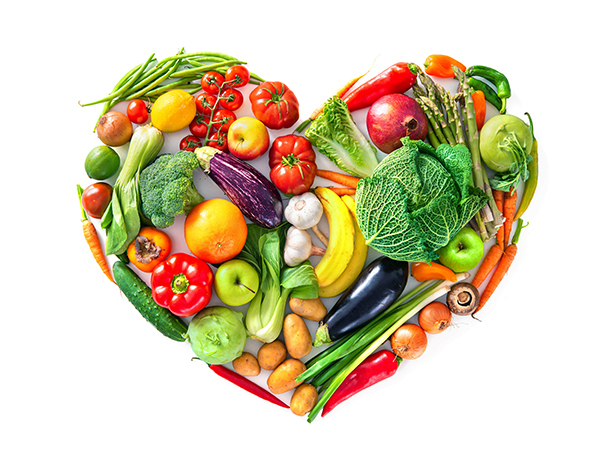
- Diet can reduce chronic pain more effectively than medications, without harmful side effects.
- A study links higher-quality diets with lower pain levels, even in overweight individuals.
- Anti-inflammatory foods like fruits, vegetables, and omega-3s combat pain at its root.
- Processed foods worsen inflammation, while whole foods provide natural pain relief.
- Women experience significant pain reduction when following anti-inflammatory eating patterns.
For millions battling chronic pain, relief might not come from a pill bottle; it could come from their grocery cart. New research reveals that dietary choices—particularly whole, anti-inflammatory foods—can reduce pain severity more effectively than traditional medications, without the risks of side effects or dependency.
A landmark study from the University of South Australia, published in Nutrition Research, found that higher-quality diets directly correlate with lower pain levels, regardless of body weight. This discovery challenges conventional pain management and offers a natural, accessible alternative.
The diet-pain connection uncovered
The study analyzed 654 adults, measuring their pain levels against diet quality scores. Strikingly, those who ate more fruits, vegetables, whole grains, and lean proteins reported significantly less pain, even if they were overweight. As the researchers noted, “Better diet quality is associated with lower bodily pain, irrespective of adiposity.” The findings were especially pronounced in women, suggesting gender-specific dietary impacts on pain sensitivity.
The study underscores that processed foods—loaded with sugar, salt, and unhealthy fats—fuel inflammation, while whole foods cool it.
Why food beats pharmaceuticals
Chronic pain, often treated with anti-inflammatory drugs or opioids, carries risks like addiction, digestive damage, and worsened conditions over time. In contrast, nutrient-dense foods address pain at its root. Physicians and scientists note that nutrients combat pain in four key ways: reducing injury-site damage, cooling inflammation, blocking pain signals in nerves, and lowering brain sensitivity to pain.
For example, omega-3 fatty acids in fatty fish like wild salmon dampen inflammatory responses, while magnesium-rich leafy greens relax nerve tension. Even dark chocolate, packed with flavonoids, acts as a natural analgesic.
"A higher-quality diet can reduce chronic pain by minimizing inflammation and oxidative stress through nutrient-dense foods rich in vitamins, minerals, and antioxidants. These dietary patterns support overall health and reduce systemic inflammation, which is a known contributor to pain," Dr. Thomas S. Holland told Medical News Daily.
"To contrast this, a lower-quality diet, like a standard American diet/Western diet—high in refined carbohydrates, saturated fats, and added sugars—can substantially increase inflammation and oxidative stress, which will worsen pain and potentially make it last longer.”
Core foods for pain relief
The research highlights specific dietary strategies for pain management:
- Anti-inflammatory staples: Oily fish, nuts, seeds, and herbs like turmeric.
- Fiber-rich foods: Whole grains and legumes reduce gut inflammation linked to joint pain.
- Plant-based focus: Soy foods and teas (such as green tea) lower oxidative stress.
Notably, the study found that women who adhered to these guidelines saw dramatic pain reduction—likely due to hormonal and immune system differences.
A paradigm shift in pain management
This research aligns with a growing movement toward holistic health. For conditions like arthritis or migraines, diet adjustments may offer relief where drugs cannot—without the side effects of drowsiness, constipation, or liver damage linked to painkillers.
The message is clear: Food isn’t just fuel—it’s medicine. As science continues to decode the diet-pain link, the prescription for chronic suffering might start at the dinner table.
Chronic pain sufferers now have compelling evidence that dietary choices can be as powerful as prescriptions. With inflammation at the core of many pain conditions, embracing whole foods isn’t just preventative—it’s therapeutic. As research reshapes pain management, the simplest solution may be the most profound: Eat well to hurt less.
Sources for this article include:
NaturalHealth365.com
ScienceDirect.com
MedicalNewsToday.com
MedicalXpress.com
Food as medicine: Groundbreaking research shows diet outperforms painkillers for chronic pain relief – NaturalNews.com
If you're gonna fight, fight like you're the third monkey on the ramp to Noah's Ark... and brother its starting to rain. Join our efforts to Secure America's Borders and End Illegal Immigration by Joining ALIPAC's E-Mail Alerts network (CLICK HERE)


 Reply With Quote
Similar Threads
-
Half of Greenland's Warming Tied to Natural Causes NATURAL CAUSES?!?! NATURAL CAUSES
By AirborneSapper7 in forum Other Topics News and IssuesReplies: 4Last Post: 05-08-2014, 11:50 AM -
NATURAL BORN FOLLOWS THE NATURAL BIRTH FATHER
By AirborneSapper7 in forum Other Topics News and IssuesReplies: 3Last Post: 04-19-2011, 09:49 PM -
Experts: Placebo power behind many natural cures
By JohnDoe2 in forum Other Topics News and IssuesReplies: 1Last Post: 11-10-2009, 11:03 PM -
Natural Cancer Drug Called CELLADAM Cures Cancer
By CCUSA in forum Other Topics News and IssuesReplies: 0Last Post: 01-23-2009, 04:47 PM -
DRUG COMPANIES USE NATURAL CURES TO DESIGN NEW DRUGS
By Darlene in forum Other Topics News and IssuesReplies: 0Last Post: 03-18-2006, 08:43 PM
Tags for this Thread
alternative medicine,
balance,
chinese herbal medicine,
clean-foods-organics,
cures,
daniel reid,
goodhealth,
goodmedicine,
healing,
herbal medicine,
herbs,
history,
holistic,
natural cures,
natural health,
natural medicine,
naturalnews.com,
plant medicine,
prevention,
qi,
real history,
remedies,
tcm,
traditional chinese medicine,
yin and yang


Exclusive: Marsha Blackburn Reintroduces ‘Ban Birth Tourism Act’...
07-18-2026, 04:20 PM in illegal immigration News Stories & Reports